

Kathmandu: 15-Day Everest Base Camp Trek with Guide offers an unforgettable journey through some of the world’s most breathtaking mountain scenery, blending adventure, culture, and authentic Sherpa hospitality. Starting from Nepal’s vibrant capital, Kathmandu, you’ll hop aboard a flight to Lukla, the gateway to the Himalayas, and spend a little over two weeks trekking through iconic villages, monasteries, and national parks.
What we love most about this trek is how small group sizes foster a more intimate and personalized experience, and the knowledgeable guides ensure you gain not just spectacular views but a deeper understanding of Sherpa culture and Himalayan history. The option to suit various fitness levels makes this trek accessible for many, which is a big plus for those who want an authentic adventure without overly intense demands.
A potential consideration is the weather, especially in the early or late season, which can impact flight schedules and visibility — a common challenge in high-altitude trekking. Still, flexibility and good planning can minimize these issues.
This tour is perfect for curious travelers who want a well-organized, meaningful Himalayan experience without sacrificing comfort or culture. Whether you’re an experienced trekker or a first-time adventurer, you’ll find value here—especially if you appreciate expert guidance, genuine local insights, and scenic beauty.
Key Points
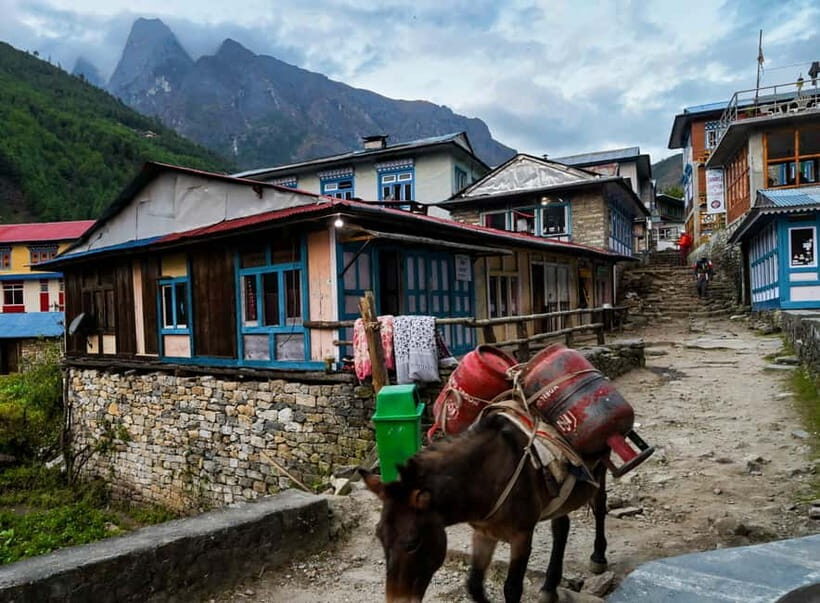
- Small Group Atmosphere: More personalized attention and a chance to connect with fellow travelers.
- Expert Guides: Local Sherpa guides with extensive knowledge enhance the cultural and natural experience.
- Comprehensive Itinerary: Includes visits to iconic sites like Kathmandu Durbar Square, Tengboche Monastery, and Kalapathar for spectacular views.
- Acclimatization Days: Strategically placed rest days to help your body adjust to high altitude.
- Flexible Accommodation Options: Comfortable guest houses during the trek and hotel stays in Kathmandu.
- Authentic Cultural Encounters: Opportunities to meet Sherpa villagers and explore Buddhist monasteries.
Starting in Kathmandu gives you a taste of Nepal’s bustling city life before heading into the mountains. The initial sightseeing tour—visiting Kathmandu Durbar Square, Swayambhunath, Boudhanath, and Pashupatinath Temple—sets the scene with vibrant temples and bustling markets. Many reviewers, like Lionel Rémy, highlight the benefit of this guided city tour, noting that “they helped me get all the trekking gear I needed,” which is a real plus for travelers new to trekking logistics.
Flight to Lukla marks the beginning of the adventure. The tiny airport here is famously dramatic, with a short runway perched on a hillside. Once in Lukla, the trek really begins, with an easy walk to Phakding, where you’ll get your first glimpses of Sagarmatha National Park, a UNESCO World Heritage Site. The chance to encounter Buddhist monasteries and Sherpa villagers right from the start adds a meaningful cultural layer to your journey.
Climbing to Namche Bazaar on Day 4 introduces you to the heart of Sherpa culture and some of the most stunning Himalayan vistas. The trek follows the Dudh Koshi River, with lush rhododendron forests and panoramic views of snow-capped peaks. We loved how the small group setting fosters camaraderie, making the long walks more enjoyable. And, as one reviewer noted, “the guides were very professional, and the meals and hotels in the mountains were excellent,” which speaks to the overall value.
Acclimatization is well managed with a rest day in Namche, plus an optional hike to the Everest Viewpoint at Syangboche—an ideal way to help your body adjust to the higher elevations. This thoughtful pacing helps prevent altitude sickness, a real concern on high-altitude treks.
Trekking through Tengboche to the monastery at 3,867 meters immerses you in Tibetan Buddhist culture. The monastery’s location on a ridge offers some of the best views of Everest and surrounding peaks. Many hikers, like Olivia, appreciated guides who “helped a lot with mountain knowledge,” enhancing the experience beyond just scenery.
The journey continues through Dingboche, passing charming Sherpa villages and the impressive Khumbu Glacier. The trip to Chhukung Valley is a highlight, often described as one of the world’s best hikes, offering impressive mountain scenery. Reviewers like Gokul’s client, noting that the guides “organized everything perfectly,” attest to the tour’s attention to detail.
Getting closer to Everest involves trekking to Lobuche and then Gorakshep, the latter being the starting point for the final push to Everest Base Camp. Rising early to Kalapathar for a panoramic view of Everest is a classic moment, with many appreciating the effort. It’s a short but steep climb, rewarding trekkers with some of the most iconic Himalayan vistas.
Descending back through Namche and Lukla is bittersweet; the long walk is a test of endurance but also an opportunity to reflect on the journey. The trek’s final days are a good reminder that high-altitude travel is as much about mental resilience as physical stamina.
Returning to Kathmandu marks the end of your Himalayan adventure, giving you time to relax and absorb the experience. Many reviews mention how well-organized the trip was, with Kumar and Santos helping during tough moments, and guides “being very kind and helpful throughout the stay.”
Guided Cultural Experiences: Alongside the physical challenge, you’ll learn about Sherpa culture, Buddhist traditions, and mountain life from guides who live and breathe this environment. Many reviewers praise the guides’ knowledge and caring attitude, making the trek more than just a walk in the mountains.
Accommodation and Food: Staying in comfortable guest houses each night and enjoying hearty, local meals makes the experience more enjoyable. The balance between rustic mountain lodges and the comfort of hotel stays in Kathmandu provides both adventure and relief.
Altitude Acclimatization Planning: The inclusion of rest days and hikes to acclimatization points like Syangboche or Kalapathar shows a thoughtful approach to high-altitude trekking, which can make or break your trip.
Flexibility and Support: The tour’s ability to adapt, as seen in reviews where plans changed due to weather, highlights the professionalism of the team. They’re prepared to offer alternatives, ensuring you still get a memorable experience.
While the tour isn’t cheap, it offers considerable value. The cost covers all permits, guides, accommodation, meals, and airport transfers, which are often added costs if you plan independently. Many reviews emphasize how well-organized and professional the service is, making the expense worth it for peace of mind and a smoother trip.
Guided city tours and support staff add extra value for those unfamiliar with Kathmandu or high-altitude trekking logistics. The inclusion of equipment like down jackets and sleeping bags further reduces unexpected costs.
This tour suits travelers who desire a well-organized Himalayan experience with authentic cultural insights. It’s ideal if you’re looking for a small group setting with personalized attention, especially if you’re eager to learn about Sherpa life and Buddhist monasteries.
While it’s accessible for various fitness levels, some days are physically demanding, so a moderate level of fitness is recommended. The trip is perfect for those who appreciate a balanced mix of adventure, culture, and comfort—and are prepared for the high-altitude challenges.
What is included in the tour price?
The tour covers airport/hotel transfers, accommodations in Kathmandu and mountain guest houses, guided city tour, permits, trekking permits (TIMS and Everest National Park), guide services, and some equipment like jackets and sleeping bags if needed.
Are meals included during the trek?
No, meals during the trek are not included, but many reviews mention they enjoyed hearty, mountain-style meals and good local food. You’ll want to budget for breakfast, lunch, and dinner during those days.
What about flight schedules?
Flights from Kathmandu to Lukla are included in the itinerary, but the cost of these flights is not included. Note that weather can sometimes cause delays or cancellations, so flexibility is key.
Is this trek suitable for all fitness levels?
The tour offers options to suit various fitness levels, with acclimatization days built into the schedule. However, some days involve high-altitude climbs and long walks, so moderate fitness is recommended.
How do guides ensure safety at high altitude?
Guides manage acclimatization with rest days and hikes to higher points like Syangboche or Kalapathar. Their knowledge and experience help minimize altitude sickness risks and handle emergencies effectively.
What is the group size?
The tour is designed with small group sizes for a more personalized experience, though the exact number isn’t specified. Smaller groups mean more attention from guides and a better chance to connect with fellow travelers.
What should I bring?
Pack comfortable walking shoes, sunglasses, layered clothing for variable weather, and any personal essentials. The tour provides some gear, but personal items are important for comfort and safety.
In summary, this Everest Base Camp trek by Outshine Adventure offers a well-rounded, culturally rich, and scenic Himalayan experience for those who want guidance, comfort, and authentic encounters. The knowledgeable guides, stunning vistas, and thoughtful planning make it a worthwhile choice for anyone dreaming of standing beneath the world’s highest peaks, while also soaking in Sherpa traditions and mountain hospitality.
You can check availability for your dates here:
More Hiking & Trekking Tours in Kathmandu
Love the outdoors? Here are other hiking experiences we've covered in Kathmandu
You can check availability for your dates here:More Guided Tours in Kathmandu
- Kathmandu: 10-Day Annapurna Circuit Guided Trek via Tilicho
- Full Day Guided Tour in Kathmandu
- Kathmandu: Nagarkot Sunrise and Dhulikhel Hike with Guide
- Kathmandu: Private Guided Spiritual Tour & Shanti Puja
- Kathmandu: 4-Day Heritage and Culture Tour with Guide
- Visit Swayambhunath and Bauddhanath Stupa with Guide
More Tour Reviews in Kathmandu
More Kathmandu experiences we've covered
- Luxury Everest Base Camp Trek – 11 Days
- From Kathmandu: Langtang Valley Trekking Adventure
- Rafting in Nepal: Trishuli, Bhotekoshi & Other River Rafting
- 14 Days Everest Base Camp Trekking
- Everest Base Camp Trek
- Pokhara: 3-Day Trek to Astam, Dhampus & Australian Camp
- 11-Day Hike Tour to Annapurna Base Camp Bliss in Kathmandu
- 10 Days Annapurna Base Camp Trek from Kathmandu
- Kathmandu: 10-Day Annapurna Circuit Guided Trek via Tilicho
- Nagarkot Sunrise and Sunset Tour from Kathmandu
- Kathmandu: Kailash Mansarovar Yatra Tour 2025
- Nagarkot Sunrise With Trip To Changu Narayan and Bhaktapur