Takayama’s food tells a story of place: Hida beef, soy-based ramen, and Gohei Mochi all make more sense when you learn about them in the town where they are made. This 10 a.m. to 2:30 p.m. walk ties those flavors to the old streets, a Showa-era museum, and a final sake tasting.
I like two things in particular: you get a guided introduction to several local foods, rather than having to guess what to order, and the Showa-Kan adds a slice of everyday Japanese life beyond the historic town center. One possible drawback is the pace: four and a half hours covers several stops, so you may want more time to linger in the market or browse the old town afterward.
At a glance
- Miyagawa Market opens the food walk with local treats, produce, and handmade goods.
- Sanmachi Suji brings Hida Beef Stick, a beef bun, sushi, and Gohei Mochi into the day.
- Takayama ramen is served at a popular local restaurant for lunch.
- Takayama Showa-Kan offers a look at Japanese life from 1926 to 1989.
- Sake tasting closes the guided portion, with an introduction to traditional brewing.
- Takayama Station is both the meeting point and the return point, with the tour scheduled for 10 a.m. to 2:30 p.m.

👉 See our pick of the The 3 Top Workshops & Classes In Takayama: Which Is Best?
- At a glance
- A food walk with more than snacks
- Starting at Miyagawa Market
- Eating your way along Sanmachi Suji
- Takayama ramen at lunchtime
- Everyday Japan at the Showa-Kan
- Finishing with Takayama sake
- What the price buys you
- Timing, meeting point, and practical details
- Who should book this Takayama tour?
- FAQ
- Where does the tour meet?
- What time does the tour start and finish?
- What foods are included in the experience?
- What is Takayama ramen like?
- What does the Showa-Kan visit cover?
- Is sake tasting part of the tour?
- What is the cancellation policy?
- The Best Of Takayama!
- More Food Experiences in Takayama
- More Tours in Takayama
- More Tour Reviews in Takayama
A food walk with more than snacks
 1 / 5
 2 / 5
 3 / 5
 4 / 5
 5 / 5
This is a compact way to get oriented in Takayama. In a little over four hours, you move from market stalls to the old town, sit down for ramen, visit a museum, and taste local sake. The guide supplies context as well as directions, which matters in a town where the food and the streets are part of the same story.
The food is the main draw, but this is not simply a sequence of tastings. Hida beef and Gohei Mochi give you a taste of local specialties, while the Showa-Kan shifts the focus from historic streets to more recent daily life. That mix should suit you if you want a cultural introduction without spending a full day in a museum or on a bus.
A named guide, Harry, has been praised for explaining food, culture, and regional history in a friendly, easygoing manner and for answering questions. That is useful on a food tour: a guide who explains what you are eating can make unfamiliar dishes easier to appreciate. Harry may not be leading your particular departure, so treat the name as an example rather than a promise.
You can also read our reviews of more tours and experiences in Takayama


Starting at Miyagawa Market
The tour meets at 10 a.m. outside the ticket gates at JR Takayama Station. After leaving the gates, look left for a walkway and a carving depicting an ornate wagon. That landmark makes the meeting spot easier to find than an address alone, especially if you are new to the station.
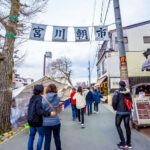
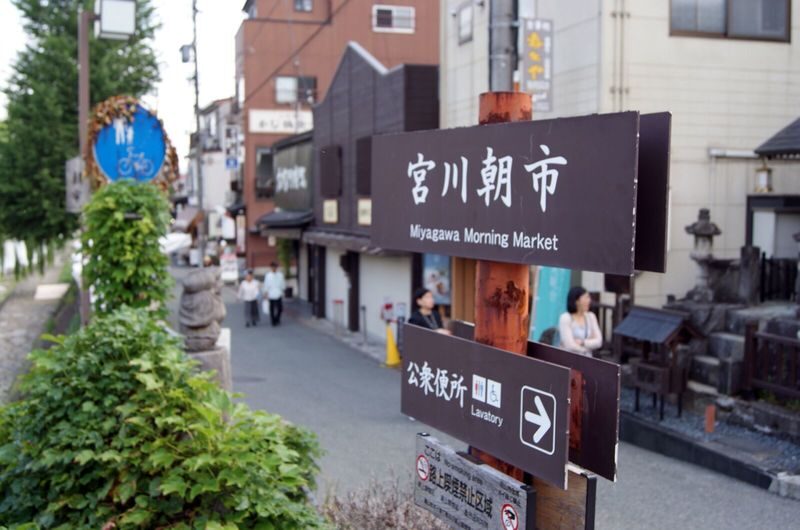
At about 10:15, the group heads to Miyagawa Morning Market. The stop is a chance to sample local treats and see stalls selling produce and handmade goods. Markets are useful places to notice what a region grows and makes, not just places to pick up a snack. Your guide can help explain what is local and what might be unfamiliar.
The market stop is brief, about 15 minutes on the stated schedule. That gives you a first taste of the day, but not much time for a slow browse or a long conversation at a stall. If market shopping is a priority, consider returning later on your own. The tour ends back at the station, and you are free to continue exploring after the tasting.
Eating your way along Sanmachi Suji
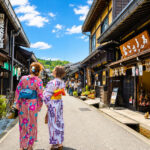
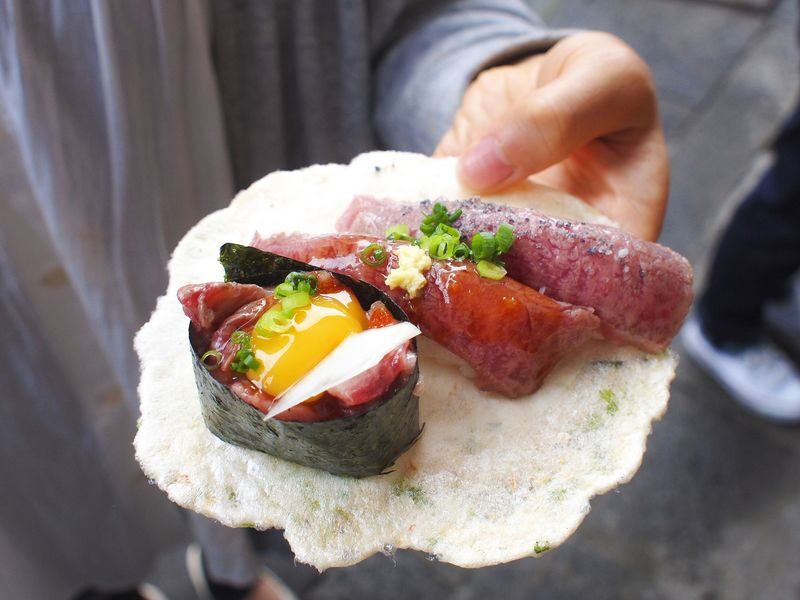
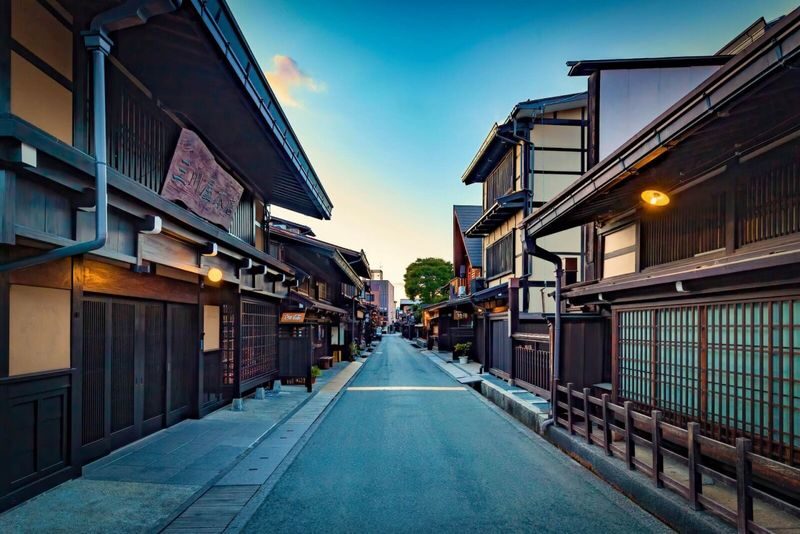
At about 10:30, the walk continues into Sanmachi Suji, Takayama’s old town. Its historic streets are the setting for a guided stroll and several local street foods: Hida Beef Stick, a bun, sushi, and Gohei Mochi. The sequence makes a practical introduction to the town’s flavors, with your guide connecting the food to the area’s culture and past.
Hida beef is the name to watch for here. It is a local specialty, and tasting it in snack form gives you a quick comparison point if you later see it on menus elsewhere. The beef stick and bun offer different ways to try it. The tour also includes sushi and Gohei Mochi, a grilled rice cake associated with the region. These are small tastes rather than a full meal, so arrive ready to eat but do not assume the early samples will replace lunch.
Old streets can be tempting places to stop at every shop, but the group has a schedule. You will have a guide and a route, which is convenient if you want context and do not want to plan each food stop yourself. In exchange, you may have less freedom to linger over a particular shop or take your own pace through the lanes.
Takayama ramen at lunchtime
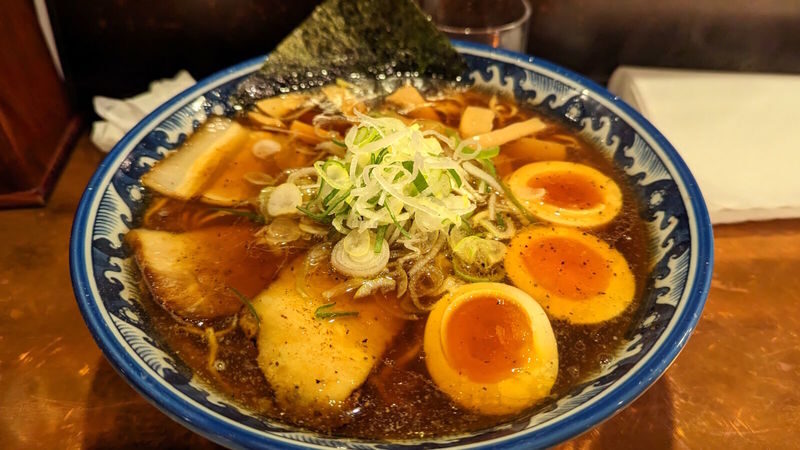
At 11:45, the group takes a break for lunch at a popular local restaurant, where the planned dish is Takayama ramen. The tour describes it as thin, curly noodles in a savory-sweet, soy sauce-based broth. That profile gives you a local meal distinct from the beef-focused snacks earlier in the morning.
Ramen is a useful pause in a food walk. Rather than grazing all day, you sit down for a bowl and get a feel for a familiar Japanese dish in its local form. The schedule gives you about an hour before the museum stop, including the meal and the transition to the next activity.
The tour information does not specify whether the ramen, earlier tastings, or sake are included in the listed price. Before booking, check the current package details so you know what you will pay beyond the starting price. That is especially sensible if you are comparing this guided outing with a self-guided food crawl, where you can choose how much to order.
Everyday Japan at the Showa-Kan
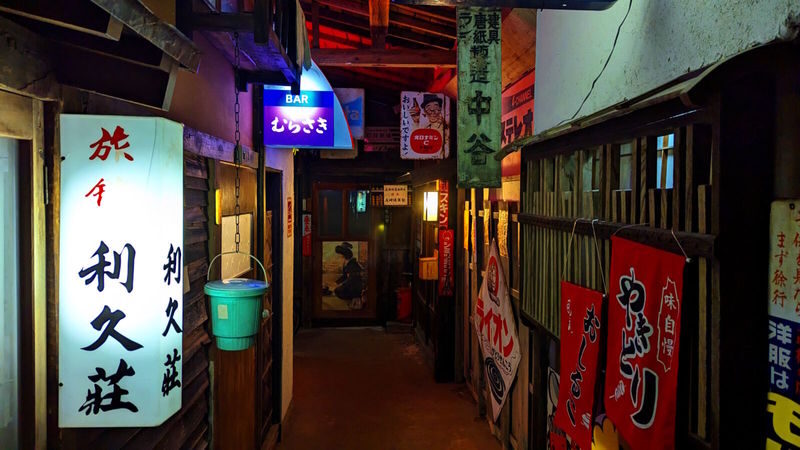
At about 12:45, the tour visits Takayama Showa-Kan, a museum focused on Japan’s Showa era, from 1926 to 1989. Its exhibits show aspects of everyday life during that period. After a morning centered on an older town and regional food, this stop adds a different timeline to the day.
The museum is valuable because it broadens the tour’s focus. Takayama is often associated with its Edo-period streets, but the Showa-Kan points to more recent changes in Japanese life. You do not need to be a museum specialist to find the shift worthwhile: ordinary objects and scenes can make a broad historical period feel more personal.
The schedule allows about 85 minutes for this stop, including the guided visit and the transition toward the tasting. If you prefer open-ended museum visits, you may want to return independently or ask how much time the group will spend inside. The tour’s main advantage here is the guide’s framing, which can help you notice more than the displays alone.
You can also read our reviews of more tours and experiences in Takayama


Finishing with Takayama sake
Around 2:10, the day concludes with a sake tasting. The guide introduces traditional brewing methods and the role sake plays in Japanese culture, while you sample sake from Takayama. It is a fitting final stop after a morning of tasting foods tied to the region.
A tasting gives you a chance to compare flavors and ask questions, rather than simply ordering a drink without context. The tour does not specify the number of pours or the particular sake varieties, so do not expect a set tasting menu unless the operator confirms it. If you do not drink alcohol, check with the provider before booking to ask whether an alternative is available; none is specified in the tour details.
The scheduled return is 2:30 p.m. at Takayama Station. After the tasting, you can continue exploring on your own or accompany the guide back to the station. That flexibility is handy if you want to spend the afternoon shopping, revisit a favorite street, or plan another activity.
What the price buys you
The tour starts at US$146.99. That is a substantial price for a half-day outing, so its value depends on how much you want a guide to connect the food, streets, museum, and sake into one planned experience. You are paying for more than a list of places: the structure saves you from researching each stop and deciding how to fit them together.
The price makes the most sense if you want a guided introduction, enjoy trying several local foods, and appreciate having a cultural stop built into the route. If you prefer to choose every dish yourself or spend a long time in each shop, independent exploring may suit you better. Since the exact inclusions are not stated, confirm whether food, lunch, museum admission, and sake are covered before comparing the total cost with a do-it-yourself day.
The provider, Snow Monkey Resorts, has 888 total reviews and a 97 percent good review rate across its experiences. That is useful background about the operator, but it is not a guarantee of the guide or exact experience on your date. The tour itself currently has only a small amount of direct feedback, so regard the overall score as encouraging rather than conclusive.
Timing, meeting point, and practical details
The schedule runs from 10 a.m. to 2:30 p.m., with the first stop at 10:15 and the return after the sake tasting. That is a manageable half-day for most people, and it leaves your afternoon open. The operator notes that timing may change with traffic and weather, so keep the rest of your day flexible.
Meet outside the ticket gates at JR Takayama Station, at 1-22-2 Showamachi, Takayama. Once you exit the gates, look to your left for the walkway and ornate wagon carving. The tour returns to the same station, although you can stay in town after the tasting rather than walking back with the guide.
Children aged four and under can join free, while children aged 13 and older pay the adult rate. The price and policy for children aged five through 12 are not specified, so ask before booking if that applies to your group. Confirmation is expected within minutes; if it does not arrive, contact customer support. The voucher is valid only for the date and time booked.
You can cancel for a full refund at least 24 hours before the activity, using destination local time. In extreme weather or other unforeseen circumstances, the operator may cancel and offer a reschedule or full refund. These details matter if you are building a tight schedule around the outing.
Who should book this Takayama tour?
I would consider this tour if you have limited time in Takayama and want a guided sampler of local food, the old town, recent Japanese history, and sake. It should especially suit curious eaters who like hearing what makes a regional dish distinctive, and first-time visitors who want a clear introduction before exploring on their own.
It is less suited to anyone who wants a slow, unstructured day, a long market visit, or an extended museum stay. The route moves through several experiences in a short period, and the listed price is easier to justify if the guided explanations and range of stops matter to you. Confirm which tastings and admissions are included before deciding.
Book it if you want the guide to do the connecting work between Takayama’s food and culture, and you are happy with a brisk half-day. Skip it if you would rather set your own pace and choose every meal and stop independently. Either way, save room for the old town after 2:30: the tour gives you an introduction, not a reason to call your Takayama visit finished.
1-Day Tour in Takayama: Foodie Adventure, Showa Era, & the Old Town
“This was an incredible tour with a chance to taste foods specially to Takayama. But, more than that I'd was interesting to learn about the history…”
FAQ
Where does the tour meet?
Meet outside the ticket gates at JR Takayama Station. After leaving the gates, look left for a walkway and a carving depicting an ornate wagon.
What time does the tour start and finish?
The tour is scheduled to depart at 10 a.m. and return to Takayama Station at 2:30 p.m. Timing may change depending on traffic and weather.
What foods are included in the experience?
The planned food stops include local treats at Miyagawa Morning Market, Hida Beef Stick, a bun, sushi, and Gohei Mochi in the old town, followed by Takayama ramen for lunch. The details do not say which items are included in the price.
What is Takayama ramen like?
It is described as thin, curly noodles served in a savory-sweet soy sauce-based broth.
What does the Showa-Kan visit cover?
The museum focuses on Japan’s Showa era, from 1926 to 1989, with exhibits about everyday life.
Is sake tasting part of the tour?
Yes. The tour ends with a sake tasting and an introduction to traditional brewing methods. The number and types of sake are not specified.
What is the cancellation policy?
You can receive a full refund if you cancel at least 24 hours before the activity date, using destination local time. If extreme weather or another unforeseen event leads the operator to cancel, you can reschedule or request a full refund.