Planning a trek to the legendary Everest Base Camp? For a budget-friendly $1,590 per person, this 14-day adventure promises a journey through some of the most awe-inspiring landscapes Nepal has to offer.
Led by experienced guides from All Himalayan Treks And Tour, you’ll soar over the mountains in a flight to Lukla, trek through Sherpa villages, climb high passes, and stand in the shadow of the world’s tallest peak.
We particularly appreciate how this tour balances altitude acclimatization with authentic mountain experiences. The small group size—limited to 14 travelers—means you’ll enjoy personalized attention and a more intimate connection with the stunning surroundings.
One highlight is the chance to visit Tengboche Monastery, with its panoramic views, and reach Kala Patthar, the renowned viewpoint for Everest’s summit.
A potential consideration is the flight dependency—flights from Lukla can sometimes be delayed or canceled, depending on weather conditions. That’s typical for Himalayan trekking, but it’s good to be flexible. This trek suits those who are moderately fit and eager to see the Himalayas up close, with a focus on authentic cultural encounters and breathtaking scenery.
- Key Points
- The 14-Day Everest Base Camp Trek: An In-Depth Review
- Getting Started in Kathmandu
- The Flight or Drive to Lukla
- Trek to Phakding and Namche Bazaar
- Acclimatization Days: Sherpa Museum and Nangkartsang Peak
- Visiting Tengboche and Dingboche
- Acclimatization and High-Altitude Training
- The Hard Days: Lobuche and Everest Base Camp
- Kala Patthar and the Summit Viewpoint
- Descending and Returning to Lukla
- Final Days and Departure
- Practical Details and Value
- Who Would Love This Tour?
- FAQ
- Final Thoughts
- The Best Of Kathmandu!
- More Hiking & Trekking Tours in Kathmandu
- More Tour Reviews in Kathmandu
Key Points
 1 / 5
1 / 5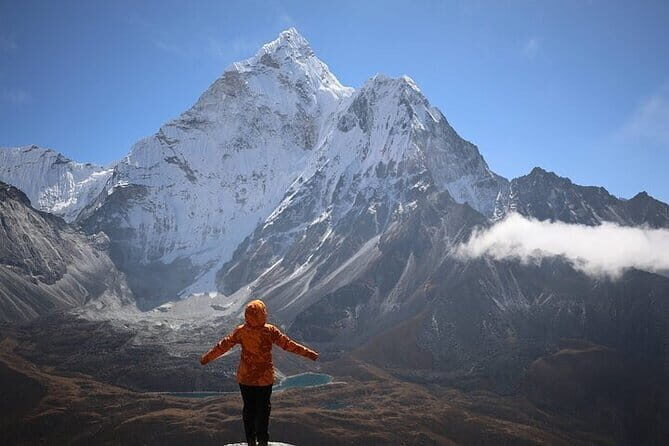 2 / 5
2 / 5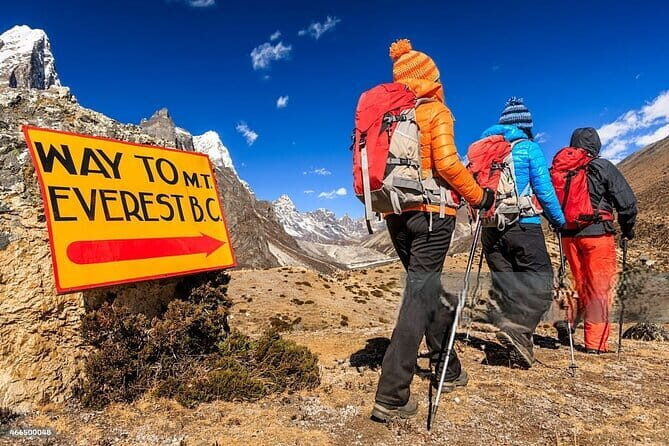 3 / 5
3 / 5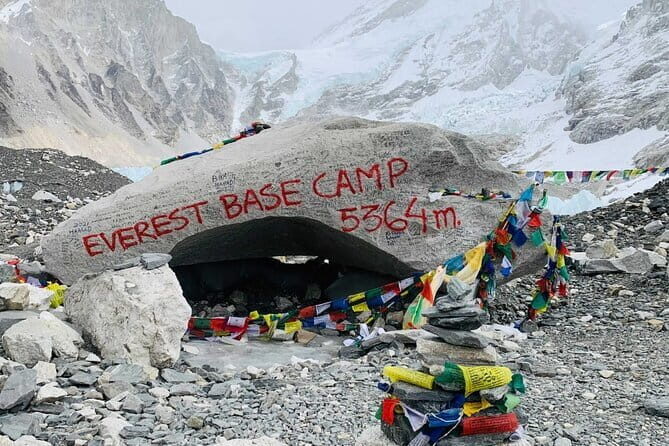 4 / 5
4 / 5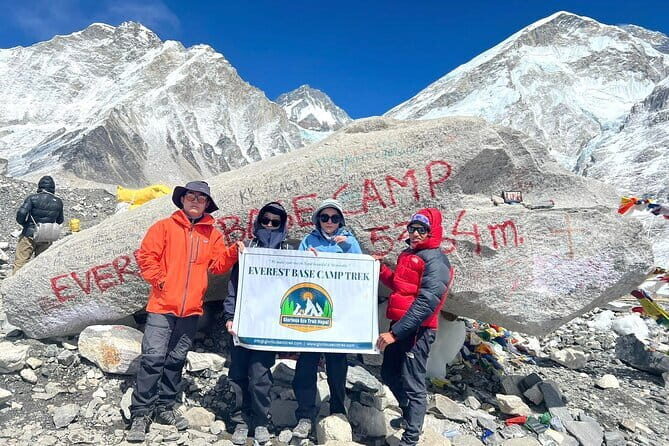 5 / 5
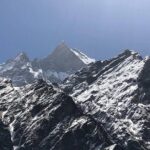
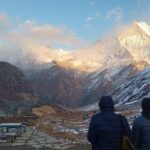
5 / 5- Stunning Views: From Everest, Lhotse, and Ama Dablam to glaciers and mountain vistas, this trek offers some of the most striking scenery in the world.
- Authentic Cultural Experience: Stops at Sherpa villages, monasteries, and museums deepen your understanding of local traditions.
- Well-Structured Acclimatization: Multiple days at higher elevations, including Nangkartsang Peak, help prevent altitude sickness.
- Inclusive Pricing: The cost covers flights, permits, all meals during trekking, and guided support, providing great value.
- Flexible Transportation: Options for flying or driving into Lukla accommodate different schedules and preferences.
- Group Size & Personal Attention: Small groups ensure more personalized guidance and support.

👉 See our pick of the 15 Best Workshops & Classes In Kathmandu
The 14-Day Everest Base Camp Trek: An In-Depth Review
You can also read our reviews of more hiking tours in Kathmandu
Getting Started in Kathmandu
Your journey begins in Kathmandu, where you’ll be greeted at Tribhuvan International Airport. The transfer to your hotel is smooth, and the pre-trip meeting sets the stage for your adventure. Here, you meet your guide—an essential figure on this trek—and get your questions answered. This initial briefing is also your chance to ensure you’ve got all the documentation ready, such as passport copies and insurance details.
One thing we like is that the meeting can take place either at the office or in your hotel, accommodating late arrivals. While meals are not included on this first day, the warm welcome and practical briefing help set your mind at ease for the days ahead.
The Flight or Drive to Lukla
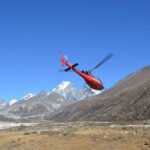
Your trek officially kicks off with either a short flight from Kathmandu to Lukla or a drive to Manthali followed by a flight. The flight is an iconic part of the experience, offering stunning aerial views of the Himalayas. The flight duration varies—about 35 minutes in high season, slightly longer in low months—and offers a thrilling start to the adventure.
The alternative, a 4-6 hour drive to Manthali plus a flight, might suit those who prefer to avoid the small Lukla airport or want a little more time on the ground. Either way, arriving in Lukla marks the beginning of your trek into the mountains.
Trek to Phakding and Namche Bazaar
The first real trekking begins as you descend into the Dudh Koshi River valley, crossing suspension bridges and marveling at the glacier-fed river. Walking through lush forests and past vibrant prayer flags, you’ll arrive in Phakding after 3-4 hours, a good gentle start.
The next day, you push up to Namche Bazaar, the bustling Sherpa trading hub at 3,440 meters. The trail offers spectacular mountain views, with the towering peaks of Everest and Nuptse ever-present. Along the way, crossing more suspension bridges and passing mani stones, you’ll gain altitude gradually—key to avoiding altitude sickness.
Acclimatization Days: Sherpa Museum and Nangkartsang Peak
We really appreciate the itinerary’s focus on altitude adjustment. On Day 4, you visit the Sherpa Museum and learn about Sherpa culture while acclimating at Namche. This is a smart move that helps prevent future health issues and enhances your cultural understanding.
The following day, an optional hike to Nangkartsang Peak offers not only a healthy ascent but also some of the best panoramic views of Everest and surrounding peaks. As one reviewer notes, “The view of Ama Dablam from the peak is awe-inspiring,” making this an enriching side trip.
Visiting Tengboche and Dingboche
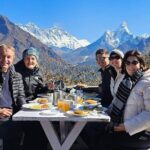
Next, the trek takes you to Tengboche, home to the famous monastery. The rocky trail climbs through rhododendron forests, with the backdrop of Everest and Ama Dablam creating a jaw-dropping scene. Witnessing a prayer ceremony here is a powerful experience, and the view of the mountain range from the monastery is truly hard to beat.
From Tengboche, you descend briefly before ascending again toward Dingboche. The scenery continues to impress with views of Ama Dablam and the imposing Imja Valley. This area is crucial for acclimatization, and the walk through alpine forests and stone walls adds a touch of rustic charm.
Acclimatization and High-Altitude Training
Day 7 offers a second acclimatization day in Dingboche, with an optional hike to Nangkartsang Peak. As one reviewer pointed out, “After acclimating for the first time at Namche, we had a rest day today,” highlighting the importance of allowing your body to adapt to higher elevations. This day also provides another opportunity for stunning mountain views.
The Hard Days: Lobuche and Everest Base Camp
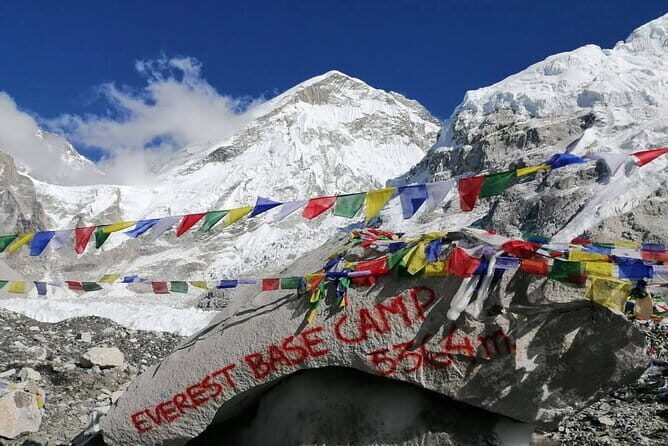
As you continue higher, the landscape becomes more rugged. The hike to Lobuche passes by memorials at Thukla Pass and stunning glacier views. The next major milestone is reaching Everest Base Camp, which takes about 8-9 hours round-trip from Lobuche.
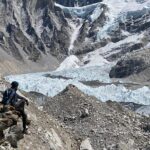
Standing at Base Camp, you’ll gaze up at the Khumbu Glacier and Icefall—an iconic Everest sight. The terrain is rough and challenging but worth every step for the once-in-a-lifetime views.
Kala Patthar and the Summit Viewpoint
The day to reach Kala Patthar is often described as the highlight. Rising early, you’ll hike to this vantage point at 5,555 meters for a sunrise view that’s unforgettable—think of it as Everest’s Instagram-worthy shot, with Lhotse, Nuptse, and Pumori framing the scene. One review calls it “an excellent vantage point for the incredible view of Everest,” emphasizing how precious this moment is.
Descending and Returning to Lukla
The return journey takes you back down through Tengboche, Namche, and eventually Lukla. The trek offers a chance to reflect on your achievement while enjoying the scenery one last time. The descent also highlights how well the itinerary balances ascent and recovery, helping prevent altitude issues.
Final Days and Departure
On your last day, you take a flight or drive back to Kathmandu, depending on your chosen method. The flight offers a scenic farewell to the mountains, while the drive provides a different perspective on the landscape. One traveler noted, “Enjoyed and celebrated the lifelong moments made along trails of the region,” capturing the emotional significance of completing this journey.
Practical Details and Value
This trek’s price includes all flights, permits, meals during the trek, and guided support, making it a comprehensive package that simplifies planning. The group size remains small, enhancing the experience’s intimacy, and the inclusion of acclimatization days helps ensure safety.
What sets this tour apart is the combination of authentic mountain scenery, cultural visits, and well-organized logistics. You’re looking at an adventure that isn’t just about reaching a destination but savoring every step of the way.
However, it’s worth considering that flight cancellations from Lukla are a possibility, especially during adverse weather months. Flexibility is key, and the tour’s flexible options for transportation help mitigate this risk.
Who Would Love This Tour?
If you’re someone who appreciates stunning mountain vistas, cultural insights, and a manageable group size, this trek offers excellent value. It’s perfect for moderately fit travelers eager to experience Everest up close without the extreme technical challenge of climbing it. The focus on acclimatization and cultural stops makes it suitable for those who want a well-rounded Himalayan adventure.
FAQ
How long does the flight from Lukla to Kathmandu take?
In high season, the flight is about 35 minutes, but it might take a bit longer in other months. Flights can sometimes be delayed due to weather, so flexibility helps.
What is included in the tour price?
The price covers airport/hotel transfers, guide, all flights between Kathmandu and Lukla, permits, all meals during the trek, and government taxes.
Are meals included during the trek?
Yes, all breakfasts, lunches, and dinners are included during the trek, but not in Kathmandu.
What about altitude sickness?
The itinerary includes several acclimatization days, such as in Namche Bazaar and Dingboche, to help prevent altitude sickness. Hiking to Nangkartsang Peak is also offered as an optional acclimatization activity.
Is this suitable for all fitness levels?
The tour recommends a moderate fitness level, as walking days can be long and at high altitude. Preparing physically before the trip is advisable.
How do I get to Kathmandu from the airport?
The tour includes private transfers in a tourist vehicle from Tribhuvan International Airport to your hotel.
What kind of group size should I expect?
It’s a small group, with a maximum of 14 travelers, allowing for more personalized guidance and a friendly atmosphere.
Can I customize the itinerary?
While the standard tour is well-planned, any modifications would need to be discussed with the operator, but the structured itinerary covers all the highlights.
What is the main highlight of this trek?
Without a doubt, reaching Everest Base Camp and experiencing the awe-inspiring views from Kala Patthar are the main highlights, along with crossing iconic suspension bridges and visiting Sherpa villages.
14 Days Everest Base Camp Trek
Final Thoughts
This 14-day Everest Base Camp trek offers a balanced blend of adventure, cultural discovery, and stunning scenery. The inclusive price, small group size, and focus on acclimatization make it an appealing choice for those wanting a comprehensive Himalayan experience without the risks of unmanaged altitude sickness or logistical headaches.
You’ll love the way the trek combines breathtaking mountain vistas with authentic Sherpa villages and monasteries. The journey is challenging but manageable, especially with the careful planning that emphasizes safety and comfort.
In short, if you’re looking for a well-organized, value-packed adventure that delivers on iconic views and cultural richness, this trek will not disappoint. It’s best suited for travelers who are moderately fit, eager for authentic experiences, and prepared for a physically demanding but deeply rewarding journey.