This experience made our article of Phnom Penh’s 15 Top Tours (With Prices).
- Phnom Penh: The Killing Fields & Tuol Sleng Genocide Museum – A Deeply Moving Experience
- Key Points
- Overview of What to Expect
- Why This Tour Offers Great Value
- The Itinerary in Detail
- Departure and Transport
- Drive to the Killing Fields
- Visiting the Killing Fields
- Tuol Sleng Museum (S-21)
- Reflection and Return
- Authentic Highlights and Personal Experiences
- Who Will Love This Experience?
- FAQ
- Final Thoughts
- The Best Of Phnom Penh!
- More Museum Experiences in Phnom Penh
- More Tour Reviews in Phnom Penh
Phnom Penh: The Killing Fields & Tuol Sleng Genocide Museum – A Deeply Moving Experience
 1 / 9
1 / 9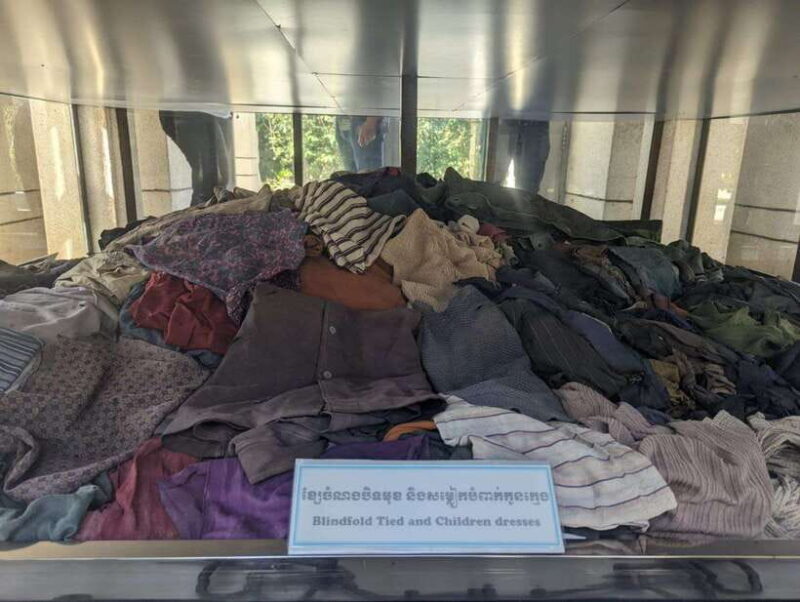 2 / 9
2 / 9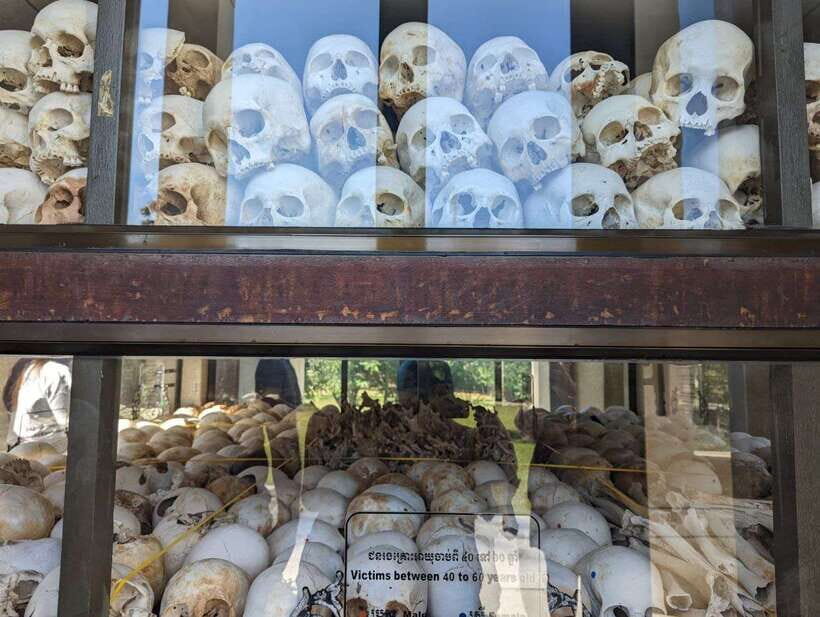 3 / 9
3 / 9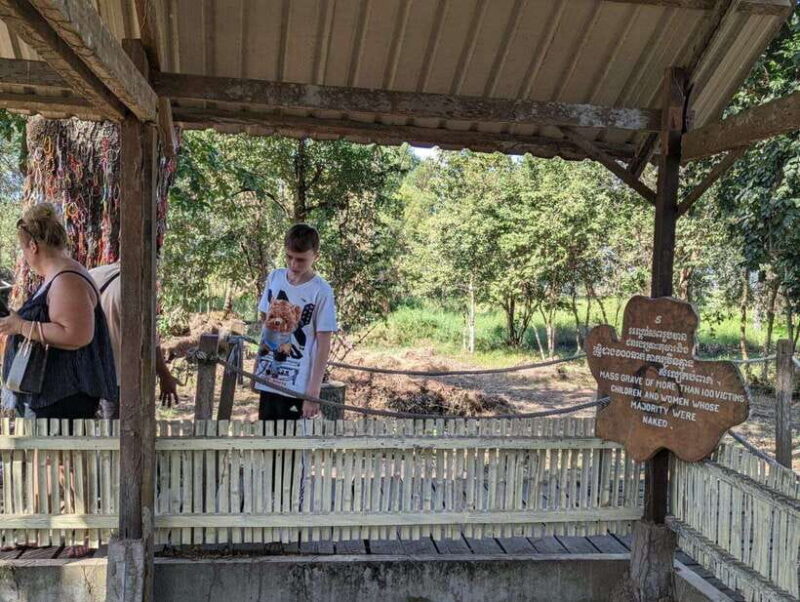 4 / 9
4 / 9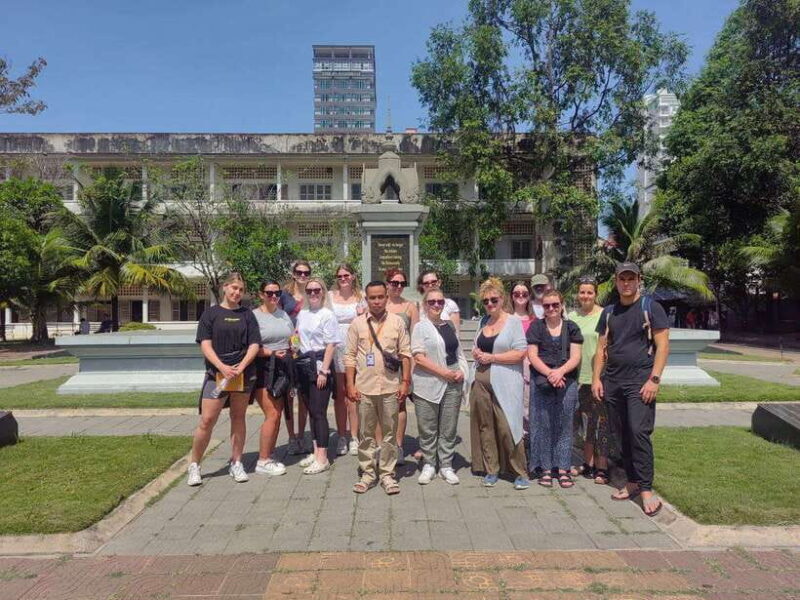 5 / 9
5 / 9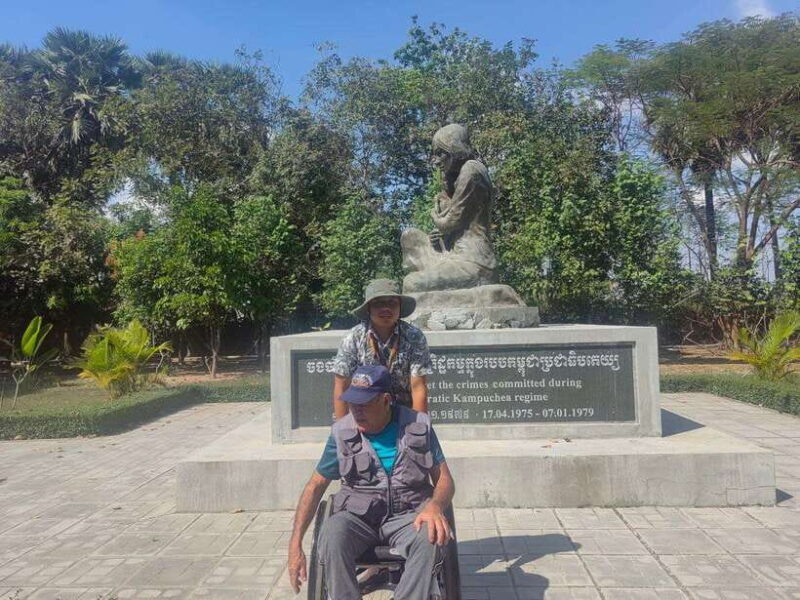 6 / 9
6 / 9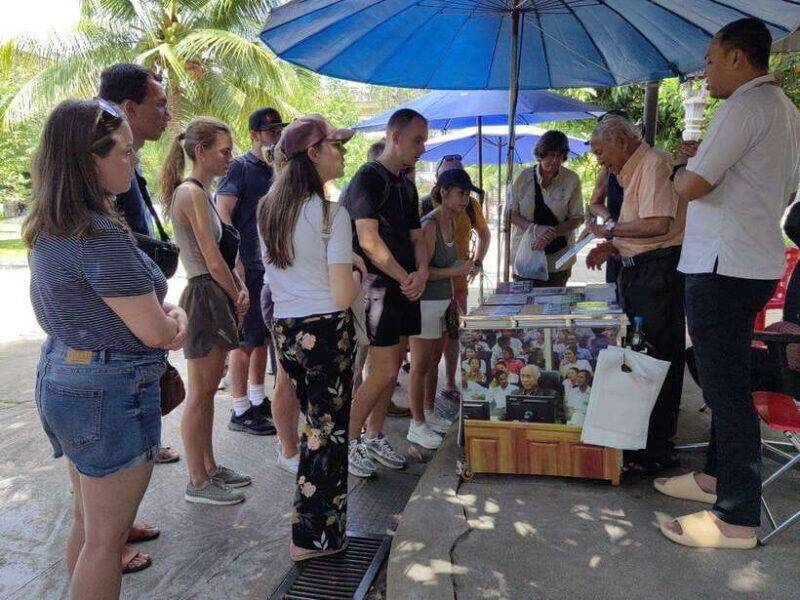 7 / 9
7 / 9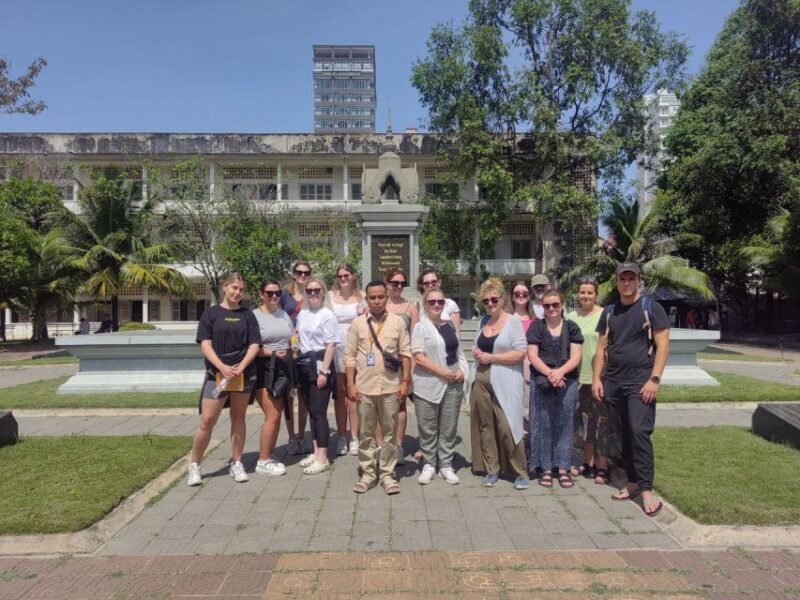 8 / 9
8 / 9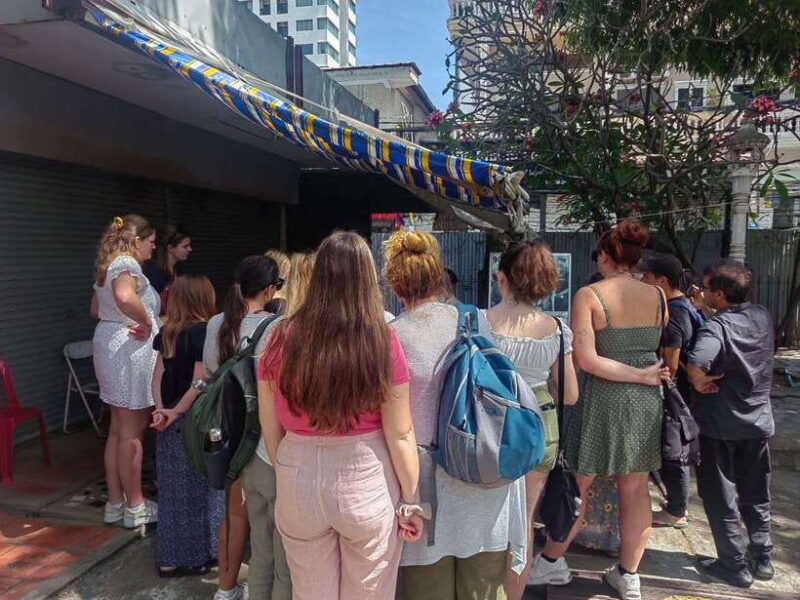 9 / 9
9 / 9If you’re visiting Phnom Penh, a tour of The Killing Fields and Tuol Sleng Genocide Museum is an absolute must. For $19, and lasting around four hours, this experience offers an honest look at Cambodia’s recent history—an intensely emotional but vital part of understanding the country today. Your guide will walk you through the sites, sharing stories you won’t forget, and helping you reflect on one of the darkest chapters of human history.
What we love about this tour are the respectful tone set by guides like Sum Cheath, who handle such sensitive topics with care, and the opportunity to meet survivors, which makes the history feel incredibly real. You’ll see the haunting bones and clothing artifacts at the Killing Fields, and at Tuol Sleng, you’ll explore the former prison where thousands suffered under Pol Pot’s regime.
A possible consideration is that this tour can be emotionally heavy—some may find it tough to process. The sites are somber, and the stories are harrowing. It’s best suited for travelers with a genuine interest in history and those prepared for a reflective experience. If you’re open to confronting difficult truths, this tour will deepen your understanding of Cambodia’s recent suffering and resilience.
You can check availability for your dates here:
👉 See our pick of the The 9 Most Popular Workshops & Classes In Phnom Penh
Key Points
- Respectful and knowledgeable guides make the experience impactful and sensitive.
- Authentic survivor stories add a deeply personal dimension to the visit.
- Cost-effective price of $19 offers excellent value for a powerful half-day tour.
- Visiting the Killing Fields and Tuol Sleng Museum provides a comprehensive look at Cambodia’s tragic history.
- Transportation in an air-conditioned van makes the journey comfortable.
- Limited extras—tickets are inexpensive, but souvenirs or food are not included.
You can also read our reviews of more museum experiences in Phnom Penh

Overview of What to Expect
This tour is designed for those wanting a meaningful, guided overview of Cambodia’s recent trauma. It begins with a pickup in Phnom Penh, where an air-conditioned van whisks you out of the city. Along the way, your guide provides background on Pol Pot and the Khmer Rouge regime, setting the stage for what you’ll see.
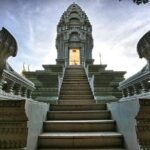
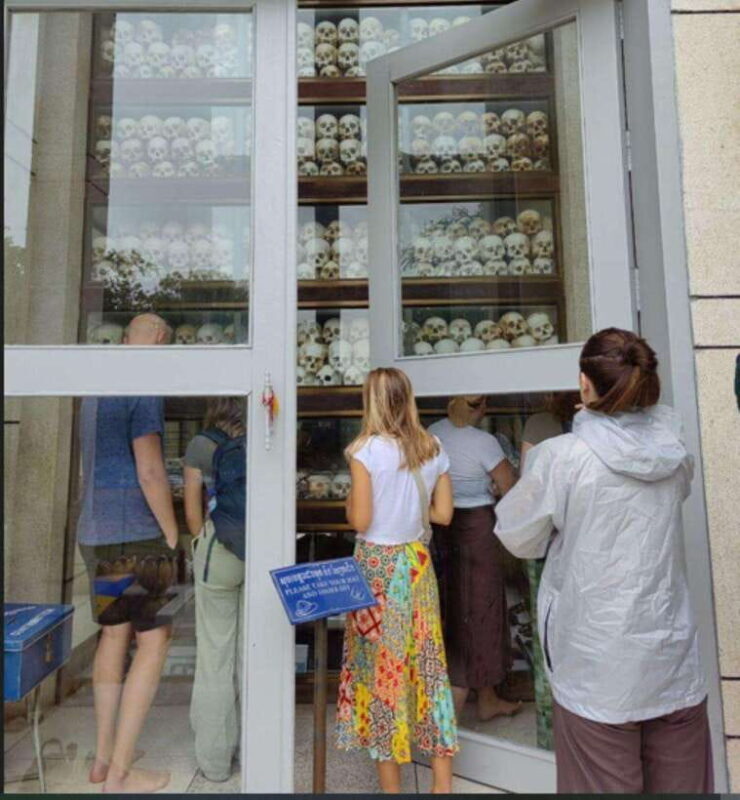
Your first stop is the Killing Fields—a site of mass graves and a chilling memorial stupa filled with skulls. Here, bones and clothing remnants scattered across the site reveal the horror experienced by over 1 million victims. You’ll have time to walk around, reflect, and pay respects. Reviewers have appreciated the respectful tone of guides like Sum Cheath, who help visitors understand the magnitude of suffering without sensationalism.
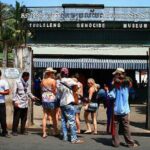
Next, you’ll head back into Phnom Penh to visit Tuol Sleng (S-21 Prison), where thousands of prisoners were held, interrogated, and tortured. The small, cramped cells and photographs from that era make the history tangible. Many travelers have found the tour profound—meeting survivors or hearing their stories, like Bou Meng, leaves a lasting impression. One reviewer noted, “Getting to meet a survivor was an unforgettable and powerful moment,” emphasizing how this personal connection brings history to life.
Throughout the tour, your guide will answer questions, provide context, and ensure the experience remains respectful. You’ll also be given some time to explore on your own or reflect quietly. The entire experience concludes with a return to your meeting point, making it convenient and straightforward.
Why This Tour Offers Great Value
For just $19, you gain access to two of Cambodia’s most important historical sites with an expert guide. The tickets for entry are extra—$3 for the Killing Fields, $5 for Tuol Sleng—and are very reasonable. Considering the depth of information, personal stories, and emotional weight, this pricing makes it an exceptional value.
The transportation, in an air-conditioned van, keeps you comfortable during the roughly four-hour experience. Water is included, so you stay hydrated during the reflective walk. The guides, especially those praised for their professionalism and sensitivity, enhance the experience by offering insightful explanations without feeling rushed or overly clinical.
Some reviews highlight that the tour is very well-organized, with plenty of time at each site, and guides who handle difficult topics with compassion. Many visitors appreciated that the guides shared personal stories, making the history more relatable and impactful.
One traveler summed it up: “This was an important and powerful experience, made even better by a knowledgeable guide who explained everything clearly and respectfully.” It’s clear that the quality of the guiding makes all the difference in turning a somber visit into an educational journey.
The Itinerary in Detail
Departure and Transport
The tour begins with a pickup at your hotel or a designated meeting point, typically around 7:45 am or 12:45 pm, depending on your preferred schedule. If your hotel isn’t on the pickup list, you’ll meet at the Grand River Sports Bar. This flexibility helps travelers plan their day with minimal fuss.
The van is air-conditioned and comfortable, with plenty of space for reflection or chatting with fellow travelers. A good tip from reviews is to bring bug spray—while the sites are well-maintained, there might be some insects, especially near the graves.
Drive to the Killing Fields
The ride out of Phnom Penh takes about 45 minutes, during which your guide will introduce you to the history of Pol Pot’s regime (1975-1979). Expect engaging commentary on what led to this tragic chapter—an important context for understanding the sites.
Visiting the Killing Fields
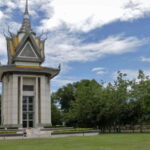
Upon arrival, you’ll walk through the site where mass graves lie beneath the earth, with bones and clothing sometimes visible. The memorial stupa offers a poignant space for reflection, filled with skulls and remains. Visitors consistently describe feeling a sense of solemnity here—a place to honor and remember.
The guide will clarify the significance of each stop, such as the mass graves and the memorial stupa. Some reviews mention the guide’s respectful tone, which helps visitors process the emotional weight.
Tuol Sleng Museum (S-21)
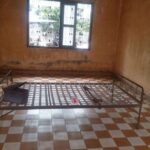
Next, you’ll visit the former prison, which is now a museum. The small cells, interrogation rooms, and photographs from the 1970s bring the atrocities into sharper focus. It’s a stark contrast to the peaceful city outside—reminding you how recent and raw this history is.
Many visitors find their experience deepened by meeting survivors like Bou Meng, who have shared their stories with tour groups. Hearing firsthand accounts turns history into human stories—something that many reviews have highlighted as a “powerful moment.”
Reflection and Return
Your guide will answer questions, and there’s time for personal reflection before heading back to Phnom Penh. The return journey is a good chance to discuss what you’ve seen and ask any lingering questions.
Authentic Highlights and Personal Experiences
From reviews, it’s clear that guides like Sum Cheath excel in balancing information with sensitivity. One reviewer praised how he “spoke respectfully and went over the history very thoroughly,” which is crucial given the gravity of the subject.
Meeting survivors stands out as a top highlight—several travelers described the moment as unforgettable. Listening to their stories personalizes a history that can otherwise feel abstract, making it more tangible and impactful.
The bones and clothing artifacts scattered across the Killing Fields, combined with the sobering displays at Tuol Sleng, serve as stark reminders of the horrors inflicted and the resilience of the Cambodian people.
Many reviews note the excellent organization of the tour, with comfortable transportation, adequate reflection time, and knowledgeable guides. These details matter—they ensure you leave feeling educated, respectful, and more aware of Cambodia’s recent past.
Who Will Love This Experience?
This tour is perfect for travelers with a serious interest in history and human rights. It’s suited for those who can handle emotionally weighty sites and want an authentic, respectful introduction to Cambodia’s darkest chapter. If you’re looking for a quick, superficial overview, this might not be your best choice. But if you want to understand the depth of suffering and resilience, you’ll find it worth every penny.
It’s also a good fit for people who value guided tours—many reviewers comment on how guides like Sum Cheath add nuance and context, making the experience more meaningful. And, of course, anyone interested in meeting survivors or learning about the regime from those who lived through it will find this tour invaluable.
FAQ
How long is the tour?
The experience lasts around 4 hours, including transportation, site visits, and reflection time.
What is the cost of entrance tickets?
Tickets for the Killing Fields are $3 and the Tuol Sleng Museum is $5, making the total entry fee $8 on top of the tour price.
Is transportation included?
Yes, you’ll be picked up and dropped off in an air-conditioned van, making the journey comfortable and straightforward.
Can I meet survivors during the tour?
Many travelers have the chance to meet or hear from survivors like Bou Meng, which adds a deeply personal element.
What should I bring?
Bring water (provided), bug spray, and a respectful attitude. Wear comfortable clothing suitable for walking.
Is the tour suitable for children?
Because of the sensitive subject matter, it’s best for older children or teenagers who can handle emotional topics thoughtfully.
Can I cancel or reschedule?
Yes, you can cancel up to 24 hours in advance for a full refund, offering flexibility if needed.
Are guides available in languages other than English?
This tour is offered in English; check with the provider if you need other language options.
How do I book this experience?
You can reserve your spot online, pay later, and confirm pickup details through WhatsApp with the provided contact information.
Phnom Penh: The Killing Fields & Tuol Sleng Genocide Museum
Final Thoughts
Visiting The Killing Fields and Tuol Sleng is a profound, often challenging experience—but one that can reshape your understanding of Cambodia’s past and present. The tour’s combination of respectful guidance, authentic survivor stories, and poignant sites creates a powerful educational moment.
It’s well-suited for those who want to see history firsthand and are prepared for an emotionally intense journey. The value for money is excellent, especially considering the depth of stories and insights you’ll gain. Be ready to reflect, learn, and honor the victims who suffered here—this trip leaves an impression that stays long after you leave Cambodia.
For anyone curious about the recent history of Cambodia or seeking to understand the resilience of its people, this tour offers an honest and respectful window into a painful but important story.
You can check availability for your dates here: