Imagine crossing snow-capped peaks, wandering through traditional villages, and witnessing a staggering landscape transformation from lush jungles to arid high-altitude deserts—all in one unforgettable trek. For 20 days, you’ll explore Nepal’s iconic Annapurna massif, encircling some of the most dramatic terrain in the Himalayas.
Priced at $1,200 per person, this journey offers a comprehensive experience that combines natural beauty, local culture, and physical challenge.
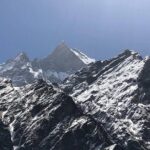
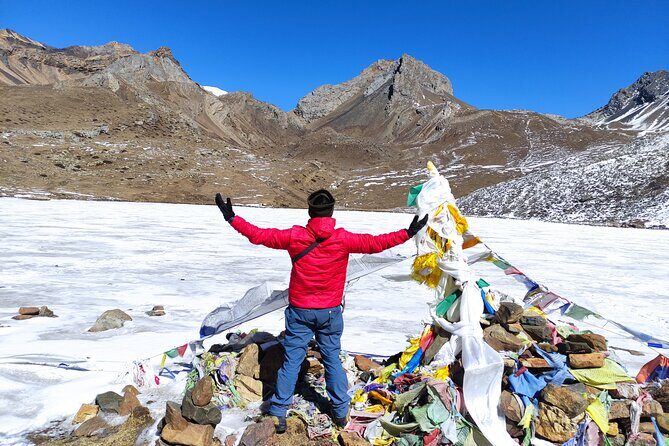
What we love most about this trek are two key points: first, the expert guidance from knowledgeable local guides who can turn a challenging trail into an engaging story; second, the spectacular views of peaks like Annapurna II and Dhaulagiri, which are simply breathtaking. The chance to stand atop the Thorang La Pass at 5,416 meters, feeling a sense of accomplishment, is a highlight no trekker should miss.
One thing to consider is the physical demands of the high-altitude sections. While the itinerary includes acclimatization days, the steep ascents and long days require good fitness and preparation. Still, this tour is best suited for fit travelers eager for an authentic Himalayan adventure packed with culture, scenery, and camaraderie.
This experience is perfect for those seeking a comprehensive Nepal trekking adventure. If you’re interested in stunning mountain vistas combined with culture and don’t mind a physically demanding journey, this trek could be your next big adventure.
- Key Points
- Starting in Kathmandu: The Gateway to Nepal’s Treasures
- Transition to the Mountains: From Kathmandu to Syange
- Trek Begins: The Villages, Valleys, and Waterfalls
- Higher Ground: Chame and Pisang
- Acclimatization and Exploration: Manang
- High Altitude: Yak Kharka and Thorong Phedi
- The Challenge: Thorong La Pass
- Descending into the Kali Gandaki Valley
- The Lower Trails: Tatopani, Ghorepani, and Poon-Hill
- Ending in Pokhara and Kathmandu
- The Value and Experience
- Who Should Consider This Trek?
- FAQs
- Final Thoughts
- The Best Of Kathmandu!
- More Hiking & Trekking Tours in Kathmandu
- More Tour Reviews in Kathmandu
Key Points
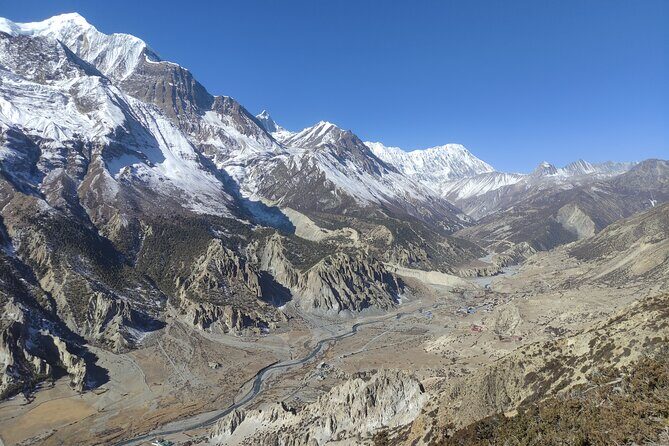
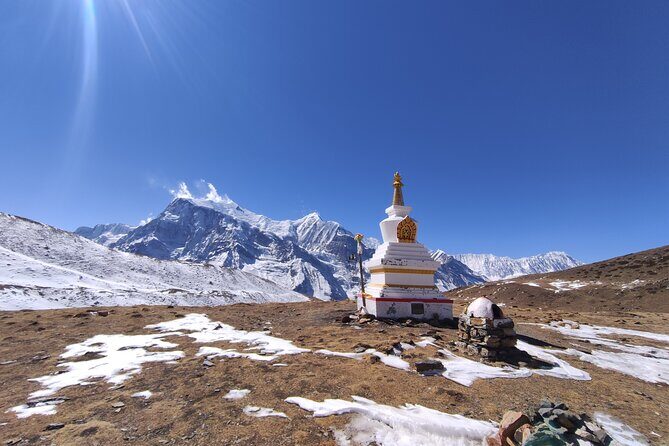
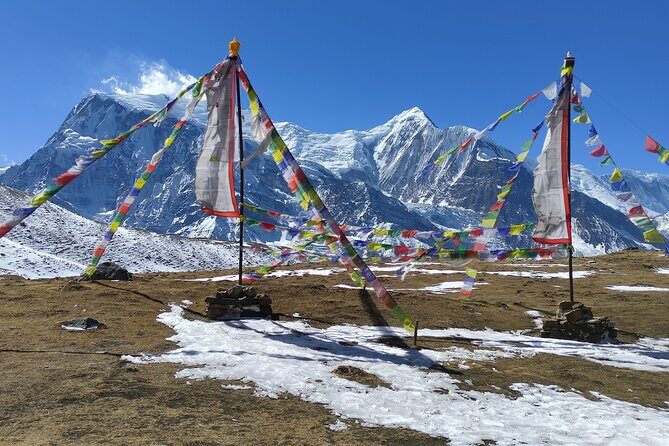
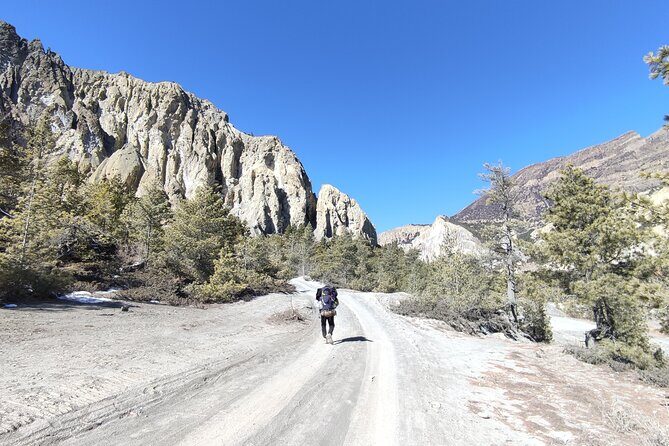
- Stunning mountain scenery: Expect panoramic vistas of peaks like Annapurna II, Gangapurna, and Dhaulagiri.
- Cultural immersion: Pass through traditional villages, visit temples, and experience Nepalese hospitality.
- Experienced guides: Knowledgeable local guides enhance the journey with insights into the landscape and culture.
- Moderate physical challenge: The trek requires good fitness, especially for high-altitude passes.
- All-inclusive value: Transportation, permits, most meals, and guiding are included, making logistics smoother.
- Authentic experience: The trek avoids overly touristy spots, focusing instead on genuine local life and natural beauty.

👉 See our pick of the 15 Best Workshops & Classes In Kathmandu
Starting in Kathmandu: The Gateway to Nepal’s Treasures
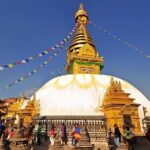
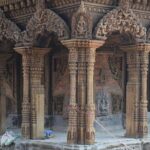
Your journey begins in Kathmandu, where the buzz of the city quickly shifts to anticipation. The tour includes airport pickup, and your first day is all about easing into Nepal’s vibrant culture. A guide will meet you at Tribhuvan Airport, ready to set your expectations. The sightseeing tour of Kathmandu’s UNESCO World Heritage Sites—Boudhanath Stupa, Swayambhunath Temple, Patan Durbar Square, and Pashupatinath Temple—gives a colorful introduction to the country’s spiritual and artistic heritage.
Visiting these sites isn’t just about snapping photos; it’s an opportunity to understand the deep religious roots that underpin Nepalese life. For instance, Pashupatinath is the largest Hindu temple in the world, drawing millions of devotees especially during Maha Shivaratri. Boudhanath, with its peaceful eyes and prayer wheels, embodies the serenity of Buddhism. These early explorations contribute to a sense of cultural context that enriches the entire trek.
Pro tip: Entrance fees are not included, so budget around NPR 1,000 for Pashupatinath, and NPR 400 for Boudhanath if you wish to visit inside. The day ends with a comfortable hotel stay, setting you up for the adventures ahead.
You can also read our reviews of more hiking tours in Kathmandu
Transition to the Mountains: From Kathmandu to Syange
On Day 3, the scenic drive to Pokhara marks the start of your ascent into the Himalayas. We loved the way this drive takes you along the foothills and offers glimpses of distant mountains. The journey includes a transfer from Kathmandu to Besisahar, via a shared jeep or bus, which is the most practical way to cover the 10-hour route. The drive is a scenic prelude, winding through colorful villages and lush hills.
The first night in the mountains is in Syange, at 823 meters. After a long travel day, it’s a chance to rest and prepare for the trekking days ahead. The landscapes here are starting to hint at the diversity you’ll encounter—verdant, with rice terraces and flowing streams.
Trek Begins: The Villages, Valleys, and Waterfalls
Starting from Besisahar, the trek winds through fascinating scenery—gorge formations, waterfalls, and terraced farms. Day 4’s trek to Dharapani takes about 6 hours and introduces you to the lush side of Nepal’s mountain landscape. We appreciated how the trail combines physical activity with striking natural views, like waterfalls cascading down steep cliffs.
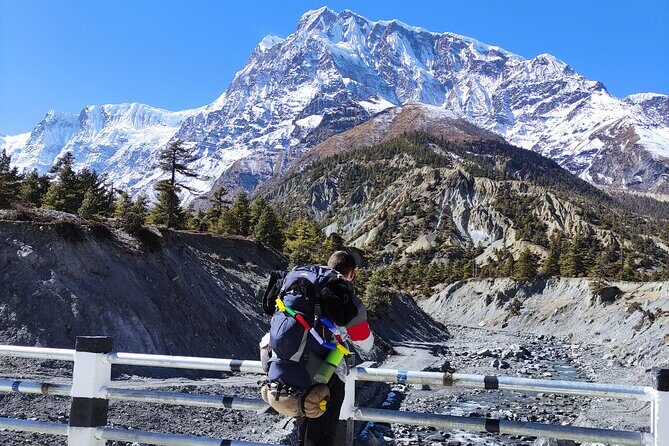
Crossing the Marsyangdi River over suspension bridges adds a sense of adventure early on. You’ll pass through villages that showcase traditional Nepali architecture, providing a glimpse into local life. The trail’s gradual incline helps with acclimatization, though the steep sections demand steady footing.
Higher Ground: Chame and Pisang
As you ascend to Chame and then Pisang, the climate and scenery noticeably change. From Dhanaqi to Koto, the landscape cools, and the vegetation shifts to pine and juniper forests. Chame, at 2,670 meters, offers stunning views of the surrounding peaks, and we loved the cooler air after days in the lower valleys.
The walk from Pisang offers spectacular mountain views, with Pisang Peak and Chulu Peak in sight. The trail here is more exposed, and the terrain becomes more rugged. As one reviewer said, “the trail climbs steeply up for half an hour after a short walk from Pisang, with dramatic views of the peaks,” making each step worth it for the scenery.
Acclimatization and Exploration: Manang
Reaching Manang at 3,500 meters provides an essential acclimatization stop. The village itself is charming—flat-roofed houses and spectacular mountain backdrops. We loved the way it offers a safe way to adjust to the altitude. The day here is for exploration: visiting local monasteries, enjoying the scenery, and preparing for the high passes.
One traveler shared, “we spent a day acclimatizing in Manang, which was vital for the upcoming altitude challenges,” underscoring the importance of this rest day.
High Altitude: Yak Kharka and Thorong Phedi
The journey continues upward with stops at Yak Kharka, then Thorong Phedi. Yak Kharka sits at 4,020 meters and offers sweeping views of the surrounding peaks. From here, you’ll begin to see the landscape turn more barren and windswept, a stark contrast to the lush valleys below.
The ascent to Thorong High Camp is a test of endurance, but the views of Annapurna II and Gangapurna make every effort worthwhile. We appreciated how the guides manage pacing to ensure everyone is comfortable with the altitude.
The Challenge: Thorong La Pass
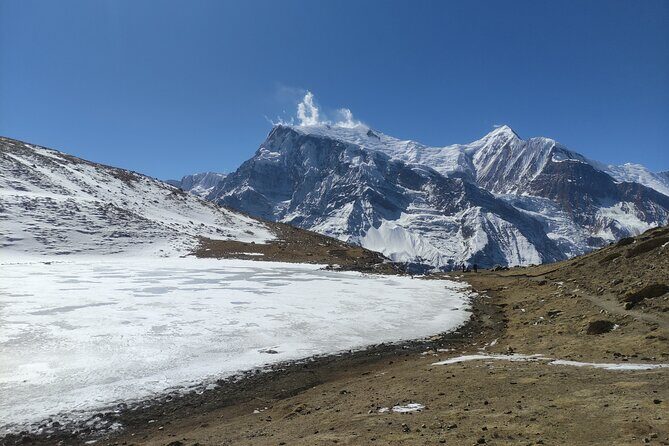
Day 11’s highlight is crossing the Thorong La Pass at 5,416 meters. The early start is crucial—trekkers need to beat the wind and cold. The zig-zag trail, glacial ponds, and panoramic vistas of Dhaulagiri and the surrounding peaks are unforgettable. As one reviewer notes, “the sense of achievement upon reaching the pass is incredible.”
The descent from the pass takes you to Muktinath, a sacred Hindu and Buddhist pilgrimage site, adding a spiritual dimension to the already awe-inspiring day. The religious significance of Muktinath, thought to grant liberation, makes it a meaningful stop for many.
Descending into the Kali Gandaki Valley
From Muktinath, the trek descends into the Kaligandaki River Valley, passing through Marpha, famed for its apple orchards and charming whitewashed houses. The walk along the river offers spectacular views of Tukuche Peak and Dhaulagiri.
Everyone loved the village of Marpha for its well-preserved architecture and the chance to taste local apple products. One comment from a traveler was, “Marpha is a gem—paved streets, friendly locals, and stunning mountain views.”
The Lower Trails: Tatopani, Ghorepani, and Poon-Hill
The trail continues through villages like Tatopani, known for natural hot springs, and Ghorepani, where the famous Poon-Hill sunrise trek awaits. The early morning hike to Poon-Hill (3,195 meters) offers panoramic views of mountains including Dhaulagiri and the Manaslu range. The photos from this viewpoint are legendary, and travelers find it worth waking early for.
From Ghorepani, the descent to Tikhedhunga is about 4-5 hours of walking, with a mix of forested paths and terraced fields. The walk is manageable but requires some stamina, especially after the early Poon-Hill trek.
Ending in Pokhara and Kathmandu
The final days take you from Tikhedhunga to Pokhara, a scenic 7-hour trek through villages and waterfalls. We loved the peaceful boat ride on Fewa Lake in Pokhara, offering a relaxing end to the physical challenge. The next day, a bus ride back to Kathmandu—about 6-8 hours—completes the loop, with chances to reflect on the journey and explore some last-minute shopping.
The Value and Experience
The tour’s price of $1,200 includes nearly everything—permits, transportation, guiding, most meals, and airport pickups—which makes planning straightforward. While there are extras like entrance fees for temples and personal expenses, the cost reflects a well-organized, guided experience that balances comfort and adventure.
Guests consistently praise the guides, describing them as knowledgeable and professional, which greatly enhances the experience. The stunning mountain views, combined with the chance to experience authentic Nepalese villages and monasteries, make this trek well worth the effort, especially for those who appreciate scenery, culture, and physical achievement.
Who Should Consider This Trek?
This trek is ideal for fit travelers who are comfortable with long days of walking, some steep ascents, and high-altitude conditions. It’s perfect if you want a comprehensive Nepal adventure that offers diverse landscapes and cultural insights while also providing guidance and logistical support. If your goal is to witness some of the most impressive mountain scenery in the world with a supportive group, this trek will not disappoint.
FAQs
What is included in the tour price?
The $1,200 rate covers airport pickup and drop, Kathmandu sightseeing, transportation to Besisahar, professional guides, permits (ACAP and TIMS), most meals (breakfast, lunch, dinner), and accommodations during the trek.
Are there any extra costs I should expect?
Yes, entrance fees for temples and UNESCO sites, personal expenses, drinks, tips, rescue costs, and possibly special accommodations are not included.
How physically demanding is this trek?
The trek requires a moderate fitness level, especially for high-altitude days like Thorong La. Expect long days, steep ascents, and some challenging terrain. Acclimatization days help reduce altitude sickness risk.
Can I customize the itinerary?
Since it’s a private tour, adjustments are possible, but most of the schedule is designed to optimize acclimatization and scenic views. Check with the provider for options.
What is the best time to do this trek?
While not specified, typical trekking seasons in Nepal are pre-monsoon (spring) from March to May and post-monsoon (autumn) from September to November, when weather conditions are most stable.
Is portage included?
Yes, each group is assigned a porter (2 guests per porter, 25kg max), making the trek more manageable.
How do I get to Kathmandu from the airport?
The tour includes airport pickup, so your guide will meet you outside the terminal with a vehicle.
20 Days Annapurna Circuit Trek
Final Thoughts
The 20 Days Annapurna Circuit Trek offers a well-rounded adventure into some of Nepal’s most stunning landscapes and vibrant cultures. With knowledgeable guides, quality logistics, and diversity in scenery—from lush valleys and traditional villages to high mountain passes—you get real value for your investment. Although physically demanding, the sense of achievement and the awe-inspiring vistas make it a journey you’ll carry with you for a lifetime.
Suitable for travelers who are physically prepared and eager for an authentic, immersive Himalayan experience, this trek delivers a balanced mix of challenge, beauty, and cultural insight. Whether it’s your first time in Nepal or a return visit, this journey remains one of the most rewarding ways to truly experience the spirit of the Himalayas.