- Walk Through Historic Streets in Tokyo: A Practical Guide to Japan’s Architectural Heritage
- Who Should Consider This Tour?
- Key Points
- An In-Depth Look at the Tour Experience
- The Starting Point: Edo-Tokyo Open Air Architectural Museum
- Inside the Buildings
- Walking the Streets
- What Makes This Tour Special?
- Practical Tips
- Value and Cost
- Who Would Get the Most Out of This?
- Final Thoughts
- FAQ
- The Best Of Tokyo Prefecture!
- More Historical Tours in Tokyo Prefecture
- More Walking Tours in Tokyo Prefecture
- More Tour Reviews in Tokyo Prefecture
Walk Through Historic Streets in Tokyo: A Practical Guide to Japan’s Architectural Heritage
If you’re curious about Tokyo’s layered past beyond its neon-lit skyscrapers, this tour offers a fascinating window into the city’s architectural evolution. For $197, you’ll spend roughly three hours wandering through an outdoor museum where historic buildings from all over Tokyo have been carefully moved and preserved. Led by a knowledgeable local guide, this experience promises a blend of history, culture, and photo opportunities in a setting that’s as authentic as it gets.
What we love most about this tour is how it brings to life the everyday scenes of bygone eras—old shops, traditional farmhouses, grand residences, and Western-style houses—all in one place. It’s a rare chance to walk through streets that feel like a living open-air history book. Plus, the interiors of key buildings such as the Kodakara-yu bathhouse and the Kodera Soy Sauce Shop offer a tangible sense of the past that photos alone can’t provide.
One potential consideration is that the tour is fairly compact in duration—just three hours—so if you’re expecting a deep dive into every corner of Tokyo’s history, you might find yourself wanting more. However, for those who appreciate a focused, well-curated experience, this is a solid introduction. It’s best suited for travelers with an interest in architecture, history buffs, or anyone wanting to see a different side of Tokyo away from the busy city streets.

👉 See our pick of the We Rank The 7 Best Workshops & Classes In Tokyo Prefecture
Who Should Consider This Tour?
If you love walking through history, enjoy photo opportunities, or want a glimpse of traditional Japanese life preserved in an open-air setting, this tour fits the bill. It’s especially good for visitors with limited time but a curiosity for the city’s roots. It also appeals to those who enjoy small-group experiences, since the tour caps at ten travelers, making it easier to ask questions and get personalized insights.
You can also read our reviews of more walking tours in Tokyo Prefecture

Key Points
- Authentic Historic Setting: An open-air museum bringing together buildings from across Tokyo.
- Rich Variety: From traditional farmhouses to Western-style residences, each structure tells a story.
- Inside Access: Visit notable buildings like the Kodakara-yu bathhouse and the Kodera Soy Sauce Shop.
- Photographic Opportunity: Plenty of chances to capture Tokyo’s architectural past.
- Guided Insight: Knowledgeable local guide enhances understanding.
- Value for Money: At $197, this is a well-rounded, focused experience.
An In-Depth Look at the Tour Experience
The Starting Point: Edo-Tokyo Open Air Architectural Museum
Your journey begins at the Edo-Tokyo Open Air Architectural Museum, a carefully curated collection of buildings from different periods and regions of Tokyo. The museum itself is thoughtfully designed to feel like a walk through a living neighborhood. The grounds are spacious but intimate enough to make each building feel personal and meaningful.
This site, which is near public transportation, is an ideal starting point. It’s a place where you can step into the past and really appreciate what daily life looked like during different eras. We loved the way the buildings are arranged to resemble a neighborhood, with enough room to explore comfortably.
Inside the Buildings
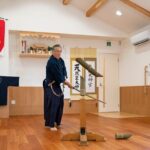
Your guide, whose insights help breathe life into these structures, will take you inside a select few buildings such as the Kodakara-yu bathhouse, the House of Georg de Lalande, and the Kodera Soy Sauce Shop. These visits offer a rare peek into traditional Japanese bathing culture, the lifestyle of foreign residents, and local culinary heritage, respectively.
The Kodera Soy Sauce Shop is especially fascinating, as it showcases an ingredient essential to Japanese cuisine—soy sauce—and reflects the importance of small, family-run businesses in Tokyo’s history. The Takahashi Korekiyo and Mitsui family residences provide glimpses into the homes of influential figures, adding a layer of social history to your walk.
You can also read our reviews of more historical tours in Tokyo Prefecture
Walking the Streets
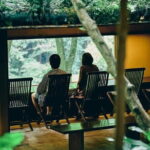
Beyond the inside visits, the tour is best enjoyed as a stroll through streets lined with shops, homes, and soy sauce warehouses. We appreciated how the guided commentary enriched the experience, sharing stories behind each building and its role in Tokyo’s development.
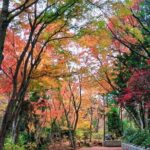
From traditional farmhouses to Western-style houses, each structure tells a story of a city in flux—adapting Western influences while maintaining Japanese traditions. The atmosphere here is quiet and contemplative, an ideal contrast to Tokyo’s bustling modern core.
What Makes This Tour Special?
One of the most memorable aspects is the sense of stepping back in time. Unlike a typical museum visit, walking through these preserved streets allows you to feel the pulse of old Tokyo. The fact that most buildings are original and have been relocated here adds authenticity that you won’t find in reconstructed exhibits.
Practical Tips
- The tour lasts about three hours, so wear comfortable shoes and bring a camera to capture the intricate details of each structure.
- Since the group is small, you’ll have plenty of opportunities to ask questions and get personalized insights.
- Food options are limited within the museum, so consider bringing a snack or eating beforehand.
- The tour starts at the open-air museum and concludes there, so plan your transportation accordingly.
Value and Cost
At $197, this tour offers good value for those interested in architecture and local history. The entrance fee, local guide, and insider visits are included, which simplifies planning. Compared to other cultural experiences in Tokyo, it’s a focused, high-quality option that digs deeper into the city’s past.
Who Would Get the Most Out of This?
This experience is ideal for travelers who enjoy history, architecture, and authentic cultural insights. It’s perfect for those with a few hours to spare who want a meaningful, guided walk instead of a self-guided exploration. Families with older children, history buffs, or anyone looking for a peaceful, educational activity will find this tour rewarding.
Final Thoughts
This walk through Tokyo’s historic streets offers a rare chance to see the city’s past preserved in a way that’s both accessible and engaging. You’ll love the opportunity to explore buildings that reveal everyday life from different periods, all in a peaceful outdoor setting. It’s especially valuable for those who want to go beyond Tokyo’s modern image and connect with its architectural roots.
While it’s a short tour, the depth of detail and inside access make it well worth the price. If you’re looking for a quiet, insightful experience that highlights Tokyo’s evolving identity, this tour makes a perfect choice.
Walk Through Historic Streets in Tokyo
FAQ
Is transportation included in the tour?
Transportation isn’t included, but the meeting point is near public transit, making it easy to reach.
How long does the tour last?
The tour runs approximately three hours, giving ample time to explore and ask questions.
What buildings will we visit inside?
You’ll visit the Kodakara-yu bathhouse, the House of Georg de Lalande, Kodera Soy Sauce Shop, and residences of notable figures like Takahashi Korekiyo and the Mitsui family.
Is the tour suitable for children?
While most travelers can participate, consider the age and interest level of children, as the focus is on architecture and history.
What’s included in the price?
The price covers the entrance fees for the buildings visited and the local guide fee. Gratuity is not included.
Can I cancel if my plans change?
Yes, cancellations are free up to 24 hours in advance for a full refund.
Is this tour family-friendly?
Yes, it’s suitable for families interested in history and architecture, especially if your kids enjoy walking and exploring old buildings.
This tour offers a well-balanced look at Tokyo’s architecture and history—an engaging way to understand the city’s layered story through buildings and streets that have seen generations come and go. It’s perfect for curious travelers who want a meaningful, authentic experience away from the crowds, with plenty of photo opportunities and stories to tell.