

Cusco: Andean Sounds and Pre-Hispanic Wind Instruments – A Deep Dive into Incan Music and Culture
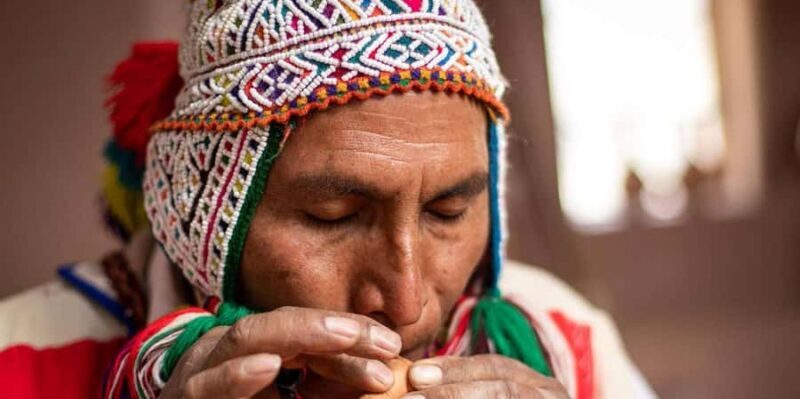
If you’ve ever wanted to connect with the spiritual heartbeat of the Andes, this 5-hour guided tour in Cusco could be just the ticket. For $56 per person, you’ll get to explore some of the most evocative sounds used by pre-Hispanic cultures, including the pututo, whistling pots, and the kero. What makes this experience stand out are the hands-on demonstrations and rituals, led by knowledgeable guides, that bring the ancient instruments and ceremonies to life.
Two things we really appreciate about this tour: First, the focus on authentic sounds and rituals that aren’t just presented as history but experienced firsthand. Second, the chance to learn about the INTI RAYMI, the festival honoring the sun god, which ties these sounds to real ceremonial contexts. A potential drawback? The tour lasts five hours, which might feel long if you prefer shorter, more leisurely outings, especially in hotter months or if you have limited energy.
This tour is best suited for curious travelers who appreciate cultural depth and are eager to understand the spiritual and ceremonial importance of these ancient instruments. If you’re interested in music, history, or indigenous traditions, this will be a highlight on your Cusco itinerary.
You can check availability for your dates here:Key Points
- Authentic Experience: Hands-on demonstrations and participation make this more than just a lecture.
- Cultural Significance: Learn about rituals like the INTI RAYMI and how wind instruments played a role.
- Expert Guides: Knowledgeable guides lead the way, enriching your understanding of the sounds and their meanings.
- Practical Value: Materials and rituals are included; transportation and guide are covered, simplifying planning.
- Spiritual Connection: The tour emphasizes respect for the instruments’ ceremonial importance and cultural roots.
- Limited Age Range: Not suitable for children under 8 or travelers with mobility or health issues.
Planning more time in Cusco? We've covered other experiences worth considering.
Exploring Cusco’s Soundscape: A Practical and Authentic Cultural Journey
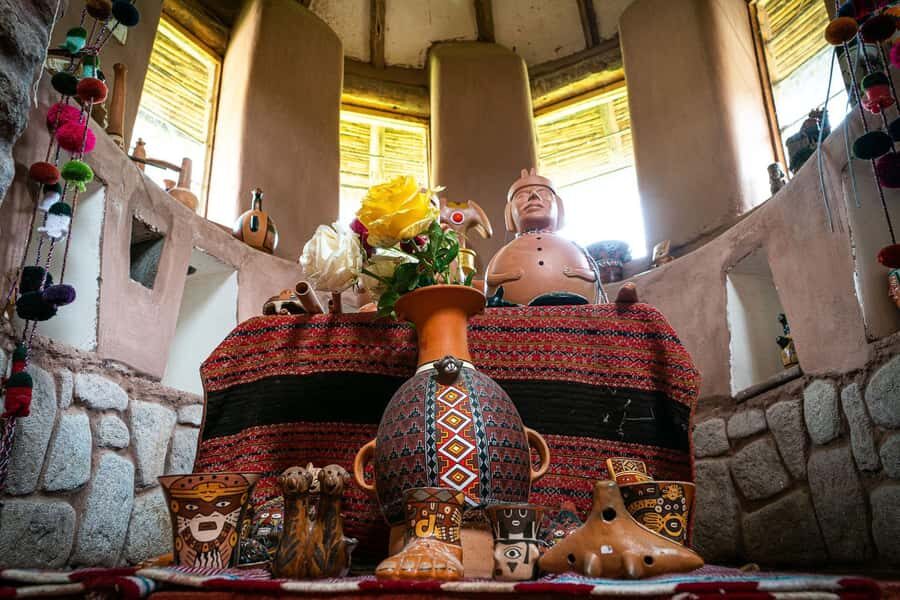
When you arrive in Cusco, it’s easy to get swept up with the stunning Inca ruins or the lively local markets, but this tour offers a different, more profound way to connect with the region. For five hours, you’ll be immersed in the sonic traditions of the Andes, guided by an expert who explains how these instruments were used in daily life, ceremonies, and festivals.
The Itinerary: What You Can Expect
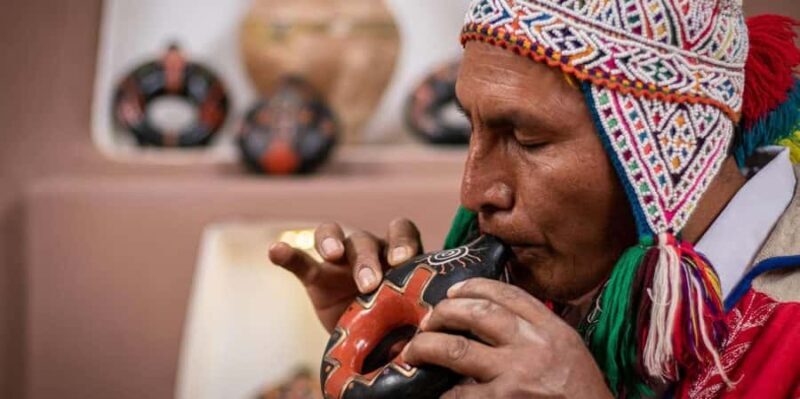
The tour begins with a community-guided walk through Cusco or nearby areas, where your guide will introduce you to the cultural context of the instruments. Expect to see demonstrations of pre-Hispanic wind instruments such as the pututo—a large conch shell used for calling gatherings or signaling messages—and whistling pots, which produce sound for meditative or ceremonial purposes.
You’ll also get to see and hear the kero, a traditional flute used during festivals like the INTI RAYMI, the celebration of the Sun God that coincides with the winter solstice in June. This event marks the Inca New Year and the start of a new agricultural cycle, making the sounds very evocative of renewal and reverence.
The Demonstrations and Rituals
One of the highlights is participating in sound rituals, where the guide will explain and allow you to try your hand at producing some of the sounds. These are not staged performances but authentic demonstrations (and participation) that give you a direct feel for their spiritual and ceremonial significance. It’s a rare opportunity to handle and learn about instruments that have been used for centuries.
More Great Tours NearbyWhy the Focus on Sound?
The Incas and other Andean cultures used these sounds not just for entertainment but as communication tools, ceremonial aids, and spiritual connectors. For instance, the mancha and puito were used during the INTI RAYMI festival to call people together or invoke the gods. Understanding this context adds a layer of appreciation that purely sightseeing cannot provide.
While you're exploring Cusco, here are other experiences we've looked into
The Guides and Their Knowledge
Many travelers mention the expertise of the guides as a key advantage. Their ability to explain the cultural and spiritual significance of each instrument makes the experience more meaningful. One reviewer noted, “We loved the way the guide explained how the instruments were used in ceremonies, making the sounds come alive.” Having a guide who is well-versed in both the history and the music ensures you leave with a genuine understanding, not just a collection of sounds.
Analyzing Value: Is It Worth the Cost?
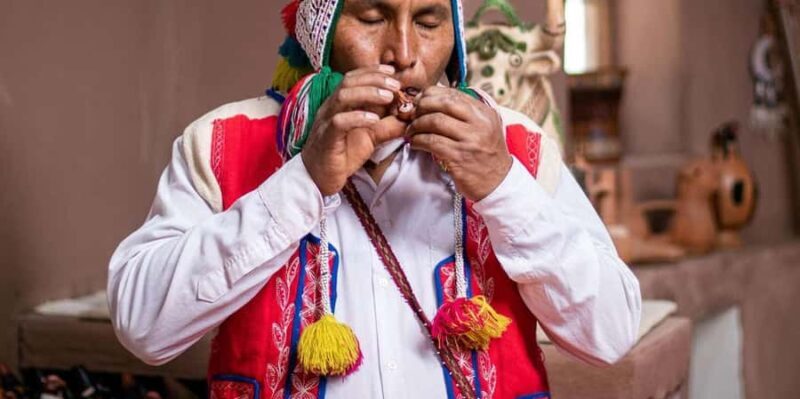
At $56, this tour offers a value-rich experience for those interested in indigenous culture and music. The price covers transportation, a community guide, demonstrations, and materials, making it a hassle-free way to access something that might otherwise require hours of research or local connections. Compared to other cultural activities in Cusco, which often emphasize shopping or standard city tours, this experience is focused squarely on connection and learning.
While it doesn’t include meals or drinks, the price point is reasonable considering the depth of engagement and authenticity. Plus, with the option for free cancellation up to 24 hours in advance, you can plan with some peace of mind.
Transport and Group Size
The inclusion of tourist transportation means you won’t have to worry about finding your way. The tour is likely small to medium-sized, which helps create an intimate environment for participation and questions. This is important for a hands-on experience where engagement matters.
Timing and Flexibility
Since the tour lasts around five hours, check the available starting times to fit it into your schedule. It’s best suited for those with a flexible itinerary who want to dedicate a significant chunk of time to cultural learning rather than a quick overview.
Who Will Enjoy This Tour?
This experience is perfect for music lovers, history buffs, and those eager to understand the spiritual side of Andean culture. It appeals especially to travelers who appreciate authentic, participatory experiences versus passive sightseeing.
It’s also suitable for culturally curious adults but not ideal for young children or travelers with mobility or health issues. The tour involves walking and some participation, so comfort with light activity and standing is helpful.
Final Reflection: Authenticity and Cultural Connection
This tour offers a meaningful glimpse into the spiritual and ceremonial world of the Incas and pre-Hispanic cultures through their musical expressions. The combination of expert guides, hands-on participation, and historical context makes it more than just a presentation; it’s an interactive dialogue with the past.
We loved how the tour emphasizes respect for the cultural significance of the instruments and rituals, encouraging participants to approach with genuine curiosity and reverence. It’s a chance to step beyond typical tourist fare and experience the soul of Andean traditions.
For travelers seeking an immersive, educational, and authentic cultural experience that goes beyond the usual Inca ruins, this tour hits the mark. It’s especially valuable if you want to carry away a deeper understanding of how sound shapes identity, spirituality, and community in the Andes.
FAQ
What is the duration of the tour?
The tour lasts approximately 5 hours, with specific start times depending on availability. Check ahead to see what fits your schedule.
What is included in the price?
Your price covers transportation, a community guide, demonstrations of wind instruments, participation in ancestral sound rituals, and materials used during the experience.
Are meals or drinks included?
No, meals and drinks are not included, so plan accordingly if you need to eat before or after.
Is this tour suitable for children?
It is not recommended for children under 8 years old due to the nature of participation and the length of the experience.
Can I cancel if my plans change?
Yes, you can cancel up to 24 hours in advance for a full refund, offering some flexibility.
What should I bring?
Bring a sun hat, water, biodegradable sunscreen, comfortable clothes, and insect repellent to stay comfortable during the walk and participation.
Is the guide bilingual?
The tour is conducted in Spanish, so some language skills or a translator might be helpful if you don’t speak Spanish.
Is the tour accessible for those with mobility issues?
No, the tour isn’t suitable for travelers with mobility impairments or those who have back or heart problems.
What is the main focus of the tour?
The focus is on experiencing and understanding the sounds of pre-Hispanic wind instruments used in various ceremonial contexts, especially during festivals like INTI RAYMI.
Will I learn about the cultural context of the instruments?
Yes, guides explain the historical, spiritual, and ceremonial significance of each instrument and sound, making it a well-rounded cultural experience.
In short, if you’re eager to deepen your understanding of Andean traditions through their music and rituals, this tour offers a rare and meaningful opportunity. It balances education with participation, making the sounds of the Incas not just heard but felt.
You can check availability for your dates here:More Tour Reviews in Cusco
More Cusco experiences we've covered
- New attraction Morada de los dioses in ATVs
- Ausangate 7 lagoons
- From Cusco: Palccoyo Mountain Tour full day
- Cusco: Excursion to Queswachaka + Four Andean Lagoons 1 day
- Cusco: Private viewpoint of Killarumiyoq, Tarawasi + Chonta.
- Arequipa: Half-Day City Tour in Shared Service
- Alpaca therapy and artisanal creativity
- Cusco One Day: Tour Rainbow Mountain & Red Valley opcional
- Inca Bridge Qeswachaka the last surviving Inca bridge 1 day
- From Cusco: Full-Day Tour to Machu Picchu, Panoramic Route
- Cusco: Classic Inca Trail 4-Day Trek to Machu Picchu
- Cusco: Ausangate – 7 Lakes Hike