Climbing Huayna Potosí in 3 Days: A Comprehensive Review
If you’re eyeing a serious challenge in Bolivia, the Huayna Potosí climb might just be the adventure you’re looking for. This 3-day guided tour, priced at $327 per person, offers an exhilarating mix of high-altitude trekking, glacier practice, and summit moments that will leave you with stories to tell for years.
Starting from La Paz, the trip takes you through some of Bolivia’s most stunning scenery—think bright lagoons, rugged glaciers, and a summit that rewards your effort with breathtaking views.
What we really love about this tour is the professional guidance that makes even challenging parts feel manageable, and the stunning vistas you get throughout the ascent. The guides, including Rami and Max, are not only experienced but also motivating—crucial for a mountain adventure that demands physical and mental stamina.
However, a potential consideration is the length of downtime at base camp on the first two days, which might feel a bit slow if you’re eager to get climbing. Also, keep in mind that some gear is worn, so bringing your own or checking your equipment beforehand might improve comfort.
This tour suits adventurers with a decent level of fitness, some mountaineering interest, and a sense of humor—especially if you’re keen on learning snow and ice techniques or just want a safe but challenging ascent. It’s perfect for those who want more than just a walk—they want a real mountain experience with professional support at every step.
- Key Points
- In-Depth Look at the Huayna Potosí 3-Day Tour
- Starting Point and Transportation
- Day 1: Acclimatization and Glacier Practice
- Day 2: Trek to High Camp
- Day 3: The Summit Push
- What’s Included and What to Bring
- Reviews and Real Experiences
- Equipment and Gear Considerations
- The Challenge and the Reward
- Who Should Consider This Tour?
- The Sum Up
- FAQ
- The Best Of La Paz!
- More 3-Day Experiences in La Paz
- More Tour Reviews in La Paz
Key Points
- Professional Guides: Guides like Rami, Max, and Valerio are praised for their experience, motivation, and safety focus.
- Stunning Views & Glacier Practice: Expect spectacular panoramas, glacier hiking, and the thrill of summit-day sunrise.
- Good Value for Money: For $327, you get transport, equipment, food, and two nights in shelter—offering a comprehensive package.
- Time at Base Camp: The first two days involve a lot of waiting at base camp, which might test your patience if eager to ascend.
- Preparation is Key: Bring your own gear, especially essentials like water, snacks, headlamps, and thermal layers, for a more comfortable experience.
- Authentic Experience: While some gear is worn, the focus on genuine mountaineering makes this tour a true challenge for enthusiasts.
👉 See our pick of the 3 Best Lunch Experiences In La Paz (With Reviews & Prices)
In-Depth Look at the Huayna Potosí 3-Day Tour
You can also read our reviews of more tours and experiences in La Paz
Starting Point and Transportation
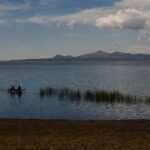
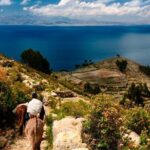
The journey begins at Sagarnaga 308 in La Paz, where your guides will meet you early in the morning around 9:00 a.m. The private transport takes roughly three hours, winding through some of the most dramatic scenery you’ll see in Bolivia. Expect views of the Milluni Lagoon and El Alto, both offering perfect photo opportunities. The ride itself sets the tone—dramatic mountain scenery looming in the background, a taste of what’s to come.
This transportation is a real highlight, as it allows you to sit back and soak in the changing landscapes while your guides prepare you mentally for the climb ahead. Many reviews note that the trip to the base camp is scenic and well-organized, giving you a calm start before the physical challenge.
Day 1: Acclimatization and Glacier Practice
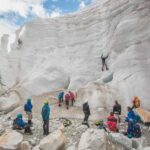
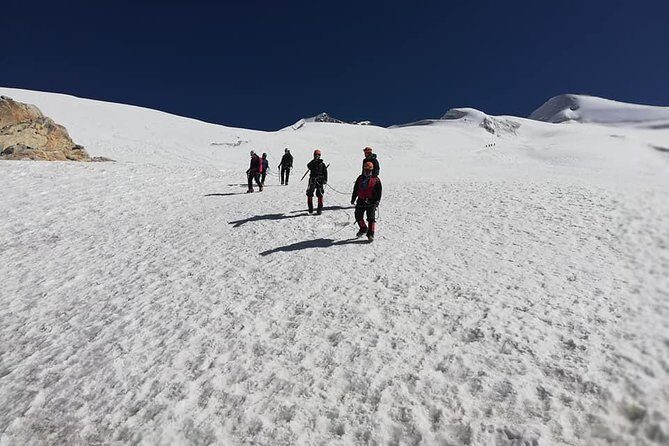
Once at the base camp at 4,700 meters, the focus is on acclimatization and preparation. You’ll have a hearty Bolivian lunch and then get to know the equipment—crampons, ice axes, harnesses—and practice moving on snow and ice. This part is vital—it’s the best way to get comfortable with your gear and avoid surprises during the ascent.
The glacier practice is also fun; it turns what might seem intimidating into a manageable set of skills. The guides seem attentive, motivating, and patient, ensuring everyone is confident before heading higher.
One reviewer mentioned that the gear was in good condition, although some equipment was worn. If you’re particular about comfort, consider bringing your own thermal layers, gloves, and batteries as recommended.
Day 2: Trek to High Camp
The second day involves a 4-hour walk with full gear packed in your backpack from the base to the high camp at around 5,000 meters. This is a key acclimatization step, and the walk itself offers spectacular views of the surrounding peaks and glaciers.
Many trekkers comment that the guides were excellent—supportive and encouraging—making what could be a strenuous day feel more manageable. The ascent to high camp is where you’ll start feeling the altitude, but the stunning scenery often makes it worth it.
At the high camp, you’ll have dinner around 5:30 p.m. and try to rest up—an essential step before the early start the next day. Some reviews praise the comfort and organization here, which can make or break your summit attempt.
Day 3: The Summit Push
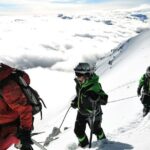
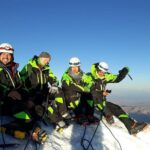
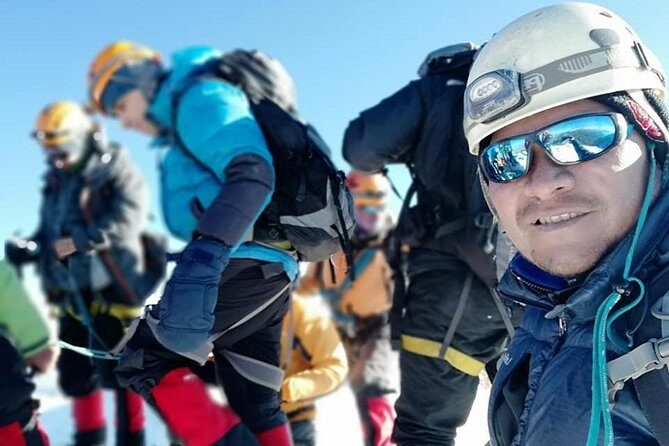
The big day starts at 1:00 a.m., when you wake up, eat breakfast, and prepare for the final push. The ascent to the summit takes approximately six hours, with the goal being to reach the top around sunrise—an unforgettable moment when the snow-capped peaks glow in the early light.
The climb involves a mix of steep snow, ice, and some scrambling sections, with guides helping you navigate each step. Reviewers emphasize the importance of a good guide—one who pushes just enough without overdoing it. Many say the final ridge is exhilarating, with panoramic views that make all the effort worthwhile.
After reaching the summit, most descend back to high camp in about two hours. The return to base camp takes roughly another hour and a half, and you’ll be back in La Paz by around 1:30 p.m., feeling both exhausted and elated.
What’s Included and What to Bring
Your price of $327 includes professional guides, climbing equipment, transport, and two nights in shelters. Food is also provided, though water, snacks, headlamps, sleeping bags, and batteries are not included—so packing those essentials is important.
The tour’s flexibility means you can leave your own gear like a 55L backpack and thermal layers, making sure you’re comfortable. Reviews often mention the guides’ helpfulness in explaining gear and techniques, which is critical for beginners and seasoned climbers alike.
Reviews and Real Experiences
The glowing reviews highlight the expertise of guides like Esteban, Alan, Ramiro, Max, and Valerio, all praised for their patience, motivation, and safety focus. Many reviewers appreciated the smooth organization, with some noting that their guides spoke little to no English but were still very helpful, especially if you speak a bit of Spanish.
The spectacular scenery—from Lagoons to glaciers—comes through strongly in traveler comments, along with the thrill of summiting early in the morning as the sun rises over the mountains. Several reviews mention how the guides are able to motivate even the most hesitant climbers, making the summit feel like a shared achievement.
Equipment and Gear Considerations
While most gear was noted as functional, some equipment was worn, which might affect your comfort. Travelers recommend bringing extra thermal layers, batteries, and water to stay energized and warm. The tour does a good job of providing gear, but personal adjustments can make a big difference, especially at higher altitudes.
The Challenge and the Reward
Climbing Huayna Potosí is no walk in the park—and that’s part of its appeal. It’s physically demanding, requiring good fitness, acclimatization, and mental resilience. The guides push you just enough to reach the summit, but not so much as to risk safety. Expect some scrambling, snow walking, and icy sections, which can be intimidating but also incredibly rewarding.
As one reviewer said, “The final ridge to the summit feels amazing,” and many describe the ascent as a “challenging but incredible adventure.” If you’re prepared and want a taste of real mountaineering, this tour delivers.
Who Should Consider This Tour?
This climb is best suited for travelers with decent physical fitness, an interest in mountaineering, and a willingness to face altitude challenges. It’s not a casual trek; it’s a serious ascent with technical sections, glacier walking, and early mornings.
If you’re a bit nervous about gear or logistics, the well-organized outfit and experienced guides will put your mind at ease. And if you’re eager to learn snow and ice techniques or simply want to stand on a Bolivian summit with stunning views, this is a fantastic choice.
The Sum Up
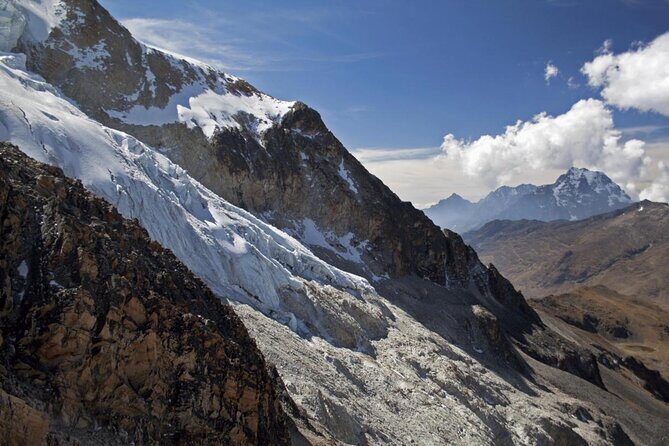
The Huayna Potosí 3-day tour offers a reasonably priced, well-organized adventure into Bolivia’s high mountains. With professional guides, stunning scenery, and the thrill of summiting at sunrise, it’s a compelling option for those seeking a true mountaineering experience. While it involves some waiting at base camp and gear considerations, these are minor compared to the total value and adventure.
If you’re looking for a challenge with plenty of support and a chance to really test your limits, this trip provides an authentic, rewarding experience in one of South America’s most iconic peaks. Perfect for adventure lovers who want more than just sightseeing, it promises stories—and views—that will stay with you long after you leave Bolivia.
FAQ
How physically demanding is the Huayna Potosí climb?
It’s physically challenging, especially at high altitude. The tour is designed for those who are reasonably fit and prepared for several hours of walking, glacier practice, and an early summit start.
What gear should I bring?
Bring thermal layers, gloves, batteries, water, snacks, and a 55L or larger backpack. The tour provides equipment, but personal gear can enhance comfort and safety.
Are guides fluent in English?
Most guides speak little to no English, but they are very supportive and helpful. If you speak some Spanish, you’ll get more out of the experience, but even without it, guides are professional and encouraging.
How long do we stay at base camp?
The first two days mostly involve waiting at base camp—so bringing a book or entertainment helps pass the time. The focus is on acclimatization and glacier practice.
What is the return time to La Paz?
Most climbers are back in La Paz around 1:30 p.m. on the third day, feeling exhausted but triumphant.
Can I cancel if my plans change?
Yes, the tour offers free cancellation up to 24 hours in advance for a full refund. If canceled due to weather, you’ll be offered a different date or full refund.