Exploring Tiwanaku: An 8-Hour Journey into Bolivia’s Ancient Past
If you’re visiting La Paz and have a curiosity for history, archaeology, or just want a day away from city life, the Tiwanaku archaeological tour offers a fascinating glimpse into one of South America’s most intriguing ancient sites. For around $35 per person, you’ll spend about eight hours exploring key locations like the Kalasasaya Temple, the Ceramic Museum, Tiwanaku itself, and the mysterious Puma Punku. Led by bilingual guides and with hotel pickup in the city center, this tour is designed to be accessible for most travelers.
Very dusty drive out to the site. Guide was very serious and could have made things a bit less serious. Bus was very crowded and hot. Sites were very interesting.
This is a great tour! For one the drive is stunning through the Bolivian countryside. Secondly, if you are into history at all this tour is so rich. The guide was extremely knowledgeable!
What we really like about this experience is how it combines cultural insights with striking visuals. The Kalasasaya Temple, with its enormous stones and spiritual energy, is a highlight that offers a tangible connection to the past. Plus, the visit to Puma Punku’s colossal stone structures is a chance to stand in awe at how ancient engineers constructed these enigmatic monuments. A second perk is the inclusion of a ceramic museum that enriches your understanding of regional cultures through artifacts and chronological displays.
However, it’s worth noting that some travelers have found the overall pace a bit rushed, especially if you’re eager to linger or explore independently. The $15 entrance fee for the key archaeological sites and museums isn’t included in the ticket price, so be prepared for that additional expense. Also, the tour sometimes faces logistical hiccups — like slow transportation or groups being hurried through exhibits — which are common in busy tourist spots but worth considering.
This tour is best suited for history buffs, curious travelers, or anyone wanting an insightful day trip with guidance. If you’re comfortable with a schedule that’s a bit brisk and don’t mind sharing the experience with others, it offers a solid value. For those seeking a more relaxed, self-paced exploration, you might prefer to visit some sites independently or look for smaller, more flexible options.
- Key Points
- An In-Depth Look at the Tiwanaku Tour Experience
- Starting the Day: Early Morning Pickup and Transport
- Kalasasaya Temple: The Ceremonial Heart
- Ceramic Museum: Artifacts and Cultural Context
- Tiwanaku Site: The Ancient City
- Puma Punku: The Mystifying Enigma
- Wrap-up: Returning to La Paz
- The Practicalities: What You Need to Know
- Cost and Value
- Group Size and Pace
- Guides and Experience
- Logistics and Considerations
- Who Should Book This Tour?
- Final Thoughts
- FAQ
- The Best Of La Paz!
- More Tours in La Paz
- More Tour Reviews in La Paz
Key Points
- Comprehensive itinerary includes the Kalasasaya Temple, Ceramic Museum, Tiwanaku, and Puma Punku.
- Guide quality is often praised for being knowledgeable, though some find their tone too serious.
- Transportation is private and exclusive for the group, making overall travel smoother.
- Cost efficiency is good considering transportation, guided insights, and access to major sites.
- Group size is limited to 20 travelers, which helps keep the experience more intimate.
- Timing can be tight, with some reviews mentioning rushed visits and limited exploration time.
👉 See our pick of the 3 Best Lunch Experiences In La Paz (With Reviews & Prices)
An In-Depth Look at the Tiwanaku Tour Experience
You can also read our reviews of more tours and experiences in La Paz.



Starting the Day: Early Morning Pickup and Transport
The tour kicks off at 8:30 am with hotel pickup in La Paz’s city center. The bus ride out to the archaeological site offers a scenic introduction to the Bolivian countryside — think dusty roads, open plains, and distant mountains. While most travelers find the drive beautiful, some mention it can be dusty and uncomfortable, especially if the bus is crowded or temperature-controlled conditions are less than ideal.
The transportation is exclusive for your group, which is a plus, but expect the ride to be a little bumpy at times. One review noted, “Very dusty drive out to the site,” which highlights the importance of dressing appropriately and keeping your camera ready for snapshots.
Kalasasaya Temple: The Ceremonial Heart
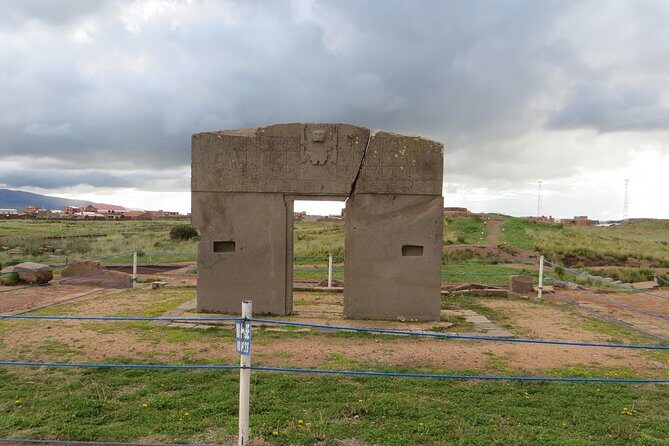
The first stop is the Kalasasaya Temple, a large stone platform with monoliths and carved sculptures. This site is famous for its "Sun Door," a monolithic entrance that’s steeped in symbolism and mystery. Visitors often report an energizing atmosphere, as the stones seem to radiate a palpable sense of history.
While the admission isn’t included — costing around $15 for all sites — the temple itself is a highlight. We loved the way the massive stones fit together so precisely, sparking questions about ancient engineering and cultural practices. Some reviews mention that the guide might rush through this part, so if you’re eager to linger and soak in the atmosphere, let your guide know.
Ceramic Museum: Artifacts and Cultural Context
Next up is the Ceramic Museum, where exhibits showcase artifacts from various archaeological sites in the region. It's an excellent stop to understand the chronological development of cultures in Bolivia and beyond. Expect to see intricate pottery, tools, and ceremonial objects.
One traveler remarked, "The museum exhibits pieces found in the most important archaeological sites, providing a chronological picture." This context helps visitors appreciate the depth of regional history and understand how these cultures evolved over centuries. Keep in mind, admission here isn’t included, so factor that into your budget.
Tiwanaku Site: The Ancient City
The core of the tour is the Tiwanaku site itself — a sprawling complex with large stone structures, carved symbols, and impressive monoliths. The guide will show you large stones and symbolic carvings, offering insights into their possible meanings and the advanced knowledge of the builders.
That said, some reviewers have expressed frustration with the short visit — often just 10-20 minutes — due to time constraints. “We only had a few minutes to take photos,” one said, reflecting how the limited exploration time can leave visitors wanting more. The admission fee for the site is also separate, so be prepared for that additional expense.
Puma Punku: The Mystifying Enigma
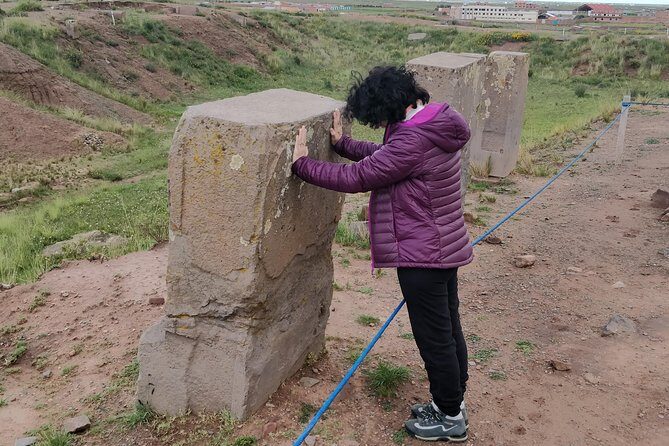
The visit concludes at Puma Punku, a site renowned for its gigantic stone blocks and mysterious construction techniques. The structures, shaped in "H" formations and other geometries, baffle archaeologists and engineers alike. Many believe that these stones were cut with tools or methods we still don’t fully understand.
One reviewer recounted, “Many say that with the help of beings of force majeure, these structures were made,” highlighting the awe and mystery surrounding Puma Punku. The 30-minute stop is brief but packed with photo opportunities and questions. The site’s enigmatic nature makes it well worth seeing, despite the limited time.
Wrap-up: Returning to La Paz
After a quick look at Puma Punku, the group heads back, often making a few brief stops or allowing time for questions. The return journey can be bumpy and hot, especially if the bus is crowded — an aspect some travelers found less comfortable.
The Practicalities: What You Need to Know
Cost and Value
For $35, this tour offers a guided journey to some of Bolivia’s most iconic archaeological sites, including transportation, guiding services, and site visits. The additional entrance fees — estimated at $15 — are separate, so budget accordingly. Considering the convenience of hotel pickup and bilingual guides, the price offers good value, especially for first-timers who want a structured, informative experience.
Group Size and Pace
Limited to 20 travelers, the group isn’t too large, encouraging interaction but still maintaining a manageable pace. However, some reviews note a rushed schedule, with limited time at each location, which is typical of many guided tours trying to fit multiple sites into a day.
Guides and Experience
Guides are generally praised for their knowledge, especially when describing the mysteries of Puma Punku or the symbolism of the carvings. Still, some mention that guides can be serious or overly focused on facts, potentially making the experience feel a bit stiff for those craving a more relaxed storytelling style.
Logistics and Considerations
- Timing: The tour starts at 8:30 am and lasts approximately 8 hours, including travel time.
- Dress: Expect a dusty drive; wear comfortable clothes and sturdy shoes.
- Food: Lunch isn’t included, but guides can arrange vegetarian options if you ask.
- Accessibility: The tour is suitable for most travelers, but those with mobility issues should check the site terrain.
Who Should Book This Tour?
This experience suits history enthusiasts eager to see Bolivia’s ancient sites with knowledgeable guides, or travelers seeking a convenient, guided day trip from La Paz. It’s ideal if you want a rundown without the hassle of arranging transportation and tickets yourself.
However, if you prefer to explore sites at your own pace or want more time at each location, you might find this tour a bit rushed. Also, if you’re sensitive to crowds or noise, be prepared for a lively group and busy sites.
Final Thoughts
The Tiwanaku tour offers a solid introduction to Bolivia’s incredible archaeological heritage. While some travelers have experienced a quick pace or logistical hiccups, the highlights — especially Puma Punku’s mysterious stones and Kalasasaya’s ceremonial atmosphere — remain compelling. The bilingual guides add valuable insights, helping you interpret symbols and understand the site’s significance.
The value for money is good considering transportation, guide service, and entry to major sites (not including fees). It’s perfect for those who want a guided, educational day and are comfortable with the schedule. For a deeper experience, consider extending your visit or exploring independently.
If your main goal is to see the majestic stones and learn about their history, this tour delivers. Just be prepared for some quick visits and a busy day, and you’ll come away with a meaningful understanding of Bolivia’s ancient marvels.
FAQ
What is included in the tour price?
The $35 fee covers private transportation, a bilingual guide, and hotel pickup in La Paz’s city center. Entrance fees to the sites are extra.
How long does the tour last?
The tour is approximately 8 hours, starting at 8:30 am and returning in the late afternoon.
Are the guides bilingual?
Yes, guides speak both English and Spanish, allowing for a broader range of travelers to benefit from the explanations.
Is the transportation comfortable?
Most found the transportation exclusive for the group, but some reviews mention it can be crowded or dusty, so dress accordingly.
What is the main highlight of the tour?
Many find Puma Punku’s massive stones and mysterious craftsmanship especially intriguing, along with the spiritual atmosphere of Kalasasaya.
Do I need to pay additional fees?
Yes, the $15 entrance fee for the archaeological sites and museums is not included in the tour price.
Can I customize the visit?
Since it is a guided tour with a set itinerary, customization is limited, but you can ask your guide about extending time at specific sites if possible.
Is lunch included?
No, lunch isn’t included, but guides can assist in arranging vegetarian options if needed.
To sum it up, the Tiwanaku tour offers a well-priced, guided introduction to Bolivia’s ancient wonders. It’s best suited for travelers who appreciate guided insights and are comfortable with a somewhat brisk pace, eager to see the highlights and learn about the mysteries of these extraordinary sites.