
- The Shibuya District
- 1. Watch the Chaos at Shibuya Crossing
- 2. Get the Best View in Tokyo at Shibuya Sky
- 3. Drink Your Way Through Golden Gai
- 4. Eat Yakitori at Omoide Yokocho
- Harajuku and Omotesando
- 5. Harajuku and Takeshita Street
- 6. Find Some Peace at Meiji Shrine and Yoyogi Park
- Asakusa and the East Side
- 7. Walk Through Senso-ji Temple
- 8. Eat Everything at Tsukiji Outer Market
- Shinjuku Area
- 9. Shinjuku Gyoen National Garden
- Akihabara “” The Electric Town
- 10. Lose Yourself (and Your Money) in Akihabara Arcades
- Immersive and Unique Experiences
- 11. TeamLab Planets
- 12. Go-Kart Through Tokyo’s Streets
- 13. The Robot Restaurant Situation
- 14. Soak in an Onsen or Sento
- Tokyo’s Food Scene “” Beyond the Obvious
- 15. Hunt for the Best Ramen
- 16. Stand at a Standing Sushi Bar
- 17. Explore a Depachika (Department Store Food Hall)
- 18. Take a Cooking Class
- 19. Book a Food Tour
- Views and Towers
- 20. Tokyo Tower vs. Tokyo Skytree “” Which One?
- Museums and Culture
- 21. Spend a Day at Ueno Park’s Museums
- 22. The Roppongi Art Triangle
- Off the Usual Tourist Track
- 23. Vintage Shopping in Shimokitazawa
- 24. Coffee and Canal Views in Nakameguro
- 25. Step Back in Time in Yanaka
- Practical Tips That Will Actually Help
The Shibuya District
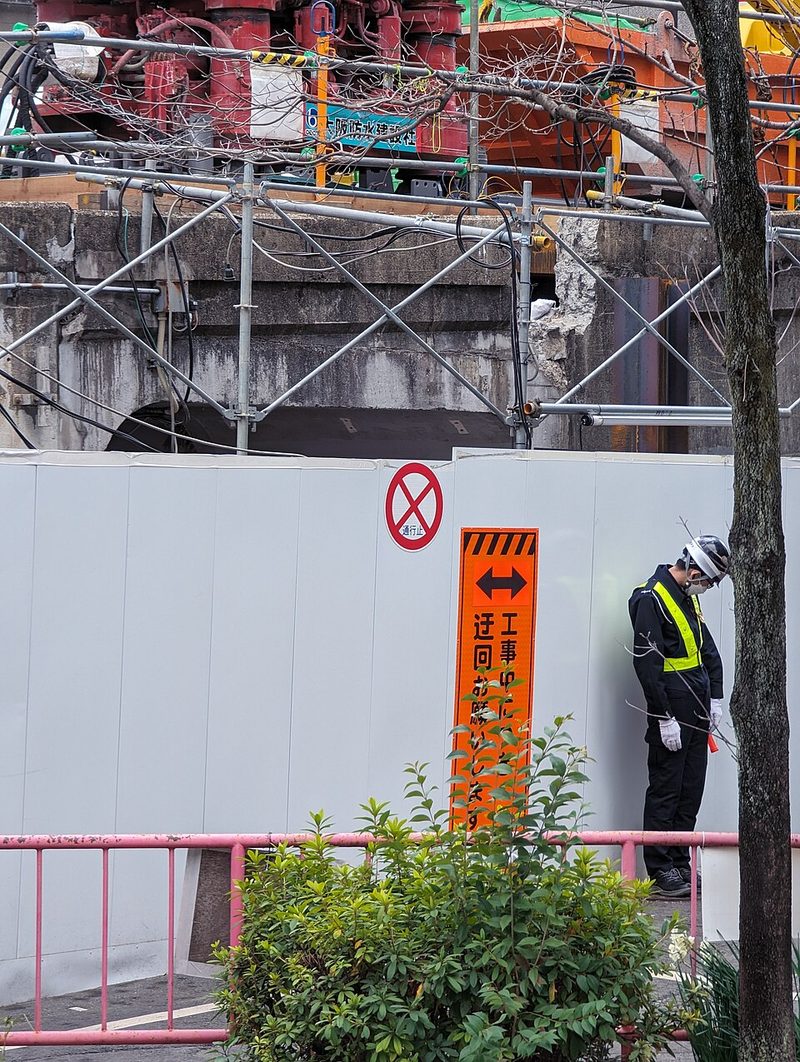
Start here. Shibuya is where most first-timers get their “okay, I’m actually in Tokyo” moment, and honestly, it earns that reputation. Three of the city’s best experiences sit within a 15-minute walk of each other.
1. Watch the Chaos at Shibuya Crossing
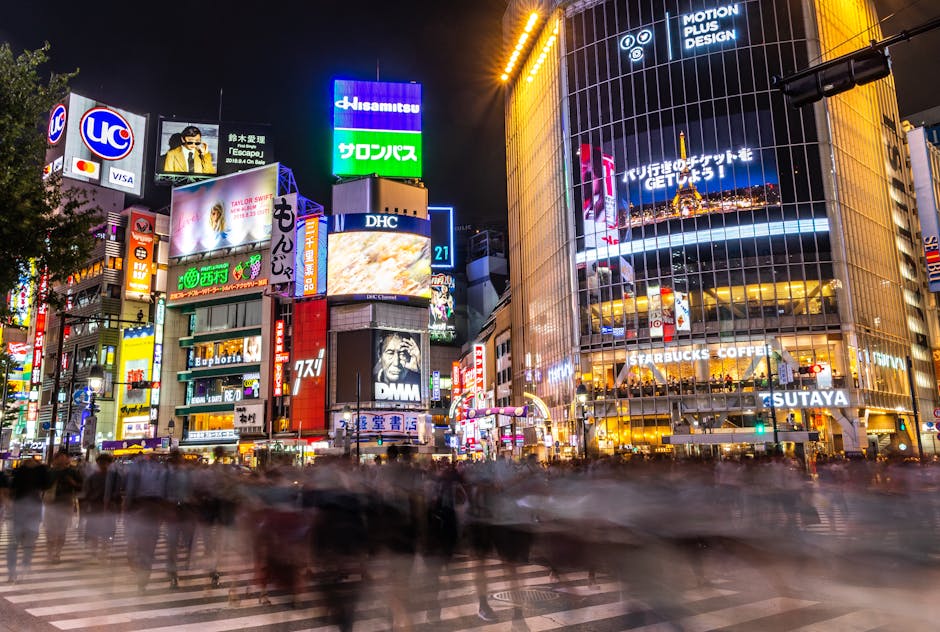
You’ve seen it in every movie set in Tokyo. The scramble crossing outside Shibuya Station where up to 3,000 people cross at once during peak hours. And yes, it really is that intense in person.
Here’s the thing though “” standing IN the crossing is fine for about 30 seconds. The real move is watching it from above. Head to the Shibuya Sky observation deck (more on that in a moment) or grab a window seat at the Starbucks on the second floor of the TSUTAYA building. The Starbucks is free to enter, obviously, but you’ll need to buy a drink and the line for a window seat can stretch 20 minutes during peak times. Worth it.
The crossing is best after dark when the neon lights up. Go around 7-8pm on a Friday for maximum sensory overload.
Nearest station: Shibuya (JR Yamanote Line, Ginza Line, Hanzomon Line “” basically every line stops here)
Cost: Free
Time needed: 15-20 minutes
2. Get the Best View in Tokyo at Shibuya Sky
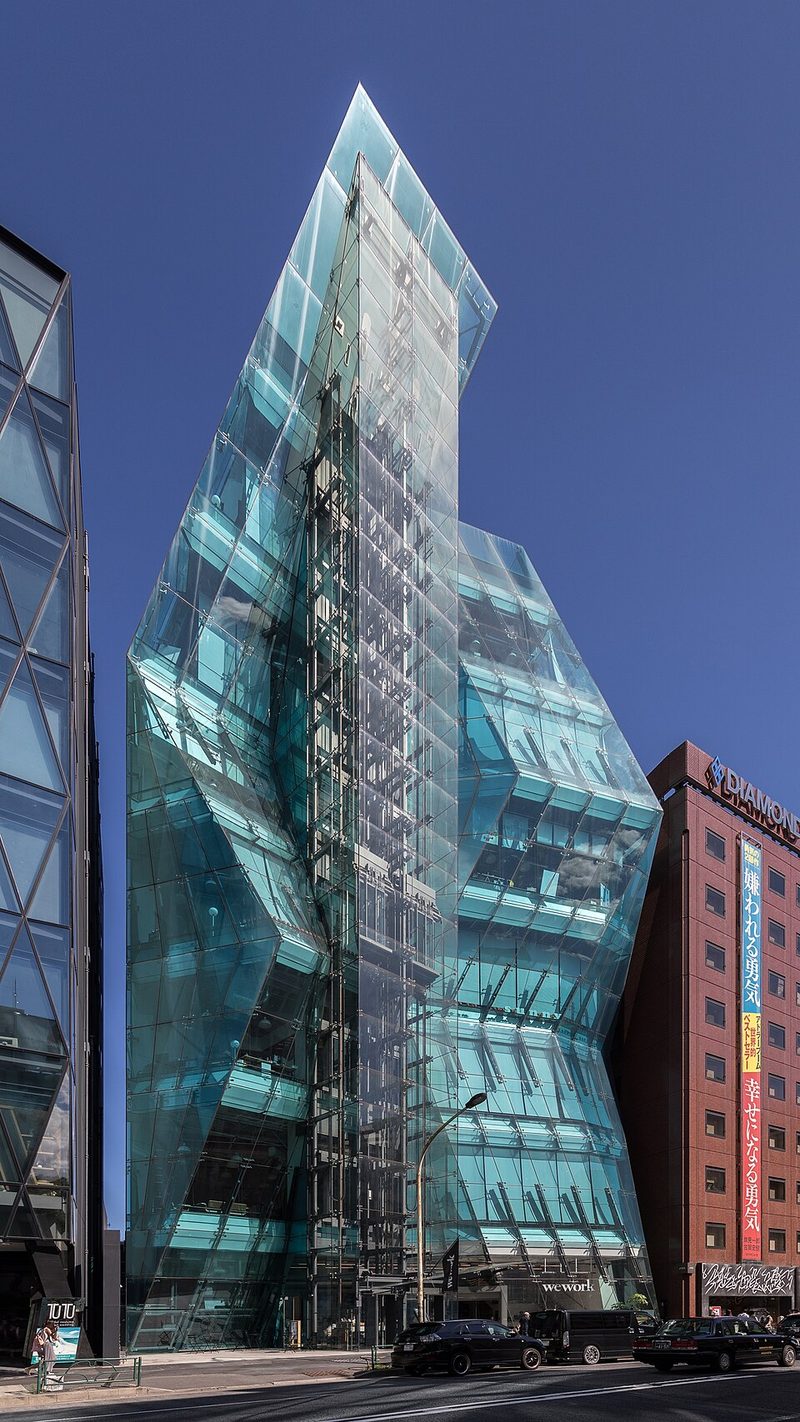
Shibuya Sky is a rooftop observation deck on top of Shibuya Scramble Square, and it’s genuinely one of the best things I’d recommend in this entire city. The open-air rooftop sits 230 meters up with 360-degree views. On a clear day you can see Mount Fuji.
Tickets cost 2,000 yen (about $13 USD) if you book online in advance. Walk-ups are 2,500 yen and sometimes sell out entirely, especially on weekends. Book ahead. Seriously. The sunset time slot fills up days in advance during peak season.
One honest gripe: the indoor observation floor on the way up feels like a forced Instagram installation with mood lighting and mirrors. It’s a bit much. But the rooftop itself is spectacular, so push through the theatrics.
Nearest station: Shibuya Station (direct connection to Scramble Square building)
Cost: 2,000 yen (~$13 USD) advance / 2,500 yen (~$17 USD) walk-up
Time needed: 45 minutes to 1 hour
3. Drink Your Way Through Golden Gai
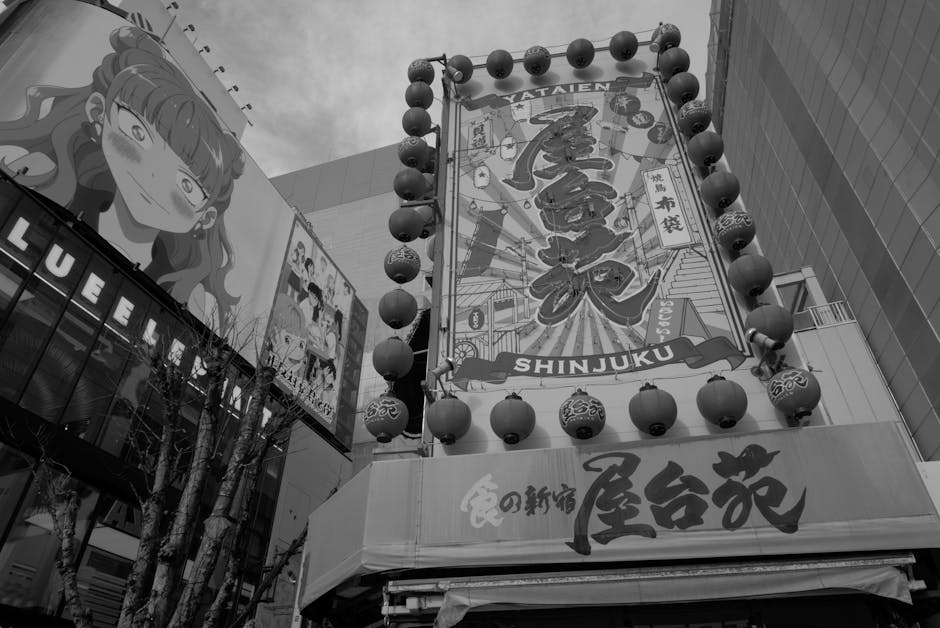
Golden Gai is a maze of roughly 200 tiny bars crammed into six narrow alleys in Shinjuku. Most bars seat four to eight people. Some have cover charges of 500-1,500 yen ($3-$10 USD) just to sit down, plus your drink order on top. A beer typically runs 700-1,000 yen ($5-$7 USD).
A few things to know. Some bars genuinely don’t want travelers and will have signs saying so. Respect that. Others actively welcome international visitors “” look for English menus in the window or signs that say “travelers welcome.” Don’t take photos inside without asking. And don’t bar-hop too quickly “” the point is to sit, talk to the bartender, maybe meet the two other people squeezed in next to you.
Skip the bars on the main outer edges that look like they’re trying too hard. The best spots are tucked on the upper floors of the deeper alleys. Go after 9pm. Most places don’t open until 8pm anyway.
Nearest station: Shinjuku Station (East Exit), 5-minute walk
Cost: Budget 3,000-5,000 yen (~$20-$33 USD) for a few drinks with cover charges
Time needed: 1.5-3 hours
4. Eat Yakitori at Omoide Yokocho
Also called “Memory Lane” or “” less charitably “” “Piss Alley.” It’s a narrow strip of tiny yakitori stalls and izakayas just outside Shinjuku Station’s West Exit. The smoke from the grills hangs in the air and the whole place feels like it was dropped in from 1950s Tokyo. Because it basically was.
This is where you sit on a wobbly stool, point at things on a picture menu, and eat some of the best grilled chicken skewers you’ll find anywhere. Most skewers run 150-300 yen ($1-$2 USD) each. A full meal with a beer or two will cost around 2,000-3,000 yen ($13-$20 USD).
But I’ll be straight with you “” it’s gotten touristy. The food is still good, but some stalls now have English-only menus with inflated prices aimed at visitors. Stick to the places where you see Japanese salarymen eating. That’s your quality filter.
If you want the deeper experience of Tokyo’s food scene, consider booking a guided food tour that takes you to spots you’d never find on your own.
Nearest station: Shinjuku Station (West Exit), 2-minute walk
Cost: 2,000-3,000 yen (~$13-$20 USD) for a full meal
Time needed: 45 minutes to 1 hour
Harajuku and Omotesando
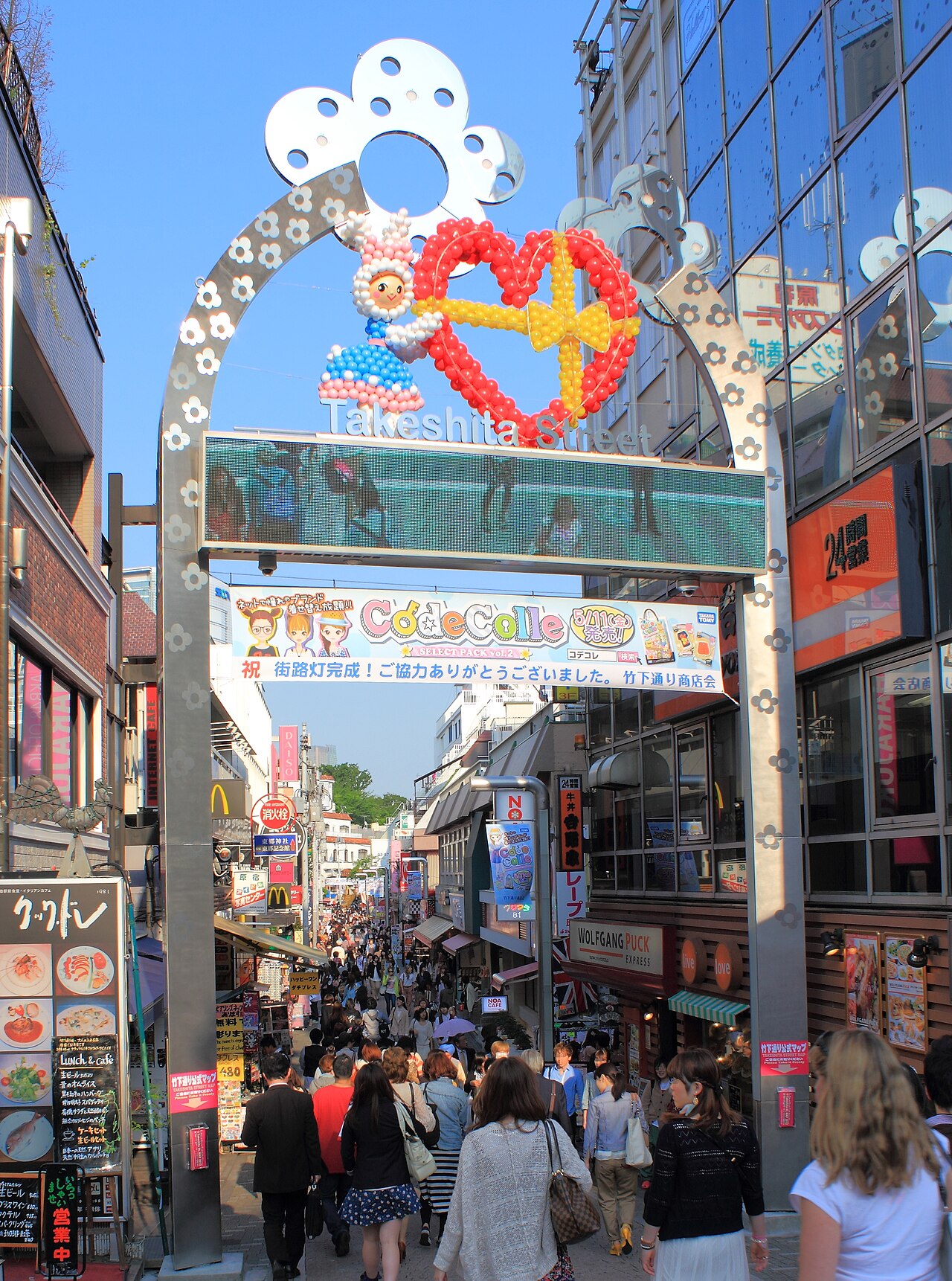
Walk from Shibuya to Harajuku in about 15 minutes, or take the JR Yamanote Line one stop. This area packs in street fashion, one of Tokyo’s most important shrines, and a massive park “” all within a few blocks.
5. Harajuku and Takeshita Street
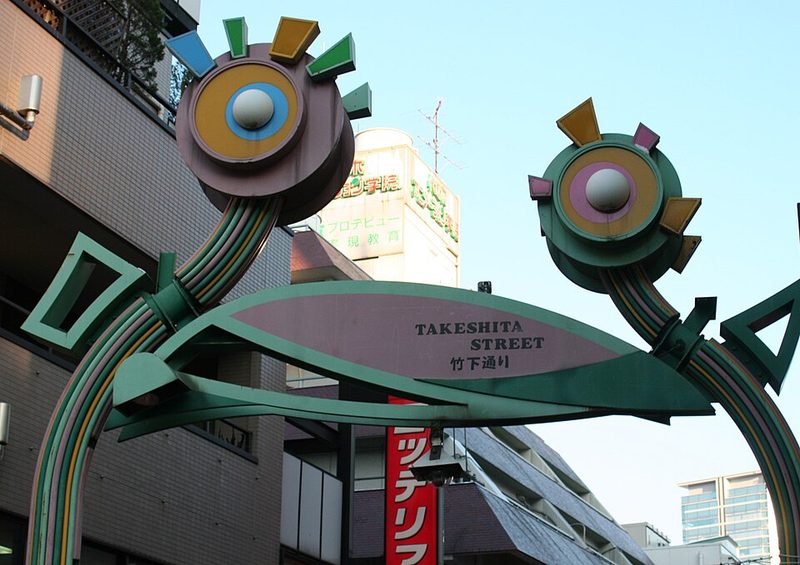
Takeshita Street is a 400-meter pedestrian lane packed with crepe shops, wild fashion boutiques, and more sugar than a human body should reasonably consume. The famous rainbow cotton candy from Totti Candy Factory is 700 yen (~$5 USD) and is honestly bigger than your head.
Here’s my honest take: Takeshita Street itself is overrated if you’re over 25. It’s loud, insanely crowded (especially on weekends “” avoid Saturday afternoons), and most of the shops sell the same tourist-oriented stuff. The real Harajuku fashion scene has largely moved to the backstreets “” Cat Street and the side alleys between Harajuku and Omotesando are where the interesting independent boutiques live now.
Still worth a walk-through for the spectacle. Just don’t spend two hours here.
Nearest station: Harajuku Station (JR Yamanote Line)
Cost: Free to walk; budget 1,000-2,000 yen (~$7-$13 USD) for snacks
Time needed: 30 minutes for Takeshita Street, 1-2 hours if exploring backstreets
6. Find Some Peace at Meiji Shrine and Yoyogi Park
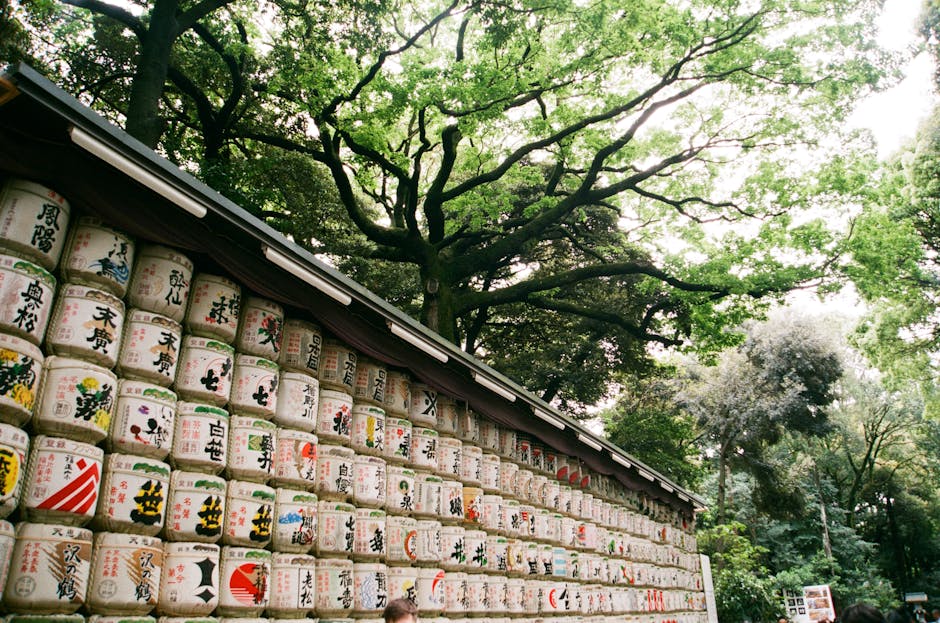
Meiji Shrine sits in a forest of 120,000 trees that were donated from across Japan when the shrine was built in 1920. Walk through the massive torii gate and within two minutes the noise of Harajuku disappears entirely. It’s jarring how fast the transition happens.
The shrine itself is dedicated to Emperor Meiji and Empress Shoken. Entry is free. If you want to write a prayer on an ema (wooden wishing plaque), those cost 500 yen (~$3 USD). You’ll often see traditional Shinto wedding processions on weekends “” absolutely beautiful to witness if you happen to catch one.
After the shrine, cut through to Yoyogi Park next door. On Sundays, the area near the entrance becomes a stage for street performers, rockabilly dancers, and cosplay groups. It’s one of the most genuinely fun free things to do in Tokyo. Weekdays are much quieter “” good for a peaceful walk but you’ll miss the energy.
For more historical context on sites like this, check out our guide to Tokyo’s best historical tours.
Nearest station: Harajuku Station (JR Yamanote Line) or Meiji-jingumae Station (Chiyoda/Fukutoshin Line)
Cost: Free (ema plaques 500 yen / ~$3 USD)
Time needed: 1-1.5 hours for shrine + park
Asakusa and the East Side
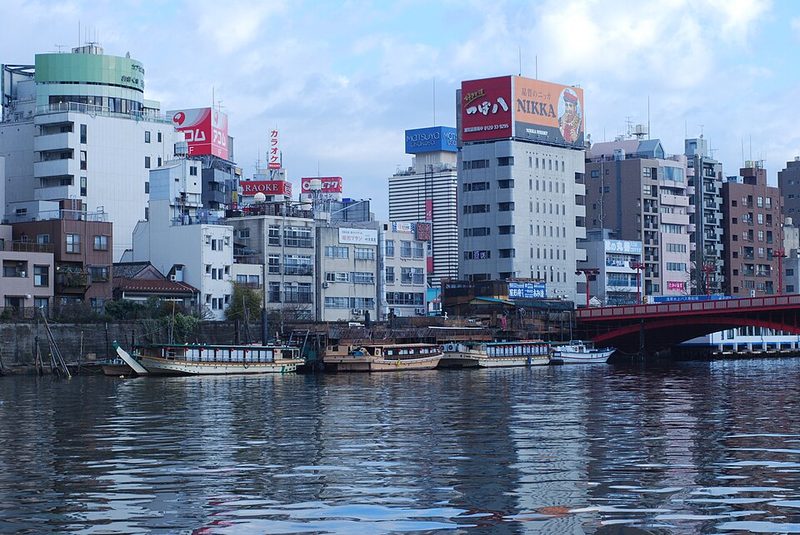
The east side of Tokyo has a completely different feel. Older. More traditional. Less polished. And that’s exactly why you should go.
7. Walk Through Senso-ji Temple
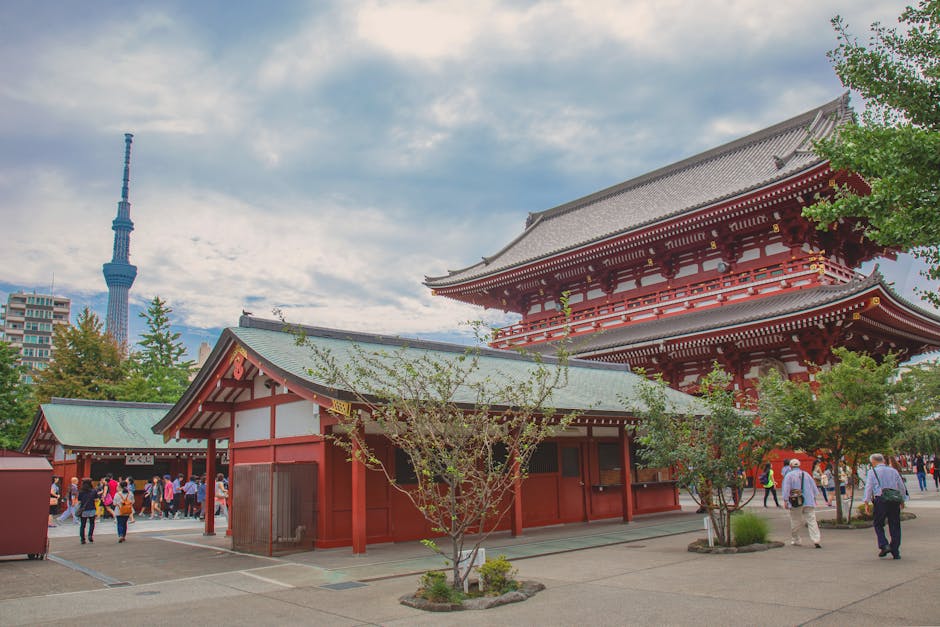
Senso-ji is Tokyo’s oldest temple, dating back to 645 AD. The approach through Kaminarimon (“Thunder Gate”) and along Nakamise-dori shopping street is one of those scenes that actually lives up to the photos. The massive red lantern at the gate weighs 700 kilograms.
Nakamise-dori is about 250 meters of stalls selling rice crackers, ningyo-yaki (small cakes filled with red bean paste, about 500 yen for a bag), and traditional souvenirs. Some of it is genuine, some of it is mass-produced tourist fare. The ningyo-yaki is worth buying. Skip the overpriced chopstick sets.
The temple grounds are free to enter and open 24 hours. Come early morning (before 8am) or after dark for the best experience. Midday between 11am-3pm is shoulder-to-shoulder crowds and you won’t enjoy it half as much. I mean it. The difference between 7am and noon here is staggering.
Nearest station: Asakusa Station (Ginza Line, Asakusa Line)
Cost: Free
Time needed: 1-1.5 hours
8. Eat Everything at Tsukiji Outer Market
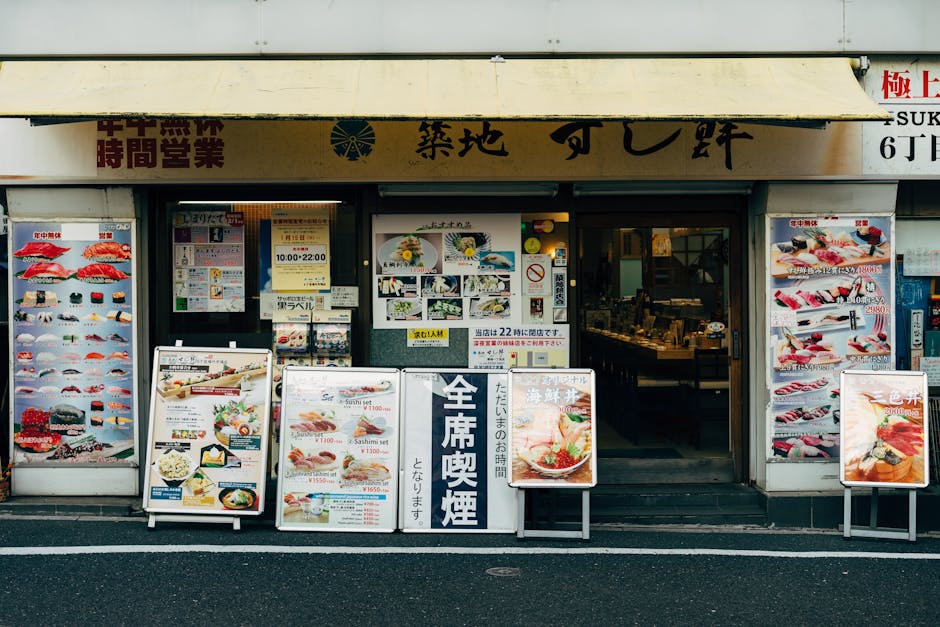
The famous inner wholesale fish market moved to Toyosu in 2018. But Tsukiji Outer Market is still here, still operating, and still one of the best places to eat in Tokyo. Roughly 400 shops and restaurants packed into tight lanes, selling fresh seafood, tamagoyaki (Japanese omelette), wagyu beef skewers, and more.
Get there early. By 7am the best stalls have lines. By noon some start closing. A solid strategy is to graze “” grab a tuna skewer here (300-500 yen / $2-$3 USD), a fresh oyster there (500 yen / $3 USD), some tamagoyaki on a stick (100-200 yen / $1-$1.50 USD). You can eat an incredible breakfast for under 3,000 yen ($20 USD) this way.
If you want a proper sit-down sushi breakfast, places like Sushi Dai and Daiwa Sushi are the famous names, but the lines are brutal “” sometimes two to three hours. Honestly, the lesser-known counters on the side streets serve nearly identical quality for half the wait. Don’t fall for the hype trap.
We’ve done a deep comparison of Tokyo food tours that include Tsukiji if you want a guided experience with no waiting.
Nearest station: Tsukiji Station (Hibiya Line), 5-minute walk
Cost: 2,000-5,000 yen (~$13-$33 USD) depending on appetite
Time needed: 1.5-2.5 hours
Shinjuku Area
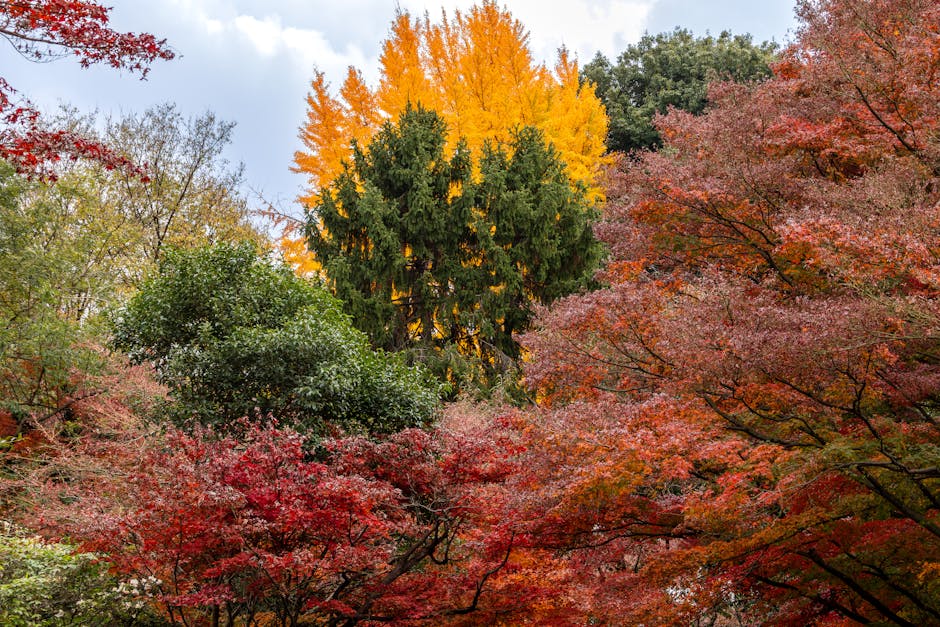
Shinjuku Station handles over 3.5 million passengers per day. It is the busiest train station on Earth. You will get lost inside it. Everyone does. Budget an extra 10 minutes for navigating the station itself.
9. Shinjuku Gyoen National Garden
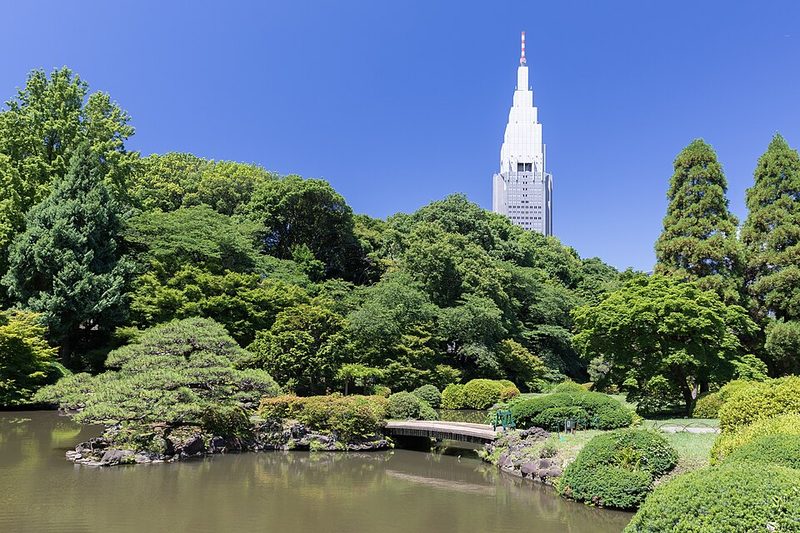
This is my favourite green space in Tokyo and it isn’t close. Shinjuku Gyoen combines three distinct garden styles “” Japanese traditional, English landscape, and French formal “” across 58 hectares. During cherry blossom season (late March to mid-April) it is genuinely one of the most beautiful places in the entire country.
Entry costs 500 yen ($3 USD) for adults. And here’s something I love about this place: no alcohol is allowed, which means the atmosphere stays peaceful even during hanami (flower viewing) season while every other park in the city turns into an outdoor drinking party. Nothing wrong with those parties “” but it’s nice to have the option for quiet.
One annoyance: the garden closes at 4:30pm (5:30pm in summer). That early close catches a lot of people off guard. Plan accordingly.
Nearest station: Shinjuku-gyoenmae Station (Marunouchi Line), 5-minute walk
Cost: 500 yen (~$3 USD)
Time needed: 1.5-2 hours
Akihabara “” The Electric Town
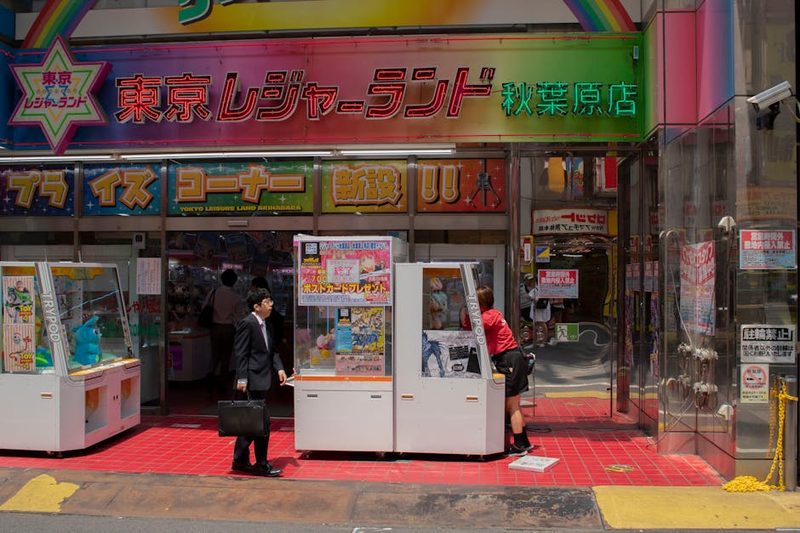
10. Lose Yourself (and Your Money) in Akihabara Arcades
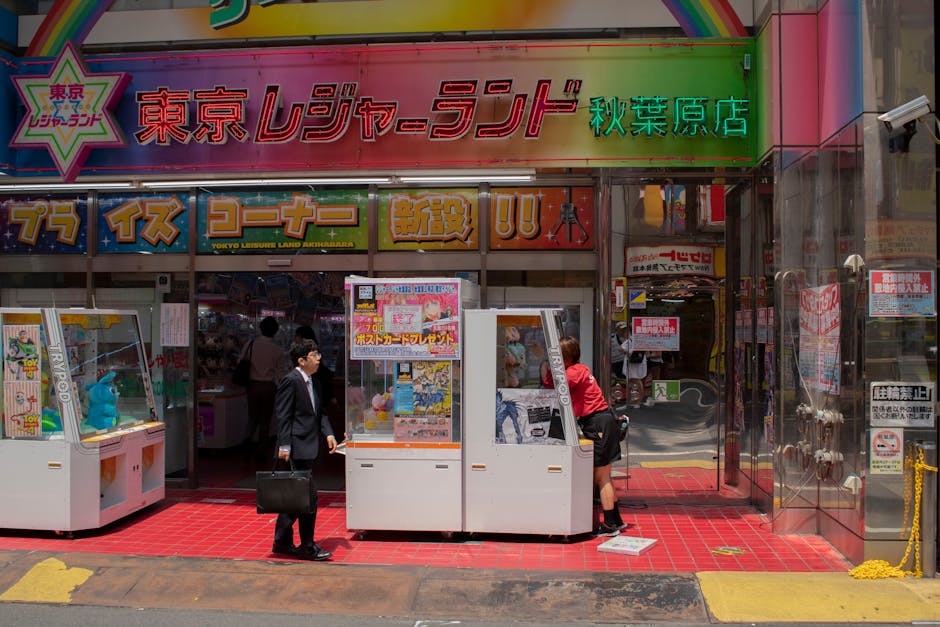
Akihabara is anime, gaming, electronics, and sensory overload compressed into a few city blocks. The multi-storey arcades here are unlike anything you’ll find outside Japan. GiGO (formerly Sega) and Taito Station are the big names, with floors dedicated to crane games, rhythm games, retro cabinets, and fighting games.
Crane games (UFO catchers) are dangerously addictive. 100-200 yen ($0.70-$1.30 USD) per play. You will convince yourself you’re “one try away” from winning that stuffed Pikachu. You are not. Budget a limit before you start or you’ll blow 5,000 yen before you realize what happened. I speak from experience.
For retro gaming, Super Potato on the third to fifth floors of their building is legendary “” they stock everything from Famicom cartridges to vintage Game Boys. Even if you don’t buy anything, the retro gaming floor where you can play old cabinets is worth the visit.
Skip the maid cafes unless the concept genuinely interests you. They’re expensive (2,000-4,000 yen / $13-$27 USD minimum charge) and the novelty wears off fast.
Nearest station: Akihabara Station (JR Yamanote Line, Hibiya Line)
Cost: Free to browse; 2,000-5,000 yen (~$13-$33 USD) if you play games
Time needed: 1.5-3 hours
Immersive and Unique Experiences
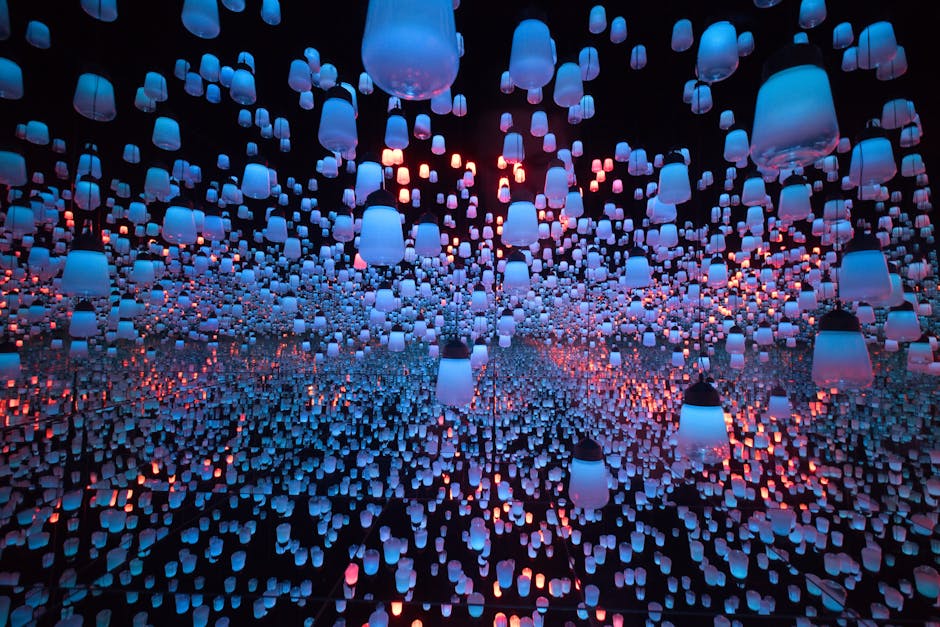
11. TeamLab Planets
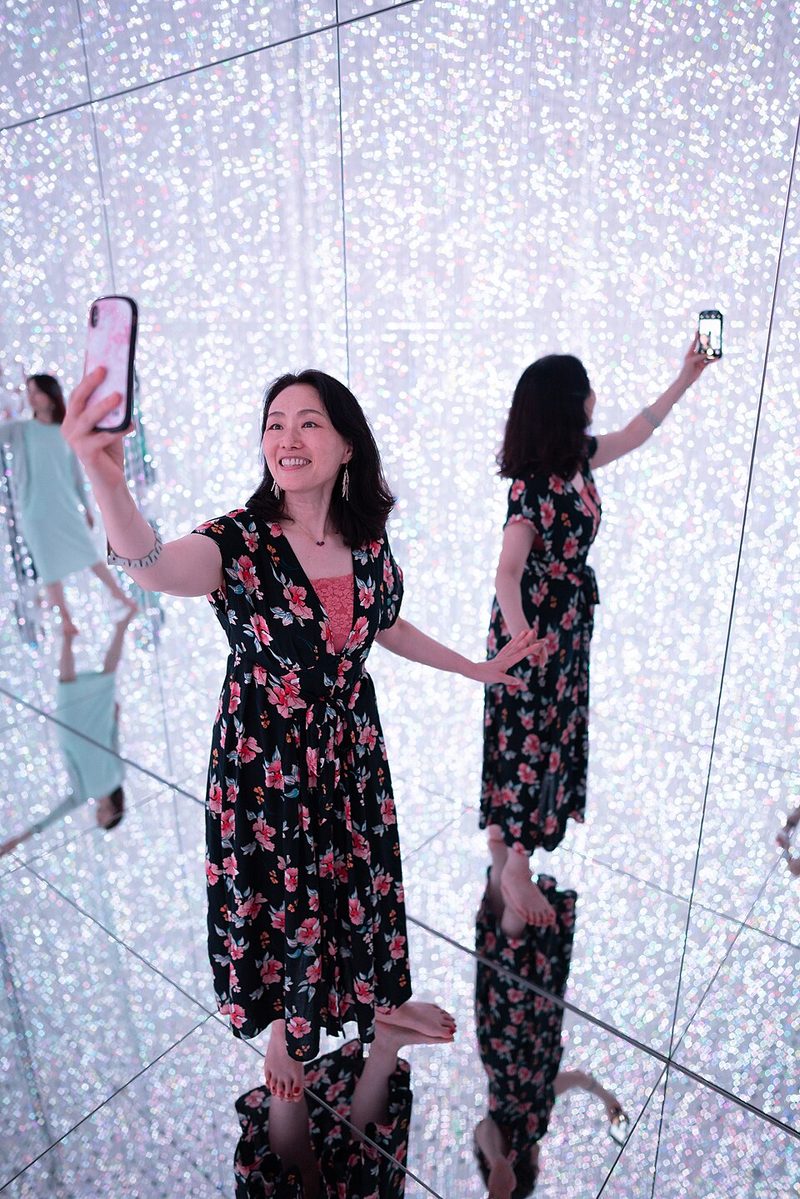
TeamLab Planets is a barefoot, wade-through digital art museum in Toyosu. You walk through water, mirrors, and light installations that react to your movement. It’s one of those things that sounds gimmicky until you’re standing ankle-deep in water surrounded by projected koi fish and you realize you’ve completely lost track of time.
Tickets are 3,200 yen ($21 USD) for adults. Book online well in advance “” it regularly sells out, especially on weekends and during school holidays. Weekday mornings are your best bet for smaller crowds, and the experience is dramatically better when you’re not shuffling through in a packed line.
Wear pants you can roll up above your knees. You will get wet up to mid-calf. Don’t wear a long dress or skirt unless you want to hold it up the entire time. The whole experience takes about 60-90 minutes. We wrote a full breakdown in our TeamLab Planets guide if you want the detailed logistics.
Nearest station: Shin-Toyosu Station (Yurikamome Line), 1-minute walk
Cost: 3,200 yen (~$21 USD)
Time needed: 1-1.5 hours
12. Go-Kart Through Tokyo’s Streets
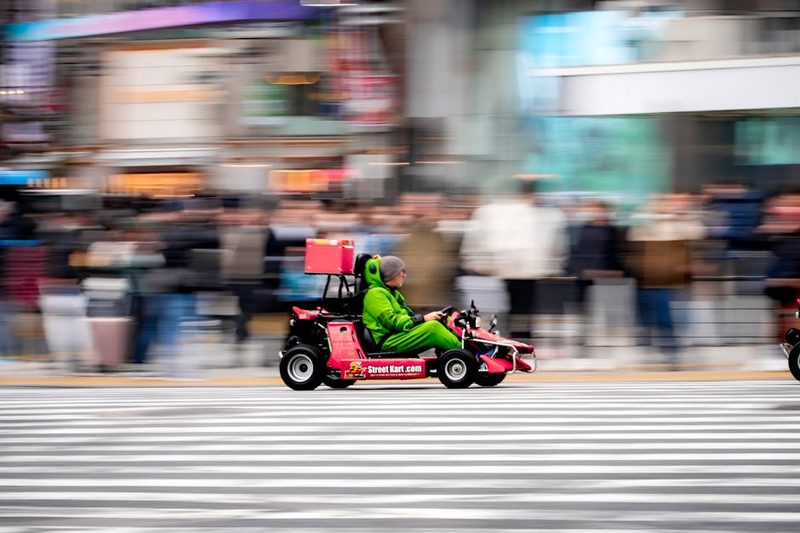
Yes, you can actually drive go-karts through real Tokyo streets dressed as characters from your favourite video games. It’s ridiculous. It’s touristy. And it is absurdly fun.
You’ll need an International Driving Permit (get this BEFORE you leave home “” you cannot get one in Japan). Courses run 1-2 hours and cost between 8,000-12,000 yen ($53-$80 USD) depending on duration and route. Most tours run through Shibuya, Roppongi, Tokyo Tower areas, and Rainbow Bridge.
Safety note: you’re driving small karts on real roads alongside actual Tokyo traffic. Accidents have happened. Pay attention, follow the guide, and don’t be the person trying to take selfies while driving. The companies have gotten stricter about safety since the early days, which is good.
We’ve compared all the go-kart tour operators and prices in a separate guide.
Nearest station: Varies by operator; most are near Shibuya or Shinagawa
Cost: 8,000-12,000 yen (~$53-$80 USD)
Time needed: 2-3 hours including briefing
13. The Robot Restaurant Situation
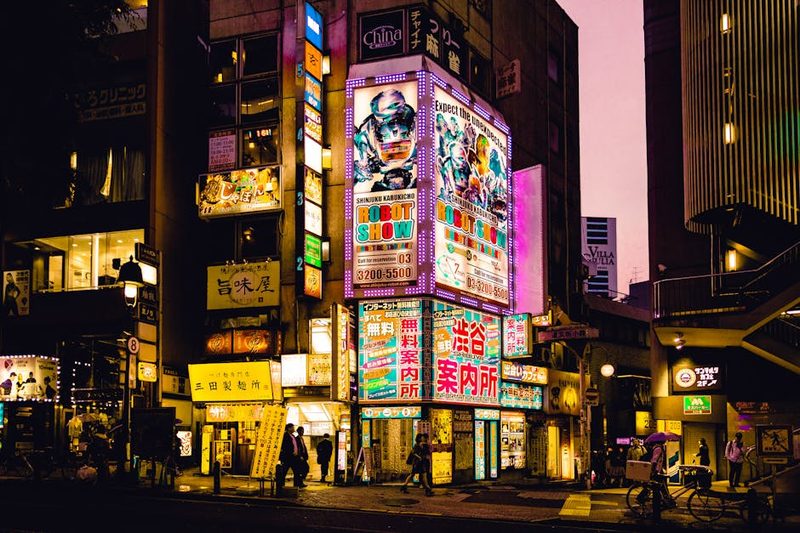
Let’s address this directly: the original Robot Restaurant in Kabukicho permanently closed in 2024. If you’ve seen it recommended in older guides, that information is outdated.
There have been rumours of a replacement or revival, but as of now nothing has materialized into a comparable experience. Some booking sites still list “robot show” experiences “” these are smaller, less impressive operations trading on the original’s name recognition. Don’t pay premium prices expecting the original experience.
If you want that kind of over-the-top, only-in-Tokyo entertainment, your money is better spent on a go-kart tour or an evening crawl through Golden Gai. Both will give you better stories.
14. Soak in an Onsen or Sento
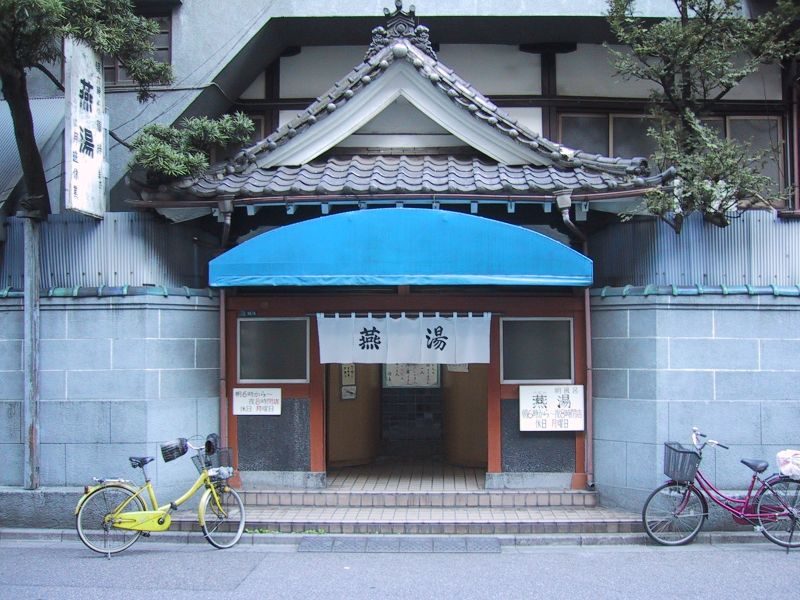
Taking a bath might not sound like a tourist activity, but Japanese bathing culture is something else entirely. You’ve got two options: onsen (natural hot spring baths) and sento (public bathhouses). Both involve getting completely naked in front of strangers, and yes, you do get used to it faster than you’d think.
For a first-timer-friendly experience, Thermae-yu in Kabukicho (Shinjuku) is open 24 hours and costs 2,405 yen ($16 USD) for the basic entry. It’s modern, clean, has English signage, and is a solid introduction. Oedo Onsen Monogatari in Odaiba was the big tourist-friendly option but closed in 2021 “” don’t let outdated guides send you there.
Local neighbourhood sento are much cheaper “” 520 yen ($3.50 USD) is the regulated price in Tokyo “” but they rarely have English instructions and the etiquette expectations are higher. Wash thoroughly before entering any bath. Don’t put your towel in the water. Don’t have visible tattoos if you can help it (some places are strict about this, others don’t care).
Our guide to Tokyo’s best spa and hot spring experiences covers the full range from budget sento to luxury ryokan-style baths.
Nearest station: Varies; Thermae-yu is at Shinjuku Station East Exit, 5-minute walk
Cost: 520 yen (~$3.50 USD) for sento, 2,000-4,000 yen (~$13-$27 USD) for onsen
Time needed: 1-2 hours
Tokyo’s Food Scene “” Beyond the Obvious
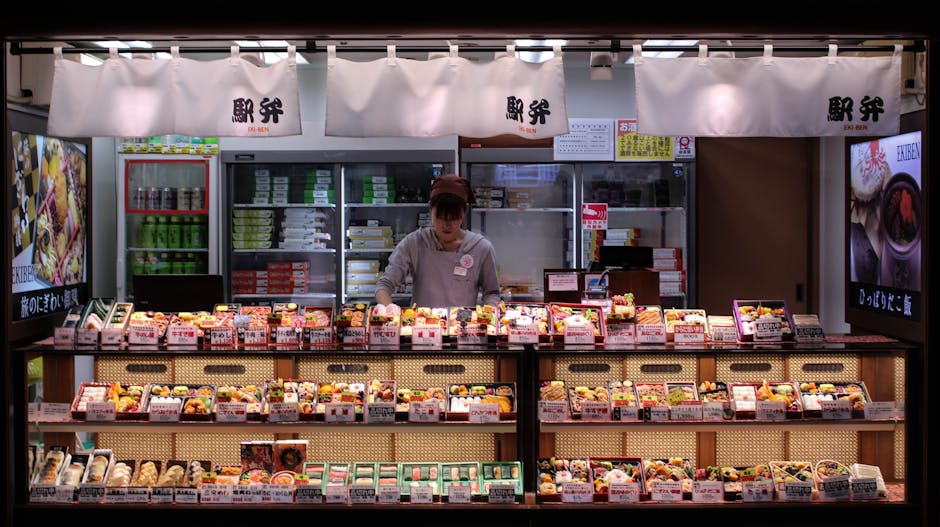
Tokyo has more Michelin stars than any city on the planet. But the best eating here often happens in places with no stars, no English menu, and a line of locals out the door. For a full look at the city’s food landscape, our Tokyo travel guide covers dining essentials.
15. Hunt for the Best Ramen
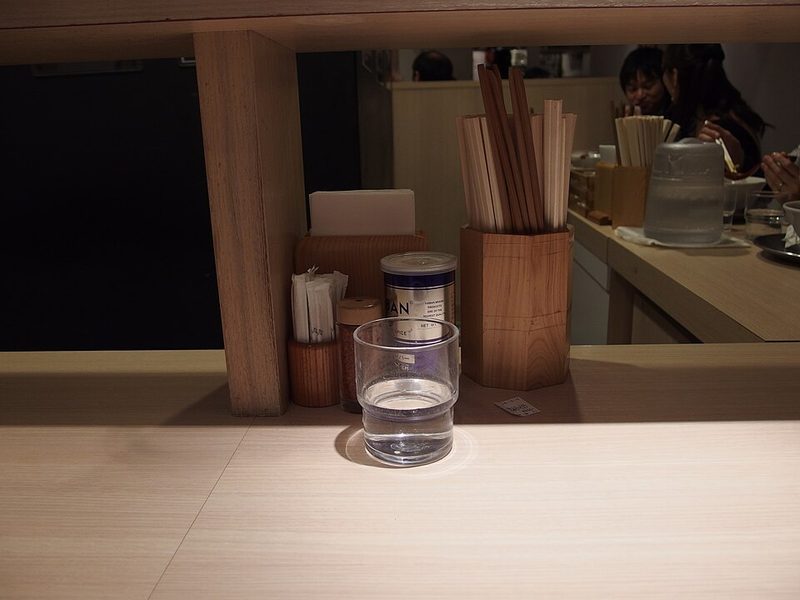
Every neighbourhood in Tokyo has a ramen shop that locals will fight you over. There’s no single “best ramen in Tokyo” “” it depends entirely on what style you like. Tonkotsu (pork bone), shoyu (soy sauce), shio (salt), miso, tsukemen (dipping noodles) “” they’re all different beasts.
Tokyo Ramen Street in the basement of Tokyo Station has eight shops in one corridor. It’s convenient if you’re passing through the station anyway, and the quality is genuinely good “” these aren’t tourist traps. Expect to pay 1,000-1,500 yen ($7-$10 USD) per bowl.
But the better ramen hunt happens on foot in specific neighbourhoods. Fuunji in Shinjuku (3-minute walk from the South Exit) serves some of the best tsukemen in the city “” thick, rich dipping broth that coats every noodle. The line is usually 20-40 minutes. Worth every minute. A basic bowl is 880 yen ($6 USD).
Ichiran in Shibuya gives you a solo booth with a curtain so you can focus entirely on your bowl without social obligations. It’s a great concept for introverts and people who just want to eat in peace. Around 1,000 yen ($7 USD).
Cost: 800-1,500 yen (~$5-$10 USD) per bowl
Time needed: 30 minutes to 1 hour (including potential line)
16. Stand at a Standing Sushi Bar
![立ち食い寿司屋(東京・新宿区新宿3-24-7、新宿駅東口最寄りの「魚がし日本一 立喰寿司」[1]新宿東口店)](https://happytovisit.com/wp-content/uploads/2026/03/tokyo-things-to-do-standing-sushi-bar.jpg)
Standing sushi bars (tachigui sushi) are one of Tokyo’s greatest dining formats. No reservations. No pretension. Just you, a counter, and a chef making sushi right in front of you. You eat it the moment it’s placed down.
Uogashi Nihon-Ichi has locations throughout the city (there’s one right outside Shibuya Station). Pieces run 100-400 yen ($0.70-$2.70 USD) each. You can have an excellent sushi meal for 2,000-3,000 yen ($13-$20 USD). Compare that to a sit-down sushi restaurant where you’d easily spend 10,000-20,000 yen for the same quality fish.
The etiquette is simple: order a few pieces, eat them, order more. Don’t camp. These places are designed for quick, high-quality meals during work hours. A 20-30 minute visit is normal.
Cost: 2,000-3,000 yen (~$13-$20 USD)
Time needed: 20-30 minutes
17. Explore a Depachika (Department Store Food Hall)
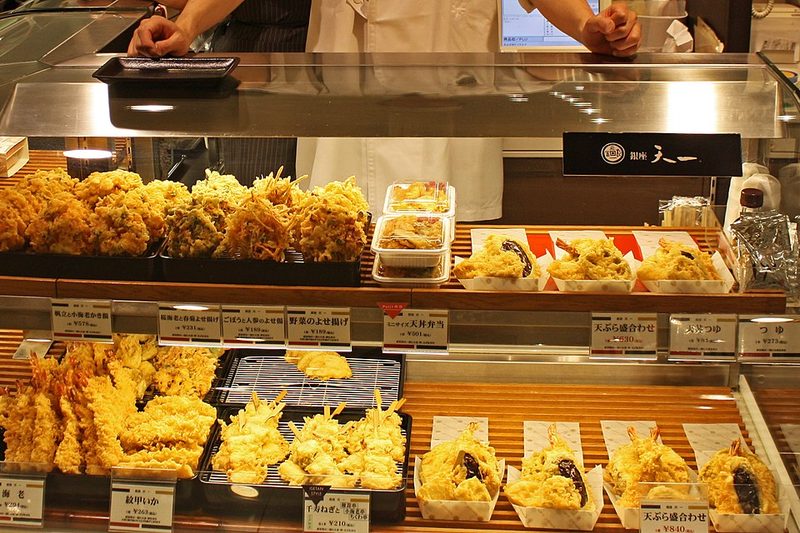
The basement floors of Japanese department stores contain some of the most beautiful food you’ll see anywhere. These are called depachika, and they are an experience unto themselves. Isetan in Shinjuku and Mitsukoshi in Nihonbashi are two of the best.
The quality is extraordinary “” we’re talking perfectly arranged bento boxes for 1,000-2,500 yen ($7-$17 USD), wagyu beef samples, French pastries that rival actual Parisian bakeries, and mochi in flavours you didn’t know existed. Many stalls offer free samples, though you should buy something if you’ve been sampling extensively. It’s just polite.
Pro tip: show up 30-60 minutes before closing time. Many prepared food items get marked down 20-50% as the store prepares to close. A 2,000 yen bento becomes 1,000 yen. This is how locals eat well on a budget and nobody talks about it in tourist guides.
For more on navigating Tokyo’s food markets, see our roundup of shopping and market tours.
Nearest station: Shinjuku Station for Isetan, Nihonbashi Station for Mitsukoshi
Cost: Free to browse; 1,000-3,000 yen (~$7-$20 USD) to eat
Time needed: 30 minutes to 1 hour
18. Take a Cooking Class
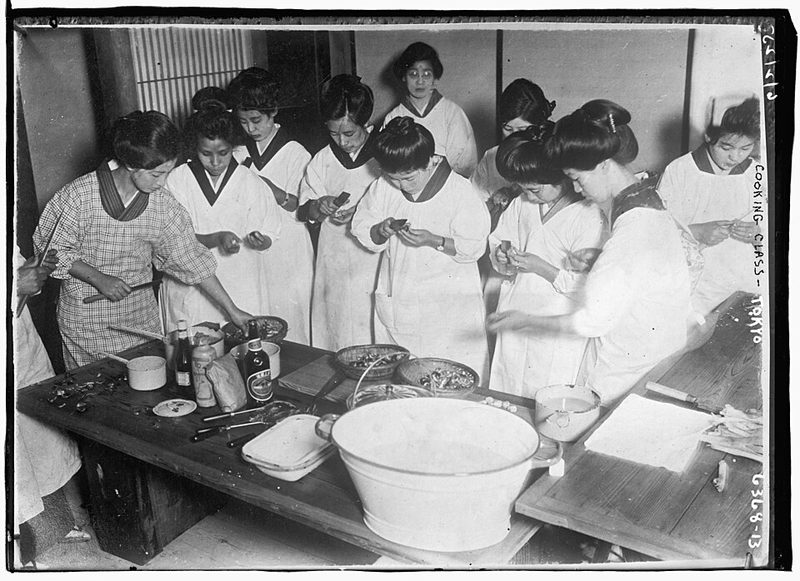
Learning to make sushi, ramen, or gyoza from scratch is one of those experiences that keeps giving long after you’ve left Tokyo. You’ll go home and actually use these skills. I still make the gyoza recipe I learned three years ago at least once a month.
Classes range from 5,000-15,000 yen ($33-$100 USD) for a 2-3 hour session depending on the cuisine and class size. Smaller groups (under 8 people) are almost always worth the premium. The big 20-person tourist classes feel more like a factory line than a learning experience.
We’ve reviewed and ranked the 15 best Tokyo cooking classes with prices and what you’ll actually make in each one.
Cost: 5,000-15,000 yen (~$33-$100 USD)
Time needed: 2-3 hours
19. Book a Food Tour
If you only have a few days in Tokyo and want to hit the food highlights without spending hours researching where to eat, a guided food tour is genuinely worth the money. A good guide takes you to 5-8 stops, handles the ordering, explains what you’re eating, and gets you into places you’d walk right past on your own.
Expect to pay 10,000-18,000 yen ($67-$120 USD) per person for a 3-4 hour tour that includes all food. That sounds steep until you realize the food alone would cost you 5,000-8,000 yen if you found all these places yourself. You’re paying for the curation and the knowledge, and with a good guide, it’s money well spent.
Neighbourhoods that work best for food tours: Tsukiji, Asakusa, Shinjuku, and Shibuya. We’ve compared all the top food tours with prices and reviews. There are also excellent options if you eat plant-based “” see our vegan and vegetarian tour guide.
Cost: 10,000-18,000 yen (~$67-$120 USD)
Time needed: 3-4 hours
Views and Towers
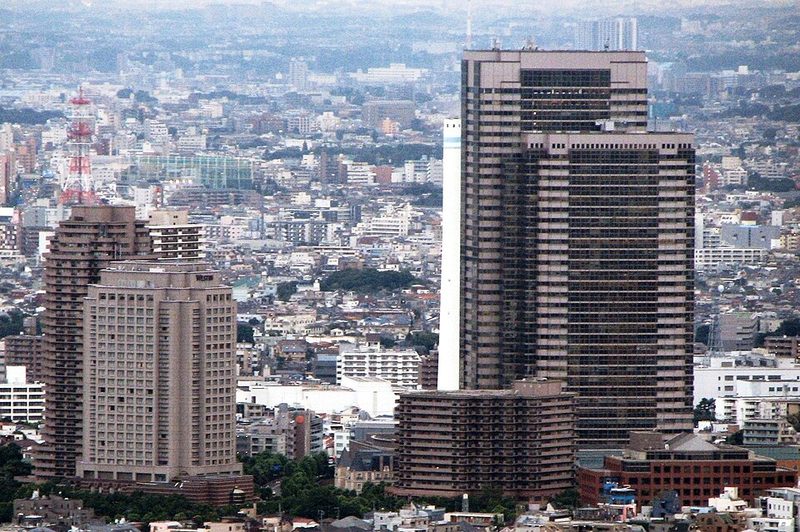
derivative work: Harani0403, CC BY-SA 3.0
20. Tokyo Tower vs. Tokyo Skytree “” Which One?
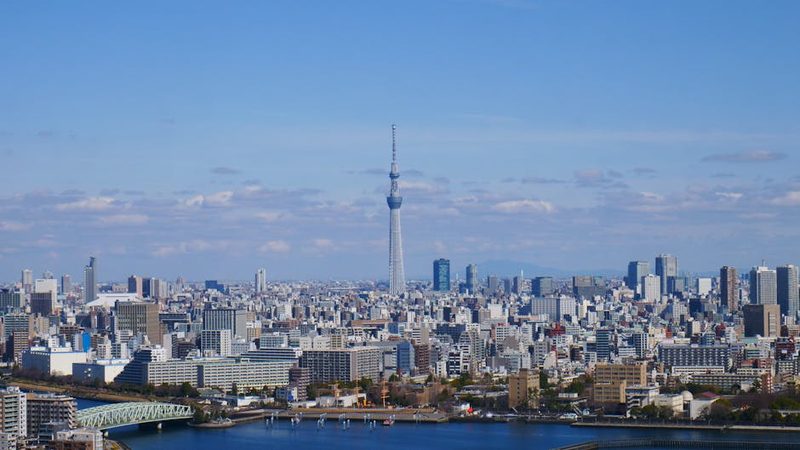
You don’t need to visit both. So let me save you some time.
Tokyo Skytree is the tallest structure in Japan at 634 meters. The observation deck at 350 meters costs 2,100 yen ($14 USD), and the higher deck at 450 meters is 3,100 yen ($21 USD) for both levels. The views are technically more impressive because you’re higher up. But the area around Skytree (Oshiage) is frankly not that interesting “” it’s a residential neighbourhood with a shopping mall attached to the tower’s base.
Tokyo Tower is shorter at 333 meters and the main deck costs 1,200 yen ($8 USD). But it’s in a better location (Minato ward, near Roppongi and Zojoji Temple), it’s more photogenic from the outside (that orange Eiffel Tower look is iconic), and it has more character. The area around it is more walkable and interesting.
My recommendation: if you’re already going to Shibuya Sky, you don’t really need either tower. But if you want one, go with Tokyo Tower for the experience and the better surrounding neighbourhood. Go with Skytree only if you’re obsessed with height records or you’re already in the Asakusa area and it’s convenient.
And honestly? Neither tower view is as good as Shibuya Sky’s open-air rooftop. That’s still the winner.
Nearest stations: Akabanebashi Station (Oedo Line) for Tokyo Tower; Oshiage Station (Hanzomon Line, Asakusa Line) for Skytree
Cost: Tokyo Tower 1,200 yen (~$8 USD) / Skytree 2,100-3,100 yen (~$14-$21 USD)
Time needed: 1 hour each
Museums and Culture
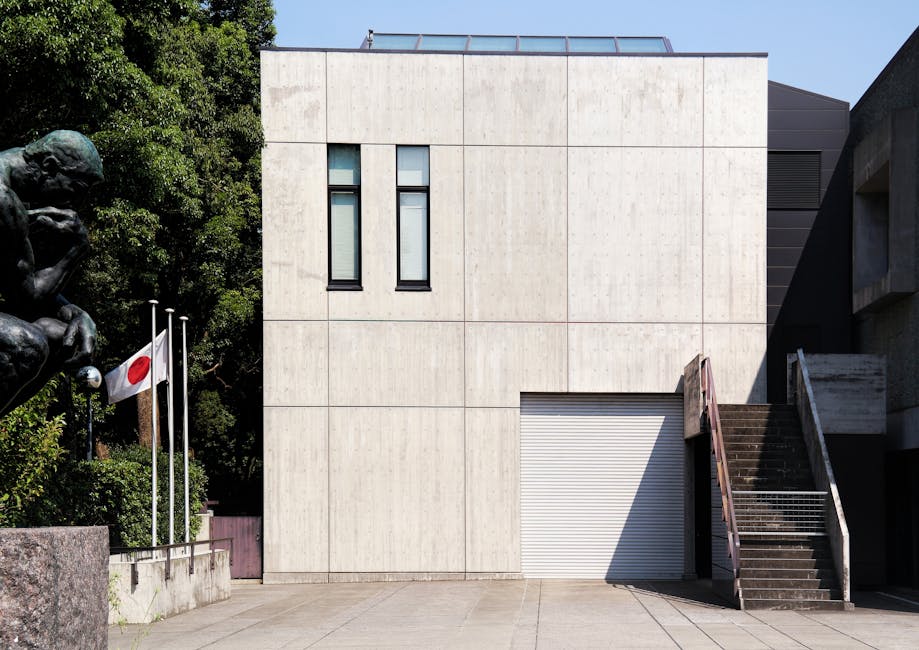
21. Spend a Day at Ueno Park’s Museums
Ueno Park is home to some of Japan’s most important museums, and you could spend an entire day here without seeing everything. The Tokyo National Museum is the big one “” Japan’s oldest and largest museum with over 110,000 objects spanning Japanese art and history. Entry is 1,000 yen ($7 USD). It alone takes 2-3 hours minimum.
The National Museum of Nature and Science (630 yen / $4 USD) is excellent if you’re travelling with kids. The National Museum of Western Art (500 yen / $3 USD) is a Le Corbusier-designed building that’s a UNESCO World Heritage Site “” worth visiting for the architecture even if you’re not an art person.
Skip the Ueno Royal Museum unless there’s a specific exhibition you want to see. It’s the least impressive of the bunch and charges variable prices for temporary exhibitions.
Ueno Park itself is one of Tokyo’s best cherry blossom spots, but it also means it becomes absolutely packed in late March and early April. If you’re visiting during that window, go to the museums in the morning when everyone else is picnicking under the trees, then enjoy the blossoms in the late afternoon when the museum crowds shift outside.
Nearest station: Ueno Station (JR Yamanote Line, Ginza Line, Hibiya Line)
Cost: 500-1,000 yen (~$3-$7 USD) per museum
Time needed: 2-5 hours depending on how many museums you visit
22. The Roppongi Art Triangle
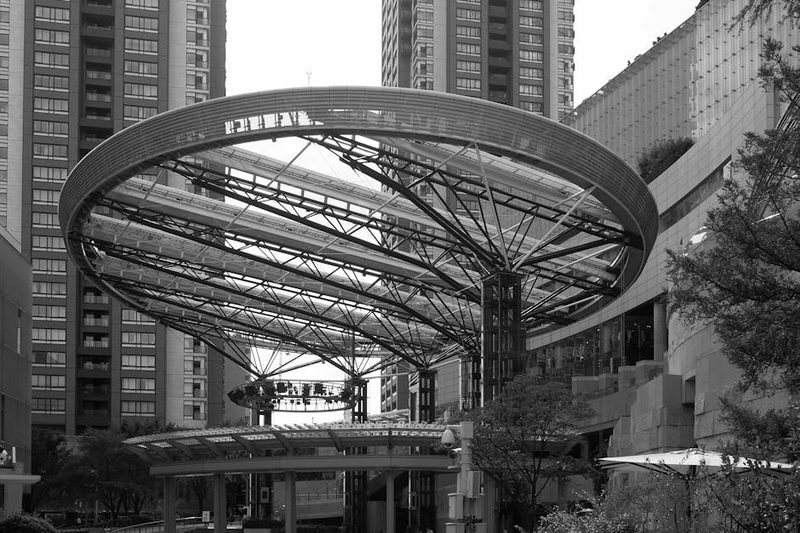
Three major art museums form a triangle in the Roppongi district: the Mori Art Museum (on the 53rd floor of Roppongi Hills with views included in the ticket), the National Art Center Tokyo (Japan’s largest exhibition space, designed by Kisho Kurokawa), and the Suntory Museum of Art.
The Mori Art Museum is the most consistently interesting for contemporary art and the ticket (2,000 yen / $13 USD) includes access to the observation deck “” making it a better value than paying separately for a view. The National Art Center has no permanent collection and hosts rotating exhibitions, so check what’s on before visiting. Some shows are free, others charge 1,000-1,600 yen ($7-$11 USD).
If you’re only going to one, make it the Mori Art Museum for the combination of art and views. If you’re an architecture fan, the National Art Center’s undulating glass facade alone is worth the trip.
Nearest station: Roppongi Station (Hibiya Line, Oedo Line)
Cost: 1,000-2,000 yen (~$7-$13 USD) per museum
Time needed: 1.5-2 hours per museum
Off the Usual Tourist Track
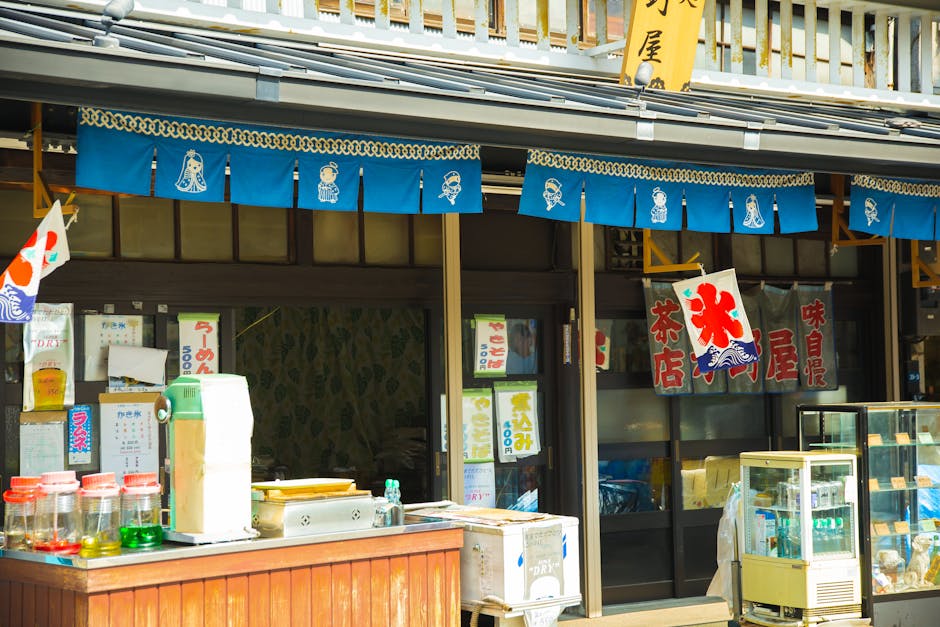
These next few neighbourhoods are where Tokyo starts to feel less like a tourist destination and more like a city where people actually live. They’re all easy to reach by train and they’ll give you a completely different perspective than the big-name areas. Our walking tour guide covers several of these neighbourhoods if you want a guided introduction.
23. Vintage Shopping in Shimokitazawa
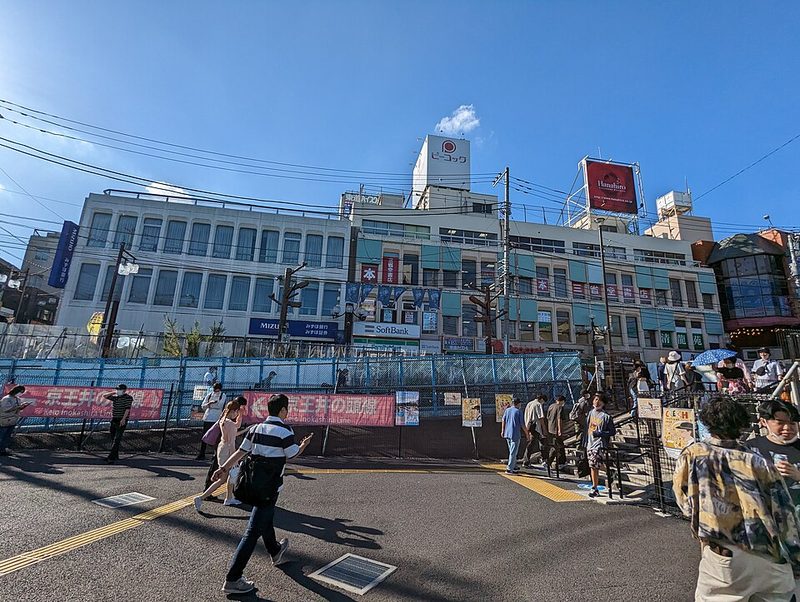
Shimokitazawa is Tokyo’s answer to Brooklyn or Shoreditch “” except it’s been this way since long before either of those places became trendy. Narrow streets lined with vintage clothing shops, independent record stores, small live music venues, and some of the best thrift shopping in the city.
The vintage shops here sell everything from 1950s American denim to 1990s Japanese streetwear. Prices are reasonable compared to Harajuku “” you can find quality vintage pieces for 2,000-5,000 yen ($13-$33 USD). The area also has a thriving cafe culture and several excellent curry restaurants (curry is a big deal in Japan, and Shimokitazawa is one of the best neighbourhoods for it).
Come on a weekday if you want to actually browse the shops comfortably. Weekends get packed, especially in the afternoon. The area is small enough to walk in 2-3 hours but interesting enough that you might stay longer.
Nearest station: Shimokitazawa Station (Keio Inokashira Line, Odakyu Line “” about 5 minutes from Shibuya)
Cost: Free to wander; budget for shopping and food
Time needed: 2-3 hours
24. Coffee and Canal Views in Nakameguro
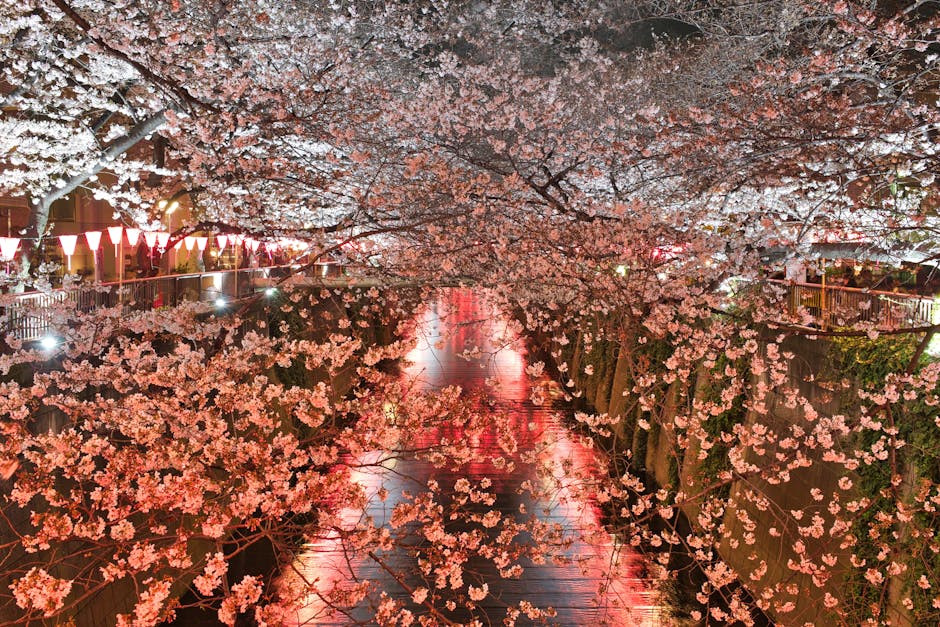
Nakameguro is a 10-minute walk from Shibuya (or one stop on the Toyoko Line) and feels like a completely different world. The Meguro River runs through the centre of the neighbourhood, lined with cherry trees, independent cafes, and small boutiques. During cherry blossom season it’s stunning but extremely crowded. At other times of year it’s a lovely, relaxed area to spend a few hours.
The Starbucks Reserve Roastery Tokyo is here “” a massive, architecturally impressive four-storey building designed by Kengo Kuma. Even if you don’t care about Starbucks, the building itself is worth seeing. Drinks cost 700-1,500 yen ($5-$10 USD) and are significantly better than regular Starbucks.
Onibus Coffee and Blue Bottle Coffee (the original Tokyo location) are also in the neighbourhood if you prefer independent or speciality roasters. The whole area is perfect for a slow afternoon of walking, sipping, and browsing.
Honest assessment: outside of cherry blossom season, Nakameguro can feel a bit quiet and sleepy. If you’re short on time, it probably shouldn’t be a priority over the bigger draws. But if you have a full week in Tokyo, this is a perfect half-day addition.
Nearest station: Nakameguro Station (Hibiya Line, Toyoko Line)
Cost: Free to walk; coffee 500-1,500 yen (~$3-$10 USD)
Time needed: 1.5-3 hours
25. Step Back in Time in Yanaka
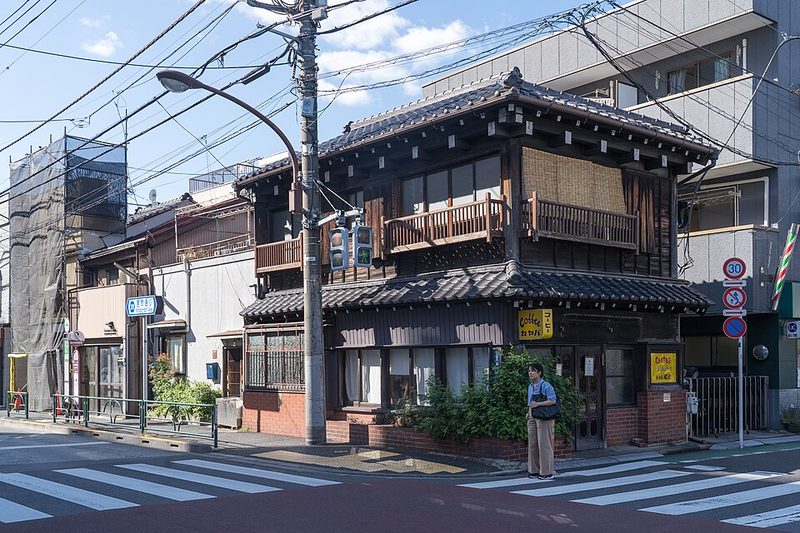
Yanaka is the neighbourhood that survived. While much of Tokyo was levelled during World War II and rebuilt in concrete and glass, Yanaka came through relatively intact. Walking through Yanaka-Ginza (the main shopping street) feels like stepping into a Tokyo that existed 50 or 60 years ago. Low-rise wooden buildings, family-run shops that have been operating for generations, cats lounging in doorways.
The Yanaka Cemetery is oddly peaceful and beautiful “” a place where locals walk their dogs and old cherry trees create a canopy over the paths. Nearby Nippori Fabric Town is a street of textile shops that draws quilters and designers from across Japan.
Pick up a tenugui (traditional hand towel) from one of the craft shops “” they make great, lightweight souvenirs and cost 800-1,500 yen ($5-$10 USD). The menchi katsu (deep-fried minced meat cutlet) from the shops along Yanaka-Ginza is some of the best street food in Tokyo at just 200-300 yen ($1.50-$2 USD).
This is not a flashy neighbourhood. There are no neon signs or towering buildings. And that’s entirely the point. If all you see of Tokyo is Shibuya, Shinjuku, and Akihabara, you’re only getting one version of the city. Yanaka is the antidote.
Nearest station: Nippori Station (JR Yamanote Line), 5-minute walk
Cost: Free to explore; small purchases 200-1,500 yen
Time needed: 1.5-2.5 hours
Practical Tips That Will Actually Help
A few things I wish someone had told me before my first trip to Tokyo.
Get a Suica or Pasmo IC card immediately at any train station. It works on all trains, buses, and most convenience stores. Load it with 3,000-5,000 yen to start. Physical card availability has been inconsistent “” a mobile Suica on your Apple Watch or iPhone is the most reliable option now.
Convenience stores are not what you think. 7-Eleven, Lawson, and FamilyMart in Japan are legitimate places to eat. Onigiri for 120-180 yen ($0.80-$1.20 USD), egg salad sandwiches that are weirdly perfect, and strong coffee from the self-serve machines for 100-150 yen ($0.70-$1 USD). They also have ATMs that accept foreign cards “” 7-Eleven is the most reliable for this.
Cash still matters. Tokyo is becoming more card-friendly, but plenty of small restaurants, izakayas, and market stalls are cash only. Carry at least 10,000-15,000 yen ($67-$100 USD) in cash at all times.
Train timing matters. Last trains run around midnight to 12:30am depending on the line. Miss it and you’re looking at a taxi that costs 5,000-10,000+ yen ($33-$67+ USD) or waiting in a manga cafe or karaoke room until the first train at 5am. The first option is expensive. The second one honestly makes for a pretty good story.
Download Google Maps offline. Tokyo’s address system makes no sense to Western visitors “” buildings are numbered by when they were built, not by their position on the street. Google Maps (or the Navitime app for public transport) is the only reliable way to navigate. The official Tokyo tourism site also has useful neighbourhood maps.
Walk more than you think you need to. Tokyo reveals itself on foot. Taking the train between every attraction is efficient but you miss the weird, interesting stuff that happens in the spaces between tourist spots. The Japan National Tourism Organization has suggested walking routes by area.
Tokyo rewards repetition. Your first visit will be overwhelming and incredible. Your second will be better. And by your third, you’ll have a favourite ramen shop, a bar where the owner remembers your name, and a strong opinion about which convenience store chain makes the best onigiri. That’s when it stops being a destination and starts being a place you know.
If you’re still planning, our complete Tokyo travel guide covers logistics like when to visit, where to stay, and how to get around.