
Most Tokyo itineraries try to cram the entire city into three days. You end up sprinting between stations, inhaling a convenience store onigiri on a platform bench, and collapsing in your hotel room by 7pm wondering if you even enjoyed any of it. That’s not a trip. That’s a forced march with better food.
Seven days, on the other hand, and you’ll run out of steam. Tokyo is dense and relentless. By day six, decision fatigue kicks in and every train transfer starts feeling like a chore. I’ve seen it happen to people. Hell, I’ve had it happen to me.
Five days is the number that actually works. It’s long enough to cover the major neighborhoods, take a real day trip outside the city, and leave room for the unplanned discoveries that end up being the best part of any Tokyo trip — the tiny standing bar you duck into because a local waved you over, the afternoon you abandon the plan to sit in Yoyogi Park eating melon bread and watching cosplayers. Five days means you don’t have to choose between Shibuya and Asakusa, between street food and sit-down restaurants, between structured sightseeing and aimless wandering. You get all of it.
This itinerary is specific. Every restaurant, cafe, and timing listed below is real and tested. No “explore the area” filler. No “enjoy the local cuisine” nonsense. If you want a broader overview of the city before diving into the day-by-day plan, start with our full Tokyo travel guide and come back here when you’re ready to build your days.
- Before You Go
- Day 1: Meiji Shrine, Harajuku, Omotesando, and Shibuya
- Morning: Meiji Shrine and Yoyogi Park (8:00am – 11:00am)
- Afternoon: Harajuku, Cat Street, and Omotesando (11:00am – 4:00pm)
- Evening: Shibuya Sky Sunset and Dinner (4:30pm – 9:30pm)
- Day 2: Tsukiji Market, Asakusa, Kappabashi, and Akihabara
- Morning: Tsukiji Outer Market (6:30am – 9:00am)
- Late Morning and Afternoon: Senso-ji, Asakusa Backstreets, and Kappabashi (9:30am – 3:30pm)
- Evening: Akihabara (5:00pm – 9:00pm)
- Day 3: Day Trip — Mt. Fuji or Kamakura
- Option A: Mt. Fuji and Lake Kawaguchiko (Full Day)
- Option B: Kamakura (Full Day)
- Day 4: Shinjuku Gyoen, Shimokitazawa, Nakameguro, and Late-Night Bars
- Morning: Shinjuku Gyoen Gardens (9:00am – 11:30am)
- Afternoon: Shimokitazawa Vintage and Nakameguro/Daikanyama Cafes (12:00pm – 5:30pm)
- Evening: Ramen and Late-Night Bars (6:00pm – late)
- Day 5: Flex Day — Build Your Own
- TeamLab Borderless or Planets
- Kuramae: Tokyo’s Quiet Creative Neighborhood
- Ueno Museums
- Cooking Class
- Ginza Depachika
- Revisit Your Favorite Neighborhood
- Yanaka Ginza
- Nezu Museum
- If You Have More Time
- 5-Day Tokyo Budget Breakdown
Before You Go
Sort these out before you land. It’ll save you genuine frustration once you’re on the ground.
Get an IC card on your phone. iPhone 8 or newer: add a Suica card to Apple Wallet right now, before the trip. Newer Android phones can do the same through Google Wallet. Load it with ¥3,000 to start. This card runs your entire Tokyo life — trains, buses, convenience stores, vending machines, even some restaurants. If your phone doesn’t support mobile Suica, buy a physical Welcome Suica at Haneda or Narita. The card itself costs ¥1,000 plus whatever you load onto it. You’ll reload multiple times during the trip. Every station has top-up machines with English.
Pick a base neighborhood. Shinjuku or Shibuya. Both are major transport hubs connected to everywhere on this itinerary. Shinjuku has more hotel options across all budgets and is the departure point for Mt. Fuji buses. Shibuya is slightly more walkable to Harajuku and Meiji Shrine. Pick whichever has the better hotel price — either works. Asakusa is a decent budget alternative with more traditional atmosphere, but you’ll spend more time on trains getting to and from the western neighborhoods. bontraveler.com makes a good case for picking a single neighborhood and committing to it rather than hotel-hopping, and I agree — moving luggage mid-trip in Tokyo is a nightmare.
Send your big bags ahead. If you’re arriving from elsewhere in Japan or heading out after Tokyo, use Yamato Transport (look for the black cat logo at any convenience store) to ship suitcases to your next hotel for about ¥2,000 per bag. Tokyo stations have stairs everywhere, narrow turnstiles, and very few elevators. Dragging a full-size suitcase through Shinjuku Station during rush hour is one of those experiences that makes you question every life decision that led you there. Hotel front desks handle the shipping paperwork — just ask.
eSIM before you fly. Do not rely on pocket wifi or free hotspots. Buy an eSIM through Ubigi, Airalo, or Klook before your flight. A 7-day Japan plan runs ¥1,500-2,500 for 3-5GB. You need constant data for Google Maps transit directions, translation apps, and looking up restaurant reviews while standing outside trying to read a Japanese-only menu. This isn’t optional.
Cash still matters. Japan has gone more cashless in the last couple of years, but plenty of small restaurants, temple gates, and market stalls are cash only. Hit a 7-Eleven ATM when you arrive and carry ¥10,000-15,000 on you at all times. 7-Eleven ATMs reliably accept foreign Visa and Mastercard. Many other ATMs don’t.
Shoes. Real ones. You’ll walk 18,000-25,000 steps a day on this itinerary. That’s 12-17 kilometers. Bring broken-in walking shoes. Not new ones. Not fashionable ones. You’ll also be removing shoes at temples and some restaurants, so slip-ons save time. If you only take one piece of advice from this entire section, make it this. Bad shoes ruin trips faster than bad weather.
Day 1: Meiji Shrine, Harajuku, Omotesando, and Shibuya
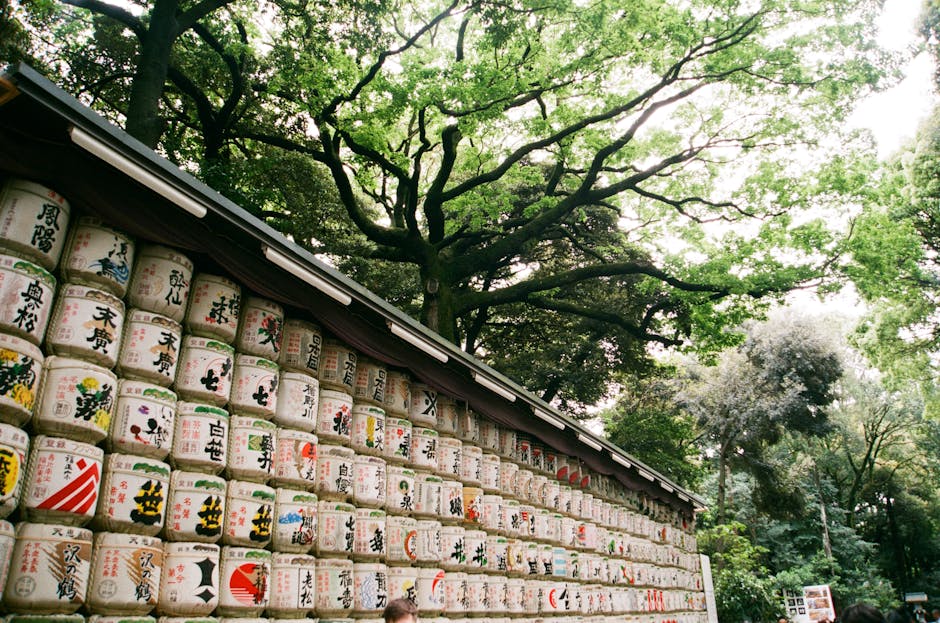
Everything today is walkable from a single starting point. No train transfers required after you arrive at Meiji-jingumae Station. That’s deliberate — jet lag is real, and navigating Tokyo’s rail map while half-conscious turns a 10-minute ride into a 40-minute ordeal.
Morning: Meiji Shrine and Yoyogi Park (8:00am – 11:00am)
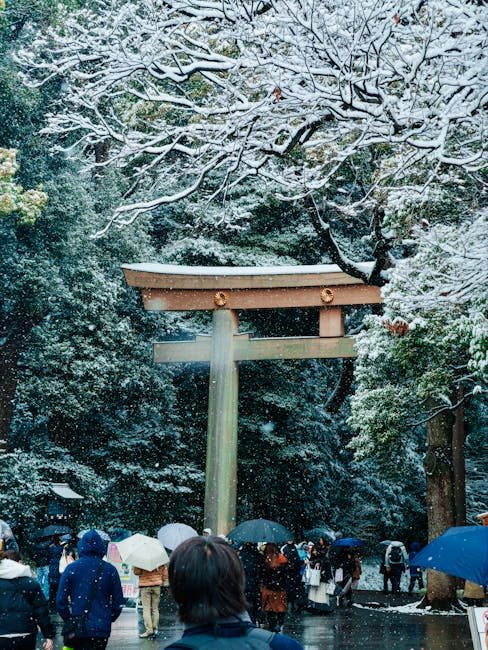
Get to Meiji Shrine by 8am. Not because it opens then — it opens at sunrise — but because by 10am the tour buses arrive and the atmosphere changes completely. The 12-minute approach walk through the forested path is the real attraction: towering camphor trees filtering the light, enormous wooden torii gates, gravel crunching underfoot. It’s the most still, quiet place in central Tokyo, which sounds like an exaggeration until you’ve been there and stepped back out into Harajuku twenty minutes later.
The shrine itself is Shinto, dedicated to Emperor Meiji and Empress Shoken. No admission fee. If you’re visiting on a weekend, you might catch a traditional Shinto wedding procession crossing the courtyard — the priest leading, the bride in layered white, the groom in black hakama. Stop and watch if you see one. You won’t get waved away.
Walk south from the shrine into Yoyogi Park. On Sunday mornings, the area near the Harajuku entrance has street performers, musicians, and sometimes cosplay groups. Weekdays are quieter. Either way, it’s a good transitional space between the stillness of the shrine and the chaos that comes next. If you’re visiting during cherry blossom season (late March through mid-April), Shinjuku Gyoen is the better park for blossoms — but Yoyogi still has clusters of sakura along the main paths.
Afternoon: Harajuku, Cat Street, and Omotesando (11:00am – 4:00pm)
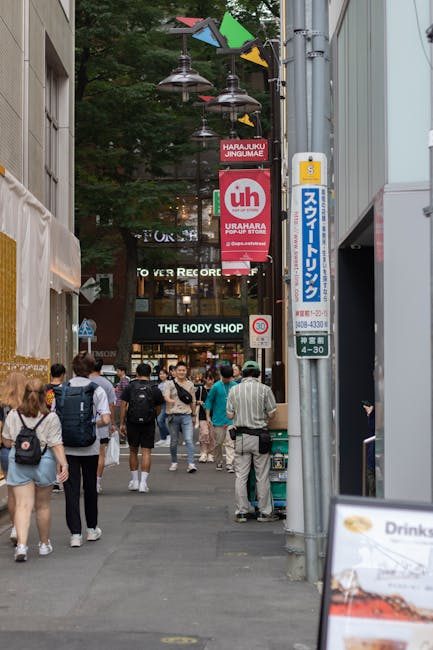
Exit Yoyogi Park on the Harajuku side and you’re standing at the top of Takeshita Street. Deep breath. This narrow pedestrian street is packed — rainbow cotton candy stalls, crepe shops, character merchandise stores, and fashion that doesn’t fit into any category you’d recognize. It’s sensory overload and that’s the point. Walk the full 400-meter length. Marion Crepes has been here since the 1970s and a fresh strawberry-cream crepe runs about ¥500-600. The giant rainbow cotton candy is photogenic but tastes like sugar and food coloring. Skip it unless you want the photo.
For lunch, Sakura-tei on the Harajuku backstreet does cook-your-own okonomiyaki — you mix the batter and ingredients yourself on the teppan griddle built into your table. It’s fun, it’s filling, and it’s about ¥1,200-1,500 per person. If you’d rather have ramen, Afuri in Harajuku does a yuzu shio version with a lighter, citrus-tinged broth that’s a solid introduction if you’re not used to heavy tonkotsu. About ¥1,100 a bowl.
After Takeshita, things get more interesting. Walk south to Cat Street, a quieter road running roughly parallel to Omotesando. Independent Japanese fashion labels, vintage stores, small galleries. It’s less teen-focused and more design-conscious. Budget 45-60 minutes wandering here.
Then hit Omotesando itself — sometimes called Tokyo’s Champs-Elysees, though honestly it’s more architecturally interesting than the Champs-Elysees has been in decades. The buildings are the attraction as much as the shops: Tadao Ando’s concrete Omotesando Hills, the glass-box Tod’s building, the vine-wrapped Tokyu Plaza entrance mirror. Even if luxury shopping does nothing for you, the architecture alone justifies the walk. The boulevard runs about a kilometer end to end. Several of the best walking tours in Tokyo cover this Meiji-to-Omotesando stretch with guides who can explain the architectural decisions as you go.
Stop for coffee at Coffee Supreme near Yoyogi — a New Zealand-based roaster that’s earned a serious following in Tokyo. Their flat whites are some of the best in the city, which is saying something given Tokyo’s coffee obsession. Small space, usually a short queue, worth it.
Evening: Shibuya Sky Sunset and Dinner (4:30pm – 9:30pm)
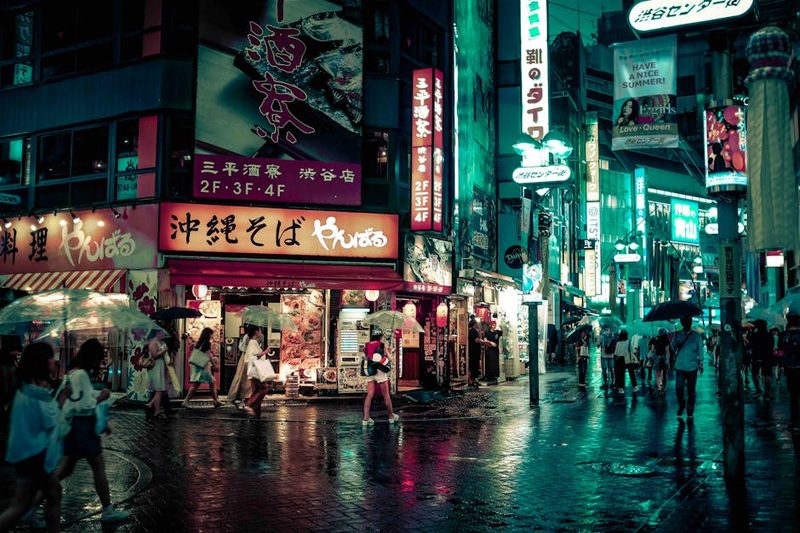
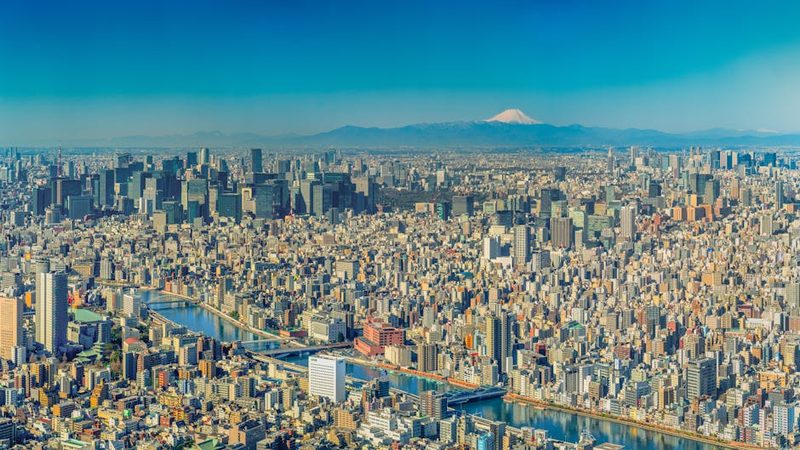
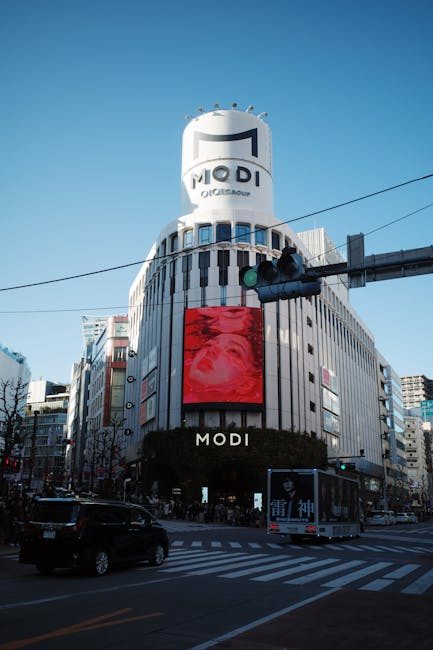
Walk south from Omotesando to Shibuya — about 15 minutes on foot. Time your arrival to reach Shibuya Sky at least two hours before sunset. This is specific advice from people who live in Tokyo, and they’re right: the magic of Shibuya Sky isn’t the sunset itself but watching the city transform through four distinct phases — daylight, golden hour, dusk, and blue hour. You want all four. Book tickets online in advance: ¥2,000 for adults, and the sunset slots can sell out. The rooftop observation deck on the 46th floor of Shibuya Scramble Square gives you a full 360-degree open-air view. On clear days, you can see Mt. Fuji to the west. Budget a full 60-75 minutes up here.
On your way up or down, the d47 Museum inside Shibuya Hikarie (the building attached to the station) is worth a quick stop if it’s open. It showcases regional crafts and design from all 47 prefectures of Japan — rotating exhibitions that most travelers walk right past. Free or cheap admission depending on the show.
Cross Shibuya Crossing at street level at least once. Yes, it’s touristy. Do it anyway. Stand in the middle as the light changes and watch a thousand people navigate around you. The best free viewpoint is the second-floor Starbucks in the Tsutaya building — but the window seats are almost always taken. Don’t waste twenty minutes waiting for one.
For dinner, head to Omoide Yokocho — a narrow alley of tiny yakitori stalls tucked under the train tracks at Shinjuku Station’s west exit. Take the Fukutoshin Line from Shibuya to Shinjuku, about 5 minutes. Omoide Yokocho is smoky, cramped, and atmospheric in a way that makes you feel like you’ve stepped into 1960s Tokyo. Most stalls seat 6-10 people at a counter. Point at the menu, order skewers and a beer. You’ll spend ¥1,500-2,500 for a full meal. Some stalls have English menus, some don’t. Doesn’t matter — the pointing-and-nodding system works fine.
If you want something more polished after dinner, Golden Gai is a 5-minute walk east. Over 200 tiny bars crammed into six narrow alleys, each holding maybe 6-8 people. Many charge a cover of ¥500-1,000 that includes your first drink. Check the door for signs — some bars are members-only or have specific rules. Most are welcoming to travelers these days. One drink per bar, then move on. That’s the Golden Gai way.
Day 2: Tsukiji Market, Asakusa, Kappabashi, and Akihabara
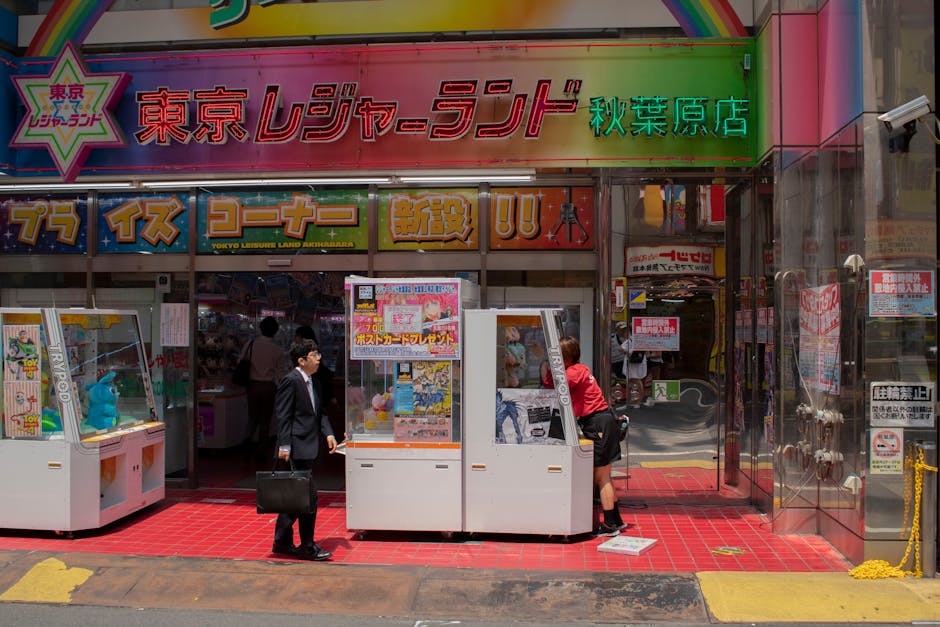
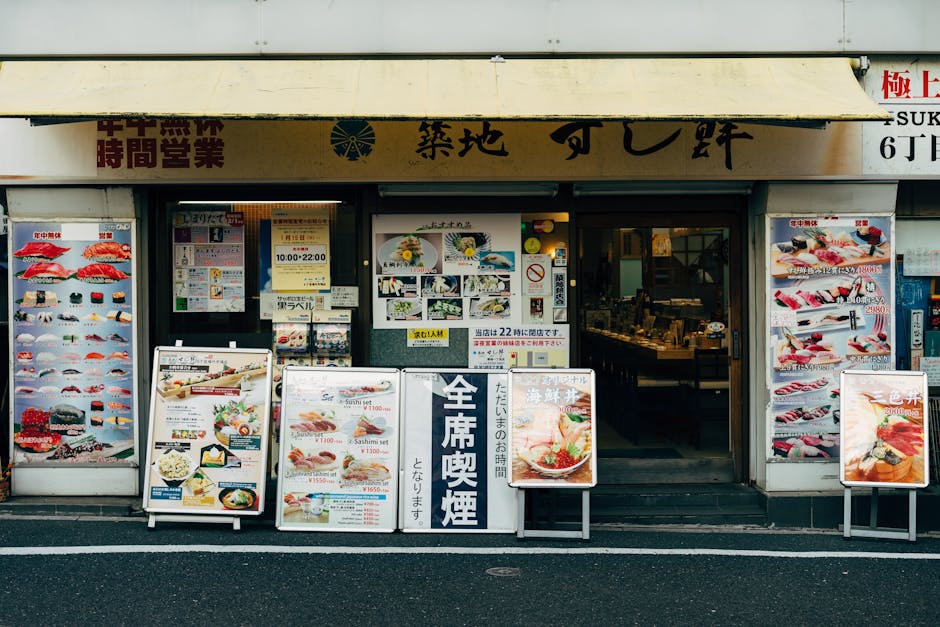
Today covers Tokyo’s east side — older, grittier, and packed with the kind of street food and backstreet drinking that the western neighborhoods have largely polished away. You’ll use trains between stops, but the rides are short.
Morning: Tsukiji Outer Market (6:30am – 9:00am)
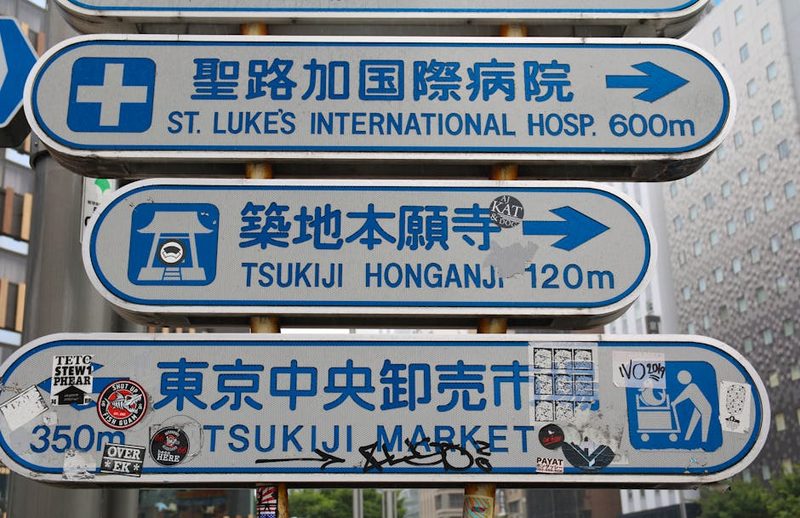
Skip the hotel breakfast. Get to Tsukiji Outer Market by 6:30am. Yes, that’s early. That’s the point. The famous tuna auctions moved to Toyosu in 2018, and Toyosu, frankly, isn’t worth the trip for travelers — you watch the wholesale floor from behind glass and eat at overpriced restaurants with long queues. The Tsukiji Outer Market, though, is still alive and still the best place for breakfast in the entire city.
The market is a grid of narrow lanes packed with stalls and small counter restaurants. Here’s the move: start at Kitsuneya for their beef bowl. It’s a tiny counter spot, maybe eight seats, and they’ve been serving horumon (offal) and beef bowls to market workers since before the travelers found it. About ¥800-1,000 for a bowl that would cost triple in a tourist-facing restaurant. If offal isn’t your thing, just get the regular beef — it’s excellent.
From there, graze. Tsukiji Itadori Bekkan does counter nigiri — you sit right in front of the chef and watch them press each piece. Not cheap (¥2,000-4,000 depending on what you order) but the fish is as fresh as it gets. For street food: wagyu skewers (¥500-800), tamagoyaki on a stick from Tsukiji Yamachou (¥200, always a short queue, always worth it), fresh uni if you’re into sea urchin (¥500-1,000 depending on season). A matcha from one of the tea stalls rounds things off.
Two hours is plenty. After 9am, the crowds thicken and the stall holders start looking tired.
Late Morning and Afternoon: Senso-ji, Asakusa Backstreets, and Kappabashi (9:30am – 3:30pm)
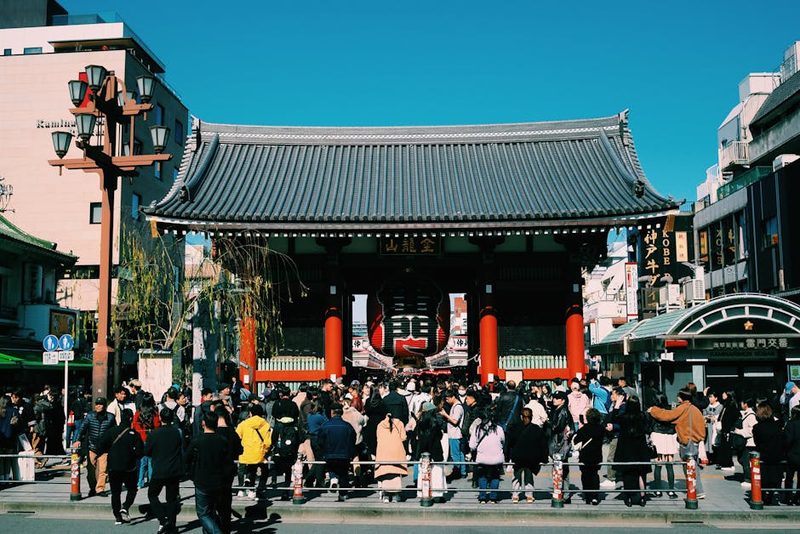
Take the subway from Tsukiji to Asakusa — about 20 minutes with one transfer. Walk from the station toward Kaminarimon Gate, the big red lantern that’s probably Tokyo’s most photographed landmark. Through the gate, Nakamise-dori runs 250 meters to the temple. It’s wall-to-wall tourist shops and snack stalls. Buy the freshly made senbei (rice crackers, ¥200-300) and skip the overpriced pre-packaged souvenir boxes. Ningyo-yaki — small cakes shaped like the temple, filled with red bean paste — are good and cheap at ¥300-500 for a bag.
Senso-ji itself is free and takes 20-30 minutes. The incense burner in front of the main hall: waft the smoke toward yourself. It’s said to heal whatever body part it touches. Everyone does it.
But the real Asakusa is behind the temple. The backstreets running west and south of Senso-ji hold old-school izakayas, tempura restaurants, and traditional craft shops that most visitors walk right past. For lunch, you have two strong options. Asakusa Imahan has been serving sukiyaki since 1895 — thin-sliced wagyu beef swished through sweet soy broth at your table, then dipped in raw egg. Their lunch sets start around ¥2,500-4,000 and are significantly cheaper than dinner. Or try Asakusa Gyukatsu for beef katsu — breaded, deep-fried beef cutlet served with a hot stone so you can sear the inside to your preferred doneness. About ¥1,300-1,800 for a set. The queue moves fast.
For something lighter, Onigiri Asakusa Yadoroku is one of the oldest onigiri shops in Tokyo. Handmade rice balls with various fillings, eaten at a small counter. Simple. Cheap. Exactly what you want between heavier meals.
If you want matcha dessert, Chacha Futatsume in Asakusa does an over-the-top matcha parfait thing that’s all over Instagram. It’s good — genuinely good matcha flavor, not just green food coloring — but expect a wait. Worth it if you’re into sweets, skippable if you’re not.
After lunch, walk north to Kappabashi Kitchen Street. This is a 800-meter stretch of shops selling restaurant supplies and, more interestingly, the wax and plastic food displays you see outside every Japanese restaurant. You can buy miniature versions as souvenirs — a piece of fake sushi or a plastic beer with foam costs ¥1,000-3,000 and is genuinely one of the most uniquely Japanese things you can bring home. The full-size displays that restaurants order are fascinating to look at even if you don’t buy one. They’re handmade and shockingly realistic. Budget 30-45 minutes here.
Grab coffee at Fuglen Asakusa or Coffee Wrights in nearby Kuramae before heading to your next stop. Fuglen is a Norwegian transplant with clean, bright Scandinavian design and properly pulled espresso. Coffee Wrights is smaller and more local — single-origin pour-overs in a calm space. Both are good. Either will reset you for the afternoon.
Our guide to Tokyo’s best food tours covers several options that run through Asakusa’s backstreets — they’ll take you to places with no English signage and no tourist traffic. Worth considering if you want the deep cut.
Evening: Akihabara (5:00pm – 9:00pm)
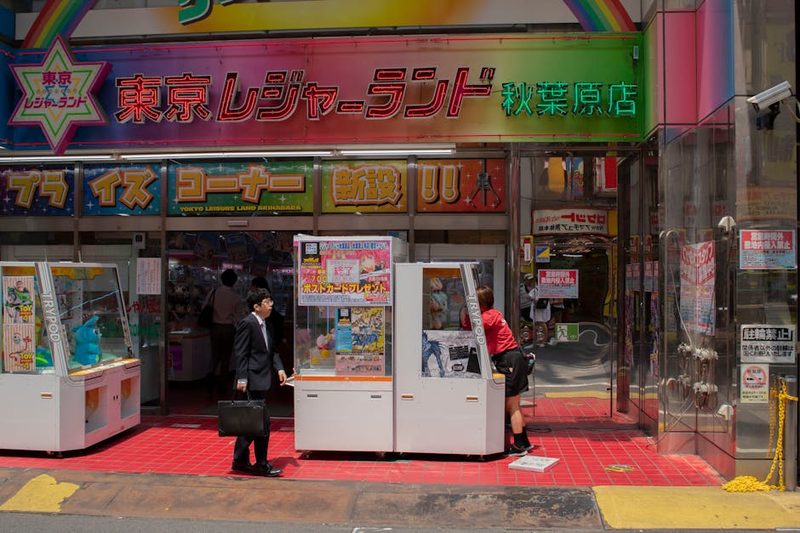
Take the Tsukuba Express from Asakusa to Akihabara — one stop, 5 minutes, ¥170. Akihabara is Tokyo’s electronics and anime district, and it’s best experienced after dark when the neon signs light up and the energy shifts. During the day it’s a bit flat. At night, it comes alive.
Even if anime and manga aren’t your thing, Akihabara is worth an evening for the sheer spectacle. Multi-story arcades with crane games, retro gaming floors, and rhythm games that locals play with terrifying skill. Super Potato, the retro game shop, is stacked floor-to-ceiling with vintage Nintendo, Sega, and PlayStation gear. Mandarake is the go-to for manga and collectibles. The electronics shops — Yodobashi Camera being the biggest — are worth browsing even if you don’t buy anything, just for the sheer density of gadgets.
For dinner, Akihabara has solid ramen options. Fuunji near Shinjuku gets all the press, but Akihabara’s ramen row on the main Chuo-dori strip has several good shops without the hour-long queues. Alternatively, if the retro arcade atmosphere has you feeling adventurous, try one of the themed cafes. The maid cafes are genuinely bizarre cultural experiences — not my scene, but I won’t pretend I haven’t been to one. You’ll pay ¥1,500-3,000 for a drink and performance that involves a lot of cheerful chanting over your food. It’s weird. You might love it.
Day 3: Day Trip — Mt. Fuji or Kamakura
Day three is for getting out of Tokyo. The city is incredible, but five straight days without a change of pace leads to burnout. Two options here, depending on what you want.
Option A: Mt. Fuji and Lake Kawaguchiko (Full Day)
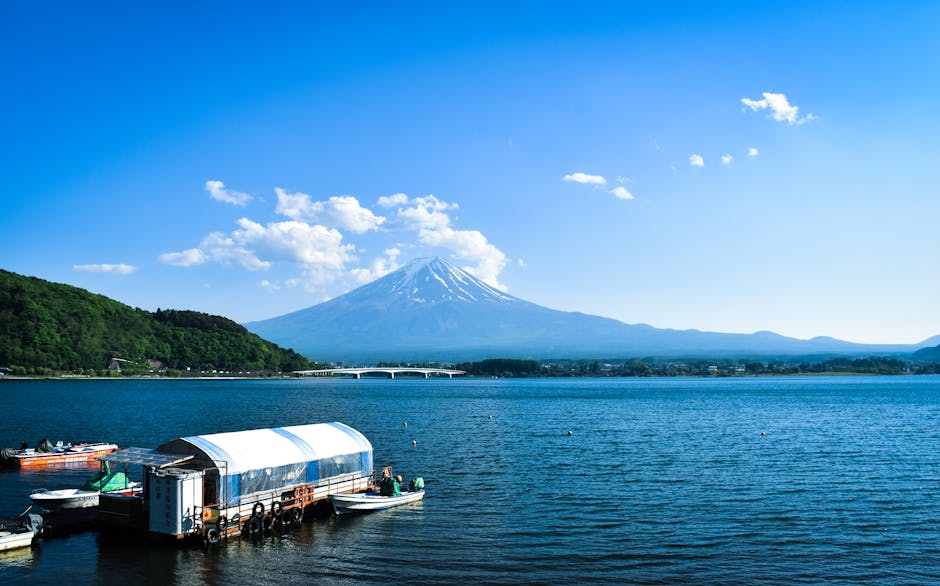
If weather cooperates — and this is a big if — Mt. Fuji is the more dramatic day trip. The mountain is famously shy. It can be completely obscured by clouds for days at a time, and you won’t know until you get there. Check the Go Tokyo weather resources or the Kawaguchiko live cams the morning of. If the forecast is heavy cloud, switch to Kamakura and save Fuji for a clearer day (or your next trip).
From Shinjuku, take the direct Highway Bus to Kawaguchiko Station. The bus runs from Shinjuku Expressway Bus Terminal (Busta Shinjuku, on the south side of the station). About 2 hours each way, ¥2,200 one-way. Book online a day ahead if possible — morning departures fill up. The earliest bus leaves around 6:40am, and I’d recommend it. You want maximum time at the lake.
Lake Kawaguchiko is the most accessible of the Fuji Five Lakes and has the best views. The Kawaguchiko Retro Bus loops around the lake hitting the major viewpoints — a day pass is ¥1,500. But honestly, the north shore walking path between Kawaguchiko Music Forest and Oishi Park gives you the best unobstructed Fuji views and takes about 90 minutes at a relaxed pace. The Chureito Pagoda (take the Fuji Kyuko Line one stop to Shimoyoshida) is the iconic five-story pagoda with Fuji behind it that you’ve seen in every Japan photo ever. There are 398 steps up to the pagoda. Do them. The view is worth the sweat.
For lunch, the local specialty is houtou — thick, flat udon noodles in miso-based broth with pumpkin and vegetables. It’s hearty, warming, and you won’t find it this good in Tokyo. Houtou Fudou near the station is the most well-known spot. About ¥1,200-1,500 for a big iron pot.
Our Mt. Fuji day trip guide has more detail on transport options and tours if you’d rather have someone else handle the logistics.
Option B: Kamakura (Full Day)
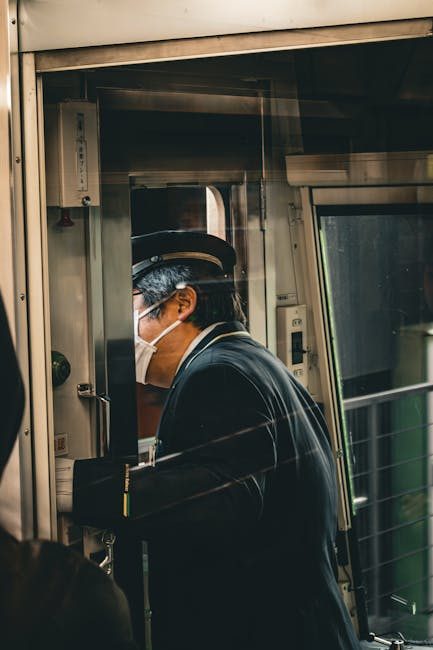
If Fuji’s weather looks bad, or if temples and coastal towns appeal more than mountain views, go to Kamakura. It’s the easier day trip — closer, more compact, and weather-proof since the attractions are mostly covered.
From Shinjuku or Shibuya, take the JR Shonan-Shinjuku Line direct to Kamakura. About 60 minutes, ¥940. Or from Tokyo Station, the JR Yokosuka Line takes about the same time. Either way, you arrive at Kamakura Station and can walk to the main sights.
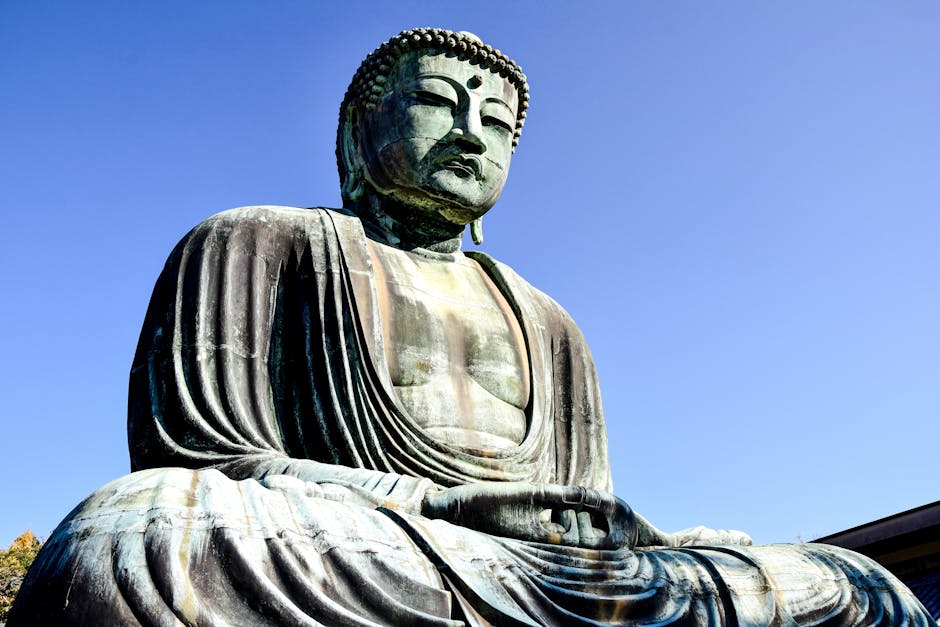
Start at Tsurugaoka Hachimangu, Kamakura’s central Shinto shrine, a 10-minute walk from the station up a tree-lined avenue. Then walk west (about 25 minutes through residential streets — it’s a pleasant walk) to the Kotoku-in temple, home of the Great Buddha. The 13-meter bronze Amitabha Buddha has been sitting here in the open air since a typhoon destroyed its hall in 1498. Admission: ¥300. You can go inside the hollow statue for an extra ¥50. The interior is hot and dark and not particularly interesting, but you’ll do it anyway because you can.
Continue to the Hase-dera temple nearby — better gardens than the Buddha and views over the Shonan coast. Then work your way to the Enoden Line, the charming old tram that runs along the coast. Ride it to Enoshima if you have time — a small island connected by a bridge, with a shrine, sea caves, and good seafood restaurants. The whole Enoden ride takes about 25 minutes end to end and the coastal scenery is lovely.
For lunch, Komachi-dori (the main shopping street near Kamakura Station) has everything from soba to shirasu (tiny whitebait fish, a local specialty). Shirasu-don — raw whitebait over rice — is the thing to try here. About ¥1,000-1,500 at most places. Check our Kamakura tours guide for options with local guides who know the less-visited temples.
Day 4: Shinjuku Gyoen, Shimokitazawa, Nakameguro, and Late-Night Bars
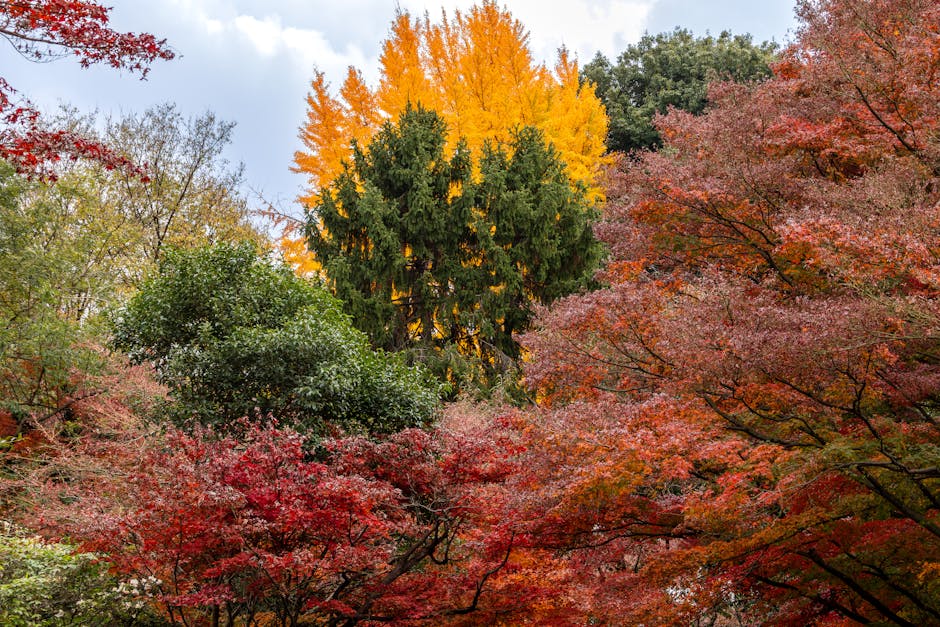
Today’s pace is deliberately slower. By day four, your feet hurt, your phone’s photo storage is getting low, and you’ve earned a day that’s less about ticking off landmarks and more about soaking in the neighborhoods that make Tokyo feel like a real city rather than a tourist circuit.
Morning: Shinjuku Gyoen Gardens (9:00am – 11:30am)
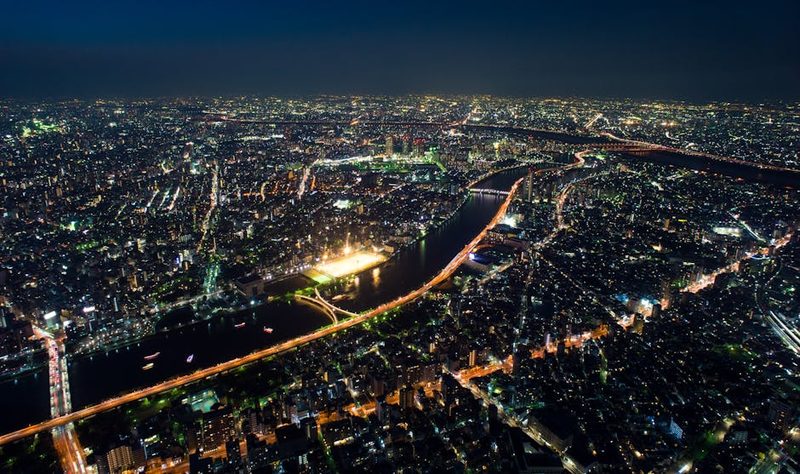
Shinjuku Gyoen opens at 9am. Get there when the gates open. Admission is ¥500 — a bargain for one of the most beautiful green spaces in any major city. The garden blends three distinct styles: Japanese traditional (curved bridges, stone lanterns, koi ponds), French formal (geometric hedgerows and plane trees), and English landscape (open lawns and scattered groves). During cherry blossom season, this is THE spot in Tokyo — it’s where locals go, as opposed to the more tourist-heavy spots along the Meguro River. But it’s gorgeous in any season. The greenhouse alone is worth 20 minutes.
No alcohol is allowed in the park, which keeps the atmosphere calm. Also no drones, no sports equipment, no picnic tables — just people sitting on the grass, reading, sketching, or staring at the sky. Bring a convenience store breakfast and eat it on the lawn near the Japanese garden. A FamilyMart egg sandwich, a canned coffee, and that view. That’s a good morning.
If you’re into stationery or craftwork, stop at the Itoya flagship store in Ginza on your way through — twelve floors of paper, pens, and supplies. But that’s a detour. If you’re keeping to the route, head straight from Shinjuku Gyoen to Shimokitazawa.
Afternoon: Shimokitazawa Vintage and Nakameguro/Daikanyama Cafes (12:00pm – 5:30pm)
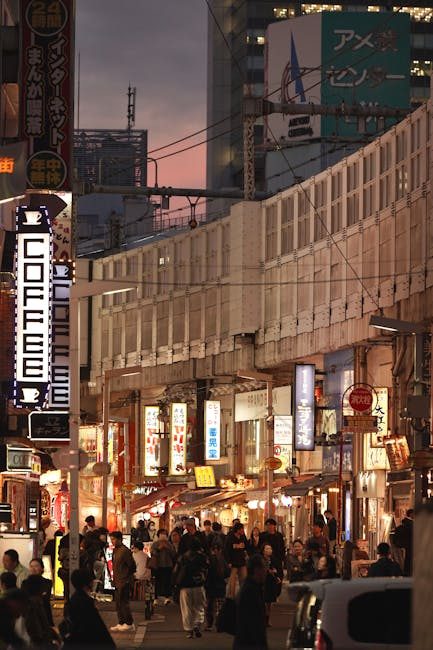
From Shinjuku, take the Odakyu Line to Shimokitazawa — two stops, 5 minutes, ¥130. Shimokitazawa is Tokyo’s answer to Brooklyn or Shoreditch, if Brooklyn or Shoreditch were compressed into eight square blocks and had better vintage clothing stores. The neighborhood is a tangle of narrow lanes lined with secondhand shops, independent record stores, small live music venues, and curry restaurants. Don’t ask me why curry — it’s a Shimokitazawa thing. There are more curry joints per square meter here than anywhere else in Tokyo.
For vintage clothing, just wander. New York Joe Exchange is the most well-known, with a rotating stock of imported American and European vintage. Haight & Ashbury and Flamingo are both solid for Japanese-selected vintage, which tends to be in better condition than what you’d find in Western thrift stores because Japanese consumers take care of their clothes. Prices range from ¥500 for a basic t-shirt to ¥5,000-10,000 for standout pieces. Budget 60-90 minutes in Shimokitazawa.
Lunch here: Kameya is a solid soba spot — cold soba noodles with a dipping sauce, simple and excellent. About ¥800-1,200. Or grab curry at one of the dozen places competing for your attention. Magic Spice does a soup curry that’s become a local institution — fiery, complex, and about ¥1,200.
After Shimokitazawa, take the Inokashira Line to Shimokitazawa, then transfer to the Toyoko Line toward Nakameguro — or just take a taxi for about ¥1,200. Nakameguro is Tokyo at its most design-conscious. The Meguro River cuts through the neighborhood, lined with cherry trees (stunning in spring, pleasant the rest of the year), and the streets on both sides are packed with small boutiques, design shops, and some of Tokyo’s best cafes.
Onibus Coffee in Nakameguro is a must-stop if you care about coffee. It’s a small roastery with seating overlooking the river — excellent single-origin pour-overs. This is where Tokyo’s design-and-coffee crowd comes on weekends. Right nearby, CAMELBACK does breakfast sandwiches that have a cult following — a Japanese-French hybrid involving eggs and thick-cut bread that sounds simple and is. Get the egg sandwich if they still have them by the time you arrive. It’s small, so it sells out.
Walk south from Nakameguro to Daikanyama — about 15 minutes along quiet residential streets. Daikanyama feels like a village that happens to be inside a megacity. The standout here is Kyu Asakura House, a Taisho-era (early 1900s) wooden residence with Japanese gardens. It’s free to enter and almost nobody visits it. The contrast between the hundred-year-old architecture and the modern Daikanyama condos visible over the garden wall is striking. Budget 20-30 minutes.
Also in Daikanyama: Traveler’s Factory, a stationery and notebook shop for people who take their travel journals seriously. Midori Traveler’s Notebooks, custom inserts, leather covers, brass accessories. It’s a niche interest but if it’s yours, this is the mothership. Next door-ish, Tsutaya Books (T-Site) is one of the most beautiful bookstores in the world — a three-building complex designed by Klein Dytham architecture, heavy on art books and magazines.
Evening: Ramen and Late-Night Bars (6:00pm – late)
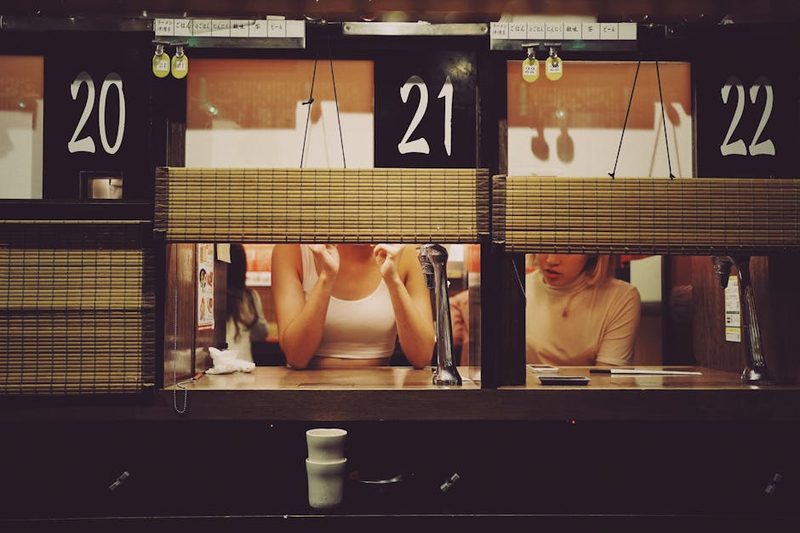
Head back toward Shinjuku or Shibuya for the evening. For ramen, Fuunji in Shinjuku does tsukemen (dipping ramen) that consistently makes Tokyo’s top-ten lists — thick noodles dipped into an intensely concentrated fish-and-pork broth. The queue is usually 20-40 minutes. Worth it. About ¥1,000. Or, if you’re over queues by this point, Hayashi in Shinjuku-sanchome does a rich, creamy tonkotsu that’s nearly as good with no wait.
After dinner, Tokyo’s bar scene. This is a city that takes drinking seriously, and the range runs from ¥300 beers at standing bars to ¥5,000 cocktails at world-ranked speakeasies.
For something special: Bar Benfiddich in Shinjuku. Ranked #37 on the World’s Best Bars list (it’s been on there for years). The bartender, Hiroyasu Kayama, forages and grows his own herbs and botanicals. The place feels like an apothecary — shelves lined with jars, a mortar and pestle on the bar, drinks built from ingredients you’ve never heard of. No menu. Tell them what you like and they’ll make something. Cocktails run ¥2,000-3,000. It’s small — maybe 12 seats — and reservation is recommended. Not required but recommended.
For the bucket-list option: New York Bar at the Park Hyatt, 52nd floor. Yes, it’s the Lost in Translation bar. Yes, it’s a cliche. It’s also genuinely stunning — floor-to-ceiling windows overlooking all of Tokyo, live jazz most nights, and cocktails from ¥2,500. There’s a cover charge of ¥2,800 after 8pm (waived if you’re hotel guests). Is it overpriced? Somewhat. But the view at night is something you’ll remember. Go once.
Or, if you’d rather spend ¥500 instead of ¥5,000: head back to Hoppy Street in Asakusa. The drink to order here is Hoppy itself — a low-alcohol beer-like beverage mixed with shochu. It’s an old-school Tokyo drinking tradition that’s been popular with workers since the 1940s. The atmosphere is plastic chairs, paper lanterns, and retired salarymen watching baseball on a tiny TV. Not glamorous. That’s why it’s good.
Day 5: Flex Day — Build Your Own
No fixed itinerary for today. By day five, you know what you loved and what you want more of. But here are specific options, ranked by how good they actually are:
TeamLab Borderless or Planets
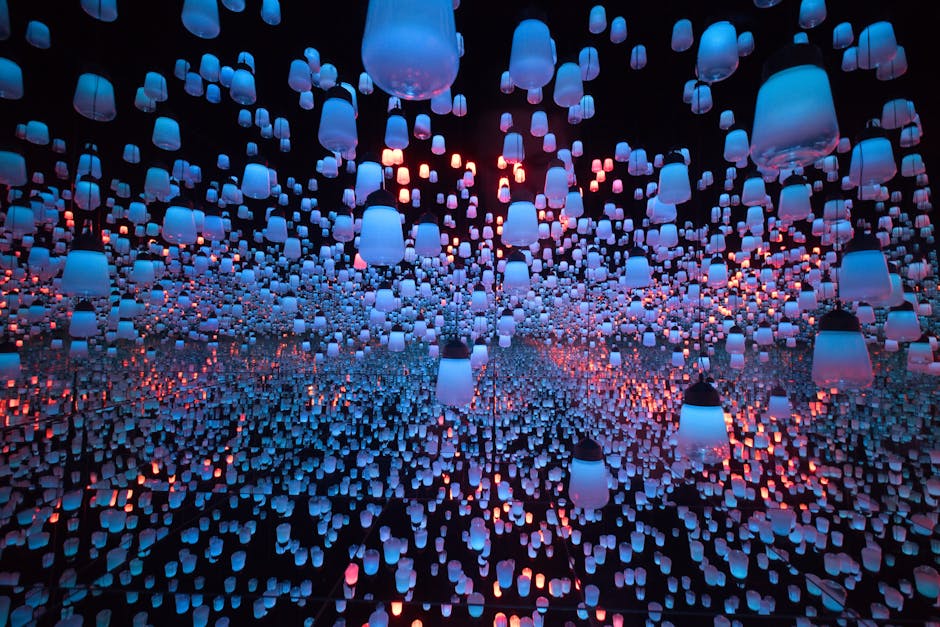
If you haven’t booked this yet, you’re probably too late — TeamLab’s immersive digital art museums sell out days and sometimes weeks in advance. Planets (in Toyosu) is the one where you wade through knee-deep water while digital koi swim around your feet. Borderless (now at Azabudai Hills in Roppongi) is the larger, maze-like installation where projections flow from room to room. Both cost ¥3,800-4,800. Both take about 90 minutes. Planets is the better first-timer experience. Borderless rewards wandering and revisiting rooms. Pick one, not both — they overlap more than the marketing suggests. Check our TeamLab Planets guide for booking tips and what to expect.
Kuramae: Tokyo’s Quiet Creative Neighborhood
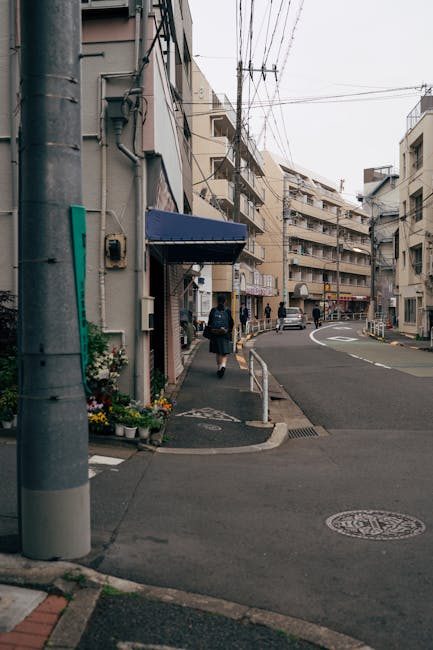
Most travelers miss this entirely, and that’s part of the appeal. Kuramae is a formerly industrial neighborhood east of Asakusa that’s become Tokyo’s answer to Williamsburg — small ceramics studios, leather workshops, galleries, and some of the city’s best specialty coffee. Dandelion Chocolate has a Kuramae outpost in a converted warehouse — bean-to-bar chocolate, open kitchen, and a drinking chocolate that’s unreasonably good. Coffee Wrights does single-origin pour-overs in a stripped-back space. For lunch, Yuwaeru serves washoku (traditional Japanese cuisine) — balanced set meals with rice, pickles, grilled fish, and miso soup, all sourced carefully. About ¥1,500-2,000 for a set lunch. The whole neighborhood is walkable in a couple of hours and gives you a completely different read on Tokyo than the big-name districts.
Ueno Museums
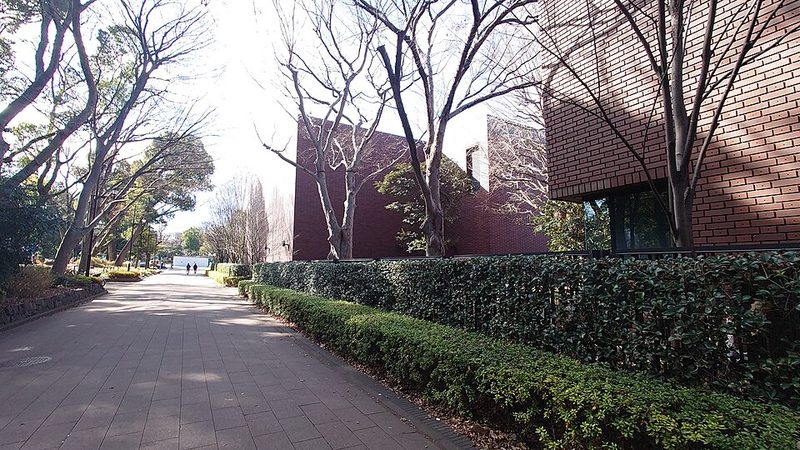
Ueno Park holds the densest cluster of museums in the city. You can’t do them all and shouldn’t try. Pick one: the Tokyo National Museum is Japan’s oldest and largest, with samurai armor, Buddhist sculpture, and ceramics spanning centuries. Admission ¥1,000. The National Museum of Western Art (designed by Le Corbusier, UNESCO World Heritage) is ¥500. The National Museum of Nature and Science is a good option if you’re traveling with kids. Each one takes 1.5-2 hours minimum.
Cooking Class
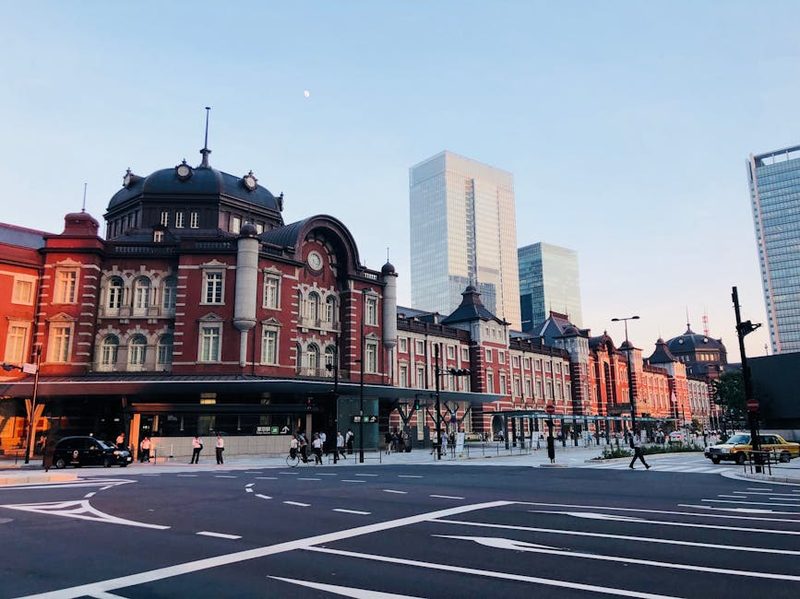
A cooking class is one of the best things you can do in Tokyo, and most people don’t think of it until it’s too late. The good ones book up. Our guide to Tokyo’s best cooking classes covers the full range — from ramen-making workshops (¥6,000-10,000, 2-3 hours) to full kaiseki multicourse experiences (¥15,000+, half day). Book at least a week ahead.
Ginza Depachika
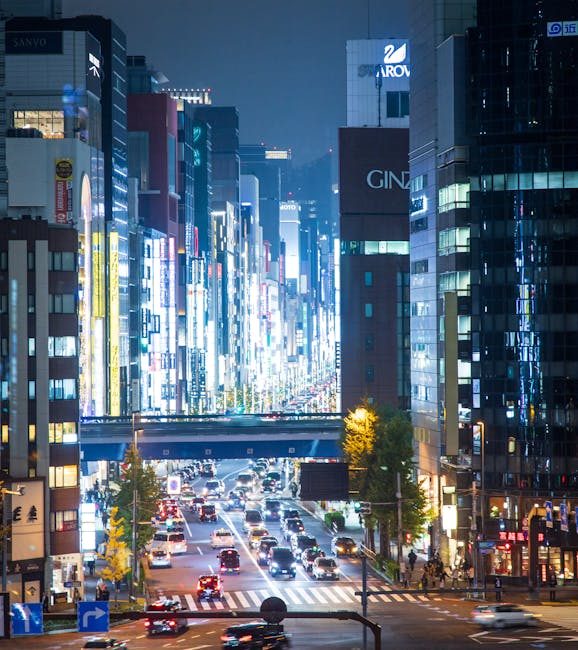
Department store basement food halls. This is where Tokyo’s food obsession reaches its most concentrated form. Mitsukoshi Ginza and Isetan Shinjuku have the best depachika — floor after floor of confectionery, wagashi (traditional sweets), bento boxes, prepared foods, and free samples. Seriously, you can eat lunch on free samples if you’re strategic about it. The wagashi counters are particularly good for bringing home beautifully packaged Japanese sweets as gifts. Budget ¥2,000-5,000 depending on your self-control.
Revisit Your Favorite Neighborhood
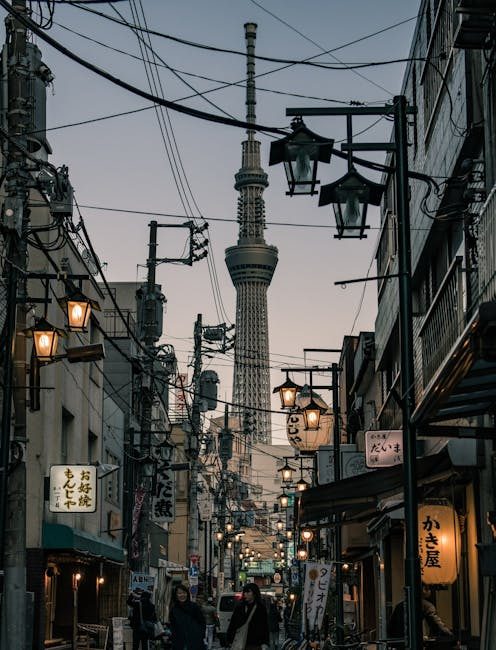
Honestly? This might be the best option. Go back to whichever place grabbed you hardest during the first four days. Eat at the restaurant you walked past but couldn’t fit in. Explore the side streets you skipped because the schedule was tight. Some of my best Tokyo memories are from the unplanned second visits — the afternoon I went back to Shimokitazawa and found a record store I’d missed, the evening I returned to Asakusa and discovered a tiny yakitori place with seven seats and the best chicken skin I’ve ever had.
Yanaka Ginza
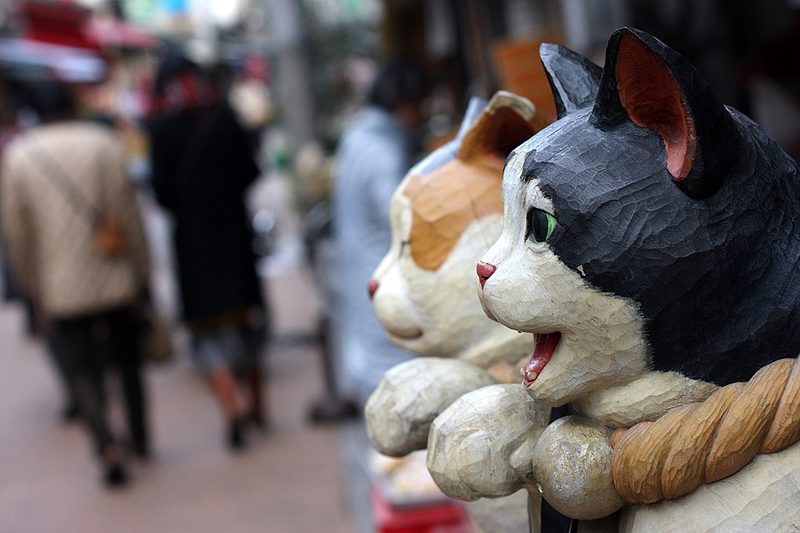
If you want something completely different: Yanaka Ginza is an old-fashioned shopping street in a neighborhood that survived the WWII bombings and the postwar rebuilding. It feels like the Tokyo of 50 years ago — narrow streets, family-run shops, temple graveyards, cats everywhere. The Asakura Museum of Sculpture (a house-turned-museum of an early 20th-century sculptor) is a small, odd, memorable stop. Yanaka is not exciting. It’s gentle. And after four days of sensory overload, gentle might be exactly what you need.
Nezu Museum
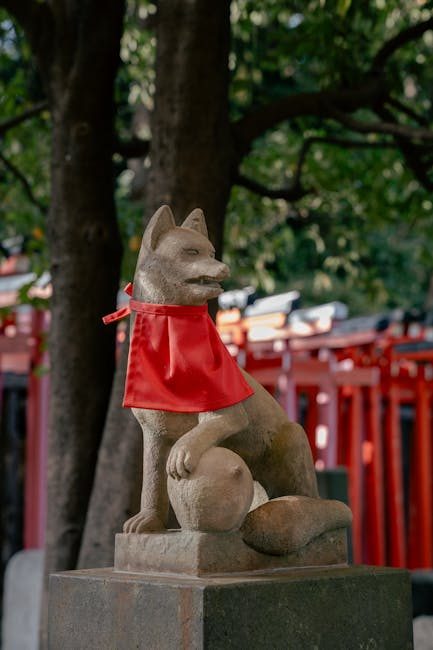
In Aoyama, the Nezu Museum houses a private collection of pre-modern Japanese and East Asian art in a building designed by Kengo Kuma. The collection is good. The garden is better — a surprisingly large, deeply peaceful Japanese strolling garden hiding behind the museum, with ponds, stone paths, and teahouses. Admission ¥1,300. You’d never know it was there from the street. It’s one of those Tokyo places that rewards people who look past the obvious attractions.
If You Have More Time
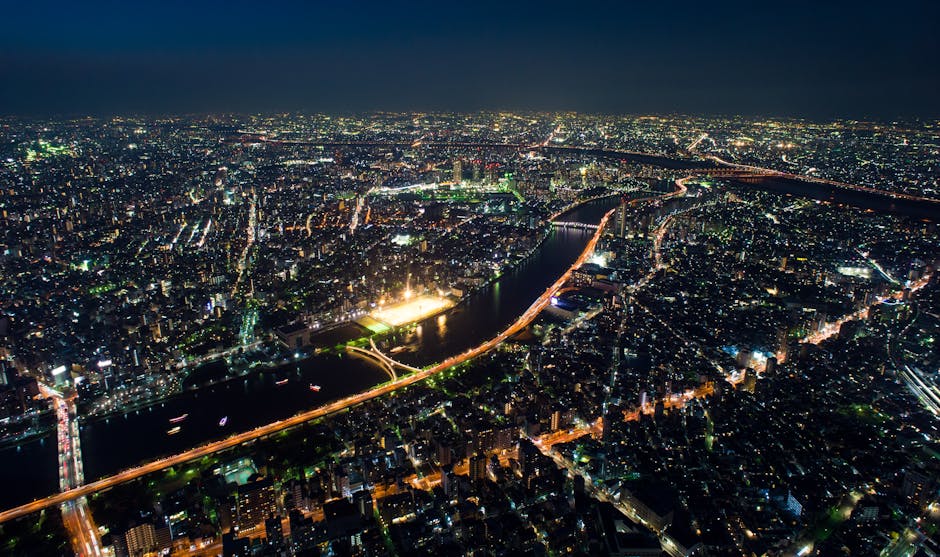
Five days covers central Tokyo and one day trip well. But if you can stretch to seven days, or if you’re building this into a longer Japan trip:
Hakone: An overnight trip rather than a day trip. Hot spring resort town in the mountains southwest of Tokyo. The Hakone Loop — cable car, pirate ship, open-air museum — is a full day. Stay at a ryokan with onsen (private hot spring bath) for the full experience. Accessible via the Romancecar train from Shinjuku, about 85 minutes.
Kawagoe: “Little Edo” — a small city 30 minutes north of Tokyo by train with preserved Edo-period warehouse buildings, a famous bell tower, and a candy street (Kashiya Yokocho) that feels like stepping into a Miyazaki film. Half-day trip, pairs well with a morning or afternoon in Ikebukuro.
Tower Records Shibuya: If music is your thing and you didn’t get to it on Day 1 — this is one of the largest music stores in the world. Multiple floors of CDs, vinyl, J-pop exclusives, and listening stations. It’s a relic in the streaming age and all the better for it.
Shimokitazawa at night: The daytime vintage shopping is good, but Shimokitazawa’s live music scene after 8pm is where the neighborhood really shows its character. Small venues, ¥2,000-3,000 cover charges, and bands that range from experimental noise to surprisingly polished indie rock.
Odaiba: The artificial island in Tokyo Bay. It’s mostly shopping malls and a giant Gundam statue, but the view of the Rainbow Bridge at night is legitimately beautiful. The Oedo Onsen Monogatari (if it’s reopened — check current status) is a theme-park-style hot spring complex that’s fun even if it’s not a “real” onsen experience.
For more options, our guide to the best day trips from Tokyo covers everything within striking distance, from Nikko’s ornate shrines to the coastal town of Yokohama.
5-Day Tokyo Budget Breakdown
What five days actually costs, per person, excluding flights and accommodation.
| Category | Budget | Mid-Range | Comfortable |
|---|---|---|---|
| Food (5 days) | ¥15,000-25,000 | ¥30,000-45,000 | ¥50,000-75,000 |
| Transport (IC card, local trains) | ¥5,000-7,000 | ¥7,000-10,000 | ¥10,000-15,000 |
| Day trip (Mt. Fuji bus or Kamakura train) | ¥4,000-5,000 | ¥5,000-7,000 | ¥8,000-15,000 |
| Attractions (Shibuya Sky, TeamLab, temples) | ¥3,000-5,000 | ¥6,000-10,000 | ¥10,000-18,000 |
| Shopping and souvenirs | ¥3,000-5,000 | ¥10,000-20,000 | ¥30,000+ |
| Nightlife (bars, izakayas) | ¥3,000-5,000 | ¥8,000-15,000 | ¥20,000-40,000 |
| Total (5 days) | ¥33,000-52,000 | ¥66,000-107,000 | ¥128,000-188,000 |
The budget column assumes convenience store breakfasts, street food lunches, and one sit-down meal per day. Mid-range means restaurant meals for lunch and dinner most days. Comfortable includes nicer restaurants, cocktail bars, and not worrying about the price on anything. Tokyo rewards the budget traveler better than almost any other major city — a ¥150 onigiri from 7-Eleven is genuinely delicious, a ¥500 bowl of standing soba is a real meal, and the ¥300 beers from vending machines are the exact same brands you’d pay ¥800 for in a bar.
The single biggest variable is alcohol. Tokyo can be extremely cheap or extremely expensive depending on whether you’re drinking ¥250 chuhai from a convenience store on a park bench or ordering craft cocktails at a Ginza hotel bar. Both are valid Tokyo experiences. Budget accordingly.
For a deeper look at saving money in Tokyo, our guide to things to do in Tokyo includes plenty of free and cheap options across every neighborhood.