
Tokyo is one of those cities that sounds like it shouldn’t work with children. Thirteen million people, a train network that requires a PhD to decode, and a culture that values quiet composure in public spaces — none of that screams “bring your four-year-old.” But here’s the thing: it works brilliantly. Japan is routinely ranked among the safest countries on earth, the streets are cleaner than most people’s kitchens, and the culture of consideration means strangers will go out of their way to help you with a stroller on stairs. Your kids will eat better here than they do at home, sleep safely in hotels that actually accommodate families, and encounter things — robot restaurants, vending machines that sell hot corn soup, toilets with more buttons than a spaceship — that’ll hold their attention in ways no museum back home ever could.
I won’t pretend it’s effortless. Tokyo with kids requires more planning than Tokyo without them, and some of the city’s best experiences (late-night izakayas, Golden Gai bar-hopping, marathon temple circuits) aren’t going to happen this trip. But what you get instead is a version of Tokyo filtered through genuine wonder — watching your kid’s face when a plate of sushi arrives on a miniature train, or when they realize the deer in Ueno Park will walk right up to them, or when they press every single button on a Japanese toilet and flood the bathroom. That stuff is worth the trade-off.
If you’re still building out the rest of your trip, the Tokyo travel guide covers logistics and neighborhoods, and the things to do in Tokyo page has the full list of attractions beyond kid-friendly ones.
- Best Ages for Tokyo
- Where to Stay with Kids in Tokyo
- Getting Around Tokyo with Strollers and Small Humans
- Best Things to Do with Kids in Tokyo
- TeamLab (Borderless or Planets)
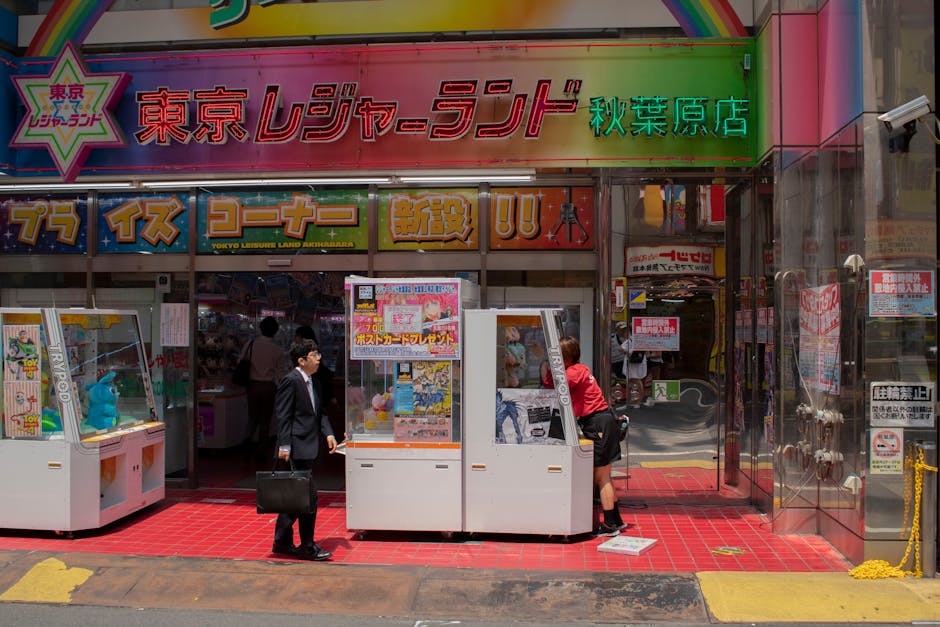
- Arcades in Akihabara and Ikebukuro
- Ueno Zoo and Ueno Park
- Tokyo Disney Sea
- Karaoke Rooms
- Fukagawa Edo Museum
- Okonomiyaki at Sakura-Tei in Harajuku
- Pokemon Center and Nintendo Tokyo
- Meiji Shrine
- Odaiba
- What Doesn’t Work with Kids in Tokyo
- Where to Eat with Kids in Tokyo
- Practical Tips for Tokyo with Kids
Best Ages for Tokyo
I’ll be direct about this because nobody else seems to be: the ideal age range for Tokyo with kids is roughly 4 to 12. That’s when the city hits the sweet spot between “old enough to walk reasonable distances and eat unfamiliar food” and “young enough to find vending machines genuinely thrilling.”
Under 3, Tokyo is doable but you’re essentially doing your own trip while keeping a small human alive in a foreign country. Babies and toddlers won’t remember TeamLab, won’t care about the Pokemon Center, and won’t appreciate why the sushi is better here. You’ll spend a disproportionate amount of time dealing with naps, stroller logistics, and finding changing facilities. It can still be a good trip — Japanese culture is extraordinarily accommodating to small children, and baby supplies are excellent here — but be realistic about who that trip is actually for. It’s for you. Which is fine, but plan accordingly.
Ages 4 to 7 are golden. Old enough to walk, young enough to be astonished by everything. The arcade machines, the train system, the food arriving on conveyor belts — all of it registers as pure magic. They’ll talk about the robot restaurant for years. The main limitation is walking stamina. Tokyo involves a lot of ground coverage, and carrying a tired five-year-old through Shinjuku Station at rush hour is an experience you only want to have once.
Ages 8 to 12 might be the absolute peak. They can handle longer days, eat adventurously, navigate with you on trains, and actually engage with the cultural side of things — why people bow, what the shrines mean, how the ordering systems work. They’re also old enough for Disney Sea’s better rides and the more intense TeamLab installations. If you can time a Tokyo trip for this age range, do it.
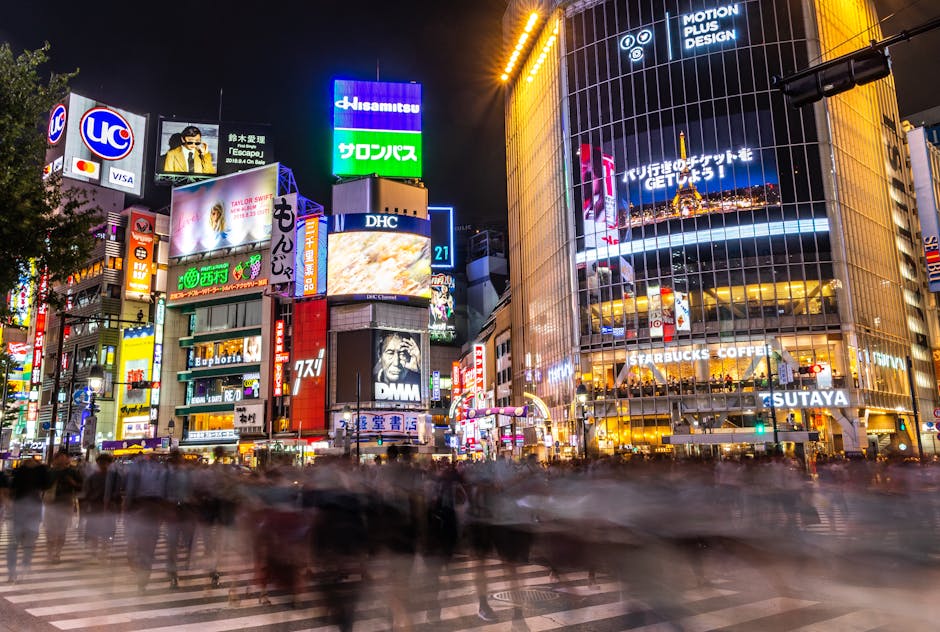
Teenagers are a mixed bag. Some will love it — the fashion in Harajuku, the arcades in Akihabara, the sheer sensory overload of Shibuya Crossing. Others will spend the whole trip looking at their phone and complaining that the hotel wifi is slow. You know your teenager. Plan accordingly.
Where to Stay with Kids in Tokyo
This is where most families get it wrong. They book whatever mid-range hotel looks good on Booking.com and end up in a standard Tokyo room that’s 18 square metres with two single beds pushed together and nowhere to put a suitcase, let alone a travel cot. Tokyo hotel rooms are small by design — space is expensive and most Japanese hotels assume guests are out all day and only need a place to sleep. That works fine for couples. It’s a disaster with kids.
Mimaru Suites are far and away the best family hotel option in Tokyo, and it’s not particularly close. They’re purpose-built for families and groups, with two-bedroom suites that sleep four to six people, separate bunkroom areas that kids go absolutely feral for, a washing machine in the unit, and a kitchenette. Multiple locations across Tokyo — Akasaka, Ueno, Nihonbashi, several others. The bunkroom setup means kids get their own sleeping space, which solves the eternal problem of trying to keep quiet in a dark hotel room at 8pm while your children are still on a different time zone. Having a washing machine also cuts your luggage in half, which matters enormously when you’re traveling with kids and their inexplicable ability to soil three outfits before lunch. Rates are reasonable for what you get — substantially cheaper per-person than booking two standard hotel rooms, which is your only other option for a family of four or more.
Hotel Gajoen Tokyo is the upscale option if budget allows. Every room is a minimum of 70 square metres, which is roughly four times the size of a standard Tokyo hotel room. They do Japanese-Western hybrid rooms with tatami living spaces alongside regular beds — your kids get to experience sleeping on tatami (which they’ll think is camping indoors) while you get a proper mattress. It’s expensive, but the space alone makes it worth considering for families who’d otherwise be climbing over each other in a cramped box.
For families planning Disney days, the Sheraton Grande Tokyo Bay sits directly across from the Disney Resort monorail. Their Treasures room configuration has three single beds plus bunks — purpose-built for families. You’ll pay Disney-area prices, but the trade-off is rolling out of bed and being at the park gates in fifteen minutes instead of spending an hour and a half on trains from central Tokyo. With young kids, that morning commute time matters. A lot.
If you want a more local experience, look at the Sumida City area on the east side. It’s a residential neighbourhood with good supermarkets, a seven-minute walk to the metro, and a fraction of the tourist density you’ll find in Shinjuku or Shibuya. Staying here feels like living in Tokyo rather than visiting it. Your kids can walk to a local park, you can grab breakfast from a neighbourhood bakery, and nobody’s trying to sell you anything. The trade-off is that it’s further from major attractions, but Tokyo’s train network means “further” usually translates to an extra ten or fifteen minutes.
What to actively avoid: tiny rooms in Shibuya or Kabukicho (Shinjuku’s entertainment district). Shibuya is loud, crowded, and oriented entirely toward young adults and nightlife. Kabukicho is Tokyo’s red-light district and not somewhere you want to navigate with a stroller at 10pm after a long day. Both areas have their place on an adults-only trip. With kids, stay somewhere quieter.
One more option worth knowing about: Hotel Nikko Narita near the airport. If your flight lands late, don’t try to get into central Tokyo with exhausted children. Book a night at Nikko Narita, which has tatami rooms (kids think sleeping on the floor is an adventure), a large international breakfast buffet that’ll have something even your pickiest eater will accept, and a shuttle to the airport. Start fresh the next morning. It’s a small expense that prevents a very large meltdown.
For more neighbourhood breakdowns, the where to stay in Tokyo guide covers each area in detail.
Getting Around Tokyo with Strollers and Small Humans
The Tokyo train system is extraordinary. It’s punctual to the minute, covers the entire metro area, runs from roughly 5am to midnight, and the signage is in English. It’s also built in an era when accessibility wasn’t a primary concern, and that shows.
Stairs are everywhere. Many stations, especially older ones on the Tokyo Metro, have limited elevator access. Some have escalators that only go one direction. A few have nothing but stairs between the platform and the ticket gates. If you’re traveling with a stroller, you’ll regularly find yourself either folding it and carrying everything, or hunting for an elevator that’s hidden behind two corridors and a vending machine. The bigger stations — Shinjuku, Shibuya, Tokyo, Ikebukuro — all have elevators, but finding them can involve a ten-minute detour through the station’s underground mall.
The trains themselves are fine with strollers during off-peak hours. Japanese commuters are polite about making space, and there are designated priority areas near the doors. During rush hour (roughly 7:30-9:30am and 5-7pm), it’s a different story. The trains are packed to a degree that’s hard to convey until you’ve experienced it — we’re talking 180-200% capacity on some lines. Don’t attempt rush hour with children or a stroller. Rearrange your schedule to avoid it entirely, or take a taxi.
The kids’ Suica card is worth getting immediately. Children aged 6-11 ride trains at half price with a child Suica (the rechargeable transit card). Under-6 rides free. You can get child Suica cards at JR ticket offices — bring your child’s passport as proof of age. The card works on virtually every train line, bus, and even in convenience stores and vending machines. Load it up and forget about buying individual tickets for the rest of the trip.
For the airport transfer, skip the train if you’ve got kids and luggage. The Airport Limousine Bus runs from both Narita and Haneda directly to major hotels across Tokyo. It costs more than the train (around ¥3,200 from Narita versus ¥1,270 for the Skyliner with a subway combo ticket from Klook), but the bus stops at hotel lobbies, has luggage storage underneath, and doesn’t require you to navigate stairs, transfers, or ticket gates while herding children and dragging suitcases. After a ten-hour flight with kids, the extra ¥2,000 per person is the best money you’ll spend all trip.
If you do take the train from Narita, the Skyliner express is the way to go — 36 minutes to Ueno with reserved seats and luggage space. Klook sells a Skyliner + subway ticket bundle that saves a bit and gets you sorted for metro travel too. Just know that you’ll still need to transfer to a local line at Ueno or Nippori to reach most hotels, and that transfer with bags and kids is the hard part.
Portable wifi is non-negotiable with kids. You’ll need Google Maps constantly (Tokyo’s address system makes no logical sense — buildings aren’t numbered sequentially), you’ll need Google Translate at restaurants, and you’ll need YouTube for emergency screen time during meltdowns in transit. Rent a pocket wifi unit via Klook and pick it up at the airport. Coverage is excellent across the entire city.
Taxis are pricier than trains but sometimes they’re the right call. Short hops in central Tokyo run ¥1,000-2,000. After a long day when everyone’s tired and the nearest station is a fifteen-minute walk with stairs, a taxi back to the hotel isn’t an extravagance — it’s survival. Japanese taxis are immaculate, the doors open automatically, and the drivers wear white gloves. Your kids will be impressed.
Best Things to Do with Kids in Tokyo

Here’s where Tokyo delivers in a way that few other cities can match. The range of kid-friendly activities is enormous, and most of them are things adults genuinely enjoy too. I’ve ordered these roughly by how much kids tend to love them, based on what I’ve seen and what other families consistently report.
TeamLab (Borderless or Planets)
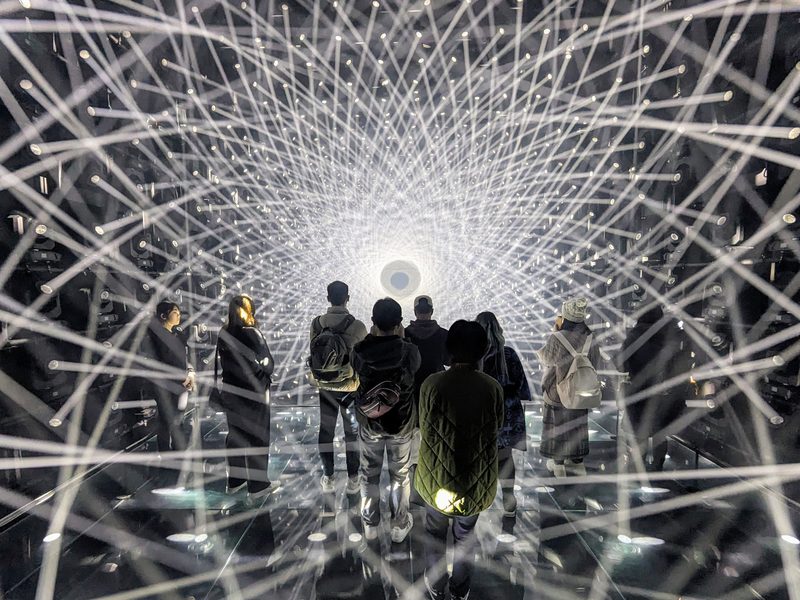
If you only do one “attraction” in Tokyo with kids, make it TeamLab. The installations are immersive digital art environments where the projections respond to movement and touch — kids can run through waterfalls of light, watch flowers bloom under their feet, and interact with projections on walls that shift and change when they reach out. It’s the rare thing that’s equally fascinating at age 5, age 12, and age 40.
TeamLab Borderless (currently at Azabudai Hills) is the larger, more labyrinthine version — rooms flow into each other without clear boundaries, and the art itself moves between spaces. Kids love the disorientation of it, the feeling that they’re exploring rather than following a set path. Some rooms are dark and some are loud, so very small children might get overwhelmed, but most kids 4 and up are transfixed.
TeamLab Planets in Toyosu involves wading through water — knee-deep in some rooms — which is the part your kids will remember most vividly and the part you need to prepare for. Bring a change of clothes and a small towel, or at minimum roll up everyone’s trousers before entering. There are lockers for bags and shoes. The sensation of walking barefoot through temperature-controlled water while surrounded by projected koi fish is genuinely otherworldly.
Book tickets in advance through the website. Both locations sell out, especially on weekends and holidays. Go early in the morning if possible — the crowds build through the day and some of the magic diminishes when you’re sharing a room with sixty other people.
More details in the TeamLab Planets guide.
Arcades in Akihabara and Ikebukuro
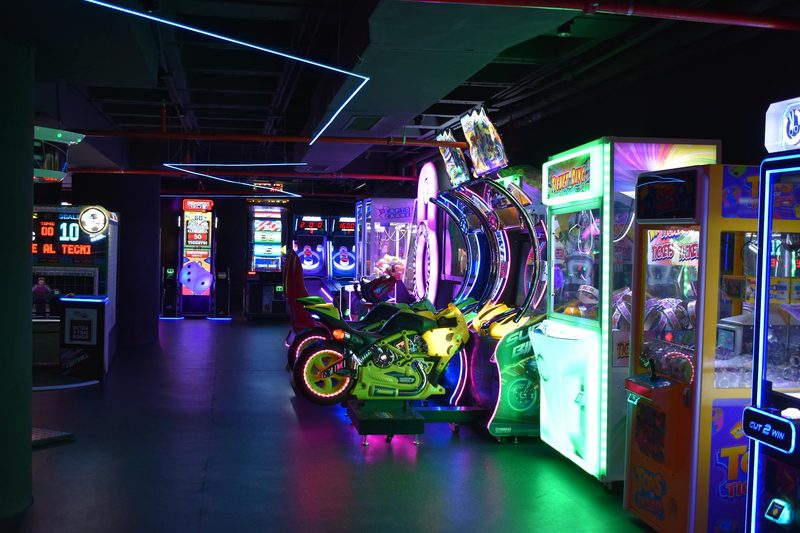
Japanese arcades are nothing like the sad, sticky-floored places with broken machines that the word “arcade” conjures in most countries. They’re multi-story buildings — five, six, sometimes eight floors — each dedicated to a different type of game. Rhythm games, fighting games, racing simulators, photo booths with outrageous filters, and entire floors of UFO catchers (claw machines) filled with plush toys, figurines, and snacks.
Akihabara is arcade central. The main strip has half a dozen major arcades within walking distance of each other. Kids gravitate toward the claw machine floors, where ¥100-200 gets you one attempt at grabbing a prize. Fair warning: these machines are calibrated to be difficult, and your child will burn through ¥1,000 in about six minutes while insisting they’ve “almost got it.” Set a budget before you walk in.
Ikebukuro’s arcades are slightly less overwhelming and tend to have newer machines. The claw machines here stock a lot of popular anime and character merchandise — if your kids are into Pokemon, Demon Slayer, or anything from the Studio Ghibli universe, they’ll lose their minds.
Genki Sushi in Shibuya deserves its own mention because it’s half restaurant, half entertainment for kids. You order from iPads at your table and the food arrives on miniature train tracks that run from the kitchen to your seat. The sushi slides off the track onto your table like a tiny freight delivery. Kids find the ordering-and-delivery process more exciting than the actual food, which is fine — the food is decent conveyor-belt-quality sushi, and the real product is the experience. Several locations around Tokyo, but the Shibuya one is the most accessible.
Ueno Zoo and Ueno Park
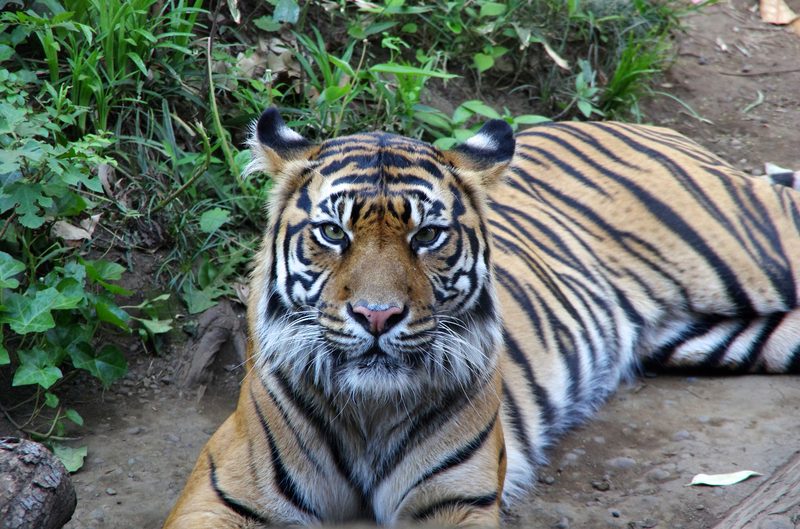
Ueno Park is the most family-friendly area in central Tokyo by a wide margin. The park itself is spacious, green, and flat (stroller-friendly), with a boating lake where you can rent swan-shaped pedal boats for about ¥700 per half hour. Ueno Zoo sits within the park — it’s the oldest zoo in Japan, houses giant pandas, and charges only ¥600 for adults while children under 12 are free. It’s not going to compete with San Diego or Singapore on the global zoo scale, but it’s perfectly fine for a morning with kids, and the pandas are genuinely worth seeing.
The surrounding area has the Tokyo National Museum, the National Museum of Nature and Science (excellent with kids — dinosaur skeletons, interactive exhibits, a massive blue whale model), and Ameyoko market for cheap street food. You could easily spend a full day in the Ueno area without running out of things to do.
Tokyo Disney Sea
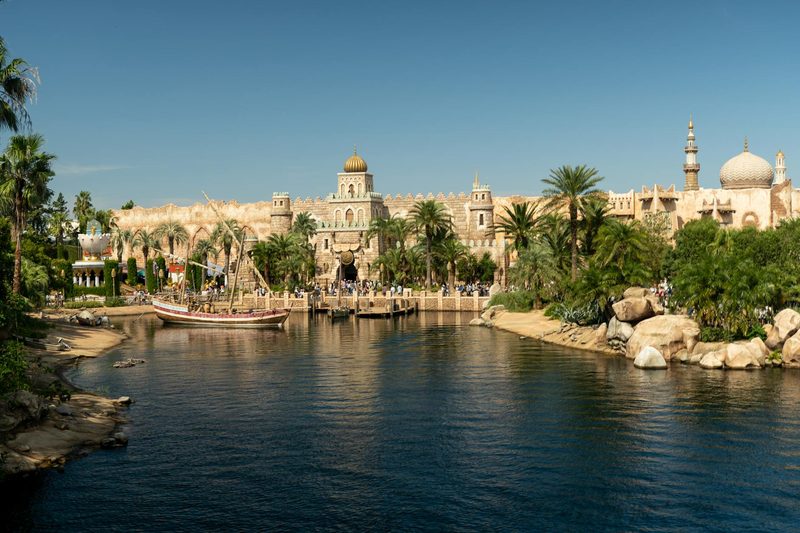
If your family is going to do a Disney park in Tokyo, make it Disney Sea rather than Disneyland. Tokyo Disneyland is a solid park, but it’s essentially a well-maintained copy of the original California version. Disney Sea is unique to Tokyo — it doesn’t exist anywhere else — and the theming is on a different level. The park is built around waterways and themed “ports” covering everything from Mediterranean harbours to volcanic islands to Jules Verne-inspired steampunk submarines. The rides skew slightly older than Disneyland (Journey to the Centre of the Earth and Tower of Terror have height requirements), but there’s still plenty for younger kids in the Mermaid Lagoon area, which is entirely indoors and designed for small children.
Buy tickets in advance through Klook — day-of purchases are often unavailable as the parks sell out. Budget a full day, arrive at opening, and go straight to the back of the park where the lines are shortest in the first hour. One-day tickets run around ¥7,900-9,400 for adults depending on the date, with discounts for children.
If you’re staying near Disney, the monorail connects the parks to the surrounding hotel area. The Sheraton Grande Tokyo Bay is directly on this loop.
Karaoke Rooms
This is the sleeper hit that most family travel guides overlook. Karaoke in Tokyo isn’t singing in front of strangers at a bar — it’s private soundproof rooms that you rent by the hour. Your family gets a room to yourselves with a screen, microphones, a catalogue of songs in multiple languages (English selection is large), and a phone you can use to order food and drinks that get delivered to your door. Rates start at around ¥300 per person per hour in places along Center-gai in Shibuya, which makes it one of the cheapest indoor activities in the city.
Kids adore it. They can sing as loud and as badly as they want without anyone hearing. You can order french fries and soft drinks to the room. It’s climate-controlled. If it’s raining, if everyone’s tired from walking, if you need an hour of downtime where the kids are entertained and you can sit on a couch — karaoke rooms are the answer. We’ve used them as a mid-afternoon reset more than once, and it saves the rest of the day every time.
Most karaoke chains (Big Echo, Joysound, Karaoke Kan) have locations across the city. No reservation needed — just walk in.
Fukagawa Edo Museum
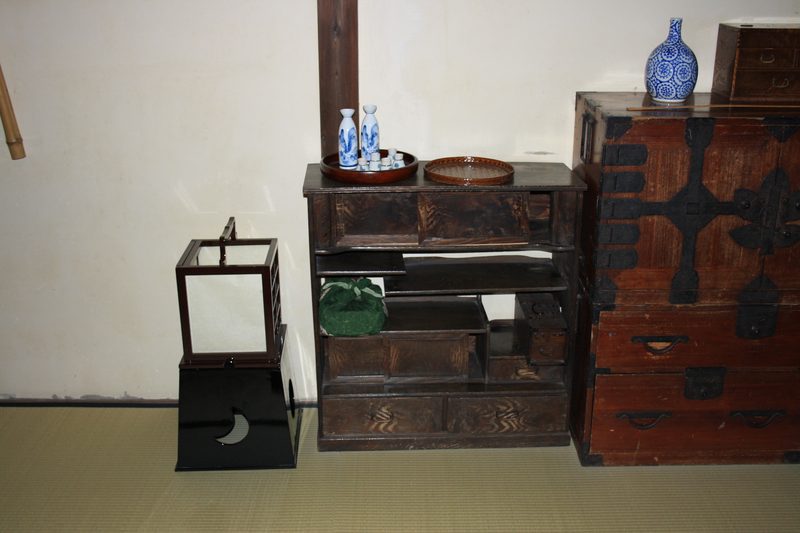
This one won’t appear in most guidebooks, and that’s precisely why it’s worth knowing about. The Fukagawa Edo Museum in Koto ward recreates a full Edo-period (1600s-1800s) neighbourhood inside a warehouse-sized building — narrow streets, wooden houses, shops, a fire watchtower, a canal with a boat. The lighting changes to simulate the passage of a day, from morning through twilight to night with lanterns. What makes it work for kids is that they can enter the buildings and pick things up. They can sit at the merchant’s desk, look through the wares, climb into the fire watchtower, poke around in a recreated home. It’s a hands-on museum disguised as a village, and the physical interaction keeps kids engaged in a way that glass-case museums never manage.
Admission is ¥400 for adults and ¥50 for children — functionally free for kids. Volunteer English-speaking guides are available and will walk you through the history of the neighbourhood. It’s about twenty minutes from central Tokyo on the metro, and you can combine it with a visit to Kiyosumi Gardens next door, which is a traditional Japanese garden that’s the perfect size for exploring with kids (not so large that anyone gets bored, not so small that there’s nothing to see).
Okonomiyaki at Sakura-Tei in Harajuku
Okonomiyaki is a savoury Japanese pancake made from a batter of cabbage, flour, and whatever fillings you choose — pork, shrimp, cheese, mochi, squid, and various combinations. At Sakura-Tei on Harajuku’s Ura-Harajuku backstreet, each table has a built-in iron griddle and you cook the pancakes yourselves. For kids, this is revelatory. They get to mix the batter, pour it on the grill, add toppings, flip it (with help), and paint on the sauce and mayonnaise. They’re cooking their own dinner in a restaurant, which is something that registers as a genuine event rather than just another meal.
A word of caution: the griddle is hot. Obviously. With kids under 5, you’ll need to manage the cooking yourself and keep small hands clear. Ages 6 and up can generally handle it with supervision. The staff are used to families and will show you the technique if it’s your first time.
Prices are reasonable — most okonomiyaki plates run ¥900-1,400 — and the location in Harajuku means you can combine it with a walk down Takeshita Street (the famous youth fashion and crepe street) and a visit to Meiji Shrine, which is a five-minute walk away.
Pokemon Center and Nintendo Tokyo
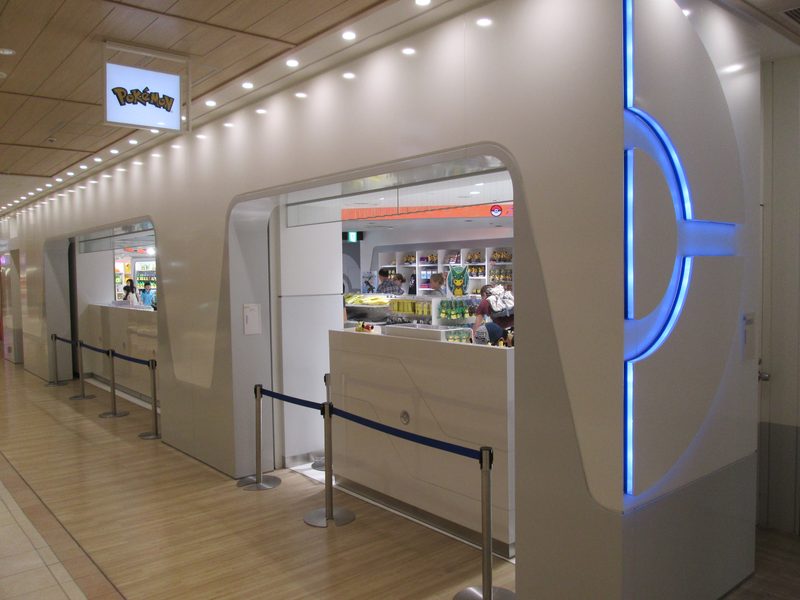
If your children have any awareness of Pokemon or Mario — and statistically, they do — these two stores will be highlights of the trip. The Pokemon Center in Ikebukuro’s Sunshine City mall is the largest in Japan: multiple floors of plush toys, clothing, trading cards, and exclusive merchandise you can’t find outside the country. Nintendo Tokyo is in the same building and covers the full Nintendo universe — Mario, Zelda, Animal Crossing, Splatoon. Both stores are free to browse, which is either a blessing or a curse depending on your willingness to buy your child a ¥3,000 Pikachu plush.
There’s also a Pokemon Center in the Skytree Town complex and another in Nihonbashi. They all carry slightly different exclusive items, which is either a fun collecting element or a parental negotiation nightmare.
Meiji Shrine
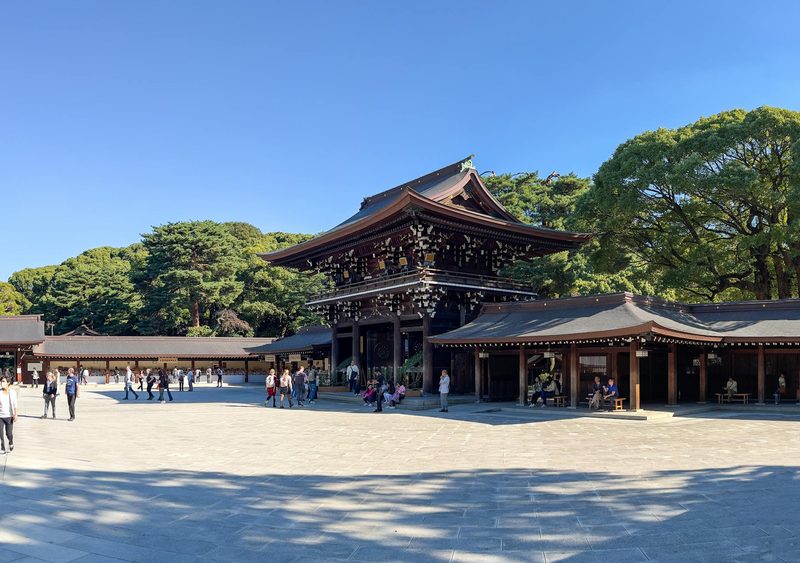
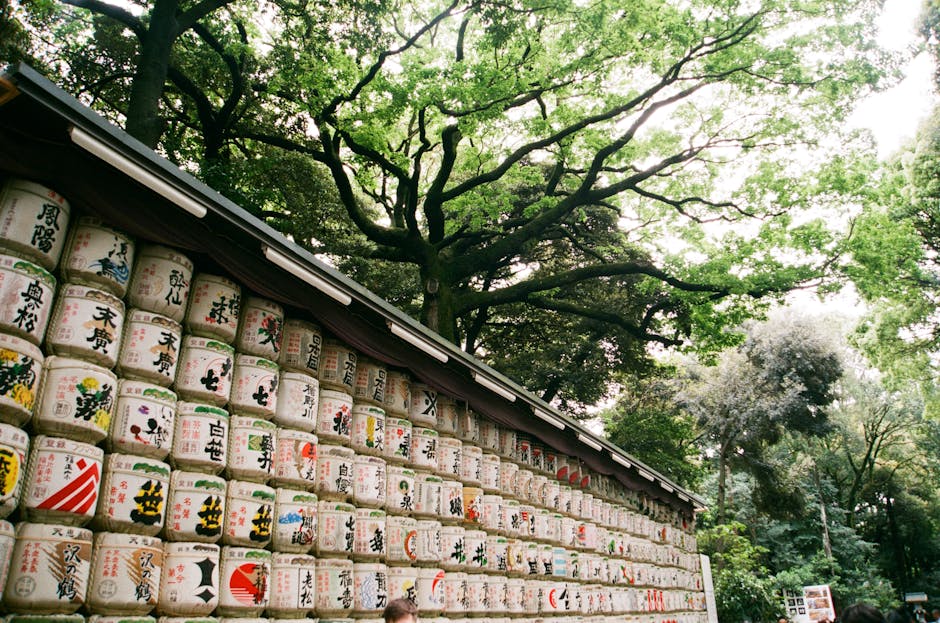
Most shrines and temples in Tokyo will bore kids inside of ten minutes. Meiji Shrine (Meiji-jingu) is the exception, and the reason is the approach. The shrine sits in the middle of a 170-acre forest, and the path from the entrance to the shrine itself is a wide gravel road lined with towering trees. Kids run ahead on it. They can’t help themselves — the path is wide enough to sprint on and the gravel crunches satisfyingly underfoot. The massive torii gates along the route genuinely impress them (the main one is 12 metres tall, made from 1,500-year-old cypress). There are sake barrels stacked along one section and wine barrels along another, which provides a brief explanation opportunity. The shrine itself takes five minutes to see, but the walk through the forest takes twenty, and it’s the walk that kids remember.
Go in the morning when it’s quieter. The entrance is right next to Harajuku Station, so you can combine it with Takeshita Street or Sakura-Tei.
Odaiba
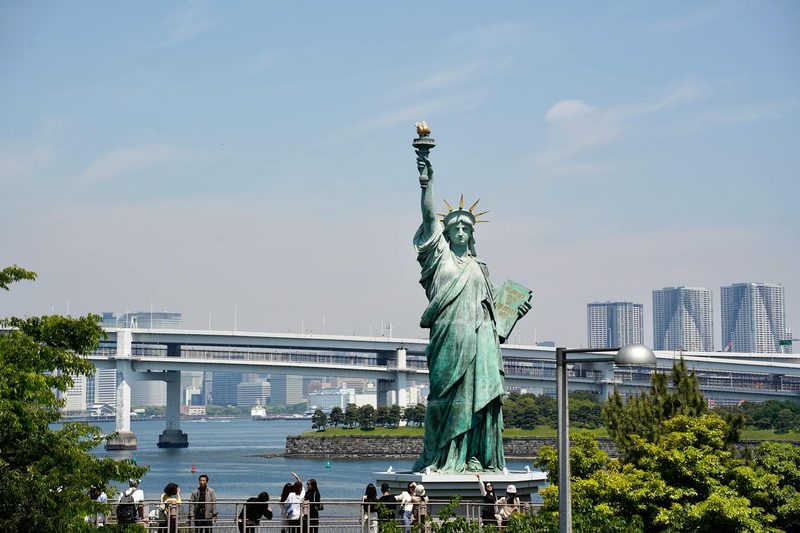
Odaiba is a man-made island in Tokyo Bay that’s packed with family-oriented attractions, and it’s reachable via the automated Yurikamome monorail (which is itself entertainment — no driver, glass windows, and the front seats have panoramic views of the Rainbow Bridge crossing). Kids who like vehicles will want to ride it in both directions.
The main draws for families are Legoland Discovery Centre (smaller than a full Legoland park, but the rides and building areas keep kids busy for two to three hours), the Miraikan science museum (interactive exhibits, a real-time globe display, robotics demonstrations), and the life-sized Unicorn Gundam statue outside DiverCity mall, which is 20 metres tall and performs a transformation sequence at scheduled times.
There’s also a small artificial beach, a giant Ferris wheel, and enough shopping to fill time if the weather turns. Odaiba works well as a half-day or rainy-day destination. It’s not the most authentically “Tokyo” experience, but kids don’t care about authenticity — they care about Lego and giant robots.
What Doesn’t Work with Kids in Tokyo
Honesty serves you better than a list that pretends everything is magical. Some of Tokyo’s most popular experiences aren’t worth attempting with children, and knowing that in advance saves you from wasted time and frustrated kids.
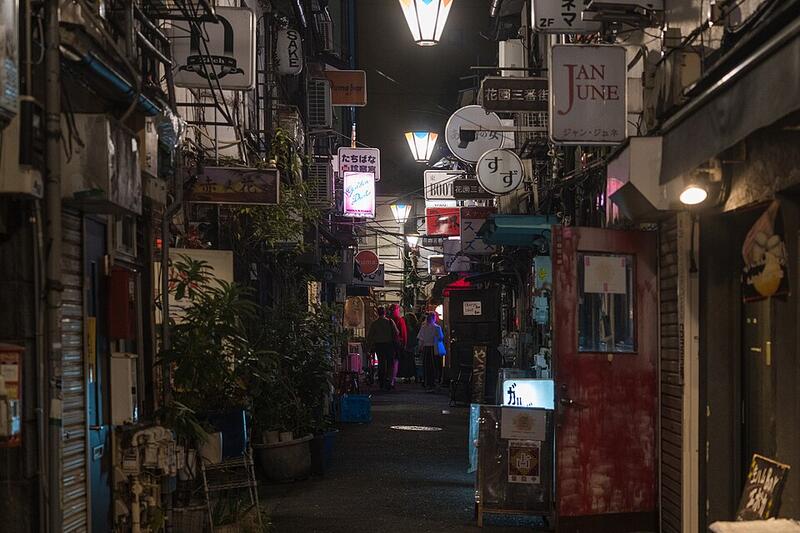
Golden Gai is Shinjuku’s famous cluster of tiny bars, each seating about six people. It’s atmospheric, fascinating, and adults-only in every practical sense. The bars are too small for strollers, the vibe is drinking-focused, and several bars explicitly don’t allow children. Don’t try to squeeze it in. Come back without the kids someday.
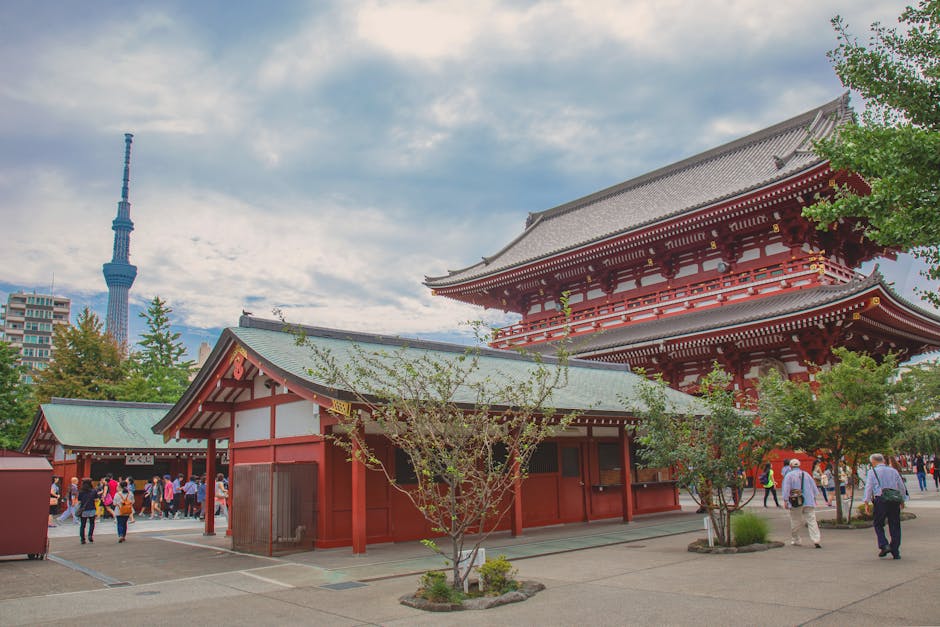
Long temple and shrine circuits are a mistake with anyone under 12. Adults can appreciate the subtle differences between Senso-ji and Meiji-jingu and a neighbourhood shrine in Yanaka. Kids see one shrine, they’ve seen them all. Do Meiji Shrine (because the forest walk is genuinely engaging) and Senso-ji (because the Nakamise shopping street has snacks and toys), and call it done. Three temples in one day is a recipe for a mutiny.
Rush hour trains — I mentioned this above but it bears repeating. Between 7:30 and 9:30 in the morning, certain lines reach compression levels that are legitimately unsafe for small children. The Chuo Line, the Tozai Line, and parts of the Yamanote Line are the worst offenders. Plan your mornings so you’re either at your first activity before 8am (having left the hotel at 7) or you don’t leave until after 9:30.
The Hachiko statue outside Shibuya Station is famous, and the story of the loyal dog is sweet, and your kids will be underwhelmed. It’s a small bronze statue in a busy intersection surrounded by people taking photos. Kids have about thirty seconds of interest before asking what’s next. Walk past it on your way to something better — it’s fine as a two-minute stop, not a destination.
Tsukiji Market before 7am doesn’t work with kids who are jet-lagged and sleeping until 9. If you can manage an early morning, great. If not, don’t force it — Tsukiji is still good at 9 or 10am, just busier.
Where to Eat with Kids in Tokyo
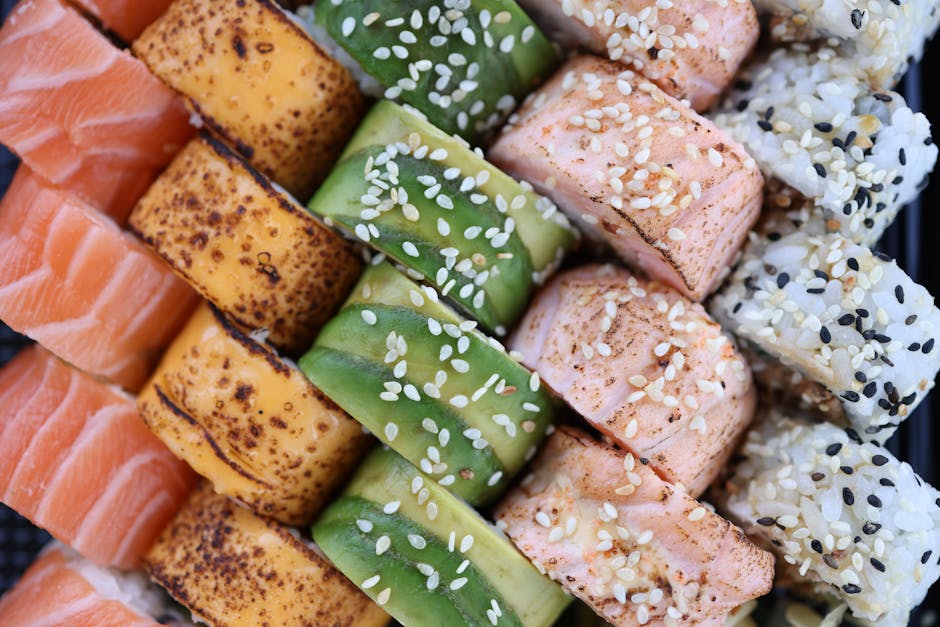
Feeding children in Tokyo is, counterintuitively, easier than feeding them in most Western cities. Japanese food culture emphasizes simple, clean flavours, and kids tend to respond well to rice, noodles, grilled meat, and the mild sweetness that runs through a lot of Japanese cooking. The bigger adjustment is format — many Tokyo restaurants are counter-seating only, portions are individual rather than shared, and ordering systems can be confusing.
Conveyor belt sushi (kaiten-zushi) is the single best family restaurant format in Tokyo. Sushiro, Kura Sushi, and Hama Sushi are the big chains, and they’re all excellent for families. Plates cycle past on a belt, kids pick what they want, and the prices start at ¥100-150 per plate. The selection goes well beyond raw fish — cooked shrimp, tamago (egg), corn, ham, and various fried items all appear regularly. Touch-screen ordering means you can also request specific items that arrive via express rail. Most kids eat for under ¥1,000, which is remarkable. Genki Sushi in Shibuya takes the train delivery concept further — every order arrives on tracks from the kitchen, which turns lunch into a spectacle.
Okonomiyaki restaurants solve the picky eater problem because kids choose their own ingredients and cook the thing themselves. Even children who “don’t like Japanese food” will eat a pancake they made with their own hands. Sakura-Tei in Harajuku is the most accessible option. Budget ¥900-1,400 per person.
Karaoke rooms with food service are an underrated dining option with kids. The food isn’t going to win any awards — it’s standard izakaya fare like edamame, fries, fried chicken, pizza — but the ability to eat in a private room where your kids can be loud, spill things, and sing between bites is priceless. Order food when you arrive, sing while you wait, eat when it comes. Total cost for a family of four including an hour of karaoke and food: roughly ¥4,000-6,000 depending on what you order.
Konbini (convenience stores) are your secret weapon. 7-Eleven, Lawson, and FamilyMart in Japan stock food that’s genuinely good — onigiri rice balls (¥120-180), sandwiches, bento boxes, steamed buns, and a hot food counter with fried chicken and croquettes. For breakfast, for snacks, for emergency meals when everyone’s hungry and the nearest restaurant has a 40-minute wait — konbini saves the day. They’re on every other block. The egg salad sandwich from 7-Eleven is, no exaggeration, better than sandwiches from cafes charging five times the price.
Yoshinoya and Matsuya are beef bowl chains where a large bowl of rice topped with simmered beef and onions costs about ¥500. It’s simple, filling, and nearly every child will eat it. These chains are everywhere, open late, and fast. They’re the fallback option when nothing else is working.
Family restaurants (famiresu) — Gusto, Denny’s Japan, Jonathan’s, Royal Host — are sit-down chain restaurants with enormous menus covering Japanese and Western food, a drink bar (unlimited refills for around ¥200), and kids’ menus with small portions. They’re not exciting and the food is just okay, but they have high chairs, space for strollers, and the noise tolerance of a place that’s used to families. When you need a meal that’s easy rather than memorable, these deliver.
For a deeper look at Tokyo’s food scene beyond the family-friendly options, the Tokyo food guide covers everything from ramen shops to high-end sushi counters.
Practical Tips for Tokyo with Kids
Baby and toddler supplies are better in Tokyo than wherever you’re coming from. Japanese drugstores (Matsumoto Kiyoshi, Sundrug, Welcia) stock nappies, formula, baby food, wet wipes, and children’s medicine at reasonable prices. You don’t need to pack a full supply from home. Japanese nappies (Merries, Moony, Goo.N) are widely considered among the best in the world — softer, more absorbent, and better-fitting than most Western brands. Buy them here and save the suitcase space.
Portable wifi — get one. Rent from Klook, pick up at the airport. You’ll use it for Google Maps navigation (Tokyo’s street layout is confusing even with a map), Google Translate (point the camera at menus and signs), emergency restaurant searches, and keeping kids occupied on long train rides. Cell data on international roaming costs three times as much and is less reliable. The wifi pucks last a full day on a charge and cover the entire city. Budget around ¥800-1,000 per day.
Jet lag strategy: Tokyo is 8-9 hours ahead of Europe and 13-17 hours ahead of the Americas, which means your kids will be wide awake at 3am and comatose at 4pm for the first two or three days. The conventional advice is to force yourself onto local time immediately, which is solid advice for adults and terrible advice for children. You can’t reason a four-year-old into feeling tired at 9pm when their body thinks it’s 8am. Instead, lean into it for the first two days: do early morning activities (Tsukiji Market, Meiji Shrine, hotel breakfast), allow a long afternoon nap, and accept that the first couple of evenings will end early. By day three or four, most kids have adjusted enough to function on something close to a normal schedule.
Rainy day plans: Tokyo gets rain. Sometimes a lot of it. Have indoor options ready: TeamLab, arcades, karaoke rooms, the Miraikan science museum in Odaiba, Pokemon Center, Legoland Discovery Centre, or a half-day at a family restaurant followed by shopping in an underground mall. Most of Tokyo’s train stations connect directly to shopping complexes, so you can move between indoor activities with minimal outdoor exposure.
The toilet situation: Japanese toilets are going to fascinate and terrify your children in equal measure. The heated seats, the bidet functions, the sound-masking button that plays a flushing noise so nobody hears you — it’s a lot of buttons for a curious child. Let them explore the buttons at the hotel before you’re in a public restroom. One parent I know let their kid press every button on arrival and it got it out of their system. Otherwise, you’ll be dealing with surprise bidet incidents in every bathroom for the entire trip.
Cash matters: Tokyo is increasingly card-friendly, but plenty of small restaurants, street food stalls, and vending machines still only accept cash or IC cards (Suica/Pasmo). Carry ¥10,000-20,000 in cash at all times. 7-Eleven ATMs accept international cards and don’t charge withdrawal fees on the Japanese side.
Kid-sized portions: Many Tokyo restaurants offer “kodomo” (children’s) portions, but they’re not always listed on the menu. Ask “kodomo saizu arimasu ka?” (do you have a children’s size?) and you’ll often get a smaller portion at a reduced price. At ramen shops with ticket machines, the cheapest option or the half-size option works well for kids.
The official tourism site at Go Tokyo has current event listings, seasonal festivals, and transport updates that are useful for planning around your dates.
How many days: Five days is the minimum for Tokyo with kids. You need at least one slow day built in for recovery, which means four active days, and Tokyo has enough family-friendly content to fill all four comfortably. A week is better. It lets you do a Disney day without feeling like you sacrificed central Tokyo time, and it gives you buffer for rain days and jet lag. Don’t try to squeeze Tokyo into three days with children — you’ll spend more time on logistics than experiences, and nobody will enjoy it.
Pack light, expect chaos, and trust that the city will meet you more than halfway. Tokyo is startlingly good with kids. Not in a manicured theme-park way, but in the way that a genuinely different culture — one that happens to be safe, clean, and obsessed with making things work properly — provides the kind of formative experience that your children will carry long after the jet lag fades.