
I’ve stayed in four different neighborhoods across multiple visits, and the difference between a great Kyoto base and a frustrating one is enormous. Pick wrong and you’ll spend half your sightseeing time stuck on a bus behind fifty other travelers, all heading to the same temple. Pick right and you’re walking through lantern-lit streets at dusk, wondering how a city this beautiful actually exists.
Here’s what you need to know before booking anything.
- Quick Reference: Kyoto Neighborhoods at a Glance
- A Seasonal Warning You Can’t Ignore
- Why Location Matters More in Kyoto Than Anywhere Else in Japan
- Kyoto Station Area — Best for Transport and Convenience
- Hotel Granvia Kyoto — The Station Itself (Splurge)
- Daiwa Roynet Hotel Kyoto Ekimae — Reliable and Central (Mid-Range)
- Piece Hostel Kyoto — Budget With Style
- Gion and Higashiyama — Best for Atmosphere and Traditional Kyoto
- Hyatt Regency Kyoto — The Luxury Standard (Splurge)
- Hotel Kanra Kyoto — Machiya Meets Modern (Mid-Range to Splurge)
- The Ritz-Carlton Kyoto — When Money Isn’t the Point (Ultra-Splurge)
- Kawaramachi and Downtown — Best for Food and Nightlife
- Noku Kyoto — Quiet Boutique in a Loud Neighborhood (Mid-Range)
- Mitsui Garden Hotel Kyoto Sanjo — Rooftop Bath and Solid Value (Mid-Range)
- Hotel Mystays Kyoto Shijo — No Frills, Great Value (Budget)
- Arashiyama — Best for Nature Lovers
- Kyoto Granbell Hotel — Design Hotel in the Countryside (Mid-Range)
- The Ryokan Experience — Do It at Least Once
- Where NOT to Stay in Kyoto
- South Kyoto (below Kyoto Station)
- Near Fushimi Inari
- Kinkaku-ji Area (Northwest Kyoto)
- The Contrarian Take: Skip Gion, Stay Downtown
- Booking Tips and Timing
- When to Book
- Direct Booking vs. Booking Sites
- Cancellation Policies
- Room Types
- Size Expectations
- The Luggage Question
- Sample Itinerary: Where to Stay for Three to Five Nights
- Getting Between Neighborhoods
Quick Reference: Kyoto Neighborhoods at a Glance
| Neighborhood | Best For | Budget Range (per night) | Walk to Central Kyoto? | Vibe |
|---|---|---|---|---|
| Kyoto Station Area | Transport, convenience | ¥3,500–¥35,000 | No (bus/train needed) | Modern, functional |
| Gion/Higashiyama | Traditional atmosphere | ¥18,000–¥80,000+ | Yes (you’re in it) | Historic, quiet evenings |
| Kawaramachi/Downtown | Food, nightlife, walking | ¥7,000–¥25,000 | Yes (this IS central) | Lively, accessible |
| Arashiyama | Nature, bamboo grove | ¥12,000–¥20,000 | No (30 min by train) | Scenic, remote |
A Seasonal Warning You Can’t Ignore
Kyoto has two seasons that change everything: cherry blossom season (late March to mid-April) and autumn leaf season (mid-November to early December). During these windows, hotel prices double or triple. A room that costs ¥12,000 in January will run you ¥30,000 in late November. And that’s if you can find availability at all.
This isn’t an exaggeration. Hotels in popular areas like Gion sell out three to six months in advance for peak season. If you’re planning a trip during cherry blossom or autumn leaves, book the moment you have confirmed dates. Waiting even a few weeks can mean the difference between a great hotel at a reasonable price and a cramped room forty minutes from anything interesting.
Summer (June through August) is Kyoto’s low season for good reason — the heat and humidity are brutal. Temperatures regularly hit 38°C, and the city sits in a basin that traps hot air like an oven. But prices drop significantly, and you’ll have temples mostly to yourself. Winter (December through February) is cold but gorgeous, with occasional dustings of snow on temple roofs and almost no crowds. Both off-seasons are underrated.
Why Location Matters More in Kyoto Than Anywhere Else in Japan
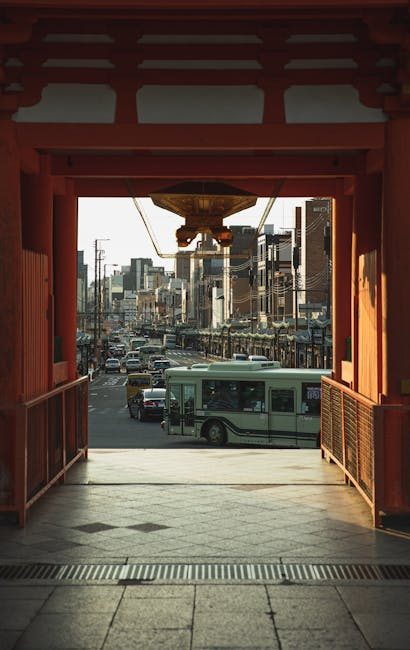
Let me be blunt about Kyoto’s public transport: it’s not great. If you’ve been to Tokyo and assumed all Japanese cities have incredible train networks, Kyoto will surprise you. The city has exactly two subway lines. Two. Everything else runs on buses, and those buses are packed during tourist season.
During cherry blossom week, I once waited 25 minutes for a bus that was supposed to come every 8 minutes. When it arrived, it was so full that three people couldn’t board. This isn’t unusual. The bus routes that connect Kyoto Station to the popular temples in eastern Kyoto (routes 100 and 206 especially) are notorious for overcrowding.
This is why staying central and walkable matters so much. If you’re in the Kawaramachi or Gion area, you can walk to most eastern Kyoto sights — Kiyomizu-dera, Yasaka Shrine, Nanzen-ji, the Philosopher’s Path — without touching a bus. Renting a bicycle is even better. Kyoto is flat, and cycling from downtown to the eastern temples takes about 15 minutes. Most hotels can arrange bike rentals for ¥800–¥1,500 per day.
For Arashiyama and Kinkaku-ji (the Golden Pavilion), you’ll need transport no matter where you stay. But if your hotel is central, you’re only taking the bus or train for those specific trips instead of relying on it for everything.
Kyoto Station Area — Best for Transport and Convenience
Let’s get the honest truth out of the way: the area around Kyoto Station doesn’t feel like Kyoto. It feels like any modern Japanese city. Glass towers, chain restaurants, underground shopping malls. If you came to Kyoto for wooden machiya townhouses and geisha sightings, the station area will disappoint you.
But here’s why people stay here anyway. Kyoto Station is the Shinkansen (bullet train) hub. If you’re arriving late from Tokyo or leaving early for Osaka, being at the station eliminates a stressful morning rush. The station also has direct bus connections to every major temple, a massive Isetan department store with a food hall, and more coin lockers and luggage storage than anywhere else in the city.
It’s also the most affordable area for decent hotels. If you’re on a tight budget and need a clean, modern room, the station area delivers without the premium you’ll pay for a Gion address.
One more thing: Kyoto Station’s architecture is worth seeing regardless of where you stay. Hiroshi Hara’s 1997 design is a striking glass-and-steel canyon, and the rooftop terrace has free panoramic views of the city. It doesn’t feel like a train station — it feels like a spaceship landed in an ancient city.
Hotel Granvia Kyoto — The Station Itself (Splurge)
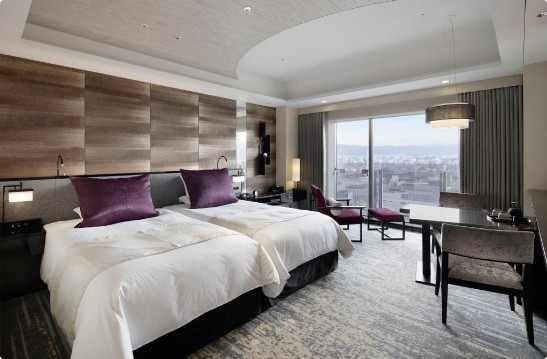
Price: ¥20,000–¥35,000/night
The Granvia is literally built into Kyoto Station. You step off the Shinkansen, take an elevator, and you’re in your hotel lobby. For late arrivals or early departures, nothing beats this level of convenience. The rooms on higher floors have impressive views of Kyoto’s temple-dotted hills, and the hotel has several solid restaurants including a good teppanyaki place on the 15th floor.
The rooms themselves are comfortable and well-maintained, larger than typical Japanese business hotels. Service is consistently excellent — this is a JR West hotel, and they take the brand seriously. The indoor pool and fitness center are bonuses you won’t find at most Kyoto hotels in this price range.
What’s Good: Zero-commute access to the Shinkansen and bus terminal. Higher floors have genuine views. Multiple on-site restaurants mean you don’t need to venture out on tired evenings. Concierge is helpful with temple recommendations and bus route planning.
What’s Not: You’re staying in a train station. There’s no getting around that. Step outside and you’re in a concrete jungle, not the Kyoto of your imagination. Rooms facing the station concourse can get noise from below. The hotel is functional-luxurious rather than atmospheric — you won’t feel like you’re in the ancient capital.
Check prices at Hotel Granvia Kyoto
Daiwa Roynet Hotel Kyoto Ekimae — Reliable and Central (Mid-Range)
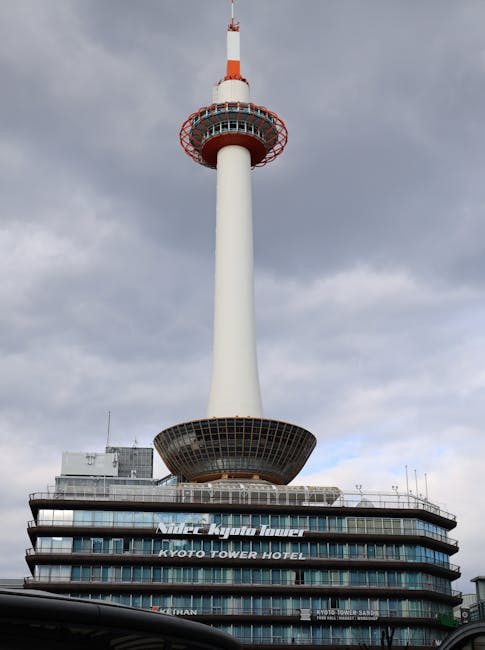
Price: ¥10,000–¥16,000/night
Daiwa Roynet is a chain, and it feels like a chain. But sometimes that’s exactly what you want. The rooms are spotless, the beds are good, the bathroom has a proper soaking tub, and you know what you’re getting. It’s a three-minute walk from the station’s central exit, which means easy access to buses and the subway.
The breakfast buffet is better than it needs to be for a business hotel — a mix of Japanese and Western options with decent coffee. Rooms have trouser presses, humidifiers (crucial in Kyoto’s dry winters), and large desks if you need to work. Check-in is partly automated, which speeds things up when you’re arriving at the same time as three busloads of travelers.
What’s Good: Consistent quality at a fair price. Location can’t be faulted for station access. Rooms are well-equipped for the category. Laundry facilities on-site, which matters on longer trips.
What’s Not: It’s a business hotel chain. There’s nothing memorable about it, nothing you’ll photograph, nothing that says “Kyoto.” The rooms are compact (standard for Japan, but still small). No restaurant beyond the breakfast room, so you’ll eat out every evening.
Check prices at Daiwa Roynet Hotel Kyoto Ekimae
Piece Hostel Kyoto — Budget With Style
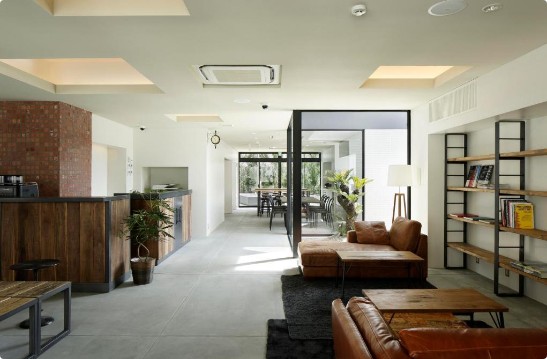
Price: ¥3,500–¥6,000/night
Piece Hostel is what happens when designers run a hostel. The common areas are gorgeous — exposed concrete, warm wood accents, a communal kitchen that actually makes you want to cook. It’s a far cry from the grimy backpacker hostels of twenty years ago. The location is a 10-minute walk from Kyoto Station, close enough to be convenient but far enough that the immediate area is quieter.
Dorm rooms are the main offering, with pod-style bunks that give more privacy than traditional bunk beds. Each pod has its own reading light, power outlet, and curtain. They also have a few private rooms that book up quickly — grab one if you can, as they’re exceptional value at around ¥6,000.
What’s Good: Beautiful design for hostel prices. Common areas encourage socializing without being noisy. Staff speak excellent English and are genuinely helpful with trip planning. Breakfast is simple but free. The building itself has won design awards.
What’s Not: It’s a hostel. Shared bathrooms, potential noise from other guests, limited storage space. Light sleepers will want earplugs. Private rooms sell out fast, especially in peak season. No real lounge for quiet time — the common area is social by design.
Check prices at Piece Hostel Kyoto
Gion and Higashiyama — Best for Atmosphere and Traditional Kyoto
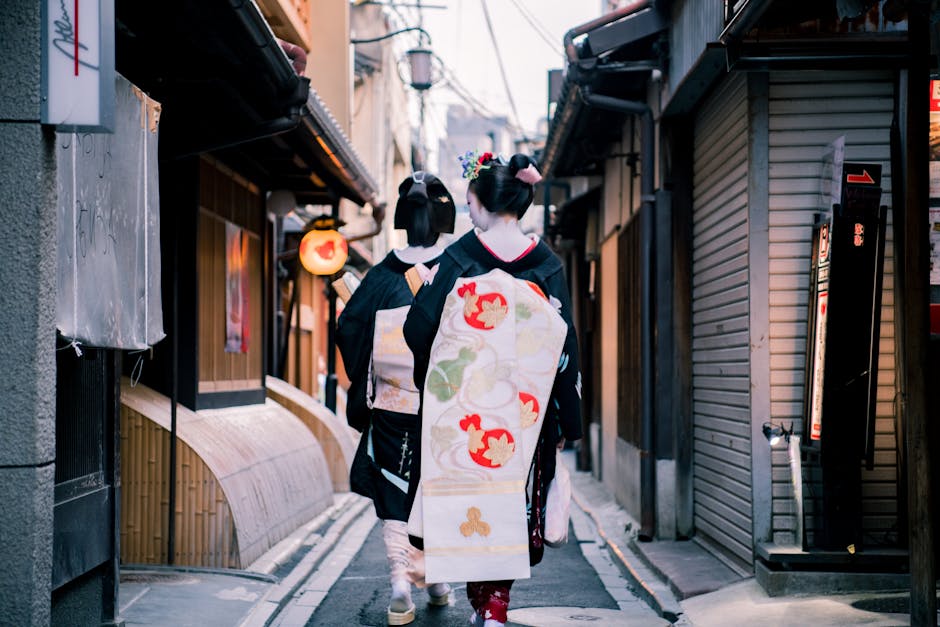
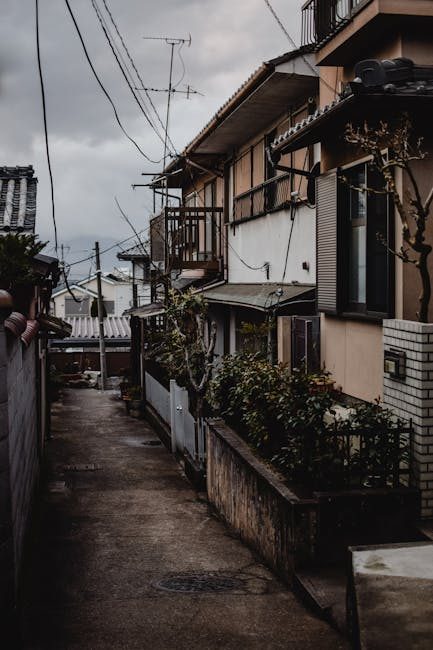
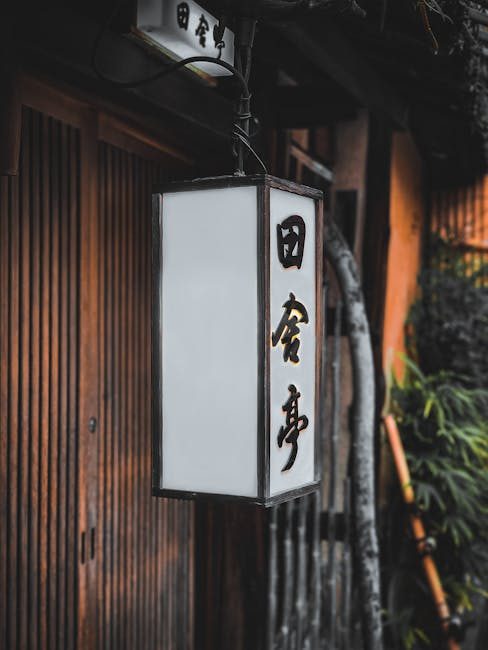
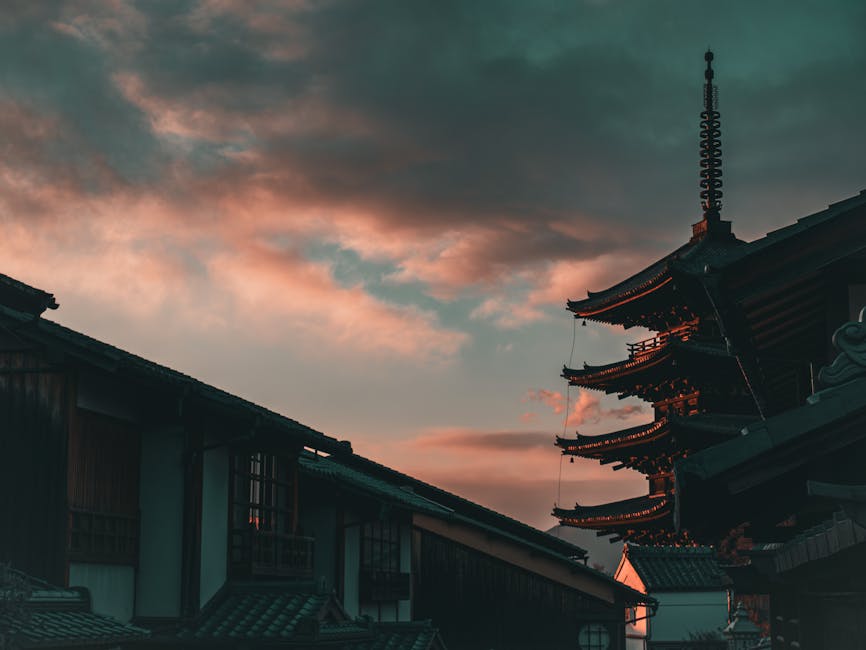
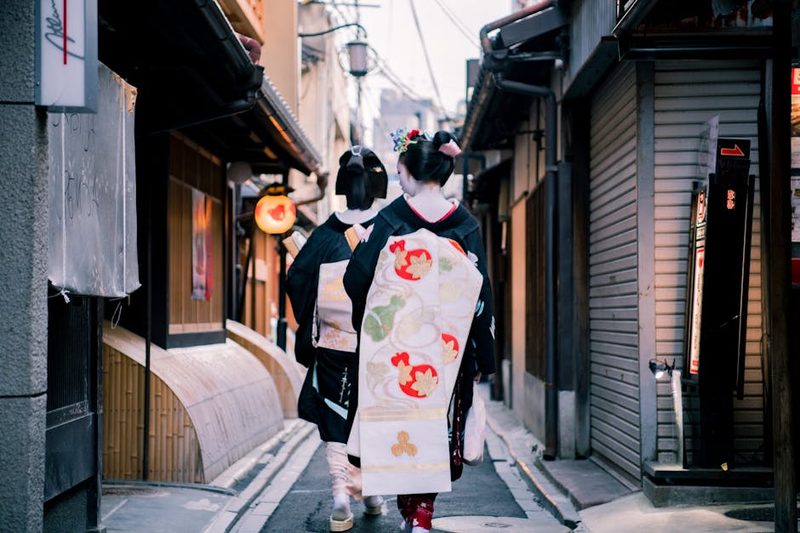
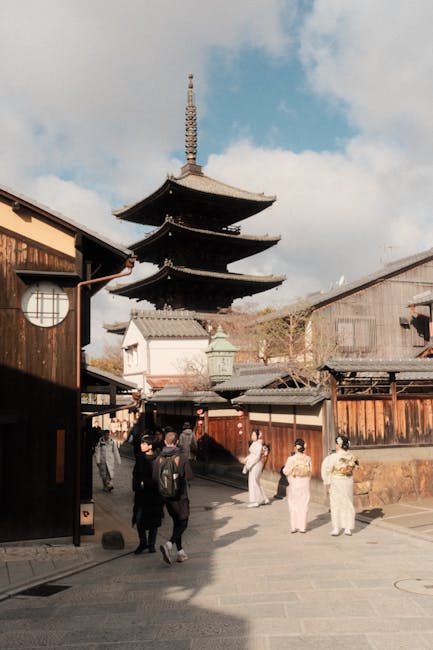
This is the Kyoto you’ve seen in photographs. Narrow lanes lined with dark wooden machiya townhouses. Paper lanterns glowing at dusk. The occasional geiko (Kyoto’s term for geisha) or maiko (apprentice geiko) hurrying to an evening appointment, wooden geta clacking on stone pavement. Higashiyama’s hillside temples emerging from morning mist. It’s stunning and it’s real — though it takes some effort to find the quiet corners away from the tourist flow.
Gion sits along the eastern bank of the Kamo River, stretching from Shijo-dori in the north to around Gojo-dori in the south. Higashiyama continues eastward and uphill from there, encompassing the temple district that includes Kiyomizu-dera, Kodai-ji, and Yasaka Shrine. Together, they form the most atmospheric area in the entire city.
Staying here means you can explore these streets in the early morning and late evening, when the day-trippers have left. That’s the real advantage. Kiyomizu-dera at 6 AM, without crowds, with the city spread out below you in soft light — that’s a memory that justifies the premium prices. The Philosopher’s Path in northern Higashiyama is a 20-minute walk from central Gion, lined with cherry trees in spring and maples in autumn.
The trade-off? Dining options thin out after 9 PM. Gion is surprisingly quiet late at night, and many of the traditional restaurants require reservations and serve kaiseki multi-course meals that start at ¥8,000 per person. For casual late-night eating, you’ll need to walk west to Kawaramachi — about 10 minutes on foot.
Hyatt Regency Kyoto — The Luxury Standard (Splurge)
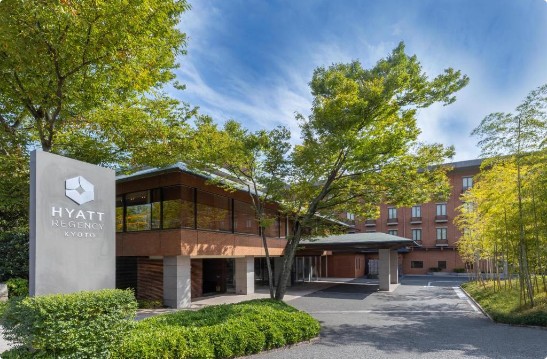
Price: ¥35,000–¥60,000/night
The Hyatt Regency sits on Sanjusangendo-dori, close to the National Museum and the Sanjusangendo temple with its thousand golden Buddhas. The design blends contemporary and Japanese aesthetics in a way that actually works — it doesn’t feel like a Western hotel with token Japanese decorations. The lobby features rotating art installations, and the rooms use natural materials (wood, stone, washi paper) without feeling gimmicky.
Rooms are larger than most Kyoto hotels, and the corner suites on higher floors have views across the Higashiyama hills. The on-site restaurant Touzan does an excellent job with both Japanese and Italian cuisines (an odd combination that somehow works). The bar is one of the better hotel bars in Kyoto, with a whisky selection that takes Japanese craft distilling seriously.
What’s Good: Best balance of luxury comfort and Kyoto atmosphere in this price range. Staff are exceptionally attentive without being intrusive. The spa uses local Kyoto ingredients. Location is walkable to major Higashiyama temples. Concierge can arrange private temple visits and tea ceremonies that aren’t available to walk-ins.
What’s Not: It’s a 15-minute walk to the heart of Gion — you’re on the southern edge of the district, not in the middle of it. Prices jump dramatically during cherry blossom and autumn seasons, sometimes exceeding ¥80,000. The building itself, while attractive, doesn’t have the character of a converted machiya. Breakfast is expensive at ¥4,500.
Check prices at Hyatt Regency Kyoto
Hotel Kanra Kyoto — Machiya Meets Modern (Mid-Range to Splurge)
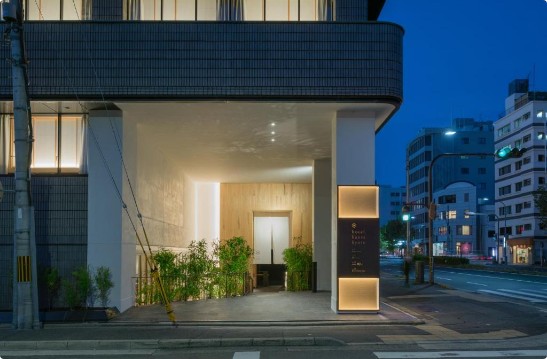
Price: ¥18,000–¥30,000/night
Hotel Kanra gets something right that most Kyoto hotels miss: it feels Japanese without being a museum piece. The rooms are inspired by traditional machiya architecture — tatami mat areas, sliding screens, natural wood — but with proper beds, modern bathrooms, and reliable climate control. Some rooms have private hinoki (cypress) bathtubs, and soaking in one after a long day of temple-hopping is close to a religious experience itself.
The hotel sits between Kyoto Station and the Gion district, about 10 minutes’ walk from each. It’s a good in-between location: close enough to the station for practical purposes, close enough to the historic district for evening walks. The surrounding neighborhood of Shimogyo-ku is residential and quiet, with a few excellent local restaurants that don’t appear in guidebooks.
What’s Good: The rooms genuinely capture a traditional Kyoto feeling with modern comfort. Private onsen-style tubs in select rooms are a real treat. Restaurant serves excellent local Kyoto cuisine at reasonable prices. The building itself is beautiful — low-rise, wood-heavy, with an interior courtyard.
What’s Not: Not quite in Gion and not quite at the station — it’s a compromise location. Standard rooms without the private bath feel overpriced compared to newer business hotels. Can feel quiet to the point of isolated in the evenings. The walk to central Gion is uphill and takes longer than you’d expect.
Check prices at Hotel Kanra Kyoto
The Ritz-Carlton Kyoto — When Money Isn’t the Point (Ultra-Splurge)
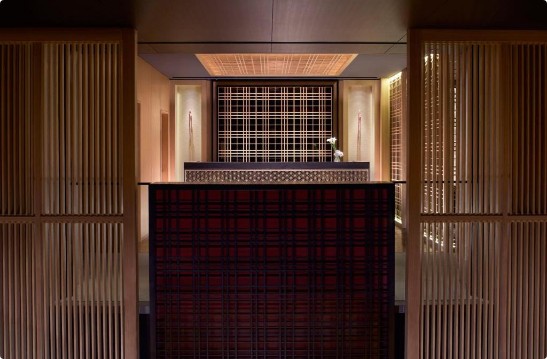
Price: ¥80,000+/night
I’ll be straight with you: I haven’t stayed here. At ¥80,000 minimum per night (and easily double that for suites or peak season), it’s out of range for most travelers including me. But I’ve visited the property, eaten at the restaurant, and talked to enough people who’ve stayed to give you an honest assessment.
The Ritz-Carlton occupies a prime spot along the Kamogawa River in northern Higashiyama, with mountain views from the upper floors. The interior was designed with input from Kyoto artisans — the metalwork, ceramics, and textiles throughout the hotel are legitimate craftsmanship, not mass-produced decoration. Rooms on the river side have floor-to-ceiling windows overlooking the water, and at night, the reflections are genuinely beautiful.
The on-site Japanese restaurant, Mizuki, has earned serious culinary recognition. The spa incorporates traditional Japanese wellness practices. And the service is, by every account I’ve heard, impeccable — the kind where staff remember your name and preferences from a single interaction.
What’s Good: World-class property with genuine respect for Kyoto’s aesthetic traditions. Riverside location is possibly the most beautiful hotel setting in the city. Dining is excellent. Service standards are extraordinary. If you’re celebrating something important, this is the place.
What’s Not: The price is staggering, and it goes higher during peak seasons — ¥150,000+ per night for a standard room during cherry blossom week, if you can get one. You’re paying significantly more than the Hyatt Regency for a marginal improvement in room quality. The hotel attracts a wealthy international crowd, which can make it feel more “luxury resort” than “Kyoto.” Some guests report that the experience, while flawless, feels almost too polished — lacking the slight imperfections that make traditional Japanese hospitality charming.
Check prices at The Ritz-Carlton Kyoto
Kawaramachi and Downtown — Best for Food and Nightlife
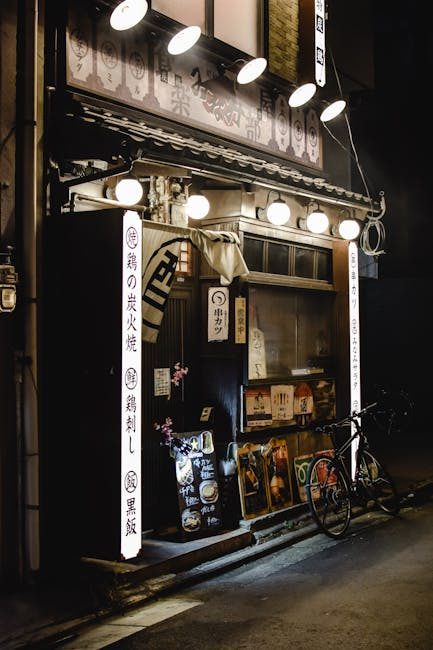
Here’s my actual recommendation for most first-time visitors, and I’ll explain why in the contrarian section below: stay downtown. Kawaramachi-dori and the streets around it form the commercial heart of Kyoto. This is where Nishiki Market runs its 400-year-old covered arcade of food stalls. Where Pontocho alley squeezes a dozen tiny restaurants into a lane barely wide enough for two people. Where you can eat incredible ramen at midnight or browse vinyl at a record shop at 11 PM.
Downtown Kyoto isn’t traditional. It’s neon signs and covered shopping arcades and department stores. But it’s alive in a way that Gion simply isn’t after dark. And here’s the thing: Gion is a 10-minute walk east from Kawaramachi. You get the restaurant scene AND easy access to the traditional district, without paying Gion prices or dealing with Gion’s evening deadness.
Nishiki Market deserves special mention. This narrow covered arcade runs east-west for five blocks, and it’s the best place in Kyoto to eat your way through local specialties: pickled vegetables (tsukemono), fresh tofu, grilled mochi, matcha everything, and seasonal items you won’t find anywhere else. It’s touristy during the day, but the vendors are real — many families have been selling here for generations. Go early morning for the best experience.
The area around Sanjo-dori and Shijo-dori is also Kyoto’s best for cycling. The roads are relatively flat, bike rental shops are everywhere, and you can reach eastern Kyoto’s temples in 15 minutes by pedal. Several hotels offer free or discounted bike rentals for guests.
Noku Kyoto — Quiet Boutique in a Loud Neighborhood (Mid-Range)
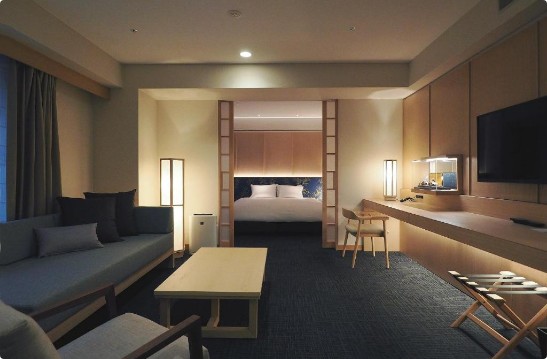
Price: ¥15,000–¥25,000/night
Noku Kyoto pulls off a neat trick: it’s in the middle of downtown but feels removed from it. Step inside and the noise drops away. The interior is minimal in the best Japanese sense — clean lines, muted colours, carefully considered materials. Rooms are small but thoughtfully designed, with good natural light and quality bedding that actually makes a difference after a long day.
The location on Sanjo-dori puts you within walking distance of basically everything in central Kyoto. Nishiki Market is five minutes south. Gion is ten minutes east. Kyoto’s best cocktail bars and izakayas are all around you. For a mid-range hotel, the positioning is hard to beat.
What’s Good: Genuine boutique feel — this isn’t a chain pretending to have character. Staff are warm and knowledgeable about local restaurants (ask them, not the guidebooks). Central location makes a car or bus unnecessary for most activities. The calm interior is a real contrast to the busy streets outside.
What’s Not: No on-site restaurant, which means you’re eating out for every meal (not a hardship in this area, but worth knowing). The lobby is tiny — during busy check-in times, you’ll be standing. Rooms are small even by Kyoto standards. No view to speak of from most rooms. Breakfast options require walking to a nearby café.
Mitsui Garden Hotel Kyoto Sanjo — Rooftop Bath and Solid Value (Mid-Range)
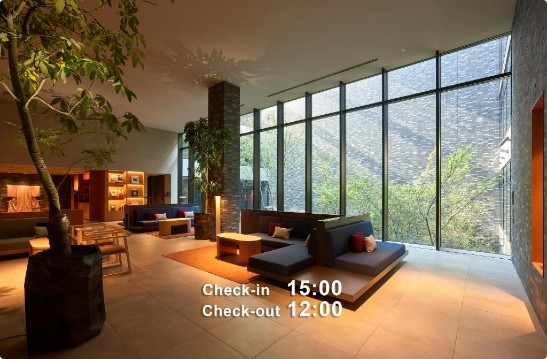
Price: ¥12,000–¥20,000/night
Mitsui Garden is another chain, but they’ve done something clever with their Sanjo property: they put a public bath on the roof. After walking 20,000 steps through Kyoto’s temples (and you will), soaking in a hot bath while looking out over the city’s low roofline is exactly what you need. It’s not an onsen — the water isn’t from a natural hot spring — but at this price point, who cares.
The hotel sits on Sanjo-dori, a block from the Kawaramachi intersection. Walking to Nishiki Market takes about seven minutes. Rooms are standard business hotel size and finish, with the usual reliable quality Japanese chains deliver. Nothing exciting, but nothing disappointing either.
What’s Good: That rooftop bath. Seriously, after a day in summer heat or winter cold, it transforms your evening. Location is excellent for central Kyoto exploration. Price is fair for what you get. Staff at Mitsui Garden properties are consistently helpful.
What’s Not: It’s a business hotel with a nice bath. The rooms themselves are unremarkable — same layout, same fixtures, same thin walls you’ll find at any Japanese business hotel. Can hear hallway noise in rooms near the elevator. Breakfast is buffet-style and skippable. During peak season, prices jump enough that you should consider the Noku instead.
Check prices at Mitsui Garden Hotel Kyoto Sanjo
Hotel Mystays Kyoto Shijo — No Frills, Great Value (Budget)
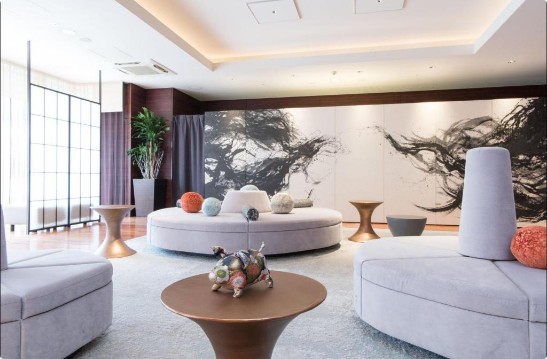
Price: ¥7,000–¥12,000/night
Hotel Mystays is the honest budget option in central Kyoto. It doesn’t pretend to be anything it’s not. The rooms are clean, the beds are decent, the location is good, and some rooms have kitchenettes with a microwave, mini-fridge, and basic cookware. That last point matters more than you’d think — grabbing ingredients from Nishiki Market and cooking a simple meal in your room is both cheaper and more fun than yet another restaurant dinner.
The hotel is on Shijo-dori, the main east-west commercial street. You’re right in the middle of the shopping and dining district, with easy walking access to both Kawaramachi and Gion. The Hankyu Kawaramachi station is nearby for train connections.
What’s Good: Best value in central Kyoto, full stop. Kitchenettes save money and add flexibility. Location on Shijo-dori is genuinely convenient. Coin laundry on-site. You can’t really complain about anything at this price point.
What’s Not: The rooms are small and basic — think IKEA functional, not design-forward. No bath beyond the unit bathroom (and the tub is tiny). Walls are thin. The building shows its age in places. Check-in can be slow. There’s nothing about this hotel that will make you smile — it just works.
Check prices at Hotel Mystays Kyoto Shijo
Arashiyama — Best for Nature Lovers
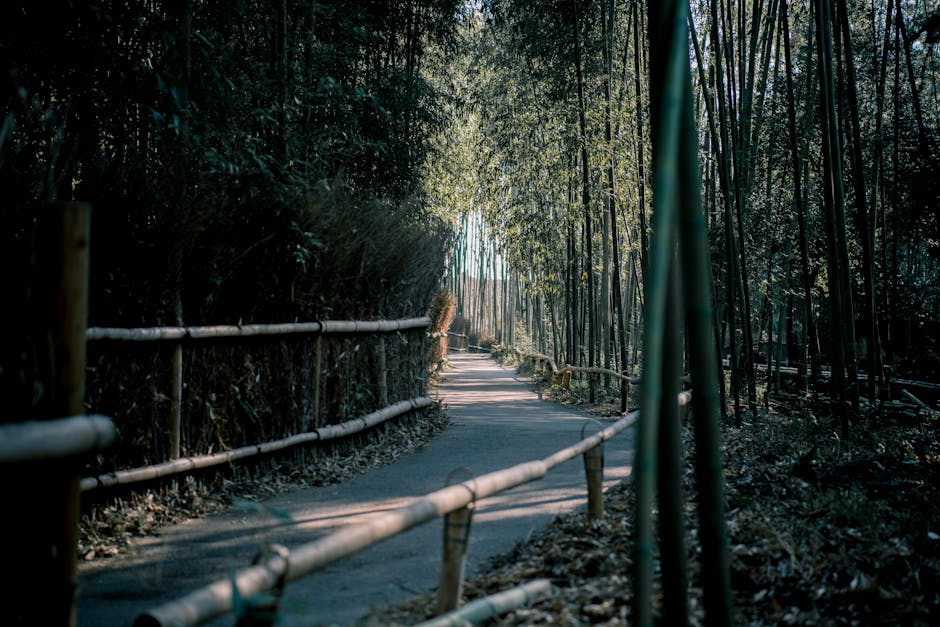
Arashiyama sits in western Kyoto, about 30 minutes by train from downtown. It’s where the city gives way to forested mountains, and it’s home to some of Kyoto’s most photographed scenes: the towering bamboo grove, the Togetsukyo Bridge spanning the Oi River, and the monkey park where wild macaques hang out on a hilltop with views across the entire city.
It’s also home to some quieter temples that don’t get the foot traffic of eastern Kyoto. Tenryu-ji, a World Heritage Site with one of Japan’s finest Zen gardens, sits right at the entrance to the bamboo grove. Gio-ji, tucked into the hills further north, is a tiny moss-covered temple that’s almost unbearably pretty in the rain. And the Sagano area beyond the bamboo grove has traditional farmhouses, rice paddies, and hiking trails that feel worlds away from the city.
The catch is isolation. Arashiyama empties out by 5 PM. Restaurant options are limited after dark, and getting to central Kyoto for an evening out means a 30-minute train ride each way. Most visitors are better off treating Arashiyama as a day trip and staying downtown. But if your priority is waking up to mountain views and walking through the bamboo grove at dawn before the tourist buses arrive — and you’re okay with quiet evenings — it’s magical.
Kyoto Granbell Hotel — Design Hotel in the Countryside (Mid-Range)
Price: ¥12,000–¥20,000/night
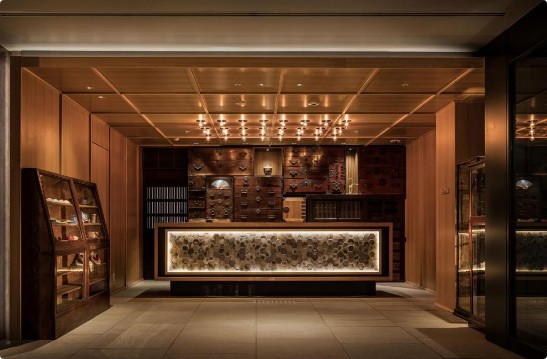
The Granbell is one of the few decent hotels actually in Arashiyama, near the main station. It’s a design-conscious property with a modern aesthetic that stands out in this traditional area. Rooms are clean-lined with large windows — request one facing the mountains if possible. The hotel has a small but well-done restaurant and a pleasant rooftop terrace.
Its main selling point is proximity to the bamboo grove. You can be there in five minutes on foot, which means arriving at dawn before the crowds. If you’ve seen photos of the bamboo grove packed with hundreds of travelers, that’s the 10 AM to 4 PM reality. At 6:30 AM, you might have it nearly to yourself. That alone could justify staying out here.
What’s Good: Early access to the bamboo grove and Arashiyama temples before crowds arrive. Modern design hotel at a reasonable price. Mountain and river scenery right outside. Quiet nights if that’s your thing. Staff can arrange bicycle rentals for exploring the Sagano countryside.
What’s Not: You’re 30 minutes by train from central Kyoto, which gets old fast if you want to explore the eastern temples, eat at Pontocho, or do anything downtown in the evening. Limited restaurant options nearby after dark — you’ll likely eat at the hotel or trek to the station area. If it rains, you’re stuck in a remote hotel with not much to do. The isolation that’s lovely for a night becomes frustrating over three or four.
Check prices at Kyoto Granbell Hotel
The Ryokan Experience — Do It at Least Once
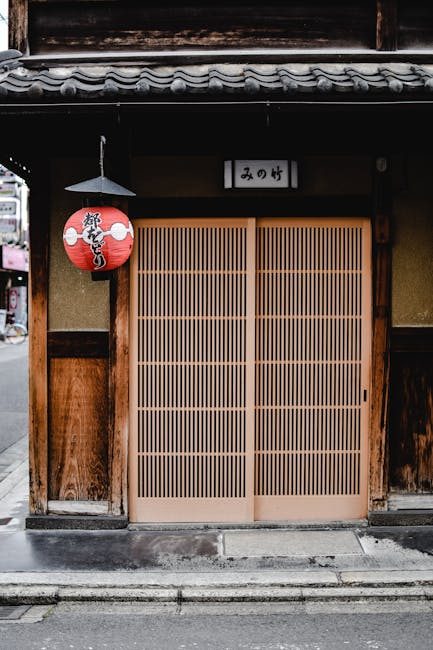
Kyoto is the best city in Japan to try a traditional ryokan, and I’d argue it’s worth doing even if you normally prefer hotels. A ryokan stay isn’t just accommodation — it’s a cultural experience that compresses several aspects of traditional Japanese life into one night.
Here’s what a typical ryokan stay looks like: You arrive in the afternoon and are greeted with matcha tea and a sweet in your tatami-matted room. You change into a yukata (cotton robe) and explore the property or neighborhood. In the evening, you soak in the communal onsen bath — usually gender-separated, completely nude (this is non-negotiable in Japanese bathing culture, so prepare yourself). Then dinner is served, often in your room: a kaiseki meal of eight to twelve small courses, each one seasonal and beautiful. You sleep on a futon laid out on the tatami by staff while you’re at dinner. Breakfast the next morning is another multi-course affair.
Budget ¥15,000–¥40,000 per night for a ryokan stay that includes both dinner and breakfast. That sounds expensive until you factor in that two meals are included, and the dinner alone would cost ¥8,000–¥15,000 at a comparable restaurant. The real cost above a standard hotel is modest.
A few practical notes: most ryokans have strict check-in times (typically 3–5 PM) because dinner needs to be prepared. Shoes come off at the entrance and stay off. Futons on tatami are firmer than Western beds — if you have back problems, this might not be comfortable. And some smaller ryokans don’t speak much English, though this is less of an issue at the ones that cater to international guests.
Even if you’re staying in hotels for most of your trip, consider booking one night in a ryokan. It’s one of those experiences that’s genuinely different from anything you’ll do at home, and Kyoto’s ryokans — many of which have been family-run for generations — do it better than anywhere else in the country.
Where NOT to Stay in Kyoto
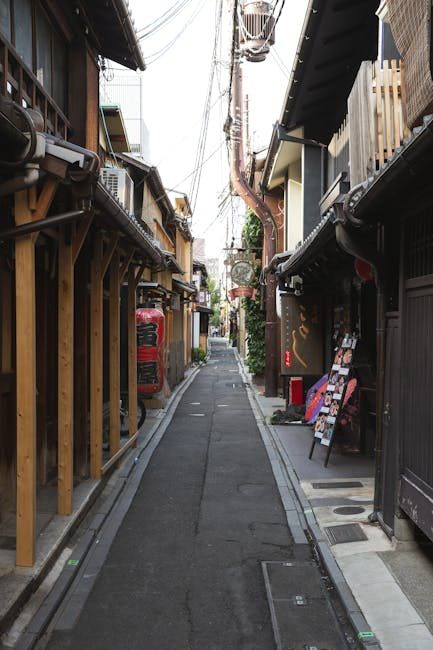
Some areas sound appealing on paper but are genuinely bad choices for a hotel base. Save yourself the trouble.
South Kyoto (below Kyoto Station)
There’s nothing here for travelers. It’s residential and industrial, with no sights, few restaurants, and poor connections to the places you actually want to visit. Hotels are cheap for a reason. The only exception is if you’re visiting Fushimi sake breweries, and even then, you’re better off staying central and taking the train down.
Near Fushimi Inari
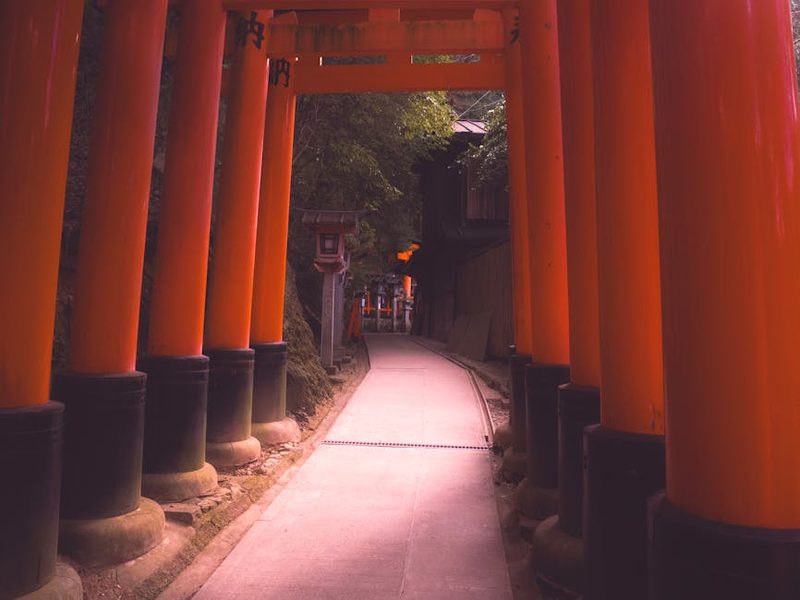
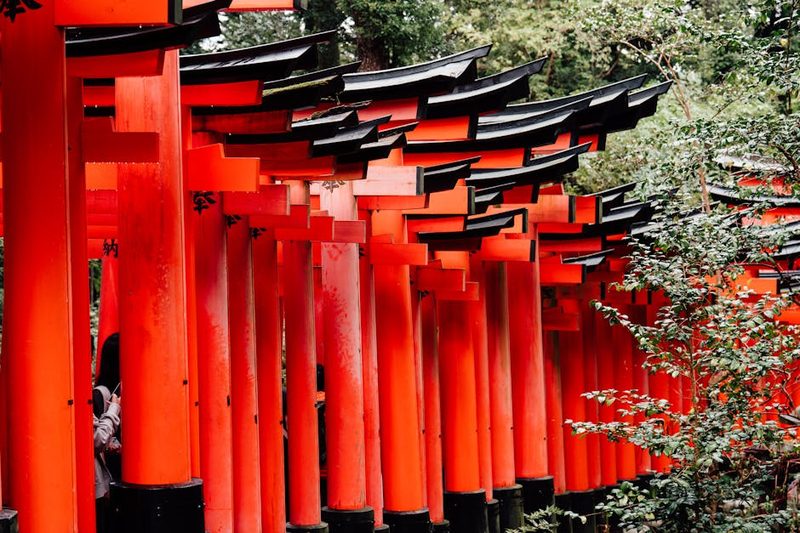
This one catches people every year. Fushimi Inari — the shrine with thousands of orange torii gates climbing a mountain — is one of Kyoto’s most popular sights. Staying nearby sounds smart: beat the crowds, see it at sunrise. And the sunrise part is true — Fushimi Inari is open 24 hours and gorgeous at dawn.
But the area around the shrine is essentially a suburban train stop with convenience stores and nothing else. After you’ve walked the gates (which takes two to three hours), there’s nothing to do within walking distance. No good restaurants, no bars, no other sights. You’ll end up on a train back to central Kyoto every single time you want to eat or do anything, which defeats the purpose of staying nearby. Visit Fushimi Inari early in the morning by train from downtown. Don’t sleep there.
Kinkaku-ji Area (Northwest Kyoto)
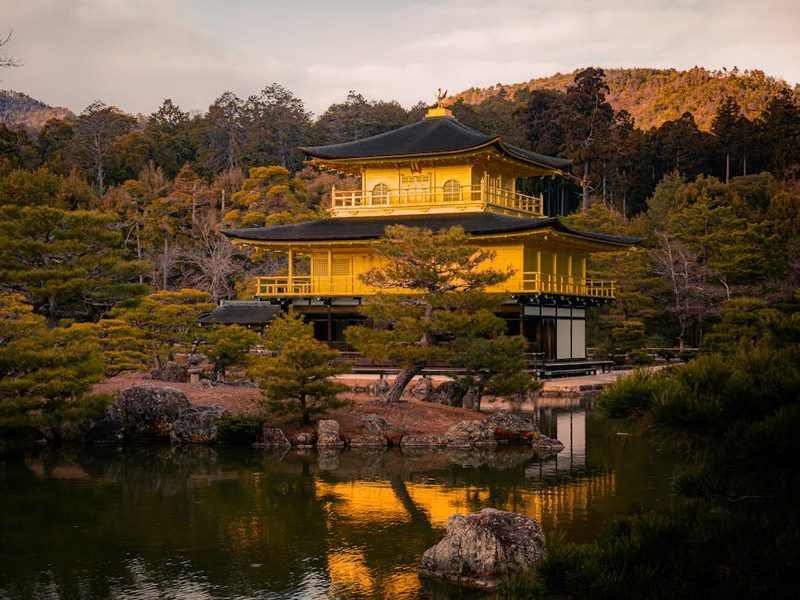
The Golden Pavilion is spectacular and absolutely worth visiting. But the area around it is residential and disconnected from central Kyoto. Getting to Gion or downtown requires either a bus (slow) or a taxi (expensive). Some budget hotels and guesthouses have popped up in this area, tempting visitors with lower prices. Don’t be tempted. You’ll spend more on transport and time than you save on the room.
The Contrarian Take: Skip Gion, Stay Downtown
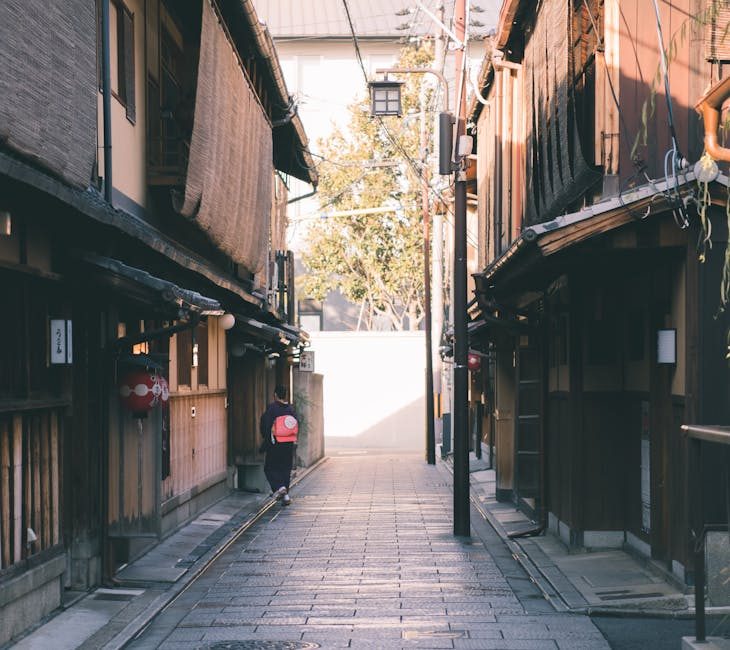
Every guide tells you to stay in Gion for the “authentic Kyoto experience.” I’m going to push back on that.
Gion is beautiful during the day. The Hanamikoji street with its wooden facades, the peek into tea houses, the chance of spotting a maiko — it’s wonderful. But here’s what those guides don’t mention: Gion gets eerily quiet after 9 PM. The tea houses close. The restaurants shutter. The travelers leave. And you’re standing in a dark, silent neighborhood with no options except walking to Kawaramachi for a late dinner.
Kawaramachi — the downtown commercial district — is a 10-minute walk from central Gion. Ten minutes. That’s the distance between these two “different” neighborhoods. Staying in Kawaramachi means you get the same easy access to Gion’s daytime atmosphere, plus you have restaurants, bars, shopping, and life around you in the evening.
Downtown also has better transport connections. The Hankyu line from Kawaramachi station goes directly to Osaka in 45 minutes — useful if you’re doing day trips. Bus stops on Shijo-dori connect to most major sights. And the flat streets around Kawaramachi and Sanjo are ideal for cycling.
The hotels are cheaper, too. You’ll pay 20–40% less for an equivalent room in Kawaramachi versus Gion/Higashiyama. That’s money better spent on a kaiseki dinner or a ryokan night.
There’s one exception: if you specifically want the experience of stepping outside your hotel into a traditional streetscape — if that morning and evening atmosphere matters more to you than restaurants and convenience — then Gion is your answer. And if you’re staying in a machiya-converted guesthouse in Gion, the after-dark quiet becomes part of the charm rather than a drawback. But for most first-time visitors who want a mix of sightseeing, eating, and evening activities, downtown is the smarter choice.
Booking Tips and Timing
When to Book
For cherry blossom season (late March to mid-April): book four to six months ahead. This is not an overstatement. Popular hotels sell out by November for the following spring.
For autumn leaf season (mid-November to early December): book three to five months ahead. Slightly less intense than cherry blossom season but still heavily subscribed.
For summer (June–August) and winter (December–February): booking two to four weeks ahead is usually fine. You’ll have your pick of hotels and prices will be at their lowest.
For Golden Week (late April to early May) and Obon (mid-August): these are Japanese national holidays, and domestic tourism spikes. Book two to three months ahead.
Direct Booking vs. Booking Sites
Japanese hotels often offer better rates or perks for direct bookings through their own websites. This is especially true for Japanese chains like Mitsui Garden and Daiwa Roynet. Check the hotel’s website first, then compare with booking aggregators. Sometimes the hotel will match or beat the aggregator price and throw in breakfast or a room upgrade.
For ryokans, direct booking is almost always better. Many smaller ryokans pay significant commissions to booking platforms and would rather give you a discount directly. Call or email — many traditional ryokans prefer this to online booking anyway.
Cancellation Policies
Japanese hotels typically have stricter cancellation policies than Western ones, especially during peak season. Most charge 100% of the first night for cancellations within three to seven days of arrival. During cherry blossom and autumn seasons, some hotels enforce non-refundable bookings altogether. Read the policy carefully before confirming.
Room Types
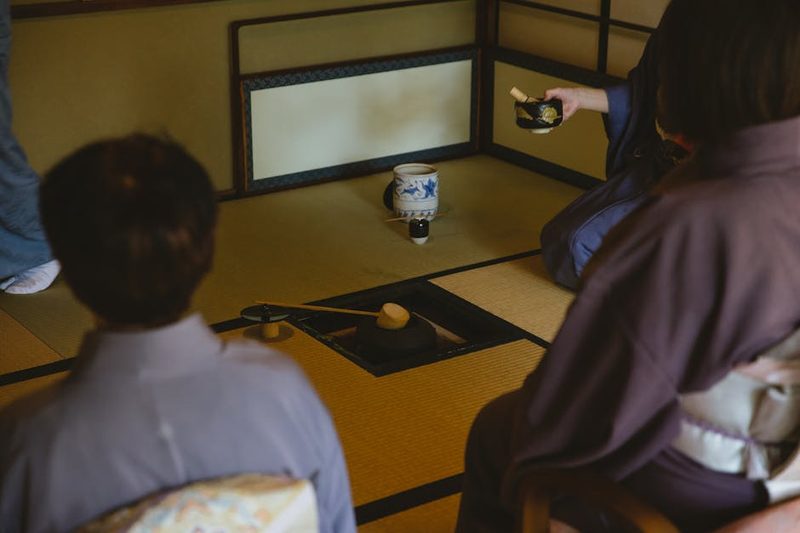
Japanese hotel rooms come in two basic configurations: Western-style (bed, chair, desk) and Japanese-style (tatami mats, futon, low table). Many mid-range and upscale hotels offer hybrid rooms with both a bed and a tatami area. If you’ve never slept on a futon, the hybrid room is a good introduction — you get the experience without committing to a potentially uncomfortable night.
Twin rooms in Japan typically have two single beds pushed together or placed side-by-side. If you need a double bed (one large bed), specifically request a “double” room. A “twin” in Japan is not the same as a “double.”
Size Expectations
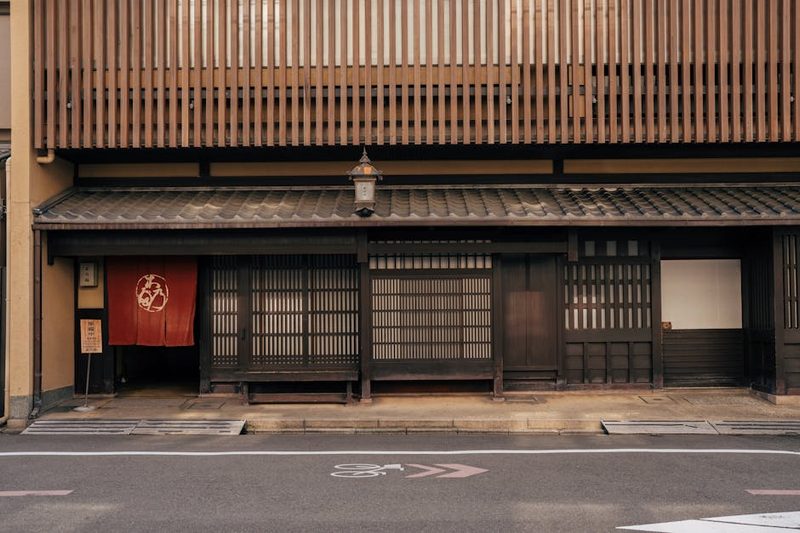
Japanese hotel rooms are small by Western standards. A “standard” room in a business hotel might be 15–18 square metres. That’s enough for a bed, a tiny desk, and a bathroom — and not much else. If space matters to you, budget up. The jump from standard to superior rooms often adds only 5–8 square metres, but the difference in livability is dramatic.
The Luggage Question
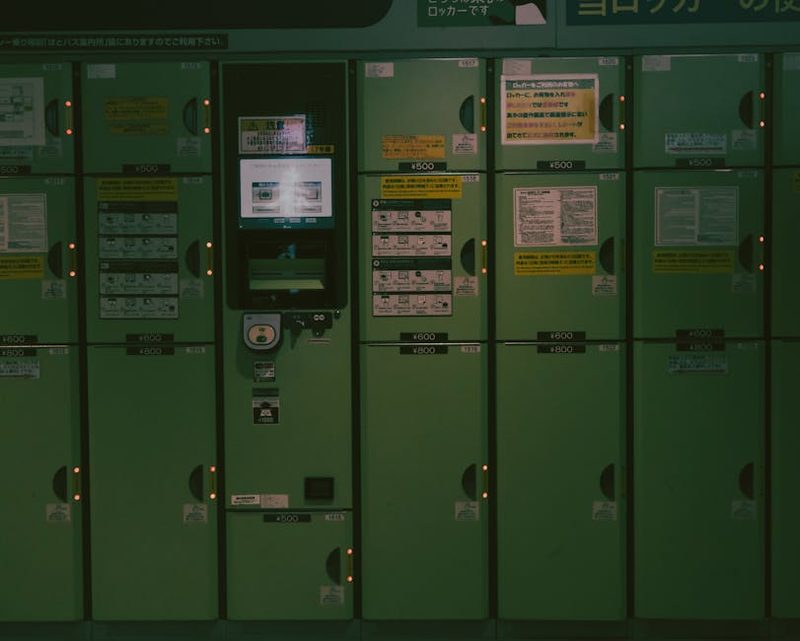
If you’re arriving from Tokyo by Shinkansen with large suitcases, navigating Kyoto’s buses and narrow streets is a pain. Two options: use Japan’s takkyubin luggage forwarding service to send bags directly from your Tokyo hotel to your Kyoto hotel (they’ll arrive next day, costs about ¥2,000 per bag), or store luggage at Kyoto Station’s coin lockers while you check out the area. Most hotels will hold luggage before check-in if you arrive early.
Sample Itinerary: Where to Stay for Three to Five Nights
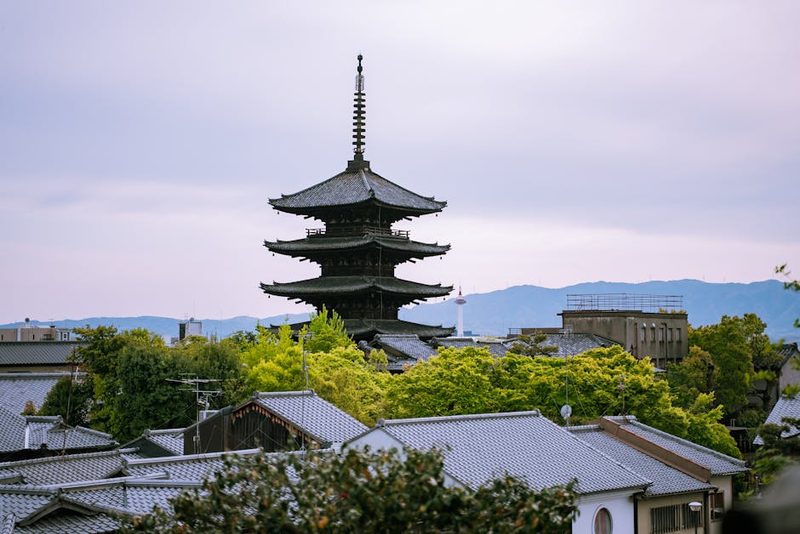
If you have three nights in Kyoto, stay all three in the Kawaramachi/downtown area. Use it as a base for eastern Kyoto temples (walking or cycling), Arashiyama (train day trip), and Fushimi Inari (train, go early morning). Spend evenings at Nishiki Market and Pontocho.
If you have four nights, spend three downtown and one night in a ryokan. The ryokan night works best mid-trip as a break from sightseeing — let the kaiseki dinner and onsen bath reset you for the second half of your stay.
If you have five nights, consider three downtown, one in a ryokan, and one in Arashiyama. The Arashiyama night lets you explore the bamboo grove at dawn without rushing to catch an early train. Just plan it so you’re not heading there with all your luggage — travel light or use takkyubin forwarding.
Getting Between Neighborhoods
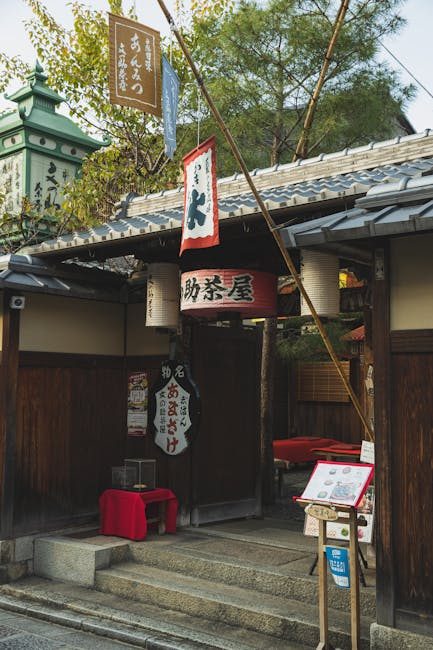
A quick transport cheat sheet, because this genuinely affects your hotel decision:
Kyoto Station to Kawaramachi/Downtown: Subway Karasuma line to Shijo station (5 minutes, ¥220), then walk east. Or Bus 4/5 (15-30 minutes depending on traffic, ¥230). The subway is always faster.
Kyoto Station to Gion: Bus 100 or 206 (20-40 minutes, ¥230 — the range reflects how unpredictable bus traffic is). Or subway to Shijo, then walk east for 15 minutes. The walk is actually pleasant and passes through the Kawaramachi area.
Downtown to Arashiyama: JR Sagano line from Nijo or Emmachi station to Saga-Arashiyama (15 minutes, ¥240). Or the scenic Randen tram from Shijo-Omiya (25 minutes, ¥220) — slower but more atmospheric.
Downtown to Fushimi Inari: Keihan line from Gion-Shijo station to Fushimi-Inari station (10 minutes, ¥220). Couldn’t be easier.
Taxis: Readily available and metered. Kyoto Station to Gion is about ¥1,200. Worth it when you’re tired or it’s raining, but they get stuck in the same traffic as buses during peak hours.
Bicycles: Honestly the best way to get around central Kyoto. Flat terrain, well-maintained roads, and surprisingly good cycling infrastructure by Japanese city standards. Rentals run ¥800–¥1,500 per day, or many hotels include them free. Just watch out for the covered shopping arcades — cycling isn’t allowed inside, and the fines are real.
If you’re planning a trip that includes Tokyo as well, you’ll notice immediately how different the two cities feel. Tokyo is a metropolis that happens to have temples. Kyoto is a temple city that happens to have modern buildings. The pace is slower, the streets are quieter, and the aesthetic sensibility runs deeper. Give it at least three nights — Kyoto rewards patience in a way few cities do.