
Osaka doesn’t do subtle. This is the city where strangers will yell recommendations at you from across the street, where the food is cheap, loud, and absurdly good, and where people think Tokyo is a bit uptight. They’re not wrong.
The good news about picking a hotel here: Osaka is compact. The subway system is excellent, and most of the neighborhoods you’d actually want to stay in sit along the Midosuji Line, which runs north-south through the city center. You can get from Umeda in the north to Tennoji in the south in about 20 minutes. So don’t stress too much about “the perfect location.” There isn’t one. There’s just the right one for how you travel.
That said, some areas are clearly better than others. Here’s the quick version before we get into it.
- Quick Reference: Osaka Neighborhoods at a Glance
- Namba / Dotonbori — Best for First-Timers and Food Lovers
- Splurge: Namba Oriental Hotel
- Mid-Range: Cross Hotel Osaka
- Budget: Dormy Inn Premium Namba
- Umeda / Osaka Station — Best for Transport and Day Trips
- Splurge: The Ritz-Carlton Osaka
- Mid-Range: Hotel Granvia Osaka
- Mid-Range: Mitsui Garden Hotel Osaka Premier
- Shinsaibashi — Best for Shopping
- Mid-Range / Splurge: W Osaka
- Shinsekai — Budget Option with Local Character
- Budget: First Cabin Namba
- Special Mention: OMO7 Osaka by Hoshino Resorts
- Tennoji — The Underrated Pick
- Mid-Range: Hotel Monterey Grasmere Osaka
- The Contrarian Take: Namba Is Overrated as a Base
- Where NOT to Stay in Osaka
- Osaka Bay / Universal Studios Japan Area
- Shin-Osaka
- Kansai Airport Area (Rinku Town)
- Booking Tips for Osaka Hotels
- Timing Matters More Than You Think
- Book Direct for Japanese Hotel Chains
- Room Sizes Are Not What You’re Used To
- Consider Apartment Hotels for Longer Stays
- Late Check-in Is Normal
- Use Luggage Forwarding
- Osaka-Specific Food Advice That Affects Where You Stay
Quick Reference: Osaka Neighborhoods at a Glance
| Neighborhood | Best For | Budget Range | Vibe |
|---|---|---|---|
| Namba / Dotonbori | First-timers, food lovers | ¥8,000–¥28,000 | Loud, chaotic, delicious |
| Umeda / Osaka Station | Day trips, transport access | ¥14,000–¥40,000+ | Business-like, convenient, polished |
| Shinsaibashi | Shopping, nightlife | ¥25,000–¥40,000 | Trendy, walkable, central |
| Shinsekai | Budget travelers, local flavor | ¥4,000–¥20,000 | Gritty, retro, authentic |
| Tennoji | Quiet base, value for money | ¥10,000–¥18,000 | Residential, underrated, calm |
Namba / Dotonbori — Best for First-Timers and Food Lovers
If this is your first time in Osaka, you’re probably staying here. And honestly? That’s the right call.
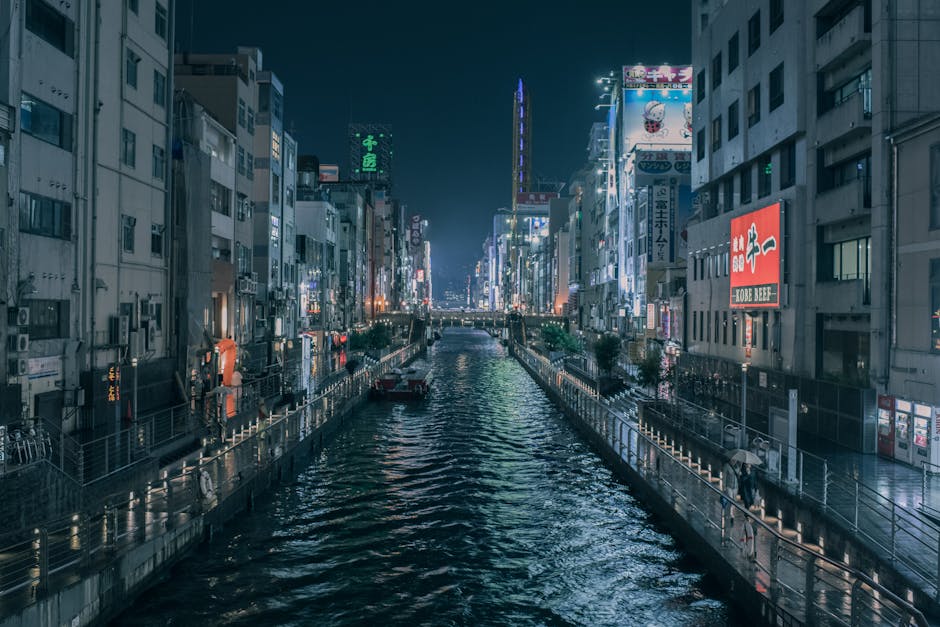
Namba is ground zero for everything Osaka is famous for. Dotonbori canal, the Glico Running Man sign, that mechanical crab on the restaurant facade that’s been waving its legs since 1960. The takoyaki stalls. The okonomiyaki joints where they’ll cook it right in front of you and scold you if you press it down with your spatula. It’s all here.
The area around Dotonbori canal stays loud until well past midnight. Neon everywhere. Tourists and locals mixed together at tiny counter restaurants. The smell of frying batter is constant, and after a few days, you’ll realize it’s soaked into your jacket. You won’t mind.
Namba is also the southern terminus of the Midosuji Line, which means getting around is dead simple. Shinsekai is walking distance. Osaka Castle is a short subway ride north. And Kansai Airport has a direct Nankai line connection to Namba Station — about 45 minutes, no transfers.
The downside? It’s noisy. Really noisy. If you’re a light sleeper, request a room facing away from the main streets, or bring earplugs. Also, the crowds around Dotonbori can be genuinely thick on weekend evenings. If you hate feeling like you’re in a packed subway car while walking outside, you might want to look at Umeda instead.
But for food? Namba is unbeatable. Osaka calls itself “Japan’s Kitchen” (tenka no daidokoro), and Namba is the stove.
Splurge: Namba Oriental Hotel
Price: ¥18,000–¥28,000/night
Book here: Namba Oriental Hotel on Booking.com
This is the safe pick. Connected directly to Namba Station, which means you can get from the airport to your room without stepping outside. The location is genuinely hard to beat — you’re minutes from Dotonbori on foot, and the station gives you access to the Midosuji, Yotsubashi, and Sennichimae subway lines, plus the Nankai line to the airport.
The rooms are clean. The beds are comfortable. The staff is professional. It’s exactly what you’d expect from a well-run Japanese hotel, and that’s both its strength and its limitation.
What’s Good:
- Direct station connection — you cannot get more convenient than this
- Rooms are a decent size by Osaka standards
- Consistent quality; this hotel doesn’t have “bad” rooms
- Breakfast buffet is solid, with both Japanese and Western options
What’s Not:
- The decor is dated. Think early 2000s business hotel that’s been maintained but not redesigned
- Zero personality. You could be in any major Japanese city
- The “splurge” label is generous — it’s more like a very good mid-range hotel at slightly higher prices
- If you want a hotel that feels like an experience, this isn’t it
Who should book it: Anyone who values location and reliability over style. Families, first-timers, people arriving late at night who just want to get to their room fast.
Mid-Range: Cross Hotel Osaka
Price: ¥12,000–¥20,000/night
Book here: Cross Hotel Osaka on Booking.com
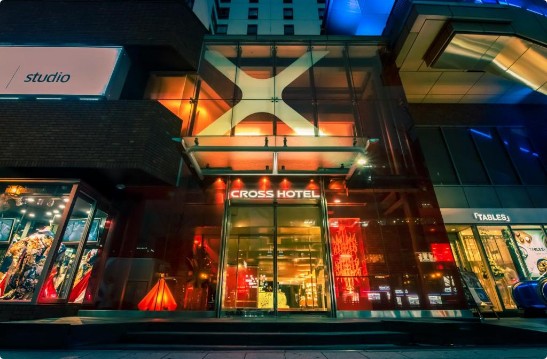
Now this is more interesting. Cross Hotel sits right on Midosuji Boulevard, the wide tree-lined avenue that runs through central Osaka. It’s a design-forward hotel that actually tries to have a personality, which is rare in this price range in Japan.
The rooftop bath is the highlight. Open-air, looking out over the city, free for all guests. After a long day of walking, soaking up there at night with the Osaka skyline around you is genuinely great. The lobby bar has a moody, low-lit feel that makes it a good spot for a drink even if you’re not staying here.
What’s Good:
- Design-conscious without being pretentious about it
- Rooftop bath is a legitimate selling point
- Location on Midosuji is central to everything — Namba south, Shinsaibashi north
- Staff tends to be younger and more relaxed than typical Japanese hotels
- Price-to-quality ratio is excellent
What’s Not:
- Street-facing rooms get traffic noise from Midosuji. Request a rear-facing room when you book, and follow up at check-in
- Some of the smaller room categories are tight even by Japanese standards
- The restaurant is fine but not worth eating at when you’re surrounded by incredible street food
- Can book up fast — this hotel has a following among repeat visitors
This is the hotel I’d recommend to most people. It hits the sweet spot between price, location, and actually feeling like somewhere worth staying.
Budget: Dormy Inn Premium Namba
Price: ¥8,000–¥14,000/night
Book here: Dormy Inn Premium Namba on Booking.com
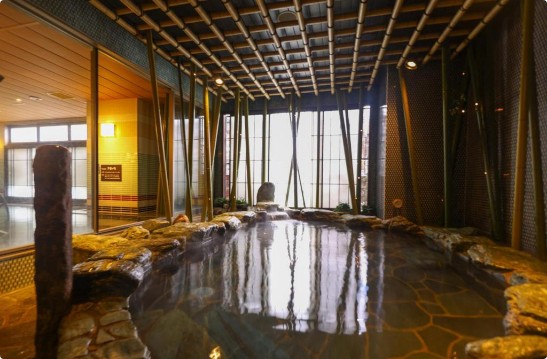
Dormy Inn is a chain, and normally I’d hesitate to recommend a chain budget hotel. But Dormy Inn has figured something out that most hotels at this price point haven’t: people who travel on a budget still want to feel like they’re being taken care of.
Two things make Dormy Inn stand out. First, the rooftop onsen. A proper hot spring bath, open late, included with your room. After a full day in Osaka — and you will be doing full days — sinking into that bath is almost medicinal. Second, the free late-night ramen. Every night, from around 21:30 to 23:00, they set out bowls of soy sauce ramen in the lobby. It’s not life-changing ramen, but it’s free, it’s hot, and it’s exactly what you want at 10 PM when you’re too tired to go back out.
What’s Good:
- Rooftop onsen — rare at this price point
- Free late-night ramen. Seriously, this matters more than you think
- Laundry machines on-site (essential for longer trips)
- Location is walkable to Dotonbori and Namba Station
- Clean and well-maintained, as Dormy Inns always are
What’s Not:
- Rooms are small. Like, really small. You’ll be living out of your suitcase because there’s nowhere to unpack
- It’s a chain. The decor is functional, not inspired
- Check-in can have a queue, especially during peak seasons
- Thin walls — you’ll hear your neighbors if they’re loud
Best budget option in Namba, full stop. The onsen alone is worth the stay.
Umeda / Osaka Station — Best for Transport and Day Trips
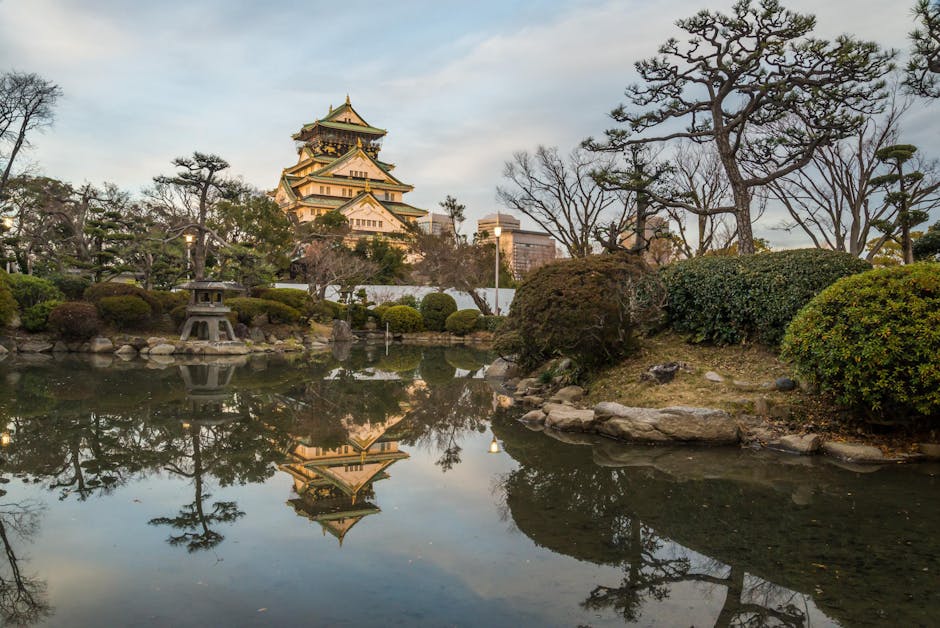
Umeda is Osaka’s northern hub, and it feels like a completely different city from Namba. Where Namba is street-level chaos and neon, Umeda is skyscrapers, department stores, and underground shopping malls that you could spend an entire day lost in. Literally lost. The underground passages below Osaka Station are famously confusing, and locals joke that navigating them is an extreme sport.
Here’s why Umeda matters for travelers: it’s the transport king. JR Osaka Station sits here, and from it you can reach Kyoto in 30 minutes, Kobe in 20 minutes, and Nara in about 45 minutes. If you’re planning to use Osaka as a base and fan out across the Kansai region — and you should — Umeda makes that effortless.
The station complex itself is worth knowing about. Grand Front Osaka is a massive shopping and dining development attached to the north side of the station. Yodobashi Camera, the electronics megastore, sits nearby. The Umeda Sky Building, with its floating garden observatory, is a 10-minute walk north and gives you one of the best views in the city, especially at sunset. There’s enough in Umeda to fill a half-day easily, even if you never leave the neighborhood.
The trade-off is clear. Umeda doesn’t have the street food culture. It doesn’t have the late-night energy. The restaurants are mostly in department stores or office buildings, and while some of them are excellent, you’re not going to stumble into a tiny six-seat takoyaki stand at midnight. For that, you take the subway south to Namba (about 10 minutes on the Midosuji Line).
Umeda works best for people who are organized about their days. Morning train to Kyoto, back by evening, quick subway to Namba for dinner. It’s efficient. It’s just not as spontaneous.
Splurge: The Ritz-Carlton Osaka
Price: ¥40,000+/night
Book here: The Ritz-Carlton Osaka on Booking.com
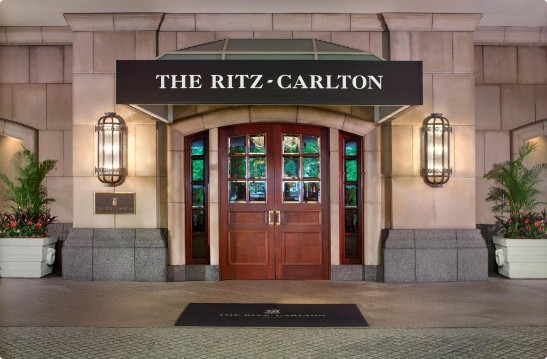
This is proper luxury, and it knows it. The Ritz-Carlton Osaka goes for a European aesthetic — think heavy wood paneling, chandeliers, thick carpets — which is a deliberate contrast to the sleek minimalism you’ll find at most high-end Japanese hotels. It’s a bit like walking into a grand hotel in Milan, except the service is Japanese-level precise, which means it’s better.
The location works if you’re using Osaka Station as your base. It’s a short walk from the station, and the hotel can arrange pretty much anything you need. The concierge here is genuinely useful, not just decorative.
What’s Good:
- Service is exceptional, even by Japanese luxury standards
- Rooms are spacious — a real luxury in Osaka
- The Italian restaurant (Splendido) is legitimately good
- Club Lounge access is worth the upgrade if you can swing it
- Feels like an escape from the sensory overload of Osaka
What’s Not:
- You’re not near the fun food areas. Dotonbori is a subway ride away
- The European design feels odd in Japan — some people love it, others find it out of place
- At ¥40,000+, you’re paying a significant premium for the brand name
- The surrounding area (Nishi-Umeda) is corporate and quiet at night
- If you’re coming to Osaka for the gritty street-level energy, this hotel is the opposite of that
Book this if you want a refined base and don’t mind taking the subway to get to Osaka’s more chaotic neighborhoods. Skip it if the whole point of your trip is to be in the thick of things.
Mid-Range: Hotel Granvia Osaka
Price: ¥15,000–¥25,000/night
Book here: Hotel Granvia Osaka on Booking.com
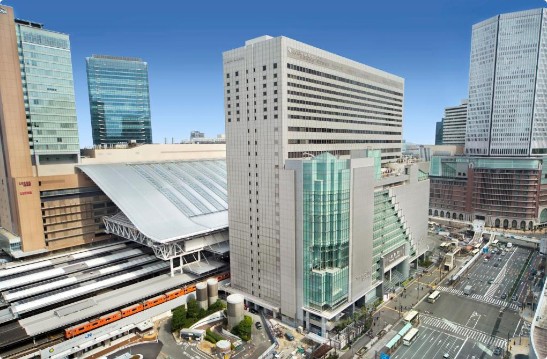
Hotel Granvia is directly connected to JR Osaka Station. I mean directly — you walk out of the ticket gates and you’re essentially in the hotel. For day-trippers, this is incredibly practical. You can roll out of bed, grab breakfast, and be on a train to Kyoto before most travelers have figured out which subway exit they need.
The hotel itself is large and operates with the smooth efficiency of a place that handles a lot of business travelers. Everything works. Nothing surprises you. It’s the hotel equivalent of a Toyota Camry.
What’s Good:
- Cannot beat the JR Station connection for day trips
- Multiple restaurants in-house, some of them quite good
- Rooms on higher floors have decent city views
- Luggage storage is easy since you’re in the station complex
- Staff handles English well and is used to international guests
What’s Not:
- It has convention-hotel energy. Big lobby, lots of signage, groups checking in
- Rooms are functional but forgettable
- The station area gets crowded and noisy during rush hours
- You’re paying a location premium — equivalent rooms elsewhere in Osaka cost less
Pure practicality. If you’re doing Kyoto, Kobe, and Nara day trips from Osaka, Granvia makes your life easier. Just don’t expect charm.
Mid-Range: Mitsui Garden Hotel Osaka Premier
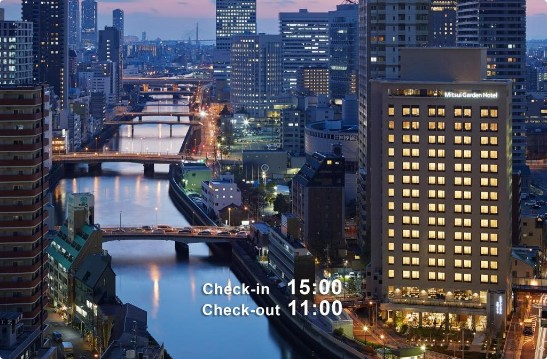
Price: ¥14,000–¥22,000/night
Book here: Mitsui Garden Hotel Osaka Premier on Booking.com
This is the Umeda option for people who want something a bit more modern and design-aware than Granvia but aren’t ready to pay Ritz-Carlton prices. The Mitsui Garden chain has been quietly putting out some of the best mid-range hotels in Japan, and this one is a good example.
Upper floor rooms here have real views. Osaka spreads out flat in most directions, so even from the 15th floor, you can see a lot of city. The rooms lean contemporary — clean lines, muted colors, good lighting. The bath amenities are better than what you’d expect at this price.
What’s Good:
- Modern design that feels intentional, not generic
- Upper-floor views are genuinely impressive
- Good value compared to other Umeda options
- Public bath on-site (a real one, not a tiny tub)
- Quiet location means you’ll actually sleep well
What’s Not:
- About a 10-minute walk to Osaka Station, which adds up when you’re doing it multiple times a day with bags
- The immediate neighborhood is office buildings — dead on weekends and evenings
- Breakfast is decent but overpriced; eat at the station instead
- Not well-known enough to have a strong review base, so quality can be inconsistent
A solid alternative to Granvia if you don’t need to be physically attached to the station and prefer a hotel with some aesthetic thought behind it.
Shinsaibashi — Best for Shopping
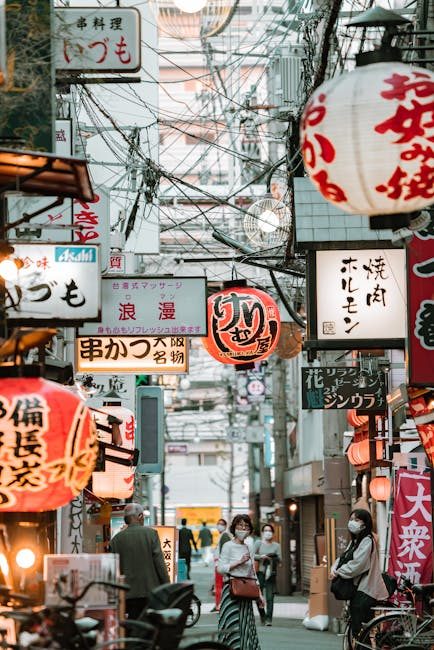
Shinsaibashi sits between Namba and Umeda, both geographically and in terms of personality. The main draw is Shinsaibashi-suji, a covered shopping arcade that runs for about 600 meters. International brands, Japanese fashion labels, drug stores loaded with beauty products, and the kind of shops that only exist in Japan — stores dedicated entirely to socks, or erasers, or a single brand of fountain pen.
The area also includes Amerikamura (America Village), which is Osaka’s answer to Tokyo’s Harajuku. Vintage clothing shops, record stores, independent cafes, and a younger crowd. It’s less polished than Shinsaibashi proper but more interesting.
Staying in Shinsaibashi means you’re walkable to both Namba (south, about 15 minutes on foot) and the edge of the Umeda district (north, about 25 minutes or one subway stop). It’s a good compromise location if you can’t decide between the two.
Nightlife is solid here too. The bars around Amerikamura range from tiny standing-only whisky joints to proper cocktail bars. It’s less touristy than Dotonbori after dark.
Mid-Range / Splurge: W Osaka
Price: ¥25,000–¥40,000/night
Book here: W Osaka on Booking.com
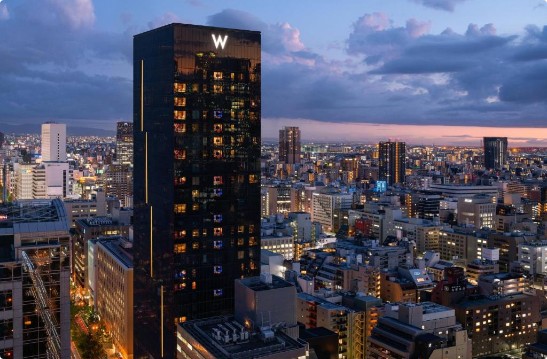
The W Osaka is polarizing, and that’s sort of the point. Tadao Ando designed the building — the concrete is beautiful from the outside. Inside, it’s full-on W brand: loud music in the lobby, neon-tinged lighting, staff who look like they could be DJs. It’s a lot.
The rooftop bar (LIVING ROOM) is the standout. Great views, good cocktails, and one of the better spots in Osaka for a drink with a view. The location on Midosuji Avenue in central Shinsaibashi is excellent for walking to pretty much everywhere in central Osaka.
What’s Good:
- Rooftop bar is genuinely one of the best in Osaka
- Tadao Ando architecture — the building itself is worth seeing
- Central Shinsaibashi location gives you walkable access to Namba and Amerikamura
- The gym is surprisingly well-equipped
- If you like the W brand’s energy, this delivers on it
What’s Not:
- Style over substance is a real issue. Some rooms are small for what you’re paying
- The “scene” in the lobby can be exhausting if you’re not in the mood
- Room rates swing wildly — check prices on weekdays vs. weekends
- The restaurant is overpriced for what it is
- It’s trying very hard, and sometimes trying hard is the opposite of cool
The W works if you’re the kind of traveler who wants your hotel to be part of the experience. If you just want a clean room and a good location, you’re overpaying for the aesthetic.
Shinsekai — Budget Option with Local Character
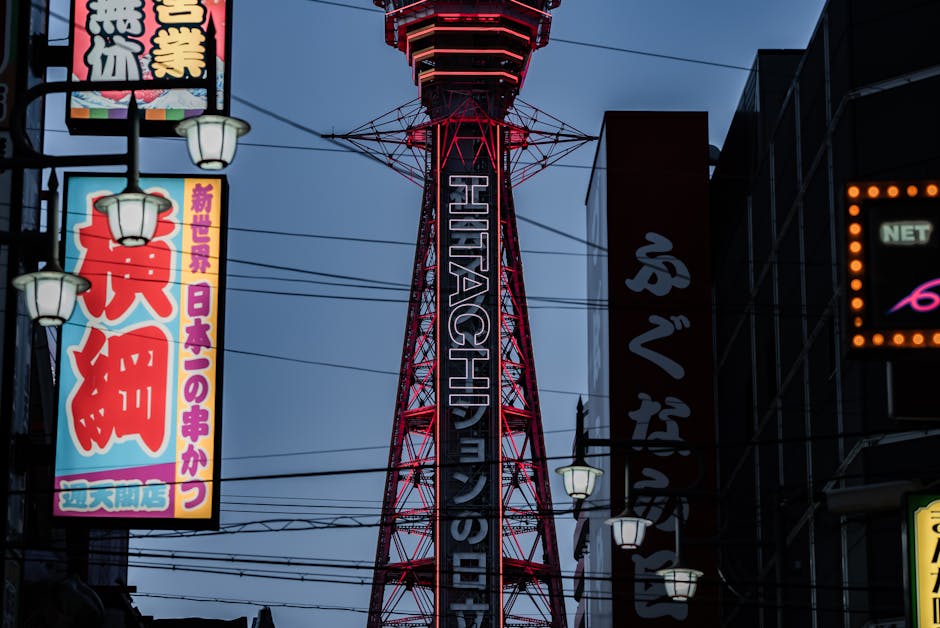
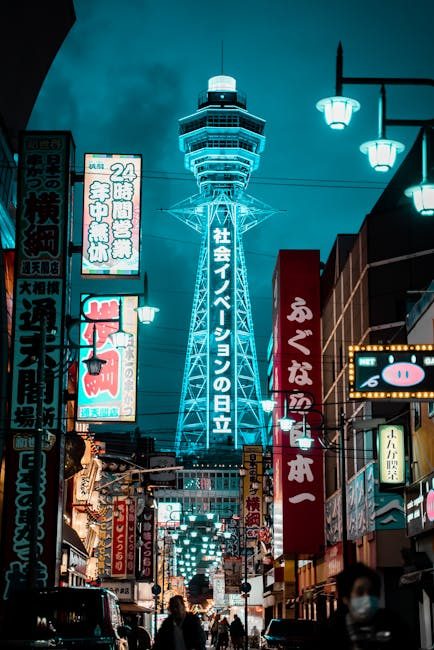
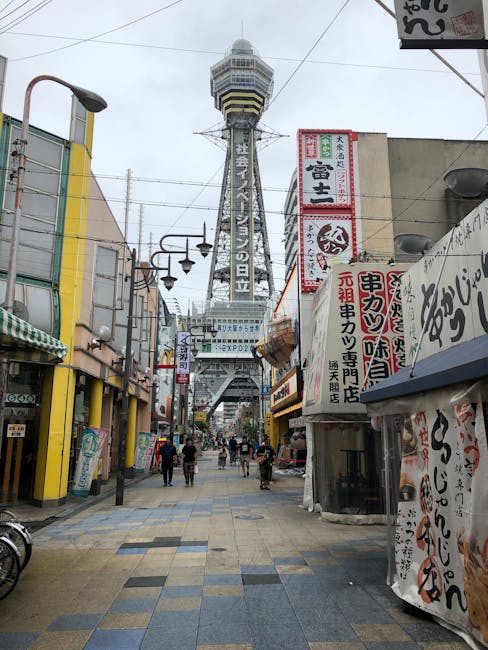
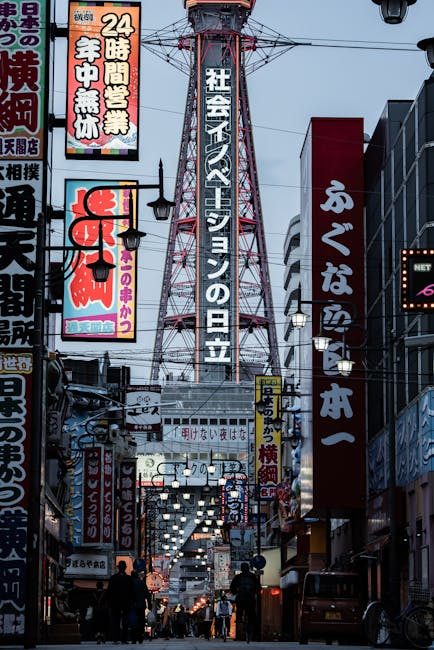
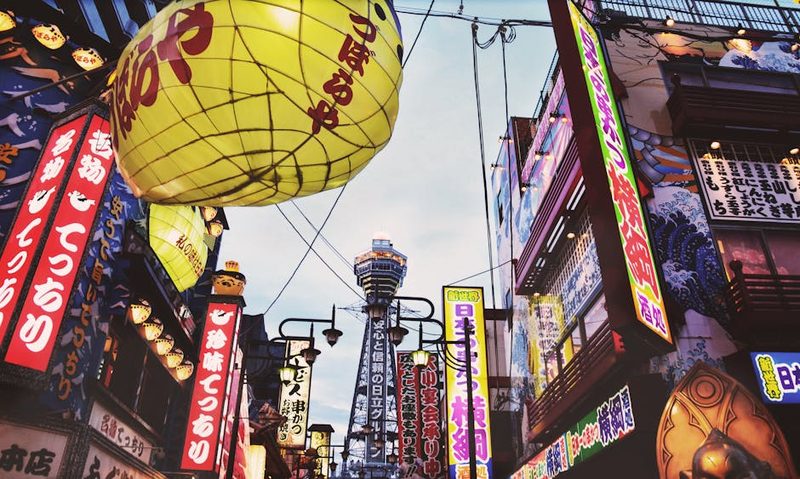
Shinsekai is old Osaka. Really old. The neighborhood was built in 1912 as a “new world” (that’s what the name means), modeled half after New York and half after Paris. That grand vision didn’t quite pan out. What you get instead, over a century later, is a district that feels frozen somewhere between the 1960s and the 1980s, covered in a layer of neon and deep-fryer grease.
And it’s fantastic.
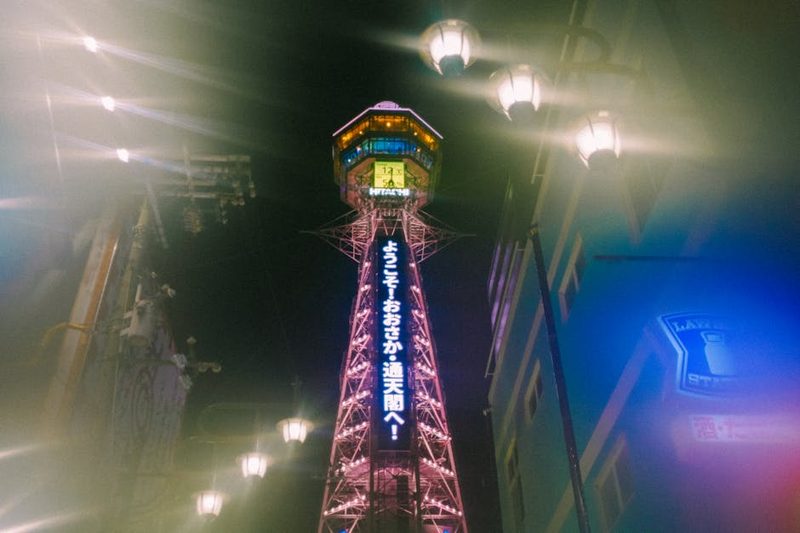
Tsutenkaku Tower looms over the area like a miniature Eiffel Tower that’s been electrified with advertisements. The streets below are lined with kushikatsu restaurants — deep-fried skewers of everything from pork to lotus root to cheese. The rule at kushikatsu places is simple: don’t double-dip in the communal sauce. They will tell you. Loudly. With signs.
Shinsekai also has retro gaming arcades, pachinko parlors, and tiny bars where the owner is the bartender, the cook, and the entertainment. It’s got character that money can’t buy, because money would tear it down and build a shopping mall.
Fair warning: Shinsekai is rough around the edges. Some of the surrounding streets feel sketchy after dark, particularly toward the south and west. It’s not dangerous by any reasonable standard — this is still Japan — but it’s not polished. Families with young kids might find the atmosphere a bit much. Solo travelers and couples who don’t mind some grit will love it.
Budget: First Cabin Namba
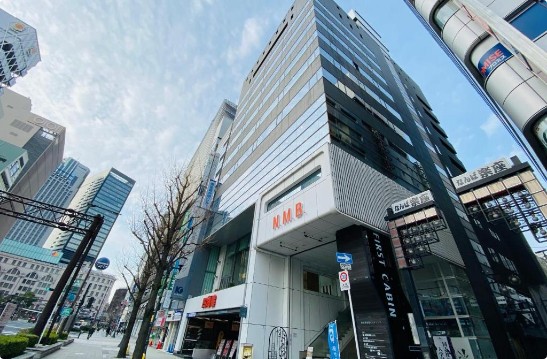
Price: ¥4,000–¥7,000/night
Book here: First Cabin Namba on Booking.com
First Cabin is the airline-themed capsule hotel concept — “First Class” cabins are basically tiny rooms with a bed, a shelf, a TV, and a curtain instead of a door. “Business Class” is a more traditional capsule. Either way, you’re sleeping in a space roughly the size of a walk-in closet, and you’re sharing bathrooms and common areas with everyone else.
But at ¥4,000–¥7,000 per night, you’re spending a fraction of what everyone else is paying, and the facilities are clean and well-run. The shared bath is actually quite nice. And the money you save on accommodation can go directly into Osaka’s food scene, which is arguably a better investment.
What’s Good:
- Unbeatable price for the location
- Cleaner and more organized than most hostels
- Shared bath facilities are well-maintained
- Near Shinsekai and Namba — you’re between two great food areas
- A genuinely fun, uniquely Japanese experience if you haven’t done a capsule hotel before
What’s Not:
- No real privacy. A curtain is not a door
- You can hear everything — snoring, phone alarms, people rustling plastic bags at 2 AM
- Luggage storage is limited; bring a small bag or store your big suitcase at the station
- Not suitable for couples, families, or anyone who needs personal space
- Can feel claustrophobic if you’re not prepared for the capsule concept
Try it for one or two nights as an experience. An entire week in a capsule hotel is a test of willpower, not a vacation strategy.
Special Mention: OMO7 Osaka by Hoshino Resorts
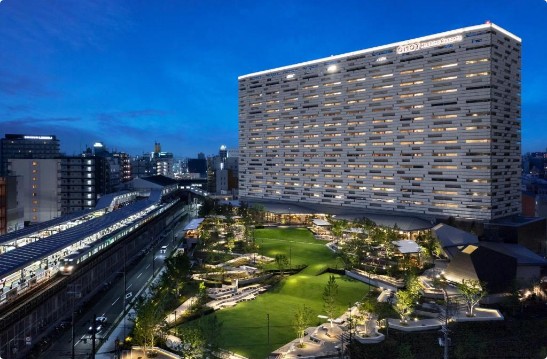
Price: ¥12,000–¥20,000/night
Book here: OMO7 Osaka on Booking.com
This one deserves its own mention because it’s doing something different. Hoshino Resorts is one of Japan’s most respected hospitality companies — they run high-end ryokans and resorts all over the country. OMO is their urban hotel brand, designed for travelers who want more from their hotel than just a bed.
OMO7 sits in the Shinsekai area and leans into it. They run guided neighborhood walks where staff take you through Shinsekai’s backstreets, pointing out the best kushikatsu spots and explaining the area’s weird history. The design is playful — bright colors, communal spaces designed for hanging out, and a rooftop garden. It feels like a hotel that actually likes the neighborhood it’s in, rather than trying to insulate you from it.
What’s Good:
- Guided neighborhood walks are genuinely useful and fun
- Design-forward without being obnoxious about it
- Hoshino Resorts quality at a reasonable price point
- Communal spaces are well-designed and actually get used
- Gives you a reason to explore Shinsekai properly
What’s Not:
- The Shinsekai location isn’t for everyone — see the neighborhood notes above
- Standard rooms are still on the small side
- The “activities” can feel a bit programmed if you prefer exploring on your own
- Dining options in the immediate area are mostly kushikatsu and not much else
If you’re the kind of traveler who reads about neighborhoods before visiting them, OMO7 is built for you. It’s a hotel with opinions about its city, and those opinions are usually right.
Tennoji — The Underrated Pick
Nobody on travel forums recommends Tennoji, and that’s exactly why it’s worth considering.
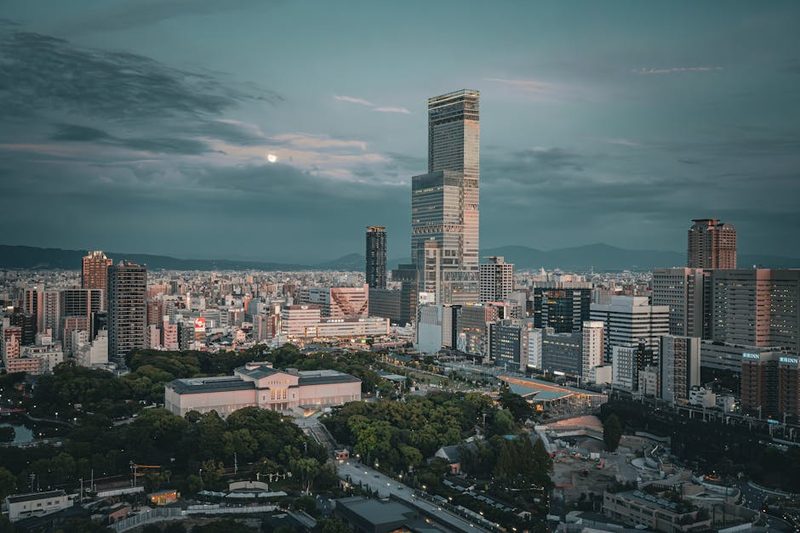
Tennoji sits just south of Shinsekai and feels distinctly residential compared to the tourist-heavy areas further north. Abeno Harukas, the tallest building in Osaka (300 meters), is here — the observation deck gives you the best panoramic view of the city and, on clear days, all the way to the mountains of Nara prefecture. Tennoji Park and the zoo are pleasant for a morning walk. There are good local restaurants that don’t appear in any guidebook.
The real selling point is access. Tennoji Station is a major JR hub, which means Shinkansen connections are easy. The Midosuji Line runs through here, so Namba is just a few stops north. And hotel prices are noticeably lower than Namba or Umeda because travelers haven’t figured this area out yet.
Mid-Range: Hotel Monterey Grasmere Osaka
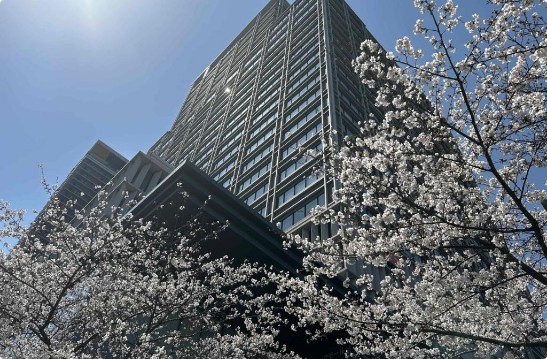
Price: ¥10,000–¥18,000/night
Book here: Hotel Monterey Grasmere Osaka on Booking.com
The Monterey chain does a European-themed thing that sounds tacky on paper but somehow works in practice. Grasmere is named after the village in England’s Lake District, and the interior has a vaguely British countryside aesthetic. In Osaka. Sure.
What actually matters: the rooms are larger than average, the location near JR Namba Station gives you transport flexibility, and the price is right. At ¥10,000–¥18,000, you’re getting a room that would cost ¥15,000–¥25,000 in Namba proper.
What’s Good:
- Room sizes are generous for the price
- Near JR Namba Station — useful for JR Pass holders
- Significantly cheaper than equivalent quality in Namba or Umeda
- Quiet neighborhood means better sleep
- The spa/bath facilities are better than you’d expect
What’s Not:
- About a 15-minute walk to the main Namba/Dotonbori action
- The European theme is… a choice. You’re either amused by it or you find it strange
- The immediate area around the hotel is not exciting. Office buildings, a few konbini, that’s about it
- Not directly on the Midosuji Line — you’ll need to walk or take a bus to connect
Tennoji and the areas around it are where Osaka lives. Not where it performs for travelers, but where it actually lives. If that appeals to you more than being steps from Dotonbori, you’ll like it here. And you’ll save money.
The Contrarian Take: Namba Is Overrated as a Base
Here’s the advice you won’t get from most Osaka guides: if you’re using Osaka as a base for exploring the Kansai region, Namba is actually not the best place to stay.
I know. It’s street food heaven. It’s where the action is. Every “Where to Stay in Osaka” article (including this one) leads with it. But think about how you’re actually going to spend your time.
Most people visiting Osaka for more than two or three days are also doing day trips. Tokyo gets compared to Osaka constantly, but the real advantage Osaka has is its position as a launchpad. Kyoto is 30 minutes by train. Nara is 45 minutes. Kobe is 20. Himeji Castle — one of the most impressive castles in Japan — is an hour.
For those day trips, Umeda/Osaka Station is objectively better positioned. JR trains to all of these destinations leave from here. From Namba, you’re either taking the subway to Umeda first (adding 15–20 minutes to every trip) or using the private rail lines, which are fine but less flexible if you have a JR Pass.
The smart move? Split your stay. Do two or three nights in Namba to get the full Osaka food experience — the late-night takoyaki, the midnight strolls along Dotonbori, the okonomiyaki restaurants where the line is out the door. Then move to Umeda for the day-trip portion of your itinerary. Hotels in Japan are used to short stays. Nobody will look at you funny for booking two nights.
You get the best of both worlds, and your mornings catching the train to Kyoto become a lot more relaxed when you’re already at the station.
There’s a psychological benefit too. Switching neighborhoods mid-trip makes the same city feel different. Your first few nights in Namba will be sensory overload — noise, light, food, crowds. Moving to Umeda for the second half feels like pressing a reset button. Suddenly you’re in a quieter, more organized area, and you appreciate both neighborhoods more for the contrast.
Where NOT to Stay in Osaka
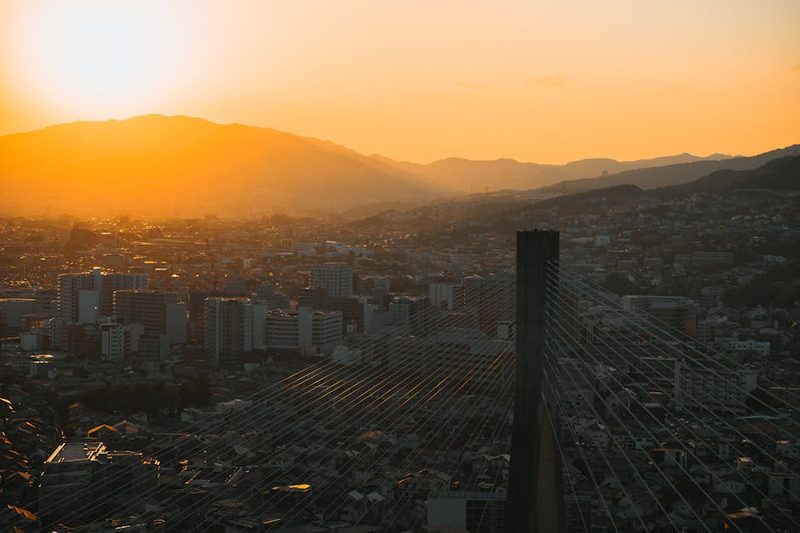
Not every neighborhood is worth your time. A few to actively avoid:
Osaka Bay / Universal Studios Japan Area
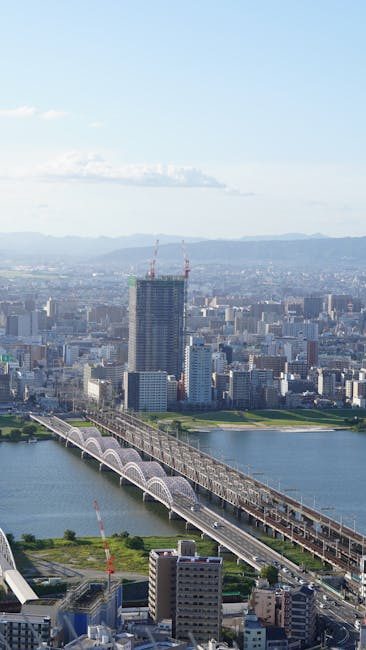
Unless you’re spending multiple days at Universal Studios, there’s no reason to stay out here. It’s isolated from the rest of the city, the hotels are overpriced resort-style properties, and the dining options are theme-park adjacent (read: bad and expensive). If you’re doing USJ, take the train from central Osaka. It’s about 15 minutes from Namba. Do the park, take the train back, eat real food.
Shin-Osaka
Shin-Osaka is where the Shinkansen (bullet train) stops. That’s it. That’s the whole neighborhood. There are a few business hotels clustered around the station and absolutely nothing to do within walking distance. Travelers sometimes book here thinking “Shinkansen station = convenient,” but the subway from Shin-Osaka to central Osaka takes about 10 minutes anyway. Stay in the actual city.
Kansai Airport Area (Rinku Town)
Only makes sense if you have an extremely early morning flight and even then, think twice. The hotels are airport hotels — functional, soulless, surrounded by outlet malls. Kansai Airport is about 50 minutes from Namba by express train. That’s not far enough to justify wasting a night of your trip in airport limbo.
Booking Tips for Osaka Hotels
A few practical things that’ll save you money and headaches. Some of these are Japan-specific, and if you’ve only traveled in other parts of Asia, they might catch you off guard.
Timing Matters More Than You Think
Osaka hotel prices swing dramatically based on season. Cherry blossom season (late March to mid-April) and autumn leaves (November) are peak times, and prices can double or triple. Golden Week (late April to early May) is even worse — the entire country is on holiday. If you can visit in early June (before rainy season gets heavy) or late January/February, you’ll find the same rooms for a fraction of the price.
Book Direct for Japanese Hotel Chains
For international brands (Ritz-Carlton, W, etc.), booking through aggregators often gets you the best price. But for Japanese chains like Dormy Inn, Mitsui Garden, and Hotel Monterey, check the hotel’s own website. Many Japanese chains offer member discounts, early booking rates, or package deals (room + breakfast + late checkout) that don’t appear on third-party sites. The websites are usually available in English.
Room Sizes Are Not What You’re Used To
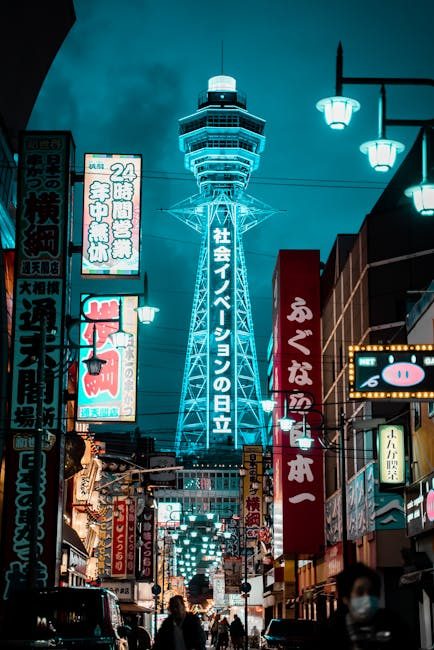
A “standard double” in Osaka might be 15–18 square meters. That’s small. If you’re coming from North America or Europe, you will notice. Splurging on a slightly larger room category — “superior” or “deluxe” — can mean the difference between feeling comfortable and feeling like the walls are closing in. An extra ¥2,000–3,000 per night for a few more square meters is usually worth it.
Consider Apartment Hotels for Longer Stays
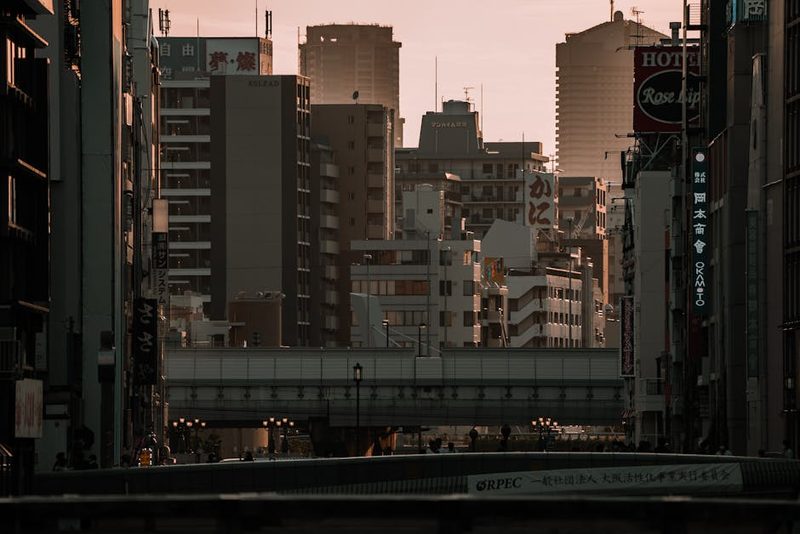
If you’re staying in Osaka for a week or more, apartment-style hotels are worth looking into. Places like Mimaru Osaka Namba and Minn Namba offer rooms with small kitchens, washing machines, and more living space than a standard hotel room. You won’t get daily housekeeping, but you’ll have room to spread out, and being able to cook simple meals (or at least store leftovers from the incredible takeaway options) saves a surprising amount of money over a long trip. These typically run ¥8,000–¥15,000 per night and can accommodate small groups or families much more comfortably than a standard hotel room.
Late Check-in Is Normal
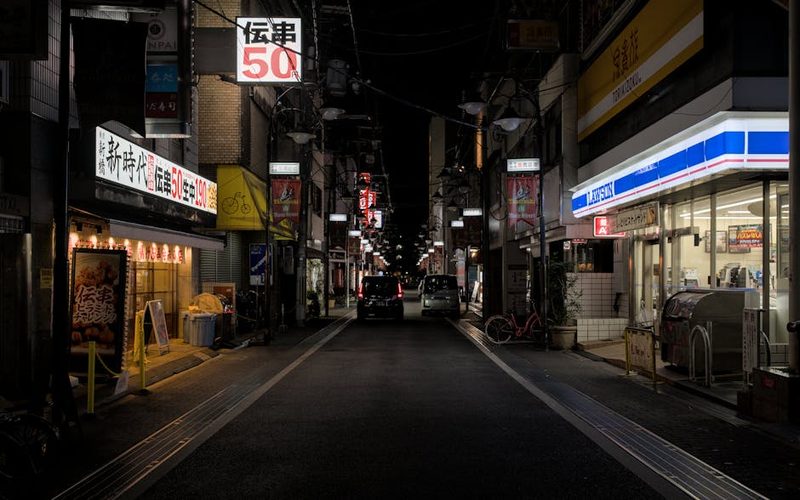
Most hotels in Osaka don’t care if you check in at 11 PM. This is a country where people work late and travel late. But do let the hotel know if you’ll be arriving after 22:00, just as a courtesy. Front desks are staffed 24/7 at most hotels, but smaller properties might have reduced night staff.
Use Luggage Forwarding
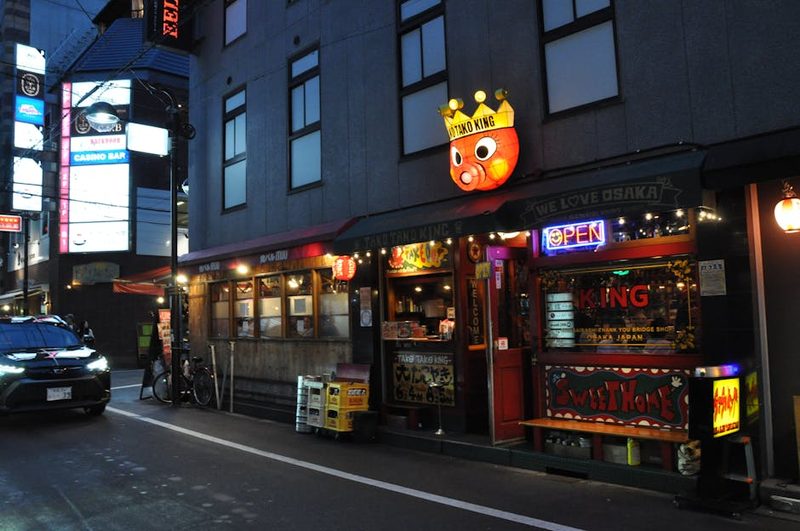
If you’re splitting your stay between neighborhoods (as I suggested above), don’t drag your suitcase on the subway. Japan’s luggage forwarding services (takkyubin) will pick up your bags from one hotel and deliver them to the next, usually by the following morning, for about ¥2,000–3,000 per bag. Your current hotel’s front desk will arrange it. This service is one of those things about Japan that makes you wonder why the rest of the world hasn’t figured it out.
Osaka-Specific Food Advice That Affects Where You Stay
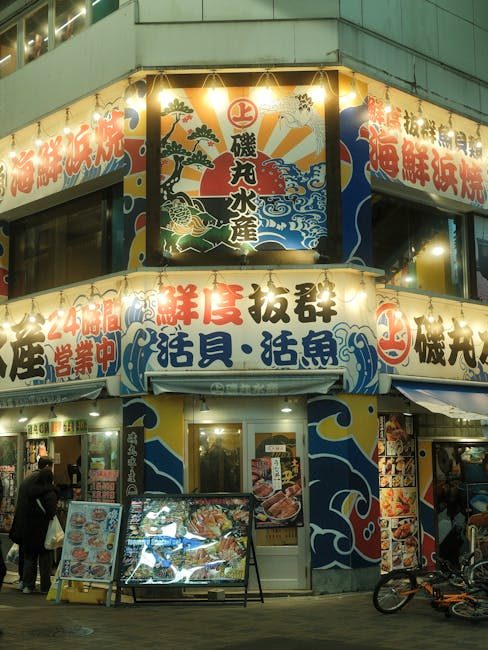
Osaka is Japan’s kitchen. That’s not tourism marketing — it’s a genuine cultural identity that goes back centuries, when Osaka was the country’s commercial capital and all the best ingredients flowed through its markets. Osakans talk about food the way Parisians talk about wine: constantly, passionately, and with strong opinions about who does it best.
The big four to eat while you’re here: takoyaki (octopus balls), okonomiyaki (savory pancakes), kushikatsu (deep-fried skewers), and gyoza. You’ll find all of these everywhere in central Osaka, but the density and quality peak around Namba/Dotonbori and Shinsekai.
This is the main reason Namba stays the default recommendation for first-timers. You can eat extraordinarily well within a five-minute walk of your hotel, at prices that would be impossible in Tokyo. A plate of takoyaki from a street stall is ¥500–800. A full okonomiyaki dinner at a good restaurant is ¥1,000–1,500. You can eat like royalty for ¥3,000 a day if you know where to look, and in Namba, you barely have to look at all.
If food is the main reason you’re visiting — and for many people it should be — stay in Namba or Shinsekai. The convenience of walking out your hotel door and being surrounded by some of the best street food in the world is worth the noise and the crowds. You can always take the subway to quieter neighborhoods. You can’t take the subway to replace the experience of wandering Dotonbori at 10 PM, full but still eating, because someone just handed you a sample of their takoyaki and it’s the best thing you’ve tasted all day.
That’s Osaka. It’s loud, it’s opinionated, and it will feed you until you can’t move. Pick the right neighborhood, book a decent hotel, and let the city do the rest.