
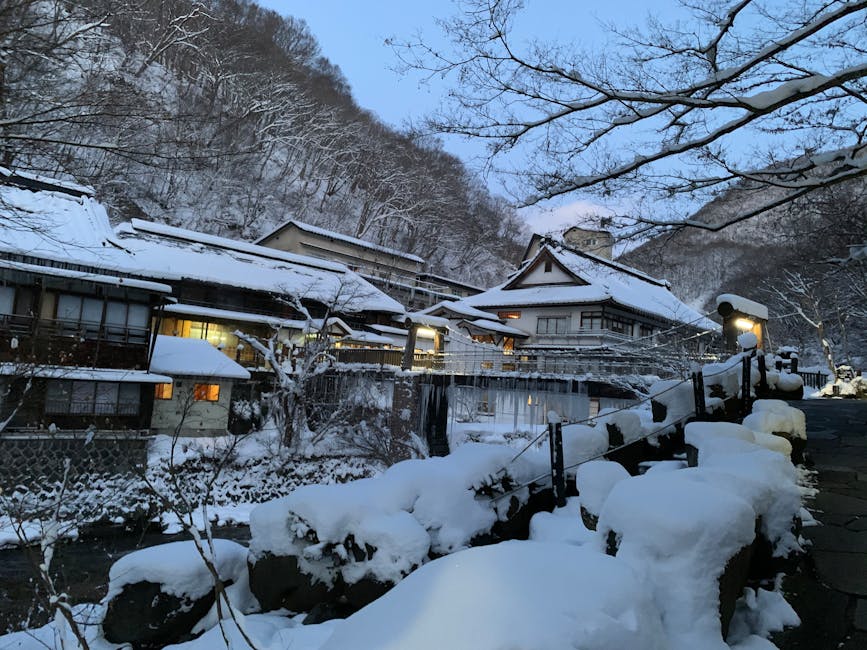
Most people add Takayama to their Japan trip because they saw a photo of dark wooden buildings along a canal and thought “that looks like old Japan.” They’re not wrong. But Takayama is one of those places that actually delivers on the promise — and then gives you things you didn’t know to expect.
The full name is Hida-Takayama. Takayama translates to “High Mountain” in Japanese, and since there are other places called Takayama scattered around the country, locals use the Hida prefix to avoid confusion. You’ll see both names used interchangeably in tourist materials and train stations. It sits in the mountainous Hida region of Gifu Prefecture, surrounded on all sides by the Japanese Alps, and the mountain setting alone justifies the detour. But the real draw is that this small city has managed to hold onto an atmosphere that Kyoto sold off to mass tourism years ago.
Two days minimum. I know plenty of people try to do Takayama as a day trip from Nagoya or as a quick stop on the way to Shirakawa-go, and you can technically see the old town and a morning market in a few hours. But you’ll miss the best parts — the quiet streets before 8am, the evening light on the canal when the day-trippers have gone, a proper sake tasting without rushing, the mountain views on the walk up to the castle ruins. If you can swing three days, you can add a day trip to Shirakawa-go or Kamikochi without feeling like you shortchanged Takayama itself.
- A Bit of Background (It Actually Matters Here)
- Sanmachi Suji — The Old Town
- The Morning Markets
- Sake Breweries
- Hida Beef
- Takayama Jinya
- Takayama Festival and Yatai Kaikan
- Hida-no-Sato Folk Village
- Takayama Castle Ruins
- Day Trips from Takayama
- Shirakawa-go
- Hida-Furukawa
- Kamikochi
- Getting to Takayama
- When to Visit
- Where to Stay
- Practical Details
A Bit of Background (It Actually Matters Here)
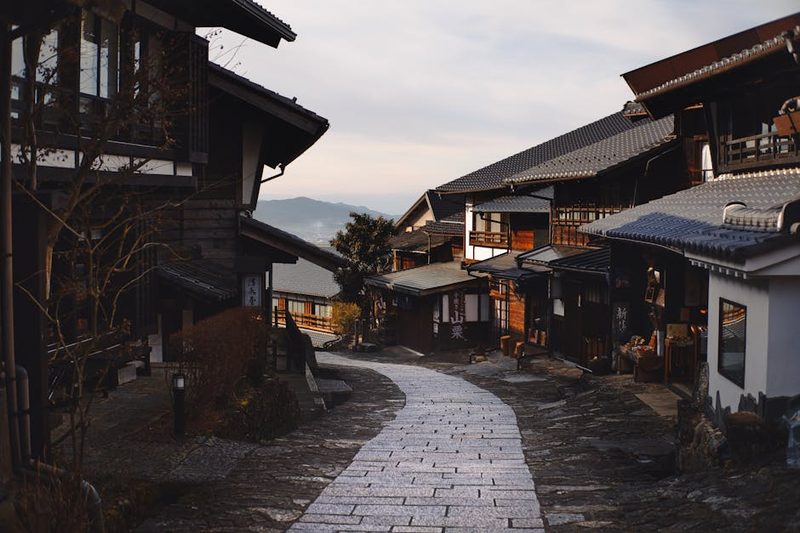
Takayama’s history isn’t just context for a guidebook — it directly explains why the town looks the way it does and why it’s worth visiting at all.
During the Edo period (1603-1868), this area was placed under the direct control of the Tokugawa shogunate. Not because of any political significance, but because of timber. The dense forests of the Hida region produced some of the finest wood in Japan, and the shogunate wanted control of that resource. They sent officials all the way from Edo (now Tokyo) to manage the extraction and trade, and those officials needed offices, residences, storehouses, and infrastructure. That’s why you’ve got a remarkably intact Edo-period government building sitting right in the middle of town today — more on Takayama Jinya later.
The skilled woodworkers who came here for the timber stayed and built. Their craftsmanship shows up everywhere if you look: the old merchant houses with their intricate lattice windows, the temples along the eastern hillside, the massive festival floats with lacquerwork that took years to complete, and the thick thatched-roof farmhouses you can still see in surrounding villages. Takayama was remote enough that modernisation didn’t bulldoze everything the way it did in bigger Japanese cities. The mountains that made it hard to reach also kept it insulated, and by the time anyone thought about tearing down the old town for something more modern, the buildings were already considered worth preserving.
That remoteness cuts both ways now. There’s no bullet train line, and the limited express from Nagoya winds through mountain valleys for two and a half hours. But the effort filters out casual visitors. People who make it here generally want to be here, and you can feel the difference.
Sanmachi Suji — The Old Town
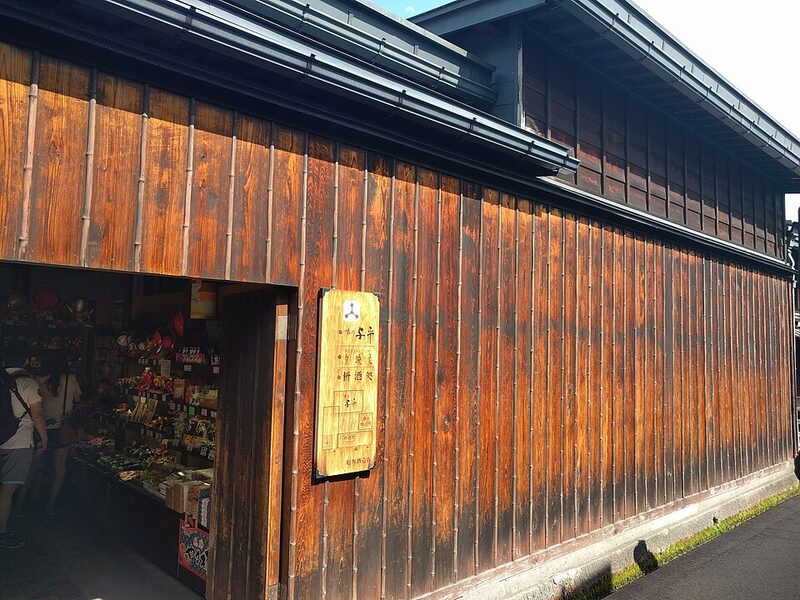
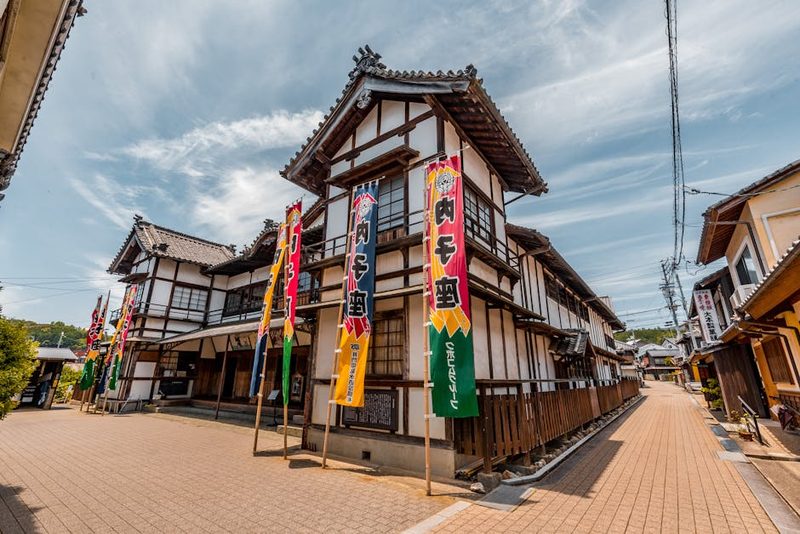
Three parallel streets on the east side of the Miyagawa River make up the heart of Takayama’s preserved district, collectively known as Sanmachi Suji. Dark wooden merchant houses, latticed windows, narrow lanes with small canals running alongside them — and yes, travelers. Lots of them, especially between 10am and 3pm when the tour buses from Nagoya and Kanazawa have unloaded.
This is the part that gets compared to Kyoto, and honestly, the comparison holds up in some ways. The dark wood, the traditional storefronts, the sense of walking through a place that hasn’t changed much in a couple hundred years. But Sanmachi Suji is smaller and more concentrated than anything in Kyoto, which works in its favour. You can walk all three streets in under an hour, but you won’t want to because there are sake breweries, craft shops, Hida beef vendors, traditional sweet shops, and small museums tucked into nearly every block. The scale is human. You don’t need a bus or a bike. You just walk and stop and eat things.
The trick is timing. Come at 7am and you’ll have the streets almost to yourself. The light is better for photos too — soft, angled, hitting those dark wood facades in a way that just doesn’t happen at midday when everything looks flat. If you’re staying in a ryokan in town, this is the reason to book one. You roll out of bed, walk five minutes, and you’re wandering Sanmachi Suji before the first tour groups appear. That early morning hour, with the shutters still half-closed and the smell of charcoal from somewhere, is the Takayama you came for.
By late afternoon things calm down again as the day-trippers leave. The canals that run alongside the streets catch the golden hour light, and a few of the shops start closing up with that satisfying wooden-shutter sound that makes you feel like you’ve stepped back a couple centuries. If you’re choosing between morning and evening, go morning — but evening is a close second.
One thing worth noting: Sanmachi Suji is a real neighborhood, not a theme park. People live here. The buildings house actual businesses, not just tourist shops (though there are plenty of those too). On a quiet morning you’ll see residents sweeping their storefronts and setting up for the day. That lived-in quality is what separates it from the kind of “preserved old town” that’s really just a shopping mall in period costume.
The Morning Markets
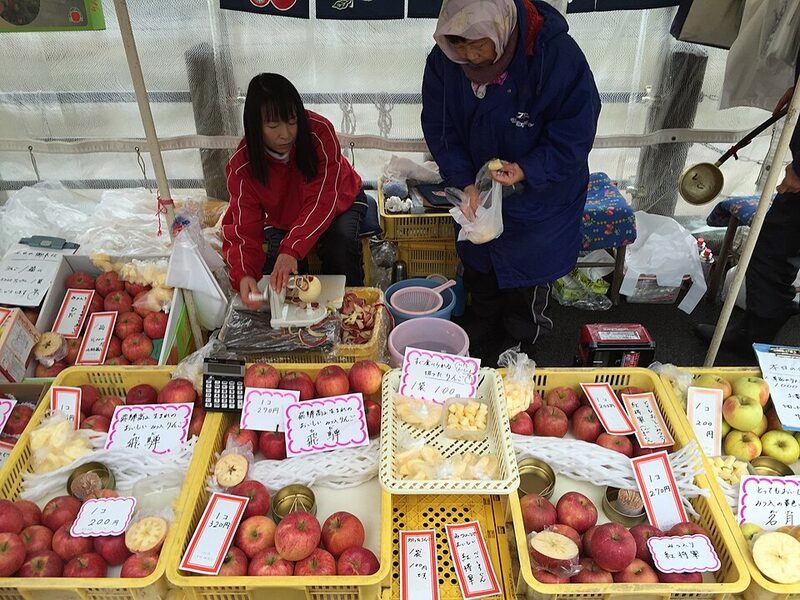
Takayama has two morning markets, and they both run from around 6am to noon daily. In winter months (January to March), the Miyagawa market starts at 8am instead of 6am.
Miyagawa Morning Market runs along the east bank of the Miyagawa River, and it’s the better of the two by a fair margin. Local vendors set up stalls selling pickles, miso paste, mountain vegetables, rice crackers, handmade crafts, dried fruit, and whatever’s in season. It’s not huge — maybe 40 or 50 stalls depending on the day and weather — but there’s a genuinely local feel to it, especially early on before it transitions into tourist market mode by mid-morning. Some of the pickle vendors have been running the same stall here for decades, and the quality of the tsukemono (pickled vegetables) is noticeably better than what you’d find in a supermarket. The apple stalls in autumn are worth stopping at too.
Walk along the river side for the views — morning light on the water with old town buildings in the background is one of the better free sights in Takayama. Vendors are friendly and happy to let you sample before buying. The miso is particularly good — Hida miso has a distinctive sweetness from the mountain climate.
The second market sets up right outside Takayama Jinya and is smaller and quieter, with a similar mix of local produce and crafts. Fewer people know about this one, which is part of its appeal. The Jinya market feels more like a proper local morning market and less like a tourist attraction. If you’re visiting Jinya anyway — and you should — swing by the market on the same morning and kill two birds with one stone.
Go early for either market. By 10am both are packed with tour groups and the relaxed local atmosphere evaporates. Get there at 7 or 8, buy some pickles and a rice cracker, grab a coffee from one of the stands, and eat breakfast sitting by the river. That’s a better start to the day than anything a hotel buffet can offer.
Sake Breweries
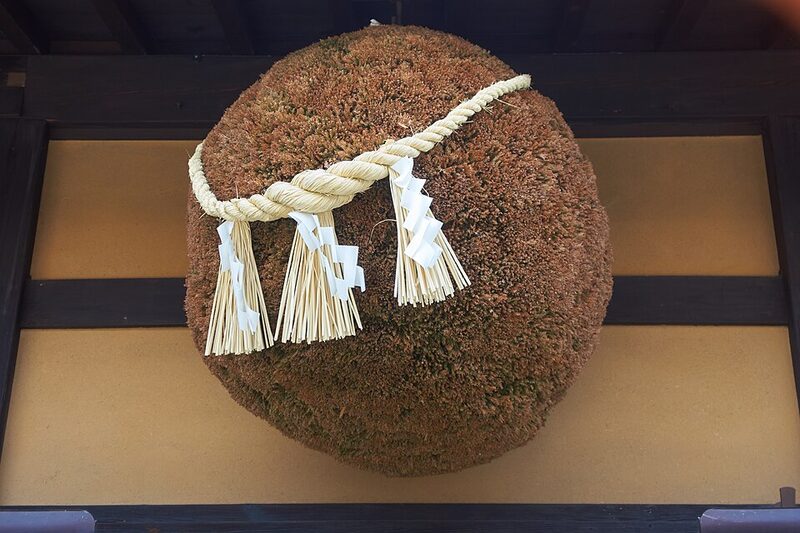
There are seven sake breweries in the old town area, and you can spot them by the sugidama — balls made from cedar branches — hanging above the entrance. When a sugidama is fresh and green, it means the new batch of sake has just been pressed. As the ball browns over the following months, the sake inside is aging. It’s a tradition that goes back centuries and it’s one of those details that, once you know it, you’ll notice outside breweries and sake shops all over Japan.
The cold, clean mountain water flowing down from the Japanese Alps is what makes Hida sake distinctive. Combined with cold winters that naturally regulate fermentation temperatures, the sake here tends to be clean, smooth, and more refined than varieties from warmer regions.
Several breweries offer free tastings. You walk in, they pour small cups, and you work through different varieties — dry, sweet, fruity, unfiltered, aged. No pressure to buy, though you probably will because the good stuff here is noticeably better than what you’d pick up in a Tokyo convenience store. Staff at most places are patient and will explain the differences even with limited English.
One brewery near Takayama Jinya runs a more structured tasting for about ¥450 — you get a small cup and access to a wider selection. Worth the money if you want to understand the difference between junmai, ginjo, and daiginjo grades without reading a textbook. Some breweries also offer full tours if you book ahead.
A word of warning: sake is made from rice and absorbs into your system faster than wine or beer. Four or five tastings across different breweries on an empty stomach before noon will catch up with you in a way you don’t expect. Eat something first. Seriously.
If you’re making a morning of it, a decent route is to start at the breweries near Jinya, work your way north through Sanmachi Suji, and sample as you go. By the time you’ve hit three or four breweries, you’ll have a good sense of what you like — and probably a bag of bottles to carry back to your accommodation.
Hida Beef
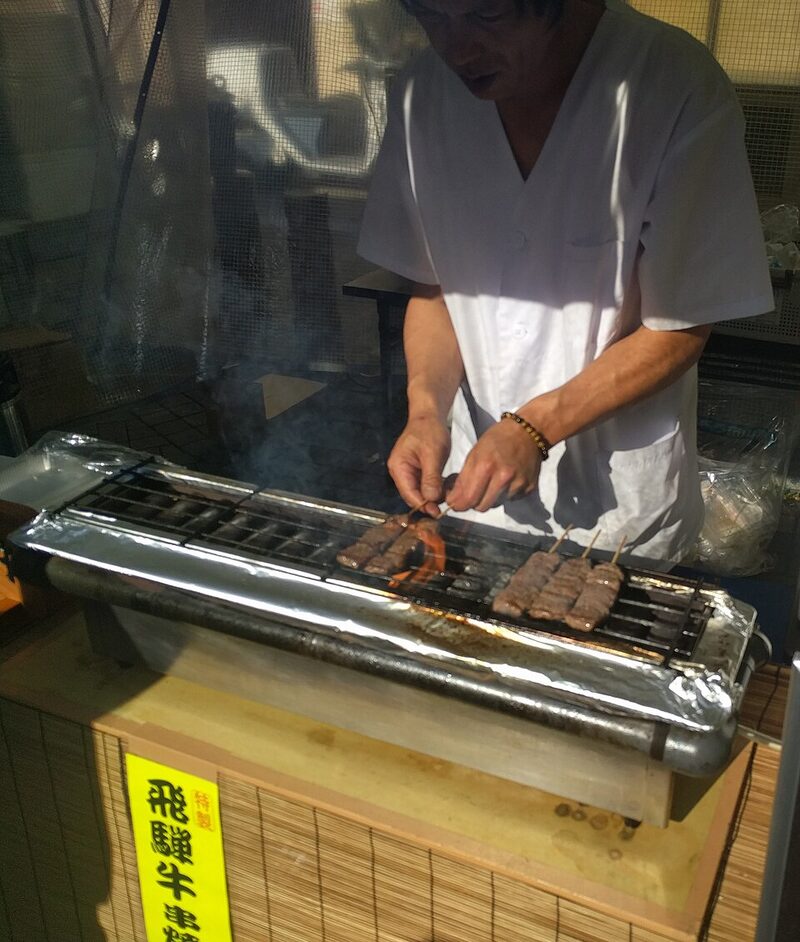
You can’t walk fifty metres through the old town without someone selling Hida beef in some form. And unlike a lot of regional food branding in Japan, where “local specialty” means “slightly different version of what you’d get anywhere,” Hida beef actually lives up to it. This is richly marbled wagyu from cattle raised in Gifu Prefecture’s mountain pastures, and eating it in Takayama is significantly cheaper than ordering the same grade in Tokyo or Osaka.
Here’s what to expect price-wise, and what’s actually worth your money:
Beef skewers from street stalls run ¥500-800 and are the simplest entry point. Seared over charcoal, lightly salted or brushed with soy, and juicy in a way that regular beef skewers just aren’t. Get one from any stall along Sanmachi Suji — quality is surprisingly consistent across vendors, so don’t agonise over which stall to pick. Just follow the smoke. These make a solid mid-morning snack between sake tastings.
Hida beef sushi is the signature street food and the thing you’ll see people queuing for. Two or three pieces of seared beef on vinegared rice, served on a small wooden paddle that you eat while standing. ¥800-1,200 depending on the cut and the shop. The popular spots have queues but they move fast — ten minutes maximum usually. The beef is seared with a blowtorch right in front of you, which is half the appeal. Is it the best way to eat Hida beef? Probably not. Is it satisfying to eat a paddle of wagyu sushi while wandering through an Edo-period street? Absolutely. Do it at least once.
Sit-down steak at a proper restaurant runs ¥3,000-8,000 depending on the grade, cut, and restaurant. This is where Hida beef really shines. The higher-end places let you grill it yourself on a magnolia leaf spread with miso (hoba miso style), which is a Hida regional specialty and one of the more memorable dining experiences available in Japan. The leaf gives the meat a subtle woodsy flavour that you won’t get from a standard grill. Some restaurants also serve Hida beef as sukiyaki or shabu-shabu, which are good ways to try the thinner cuts.
My honest take: the street sushi and skewers are fun and convenient, but budget for at least one proper sit-down Hida beef meal. The difference between a ¥600 skewer and a ¥5,000 steak dinner is the difference between “that was tasty” and “I think about this meal sometimes.” Skip the places with English menus plastered all over the windows and giant photos of steak outside. The better restaurants are slightly off the main tourist drag and look like they’ve been there for decades — because they have. Ask your ryokan for a recommendation.
Takayama Jinya
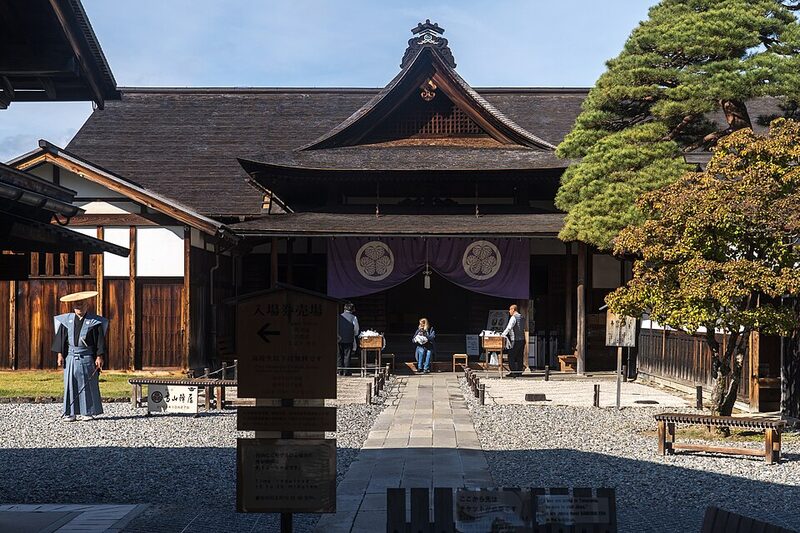
This is the only remaining Edo-period government building of its kind in all of Japan. Entry costs ¥440, and it’s one of the better-value admissions you’ll find in the country.
The Tokugawa shogunate sent officials here from Edo to govern the Hida region and — more importantly — to control the lucrative timber trade. The complex that housed them includes administrative offices, conference rooms, interrogation rooms (yes, with displays of the tools used — it’s slightly unsettling and fascinating in equal measure), living quarters for the governor, a rice storehouse large enough to feed an army, and a courtyard garden that looks like it belongs on a postcard.
What surprised me most is how long this place stayed in official use. It wasn’t just an Edo-period relic that got repurposed as a museum decades ago — the building was functioning as a government office until 1969. That’s over three hundred years of continuous administrative use, spanning the feudal era, the Meiji Restoration, two world wars, and the American occupation. When it was finally decommissioned and opened to the public, the buildings were restored to their Edo-period appearance, but the continuity of use means the place feels lived-in rather than reconstructed.
The tatami rooms with their sliding doors and exposed wooden beams give you a better sense of how government actually functioned in feudal Japan than almost any castle museum can. Castles were built to impress. Jinya was built to work. The difference shows.
Budget about an hour. The English signage is decent. Go in the morning, combine it with the Jinya morning market right outside, and you’ve got a solid first couple of hours sorted.
Takayama Festival and Yatai Kaikan
Takayama’s festival is ranked as one of Japan’s three greatest, alongside Kyoto’s Gion Matsuri and the Chichibu Night Festival. It runs twice a year: the Sanno Festival on April 14-15 (spring, hosted by Hie Shrine in the southern part of town) and the Hachiman Festival on October 9-10 (autumn, centred around Sakurayama Hachimangu Shrine in the north). Both involve elaborate floats being paraded through the narrow old town streets, karakuri puppet performances on the floats, and evening processions lit by hundreds of paper lanterns that turn the whole town golden.
The festival dates back to at least the 16th century and the UNESCO designation as an Intangible Cultural Heritage is well-earned. If you can time your visit to coincide with either festival, do it. The spring festival falls just after cherry blossom season, and the autumn festival is right in the middle of the leaf-changing period, so either way the backdrop is spectacular. Just be warned: accommodation fills up months in advance and prices spike. Book early or accept a long commute from Nagoya.
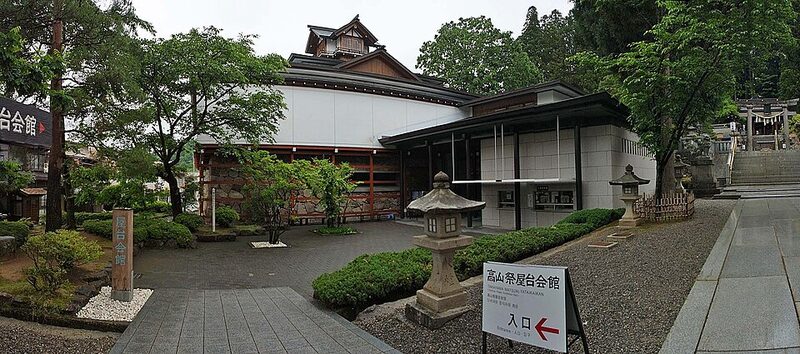
If your trip doesn’t line up with either festival — and statistically, it won’t — go to Yatai Kaikan, the festival float exhibition hall next to Sakurayama Hachimangu Shrine. Four of the actual autumn festival floats are displayed here on rotation (they swap them out so repeat visitors see different ones), and seeing them up close is genuinely impressive. These aren’t small parade decorations. They’re massive wooden structures, some dating back to the 17th century, covered in detailed lacquerwork, carved figures, metalwork, and gilding. The marionette figures mounted on several floats are controlled by 36 strings each and require eight puppeteers to operate during the actual festival. Each wheel on the floats stands about 1.5 metres high, and they were designed to echo the imperial carriage that transported Japan’s emperor.
Your ticket also gets you into the adjacent Sakurayama Nikkokan, which houses a massive 1:10 scale model of Nikko’s Toshogu Shrine complex. It took 33 carpenters fifteen years to build. Most visitors breeze through this section on their way out, which is a shame — the hand-painted detail on the miniature shrine replicas is remarkable, and you can spend a good twenty minutes just picking out details you’d miss at the real Nikko.
While you’re in the area, walk through Sakurayama Hachimangu Shrine itself. It’s one of the oldest in Takayama, possibly dating to the 4th century, and the dense alpine trees surrounding it make the place feel miles from town even though it’s right in the centre. There are koi in the pond if you want a quiet moment. As you explore town, keep an eye out for the yatai-gura — purpose-built storage sheds with tall wooden doors and thick stone walls scattered through the old town, each housing one of the festival floats. There are signs on each one explaining which float is inside.
Hida-no-Sato Folk Village
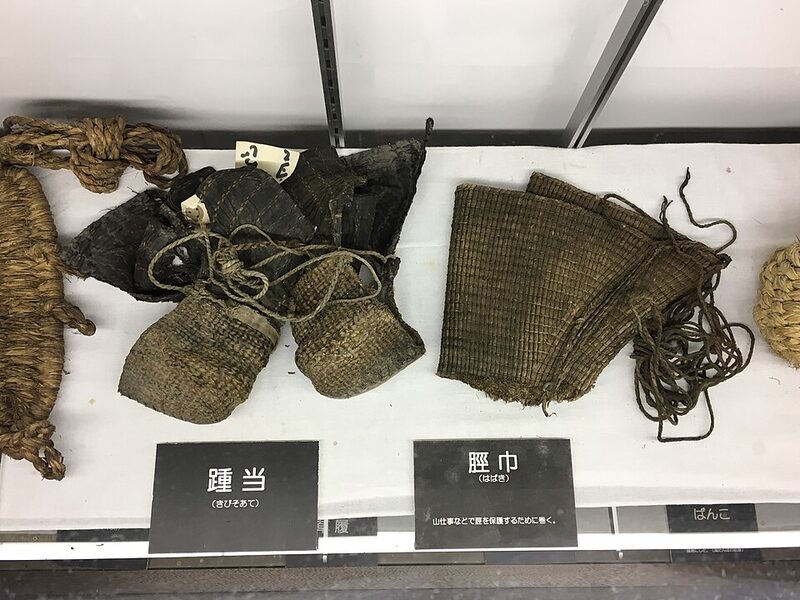
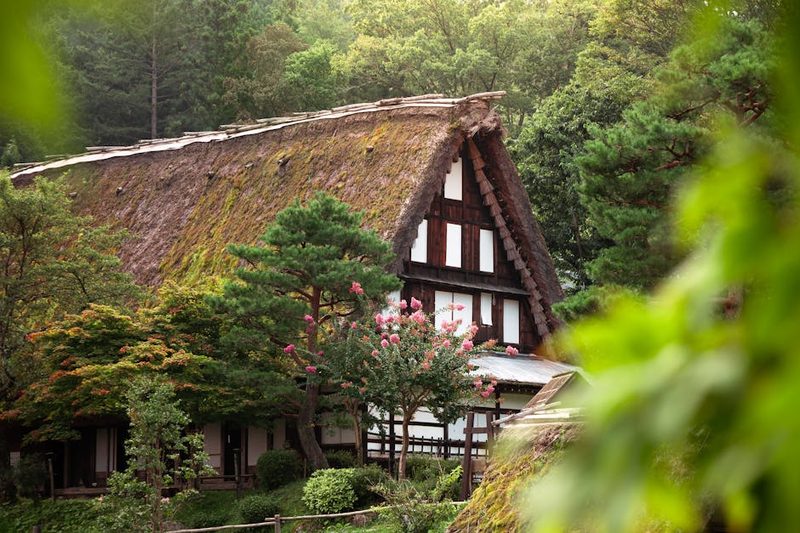
About 2km west of the station, this open-air museum has over 30 traditional buildings relocated from across the Hida region and reassembled on a hillside. Thatched-roof farmhouses, storehouses, workshops, merchants’ houses — all moved here in 1971 for preservation and all open to walk through.
If you’re not planning to visit Shirakawa-go, this is the next best way to experience the gassho-zukuri style thatched-roof architecture that the region is known for. The massive A-frame roofs were built steep to shed heavy winter snowfall, and standing inside one looking up at the timber framework is impressive — these were engineered by people who knew what mountain winters could do. Even if you are going to Shirakawa-go, the Folk Village offers something different: you can actually go inside the buildings and see how they were constructed, how the upper floors were used (often for silkworm cultivation), and how daily life worked in the mountain communities of the Hida region.
There’s a crafts experience centre on site where you can try woodworking, weaving, pottery, and other traditional Hida crafts. I’ll admit I expected this to be one of those “tourist activity” things that’s a bit sad, but it’s actually well run — the instructors are knowledgeable, the materials are real, and you end up with something you might actually keep.
Getting there on foot takes about 30 minutes from the station, mostly uphill and not particularly interesting walking. The easier option is the Sarubobo Bus, which departs from the station twice an hour and costs just ¥100 each way. It drops you right at the entrance. At that price, there’s no reason to walk unless you want the exercise.
Go on a weekday morning if possible. The grounds are big enough to absorb some crowds, but it’s much more atmospheric when it’s quiet — you can hear the birdsong and the wind through the thatch, which is the whole point of an open-air museum.
Takayama Castle Ruins
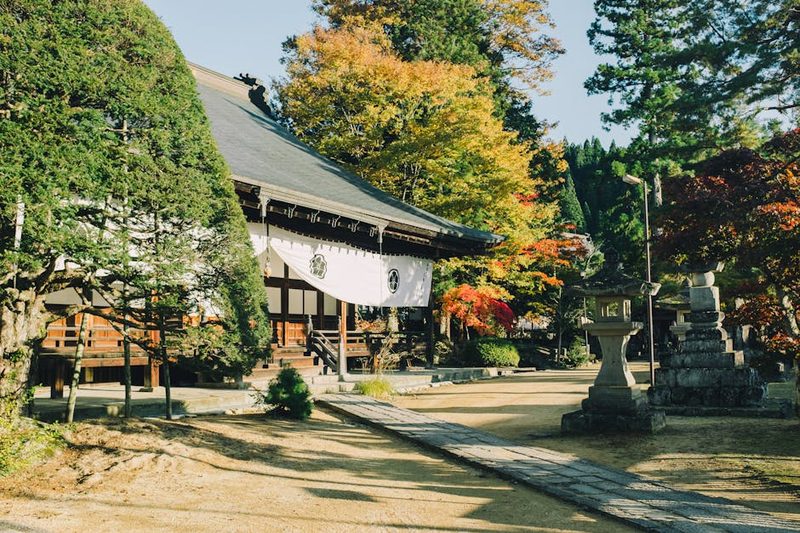
There’s no castle. Let’s get that out of the way immediately. It was demolished in 1695 when the upkeep costs became untenable, and what’s left is essentially some stone walls and foundations, forest paths, and a clearing at the top of the hill with views over the town and surrounding mountains.
So why bother going? Because the walk up through the forest is genuinely pleasant — shaded, quiet, and lined with mature trees that turn spectacular colours in mid-October. The views from the top give you Takayama in context: the town laid out below you, the river cutting through it, and the wall of mountains on every side. On a clear autumn day it’s one of the better vantage points in the region. Not many travelers make the trek up, which means you’ll likely share the ruins with maybe a handful of other people rather than the crowds down in Sanmachi Suji.
The path connects to the Higashiyama Walking Course, a 3.5km trail that passes about a dozen temples on Takayama’s eastern hillside. The temples are small and relatively quiet — nothing like the major temple complexes in Kyoto — but they’re old, well-maintained, and the hillside setting gives them a genuine serenity that the more famous temples have lost to crowds. The full walking course takes about two hours at an easy pace. Bring bug spray in summer — the mosquitoes in the wooded sections come out hard in the late afternoon.
Day Trips from Takayama
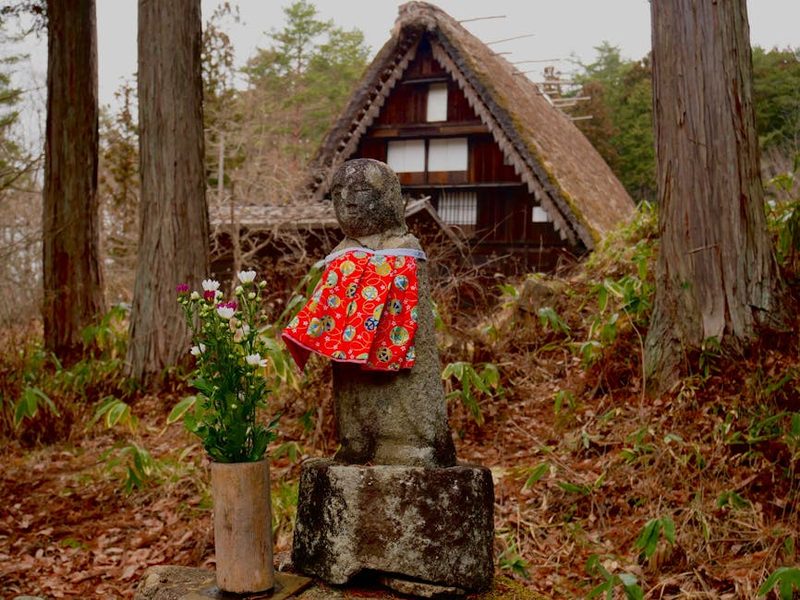
Shirakawa-go
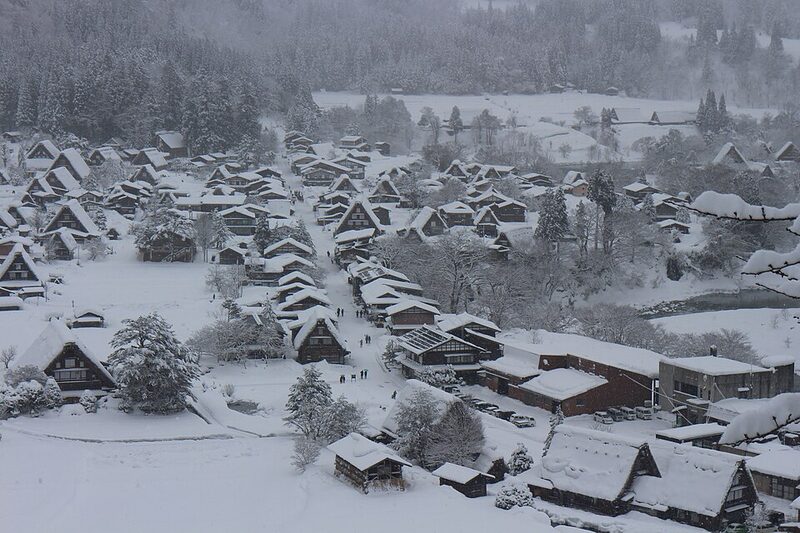
The UNESCO World Heritage village of Shirakawa-go is about 50 minutes by bus from Takayama, and it’s the day trip most visitors here are planning around. The gassho-zukuri farmhouses — massive thatched-roof structures with steep A-frame roofs built to shed the region’s heavy snowfall — are genuinely spectacular, and there’s nothing quite like them anywhere else in Japan. Some of the farmhouses are over 250 years old, several stories tall, and still lived in.
Buses run by Nohi Bus depart regularly from Takayama Bus Terminal (right next to the train station) and cost about ¥2,600 each way. Book your seat in advance, especially during peak seasons — autumn leaves (October-November), winter snow (January-February), and Golden Week (late April-early May). The buses do sell out, and standing around the bus terminal hoping for a cancellation is not a great plan.
The honest truth about Shirakawa-go: it has become very, very popular. On a typical day during peak season you’ll be sharing the village with hundreds of other visitors, and the main street can feel more like an open-air museum gift shop than a living village. Bus after bus pulls in, disgorges passengers for two hours of photos, and leaves. That said, the setting — farmhouses against forested mountains, rice paddies, a clear river running through — still has real power, especially if you can get there early.
Take the first bus from Takayama. When you arrive, walk straight to the Shiroyama Observatory viewpoint before the crowds build. The walk up takes about 15 minutes and gives you the classic postcard shot looking down over the village rooftops. In the afternoon, the village gets progressively more packed. Explore the quieter northern end where some farmhouses are still residences and the tourist infrastructure thins out.
Winter is the most dramatic season, when the roofs are buried under thick snow and the village holds evening illumination events a handful of times in January and February. These events have become so popular that access requires a separate lottery registration months ahead, and getting a spot is genuinely difficult. If you manage it, it’s worth it. If you don’t, the village under snow during the daytime is still stunning.
Hida-Furukawa
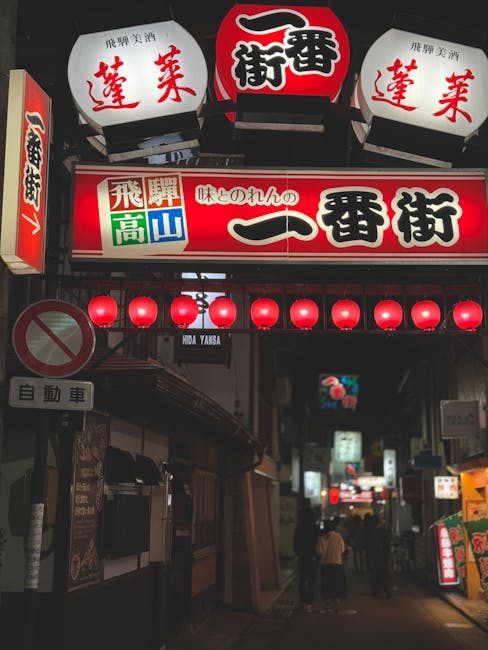
Just 15 minutes north of Takayama by train, Hida-Furukawa is what Takayama probably felt like before it got popular. It’s got its own preserved old town with white-walled storehouses along a canal filled with enormous koi, sake breweries, a couple of nice temples, and a fraction of the visitors.
Furukawa also has its own famous festival — the Furukawa Matsuri in April is famously rowdy — and gained some international recognition as a filming location for the anime “Your Name.” But mostly it’s just a quieter, more laid-back version of the Hida old town experience. You can wander the canal street, do a sake tasting, visit the festival float museum, and have lunch at a local place without fighting for a table or dodging selfie sticks.
If Takayama’s crowds are wearing you down, the 15-minute train ride to Furukawa is the best antidote. Go for a half day, bring no particular plan, and just walk around. Sometimes the best travel experiences are the ones where you’re not trying to see anything specific.
Kamikochi
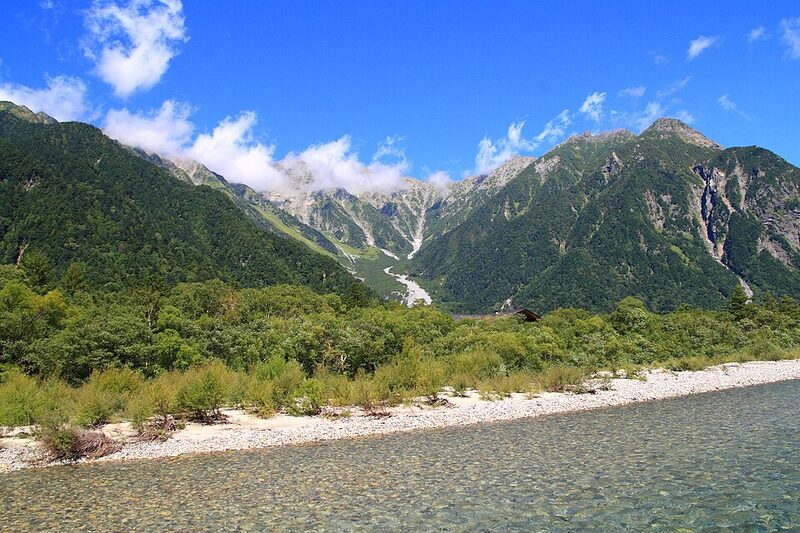
This one’s for the nature crowd. Kamikochi is an alpine valley in the Northern Japanese Alps, sitting at about 1,500 metres elevation. Crystal-clear rivers with water so transparent it barely looks real, mountain peaks reflected in glacial ponds, and hiking trails ranging from easy riverside strolls to serious multi-day mountain ascents. It’s open from mid-April through mid-November only — the road closes in winter and doesn’t reopen until the snow allows it.
Getting there from Takayama takes about 1.5 hours by a combination of regular bus and shuttle bus (private cars aren’t allowed into the valley to protect the environment). If the weather’s clear, the scenery on the bus ride through the mountain passes is worth the trip alone.
For a day trip, the flat riverside walking trail between Kappa Bridge and Taisho Pond is about 10km return and takes three to four hours at an easy pace. Bring lunch and eat it by the river with a mountain backdrop that looks like someone turned the saturation up on reality. Proper hiking into the higher peaks — Hotaka, Yarigatake — requires overnight stays at mountain huts and more serious planning. Either way, check the weather before committing. Clouds roll in fast at that elevation and the views are the whole point. A cloudy day in Kamikochi is just a long walk in damp forest.
Getting to Takayama
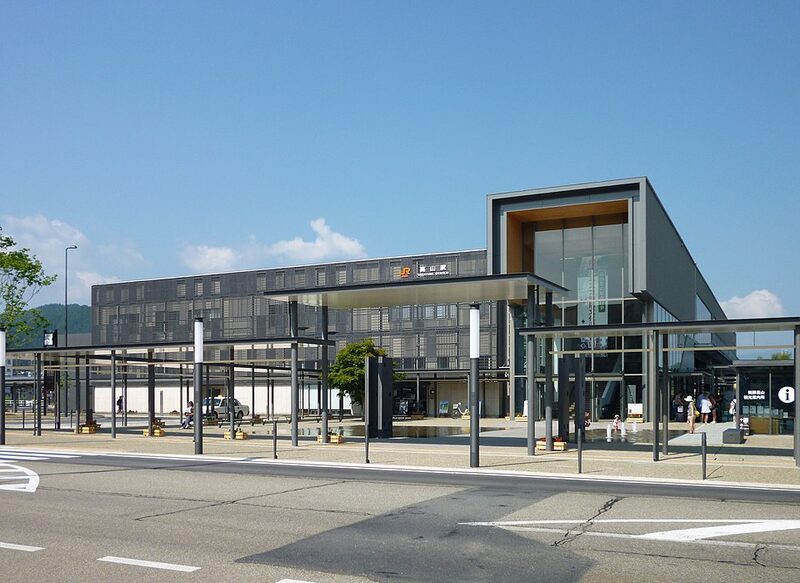
Takayama isn’t on a bullet train line, which is part of what keeps it from being overrun. Getting here takes effort, but the journey is beautiful.
From Nagoya: The JR Wide View Hida limited express runs directly to Takayama Station in about 2.5 hours. It’s a scenic ride — the train follows river valleys and cuts through increasingly mountainous terrain as it climbs into the Hida region. Covered by the Japan Rail Pass. Trains run roughly every hour or two, so it’s a straightforward connection. Nagoya itself is about 1 hour 40 minutes from Tokyo by shinkansen, making the total Tokyo-Nagoya-Takayama route about 4.5 hours including the transfer.
From Tokyo (direct bus): Highway buses run direct from Shinjuku Bus Terminal (Busta Shinjuku) to Takayama in about 5.5 hours for around ¥6,500 each way. Cheaper than rail and no transfer, but you’re on a bus for half a day. Overnight buses are also available — leave Shinjuku around 11pm, arrive in Takayama by early morning. Not the most comfortable sleep, but it works and saves a night’s accommodation.
From Kanazawa/Toyama: Nohi Bus runs from Kanazawa to Takayama in about 2 hours for around ¥3,600. From Toyama, the JR Hida limited express takes about 1.5 hours. This routing works well if you’re coming south from the Hokuriku region after visiting Kanazawa’s Kenrokuen Garden or the Kurobe Gorge area.
From Kyoto or Osaka: No direct connection exists. The standard route goes through Nagoya — take the shinkansen to Nagoya, transfer to the Hida limited express. Total journey is about 4 hours from Kyoto, 4.5 from Osaka. It’s doable as a travel day, but you’ll arrive in the afternoon.
Once in Takayama, the town is very walkable. The old town, morning markets, Jinya, and Yatai Kaikan are all within 10-15 minutes of the station on foot. For the Folk Village and more distant spots, the local bus system is cheap (¥100-210 per ride) and easy to figure out.
When to Visit
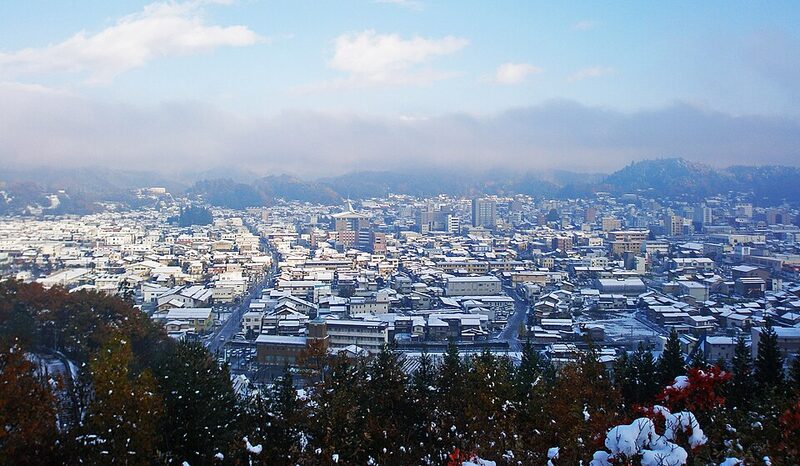
Each season brings something different to Takayama, but some periods are notably better than others.
Spring (April-May): Cherry blossoms hit Takayama later than most of Japan because of the altitude — usually mid to late April when they’re long gone in Tokyo and Kyoto. The Sanno Festival on April 14-15 is a major draw but means packed accommodation, inflated prices, and standing-room-only at the parade routes. If you’re not specifically coming for the festival, late April and May are ideal. Pleasant temperatures for walking, the mountains are greening up, and tourist numbers haven’t hit their autumn peak yet.
Summer (June-August): Warm and humid in town, but Takayama’s elevation keeps things more bearable than the lowland cities where summer is genuinely oppressive. This is prime season for Kamikochi day trips and mountain hiking. Rainy season hits in June and early July, so bring rain gear. The upside of summer is that it’s lower season for international travelers, so accommodation is easier to find and cheaper, and the old town streets are noticeably less hectic.
Autumn (October-November): If someone forces you to pick one season, pick autumn. The mountains surrounding Takayama erupt in red, orange, and gold from mid-October, and the contrast against the dark wooden buildings of the old town is absurdly photogenic. The Hachiman Festival falls on October 9-10, which is a draw in itself. Temperatures are comfortable for all-day walking. The downside is that everyone else has figured out that autumn is the best time too. Book accommodation well ahead, especially around festival dates and peak foliage weeks.
Winter (December-March): Cold. Properly cold — Takayama sits in a mountain basin and gets heavy snow. Temperatures regularly drop well below freezing, and the wind off the Alps cuts through you. But the town under snow is undeniably beautiful, and winter is the prime season for visiting Shirakawa-go with its famous snow-covered farmhouses. Hot spring ryokans become very appealing when it’s minus five outside. The morning markets still run, just with shorter hours and fewer stalls. If you can handle real winter weather (and pack for it — mountain winter, not city winter), the reduced crowds and the scenery make it worthwhile.
Where to Stay
Takayama has two very different accommodation experiences, and the choice matters more here than in most Japanese cities.
Ryokan (traditional Japanese inn): This is the move, and Takayama is one of the better places in Japan to try one if you haven’t before. Tatami-mat rooms, futon beds laid out by staff while you’re at dinner, communal or private onsen baths, and multi-course kaiseki dinners featuring Hida beef, river fish, mountain vegetables, and local sake. Breakfast is included too — typically a spread of grilled fish, miso soup, pickles, rice, and various small dishes that’s far more food than you need but too good to leave.
Prices range from about ¥12,000 per person at the simpler places to ¥40,000 or more at the high-end ryokans with private outdoor baths and premium beef courses. The practical advantage beyond atmosphere: ryokan stays get you up early with a big breakfast already in your stomach, and you can be in Sanmachi Suji before anyone at the business hotels has even checked the weather. Some ryokan here are fed by natural hot springs, so the baths have mineral content that actually does something for sore legs after a day of walking.
Business hotels near the station: Cheaper (¥6,000-10,000 per room), efficient, and fine if you don’t care about the traditional experience. Several chains have outposts within five minutes of Takayama Station. They get the job done. But you’re in Takayama — one of the few places where the ryokan experience is accessible and well-priced compared to resort areas like Hakone. Do the ryokan thing for at least one night if your budget allows it.
Book ahead during festival dates (April 14-15, October 9-10), autumn leaf season (mid-October to early November), and the New Year period. Outside those windows, finding a room at short notice is rarely a problem.
Practical Details
Money: Cash is still king in Takayama. Morning market stalls, many smaller restaurants, some craft shops, and even a few attractions are cash only. There are 7-Eleven and Lawson convenience stores with international ATMs near the station. Withdraw enough yen for the day before heading into the old town — you don’t want to be hunting for an ATM when you’re holding a cup of sake and eyeing a beef skewer.
Language: Less English spoken here than in Tokyo or Kyoto, which is both charming and occasionally inconvenient. The tourist information centre at the station has English-speaking staff and is genuinely helpful — they’ll mark up a map for you and help with bus reservations. Signage at the major attractions is bilingual. At restaurants, pointing at photos on the menu works fine. Learn “sumimasen” (excuse me), “kore kudasai” (this one please), and “oishii” (delicious) and you’ll get through most interactions with smiles on both sides.
Luggage storage: Coin lockers at Takayama Station in various sizes, including ones big enough for full suitcases. If you’re passing through and want to explore before your onward connection, drop your bags here. They fill up by mid-morning during peak season.
Tourist information: The Hida-Takayama Tourist Information Centre is right outside the station’s east exit. Pick up their walking map — it’s genuinely more useful than Google Maps for navigating the old town’s narrow streets because it marks all the breweries, museums, market locations, temples, and bus stops. For broader travel planning, Japan’s official tourism site has updated transport timetables and seasonal event listings.
How long to spend: Two full days covers the old town, both morning markets, sake tastings, Jinya, Yatai Kaikan, and one day trip (either Shirakawa-go or Hida-Furukawa). Three days lets you add the Folk Village, the Higashiyama Walking Course, a second day trip, and time to just sit by the river and not be in a hurry. One day is doable if you’re just passing through, but you’ll leave wishing you’d stayed longer.