
This article contains affiliate links. If you book through these links, I earn a small commission at no extra cost to you.
Croatia went from a relatively unknown destination to one of the most popular countries in the Mediterranean in about fifteen years. The combination of 1,200 islands, crystal-clear water, ancient walled cities, affordable prices (by Western European standards), and eight national parks packed into a country smaller than West Virginia makes it one of the most efficient places in Europe to visit. You can swim in the morning, explore Roman ruins at lunch, hike a waterfall in the afternoon, and eat fresh grilled fish watching the sunset — all in the same day.
This guide covers everything you need to plan a trip to Croatia, from the practical basics to the things nobody tells you until you arrive.
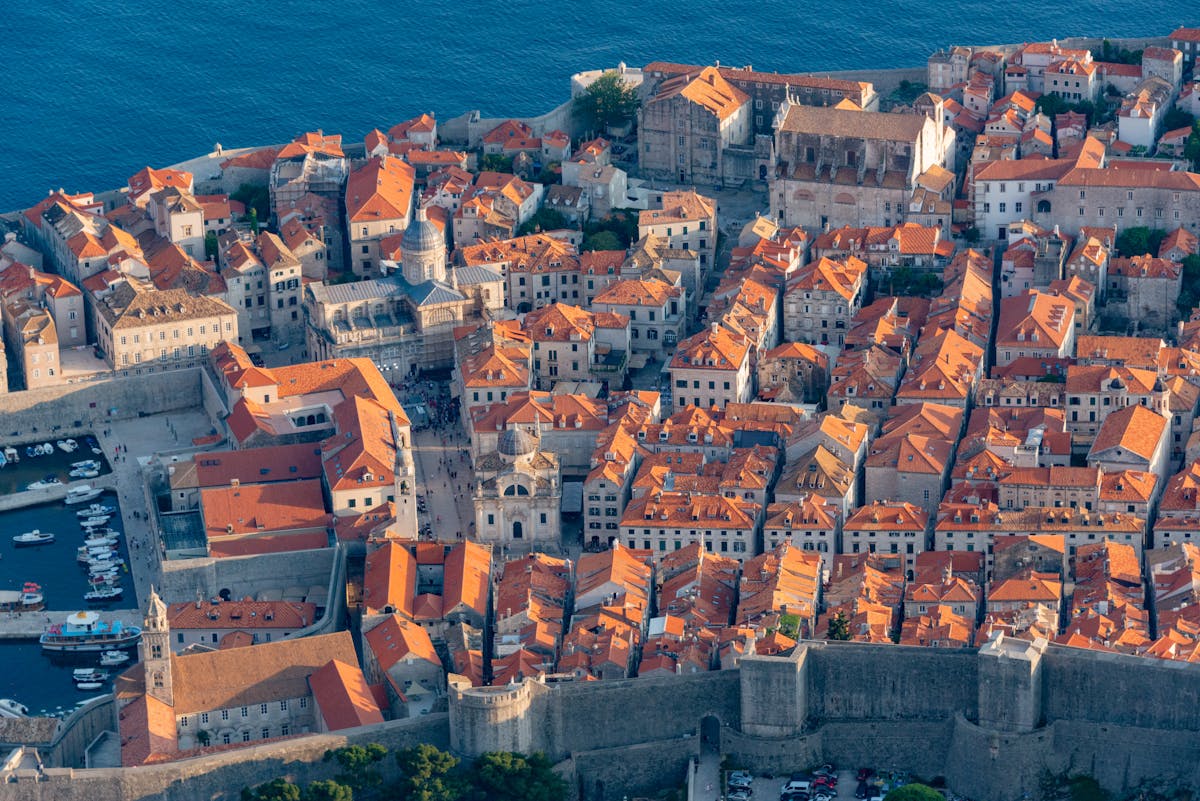
The Highlights
Croatia has three distinct regions for visitors, each with its own character:
Dalmatia (the southern coast): This is what most people picture when they think of Croatia. Dubrovnik, Split, the islands (Hvar, Brač, Vis, Korčula), and the beaches. Medieval walled cities, crystal-clear water, seafood restaurants, and the buzz of one of Europe’s hottest summer destinations. If you only have a week, spend it here.
Istria and Kvarner (the north coast): Italian-influenced architecture, truffle country, excellent wine, and quieter beaches. Rovinj is the standout town — a pastel-coloured fishing village on a peninsula that looks like something from an Italian movie. Pula has a remarkably well-preserved Roman amphitheatre. Less crowded than Dalmatia, more foodie-oriented.
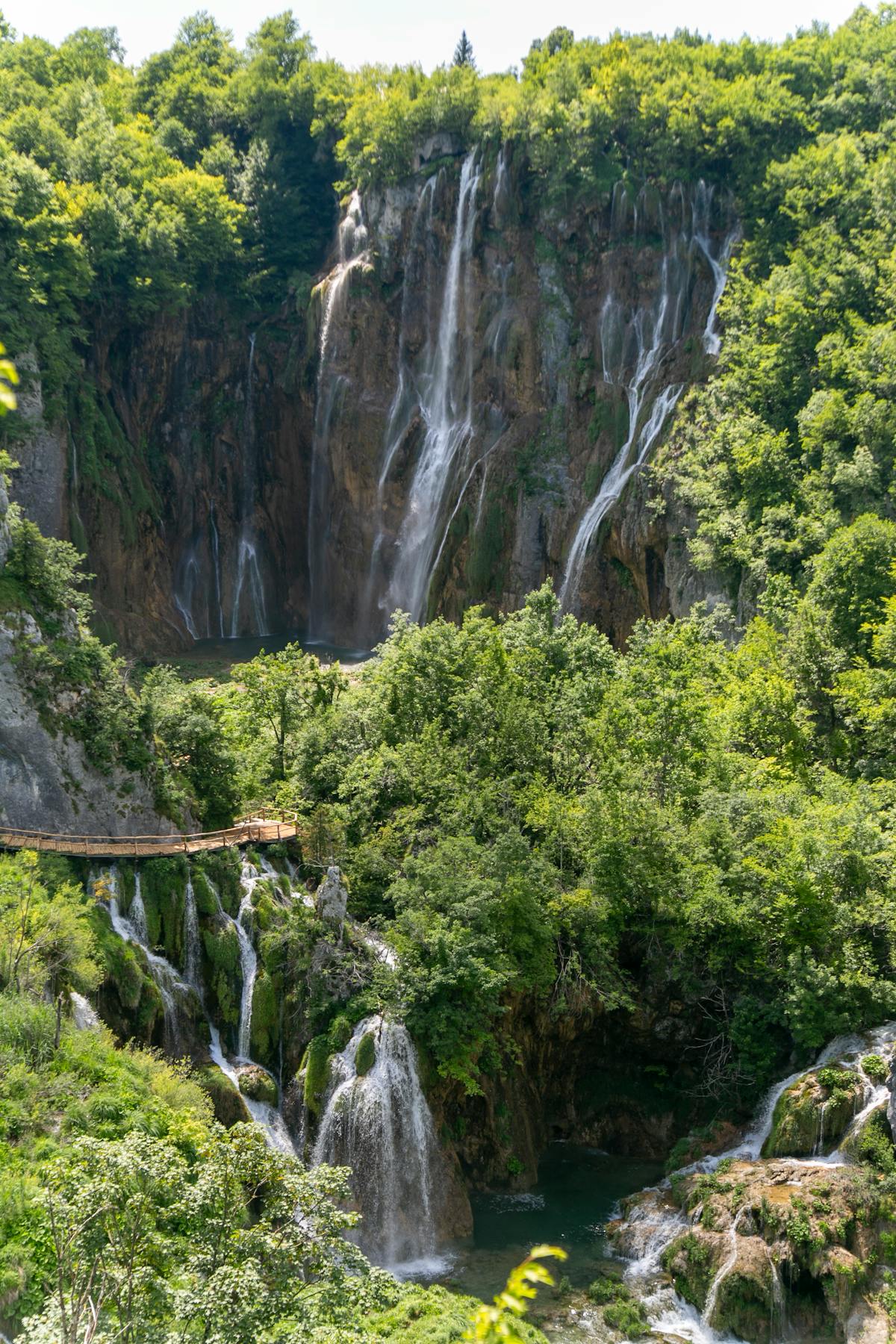
Zagreb and the interior: Croatia’s capital is often skipped by travelers heading straight to the coast, which is a mistake. Zagreb has a vibrant cafe culture, excellent museums, a historic upper town, and some of the best nightlife in Southeast Europe. The interior also has national parks — Plitvice Lakes is the most famous, but Krka, Paklenica, and Risnjak are all worth visiting.
When to Go
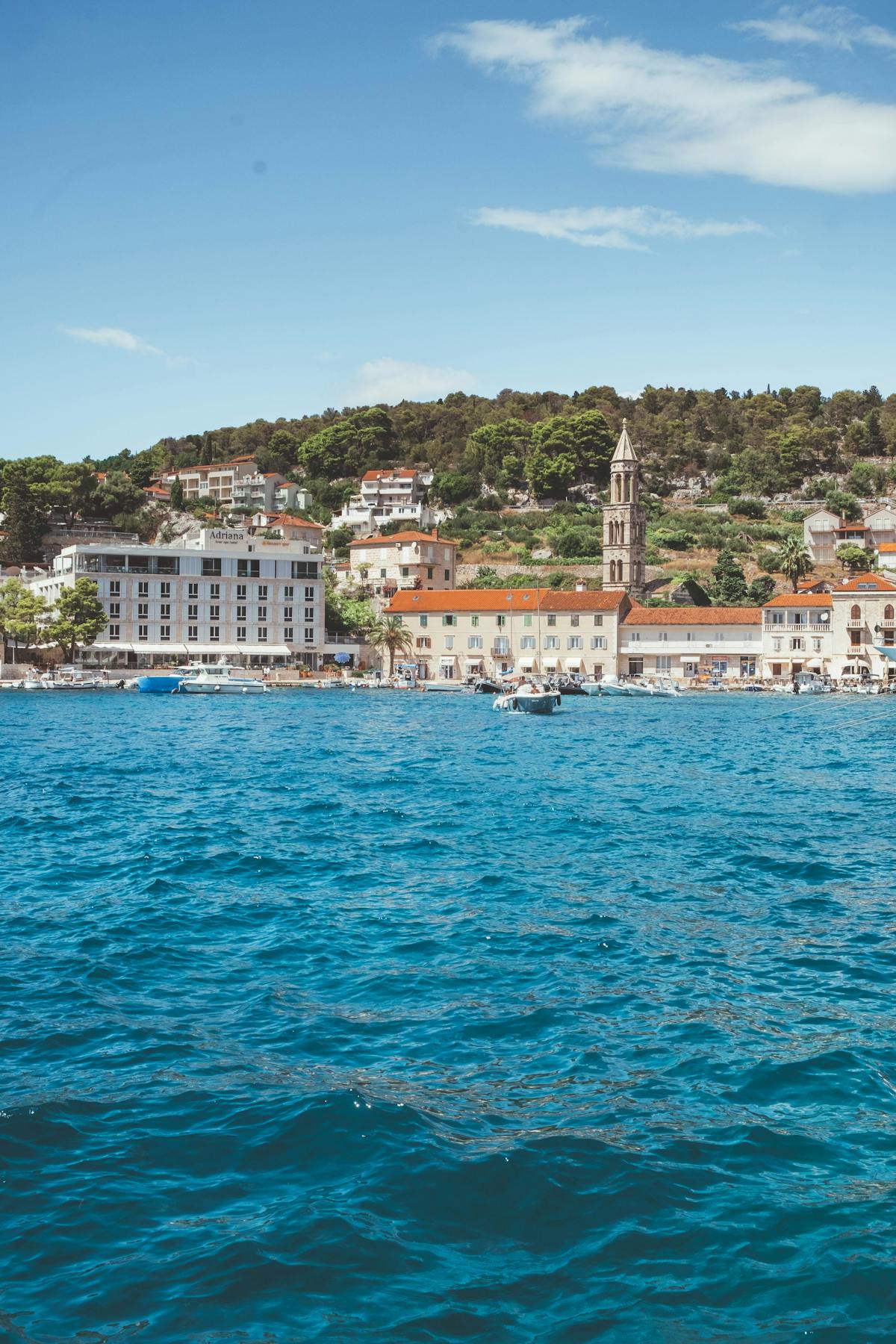
The best time to visit Croatia is late May through June or September. The weather is warm, the sea is swimmable, and the crowds are manageable. July and August are peak season — the hottest weather, the warmest water, but also the highest prices and the biggest crowds.
Quick summary: June for the sweet spot. September for warm water and fewer people. May and October for shoulder season deals. Winter for Zagreb Christmas markets and empty Dubrovnik at half the price.
Money and Costs
Croatia uses the euro (adopted January 2023). Cards are widely accepted but carry cash for markets, small islands, and parking machines.
Budget guide for the coast:
- Budget: €40-60/day (hostels, supermarket meals, free beaches)
- Mid-range: €80-150/day (apartment rental, eating out once daily, one paid activity)
- Comfort: €150-250/day (hotel, eating out twice, tours and activities)
- Dubrovnik premium: Add 30-50% to all of the above
Getting Around
Flights: Zagreb, Split, and Dubrovnik all have international airports. Split and Dubrovnik are the most common entry points for coastal trips. Low-cost carriers (Ryanair, EasyJet, Eurowings) serve all three from major European cities.
Ferries: Essential for island hopping. Jadrolinija is the main operator, with car ferries and catamarans connecting the mainland to all major islands. Krilo runs fast catamarans on popular routes (Split-Hvar-Korčula-Dubrovnik). Book car ferry slots in advance for summer.
Buses: Croatia’s intercity bus network is reliable and affordable. Flixbus and Croatia Bus connect all major cities. Zagreb to Split takes about 5 hours (€15-25). Split to Dubrovnik takes about 4 hours (€15-20).
Driving: The A1 motorway from Zagreb to Split is excellent. The coastal road is scenic but slow. Parking in coastal towns during summer is extremely limited and expensive. If you plan to stick to Split, Dubrovnik, and the islands, you do not need a car.
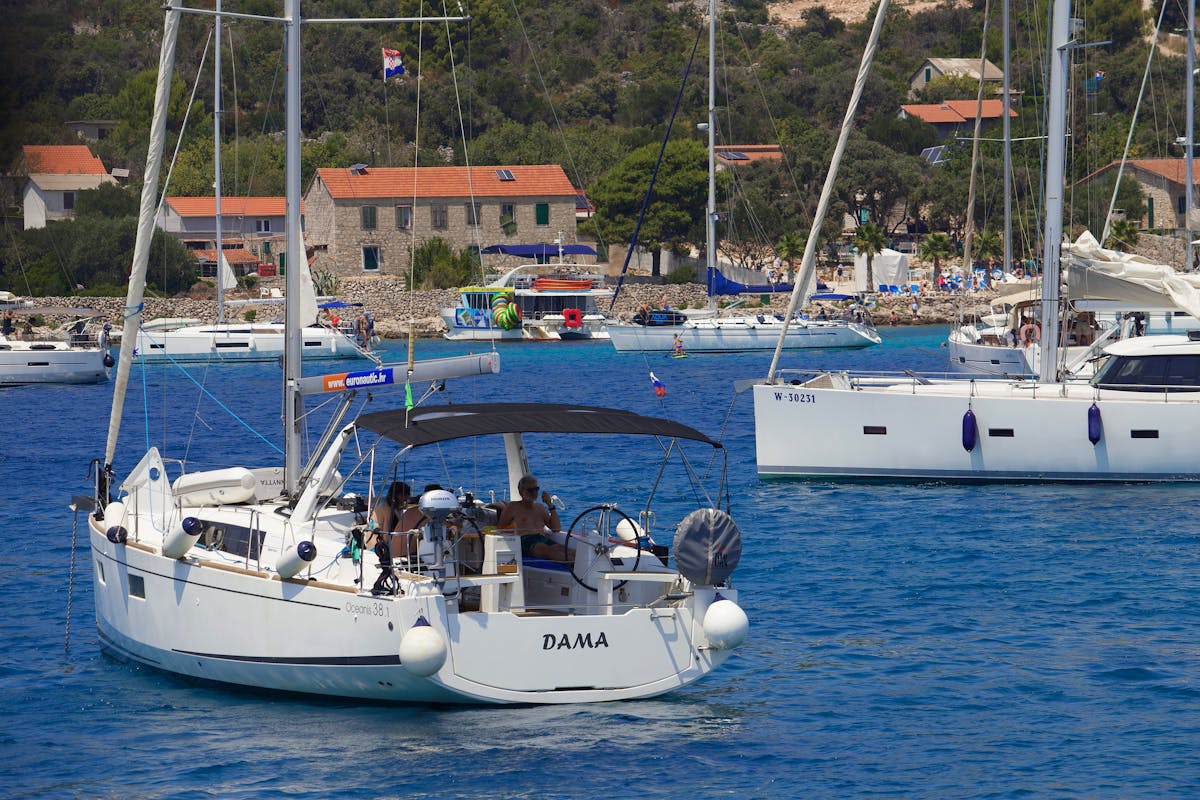
Sailing: Croatia is one of the best sailing destinations in the world. Charter a boat, join a cabin cruise, or take a gulet trip. The coast was made for exploring by water.
Where to Stay
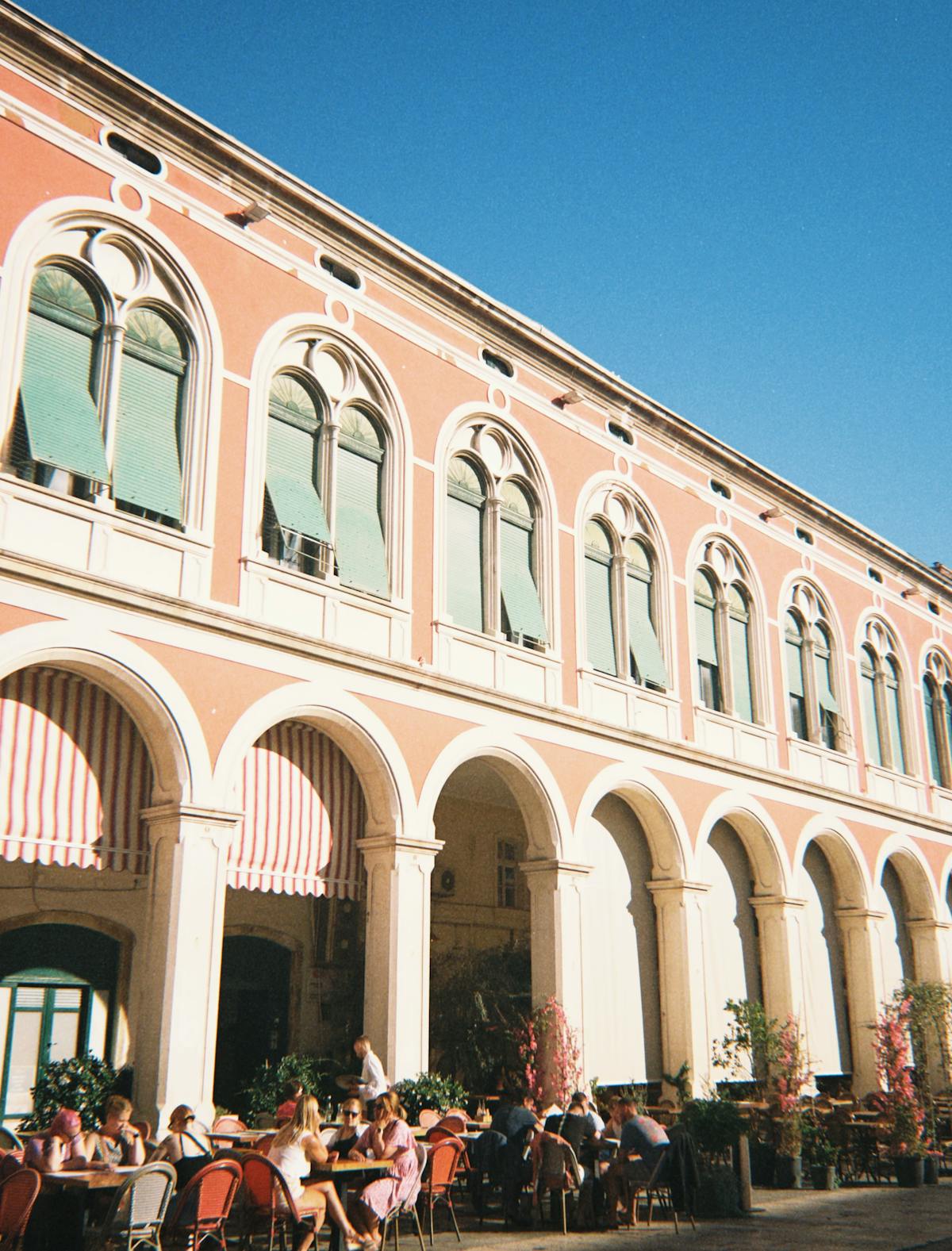
Accommodation ranges from €15/night hostels to €500/night luxury hotels. Apartments (via Booking.com and Airbnb) offer the best value for families and groups. A few base-city recommendations:
- Split: Best hub for island hopping. Central, affordable, great food scene. Stay in Varoš neighbourhood for atmosphere without Old Town prices.
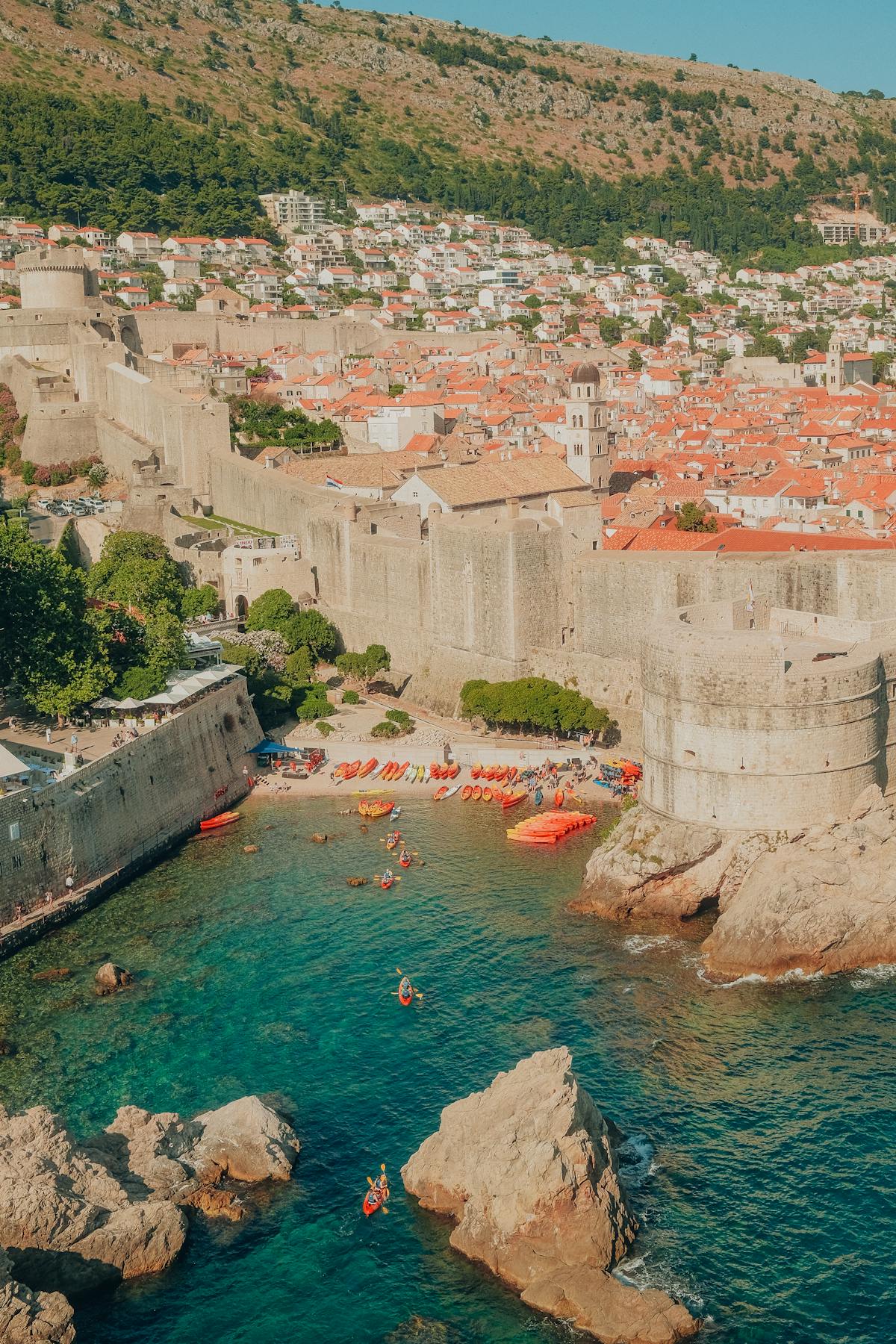
- Dubrovnik: Essential for 2-3 days. Stay in Lapad or Gruž for better value and bus into the Old Town. Inside the walls is atmospheric but expensive.
- Zadar: Underrated base for northern Dalmatia. Beautiful old town, Sea Organ, access to Kornati and Krka national parks.
- Rovinj: Best base for Istria. Charming town, excellent restaurants, quieter than Dalmatia.
Safety
Croatia is very safe for travelers. It ranks in the top 20 on the Global Peace Index. Violent crime against travelers is essentially unheard of. Petty crime (pickpocketing) is lower than in most Western European cities. The biggest risks are sunburn and overpriced fish.
Food and Drink
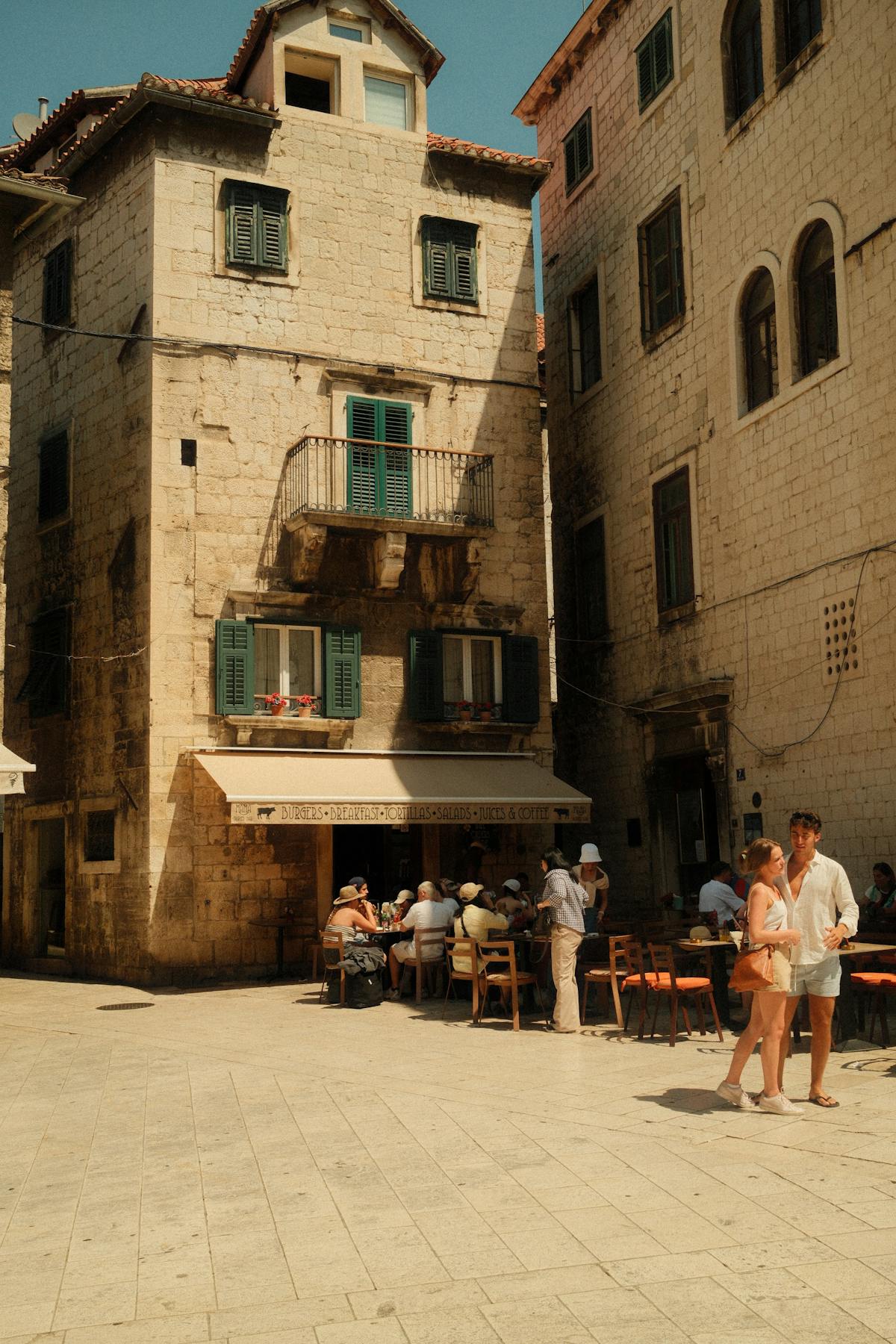
Croatian food is better than most people expect. The Dalmatian coast is seafood-heavy — grilled fish, octopus, black risotto, peka (slow-cooked under a bell). Istria is truffle country with Italian influences. Zagreb and the interior lean toward Central European — heavier meats, stews, and pastries.
Essential dishes: ćevapi (grilled meat sausages), peka, fresh grilled fish, black risotto, burek (flaky pastry), soparnik (chard pie).
Drink local wine — Croatia has excellent wine that costs a fraction of imported alternatives. Plavac Mali (red), Malvazija (white from Istria), Pošip (white from Korčula), and Graševina (white from Slavonia) are all worth trying.
For restaurant guides, see our detailed articles on eating in Dubrovnik.
Suggested Itineraries
One week (coast only): Fly into Split. Day 1-2 in Split (palace, Marjan Hill, food). Day 3 ferry to Hvar or Vis. Day 4-5 bus or ferry to Dubrovnik. Day 6-7 in Dubrovnik (walls, kayak, Lokrum). Fly out of Dubrovnik.
10 days (coast + parks): Same as above but add 2 days: a day trip to Krka from Split, and a day trip to Plitvice from Zagreb (start or end the trip in Zagreb). Or add an extra island day.
Two weeks (everything): Start in Zagreb (2 days), drive to Plitvice (1 day), down to Zadar (2 days, visit Kornati), Split (3 days with island trips), then south to Dubrovnik (3 days). Or replace Zagreb with Istria (Rovinj, Pula, truffle hunting).
Sailing week: Charter from Split or Trogir. Visit Šolta, Brač, Hvar, Vis, Korčula over 7 days. Return to Split.
Essential Tips
- Bring water shoes — most beaches are pebble, not sand, and sea urchins are common on rocky coastlines
- Book ferries and popular restaurants in advance for July-August
- Avoid cruise ship days in Dubrovnik — check the port authority website for schedules
- Download the Jadrolinija app for ferry schedules and the Windy app for weather
- Drink tap water — it is safe and excellent quality throughout Croatia
- Learn a few Croatian words: hvala (thank you), molim (please), dobar dan (good day). Locals appreciate the effort
- The coast faces west — sunsets are spectacular. Plan your evenings accordingly
- Many parking machines on the coast are coin-only — carry euro coins
- Cell coverage is excellent across the country. EU roaming rules apply for EU residents
Croatia is one of those rare destinations where the reality matches the photographs. The water really is that clear, the old towns really are that beautiful, and the food really is that good. Give it a week minimum, two if you can, and do not try to see everything — the best trips focus on one or two areas rather than racing up and down the coast. Pick your corner, slow down, and enjoy it.