
This article contains affiliate links. If you book through these links, I earn a small commission at no extra cost to you.
Split is a better food city than Dubrovnik. That is not a controversial opinion among people who have spent time in both. Split has a larger local population, a real working food culture rather than a tourist-driven one, and prices that do not make you question your life choices. The fish is equally fresh — it comes from the same Adriatic — but a meal that costs €35 in Dubrovnik costs €18 in Split.
The food here is Dalmatian through and through: grilled fish, octopus under the bell, black risotto, pršut (cured ham), olive oil, and local wine. But Split also has Bosnian-influenced grills, modern Mediterranean bistros, and a bakery scene that makes breakfast easy and cheap. Knowing where to go is the difference between an average tourist meal and something genuinely memorable.
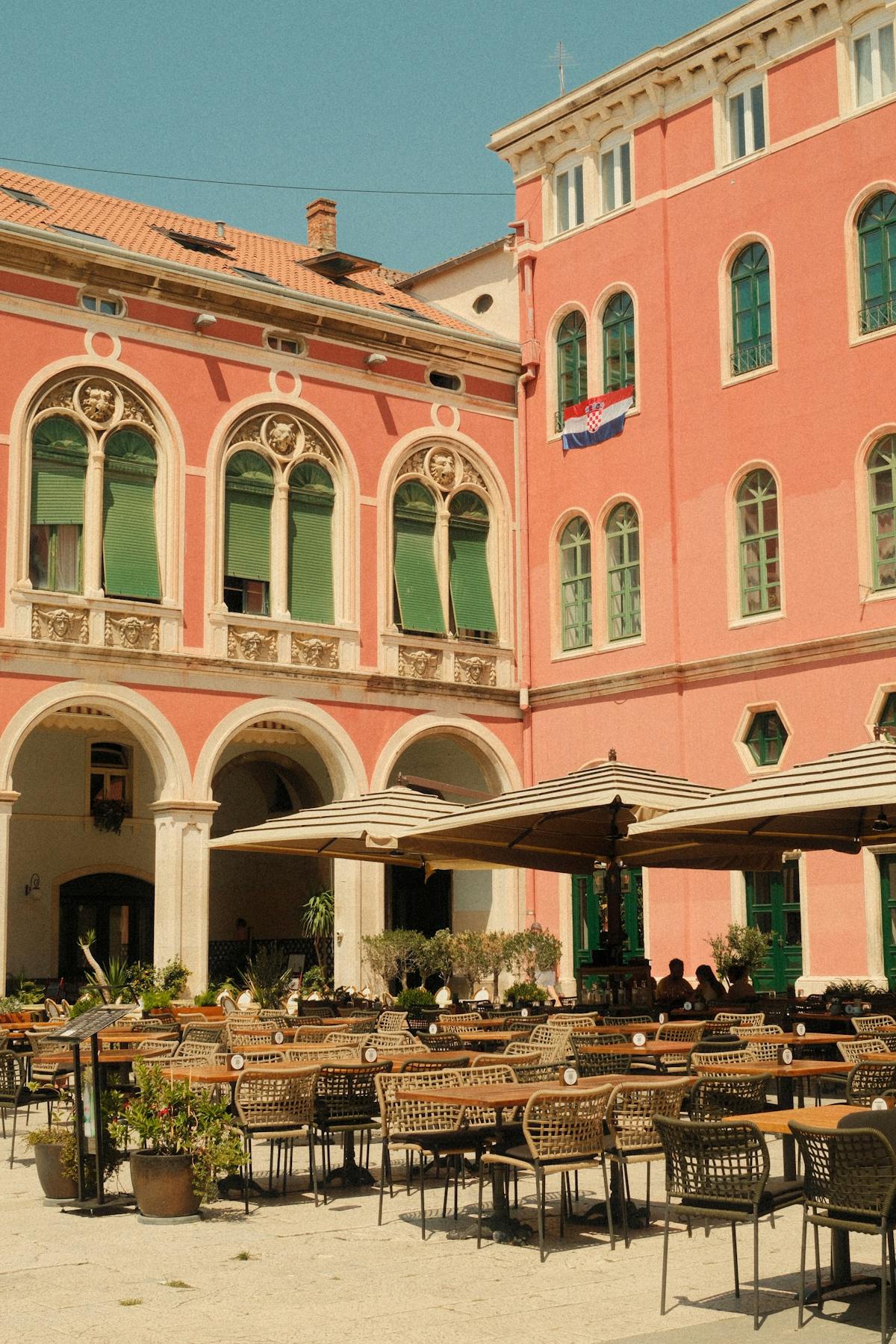
The Rules of Eating in Split
A few things to know before you start:
- Avoid the Riva. The waterfront promenade restaurants charge tourist premiums for mediocre food. Walk two minutes into the back streets for better food at better prices.
- Try marenda. Many traditional konobas serve marenda (brunch) from around 10:30am to 2pm. This is homestyle Dalmatian cooking — stews, grilled fish, beans — at the most affordable prices of the day. It is what locals eat and it is excellent.
- Dinner starts late. Restaurants do not really get going until 7-8pm. In summer, locals eat even later. Do not expect a full dinner menu at 6pm.
- Fish is priced per kilo. Always ask the price before ordering whole grilled fish. A 500g fish at €50/kg is a €25 dish. Check before committing.
- Order local wine. Plavac Mali (red) and Pošip (white) from the nearby islands are excellent and cost a fraction of imported alternatives. €3-5 per glass versus €8-10 for anything imported.
Traditional Konobas and Dalmatian Food
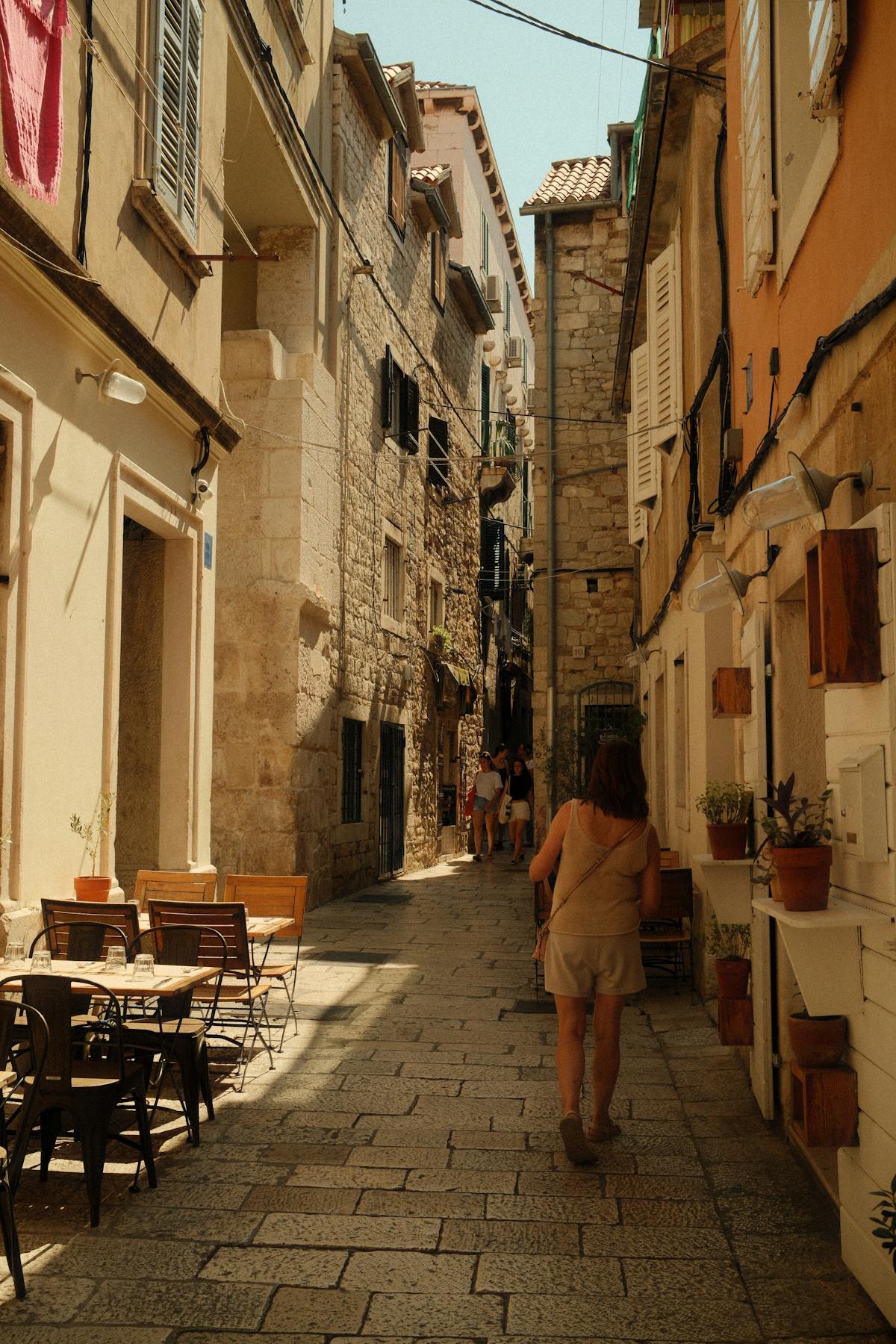
These are the places where you eat like a local. Small, often family-run, with daily menus based on what was fresh at the market that morning:
Konoba Matejuška — next to the tiny fishing harbour of the same name, just west of the Riva. This is as local as it gets. Daily catch grilled simply, octopus salad, plates of pršut and cheese. Small, crowded, no reservations — arrive early. The setting by the harbour with fishing boats bobbing is perfect.
Konoba Fetivi — in the back streets near Diocletian’s Palace. Genuine Dalmatian cooking: pašticada (sweet and sour beef stew with gnocchi), peka, grilled fish. Popular with locals and in-the-know visitors. Book for dinner in summer.
Konoba Hvaranin — slightly outside the tourist zone, which means better prices. Serves food from Hvar island — seafood, grilled meats, and Hvar wines. The octopus peka is excellent.
Villa Spiza — a tiny counter-service place in the Old Town that serves whatever the chef cooked that day. The menu changes daily — it is written on a small chalkboard. Expect 3-4 options (usually one fish, one meat, one vegetarian). Everything is fresh and homemade. There are only a few tables — arrive at noon or expect a wait.
Seafood Restaurants
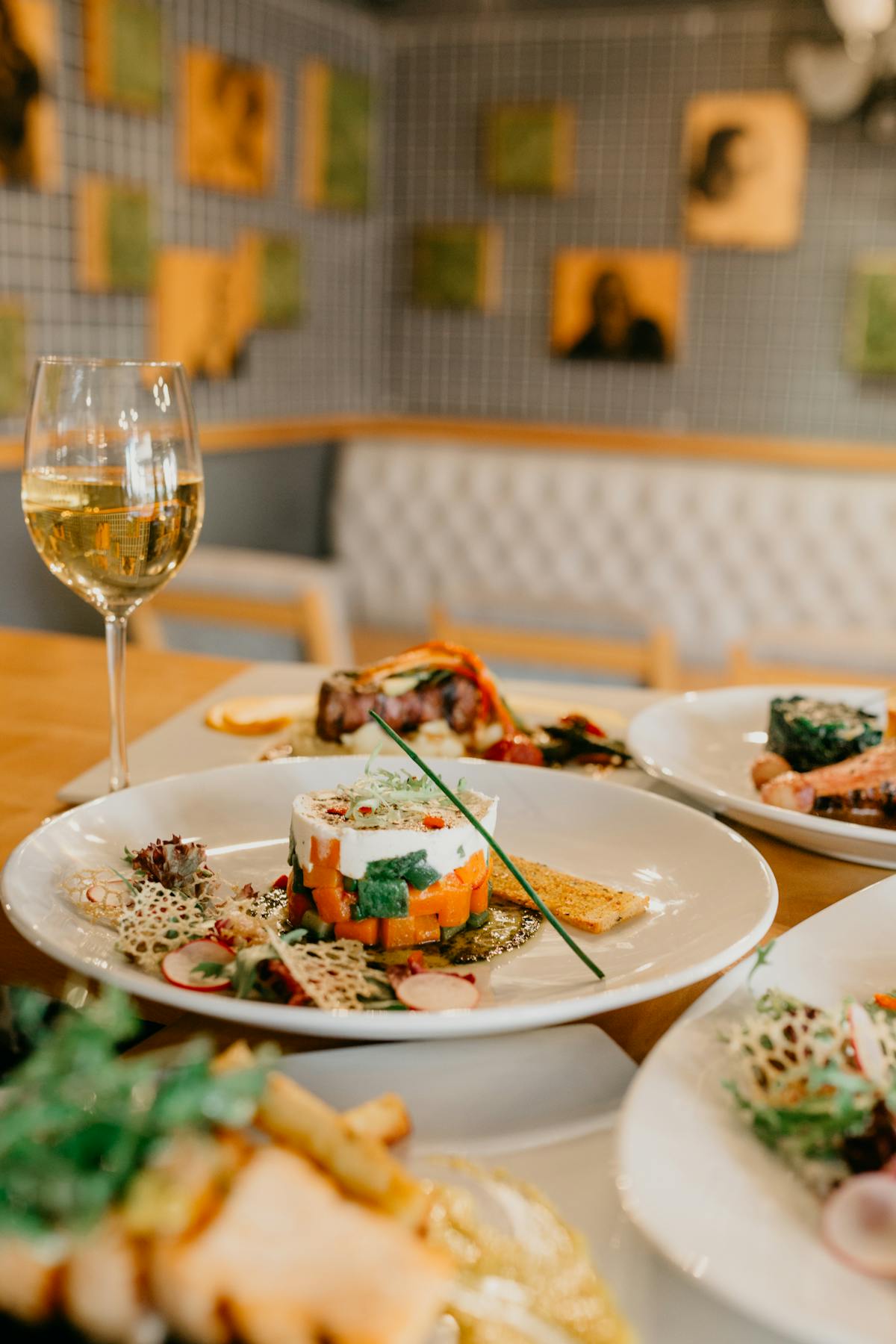
Split’s seafood is exceptional. The fish comes from the Adriatic daily, and the best restaurants cook it simply — grilled whole, drizzled with olive oil, served with Swiss chard and potatoes:
Dvor — a splurge option east of the Old Town, right on the water. Beautiful terrace with sea views. Fish and seafood are the speciality. Main courses €25-40. The setting alone makes it worth the premium. Book well in advance for terrace seating at sunset.
Šug — modern Mediterranean cooking with strong Dalmatian roots. Creative seafood dishes, excellent presentation, a wine list focused on Croatian producers. More refined than a konoba but not stuffy. Main courses €18-30. Consistently rated among the best restaurants in Split.
Bokeria Kitchen and Wine — named after Barcelona’s famous market. Modern Dalmatian with international touches. Tuna tartare, risottos, grilled catch of the day. Good wine selection. Popular with a slightly younger crowd. Central location.
Budget and Casual Eating
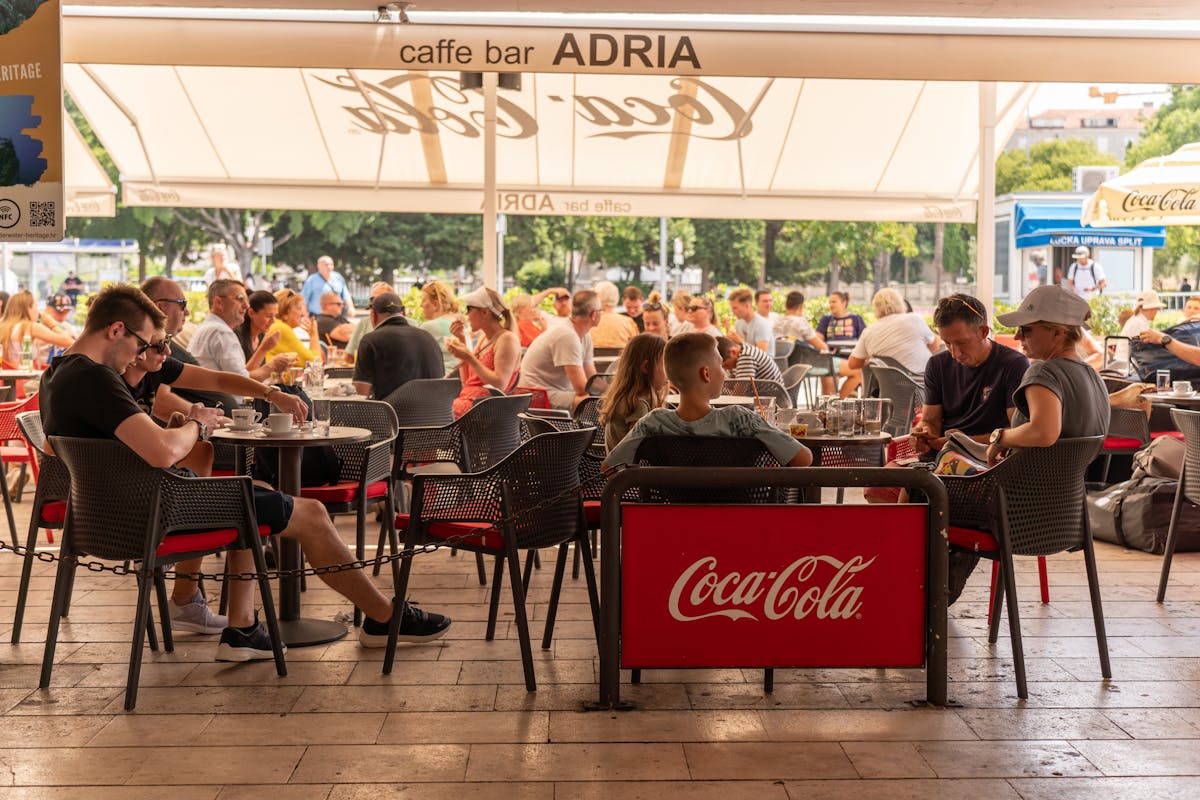
You can eat well in Split on a tight budget:
- Bakeries: Burek (flaky pastry with cheese, meat, or spinach) from any bakery is €2-3 and makes a solid breakfast or snack. The bakeries inside the Green Market area are best.
- Ćevapi: Available at dozens of small restaurants and takeaway joints. A full plate with flatbread, onions, and ajvar runs €5-7. Arguably the best cheap meal in Croatia.
- Pizza: Several pizza places in the Old Town serve decent pizza for €8-12. Not fine dining but reliable and filling.
- Green Market (Pazar): Buy fruit, bread, and local cheese at the market outside the Silver Gate. Fresh seasonal produce — figs, peaches, tomatoes in summer — for very little money.
- Fish Market (Peškarija): If you have access to a kitchen (many apartments do), buy fish at the morning market and cook it yourself. It is an experience in itself.
Drinks and Coffee
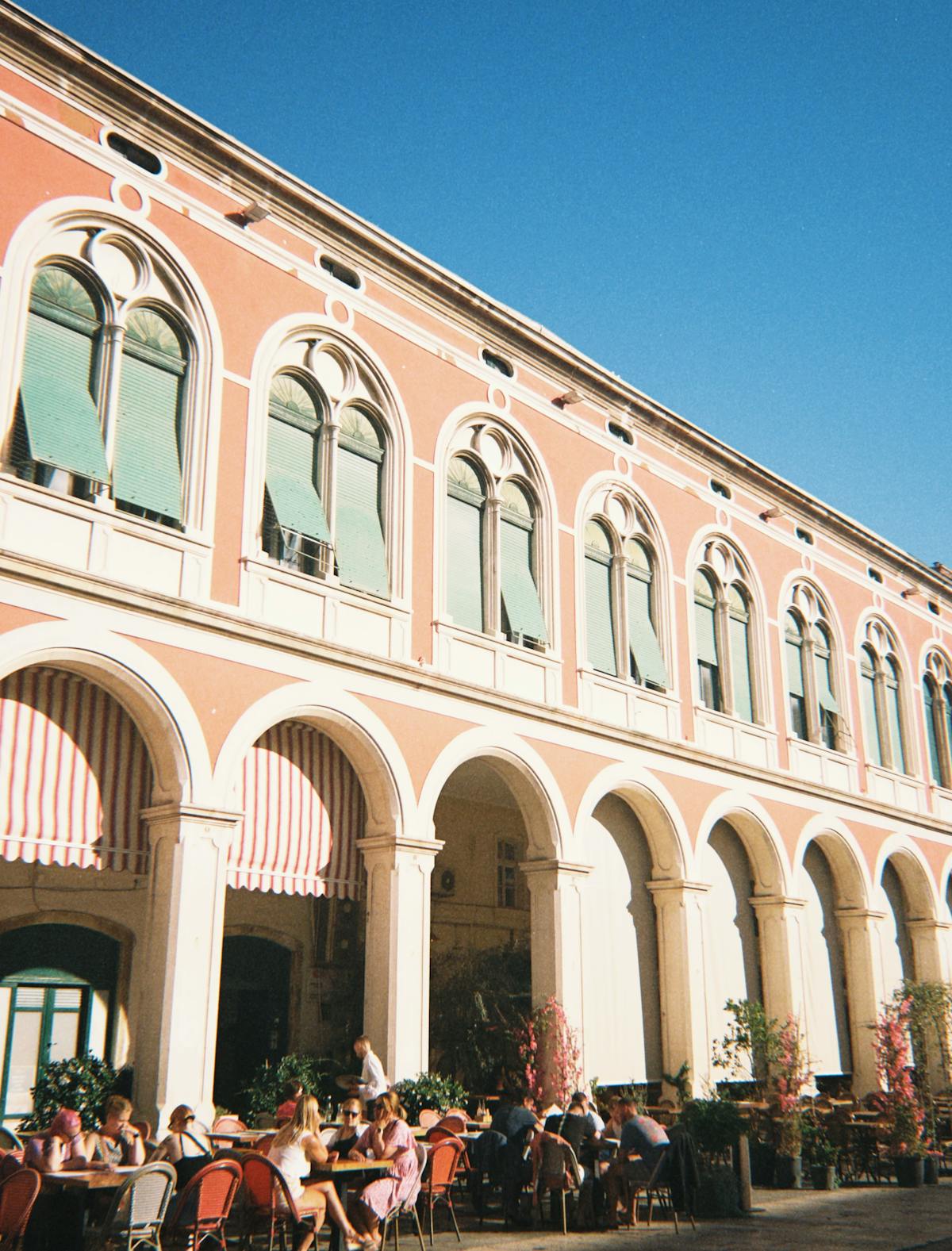
Split’s cafe and bar scene is excellent. The Riva is the centre of social life — locals go there for morning coffee and evening drinks, and the people-watching is outstanding. Prices are reasonable: espresso €1.50-2.50, local beer €3-4, cocktails €7-10.
For craft beer, try Pivnica Pivac (good selection of Croatian craft beers) or any of the small bars in the backstreets off the Riva. For wine, the wine bars inside the Palace walls serve local Dalmatian wines by the glass at very reasonable prices.
For the quintessential Split experience: sit on the Riva with a coffee, watch the ferries come and go, and do not be in a hurry to leave. This is how locals spend their mornings, and there is no better way to understand the rhythm of the city.
Where to Eat by Neighbourhood
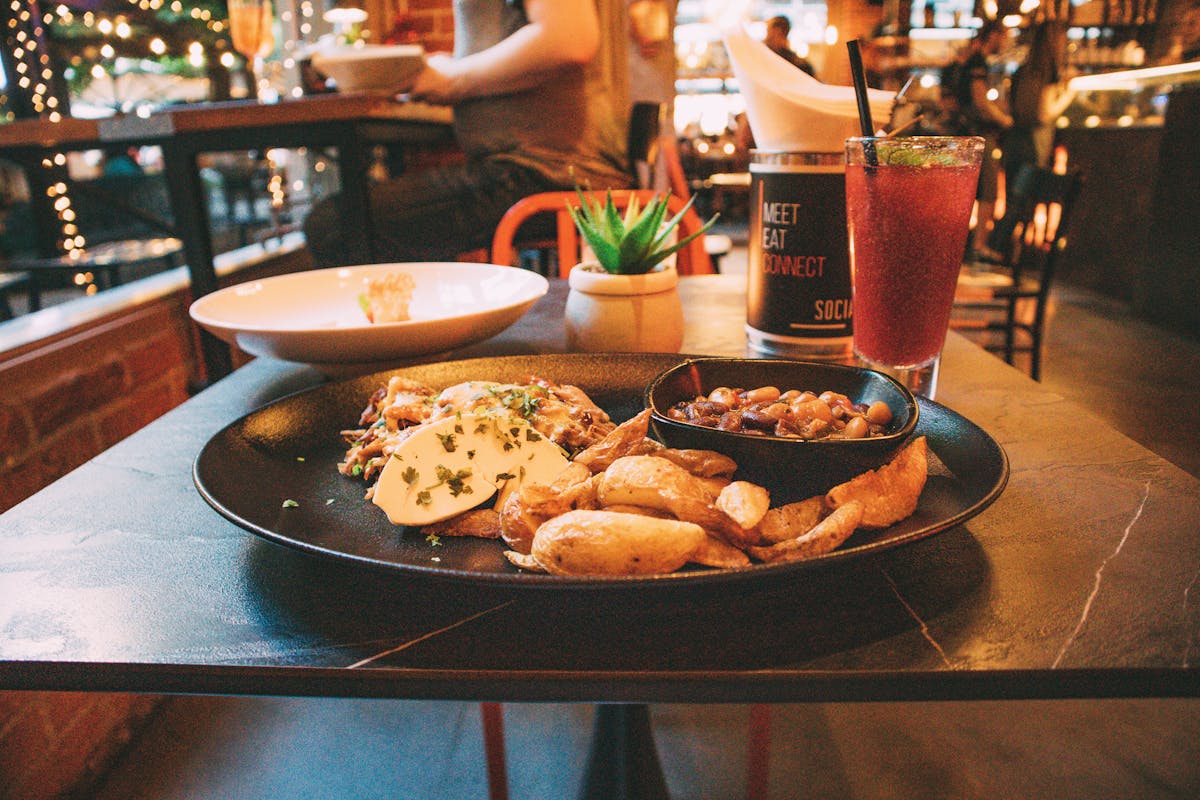
Inside Diocletian’s Palace: Tourist-heavy but some gems. Villa Spiza for daily specials, Konoba Fetivi for traditional Dalmatian. Avoid the restaurants right on the Peristyle — they charge for the setting.
Varoš: The old fishermen’s quarter west of the Palace. Best neighbourhood for authentic konobas and affordable food. Konoba Matejuška, No 3 (small bistro), and several unmarked konobas worth discovering.
The Riva and waterfront: Fine for drinks and people-watching. Less good for food value. If you eat here, stick to simple dishes — coffee, drinks, or a pizza — rather than full meals.
Bačvice and east: The beach neighbourhood has good casual restaurants. Slightly cheaper than the Old Town. Better for families.
Marjan Hill area: A few restaurants on the road to Marjan serve seafood with sea views at better prices than the Old Town. Worth the 15-minute walk.
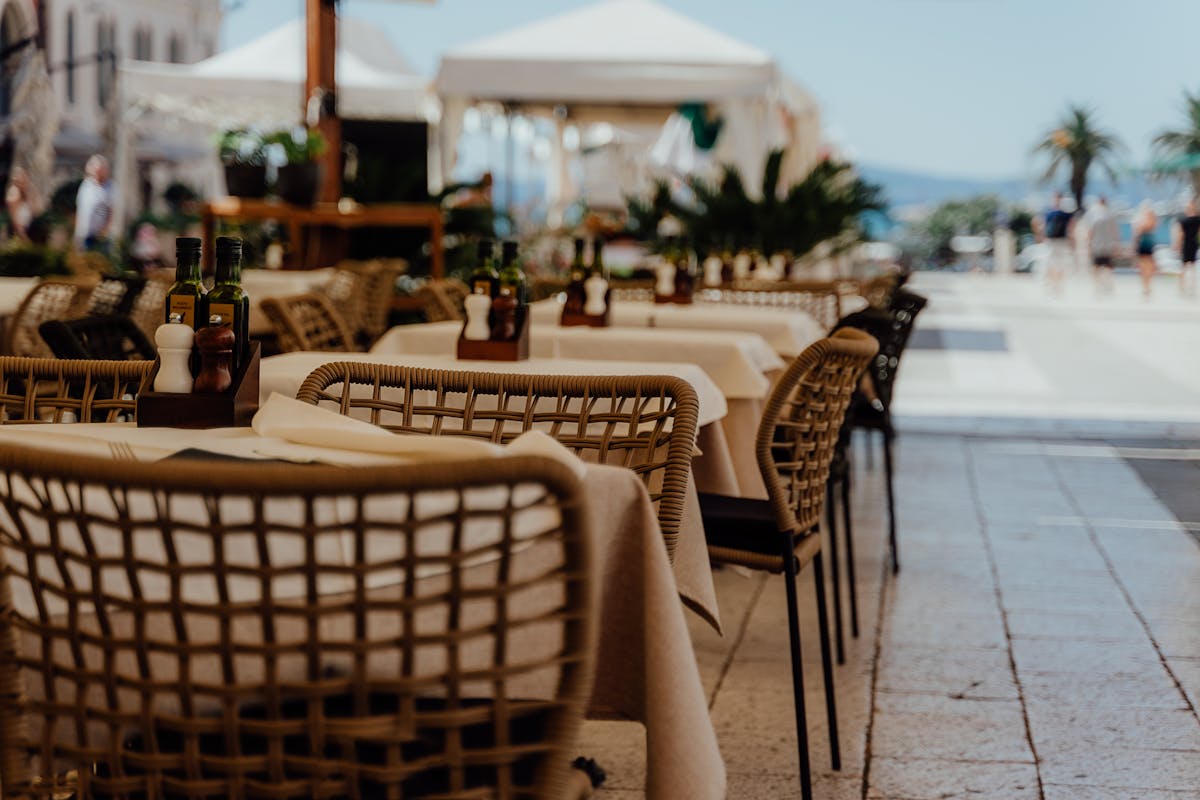
Split’s food scene punches above its weight. It has the advantage of being a real city where locals eat out regularly, which keeps standards high and prices honest. Unlike Dubrovnik, where the tourist premium is built into every menu, Split gives you genuine Dalmatian cooking at prices that feel fair. Eat at the konobas, try the marenda, drink the local wine, and you will eat some of the best food of your trip.