
This article contains affiliate links. If you book through these links, I earn a small commission at no extra cost to you.
Croatia is small enough to cross in a day but varied enough to fill a month. Most visitors stick to the Dubrovnik-Split corridor and the islands directly off the Dalmatian coast, which is understandable — that stretch of coastline is genuinely one of the most beautiful in the Mediterranean. But limiting yourself to the obvious stops means missing the Istrian truffle country, the wild mountain parks, the quiet islands that nobody talks about, and a capital city that deserves far more attention than it gets.
Here are the places that are actually worth your time, ranked by how essential they are for a first visit.
Dubrovnik
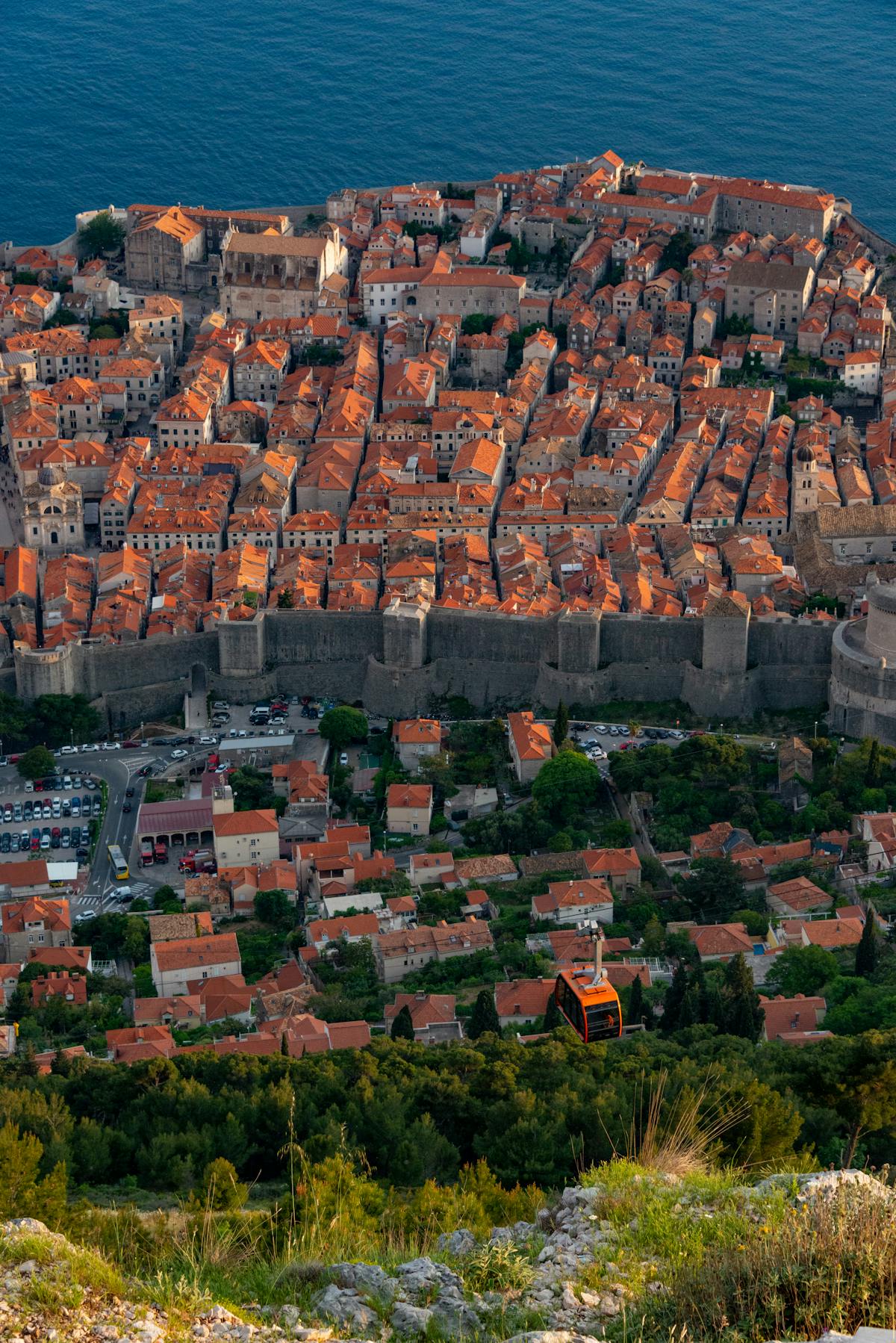
Dubrovnik is Croatia’s most famous city and one of the most visited places in the Mediterranean. The walled Old Town, the Stradun, the views from the city walls, Lokrum Island — it is everything you have seen in photos and then some. The downside is the crowds (especially from cruise ships) and the prices (the highest in Croatia by a significant margin).
Give it 2-3 days. Walk the walls early morning, kayak along the coast, take the cable car up Mount Srd, and eat seafood in the back streets away from the Stradun. See our full guides to things to do in Dubrovnik and where to eat in Dubrovnik.
Split
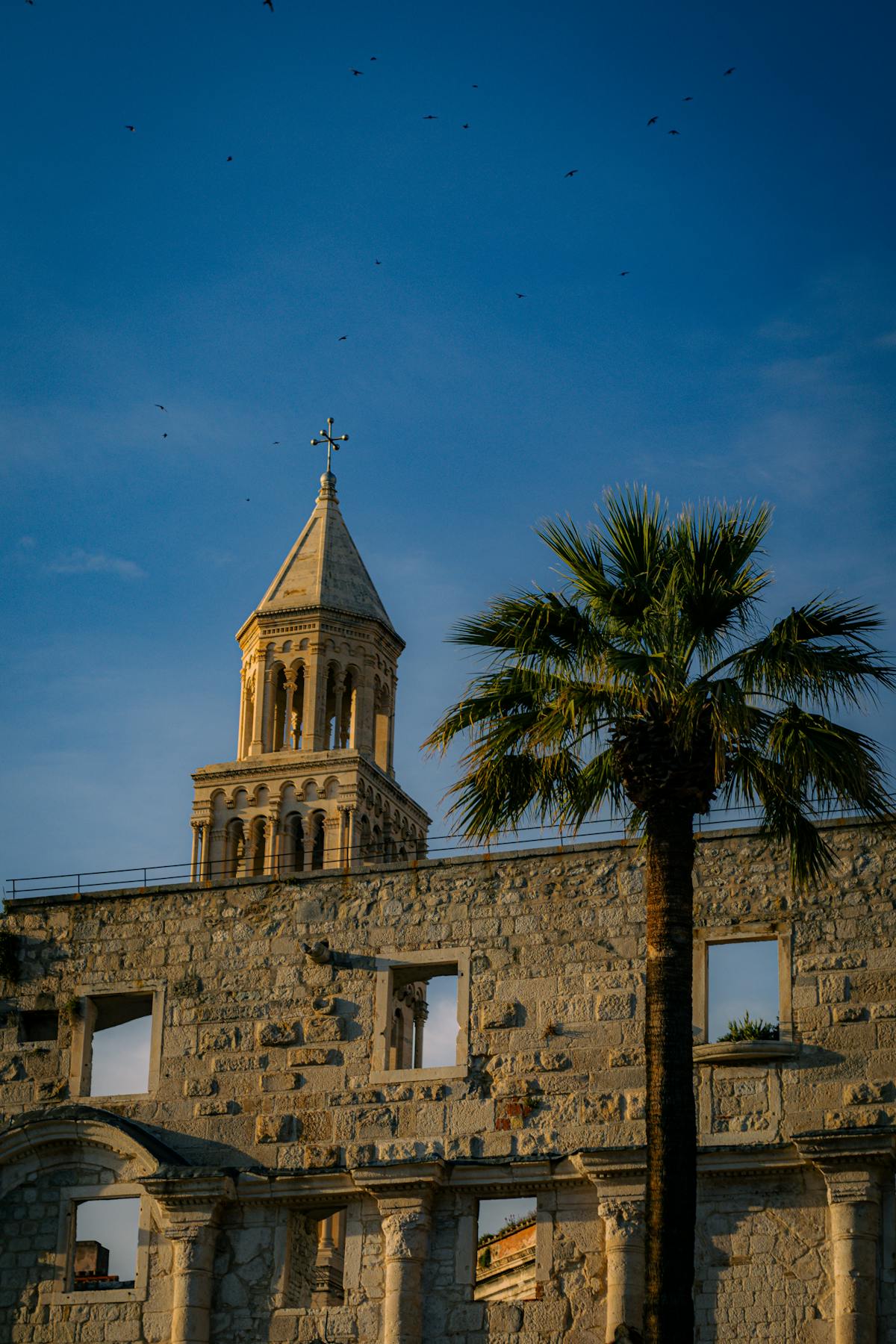
Split is Croatia’s second city and arguably a more enjoyable place to spend time than Dubrovnik. Diocletian’s Palace is the centrepiece — a Roman emperor’s retirement home that people have been living in for 1,700 years. The Riva waterfront is the social heart of the city. Marjan Hill provides the best views. And the ferry port connects you to all the major islands.
Split is also a better base for exploring Dalmatia. Ferries leave daily for Brač, Hvar, Vis, Šolta, and Korčula. Krka National Park is an hour away. Our full Split guide covers everything, and the restaurant scene is excellent.
Zagreb
Croatia’s capital gets skipped by most coast-bound visitors, which is their loss. Zagreb has a completely different character from the Dalmatian cities — Austro-Hungarian architecture, craft beer bars, unusual museums (the Museum of Broken Relationships is unmissable), and a cafe culture that rivals Vienna or Budapest. It is also significantly cheaper than the coast. See our Zagreb guide.
Hvar
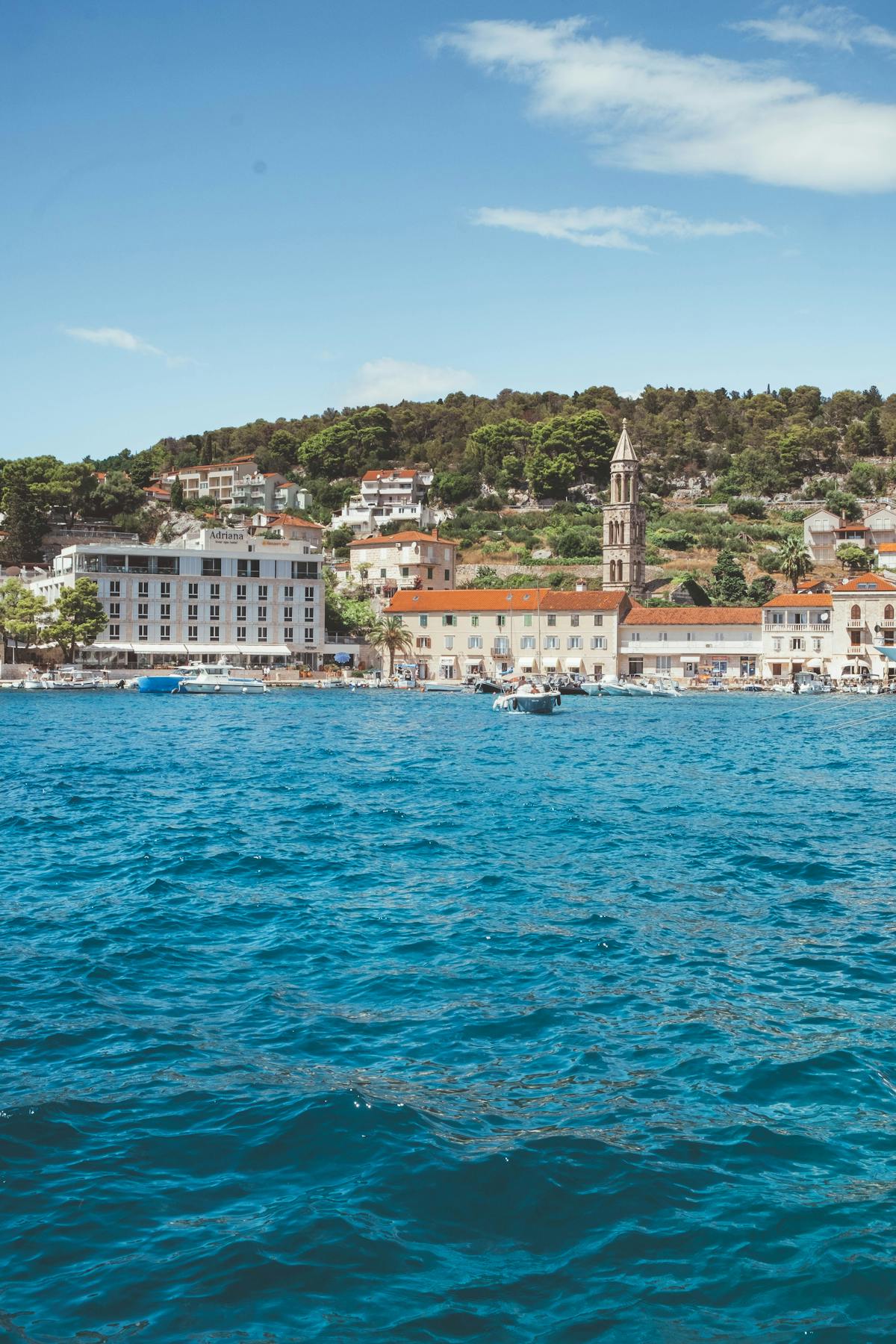
Hvar is the most popular island in Croatia. Hvar Town has the nightlife, the beach clubs, and the celebrity factor. But the island is larger and more varied than Hvar Town alone — Stari Grad is quieter and more historic, the interior has lavender fields that bloom purple in June, and the south coast has hidden coves accessible only by boat or dirt track.
Reachable by catamaran from Split (1 hour to Hvar Town) or car ferry (to Stari Grad, then drive). Give it at least 2 days — one in Hvar Town, one exploring the rest of the island.
The Dalmatian Islands
Beyond Hvar, the Dalmatian islands offer distinct experiences:
- Brač: Closest to Split. Home to Zlatni Rat, Croatia’s most famous beach. Good for a day trip.
- Vis: The remote one. Was a military base until 1989. Wilder, less developed, excellent food. Stiniva Beach is a highlight.
- Korčula: Marco Polo’s alleged birthplace. Beautiful walled old town, hidden coves, excellent local wine (Grk).
- Mljet: National park with saltwater lakes and a monastery on an island within a lake. Best accessed from Dubrovnik.
- Šolta: The overlooked island. 30 minutes from Split, great olive oil, minimal travelers.
Plitvice Lakes National Park
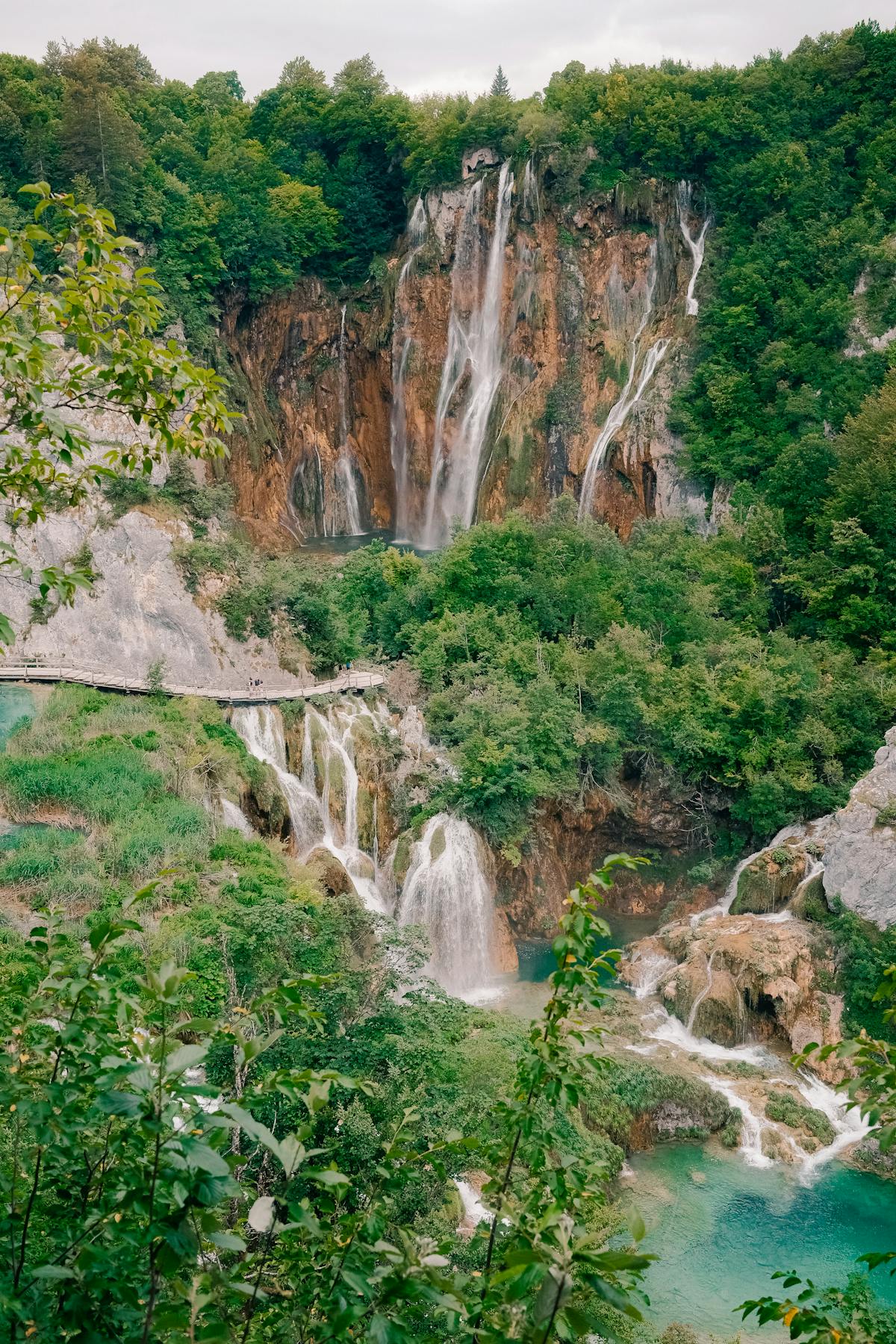
Sixteen interconnected lakes, dozens of waterfalls, and some of the most turquoise water you will ever see — and it is not the coast, it is in the mountains. Plitvice is 2 hours from Zagreb and worth every minute of the drive. Book tickets online in advance for summer. See our national parks guide.
Krka National Park
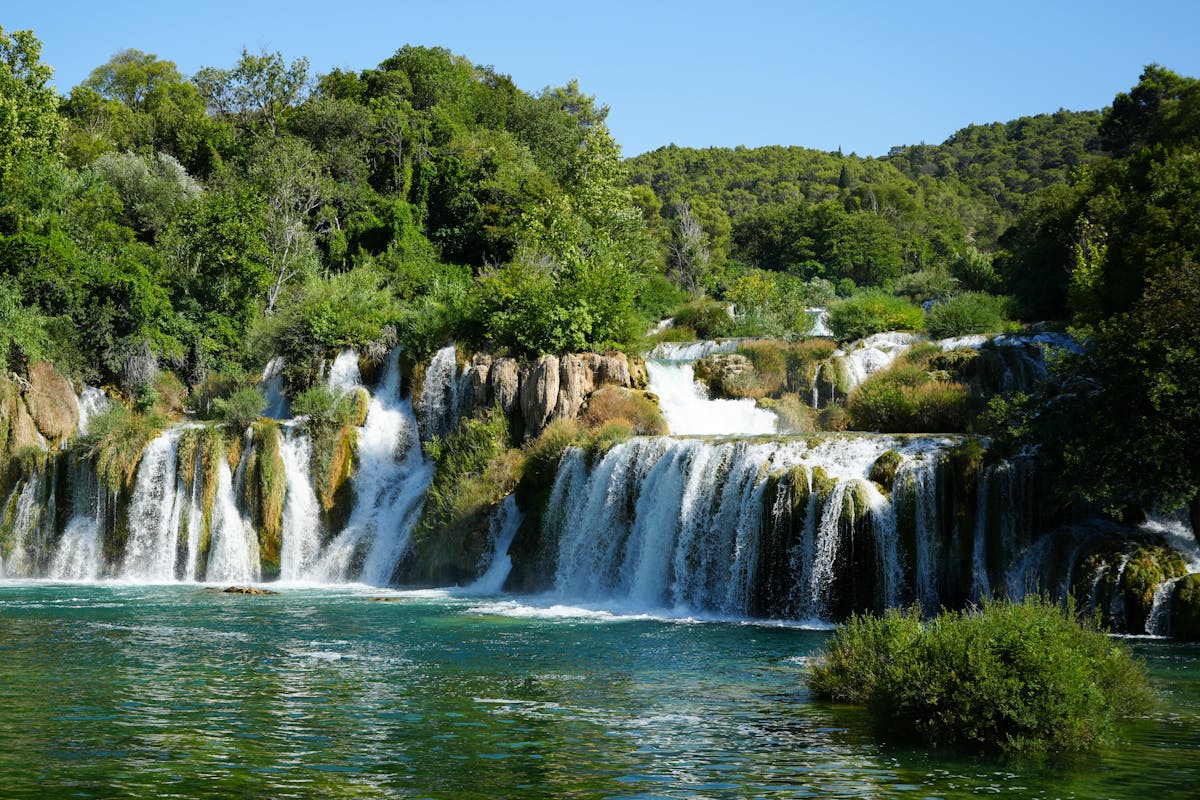
Krka is the more accessible alternative to Plitvice, just an hour from Split. The Skradinski Buk waterfalls are spectacular, and the park combines well with a visit to Šibenik. Note: swimming at the main falls has been prohibited since 2021.
Zadar
Zadar is the most underrated city on the Dalmatian coast. The old town sits on a peninsula with Roman ruins, Venetian architecture, and two unique modern installations: the Sea Organ (stone steps that produce music from wave power) and the Greeting to the Sun (a solar-powered light display). The sunsets here — which Alfred Hitchcock supposedly called the most beautiful in the world — are worth the trip alone. Zadar is also the gateway to the Kornati Islands and Krka/Paklenica national parks.
Rovinj and Istria
Rovinj is a pastel-coloured fishing town on the Istrian peninsula that looks like it belongs in Italy. The old town rises on a hill above the harbour, topped by the Church of St. Euphemia. Narrow streets, art galleries, excellent restaurants, and far fewer travelers than the Dalmatian coast.
The wider Istria region is Croatia’s food capital — truffle hunting in the interior (Motovun and Buzet are the truffle towns), Malvazija and Teran wines, olive oil, and restaurants that rival anything on the Italian side of the border. Pula has a magnificently preserved Roman amphitheatre. The Brijuni Islands are worth a day trip.
Kornati Islands
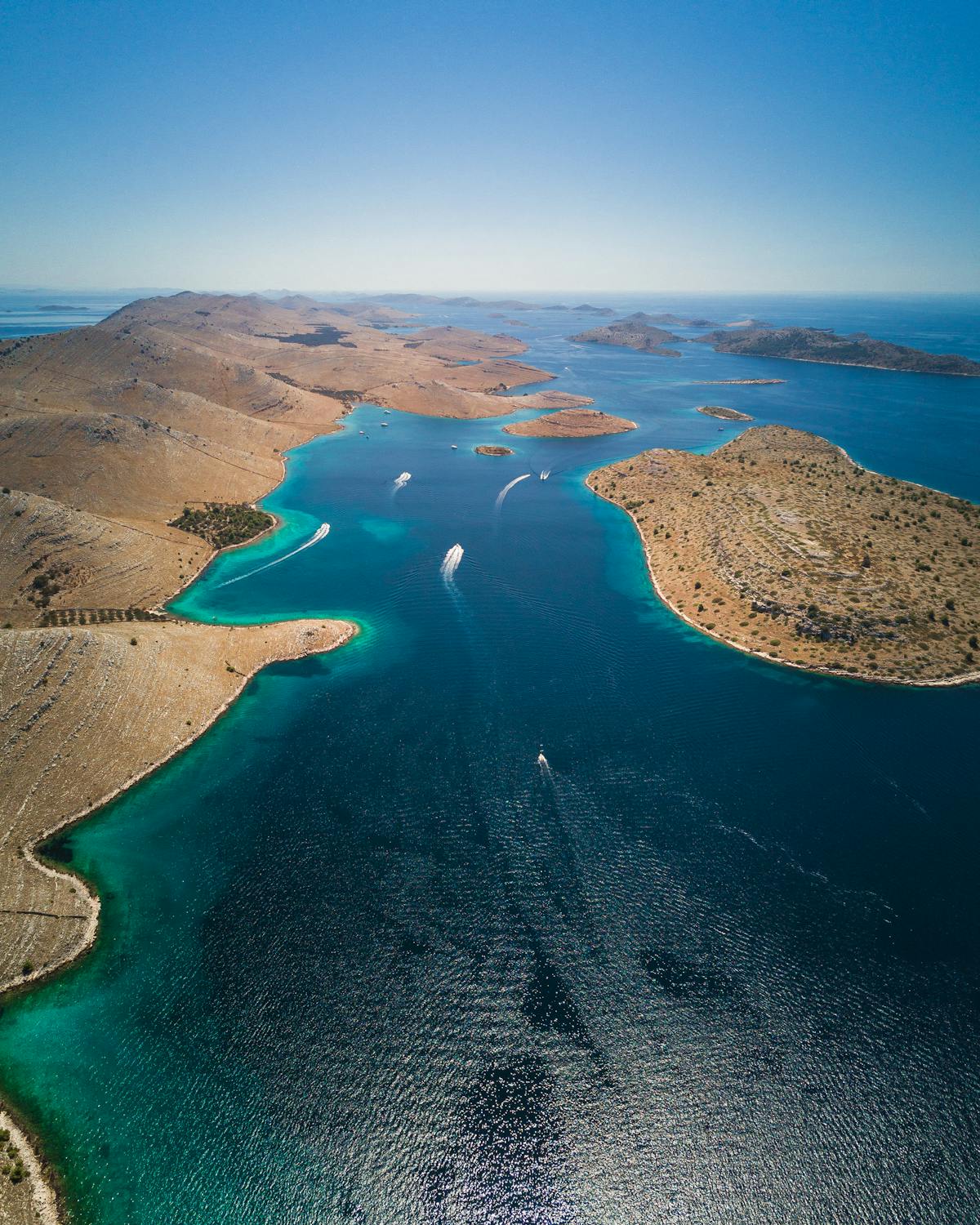
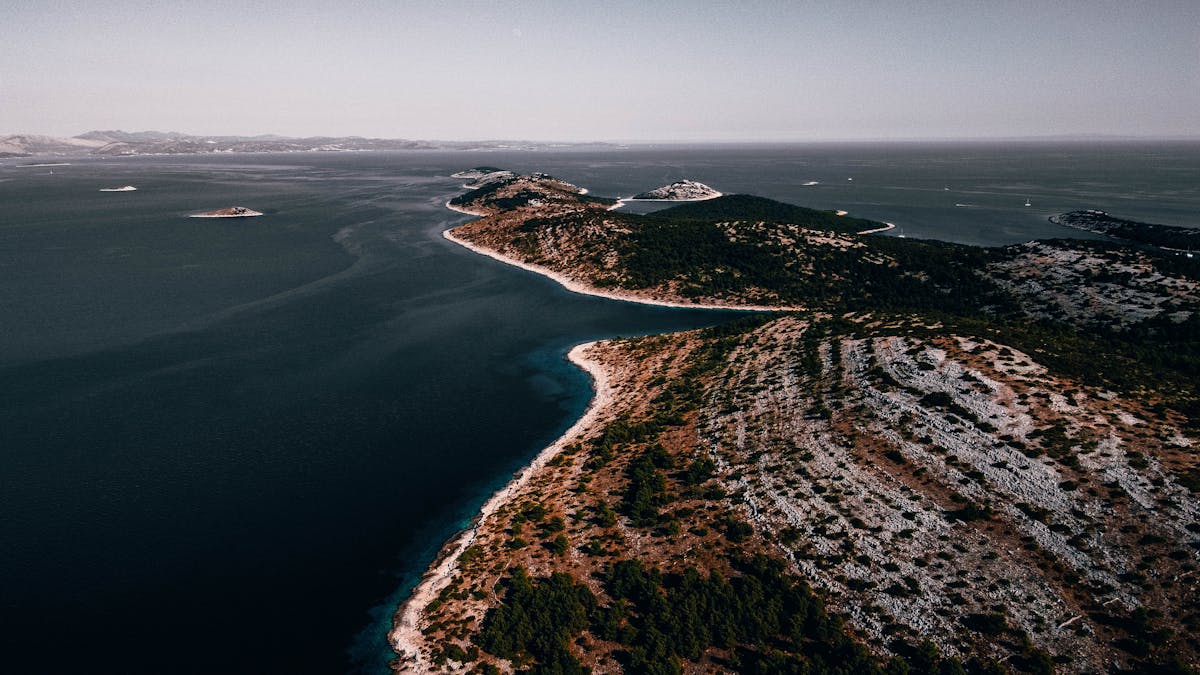
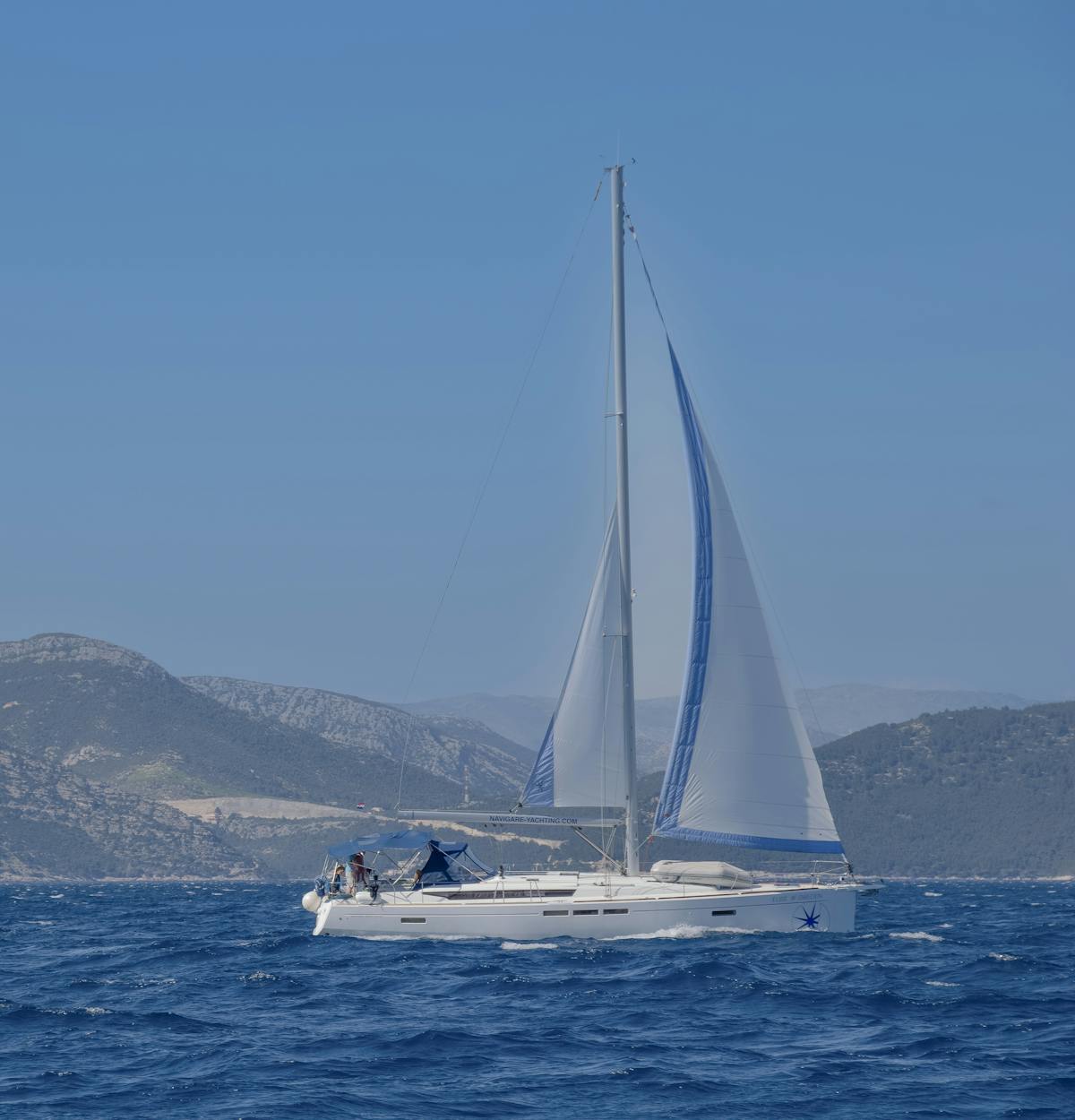
An archipelago of nearly 150 mostly uninhabited islands, accessible only by boat. Barren, lunar-looking limestone islands surrounded by crystal-clear water. Best experienced by sailing or on a day trip from Zadar or Šibenik.
Other Places Worth Considering
- Trogir: A tiny medieval island town 30 minutes from Split. UNESCO World Heritage Site. Less crowded, more affordable, equally beautiful.
- Šibenik: Home to the Cathedral of St. James (UNESCO), gateway to Krka and Kornati. The old town is compact and charming.
- Cavtat: A quiet coastal town 30 minutes south of Dubrovnik. Same quality seafood, 40% lower prices, zero cruise ship chaos.
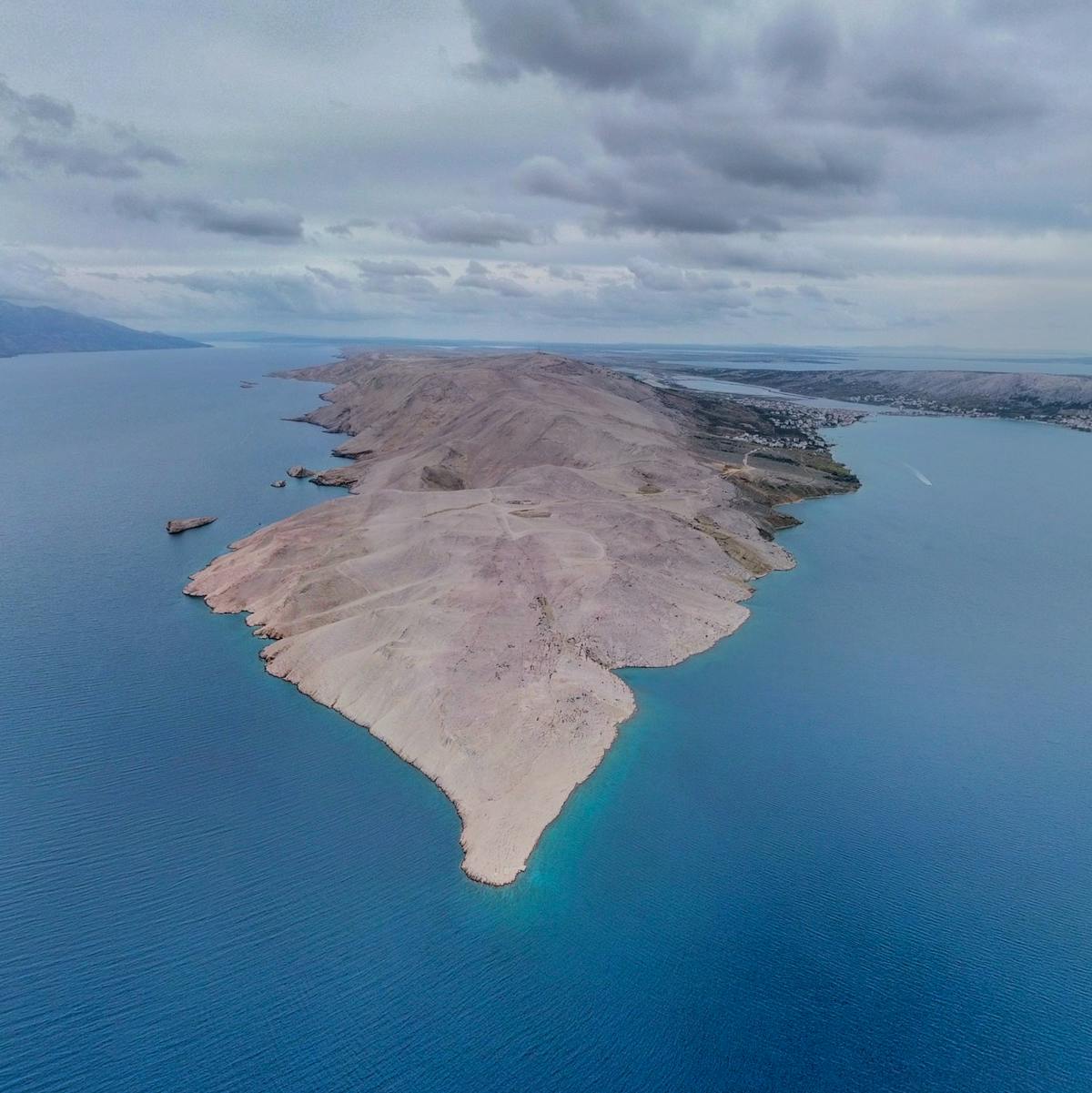
- Pag Island: Famous for Pag cheese, salt, and the Zrće beach party scene (Croatia’s answer to Ibiza). The landscape is moon-like and unlike anything else in Croatia.
- Makarska Riviera: 60km of pebble beaches with the Biokovo Mountains behind. More affordable than Dubrovnik or Hvar, excellent for families.
- Ston: A small town an hour from Dubrovnik, famous for its medieval walls (the longest in Europe after the Great Wall) and Mali Ston oysters. Essential for food lovers.
Croatia rewards exploration beyond the obvious. The Dubrovnik-Split corridor is spectacular but represents a fraction of what the country offers. Drive north, take a ferry, rent a car in Istria, or spend a few days in Zagreb. The best moments often come from the places you had not planned to visit.