
This article contains affiliate links. If you book through these links, I earn a small commission at no extra cost to you.
Zadar is the city that people discover after they have already been to Split and Dubrovnik, and then wish they had started here instead. It has a beautiful old town on a peninsula, Roman ruins that you can walk over for free, a sunset that Alfred Hitchcock supposedly called the most beautiful in the world, and two of the most creative public installations in Europe — the Sea Organ and the Greeting to the Sun. It also costs 30-40% less than Dubrovnik for everything from hotels to dinner.
Zadar is also the practical gateway to some of Croatia’s best natural attractions: the Kornati Islands, Paklenica National Park, and the northern end of the Dalmatian Coast. If your trip includes any of these, Zadar makes an excellent base.
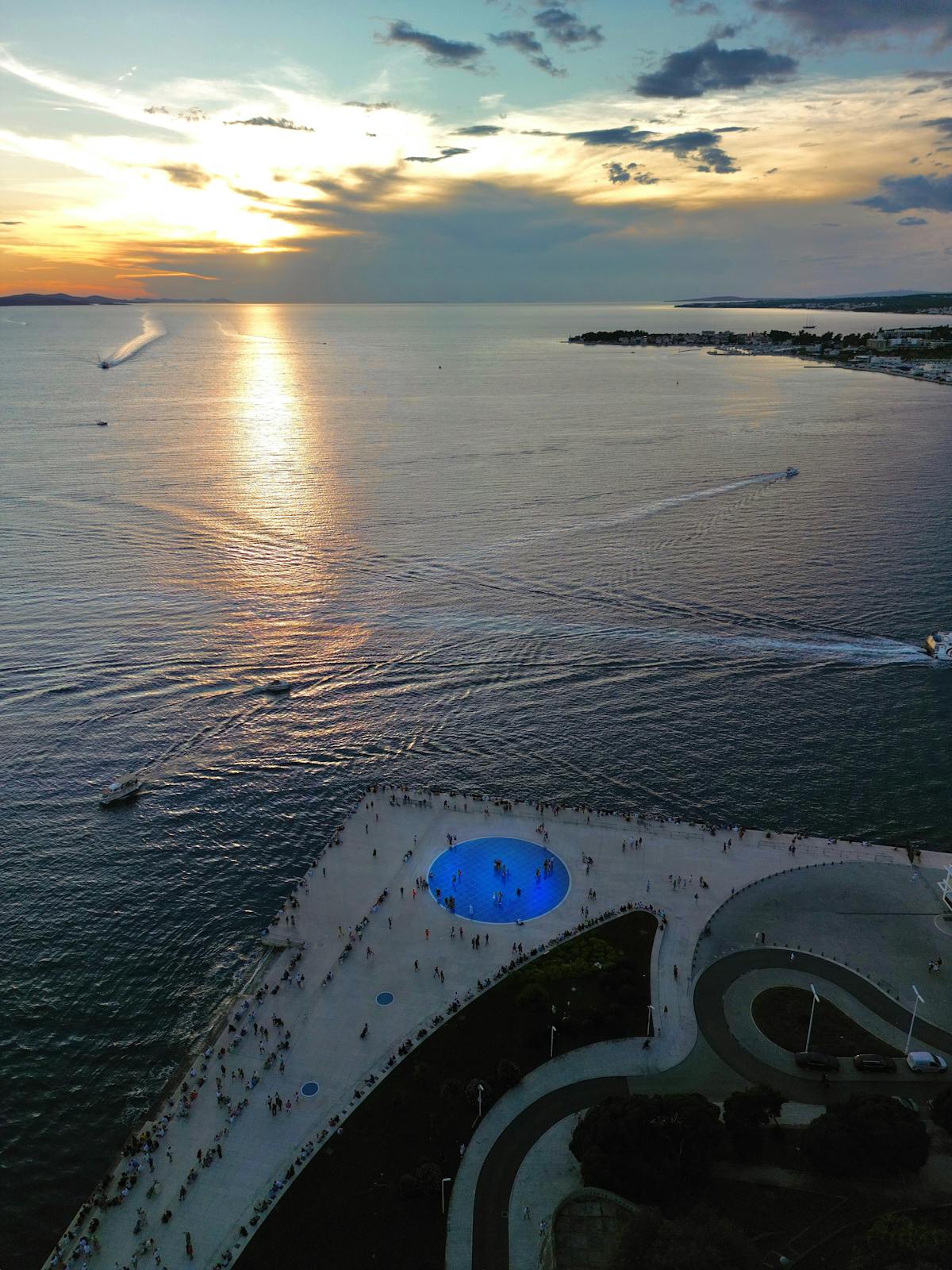
Watch the Sunset at the Sea Organ
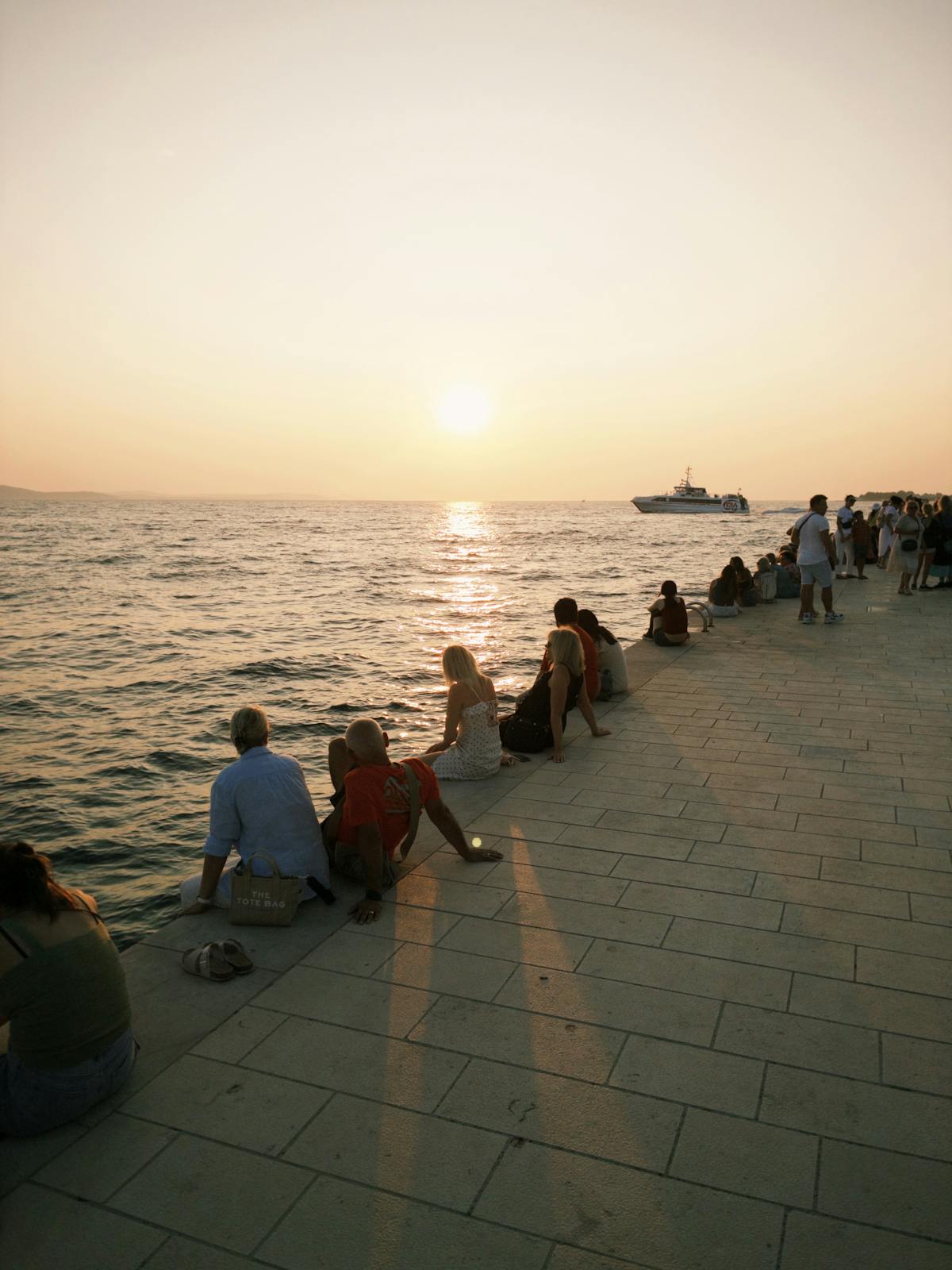
The Sea Organ (Morske Orgulje) is a set of stone steps on Zadar’s western waterfront with pipes built underneath that produce musical notes as waves push air through them. The sound is eerie, melodic, and constantly changing — it depends on the wave size, direction, and wind. It sounds like an alien church organ playing underwater hymns, and it is one of the most original public art installations anywhere.
Next to the Sea Organ is the Greeting to the Sun (Pozdrav Suncu) — a 22-metre circle of solar panels embedded in the promenade that absorbs sunlight during the day and produces a light show after dark. The colours shift and pulse, and the effect against the darkening sky is stunning.
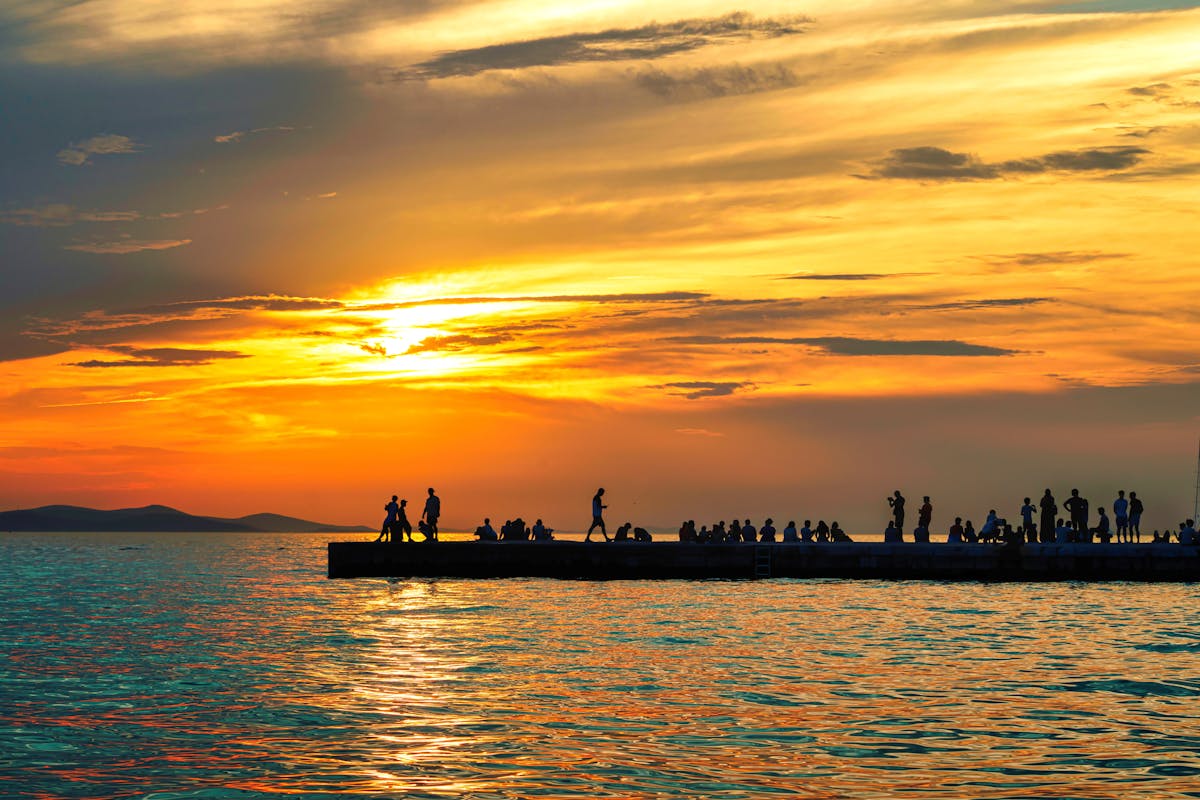
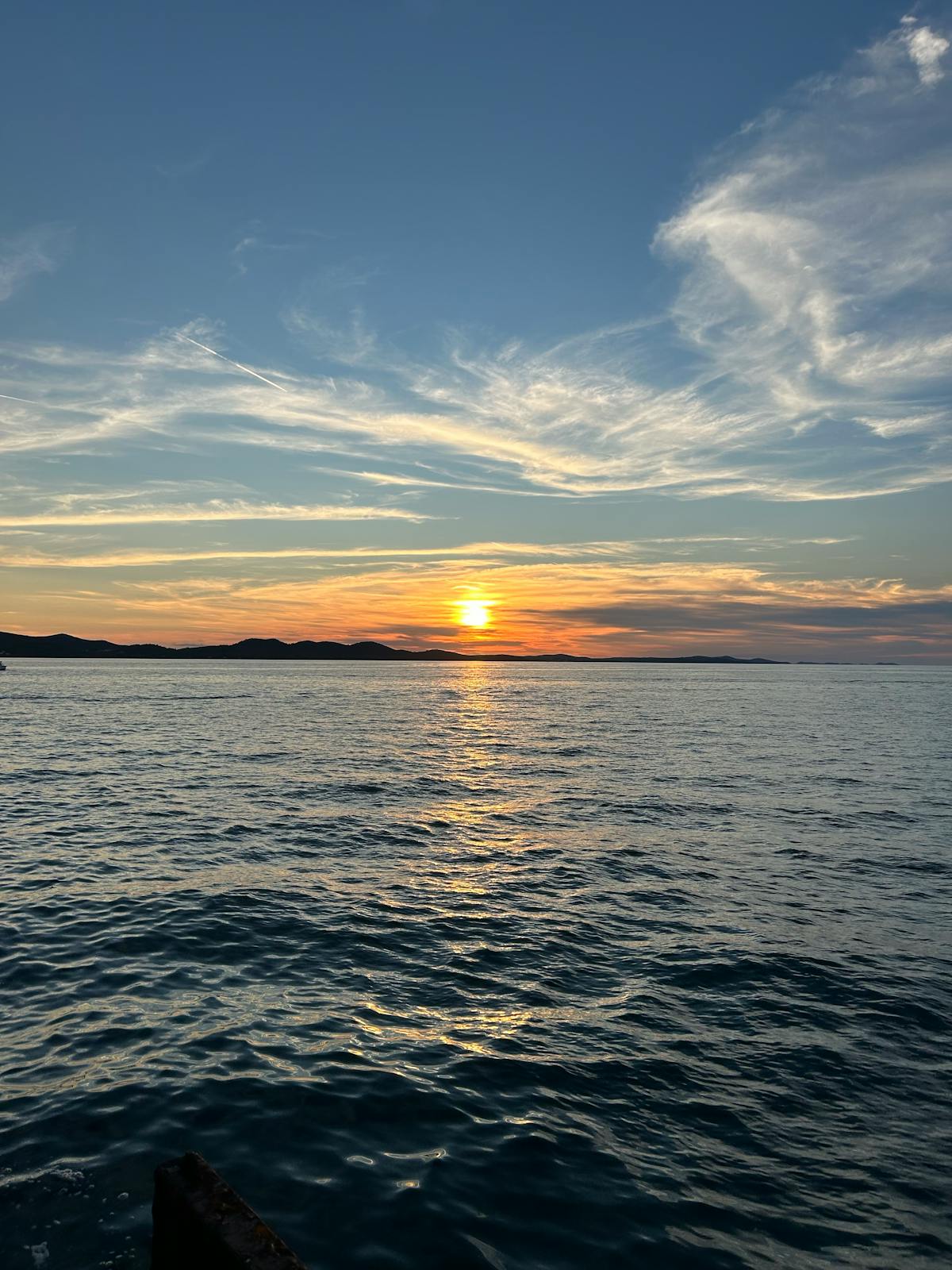
Both are free and open 24 hours. But the real reason to come here is the sunset. Zadar faces directly west across the Adriatic, and the sunsets are regularly spectacular — deep oranges, pinks, and purples reflected on the water while the Sea Organ plays beneath your feet. Arrive 30 minutes before sunset to get a good spot on the steps. Bring wine.
Explore the Old Town
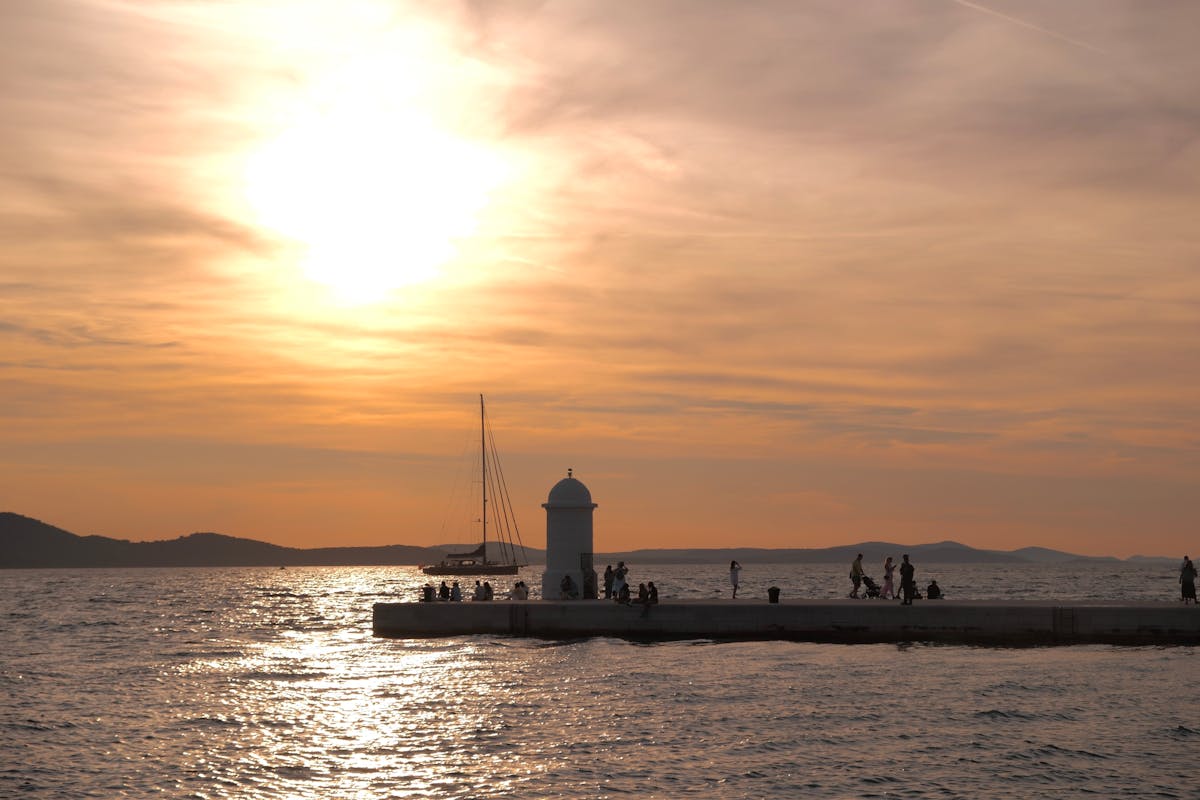
Zadar’s old town sits on a small peninsula and is compact enough to walk in an afternoon. Highlights:
The Roman Forum: The largest Roman forum on the eastern Adriatic coast, dating to the 1st century BC. It is not fenced off or behind a ticket gate — you just walk across it. Pillars, fragments of columns, and the remains of temples sit alongside cafe terraces. It is casual archaeology at its best.
St. Donatus Church: A striking 9th-century circular church built directly on the Roman Forum (you can see Roman pillars incorporated into its walls). It is no longer a functioning church and is now used as a concert venue — the acoustics inside are remarkable. The bell tower of the adjacent cathedral offers the best views over the old town (climb it for a few euros).
The People’s Square (Narodni Trg): The social centre of old Zadar, lined with cafes and restaurants. The City Loggia and the City Sentinel tower face the square. Good for people-watching with a coffee.
The Five Wells Square: Built in the 16th century as Zadar’s water supply, with five ornamental well-heads still standing. The park above it (on the old city walls) gives views over the harbour.
Day Trip to the Kornati Islands
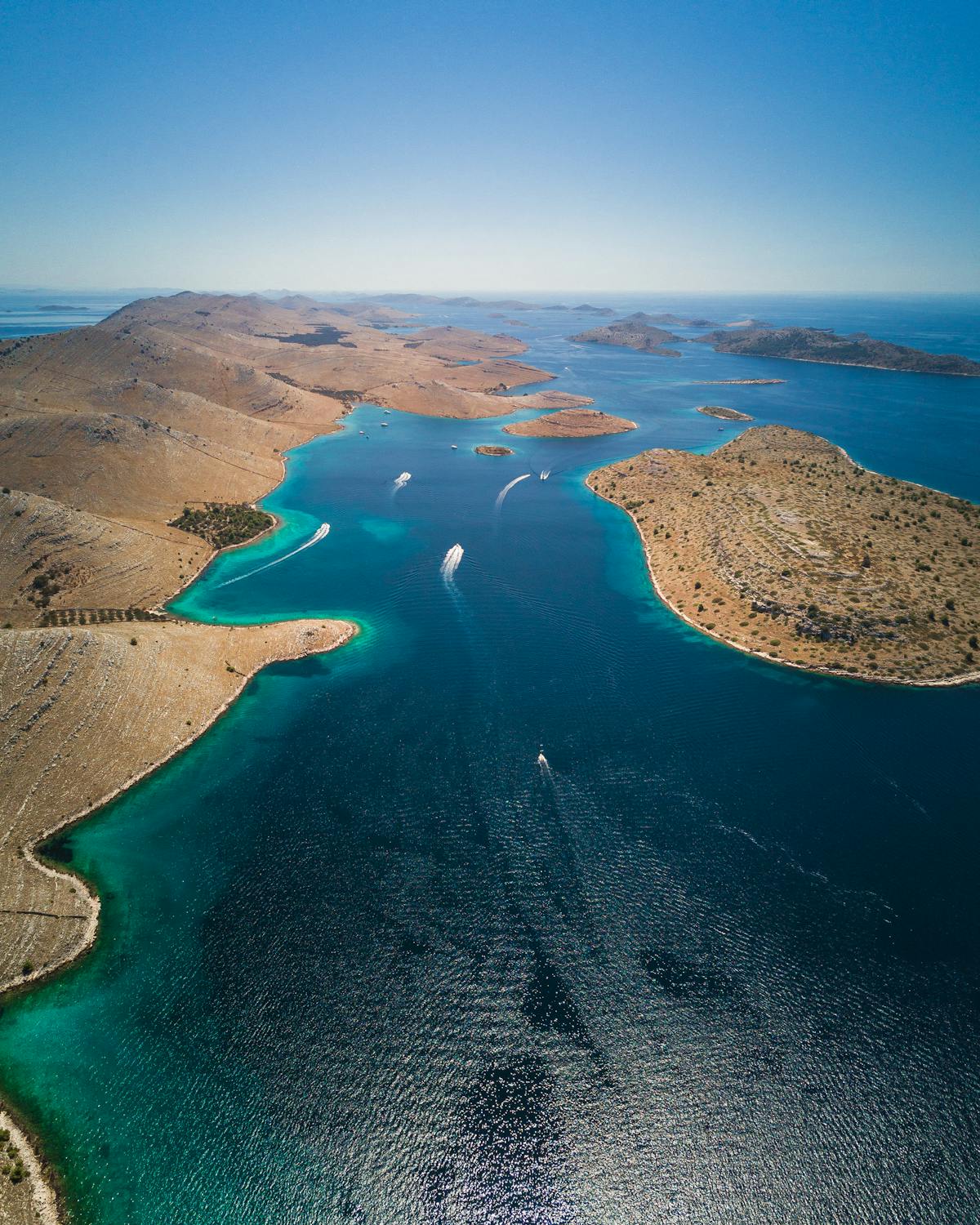
Zadar is the main departure point for day trips to the Kornati Islands National Park. Boat tours run daily in summer, typically lasting 8-10 hours, and include stops for swimming, snorkelling, and a fish lunch on one of the inhabited islands. Prices run €50-80 per person.
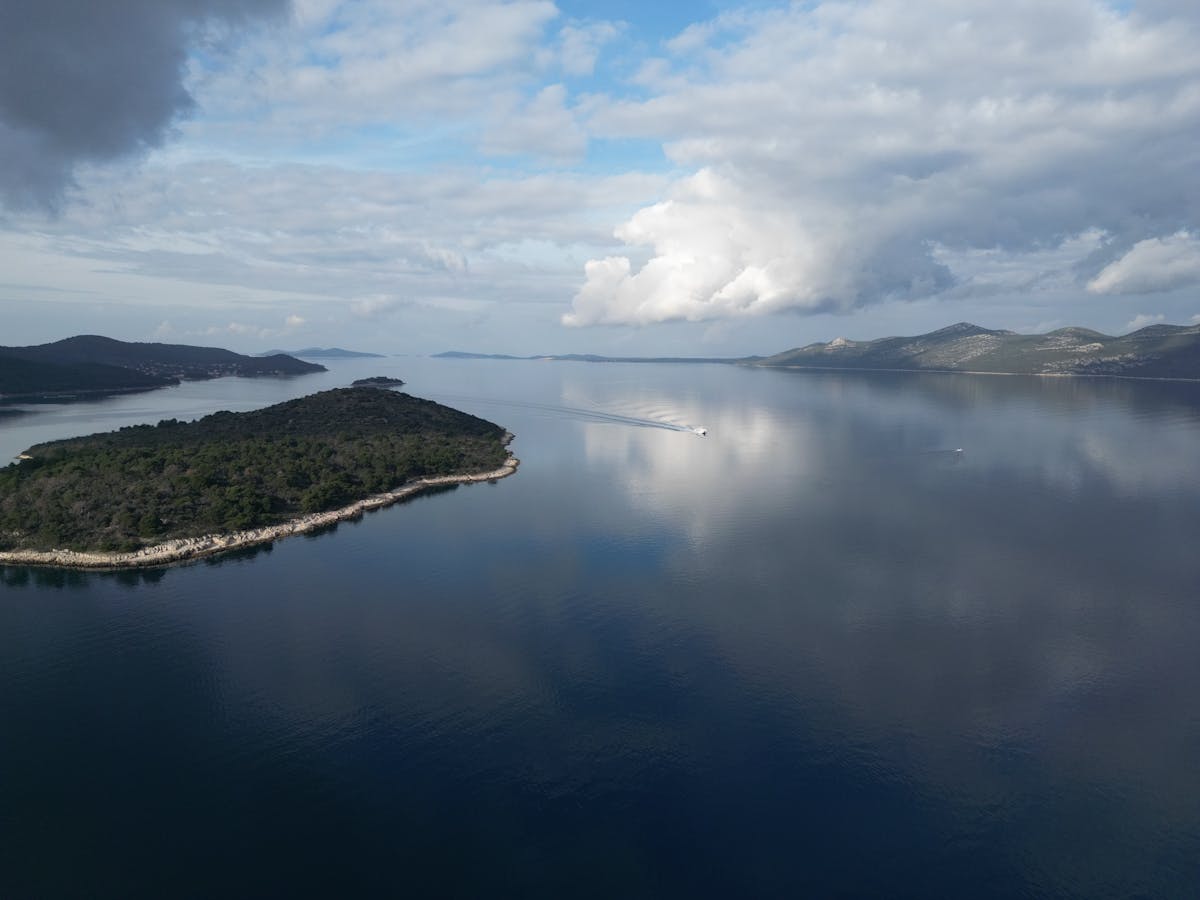
The Kornati landscape is unlike anything else in Croatia — barren white limestone islands rising from deep blue water, with no vegetation, no inhabitants, and an almost lunar quality. The snorkelling is excellent in the clear water, and the fish lunches at the tiny seasonal konobas are memorable.
If you are a sailor, chartering from Zadar and spending several days exploring the Kornati independently is the best way to experience the archipelago.
Visit Paklenica National Park
Paklenica is Croatia’s premier hiking and rock climbing destination, about 50km northeast of Zadar. Two dramatic canyons — Velika Paklenica and Mala Paklenica — cut through the Velebit Mountains, with over 400 climbing routes and hiking trails ranging from easy riverside walks to summit attempts at 1,757m. It is the most accessible mountain park from the coast and makes an excellent day trip from Zadar. See our national parks guide for details.
Eat and Drink
Zadar’s food scene is Dalmatian with some local specialities:
- Maraschino: A cherry liqueur made from Marasca cherries that grow in the Zadar region. It has been produced here since the 16th century and is genuinely unique to the city. Try it at any bar.
- Fresh fish and seafood: Same quality as Split or Dubrovnik at lower prices. Grilled catch of the day, black risotto, octopus salad.
- Pag cheese: Pag Island is nearby, and its hard sheep’s cheese (Paški sir) is Croatia’s most famous cheese. Available at markets and served at restaurants as a starter with olive oil and prosciutto.
For restaurants, try Pet Bunara (near Five Wells Square, Dalmatian cuisine, excellent seafood) or Foša (waterfront, creative Croatian cooking, beautiful setting). For budget eating, the market area near the harbour has bakeries and casual restaurants.
Day Trips and Excursions
- Kornati Islands: Full-day boat trip (8-10 hours, €50-80). Book in advance in summer.
- Paklenica National Park: 50 minutes by car. Hiking and climbing.
- Krka National Park: About 1 hour south. Waterfalls and monastery island.
- Pag Island: Connected by bridge from the mainland. Famous for cheese, salt, moonscape terrain, and the Zrće beach party scene.
- Nin: A tiny town 15 minutes north. The smallest cathedral in the world, salt pans, and a sandy beach (rare in Croatia).
- Šibenik: 1 hour south. UNESCO cathedral, charming old town, gateway to Krka.
Practical Tips
How many days: 2-3 days. One for the old town and sunset, one for a day trip (Kornati or Paklenica), and a spare day for relaxing or exploring Nin and the surrounding area.
Getting there: Zadar has an international airport with low-cost flights from across Europe (Ryanair, EasyJet). It is also on the main bus route between Zagreb and Split (3 hours from Zagreb, 3 hours from Split).
Where to stay: Inside the old town (Peninsula) for atmosphere — it is small and walkable. Borik (north, near beaches) for families. The harbour area for convenience.
Money: Euro accepted everywhere. Cards widely accepted. Zadar is one of the best-value cities on the Dalmatian Coast.
When to visit: May through September. June and September are the sweet spots. The sunsets are best in summer when the sky is clear.
Zadar does not have the fame of Dubrovnik or the size of Split, and that is exactly its advantage. It has everything the bigger cities have — Roman ruins, medieval architecture, excellent food, beautiful waterfront — but at a lower price point, with fewer travelers, and with the best sunset on the Croatian coast. If your Croatia itinerary has room for one more city, make it Zadar.