
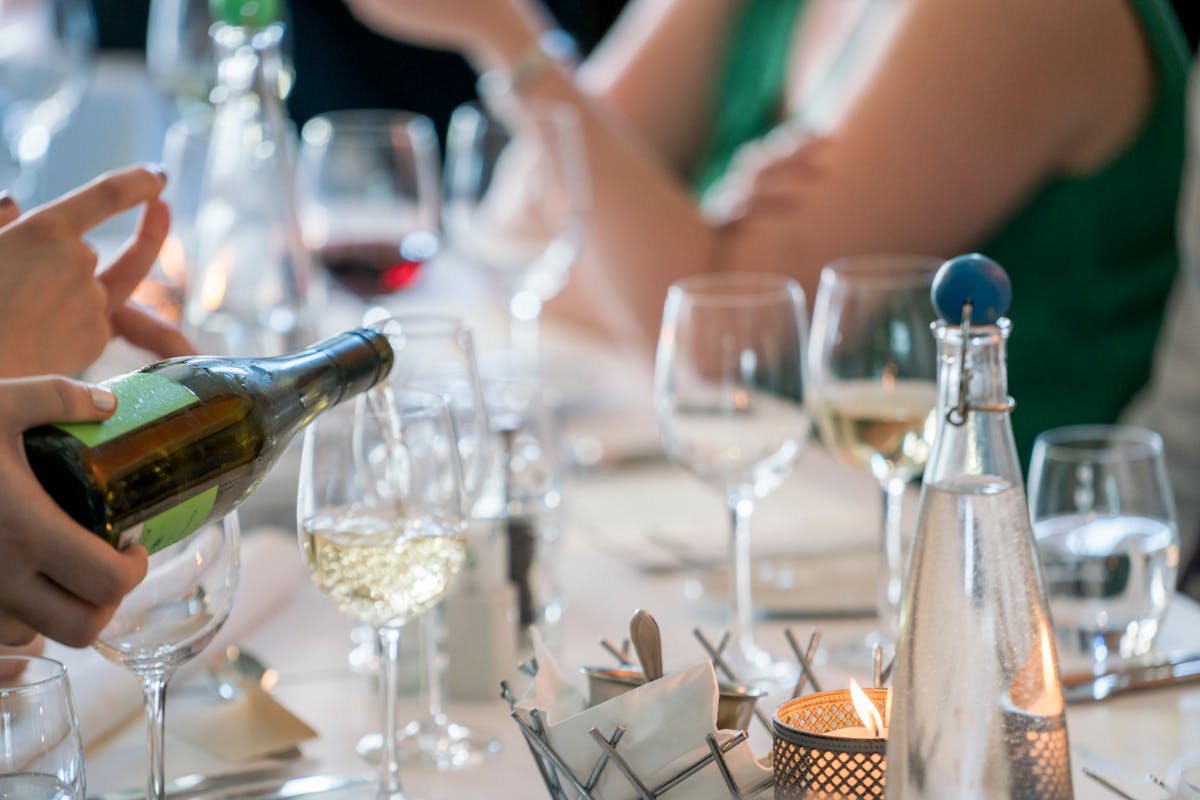
The instructor told me to stop using my fingertips. “Palms,” she said, pressing my hands flat against the dough. “In Rome, we knead with the whole hand.” It was 10 AM in a kitchen near Piazza Navona, I had flour on my elbows, and the prosecco had already been opened. This is how cooking classes work in Rome — the wine comes first, the technique second.
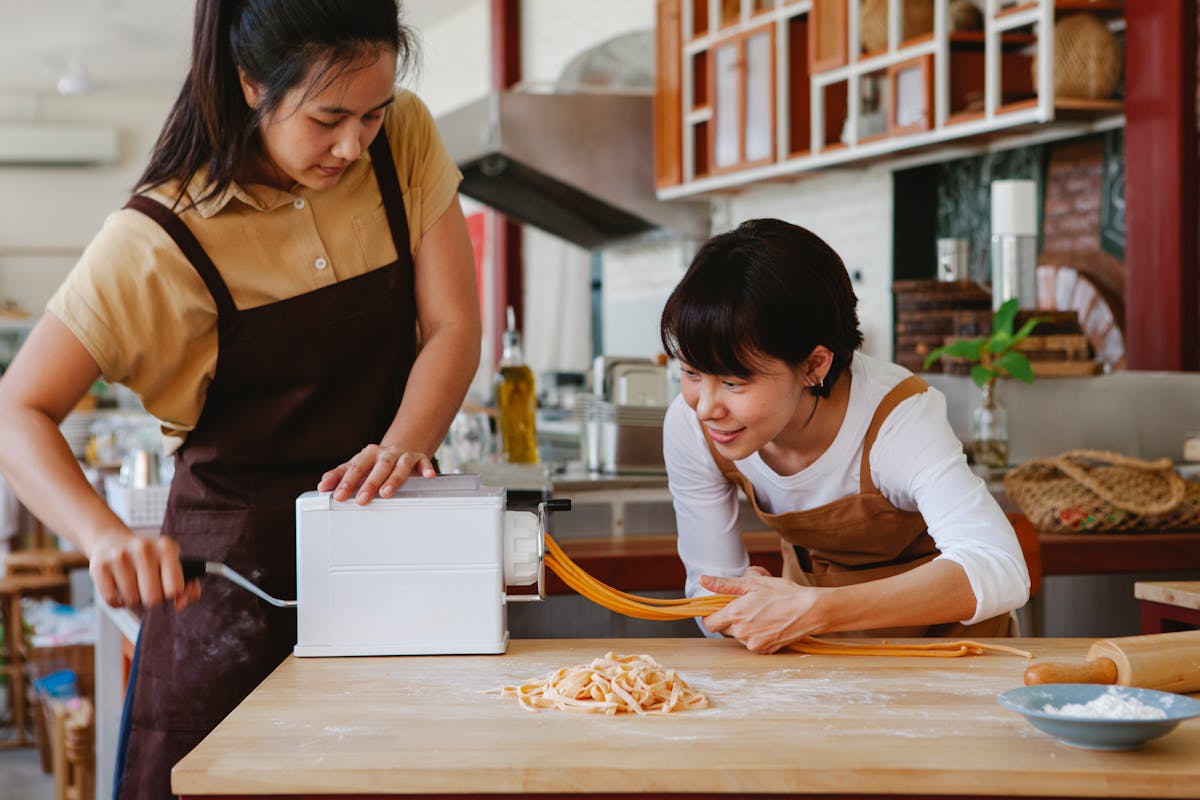
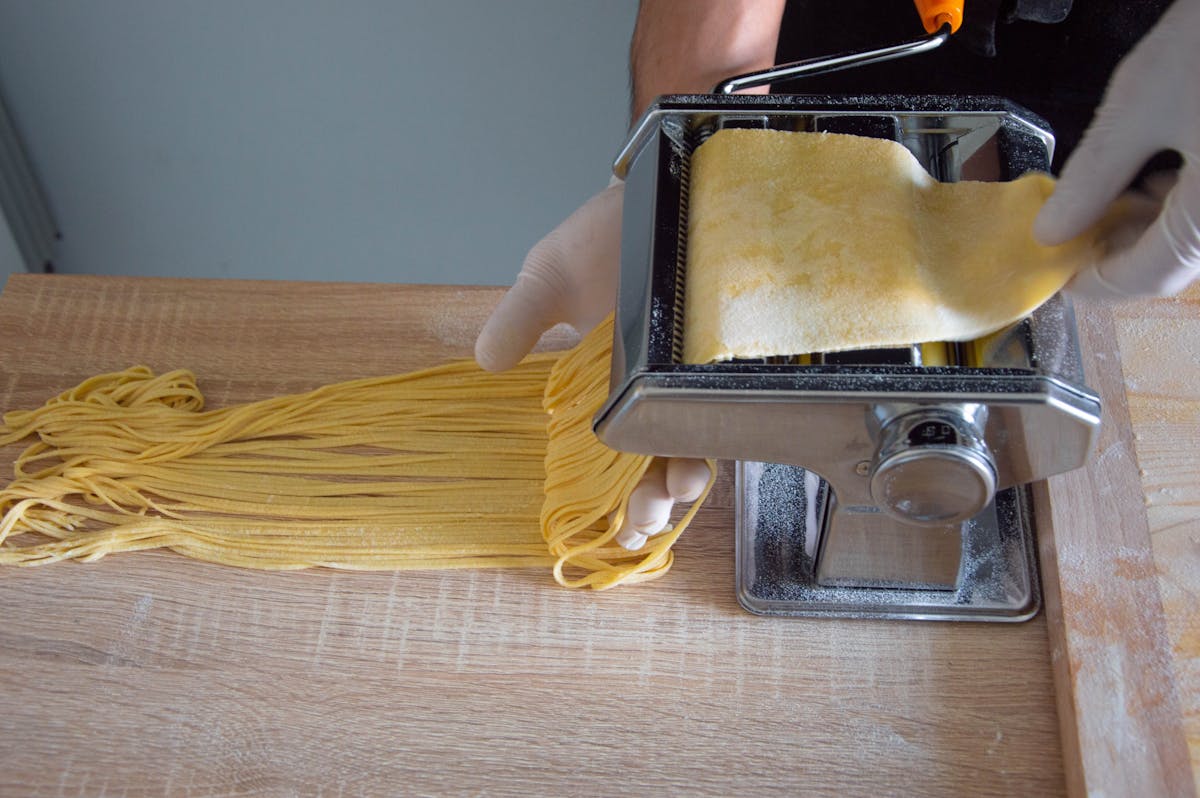
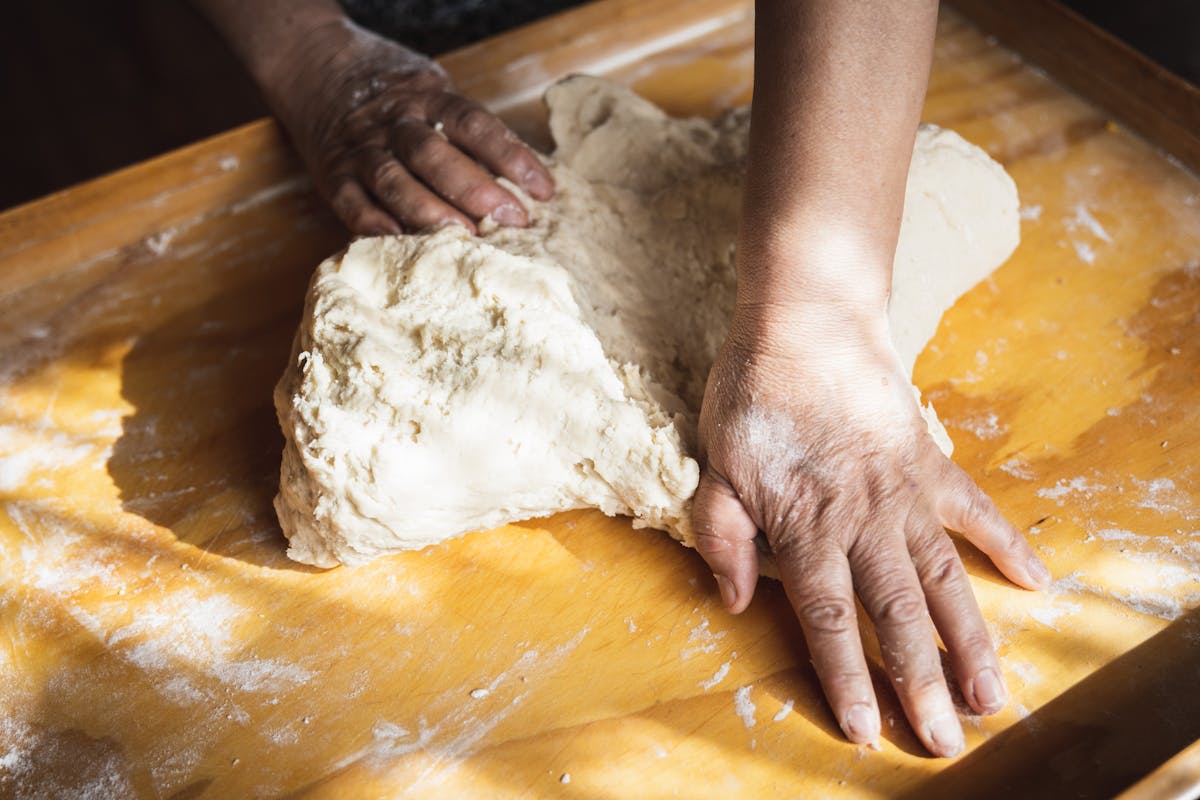
I had booked dozens of tours in Italy before — skip-the-line Colosseum tickets, Vatican guided tours, the usual. But a cooking class turned out to be the one thing I actually kept talking about months later. Not because the pasta was perfect (my first batch of ravioli fell apart), but because there is something about standing in an Italian kitchen with a glass of wine, covered in semolina, that feels more like Rome than any monument.
So here is what I learned about booking one — what types of classes exist, which platforms have the best options, and which specific classes are actually worth your money.
Short on time? Here is the quick version
- Best overall pasta class: Fettuccine Pasta Cooking Class in Rome’s City Center — $46/person, 2 hours, the most popular class in Rome
- Most fun atmosphere: Spritz & Spaghetti: Tipsy Cooking Class — $95/person, 3 hours, wine-focused and social
- Best pizza class: Traditional Pizza Cooking Class near Piazza Navona — $46/person, 2 hours
- Best budget option: Roman Master Chef Cooking Class — $32/person, includes wine
- Full day splurge: Cooking Class in Rome’s Countryside — $267/person, 7 hours with market visit
- Short on time? Here is the quick version
- What a Cooking Class in Rome Actually Includes
- Pasta vs Pizza vs Market Tour: Which Type Should You Book?
- Pasta Making Classes
- Pizza Making Classes
- Market Tour + Cook
- The Best Cooking Classes to Book in Rome
- Fettuccine Pasta Cooking Class in Rome’s City Center
- Spritz & Spaghetti: Tipsy Cooking Class
- Pasta & Tiramisu Cooking Class near the Spanish Steps
- Pizza and Tiramisu Making in the Heart of Rome
- Traditional Pizza Cooking Class near Piazza Navona
- Roman Master Chef Cooking Class with Wine
- Chef in a Day: Full Immersion Cooking Class
- Cooking Class in Rome’s Countryside
- Where Cooking Classes Are Located in Rome
- How to Book (And When)
- Tips from Someone Who Has Done This
What a Cooking Class in Rome Actually Includes
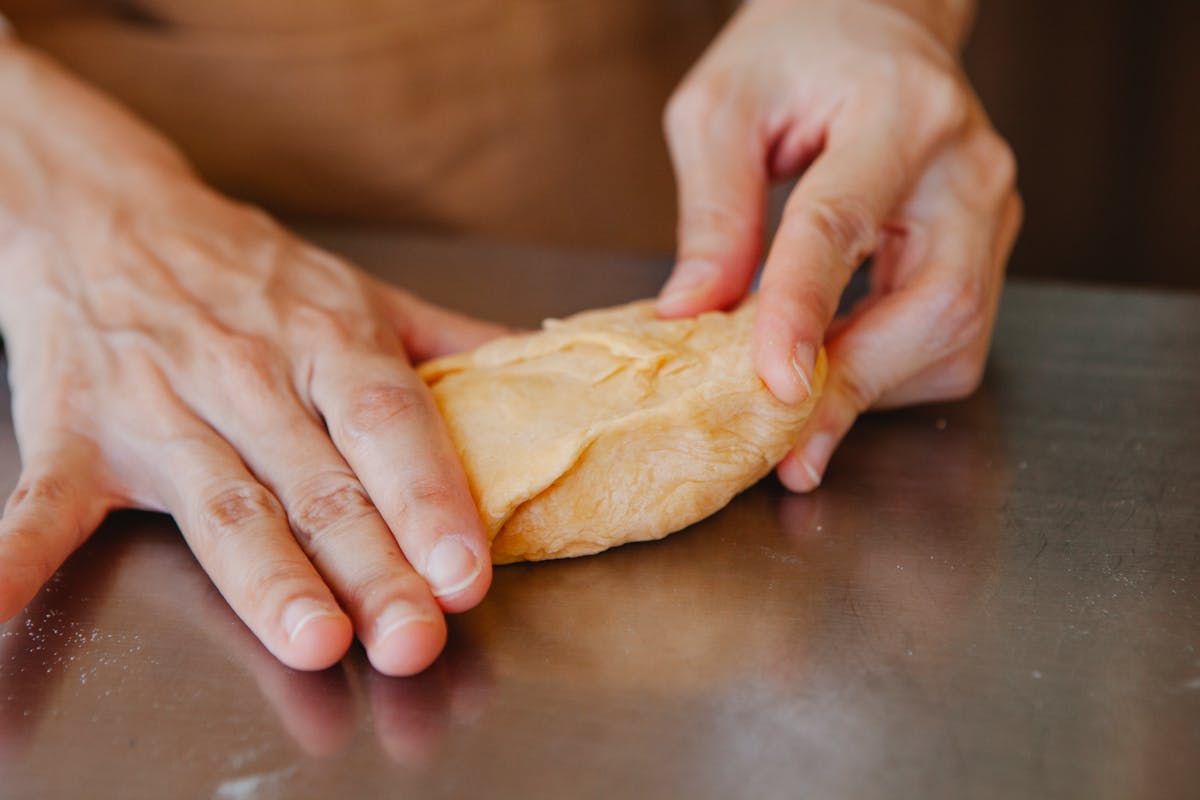
Most cooking classes in Rome follow a similar structure, though the specifics vary. Here is what you will typically get:
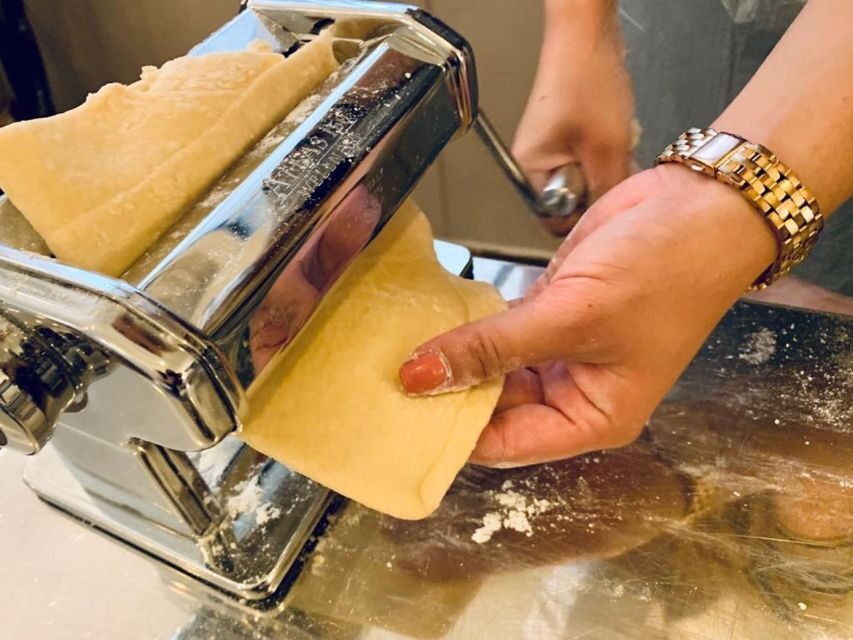
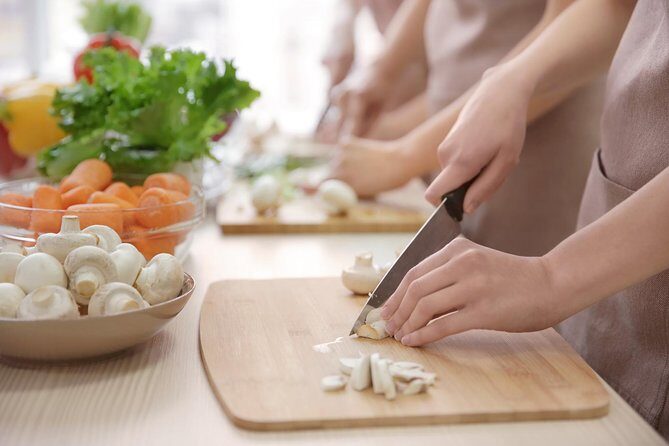
You show up to a kitchen (usually in a residential neighborhood or a small culinary school), get a welcome drink — almost always prosecco or an Aperol spritz — and then the chef introduces the menu for the day. In a pasta class, you will make the dough from scratch, learn to shape it by hand or run it through a machine, and prepare a sauce. Pizza classes have you stretching dough and working with a proper oven.
Then you eat everything you made. With wine. That is the part nobody warns you about — you are having a full meal at noon and it is hard to do anything productive afterward.
What surprised me was how hands-on most classes are. You are not watching a chef cook while you take notes. You are doing it yourself, from cracking the eggs into the flour well to crimping ravioli edges. The chef walks around, fixes your technique, and occasionally takes over when things go sideways (my dough was too dry twice).
What is included in a typical class:
- Welcome drink (prosecco, spritz, or wine)
- All ingredients and equipment
- Hands-on instruction making 2-3 dishes
- A full sit-down meal of what you cooked
- Wine with the meal (usually included, sometimes unlimited)
- Recipes to take home
Most classes run 2-3 hours. Some of the longer ones (4-7 hours) include a market visit beforehand, where you shop for ingredients with the chef at a local mercato. These cost more but they are the most immersive option — you learn how to pick produce the way Romans do, which is genuinely useful information you can bring home.
Pasta vs Pizza vs Market Tour: Which Type Should You Book?
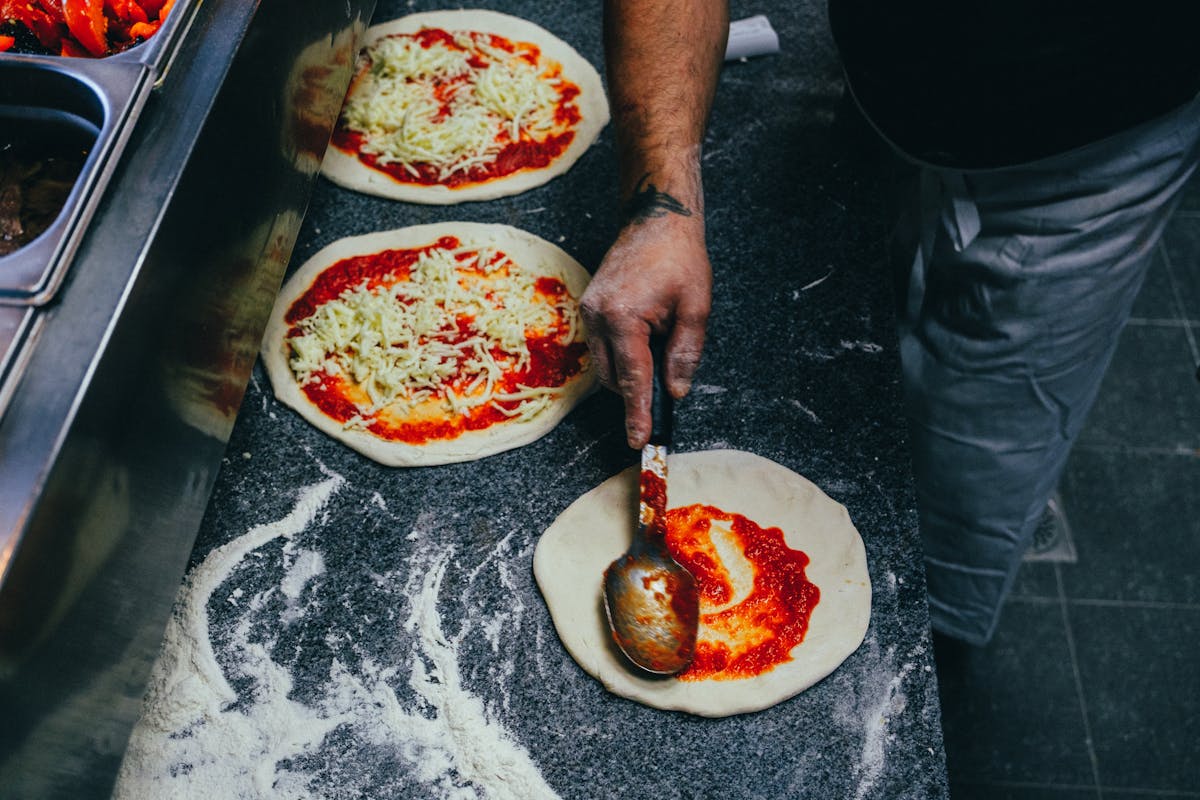
This is the first decision you will need to make, and it genuinely matters more than you would think.
Pasta Making Classes
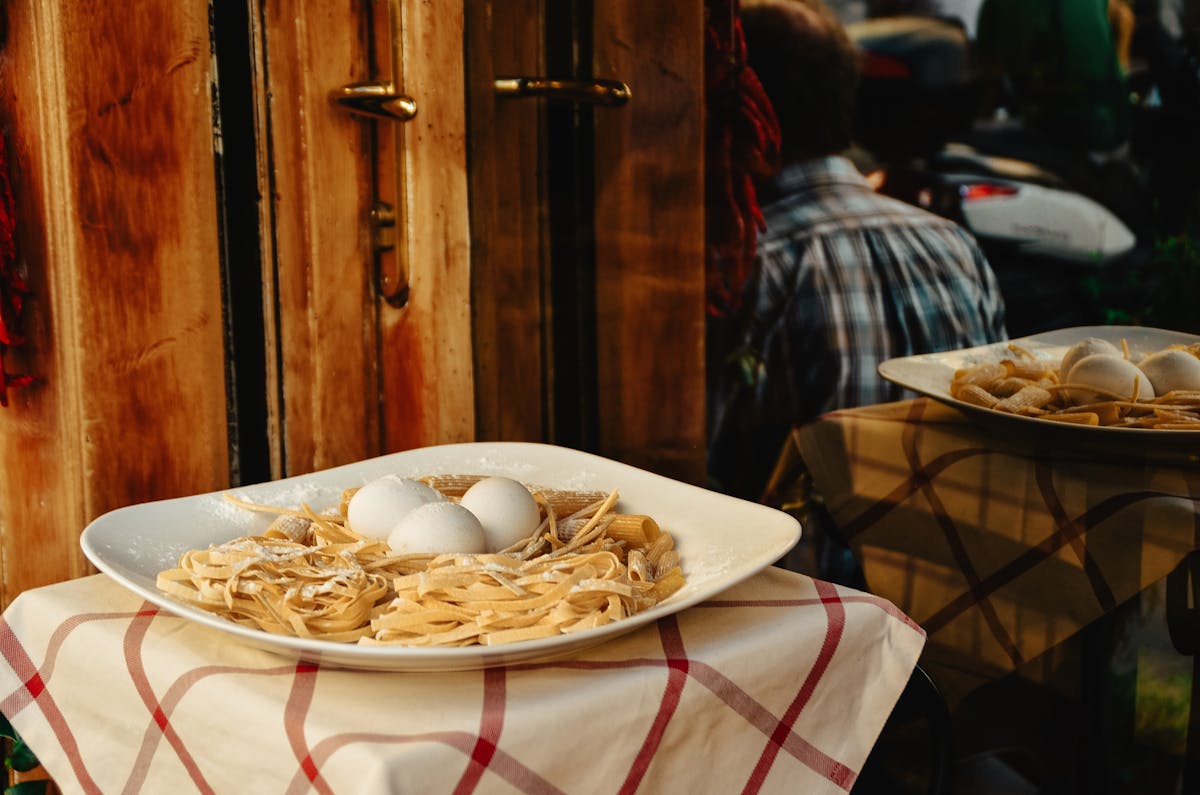
This is what most people picture when they think “Rome cooking class.” You will make fresh pasta from scratch — usually fettuccine, ravioli, or both — plus a sauce (carbonara, amatriciana, cacio e pepe, or puttanesca depending on the chef and season). Many classes also include a dessert, typically tiramisu or gelato.
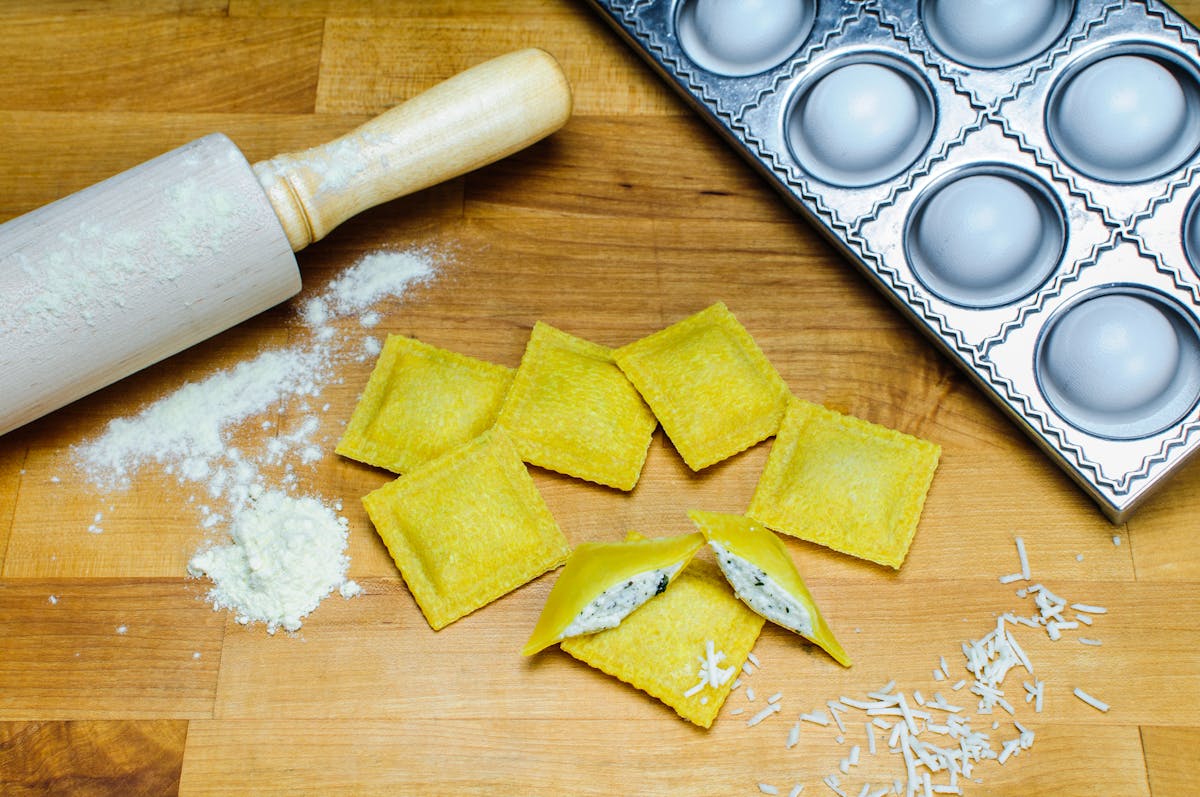
Pasta classes are the most satisfying because you genuinely learn a skill you can replicate at home. All you need is flour, eggs, and a flat surface. No special equipment required (though a pasta machine helps). The downside: if your group is slow, you might spend more time waiting for others to catch up than actually cooking.
Best for: Couples, serious food lovers, anyone who cooks at home and wants to learn proper technique.
Pizza Making Classes
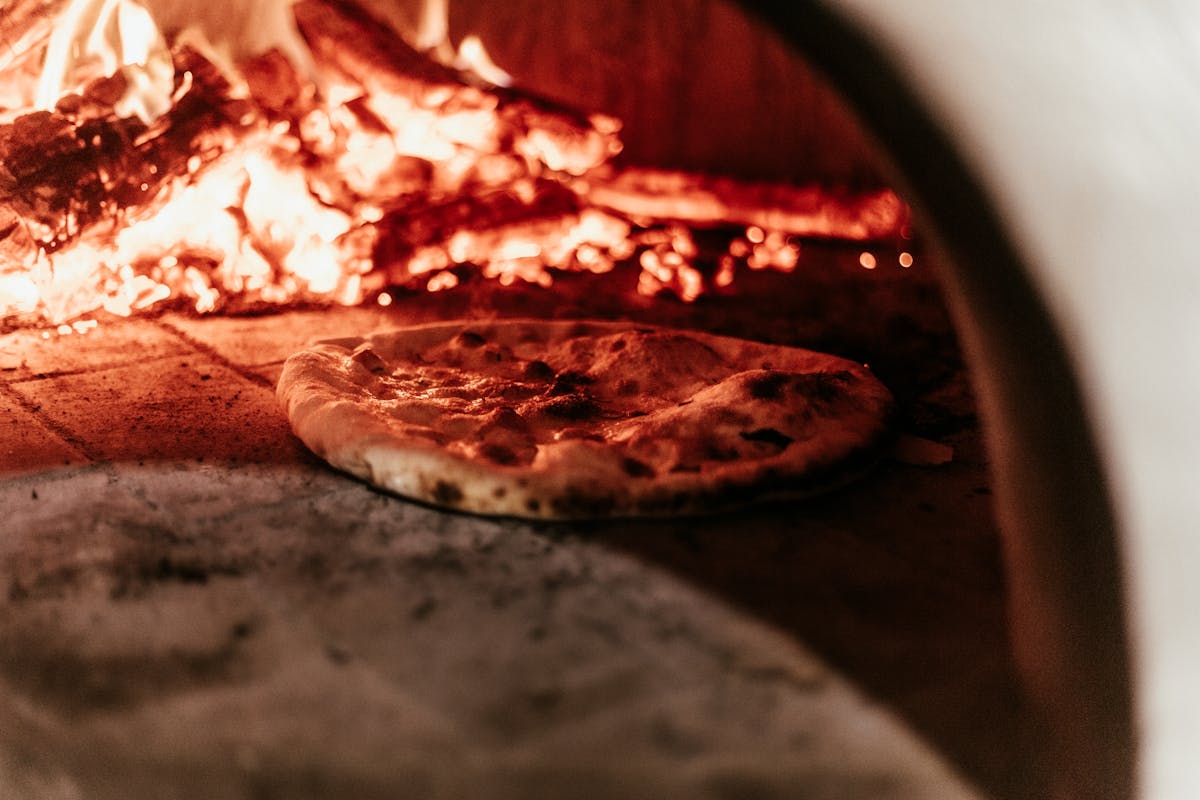
Pizza classes are more laid-back. You learn to stretch dough (not toss it — that is a Naples thing), build a proper Margherita, and use a wood-fired or commercial oven. These are easier than pasta classes because pizza dough is more forgiving. If your crust comes out a little thick or uneven, it still tastes good.
Best for: Families with kids, groups of friends, people who want a fun activity more than a serious cooking lesson.
Market Tour + Cook
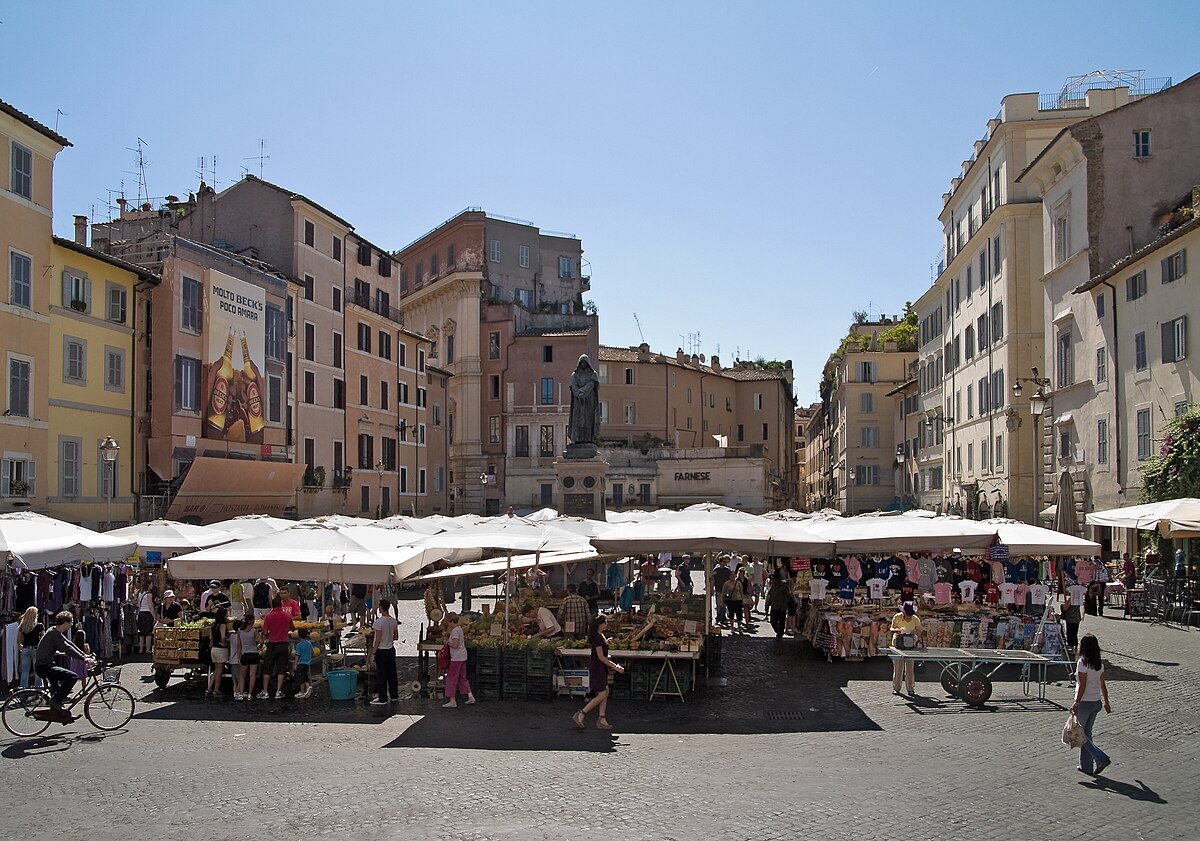
These start at a local market — usually Campo de’ Fiori or Testaccio — where you shop with the chef, learn about seasonal ingredients, and pick out what you will cook. Then you head to the kitchen and prepare a full meal using what you bought.
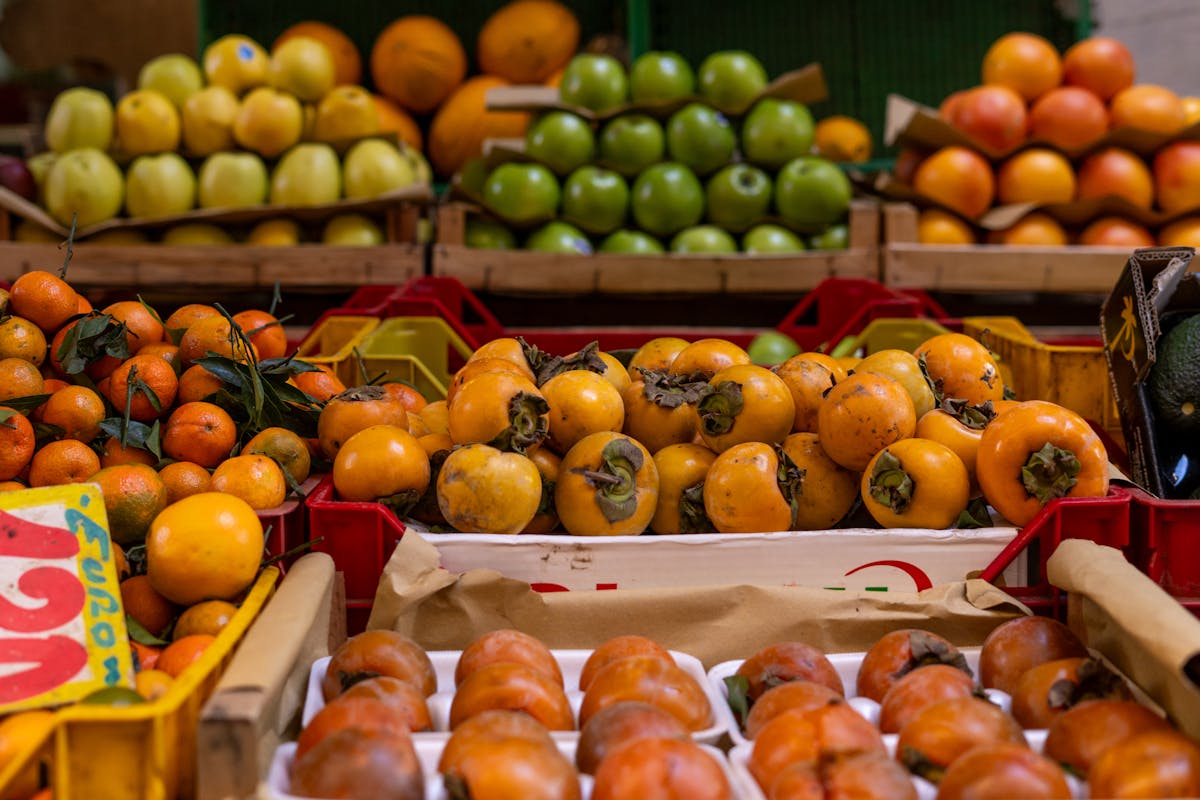
These run longer (4-7 hours) and cost more ($150-$270), but they are the most complete experience. The market portion teaches you things no other cooking class covers: how to tell if tomatoes are actually ripe (smell, not color), why Roman artichokes look different from what you see at home, which vendors are the real deal vs. tourist traps.
Best for: Anyone with half a day to spare who really wants to understand Italian food culture, not just cook one dish.
The Best Cooking Classes to Book in Rome
I have gone through every cooking class available on the major booking platforms and narrowed it down to these eight. They cover every type, budget, and neighborhood — and all of them have strong track records.
Fettuccine Pasta Cooking Class in Rome’s City Center
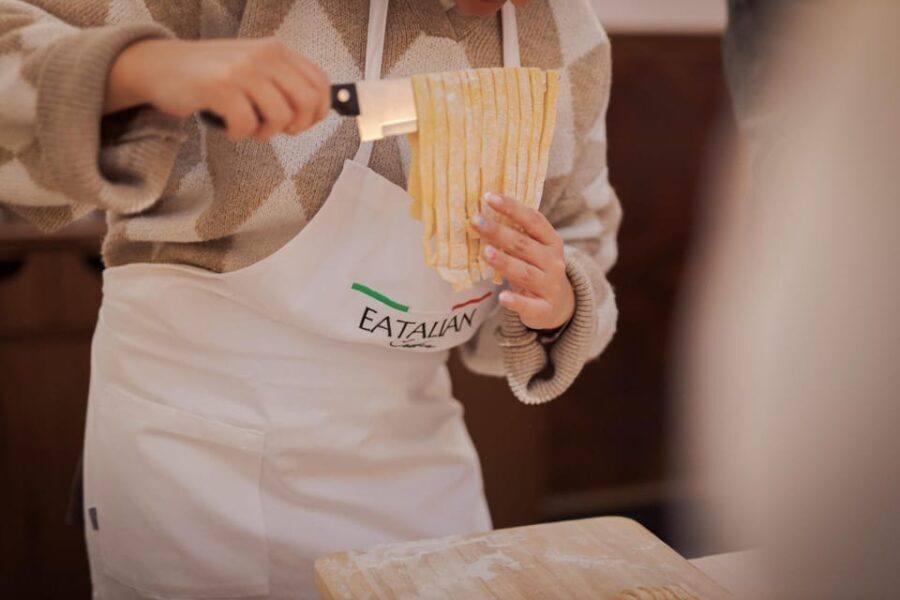
Price: $46/person | Duration: 2 hours | Type: Pasta
The most popular cooking class in Rome, and for good reason. You learn to make fettuccine from scratch in a kitchen right in the city center. The price is hard to beat — under $50 for two hours of instruction, all ingredients, and a full meal with wine. The class is taught by professional chefs, not cooking school students, which matters more than you would think. Small groups keep it intimate enough that you actually get personal attention.
The only downside: because it is so popular, it can book up fast during peak season (June-September). Reserve at least two weeks ahead if you are visiting in summer.
Spritz & Spaghetti: Tipsy Cooking Class
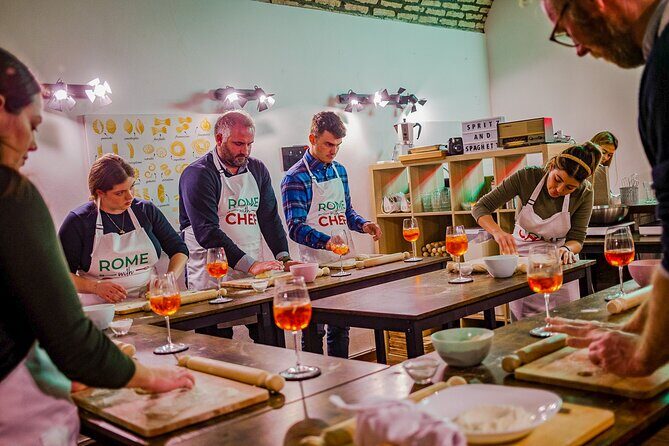
Price: $95/person | Duration: 3 hours | Type: Pasta + Wine
If the standard cooking class feels too “educational,” this is the antidote. The concept is simple: you cook spaghetti and drink spritz cocktails at the same time. It sounds gimmicky, but it actually works because the cocktails loosen everyone up and the class becomes genuinely social. You will meet people from all over the world and leave with new friends (and slightly wobbly pasta).
The food instruction is still solid — you are making proper Roman pasta, not just messing around. But the atmosphere is closer to a dinner party than a classroom. Great for couples or solo travelers looking to meet people.
Pasta & Tiramisu Cooking Class near the Spanish Steps
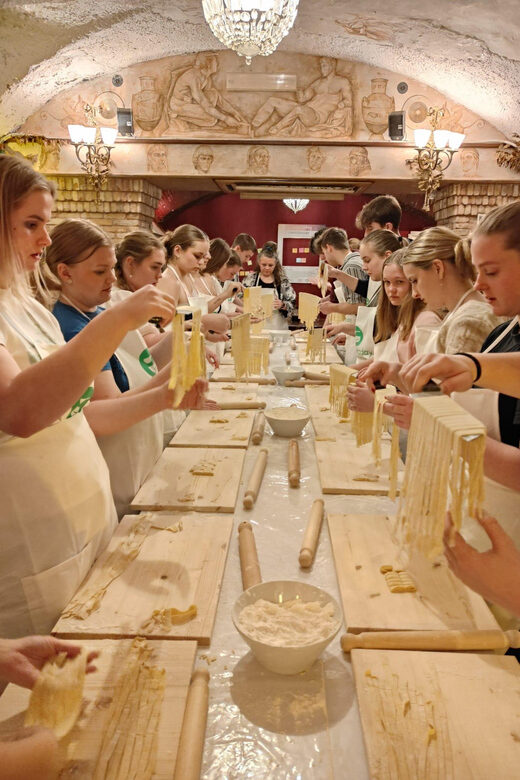
Price: $58/person | Duration: 2 hours | Type: Pasta + Dessert
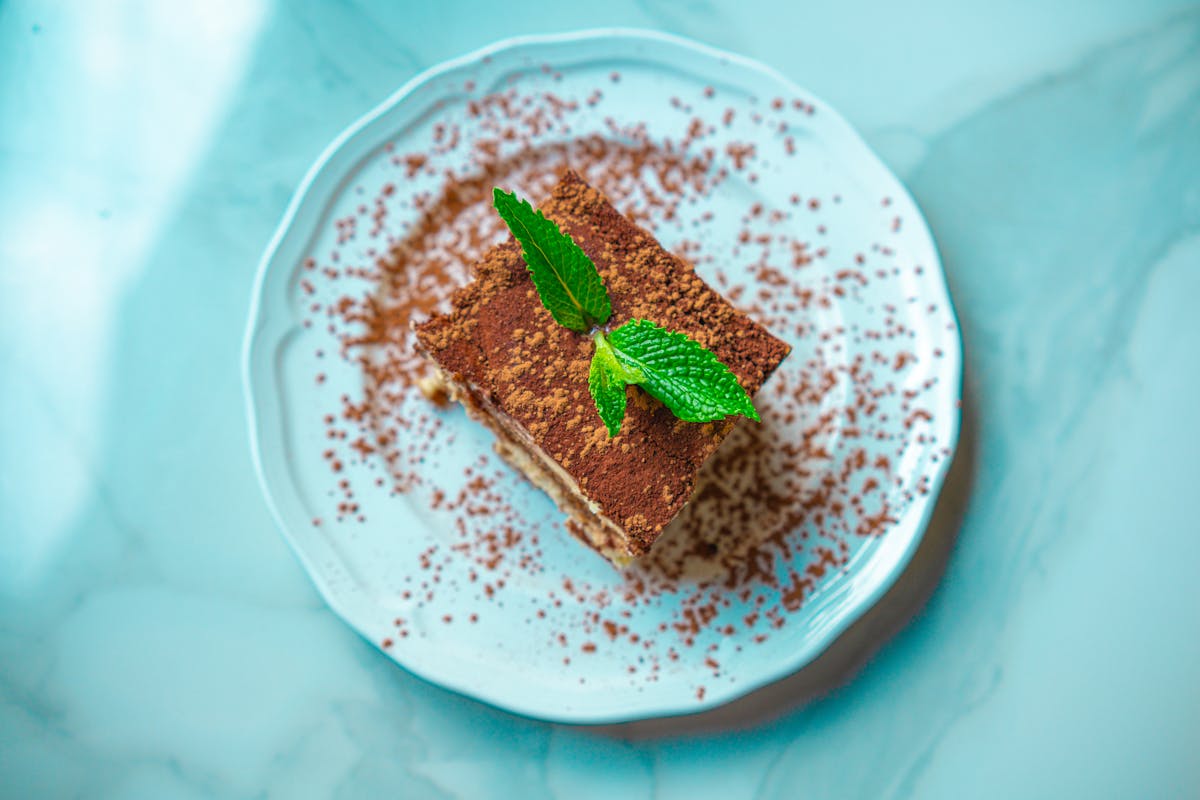
Good location (a short walk from the Spanish Steps), good value, and you learn to make tiramisu on top of the pasta. The tiramisu portion is what sets this one apart — layering the mascarpone, getting the espresso soak right, dusting the cocoa. It is easier than pasta making but more fun than you would expect. You take your tiramisu home in a container.
This is one of the better options if you are staying in the historic center and want something within walking distance of the main sights. After class, you can walk off the meal heading south toward the Pantheon or the Trevi Fountain.
Pizza and Tiramisu Making in the Heart of Rome
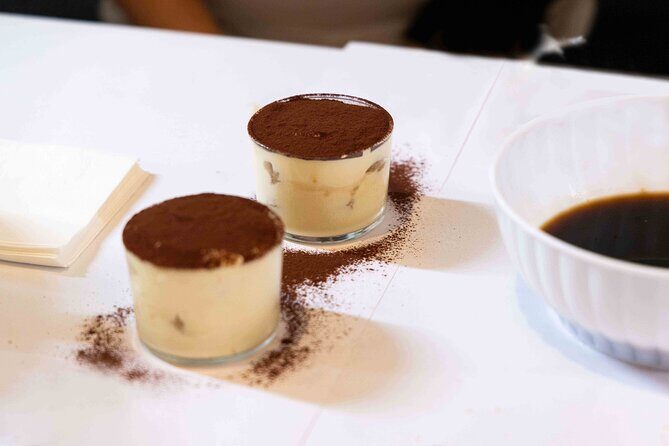
Price: $57/person | Duration: 2.5 hours | Type: Pizza + Dessert
You make a full pizza from scratch — dough, sauce, toppings, the works — and then finish with tiramisu. The extra 30 minutes compared to the shorter classes makes a real difference. You are not rushing through the dough-making, and the chef has time to actually explain why Roman pizza differs from Neapolitan-style (thinner, crispier, less puffy at the edges).
This is my top pick for families. Kids love the pizza portion because it is basically playing with food, and the tiramisu is straightforward enough that children can do it with minimal help. The space is big enough that kids have room to move around without destroying anything.
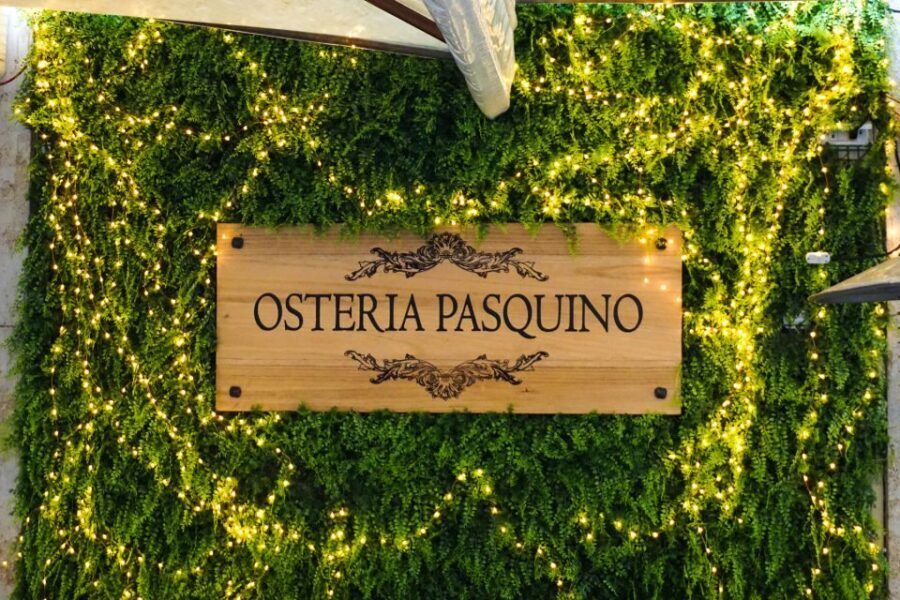
Traditional Pizza Cooking Class near Piazza Navona
Price: $46/person | Duration: 2 hours | Type: Pizza
A focused pizza class at one of the best locations in Rome. The kitchen is tucked into a side street near Piazza Navona, so you are right in the thick of the centro storico. You stretch the dough by hand, learn to use a proper pizza peel, and bake it in a professional oven. The chef covers the differences between various Italian pizza styles, which was genuinely interesting — I did not know how much regional variation existed.
At $46 for two hours, this is one of the cheapest cooking classes in Rome. You can finish by early afternoon and spend the rest of the day exploring. Piazza Navona is right there for an after-class stroll, and the Pantheon is a five-minute walk.
Roman Master Chef Cooking Class with Wine
Price: $32/person | Duration: 2.5-3 hours | Type: Full Meal
At $32 per person, this is the cheapest cooking class in Rome that is still good. You make a complete Roman meal — typically a pasta course plus a second dish — and wine is included throughout. The “Master Chef” branding is a bit much, but the actual instruction is solid and the value is outstanding. You are getting nearly three hours of cooking plus a full meal for what you would pay for a mediocre sit-down lunch near the tourist spots.
The downside is that because it is so cheap, groups tend to be larger. If you want a more personal experience, spend a bit more. But if you are on a budget and just want to cook some proper Roman food, this is the one.
Chef in a Day: Full Immersion Cooking Class
Price: $147/person | Duration: 5 hours | Type: Multi-Course
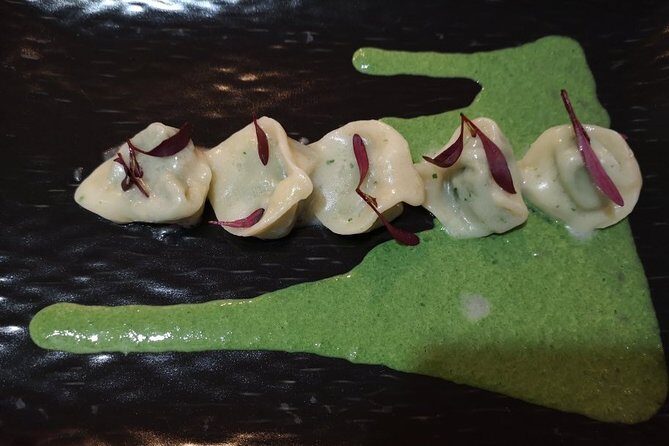
This is the cooking class for people who are serious about food. Five hours, multiple courses, and deep instruction on Roman cooking techniques. You are not just making one pasta shape — you are learning a full meal from antipasto through dessert, with wine pairings along the way. The chef explains the reasoning behind each step, not just the technique, so you actually understand why you are doing what you are doing.
It is a commitment — half your day in Rome is spent in a kitchen. But if you are the kind of person who watches cooking shows and reads food blogs, this is worth every penny. Come hungry and wear clothes you do not mind getting flour on.
Cooking Class in Rome’s Countryside
Price: $267/person | Duration: 7 hours | Type: Market + Cook (Countryside)
The most expensive option on this list, and also the most unique. You leave Rome entirely and head to a farmhouse in the countryside, where you cook with ingredients grown on-site or sourced from local farms. It is a full day: transportation from Rome, a tour of the property, hands-on cooking, a multi-course meal, and wine from the region.
This is a splurge, obviously. But if you have already done the main Rome sights — the Colosseum, the Vatican Museums, St. Peter’s Basilica — and want something completely different, getting out of the city for a cooking day in the hills is the kind of thing you will remember long after you forget which ruin was which.
Where Cooking Classes Are Located in Rome
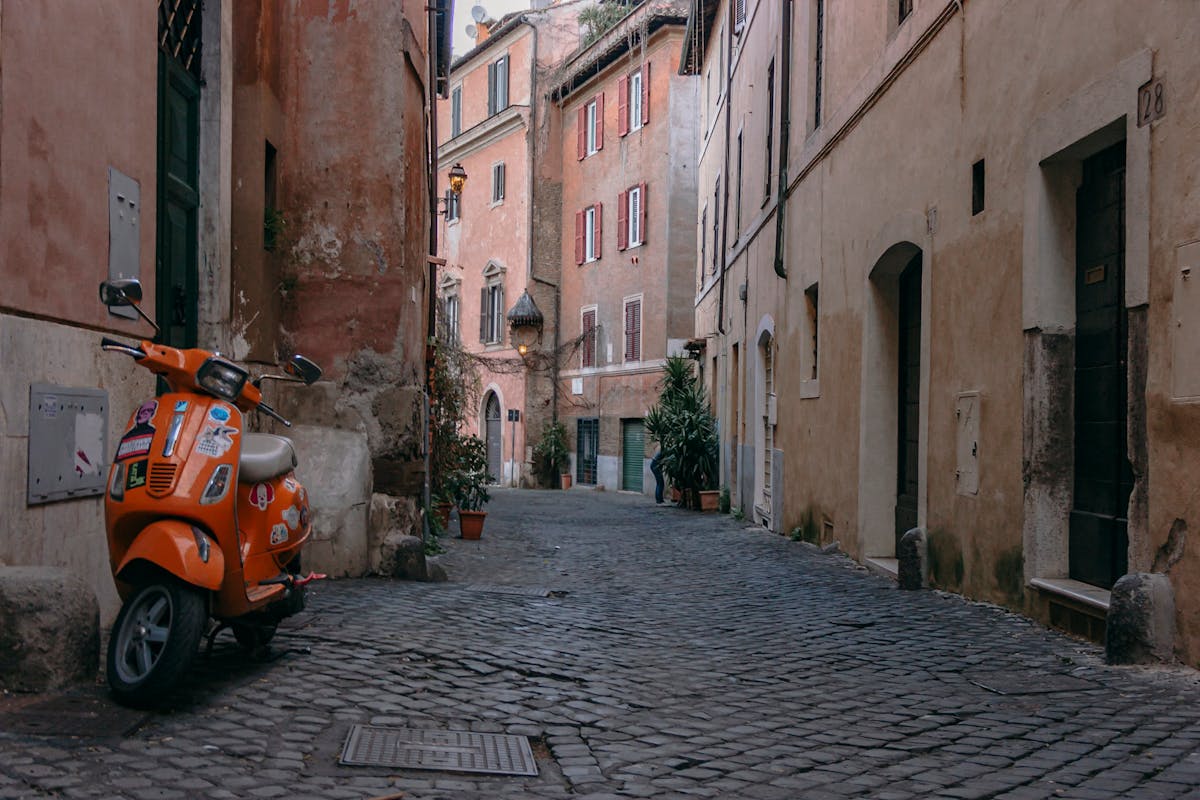
Cooking classes are scattered across Rome’s centro storico, but they cluster in a few neighborhoods:
Trastevere is the biggest hub for cooking schools. It is a residential neighborhood on the west bank of the Tiber with narrow cobblestone streets and a relaxed, local feel. Walks of Italy, Eating Europe, and several independent schools operate here. The neighborhood itself is one of the best areas to eat dinner in Rome — and a guided food tour through the neighborhood reveals places you would never find on your own, so if your class ends in the afternoon, stick around. A Trastevere food tour is a natural pairing if you want someone to show you the best spots.
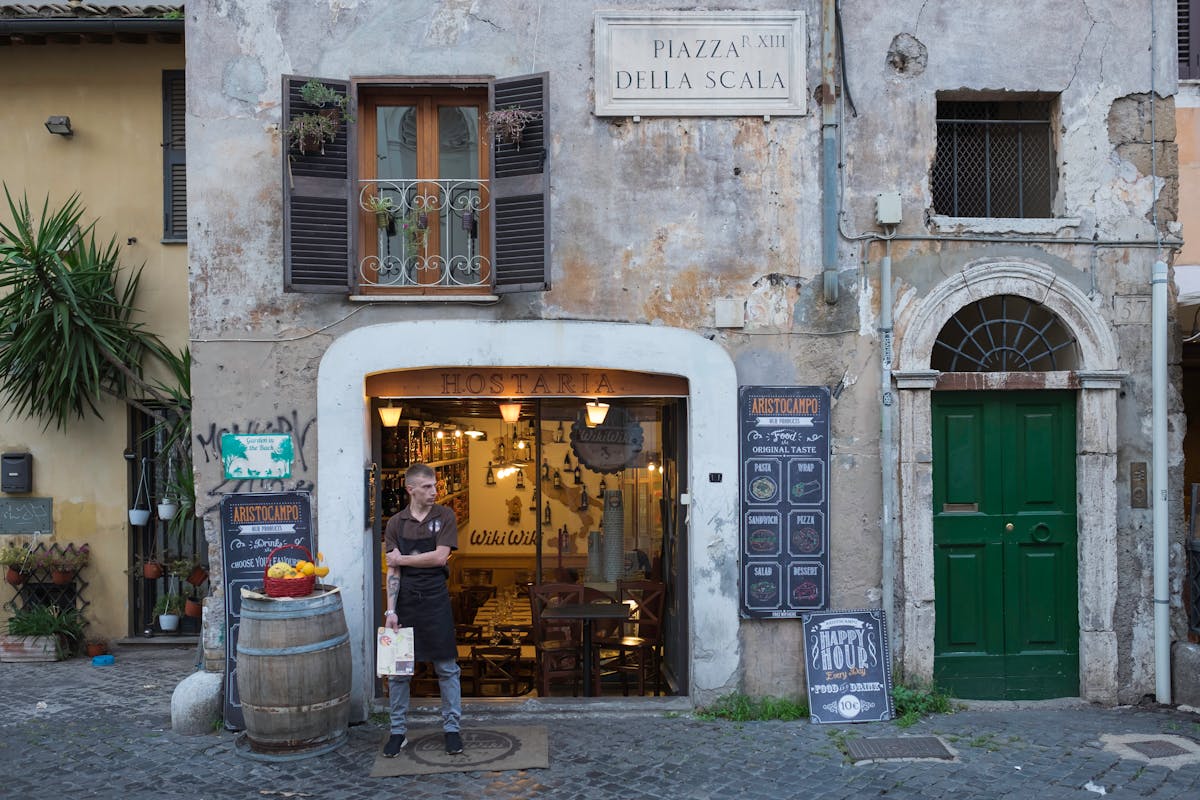
Piazza Navona / Centro Storico has the second-highest concentration. InRome Cooking operates two schools here — one near the Pantheon and one on Corso del Rinascimento, directly opposite the Italian parliament. Several of the GetYourGuide and Viator classes also use kitchens in this area. The advantage: you are within walking distance of basically everything.
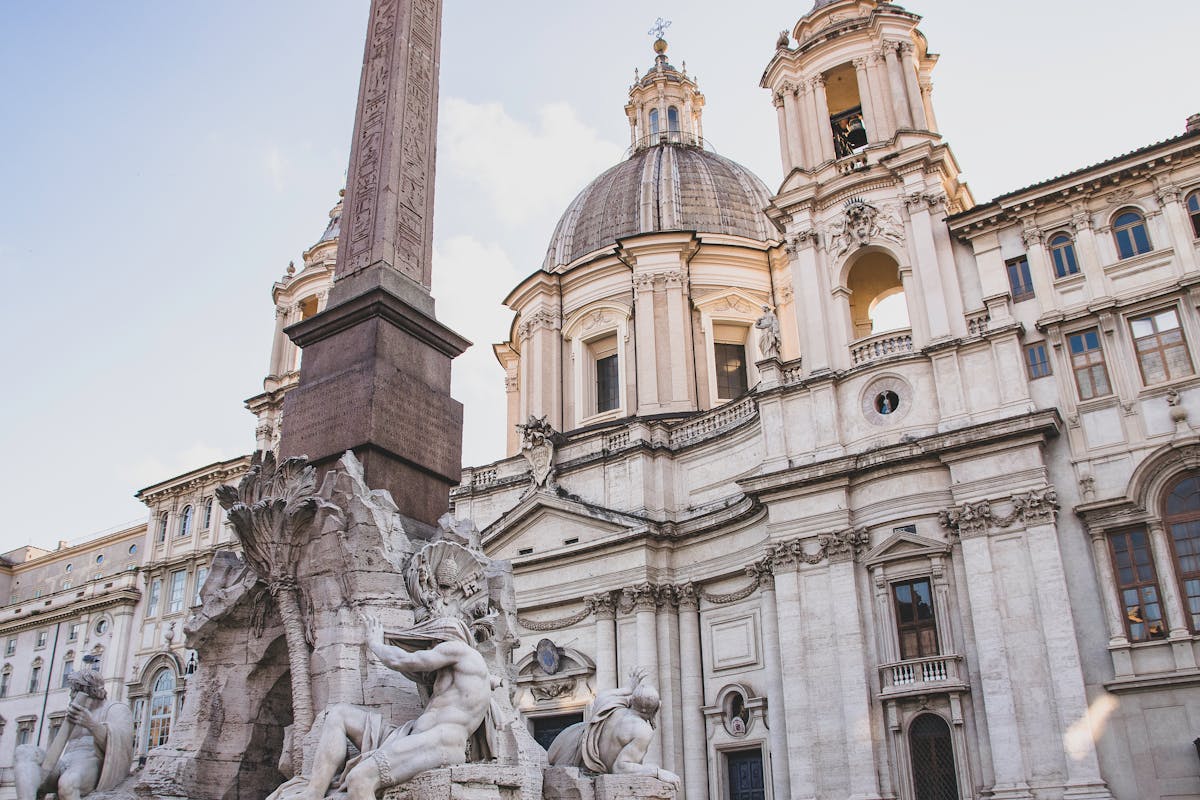
Near the Spanish Steps — a few classes operate in the upscale area around Via del Corso and Piazza di Spagna. These tend to be slightly more expensive but convenient if you are staying in the northern part of the center.
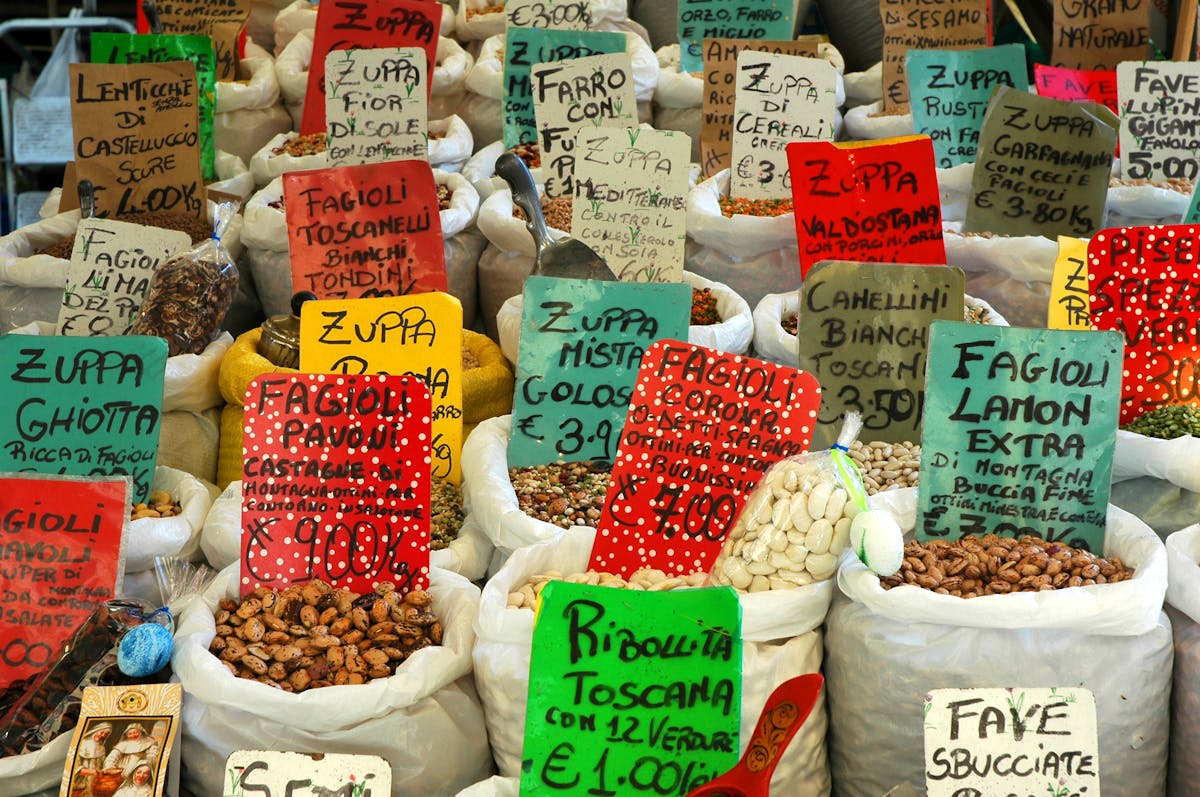
Testaccio is Rome’s traditional working-class food neighborhood. The Testaccio market is where serious Roman food culture lives — less polished than Campo de’ Fiori but more authentic. If you are booking a market tour + cook class, this is the neighborhood you want.
How to Book (And When)
Every class I have listed above can be booked online through GetYourGuide or Viator. Both platforms offer free cancellation up to 24 hours before the class, which is important because Rome plans change constantly.
When to book:
- Summer (June-September): Book 2-3 weeks in advance minimum. The most popular classes sell out during peak weeks.
- Spring/Fall (April-May, October-November): A week ahead is usually fine, but the best time slots (morning classes) go first.
- Winter (December-March): You can often book a few days ahead. Fewer travelers means more availability and smaller groups — honestly the best time for a cooking class.
Morning vs evening classes: Most classes offer both. Morning classes (9-11 AM start) replace lunch — you cook and eat, then have the afternoon free for sightseeing. Evening classes (5-7 PM start) replace dinner. I prefer morning classes because you have not already eaten a huge Italian lunch, and you have more energy for kneading dough.
What to bring: Nothing. Everything is provided — aprons, ingredients, equipment. Just show up in comfortable clothes and shoes you can stand in for a couple hours. Leave your bag at the hotel if possible; most kitchens have limited storage.
Tips from Someone Who Has Done This
Book a class early in your trip, not the last day. You will learn things about Roman food that change how you eat for the rest of your stay. After a cooking class, you will know what cacio e pepe should actually taste like, you will order better at restaurants, and you will be more adventurous at market stalls.
Do not skip the sit-down meal at the end. Some people get restless and want to leave once the cooking is done. Don’t. The meal is where the chef tells you stories, where you actually taste the differences between your pasta and your neighbor’s, and where the wine keeps flowing. It is the best part.
Solo travelers: a cooking class is one of the best things you can book. Unlike a museum tour where everyone stays in their own bubble, cooking classes force you to interact. You are sharing a workspace, passing ingredients, helping each other. I have seen solo travelers leave these classes with dinner plans for the evening with people they just met.
Do not eat a big meal before your class. You are going to sit down to a full pasta or pizza lunch/dinner at the end, plus snacks and wine throughout. A light breakfast or skipping lunch (for evening classes) is ideal.
If you have dietary restrictions, tell them when booking. Most classes can accommodate vegetarian, gluten-free, or other needs with advance notice. Do not wait until you are standing in the kitchen to mention it.
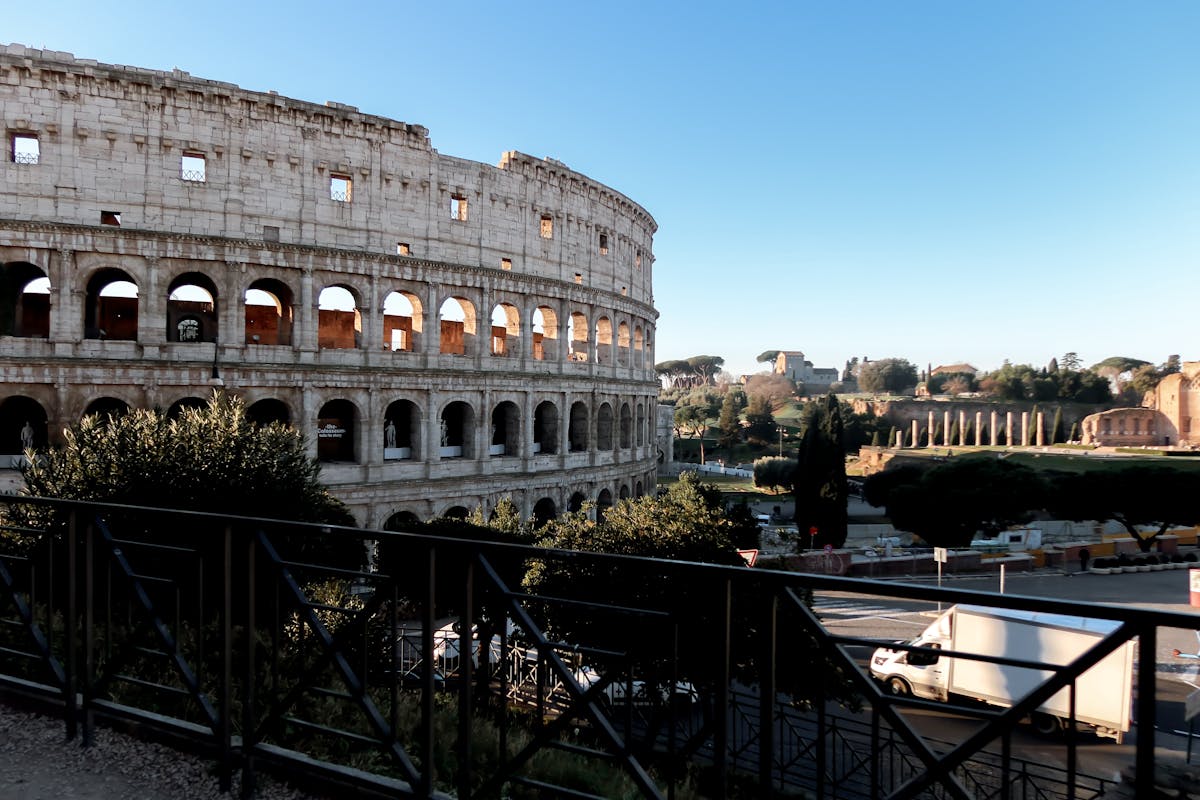
Schedule sightseeing after, not before. A two-hour class that starts at 10 AM means you are eating by noon and free by 12:30. That gives you the entire afternoon for the Colosseum, the Pantheon, or a hop-on-hop-off bus tour while you walk off the carbs.
Disclosure: This article contains affiliate links to cooking classes and tours in Rome. If you book through these links, I may earn a small commission at no extra cost to you. I only recommend classes and experiences that I genuinely think are worth booking.