
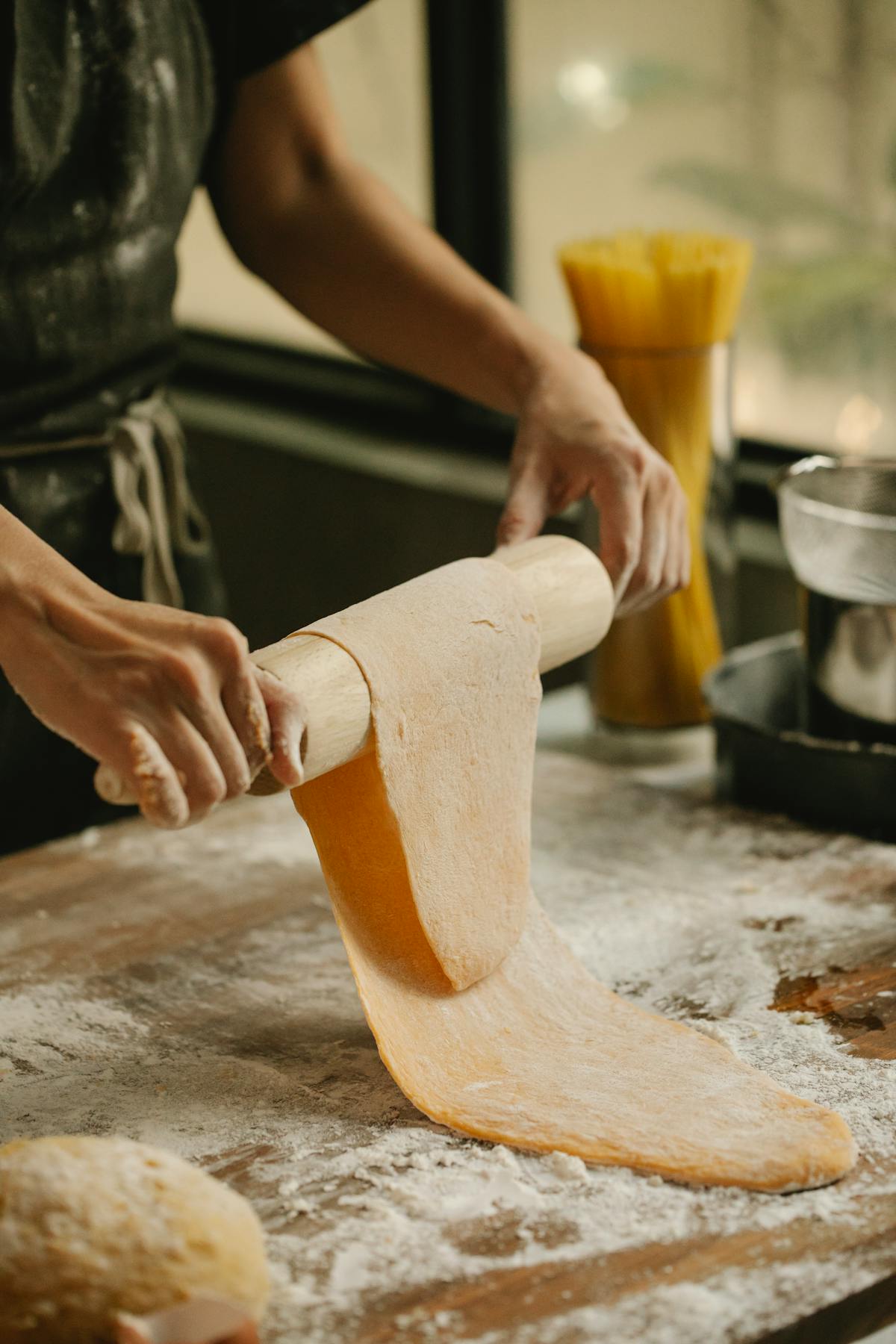
The first time I pulled a sheet of pasta off a drying rack in Florence, I stood there like an idiot just staring at it. Paper-thin, slightly translucent, dusted in semolina. I had made that. Me. The person who once burned instant ramen.
Booking a cooking class in Florence is one of those things that sounds like a tourist cliche until you actually do it. Then you realize why roughly a quarter of all visitors to the city end up in one. The classes run anywhere from $21 to $285 per person depending on whether you want a quick pasta session or a full day at a Tuscan farmhouse. And the spectrum between those two extremes is where it gets interesting.
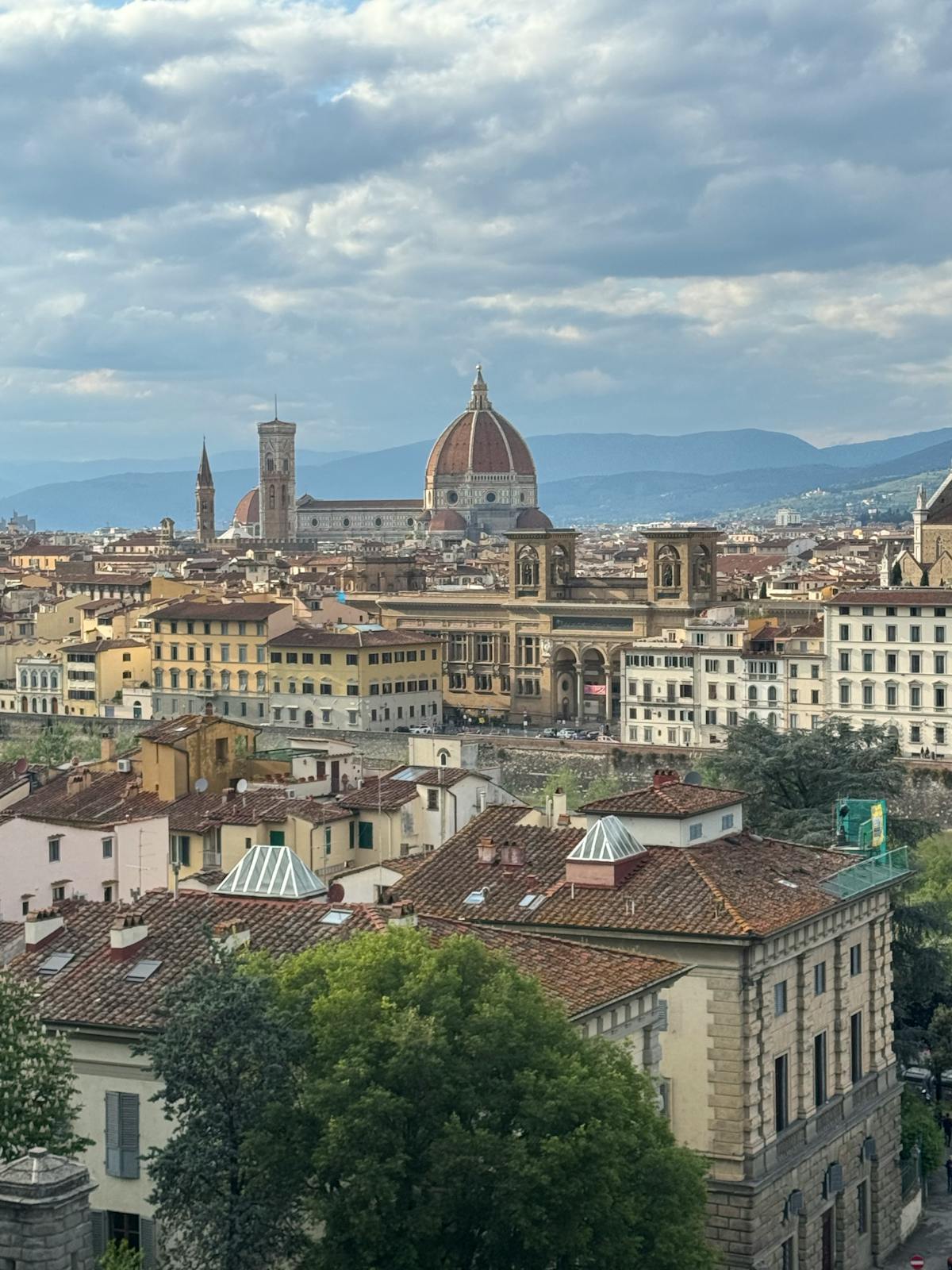
I have taken five different cooking classes across three trips to Florence. Some were fantastic. One was honestly a waste of money. So here is everything I know about picking the right one, what you will actually learn, and which specific classes are worth booking right now.
- What Florence Cooking Classes Actually Include
- Group vs Private vs Market-Tour-and-Cook
- Best Cooking Classes in Florence to Book Right Now
- Florence: Pasta Cooking Class with Unlimited Wine
- Florence: Pasta and Tiramisu Cooking Class with Unlimited Wine
- Tuscan Farmhouse Cooking Class with Market Tour
- Florence: The Art of Making Gelato and Pizza
- Wanna Be Italiano — Market Tour and Cooking Class
- Florence: Premium Pasta and Gelato Class
- Countryside Cooking Class with Maria
- When to Book Your Florence Cooking Class
- Practical Tips That Nobody Tells You
- More Florence Guides
What Florence Cooking Classes Actually Include
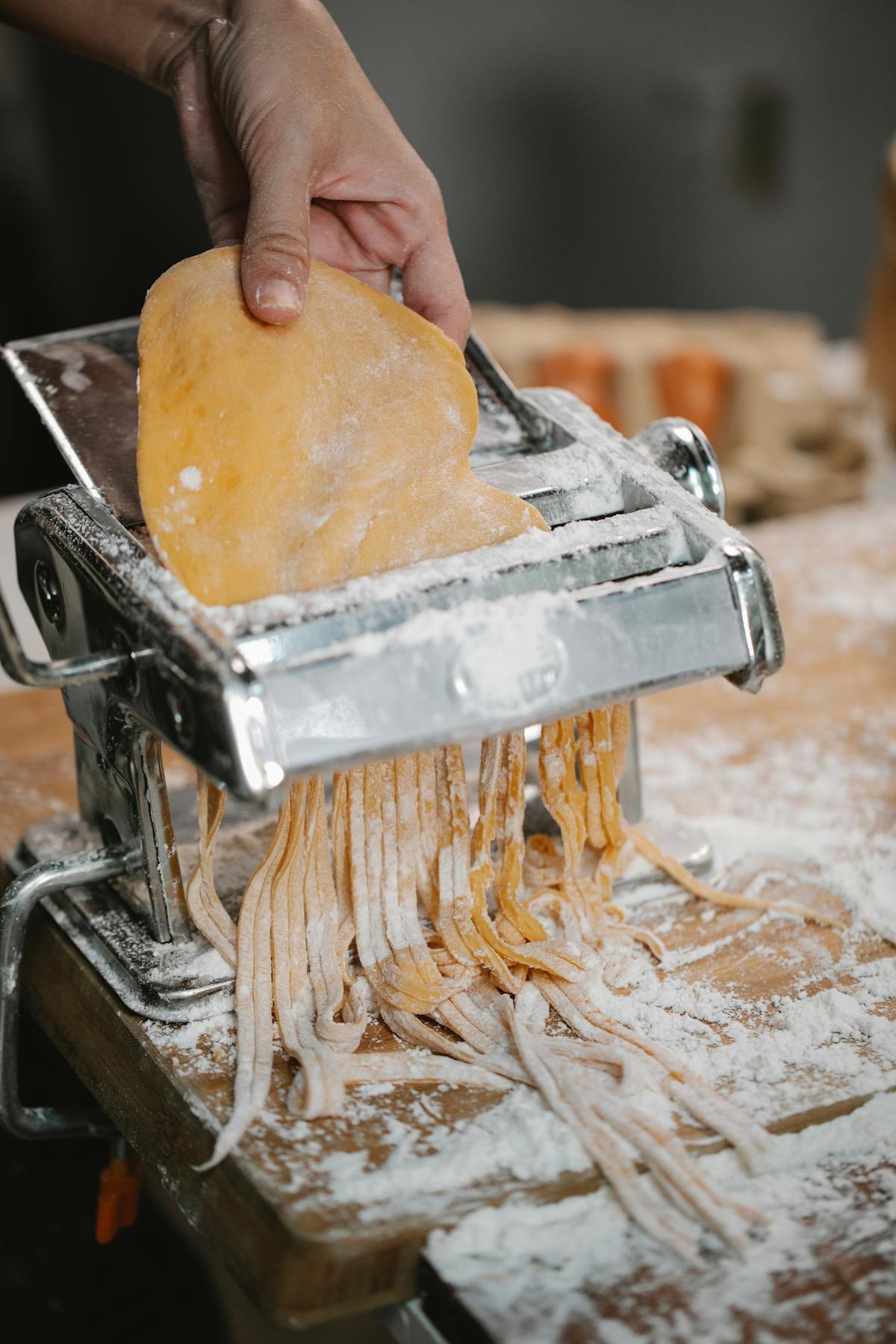
Nearly every cooking class in Florence follows the same basic formula: you show up, put on an apron, make food from scratch, and then sit down and eat everything you just prepared. But the details vary more than you would expect.
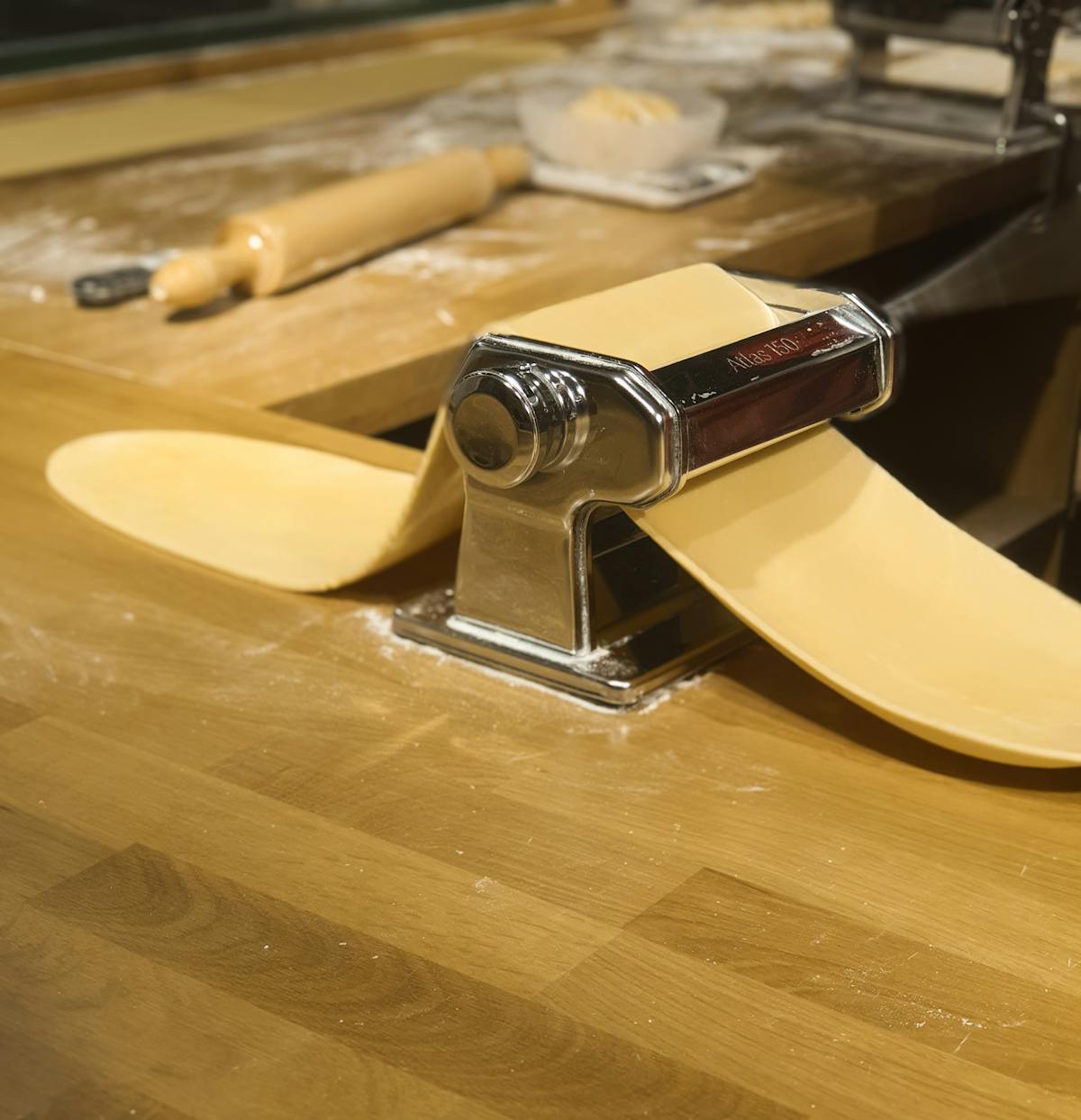
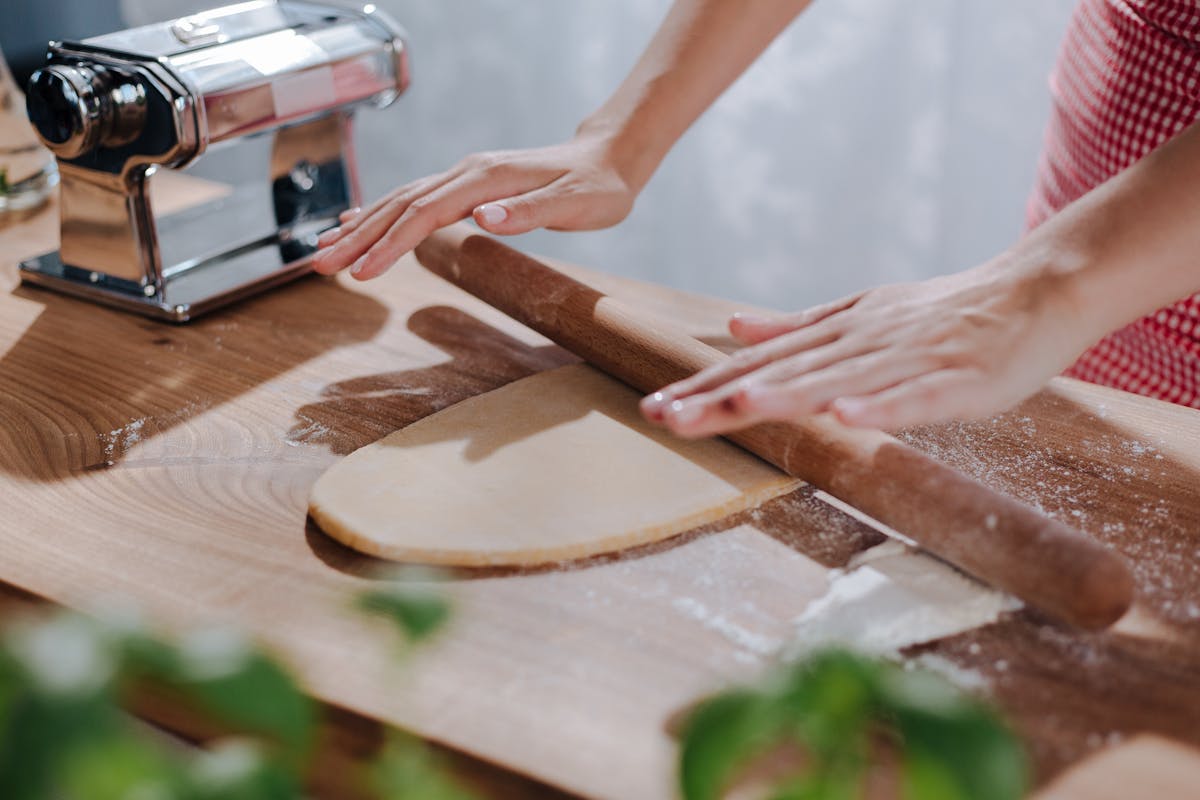
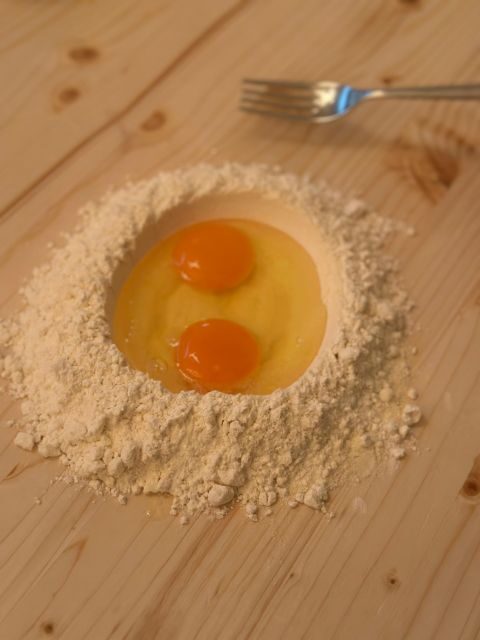
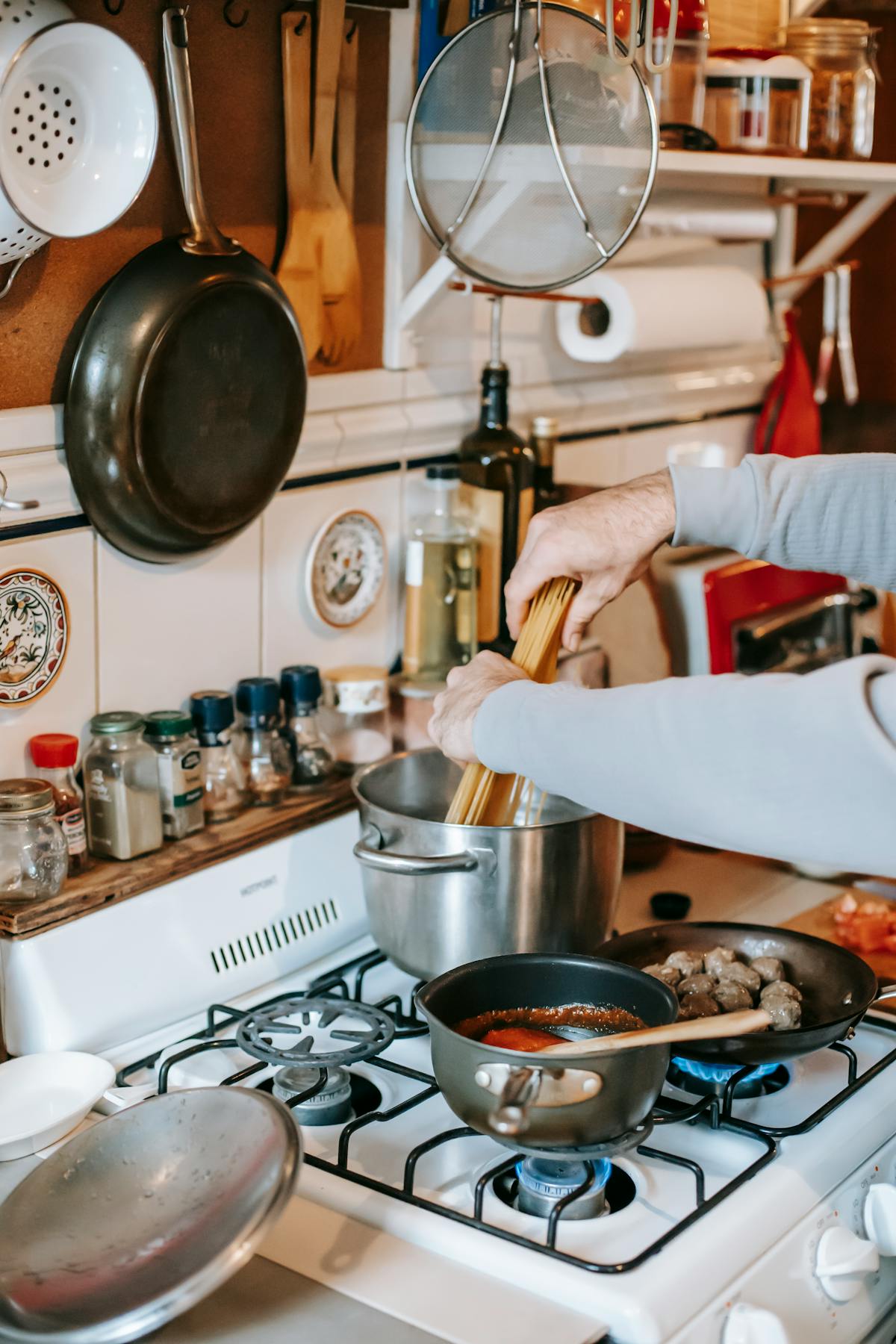
The pasta part. This is the core of about 90% of Florence cooking classes. You will learn to make fresh egg pasta dough from scratch — flour, eggs, a pinch of salt, and a lot of elbow grease. Most classes teach you two pasta shapes minimum. Tagliatelle and ravioli are the most common combination. Some classes throw in a stuffed pasta like tortellini, which is trickier than it looks and genuinely satisfying when you nail it.
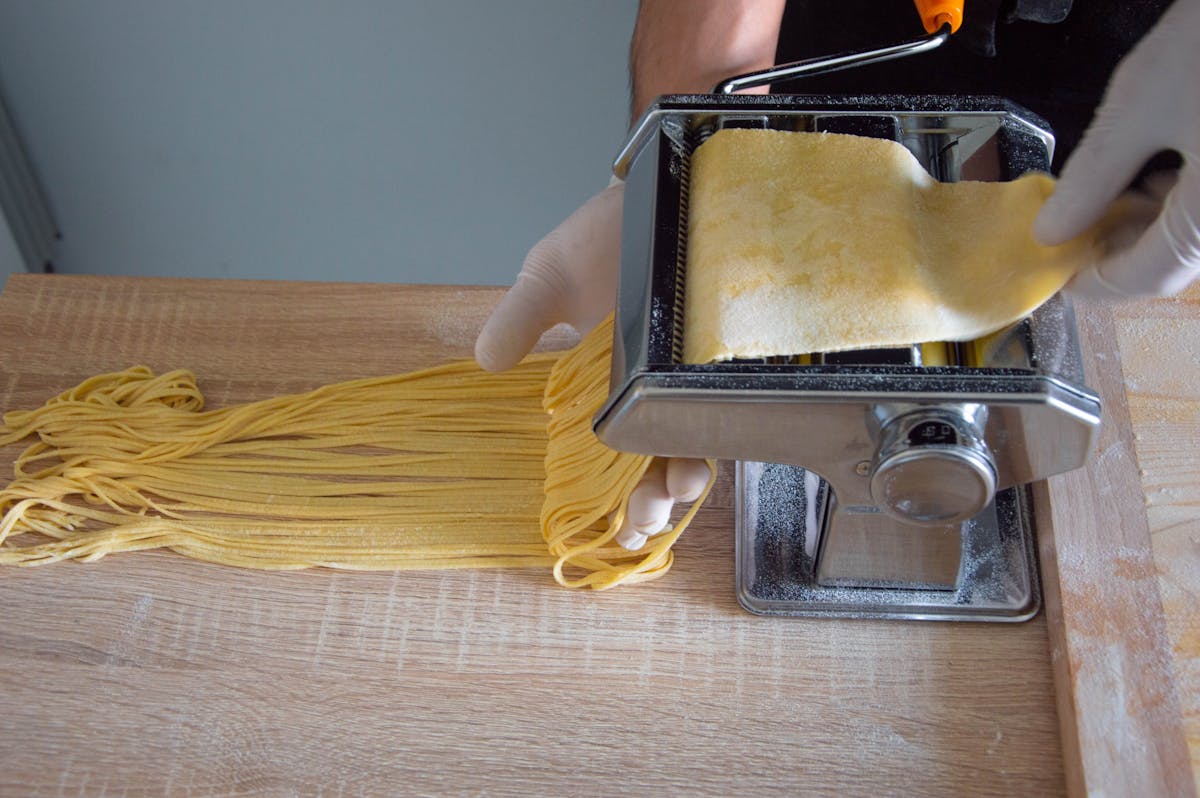
The sauce. You will usually make at least one sauce to go with your pasta. A basic ragu or a sage butter is typical. Higher-end classes might teach you a proper Florentine meat sauce that simmers for an hour while you work on the next course.
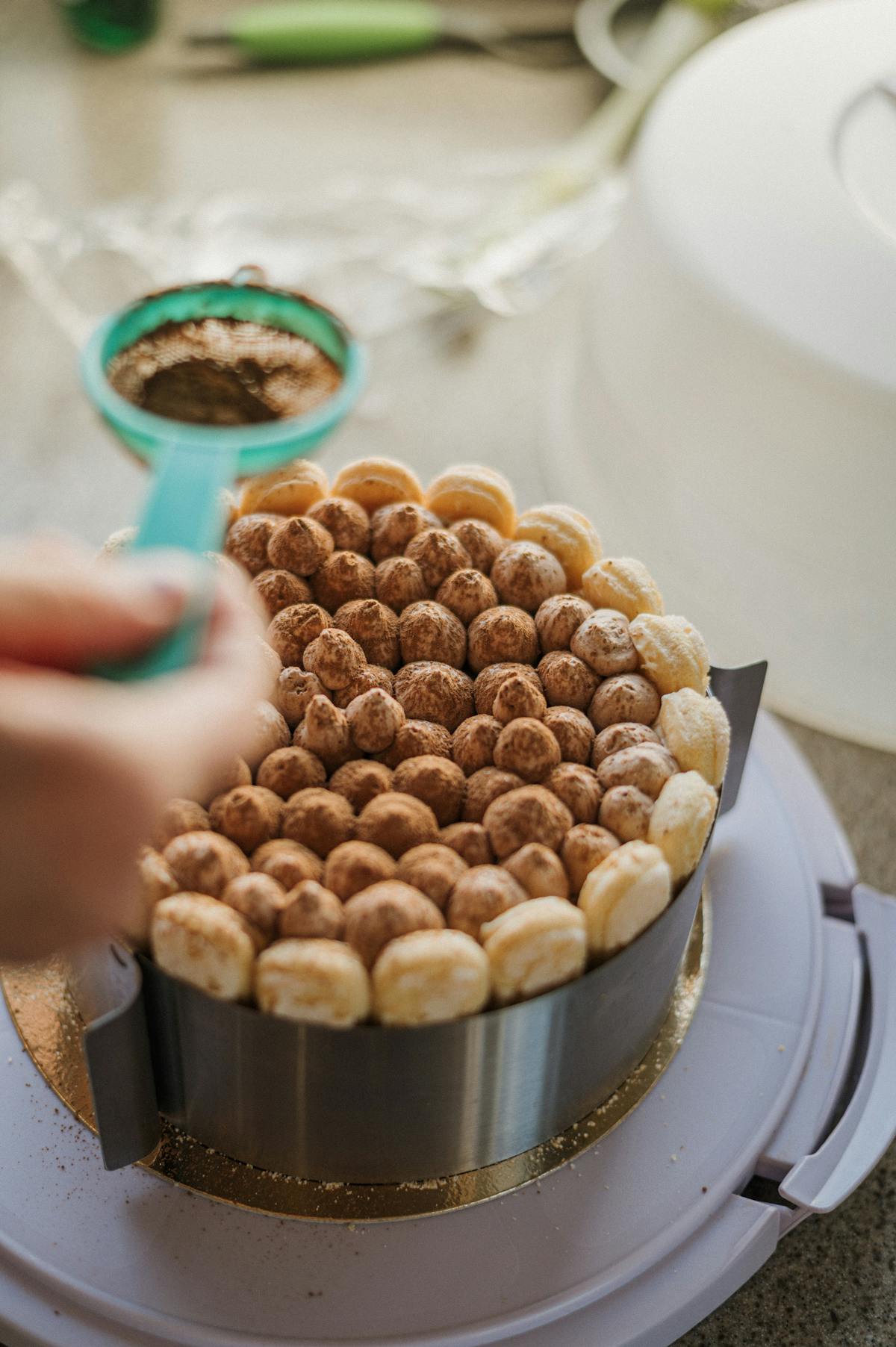
Dessert. About half of the classes include tiramisu. It is the crowd favorite because the technique is simple enough for beginners but the result tastes genuinely impressive. Some classes swap in panna cotta or gelato instead.
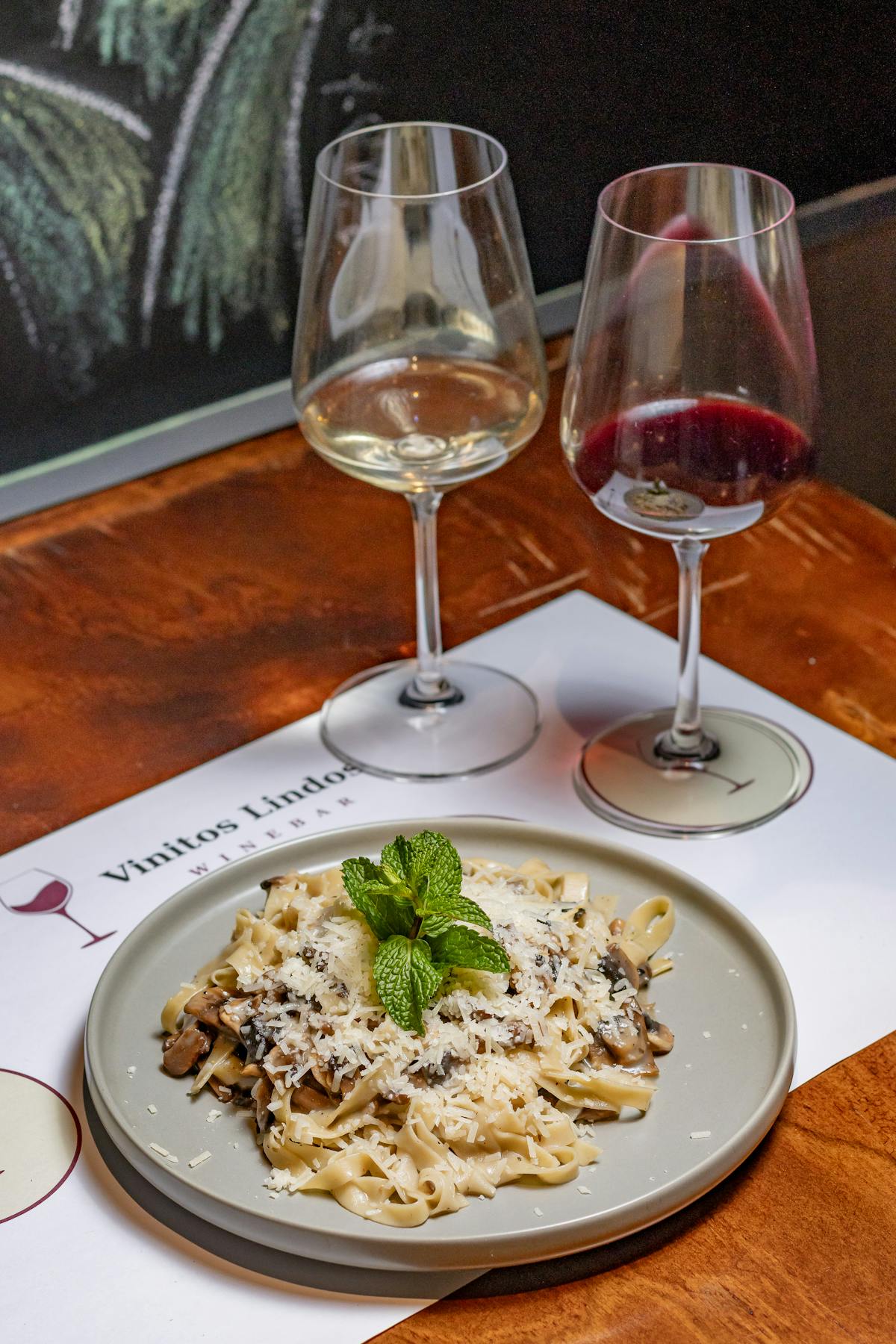
The wine situation. Most classes include wine. Many advertise “unlimited wine,” which usually means there are a few bottles of decent Chianti on the table and nobody is counting your refills. Do not expect a sommelier-led tasting — this is table wine served while you cook and eat.
What you take home. Beyond the food in your stomach, you typically get printed recipes for everything you made. A handful of classes also give you an apron or a small bag of local ingredients like truffle salt or dried porcini.
Group vs Private vs Market-Tour-and-Cook
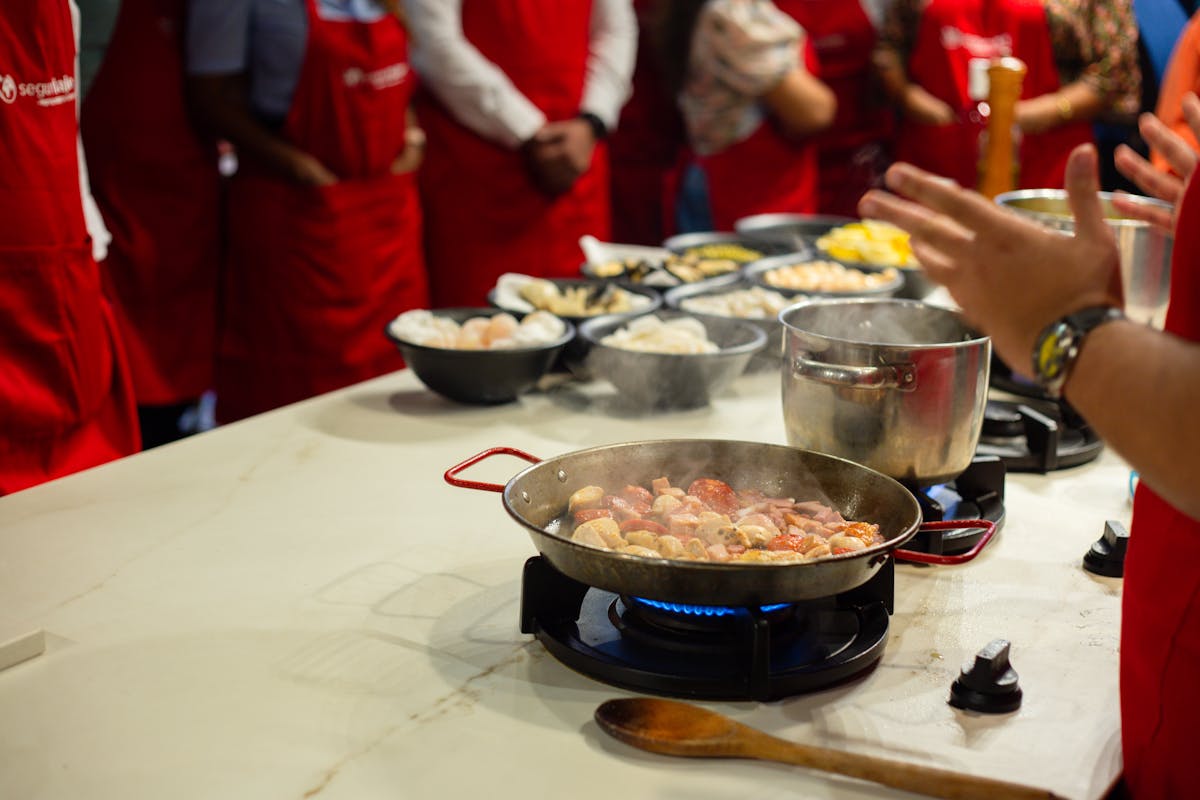
There are three main types of cooking experiences in Florence, and picking the right format matters more than picking the right specific class.
Group classes ($21-$90 per person) are the most popular option and what most people book. You will be cooking alongside 8-20 other people, usually travelers from all over the world. The best group classes cap at 12 participants. Bigger groups mean less hands-on time and more standing around watching. The upside is the social element — I have met some genuinely interesting people over a shared cutting board. The downside is pace. If you already know your way around a kitchen, you might find it slow.
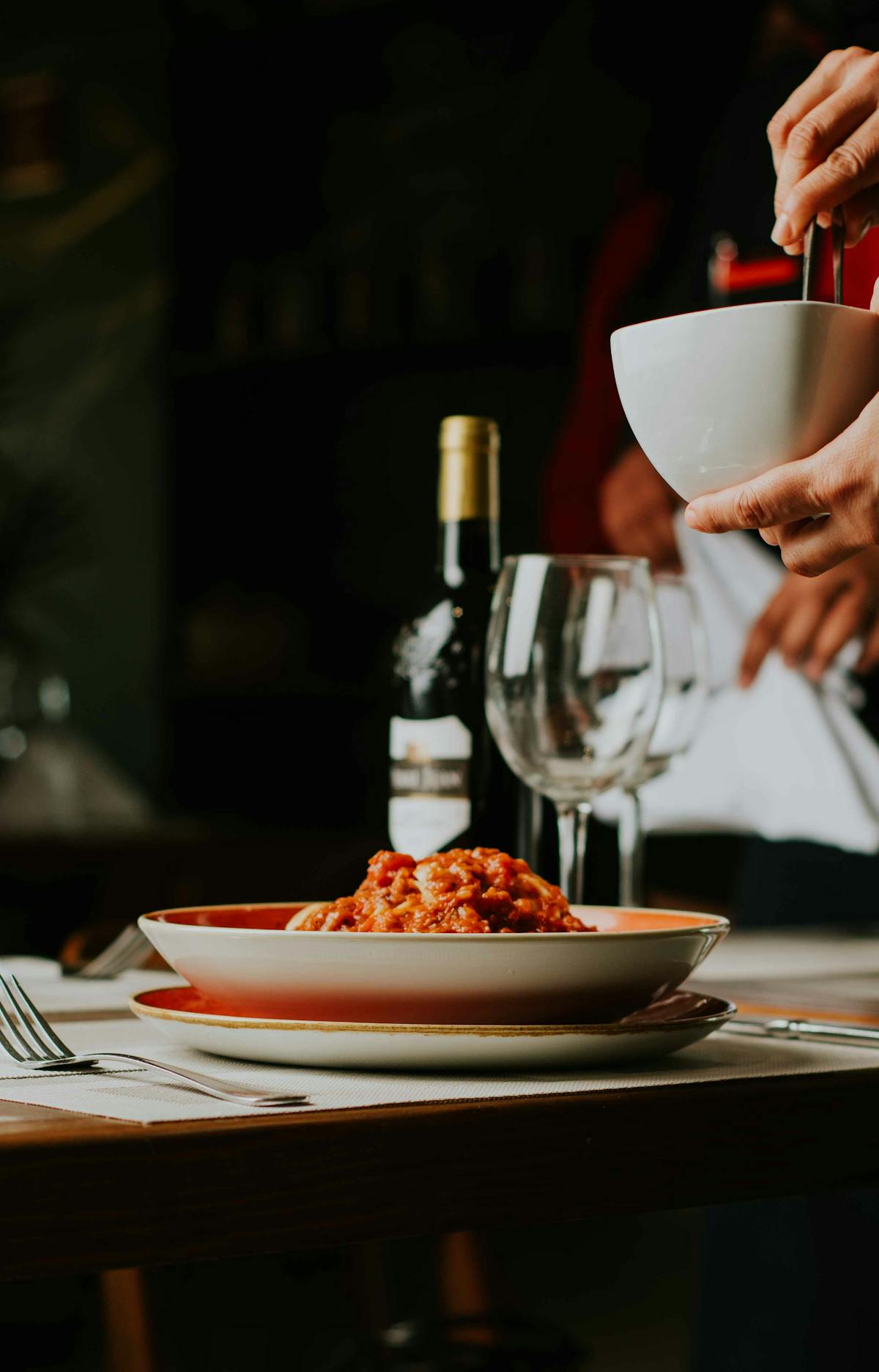
Private classes ($100-$286 per person) are a different animal entirely. You get a chef to yourself, or at most you share with your travel partner. The pace adjusts to your skill level, the chef can go deeper into technique, and you can request specific dishes. Worth it for couples looking for a date-night activity, families with kids who might slow down a group, or serious home cooks who want to actually learn rather than just go through the motions. If you are visiting Florence with your partner, a private class at someone’s countryside home is one of the most memorable things you can do — better than most restaurants, honestly.
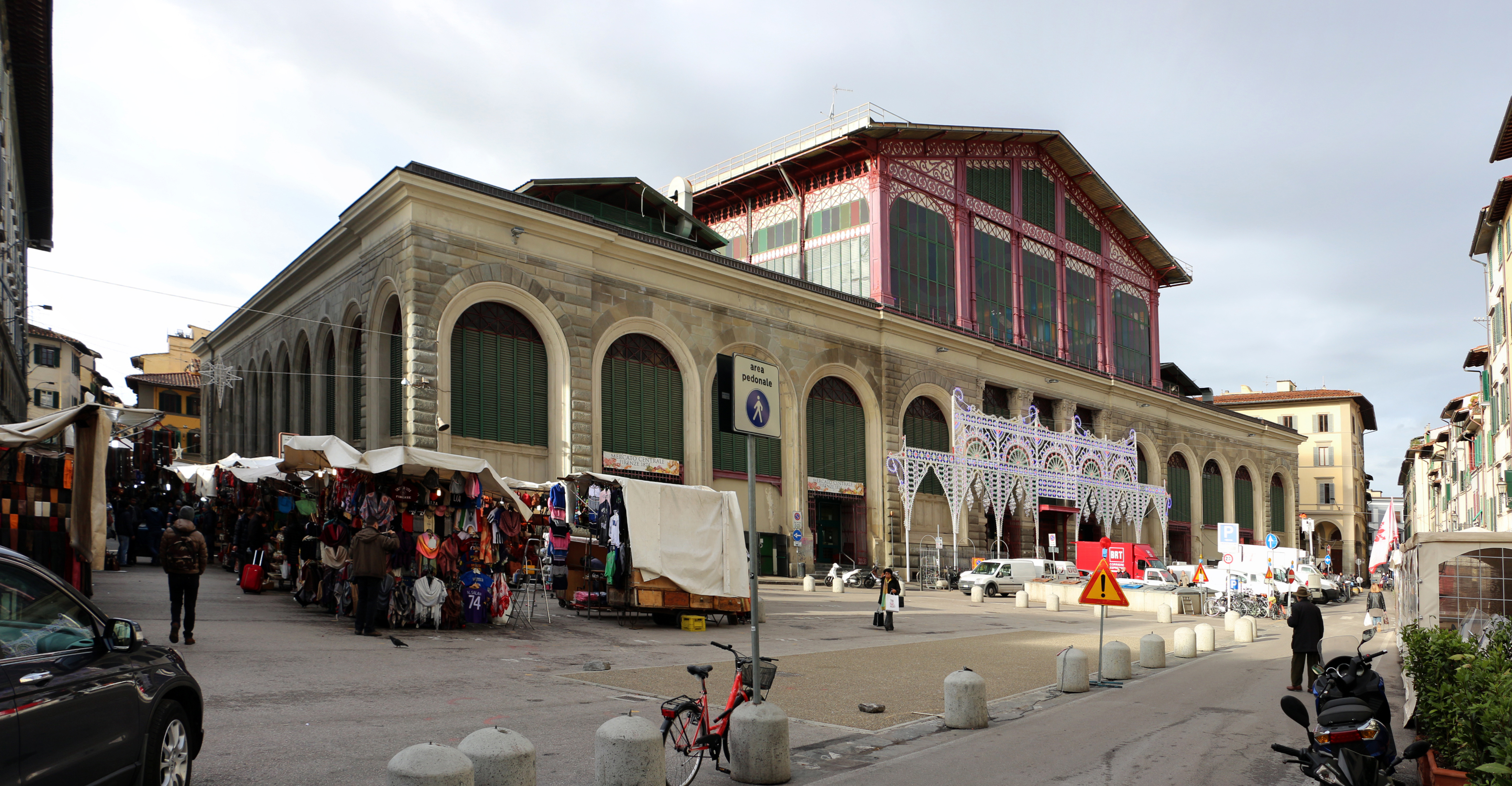
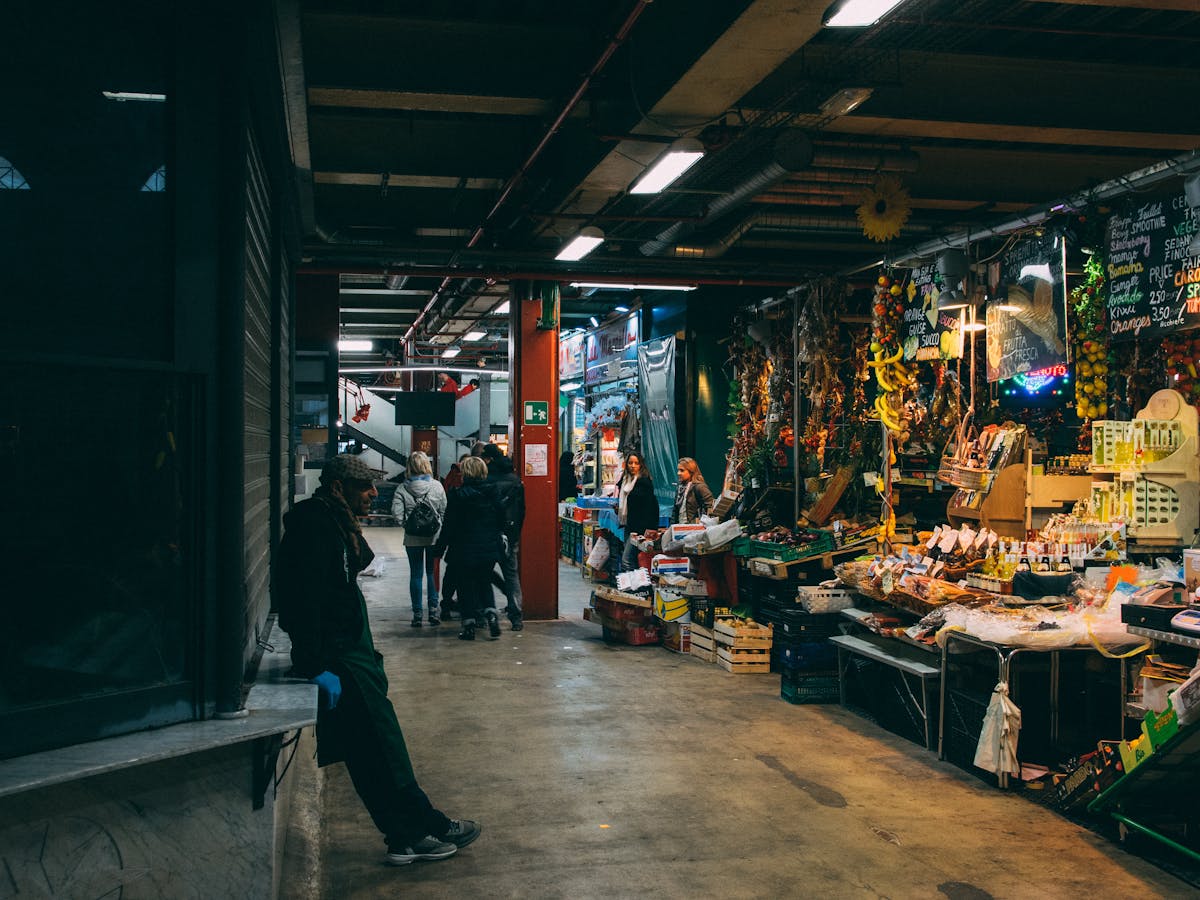
Market tour + cooking class combos ($62-$145 per person) are my personal favorite format. You start at either Mercato Centrale or Mercato di Sant’Ambrogio, spend an hour or so shopping for ingredients with the chef, then head to the kitchen to cook with what you bought. The market portion adds real context. You learn which tomatoes are in season, how to pick fresh mozzarella, why Tuscan bread is unsalted. It turns a cooking class into a proper food education.
One format I would skip unless you have a specific reason: the “pizza and gelato” class aimed squarely at families. They are fine for kids, but as an adult cooking experience, they feel thin. You stretch some dough, spread sauce, and wait for it to bake. Not much actual technique involved.
Best Cooking Classes in Florence to Book Right Now
I have narrowed this down to seven classes that cover every budget and style. Each one has a strong track record and the kind of specific details that matter — group size, what you actually cook, and whether the wine situation is worth writing home about.
Florence: Pasta Cooking Class with Unlimited Wine
Price: $21 per person | Duration: 3 hours
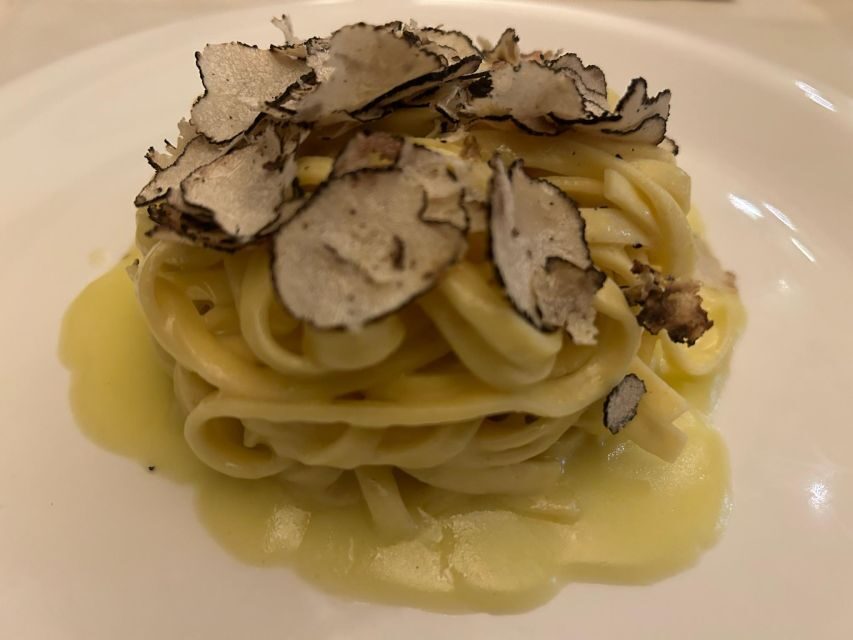
The most-booked cooking class in Florence, and at $21, the cheapest on this list by a wide margin. You make fresh pasta from scratch — typically tagliatelle and one stuffed variety — plus a sauce. The unlimited wine starts flowing while you cook and continues through the sit-down meal at the end. The kitchen is in the city center, walking distance from the Duomo.
At this price point, manage your expectations. The group will be bigger than a premium class, and the instruction is more demonstration-focused than hands-on. But as a first cooking class or a budget-friendly activity, it genuinely delivers. The fact that it consistently gets booked out tells you something.
Florence: Pasta and Tiramisu Cooking Class with Unlimited Wine
Price: $56 per person | Duration: 3 hours
Same general concept as the class above, but with tiramisu added to the menu. That sounds like a small upgrade on paper, but the tiramisu module adds a whole different set of techniques — separating eggs, folding mascarpone, layering espresso-soaked ladyfingers. The extra $35 buys you a more complete experience.
The group size tends to be smaller here too, which means more time with your hands in the dough rather than watching someone else do it. If you are only going to take one cooking class in Florence and have $56 to spend, this is probably the sweet spot between price and value.
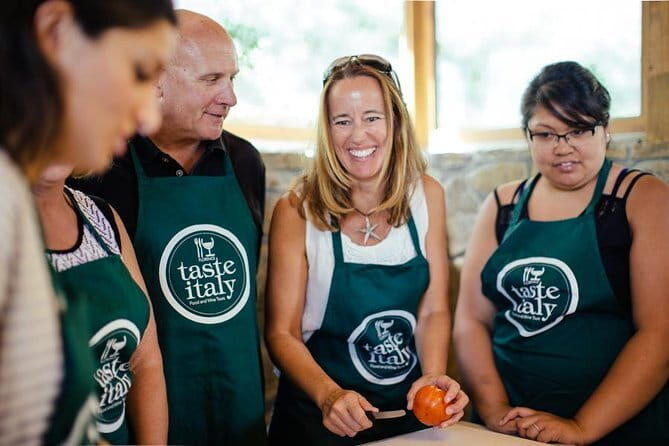
Tuscan Farmhouse Cooking Class with Market Tour
Price: $145 per person | Duration: 7 hours
This is the full-day option and, in my opinion, the most memorable cooking experience you can have in the Florence area. You start with a guided tour of a local food market, picking out ingredients. Then you drive out to a farmhouse in the Tuscan countryside where you cook a multi-course lunch using what you bought.
Seven hours sounds long, but it does not drag. The market tour, the drive through the hills, the cooking, and the long lunch with local wine all flow together naturally. You cook a proper Tuscan meal: fresh pasta, a meat dish, seasonal vegetables, and usually a dessert. The farmhouse setting beats any downtown kitchen. And you get to eat overlooking rolling green hills instead of a city street.
The downside? It is a full-day commitment. If you are in Florence for only two days and have the Uffizi and the Accademia Gallery on your list, fitting this in requires some planning. Book it for a day when you do not have other major sightseeing scheduled.
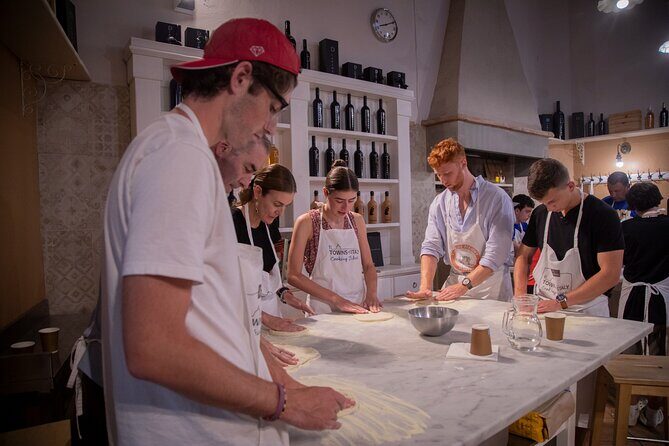
Florence: The Art of Making Gelato and Pizza
Price: $64 per person | Duration: 3 hours
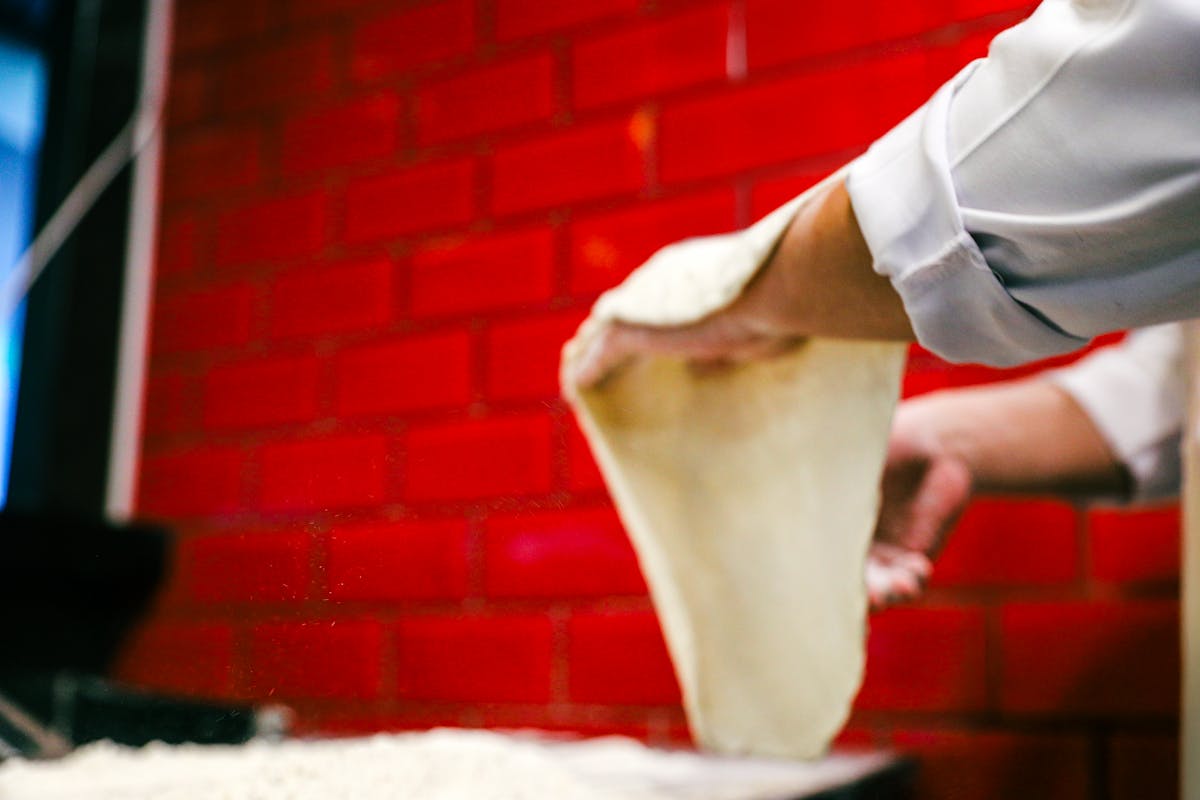
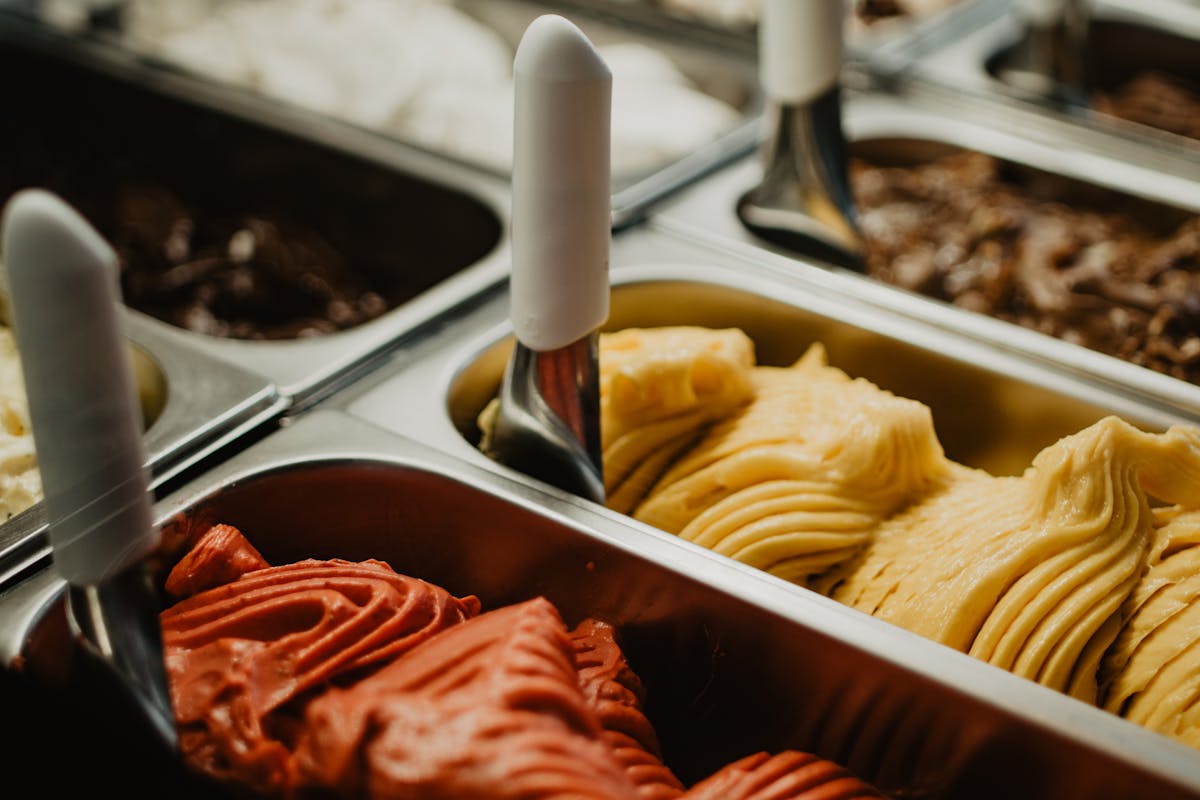
If pasta is not your thing — or if you have already done a pasta class and want something different — this one focuses on pizza and gelato. You learn proper Neapolitan-style pizza dough technique, shape your own pies, and fire them in a real oven. The gelato portion walks you through a base recipe that you can realistically recreate at home with a basic ice cream maker.
Fair warning: this is more fun-oriented than technique-oriented. The pizza part is straightforward unless you have never worked with yeast dough before. It works well for groups of friends or families. Less ideal if you are a serious cook looking for skills that will change your kitchen game.
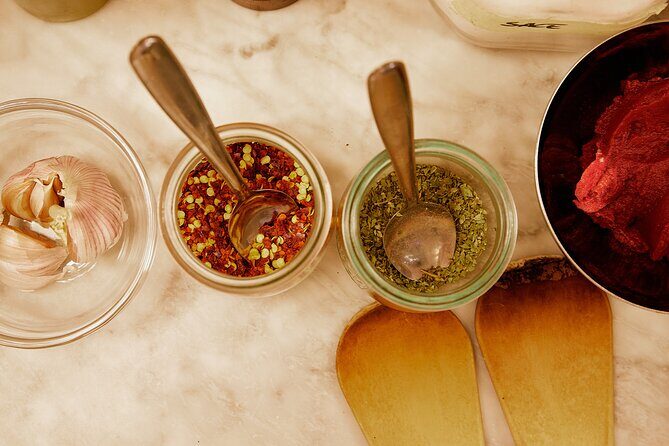
Wanna Be Italiano — Market Tour and Cooking Class
Price: $62 per person | Duration: 5 hours
Five hours for $62 is exceptional value. The class starts with a market visit where the chef explains Tuscan ingredients, seasonal produce, and why Florentine olive oil tastes different from the stuff at your supermarket back home. Then you cook a three-course meal from scratch.
What sets this one apart from other market-and-cook options is the personality of the instruction. The “Wanna Be Italiano” branding is a bit cheesy but the class itself is charming and informative. You genuinely learn about Italian food culture beyond just the mechanical act of making pasta. Good for people who want context and conversation alongside the cooking.
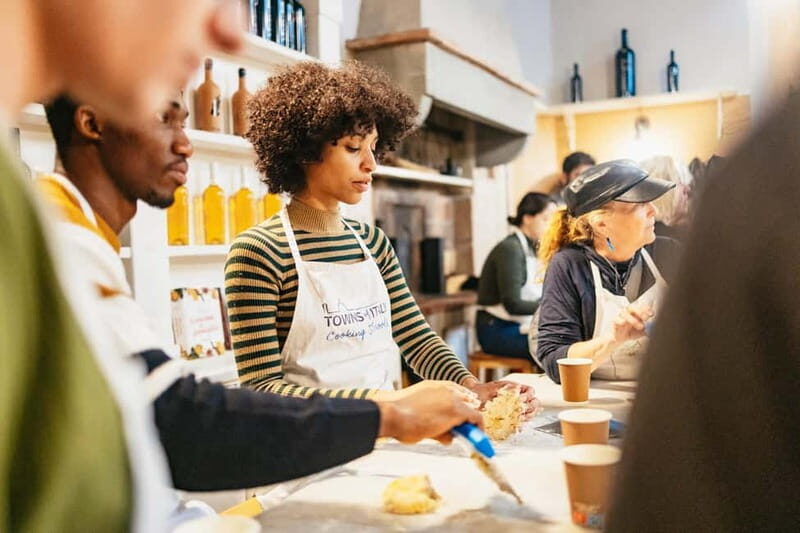
Florence: Premium Pasta and Gelato Class
Price: $63 per person | Duration: 3 hours
The “premium” label here actually means something. Smaller group size, higher-quality ingredients, and a chef who takes time to explain the why behind each step rather than just rushing through the recipe. You make fresh pasta and gelato from scratch, then eat everything together.
This is the right class if you want a middle-ground experience — more refined than the budget options, less time-intensive than the full-day farmhouse trip. The kitchen space is well-equipped and clean, and the recipes they send home with you are detailed enough to actually replicate.
Countryside Cooking Class with Maria
Price: $285 per person | Duration: 4 hours
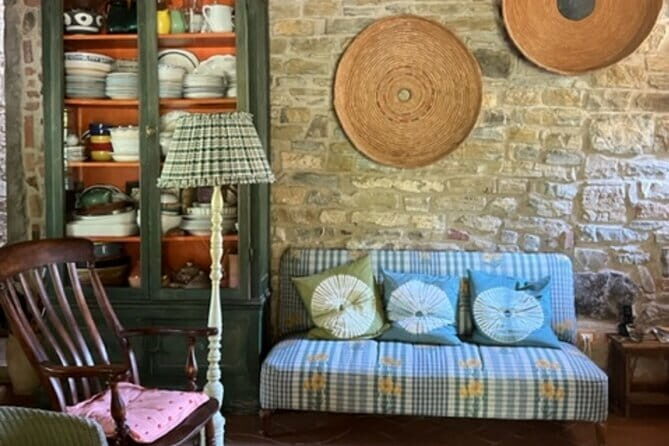
This is the splurge option and it is worth every cent if you can afford it. Maria runs a private cooking class from her home in the Florence countryside. The setting alone is worth the drive — a proper Tuscan house with a garden, olive trees, and a kitchen that looks like something from a magazine except it is actually used daily.
You cook a full Tuscan meal: handmade pasta, a seasonal vegetable dish, a meat course, and dessert. Maria adjusts the menu based on what is available and what you want to learn. The whole thing feels like cooking with a friend’s Italian grandmother rather than attending a structured class. Small groups only. Book well in advance because she fills up fast, especially April through October.
If you are celebrating an anniversary, a birthday, or just want the best cooking experience Florence has to offer, this is it. Nothing else on this list comes close to the personal touch.
When to Book Your Florence Cooking Class
Timing matters more than most people realize. Here is what I have learned across multiple trips:
Book at least a week in advance during peak season (April-October). The popular classes at the $21-$65 price point sell out 5-10 days ahead. The farmhouse and private experiences can fill up 2-3 weeks out. I once tried to book a Saturday cooking class on Wednesday in July and every single option under $100 was full.
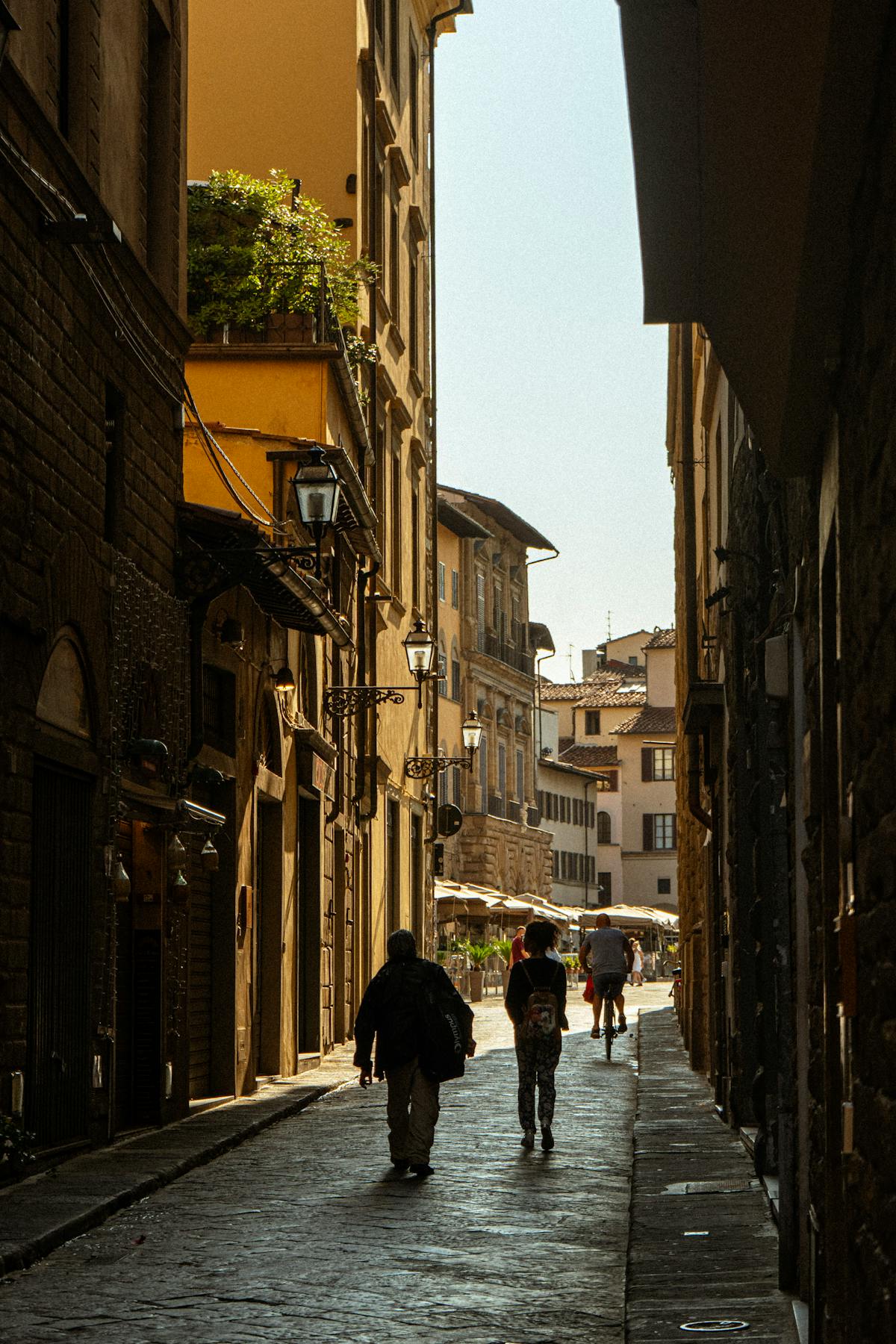
Morning or afternoon? Morning classes usually start at 10:00 or 10:30 AM and run through lunch. Afternoon/evening classes start around 4:00 or 5:00 PM and end with dinner. I prefer morning sessions. You are fresher, the kitchens are cooler (this matters in August), and you still have the evening free for a proper Florentine dinner out. But if your mornings are packed with museum visits to places like the Uffizi Gallery or the Accademia, an afternoon class works perfectly.
Schedule it early in your trip, not at the end. You will eat differently for the rest of your time in Florence once you understand what goes into making fresh pasta. Suddenly you can tell when a restaurant is using fresh vs dried. It changes how you order.
Tuesday through Thursday tend to have the most availability. Monday classes are sometimes limited because some markets are closed. Weekend classes sell out fastest.
Off-season (November-March) is a different story. You can often book just a day or two ahead, classes are smaller, and a few operators drop their prices by 10-15%. The tradeoff is that the market tours are less interesting because there is less seasonal produce available. But the cooking itself is just as good.
Practical Tips That Nobody Tells You
Wear closed-toe shoes. Most kitchens require them and will turn you away in flip-flops. I saw this happen to a couple who had to run back to their hotel and missed the first 30 minutes.
Tell them about allergies in advance, not when you arrive. Kitchens that run group classes prep ingredients before you get there. If you are gluten-free, vegan, or have a nut allergy, flag it at booking. There are also dedicated gluten-free classes if that is a major concern.
The unlimited wine is real, but pace yourself. You are handling knives and boiling water. I watched a woman in my class get progressively more creative with her pasta shapes after her fourth glass. It was entertaining but also a cautionary tale.
Bring a container if you want leftovers. Some classes give you a box but not all of them. There is almost always more food than you can finish, and it would be a shame to waste handmade ravioli.
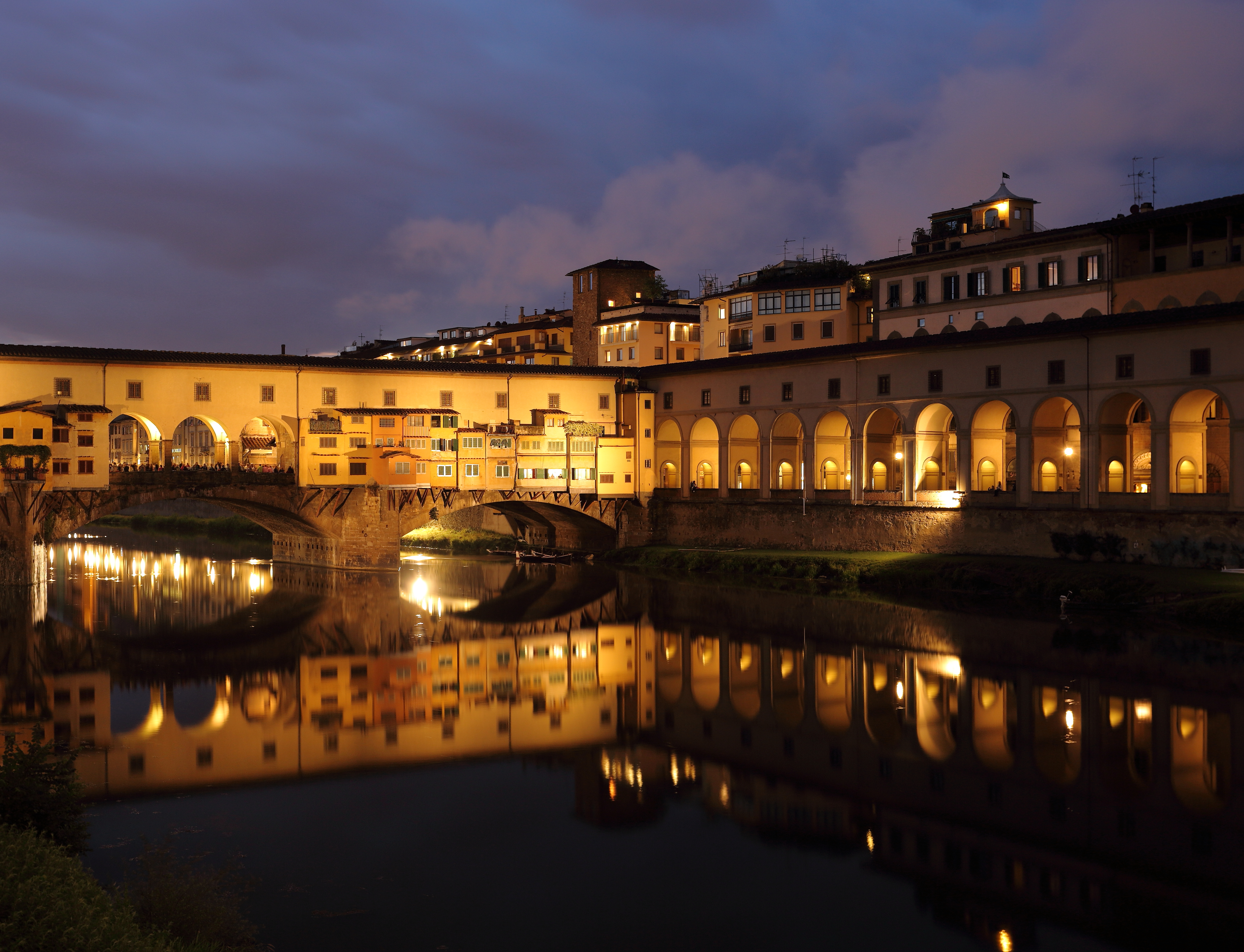
Combine it with other Florence activities wisely. A morning cooking class pairs well with an afternoon visit to the Accademia Gallery to see the David, or a sunset walk across Ponte Vecchio. Do not schedule a cooking class and a heavy lunch or dinner on the same day — you will be too full to enjoy either properly. If you are also visiting Rome during your trip, check out how to book tickets for the Colosseum, the Vatican Museums, or St. Peter’s Basilica. A day trip to Pompeii from Naples is also doable from Florence by train, and a hop-on hop-off bus tour in Rome is a time-efficient way to see the highlights if your schedule is tight.
Take photos of the recipe cards, not just the food. Everyone photographs their finished pasta. Nobody photographs the recipe card. Guess which one you will actually want three weeks later when you are back home trying to recreate it.
If you are visiting Venice too, a cooking class there is a completely different experience — Venetian cuisine is seafood-heavy and technique-wise quite distinct from Tuscan cooking. Consider booking a gondola ride or visiting the Doge’s Palace and Murano and Burano islands while you are in Venice.
Disclosure: This article contains affiliate links to tours and activities. If you book through these links, we may earn a small commission at no extra cost to you. This helps us keep creating free travel guides. All recommendations are based on personal experience and independent research.
More Florence Guides
Most cooking classes wrap up by mid-afternoon, leaving time to explore. The Accademia Gallery stays open until 7 PM on certain days, and late afternoon is one of the quieter times to see David. If you prefer being outdoors after cooking indoors, a guided walking tour covers the Renaissance quarter and the stories behind the food you just cooked. For a full-day food and wine experience, pair your cooking class with a Tuscany wine tour on a separate day — some of the best tours visit the same Chianti producers whose olive oil and wine you used in class.