
Bernini’s Apollo and Daphne is the kind of sculpture that makes you forget marble is a rock. Her fingers are sprouting leaves. His hand is pressing into bark that, a second ago, was skin. I stood in front of it for a solid ten minutes, ignoring the guard’s polite cough reminding me my two-hour window was ticking.
That’s the thing about the Borghese Gallery. You get exactly two hours. Not a minute more. And somehow, that pressure makes everything inside hit harder.
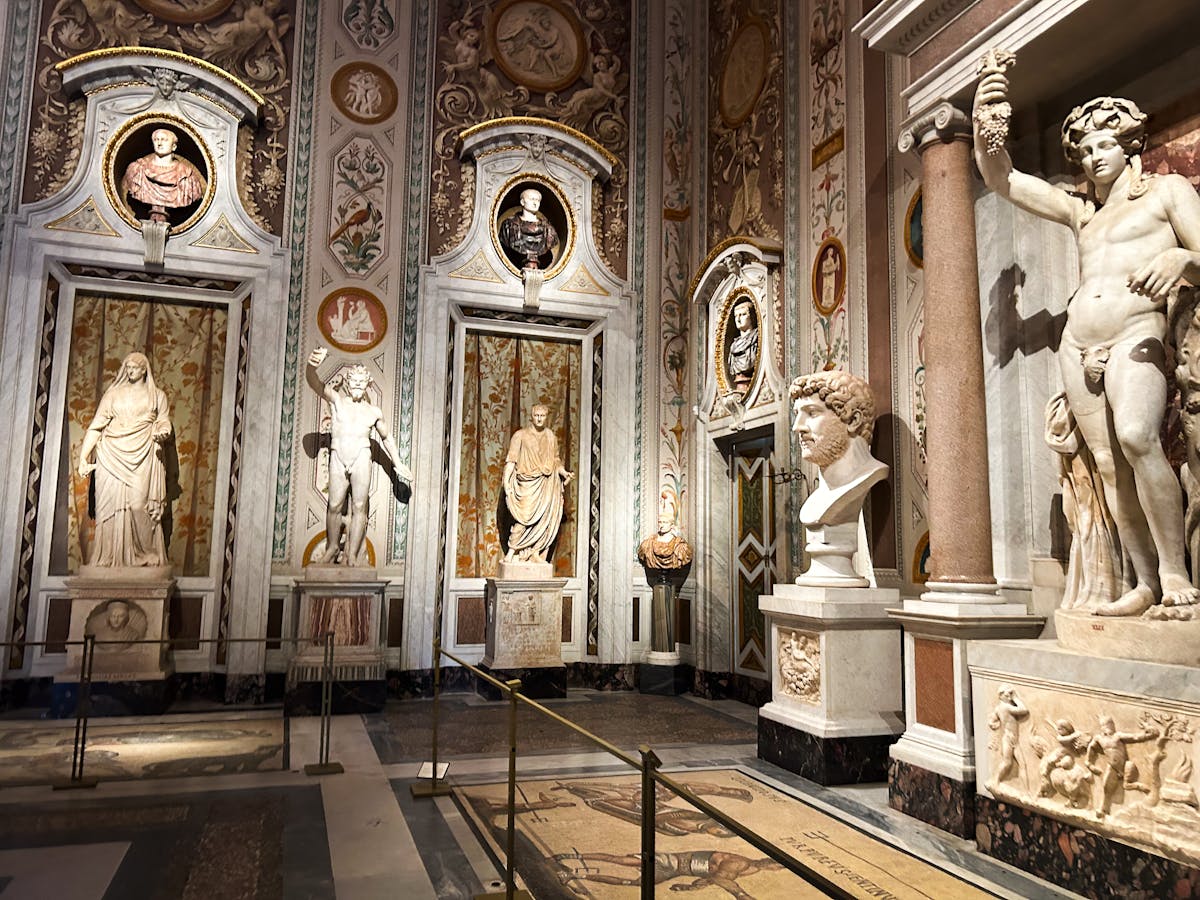
The Galleria Borghese holds one of the most important private art collections ever assembled. Bernini, Caravaggio, Canova, Raphael, Titian — all packed into a building the size of a large house. Unlike the Vatican Museums, where you’re shuffled through with thousands of others, the Borghese only allows 360 people inside at a time. That’s why tickets sell out weeks in advance, and why showing up without a reservation will get you turned away at the door.
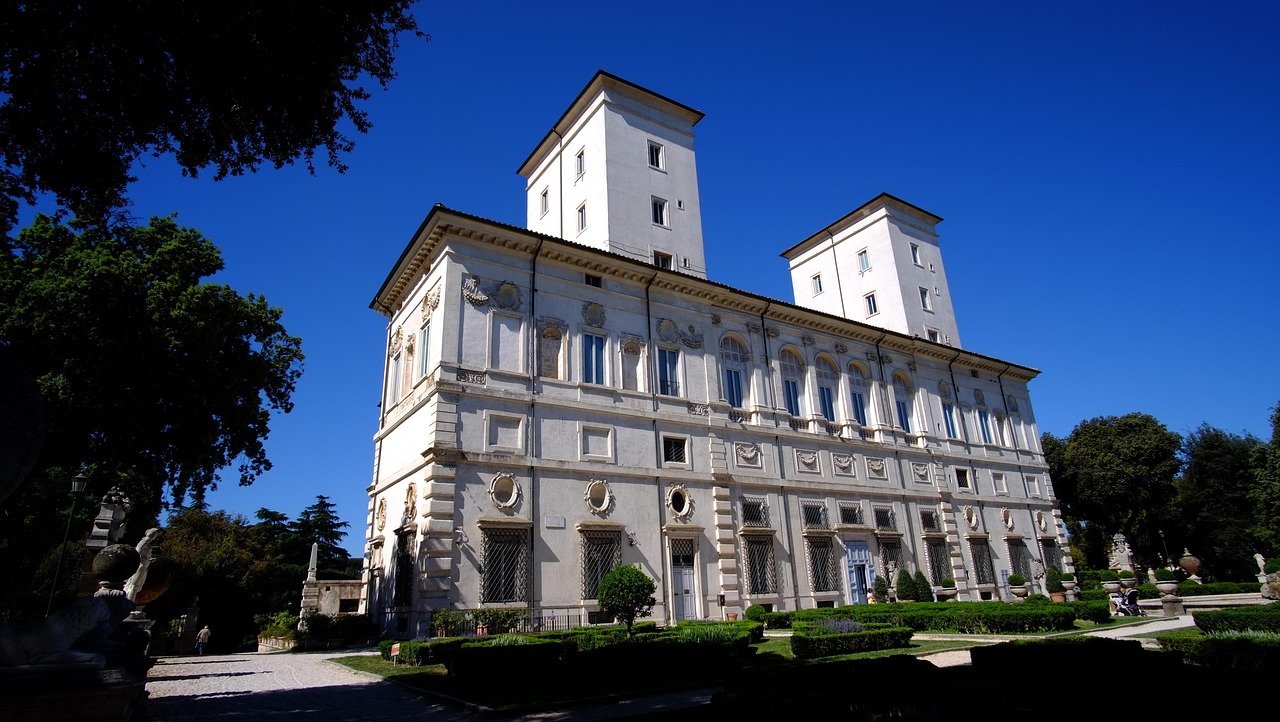
Here’s everything you need to know about getting tickets, picking the right tour, and making the most of your two hours inside.
Best overall: Borghese Gallery Entry Ticket with Escorted Entrance — $50. Straightforward skip-the-line access with an escort who gets you past the queue. Self-guided once inside, so you can wander at your own pace. Book this ticket
Best guided experience: Borghese Gallery Guided Tour with Tickets — $57. A guide who knows Bernini’s backstory and Caravaggio’s criminal record makes the art come alive in a way an audio guide can’t. Book this tour
Best premium: Borghese Gallery Max 6 People Tour — $180. Maximum six people means you’ll practically have a private art historian. Worth every cent if you’re serious about art. Book this tour
- How the Borghese Gallery Ticket System Works
- Official Tickets vs. Guided Tours
- The Best Borghese Gallery Tours to Book
- 1. Borghese Gallery Entry Ticket with Escorted Entrance —
- 2. Borghese Gallery and Gardens Guided Small-Group Tour —
- 3. Borghese Gallery Entry with Skip-the-Line Tickets —
- 4. Borghese Gallery and Gardens Small Group Guided Tour (Viator) —
- 5. Borghese Gallery Guided Tour with Tickets —
- 6. Exclusive Borghese Gallery Tour with Skip-the-Line Access —
- 7. Borghese Gallery Max 6 People Tour: Baroque and Renaissance — 0
- When to Visit the Borghese Gallery
- How to Get to the Borghese Gallery
- Tips That Will Save You Time
- What You’ll Actually See Inside
How the Borghese Gallery Ticket System Works
The Borghese Gallery runs on a timed entry system. Every visit lasts exactly two hours, and entry slots start on the hour — 9:00, 11:00, 13:00, 15:00, and 17:00 (the last slot). Only 360 visitors per slot. When your two hours are up, everyone leaves and the next group enters.
You must book in advance. This is not optional. The ticket office downstairs does sell walk-up tickets, but only if slots haven’t already sold out online — and they almost always have, especially between March and October.
Official ticket prices:
- Full price: EUR 15 (plus EUR 2 booking fee online)
- EU citizens aged 18-25: EUR 2
- Under 18: Free (still need a reservation)
- First Sunday of each month: Free admission (reservations still mandatory and sell out almost instantly)
The official ticket website is tosc.it (or ticketone.it, same platform). Parts of the site are in Italian only, so keep Google Translate handy. Tickets typically go on sale about 30 days in advance.
If official tickets are sold out — and they often are for popular dates — your best bet is booking through a tour provider. Companies like GetYourGuide and Viator buy blocks of tickets in advance, so they often have availability when the official site shows nothing. You’ll pay more (typically $46-$90 instead of EUR 17), but that premium buys you guaranteed entry plus skip-the-line access.
You can also call the ticket office directly at +39 06 32810 (Monday-Friday, 9:30-18:00) to check for cancellations. It works, but it’s a gamble.
Official Tickets vs. Guided Tours
This is the real question, and the answer depends on how much you already know about Baroque and Renaissance art.
Go self-guided if: You’re comfortable reading plaques, you like to wander at your own pace, and you don’t mind doing some homework beforehand. The galleries are laid out logically — ground floor for sculpture, first floor for paintings — and each room is small enough to take in without guidance. Bring your own headphones and download an audio guide app. At EUR 17 total, it’s the cheapest way in.
Go guided if: You want to actually understand why Bernini’s Pluto is grabbing Proserpina that way, or what Caravaggio was running from when he painted David holding Goliath’s head (spoiler: it’s a self-portrait, and he was running from a murder charge). A good guide turns the gallery from “beautiful sculptures” into “the most dramatic soap opera of the 17th century.” The price jump to $50-90 is worth it.
Go premium small-group if: You’re a genuine art lover and you want to ask questions, hear the full stories, and not compete with 15 other people for the guide’s attention. Groups of 6 or fewer give you something close to a private museum experience. You’ll spend $130-180, but you’ll remember every detail.
For most visitors, I’d recommend a standard guided tour in the $50-60 range. The Borghese collection is small but incredibly dense with meaning, and a guide helps you see what you’d otherwise walk past.
The Best Borghese Gallery Tours to Book
I’ve sorted through the options and picked seven that cover every budget and style. All include skip-the-line entry, which is basically mandatory since the regular queue can eat into your two-hour window.
1. Borghese Gallery Entry Ticket with Escorted Entrance — $50
This is the most popular option for a reason. You get an escort who walks you past the ticket line and through security, then you’re free to explore on your own for two hours. It’s the closest thing to buying an official ticket without dealing with the Italian-language booking site or the risk of sellouts. The escort doesn’t give a full tour — they just get you inside smoothly, point out the highlights, and let you loose. At $50, it’s a solid deal for anyone who wants independence but doesn’t want the hassle of booking officially. This is the most reviewed Borghese Gallery option on our site, and the feedback is consistently positive on the entry process.
Read our full review | Book this ticket
2. Borghese Gallery and Gardens Guided Small-Group Tour — $60
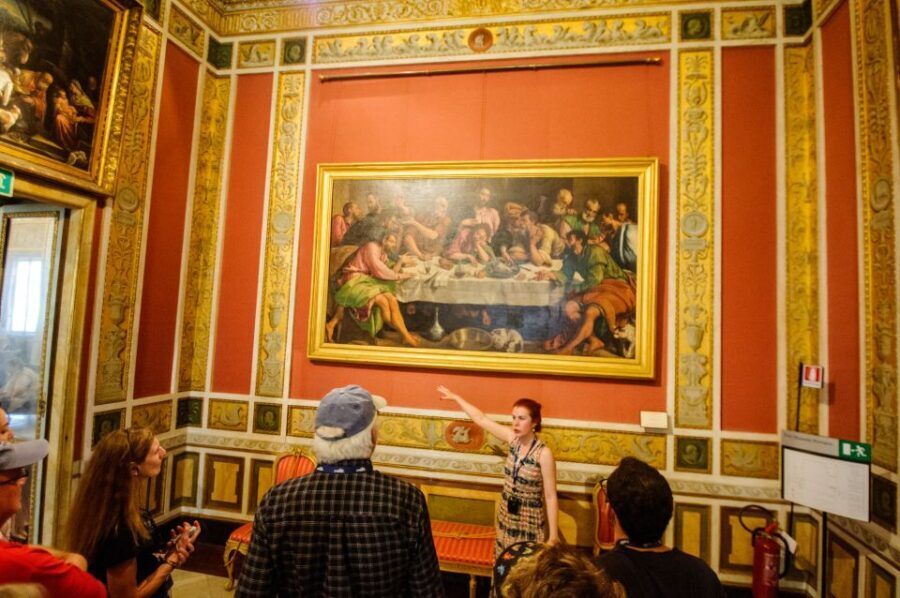
This one combines the gallery visit with a guided walk through the Villa Borghese Gardens, which gives you a much fuller picture of the Borghese estate. The 2.5-hour tour starts outside in the gardens before heading into the gallery, so you get the historical context first and then see the art with fresh eyes. At $60, it’s only ten dollars more than the basic entry ticket and you get a proper guide for the entire experience. The small-group format keeps it personal. If you have time to spare and want to understand the Borghese family story from the gardens to the gallery, this is the best value guided option available.
Read our full review | Book this tour
3. Borghese Gallery Entry with Skip-the-Line Tickets — $53
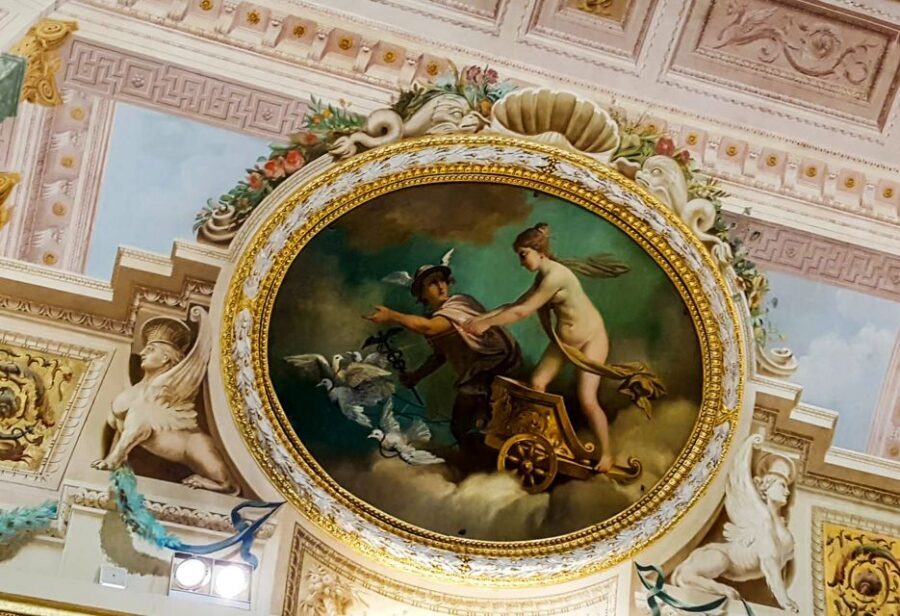
Similar to the escorted entrance but with a bit more flexibility in the 2-4 hour window and self-guided format. You bypass the queue, get inside, and explore the Bernini sculptures and Caravaggio paintings at whatever pace suits you. The price difference between this and option one is minimal — $53 vs $50 — so the choice comes down to whether you want a brief escort or prefer to go entirely solo from the start. This works well for return visitors who already know the layout, or for anyone who did their research beforehand and just needs guaranteed entry to one of Rome’s hardest-to-access museums.
Read our full review | Book this ticket
4. Borghese Gallery and Gardens Small Group Guided Tour (Viator) — $47
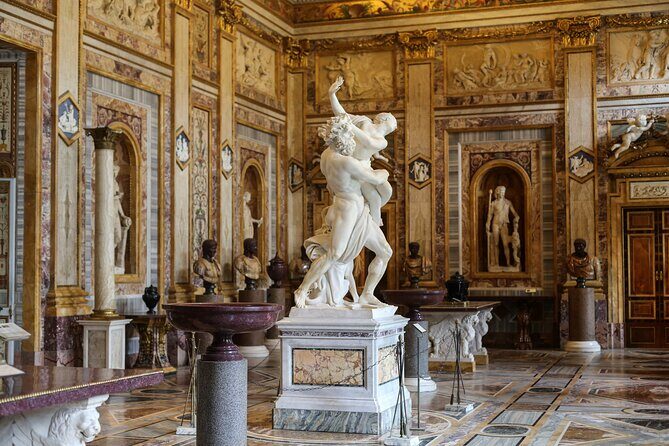
The budget pick. At $47, this is the least expensive way to get a fully guided experience inside the Borghese Gallery. The 2.5-hour tour covers both the gardens and the gallery, similar to option two, but through Viator instead of GetYourGuide. I’d recommend comparing availability on both platforms — sometimes one has dates the other doesn’t. The guides on this tour focus on the big hitters: Bernini’s Apollo and Daphne, Caravaggio’s Boy with a Basket of Fruit, Canova’s Pauline Bonaparte. For a first visit on a budget, this is hard to beat. Pair it with our guide to getting Colosseum tickets and you’ve got a full day of Rome’s greatest hits sorted for under $100.
Read our full review | Book this tour
5. Borghese Gallery Guided Tour with Tickets — $57
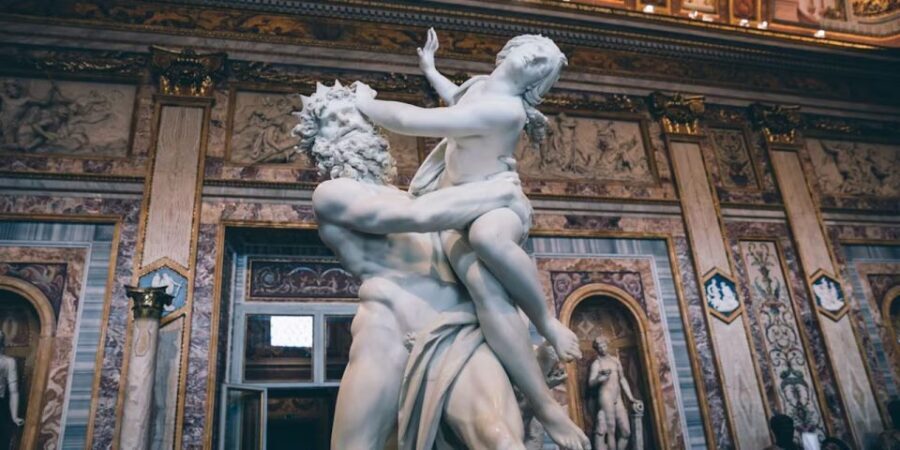
This is the highest-rated Borghese tour in our database, and it’s not hard to see why. The 2-hour guided experience focuses entirely on the gallery interior (no gardens), which means more time with the art and deeper dives into each masterpiece. At $57, it sits right in the sweet spot between budget and premium. The guides are selected specifically for their art history knowledge, not just general Rome facts. If you want someone who can explain why Bernini positioned Apollo’s hand exactly where he did, or why Caravaggio used that specific shade of darkness, this is your tour. It pairs well with a visit to the Pantheon the same afternoon — they’re about 25 minutes apart by taxi.
Read our full review | Book this tour
6. Exclusive Borghese Gallery Tour with Skip-the-Line Access — $83

The premium tier without the premium-tier price tag. This 2-hour Viator tour keeps groups small and pairs you with an expert guide who specializes in the Borghese collection. At $83, it costs more than the standard guided options, but you get a noticeably more intimate experience. The guide has room to adjust the tour based on your interests — if you’re fascinated by Caravaggio, they’ll spend more time in his rooms. If sculpture is your thing, you’ll linger with Bernini. It’s the kind of flexibility you don’t get in a group of 15+. This is a strong choice for couples or small groups who want depth without paying $180 per person for the ultra-private option. Consider pairing it with a hop-on hop-off bus tour to cover the rest of Rome.
Read our full review | Book this tour
7. Borghese Gallery Max 6 People Tour: Baroque and Renaissance — $180
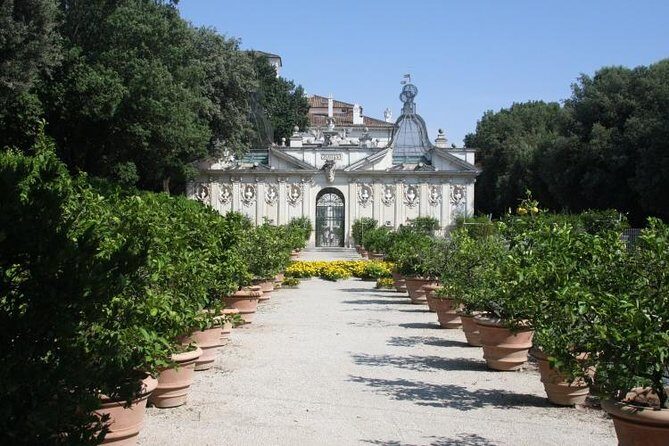
The splurge option, and honestly my favorite on this list. With a hard cap of six people, this 2-hour tour through Viator is as close as you’ll get to a private Borghese experience without hiring your own art historian. The guide focuses on the Baroque and Renaissance masterpieces, connecting Bernini’s sculptural drama to Caravaggio’s painted darkness and Canova’s neoclassical cool in a way that makes the whole collection click. At $180, it’s the most expensive option here, but split it between two or three travelers and it becomes surprisingly reasonable. This is the one I’d recommend for art students, serious museum lovers, or anyone celebrating a special occasion in Rome. You’ll leave understanding why the Borghese is considered one of the finest galleries on earth, not just one of the prettiest. If you’re planning a full Rome art itinerary, pair this with St. Peter’s Basilica on another day.
Read our full review | Book this tour
When to Visit the Borghese Gallery
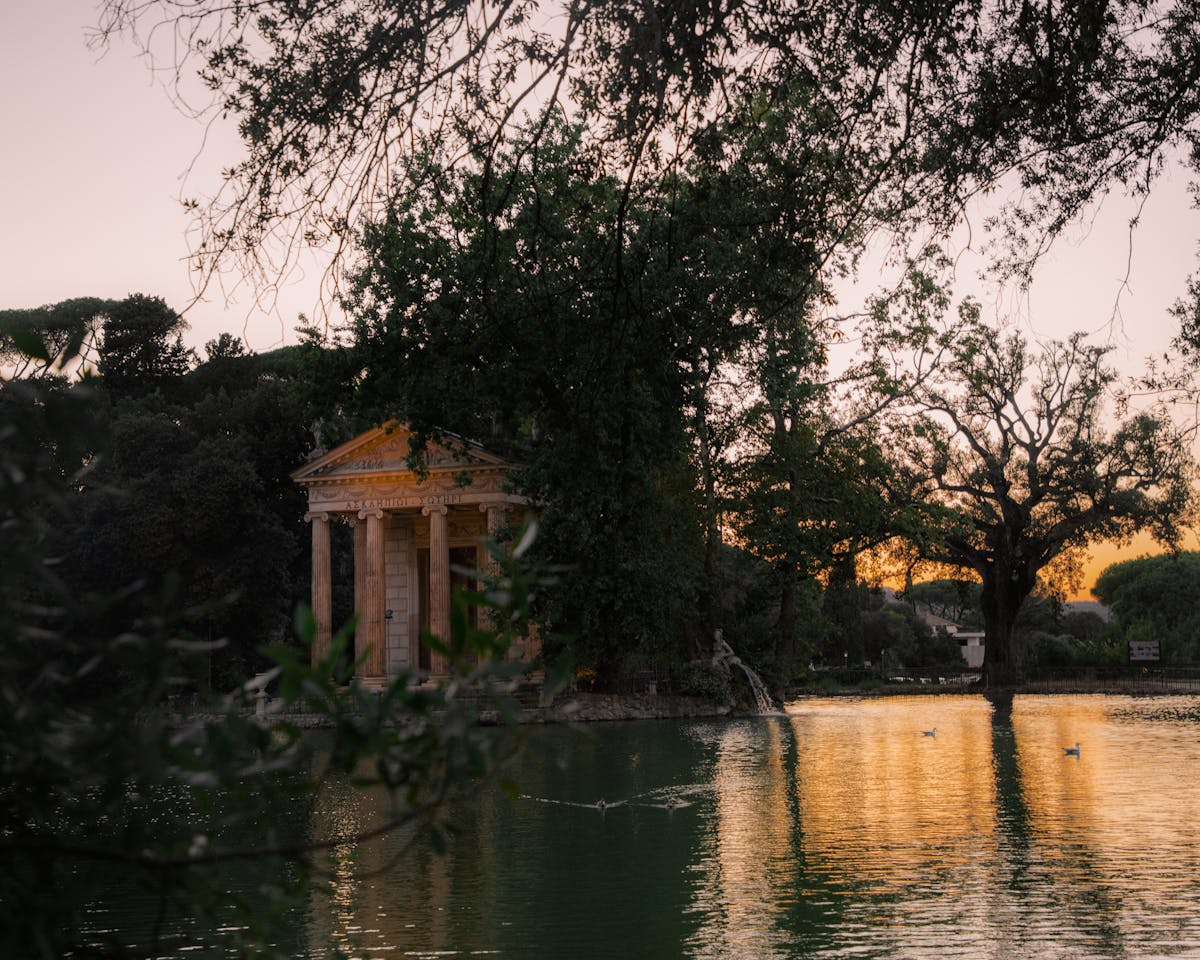
Opening hours: Tuesday through Sunday, 9:00 to 19:00. Closed Mondays. Last entry at 17:00.
Time slots: 9:00, 11:00, 13:00, 15:00, 17:00. Each slot is two hours.
Best slot: The 9:00 entry. Fewer people, cooler temperatures in summer, and the morning light in the gallery rooms is gorgeous. The 13:00 slot is usually the quietest because most travelers are eating lunch, but it’s also the hottest time to walk through the gardens.
Best months: November through February. Fewer travelers in Rome overall means easier ticket availability and more breathing room inside the gallery. March through May and September through October are beautiful but sell out fastest. June through August is peak season — book at least a month ahead.
Worst time: First Sunday of any month. Free admission sounds great until you realize every tourist and local in Rome had the same idea. The crowds inside are manageable (still 360 max), but getting a reservation is nearly impossible.
Pro tip: If you can’t get a 9:00 slot, go for 17:00. It’s the last entry of the day, and the late-afternoon light through the windows is stunning. You’ll exit into the gardens right around golden hour.
How to Get to the Borghese Gallery
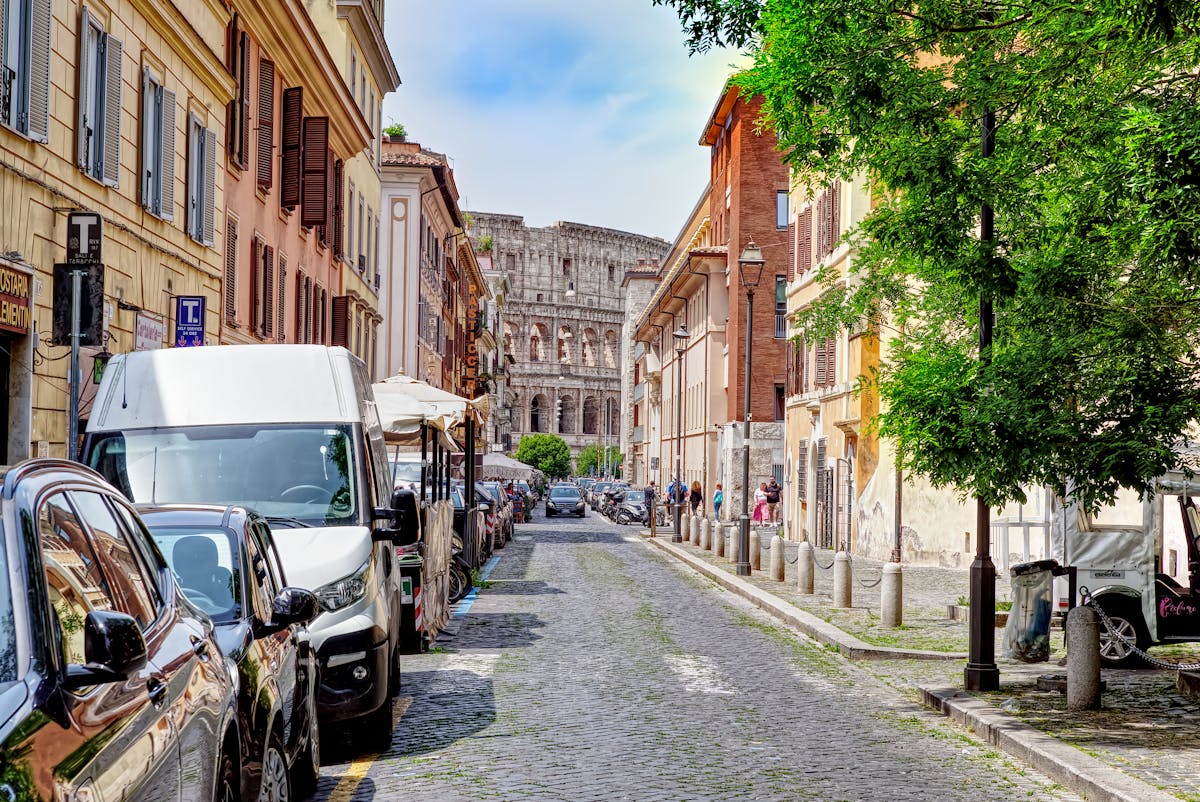
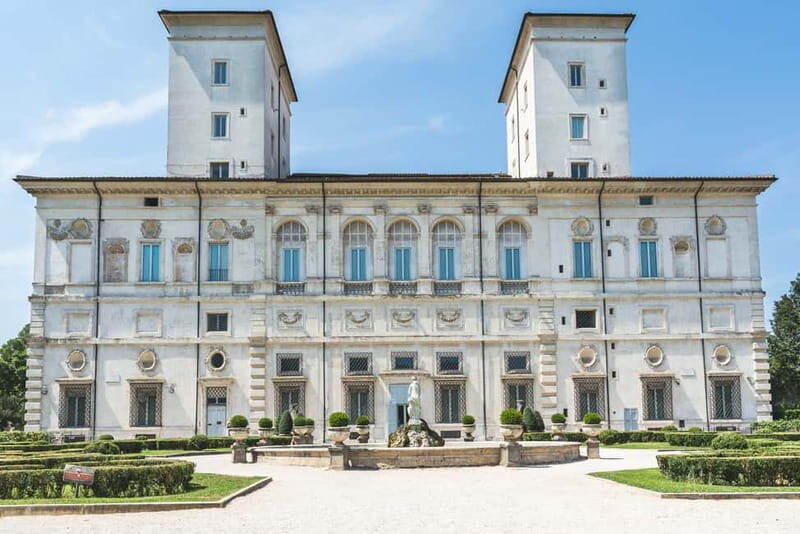
The gallery sits inside the Villa Borghese Gardens, north of central Rome. It’s easy to reach but slightly hidden once you’re in the park.
Metro: Take Line A to Spagna (Spanish Steps) station. From there it’s about a 15-minute uphill walk through the gardens. Or take Line A to Flaminio and enter the park from Piazzale Flaminio — a flatter, slightly longer walk.
Bus: Lines 61, 89, 160, 490, and 495 stop near the park entrances. Get off at Via Pinciana or Piazza del Popolo.
On foot: From the Spanish Steps, walk up through the Pincio terrace and across the gardens. It’s about 15-20 minutes and extremely pleasant. From Piazza del Popolo, enter through the Porta del Popolo gate and follow signs to the gallery.
Taxi: Tell the driver “Galleria Borghese, Piazzale Scipione Borghese.” They’ll drop you right at the entrance. From the Colosseum area, expect about EUR 12-15 and 15 minutes.
Arrive early. The gallery is strict about time slots. If you show up late, you lose time — they won’t extend your two hours. Get there 15-20 minutes before your entry time, check in at the ticket office on the underground floor, stash your bags (they must be checked), and be ready when the doors open.
Tips That Will Save You Time
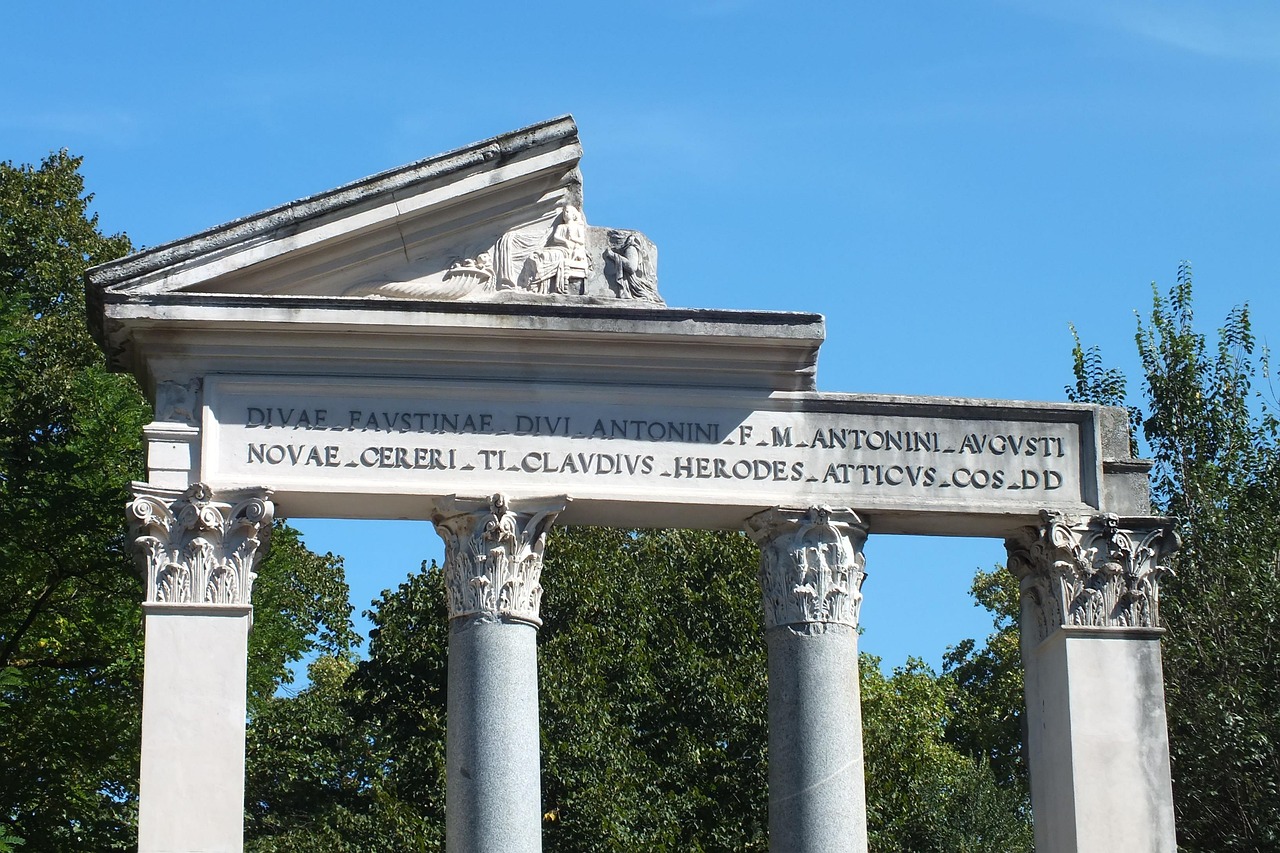
Bag check is mandatory. No backpacks, large bags, or umbrellas inside. There’s a free cloakroom on the underground level. Keep your phone and a small clutch.
Start on the ground floor. The sculptures are here — Bernini’s Apollo and Daphne, The Rape of Proserpina, David, and Canova’s Pauline Bonaparte. Most visitors get stuck here and then rush the paintings upstairs. Budget your time: 60-70 minutes downstairs, 50-60 upstairs.
Audio guides are available at the ticket desk for about EUR 6. They’re decent but not essential if you’ve done any pre-reading. The free app “Galleria Borghese” has good room-by-room descriptions too.
Photography is allowed — no flash, no tripods, no selfie sticks. The lighting inside is moody and beautiful, so a phone camera with night mode works better than you’d expect.
No re-entry. Once you step outside, you’re done. Use the restrooms before going in (they’re on the underground floor near the cloakroom).
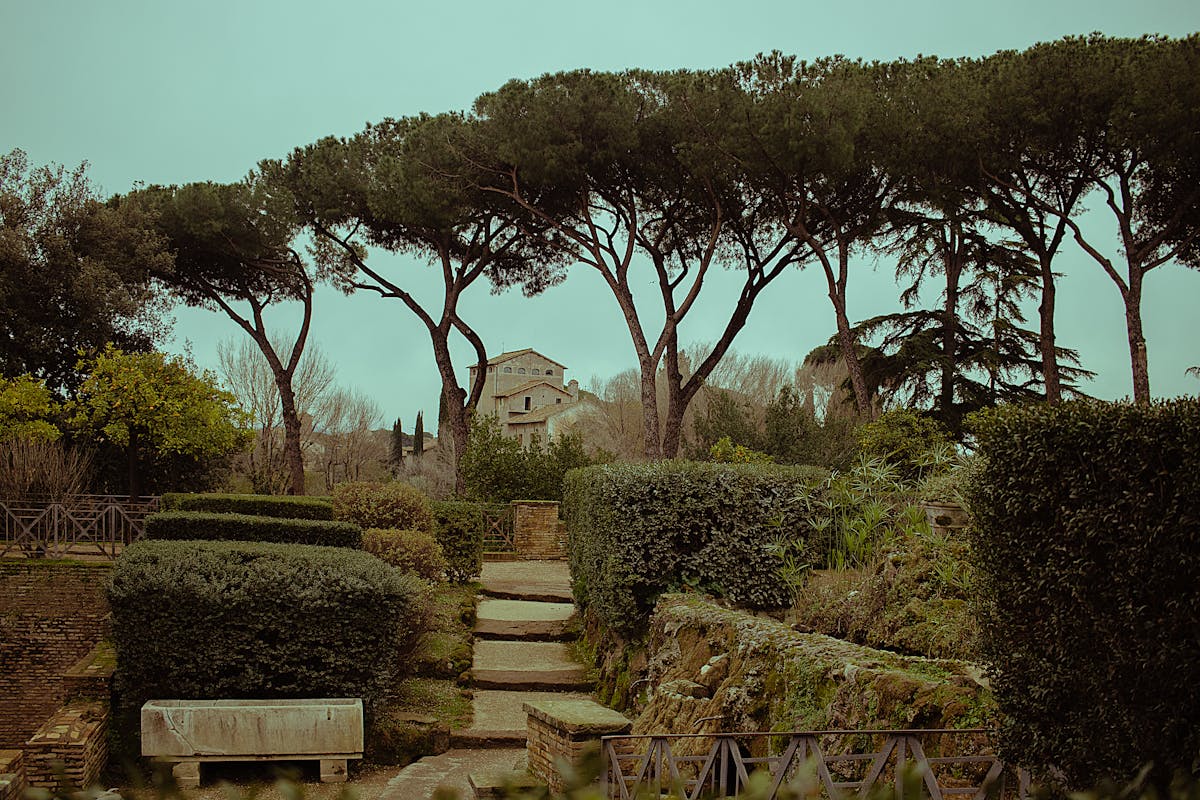
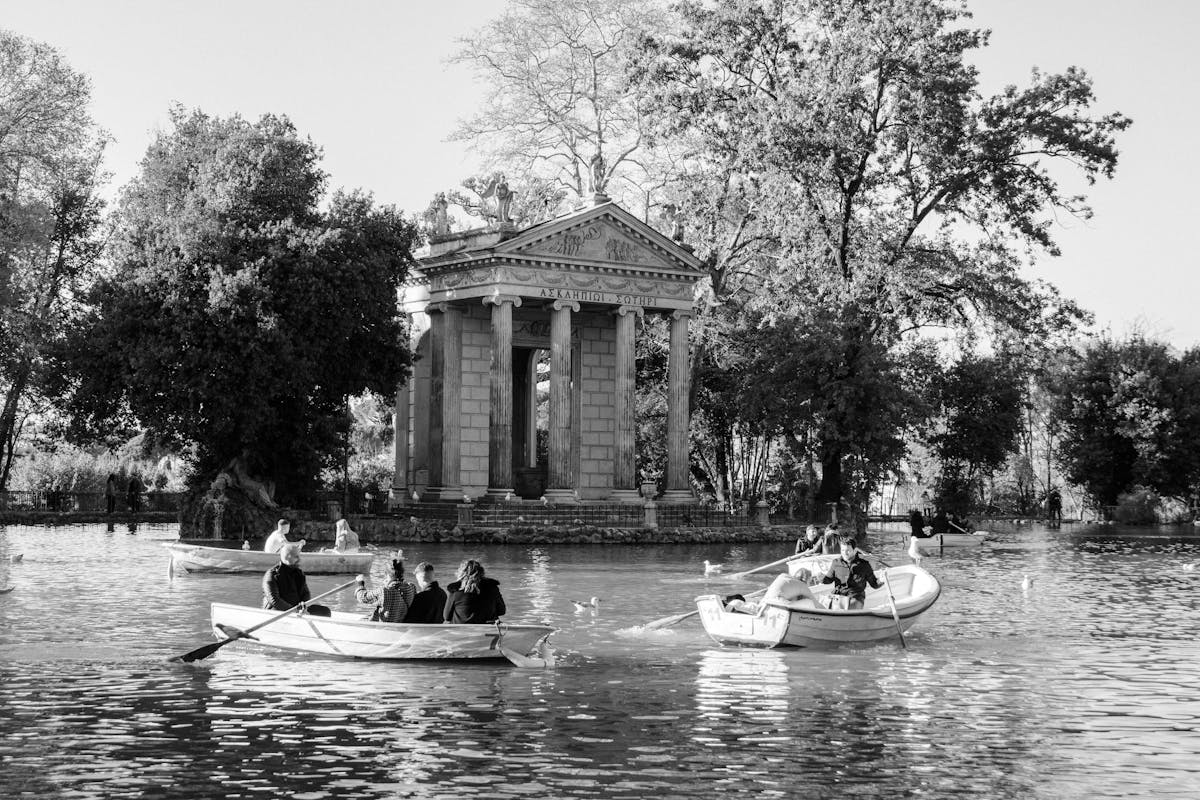
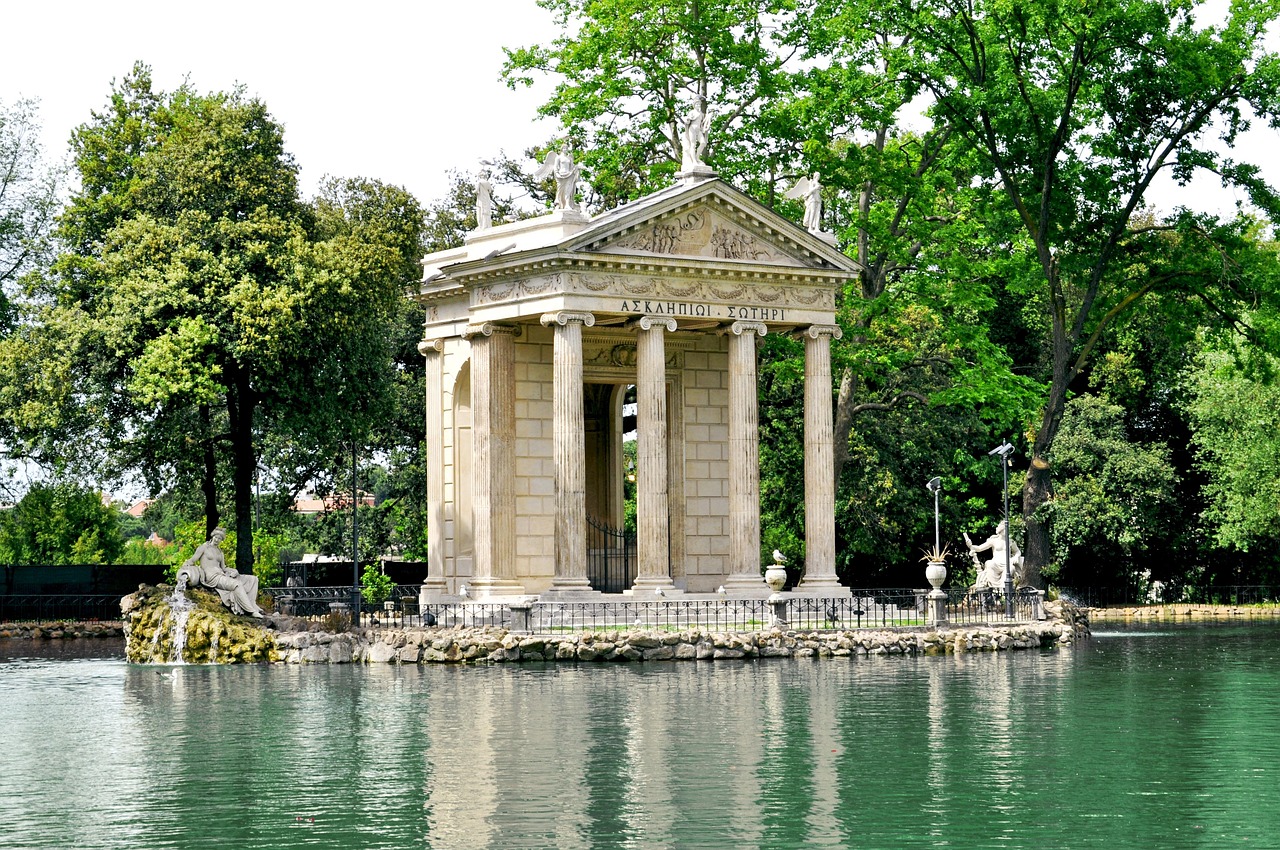
The gardens are free. Walk them before or after your gallery visit. The area around Villa Borghese is also covered by several Rome walking tours if you want a guided stroll through the park and beyond. The Pincio terrace has one of the best views of Rome, the lake has rowboat rentals, and the gardens themselves are 80 hectares of shade and quiet in a city that offers very little of either.
Book your next Rome attraction now. If you’re in Rome for more than a day, pair the Borghese with the Colosseum (morning) or the Vatican Museums (different day — they’re each a half-day commitment). The Pantheon is a lighter visit and works well the same afternoon.
What You’ll Actually See Inside
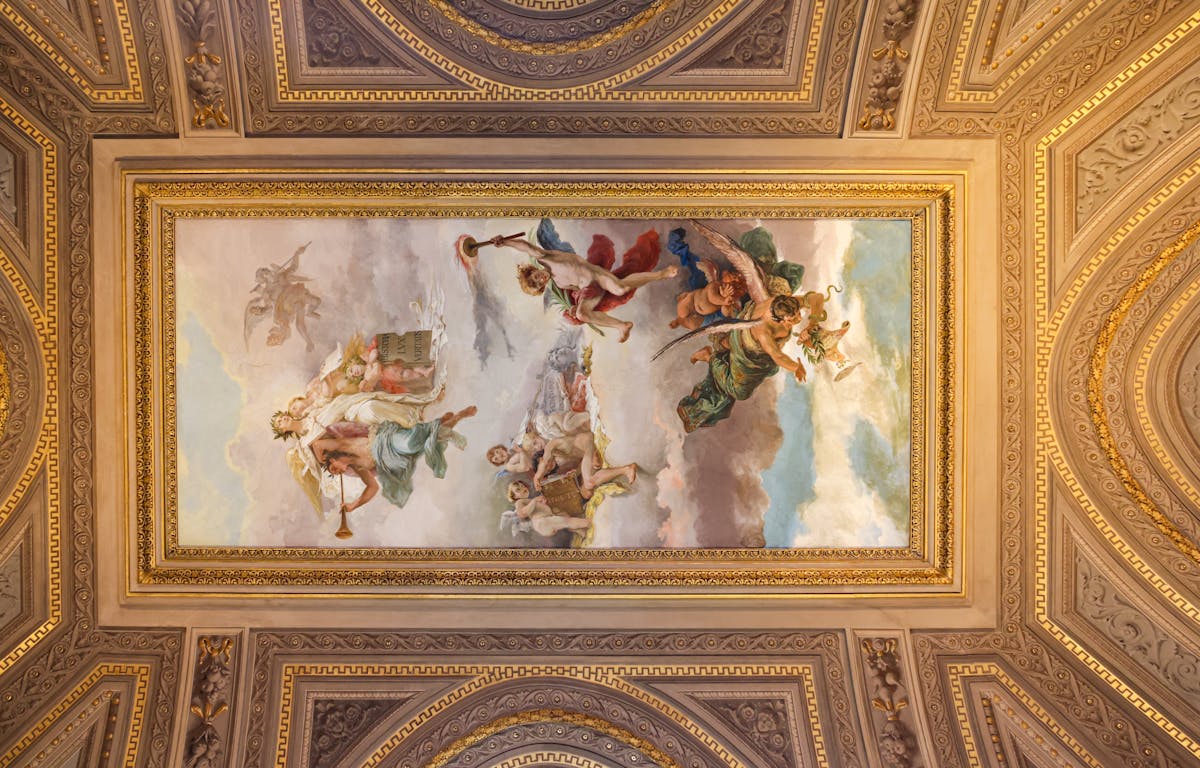
The collection is split across two floors. Ground floor is sculpture, first floor is paintings. Every room is worth your time, but here’s where to focus if your two hours are ticking.
Ground Floor (Sculpture):
Room 1 — Canova’s Pauline Bonaparte. Napoleon’s sister, reclining as Venus, carved in white marble. Scandalous when it was unveiled in 1808 because of how… relaxed she looks. It’s the first thing you see and it sets the tone for the whole gallery.
Room 3 — Bernini’s Apollo and Daphne. The one that makes jaws drop. Walk around it slowly. From the front, Apollo is reaching for Daphne. From the back, she’s already turning into a laurel tree. Bernini carved this when he was 24 years old. It shouldn’t be possible in marble.
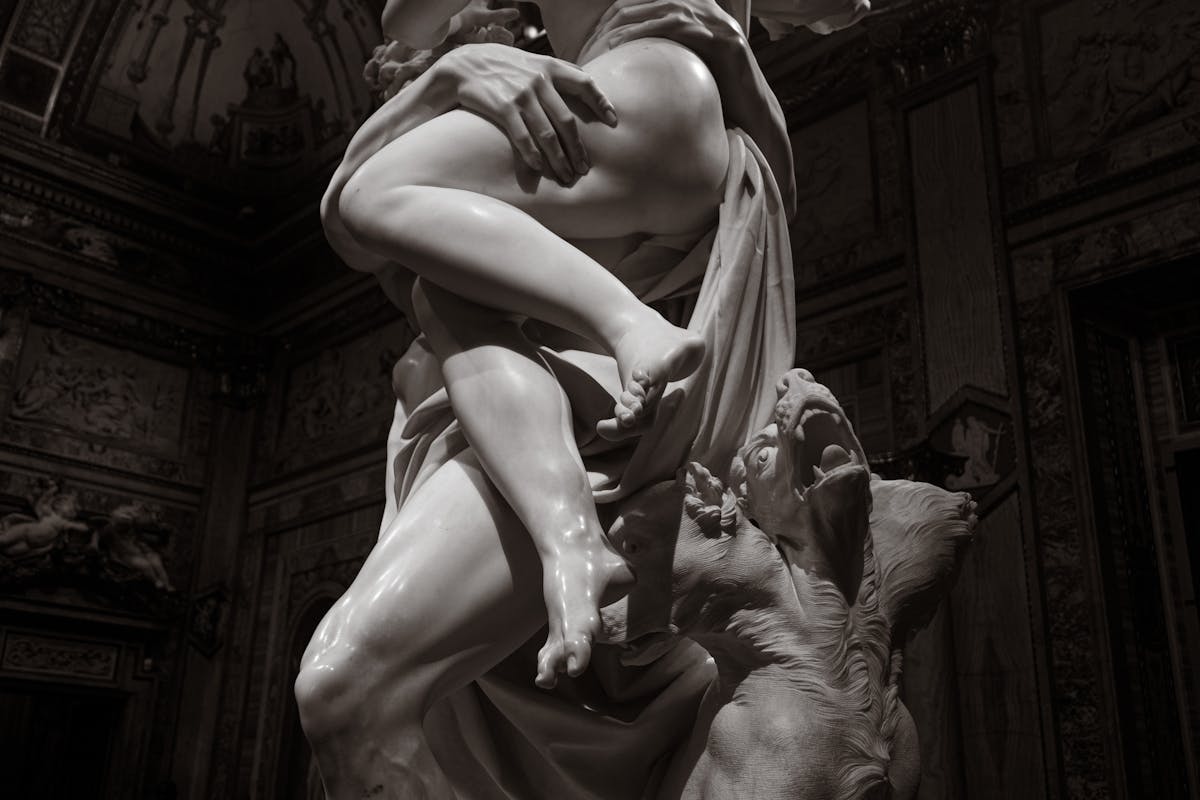
Room 4 — Bernini’s Rape of Proserpina. Pluto’s fingers pressing into Proserpina’s thigh is the most famous detail in the entire gallery. The marble looks like real flesh being squeezed. Stand close and look at the tension in his hands.
Room 2 — Bernini’s David. Forget Michelangelo’s calm, composed David in Florence. Bernini’s version is mid-action, twisting his body to release the stone. The face is a self-portrait — Bernini used a mirror while carving.
First Floor (Paintings):
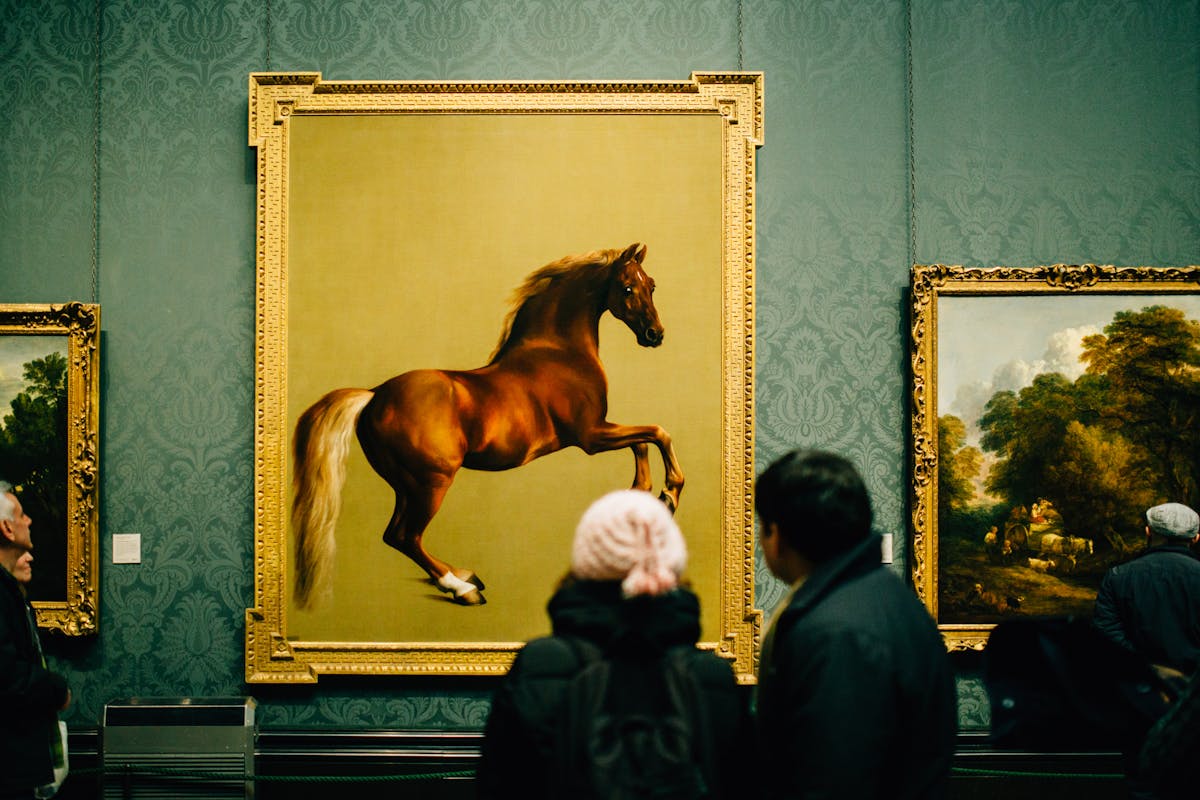
Room 8 — Caravaggio. Six paintings in one room, including Boy with a Basket of Fruit, Young Sick Bacchus, and David with the Head of Goliath (where Goliath’s face is Caravaggio’s own self-portrait, painted while he was on the run for murder). The contrast between the dark backgrounds and the way light hits flesh is something you have to see in person — photographs don’t capture it.
Room 9 — Raphael’s Deposition. One of Raphael’s most emotional works. It was actually stolen from a church in Perugia by Cardinal Scipione Borghese. The Vatican tried to get it back for centuries. It’s still here.
Room 20 — Titian’s Sacred and Profane Love. Two women at a sarcophagus — one clothed, one nude. Scholars have been arguing about what it means for 500 years. The colors are extraordinary.
Don’t miss the ceilings. Every room has painted ceilings and decorated walls that most visitors walk right under without noticing. Room 1’s ceiling alone is worth stopping for.
The building itself matters. The Galleria Borghese isn’t just a container for art. Cardinal Scipione designed it so the architecture, the light, and the art would work together. The windows are positioned to light specific sculptures at specific angles. It’s one of the few museums where the building is genuinely part of the experience.
This article contains affiliate links. If you book through our links, we may earn a small commission at no extra cost to you. This helps us keep creating free travel guides. We only recommend tours and tickets we’d book ourselves.