
Somewhere between Campo Santa Margherita and a dead-end alley that my phone insisted was a through street, I stopped trying to follow the map. Venice had won. The alley opened into a courtyard I hadn’t seen on any guidebook cover — a well in the center, laundry overhead, a cat asleep on a windowsill, and absolutely nobody else around.
That’s the thing about Venice. The city without cars, without bikes, without any vehicle at all on its streets. Every single step happens on foot, across bridges and through passages that look like they were built for people half your width. You can’t Uber your way out of being lost here. And being lost, it turns out, is the best part.
But there’s a difference between being pleasantly lost and being frustratedly lost, circling the same campo for the fourth time while your phone dies. A good walking tour splits the difference — someone who knows the city steers you through the alleys that actually go somewhere, while still leaving room for those accidental moments that make Venice feel like no other city on earth.
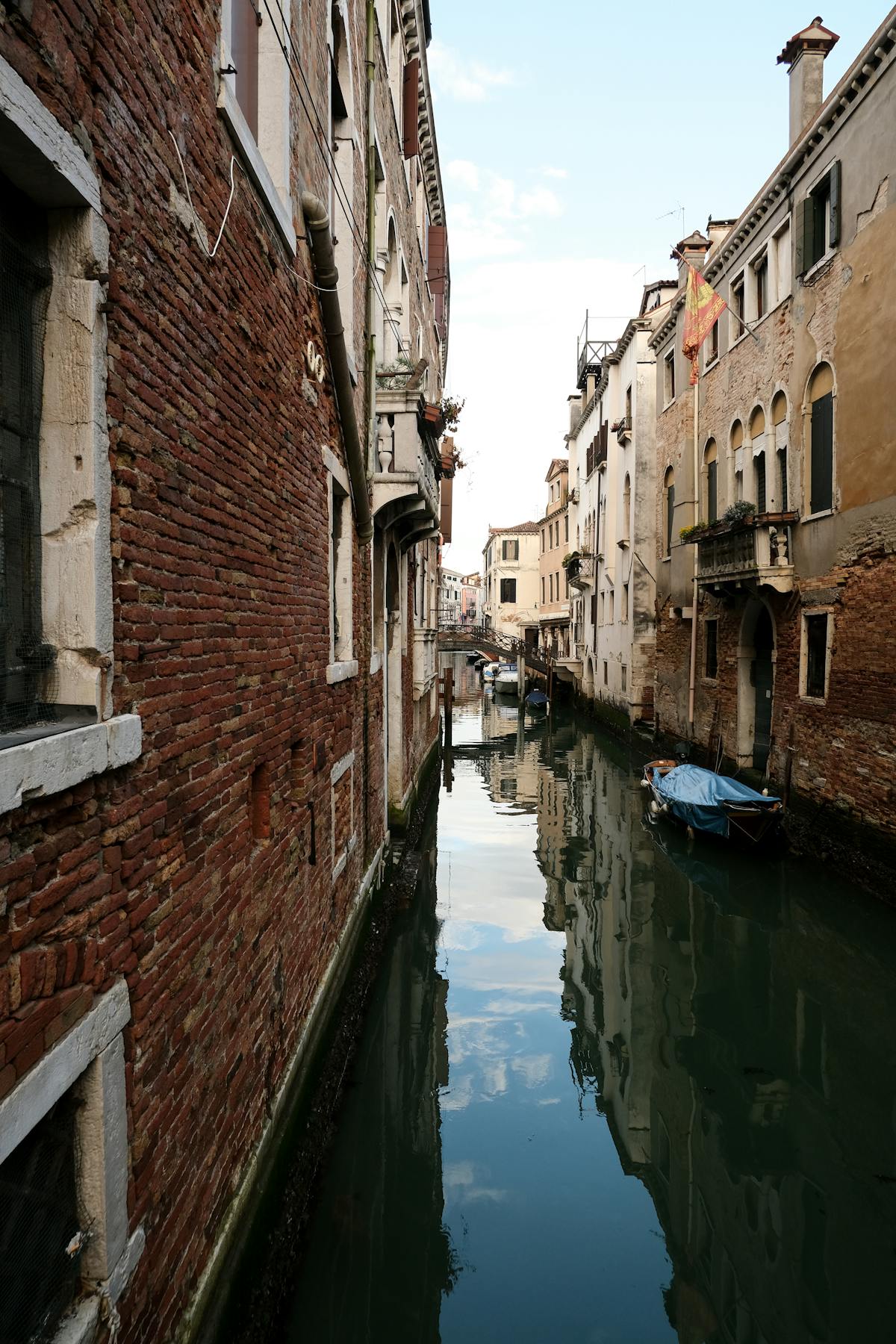
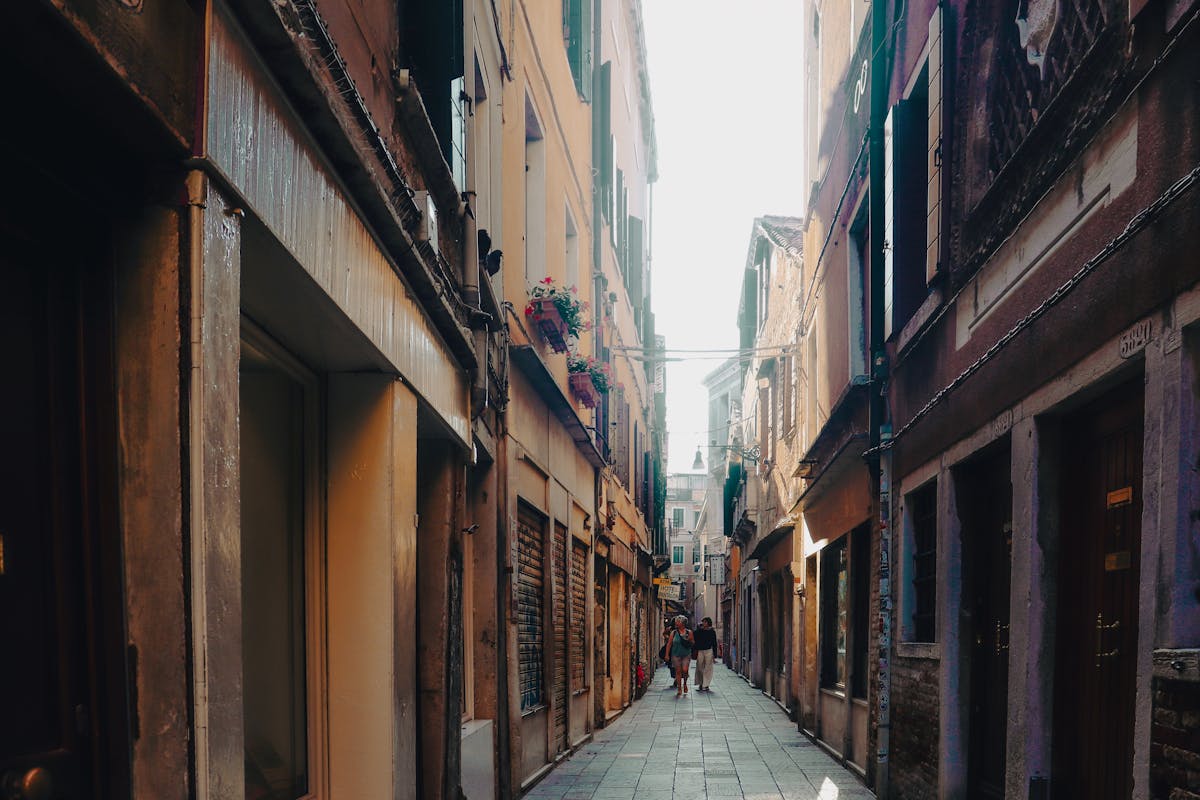
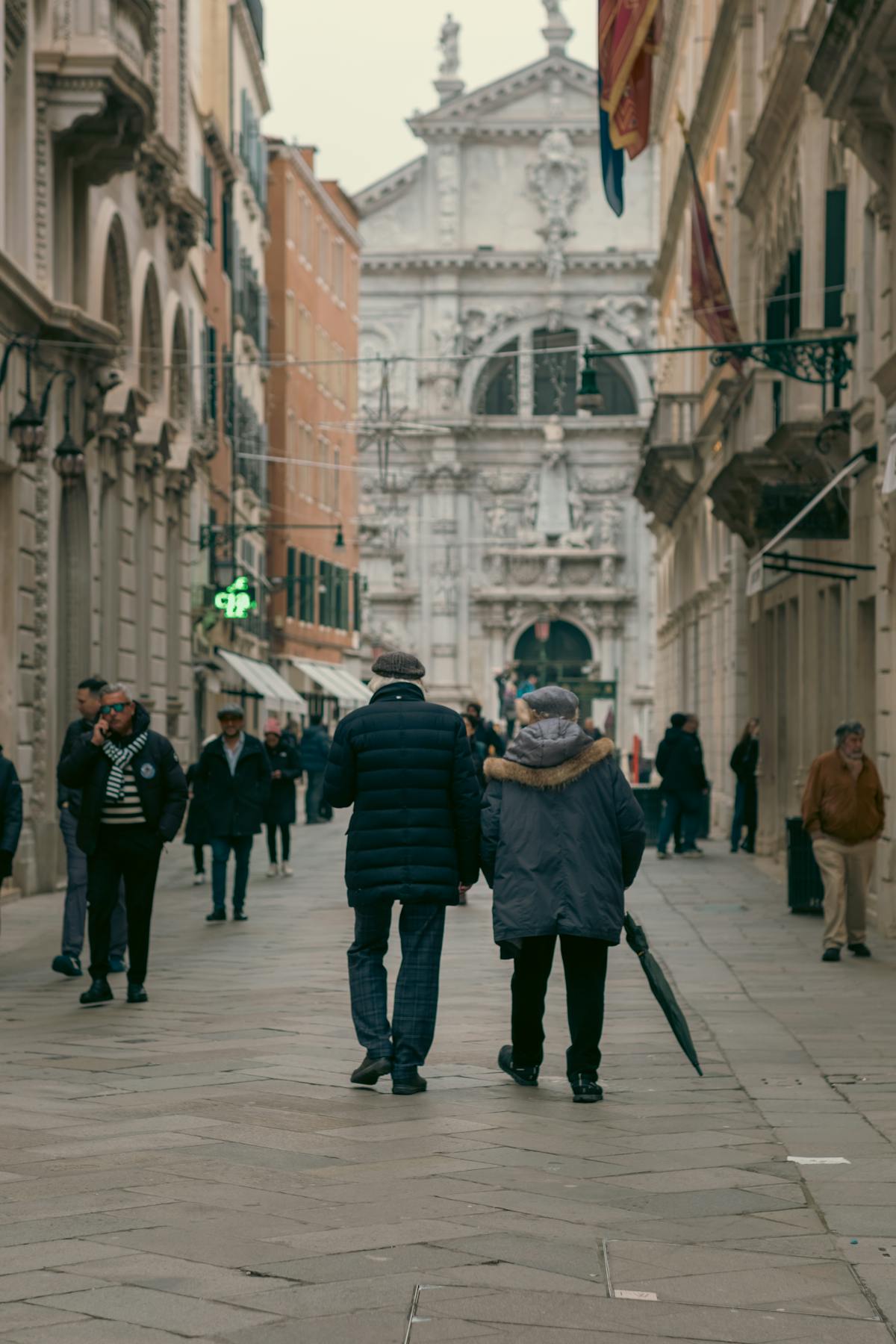
Venice is not a city you can efficiently sightsee with a checklist. The layout makes no logical sense — six different neighborhoods (sestieri) connected by a maze of over 400 bridges, and Google Maps routinely sends you to staircases that end at water. A walking tour solves the navigation problem, but the good ones do more than that. They put context behind the buildings you’re walking past, explain why Venice looks the way it does, and take you into corners of the city that most visitors never find on their own.
Best overall: City Highlights and Hidden Gems Walking Tour — $31. Two hours covering both major landmarks and tucked-away spots most travelers miss. Book this tour
Best for history: City Center Historical Guided Walking Tour — $14. Remarkable value for up to 2.5 hours of deep historical context from San Marco through the city center. Book this tour
Best after dark: The Ghost and Legends Walking Tour — $42. Ninety minutes of Venice’s creepiest stories through dimly lit alleys. Surprisingly good even if you’re not into ghost tours. Book this tour
Best off the beaten path: Venice Off the Beaten Path: Rialto Bridge and Beyond — $18. Two hours through neighborhoods travelers don’t reach, starting from the Rialto. Book this tour
Best with a local twist: San Marco to Rialto Walk and Spritz Like a Local — $14. Walk the main stretch between Venice’s two anchors and finish with a spritz at a local bar. Book this tour
- Why Venice Actually Needs a Walking Tour
- Types of Walking Tours in Venice
- The Best Venice Walking Tours to Book
- 1. Venice: City Highlights and Hidden Gems Walking Tour —
- 2. Venice: City Center Historical Guided Walking Tour —
- 3. Venice: The Ghost and Legends Walking Tour —
- 4. Venice Off the Beaten Path Walking Tour: Rialto Bridge and Beyond —
- 5. Venice: San Marco to Rialto Walk and Spritz Like a Local —
- When to Walk: Timing Your Venice Tour
- Practical Tips for Walking Tours in Venice
Why Venice Actually Needs a Walking Tour
I know what you’re thinking. Venice is small. Just walk around and figure it out. And that’s partly true — you can have a wonderful time wandering aimlessly. But there are a few things specific to Venice that make a guided walk more useful here than in most European cities.
First, the city actively resists navigation. Streets don’t follow a grid. They don’t follow any pattern at all. Addresses use a numbering system that runs sequentially through entire districts rather than by street, so house number 4502 might be next to number 1. Your phone will route you through someone’s garden or to the edge of a canal with no bridge in sight.
Second, almost everything interesting in Venice is behind a door you’d never open or down an alley you’d walk past. The scuole (confraternity halls) with Tintoretto paintings inside. The tiny churches with Byzantine mosaics. The palazzi that look abandoned from the outside but are actually still lived in. A guide who knows the city points these out and, in many cases, can actually get you through the door.
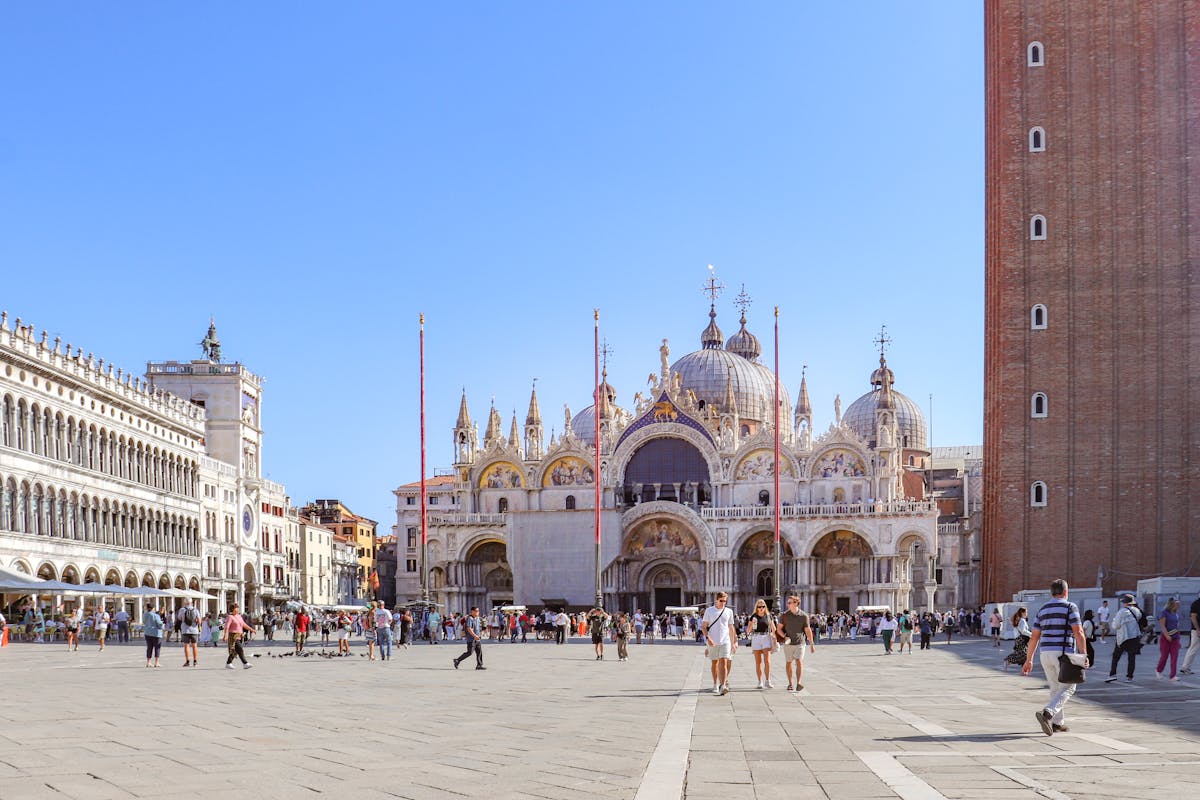
Third — and this is the practical one — Venice’s big attractions like the Doge’s Palace and St. Mark’s Basilica are clustered in one part of the city. Without someone nudging you in the other direction, you’ll spend your whole trip within a 10-minute radius of San Marco and miss the neighborhoods that make Venice feel like a real, breathing city rather than a museum.
Types of Walking Tours in Venice
Not all walking tours cover the same ground. Venice is compact enough that two-hour tours can focus on a very specific slice of the city, so knowing what type you want before booking saves you from ending up on a general history walk when you wanted a back-streets exploration (or vice versa).
Historical and Highlights Tours
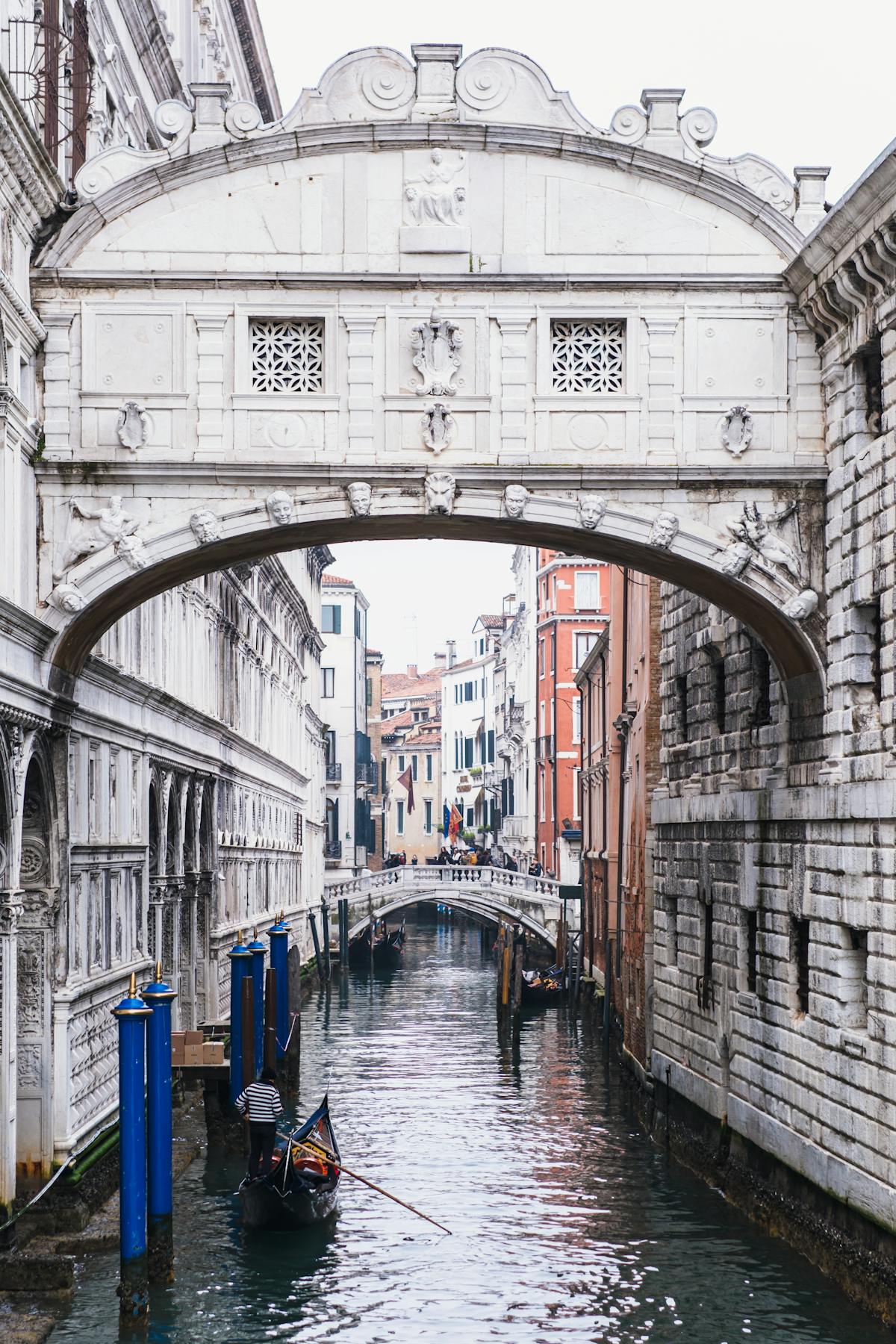
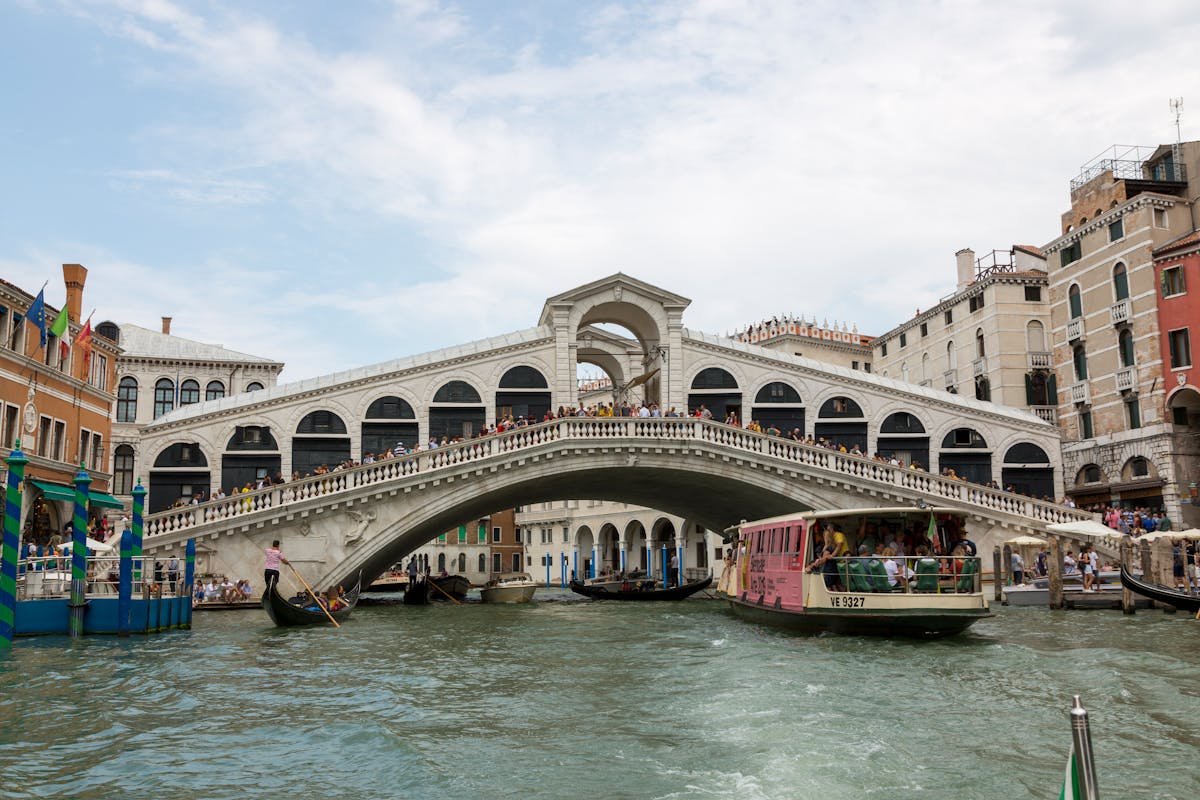
These are the all-rounders. They hit the main landmarks — San Marco, Rialto Bridge, maybe the Accademia area — with a guide explaining the history behind each one. Good for first-time visitors who want to orient themselves and understand the basics: why Venice was built on water, how the Republic dominated Mediterranean trade for centuries, what the winged lion means, and how the city is coping with flooding today. The better versions of these tours weave in smaller stories between the big stops — pointing out where Casanova escaped from prison, or which palazzo housed a famous courtesan.
Off-the-Beaten-Path Tours
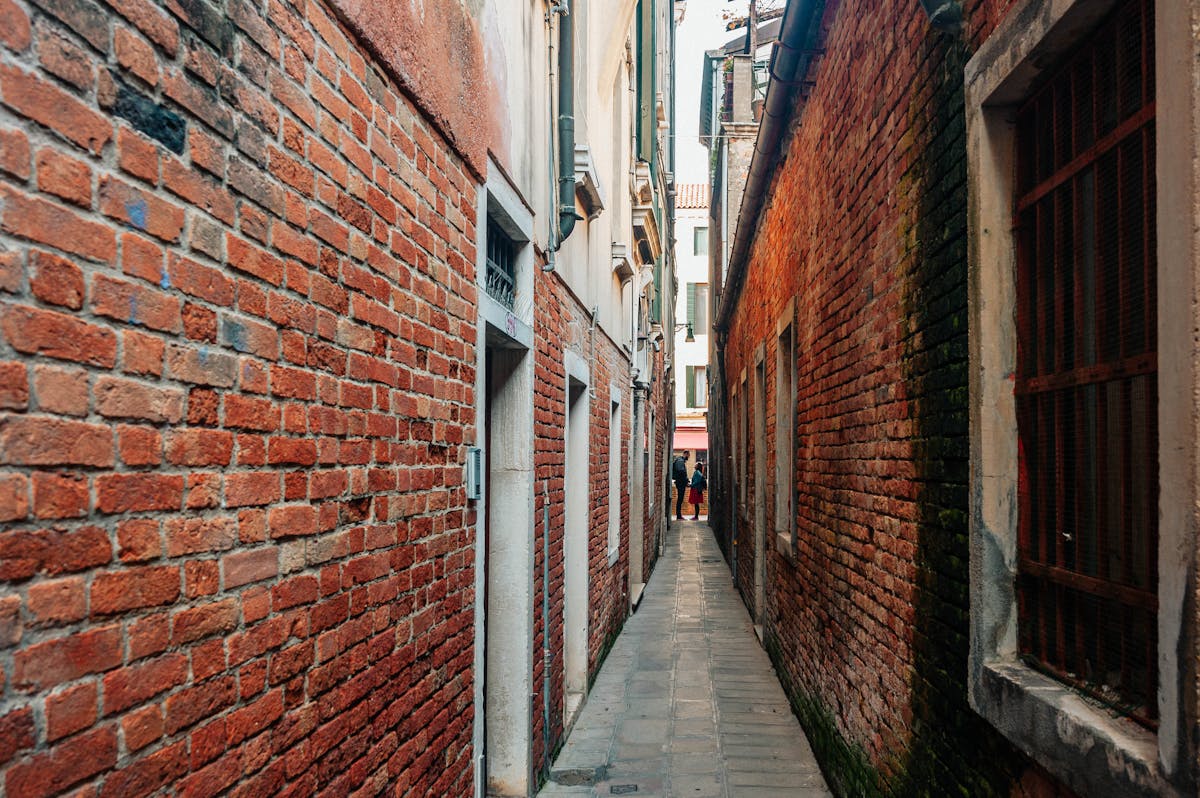
These deliberately avoid San Marco and the main tourist routes. Instead, you’ll walk through Cannaregio, Castello, or Dorsoduro — neighborhoods where Venetians actually live. Expect quieter canals, local bars, artisan workshops, and the kind of details that only someone who lives here would notice: a Byzantine relief carved into a wall, a sotoportego (covered passageway) that opens onto a hidden garden, or the outline of a bricked-up medieval window. If you’ve already seen the big landmarks or you just don’t care about them, this is the tour to book.
Ghost and Legends Tours
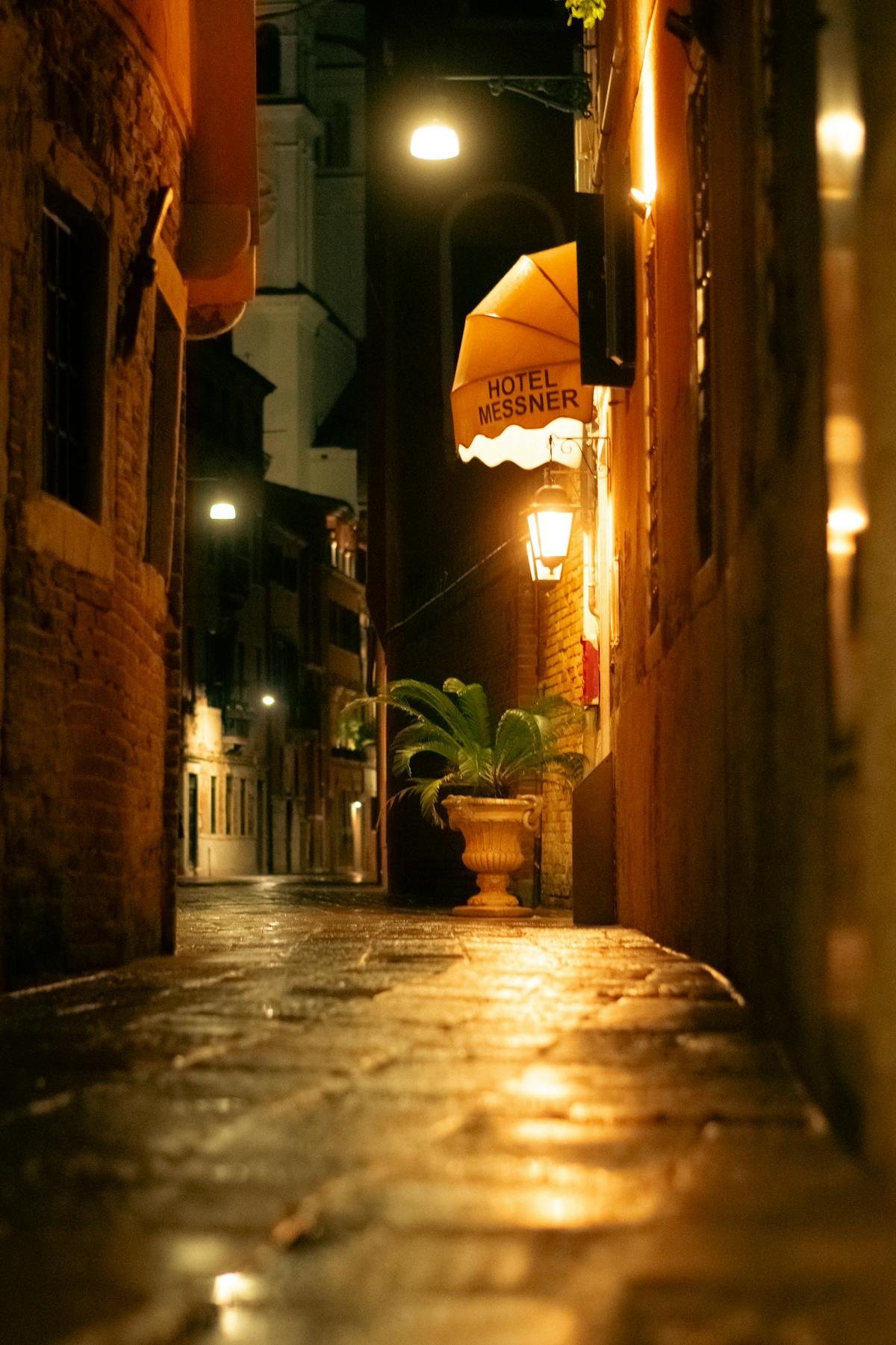
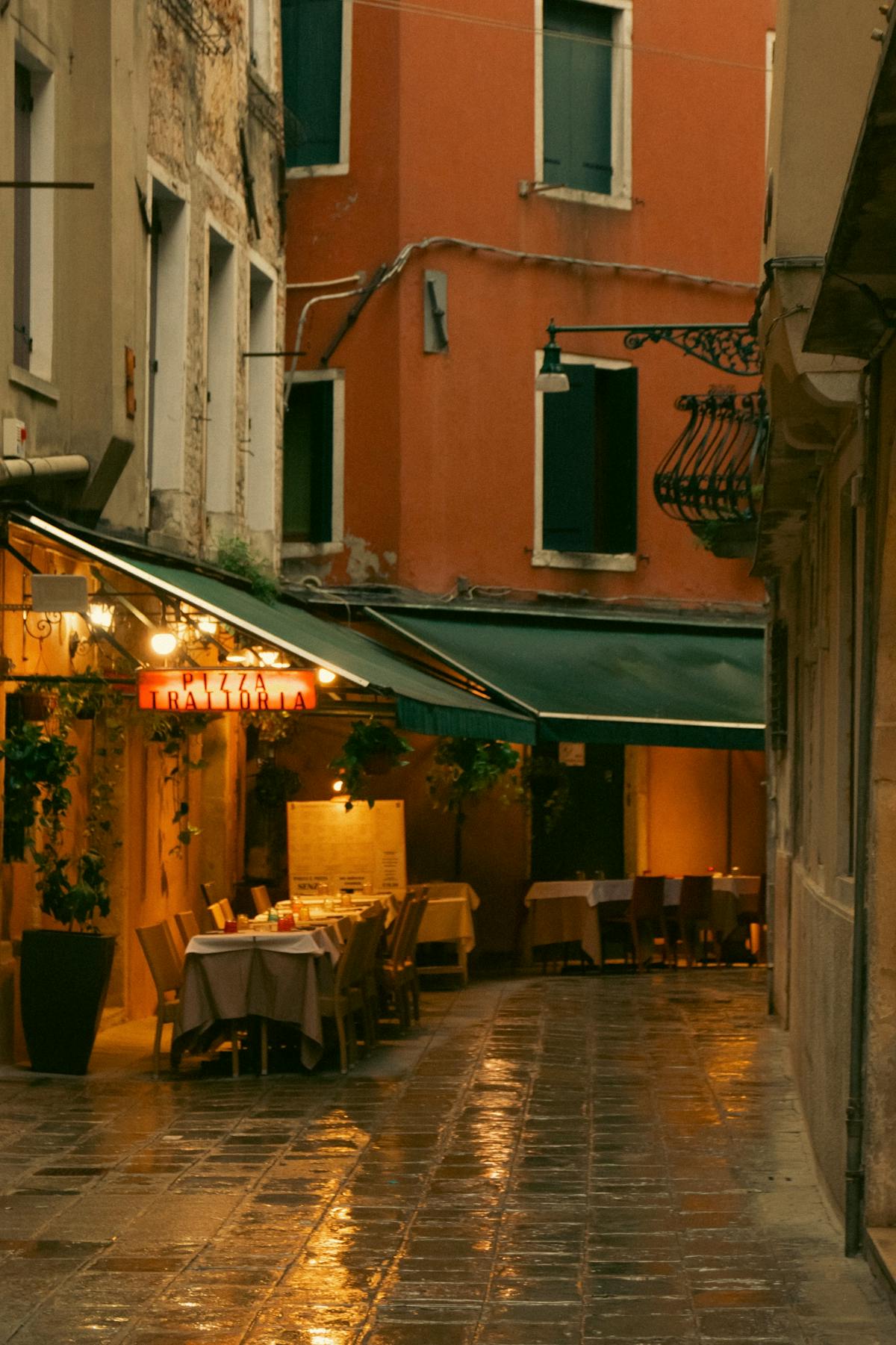
Venice after dark has a completely different personality. Fog rolls in from the lagoon, the streetlights barely work in some neighborhoods, and every footstep echoes off stone walls. Ghost tours lean into this atmosphere hard, taking you through narrow alleys and over deserted bridges while telling stories about plague doctors, executed traitors, and unexplained hauntings. They’re more theatrical than educational, but they work — especially if you book for a foggy evening. Even if you’re skeptical about ghosts, the evening walk through empty Venice is worth the price alone.
Photography and Sunset Walks
Designed for people who want great photos and are willing to be led to the spots that produce them. The guide knows exactly which bridge gives you the best reflection shot, which campo catches the golden hour light, and which viewpoint frames the skyline without scaffolding in the way. These tours are smaller (usually 6-8 people max) and slower-paced, with plenty of stops to set up your shot. Even if you’re shooting on a phone, the compositions you’ll get are leagues better than what you’d find wandering alone. Fair warning: they run early morning or late evening, so you’ll need to sacrifice either sleep or dinner.
The Best Venice Walking Tours to Book
I went through the tour databases and picked five that cover different angles, budgets, and times of day. Each one earned its spot by doing something specific well rather than trying to be everything at once.
1. Venice: City Highlights and Hidden Gems Walking Tour — $31
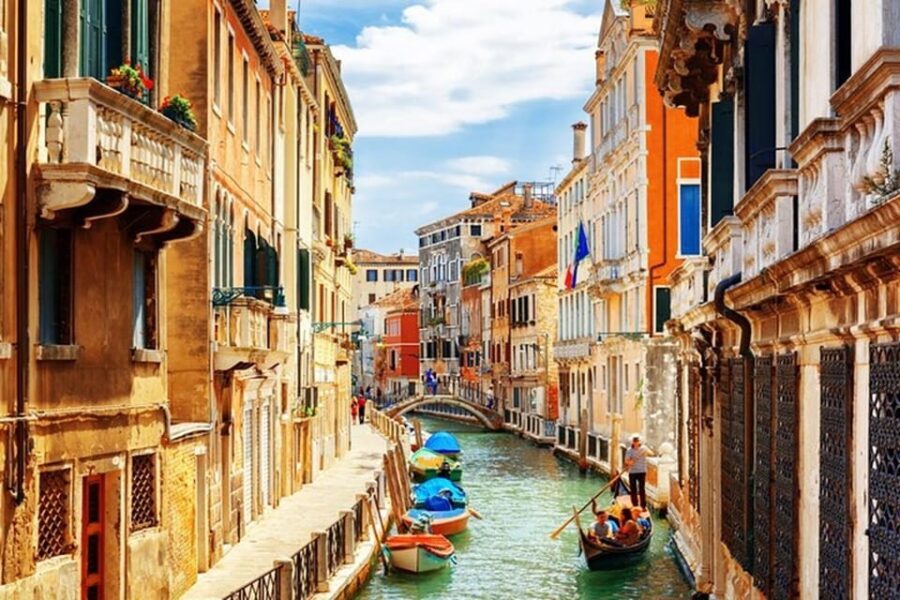
This is the one I’d recommend to anyone visiting Venice for the first time. At $31 per person for two hours, it’s well priced and well structured — you get the major landmarks (San Marco, the Rialto area) without it feeling like a greatest-hits speedrun, because the guide works in smaller stops between them. Hidden courtyards, quiet canals, the kinds of places that make you think “I never would have found this.”
What makes this particular tour stand out from other “highlights” walks is the balance. You’re not spending 45 minutes standing in one piazza listening to a lecture. The pace keeps moving, and the guide adjusts the route based on crowds — if San Marco is packed, they’ll reroute through a back street and loop back when it clears. That flexibility is worth a lot in Venice, especially during summer when the main corridors are shoulder-to-shoulder.
The full tour covers enough ground that you’ll leave with a mental map of the city that actually makes sense. Book this on your first morning and the rest of your trip becomes easier to navigate.
Read our full review | Book this tour
2. Venice: City Center Historical Guided Walking Tour — $14
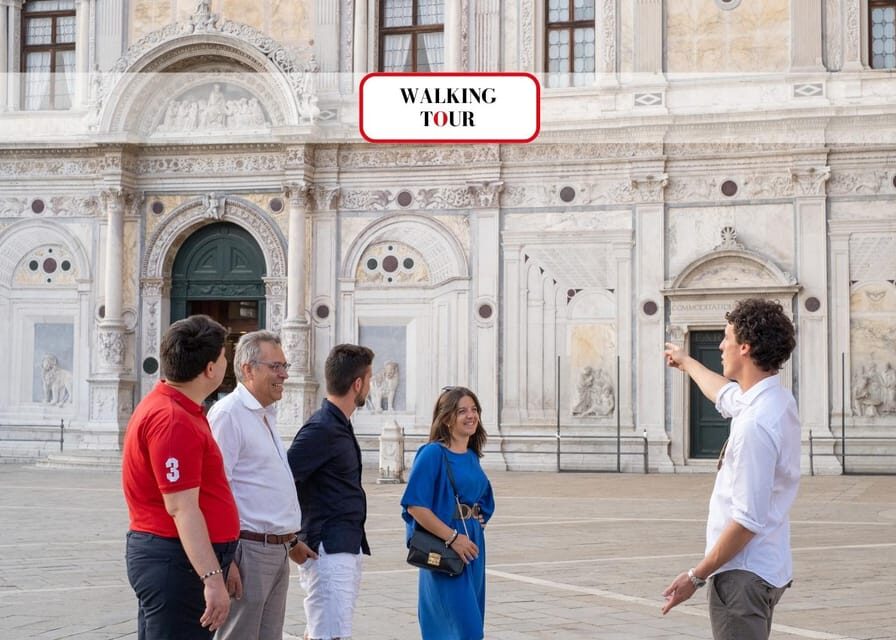
At $14 per person, this is the cheapest walking tour on the list, and it delivers more than you’d expect at that price. The tour runs up to 2.5 hours and covers the historic core — San Marco, the Campanile, the Doge’s Palace exterior, the Rialto, and the streets connecting them. The guide focuses heavily on Venetian history: the Republic, the crusades, the trade empire, the slow decline, and how the city works today.
The trade-off for the low price is group size. This isn’t a six-person intimate walk. Expect 15-20+ people, headsets included. If you’re the type who wants to ask lots of questions and have a conversation with the guide, this might feel too big. But if you just want a solid historical foundation and a 2.5-hour walk that gives context to everything you’ll see for the rest of your trip, it’s hard to beat for fourteen dollars.
One smart move: book this for your first day, then use what you learned to plan a Doge’s Palace visit the next day. Understanding the Republic’s history makes the palace interior about ten times more interesting.
Read our full review | Book this tour
3. Venice: The Ghost and Legends Walking Tour — $42

I’ll be honest: I booked this expecting it to be cheesy. Ghost tours in tourist cities are usually corny theatrical walks with jump scares and Halloween-store energy. This one surprised me. At $42 per person for 90 minutes, the Ghost and Legends Walking Tour leans more into Venice’s dark history than into cheap frights.
You’ll hear about Venetian justice (which was brutal), plague outbreaks that wiped out a third of the population, mysterious deaths in noble families, and legends that have survived for centuries. The route takes you through some of the creepiest back alleys in the city — places that are genuinely unsettling at night, with fog coming off the canal and nobody else in sight.
It works best as a second-night activity. If you’ve already done a daytime historical walk, the ghost tour gives you a different layer of the same city. And if you’ve got an early-morning trip to Murano and Burano planned for the next day, a 90-minute evening tour won’t keep you out too late.
Read our full review | Book this tour
4. Venice Off the Beaten Path Walking Tour: Rialto Bridge and Beyond — $18
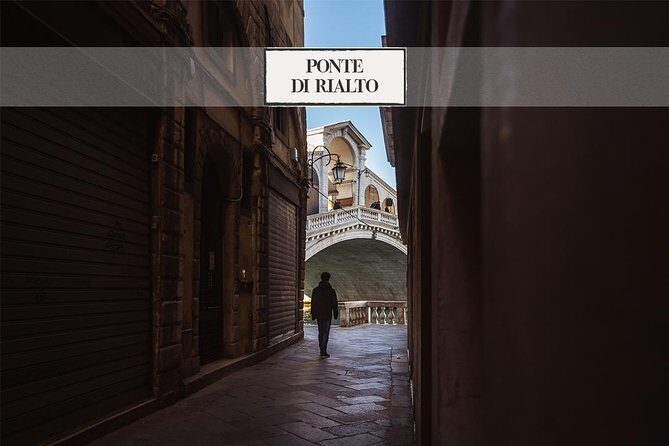
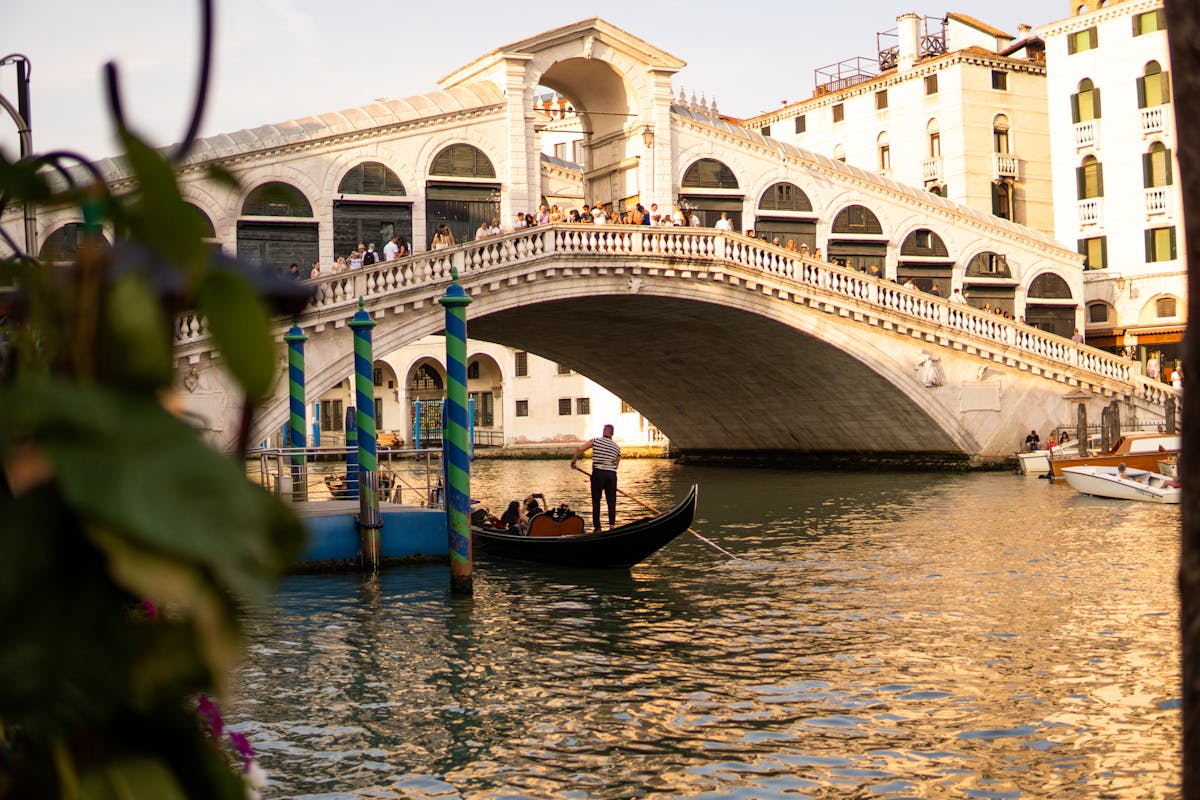
If you’ve already seen the main sights — or if you’ve been to Venice before and want something different — this is the one. At $18 per person for two hours, the Off the Beaten Path tour starts at the Rialto Bridge and immediately heads away from the tourist flow.
You’ll walk through residential neighborhoods where the laundry hangs over the alleys and the only bars are ones that locals use. The guide points out architectural details that most people walk past: a carved lion here, a bricked-up window there, a sotoportego that leads to a courtyard with a 12th-century wellhead. It’s the kind of context that transforms Venice from “pretty canal city” into “a place with a thousand years of layered history under your feet.”
This tour also functions as an excellent complement to the History Walk. Do the historical tour in the morning for the big picture, then this one in the afternoon for the texture. At $18, it barely costs more than a spritz at a canal-side bar — and you’ll get more out of it.
Read our full review | Book this tour
5. Venice: San Marco to Rialto Walk and Spritz Like a Local — $14

This is the lightest-commitment option and it’s perfect for people who don’t want a full structured tour but still want some guidance. At $14 per person for 1-3 hours, the San Marco to Rialto walk covers the main pedestrian corridor between Venice’s two anchor points, with the guide sharing stories and pointing out details along the way. And then you finish with a spritz at a local bar.
It’s a casual walk, not a formal tour. Think of it as having a knowledgeable friend show you around for an afternoon. The route between San Marco and the Rialto is one most visitors walk anyway, but doing it with context turns a 20-minute walk into an hour-plus experience where every building has a story.
Best for: couples who want something relaxed, travelers on a tight schedule who can only spare an hour or two, or anyone who thinks “walking tour that ends with an aperitif” sounds like the right energy for their trip. If you’ve already booked a food tour or a gondola ride, this fits neatly into the remaining gaps in your schedule.
Read our full review | Book this tour
When to Walk: Timing Your Venice Tour

Book at least a few days ahead during peak season (April through October and Carnival in February). The smaller tours fill up fast, and the cheap ones like the $14 history walk can sell out a week in advance for weekend slots.
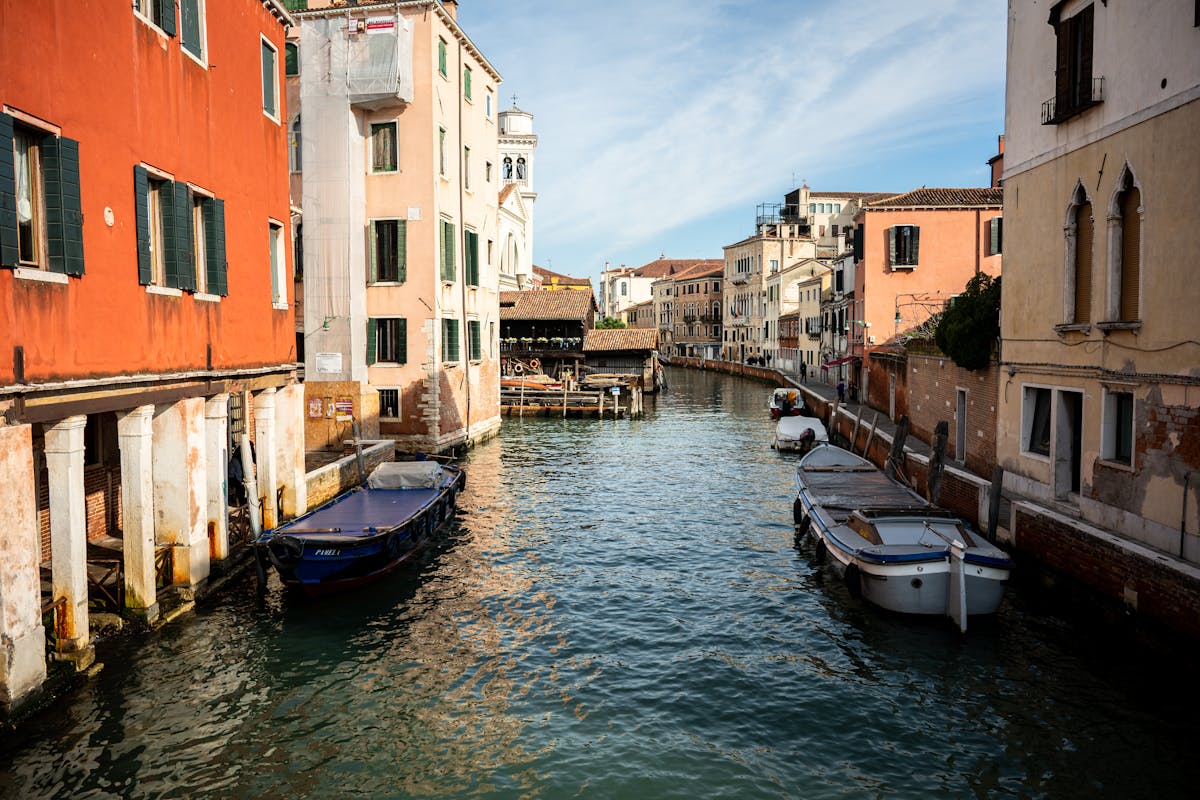
Early morning is the best time to walk Venice. Between 7am and 9am, the city belongs to residents and delivery boats. If your tour offers an early start, take it. You’ll see Venice the way it was meant to be experienced — quiet, reflected in still canal water, with golden morning light cutting through the gaps between buildings. By 10am, the cruise ship crowds arrive and the whole atmosphere changes.
Late afternoon and evening tours avoid the worst crowds too. By 5pm, the day-trippers from the cruise ships have headed back, and Venice starts to breathe again. Evening tours from October through March come with the bonus of fog, which makes the city genuinely atmospheric rather than just pretty.
Shoulder season is the sweet spot. March, late October, and November give you pleasant walking weather without the summer crush. You’ll have more tour options available, smaller groups, and the light is better for photos.
Avoid walking tours during acqua alta. Venice’s high-water flooding typically happens between October and March. If you see acqua alta alerts for your tour date, check with the operator — some tours adjust routes, others cancel. You can check forecasts on the Centro Maree website a few days in advance.
Practical Tips for Walking Tours in Venice
Wear proper shoes. I cannot stress this enough. Venice’s streets are stone, the bridges have steps, and everything is uneven. There are zero flat, smooth sidewalks here. Sneakers at minimum. Anything with a heel or a smooth sole will make you miserable within 30 minutes.
Bring water, especially in summer. There are very few public fountains and the shops along tourist routes charge outrageous prices for bottled water. Fill a bottle at your hotel before you leave. Venice in July feels like walking through a hairdryer — there’s no shade and the stone radiates heat.
The meeting point will confuse you. Venice addresses are notorious. A meeting point described as “Campo San Bartolomeo, near the statue” makes perfect sense once you’re standing there and makes no sense whatsoever when you’re trying to find it from two bridges away. Give yourself at least 15 extra minutes to locate the start point. Screenshot the exact location from the booking confirmation and have it loaded offline.
Don’t book a walking tour and a gondola ride back-to-back. You’ll be rushing between them and missing the point of both. Space them out — morning walking tour, afternoon at your own pace, evening gondola. Or better yet, different days.
Tip your guide if the tour is free or very cheap. The $14 tours operate on thin margins. If your guide was good, five to ten euros per person is appreciated. For the higher-priced tours ($30+), tipping is nice but not expected.
Ask about group size before booking. Tours with 20+ people feel like school field trips. You can’t hear the guide, you can’t see what they’re pointing at, and you spend half the tour waiting for everyone to cross a bridge. If you can afford the premium, tours capped at 8-10 people are worth every extra dollar.

This article contains affiliate links. When you book through these links, we may earn a small commission at no extra cost to you. This helps us keep creating these guides.