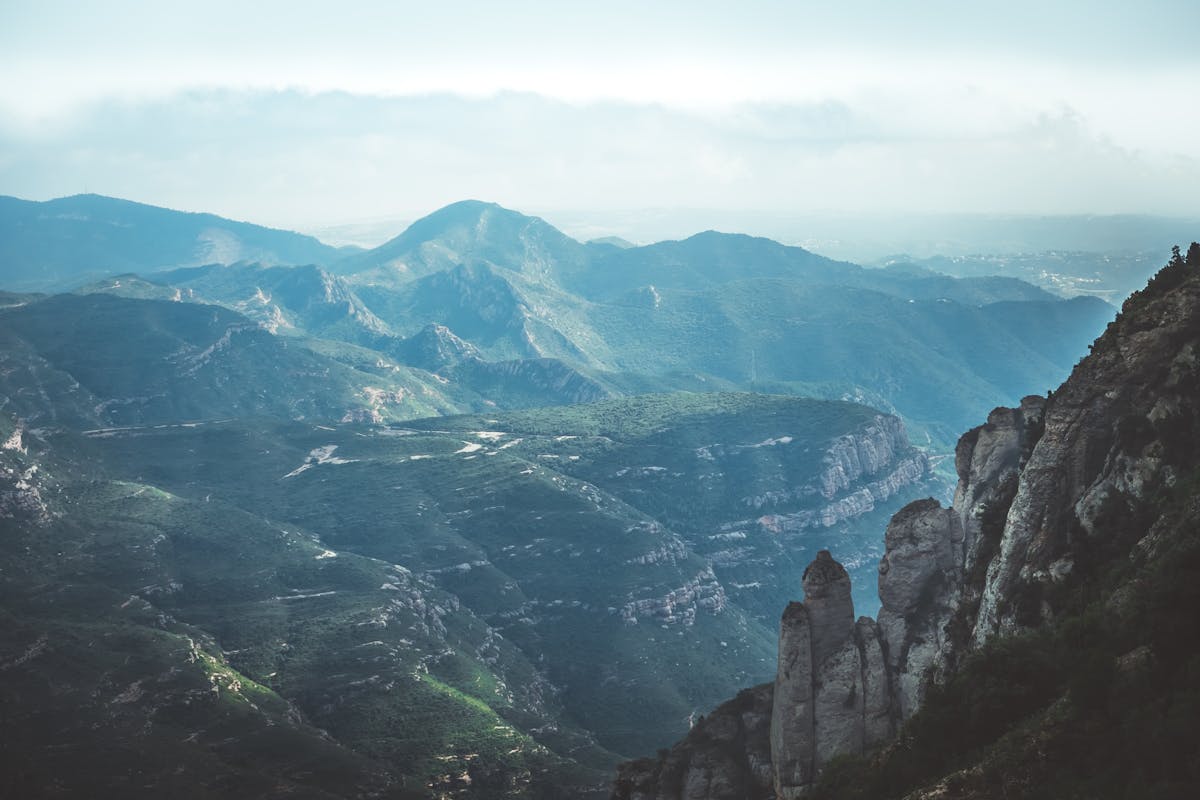
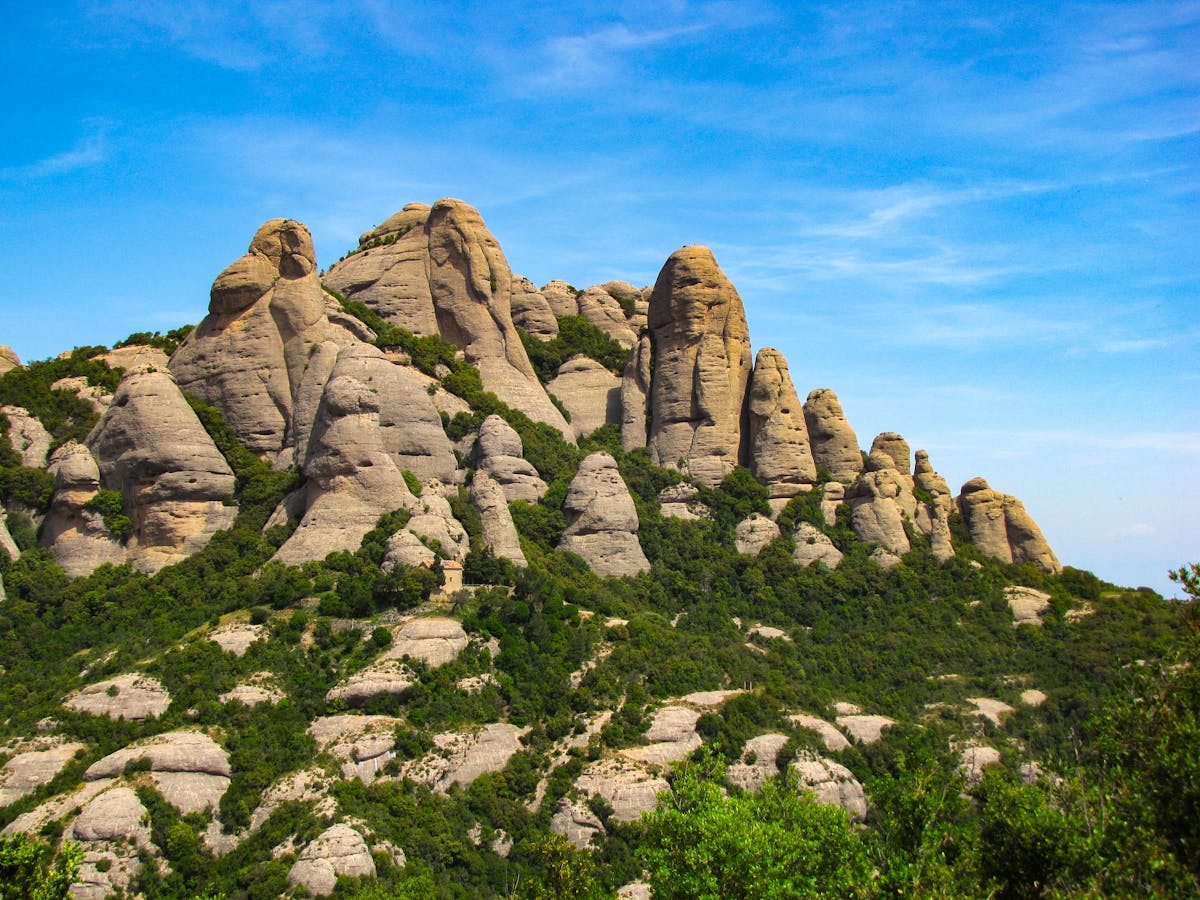
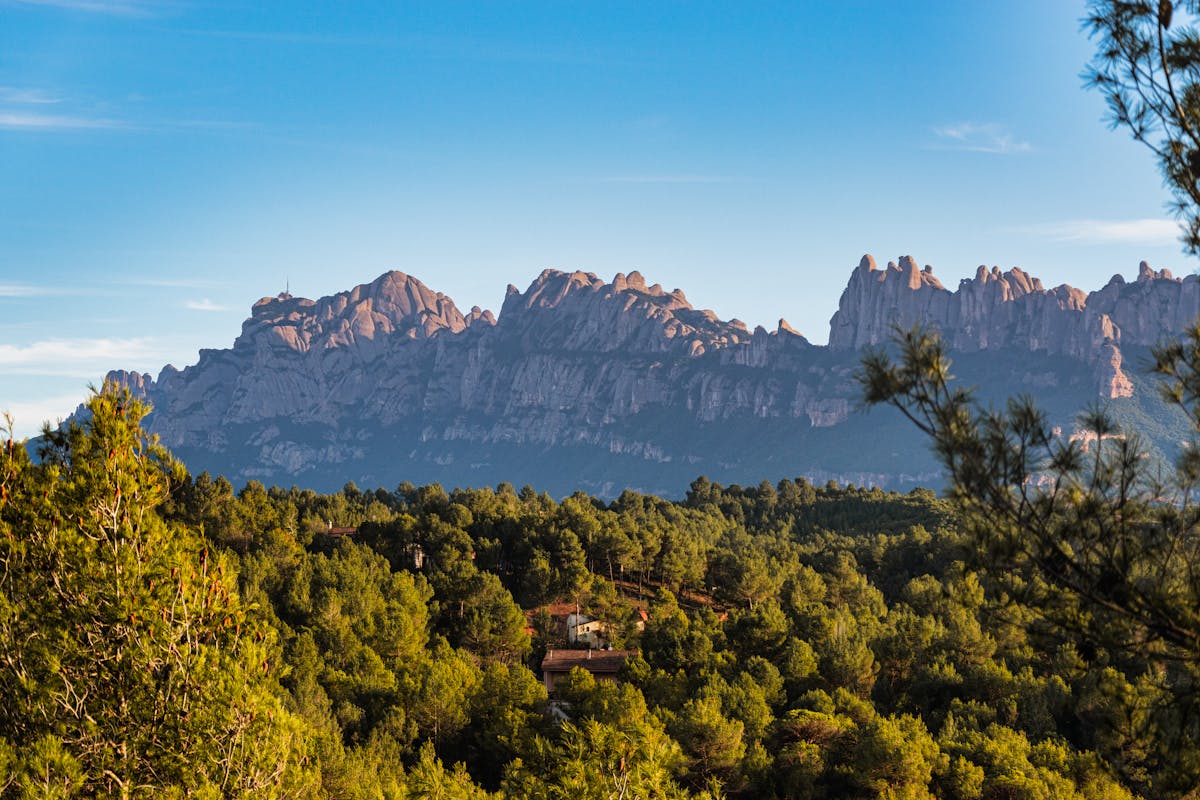
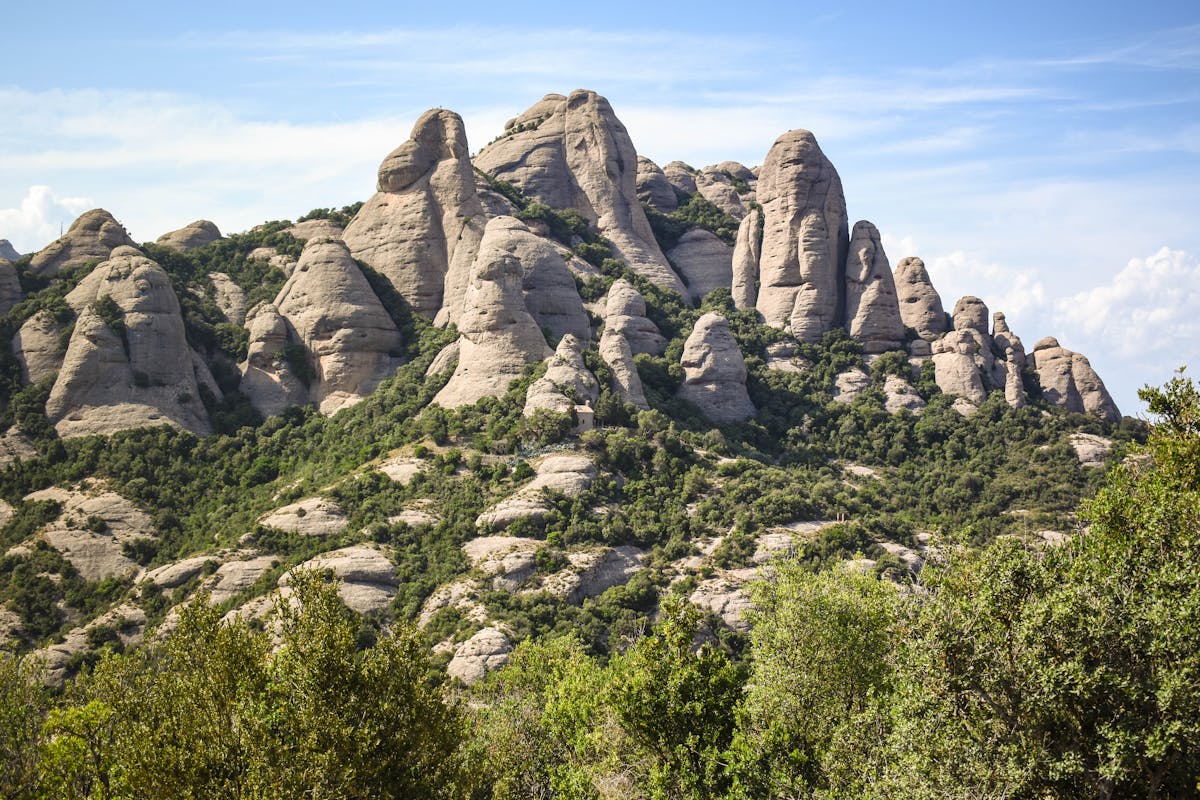
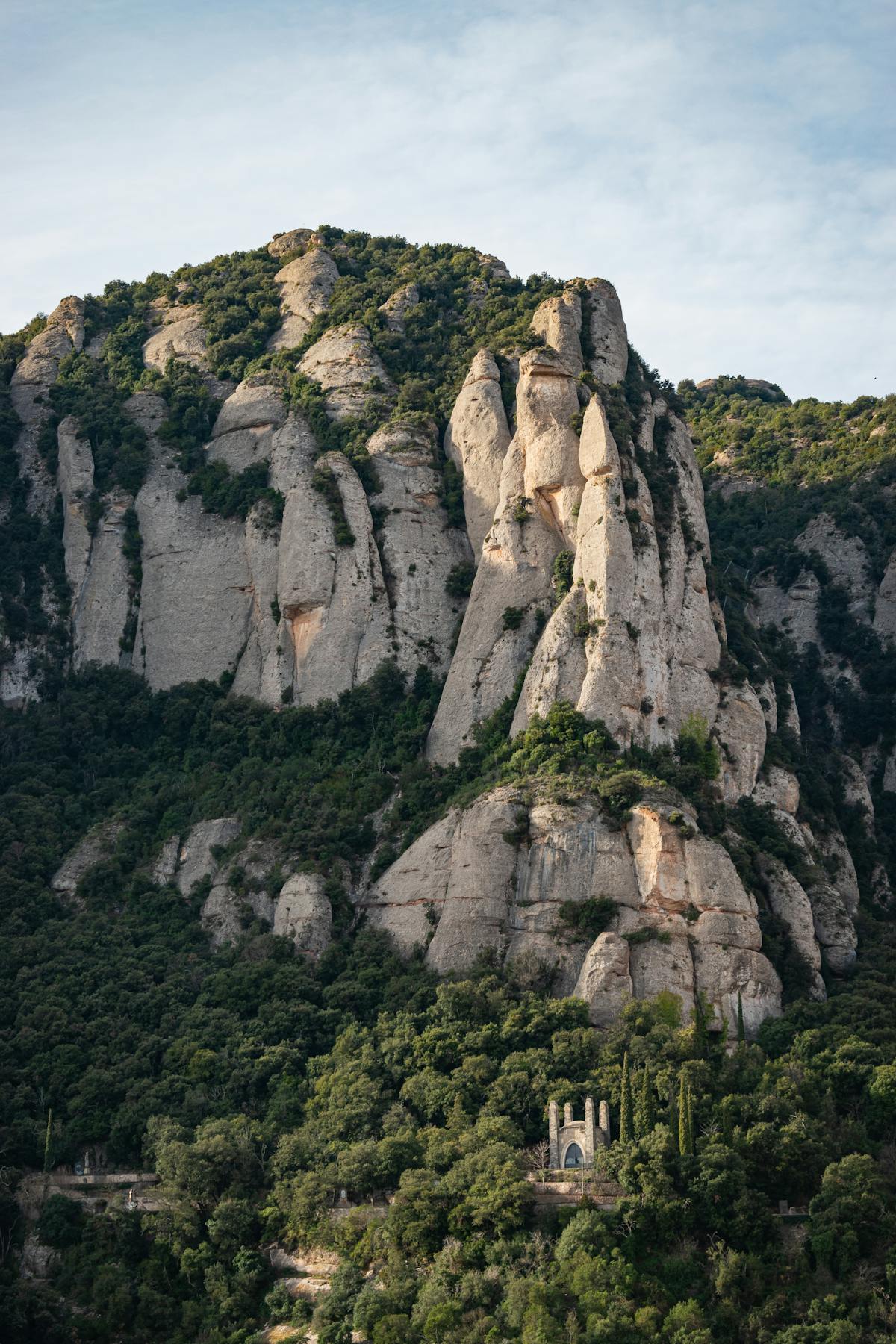
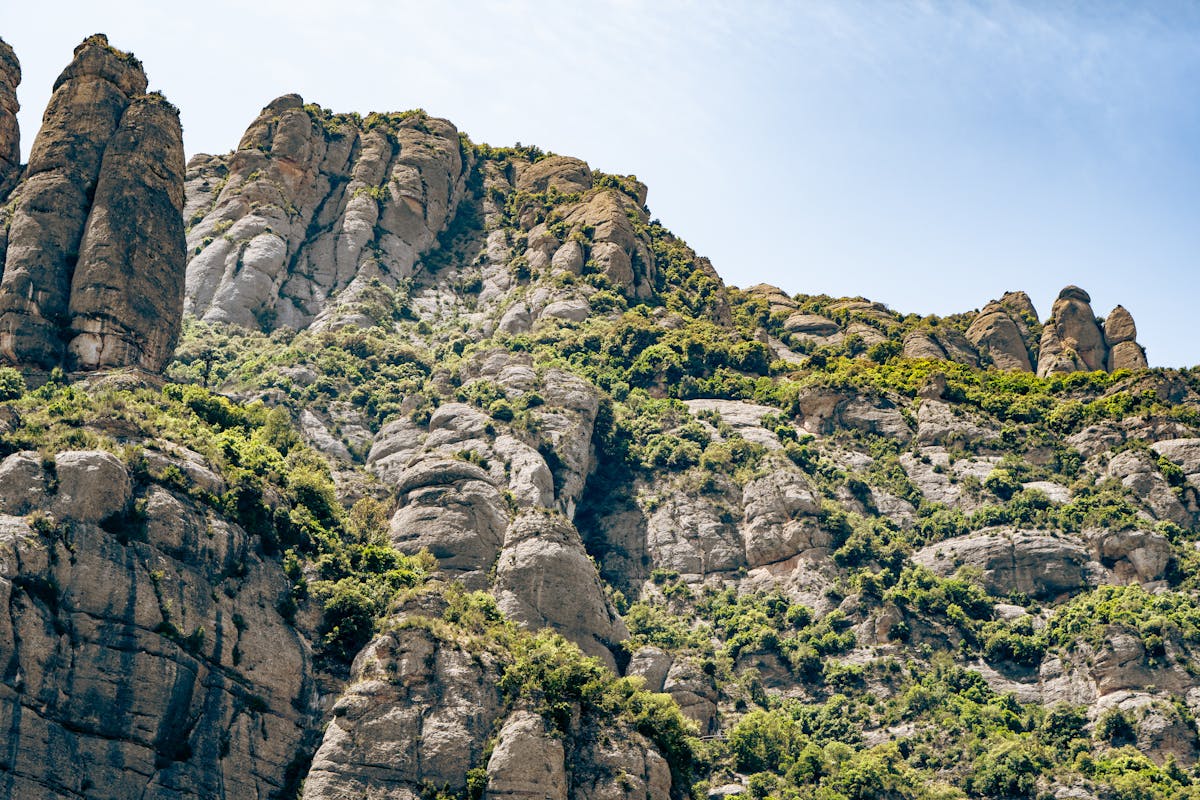
Montserrat means “serrated mountain” in Catalan, and the name is not poetic exaggeration. The first time you see it from the highway — a wall of rounded stone pillars jutting out of the Catalan plains like giant fingers reaching for the sky — you understand immediately why medieval monks built a monastery up there. This is not a mountain that blends into its surroundings. It demands attention.
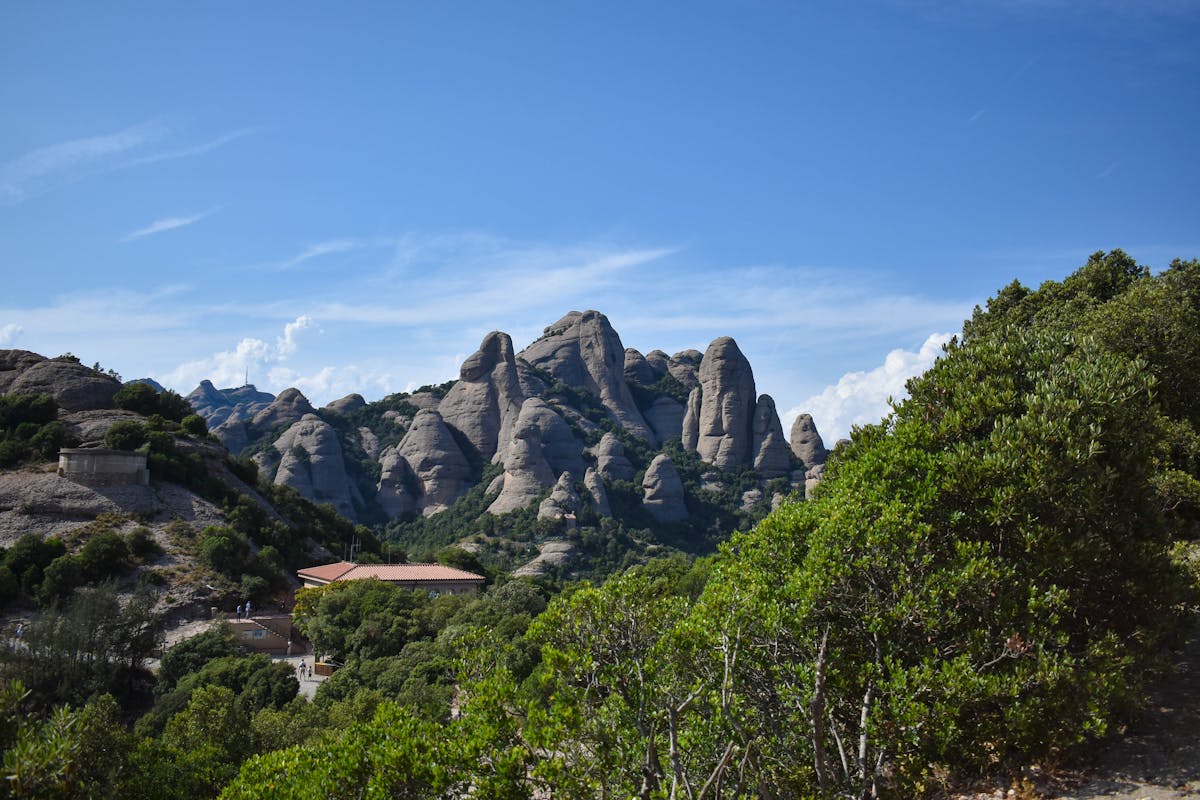
The mountain sits about 60 kilometers northwest of Barcelona, and it packs an absurd amount of things into a relatively compact space. A thousand-year-old Benedictine monastery. The Black Madonna, one of the most revered religious statues in Europe. A boys’ choir that has been singing since the 14th century. Hiking trails that wind through conglomerate rock formations shaped by 10 million years of erosion. A cable car ride that swings you over a valley with views that stretch to the Pyrenees on a clear day.
Most people visit as a day trip from Barcelona, and it works well that way. You can take the train and rack railway, ride the cable car, or join a guided tour that handles all the logistics. Each option has trade-offs, and the right choice depends on whether you care more about the journey up or the time you spend at the top.
I will break down exactly how to get there, whether a guided tour is worth it over doing it yourself, and which tours are the best value for different types of visitors.
If You’re in a Hurry: My Top 3 Picks
- Montserrat Half-Day Tour with Tapas and Wines — The best overall value. Covers the monastery, the Black Madonna, and includes wine and tapas at a family-run bodega on the way back. Small groups, fantastic guide. From $55.12 per person.
- Montserrat Tour with Cog-Wheel & Black Madonna — If you want the rack railway experience, this one rides the cremallera up the mountain and includes priority access to the Black Madonna. No wine stop, but more time on the mountain. From $59 per person.
- Montserrat & Cogwheel Train with Wine Tasting & Lunch — The full-day option for people who want everything: cogwheel train ride, monastery, hiking time, plus a proper lunch with wine at a medieval bodega. Worth the premium. From $81.02 per person.
- If You’re in a Hurry: My Top 3 Picks
- How to Get to Montserrat from Barcelona
- DIY vs. Guided Tour: Which Is Better?
- Best Montserrat Tours from Barcelona
- Montserrat Half-Day Tour with Tapas and Gourmet Wines
- Montserrat Tour with Cog-Wheel & Black Madonna
- Montserrat & Cogwheel Train with Wine Tasting & Lunch
- Montserrat Small Group: Monastery, Black Madonna & Natural Park
- Montserrat Museum and Monastery Entry Ticket
- When to Visit Montserrat
- Tips for Visiting Montserrat
- What to See at Montserrat
- More Barcelona Guides
How to Get to Montserrat from Barcelona
You have three basic options: train plus mountain transport, driving, or a guided tour. Each gets you there in roughly the same amount of time — about 90 minutes from central Barcelona — but the experiences are different.
Option 1: Train + Rack Railway (Cremallera)
Take the R5 FGC train from Placa Espanya station in Barcelona toward Manresa. Get off at Monistrol de Montserrat station (about 60 minutes). From there, transfer to the Cremallera de Montserrat — a bright yellow cogwheel train that grinds up the mountainside in about 20 minutes. The cremallera is the more comfortable and scenic option for ascending. It runs every 20 minutes and drops you right at the monastery complex.
Option 2: Train + Cable Car (Aeri)
Same R5 train, but get off one stop earlier at Aeri de Montserrat station. The cable car is faster — about 5 minutes to the top — and the views during the ascent are jaw-dropping. You swing out over the valley with nothing below you but treetops and the river. The downside: capacity is limited, and in peak season the queue can stretch 30 to 45 minutes.
Option 3: Drive
Take the AP-7 or C-55 highway from Barcelona. Parking is available at the monastery (around 8 euros per day), but spaces fill up early on weekends and holidays. Driving gives you flexibility to explore the mountain’s less-visited corners, but you miss the dramatic ascent by rail or cable car.
Ticket tip: Buy the Tot Montserrat or Trans Montserrat pass from the ticket machines at Placa Espanya. The Tot Montserrat (around 52 euros) bundles the train, mountain transport, the museum, and a meal voucher at the cafeteria. The Trans Montserrat (around 45 euros) covers transport only. Both include unlimited use of the Sant Joan and Santa Cova funiculars once you are on the mountain. They pay for themselves compared to buying everything separately.
DIY vs. Guided Tour: Which Is Better?
This is the question everyone asks, and the honest answer is that both work well — but for different reasons.
Go DIY if: You are comfortable navigating public transport in a foreign country, you want maximum flexibility with your schedule, and you prefer exploring at your own pace. The train and rack railway system is straightforward once you know which station to use. You can spend as much time hiking, visiting the basilica, or sitting in the courtyard as you want. The Tot Montserrat pass covers most costs upfront.
Book a guided tour if: You would rather not deal with train schedules and connections, you want historical and cultural context from a local guide, or you are interested in adding a wine tasting to the day. The best Montserrat tours include stops at small bodegas in the Penedes wine region, which is on the route between Barcelona and the mountain. You cannot do this easily on public transport.
The practical difference: A DIY trip costs roughly 52 euros per person with the Tot Montserrat pass. A guided half-day tour starts around 55 euros and typically includes transport from your hotel, a guide, and sometimes extras like wine or tapas. The price gap is small enough that the deciding factor should be preference, not budget.
Best Montserrat Tours from Barcelona
I selected these five tours to cover the most common scenarios: a quick half-day visit, a full day with wine and food, a rack railway ride, a hiking-focused trip, and a budget-friendly self-guided option with museum access.
Montserrat Half-Day Tour with Tapas and Gourmet Wines
Duration: 6-7 hours | From: $55.12 per person
This is the tour I recommend for most first-timers, and it has earned that reputation for good reason. You leave Barcelona in a small-group minibus, drive through the Llobregat valley to Montserrat, and spend about two hours at the monastery complex. That is enough time to visit the basilica, see the Black Madonna (your guide helps you skip the worst of the queue), explore the courtyard, and take in the mountain views.
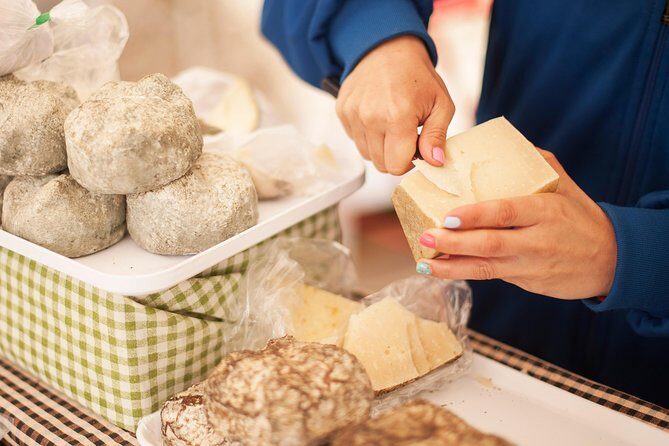
The real highlight comes on the way back. The bus stops at a family-run bodega in the Penedes wine region, where you taste local wines and pair them with Catalan cheeses and cured meats. This is not a factory winery — it is a small operation where someone from the family pours the wine and tells you about the grapes. The combination of a morning on the mountain and an afternoon tasting wine in a vineyard makes this the most well-rounded Montserrat experience available.
Montserrat Tour with Cog-Wheel & Black Madonna
Duration: 5-7 hours | From: $59 per person
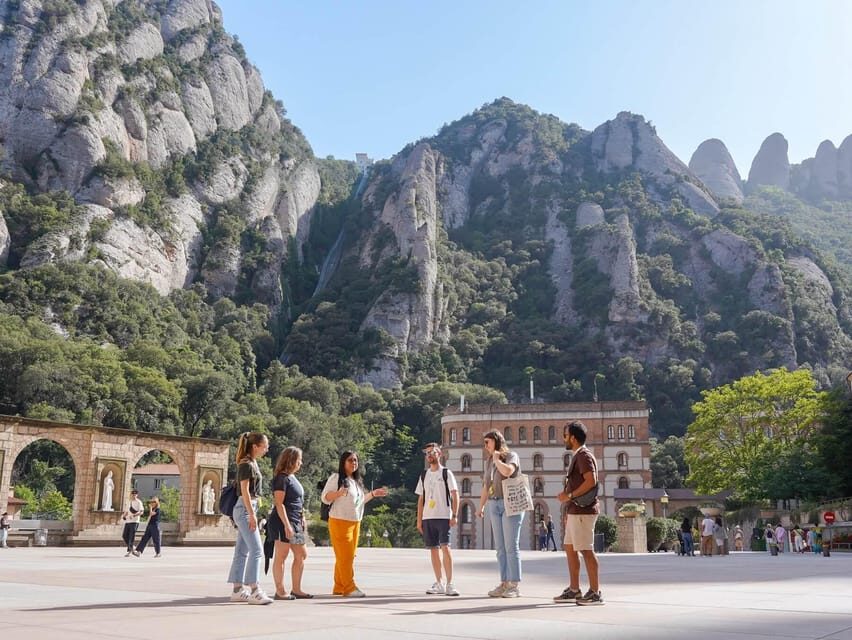
If riding the cremallera rack railway up the mountain matters to you — and honestly, it should, because the route through the gorge is one of the most scenic rail journeys in Catalonia — this is the tour to book. A bus takes you from Barcelona to the base of the mountain, and from there you board the cogwheel train for the dramatic 20-minute ascent.
At the top, your guide walks you through the monastery complex with priority access to the Black Madonna. The Moreneta, as Catalans call her, is a 12th-century wooden statue that draws millions of pilgrims each year. On a regular visit you might wait 30 to 60 minutes in line to see her. This tour cuts that significantly. You also get free time to explore on your own — enough to ride one of the funiculars or walk to a viewpoint. The trade-off compared to the wine tour above is no food or drink stop, but you get more time at the monastery.


Montserrat & Cogwheel Train with Wine Tasting & Lunch
Duration: 7-8 hours | From: $81.02 per person
This is the full-day Montserrat experience for people who want everything and do not mind spending a bit more to get it. You ride the cremallera up the mountain, get a guided tour of the monastery and basilica, have free time to explore or hike, and then descend to a medieval winery in the Penedes region for a proper sit-down lunch with wine tasting.
The lunch is what separates this from the cheaper half-day options. Instead of a quick tapas plate at a bar, you sit down at a centuries-old bodega for a multi-course Catalan meal paired with the estate wines. Think grilled meats, local cheeses, bread with tomato, and two or three wines from vines that have been producing for generations. It is a slower, more indulgent pace that turns the day trip into a genuine gastronomic experience.
The 7-8 hour duration means you leave Barcelona in the morning and return in the late afternoon, well-fed and slightly wine-happy. If you are only doing one day trip from Barcelona, this is the one that gives you the most to remember.
Montserrat Small Group: Monastery, Black Madonna & Natural Park
Duration: Half day | From: $73.48 per person
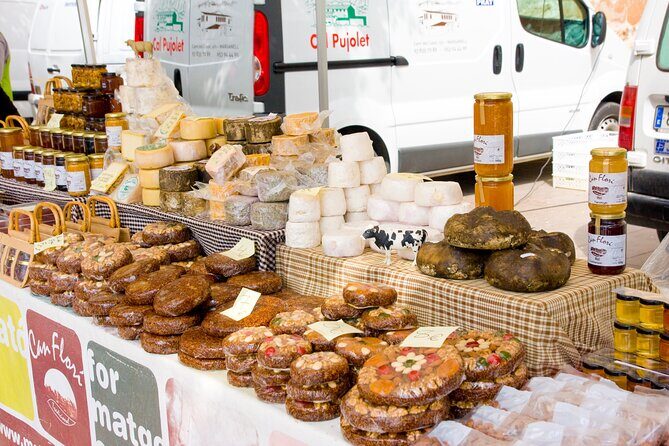
Built for people who came to Montserrat to hike, not just to look at a church. This small-group tour covers the monastery and the Black Madonna first, then takes you into the Montserrat Natural Park for a guided walk through terrain that most day-trippers never see. The trails weave between the towering conglomerate pillars, through pine and holm oak forest, to viewpoints where the entire mountain range opens up around you.
The hiking portion is moderate difficulty — you need decent shoes and a basic level of fitness, but you do not need to be a mountaineer. Your guide points out the geological features that make Montserrat unique: the rounded conglomerate formations, the hermit caves tucked into cliff faces, the plants that grow nowhere else in Catalonia. If the monastery and the Black Madonna are the spiritual heart of Montserrat, the natural park is its wild one.
Montserrat Museum and Monastery Entry Ticket
Duration: Full day (at your own pace) | From: $23 per person
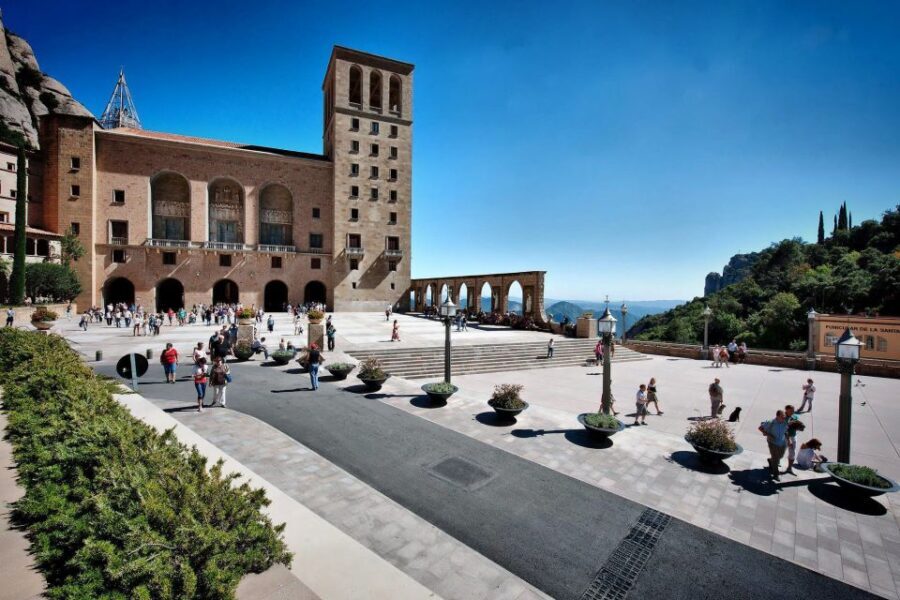
The budget pick for independent travelers. This ticket gets you into the Montserrat Museum, which houses a surprisingly strong art collection — works by El Greco, Caravaggio, Monet, and Dali, all displayed inside the monastery complex. Pair it with the free basilica visit and the Black Madonna queue, and you have a solid self-guided Montserrat experience for the price of a couple of coffees.
This makes most sense if you are already planning to get to Montserrat on your own via the R5 train and cremallera or cable car. The Tot Montserrat pass (around 52 euros) already includes museum admission, so check whether you have a transport pass before buying this separately. On its own, though, this is the cheapest way to get structured access to Montserrat’s cultural highlights without a guide.
When to Visit Montserrat
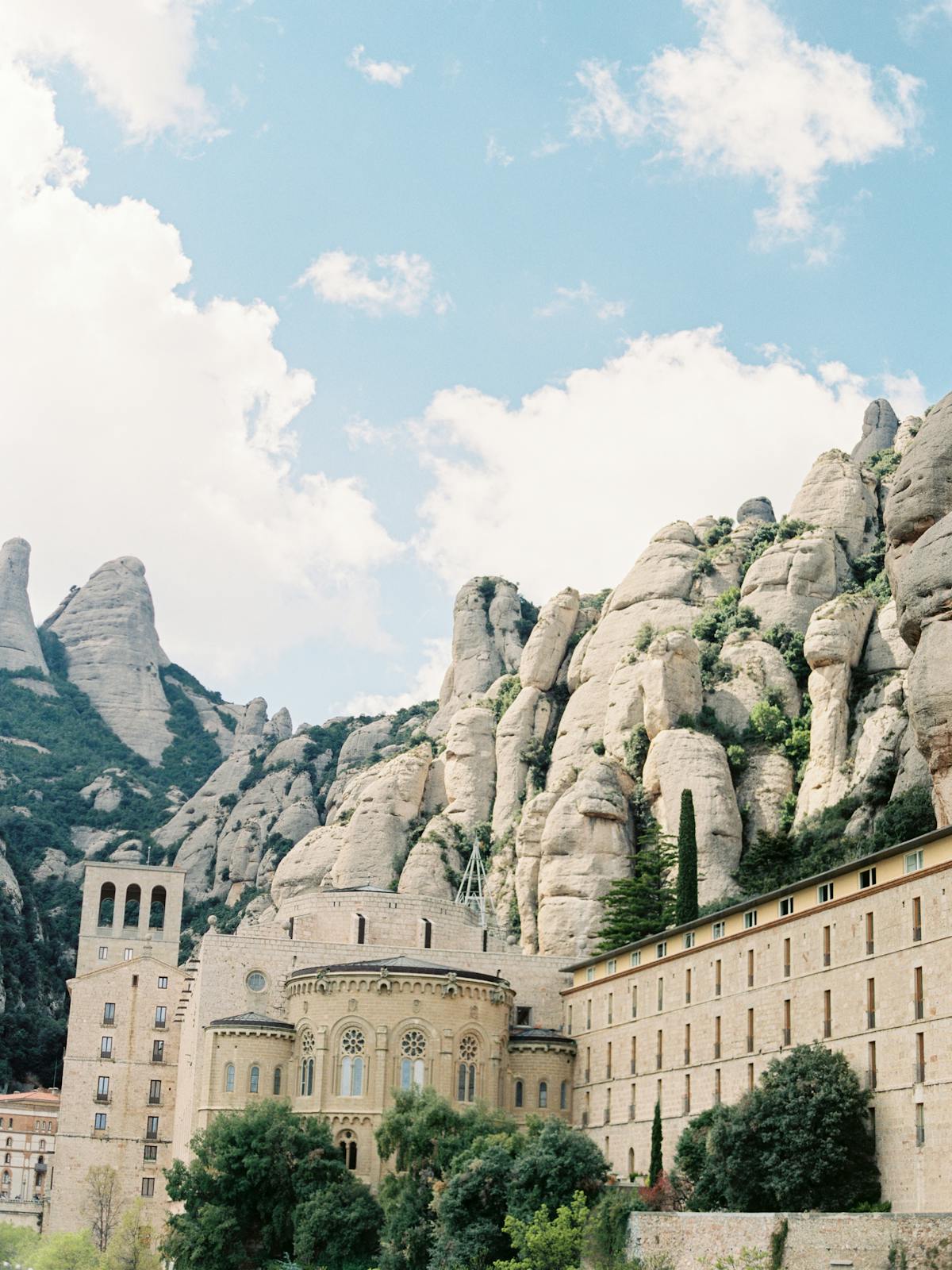
Best months: April through June and September through October. The weather is mild (15-25 degrees Celsius), the hiking trails are at their best, and the crowds are manageable compared to the summer crush. Spring brings wildflowers on the mountain, and autumn paints the lower slopes in warm tones.
Summer (July-August): The mountain is fully exposed and it gets hot. Temperatures can exceed 35 degrees at the monastery level, and the hiking trails offer limited shade. The basilica and courtyard areas are packed with tour groups from mid-morning onward. If you visit in summer, go early — catch the first train from Placa Espanya (around 8:36 AM) and aim to be back at the monastery by 10:00 AM before the heat and crowds peak.
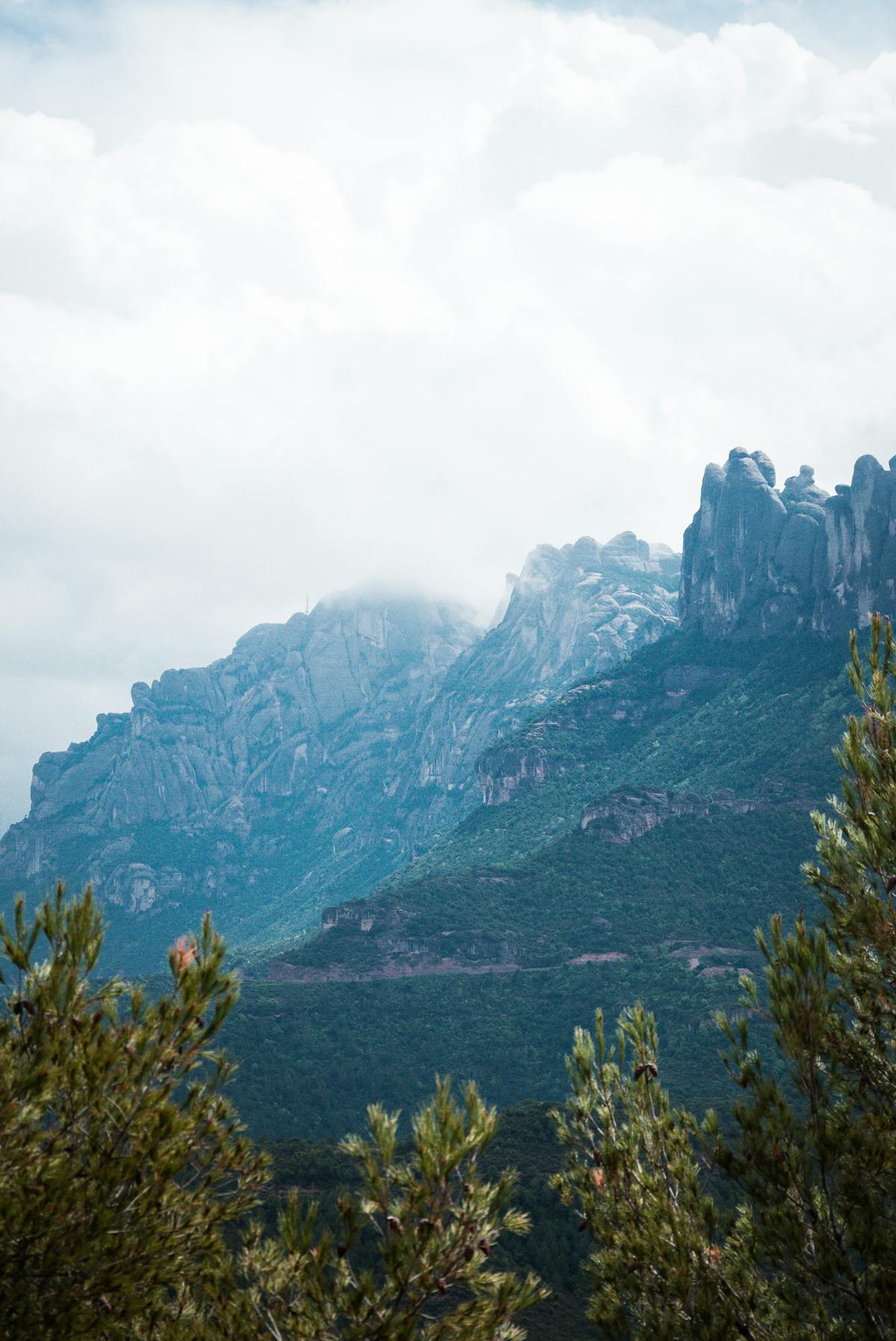
Winter (November-February): Colder but dramatically less crowded. The mountain looks extraordinary with low clouds threading between the peaks, and you might have the hiking trails entirely to yourself. The Escolania boys’ choir sings at 1:00 PM Monday through Friday (and at noon on Sundays) year-round, so winter visits still include this highlight. Check the cremallera schedule as it runs less frequently in winter.
The boys’ choir: Hearing the Escolania de Montserrat sing the Salve and Virolai in the basilica is one of those experiences that stays with you regardless of whether you are religious. The choir performs most weekdays at 1:00 PM and Sundays at noon during the school year. Arrive at the basilica at least 20 minutes early to get a seat. Summer months and school holidays may have a reduced schedule — check the official Montserrat website before planning around this.
Tips for Visiting Montserrat
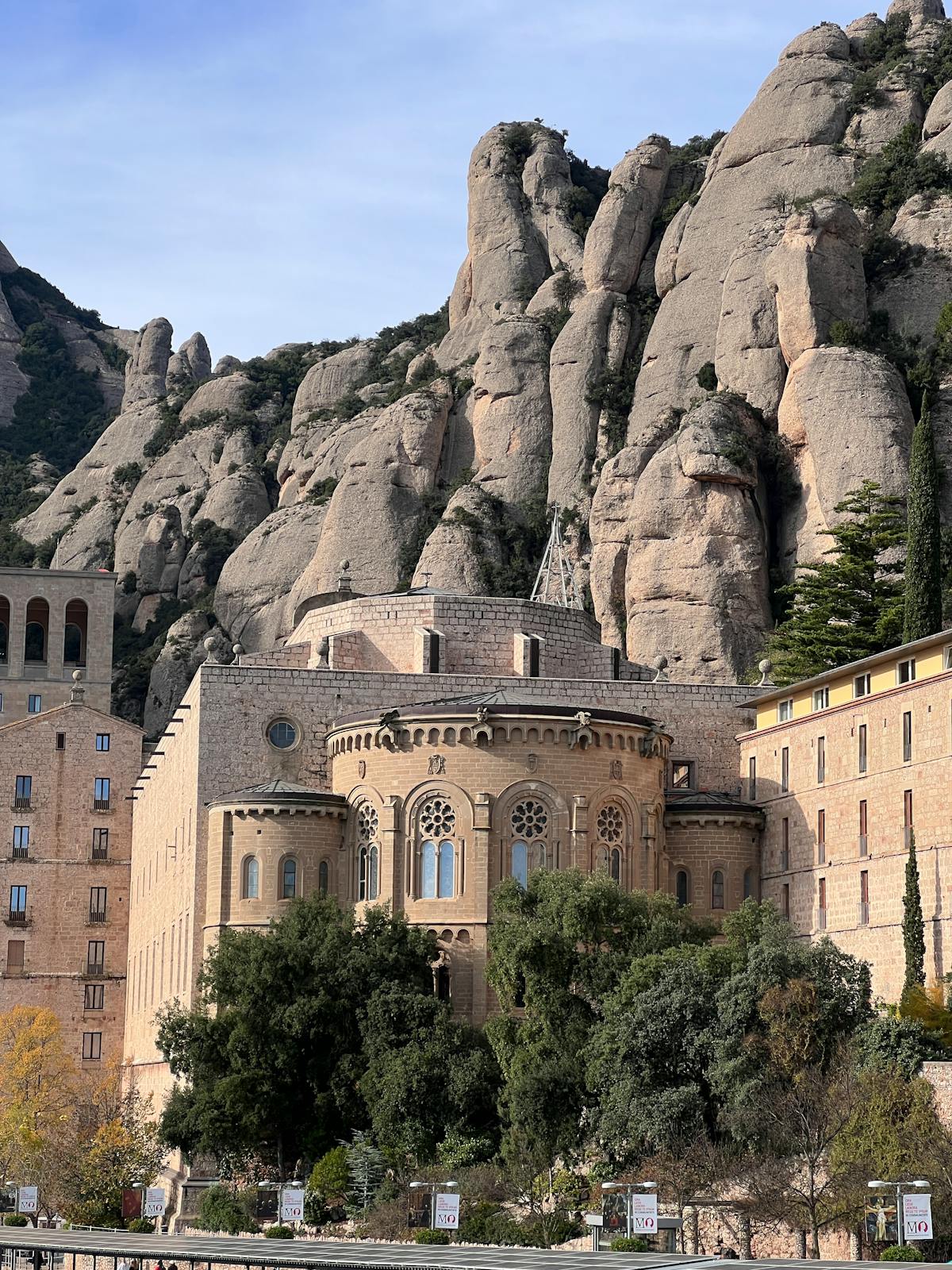
Wear proper shoes. This applies whether you plan to hike or not. The monastery courtyard is paved, but everything beyond it — the funicular paths, the walk to the Santa Cova chapel, the trails to Sant Joan — involves rocky, uneven terrain. Sneakers are fine. Sandals are not.
Ride both funiculars. The Sant Joan funicular takes you up to the highest accessible point on the mountain, where a network of hiking trails branches out to viewpoints and hermit caves. The Santa Cova funicular descends to the Holy Grotto, a chapel built into the cliff where the Black Madonna was supposedly found. Both are included in the Tot Montserrat pass. Most visitors ride one or neither, which is a mistake — together they show you the full range of what Montserrat has to offer.
Bring layers. The temperature at the monastery (720 meters altitude) is typically 5-8 degrees cooler than in Barcelona. Wind on exposed viewpoints makes it feel even cooler. A light jacket in spring or autumn is essential, even if you left Barcelona in a t-shirt.
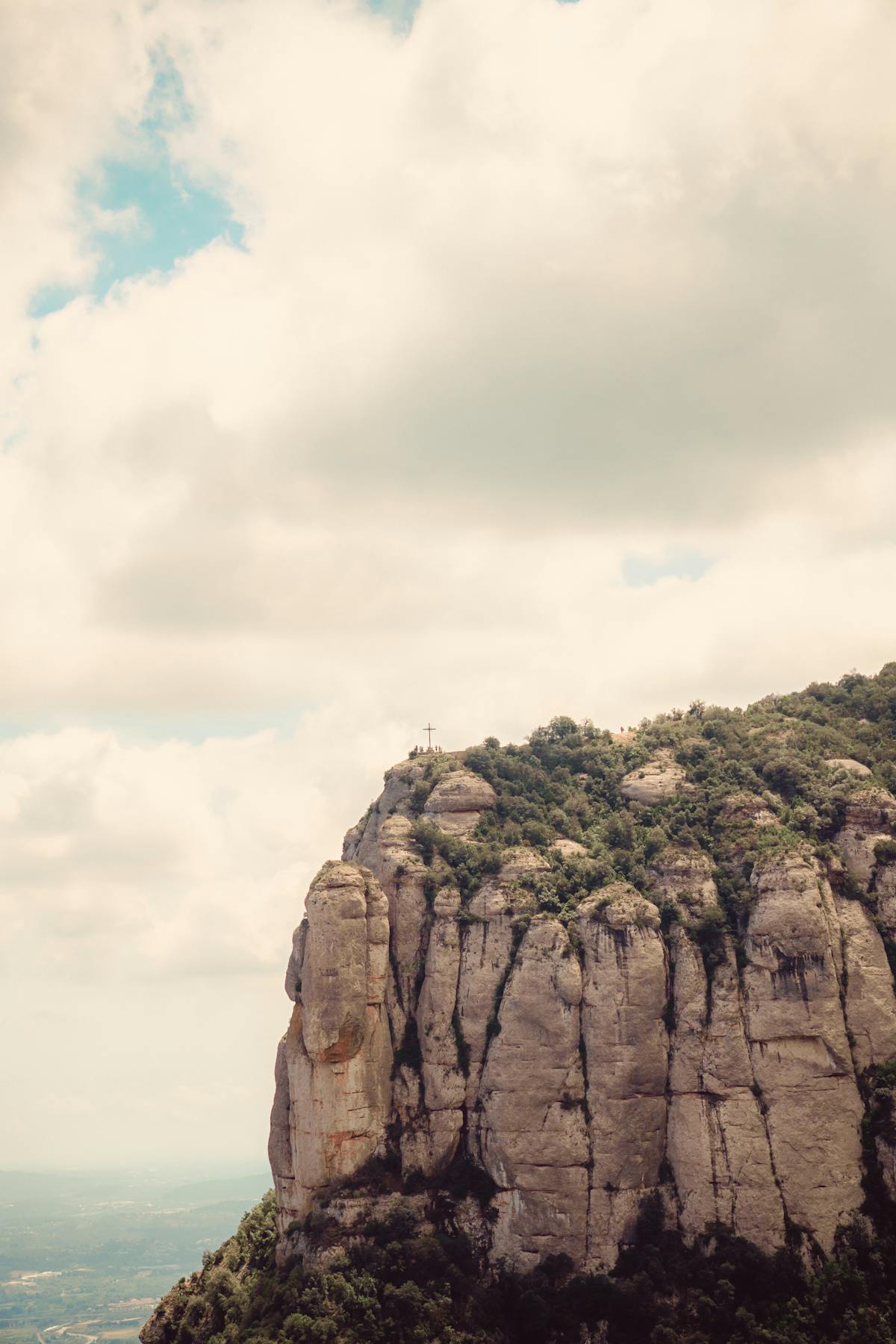
Eat before the cafeteria rush. The monastery has a few cafeterias and a restaurant, but they all get slammed between noon and 2:00 PM when the tour groups hit them simultaneously. Eat early, eat late, or pack a picnic. There are several designated picnic areas on the mountain with tables and views that are far more pleasant than a crowded cafeteria.
The Black Madonna queue moves faster than it looks. The line to touch the statue’s orb often wraps through the basilica and out the door, which makes it look like a two-hour wait. In reality, it moves steadily because each visitor only spends a few seconds at the statue. Budget about 20 to 30 minutes in the queue. If you came specifically for the Moreneta, do this first before anything else.
Download the offline map. Cell service on the mountain is patchy, especially on the hiking trails away from the monastery. Download a trail map or use an offline mapping app before you arrive. The main trails are well-marked with paint blazes, but it helps to have GPS backup.
What to See at Montserrat
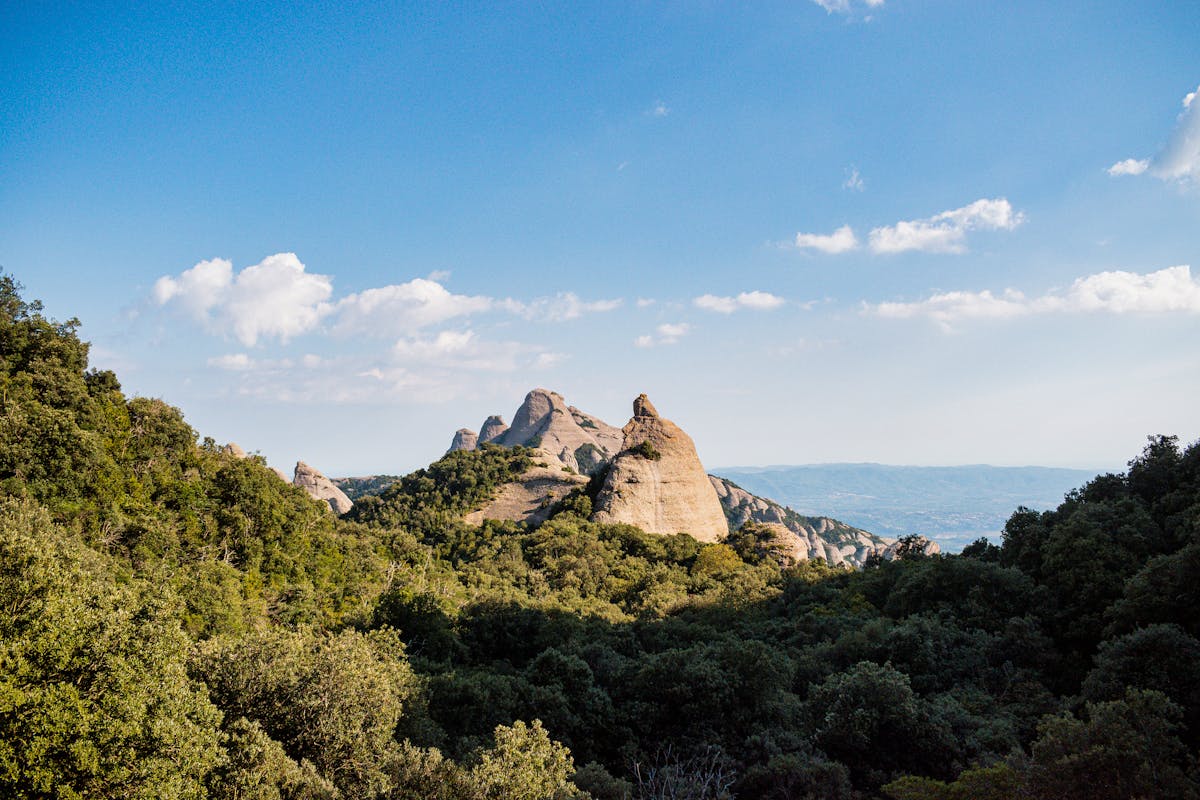
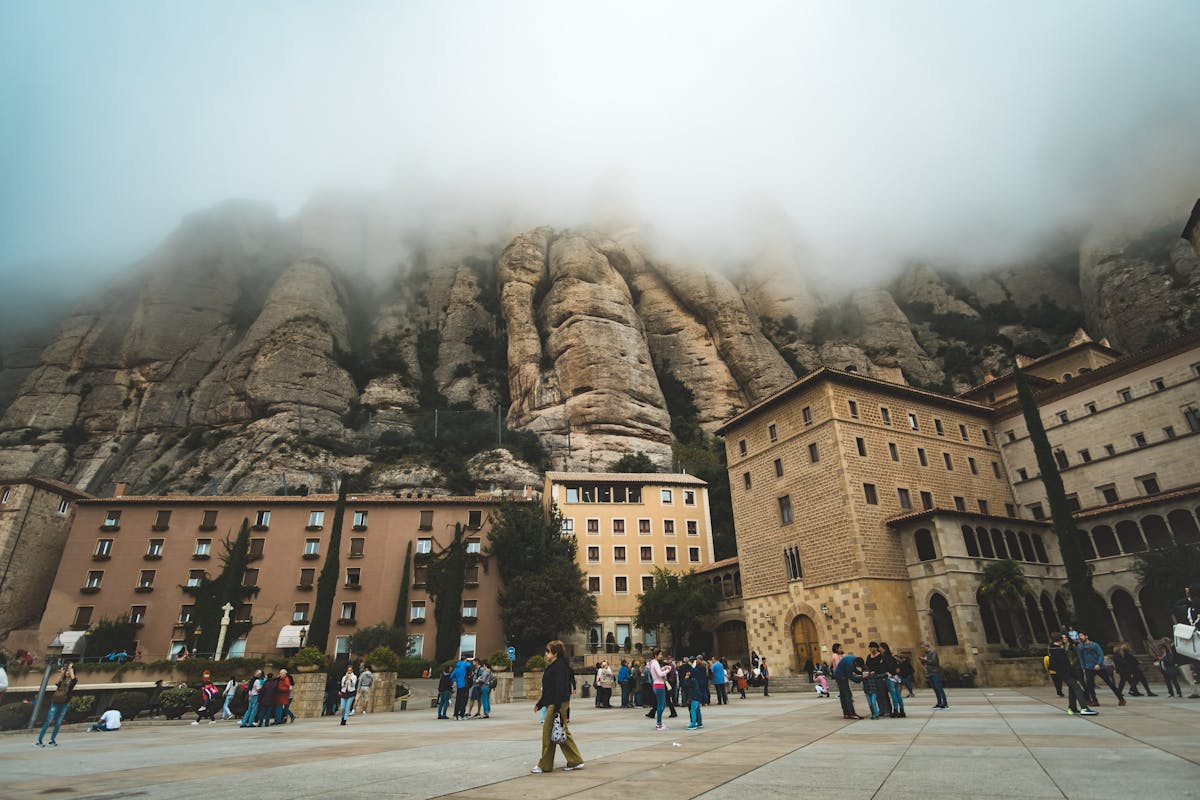
The Basilica and Black Madonna. The main event for most visitors. The basilica dates to the 16th century (rebuilt after Napoleon’s troops destroyed it) and the Black Madonna — La Moreneta — sits in a chamber behind the altar. You walk through a separate entrance on the right side of the basilica and up a narrow staircase to see her. The statue is Romanesque, probably 12th century, and the dark coloring of her face and hands is likely from centuries of candle smoke. She is the patron saint of Catalonia, and the devotion people feel here is genuine and visible.
The Montserrat Museum. Unexpectedly excellent. The collection includes paintings by El Greco, Caravaggio, Monet, Degas, Dali, and Picasso, plus an archaeological collection with Egyptian artifacts. It is not a world-class museum by any stretch, but it is far better than you would expect to find on top of a mountain. The 23-euro admission includes both the museum and monastery access.
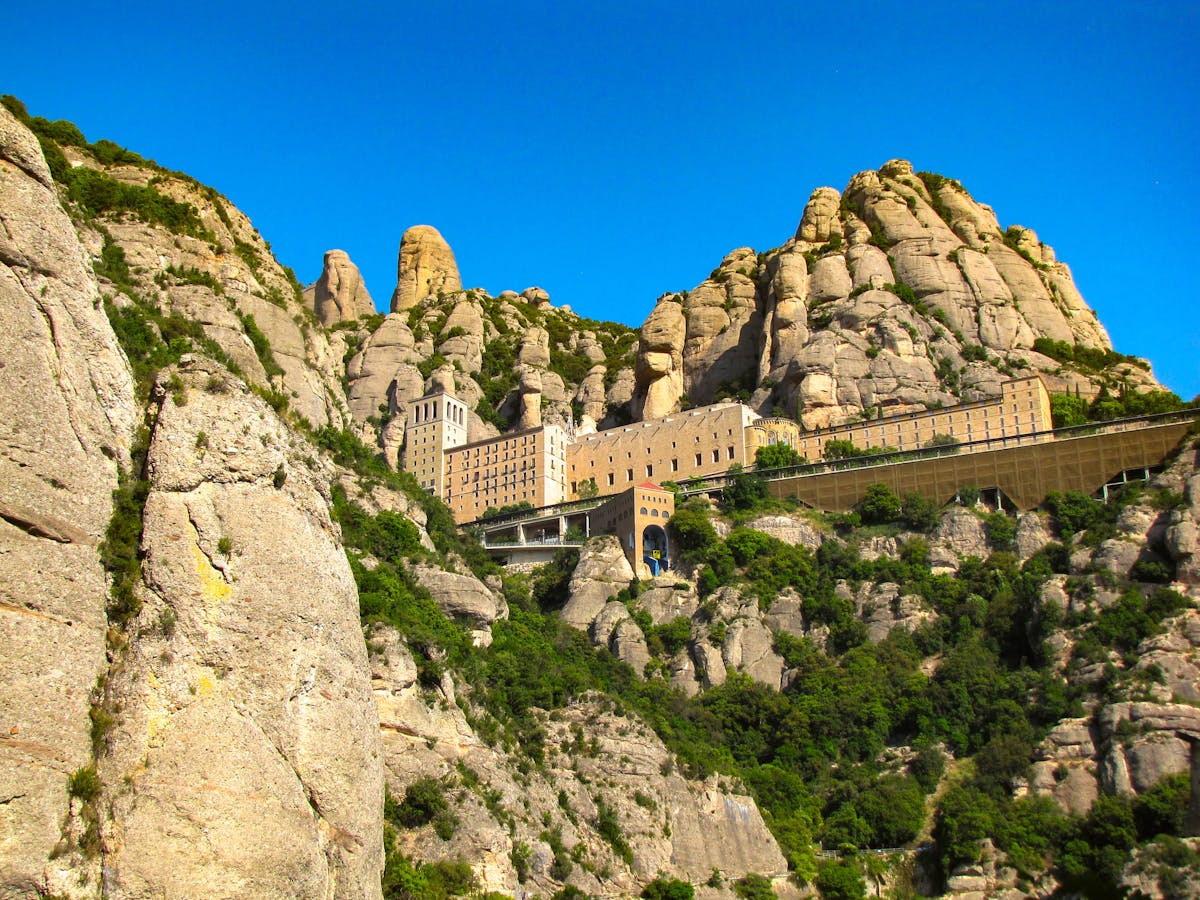
Santa Cova (The Holy Grotto). A 30-minute walk down from the monastery along a path decorated with sculptures by Gaudi and other Catalan artists. The grotto marks the spot where the Black Madonna was supposedly found by shepherds in the 9th century. The chapel itself is small but atmospheric, built into a natural cave opening in the cliff. The path down is the real draw — shaded, quiet, and with views of the valley that justify the walk.
Sant Joan Trail. Take the Sant Joan funicular up and then hike. The trail to the Sant Joan hermitage takes about 30 minutes and offers the best high-altitude views on the mountain. From the hermitage, you can continue to Sant Jeroni, the highest peak of Montserrat at 1,236 meters. The full Sant Jeroni hike takes about 90 minutes each way from the funicular station and is moderately strenuous. The panorama from the top — 360 degrees, from the Pyrenees to the sea — is worth every drop of sweat.
The Escolania Choir. One of the oldest boys’ choirs in Europe, performing daily at the basilica. The Salve Regina at 1:00 PM on weekdays is free to attend — just be in the basilica 20 minutes beforehand to claim a seat. The sound of children’s voices filling that stone space is arresting even if choral music is not your thing.