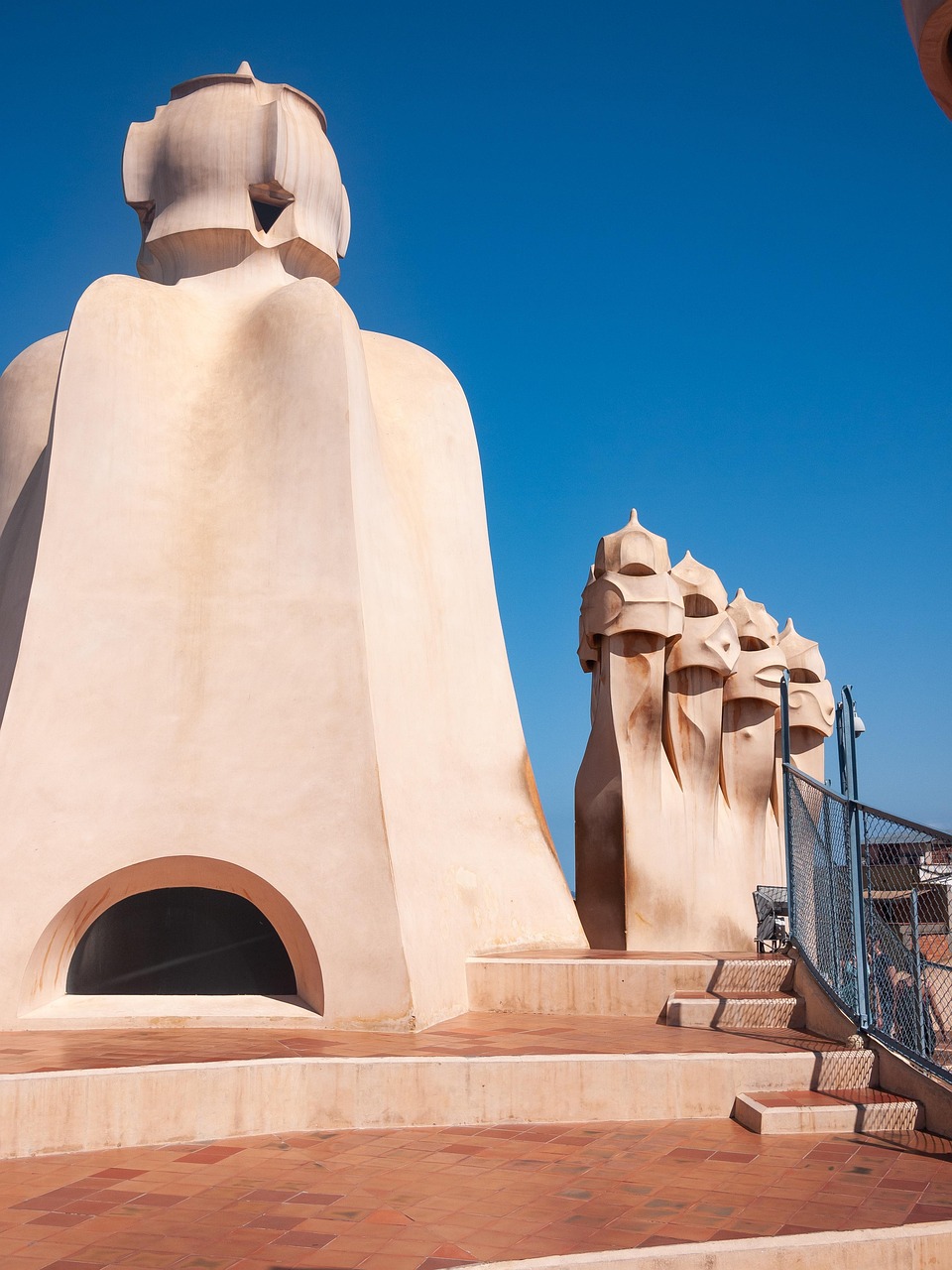
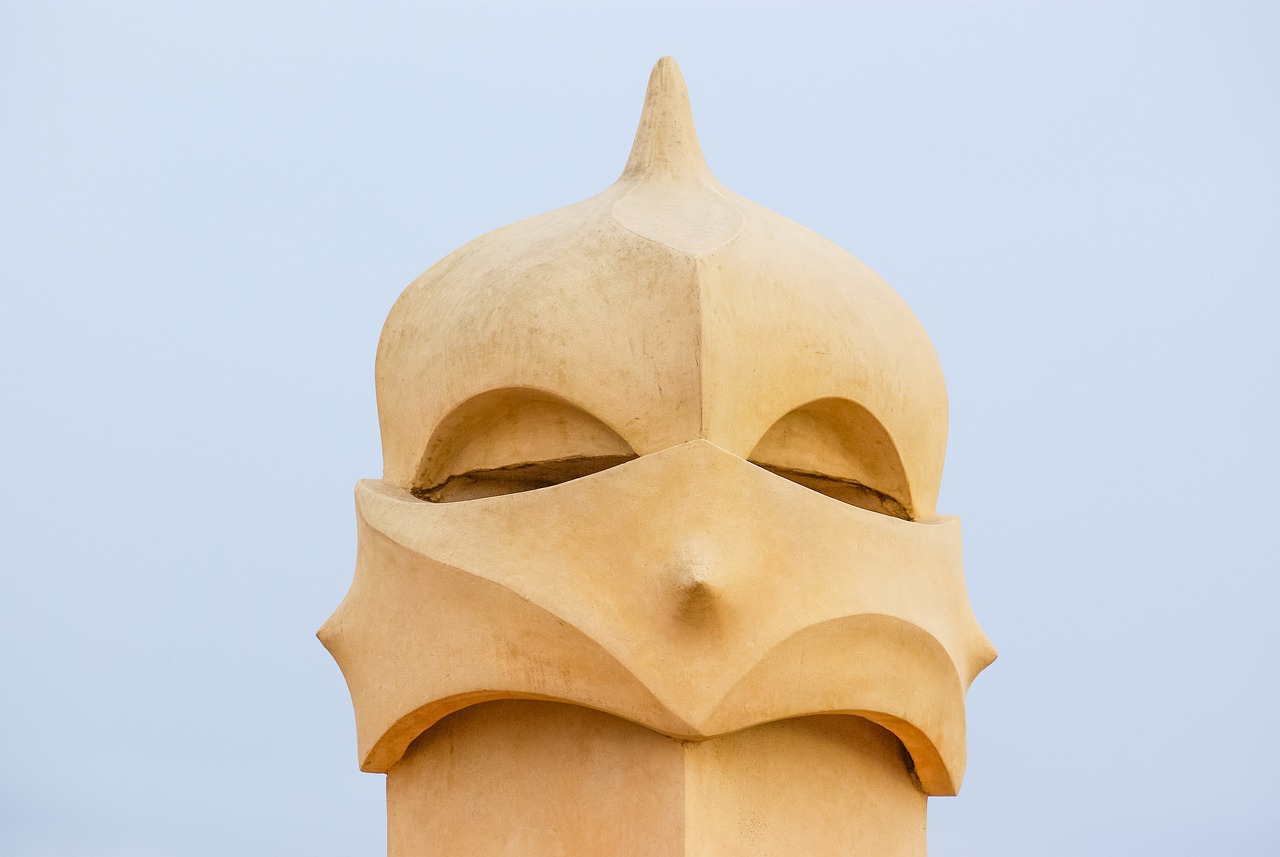
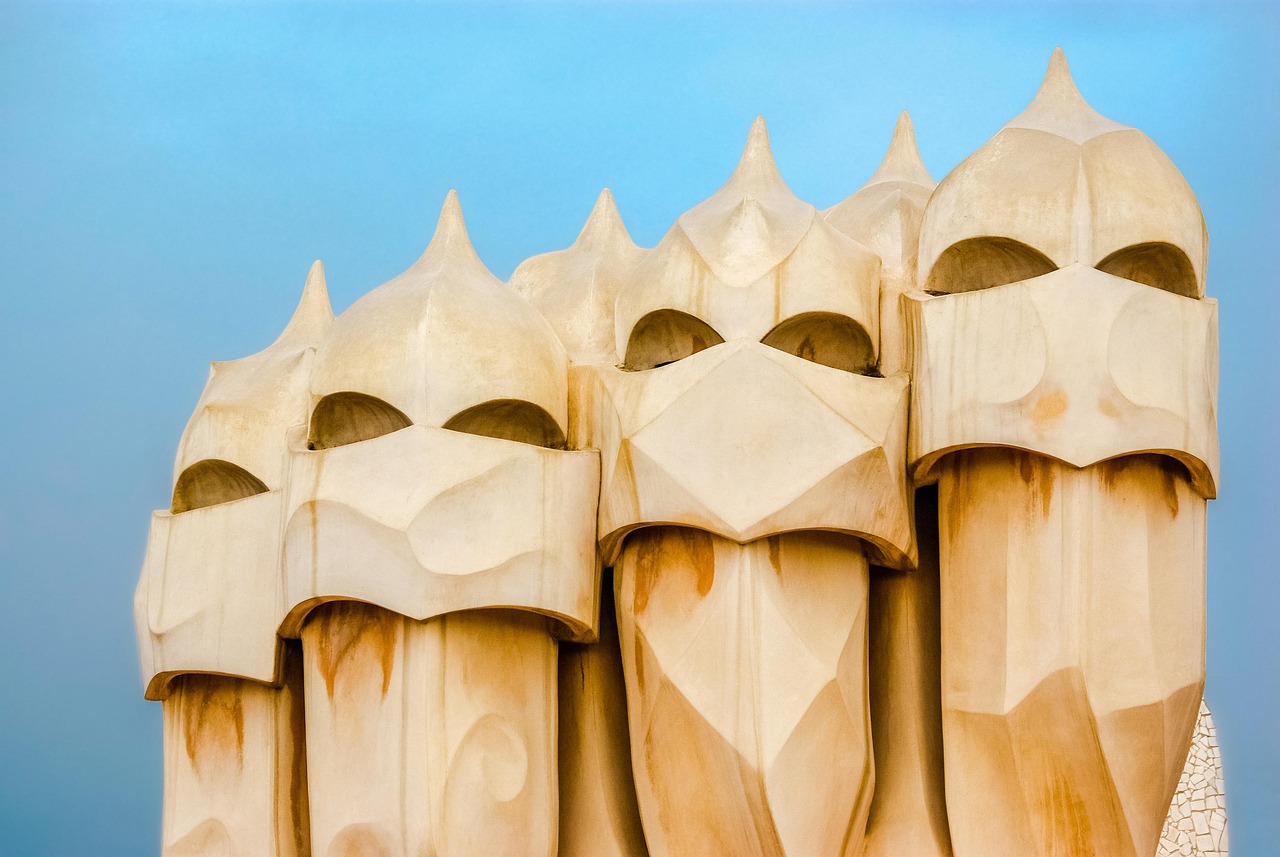
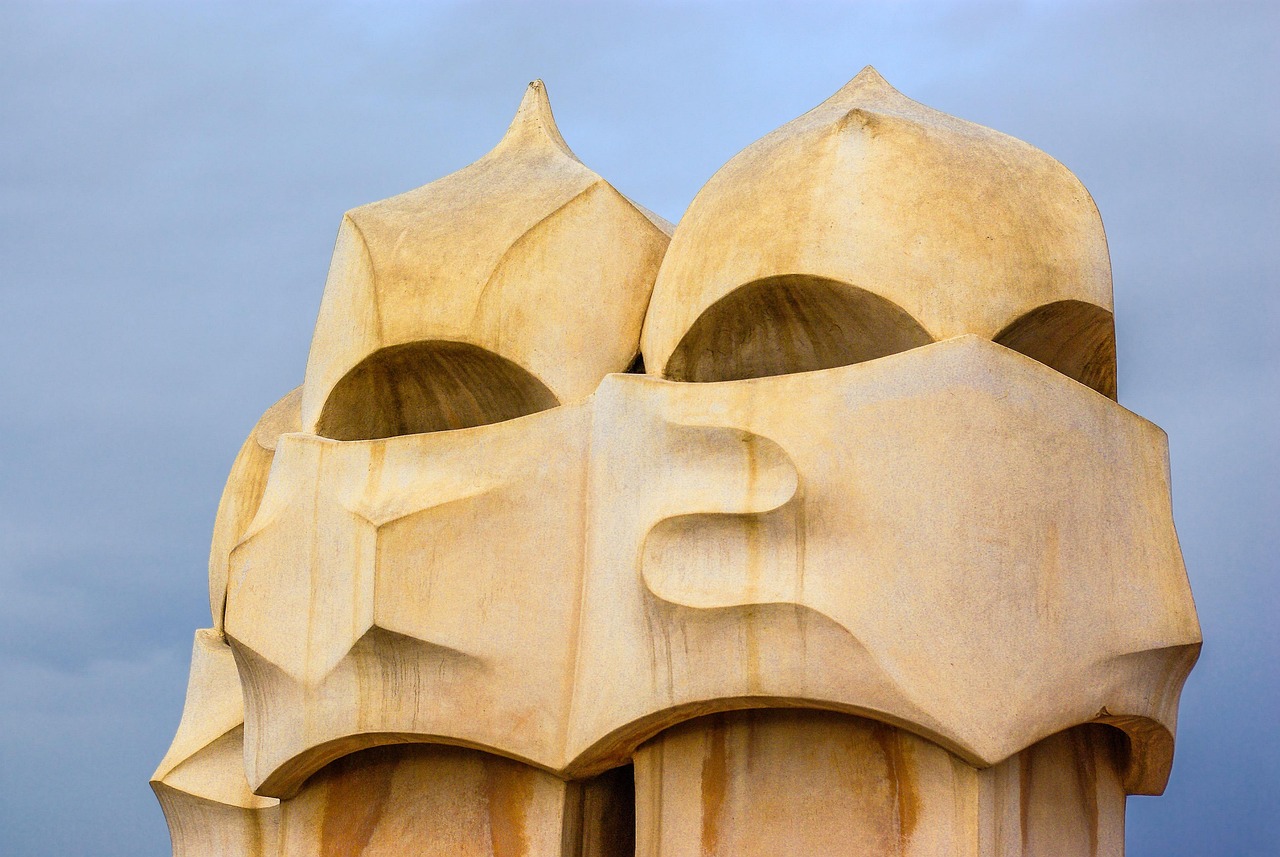
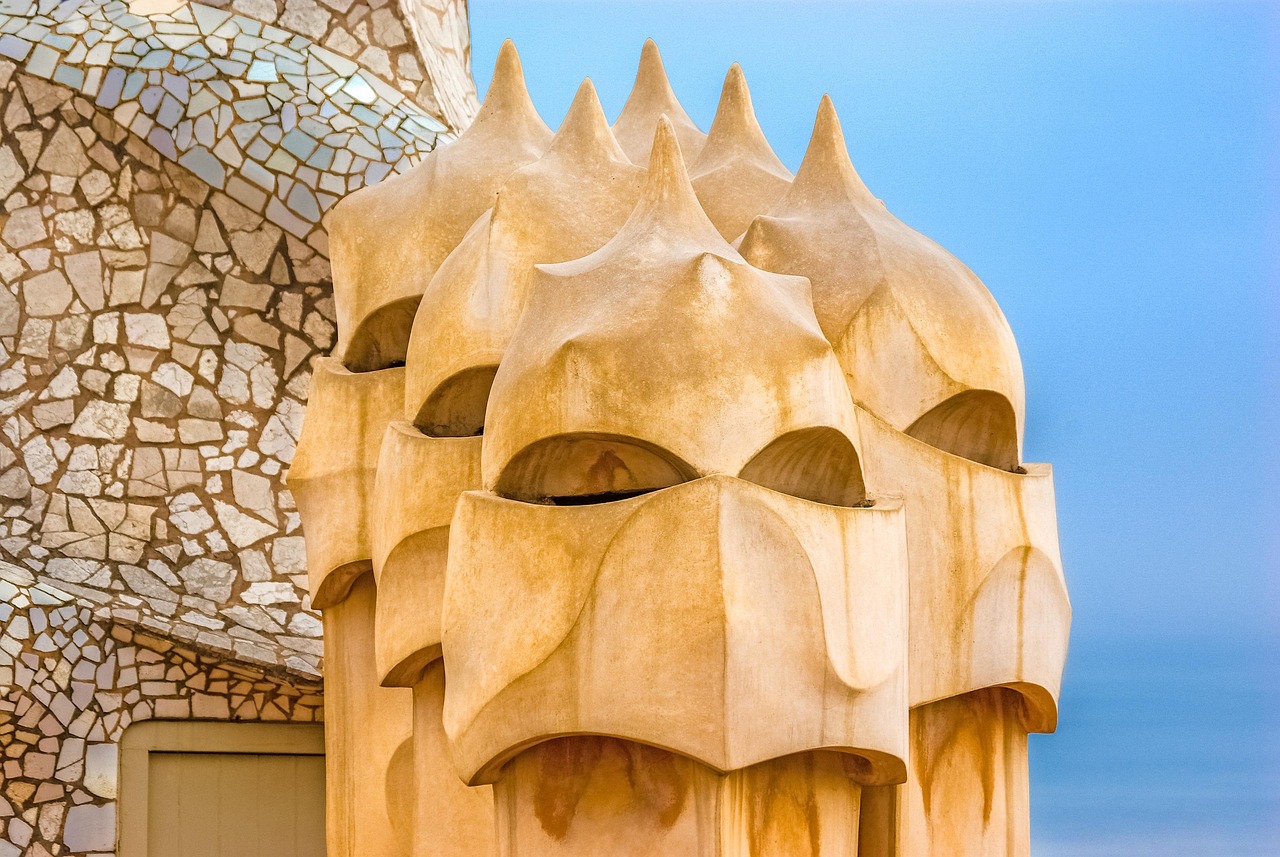
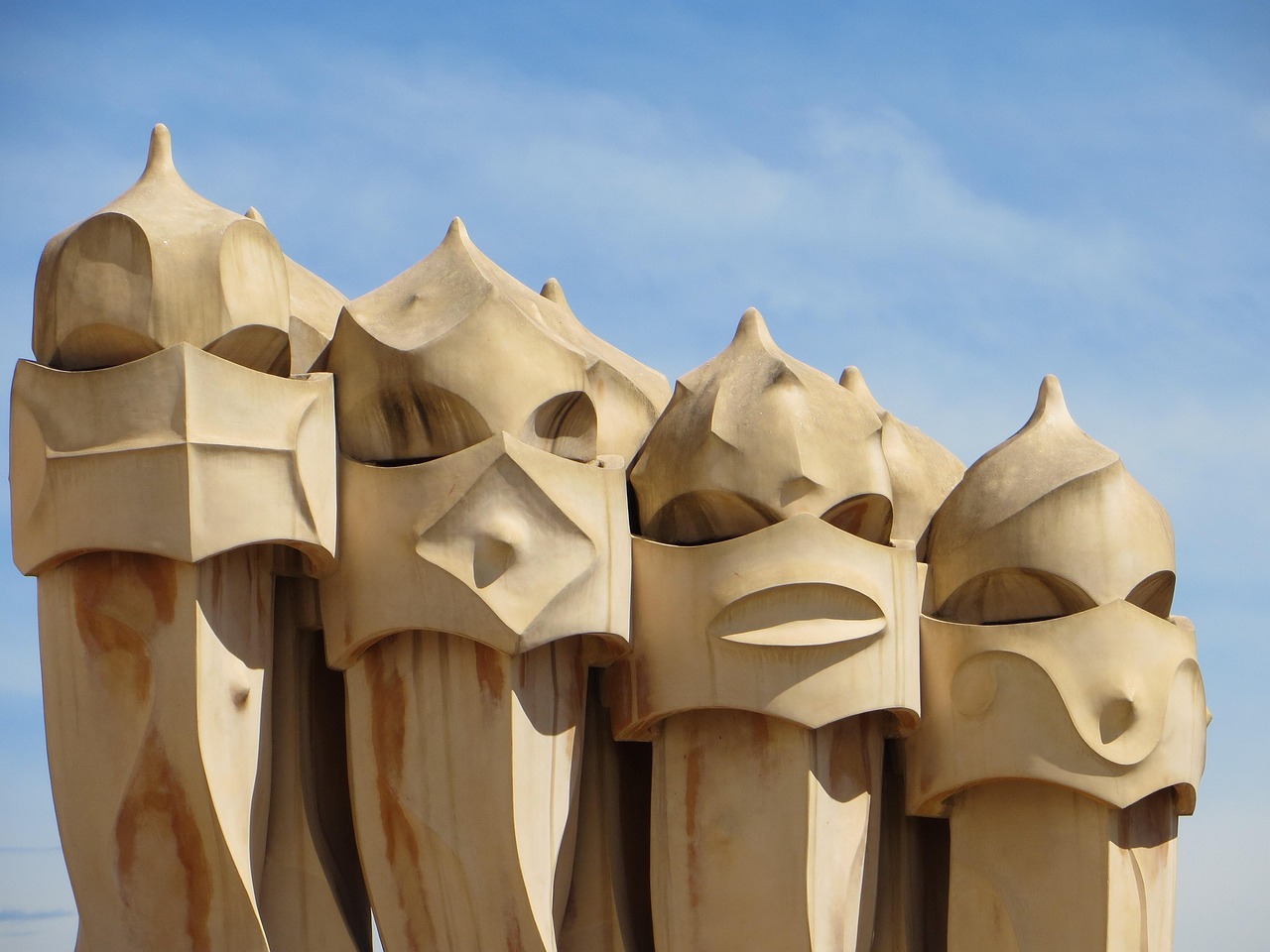
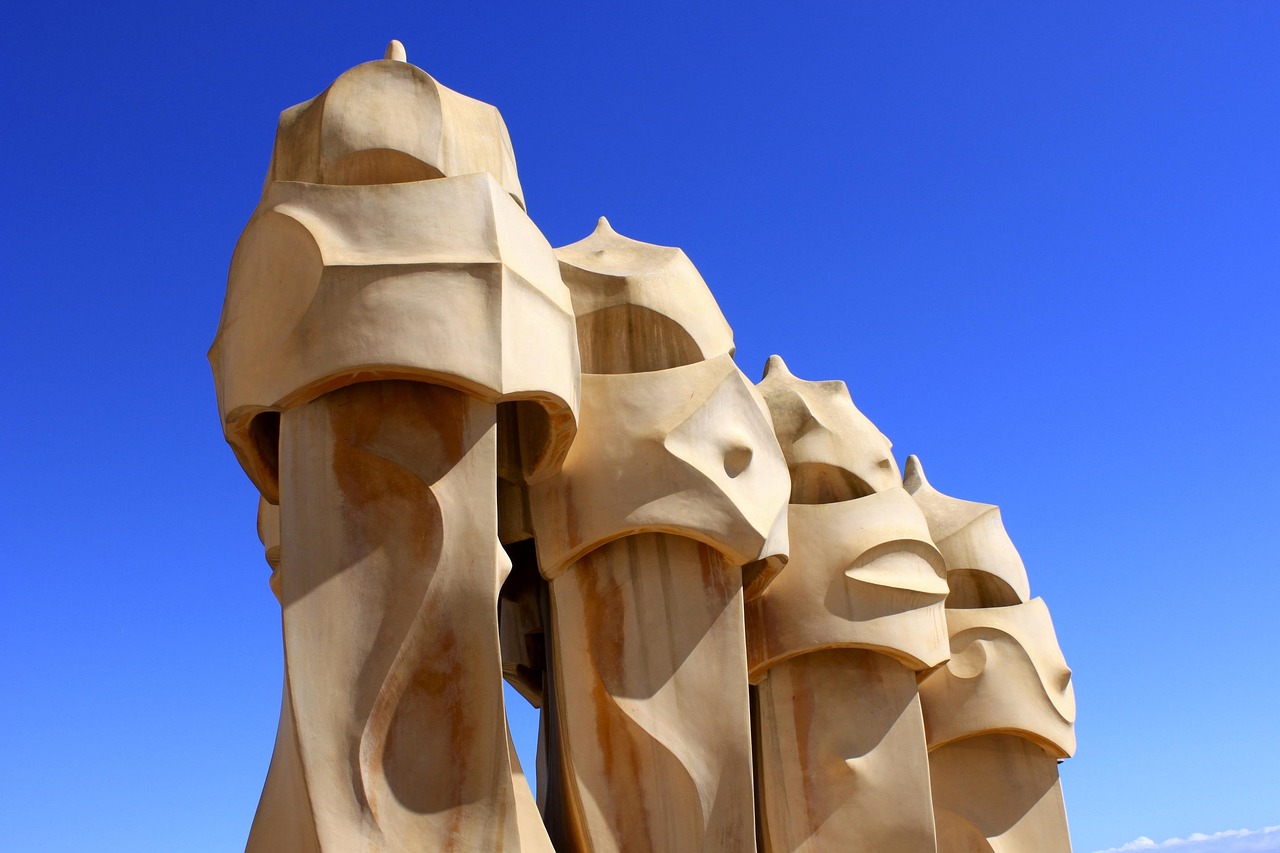
The rooftop warriors are what get most people. You climb through the attic — a long, vaulted space that feels like standing inside a whale’s ribcage — and then you step outside onto the roof and suddenly you are surrounded by helmeted figures. They are ventilation shafts and chimneys, but they look like something George Lucas might have sketched on a napkin. Smooth, pale, eyeless faces with cross-shaped slits where the mouth should be. People have been calling them stormtroopers since the 1970s, and honestly, the resemblance is uncanny. Gaudi built them in 1912, six decades before Star Wars existed.
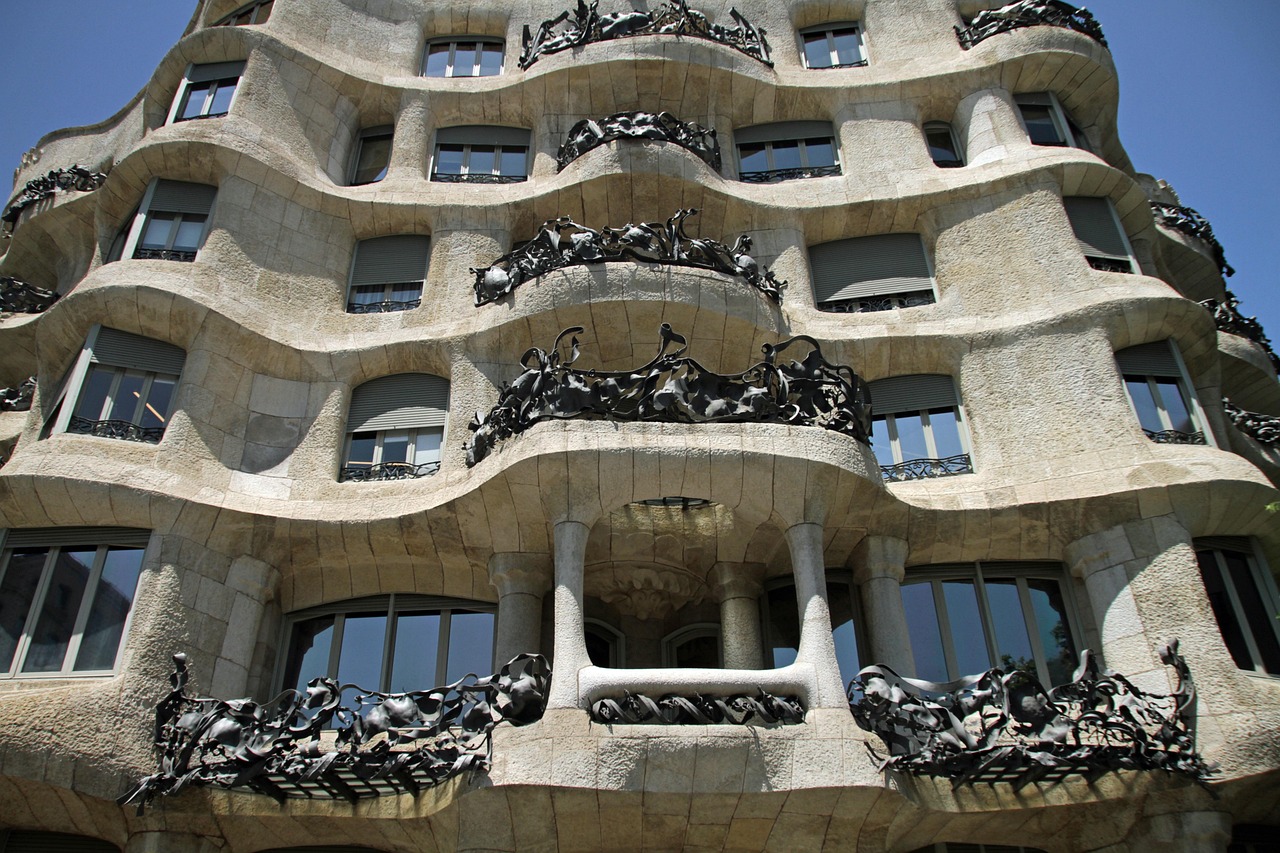
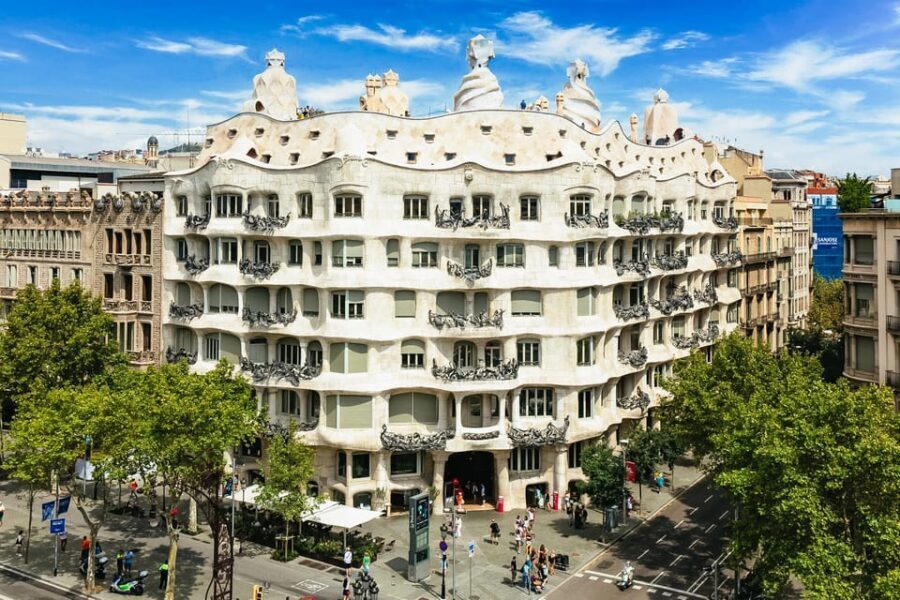
Casa Mila — officially La Pedrera, which means “the stone quarry” in Catalan (a nickname the locals gave it as an insult, and it stuck) — is the last private residence Gaudi designed before devoting himself entirely to the Sagrada Familia. He built it between 1906 and 1912 for Pere Mila and his wife Roser Segimon, and he threw everything he knew about natural architecture into this one building. The facade mimics ocean waves. The roof is a sculpture garden. The attic uses catenary arches that distribute weight so efficiently that not a single internal wall is load-bearing. Every apartment has a different floor plan because there are no structural walls dictating the layout. In 1912, that was radical. In 2026, architects still come here to study how he did it.
But getting in requires planning. Casa Mila sells timed tickets, offers both day and night experiences, and the popular time slots vanish fast between April and October. Here is everything you need to know about visiting — which tickets to get, when to show up, and what to actually look for once you are inside.
If You’re in a Hurry: My Top 3 Picks
- Best standard ticket: La Pedrera-Casa Mila Ticket and Audio Guide — $33 per person. Timed entry with a solid audio guide covering every room from the apartments to the rooftop. The one most visitors should book. Book this ticket
- Best for atmosphere: La Pedrera Night Experience — $47 per person. A 90-minute evening event with projections, music, and rooftop access after dark. A completely different mood from the daytime visit. Book this ticket
- Best for no crowds: Casa Mila Early-Morning Guided Tour — $47 per person. Before general opening, with a guide who actually explains the engineering. You get the rooftop nearly to yourself. Book this ticket
- If You’re in a Hurry: My Top 3 Picks
- How Casa Mila Tickets Work
- Day Visit vs Night Experience
- Best Tours and Tickets for Casa Mila
- 1. La Pedrera-Casa Mila Ticket and Audio Guide —
- 2. La Pedrera Night Experience —
- 3. Casa Mila Early-Morning Guided Tour —
- 4. Casa Batllo, Casa Mila and Casa Vicens Guided Tour —
- When to Visit Casa Mila
- Tips for Your Visit
- What You’ll See Inside Casa Mila
- More Barcelona Guides
How Casa Mila Tickets Work
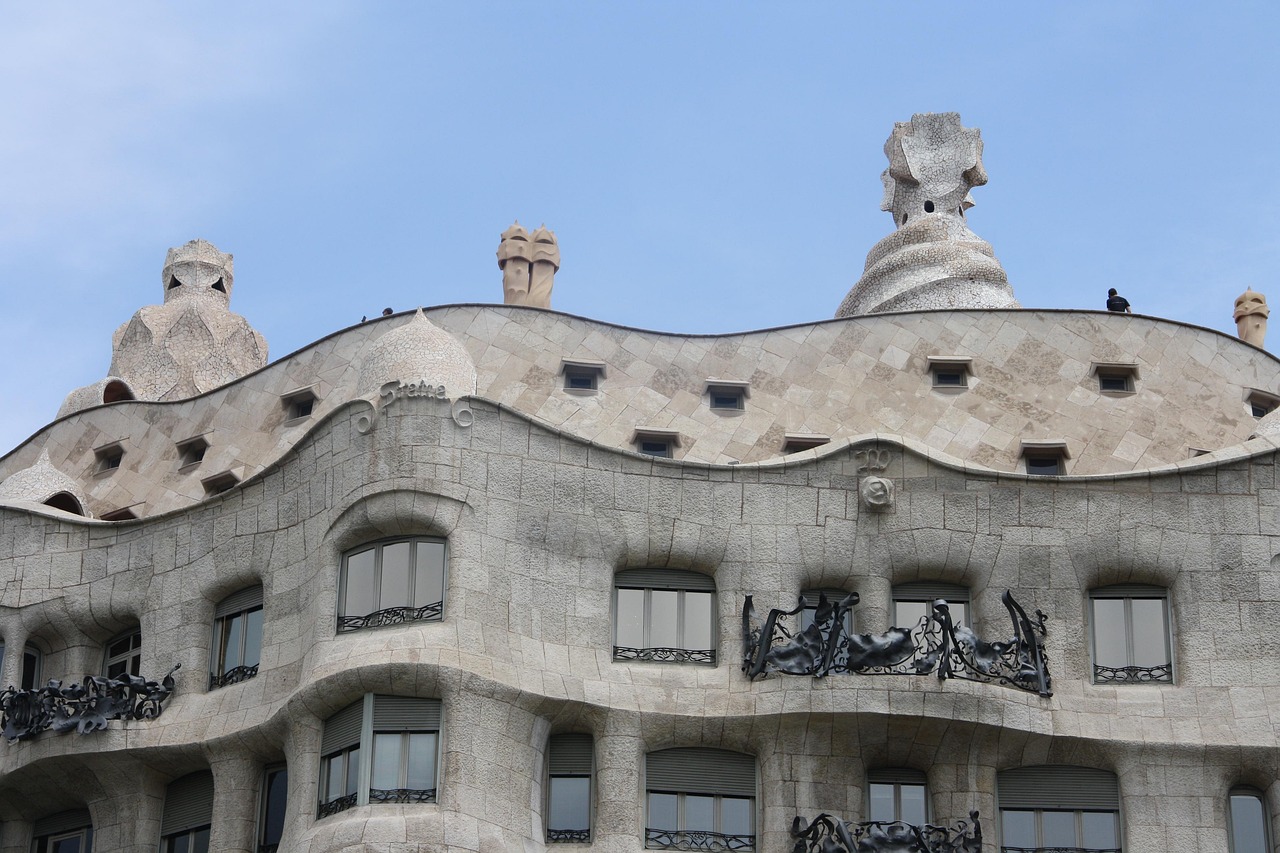
Casa Mila uses timed-entry tickets. You select a date and time slot when you book, and you enter through the main door on Passeig de Gracia at your assigned time. The standard ticket includes an audio guide that you pick up inside — it is available in about a dozen languages and covers the main floors, the attic space (called the Espai Gaudi, which is essentially a museum about Gaudi’s methods), and the rooftop.
The visit route takes you through a recreated early 20th-century apartment on the fourth floor, where you see how the original tenants actually lived in this building. Then up through the attic with its stunning catenary arches, and finally onto the roof with the warrior chimneys and panoramic views across Barcelona. Allow 60-90 minutes for the whole circuit.
Tickets sell out, particularly morning slots in summer and any weekend between March and October. Book at least several days ahead. A week ahead is safer during high season.
Important detail: there is no “skip the line” at Casa Mila in the way that some sites use that phrase. Everyone enters via timed entry, so the queues are typically short (5-15 minutes at your slot time). If you see third-party sites selling “skip the line” tickets at a markup, they are usually just reselling the same timed-entry tickets. Book direct or through GetYourGuide/Viator and you will pay the standard price.
Day Visit vs Night Experience
This is where the decision matters, because the day visit and the night experience are genuinely different things — not just the same tour at different times.
The daytime visit is architectural. You see the building as Gaudi designed it: the natural light flooding through the courtyards, the way the catenary arches in the attic create a smooth, organic tunnel, the apartment interiors with their original furniture layouts, and the rooftop in full sun where every chimney casts sharp shadows and the city stretches out in every direction. The audio guide walks you through Gaudi’s engineering decisions — how the lack of load-bearing walls works, why the courtyards are shaped the way they are, what the attic arches are actually doing structurally. If you care about architecture, design, or just understanding what you are looking at, the daytime visit is the one to book.
The night experience is theatrical. You arrive after the building closes to daytime visitors, and Casa Mila transforms into a light-and-sound show. Projections play across the walls of the courtyards and the rooftop. Music fills the attic space. The warrior chimneys are lit from below, which makes them look even more otherworldly than they do in daylight. The night experience runs about 90 minutes and includes a drink on the rooftop terrace.
The honest take: if you only have time for one, do the daytime visit. You will understand and appreciate the building far more. The night experience is impressive, but it is designed to create a mood rather than teach you anything. It works best as a second visit — come during the day first, then return at night and see everything you learned reinterpreted through light and music. But if you are after a memorable Barcelona evening that is not another flamenco show, the night experience delivers.
Best Tours and Tickets for Casa Mila
1. La Pedrera-Casa Mila Ticket and Audio Guide — $33
Duration: Visit at your pace (allow 60-90 min) | Price: $33 per person | Type: Self-guided with audio
This is the core Casa Mila experience and the ticket most people should buy. Timed entry, audio guide in your language, and access to everything: the courtyard, the apartment floor, the Espai Gaudi attic, and the rooftop.
The audio guide is worth paying attention to, especially in the attic. The Espai Gaudi is a museum-within-a-museum dedicated to Gaudi’s structural philosophy. There are hanging chain models that demonstrate how he calculated the curves of his arches (he worked upside down, using gravity to find the natural shape, then flipped his designs). There are scale models of his other buildings showing how the same principles apply across his entire career. And there are detailed explanations of the catenary arch system overhead — the very arches you are standing under were calculated using those chain models.
The apartment on the fourth floor is furnished in early 1900s style. It shows how Casa Mila actually functioned as a home — kitchens, bedrooms, sitting rooms — which grounds the experience. Without it, you might forget that real people lived here, raised families, argued about dinner, complained about the neighbours. The apartment reminds you that Gaudi’s radical architecture was wrapped around ordinary domestic life.
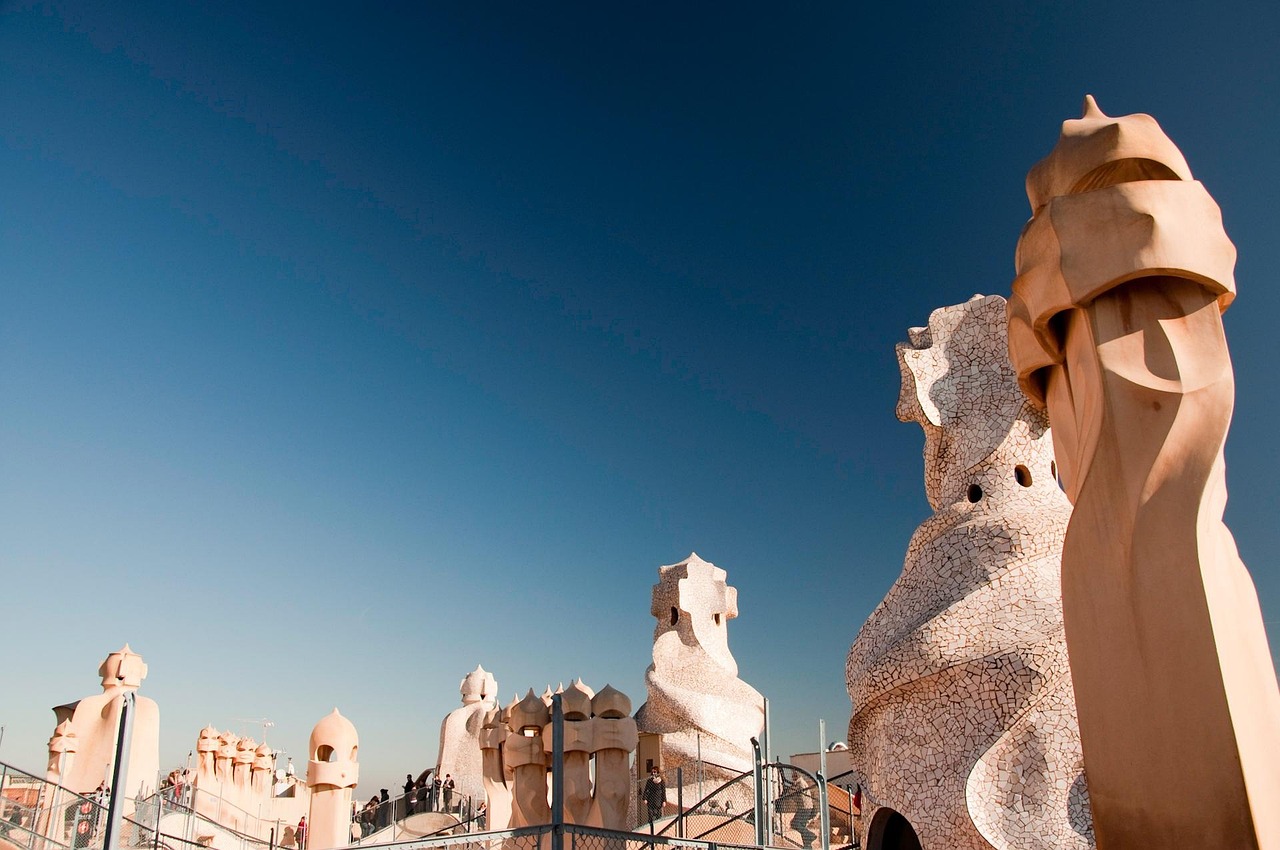
Then the rooftop. The warrior chimneys are the stars, but do not miss the ventilation towers or the undulating surface of the roof itself. The floor rises and falls like terrain, and the views encompass the Sagrada Familia towers to the north and the sea to the south.
At $33, this is arguably the best value of any Gaudi attraction in Barcelona.
2. La Pedrera Night Experience — $47
Duration: 1.5 hours | Price: $47 per person | Type: Evening experience with drink
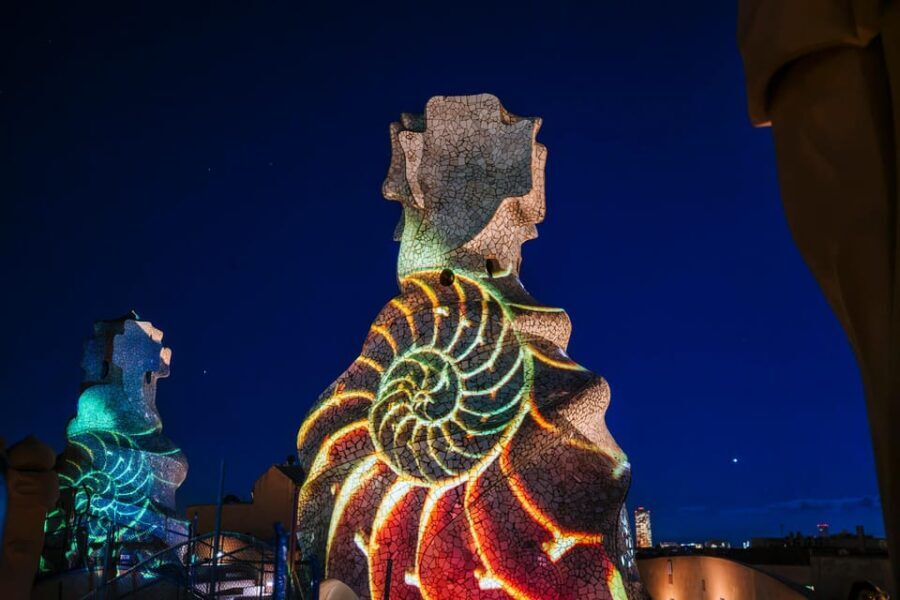
The Night Experience runs after regular visiting hours and reimagines Casa Mila through light, projection mapping, and music. You walk through the building as projections play across the courtyard walls, the attic fills with sound, and the rooftop becomes an illuminated sculpture garden.
The highlight is standing among the warrior chimneys at night with Barcelona glowing below. They are lit from the base, casting long shadows upward, and the effect is genuinely striking. The projections on the courtyard walls tell stories drawn from Gaudi’s design notes — abstract, colourful, and well-produced. There is live music on certain dates (check availability when booking) and a drink included (usually cava or a cocktail).
What you sacrifice: detail. The night experience is not set up for studying the architecture. You cannot really see the tile work, the ironwork, or the subtle curves of the interior walls. The apartment floor is either closed or minimally lit. The Espai Gaudi attic, with its chain models and structural exhibits, is transformed into a projection space rather than a museum.
Is it worth $47? If you have already done the daytime visit and want a different angle on the same building, absolutely yes. It is one of the more atmospheric evening activities in Barcelona — far more interesting than most sunset rooftop bar experiences. But if this is your only visit, do the daytime ticket instead.
3. Casa Mila Early-Morning Guided Tour — $47
Duration: 1.5 hours | Price: $47 per person | Type: Guided early-access tour
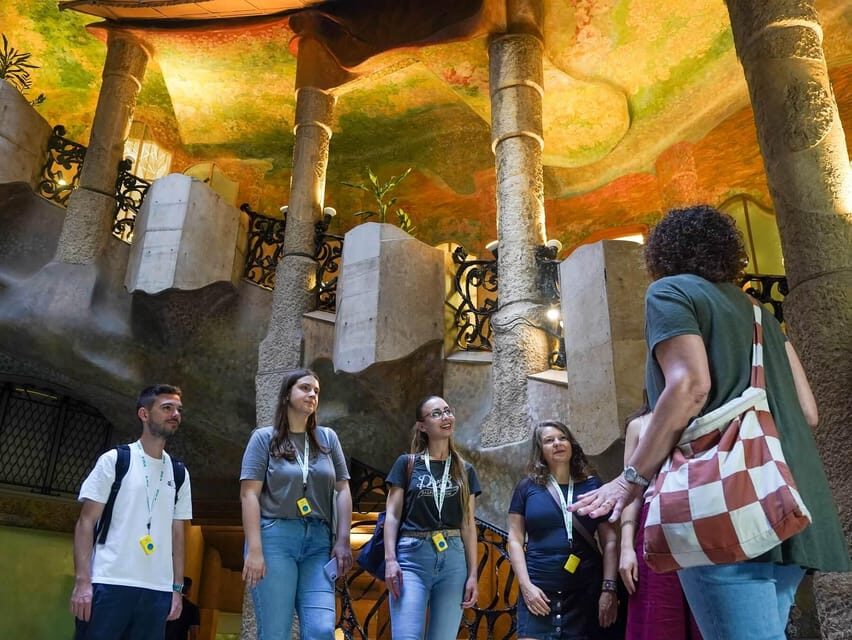
This is the tour for people who want to actually understand the building. You enter before general opening with a guide who specialises in Gaudi’s architecture, and for 90 minutes they walk you through the design decisions that make Casa Mila revolutionary.
The guide explains things the audio guide skips — like how Gaudi used a ramp system instead of stairs for the original tenants (the building was designed for horse-and-carriage access), or how the courtyards are tilted slightly to catch morning light in winter and deflect it in summer. You learn about the legal battle Gaudi fought with the Barcelona city council over the building’s height (it exceeded regulations, and he simply refused to cut it down). You hear about the original tenants, including the Milas themselves, who apparently hated the interior design Gaudi proposed and hired a different decorator after he left.
But the real advantage is the empty building. On the rooftop with 10 people instead of 100, you can walk among the chimneys, photograph them from every angle, and actually hear the wind moving across the undulating roof surface. In the attic, you can stand under the arches and look up without someone’s selfie stick in your peripheral vision. The apartment floor is quiet enough to hear the guide’s voice echo off the curved walls.
At $47, it costs the same as the Night Experience but delivers a fundamentally different kind of value. If you are choosing between the two, ask yourself: do I want to understand this building, or do I want to feel it? Morning tour for understanding, night experience for feeling.

4. Casa Batllo, Casa Mila and Casa Vicens Guided Tour — $92
Duration: 2.5 hours | Price: $92 per person | Type: Multi-site guided tour
This combo tour visits Gaudi’s three residential buildings in chronological order: Casa Vicens (1885), Casa Batllo (1904), and Casa Mila (1912). The guide frames each house as a chapter in Gaudi’s career, which gives you a perspective you would never get visiting them separately across different days.
Casa Vicens is the one most visitors skip, and the guide makes a case for why that is a mistake. It is Gaudi’s first major commission — brighter, more geometric, and more influenced by Moorish architecture than his later work. The ceramic tiles on the facade are bold yellows and greens, nothing like the muted stone of Casa Mila. Seeing it first sets up the story: here is where Gaudi started, and everything after is a departure from this.
Casa Batllo is the middle chapter. The guide walks you through the dragon-spine roof, the bone-column ground floor, and the undulating Noble Floor salon. Then you end at Casa Mila, where Gaudi abandoned decoration almost entirely in favour of pure structural expression. The facade has no colour, no dragons, no skulls. Just stone shaped like a mountain and iron shaped like the sea. The guide connects the dots.
The trade-off is pace. Two and a half hours across three sites means you spend roughly 45-50 minutes at each, which is enough to see the highlights but not enough to linger. If Casa Mila is your priority, the dedicated entry ticket or morning tour gives you more time. But if you want the full story of Gaudi’s residential work in one morning, this is the efficient way to get it.
When to Visit Casa Mila
Best months: late September through April. The crowds drop significantly after summer and do not pick up again until Easter. January and February are the quietest months — you can often book tickets the day before, and the building feels spacious rather than packed. The rooftop in winter is sharp and clear, with visibility that summer haze obliterates.
Best time of day: first morning slot or after 3 PM. The opening hour draws fewer people, and by late afternoon the day-trip crowds have moved on to dinner plans. Midday (11 AM – 2 PM) is consistently the busiest period.
Summer warning: June through August is intense. Ticket slots sell out a week ahead, the rooftop bakes in direct sun, and the building’s interior — beautiful as it is — does not have modern air conditioning in every room. The attic can feel stuffy when 50 people are walking through it at once. If summer is your only option, book the earliest slot available and bring water.
Spring (March-May) is the sweet spot if you can manage it. Barcelona’s weather is already warm enough for rooftop comfort, the light is good for photography, and the tourist numbers are present but manageable. Book a few days ahead and you will be fine.
Rainy days are actually good days to visit. Most travelers head to indoor museums when it rains, but Casa Mila is already indoors for most of the visit. And the rooftop in light rain has a moody, photogenic quality that sunny-day shots lack. The stone changes colour when wet — it goes from sandy gold to deep amber.
Tips for Your Visit
Spend real time in the Espai Gaudi. Most visitors hurry through the attic to get to the rooftop, and I get it — the chimneys are the draw. But the Espai Gaudi contains the best explanation of Gaudi’s structural methods anywhere in the city. The hanging chain models alone are worth 15 minutes. These are the actual technique Gaudi used: he hung chains from the ceiling, let gravity shape them into natural curves, then photographed them and flipped the image upside down. The resulting curves are the arches you see in the attic, in Park Guell, and in the Sagrada Familia. One display, and suddenly Gaudi’s entire career makes structural sense.
Look down, not just up. The floor tiles in the apartment are hexagonal with marine motifs — starfish, octopus, seaweed. Gaudi designed them for this building, but the Mila family rejected them. They eventually ended up as the pavement tiles on Passeig de Gracia outside. So the tiles you walked over to get here were originally meant to be inside the building.
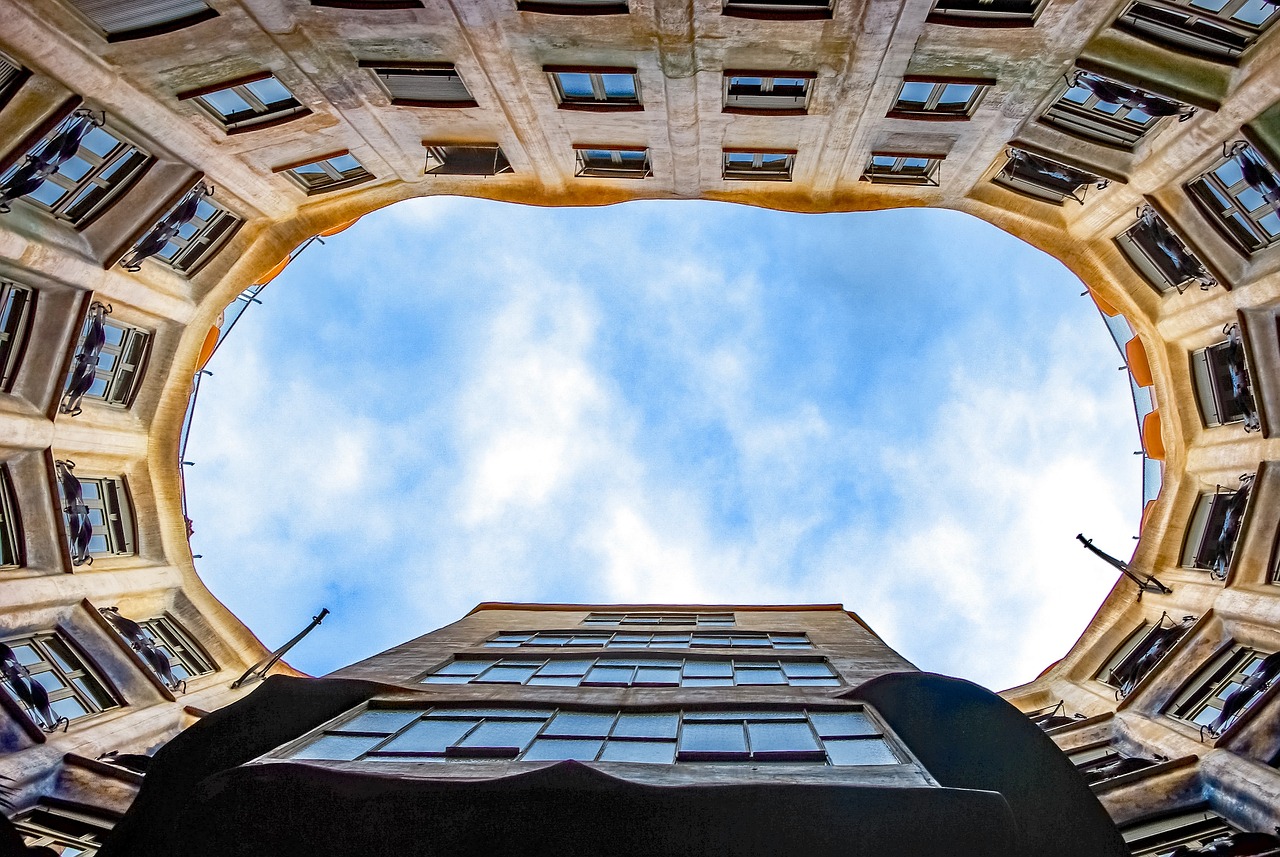
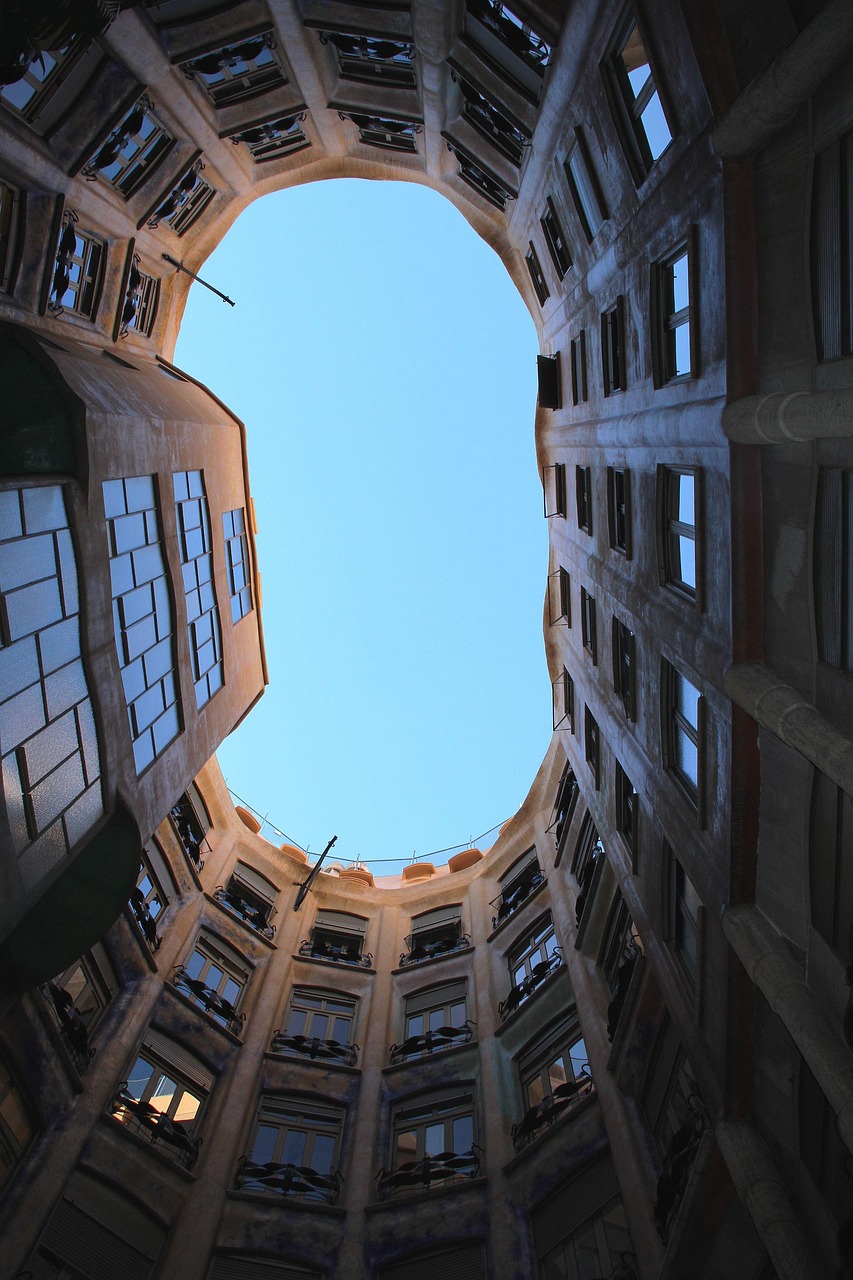
The courtyards are easy to overlook. There are two large oval courtyards that most visitors pass through quickly on their way to the stairs or lift. Stop and look up. The walls spiral above you, the balconies curve inward, and the light falls in a way that changes as the sun moves across the sky. Gaudi designed these courtyards as light wells — they funnel natural light into every apartment — and they are some of the most photogenic spaces in the building.
Combine with Casa Batllo. Gaudi’s other residential masterpiece is a ten-minute walk down Passeig de Gracia at number 43. The two buildings are so different in character — Casa Batllo is theatrical, colourful, and full of dragon symbolism; Casa Mila is austere, monumental, and about pure form — that seeing both in one day gives you a complete picture of Gaudi’s range. Do Casa Mila first (it opens earlier) and Casa Batllo in the afternoon, or vice versa. We have a full guide to visiting Casa Batllo if you want to plan that as well.
The gift shop has one item worth buying. The miniature reproductions of the warrior chimneys are genuinely well-made. Everything else is standard Barcelona tourist merchandise that you can find cheaper on La Rambla. But those little chimney figures sit nicely on a desk.
What You’ll See Inside Casa Mila
The Courtyards. Two large, oval-shaped open wells that rise from the ground floor to the roof. They provide light and ventilation to every apartment. The walls are painted in soft colours that graduate lighter as they go up, amplifying the light effect. Look for the murals and decorative paintings on the upper walls, which were added after Gaudi left the project.
The Apartment (Pis de la Pedrera). A fully furnished recreation of a bourgeois Barcelona apartment from the early 1900s. The rooms flow into each other because there are no structural walls — Gaudi used steel columns and beams to hold the building up, so every room is flexible. The furniture is period-appropriate and gives you a sense of daily life in a building that most people experience purely as architecture. Notice how even the door handles and light fittings follow organic curves.
The Espai Gaudi (Attic). This is the museum space inside the attic, under 270 catenary arches made of slim bricks. The arches create a long, undulating tunnel that resembles a ribcage or the hull of an upturned ship. The exhibit here covers Gaudi’s entire career through models, photos, drawings, and interactive displays. The hanging chain models are the centrepiece — they demonstrate the inverted catenary principle that underlies most of Gaudi’s structural work.
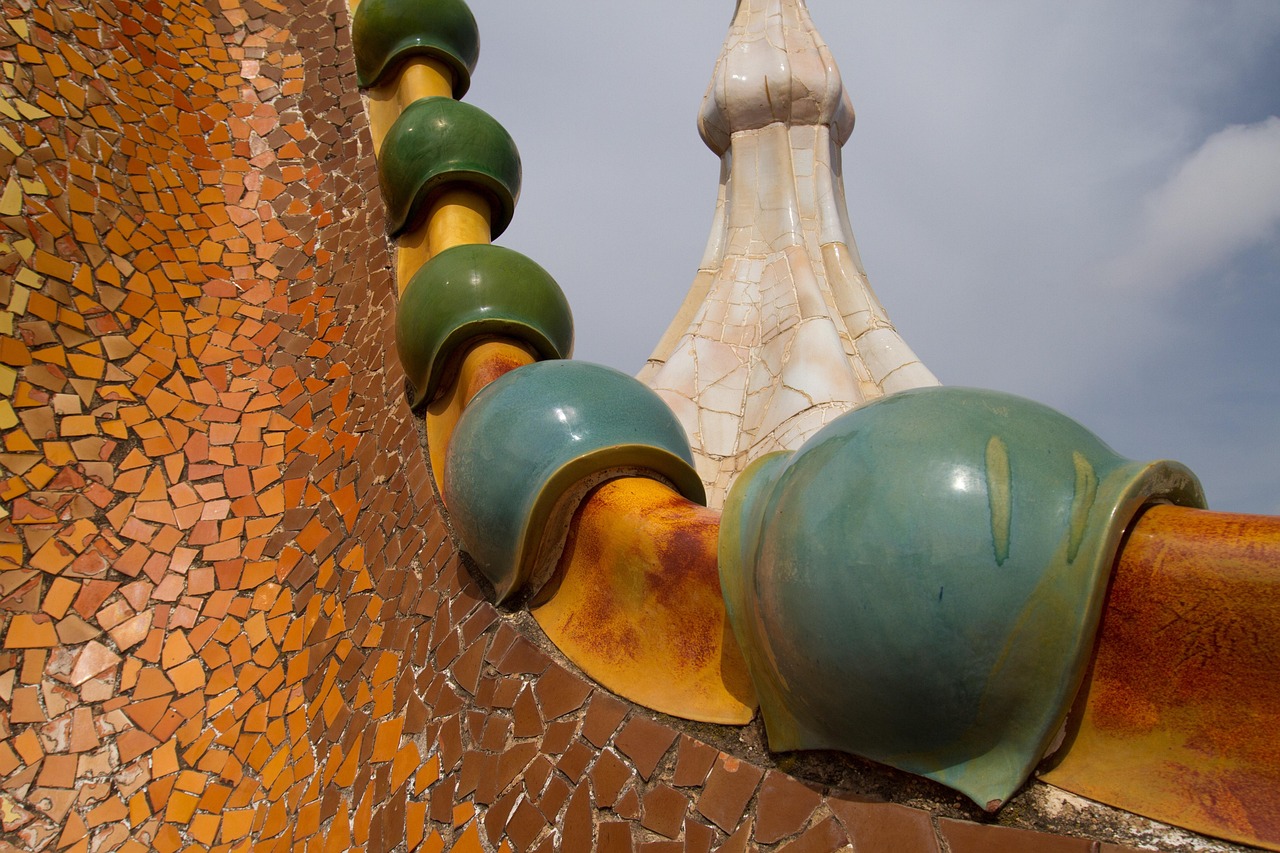
The Rooftop. The finale. A sculpted landscape of ventilation towers, staircase exits, and the famous warrior chimneys. There are 28 chimneys total, grouped in clusters. Some are covered in trencadis (broken tile mosaic), some in white marble fragments, and some are left in bare stone with those eerie helmet-like faces. The views extend to the Sagrada Familia, the Tibidabo mountain, and the Mediterranean coast on clear days. Spend time here. It is the most photographed part of Casa Mila for good reason, but it also rewards quiet observation — the roof surface undulates underfoot, and Gaudi designed the paths between the chimneys to feel like walking through a stone garden.