
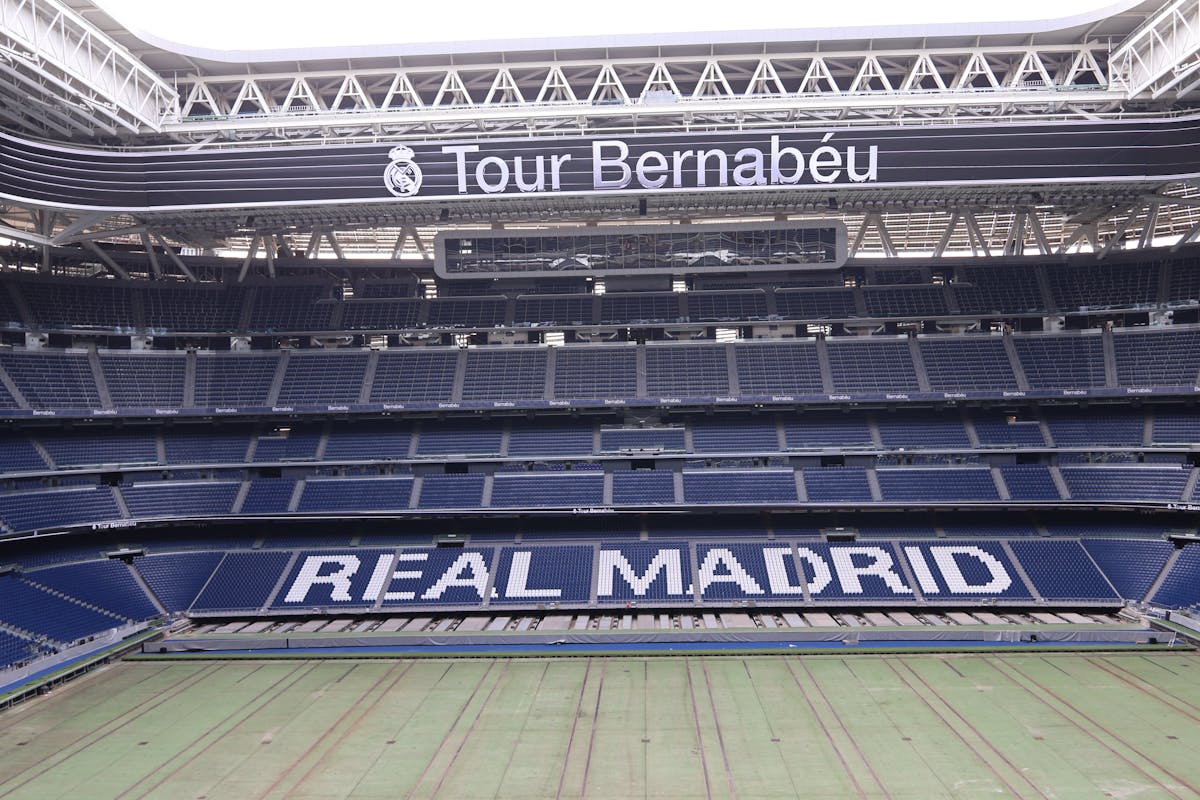
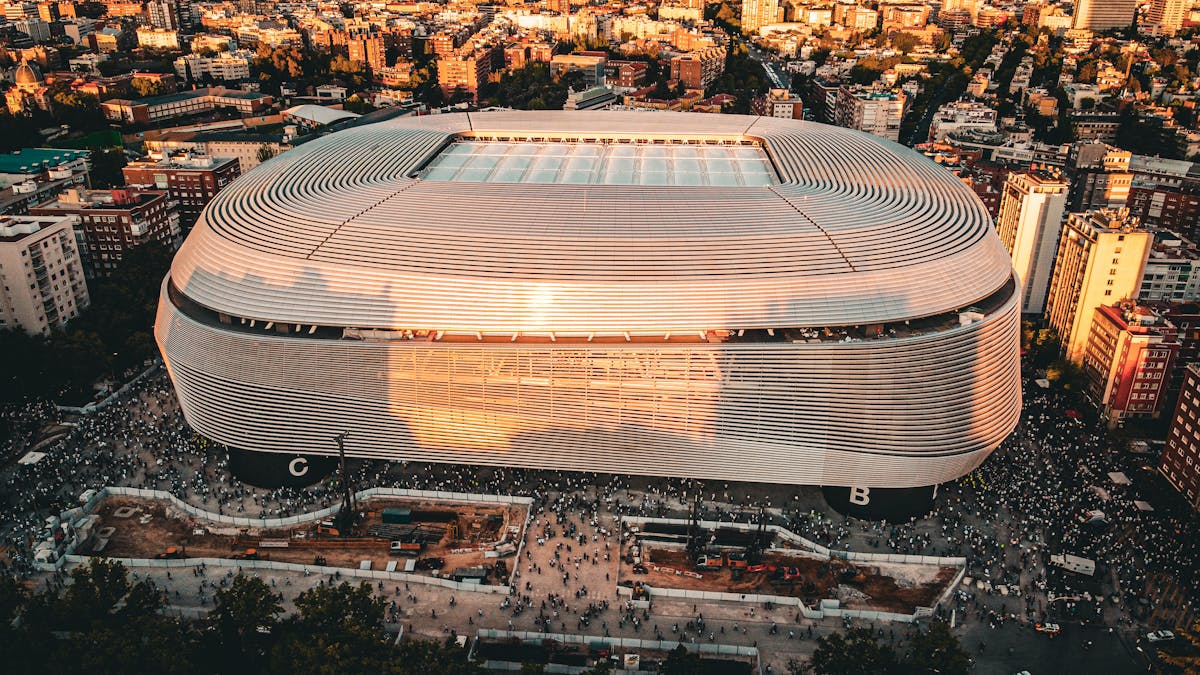
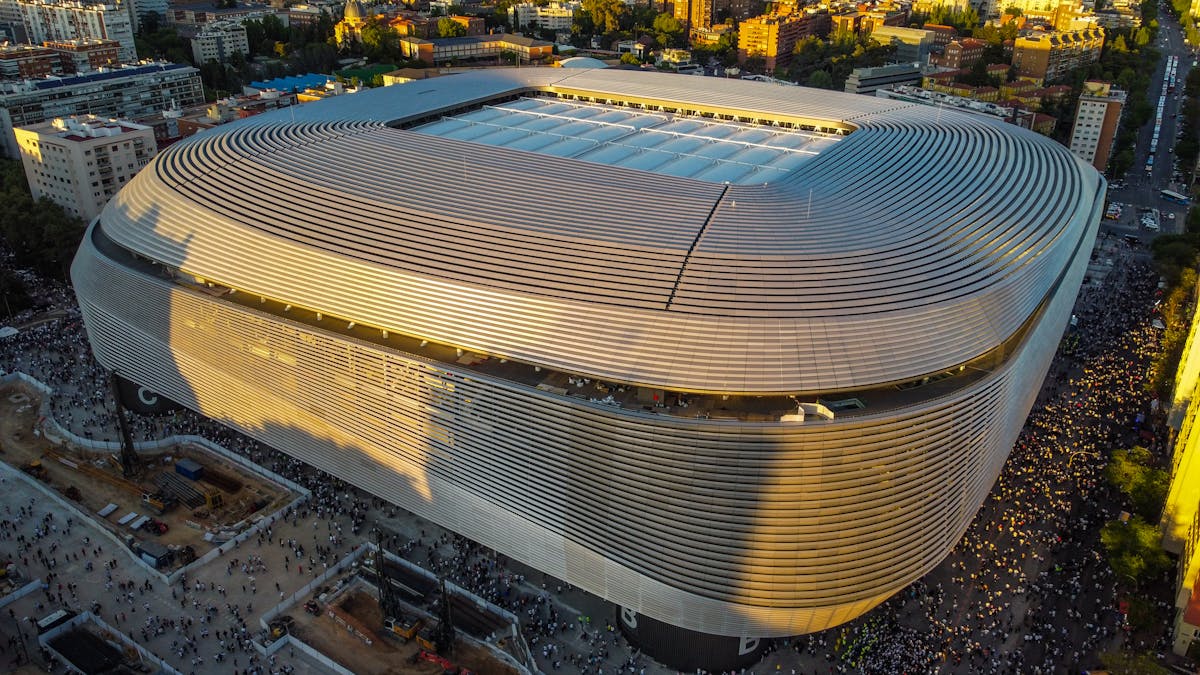
Real Madrid spent 1.7 billion euros and four years tearing the Santiago Bernabeu apart and putting it back together. The stadium that reopened in 2024 barely resembles the one that closed — they added a retractable pitch that slides underground on rails, a 360-degree LED screen wrapping the entire interior, a retractable roof, and about 15 restaurants. The trophy room still holds those 15 Champions League trophies, but now you walk through it via an immersive tunnel that makes the old museum look like a school display cabinet.
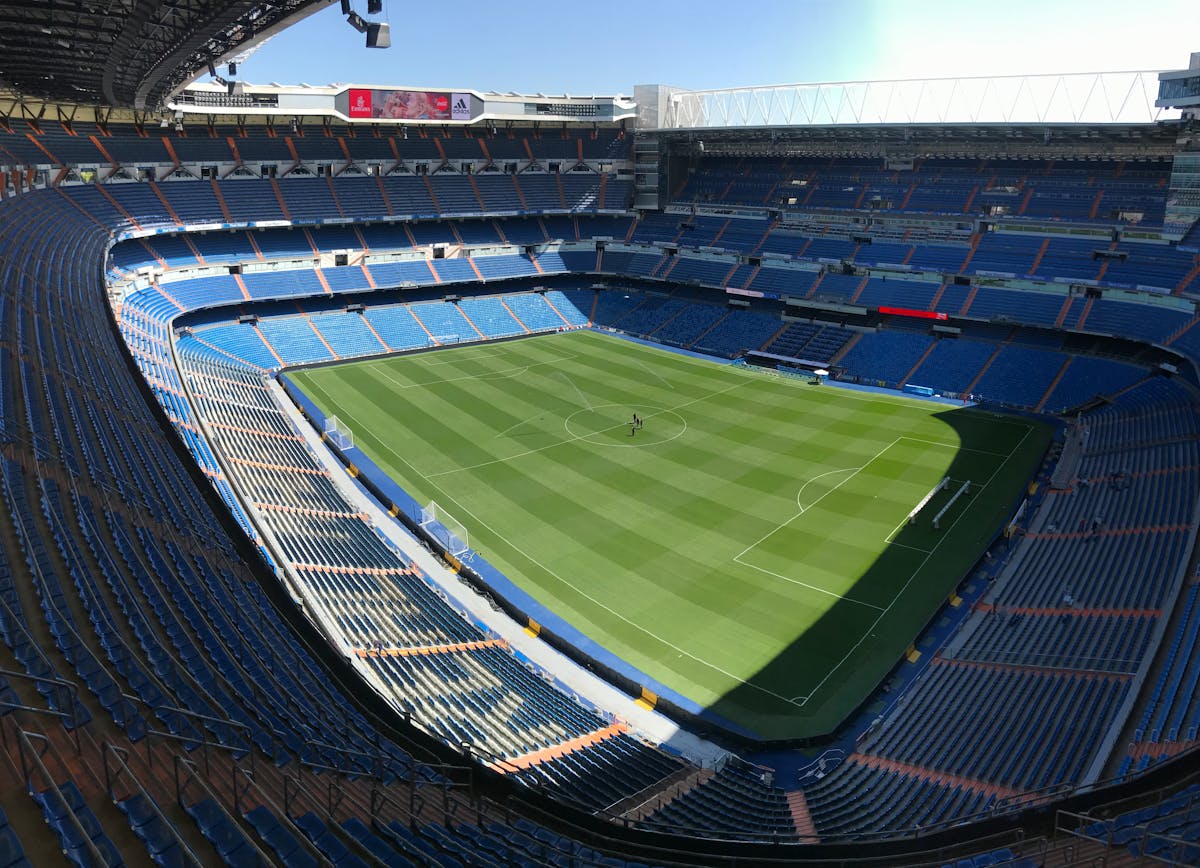
The tour has been completely redesigned around the renovation. You are not just walking through corridors looking at jerseys anymore — it is a full AV experience with panoramic viewing platforms, the players’ tunnel, the changing rooms, and that trophy room that now uses projection mapping and surround sound. Whether you are a football fanatic or just someone who appreciates ambitious architecture, this is one of the more interesting things you can do in Madrid for a couple of hours.
But the ticket options are a bit confusing right now. Real Madrid sells their own official “Tour Bernabeu” tickets, third-party sites sell skip-the-line and guided versions, and prices range from about 30 euros to over 100 dollars depending on what you book. I have sorted through the options below.
In a Hurry? My Top Picks
- Best overall value: Tour Bernabeu Entry Ticket — $41 per person. Self-guided with the new immersive experience, trophy room access, panoramic views, and the players’ tunnel. Ninety minutes at your own pace. Book this tour
- Best guided experience: Guided Tour of Bernabeu Stadium — $66 per person. A guide walks you through the full stadium with backstage access and stories you won’t get from the audio alone. About two hours. Book this tour
- Best for die-hard fans: Bernabeu Stadium and Real Madrid Museum Guided Tour — $71 per person. Two-hour deep dive covering the club’s history, the renovation story, and areas the self-guided tour doesn’t reach. Book this tour
How the New Bernabeu Tour Works
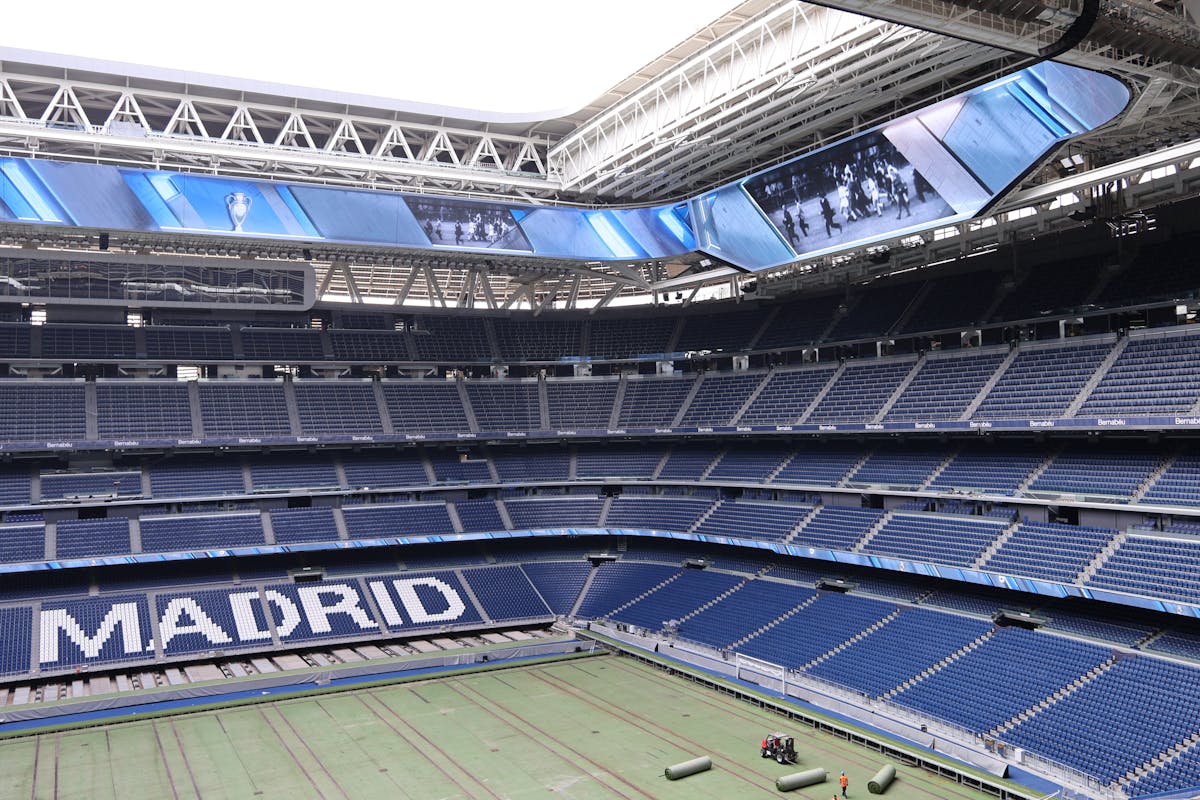
The renovation changed everything about the stadium tour. The old version — walking through some corridors, peeking at the pitch from a box seat, seeing the trophy cabinet behind glass — is gone. The new Tour Bernabeu is built around what Real Madrid calls an “immersive experience,” and for once that marketing term is not entirely hollow.
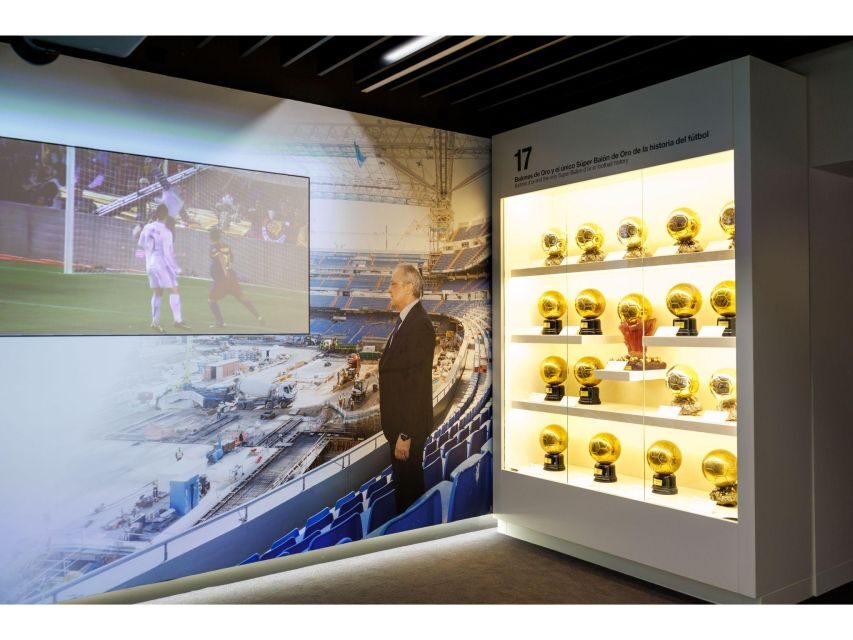
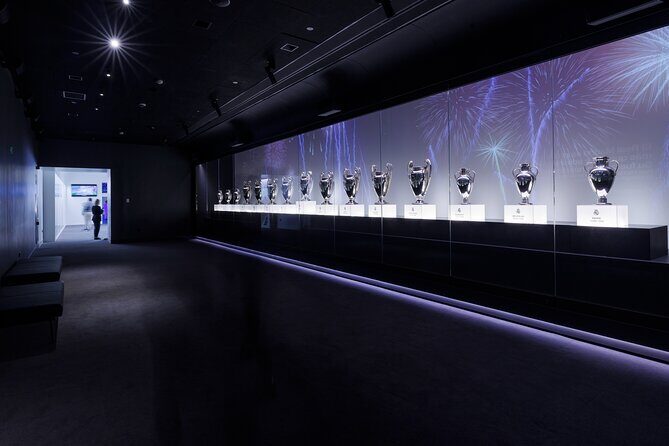
Here is the route. You enter through a dedicated tour entrance on the west side of the stadium (not the main gates). The first section takes you through a timeline of the club’s history using floor-to-ceiling screens and projection. Then you hit the trophy room, which is the real showpiece — 15 Champions League trophies, 36 La Liga titles, and a wall of Ballon d’Or replicas, all displayed with theatrical lighting and audio that makes it feel more like a nightclub than a museum.
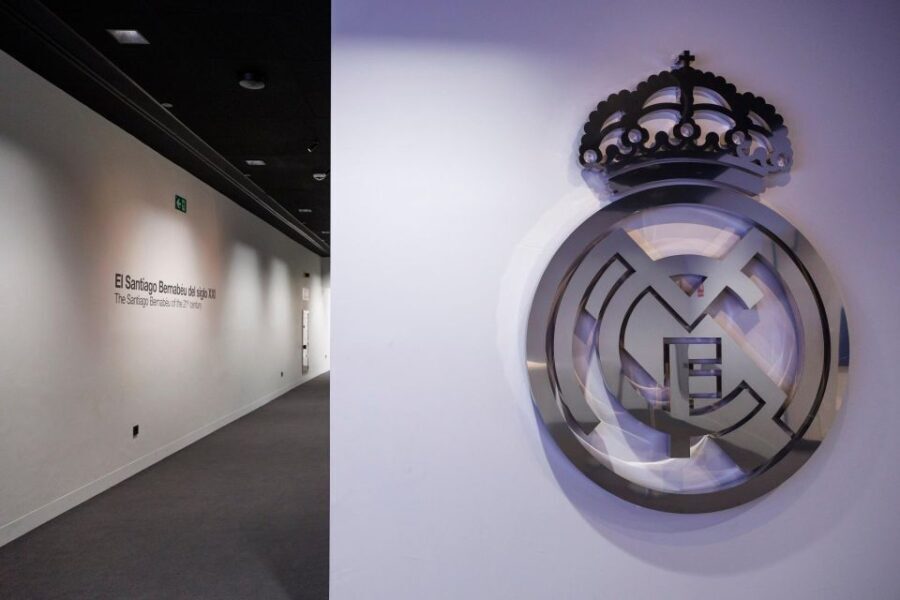
From there you move to the panoramic terrace where you can see the full pitch and the retractable roof mechanism. Then down to the players’ tunnel, through the changing rooms (complete with the individual player lockers and their names above each one), and out onto the pitch-side area. The 360-degree LED screen runs highlight reels while you are standing there, which is admittedly cool even if you don’t follow football.
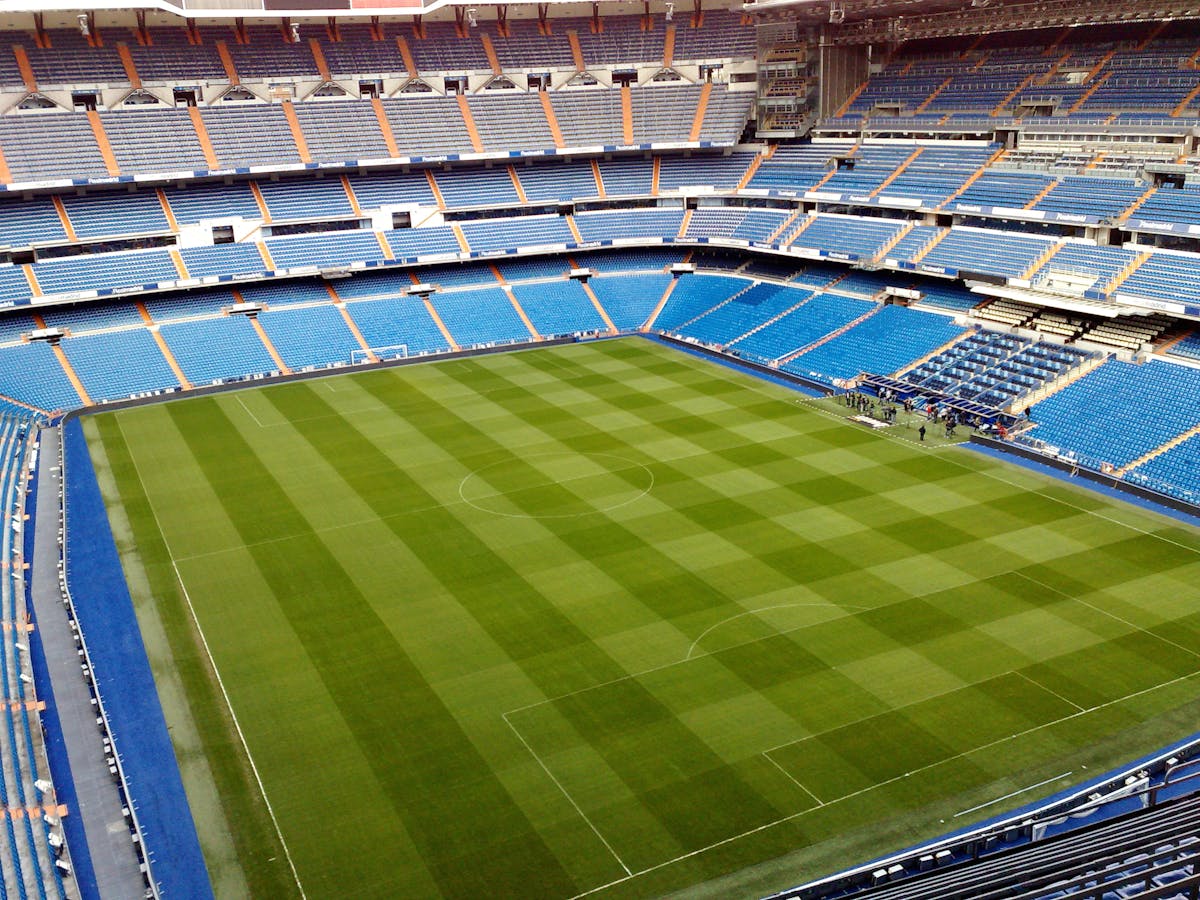
Official tickets from Real Madrid: The club sells Tour Bernabeu tickets on their own website (realmadrid.com/tour-bernabeu) for around 30 euros for adults. These are timed-entry, self-guided, and include the full immersive route described above. They tend to sell out 2-3 days in advance during peak months (school holidays, Champions League weeks, summer).
Third-party tickets: Sites like GetYourGuide and Viator sell the same entry at a markup but often with added perks — skip-the-line entry, a live guide, or flexible cancellation. The guided versions cost more but include context you won’t get from the screens. A good guide explains why the 2022 comeback against Manchester City matters, or what it felt like in the stadium when Zinedine Zidane scored that volley in the 2002 Champions League final.
Match days and closures: The tour closes completely on match days and usually the day before for setup. Real Madrid plays roughly 25-30 home matches per season between August and May, plus concerts and events that close the stadium. Always check the schedule before booking — there is nothing worse than showing up with tickets to find the gates locked for a sound check.
Best Bernabeu Stadium Tours
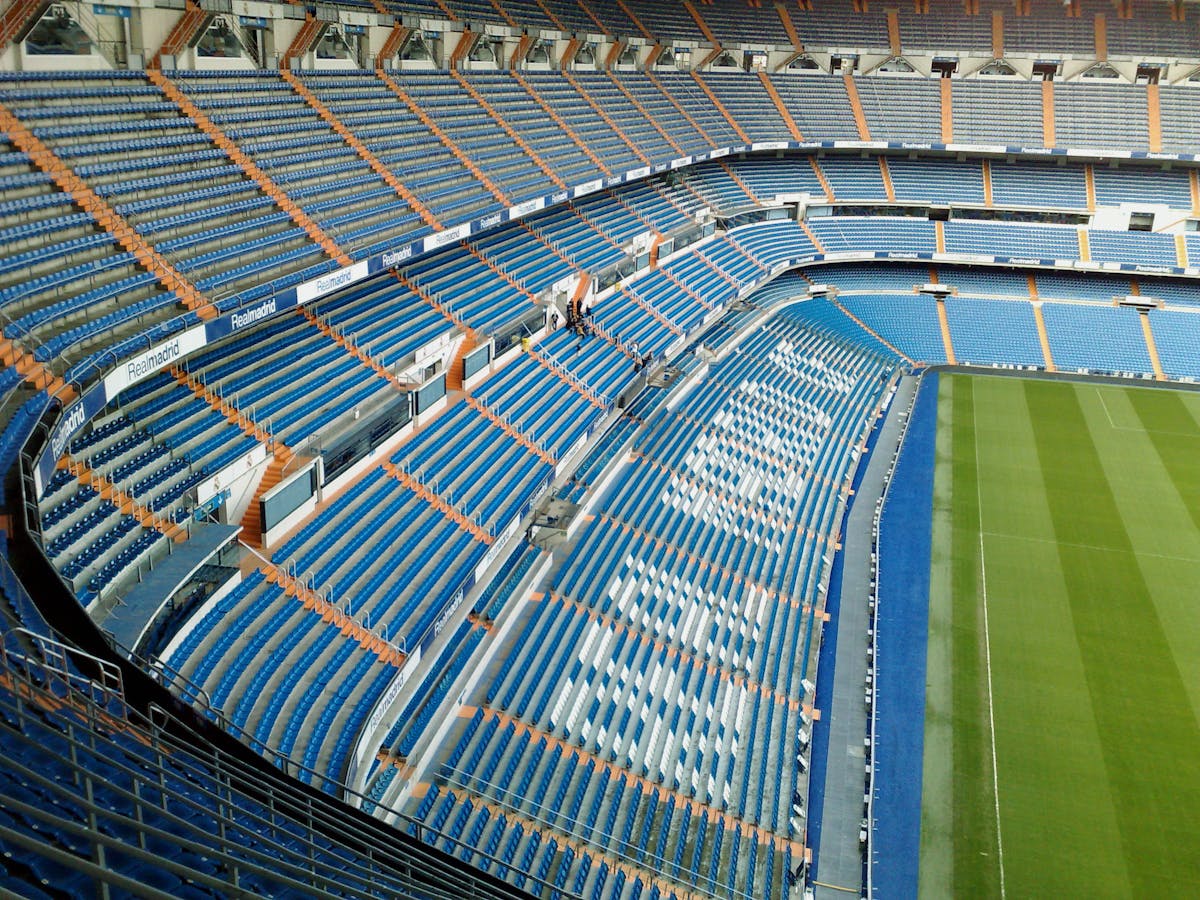
Three options from the database, covering the spectrum from budget self-guided to full guided deep-dive.
1. Tour Bernabeu Entry Ticket — $41
Duration: 1.5 hours | Price: $41 per person | Type: Self-guided, timed entry
This is the standard option and the one most visitors should start with. You get the complete new Tour Bernabeu experience — the immersive history section, the trophy room, the panoramic terrace, the players’ tunnel, the changing rooms, and the pitch-side walkway. No guide, but the screens and audio installations do most of the heavy lifting. The route is well-signposted and you move at your own speed.
The $41 price through GetYourGuide includes flexible cancellation (up to 24 hours in advance), which is the main reason to book through them rather than the official site. If your schedule shifts or a match day gets announced, you can cancel without losing your money. The official Real Madrid tickets are cheaper at 30 euros but non-refundable.
At 21,000+ reviews and steady ratings, this is the default Bernabeu experience for a reason. You see everything the stadium has to offer, at your own pace, for a reasonable price. Families with kids who might lose patience during a two-hour guided lecture will appreciate the freedom to skip ahead or linger at the pitch. Solo travelers can take their time in the trophy room without waiting for a group.
The only real downside: on busy days the self-guided route can feel like shuffling through a queue, especially in the trophy room where everyone stops. Morning slots (before 11 AM) tend to be less crowded.

2. Guided Tour of Bernabeu Stadium — $66
Duration: 1 hour 45 minutes to 2 hours | Price: $66 per person | Type: Guided group tour
This adds a live guide to the Tour Bernabeu route, and the difference is bigger than you would expect. The self-guided version relies on screens and installations that tell a polished, corporate version of the club’s history. A guide tells you the actual stories — the dressing room arguments, the transfer sagas, why certain players’ lockers still have flowers placed outside them, and which section of the crowd is loudest on match night.
The tour covers the same areas as the self-guided ticket but with backstage context. You will hear about the renovation from someone who watched it happen — how the retractable pitch mechanism works, why the roof design was controversial, what the neighbours thought about four years of construction noise. The guides tend to be genuine football enthusiasts, not just history readers, and their passion shows.
At $66, you are paying $25 more than the self-guided option. Worth it if you care about the stories behind the trophies, or if you are visiting with someone who needs convincing that a stadium tour is a worthwhile use of two hours. A good guide can make a non-football-fan genuinely interested, which is no small feat.
The group size varies but typically stays under 20. Headsets are provided so you can hear the guide even in the echoing concrete corridors.
3. Bernabeu Stadium and Real Madrid Museum Guided Tour — $71
Duration: 2 hours | Price: $71 per person | Type: Guided tour with museum focus
This is the option for people who actually follow Real Madrid and want more than the surface-level experience. The tour spends extra time in the museum sections, covering specific eras of the club’s history in detail — the Di Stefano years that built the European dynasty, the Quinta del Buitre in the 1980s, the Galacticos era with Zidane, Ronaldo, Beckham, and Figo, and the recent Vinicius-Bellingham generation.
The guide on this version tends to go deeper on tactical and historical details. Expect to hear about specific matches, specific goals, and specific moments that shaped the club. The 2002 Champions League final volley. The 2014 “La Decima” in Lisbon. The 2022 comeback against Manchester City where the stadium literally shook the broadcast cameras. It is the kind of context that transforms a trophy from a shiny cup into a story.
At $71, it is only $5 more than the standard guided tour, and the extra time in the museum sections makes the price difference negligible. If you are choosing between the two guided options and you have even a passing interest in football, this one gives you more for barely more money.
The one caveat: if you are bringing someone who genuinely does not care about football, two hours of deep-dive club history might test their patience. For mixed groups — one fanatic, one reluctant companion — the standard guided tour at $66 strikes a better balance.
When to Visit
The stadium tour runs daily except match days, the day before home matches (for setup), and certain event days when concerts or private functions take over. Hours are roughly 10 AM to 7 PM, with the last entry about 90 minutes before closing, but this shifts depending on the season and the match calendar.
Best months: October through April. Madrid’s summer heat is brutal — 38 degrees is not unusual in July and August — and the stadium tour involves outdoor sections (the panoramic terrace, the pitch-side walkway) where you will be in direct sun. Autumn and spring give you comfortable temperatures for the outdoor portions and fewer travelers fighting for trophy room selfie spots. Winter is quiet too, though check La Liga’s schedule because the league does not take a winter break.
Worst times: Summer school holidays and Champions League weeks. When Madrid draws a big opponent in the knockout rounds, ticket sales for the tour spike as visiting fans pour into the city. The week around El Clasico (vs. Barcelona) is similarly packed. During July and August, the tour absorbs both travelers and families with kids off school.
Best time of day: First slot of the morning or after 3 PM. The 10 AM opening slot is always the least crowded. By noon the corridors fill up, particularly the trophy room where everyone photographs each trophy individually. After 3 PM the crowds thin again as afternoon tour groups move on and day-trippers head to dinner.
Match-day closures: Check before you book. Real Madrid’s home schedule is published months in advance on realmadrid.com. La Liga matches are usually on weekends, Champions League on Tuesday/Wednesday, and Copa del Rey on midweek evenings. The stadium closes the day before each home match too. If your Madrid trip only overlaps with one or two non-match days, book the tour as soon as you know your dates.
Tips for Visiting
Book 3-5 days ahead in peak season. The official Tour Bernabeu slots and third-party tickets both have limited daily capacity. During summer and around big matches, popular time slots (10-11 AM especially) sell out days in advance. Booking through GetYourGuide or Viator gives you flexible cancellation that the official site does not offer, which matters when match schedules can shift at short notice.
The official megastore is part of the tour exit. You will walk through Real Madrid’s flagship store on your way out. Jerseys, scarves, miniature trophies, and an entire floor of merchandise. Prices are standard Real Madrid retail — not cheap, but not marked up beyond the normal club shop. If you want an authentic jersey, this is the place. Avoid the street vendors outside the stadium selling knockoffs at half the price; the quality difference is obvious.
The stadium is not centrally located. The Bernabeu sits on Paseo de la Castellana in the Chamartin district, about 4 km north of the Puerta del Sol. Metro line 10 stops at Santiago Bernabeu station, which puts you right at the stadium entrance. From central Madrid (Sol, Gran Via) it is about a 15-minute metro ride. Don’t try to walk it — the distance is further than it looks on the map.
Allow two hours even for the self-guided tour. The official estimate is 90 minutes, but you will want buffer time for the trophy room (where everyone slows down), the panoramic terrace (where you will take more photos than you planned), and the changing rooms (where you will spend five minutes figuring out which locker belongs to which player).
Food options near the stadium are limited. The Chamartin area around the Bernabeu is more office blocks than restaurants. There are cafes on the Paseo de la Castellana, but for a proper meal, head south toward the Cuzco or Nuevos Ministerios metro stations where you will find more variety. Or do the tour before lunch and eat in central Madrid afterward.
Photography is allowed throughout. No flash in certain sections, but otherwise you can photograph everything — the trophies, the changing rooms, the pitch, the tunnel. The lighting in the trophy room is designed for photos, so your phone will actually produce decent shots without much effort.
What You’ll See
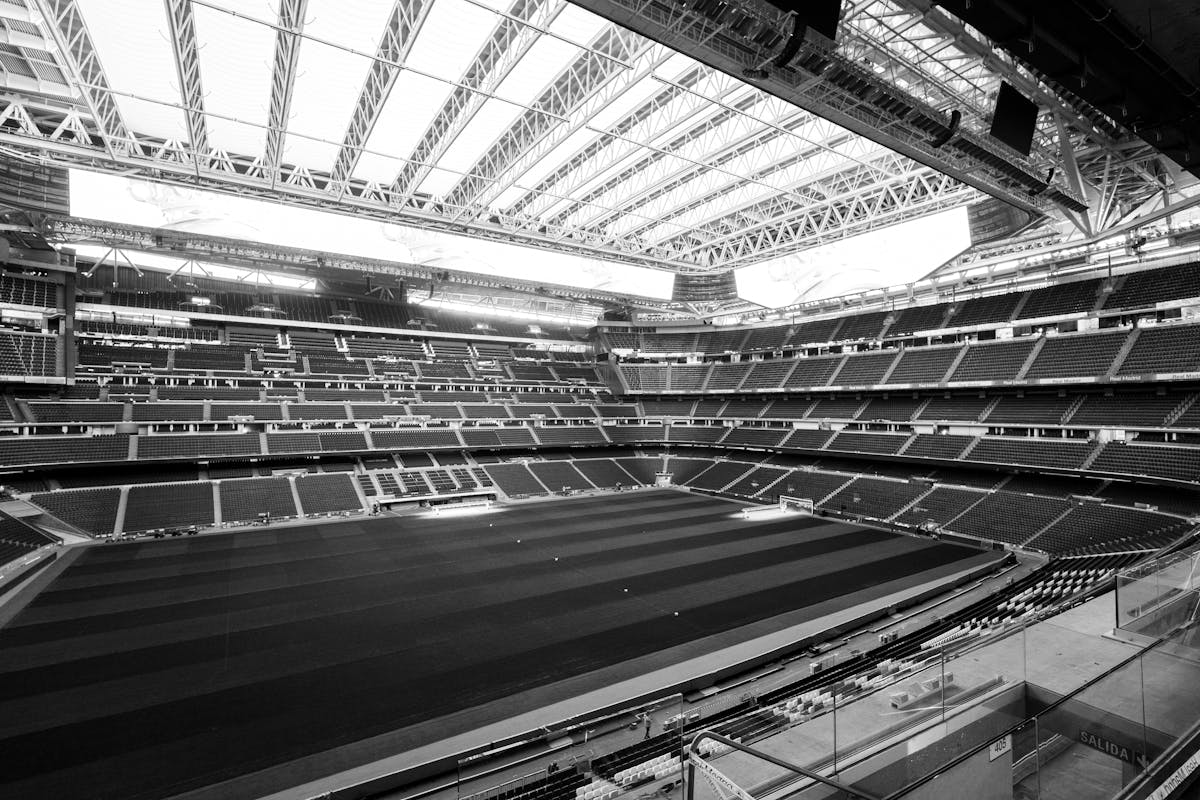
The Immersive History Walk: Floor-to-ceiling screens take you through the founding of Real Madrid in 1902, the early years at the old Chamartin stadium, and the evolution to the modern club. The production quality is high — closer to a theme park ride than a museum corridor. Each era gets its own section with original footage, photographs, and audio that puts you in the context of the time.
The Trophy Room: Fifteen Champions League trophies arranged in a semicircle, each with its own display case and the story of that year’s campaign. Thirty-six La Liga titles. The FIFA Club World Cup, the Intercontinental Cup, and a wall dedicated to individual awards — Ballon d’Or replicas, Pichichi trophies, and the like. The room uses mood lighting and projection mapping that cycles through different eras. It is theatrical, yes. But standing in front of that many European cups in one place is genuinely impressive regardless of which team you support.
The Panoramic Terrace: An observation deck near the top of the stadium that gives you a 360-degree view of the pitch, the stands, and the retractable roof mechanism. On a clear day you can see the Guadarrama mountains to the north. This is the photo spot — the view down to the pitch with the LED screen wrapping around is the image you will want for your social media.
The Players’ Tunnel and Changing Rooms: You walk through the same tunnel the players use to reach the pitch. The changing room has individual lockers labelled with current squad names, a tactics board, and the kind of mundane details — massage tables, ice baths, recovery equipment — that make it feel real rather than staged. The away team’s changing room is deliberately less impressive, which the guides love to point out.
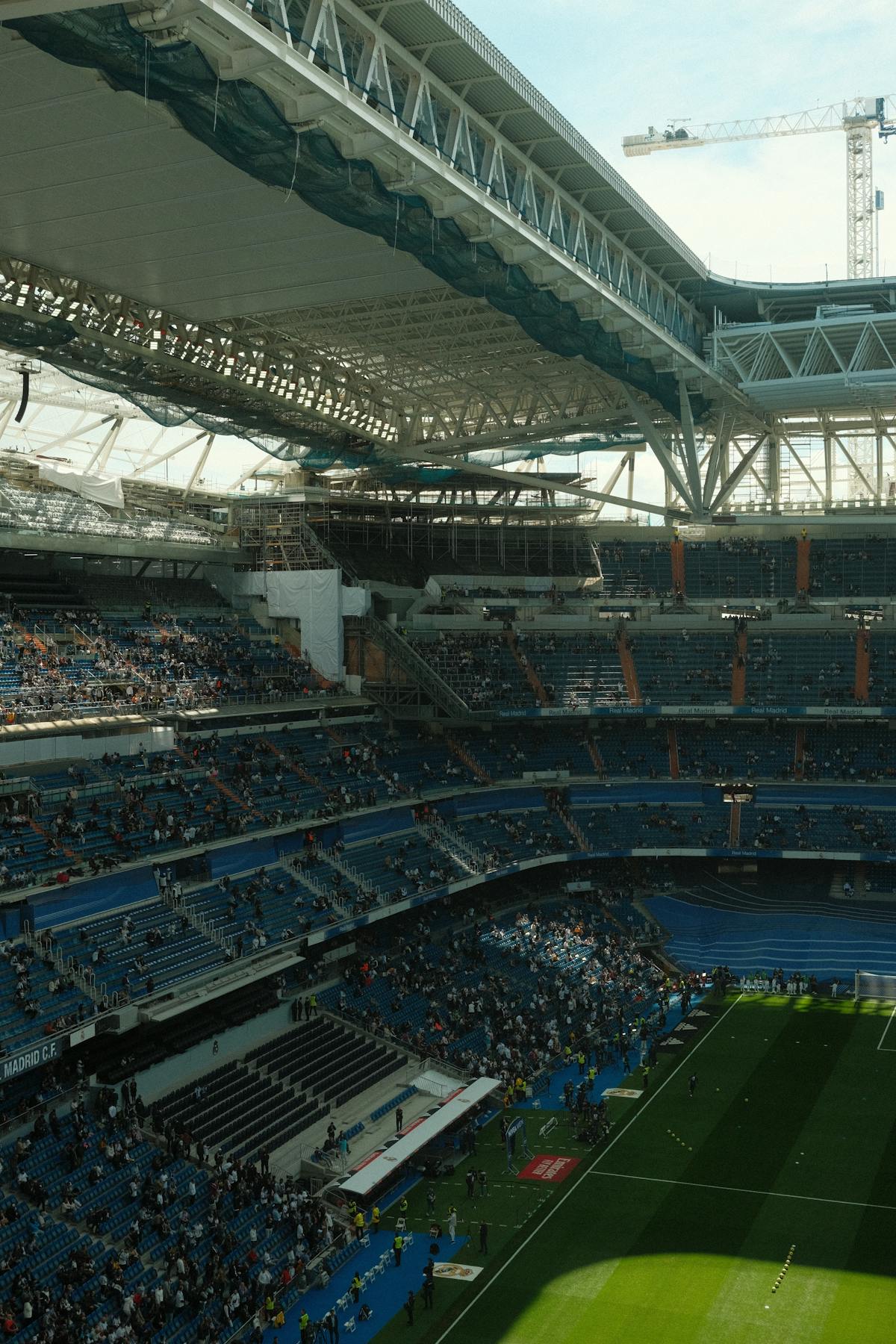
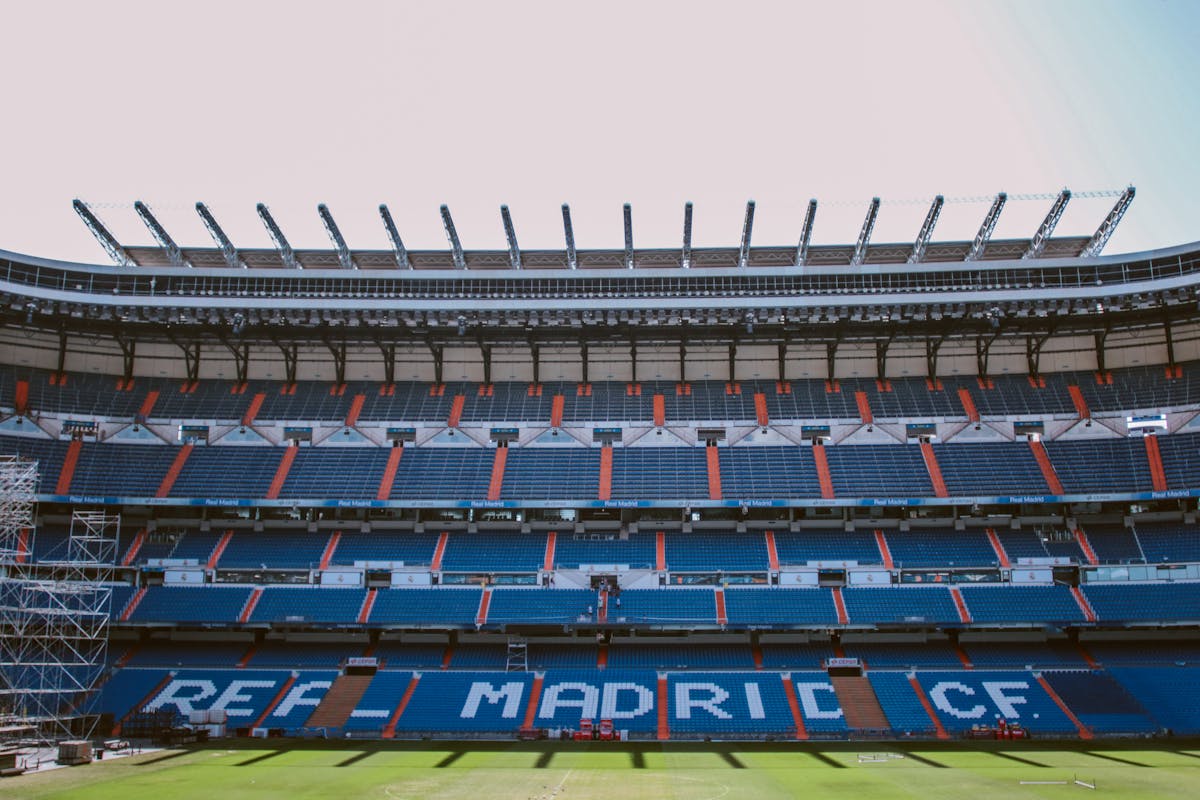
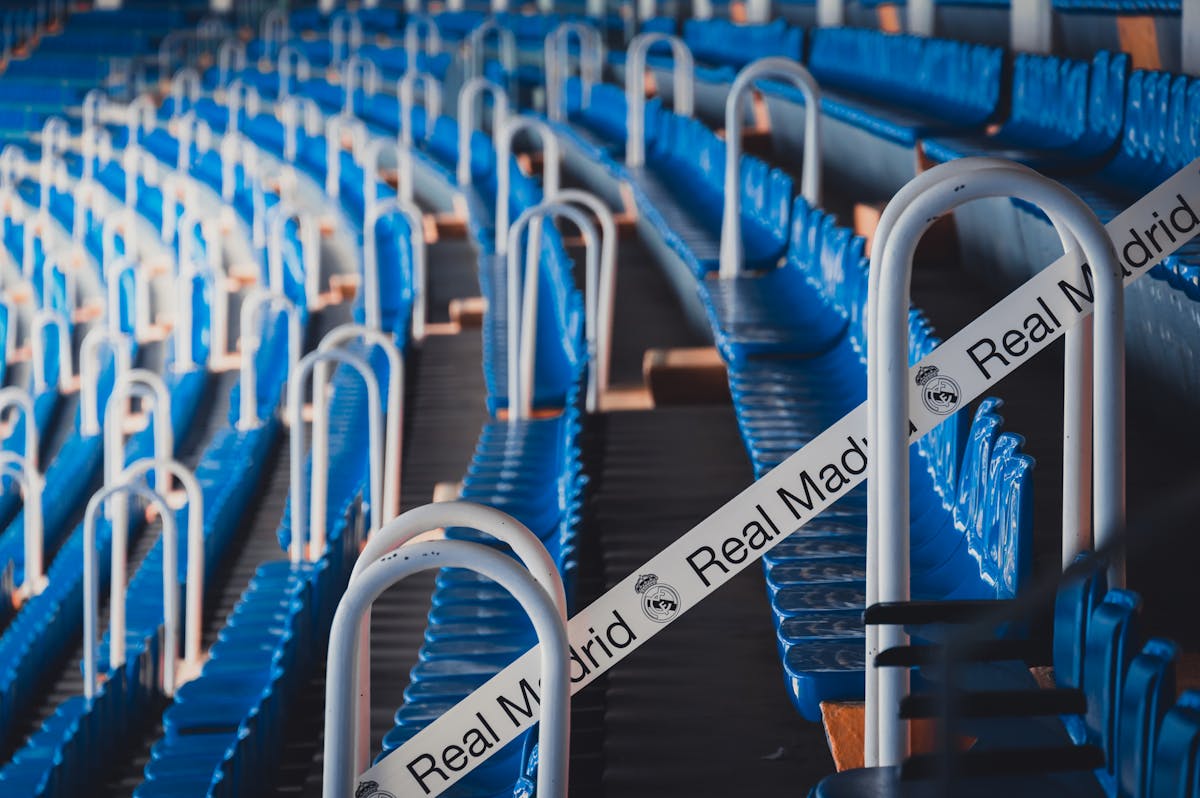
The Pitch-Side Area: You don’t walk on the actual pitch (it is a protected hybrid surface), but you get close enough to touch the grass from the sideline area. Standing at field level looking up at 80,000 empty seats gives you a genuine sense of what the players see when they walk out. The 360-degree LED screen usually runs highlight reels during tour hours, which adds to the atmosphere even in an empty stadium.
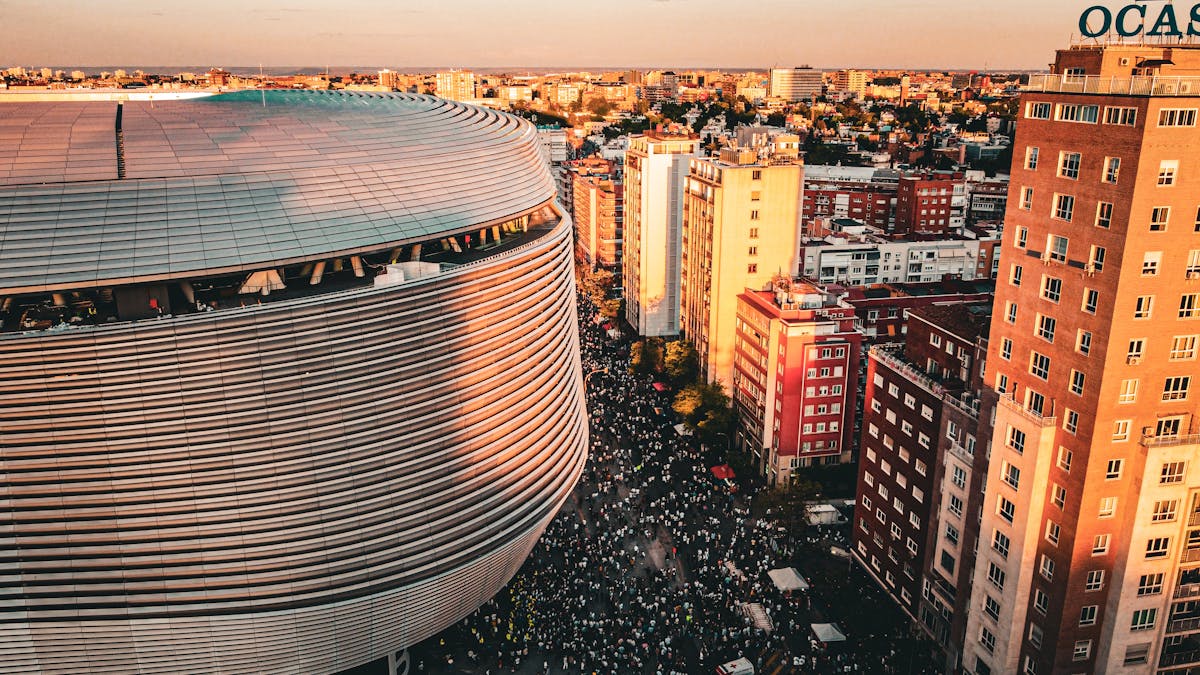
More Madrid Guides: Planning more time in the city? Our other Madrid coverage includes tickets and tour guides for the Royal Palace, the Prado Museum, day trips to Toledo, and tapas tours. Each guide breaks down ticket options and tour picks the same way, so you can plan your full Madrid itinerary without overpaying or standing in queues you didn’t need to stand in.
Disclosure: This article contains affiliate links. If you book a tour through one of these links, we earn a small commission at no extra cost to you. We only recommend tours that are well-reviewed and that we’d book ourselves.