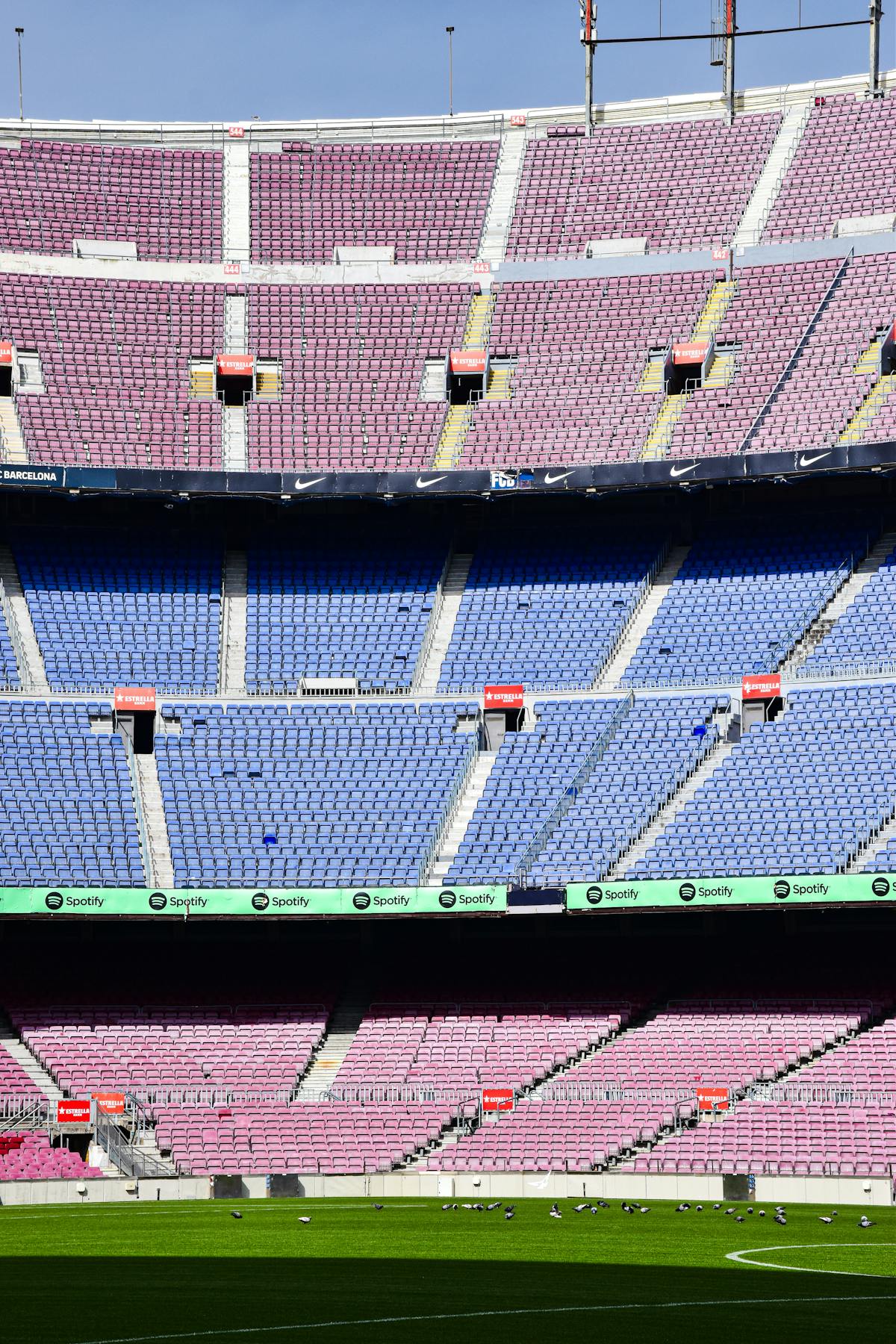
They’re rebuilding Camp Nou. And honestly, that makes visiting right now more interesting than you’d expect.
I went expecting a half-closed construction site with some trophies behind glass. What I got was a genuinely impressive immersive experience that leans into the renovation chaos rather than apologising for it. You walk through FC Barcelona’s entire history — from the founding in 1899 to Messi’s sixth Ballon d’Or to the futuristic renders of what the new stadium will look like — all wrapped in 360-degree projections, interactive touchscreens, and enough memorabilia to keep even casual football fans occupied for a solid two hours.
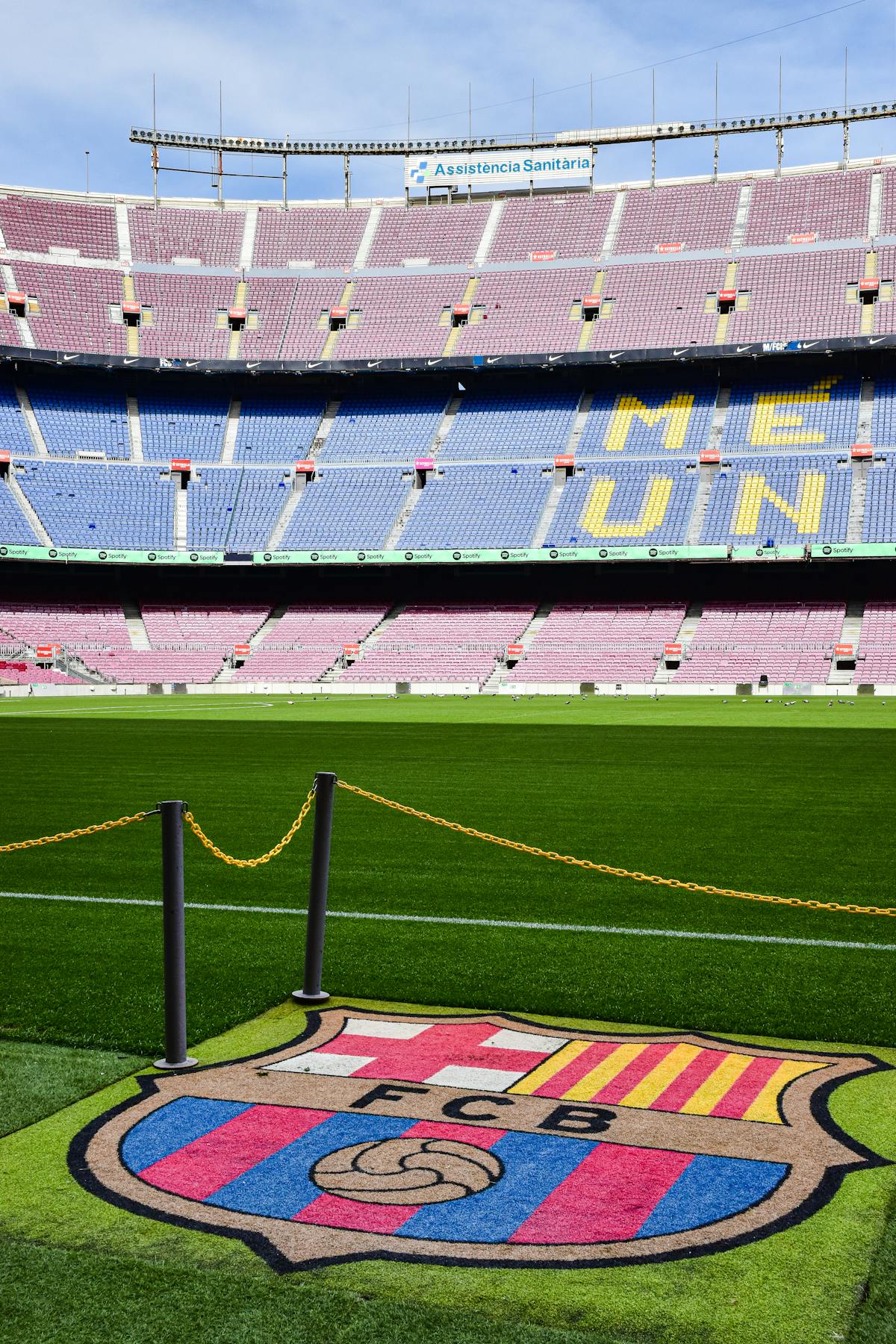
The standard Camp Nou Experience Tour — the one where you walk through the tunnel, sit in the dugout, visit the press room — is suspended while construction continues. But FC Barcelona replaced it with the Barca Immersive Tour, which is honestly a better use of your time if you care about the club’s story more than sitting in a plastic chair.
So how do you actually book it? Here’s what you need to know.

Best overall: FC Barcelona Museum Immersive Tour — $35. The one most people should book. Full museum access, 360-degree immersive room, audio guide in 12 languages. Best value for money by a long shot.
Best flexible option: Camp Nou Immersive Tour Open Date Ticket — $49. Same experience but with a flexible date window. Good if your schedule is unpredictable.
Best all-in: FC Barcelona Museum Total Experience Pass — $63. Museum plus VR experiences and extra exhibitions. For the die-hard fans who want everything.
- What the Camp Nou Tour Includes Right Now
- Official Tickets vs Third-Party Tours
- The 3 Best Camp Nou Tours to Book
- 1. FC Barcelona Museum Immersive Tour —
- 2. Camp Nou Immersive Tour — Open Date Ticket —
- 3. FC Barcelona Museum Total Experience Pass —
- When to Visit Camp Nou
- How to Get to Camp Nou
- Tips That Will Save You Time
- What You’ll Actually See Inside
- More Barcelona Guides
What the Camp Nou Tour Includes Right Now
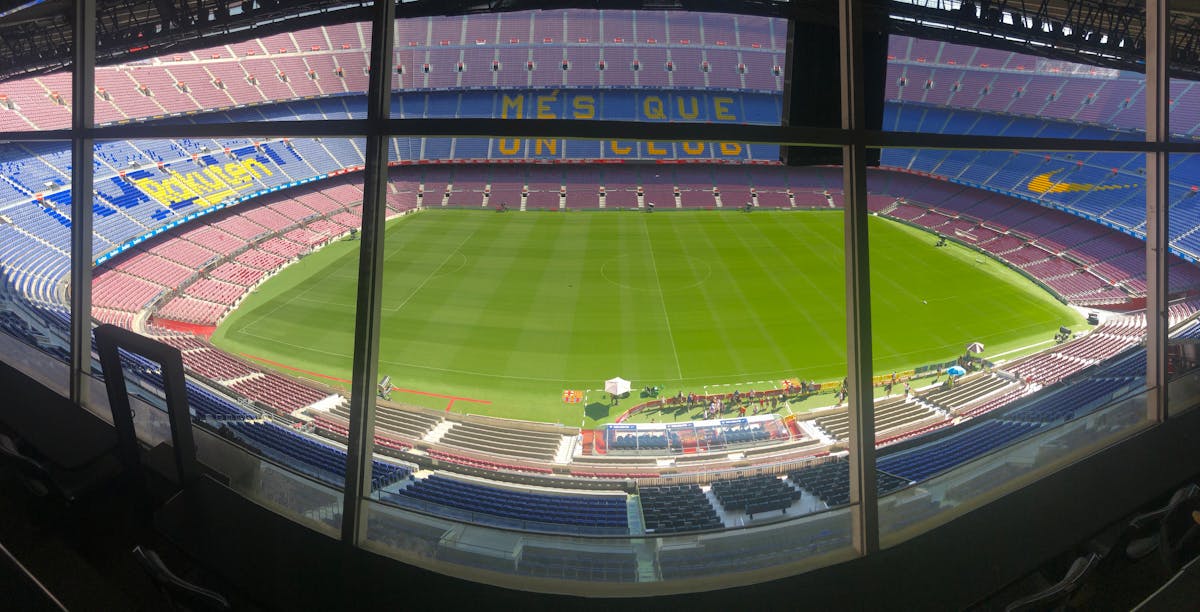
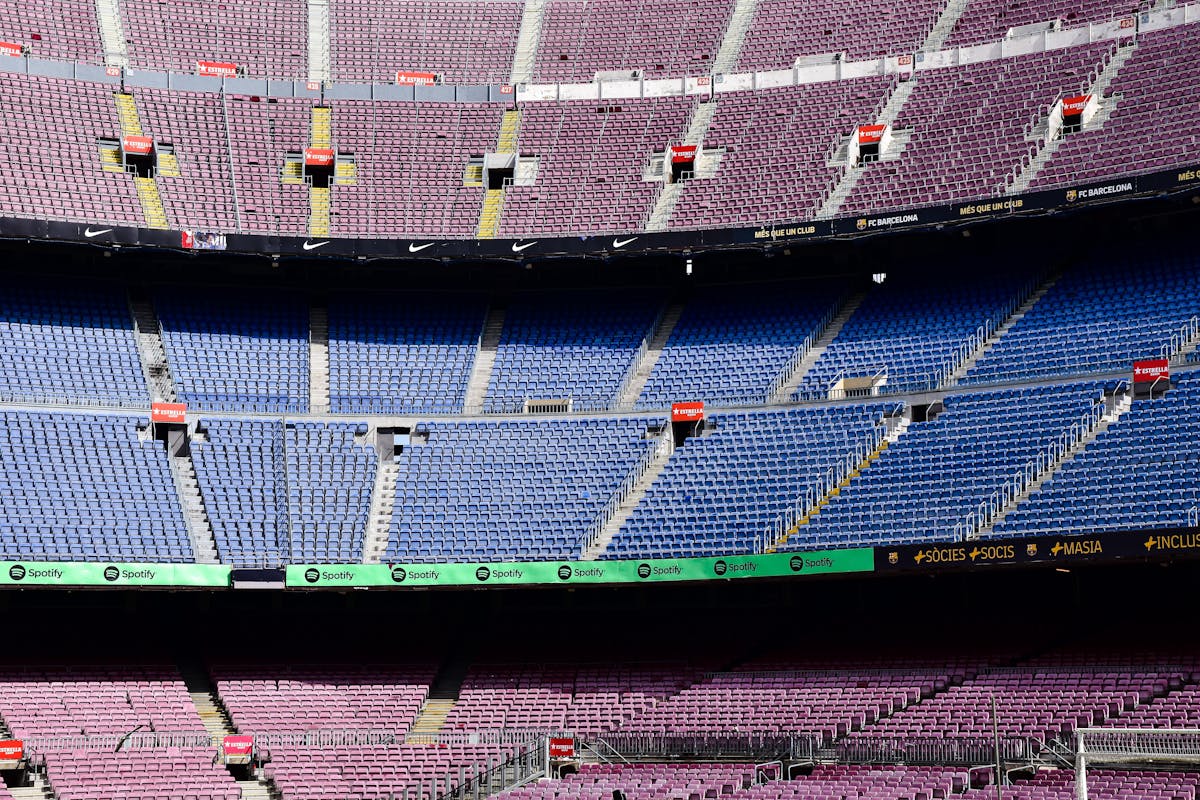
Here’s the deal with the renovation: Camp Nou is getting a complete overhaul. New roof, expanded capacity to over 105,000, modern facilities — the works. Construction started in 2024 and the club has been playing home matches at the Olympic Stadium on Montjuic in the meantime (they moved back to Camp Nou in early 2025 for league matches, but parts of the stadium remain under construction).
The traditional stadium tour where you walked through the players’ tunnel and visited the changing rooms? That’s on hold. But FC Barcelona hasn’t just shut the doors and left you with nothing. They’ve put together the Barca Immersive Tour, which includes:
- The FC Barcelona Museum — trophies, memorabilia, historic kits, Ballon d’Or replicas, and interactive exhibits covering the club’s 125+ year history
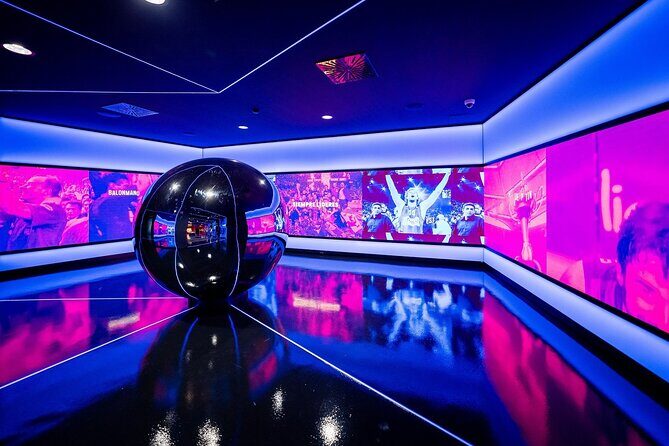
- The Immersive Room — a 360-degree audiovisual show that wraps around you with match footage, crowd noise, and highlight reels. This is genuinely well done
- Camp Nou Live — a separate projection experience that shows you what the finished stadium will look like, with architectural renders and virtual flyovers
- Audio guide — available in Arabic, Catalan, Dutch, English, French, German, Italian, Japanese, Mandarin, Portuguese, Russian, and Spanish
What you won’t get right now: access to the actual stands, the press room, the tunnel, or the pitch. Those parts of the experience will return once renovation wraps up — most likely sometime in 2026 or 2027, depending on who you ask.
Is it worth visiting during construction? I’d say yes, particularly if you’re a walking tour of Barcelona type of traveller who likes learning the story behind the places you visit. The museum alone has enough material to justify the ticket price. The immersive room is the cherry on top.
Official Tickets vs Third-Party Tours

You have two routes here. You can buy directly from FC Barcelona’s website, or you can go through a third-party platform like GetYourGuide or Viator. The experience itself is identical — same museum, same immersive room, same audio guide. The difference comes down to flexibility and extras.
Buying direct from FC Barcelona:
- Slightly cheaper in some cases (prices fluctuate)
- Fixed date and time slot
- Cancellation policies vary
- Spanish-language checkout process (English available but clunky at times)
Buying through GetYourGuide or Viator:
- Free cancellation up to 24 hours on most listings
- Open-date options available (book now, visit any day within a window)
- English-language booking and customer service
- Bundle options with hop-on hop-off bus tours or other Barcelona attractions
- Price is comparable — usually within a few dollars of the official price
My take: unless you’re extremely price-sensitive and know your exact date, the third-party route is the better play. The free cancellation alone is worth the small premium. Barcelona weather, travel delays, hangovers — things happen.
The 3 Best Camp Nou Tours to Book
1. FC Barcelona Museum Immersive Tour — $35

This is the one. If you’re booking one Camp Nou experience and you want the best value, this is it. At $35 per person, you get full access to the FC Barcelona Museum, the immersive room with its 360-degree match-day projections, and the Camp Nou Live experience showing the future stadium design. The audio guide is included and genuinely informative — not one of those phoned-in recordings.
It’s the most popular Camp Nou tour on the market by a wide margin, and the price point makes it accessible without feeling like a budget experience. Allow about 90 minutes to get through everything without rushing. The interactive exhibits in the museum section are worth spending real time on, particularly the ones covering the Cruyff and Guardiola eras.
2. Camp Nou Immersive Tour — Open Date Ticket — $49
Same museum, same immersive room, same audio guide — the only difference here is the open-date flexibility. You book now and visit whenever you want within the validity window (usually 1-4 months depending on the listing). At $49 per person, you’re paying about $14 more than the standard ticket for the freedom to show up when it suits you.
This is the smart pick if you’re visiting Barcelona for several days and don’t want to lock yourself into a specific morning. Maybe the weather turns and you’d rather do Casa Batllo or Casa Mila indoors instead. Or maybe you went too hard on the cava the night before. The open date Camp Nou ticket means no wasted money on missed time slots.
3. FC Barcelona Museum Total Experience Pass — $63

The Total Experience Pass includes everything in the standard immersive tour plus additional VR experiences, exclusive temporary exhibitions, and bonus interactive content that rotates throughout the year. At $63 per person, it’s the priciest option but it’s aimed at the proper Barca fan who wants to squeeze every last drop out of the visit.
I’d say this is worth it if you’re the kind of person who already owns a Barca shirt and knows the starting eleven from the 2009 Champions League final. For everyone else, the standard $35 ticket covers plenty. But if you’re going to be at Camp Nou once in your life and you want the full package, the extra $28 gets you experiences that aren’t available on the standard ticket. The VR content in particular is surprisingly well-produced.
When to Visit Camp Nou

The museum and immersive tour typically open at 9:30 AM and close between 7:00 and 7:30 PM depending on the season (summer hours run longer). Last entry is usually 90 minutes before closing. But here’s the catch: on match days, the museum closes early or stays closed entirely, depending on the kick-off time. Always check the FC Barcelona website before heading over if there’s a game scheduled.
Best time to go: First thing in the morning, right at 9:30. By mid-afternoon, especially between April and September, the tour gets busy with school groups and cruise ship passengers. Weekday mornings in the off-season (October through March) are the quietest.
Worst time to go: Weekend afternoons in July and August. That’s peak tourist Barcelona and Camp Nou feels it. Also avoid the day after a big Champions League win — half of Barcelona will be there buying commemorative merchandise.
One thing to know: the museum is closed on certain holidays (January 1, December 25) and may have reduced hours around Christmas and Easter. The official website has the most current schedule. Also, Sagrada Familia operates on a similar morning-is-best pattern, so if you’re planning both, you might want to do Camp Nou one morning and Sagrada Familia another.
How to Get to Camp Nou
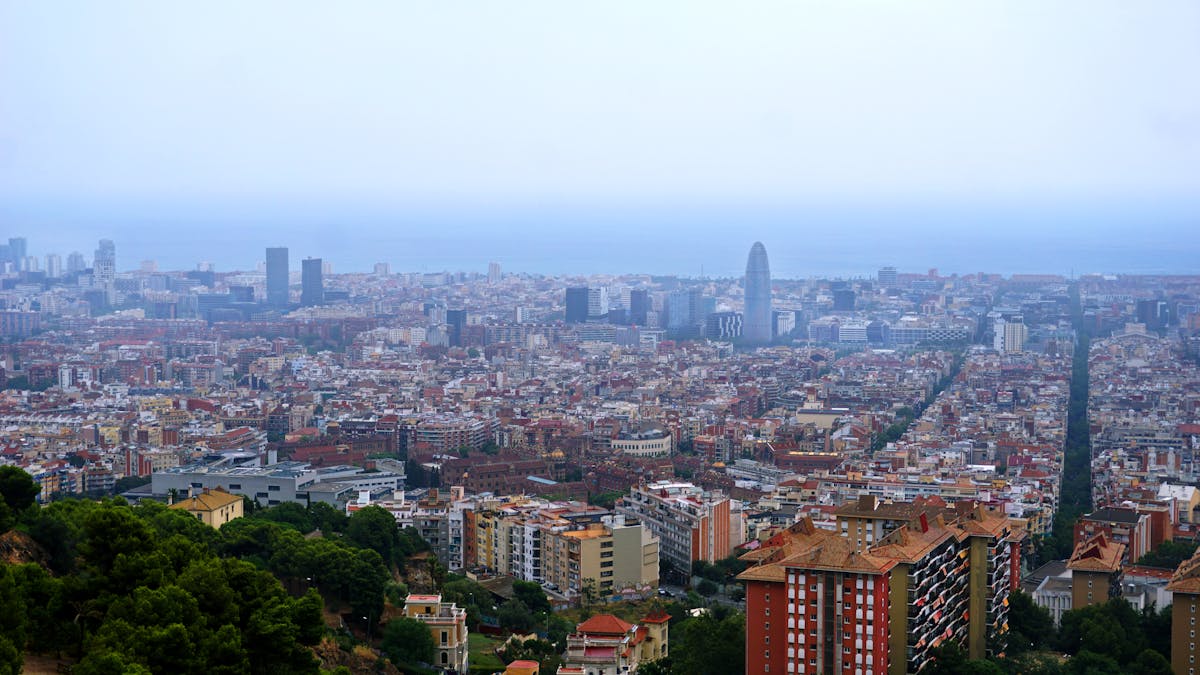
Camp Nou is in the Les Corts neighbourhood, west of Barcelona’s city centre. It’s well-connected by public transport.
Metro: The closest stations are Collblanc and Badal (both Line 5, blue line), or Les Corts and Maria Cristina (Line 3, green line). From any of these, it’s a 5-10 minute walk to the stadium entrance. Maria Cristina is the most common recommendation, but Collblanc actually puts you closer to the museum entrance during construction.
Bus: Several bus lines stop nearby — the 54, 56, 57, and 157 all pass Camp Nou. The hop-on hop-off bus also has a dedicated Camp Nou stop on its blue route, which is convenient if you’re doing a general sightseeing day.
Walking: From Placa de Catalunya, it’s about a 40-minute walk. Not terrible if the weather’s nice and you enjoy seeing residential Barcelona, but the metro is quicker and saves your legs for the museum itself.
Taxi/rideshare: About 10-15 minutes from the Gothic Quarter, depending on traffic. Budget around EUR 10-15 one way.
Tips That Will Save You Time
Book online, always. Walk-up tickets are available, but during peak season (April through September) the museum can hit capacity. Pre-booking guarantees entry and lets you skip the ticket queue. During busy periods, that queue can stretch to 30-45 minutes.
Wear comfortable shoes. The museum involves more walking than you’d think, and parts of the route during renovation are on temporary walkways. Heels or flip-flops will make you miserable.
Bring your own headphones. The audio guide works through your phone (you scan a QR code), so you’ll need earbuds or headphones. They sell cheap ones at the museum shop, but you’ll pay a premium for the convenience.
Check the match schedule first. If Barca are playing at home, the museum either closes early or doesn’t open at all. The FC Barcelona website lists match days and museum hours together.
Don’t combine it with a match. Some people try to do the museum tour in the morning and then watch the evening game. This can work, but it makes for an exhausting day and you’ll need separate tickets for each. If you want to see a match, plan it as its own event.
The shop is massive. Genuinely enormous. If you want to buy official Barca merchandise, this is the place — bigger selection than any city-centre store. Budget an extra 20 minutes if you’re a shopper.
Kids under 4 get in free. And the interactive exhibits are designed to engage children, so it’s a solid family activity if you’re exploring Barcelona with kids. Just keep them away from the glass trophy cases.
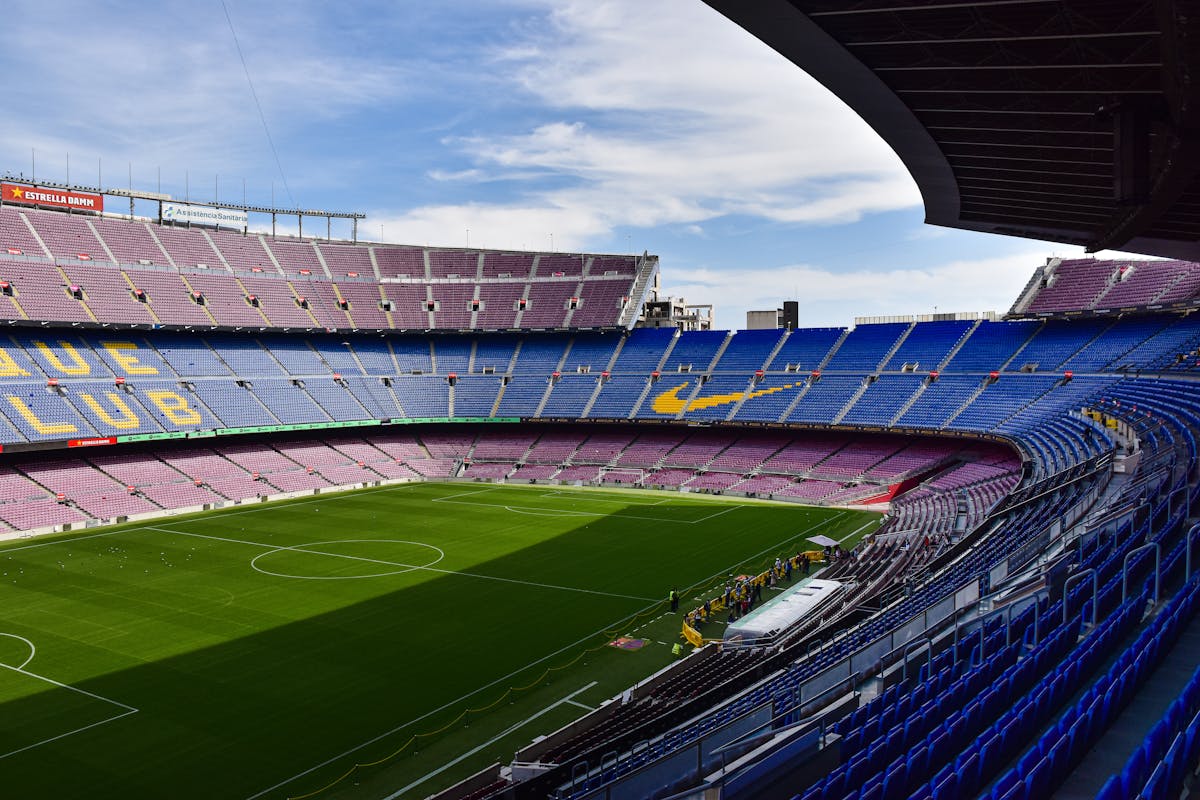
What You’ll Actually See Inside
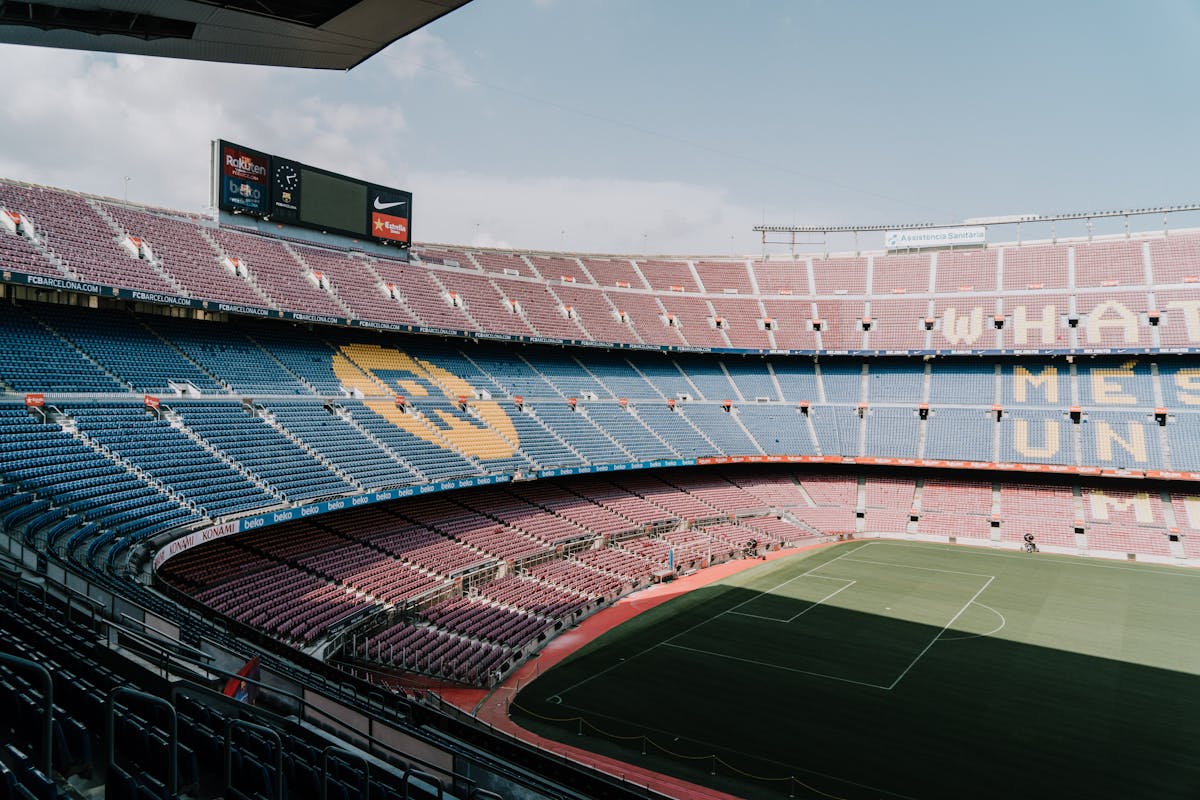
The FC Barcelona Museum is the most visited museum in Catalonia — more popular than the Picasso Museum or the Joan Miro Foundation. And it’s easy to see why once you’re inside.
The collection spans everything from the club’s founding documents in 1899 through to the modern era. You’ll see original kits worn by Kubala, Cruyff, Maradona (yes, he played for Barca), Ronaldinho, and Messi. The trophy room is genuinely jaw-dropping — six Champions League trophies, dozens of La Liga titles, and enough silverware to fill a warehouse.
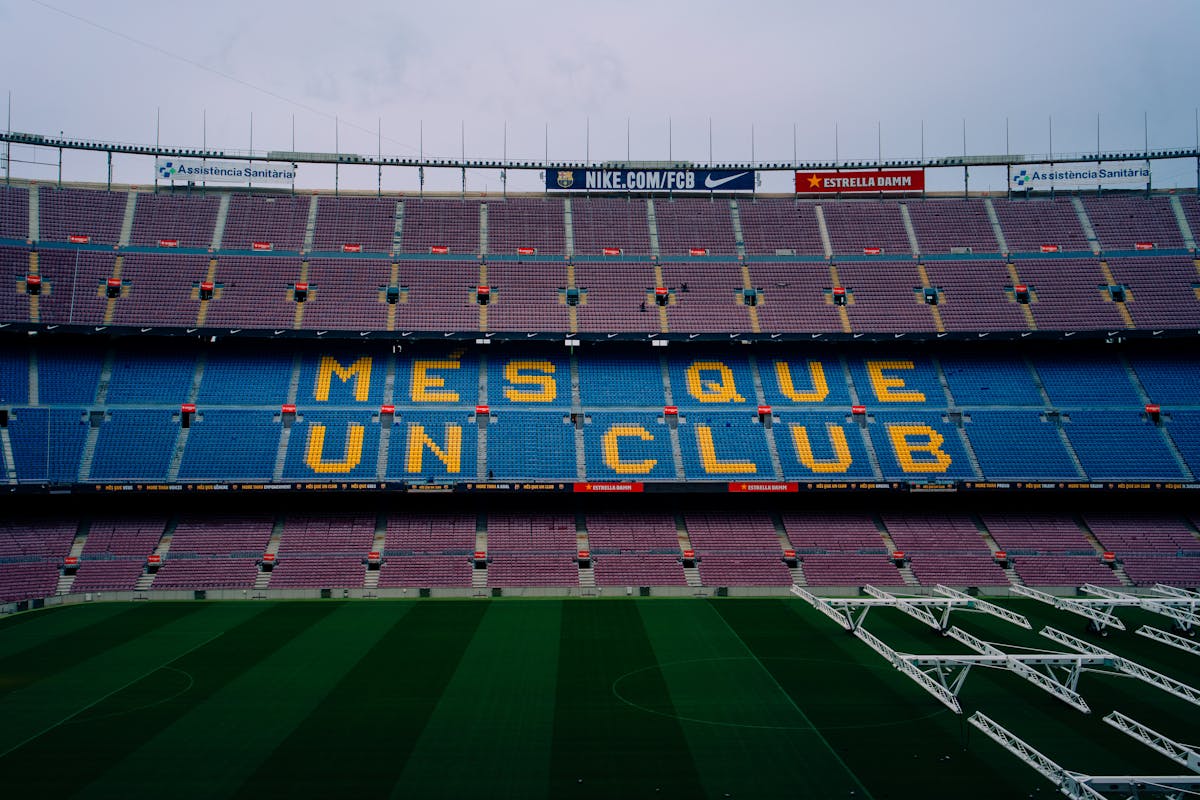
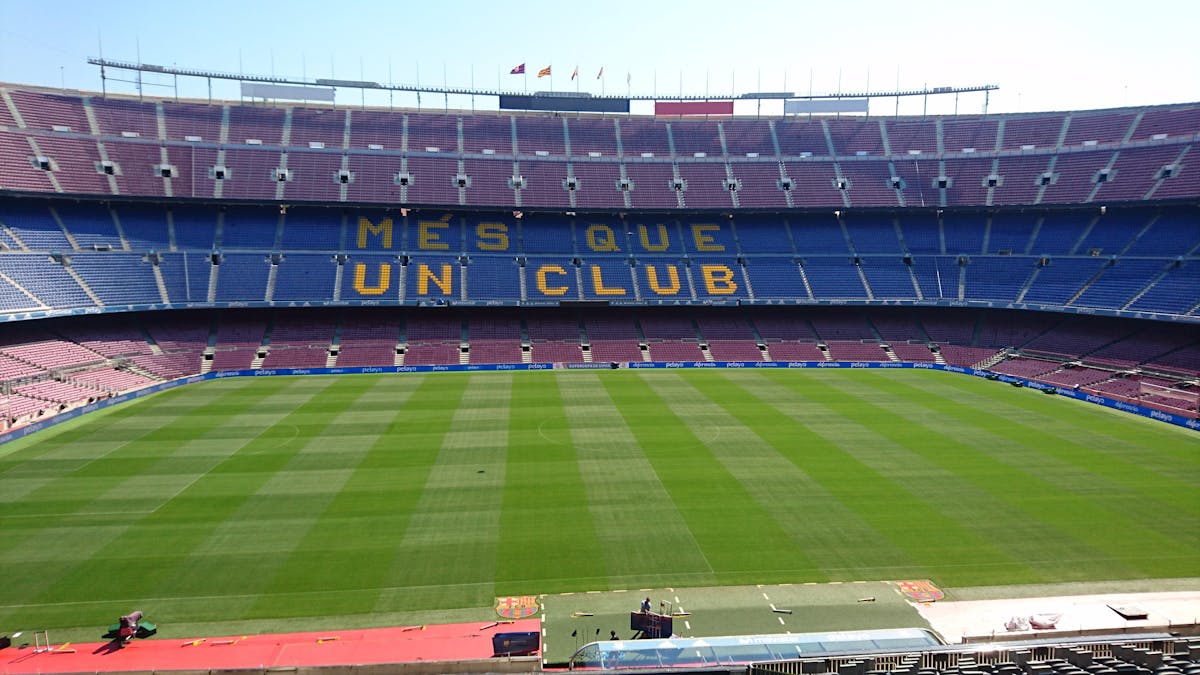
The interactive sections are what set it apart from a typical sports museum. You can test your football knowledge on touchscreen quizzes, watch classic match highlights on demand, and explore a timeline of every significant moment in the club’s history. There’s a section dedicated to Catalan identity and the role Barca has played in the region’s cultural and political life — this is the “Mes Que Un Club” part, and it’s genuinely moving even if you don’t follow football.
The immersive room is the highlight for most visitors. You step into a circular space where projections cover every wall and the floor, playing match footage with stadium audio at full volume. It’s designed to make you feel like you’re standing in the middle of a full Camp Nou on a Champions League night. Is it gimmicky? A bit. Does it work? Absolutely.