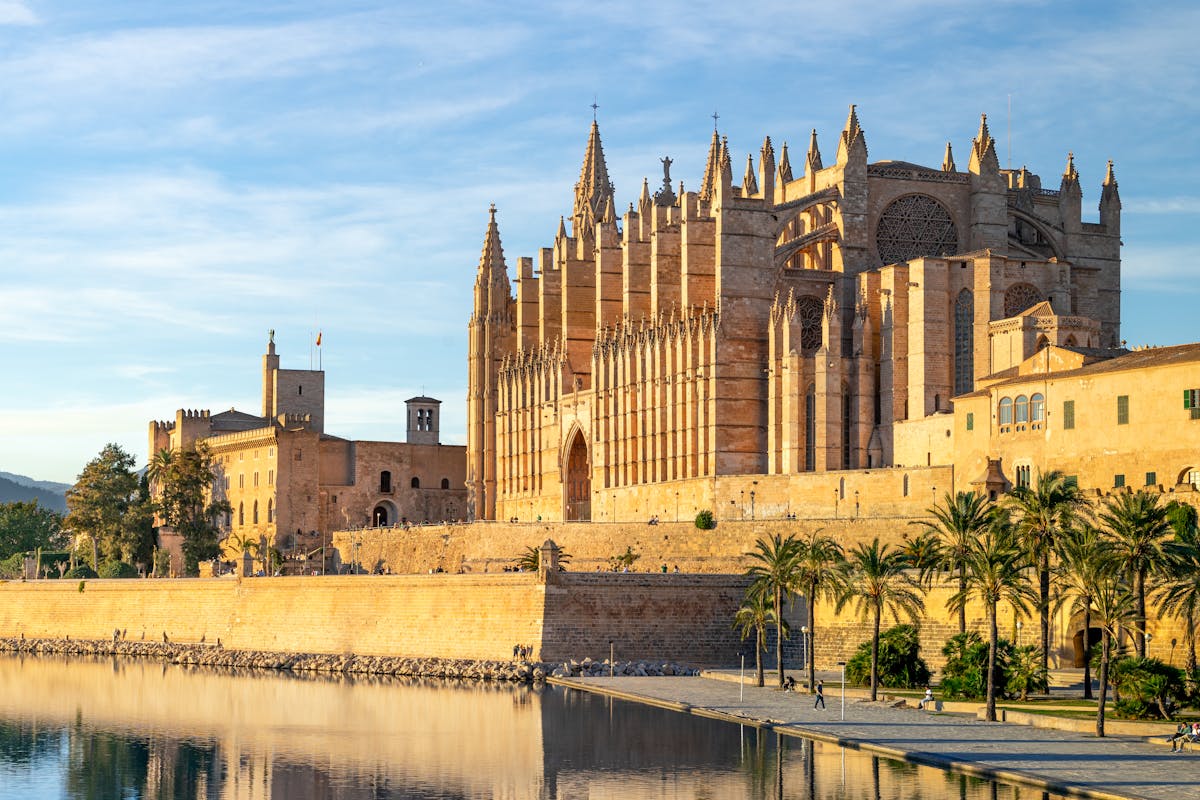
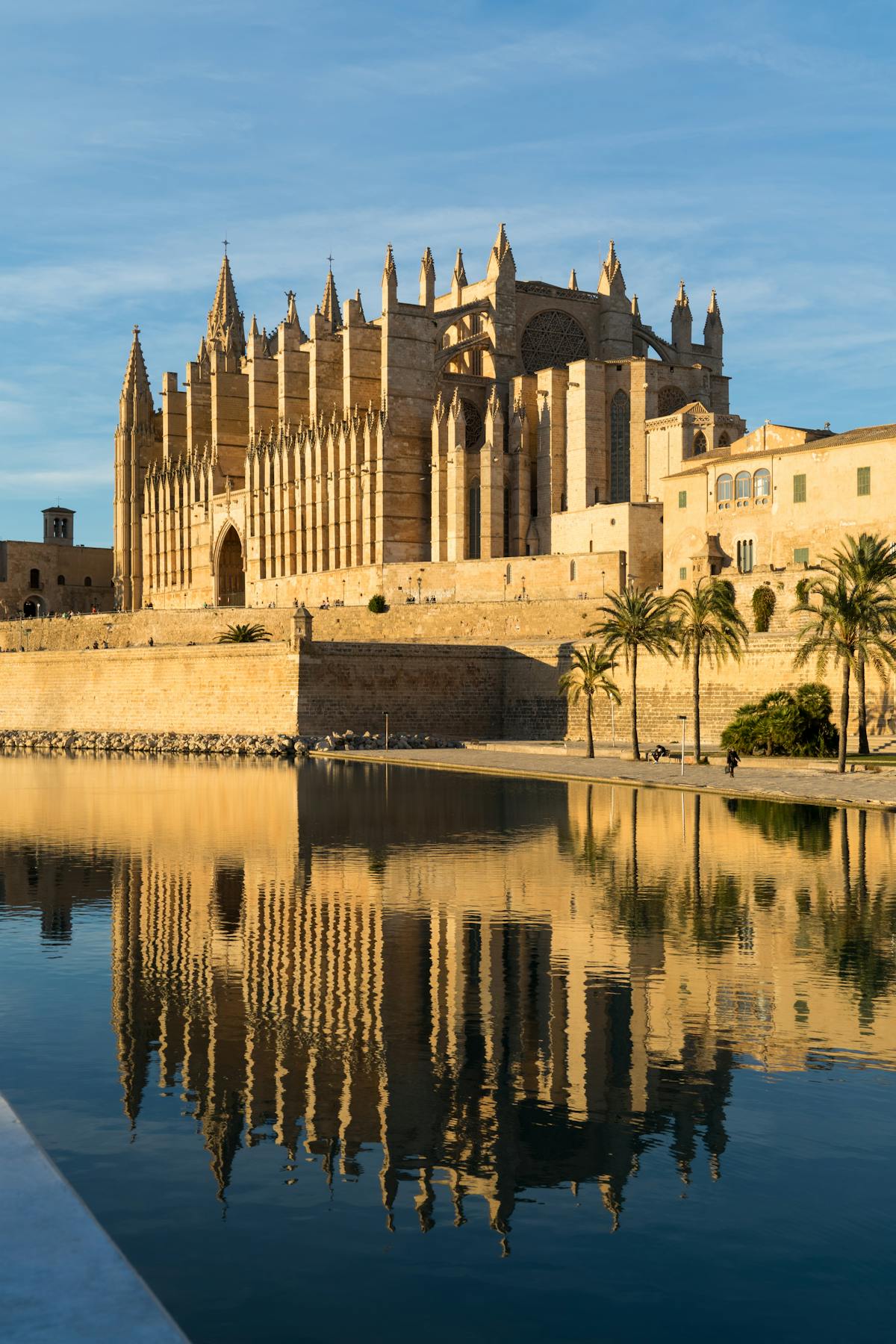
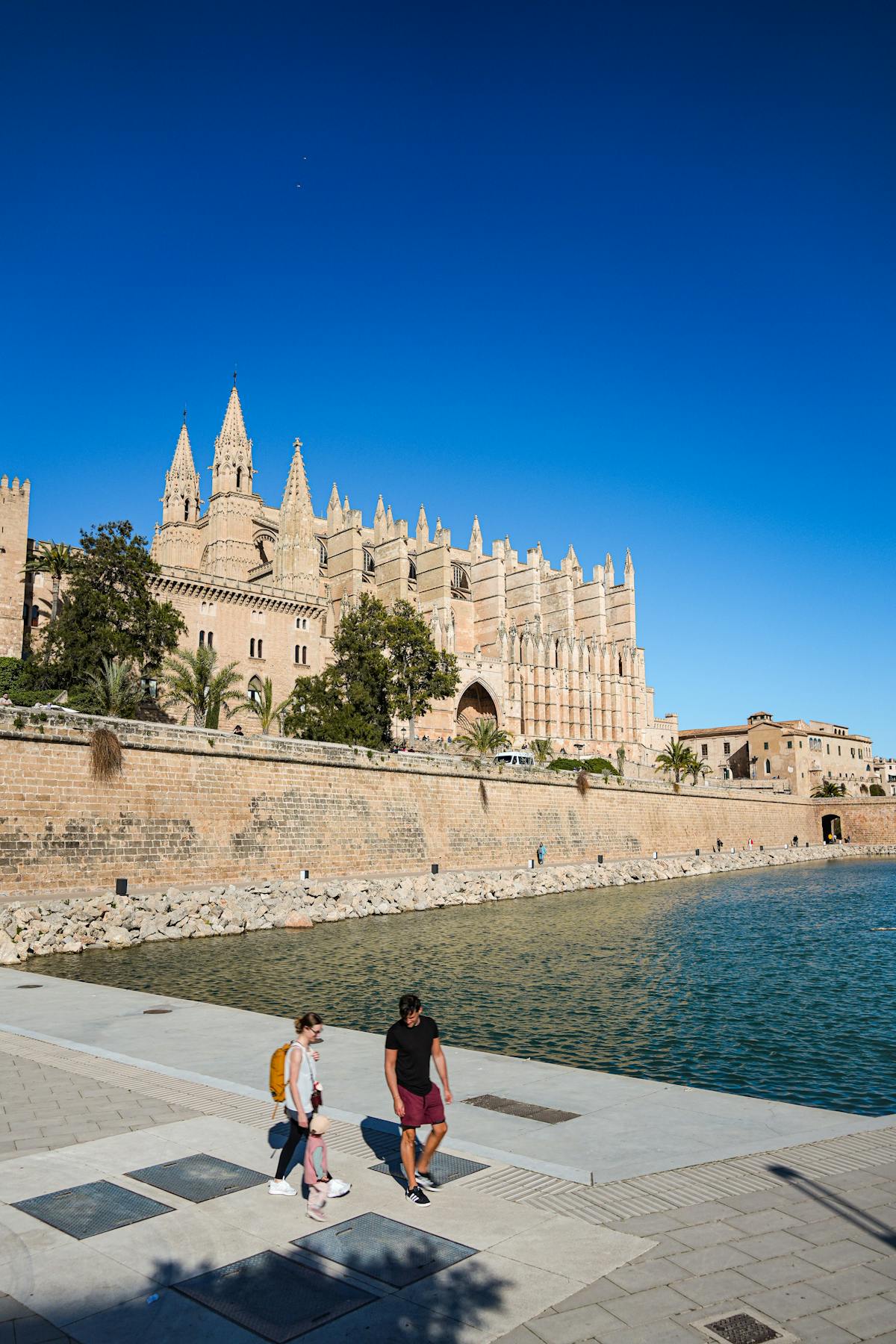
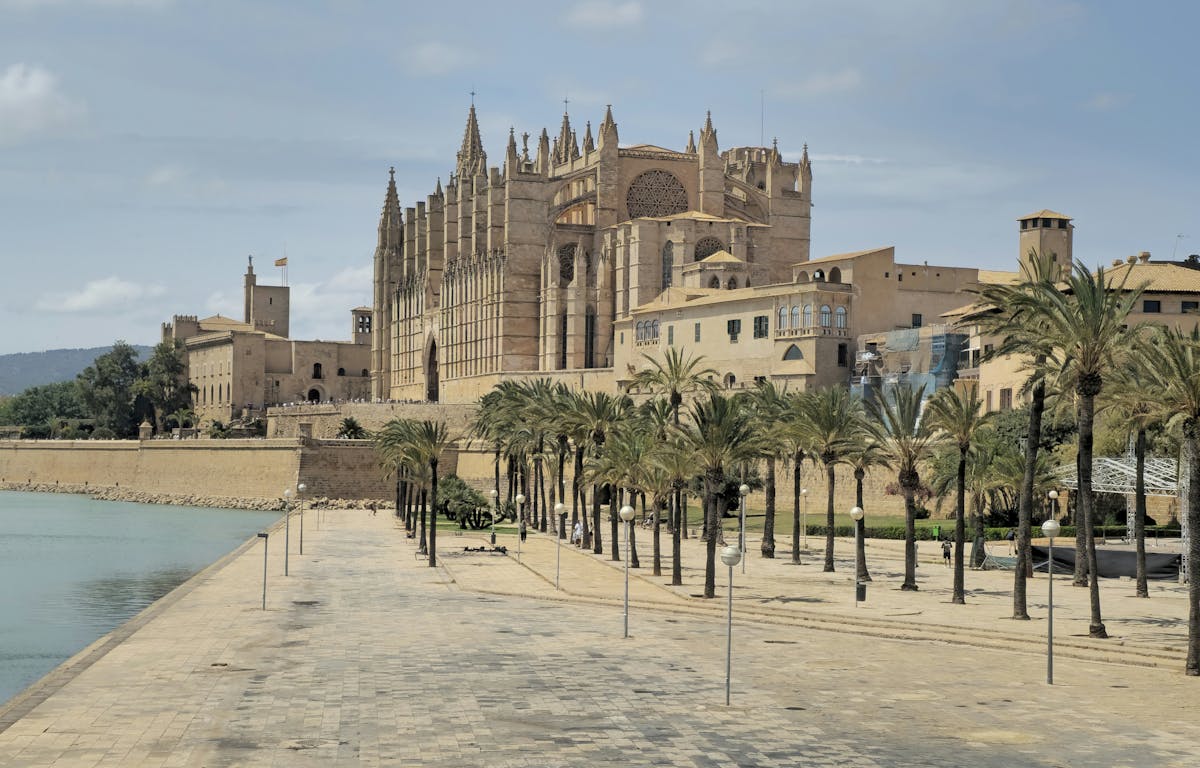
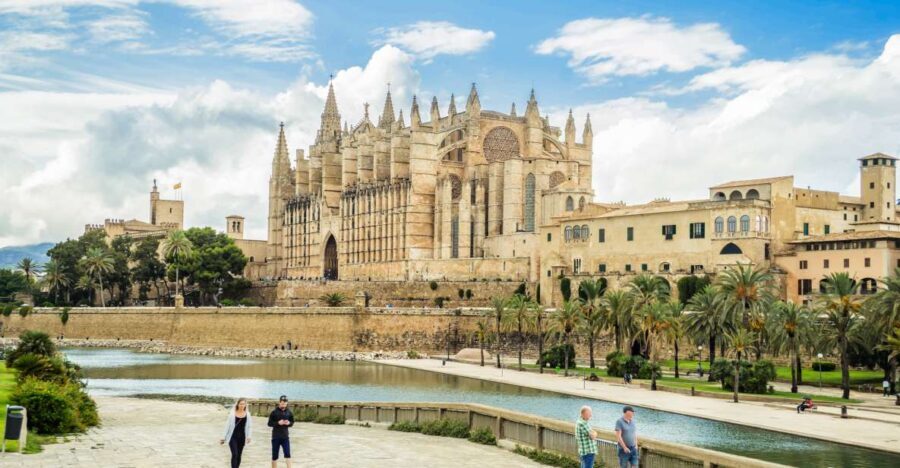
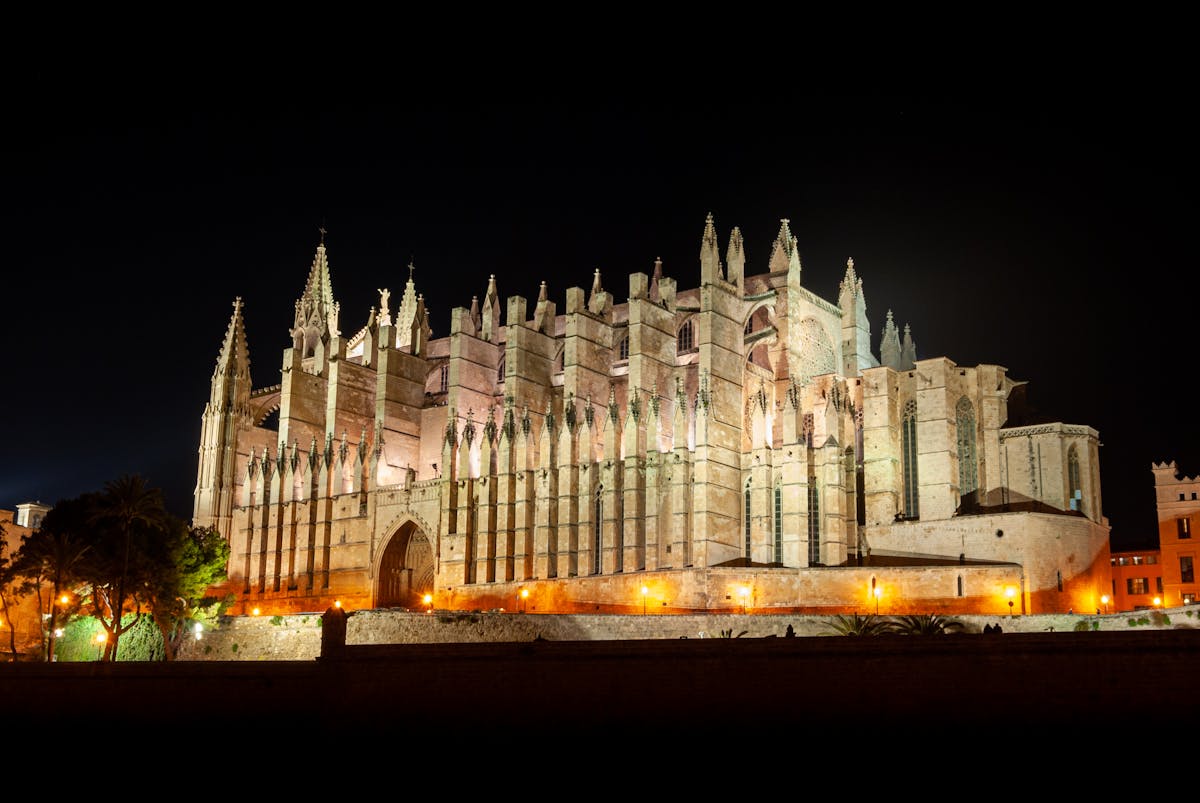
Palma’s cathedral sits right on the waterfront, which is unusual enough for a building that took 400 years to finish. Most medieval cathedrals ended up landlocked as their cities expanded. La Seu just stayed put at the edge of the harbour, and now you can see it from the ferry as you pull into Mallorca, from the promenade below, and from half the restaurant terraces in Palma’s old town.
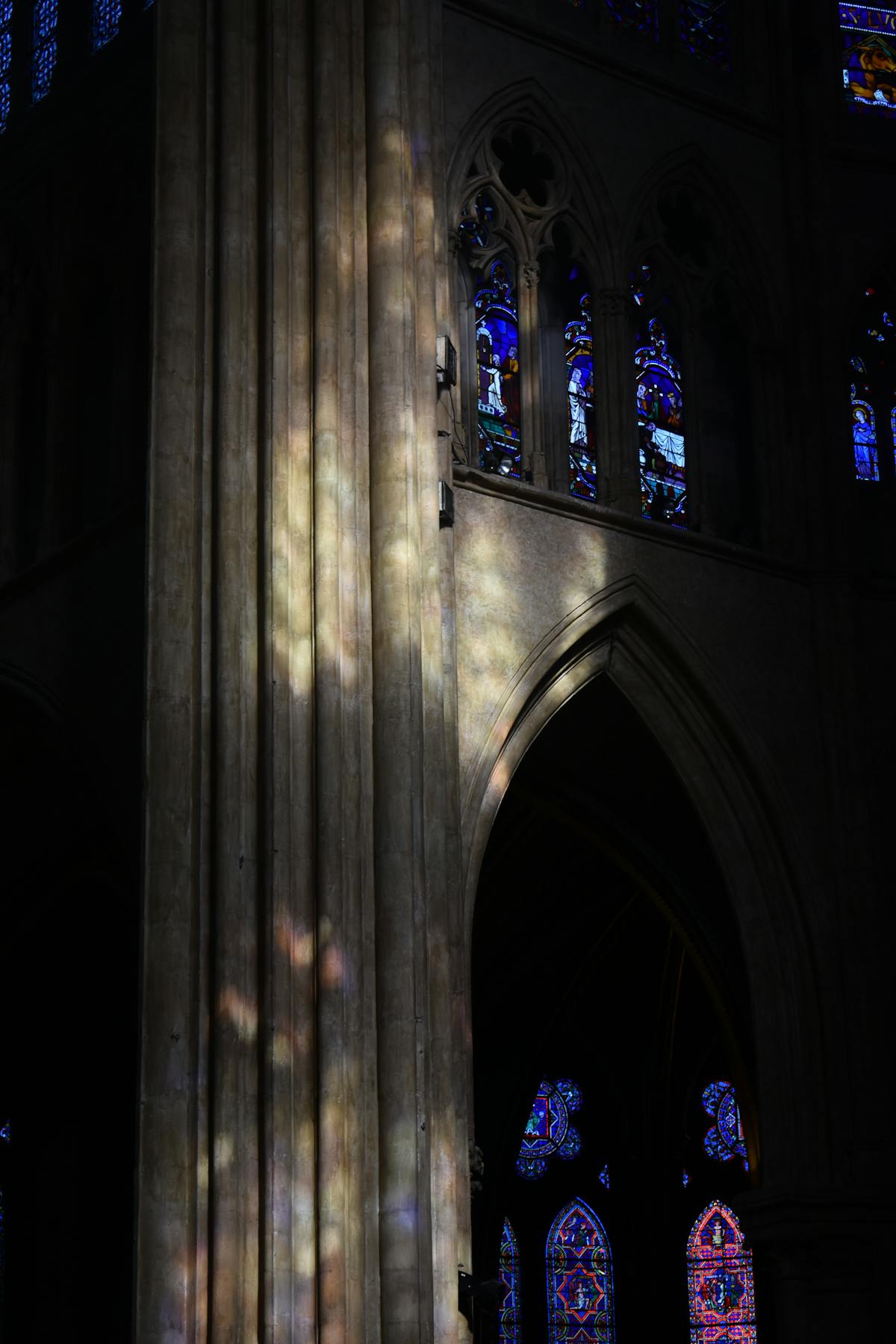
What makes it worth going inside (rather than just admiring the exterior, which plenty of people do) is the combination of scale and light. The nave stands 44 metres tall, making it one of the highest Gothic naves in Europe. And then there is the rose window — 13 metres across, roughly 1,200 pieces of glass — which throws a kaleidoscope of colour across the interior on winter mornings when the sun hits it at the right angle. Antoni Gaudi spent ten years working on the interior in the early 1900s. His crown of thorns chandelier hangs above the altar, all twisted iron and sharp angles, and it is so distinctly Gaudi that you would recognize his hand even without the placard.
I have gone through the ticket options and the best tours that include the cathedral, and put together what you actually need to know about visiting — when to go, what to expect inside, and which ticket or tour makes sense depending on how much time you have.
In a Hurry? Top Picks
- Best value (from $12): Cathedral Skip-the-Line Entry Ticket — Straight past the queue and into the cathedral at your own pace. Includes the nave, chapels, Gaudi’s interior, the rose window, and the museum. The one most people should book. Book this ticket
- Best with a guide (from $46): Guided Tour of Palma Old Town — A walking tour that covers the cathedral, the old Jewish quarter, the Arab baths, and the narrow streets around the historic centre. You get context that a self-guided visit misses. Book this tour
- Best for covering ground (from $32): Hop-On Hop-Off Bus Tour — Cathedral stop plus Bellver Castle, the harbour, and Palma’s main sights on one ticket. Practical if you have a single day and want to see more than the old town. Book this tour
- In a Hurry? Top Picks
- Palma Cathedral Tickets: Your Options
- 3 Best Ways to Visit Palma Cathedral
- 1. Cathedral of Mallorca Skip-the-Line Entry Ticket —
- 2. Guided Tour of Palma Old Town —
- 3. City Sightseeing Hop-On Hop-Off Bus Tour —
- When to Visit Palma Cathedral
- Tips for Visiting
- What You Will See Inside
- More Mallorca Guides
Palma Cathedral Tickets: Your Options
There are really only two ways to get inside: buy a ticket at the door, or book a skip-the-line ticket online ahead of time. The cathedral does not do timed entry slots like some attractions, so the queue at the door can stack up fast, especially between 10:00 and 13:00 in summer.
At the door: The standard ticket is 9 euros for adults. You queue at the entrance on Carrer del Palau Reial, and waits of 20-40 minutes are common during peak hours. Children under 8 get in free, and there are discounts for students and over-65s. The ticket includes the cathedral, the chapels, the museum, and the cloister.
Skip-the-line online: The GetYourGuide skip-the-line ticket costs $12 (roughly 11 euros), which is only slightly more than the door price. You get a voucher, walk past the queue to a separate entrance, and you are inside within a few minutes. For $12, saving 30 minutes of standing in a line in the Mallorcan heat is straightforward maths.
Guided tours: The old town walking tours (covered below) include cathedral entry in the ticket price, and a guide who can actually explain what you are looking at — the Gaudi renovations, why the rose window is positioned where it is, the story behind the Trinity Chapel. Worth it if you care about the history rather than just the visuals.
Terrace access: Some tickets include access to the cathedral terraces (the rooftop), which gives you panoramic views over Palma’s rooftops, the harbour, and the sea. If the terrace option is available when you book, it is worth the extra few euros. Walking among the buttresses and pinnacles at rooftop level is a different experience entirely from the interior.
Free entry: The cathedral is free during Mass times (typically early morning and some evenings), but you cannot wander around or visit the museum — you are attending a service. The atmosphere is special though, with the organ echoing through that enormous space.
3 Best Ways to Visit Palma Cathedral
1. Cathedral of Mallorca Skip-the-Line Entry Ticket — $12
Duration: Self-paced (most people spend 45-90 minutes) | Price: From $12 per person | Includes: Skip-the-line entry, cathedral nave and chapels, Gaudi interior, rose window, diocesan museum
This is the ticket to book if you just want to see the cathedral without complications. You get a mobile voucher, show it at the priority entrance, and you are inside while the regular queue is still shuffling forward.
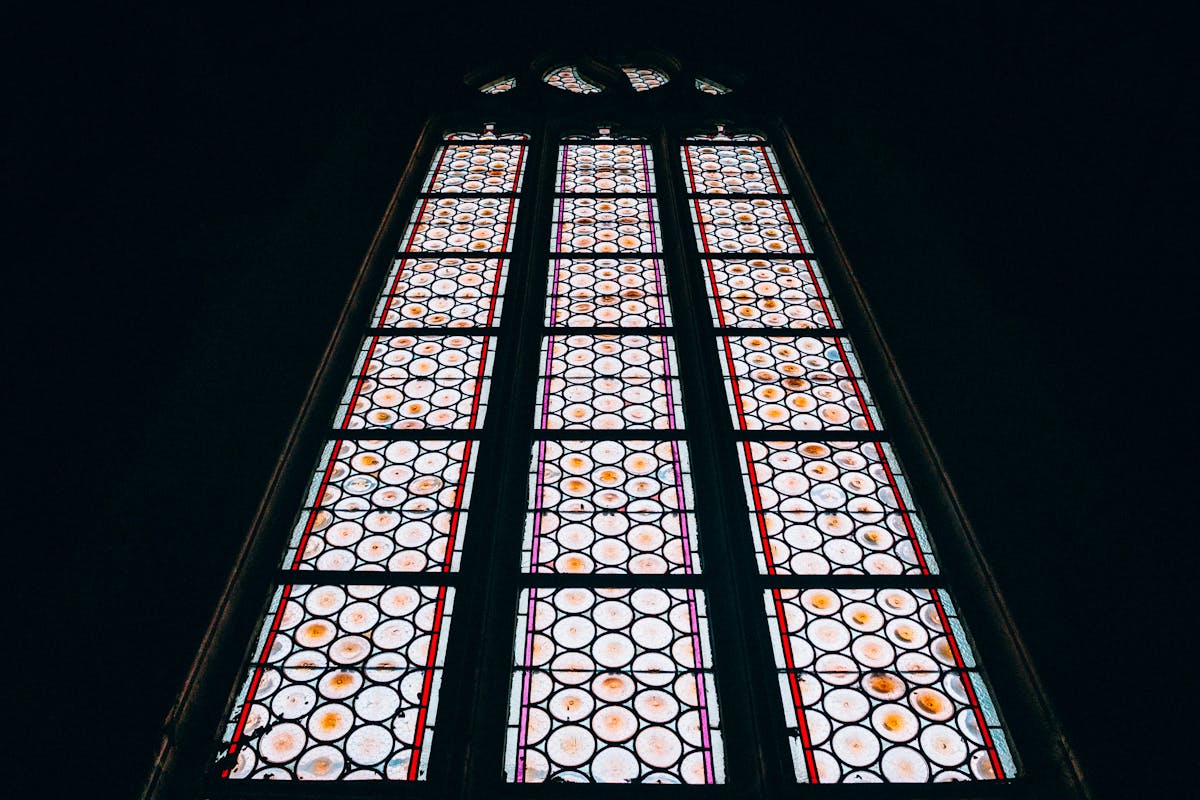
The interior will catch you off guard even if you have seen photos. The nave is 44 metres high and 117 metres long, and standing at the entrance looking down the full length toward the altar is one of those moments where the scale just hits you. Light pours in through the stained glass windows along both sides, and depending on the time of day and season, the colours shift across the pillars and floor in ways that the architects planned 600 years ago.
Gaudi’s contributions are concentrated around the main altar area. The crown of thorns chandelier is impossible to miss — it hangs from the ceiling like something between a sculpture and a light fixture, all wrought iron and candles, and it is so different from the surrounding Gothic stonework that it creates this odd but compelling contrast. He also redesigned the altar lighting and some of the choir stall arrangements before the project ran out of funding and he left for Barcelona to focus on the Sagrada Familia.
The diocesan museum is included in the ticket and sits behind the main cathedral space. It is small but worth the ten minutes — religious art, silverwork, and some medieval pieces that give context to the building’s history. Most people rush past it, which means you will likely have it to yourself.
One thing that surprised me: the cloister. It is a quiet courtyard accessible from inside the cathedral, with orange trees and a covered walkway. After the overwhelming scale of the nave, it feels like a pressure valve — intimate, quiet, and pleasantly shaded.
2. Guided Tour of Palma Old Town — $46
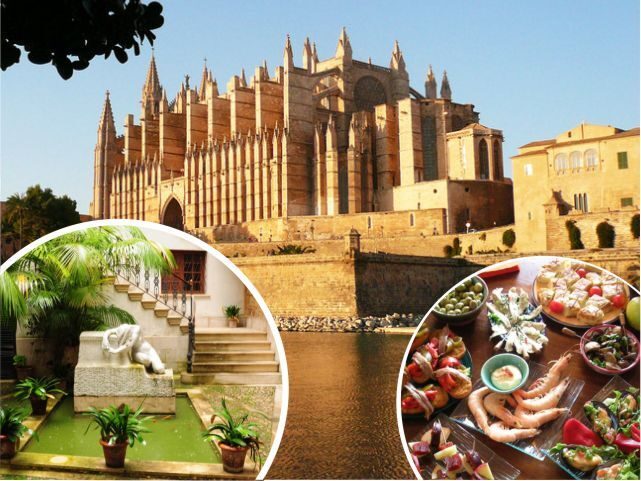
Duration: 105 minutes to 2 hours | Price: From $46 per person | Includes: Professional guide, cathedral exterior visit, old town walking tour, Jewish quarter, Arab baths
This tour makes sense if you want to understand Palma rather than just photograph it. The cathedral is the centrepiece, but the guide weaves in the layers of history around it — the Moorish palace next door (La Almudaina), the winding streets of the old Jewish quarter (El Call), and the remnants of the Arab baths that predate the cathedral by several centuries.
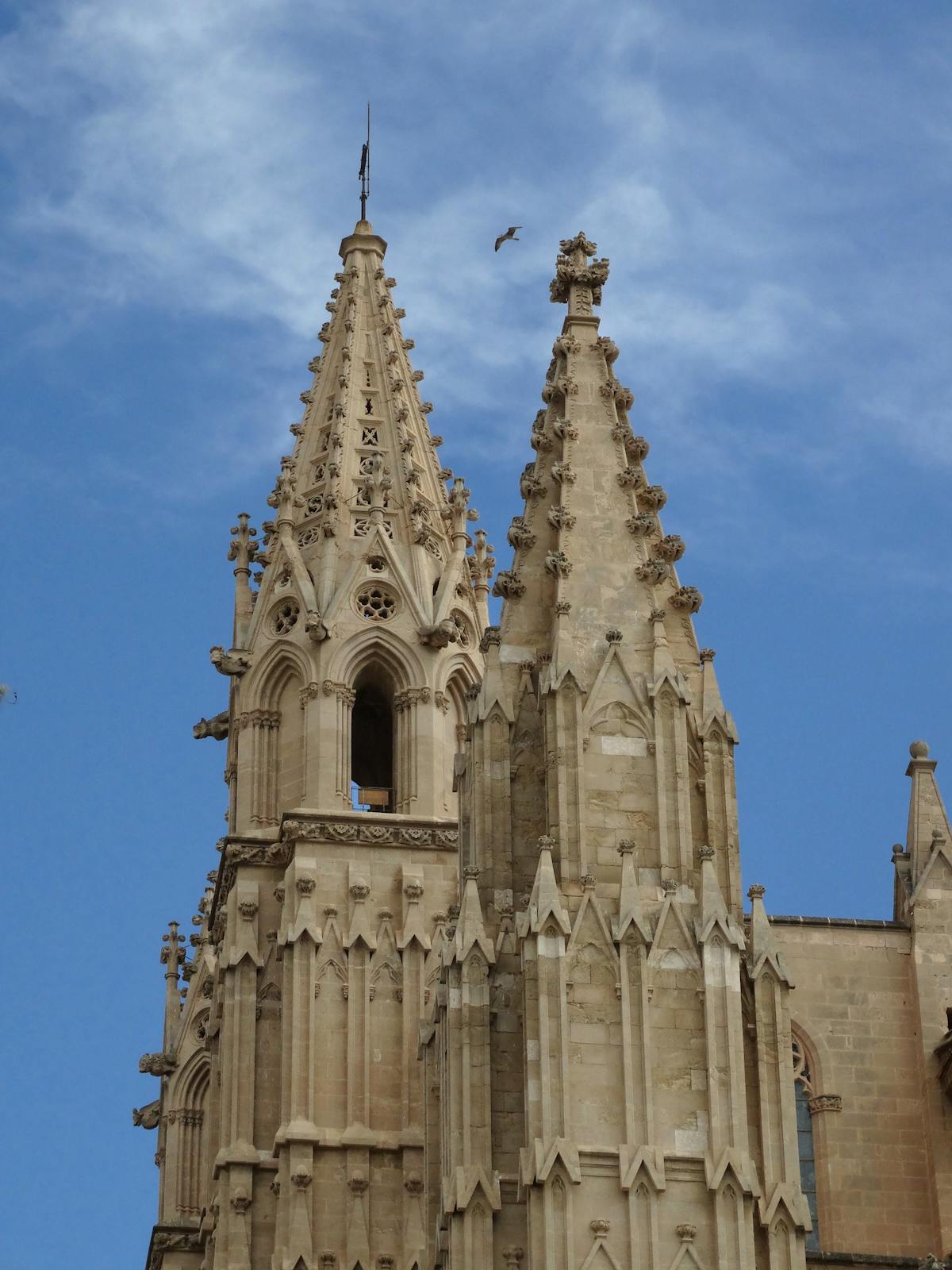
The guides know how to work the cathedral exterior without going inside (entry is separate), explaining the construction timeline, the architectural choices, and the political power struggles that shaped the building over its 400-year construction period. Standing outside while someone explains why the flying buttresses are arranged the way they are, or points out the seam where 14th-century stonework meets 15th-century additions, changes how you see the building entirely.
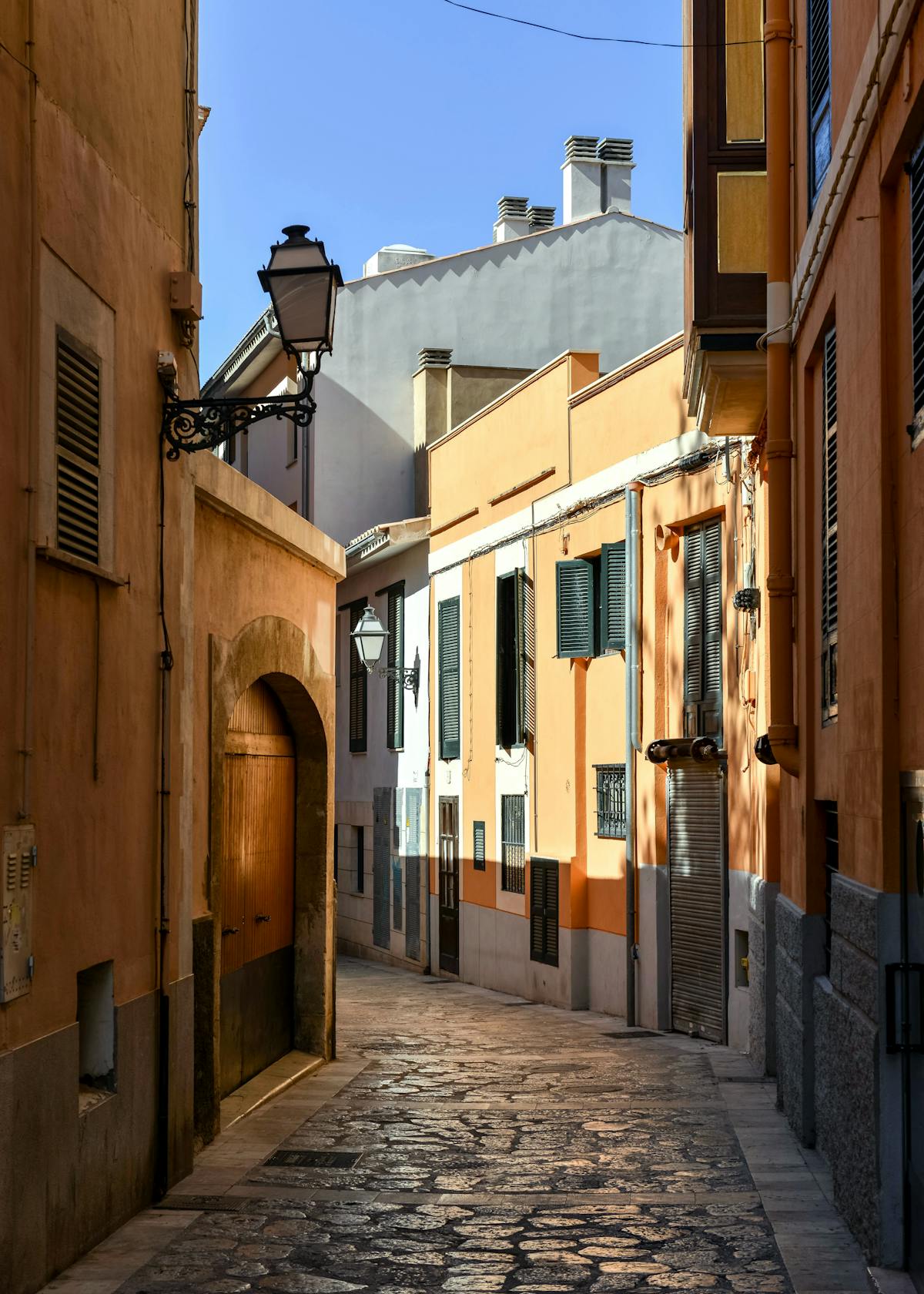
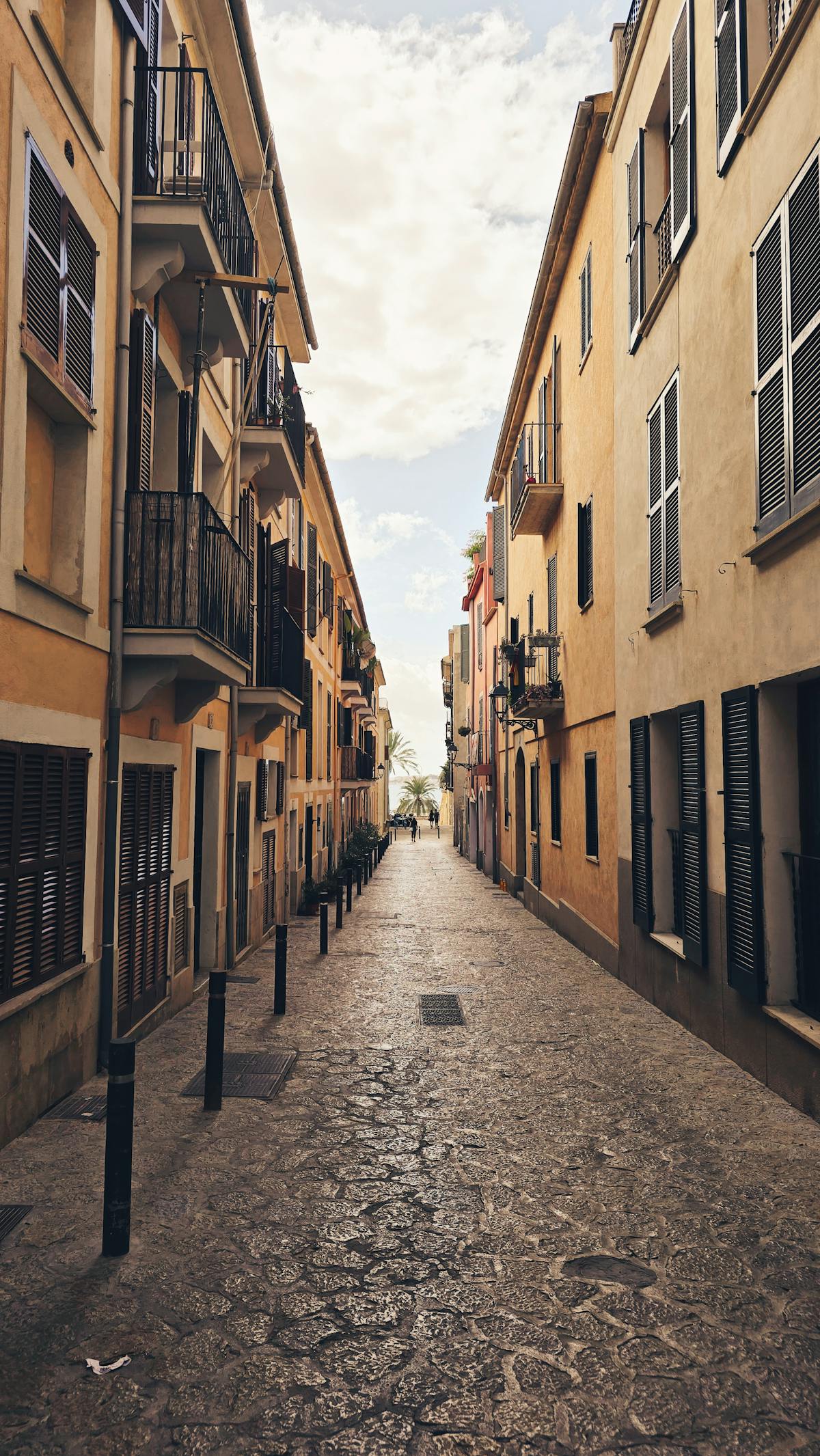
But the real value is the old town portion. Palma’s back streets are a maze of narrow lanes, Renaissance courtyards, and medieval doorways that you would walk right past without a guide. The courtyards are the standout — behind these unassuming wooden doors are open-air atriums with stone staircases, galleries, and gardens that have been private for centuries. The guides know which ones are open and which angle to stand at for the best view in through the entrance.
The Jewish quarter tour is also excellent. El Call was one of the largest Jewish communities in medieval Spain, and the physical traces are still there if you know where to look — the street patterns, the building styles, the subtle differences in the stonework. The Arab baths are the oldest surviving structure in Palma, with their horseshoe arches and domed ceiling still intact.
At $46 for two hours with a professional guide, this is competitively priced compared to similar old town tours in Barcelona or Seville. Combine it with the skip-the-line cathedral ticket above for the complete experience — tour first for the context, then go inside the cathedral on your own time.
3. City Sightseeing Hop-On Hop-Off Bus Tour — $32
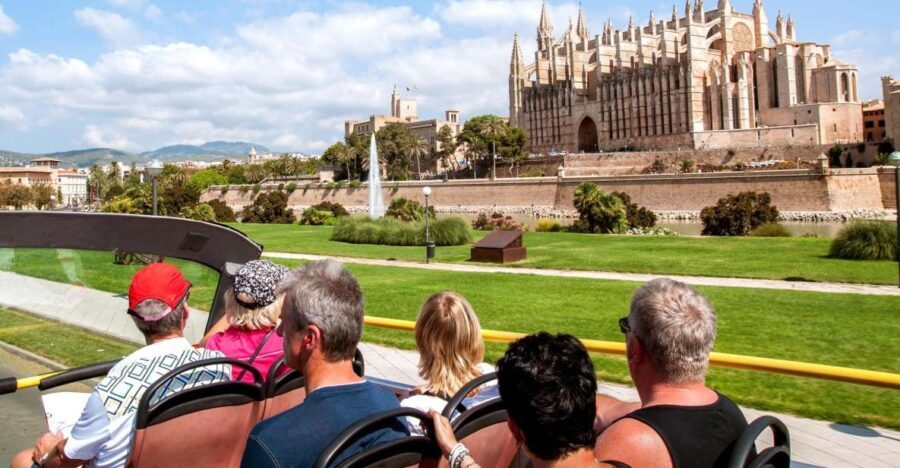
Duration: Full day (24-hour ticket) | Price: From $32 per person | Includes: 24-hour hop-on hop-off access, 16 stops including cathedral, Bellver Castle, harbour, audio guide
If you have one day in Palma and want to see more than just the cathedral, the hop-on hop-off bus is honest value. The route hits 16 stops around the city — the cathedral, Bellver Castle (the circular Gothic fortress on the hill), the harbour, the Paseo Maritimo waterfront, Es Baluard modern art museum, and the main shopping and dining areas.
The cathedral stop drops you at the Parc de la Mar, directly below the south face of La Seu. From the bus upper deck as you approach, you get that waterfront view of the cathedral that appears on every Mallorca postcard — the building rising above the old city walls with the Parc de la Mar reflecting pool in front. It is a genuinely spectacular approach, and from up on the open-top deck, you see it at roughly the same height as the medieval walls.
The Bellver Castle stop is the other highlight on the route. The castle sits on a hill above the harbour and is one of the few circular castles in Europe. The views from the top cover Palma, the cathedral, the bay, and the Tramuntana mountains in the background. Most visitors skip it because it is a 20-minute uphill walk from town, so the bus solves that problem neatly.
The audio guide covers the main landmarks in detail, and on a quiet weekday the bus runs frequently enough that you can hop off, explore for as long as you want, and pick up the next one without long waits. Weekends and peak summer get busier, with waits of 20-30 minutes at some stops.
At $32 for 24 hours, this works out cheaper than two taxi rides between the same attractions. It is not a substitute for a proper walking tour of the old town, but as a way to orient yourself in Palma and hit the main sights efficiently, it does exactly what it needs to.
When to Visit Palma Cathedral
The cathedral is open Monday to Saturday year-round, with hours that shift by season. The key times to know:
Summer (June-September): Monday to Friday 10:00-17:15, Saturday 10:00-14:15. These are the busiest months, and the queue builds steadily from opening. By 11:00 on a July morning, you are looking at 30-40 minutes in the sun.
Winter (November-March): Monday to Friday 10:00-15:15, Saturday 10:00-14:15. Shorter hours but far fewer visitors. And here is the thing that makes winter worth considering — on two mornings a year (around February 2nd and November 11th), the sun aligns with the rose window and projects a perfect circle of coloured light onto the opposite wall. They call it the Festival of Light and it draws photographers from across Europe. But even on a regular winter morning, the lower sun angle makes the interior light more dramatic than anything you will see in summer.
Best time to visit: First thing in the morning, any day. Show up at 10:00 when the doors open and you will be among the first inside. The light at this hour is clean and direct, the space feels enormous without crowds filling it, and you can spend time at the Gaudi altar and the rose window without jostling for position. The skip-the-line ticket makes this even more effective — you are inside and have the best spots to yourself while the regular queue is still forming.
Avoid: 11:00 to 13:00 in summer. This is when the cruise ship passengers arrive in organized groups, and the interior goes from contemplative to chaotic. If you are stuck with a midday slot, head straight to the museum and cloister first, then double back to the main nave once the groups have moved through.
Sundays: The cathedral is closed to travelers on Sundays (services only). You can attend Mass, which has its own atmosphere — the organ filling the nave, the voices echoing off stone — but you cannot explore freely or visit the museum.
Tips for Visiting
Dress code: Shoulders and knees must be covered. This is enforced — they will turn you away. Carry a light scarf or sarong in your bag if you are coming from the beach. Men in sleeveless shirts get turned away too.
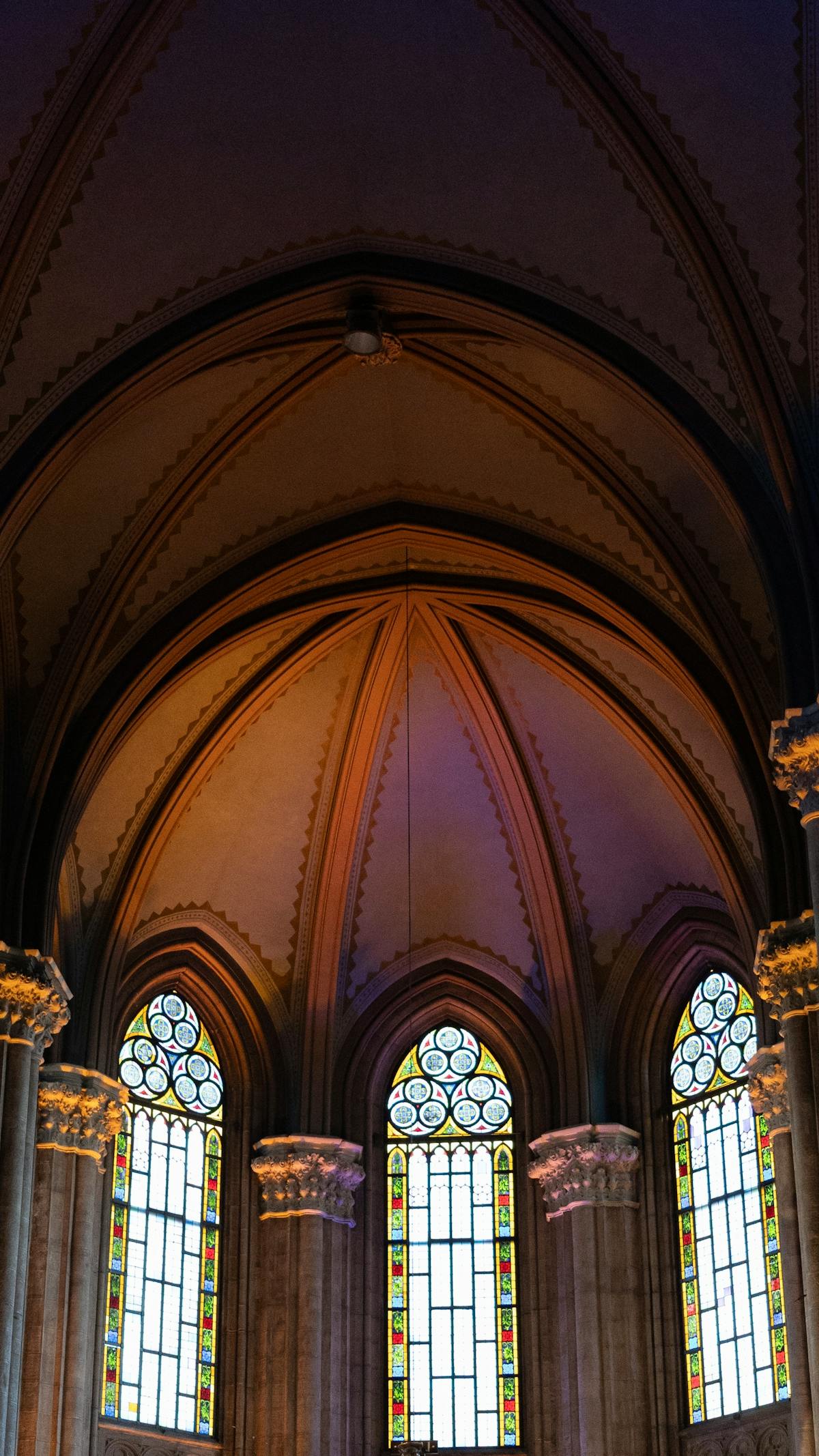
Photography: Allowed without flash or tripods. The interior is dim enough that your phone camera will struggle in places, but the stained glass windows and the Gaudi chandelier are bright enough to photograph well. A wide-angle lens helps with the scale of the nave.
Combine with: The Royal Palace of La Almudaina is literally next door. Same ticket office, and a combined ticket is available. The palace is the official summer residence of the Spanish royal family and has Moorish-era architecture, tapestry-lined rooms, and views over the harbour from the upper floors. Budget an extra 45 minutes.
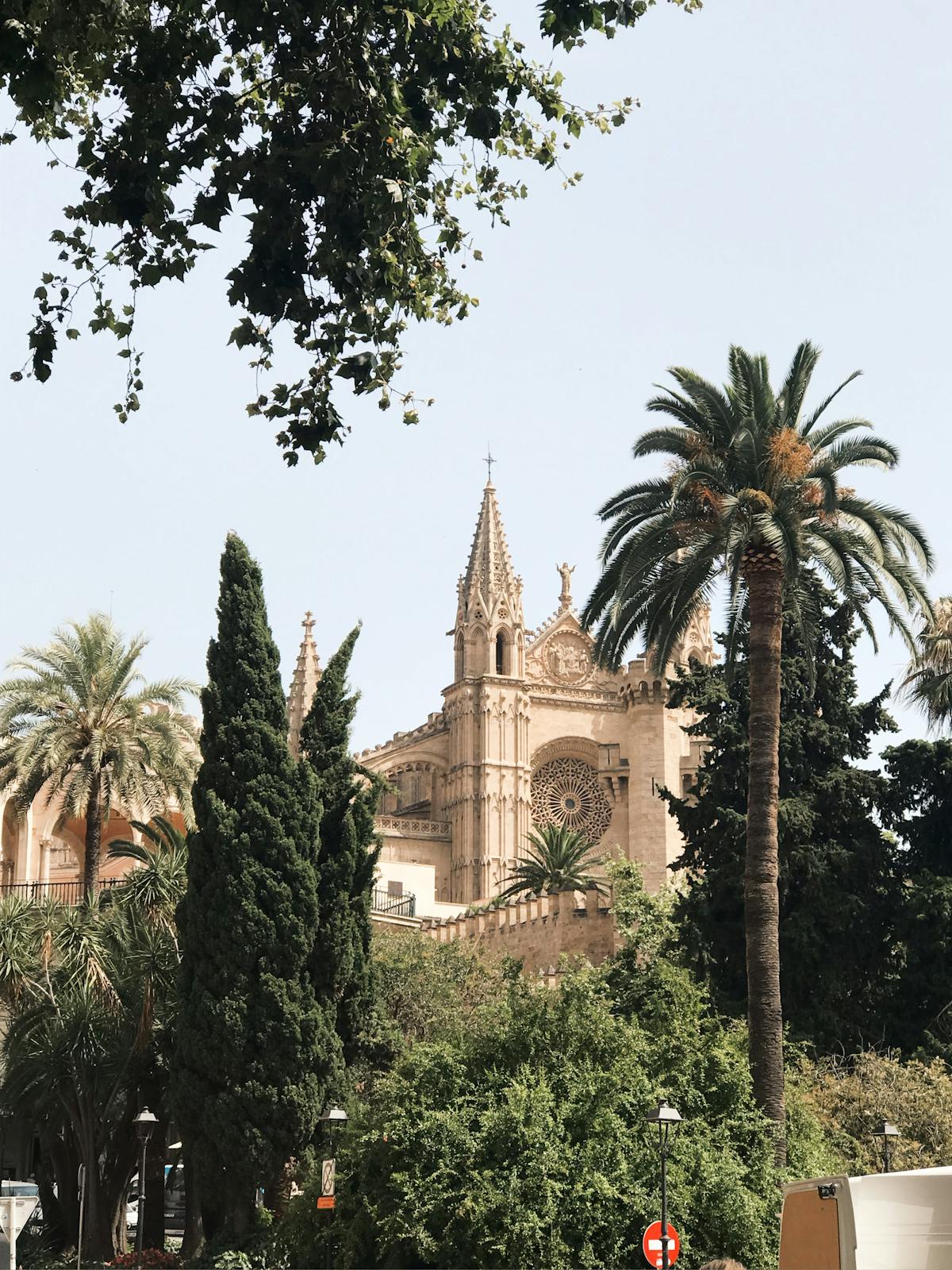
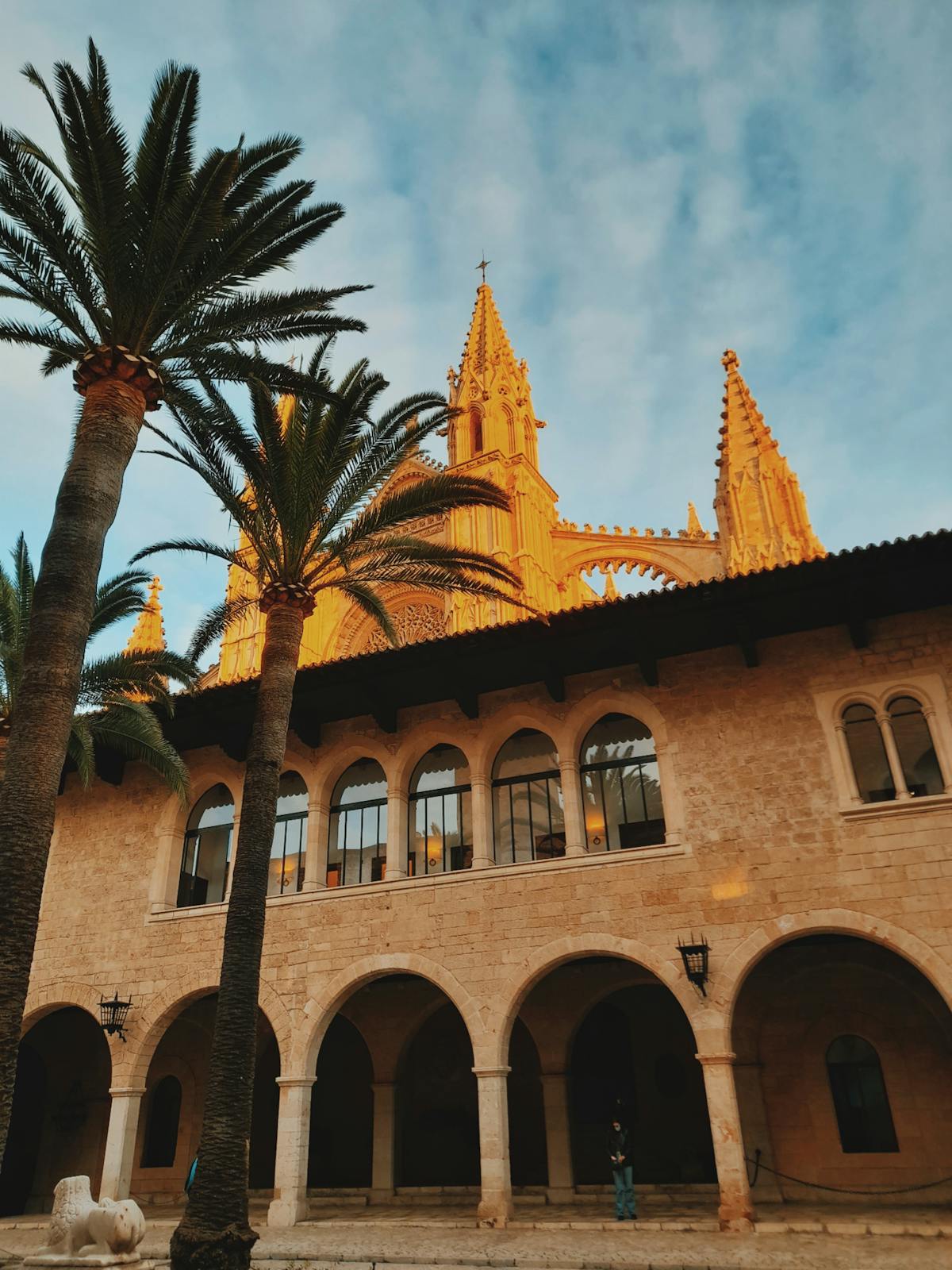
The exterior is free: You do not need a ticket to appreciate La Seu from outside. The south face above the Parc de la Mar is the classic postcard view, but walk around to the west side for the main portal, and to the north for the quieter garden approach through palm trees. Some people spend 30 minutes photographing the exterior and decide that is enough.
Wheelchair access: The main entrance has step-free access and the interior is on one level. The museum and some side chapels have steps.
Budget roughly 60-90 minutes inside: That gives you time to properly take in the nave, the rose window, the Gaudi works, the side chapels, the cloister, and the museum without rushing. Speed visitors do it in 30 minutes, but they miss most of what makes this building special.
What You Will See Inside
The nave: The first thing that registers is the height. At 44 metres, the vault is one of the tallest Gothic ceilings in the world — only Beauvais in France goes higher, and that one famously collapsed. The 14 slender octagonal columns supporting it are spaced wide apart, which gives the interior an openness that most Gothic cathedrals lack. The effect is less cave, more hall of light.
The rose window (Oculus Major): Positioned on the eastern wall above the main altar, it is 13.8 metres in diameter and one of the largest Gothic rose windows anywhere. On winter mornings around the solstice, the sun passes directly through it and projects a perfect multicoloured circle onto the opposite wall below the western rose window, creating a figure eight of light. The alignment is deliberate and was engineered by the original builders.
Gaudi’s interventions: Between 1904 and 1914, Gaudi reorganized the choir area, designed new lighting, and created the crown of thorns chandelier (baldachin) above the main altar. He also removed some Baroque additions to return the space to its Gothic roots, and added ceramic tile decorations around the altar. The project ended abruptly when he disagreed with the bishop, and he moved on to the Sagrada Familia. The work he left behind is both unmistakably his and oddly at home in this much older space.
The Trinity Chapel: At the east end behind the main altar, this chapel contains the tombs of two Mallorcan kings — Jaume II and Jaume III. The sculpted sarcophagi are intricate and well-preserved, and the chapel itself has a more intimate scale than the rest of the cathedral. Easy to miss if you do not walk all the way around the altar.
The chapels: There are 18 side chapels along the nave, each dedicated to a different saint or patronage, each with its own altar, artwork, and decorative style spanning several centuries. The Chapel of the Holy Sacrament (Capella del Santissim) is the standout — it was renovated by the Mallorcan artist Miquel Barcelo between 2001 and 2007, and his ceramic murals covering the walls are a radical departure from the Gothic surroundings. Organic, flowing, almost cave-like surfaces depicting the miracle of the loaves and fishes. It divides opinion sharply, but it is impossible to ignore.
The museum: The Diocesan Museum sits behind the main cathedral and contains religious art, Gothic paintings, silverwork, and liturgical objects spanning the cathedral’s history. It is small enough to cover in 15 minutes and gives background on the building phases, the architects involved, and the political context of its construction.