
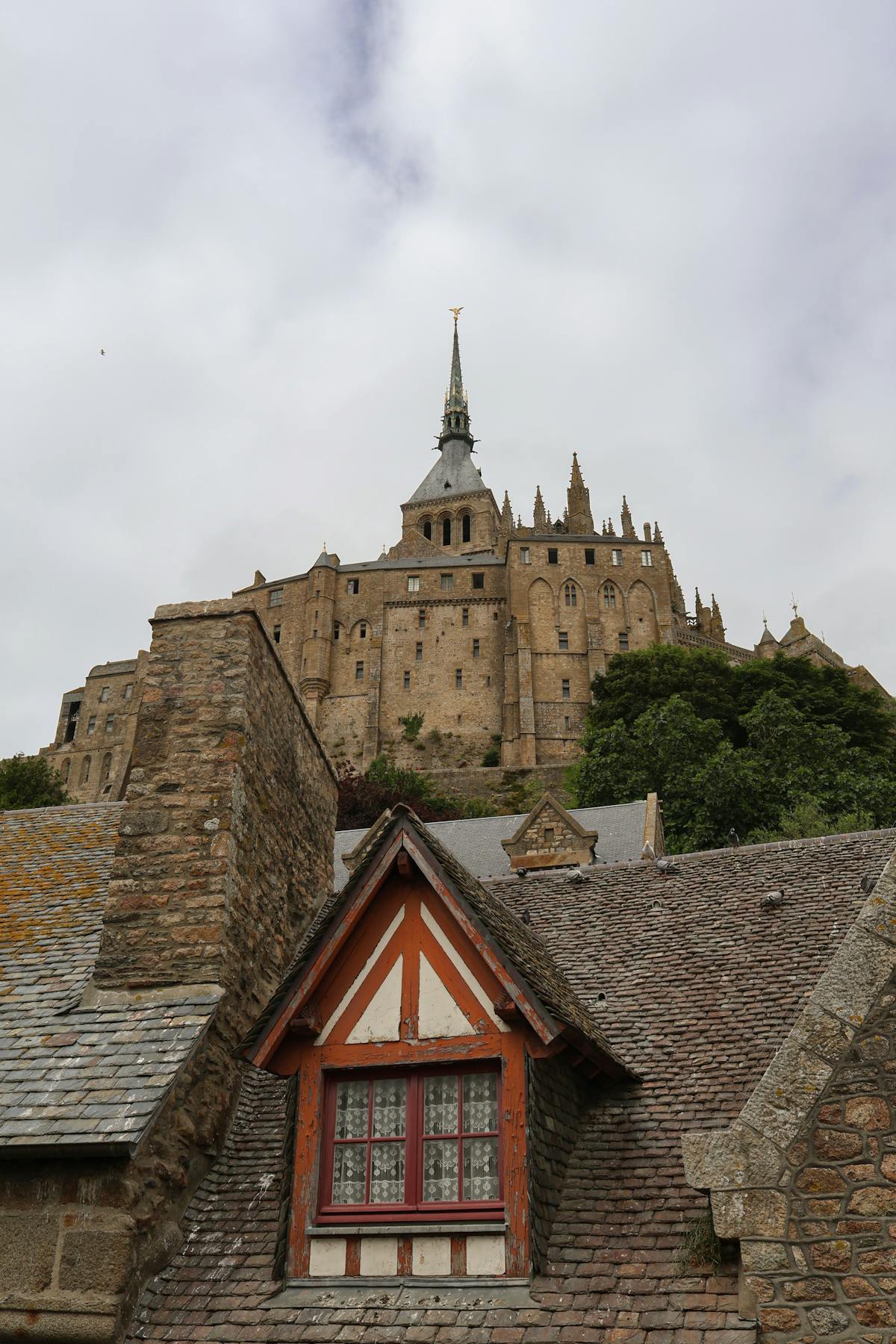
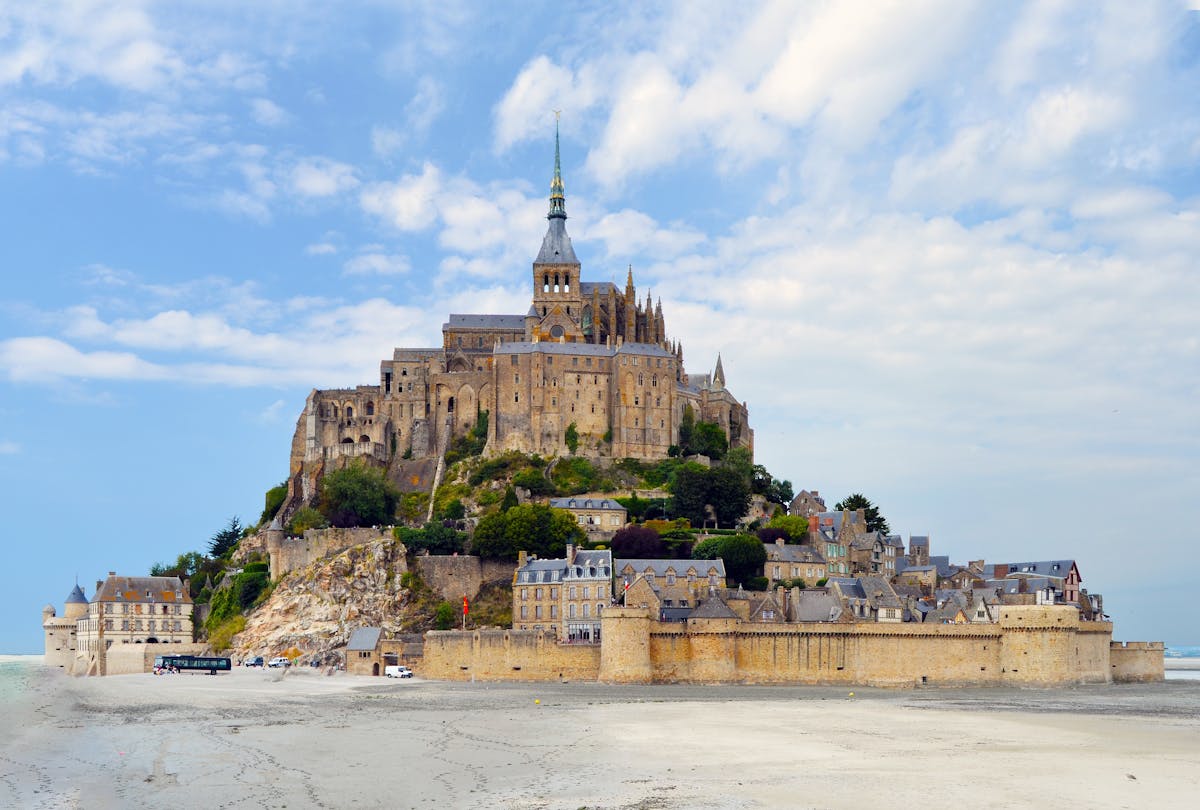
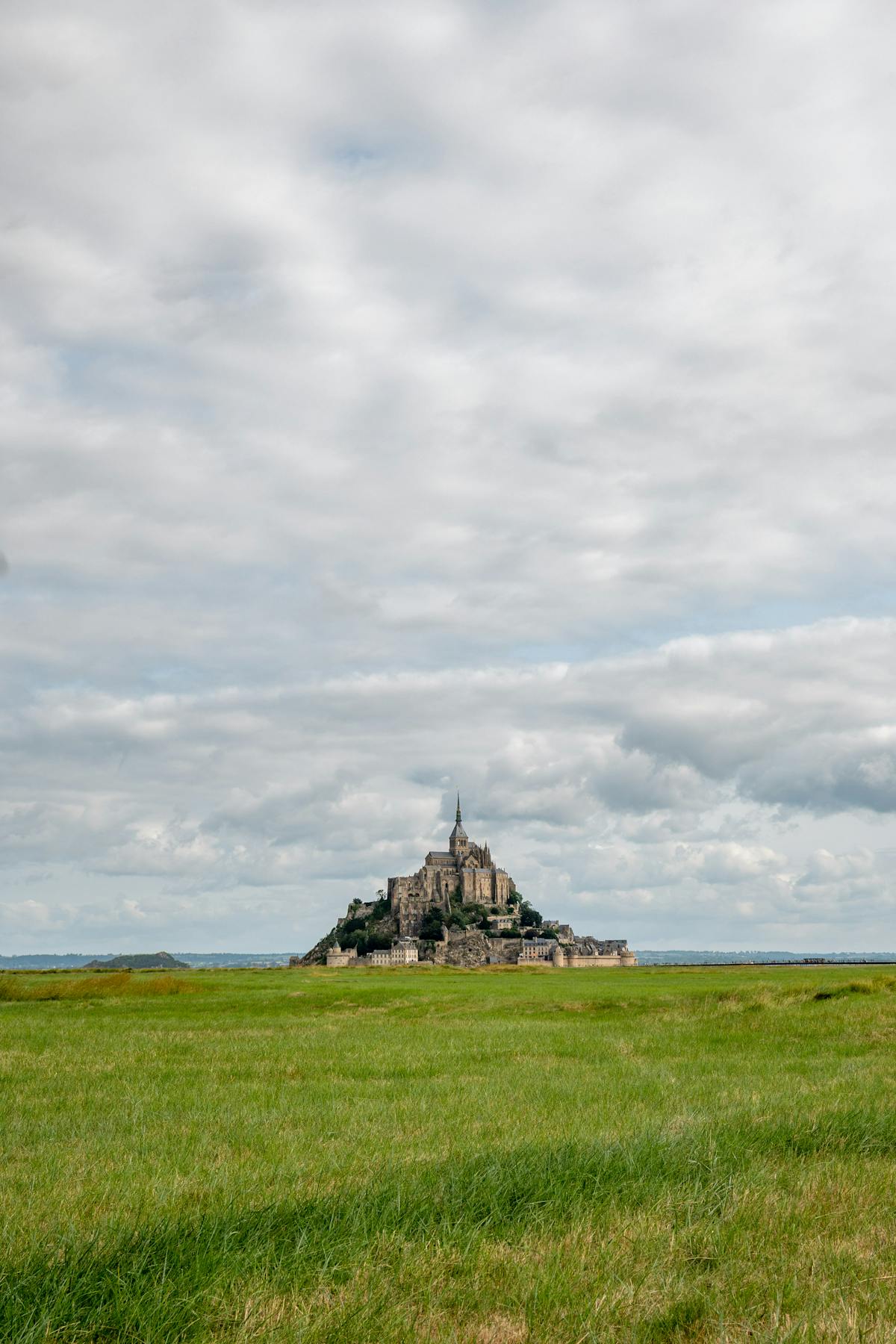
You see it from about twenty minutes away. Just a tiny point on the horizon, barely distinguishable from the clouds. Then the road straightens out across the Normandy polders and suddenly there it is — an entire medieval town stacked on a granite island, topped with a Gothic abbey whose spire reaches 170 metres above the sand flats. It looks like something that shouldn’t exist.
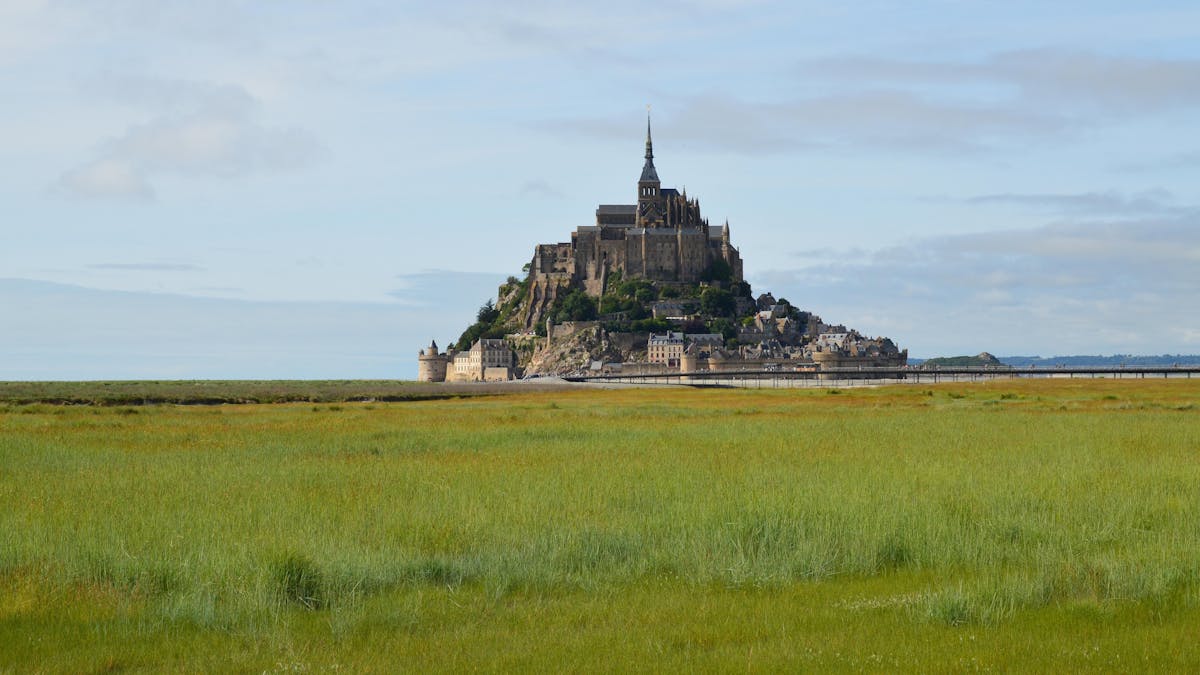
Mont Saint-Michel has been pulling people across France for over a thousand years. Pilgrims first, soldiers and monks after them, and now roughly three million visitors annually who make the trip from Paris — which is about four hours each way, making this a genuine commitment. But it’s one of those places where the effort disappears the moment you step through the King’s Gate and start climbing the narrow streets toward the abbey.
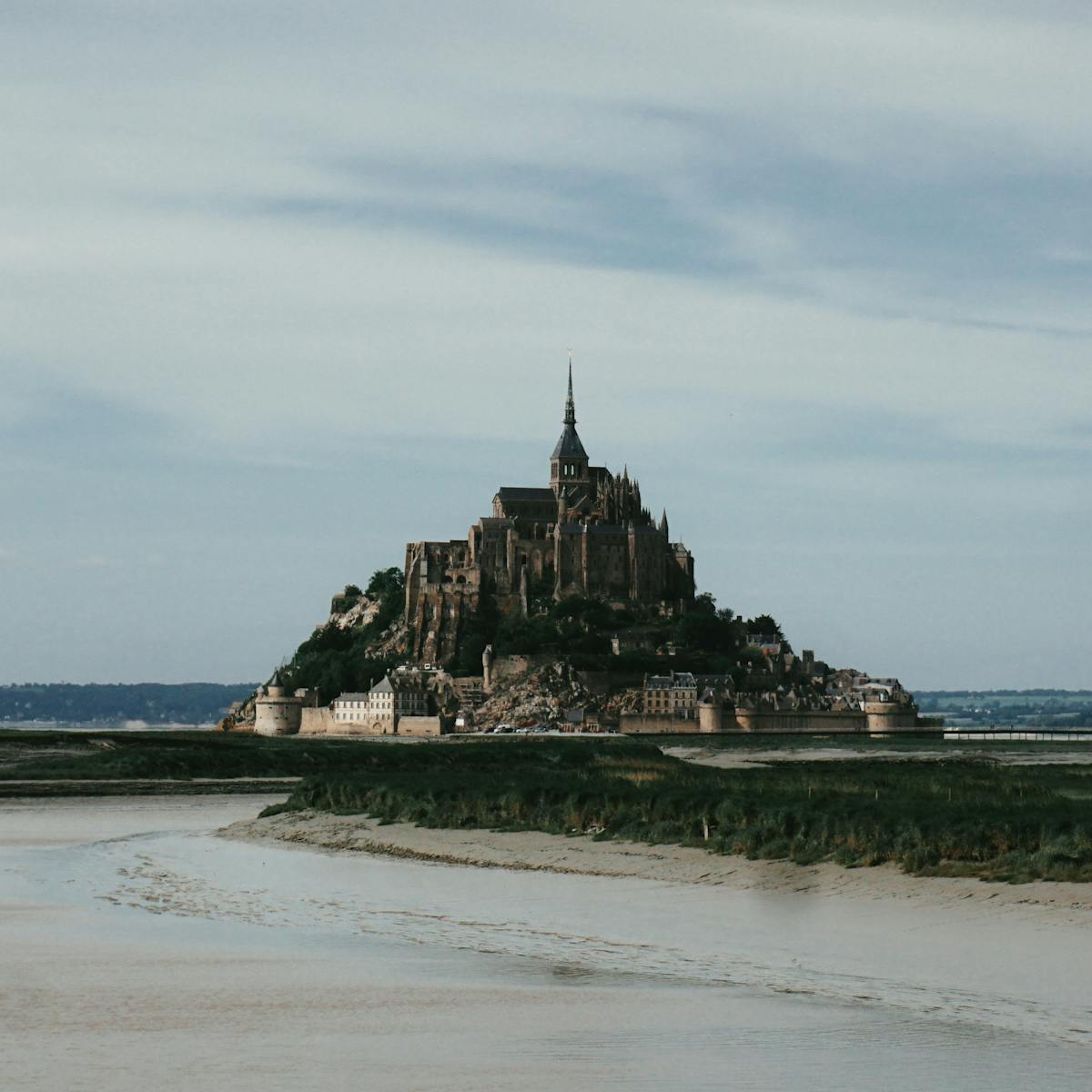
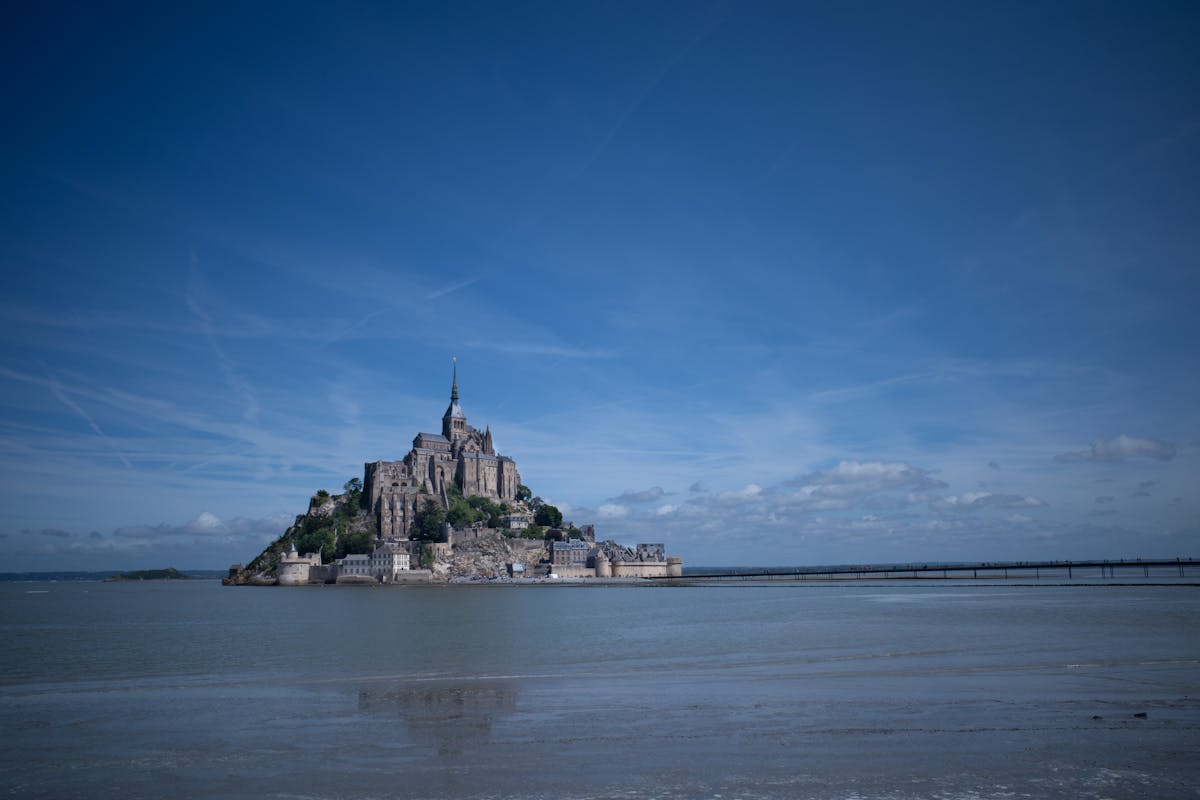
I’ve put together everything you need to plan this trip: how to get there (coach tour vs train vs driving), which tours are actually worth booking, what you’ll see when you arrive, and when to go to dodge the worst of the crowds. The bay tides here can shift the entire landscape in a matter of hours — one moment you’re looking at an island, the next it’s surrounded by kilometres of wet sand — so timing matters more than you’d think.
Best day trip from Paris: The Day Trip from Paris with English Speaking Guide — $132, coach transport, full day with free time to explore. Leaves Paris early morning, back by evening. The most popular option by a wide margin.
Best value abbey ticket: The Mont Saint-Michel Abbey Entry Ticket — $15 gets you into the abbey itself. Buy this if you’re making your own way there by train or car.
Best premium experience: The Small-Group Trip with Cider Tasting — $266, max 8 people, includes a stop at a Norman cider farm. Longer price tag, but the small group means you actually get to talk to your guide.
- Getting There from Paris: Your Options
- The Best Tours to Book
- 1. Day Trip from Paris with English Speaking Guide
- 2. Mont Saint-Michel Abbey Entry Ticket
- 3. From Paris: Full-Day Guided Tour with Abbey Entry
- 4. Small-Group Trip with Cider Tasting from Paris
- When to Visit Mont Saint-Michel
- Practical Tips That Actually Matter
- What You’ll Actually See
- While You’re in France
- More France Guides
Getting There from Paris: Your Options
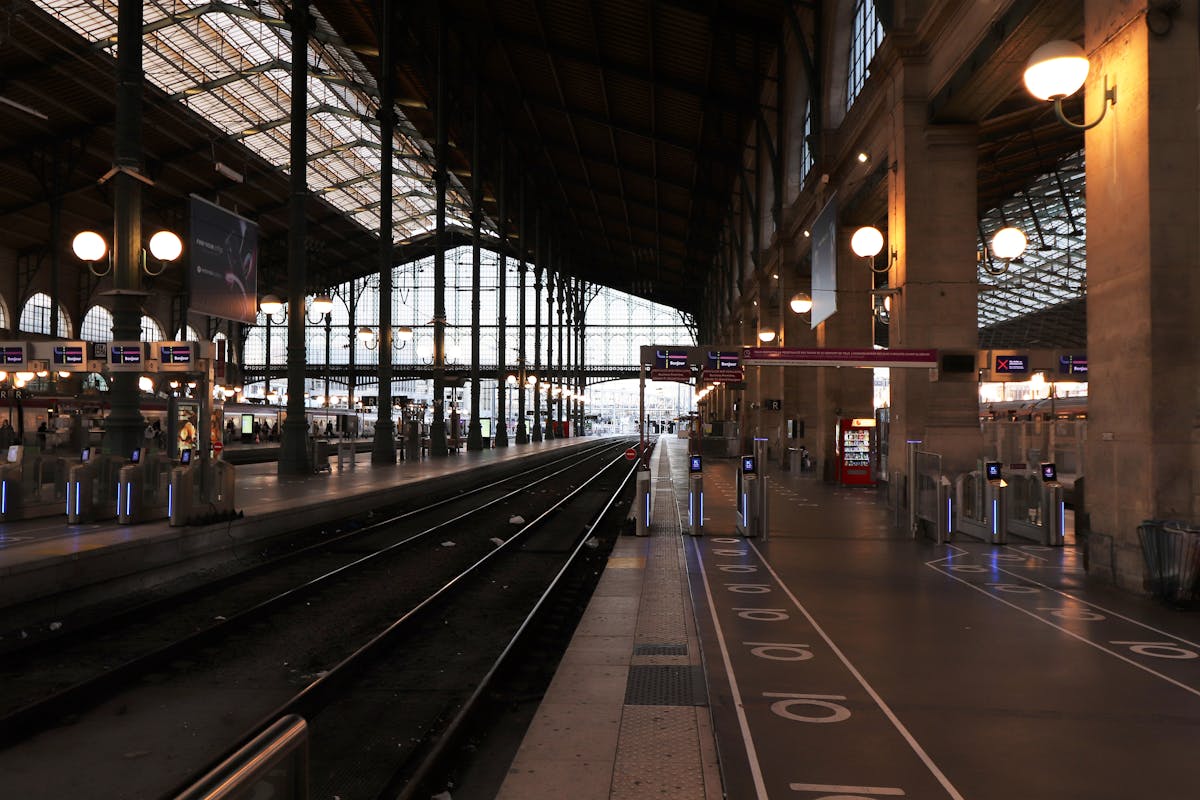
Mont Saint-Michel sits on the border of Normandy and Brittany, about 360 kilometres west of Paris. That’s a solid four hours in a car, four and a half by train (with a bus transfer), or around four hours on a tour coach that does the driving for you. There’s no direct train to the island — you’ll always need to switch to a bus or shuttle for the final stretch.
Option 1: Guided coach tour (easiest)
This is what most visitors from Paris choose, and honestly, it’s hard to argue with the logic. A coach picks you up in central Paris around 7:15am, drives you directly to Mont Saint-Michel, gives you several hours to explore, and drops you back in Paris by 9:00 or 9:30pm. No train changes, no bus transfers, no figuring out the SNCF timetable.
Most tours include a guide who gives context during the drive and leads a walking tour through the village. Some include abbey entry, others don’t — check before you book. The drive takes about four hours each way with a stop somewhere in Normandy, usually near a cider farm or a small town for lunch.
The downside: it’s a long day. You’re looking at 14 hours door to door, with eight of those on a coach. If long bus rides make you miserable, the train might suit you better despite the faff.
Option 2: Train + bus (more flexibility)
Take the TGV from Paris Montparnasse to Rennes (about 1 hour 30 minutes), then catch a Keolis bus from outside Rennes station directly to Mont Saint-Michel (1 hour 15 minutes). Total journey: roughly 3 hours if the connection works. Return services run until early evening.
The other route goes via Pontorson. SNCF sells a combined ticket (around 32 euros) covering the train from Paris Montparnasse to Pontorson and a shuttle bus from there to the mount. It’s slower — about 4.5 hours total — but it’s one ticket for the whole journey.
The advantage: you set your own schedule. Arrive early, stay until sunset, catch a late train back. The disadvantage: if you miss your bus connection in Rennes, the next one might not come for two hours.
Option 3: Driving (most freedom)
About 4 hours on the A13 and A84 motorways. Free parking is available about 2.5 kilometres from the island, with a free shuttle (Le Passeur) running every few minutes to the bridge entrance. In peak season, the car park fills up by mid-morning, so arrive before 9am or prepare to wait.
Driving makes the most sense if you’re combining Mont Saint-Michel with other Normandy stops — the D-Day beaches are about 90 minutes east, and the port town of Saint-Malo is 45 minutes west.
The Best Tours to Book
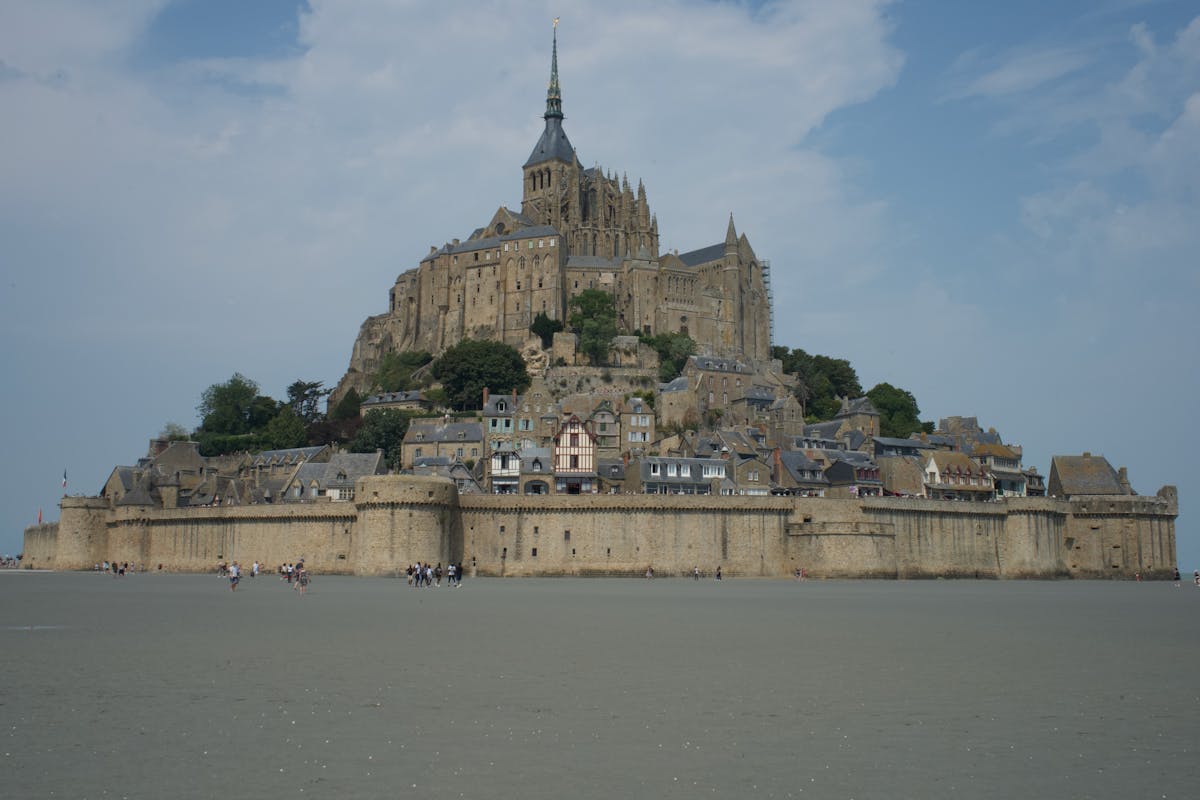
I’ve gone through our database of Mont Saint-Michel tour reviews and picked the ones that consistently get the best feedback across different types of travellers. Whether you want someone else to handle all the logistics or just need an abbey ticket, there’s something here.
1. Day Trip from Paris with English Speaking Guide
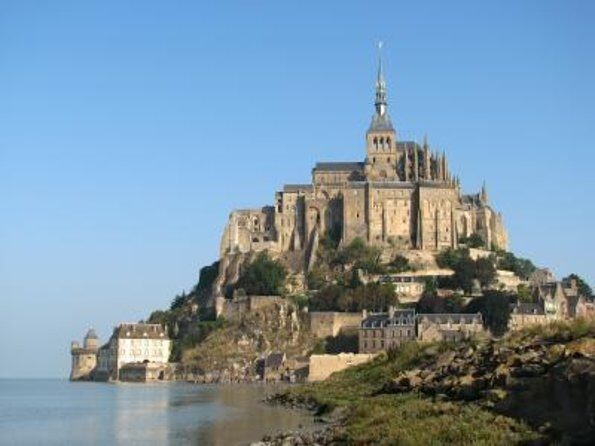
This is the bread-and-butter Mont Saint-Michel experience from Paris. An air-conditioned coach picks you up near the centre of the city early in the morning, and your English-speaking guide narrates the drive through the Normandy countryside, pointing out things you’d never notice on your own — the hedgerow patterns of the bocage, the salt-marsh lambs grazing near the bay, the changing light on the river valleys.
You get around three hours at Mont Saint-Michel itself, which is enough to walk through the village, climb to the abbey (ticket not always included — check your specific departure), explore the ramparts, and grab lunch. The village has plenty of restaurants, though they’re tourist-priced. Pack a sandwich if budget matters.
The return journey gets you back to Paris by early evening. Yes, it’s a long day. But the guide keeps things interesting on the coach, and you wake up the next morning having crossed one of France’s most spectacular sights off the list without dealing with a single train transfer.
Price: $132 per person | Duration: 14 hours
Read full review and book this tour
2. Mont Saint-Michel Abbey Entry Ticket
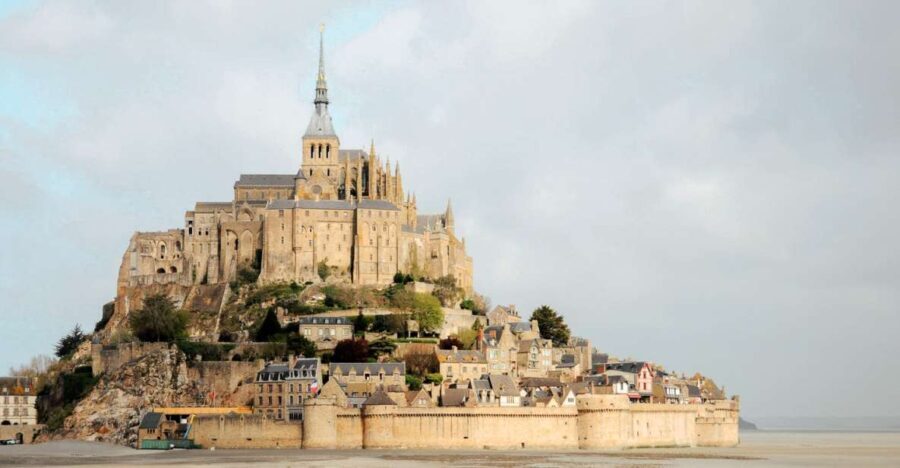
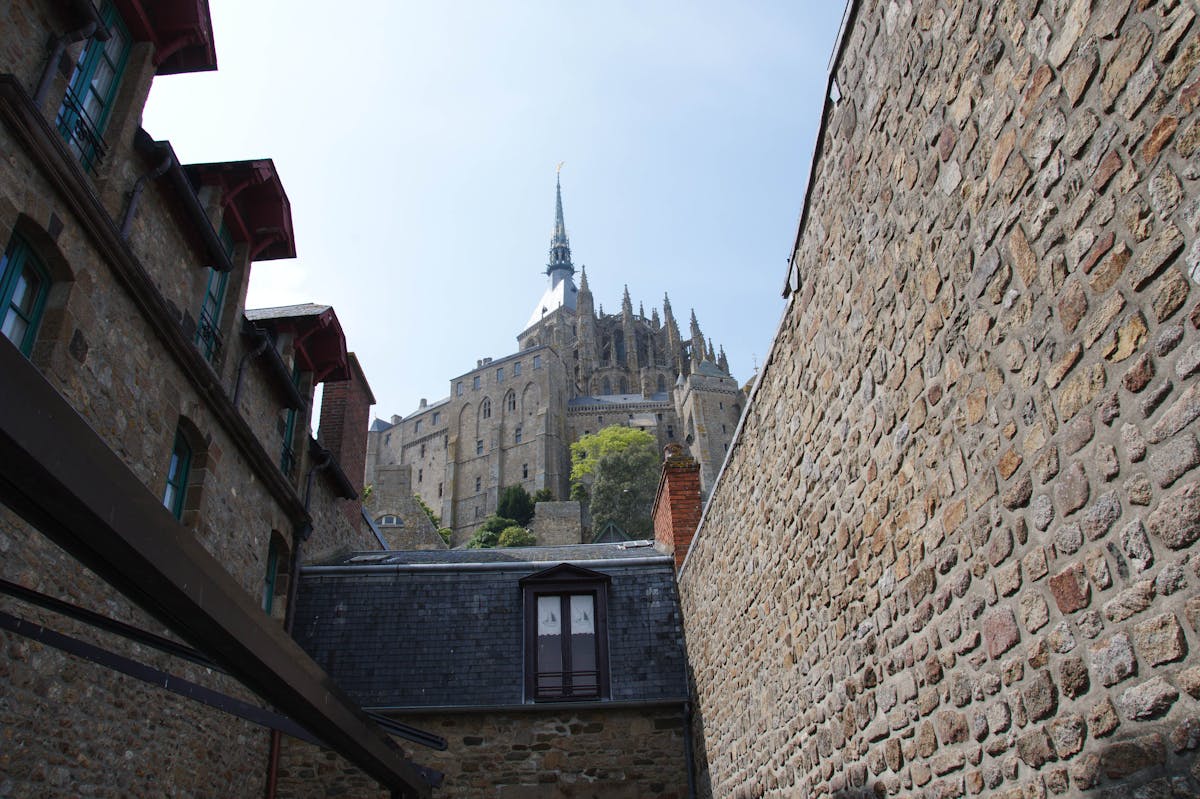
If you’re making your own way to the mount — by train, car, or on a tour that doesn’t include abbey entry — this is the ticket you need. At $15, it’s one of the best-value attraction tickets in all of France.
The abbey itself is staggering. You climb about 200 steps to reach the entrance (they weren’t kidding about the “mount” part), and once inside you walk through a sequence of spaces that span nearly a thousand years of construction: the Romanesque nave, the Gothic Merveille with its soaring cloisters, the monks’ refectory with its trick lighting, and the crypts that hold up the whole structure from below.
There’s a self-guided route with information panels, but the building speaks for itself. The views from the abbey terrace — out across the bay toward the Brittany coast — are the best on the entire island. On a clear day you can see at least 30 kilometres in every direction.
Pre-booking is strongly recommended in summer. The ticket queue at the abbey gate can stretch to 45 minutes on a July afternoon, and pre-booked visitors walk straight past it.
Price: $15 per person | Duration: 1-2 hours inside
Read full review and book this ticket
3. From Paris: Full-Day Guided Tour with Abbey Entry
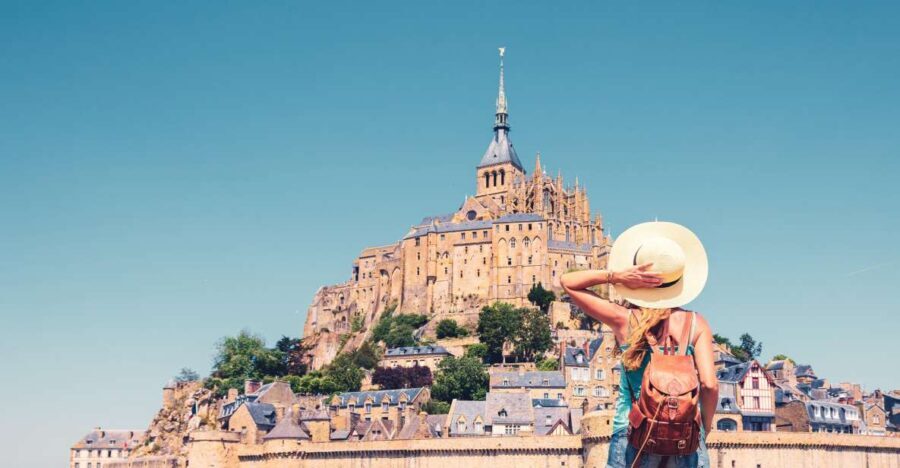
This is the GetYourGuide version of the Paris day trip, and it competes head-to-head with the Viator option above. Similar structure: morning departure from Paris, coach ride through Normandy, several hours at the mount, evening return.
The key difference is that this tour includes abbey entry in the price. At $128, it’s actually four dollars cheaper than the Viator tour that often doesn’t include the abbey ticket. So you’re getting the same experience plus guaranteed abbey access — which matters, because showing up to the abbey gate without a ticket in high season means a long wait in the queue.
The guides on this tour tend to give a detailed walking orientation of the village before releasing you for free time. That structure works well: you get the context first, then explore on your own without feeling lost in the medieval maze of streets.
Price: $128 per person | Duration: 14 hours
Read full review and book this tour
4. Small-Group Trip with Cider Tasting from Paris
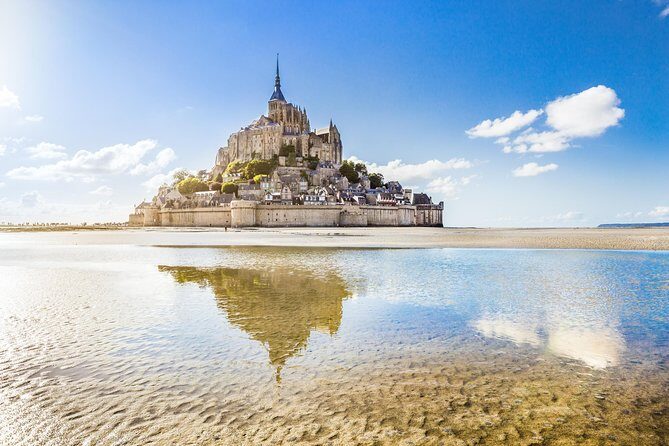
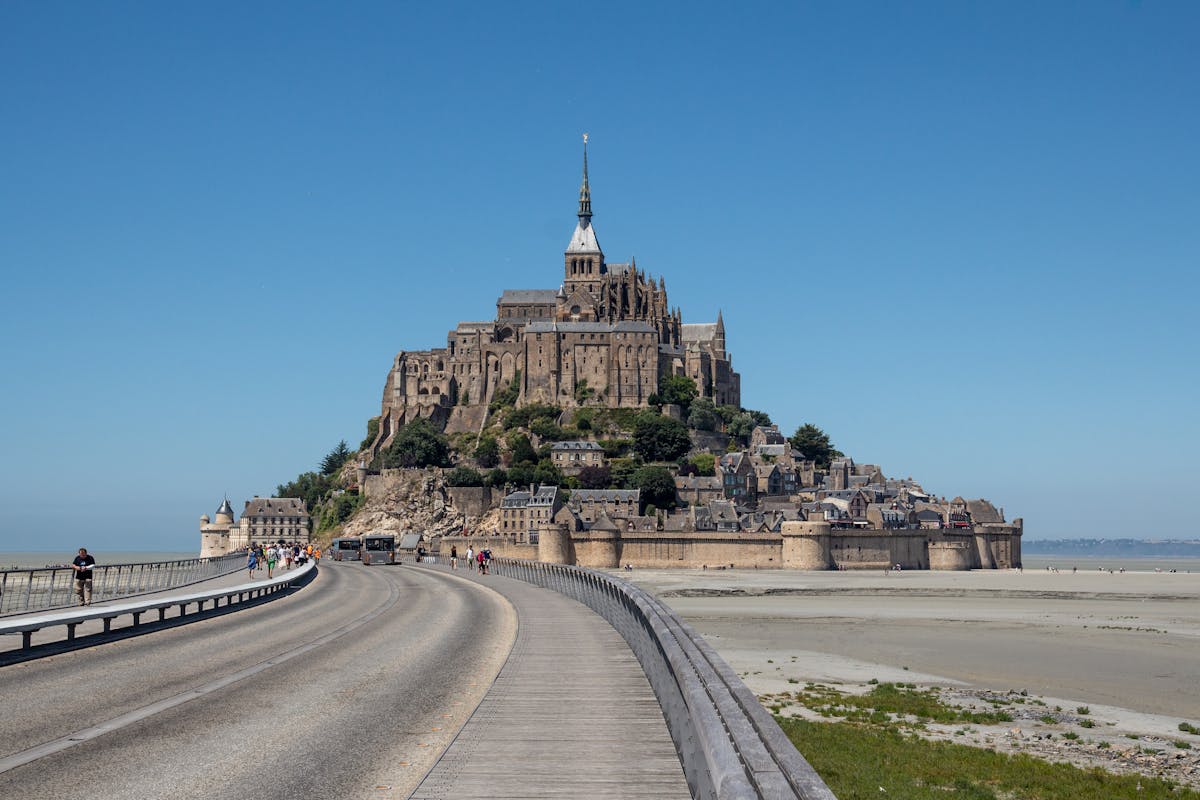
At $266, this is the most expensive option on this list — but it’s also the most distinctive. The group size is capped at eight people, which transforms the experience from tourist-on-a-coach into something closer to a private excursion.
The standout feature is a detour to a Norman cider farm. Normandy is apple country, and the cider here is nothing like the sweet stuff you get in supermarkets. You’ll taste proper farmhouse cider, calvados (apple brandy), and pommeau (a dessert wine made from apple juice and calvados). It’s a side of Normandy that most visitors to Mont Saint-Michel never see.
The small group size also means the guide can adapt the day to what you’re interested in. Want to spend more time in the abbey? Done. Prefer to walk the ramparts and skip the crowded Grande Rue? Your guide will show you the quiet route around the back of the island that most visitors miss entirely.
Price: $266 per person | Duration: 12 hours
Read full review and book this tour
When to Visit Mont Saint-Michel
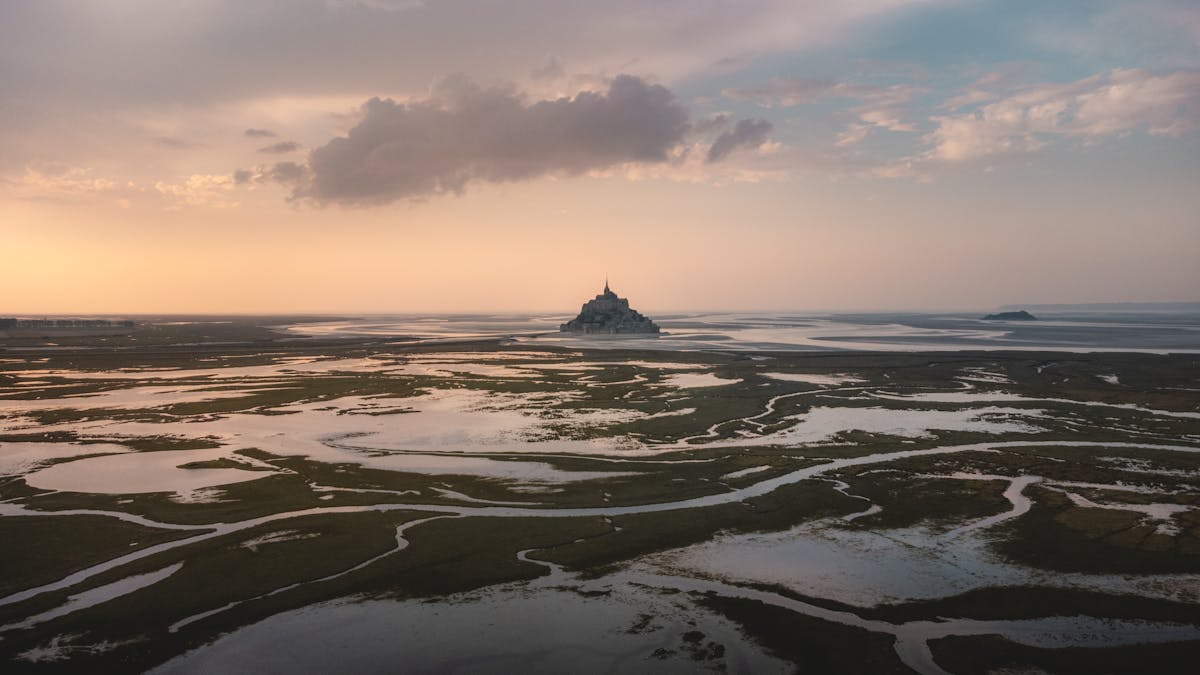
Best months: September and October. The summer crowds have thinned dramatically, the light across the bay takes on a golden quality that photographers chase, and the weather is still mild enough for comfortable walking. May and early June are also excellent — the salt marshes around the bay are green, the lambs are out, and the long daylight hours mean you can stay until well after the day-trippers leave.
Worst months: July and August. Three million visitors a year, and it feels like half of them come in these two months. The Grande Rue (the main street up through the village) becomes a slow-moving human queue. The abbey is shoulder-to-shoulder. Restaurant wait times stretch past an hour. If you must visit in summer, arrive before 9:30am or after 4pm — the midday crush between 11am and 3pm is genuinely unpleasant.
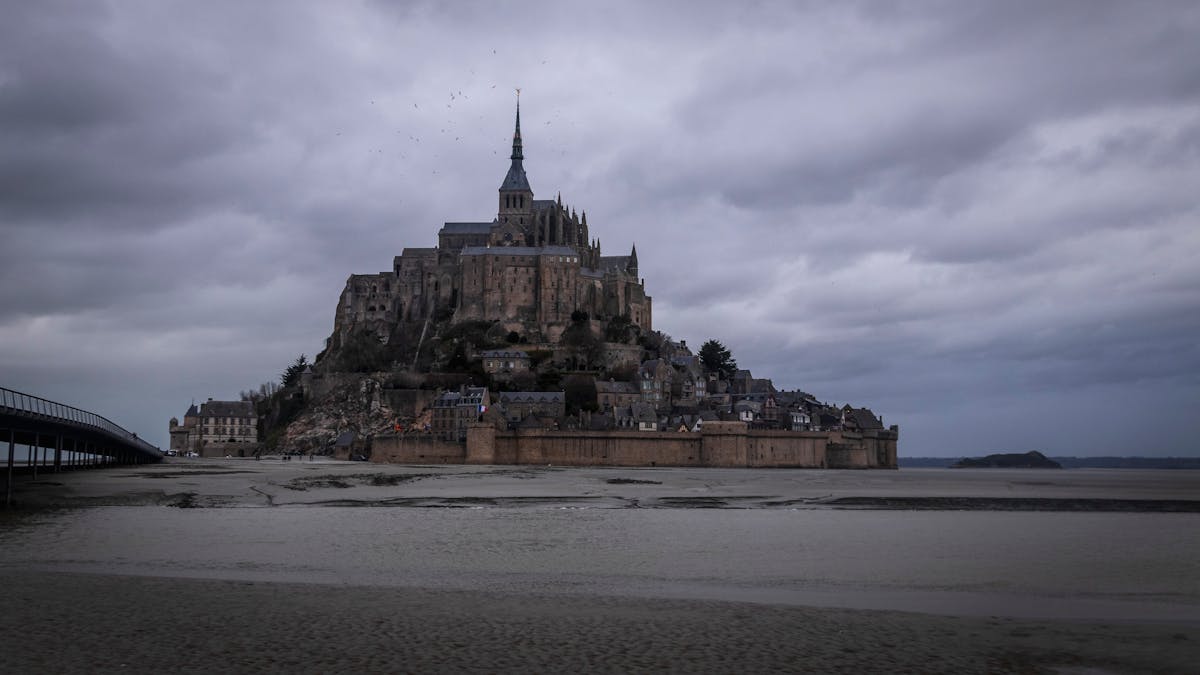
The tides matter. Mont Saint-Michel’s bay has one of the highest tidal ranges in Europe — up to 15 metres between low and high tide. At low tide, the bay is a vast expanse of sand stretching to the horizon. At high tide, the water surrounds the island completely, and you can see why medieval pilgrims occasionally drowned trying to reach it. Check the tide tables before your visit (available on the official site). The most dramatic views come during a rising spring tide, when the water rushes in across the sand flats fast enough to see it move.
Time of day: Early morning is magical. The tour coaches don’t arrive until around 11am, so between 9am and 10:30am you’ll have the village streets and abbey almost to yourself. Sunset is beautiful too — the western-facing abbey terrace lights up in gold — but you’ll need to stay overnight or have a very late return planned.
Practical Tips That Actually Matter
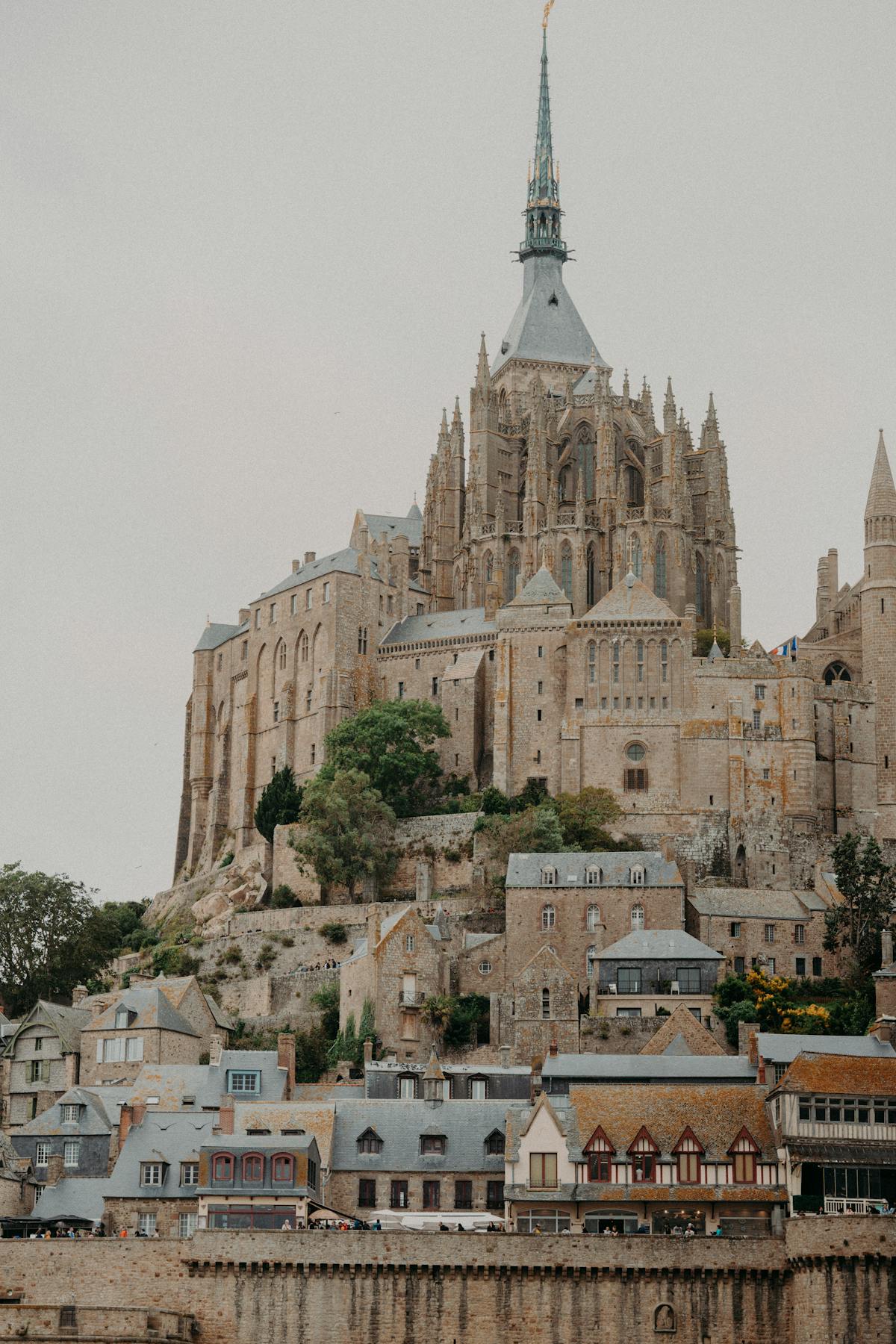
Wear proper shoes. This isn’t a suggestion — it’s a warning. The streets inside Mont Saint-Michel are uneven cobblestone, steep in places, and slippery when wet (which is often, because Normandy). The climb to the abbey involves roughly 350 steps. Flip-flops and fashion shoes will make you miserable. Trainers with good grip are fine.
Cover your shoulders and knees for the abbey. It’s still a religious site. They do turn people away, and there’s nowhere convenient to buy a cover-up once you’re up there.
Eat lunch early or late — or bring your own. The restaurants on the Grande Rue are mediocre and expensive, catering to the captive tourist audience. La Mere Poulard is famous for its fluffy omelettes and you’ll pay around 35 euros for one. It’s an experience, not a bargain. If you walk past the main drag, a few smaller places on the rampart side serve decent galettes (buckwheat crepes) at more reasonable prices. But honestly, packing a picnic from a Normandy boulangerie and eating it on the ramparts with the bay below you is the best meal you’ll have here.
Budget at least three hours on the island. People who rush through in an hour always wish they’d stayed longer. You need at least 45 minutes for the abbey, another 30 to walk the ramparts, and time to just wander the backstreets below the abbey level where most travelers don’t go. There are tiny gardens, quiet viewpoints, and medieval architecture that predates the Reformation.
The shuttle from the car park is free. Le Passeur runs every few minutes from the mainland parking area across the bridge to the island entrance. You can also walk the 2.5-kilometre bridge on foot — takes about 40 minutes, and the views of the mount growing larger as you approach are spectacular. Worth doing at least one way.
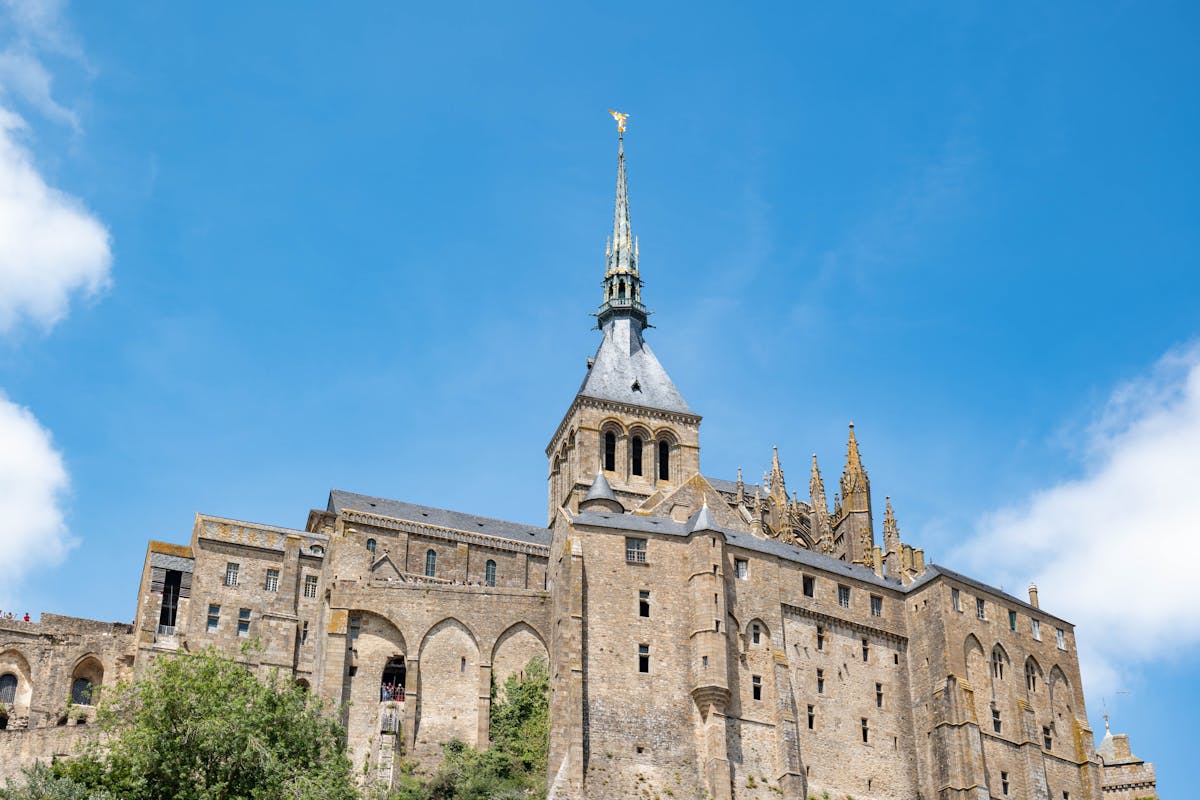
The free Passeur shuttle stops running around 11pm. After that, you’re walking. Not a problem in summer when it’s still light, but something to know in November when it’s pitch dark by 6pm.
What You’ll Actually See
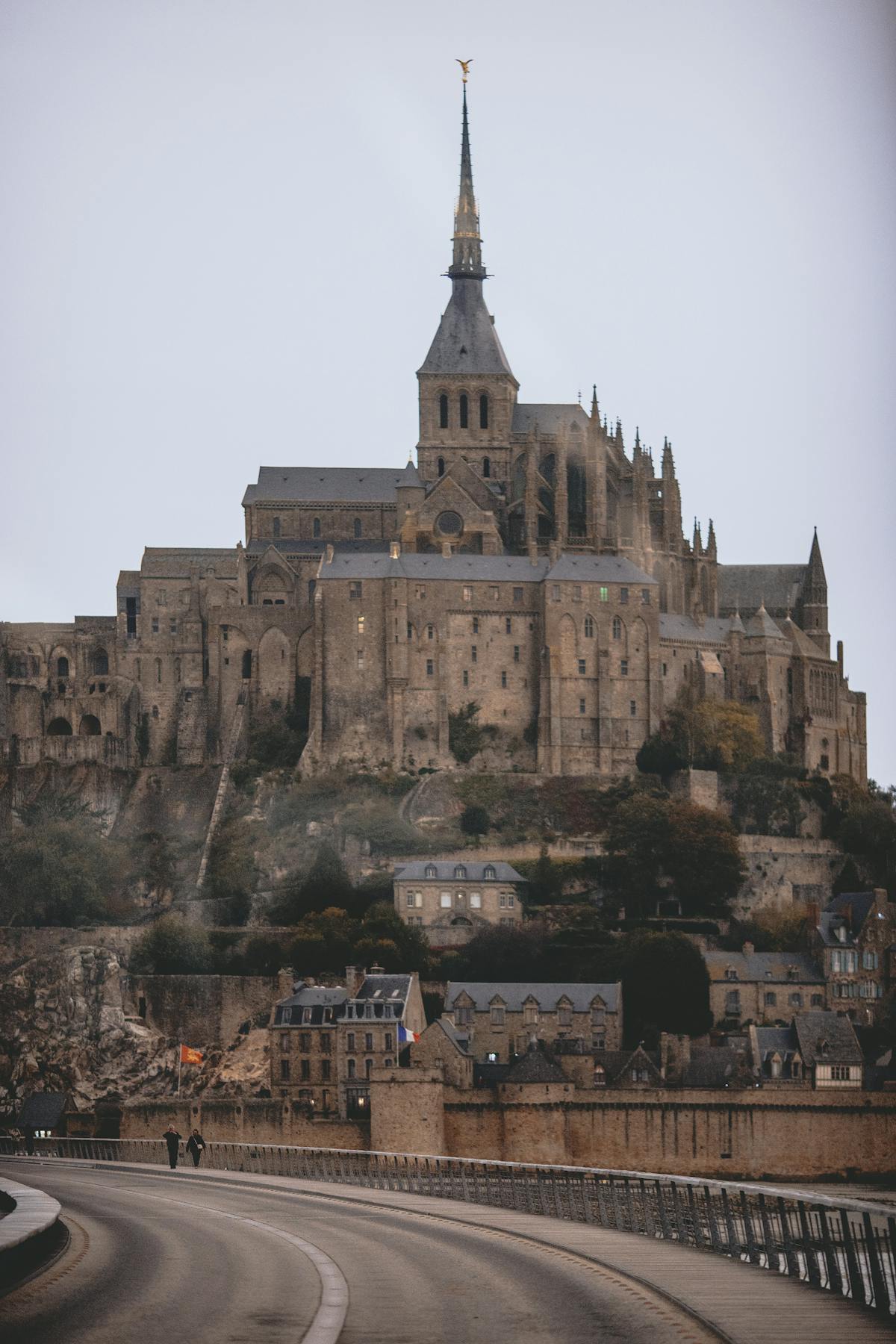
The layout of Mont Saint-Michel is vertical. You enter through the Porte du Roi (King’s Gate) at the base, and everything goes up from there.
The Grande Rue is the main artery zigzagging up through the village. It’s lined with restaurants, souvenir shops, and a few genuine historical buildings wedged between them. The crowds here are thick, but look up — the half-timbered facades and medieval stonework above shop level haven’t changed much in five centuries.
The ramparts ring the island at various levels. Walking them gives you views out across the bay that the main street can’t match. On the north side, you look out toward the open Atlantic. On the south, the Couesnon River threads through green salt marshes. The rampart walk is free and usually much less crowded than the Grande Rue.
The abbey sits at the very top. Construction started in the 10th century and continued for 500 years, which is why it looks like several buildings stacked on top of each other — because it is. The Romanesque lower church, the Gothic upper church, and the astonishing three-level cloister complex called La Merveille (The Marvel) all coexist in a vertical puzzle that medieval builders somehow made work on a pointed granite rock.
The cloisters are the highlight for most people — a double row of slender columns surrounding a garden courtyard, suspended above the sea. The refectory next door is flooded with light from windows you can’t see until you’re inside, a trick the 13th-century architects pulled off with deep-set openings hidden behind the columns.
Below the main levels, the crypts and underground chapels are cooler, darker, and genuinely atmospheric. The Chapel of Our Lady Underground has pillars thick enough to support the entire abbey above, and you can feel the weight of the building pressing down. It’s one of those places where nine centuries of history isn’t an abstraction — it’s the damp stone under your hand.
While You’re in France
If Mont Saint-Michel is on your list, chances are you’re spending a few days in Paris before or after. The city has enough to fill weeks, but there are a few things that pair particularly well with a Normandy day trip.
A Seine River cruise is the easiest way to see Paris from the water — an hour on a glass-roofed boat that passes the Eiffel Tower, Notre-Dame, the Louvre, and most of the city’s major bridges. After a full day on a windswept tidal island, floating past illuminated Paris at sunset is the kind of contrast that makes a trip feel properly rounded.
The Louvre deserves at least half a day, and booking tickets in advance saves you from the legendary queue in the courtyard. The collections span thousands of years and dozens of civilisations — a different kind of history from the abbey, but equally staggering in scale.
And if you haven’t been up the Eiffel Tower yet, book summit tickets early. The view from 276 metres puts the entire city grid into perspective, and on a clear day you can see 70 kilometres in every direction.
Mont Saint-Michel sits in a strange category of places that look unreal in photographs and then turn out to be even more striking in person. The way the abbey catches the light changes by the hour. The bay transforms with every tide cycle. The village streets, for all their souvenir shops, still feel medieval once you step off the main path. It’s four hours from Paris each way, and not a single person I’ve ever spoken to has regretted making the trip.
More France Guides
Mont Saint-Michel is a full day from Paris, so plan easier activities for the days around it. D-Day beaches is in roughly the same direction and some travelers combine them over two days with an overnight in Bayeux. For a lighter day trip, Giverny takes half a day and the peaceful gardens are a welcome change of pace after the dramatic abbey. Back in Paris, Sainte-Chapelle shares some of the same medieval atmosphere in a much more accessible package, and a Seine river cruise makes for an easy evening after a long day on the road.
We may earn a commission from purchases made through links in this article, at no extra cost to you.