
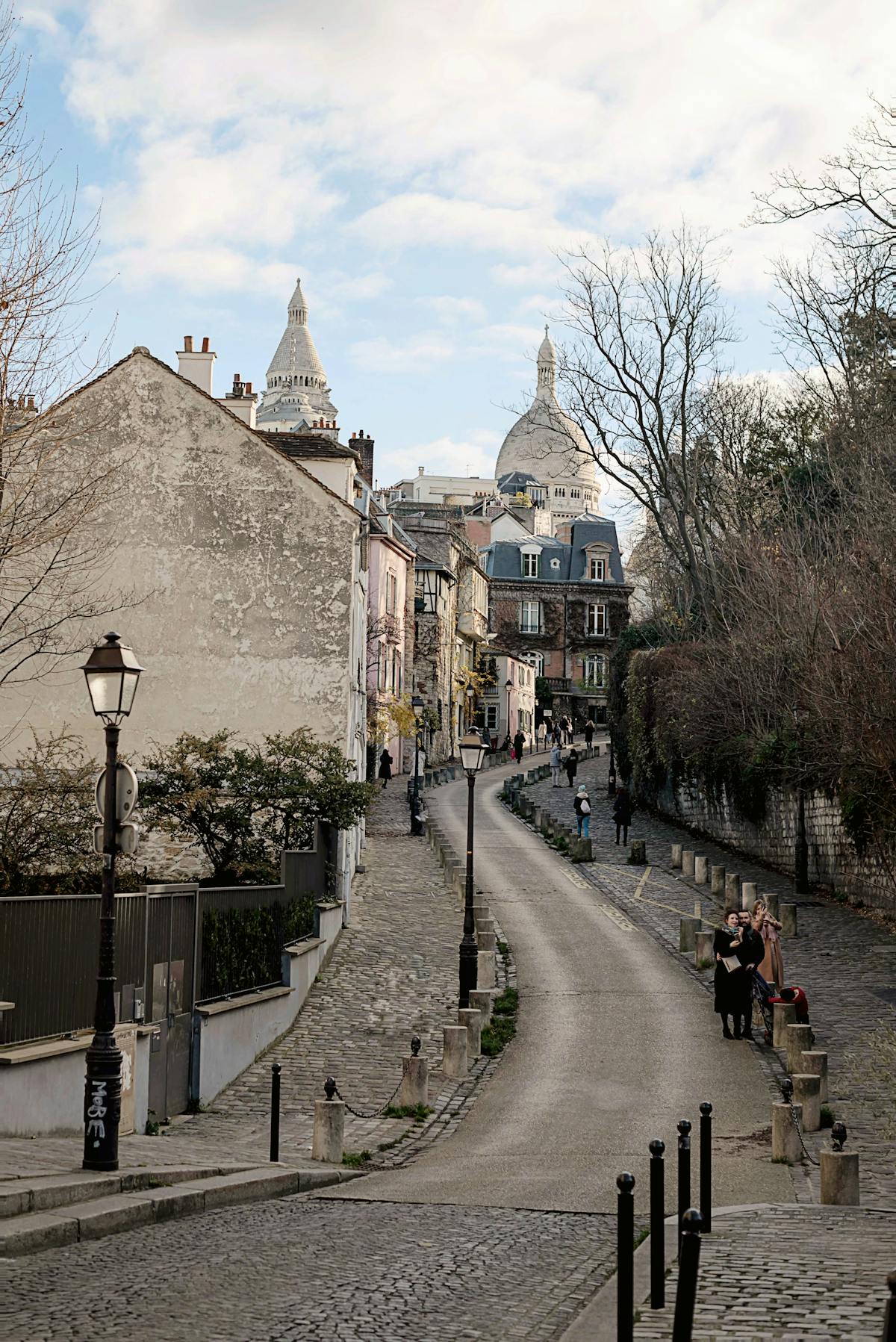
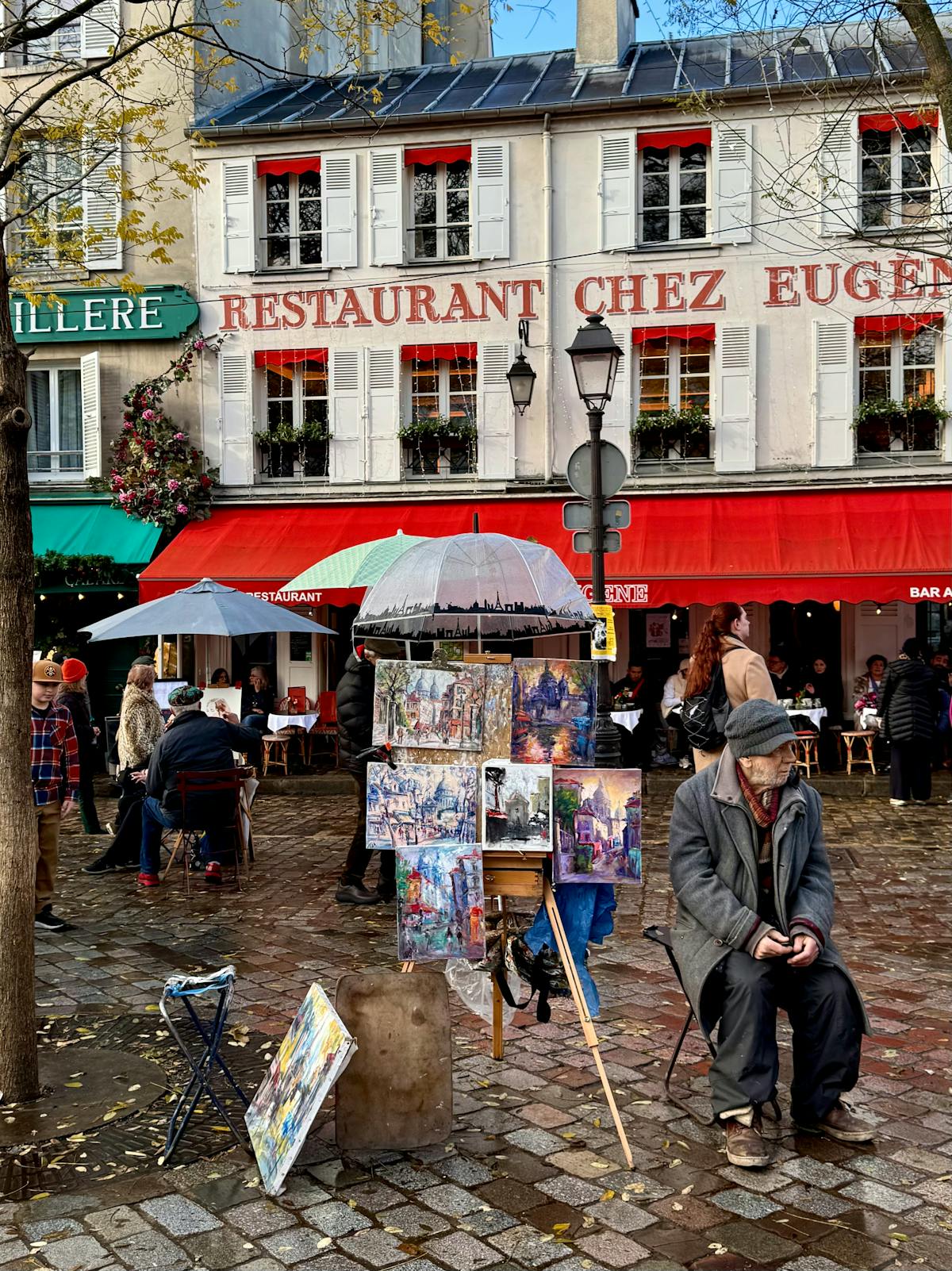
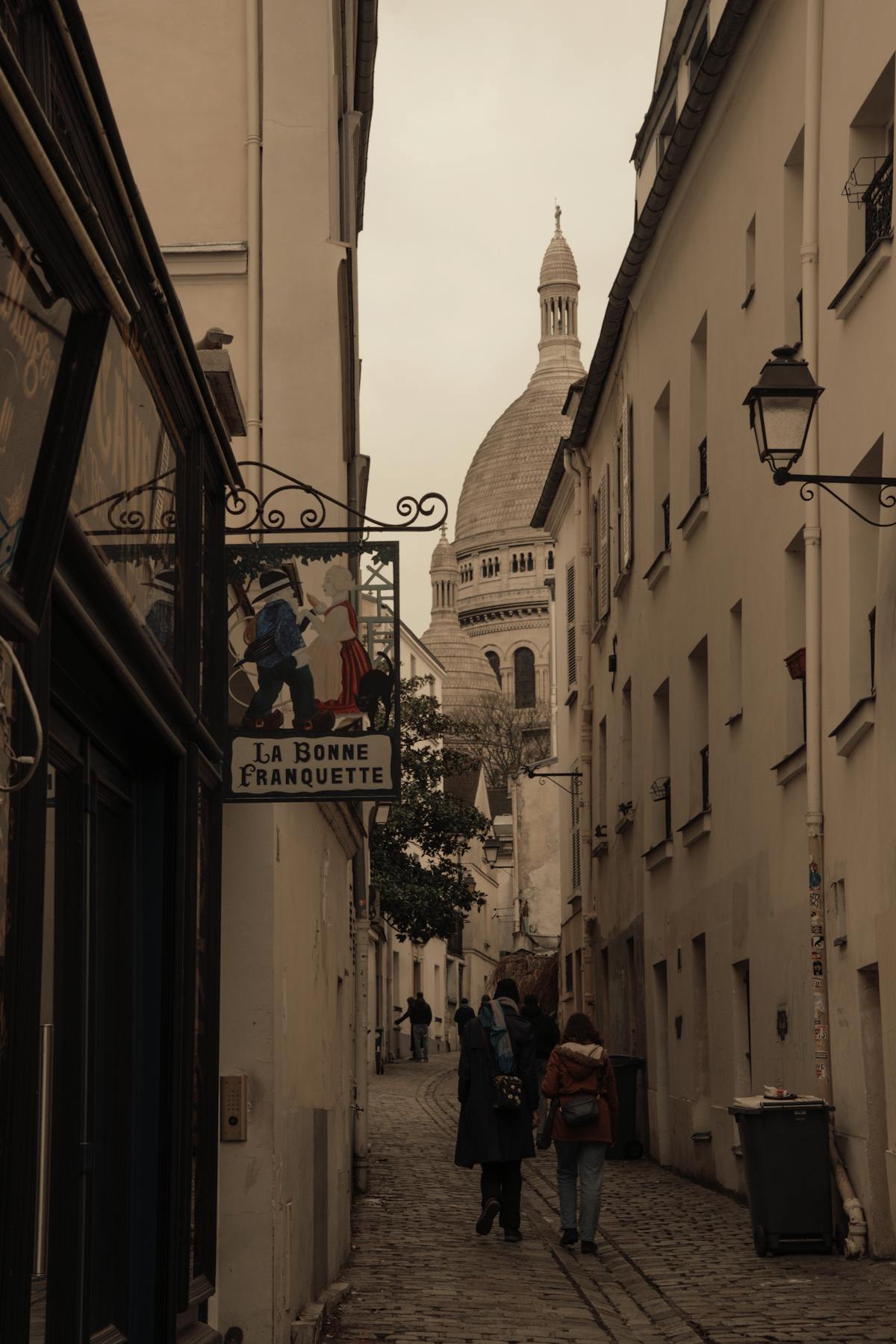
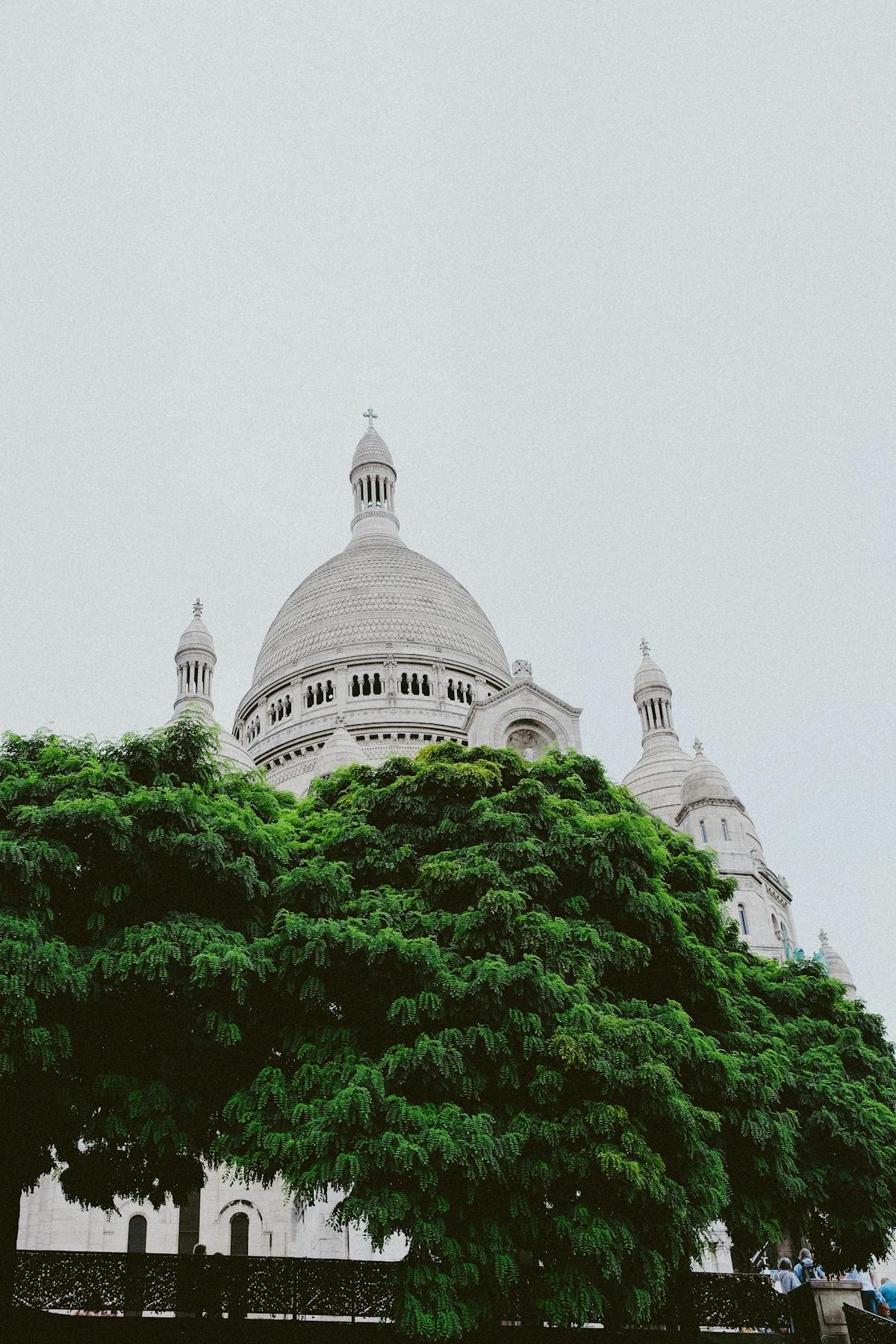
That is the mythology. And the strange thing about Montmartre is that it still feels earned. The hill still has its vineyards — yes, actual grapevines, right here inside Paris. The streets still wind and climb unpredictably. Old-school bistros still serve plats du jour from handwritten chalkboards. And the view from the steps of Sacre-Coeur at golden hour is still one of the best free things you can do in any European capital.
But Montmartre is also a place where travelers get pulled toward the obvious stuff — the basilica, the portrait artists, the overpriced restaurants on Place du Tertre — and miss almost everything that makes the neighborhood worth visiting. A guided tour fixes that problem completely. A good guide will take you through the back streets, explain who lived where, point out the plaques you would walk past, and generally turn what could be a confused afternoon of hill-climbing into something you actually remember.
In a Hurry? Our Top 3 Picks
Montmartre Hidden Gems and Scenic Highlights Walking Tour — The gold standard walking tour of the neighborhood. Ninety minutes, small groups, and a route that hits the spots most visitors walk right past. From $39 per person.
Montmartre French Gourmet Food and Wine Tasting Walking Tour — Three hours of eating and drinking your way through Montmartre with a local guide. Cheese shops, bakeries, wine bars, and a proper sit-down tasting. From $145 per person.
Montmartre for Art Lovers Walking Tour — A deep dive into the neighborhood’s artistic history with an expert guide who knows exactly which building Picasso lived in and where Modigliani drank himself into trouble. Two and a half hours, from $14 per person.
- In a Hurry? Our Top 3 Picks
- Why Montmartre Needs a Guide
- Types of Montmartre Tours
- The Best Montmartre Tours
- 1. Montmartre Hidden Gems and Scenic Highlights Walking Tour
- 2. Montmartre French Gourmet Food and Wine Tasting Walking Tour
- 3. Sacre-Coeur and Montmartre Tour with Expert Guide
- 4. Montmartre for Art Lovers Walking Tour
- 5. Paris: Magical Montmartre, Without the Crowds
- When to Visit Montmartre
- Tips for Visiting Montmartre
- More France Guides
Why Montmartre Needs a Guide
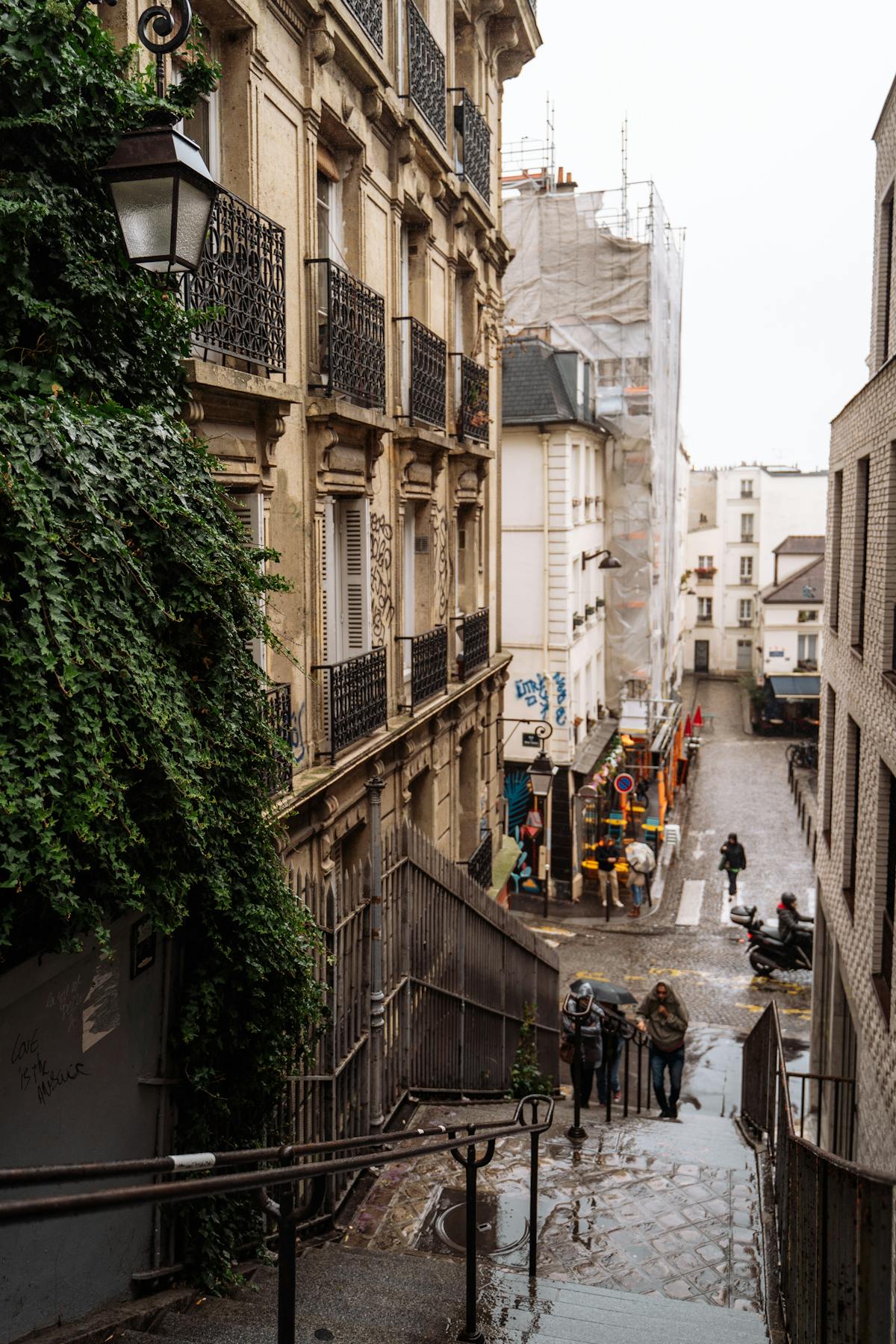
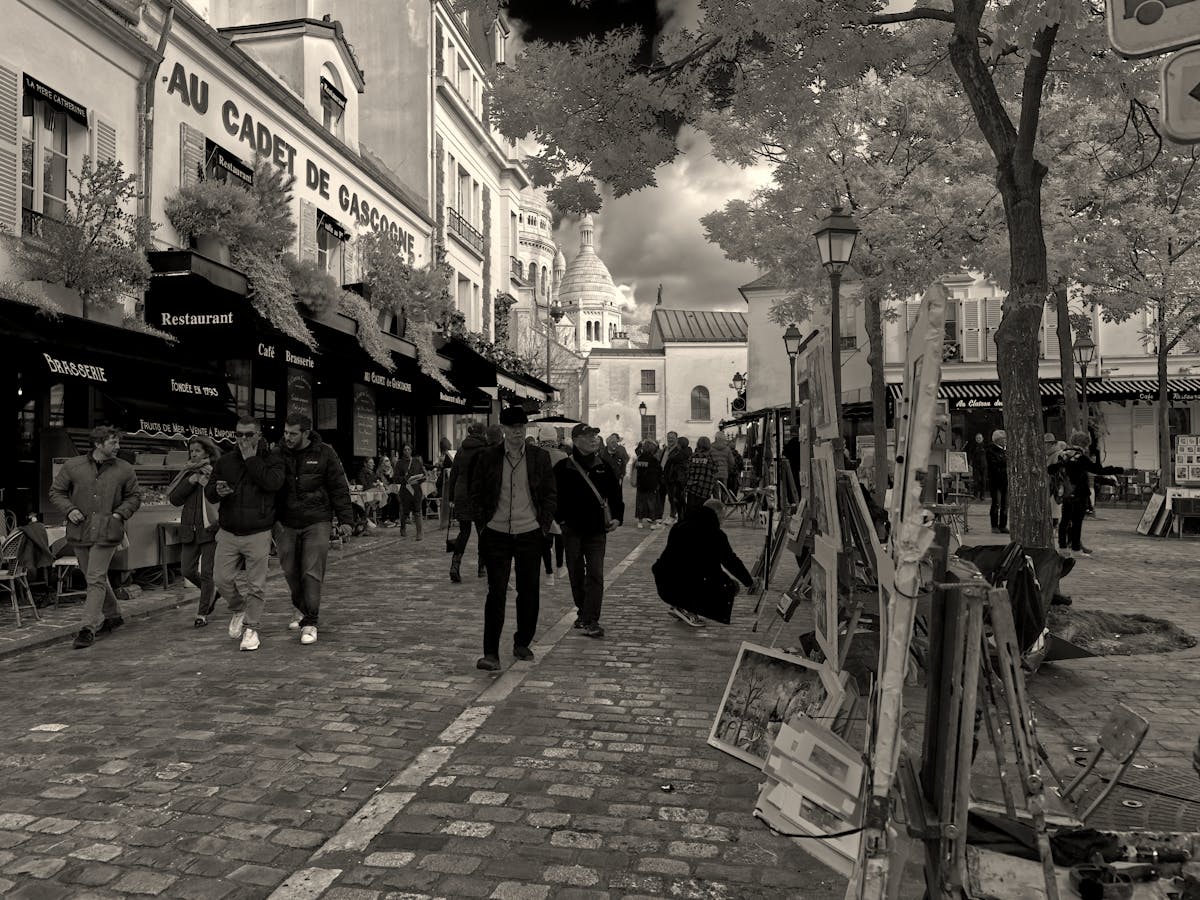
Take Place du Tertre. Walk through on your own and you see portrait artists, souvenir shops, and expensive restaurants. Walk through with a guide and you learn that this was the original village square of the commune of Montmartre, which was independent from Paris until 1860. The artists there today are following a tradition that goes back to the days when the square was surrounded by studios and cheap bars where Utrillo, Suzanne Valadon, and their contemporaries actually worked.
Or consider the vineyard on Rue des Saules. Most visitors who spot it just take a photo and keep walking. But there is a full harvest festival every October, the grapes produce actual wine (not great wine, but real wine), and the whole tradition goes back to a 1930s effort by local residents to prevent the land from being turned into another apartment block.
A guide turns disconnected sights into a story. And Montmartre has a better story than almost anywhere else in Paris.
Types of Montmartre Tours
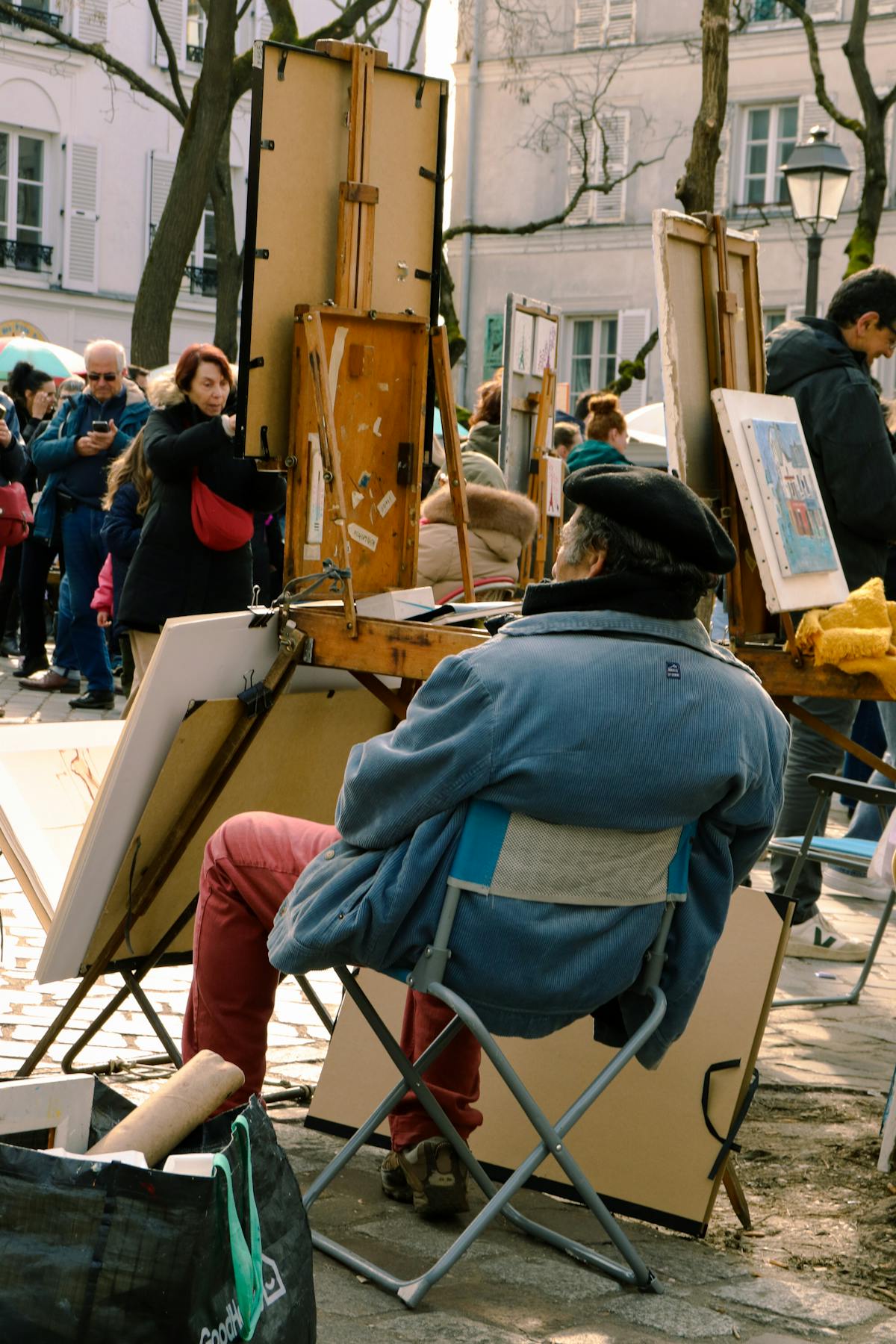
Classic Walking Tours (1.5 – 2.5 hours, $14-$40) cover the highlights: Sacre-Coeur, Place du Tertre, the vineyard, Bateau-Lavoir, Le Mur des Je t’aime (the “I Love You” wall), and the main historic streets. These are the best option for first-time visitors. You get the lay of the land, hear the key stories, and still have time to explore on your own afterward.
Food and Wine Tours (3 – 3.5 hours, $95-$162) are a different animal entirely. You are eating and drinking your way through the neighborhood, stopping at bakeries, fromageries, wine cellars, and local restaurants. The food is included in the price, and by the end you have had a full meal spread across several stops. These work best as a late morning or early afternoon experience.
Art History Tours (2 – 2.5 hours, $14-$60) focus specifically on the artistic legacy. These go deeper into who lived where, what they painted, and how the neighborhood’s geography shaped the Impressionist and Post-Impressionist movements. If you have ever stood in front of a Renoir and wondered what the actual Place du Moulin de la Galette looked like, this is the tour for you.
Off-the-Beaten-Path Tours (1.5 hours, $17+) skip the obvious stops entirely and head for the corners of Montmartre that most travelers never reach. Quieter streets, hidden courtyards, local shops. Good for repeat visitors or anyone who has already done the classics.
The Best Montmartre Tours
We pulled every Montmartre tour from the major booking platforms and ranked them by the depth of traveler feedback. These five cover different price points and styles, but they all deliver on the promise of showing you a Montmartre you would not find alone.
1. Montmartre Hidden Gems and Scenic Highlights Walking Tour
From $39 per person | 1.5 hours
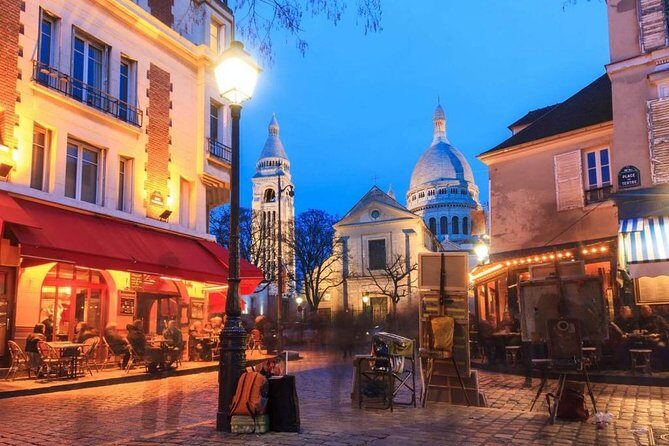
The most popular Montmartre walking tour on the market, and it earned that position honestly. The 90-minute route covers Sacre-Coeur, Place du Tertre, the vineyard, the Bateau-Lavoir, and several streets and stairways that do not appear in any guidebook. Groups are kept small, and the guides are local residents who clearly love telling these stories.
What sets this apart from cheaper alternatives is the pacing. You are never rushed, the guide adjusts the route based on crowd levels, and there is enough free time built in to take photos without holding everyone up.
The one downside: 90 minutes goes fast. If you are the kind of person who wants to stop in every shop and linger at every viewpoint, you will want something longer. But as an introduction to the neighborhood, it is hard to beat.
Read the full review and book this tour
2. Montmartre French Gourmet Food and Wine Tasting Walking Tour
From $145 per person | 3 – 3.5 hours
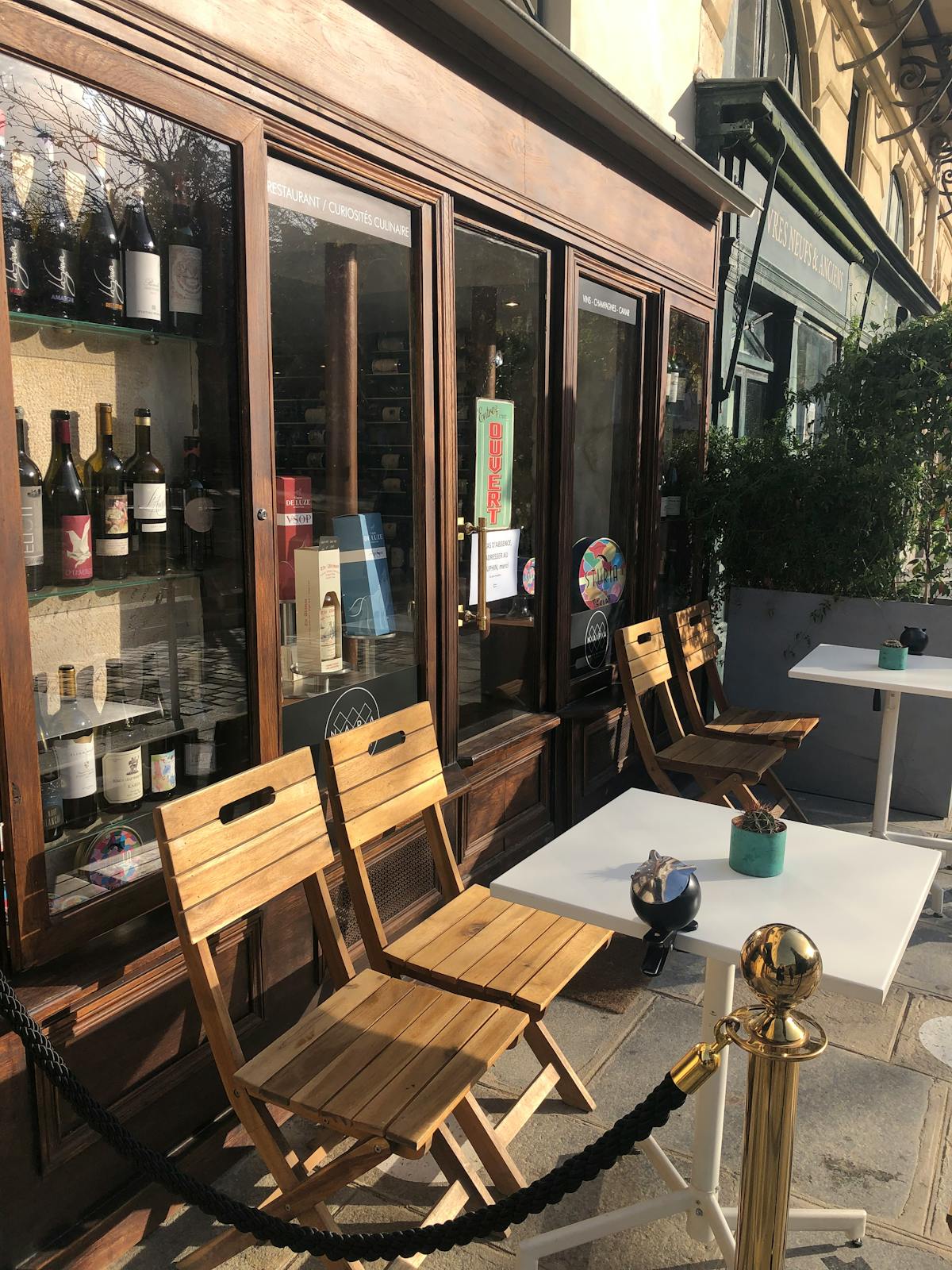
The guide doubles as a food expert and neighborhood historian, so you get the stories alongside the tastings. You learn why this particular bakery has been making baguettes the same way since the 1920s, or why the cheese shop sources from farms in Auvergne rather than the closer Ile-de-France producers.
At $145 it is not cheap, but remember that includes all the food and wine. If you priced those tastings individually, you would spend nearly as much and miss all the context. Best for couples, food lovers, and anyone who thinks the best way to understand a place is through its stomach.
Read the full review and book this tour
3. Sacre-Coeur and Montmartre Tour with Expert Guide
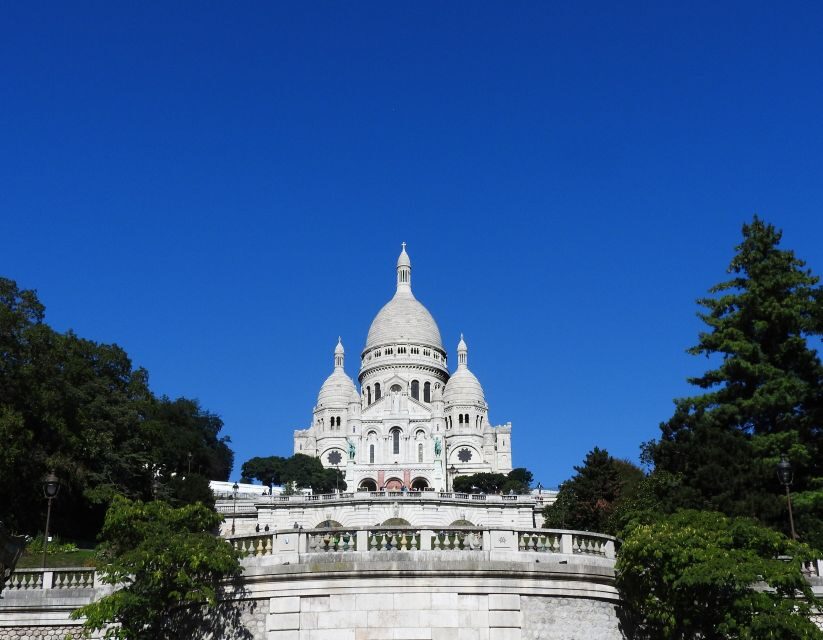
From $28 per person | 1 hour
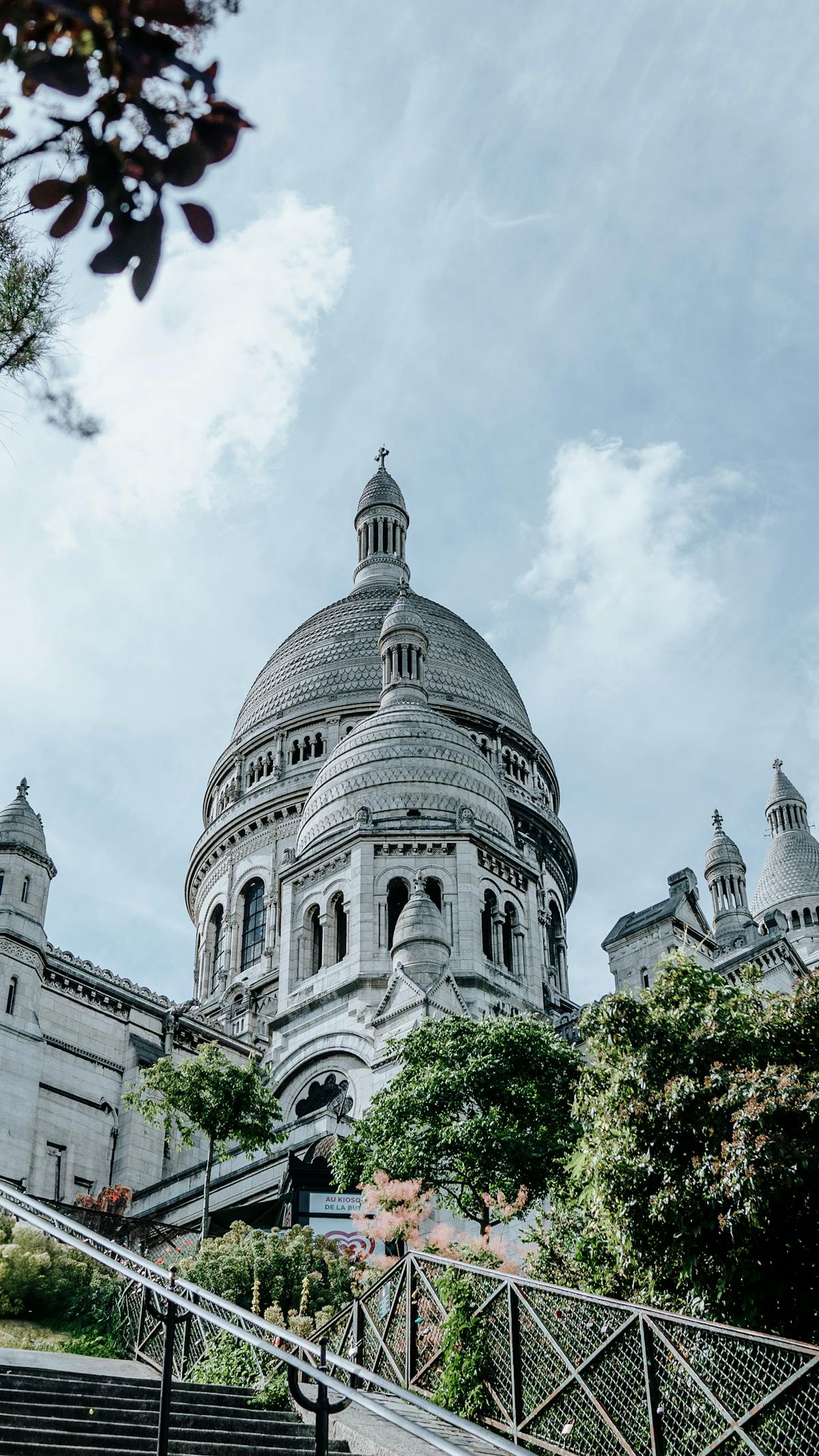
This is the shortest and most affordable option on the list. It works well if you are short on time but still want context beyond what a guidebook gives you. The trade-off is obvious: one hour means you cover Sacre-Coeur and a small radius around it, not the wider neighborhood.
Combine it with a self-guided walk through the rest of Montmartre afterward and you get a solid half-day from a budget-friendly starting point.
Read the full review and book this tour
4. Montmartre for Art Lovers Walking Tour
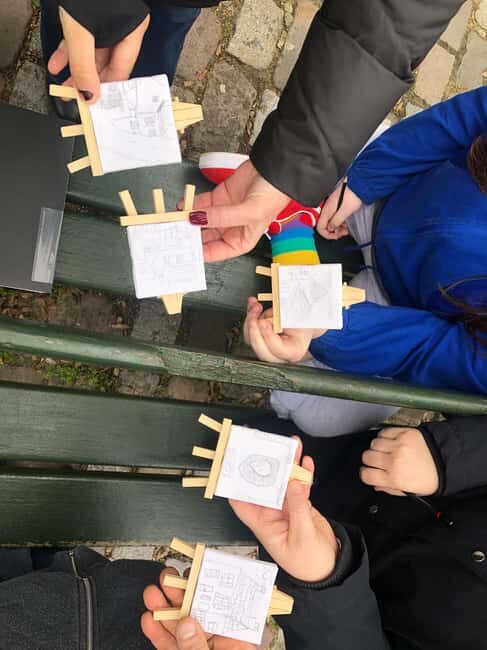
From $14 per person | 2.5 hours
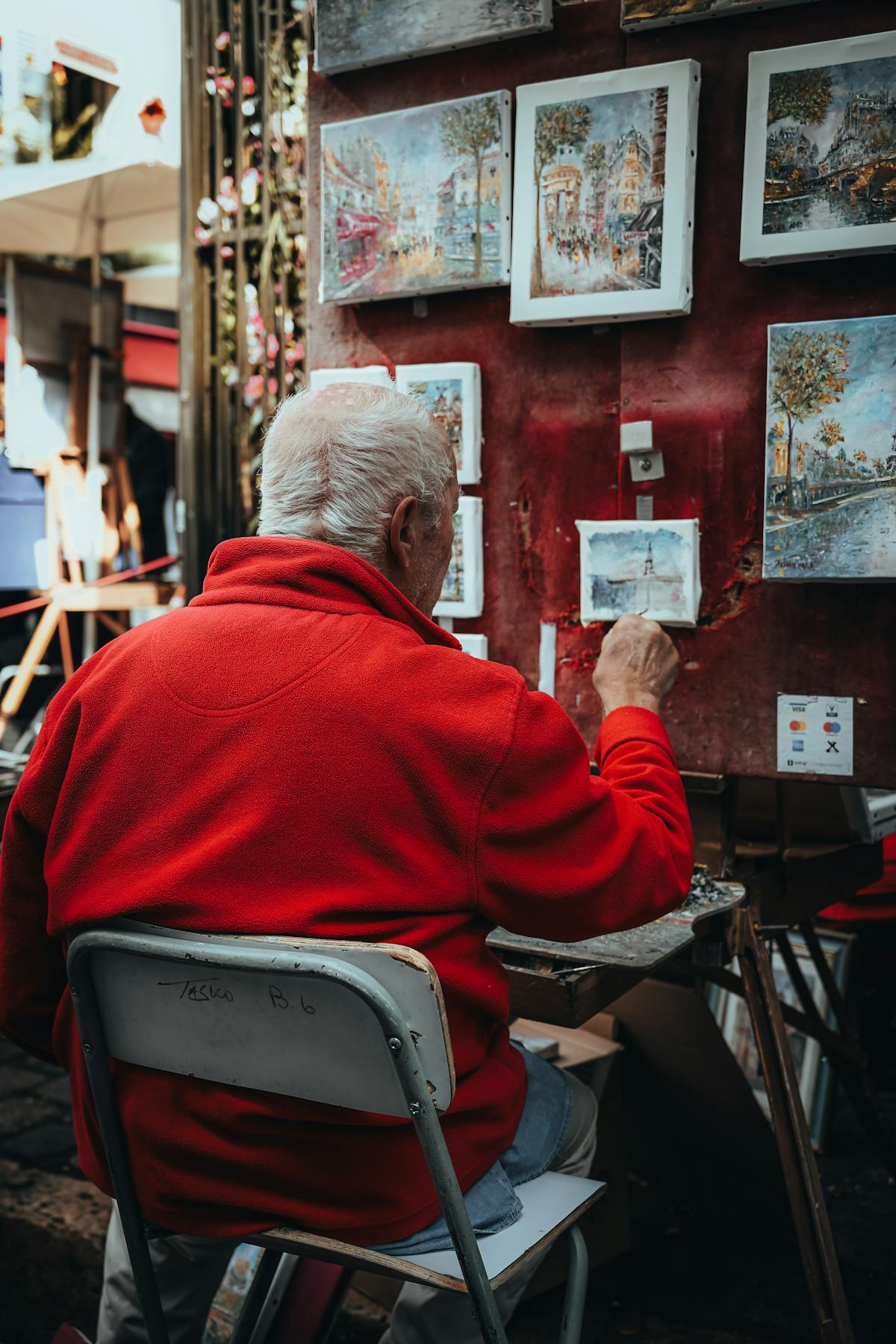
The tour draws a line from the late 19th century bohemians through to the modern art world, and the guide makes a persuasive case that Montmartre was the single most important neighborhood in Western art history for about 40 years. Whether that is objectively true is debatable, but standing in the places where the work was actually made, you feel the argument.
Not the best choice if you just want the big photo spots. This is for people who care about why Montmartre mattered, not just what it looks like.
Read the full review and book this tour
5. Paris: Magical Montmartre, Without the Crowds
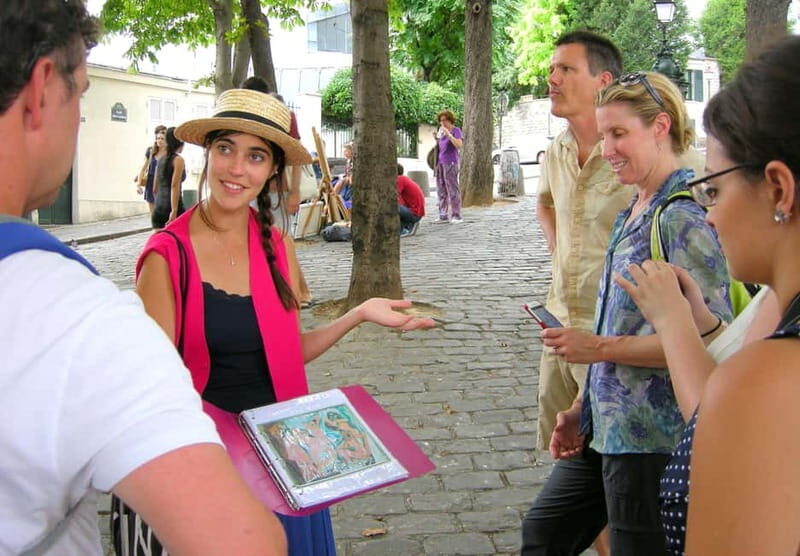
From $17 per person | 1.5 hours
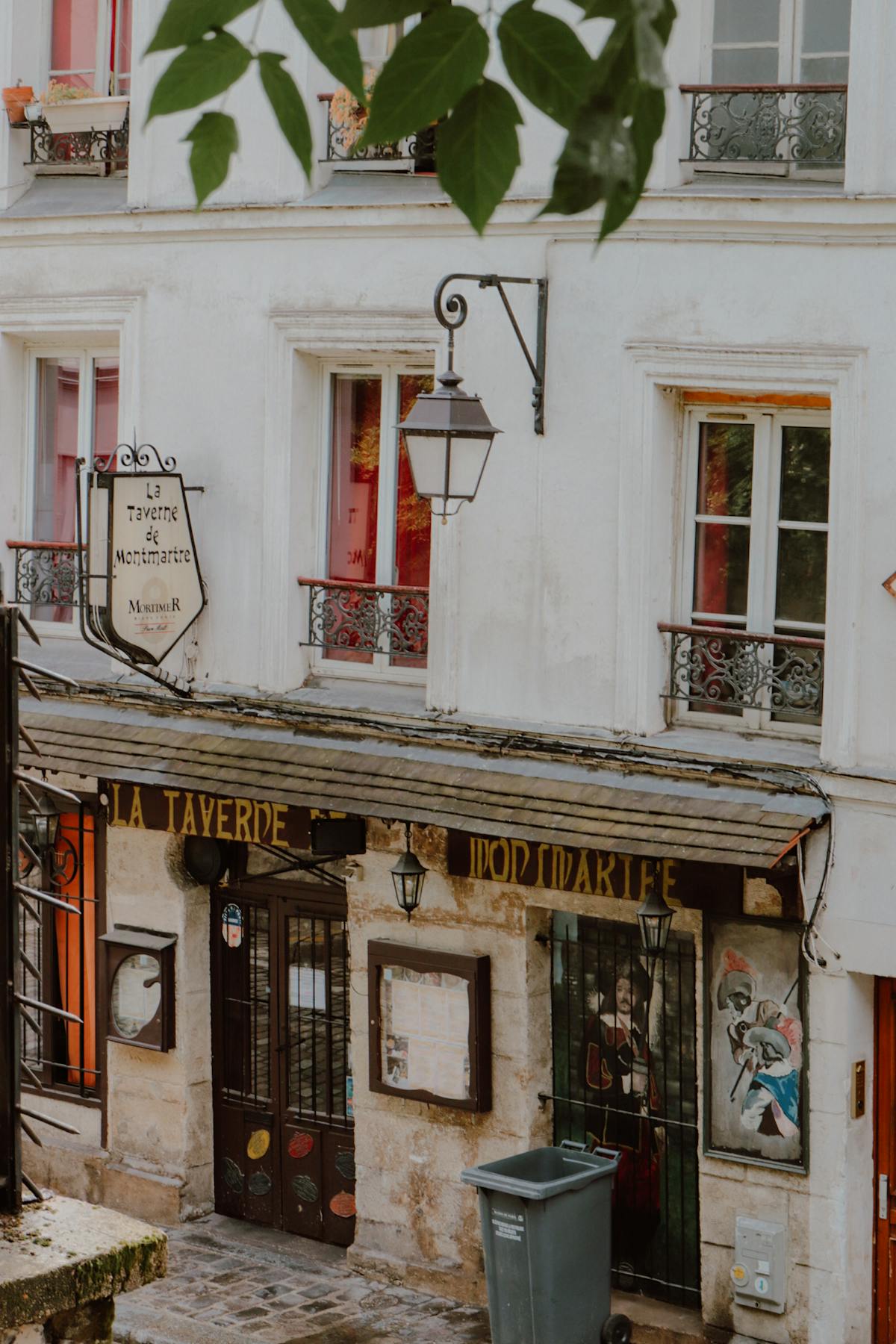
At $17 per person it is another outstanding value option. The guide focuses on daily life in the neighborhood past and present, which gives it a different feel from the art-history or highlights tours. You learn where to get the best bread on the hill, which bar the locals prefer, and why certain streets feel completely different from the ones just a block over.
Best for repeat visitors who have already seen Sacre-Coeur and Place du Tertre, or for first-timers who would rather skip the crowded spots entirely and see the real neighborhood from the start.
Read the full review and book this tour
When to Visit Montmartre
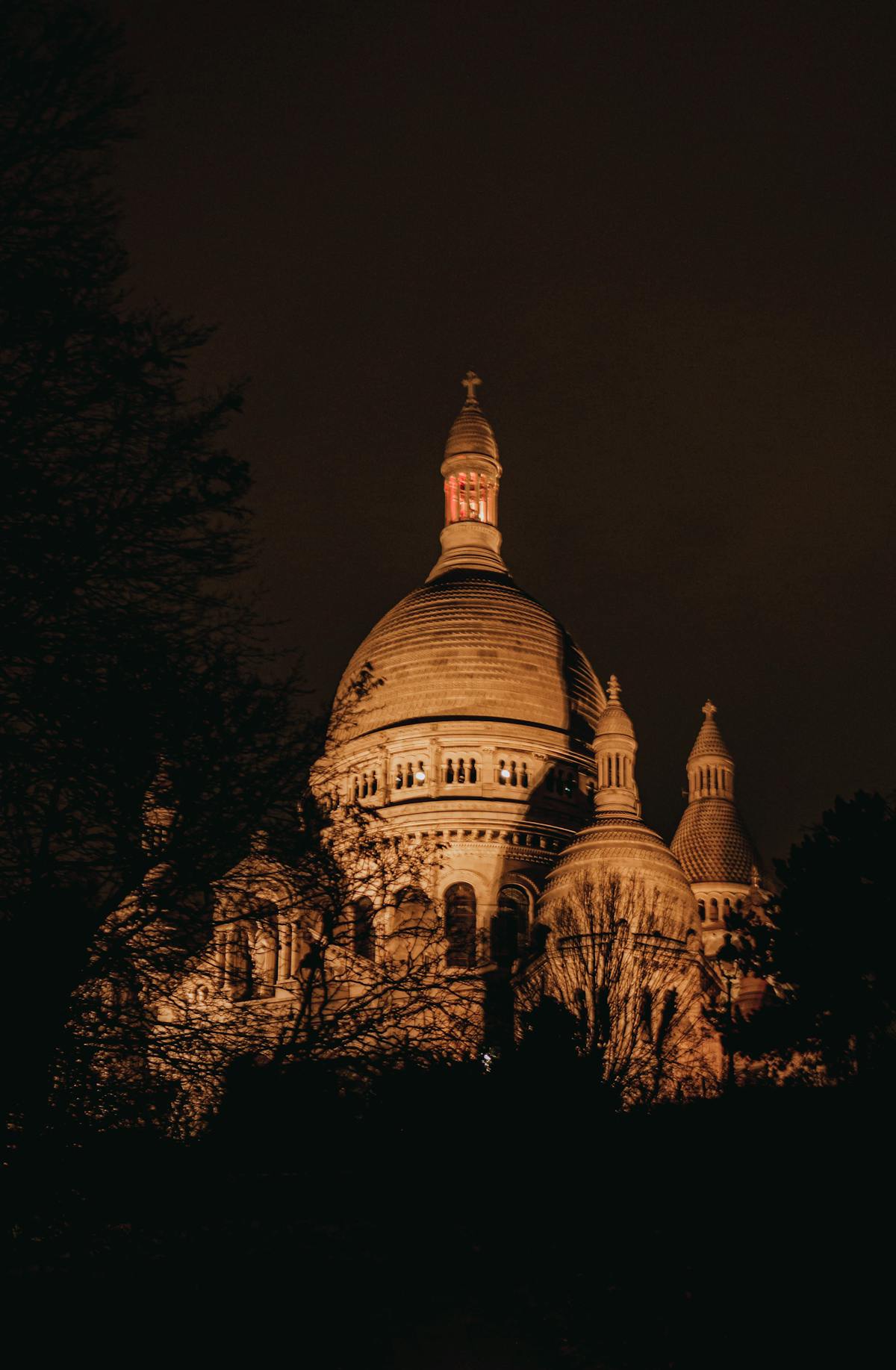
Best time of day: Early morning, before 10am. The streets are quiet, the light is soft on the stone facades, and you can actually hear the birds in the Square Marcel Bleustein-Blanchet. Late afternoon (after 4pm) also works well as the day-trippers thin out. Golden hour from the Sacre-Coeur steps is genuinely spectacular.
Best season: Late September through early November. The summer crowds have left, the temperatures are comfortable for hill-climbing, and the autumn light in Montmartre is something special. Spring (April-May) is also good, though Easter and school holidays bring surges.
Worst time: July and August midday. The combination of heat, crowds, and the relentless uphill terrain makes it miserable. If you must go in high summer, start at 8am or visit after 6pm.
Rainy days: Montmartre in light rain is actually beautiful — the cobblestones gleam, the crowds disappear, and the cafes fill up with exactly the kind of scene you came to Paris hoping to find. Bring a compact umbrella and lean into it.
Tips for Visiting Montmartre
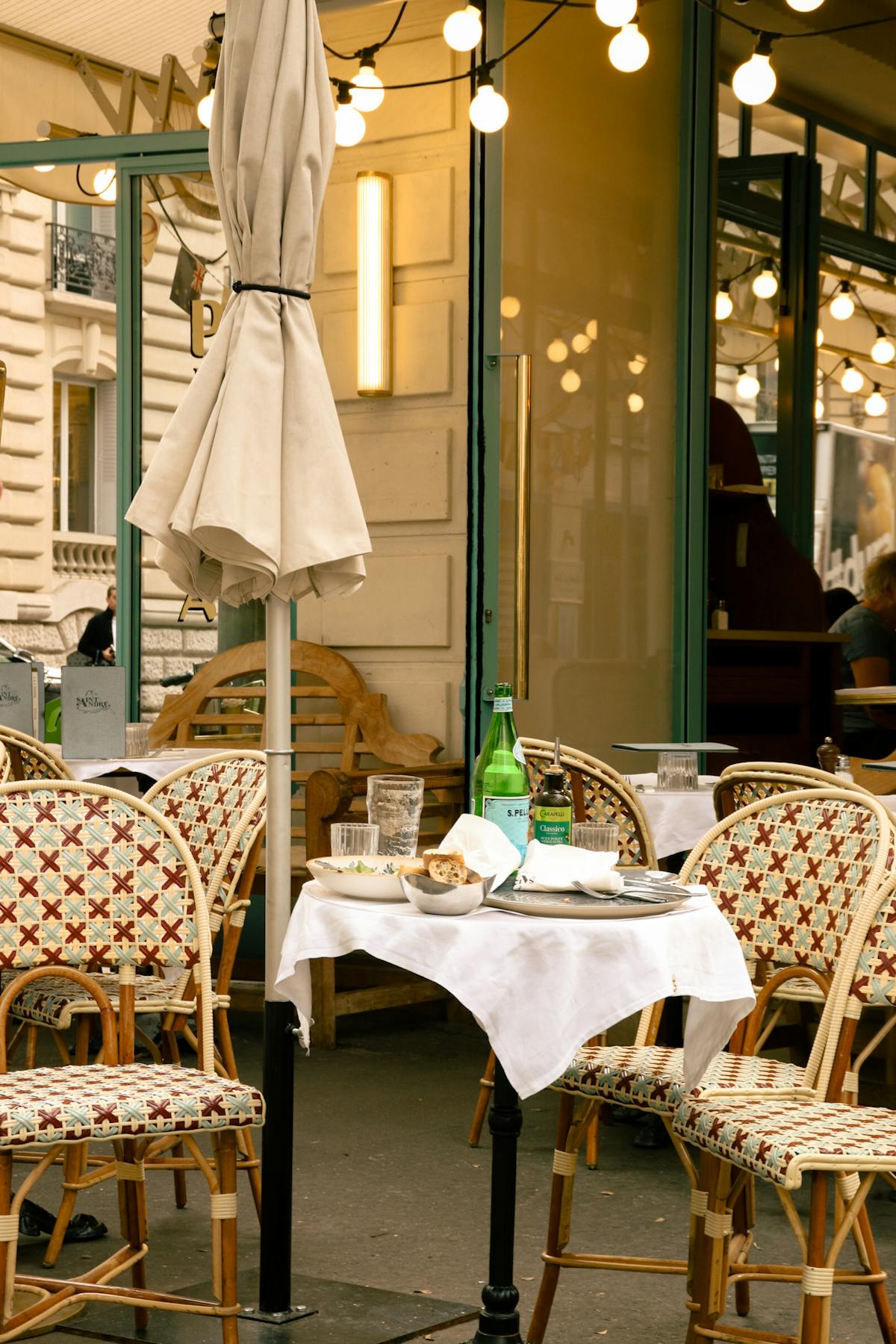
Skip the restaurants on Place du Tertre. The food is mediocre and the prices are double what you would pay one block away. Walk two minutes in any direction — literally any direction — and you will find better options. Rue Lepic has several excellent bistros.
Take the funicular up, walk down. The Montmartre funicular costs one metro ticket and saves you the initial climb to Sacre-Coeur. Use it on the way up when you are fresh-legged, then walk the stairs down when gravity is on your side. The funicular queue can be long in peak season, though — if it is more than 15 minutes, just take the stairs.
Beware of scams near Sacre-Coeur. The bracelet sellers at the base of the steps are persistent. They approach you with a “gift,” tie a string bracelet on your wrist, and then demand money. The move is to keep your hands in your pockets and say “non, merci” without slowing down. Do not stop. Do not engage. They are harmless but annoying.
The metro stop matters. Anvers (Line 2) drops you at the base of the Sacre-Coeur steps. Abbesses (Line 12) puts you in the heart of the neighborhood. Lamarck-Caulaincourt (Line 12) is the local secret — it exits at the top of the hill, behind the tourist zone. Start there if you want to work your way down instead of up.


We use affiliate links in this article. If you book through our links, we may earn a small commission at no extra cost to you. This helps us keep creating free travel guides.
More France Guides
Montmartre sits on the northern edge of Paris, and after exploring the hilltop you have several excellent options for the rest of your day. The Moulin Rouge is at the base of the hill and makes a natural evening pairing — the show usually starts at 9pm. A Palais Garnier visit takes you to a completely different side of Parisian performance, with the ornate Second Empire opera house about twenty minutes away by Metro. For daytime landmarks, the Louvre and Musee d’Orsay are both a short Metro ride south. If you want fresh air instead of galleries, a bike tour along the Seine covers the parts of Paris that Montmartre looks down on from above.