
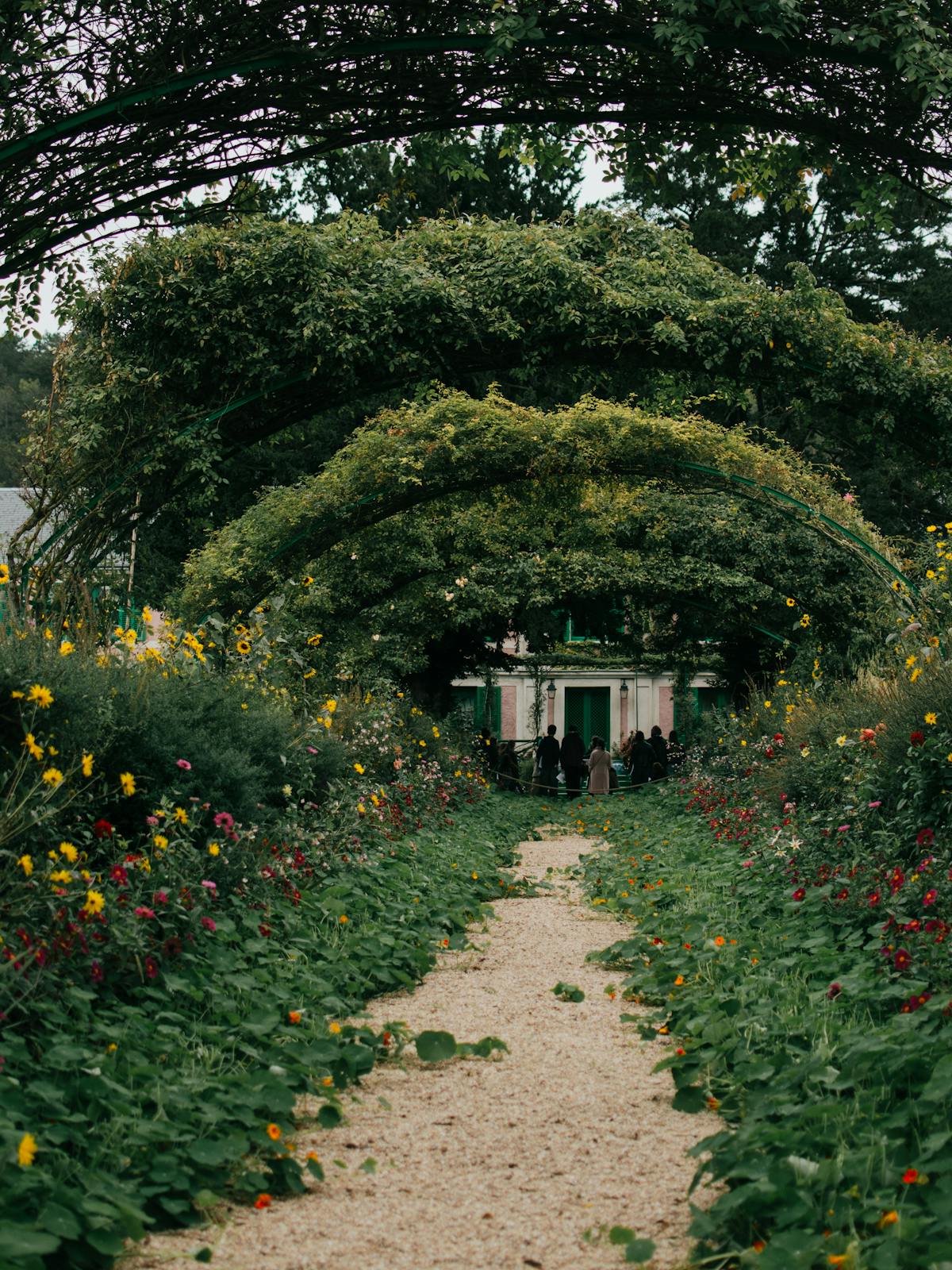
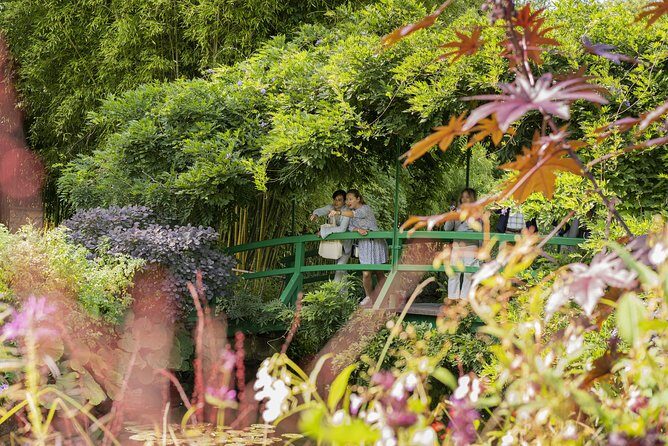
The Japanese bridge looks nothing like the paintings. That was my first thought standing on it, gripping the green railing while a group of Italian travelers squeezed past me. Monet painted it soft, dreamy, dissolving into light. In person, it is solid wood, slightly worn, and the wisteria hanging from it smells like something between honey and warm rain. The water lilies below sit so perfectly still on the pond that you wonder if someone arranged them for the travelers.
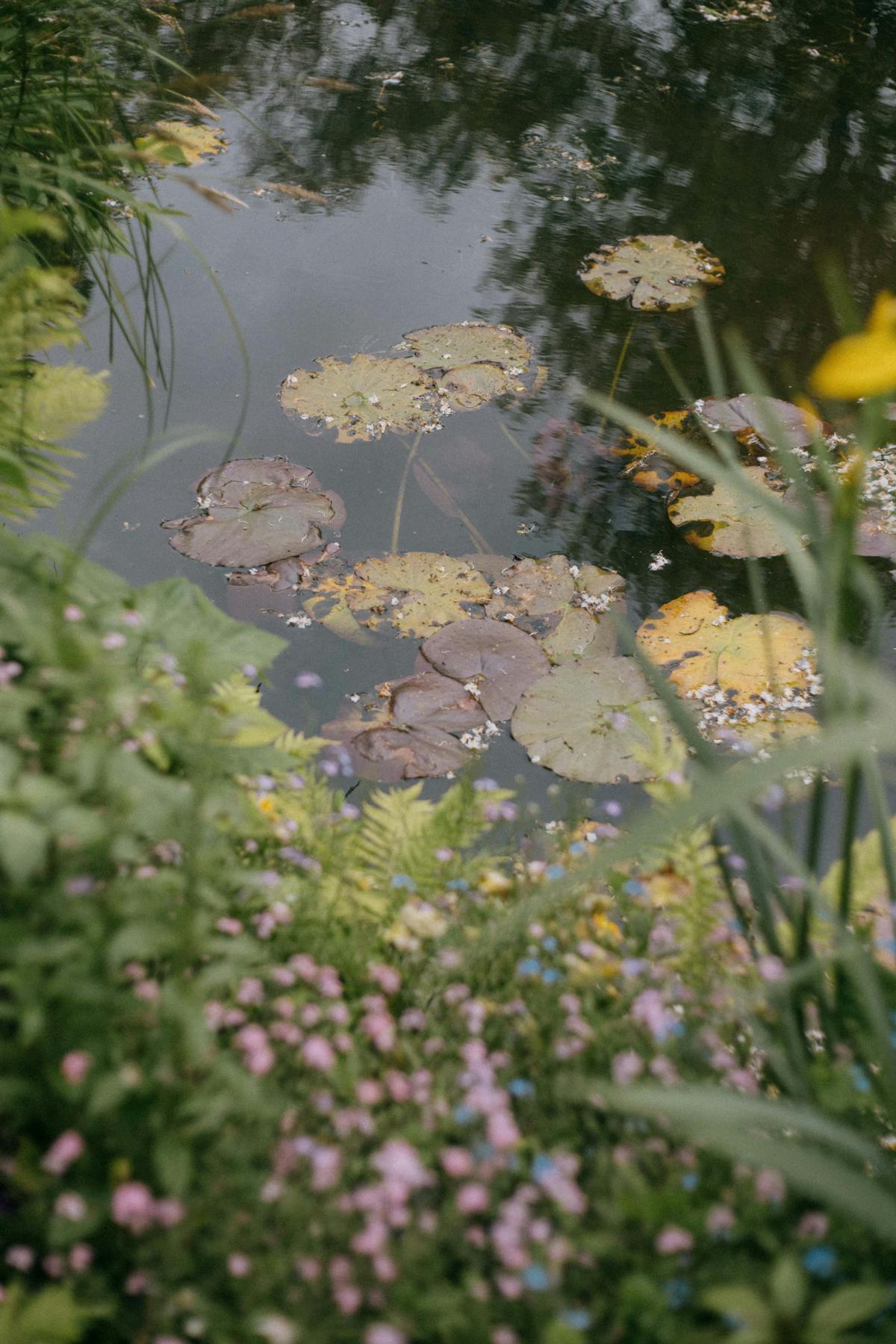
They didn’t. That is just Giverny.
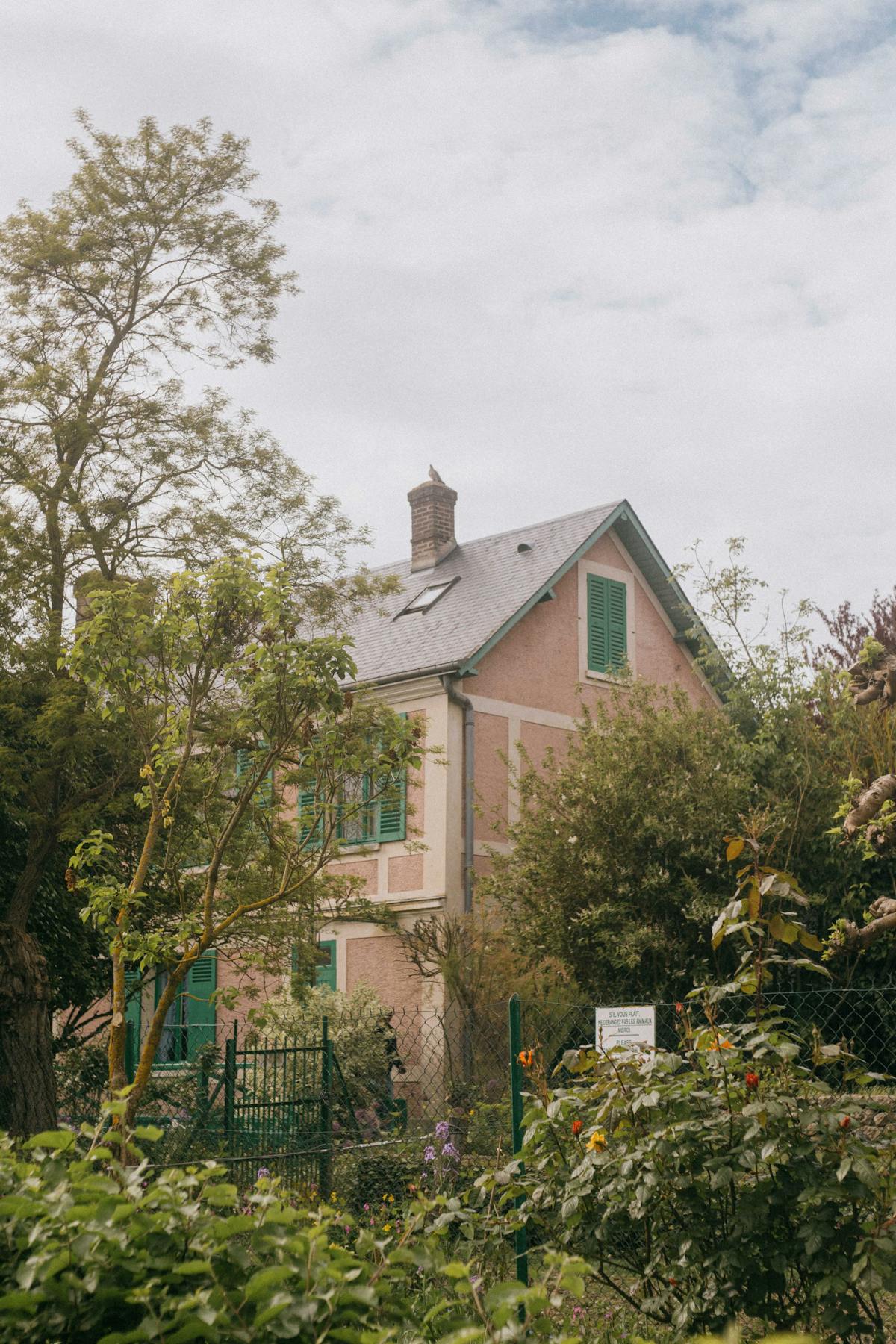
Monet’s garden sits about 80 kilometres northwest of Paris in a village of roughly 500 people. Getting there takes planning — there’s no direct train, no metro extension, nothing convenient about it. But something like 700,000 visitors make the trip every year between April and November, which tells you everything about whether it is worth the effort.
This guide covers every way to visit from Paris, the best tours if you want someone else to sort out the logistics, and what to actually expect month by month. Because the garden in May is a completely different place from the garden in September, and knowing that matters more than most travel sites bother to explain.
In a Hurry? Here Are the Top Giverny Tours from Paris
Short on time? These are the three most popular ways to visit Monet’s garden from Paris, each with transport included:
- Half-Day Trip to Giverny from Paris — The classic option. Air-conditioned coach, skip-the-line entry, and free time in the gardens. Back in Paris by early afternoon. From $89.
- Small-Group Half Day with Monet’s Gardens — Maxes out at 8 people, so you actually hear the guide and don’t feel herded. Higher price, but the difference in experience is real. From $157.
- Versailles & Giverny Full Day with Lunch — Two of France’s biggest attractions in one day. Lunch included, which saves you the Giverny restaurant scramble. From $243.
- In a Hurry? Here Are the Top Giverny Tours from Paris
- How to Get to Giverny from Paris
- Option 1: Train + Shuttle Bus (the DIY way)
- Option 2: Guided Tour with Transport (the easy way)
- Option 3: Rental Car
- DIY Train vs Guided Tour: Which Is Better?
- The Best Giverny Tours from Paris
- 1. Giverny Half-Day Trip from Paris
- 2. Small-Group Half Day with Monet’s Gardens
- 3. Versailles Palace & Giverny Full Day with Lunch
- 4. Guided Day Trip to Monet’s Garden
- When to Visit Giverny (It Changes Every Month)
- Tips for Visiting Giverny
- More France Guides
How to Get to Giverny from Paris
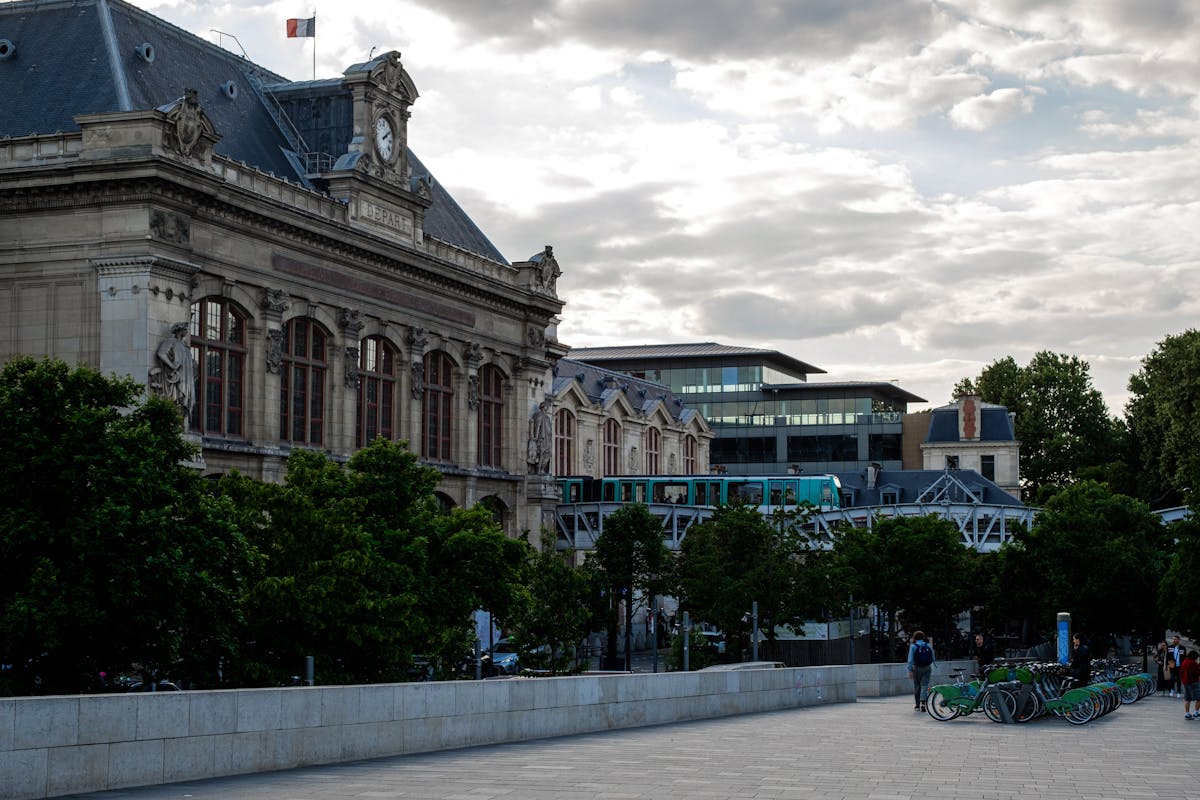
Giverny doesn’t have a train station. The village is tiny, and the nearest rail stop is Vernon-Giverny, about 5 kilometres away. So every route from Paris involves at least two steps: get to Vernon, then get from Vernon to Giverny.
Here are your options, ranked by how much hassle you want to deal with.
Option 1: Train + Shuttle Bus (the DIY way)
Take a direct SNCF train from Gare Saint-Lazare to Vernon-Giverny. The ride takes about 45 minutes and costs roughly €15-25 each way depending on when you book. Trains run regularly but not constantly — check the SNCF website for the current schedule, because gaps of 2-3 hours between trains are normal on this line.
From Vernon station, a shuttle bus (navette) runs to Giverny timed to the train arrivals. It costs €10 return and takes 10 minutes. The last shuttle back lines up with the last reasonable evening train, but cut it fine at your own risk.
Total time: About 90 minutes door to door.
Total cost: Around €40-60 return per person.
The catch? You need to figure out the train schedule, buy tickets (the SNCF app works but is not exactly intuitive for visitors), make sure you get on the right platform at Saint-Lazare, and coordinate the shuttle timing. None of this is difficult, but it adds friction to what should be a relaxing day looking at flowers.
Option 2: Guided Tour with Transport (the easy way)
A coach or minibus picks you up from central Paris, drives you directly to Giverny, handles your entry ticket, and brings you back. You show up at the meeting point and that is the full extent of your logistical planning.
Tours range from $89-160 for a half-day, depending on group size. The drive takes about 75 minutes each way. Most tours give you 2-3 hours in the garden, which is genuinely enough — the estate is not enormous.
Option 3: Rental Car
The A13 motorway to Vernon takes about 75 minutes from Paris, then it is a short drive to Giverny. Parking is available near the garden entrance. This makes sense if you’re also visiting other parts of Normandy — the D-Day beaches are about 2 hours further northwest. For Giverny alone, it is overkill and you’ll spend half your morning dealing with Paris traffic and toll booths.
DIY Train vs Guided Tour: Which Is Better?
This depends entirely on what kind of traveller you are.
Take the train if: You enjoy figuring things out, speak some French (helpful at smaller stations), want maximum flexibility on timing, or are on a tight budget. The train is genuinely cheaper, especially for solo travellers. And there is something satisfying about retracing the route that visitors have taken to Giverny for over a century.
Book a tour if: You want to spend your mental energy on the garden and not on railway timetables. If you’re visiting Paris for a short trip and every wasted minute matters. If you’re travelling with kids, older relatives, or anyone who doesn’t enjoy standing on train platforms trying to read departure boards in French.
The honest truth? The tour costs about €30-50 more than DIY per person, and it removes every single point of friction. For most people visiting from Paris for a day, that is worth it. You did not fly to France to stress about shuttle bus schedules.
The Best Giverny Tours from Paris
I’ve gone through the tours available from Paris and picked four that cover different needs: budget half-day, premium small group, full day with Versailles, and a solid guided option with a live expert.
1. Giverny Half-Day Trip from Paris
Duration: 6 hours | Price: From $89 | Type: Coach group
This is the straightforward option and the one most people book. An air-conditioned coach picks you up from a central Paris meeting point, drives you to Giverny in about 75 minutes, and gives you around 2.5 hours to explore Monet’s house and both gardens on your own. No guide inside — just a driver and the skip-the-line entry ticket.
That self-guided approach actually works well here. The garden is small enough that you don’t need someone telling you where to go, and most of the joy is just wandering through the flower beds at your own pace, stopping wherever something catches your eye.
You’re back in Paris by early afternoon, which leaves the rest of your day free. If you’re watching your budget but still want the convenience of not dealing with trains, this one is hard to beat.
Read our full review of this tour
2. Small-Group Half Day with Monet’s Gardens

Duration: 4.5 hours | Price: From $157 | Type: Small group (max 8)
If you want to visit Giverny without feeling like you’re on a school field trip, this is the upgrade worth paying for. The group maxes out at 8 people, which means a minivan instead of a coach, a guide who actually interacts with you, and a much more personal experience overall.
The guide provides context about Monet’s life and work during the drive, then you explore the garden independently. Four and a half hours is tighter than the 6-hour option, but the smaller vehicle moves faster and spends less time on pickup logistics.
This one sells out regularly. If your travel dates are fixed, book it as early as you can.
Read our full review of this tour
3. Versailles Palace & Giverny Full Day with Lunch
Duration: 9.5 hours | Price: From $243 | Type: Full-day guided
This combines Giverny and the Palace of Versailles into one full day trip. You visit the Hall of Mirrors, the Royal Apartments, and the famous gardens at Versailles, then head to Giverny for Monet’s estate. Lunch is included — usually at a restaurant between the two stops.
It is a long day. Nine and a half hours means you leave Paris early and return in the evening. But if your time in Paris is limited and you want to check both off the list, this is efficient and well-organised. The lunch inclusion is genuinely useful because restaurant options in Giverny village are limited and packed during peak season.
The downside: you get less time at each site than a dedicated single-destination tour. If Giverny is your priority, the half-day options give you more breathing room in the garden.
Read our full review of this tour
4. Guided Day Trip to Monet’s Garden
Duration: 5 hours | Price: From $153 | Type: Guided group
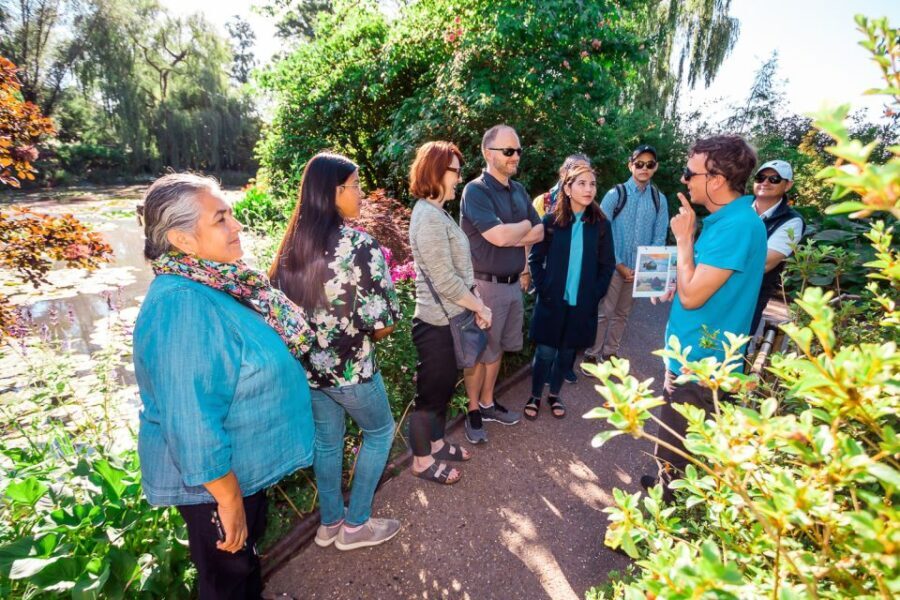
This sits between the budget coach tour and the small group premium. You get a live guide who walks you through Monet’s life, explains the garden layout, and points out details you would completely miss on your own — like which flower beds Monet specifically positioned for certain light conditions, or why the pond was controversial with local farmers when he first built it.
Five hours is a comfortable pace. Not rushed, not dragging. If you care about the art history angle and want more than just pretty flowers, the guided element adds real value here.
Read our full review of this tour
When to Visit Giverny (It Changes Every Month)
Monet’s garden opens from late March or early April through to the end of October or early November. Outside those dates, the house and garden are closed. No exceptions.
But “open” does not mean “the same.” What you see depends entirely on when you go, and the difference is dramatic.

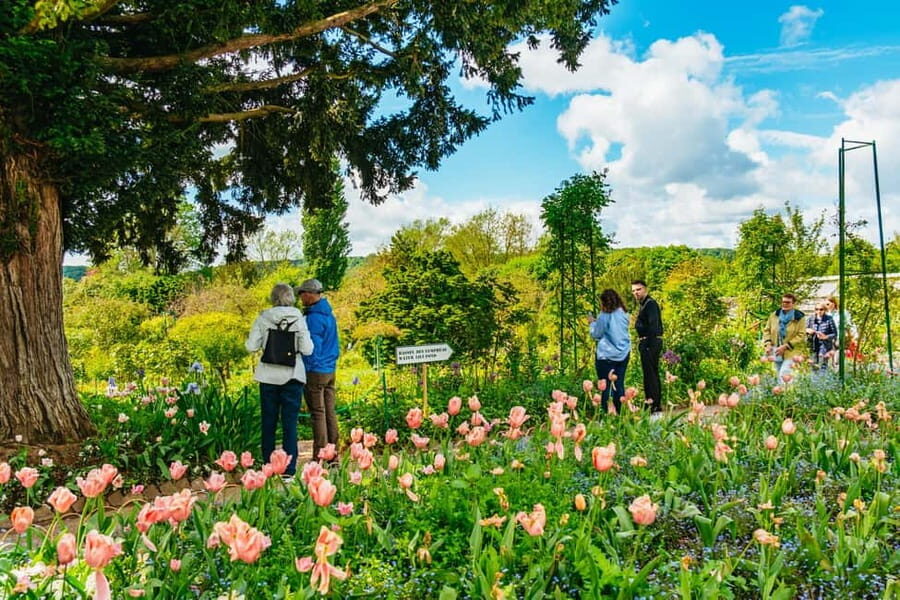
April: Tulips, daffodils, forget-me-nots. The garden is waking up. Crowds are thin. The water lily pond is green but the famous flowers have not bloomed yet. Cool and sometimes rainy.
May: This is when things get spectacular. Irises, wisteria on the Japanese bridge (that purple cascade you see in every photo), peonies, and the first roses. Many regular visitors consider May the single best month. Moderate crowds.
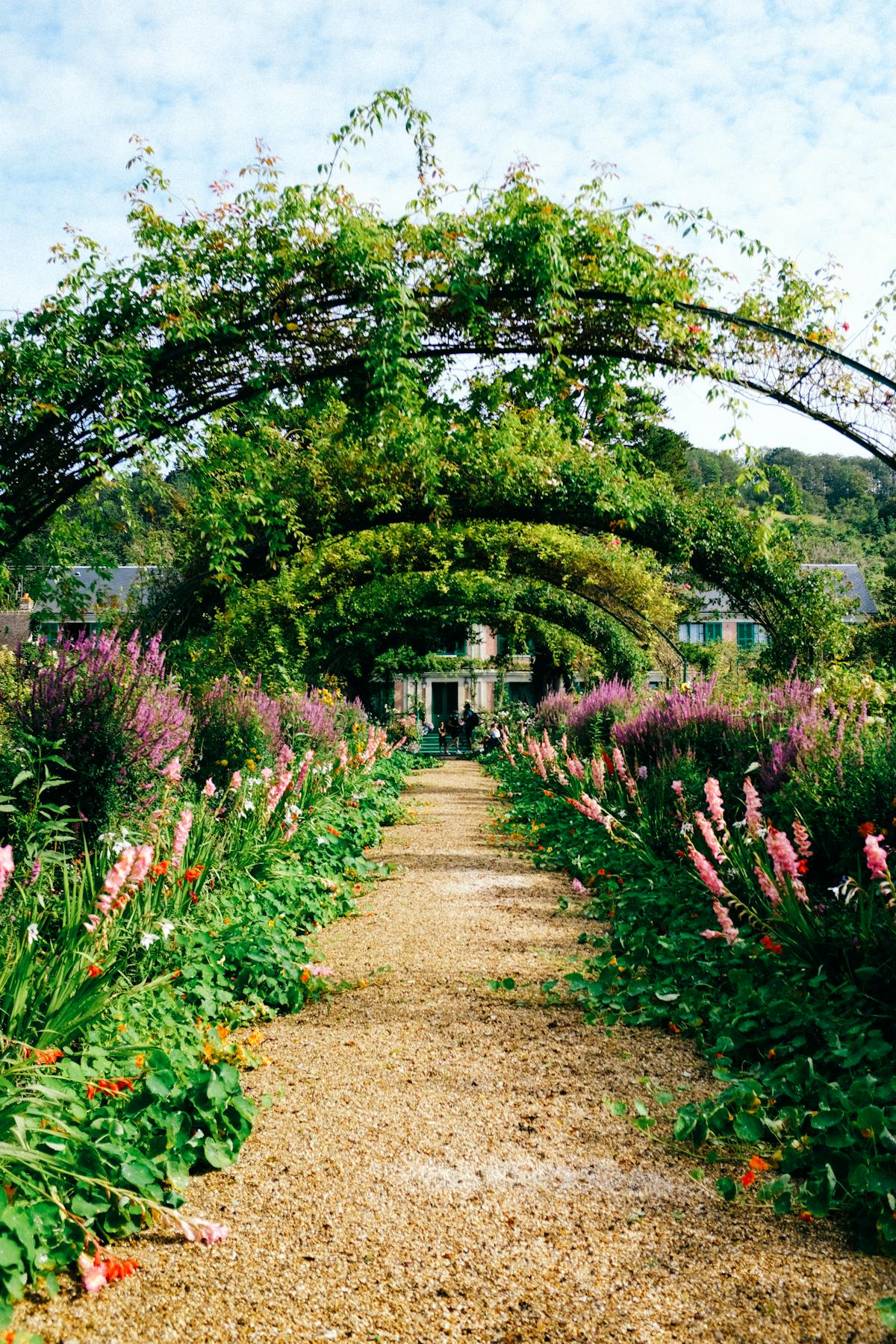
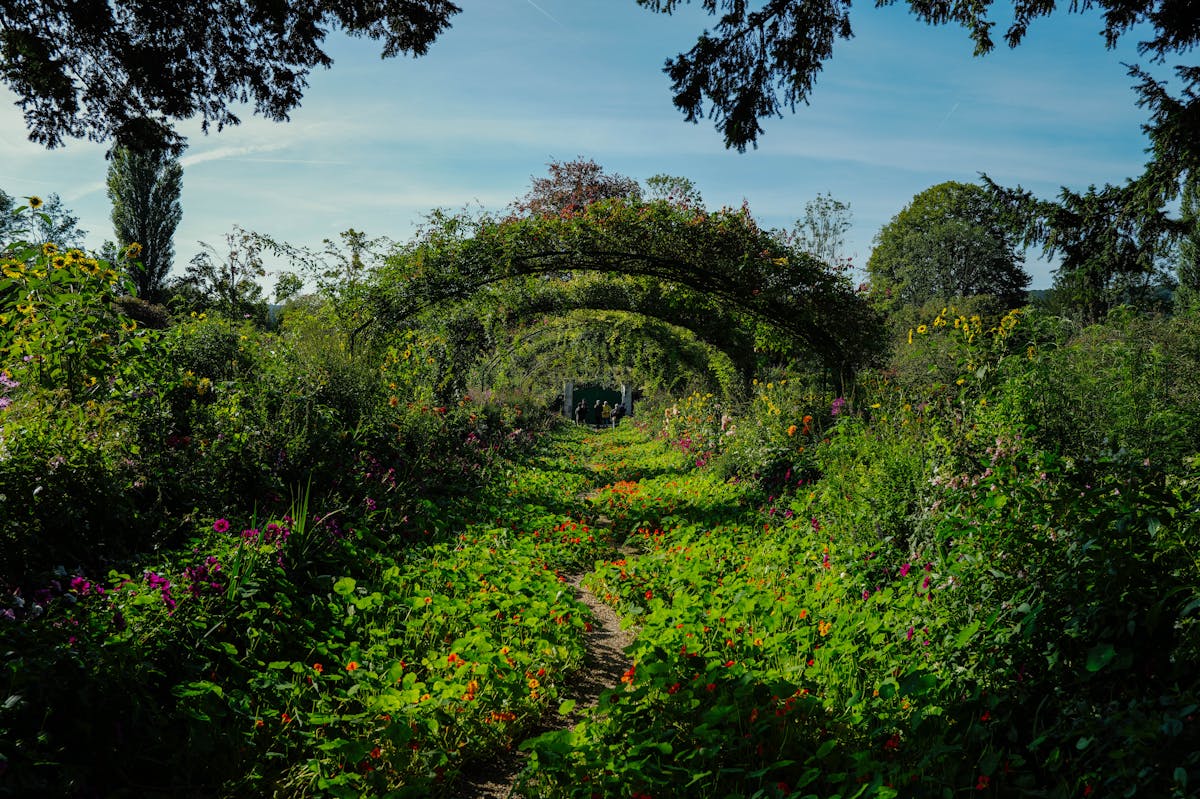
June: Roses everywhere. The Clos Normand (the flower garden in front of the house) peaks. The nasturtiums on the Grande Allée are filling in. This is the fullest, most colourful the garden gets. Crowds pick up significantly.
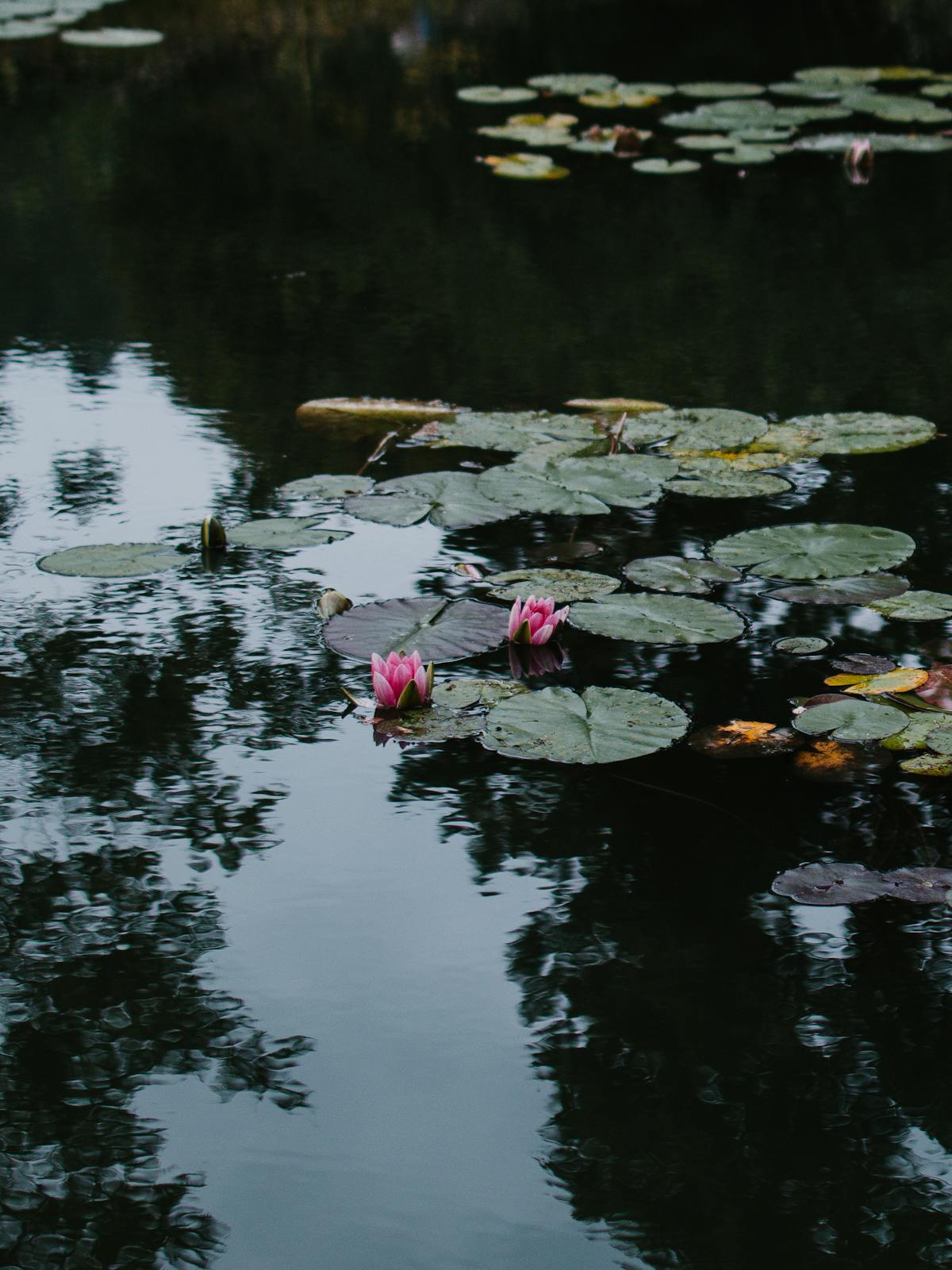
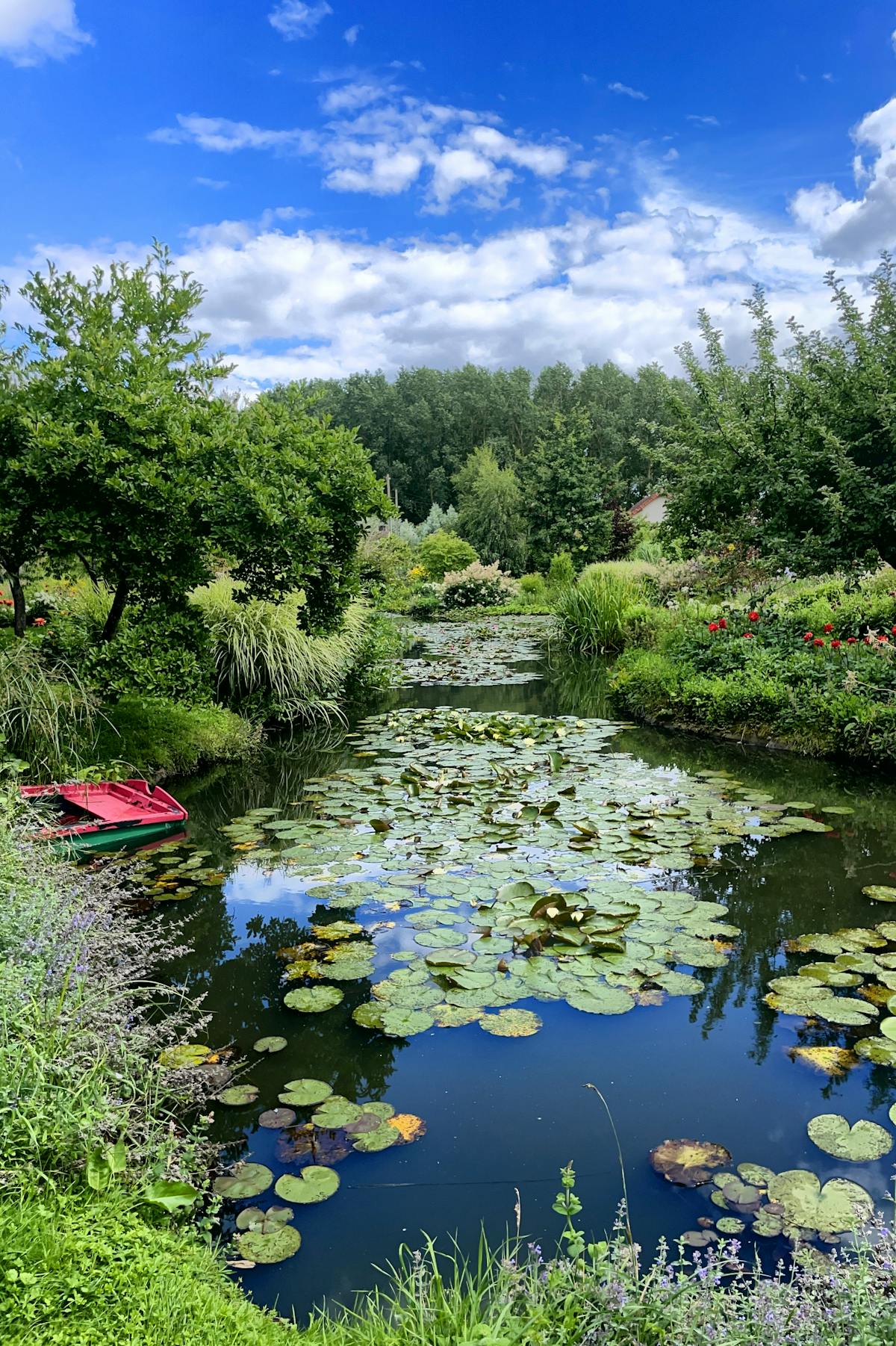
July & August: Water lilies finally bloom and the pond looks exactly like the paintings. Sunflowers, dahlias, hollyhocks. But the crowds are at their worst — peak French holiday season means the paths can feel cramped. Go first thing in the morning if you visit in summer.

September: Nasturtiums take over, asters appear, and the light turns golden. Crowds drop off sharply after the French rentree (back-to-school). Arguably the most pleasant time to visit for comfort and atmosphere.
October: Dahlias and late roses hang on. The garden starts to thin out. Some beds look past their best. But the autumn light through the trees around the pond is something else entirely, and you might have stretches of the garden almost to yourself.
Tips for Visiting Giverny
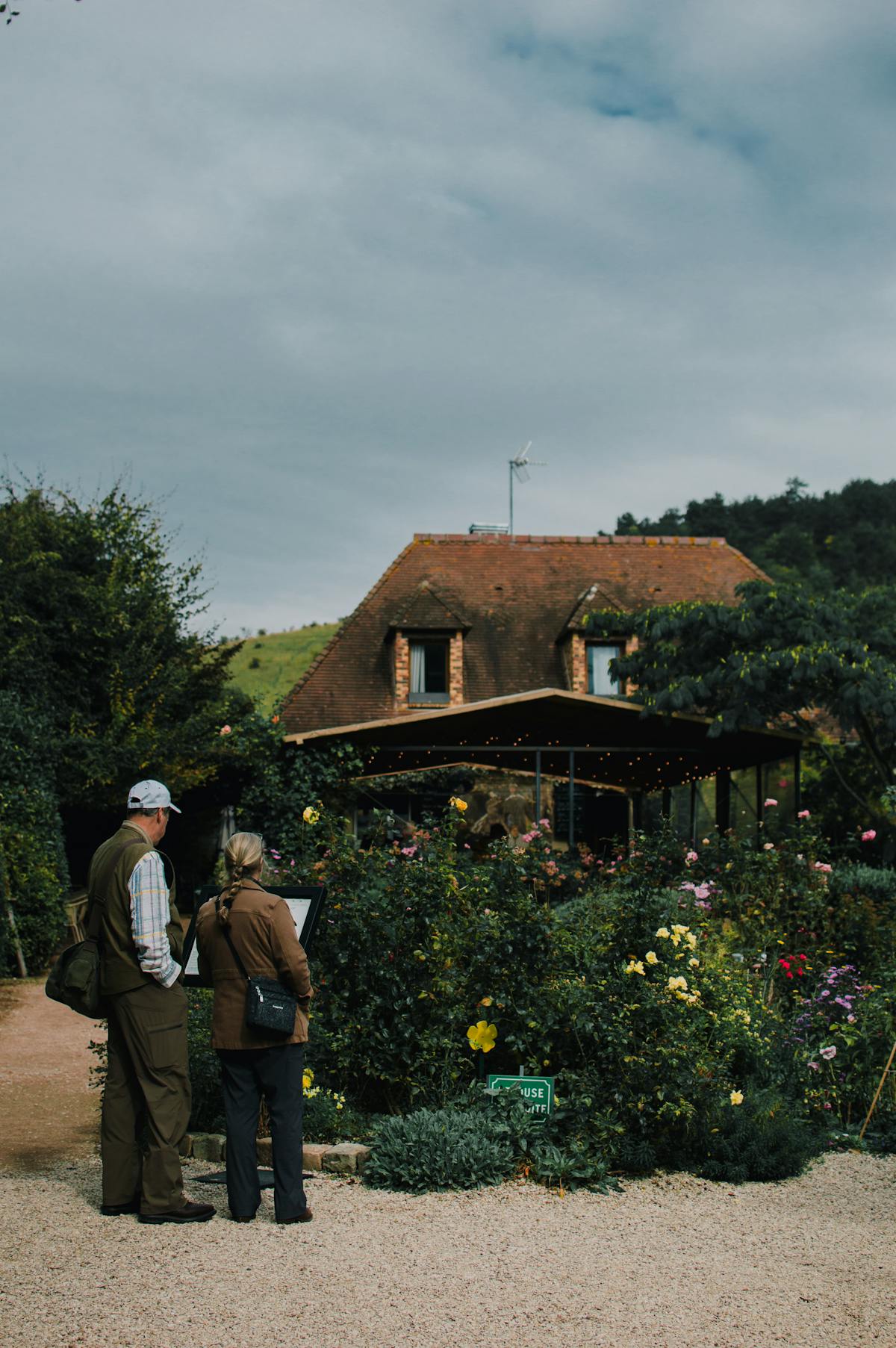
Arrive before 10am. The garden opens at 9:30. The first hour is the quietest, and the morning light on the pond is worth setting your alarm for. By midday the paths get congested, especially the narrow ones around the water garden.
Start with the water garden. Most visitors turn right into the Clos Normand first because it is right in front of you. Go left, cross the underground passage, and hit the pond and Japanese bridge while they are still quiet. Circle back to the flower garden and house later.
Bring a decent camera. Phone cameras work fine for social media, but the garden rewards a real lens. The depth of the flower beds, the way light filters through the willow trees — a wider aperture captures something your phone flattens out.
Eat before or after, not during. Giverny village has a handful of restaurants and they all get slammed at lunch. Either eat an early lunch before your visit or grab something after. The on-site cafe is overpriced and underwhelming.
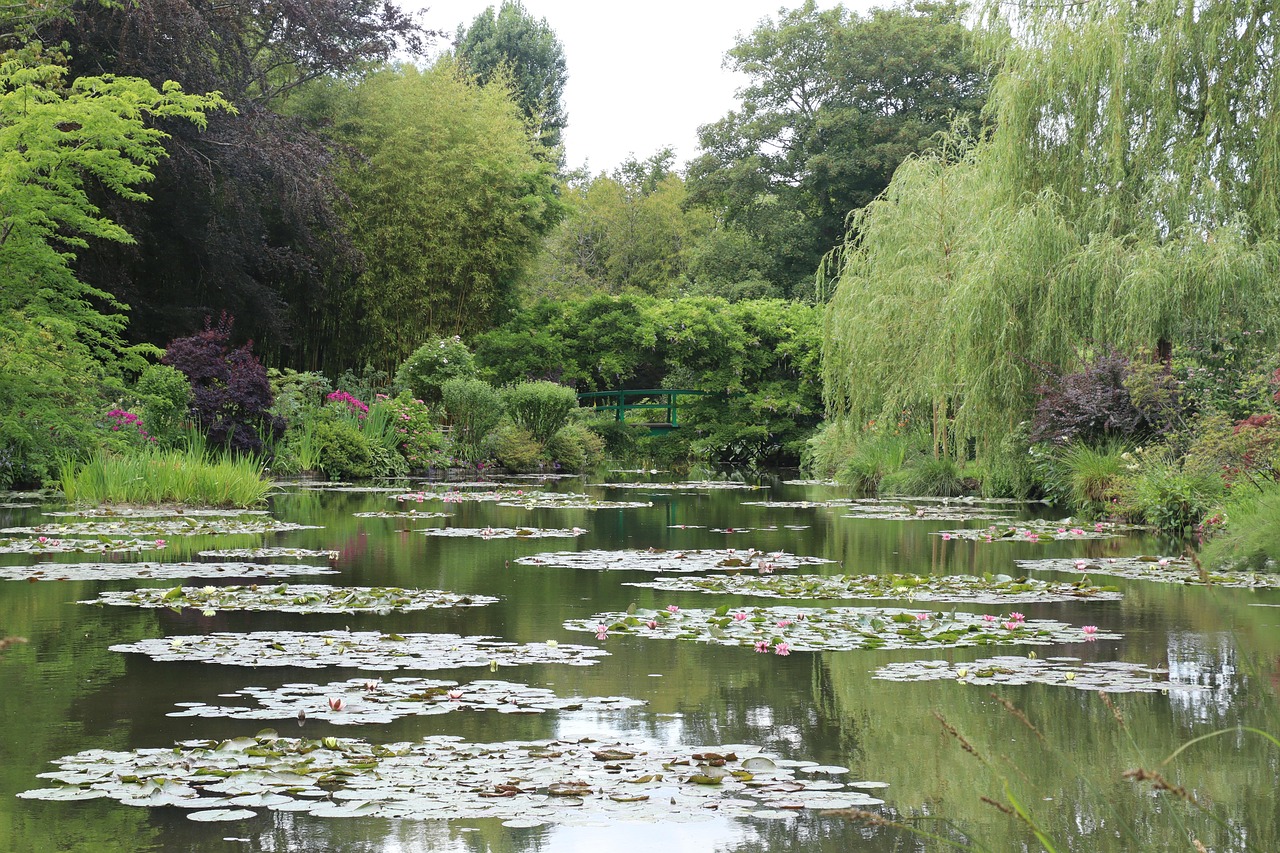
Allow 2-2.5 hours. The estate is not vast. You can walk every path, tour the house, and spend time at the pond in two hours. Add another 30 minutes if you want to browse the gift shop (which is actually good — quality prints and books, not just fridge magnets).
Check the Musee des Impressionnismes. It is a 5-minute walk from Monet’s garden and hosts rotating exhibitions focused on Impressionism and its influence. Worth it if you have time, and it extends your reason for being in Giverny beyond just the garden.
Wear comfortable shoes. The paths are gravel and uneven in places. Anything with a heel is a bad idea.
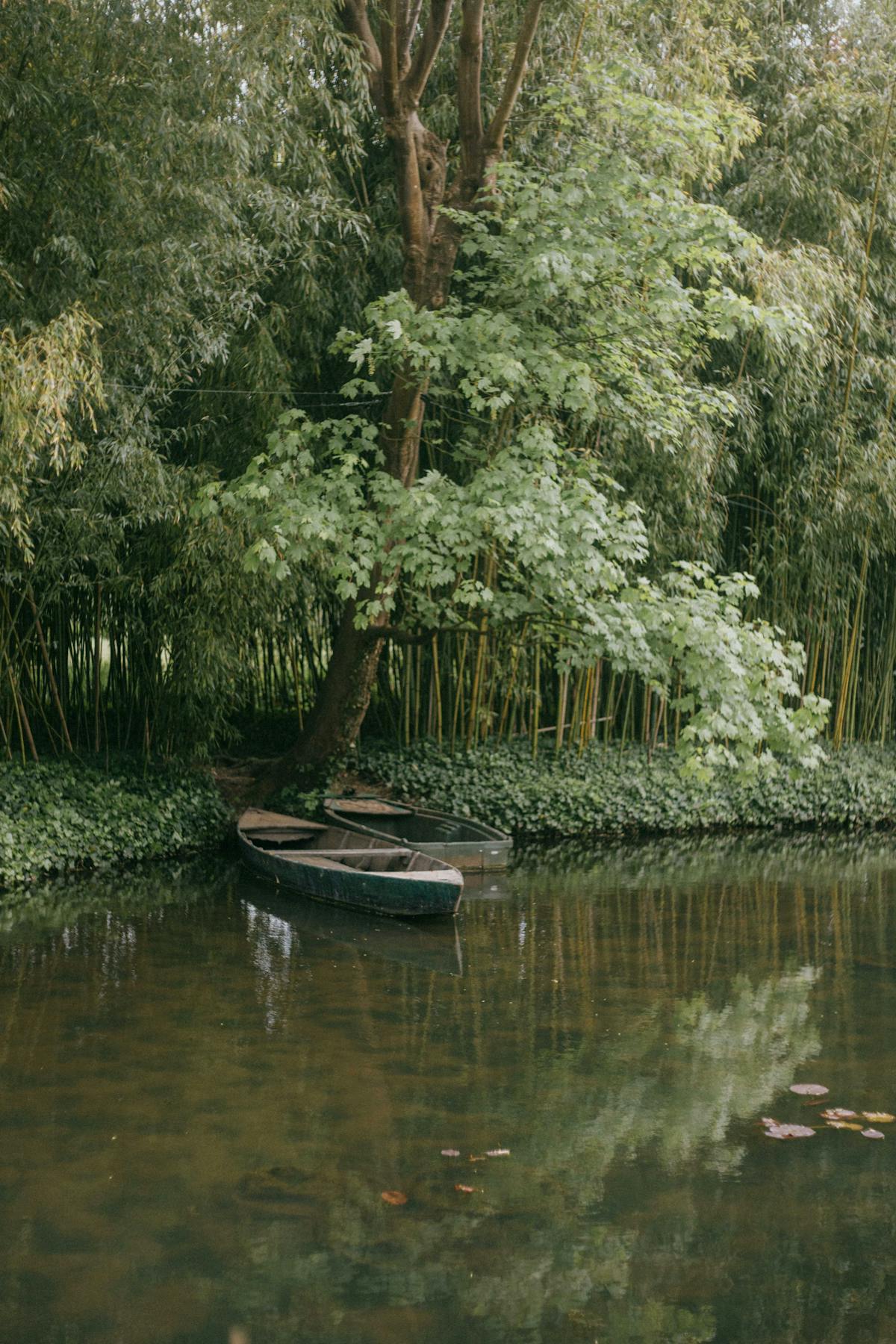
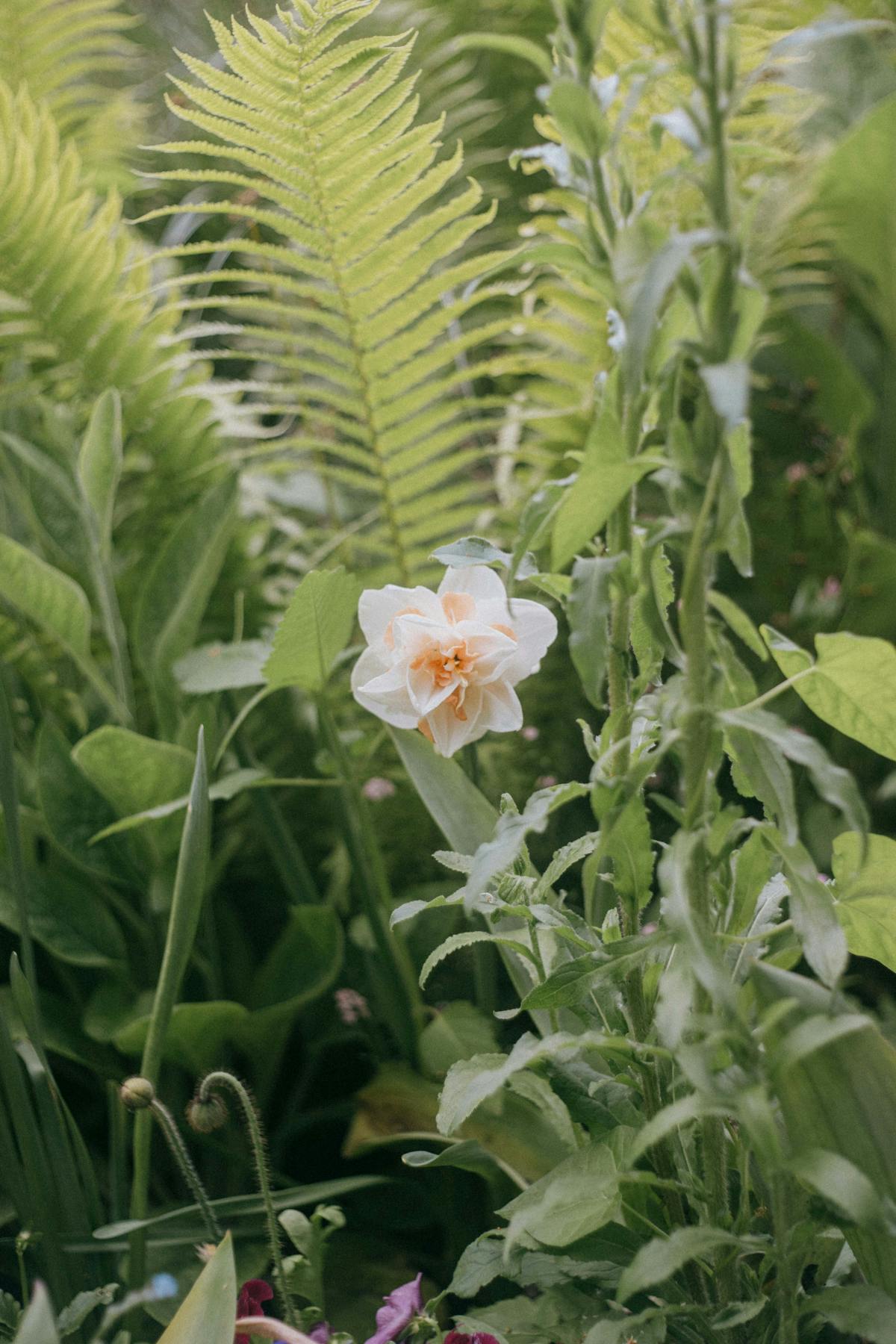
If Giverny leaves you wanting more of Paris’s art and history side, you are already set up for it. The Louvre and a Seine river cruise pair naturally with a Giverny visit — one gives you the art, the other gives you the city from its best angle. And the Orangerie, where Monet’s massive water lily murals hang in two oval rooms designed specifically for them, is the place to go afterward if you want to see what those ponds looked like through his eyes. Versailles makes an obvious combination too, and several tours bundle them together. The Eiffel Tower is worth booking separately rather than trying to squeeze it into a Giverny day — it deserves its own evening.
More France Guides
Giverny is one of the shorter day trips from Paris, which leaves you time for other experiences on the same day or the next. The Loire Valley heads in a different direction and covers grander architecture if you want a contrast to Monet’s intimate gardens. Versailles is another garden-heavy excursion, though Versailles operates on a completely different scale. Back in Paris, the Musee d’Orsay holds the largest collection of Monet’s paintings in the world, so visiting after Giverny lets you see the art and the place that inspired it in the same trip. For something livelier, a Montmartre tour takes you to the neighborhood where many of the Impressionists actually lived and worked.
This article contains affiliate links. If you book a tour through our links, we may earn a small commission at no extra cost to you. This helps support our work in creating free travel guides.