
I stood in a dim limestone cellar somewhere outside Saint-Emilion, holding a glass of wine that cost less than my morning coffee back home. The winemaker was explaining, in unhurried French-accented English, how the same grape variety tastes completely different depending on which side of a river it grows on. Left bank, right bank. Gravel soil, clay soil. Two wines from vineyards you could practically see from each other, and they tasted like they came from different planets.
That’s Bordeaux in a single moment. And it’s the kind of thing you only get on a proper wine tour.
Booking a wine tour in Bordeaux is straightforward once you know the key differences between the regions, tour types, and what you’re actually paying for. Most visitors waste time comparing dozens of nearly identical options. I’ll cut through that for you.
Best overall: Afternoon Saint-Emilion Wine Tasting Trip — $112. Half-day from Bordeaux with village walking tour and tastings. The one most people should book.
Best full day: Saint-Emilion and Medoc Full-Day Experience — $212. Both wine regions in one day with a chateau picnic lunch. Worth it if you only have one day.
Best budget: Vineyard Tour and Wine Tasting at Chateau Saint-Georges — $21. One hour at a single estate. Perfect if you’re already in Saint-Emilion and just want a quick tasting.
- What Bordeaux Wine Tours Actually Include
- Saint-Emilion vs Medoc: Which Wine Region to Visit
- Best Wine Tours to Book from Bordeaux
- 1. Afternoon Saint-Emilion Wine Tasting Trip — 2
- 2. Medoc or Saint-Emilion Wine Tasting and Chateau Tour — 5
- 3. Saint-Emilion and Medoc Full-Day Wine Experience — 2
- 4. Vineyard Tour and Wine Tasting at Chateau Saint-Georges —
- When to Visit Bordeaux for Wine Tours
- Tips That Will Actually Help
- More France Guides
What Bordeaux Wine Tours Actually Include
Most wine tours from Bordeaux follow the same basic pattern: a minibus picks you up from the city centre, drives you 30-45 minutes out to the vineyards, and you visit two or three chateaux over the course of a half or full day.
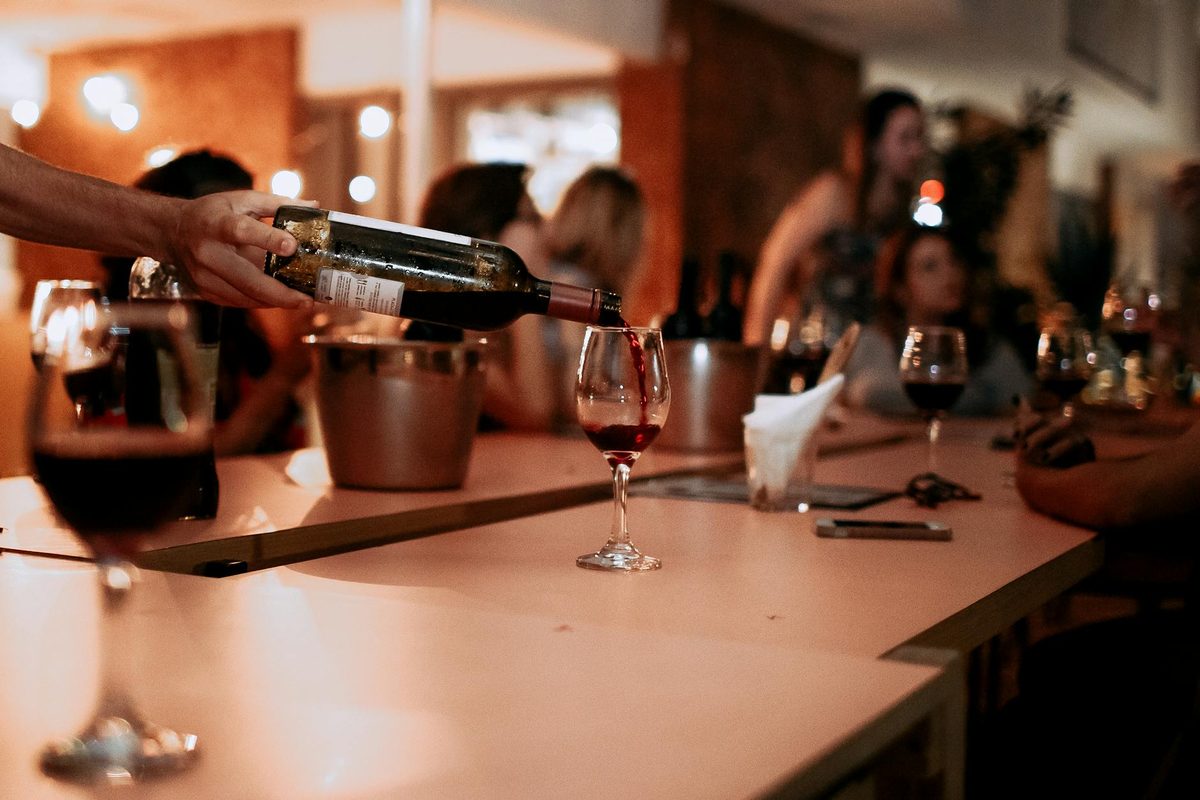
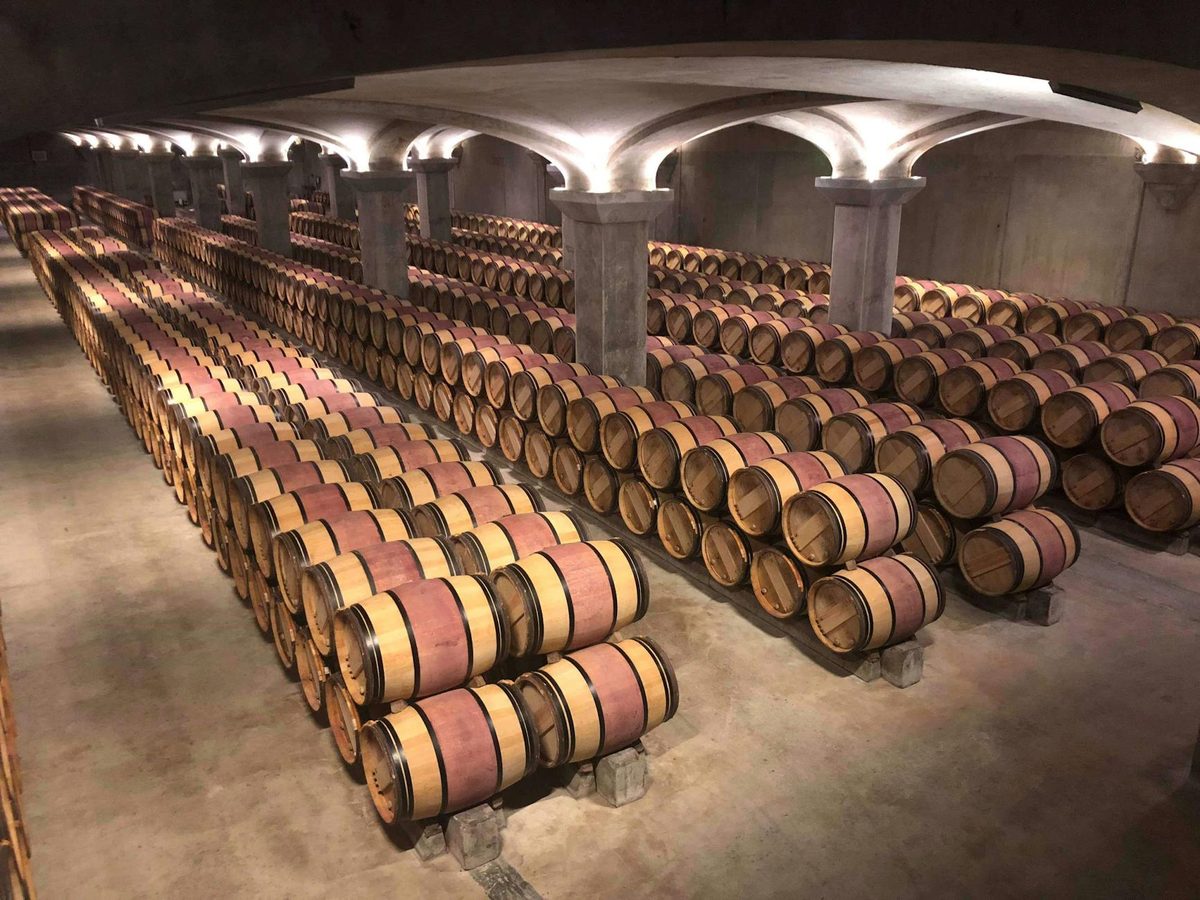
At each stop you get a walk through the estate — the vineyards, the barrel room, sometimes the bottling area — followed by a tasting of two to four wines. The guide explains what you’re drinking and why it tastes the way it does. Some tours include cheese or charcuterie pairings. The full-day tours usually add lunch, either at a chateau or a local restaurant.
Here’s what separates the good tours from the forgettable ones:
Group size matters more than you’d think. Big bus tours (20-50 people) are cheaper but you spend most of your time waiting. Small group tours (8-12 people) cost more, but the chateau owners actually talk to you. The experience is completely different.
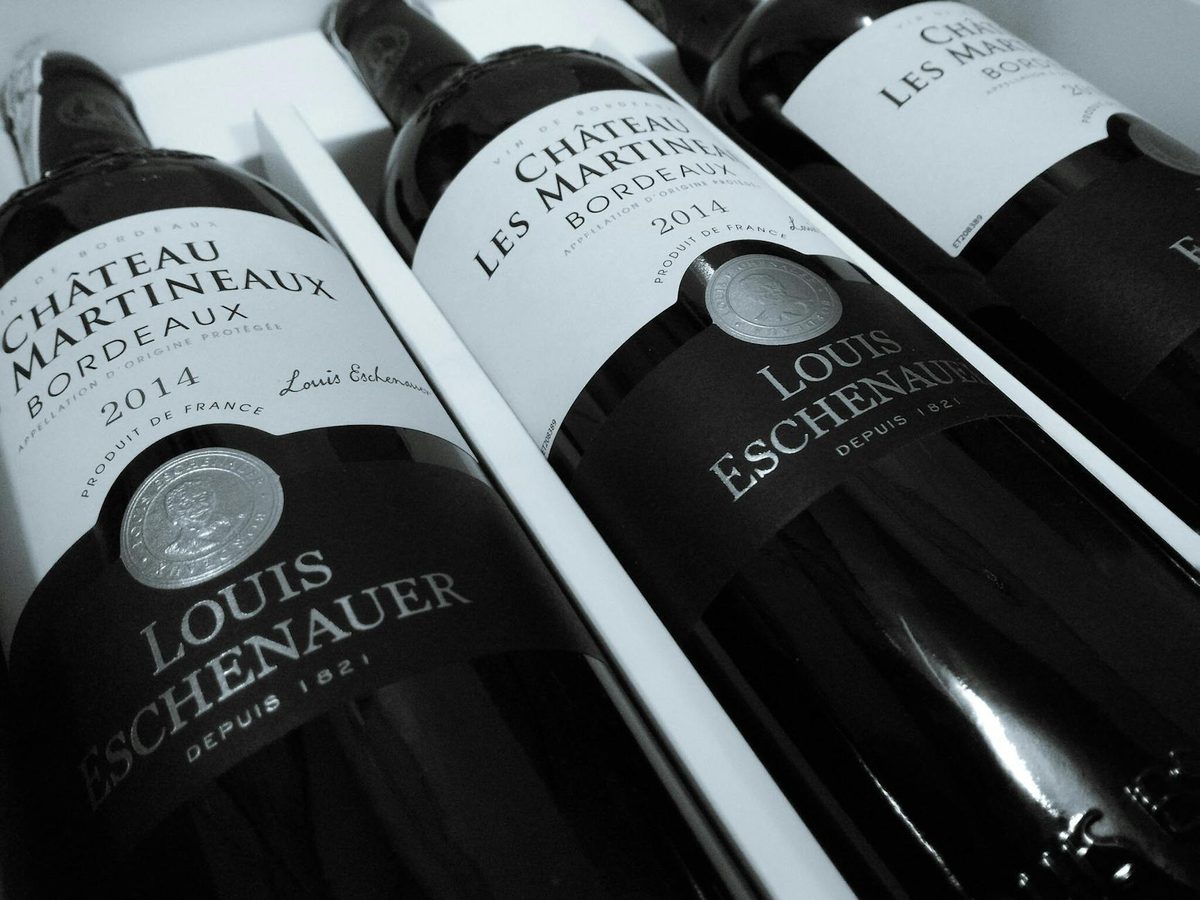
Not all tastings are equal. A budget tasting pours you their entry-level wines — perfectly drinkable but nothing special. The better tours include Grand Cru or Grand Cru Classe wines, which is what Bordeaux is actually famous for. Ask before booking.
Transport is included on almost every tour. You’re picked up from central Bordeaux (usually near the tourist office or a major square) and dropped back off. Don’t rent a car for wine tasting — that should be obvious, but I’ll say it anyway.
Saint-Emilion vs Medoc: Which Wine Region to Visit
This is the first decision you need to make, and it matters more than which specific tour you book.
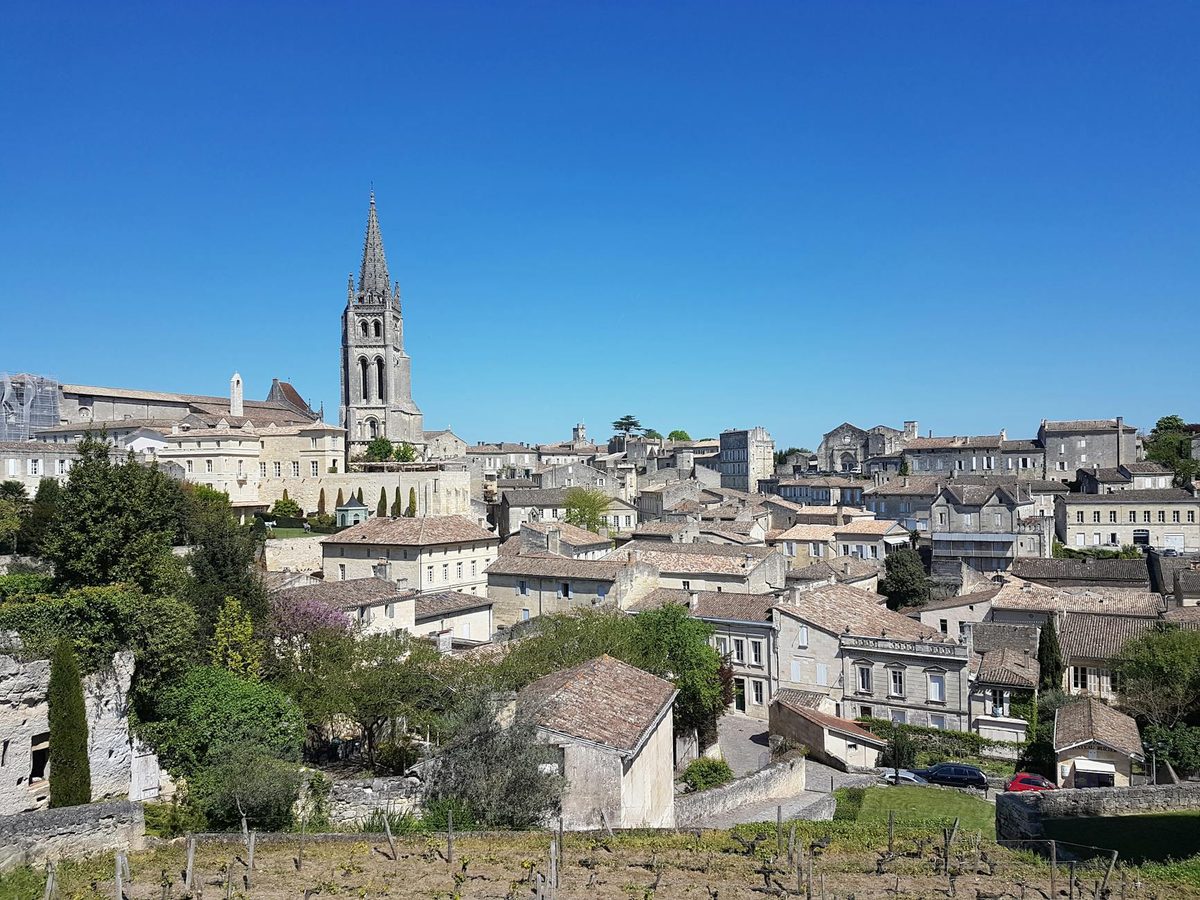
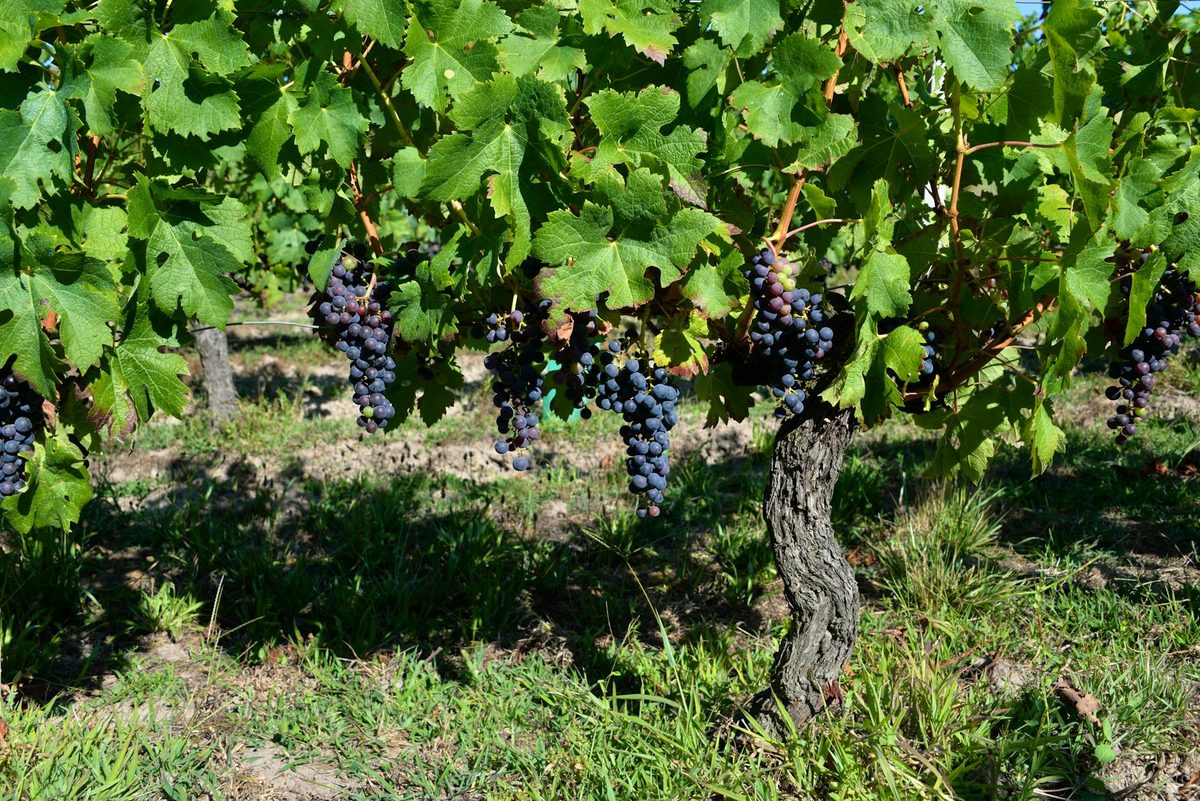
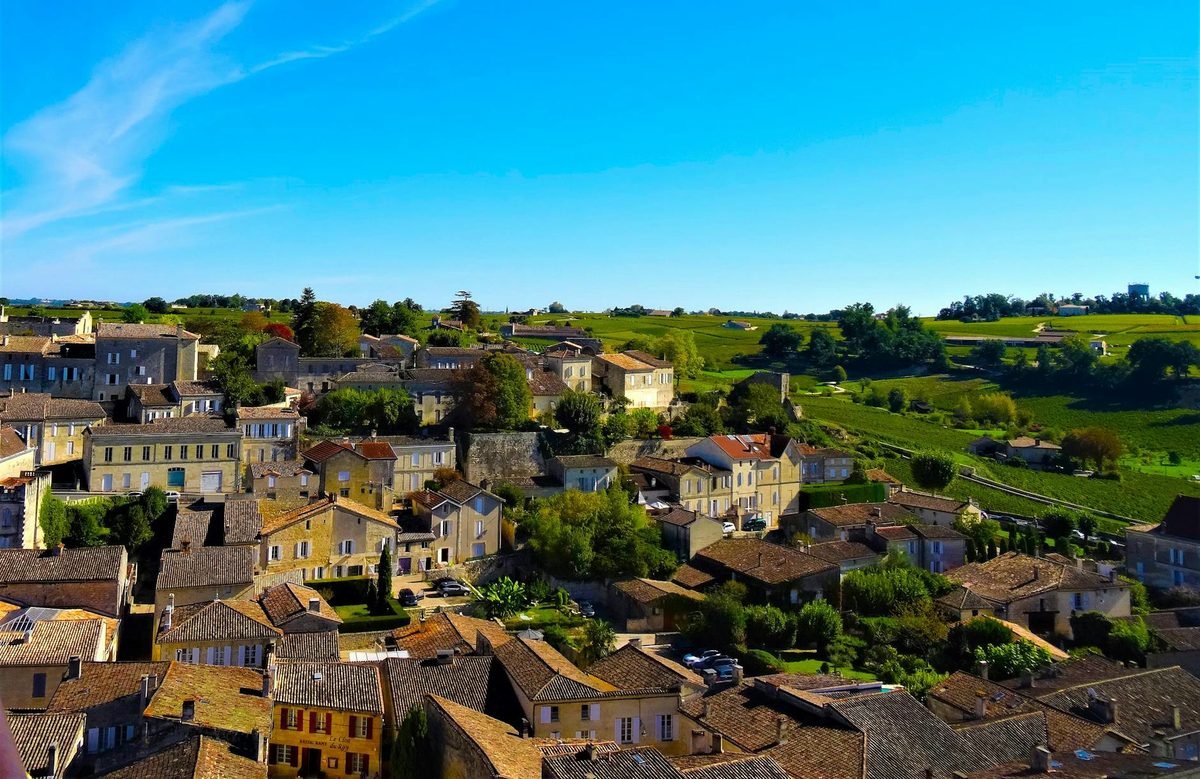
Saint-Emilion is on the right bank of the Dordogne river, about 40 minutes east of Bordeaux. It’s the one most first-timers should visit. The medieval village itself is worth the trip even if you don’t care about wine — cobblestone lanes, underground catacombs, a monolithic church carved out of a single piece of limestone. The wines here are Merlot-dominant, rounder and softer than the left bank. More immediately enjoyable, especially if you’re not a wine expert.
The chateaux in Saint-Emilion tend to be smaller and more personal. You might meet the actual winemaker, not just a PR person. Tastings feel more intimate.
Medoc (left bank) is the other major option. This is where the famous names live — Margaux, Pauillac, Saint-Julien. The wines are Cabernet Sauvignon-dominant, bigger and more tannic. The chateaux are grander, more formal, and harder to visit independently (many require appointments months in advance). Guided tours solve this problem because they have existing relationships with the estates.
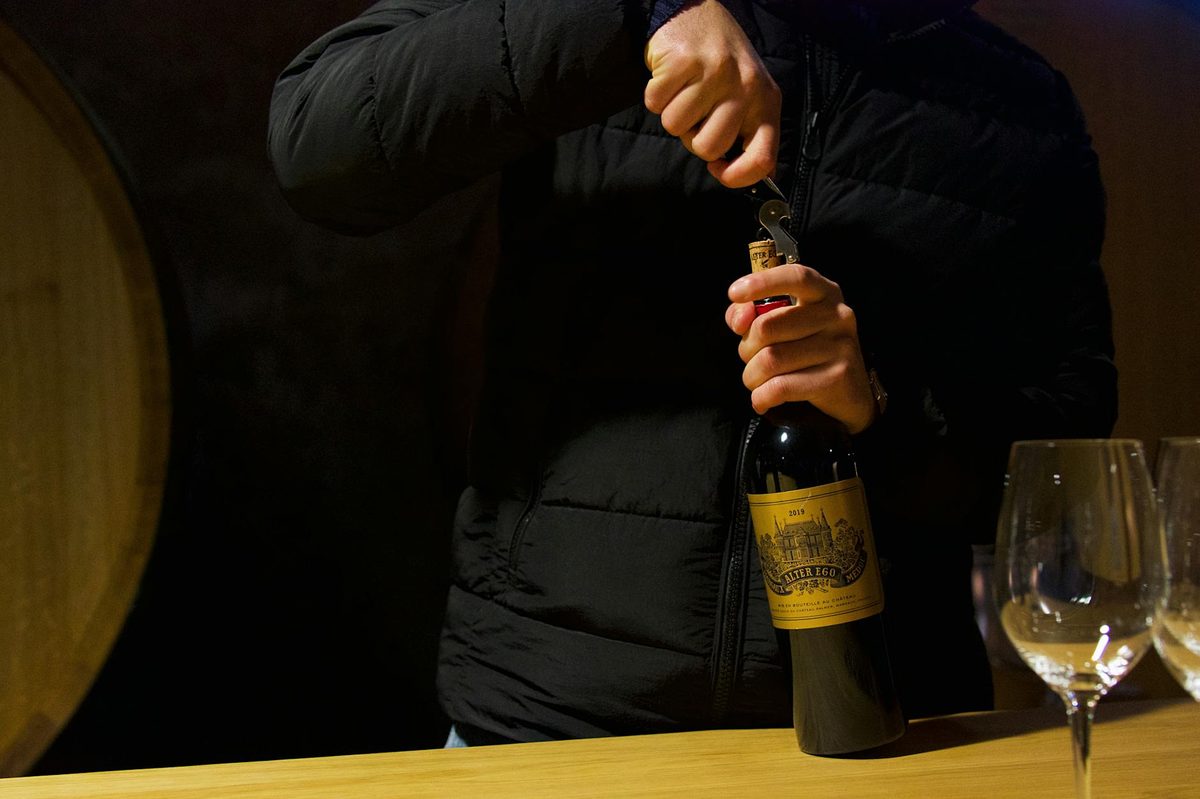
My honest take: If you’re visiting Bordeaux for the first time and booking one tour, go to Saint-Emilion. The village gives you something to do between tastings, the wines are more approachable, and the whole experience is warmer. If you’ve already been to Saint-Emilion or you’re genuinely into big Cabernets, then Medoc is your move. Or do a full-day tour that covers both — that’s probably the best option if you only have one day.
Best Wine Tours to Book from Bordeaux
I’ve gone through the most popular options and picked four that cover different budgets, regions, and time commitments. Each of these has strong visitor feedback and runs regularly year-round.
1. Afternoon Saint-Emilion Wine Tasting Trip — $112
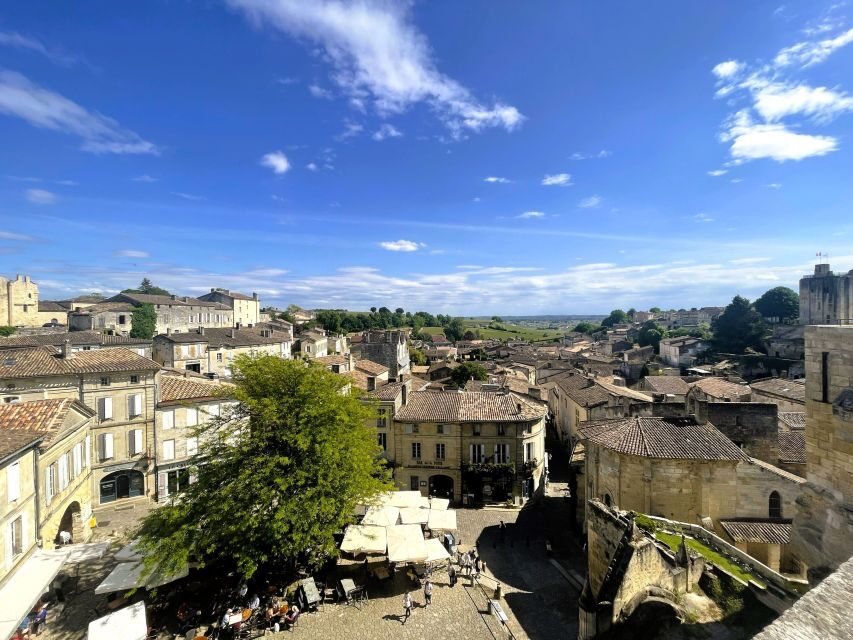
This is the one I’d recommend to most people. It’s a half-day tour (about 4.5 hours) that departs from central Bordeaux in the afternoon and takes you straight into the heart of Saint-Emilion. You get a guided walk through the medieval village, a visit to a working winery, and tastings of several local wines.
At $112 per person, it hits the sweet spot between cost and quality. The groups stay small, the guides know their stuff, and you’re back in Bordeaux by early evening with plenty of time for dinner. One thing to know: this is more of a cultural tour with wine tastings built in, not a dedicated deep-dive wine experience. If you want to learn about terroir and tannin structures, look at the full-day option below. But if you want to see Saint-Emilion, taste good wine, and have an enjoyable afternoon, this is the one.
2. Medoc or Saint-Emilion Wine Tasting and Chateau Tour — $115
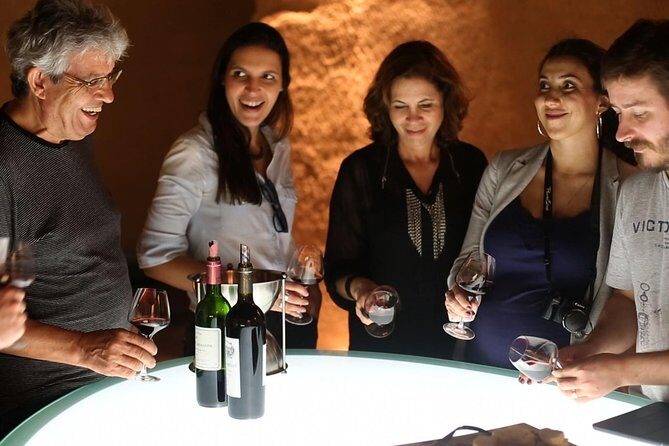
This is a smart choice if you want options. When you book, you pick either Medoc or Saint-Emilion — so you’re not locked into one region. It runs about 4.5 hours with a small group, and includes visits to two chateaux with full tastings at each, plus gourmet food pairings.
At $115, it’s essentially the same price as option #1 but gives you that regional choice. The Medoc version is particularly good if you’re curious about Cabernet-dominant wines and the grander chateaux estates. The food pairings — local cheese, charcuterie, sometimes chocolate — are a nice touch that not every tour includes. Visitors consistently mention that the guides on this tour go deeper into the winemaking process than average.
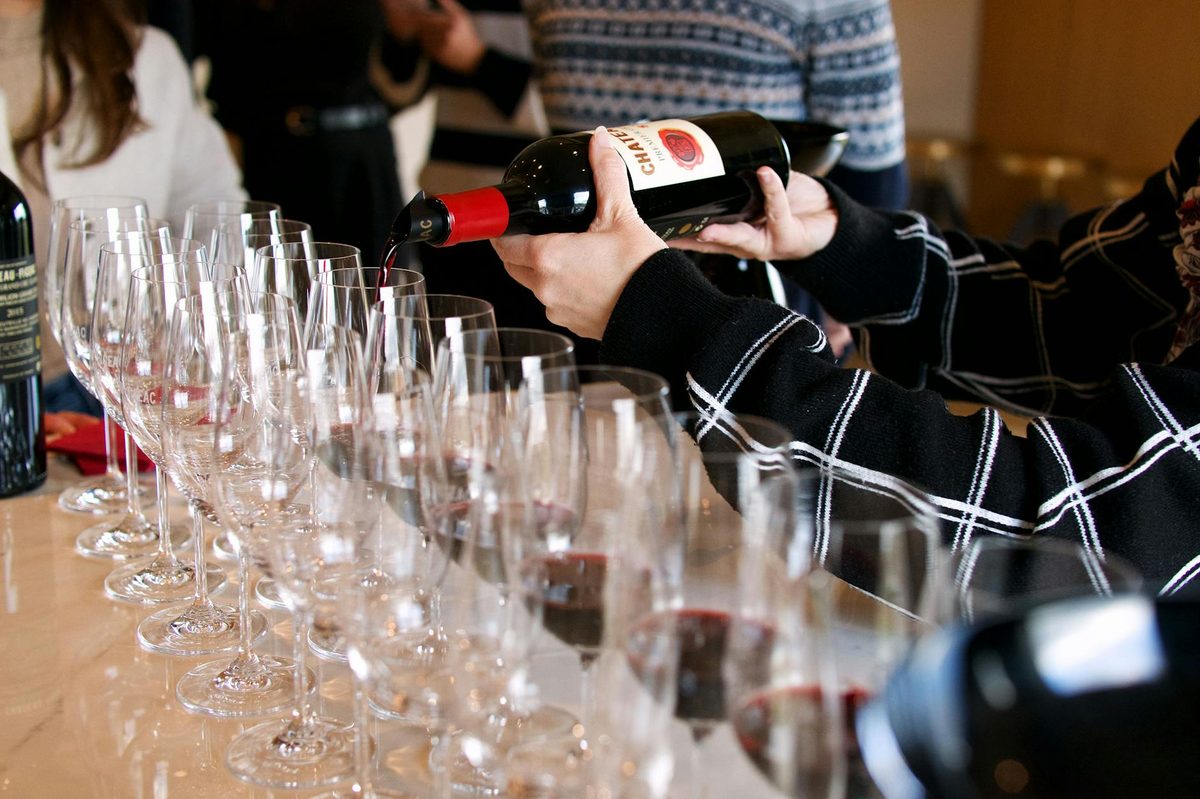
3. Saint-Emilion and Medoc Full-Day Wine Experience — $212
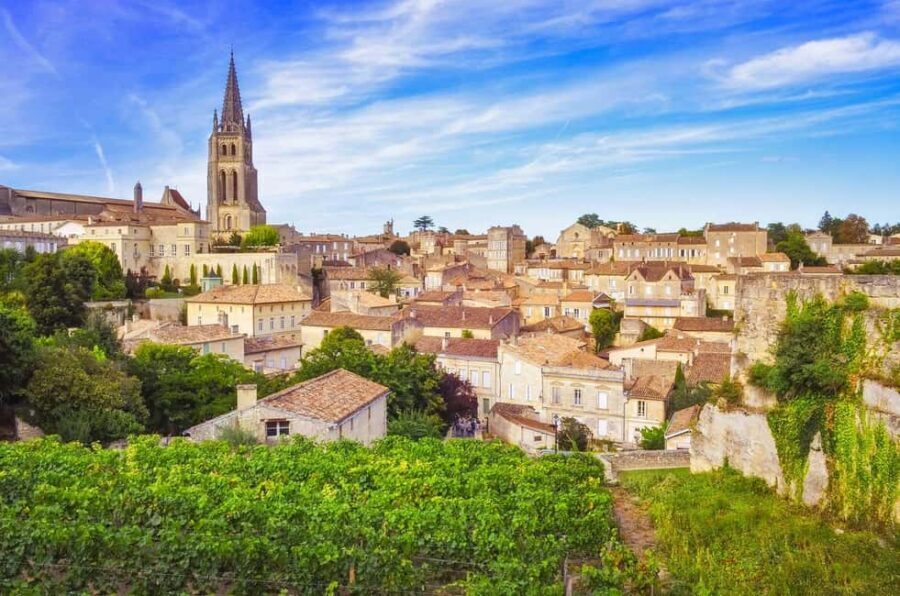
If you’re only going to do one wine day in Bordeaux, this is the one that covers the most ground. Nine hours, both regions, multiple chateaux, and a chateau picnic lunch included in the $212 price. You’ll taste wines from both banks and genuinely understand why they’re different by the end of it.
The full-day format also means you’re not rushing. The half-day tours sometimes feel like you’ve barely sat down before you’re back on the bus. Here you can actually linger, ask questions, walk through the vineyards properly. The trade-off is obvious — it’s nearly double the price and it eats your entire day. But if wine is a priority for your trip, you won’t regret it. Just don’t plan a big dinner after. You’ll be comfortably full and pleasantly tired.
4. Vineyard Tour and Wine Tasting at Chateau Saint-Georges — $21
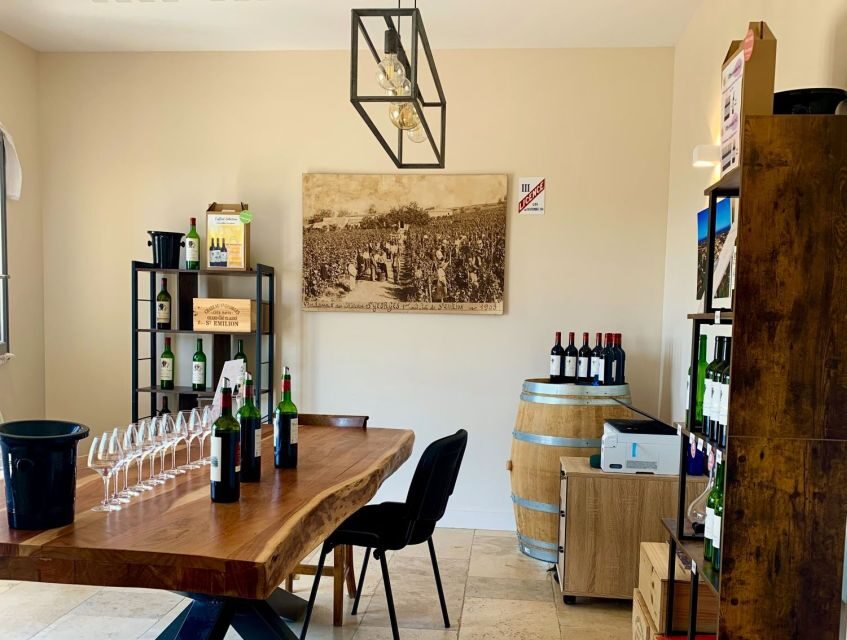
Not everyone wants (or can afford) a half-day tour, and that’s fine. At $21 per person, this is a one-hour guided experience at Chateau Saint-Georges Cote Pavie, a working estate in Saint-Emilion. You walk the vineyard, see the wine-making operation, and taste their wines with the people who actually made them.
The main thing to know: this is in Saint-Emilion, so you need to get there yourself. It’s about 45 minutes by train from Bordeaux (the TER to Libourne, then a short connection or taxi). That makes it perfect if you’re planning to spend a day exploring the village anyway and want to add a proper winery visit without booking an organized tour. It’s also the best option if you’re on a tight budget but still want the real thing. You won’t get the comparative tasting across multiple estates, but for the price, it’s hard to argue with.
When to Visit Bordeaux for Wine Tours
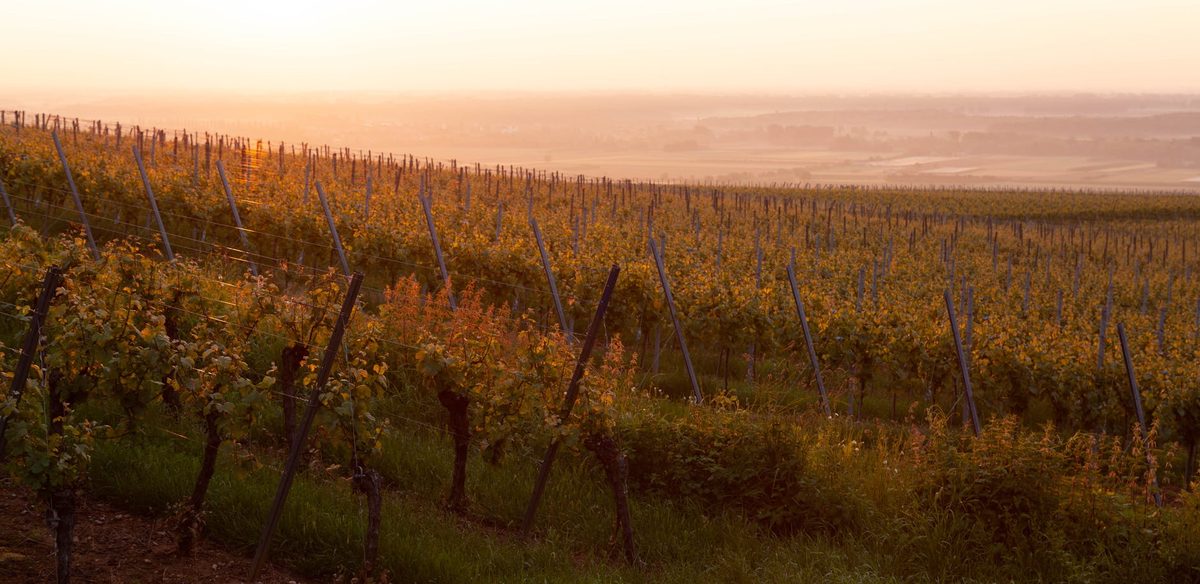
Wine tours run year-round in Bordeaux, but the experience changes dramatically with the seasons.
September and October are the best months, full stop. The harvest (vendange) is happening, the vineyards are at their most photogenic, the weather is warm but not brutal, and the winemakers are buzzing with energy. Some tours even let you participate in grape picking. Book well in advance for these months — the popular tours sell out.
June through August are the busiest months. The weather is hot (sometimes very hot — Bordeaux summers regularly hit 35C+) and the vines are green and full. Lots of travelers, though, so groups are often at capacity. July in particular can be sweltering in the vineyards with no shade. Morning tours are better than afternoon ones in summer.
April and May are underrated. Fewer crowds, mild temperatures, and the vineyards are just starting to come alive with spring growth. You won’t see the grapes yet, but the chateaux are less busy and the guides have more time for you.
November through March is the quiet season. Tours still run, and honestly this has its own appeal — the barrel rooms and tasting cellars are the same year-round, and the chateaux feel more private. Saint-Emilion village is atmospheric in winter, with fog rolling through the lanes. But some smaller estates close for the season, so check availability.
Tips That Will Actually Help
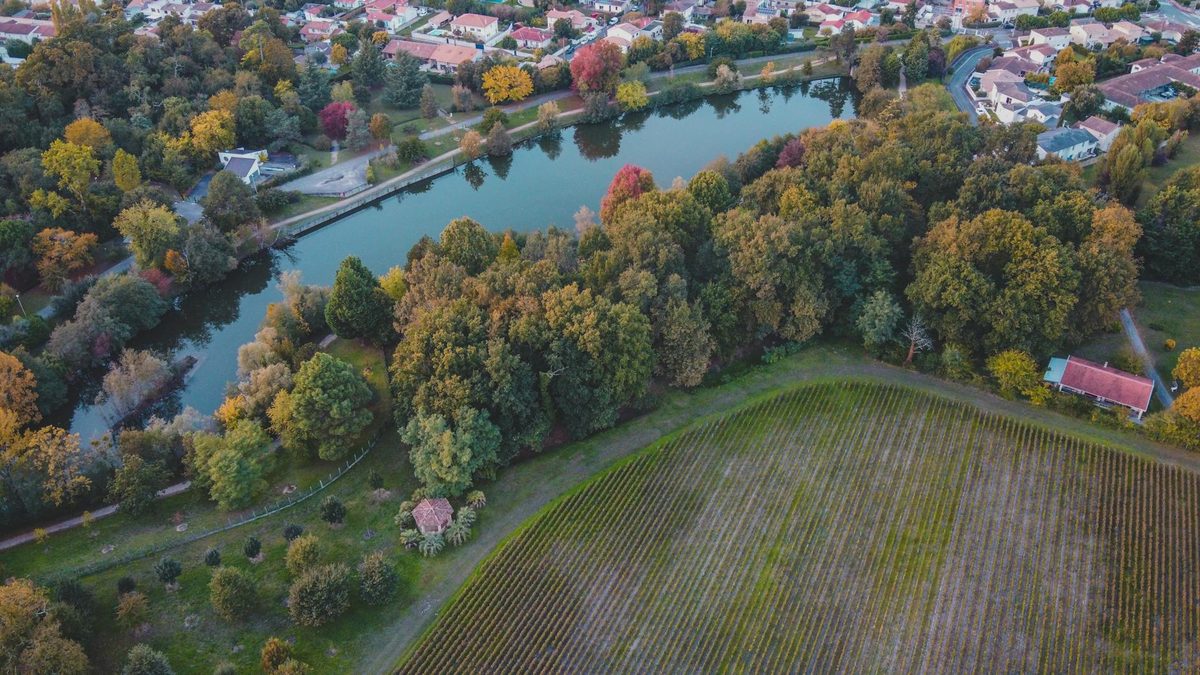
Eat before you go. Most half-day tours don’t include food. A few glasses of wine on an empty stomach in 30-degree heat is a bad combination. Have a proper lunch (or at least a croissant and coffee) before your afternoon departure.
Wear comfortable shoes. You’ll walk through vineyards, on gravel paths, and on uneven cellar floors. Heels and white sneakers are both bad ideas. Closed-toe shoes you don’t mind getting a bit dusty are ideal.
You can buy wine at the chateaux, but don’t feel pressured. Nobody forces you to buy anything. That said, the prices are usually fair, and some estates produce wines that are genuinely hard to find elsewhere. If you do buy, most chateaux will pack bottles for travel. Some can even arrange international shipping.
Book at least a few days ahead in summer and during harvest. The most popular small-group tours sell out, especially on weekends. Winter and shoulder season? You can often book the day before.
The Cite du Vin in Bordeaux city is worth a visit, but it’s not a substitute for a vineyard tour. It’s a wine museum with a tasting at the top — fun and educational, but a completely different experience from actually visiting the place where the wine is made. Do both if you have time.
If you’re driving yourself to Saint-Emilion (as the designated sober person), parking is limited in the village. There’s a large car park on the outskirts — arrive before 10am on busy days or you’ll be circling.
More France Guides
Bordeaux wine country is one of the great French experiences outside of Paris, and it pairs well with other parts of a longer France trip. If you are also visiting the coast, a French Riviera from Nice covers a completely different side of the south. If your trip includes Paris, the Champagne region offers a different French wine region much closer to the capital — comparing the two is one of the pleasures of a longer France itinerary. Back in Paris, the Louvre and the Musee d’Orsay are the essential cultural stops, and a Seine river cruise ties the city together beautifully from the water.