
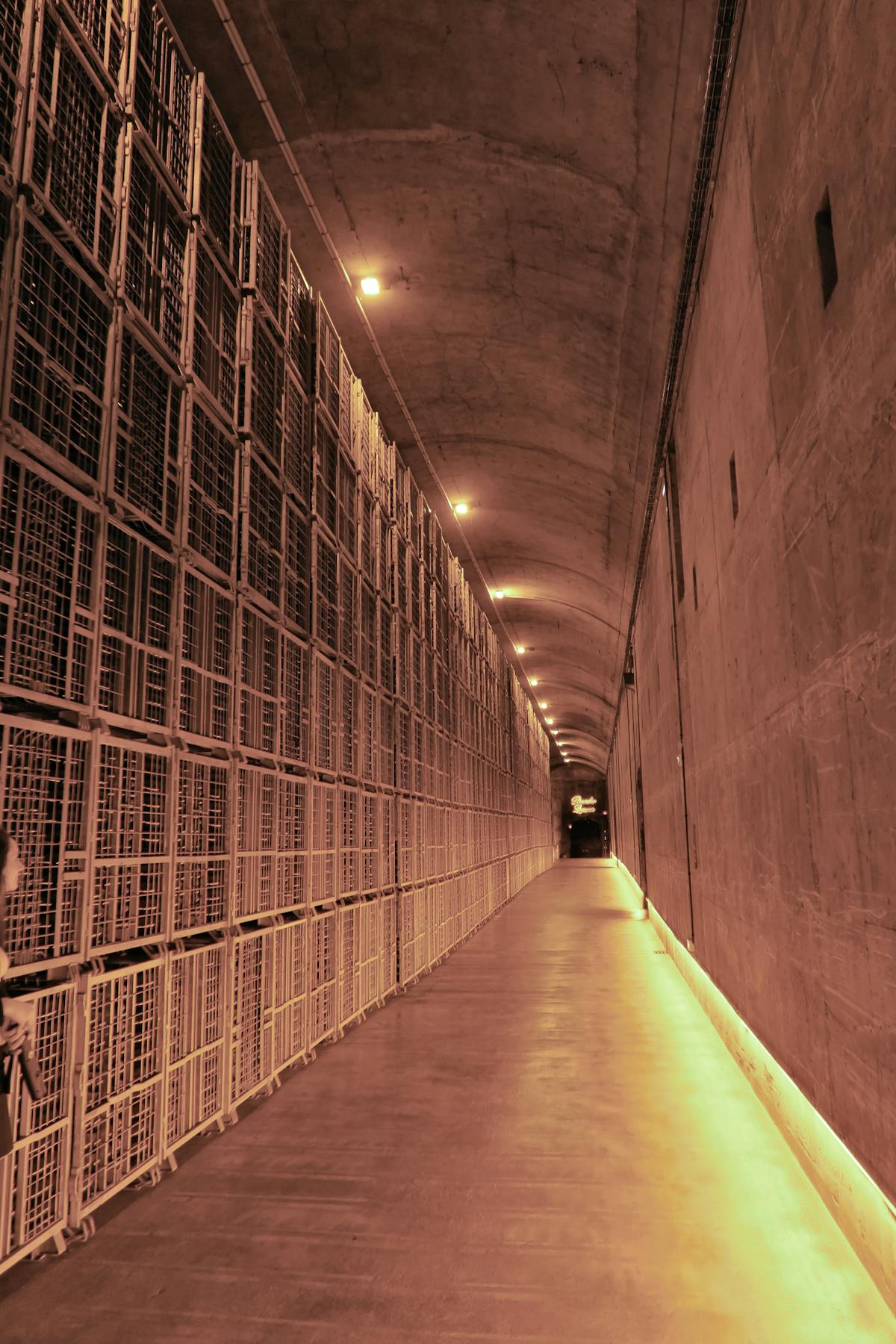
Somewhere beneath the streets of Reims, there are more than 200 kilometres of tunnels carved into solid chalk. The temperature down there stays at a constant 10 degrees Celsius, year-round, and the walls sweat with the kind of damp cold that creeps through your jacket in about thirty seconds. Millions of bottles line these tunnels. Some have been sitting there for three years. Others for ten. A few, tucked behind locked gates, have been ageing since before your grandparents were born.
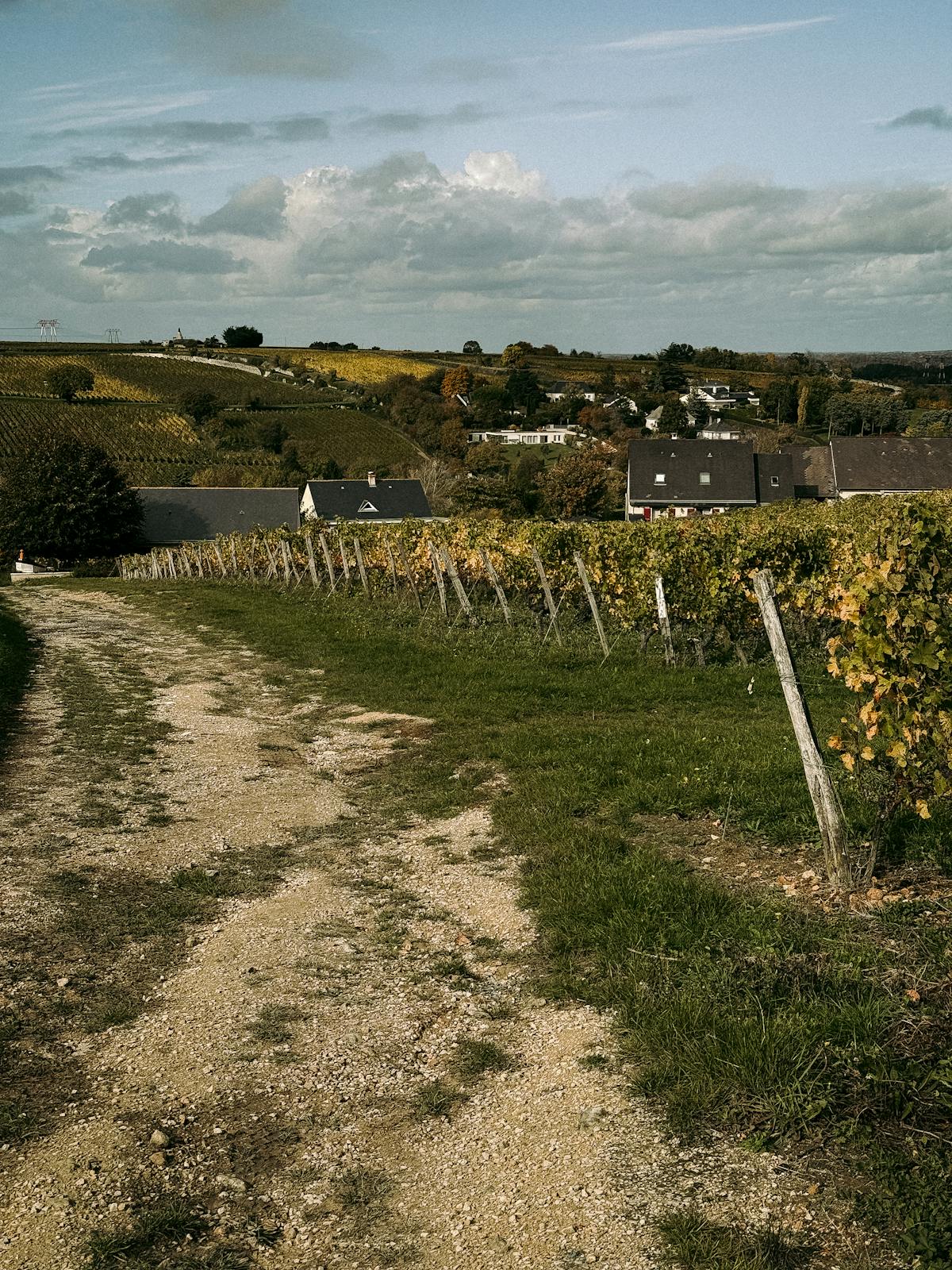
This is the Champagne region. Not the drink at your New Year’s party — the actual place, about 45 minutes east of Paris by train, where that drink is made. And visiting it is nothing like what I expected.
I had pictured fancy tasting rooms and velvet ropes. What I got instead was a cellar master in rubber boots pulling a bottle off a rack, popping it open with his teeth (I’m exaggerating, but barely), and pouring me a glass of blanc de blancs that tasted like nothing I’d had before. The difference between drinking Champagne in a bar and drinking it where it was made, fifteen metres underground, is the difference between seeing a photo of the ocean and swimming in it.

Best full-day experience: Day Trip to Champagne with 8 Tastings and Lunch — $345. Eight tastings across big-name houses and small growers, with a proper French lunch included. This is the one most people book, and for good reason.
Best value: Champagne Day Trip with 6 Tastings and Reims Winery — $278. Slightly shorter tasting list but you still hit Reims, a working winery, and get a real sense of the region.
Best on a budget: Epernay Champagne Cellar Tour with Tastings — $20. Just one hour, just one cellar, but at twenty dollars it’s the cheapest way to get underground and taste the real thing.
- How to Get to the Champagne Region from Paris
- Big Houses vs. Small Growers: Two Completely Different Experiences
- Best Champagne Tours from Paris
- 1. Day Trip to Champagne with 8 Tastings and Lunch — 5
- 2. Champagne Day Trip with 6 Tastings, Reims and Winery — 8
- 3. Champagne and Family-Run Wineries from Reims — 7
- 4. Epernay Champagne Cellar Tour with Tastings —
- When to Visit the Champagne Region
- Tips That Will Save You Time and Money
- More Day Trips from Paris
- More France Guides
How to Get to the Champagne Region from Paris
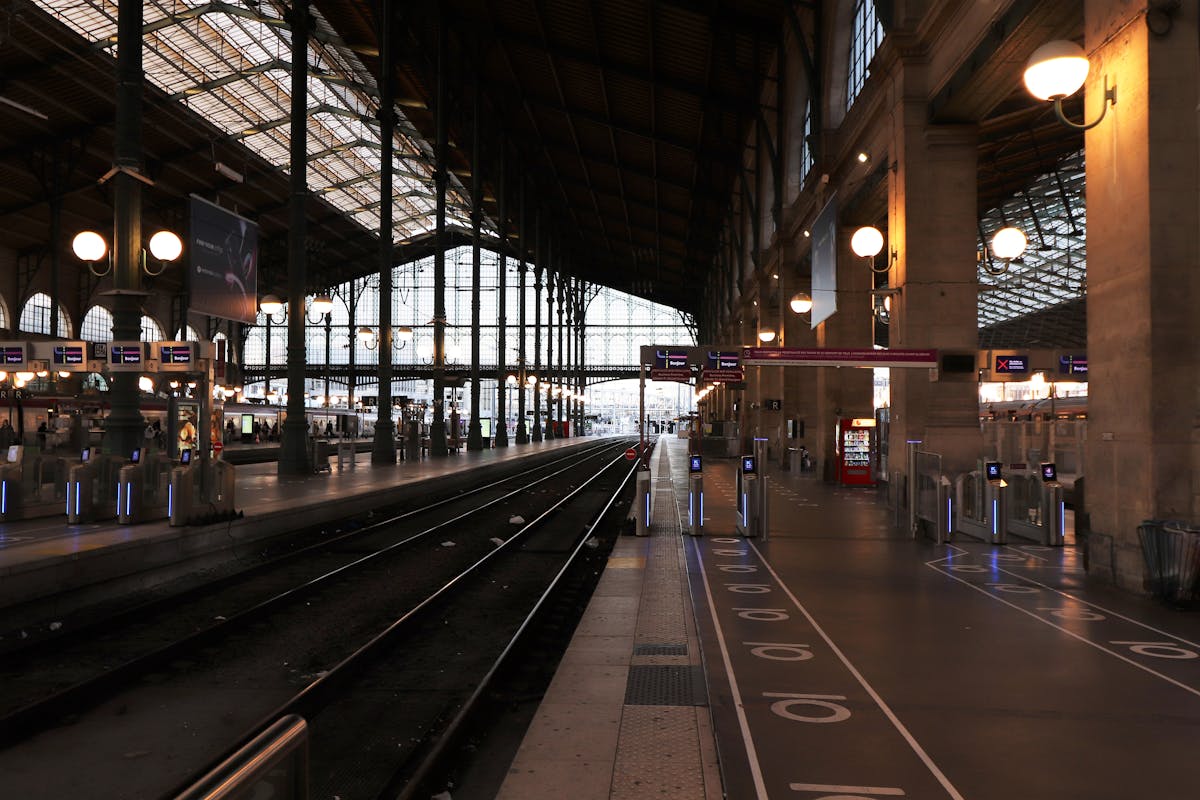
The TGV from Paris Gare de l’Est reaches Reims in 45 minutes. Tickets cost around 25-50 euros each way if you book on SNCF Connect a few weeks ahead, though last-minute prices can double. Trains run roughly every hour from early morning until late evening.
Epernay is trickier by train. The direct service takes about an hour and twenty minutes, but it runs less frequently than the Reims route. Most people visit Epernay as a second stop after Reims, either by regional train (about 30 minutes between the two cities) or by car.
Driving from Paris takes around 90 minutes on the A4 motorway. But here’s the thing — if you’re going to taste Champagne (and you are, that’s the whole point), you need a designated driver. This is the single biggest reason most visitors opt for a guided tour instead. The logistics of driving between cellars, parking in small villages, and staying sober enough to actually enjoy the day? Not worth the hassle.
A guided day trip picks you up in central Paris, handles all the driving, books cellar visits that would be difficult to arrange on your own, and gets you back to your hotel by evening. The maths works out, too. By the time you add up train tickets, taxis between Reims and Epernay, and individual cellar tour fees, a guided tour costs about the same — sometimes less.
Big Houses vs. Small Growers: Two Completely Different Experiences
There are two types of Champagne producers, and the gap between them is enormous.
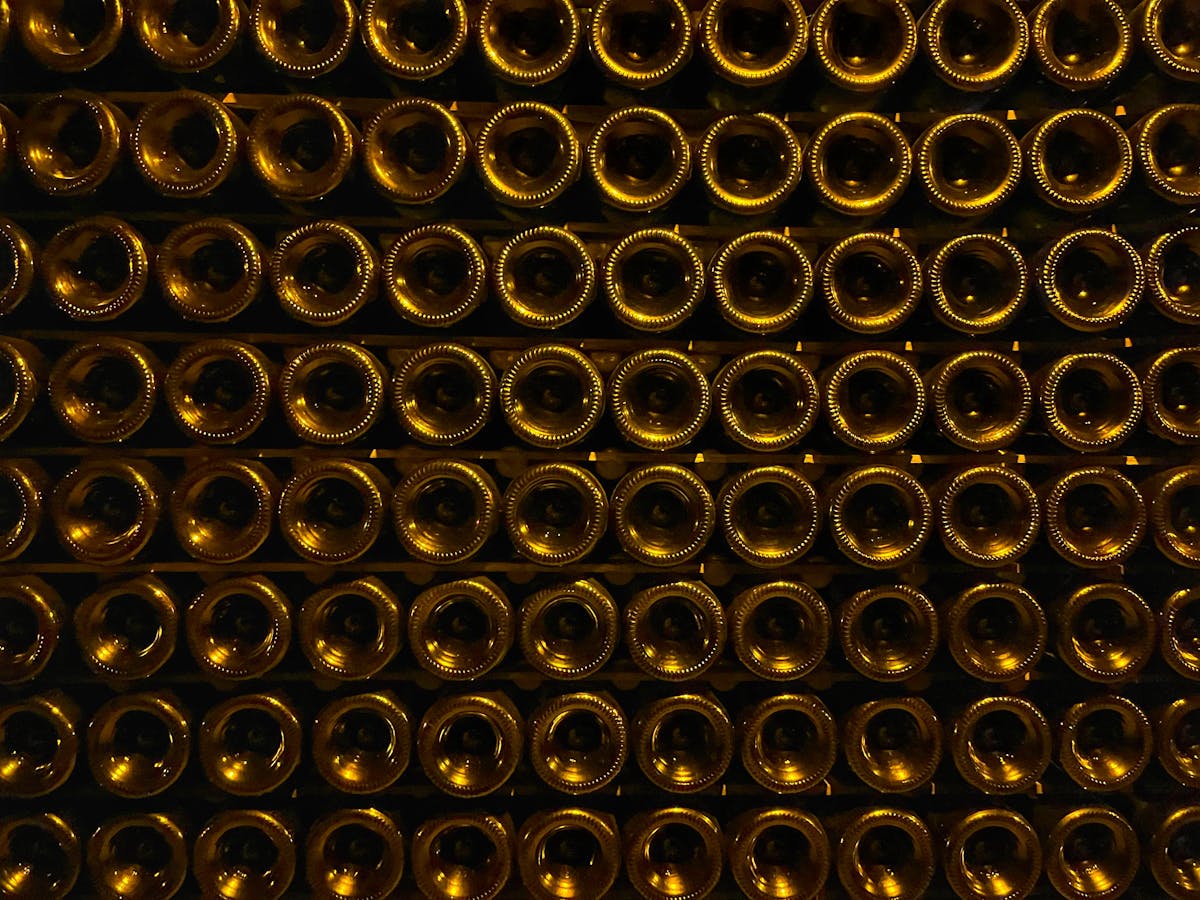
The big houses — Moet et Chandon, Veuve Clicquot, Taittinger, Pommery — are the names you see on supermarket shelves worldwide. Their cellars are monumental. Taittinger’s tunnels in Reims were originally dug by Romans in the 4th century, then expanded by Benedictine monks. Pommery’s cellar system is so large they’ve turned parts of it into an underground art gallery. Visiting a big house is a bit like visiting a museum: polished, well-organized, slightly corporate, and genuinely fascinating in terms of scale.
The small growers (called “recoltant-manipulants” or RM producers) are family operations. These are the people who grow their own grapes, make their own wine, and sell it under their own label. Their cellars are smaller. The tours are more personal — sometimes it’s the owner pouring your glass. And the Champagne itself tastes different. Not necessarily better, but different. More individual. Less blended toward a consistent house style.
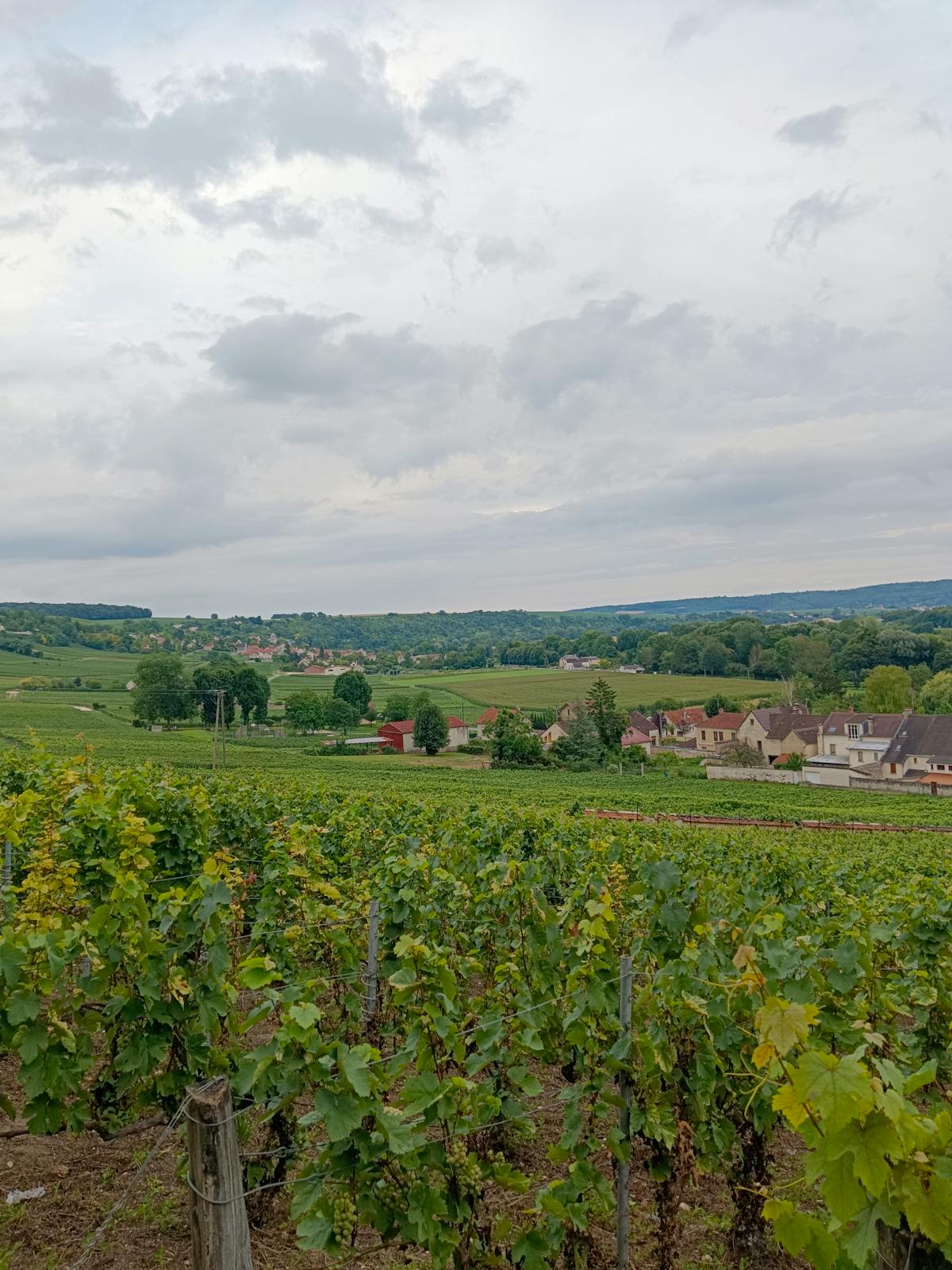
The best day trips include both. You’ll visit one or two big houses for the spectacle, then a small grower for the personality. If I had to choose only one, I’d pick the small grower every time. You can buy Moet anywhere. You can’t buy a bottle that only exists because one family in Hautvillers decided their Pinot Meunier grapes were too good to sell to the big houses.
Best Champagne Tours from Paris
I’ve gone through the tours available and picked four that cover different styles, budgets, and experiences. All of them include transport from Paris or start in Reims, and all of them are well-reviewed by thousands of people who’ve actually done them.
1. Day Trip to Champagne with 8 Tastings and Lunch — $345
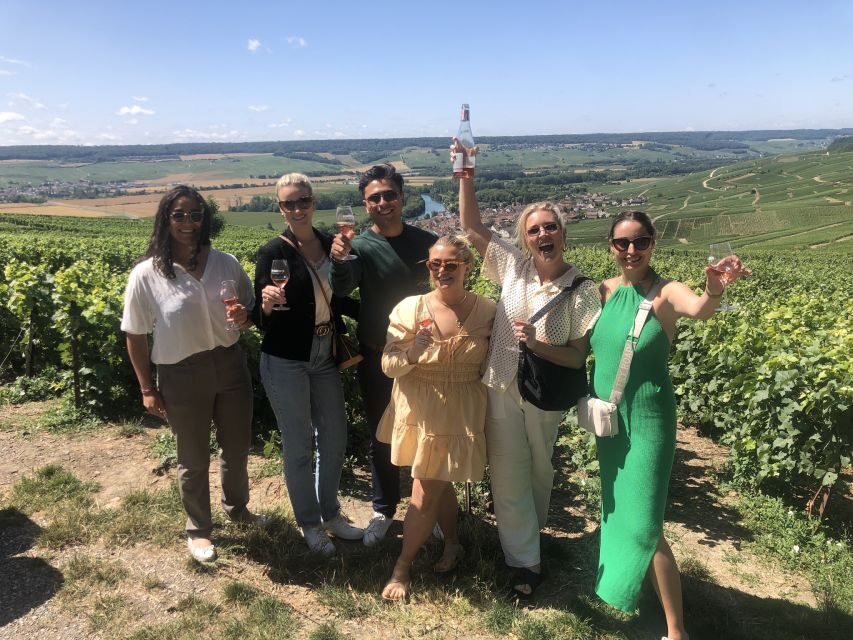
This is the most popular Champagne day trip from Paris, and it earns that position honestly. You get picked up in central Paris early morning, driven to the Champagne region, and spend the entire day rotating between cellars. Eight tastings across multiple producers — both big names and small family estates — with a proper sit-down French lunch included in the price.
The $345 price tag looks steep until you break it down. Transport, eight tastings, lunch with wine pairings, and a guide who actually knows the difference between a brut and a blanc de noirs. Try arranging all of that independently and you’ll spend more, guaranteed. The full-day format (10-11 hours) means you’re not rushing between stops, which matters when you’re trying to appreciate what you’re drinking.
This is the tour I’d recommend to anyone visiting for the first time. It covers everything without making you plan a single thing.
2. Champagne Day Trip with 6 Tastings, Reims and Winery — $278

A strong alternative to the 8-tasting tour above, and $67 cheaper. Six tastings instead of eight, but the itinerary includes a working winery visit where you can see the actual production process — riddling racks, disgorgement, the whole thing. If you’re the type who wants to understand how Champagne is made rather than just drink it, this is your tour.
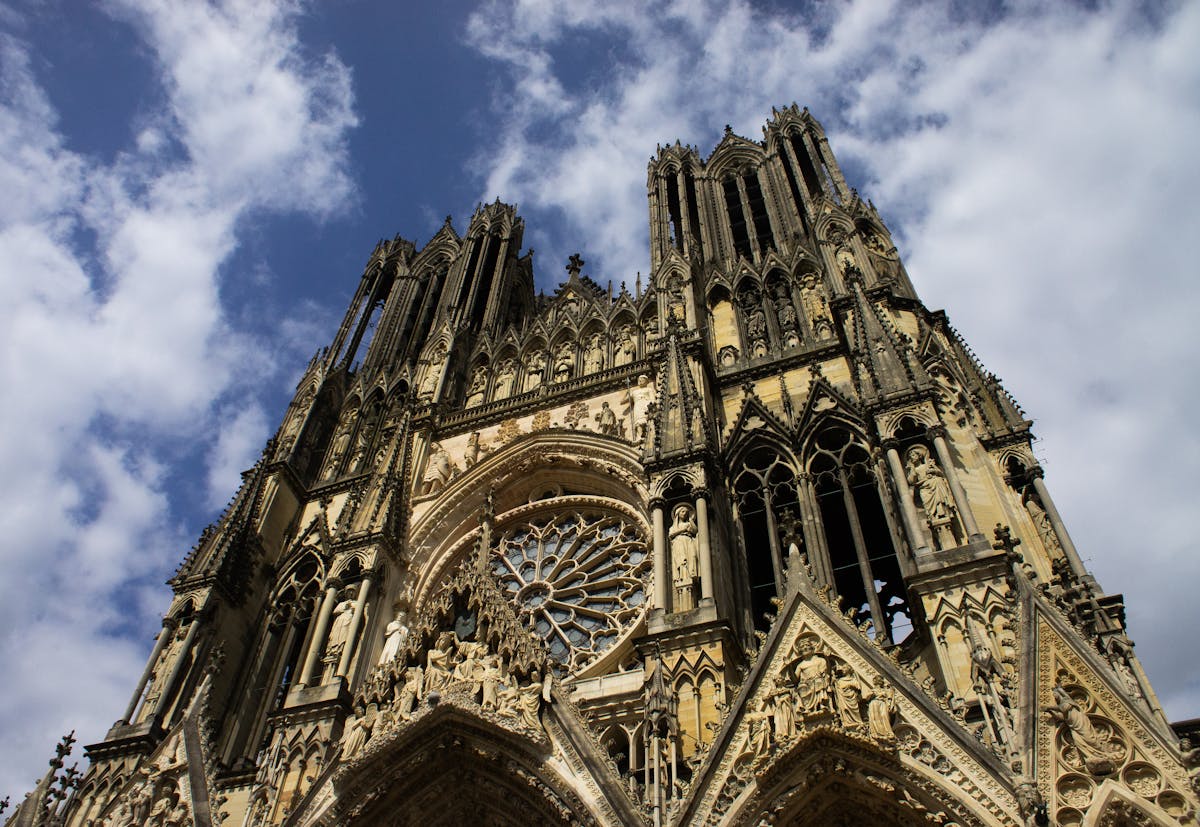
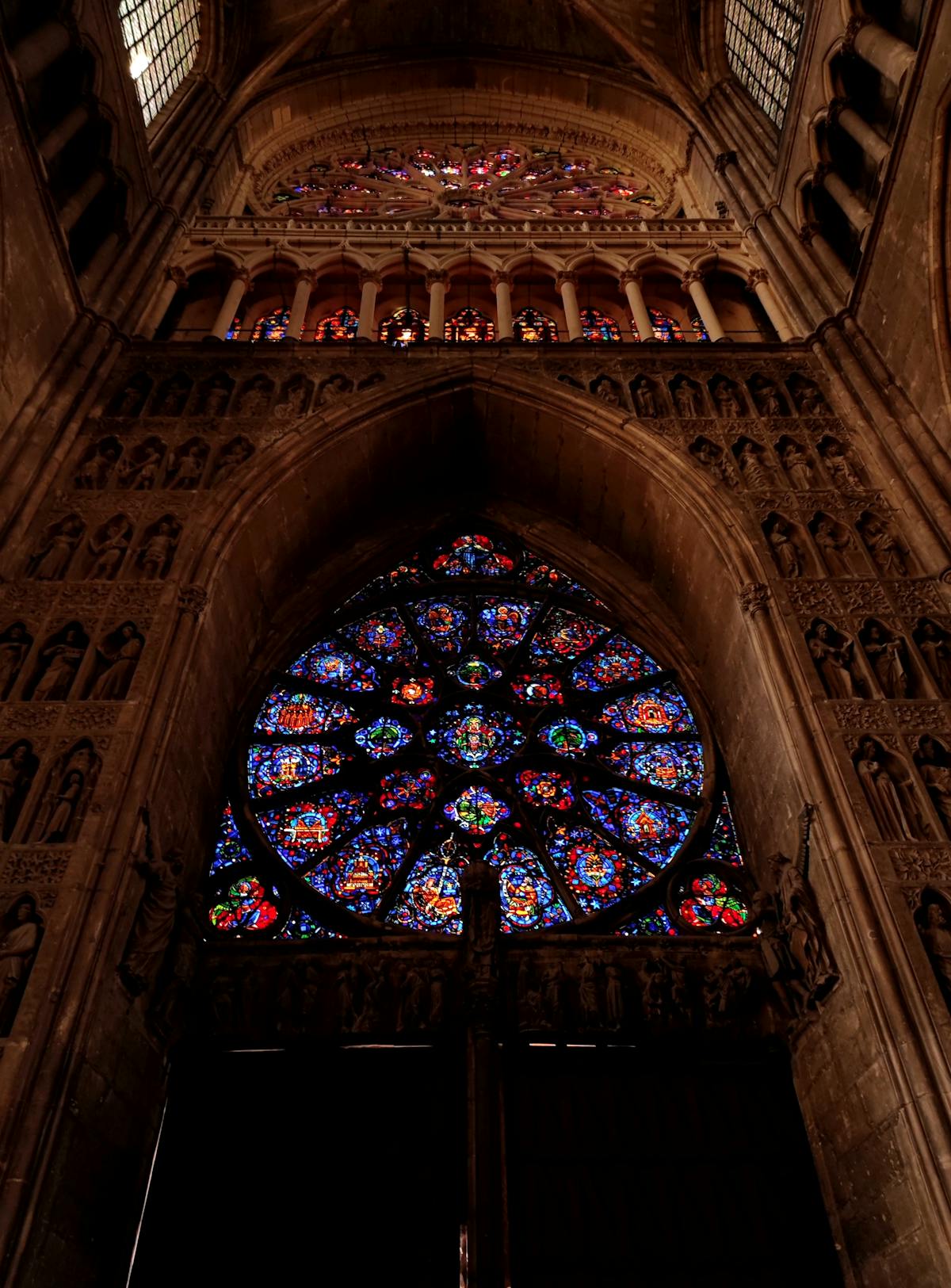
The Reims portion includes time at the cathedral where French kings were crowned for centuries. It’s a genuinely beautiful building, covered in sculptures, and the stained glass by Marc Chagall inside is worth the trip alone. Not every Champagne tour gives you time here, so that’s a real advantage.
At 11 hours it’s the same length as the top pick but with a slightly different rhythm — more sightseeing, fewer tastings. Neither approach is wrong. It depends on whether you’d rather taste two more Champagnes or walk through a medieval cathedral.
3. Champagne and Family-Run Wineries from Reims — $147
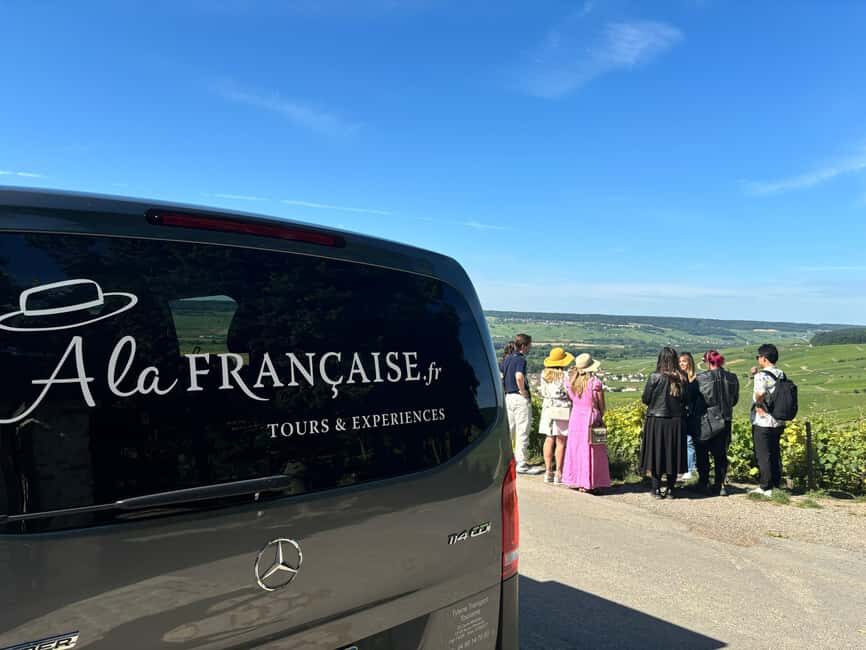
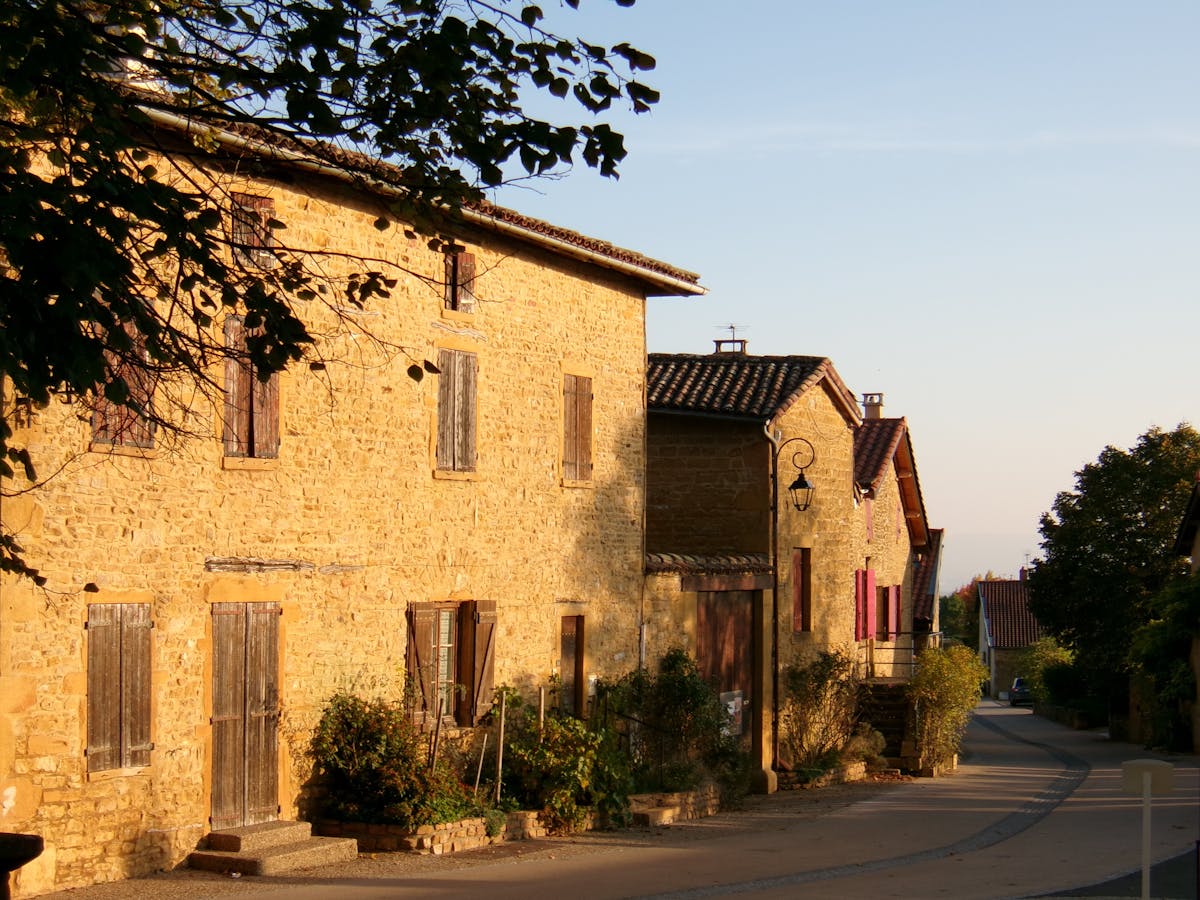
This one starts in Reims, not Paris, so you’ll need to get yourself there first (45 minutes on the TGV, remember). But there’s a good reason to consider it: the entire focus is on small, family-run producers. No big corporate houses. No tourist-polished tasting rooms. Just small operations in the countryside between Reims and Epernay, where the person explaining the wine is the same person who pruned the vines that morning.
At $147 for a half-day (about 4.5 hours), it’s significantly cheaper than the full-day Paris tours, and the per-hour value is excellent. You’ll visit multiple family estates, taste their range, and get a perspective on Champagne production that the big houses simply can’t offer. The owners at these places are proud of what they make, and it shows.
This works perfectly as a morning or afternoon activity if you’re already spending a day or two in Reims. Pair it with a self-guided walk around the city centre and you’ve got a full day sorted.
4. Epernay Champagne Cellar Tour with Tastings — $20
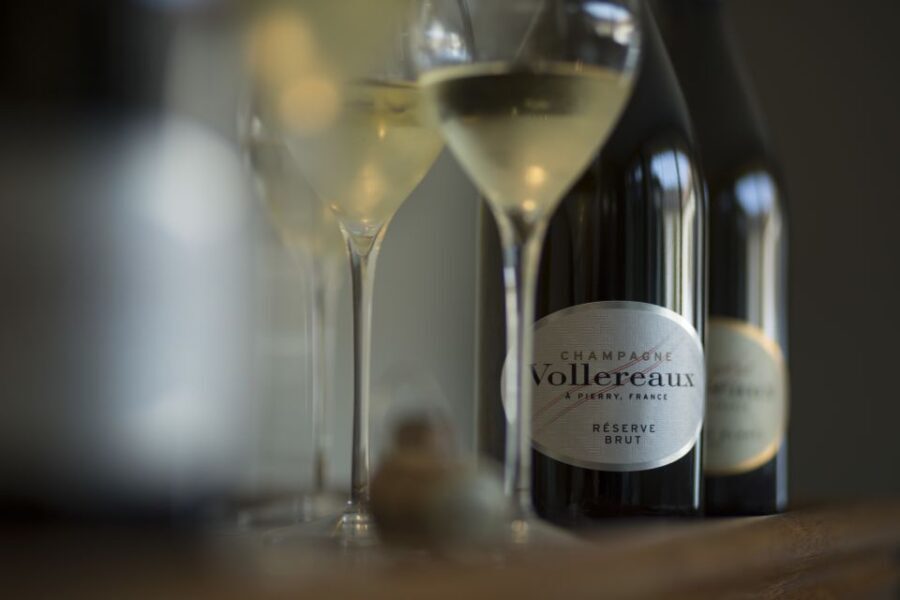
If your budget won’t stretch to a full-day tour, or if you’re already in Epernay and just want a quick cellar experience, this is the answer. Twenty dollars. One hour. A guided walk through an actual Champagne cellar, with tastings included. It’s not fancy, it’s not all-day, but it’s real — you’re underground in Epernay tasting Champagne where it was made.
Epernay’s Avenue de Champagne is where the biggest houses line up: Moet et Chandon, Perrier-Jouet, Pol Roger. Even if you don’t book the cellar tour, the avenue itself is worth a walk. But at this price, there’s no reason not to go underground. The guided commentary adds context that you won’t get from just wandering in and buying a bottle at the gift shop.
Combine this with the family-run wineries tour from Reims (above) and you’ve covered both sides of Champagne production for under $170 total. That’s a seriously good day.
When to Visit the Champagne Region
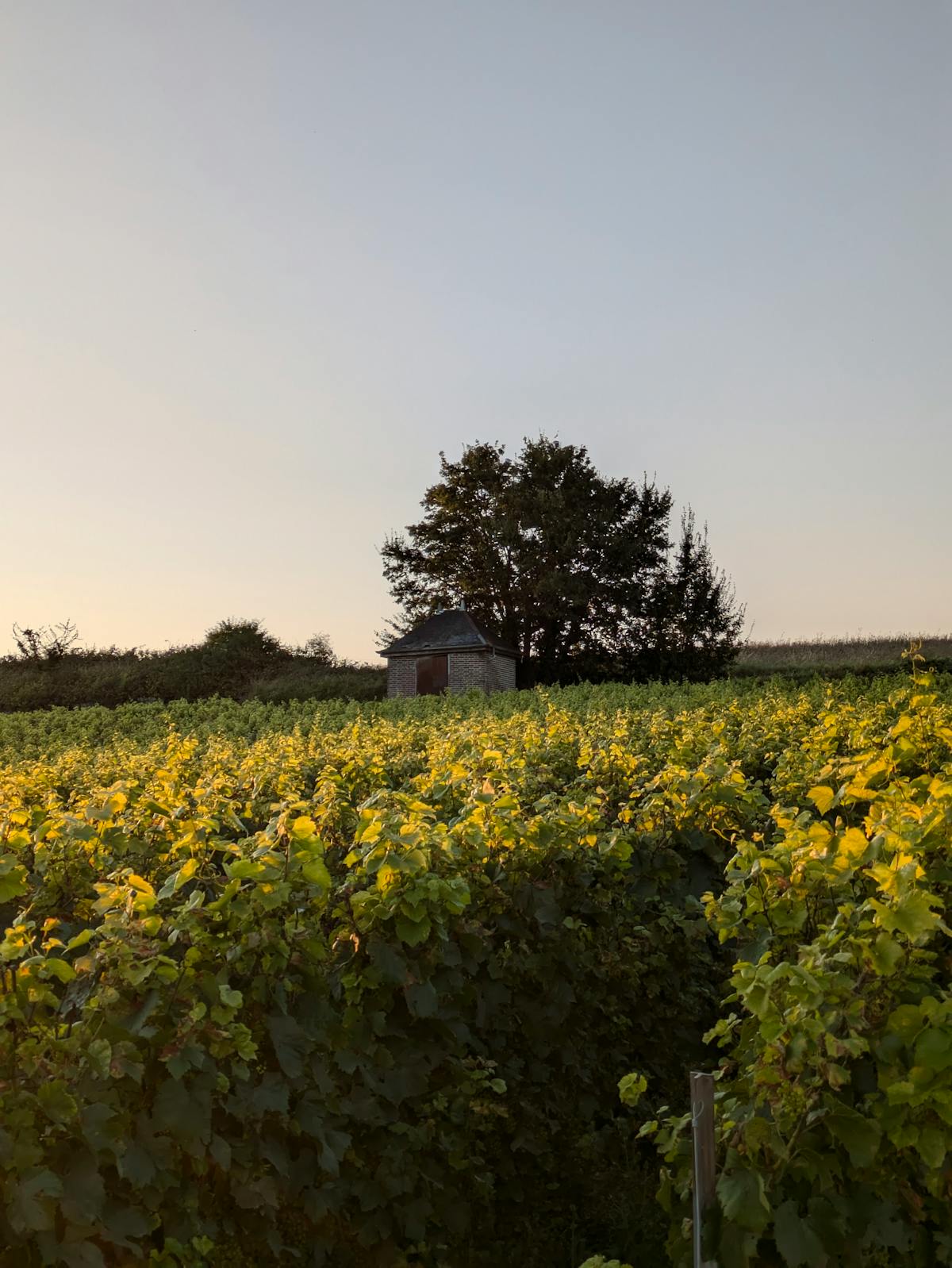
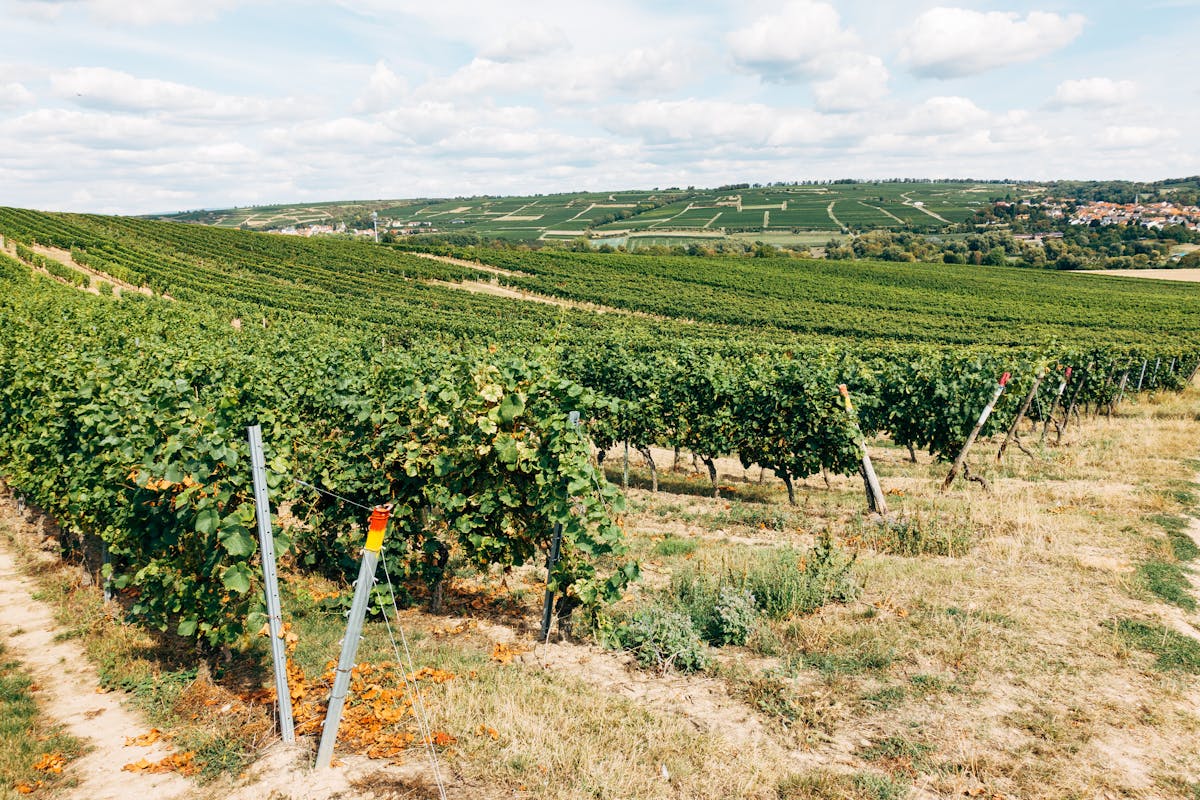
Best months: May through October. The vineyards are green (or golden in autumn), the weather cooperates for outdoor walks between cellar visits, and all the smaller producers are open for business.
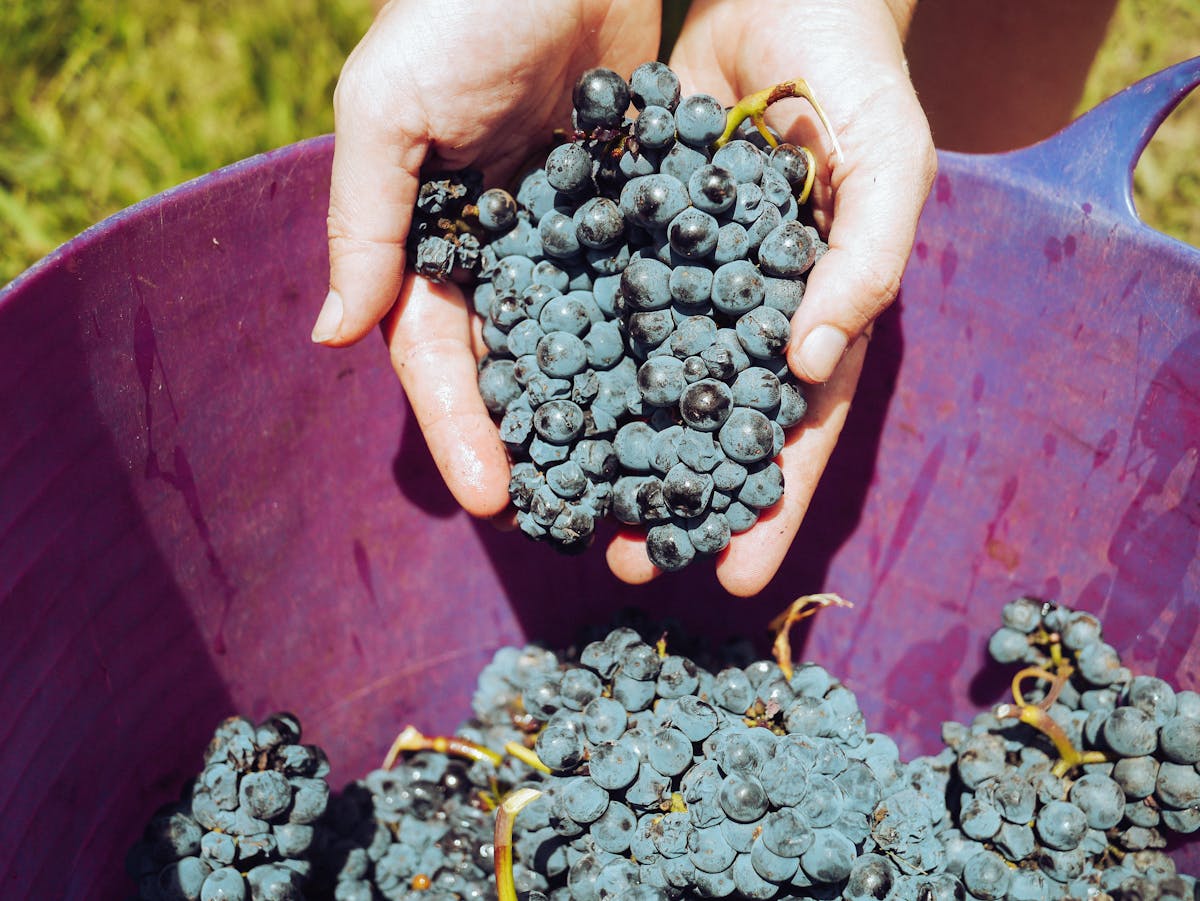
September and October are the sweet spot. Harvest season (“vendanges”) is when the region comes alive. Grapes are being picked, tractors are moving between the rows, and the air in the villages smells like crushed fruit. Some estates offer harvest-themed visits during this period, which is an experience you simply can’t get at other times of year.
Winter (November through March) is quieter but not dead. The big houses in Reims and Epernay are open year-round. Small growers sometimes close or operate by appointment only, so check ahead. The upside? Virtually no crowds, and the underground cellars are actually warmer than the air outside, which makes them oddly cozy in January.
Avoid weekends in June and July if you can. French domestic tourism peaks during summer, and the most popular cellars (Moet, Veuve Clicquot) can feel uncomfortably packed. Weekday visits are always calmer.
Tips That Will Save You Time and Money
Book cellar visits ahead of time. The big houses require reservations, especially for English-language tours. Showing up at Taittinger without a booking on a Saturday in July will get you a polite “sorry, fully booked.” Small growers are more flexible but still appreciate a heads-up.
Wear layers. The cellars sit at 10-12 degrees Celsius regardless of what’s happening above ground. In summer, you’ll go from 30-degree heat to near-freezing conditions in seconds. A light jacket you can stuff in a bag is essential.
Eat before you drink. Champagne on an empty stomach hits harder than you think. If your tour doesn’t include lunch, grab a croque monsieur or a pain au chocolat before your first tasting. Your afternoon self will be grateful.
Ask about disgorgement dates. This is the insider move that impresses cellar guides. The disgorgement date tells you when a bottle was opened and finished — more useful than the vintage year for understanding how the Champagne will taste. Most big houses don’t print it on the label, but small growers often will.
Buy direct if you find something you love. Small growers sell their bottles at cellar-door prices that are 30-50% below what you’d pay for the same quality from a big house. You can ship cases home through services like Wine and Spirit International, or just pack a couple of bottles in your checked luggage wrapped in dirty laundry (the oldest trick in the wine traveller’s book).

Don’t skip the cathedral. Reims Cathedral (Notre-Dame de Reims) is one of the great Gothic buildings in Europe. Thirty-three French kings were crowned here between the 12th and 19th centuries. The facade has over 2,300 individual statues. Even if you’re only in Reims for the Champagne, give this building an hour. The Marc Chagall stained glass windows alone are worth the detour.
More Day Trips from Paris
The Champagne region makes one of the best day trips from Paris, but it’s far from the only one worth your time. If you’re spending a week in the city, Versailles is the obvious first pick — the palace and its gardens genuinely need a full day to appreciate properly. For something completely different, the Louvre could fill a week by itself, though most people do it in a focused half-day with a guide who steers them past the crowds around the Mona Lisa and toward the pieces actually worth standing in front of. And if you’ve already done the major Paris landmarks and want more of the French countryside, Mont Saint-Michel is reachable as a long day trip — tidal island, medieval abbey, one of those places that looks exactly like its photographs, which is rare.
Some of the links in this article are affiliate links. If you book a tour through one of them, we earn a small commission at no extra cost to you. This is how we keep this site running and continue writing guides like this one. We only recommend tours we’ve thoroughly researched and believe are worth your time and money.
More France Guides
The Champagne region is one of the closer day trips from Paris, and the half-day options leave you time for other activities. For a different French wine experience, a Bordeaux wine tour covers a completely different terroir and style of winemaking, though it requires a longer trip. If you prefer architecture over vineyards, Versailles is another half-day option and the gardens are spectacular in the same seasons when Champagne country is at its greenest. Back in Paris, a Seine river cruise makes a good evening follow-up — some of the dinner cruises even serve Champagne from the same houses you visited that morning. The Eiffel Tower lit up at night is also worth seeing after a day in the countryside.