
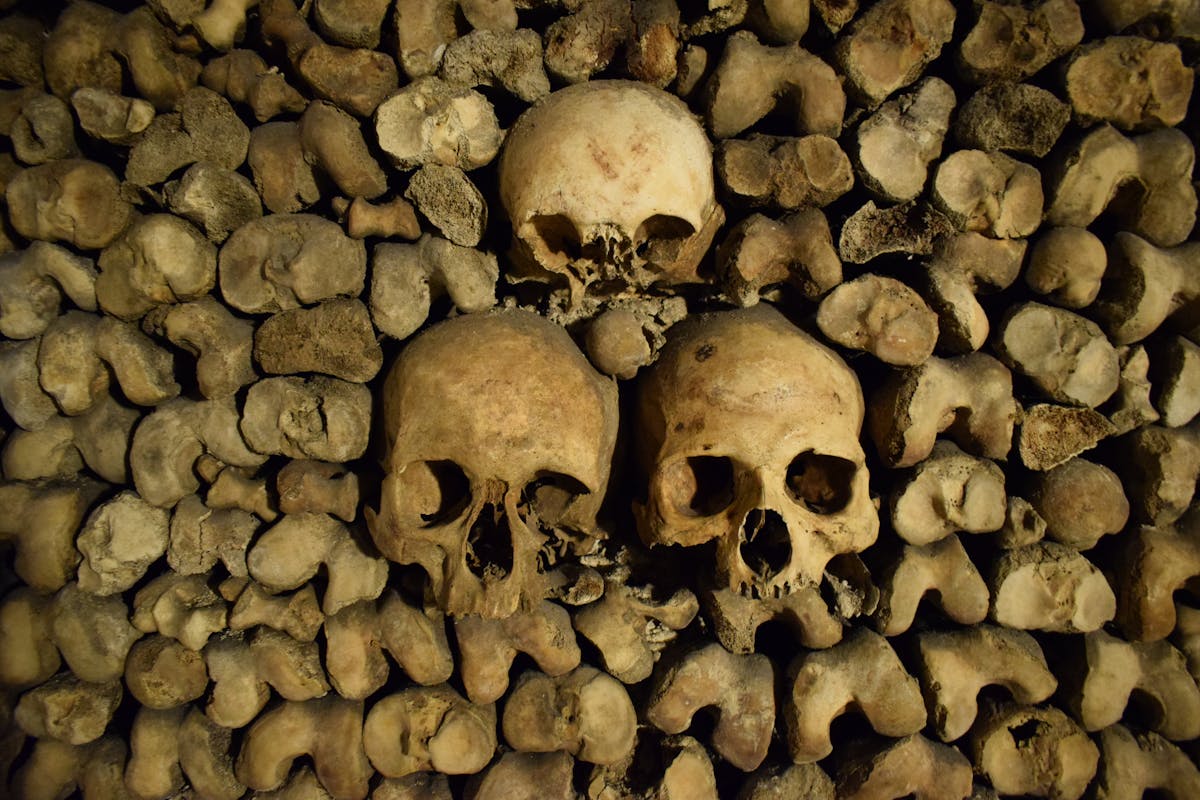
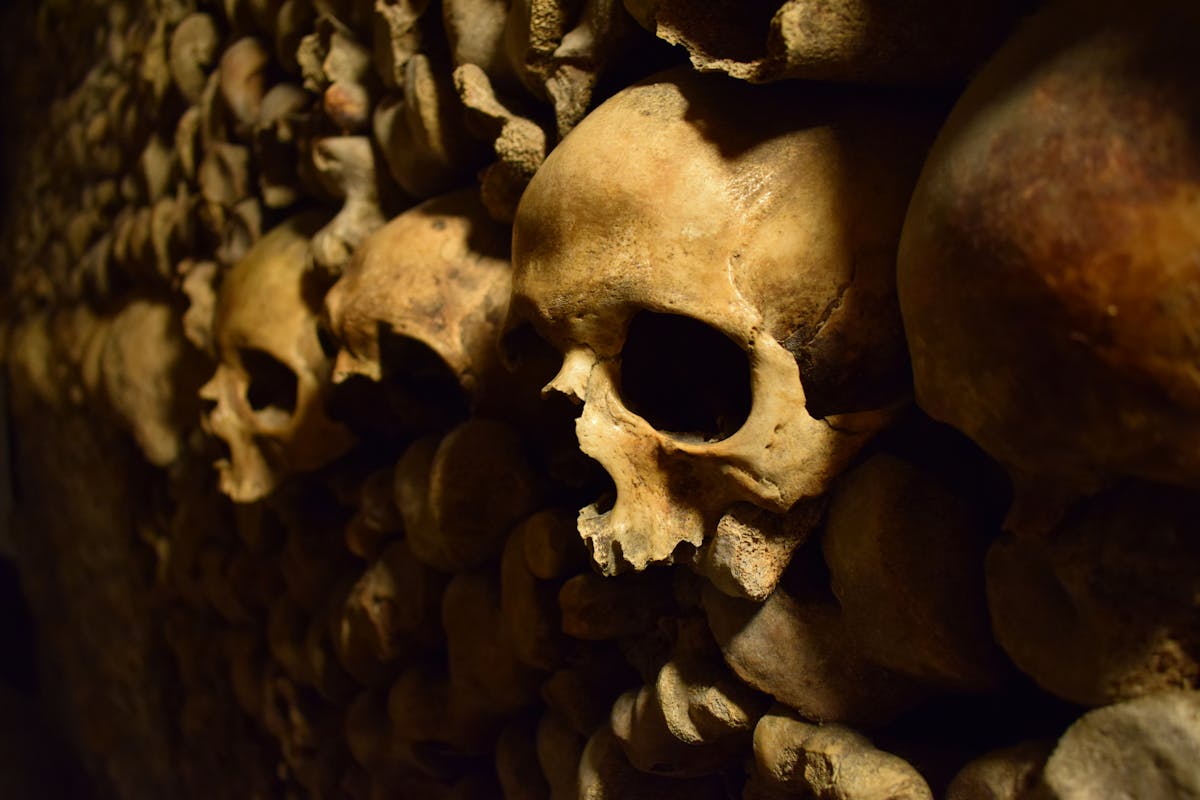
The Catacombs exist because 18th-century Paris had a problem nobody wanted to deal with. The city cemeteries — particularly the massive Les Innocents in what is now Les Halles — were overflowing. Literally. Basement walls of houses bordering the cemetery collapsed under the weight of the dead. The stench was unbearable. So starting in 1786, the city began moving remains into the abandoned quarries. It took twelve years of nighttime cart processions, priests chanting at the front, bones piled high behind them.
And now you can walk through it. For a ticket price, sure, but also for a wait time that can stretch past three hours if you show up without planning ahead.
That queue is the thing nobody warns you about until it is too late. The Catacombs allow only 200 people underground at any time, and the line above ground wraps around the block on most days between April and October. Skip-the-line tickets change everything. They are the difference between spending your morning in a queue on Avenue du Colonel Henri Rol-Tanguy and actually seeing the bones.
In a Hurry? Our Top 3 Picks
Paris Catacombs with Audio Guide + River Cruise Option — Skip-the-line entry with an audio guide that actually explains what you are looking at. Add a Seine cruise if you want. Starting at $94 per person — the best value way in.
Catacombs Skip-the-Line Guided Tour with Special Access — A guide takes you through areas the regular ticket does not cover, including sections closed to the general public. $151 per person for the full experience with stories you will not get from an audio guide.
Catacombs Restricted Access Tour — The deep-cut option. Small group, restricted tunnels, and parts of the network that most visitors never see. $187 per person. If you only do one underground experience in Paris, this is the one.
- In a Hurry? Our Top 3 Picks
- How Paris Catacombs Tickets Work
- Standard Entry vs. Guided Tour vs. VIP Access
- The 3 Best Paris Catacombs Tours
- 1. Paris Catacombs with Audio Guide and River Cruise Option
- 2. Skip-the-Line Guided Tour with Special Access
- 3. Paris Catacombs Restricted Access Tour
- When to Visit the Paris Catacombs
- Tips That Will Actually Save You Trouble
- More France Guides
How Paris Catacombs Tickets Work
Here is the problem: official tickets sell out fast. They release slots about four weeks in advance, and popular dates during summer can vanish within a day. The website also has a reputation for crashing during high-demand periods. If you miss the release window, you are either queueing on the day or going through a third-party provider.
Same-day tickets are technically available at the door (1 Av. du Colonel Henri Rol-Tanguy, Metro: Denfert-Rochereau), but the on-site queue regularly exceeds two hours. On peak summer days, three hours is not unusual. And there is no shade for most of the line.
The shortcut everyone should know about: Third-party tour operators like GetYourGuide and Viator buy ticket allocations in bulk from the Catacombs. They mark them up — sometimes 15-20 dollars above the official price — but they come with skip-the-line access. When the official site shows sold out, these platforms often still have availability. For most visitors, paying the premium is worth it versus gambling on a three-hour queue.
Standard Entry vs. Guided Tour vs. VIP Access
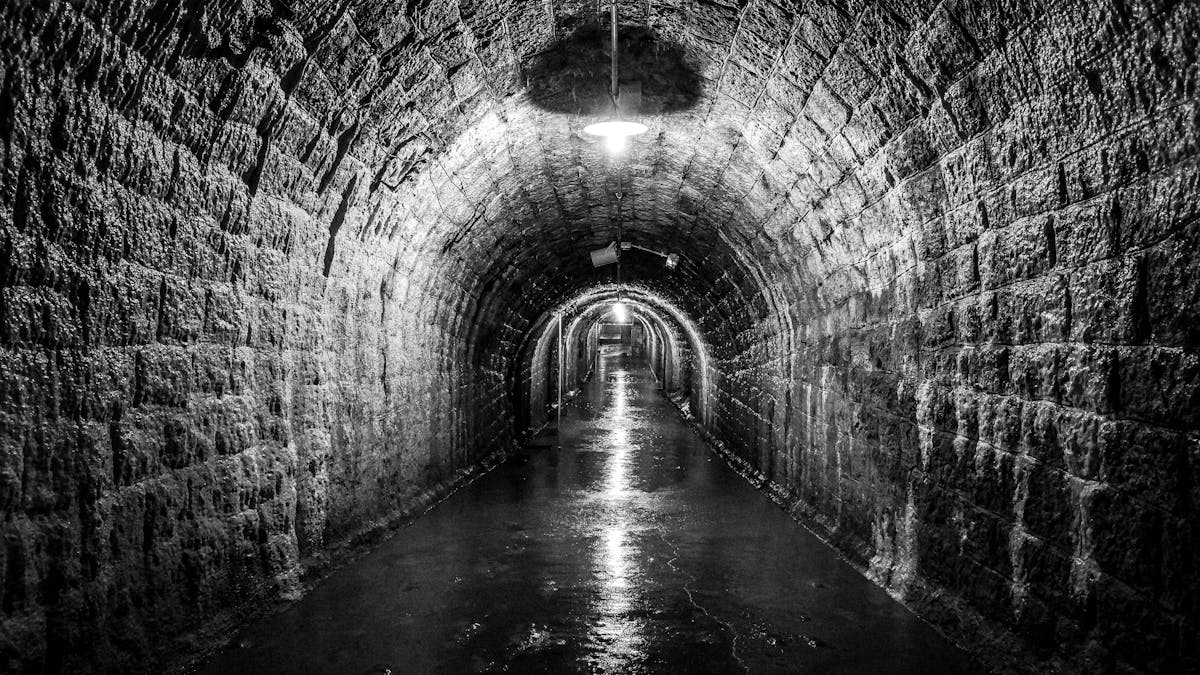
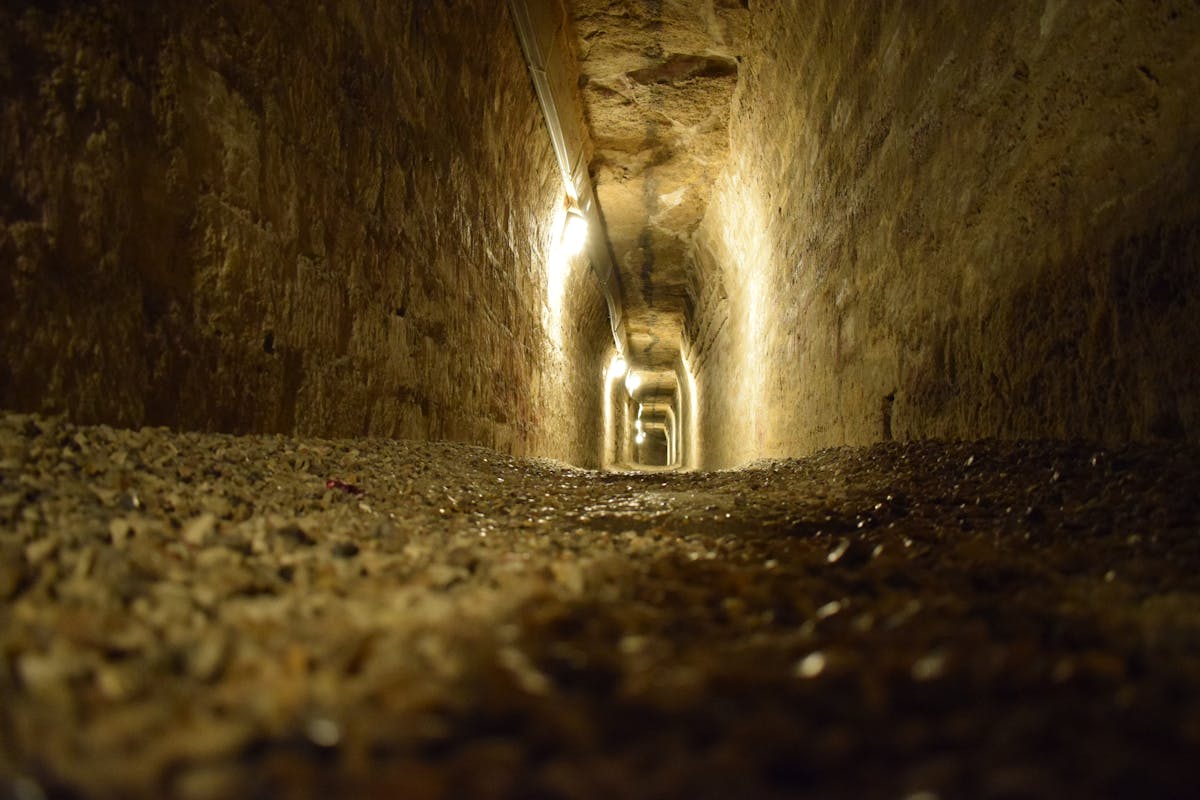
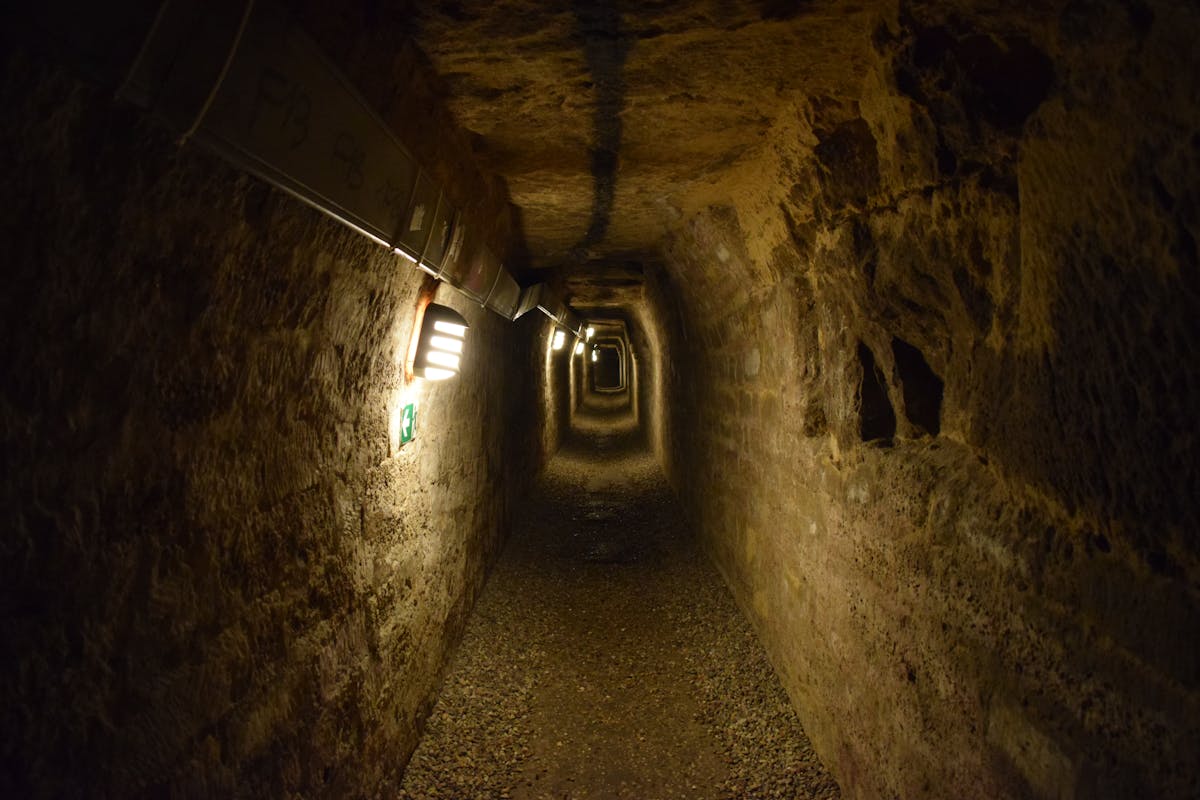
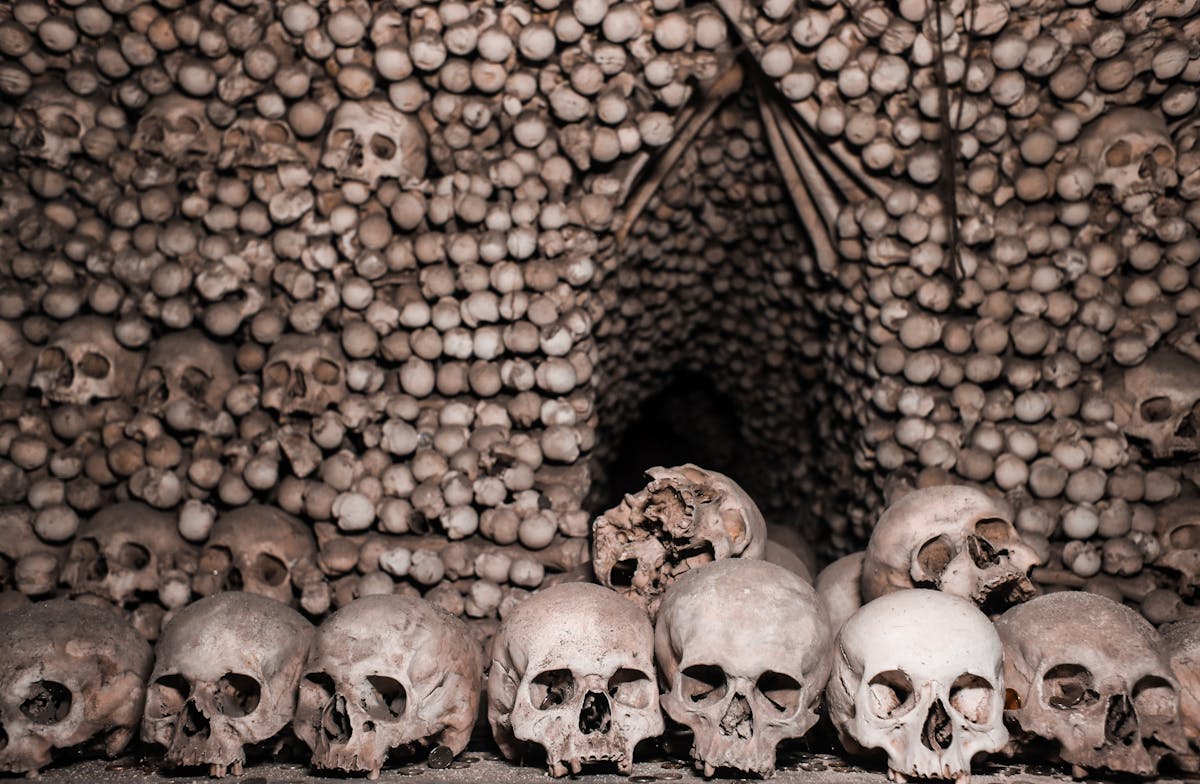
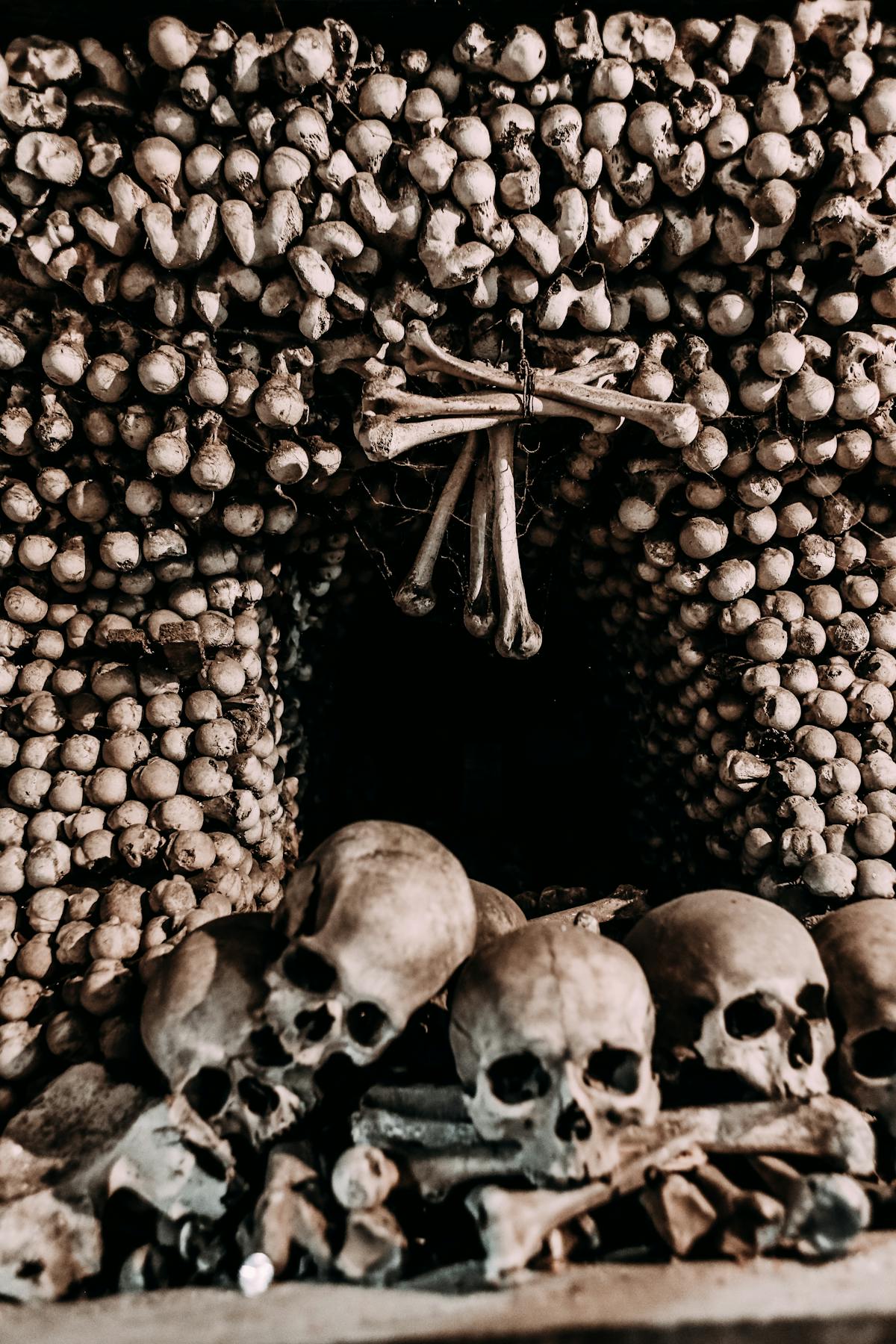
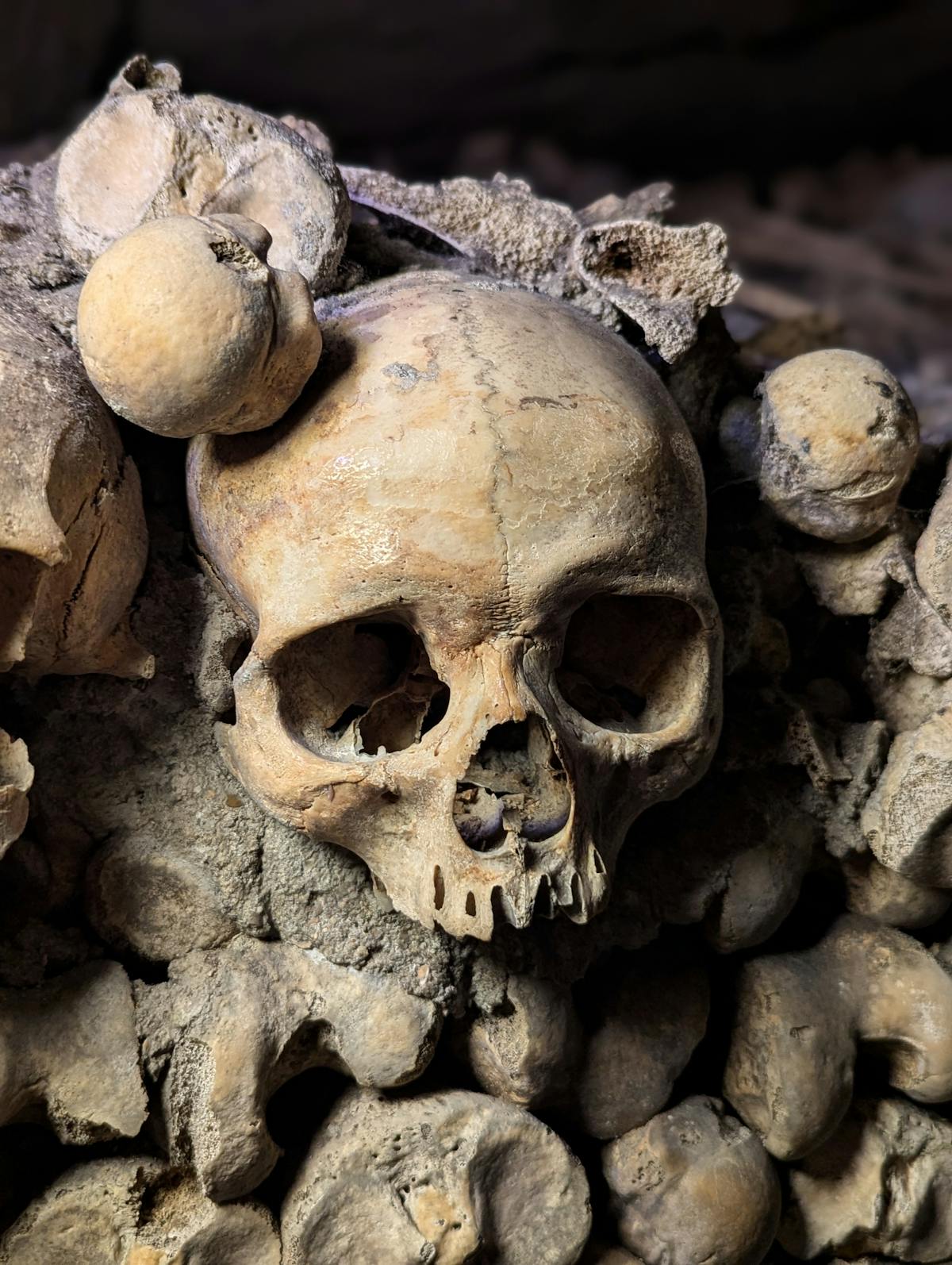
Standard Entry (with audio guide) gets you through the regular visitor route — about 1.5 kilometres of tunnels over roughly 45 minutes. You descend 131 steps, walk through the ossuary where the bones are displayed, and climb back up 112 steps at the exit on Rue Remy Dumoncel. The audio guide covers the history, the arrangement of the bones, and some of the stranger stories (there are a few). This is what most people do, and it is a solid experience. You see the main bone galleries, the barrel vault of skulls, and the Port-Mahon corridor carved by a quarry worker from memory of a fortress where he had been imprisoned.
Guided Tours add a human expert who can answer questions and point out details the audio guide skips. The guides tend to know the more macabre stories — which bones belong to Revolution-era victims, where the Resistance used the tunnels during WWII, why certain sections are arranged the way they are. A good guide turns a 45-minute walk into a genuine history lesson. Some guided tours also include skip-the-line access, which solves two problems at once.
VIP Restricted Access Tours go into sections that are closed to regular ticket holders. The Catacombs network stretches over 300 kilometres beneath Paris, but the public route covers only about 2 kilometres of it. Restricted access tours take you into side tunnels, older quarry sections, and areas where the bone arrangements are more raw and less curated for public viewing. These tours are smaller (usually 6-15 people), run less frequently, and cost significantly more. But they are the closest you can get to exploring the real underground Paris without becoming one of the cataphiles who illegally enter through manholes at night.
The 3 Best Paris Catacombs Tours
1. Paris Catacombs with Audio Guide and River Cruise Option
From $94 per person
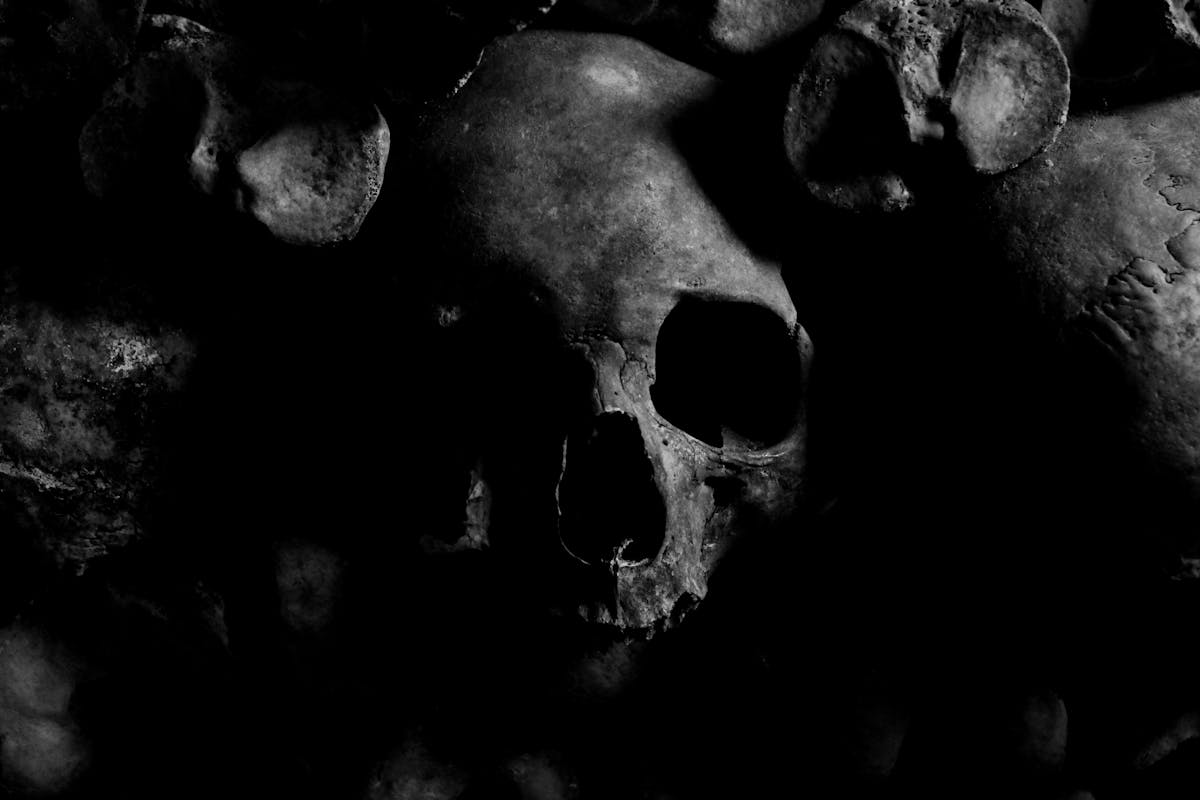
This is the no-nonsense skip-the-line entry with an audio guide included. You get a timed slot, walk past the queue, and head straight down. The audio guide is available in multiple languages and covers every major section of the ossuary in detail.
The optional Seine River cruise add-on pairs well with the Catacombs visit — you go from 20 metres underground to floating past Notre-Dame and the Louvre in the same afternoon. The cruise departs from a different location, so factor in Metro travel time between the two.
Why this one over the official ticket? Availability. When the Catacombs website shows sold out for your travel dates, this is often still bookable. The skip-the-line access alone justifies the price difference — saving two to three hours of your Paris trip is not nothing.
Read the full review and book this ticket
2. Skip-the-Line Guided Tour with Special Access
From $151 per person
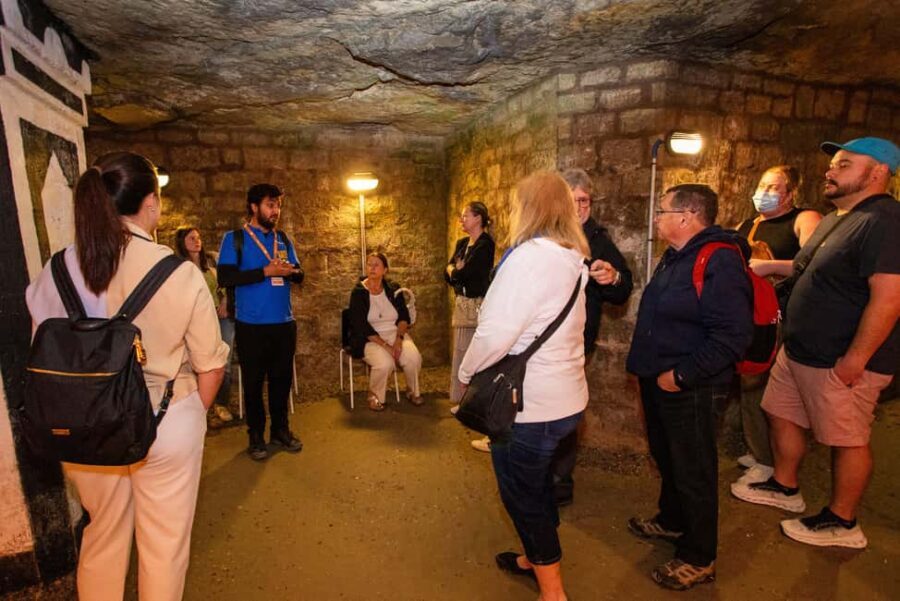
The guided experience changes the Catacombs from a spooky walk into something you actually understand afterward. Your guide has clearance to take you into sections beyond the standard route, and the smaller group size means you can ask questions without shouting over a crowd.
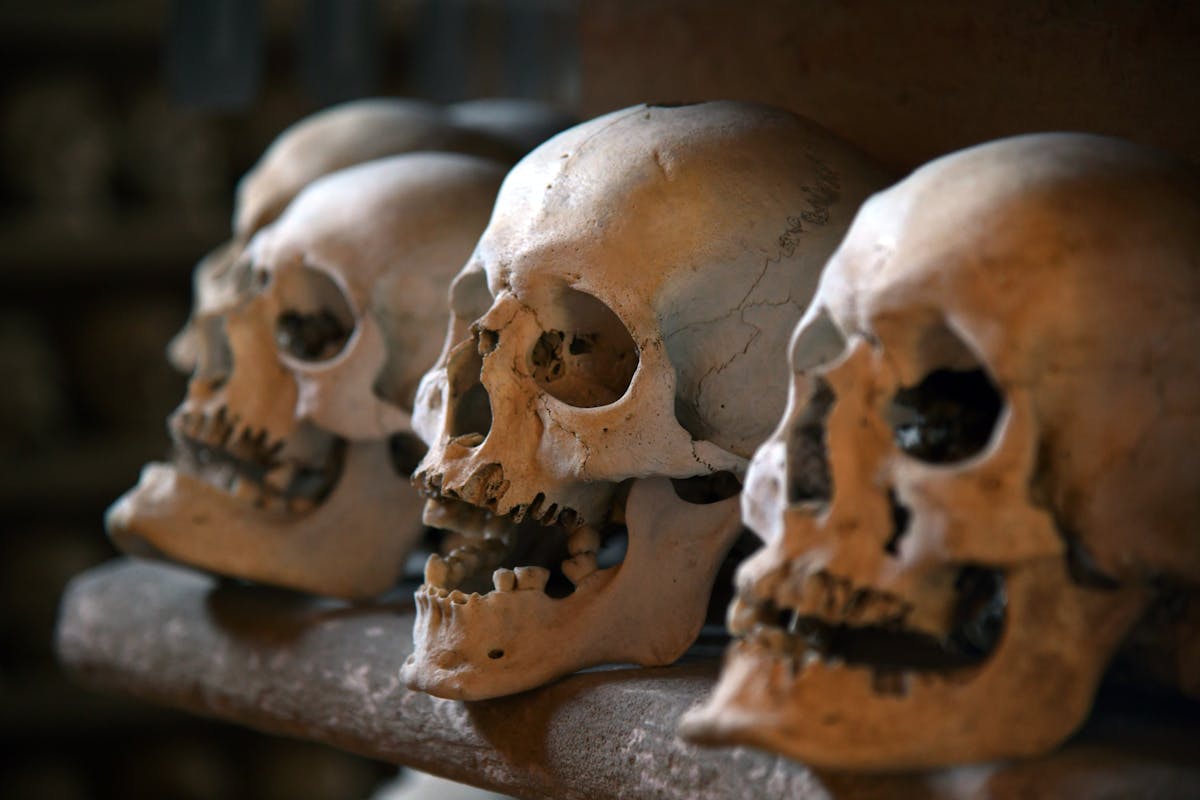
The stories make the difference. A skull is a skull until someone tells you it probably belonged to a victim of the September Massacres, or that the tunnel you are standing in was used as a bunker by the French Resistance in 1944. The guides working these tours tend to be genuinely passionate about Parisian underground history, which comes through in how they talk about the place.
Expect the tour to run about 2 hours total, including the walk to the entrance and the descent. More time underground than the standard ticket, more context, and you never stand in the general queue.
Read the full review and book this tour
3. Paris Catacombs Restricted Access Tour
From $187 per person
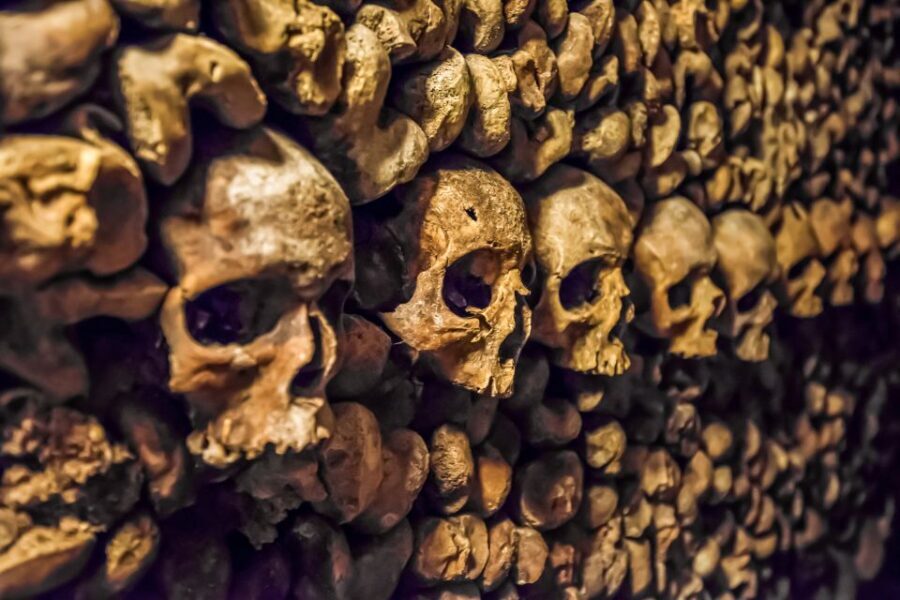
This is the tour for people who want more than the standard route can offer. Small groups — typically under 15 — go into restricted sections of the tunnel network that regular ticket holders cannot access. You see rawer, less arranged bone deposits, older quarry carvings, and passages that feel genuinely removed from the tourist experience happening on the main route.
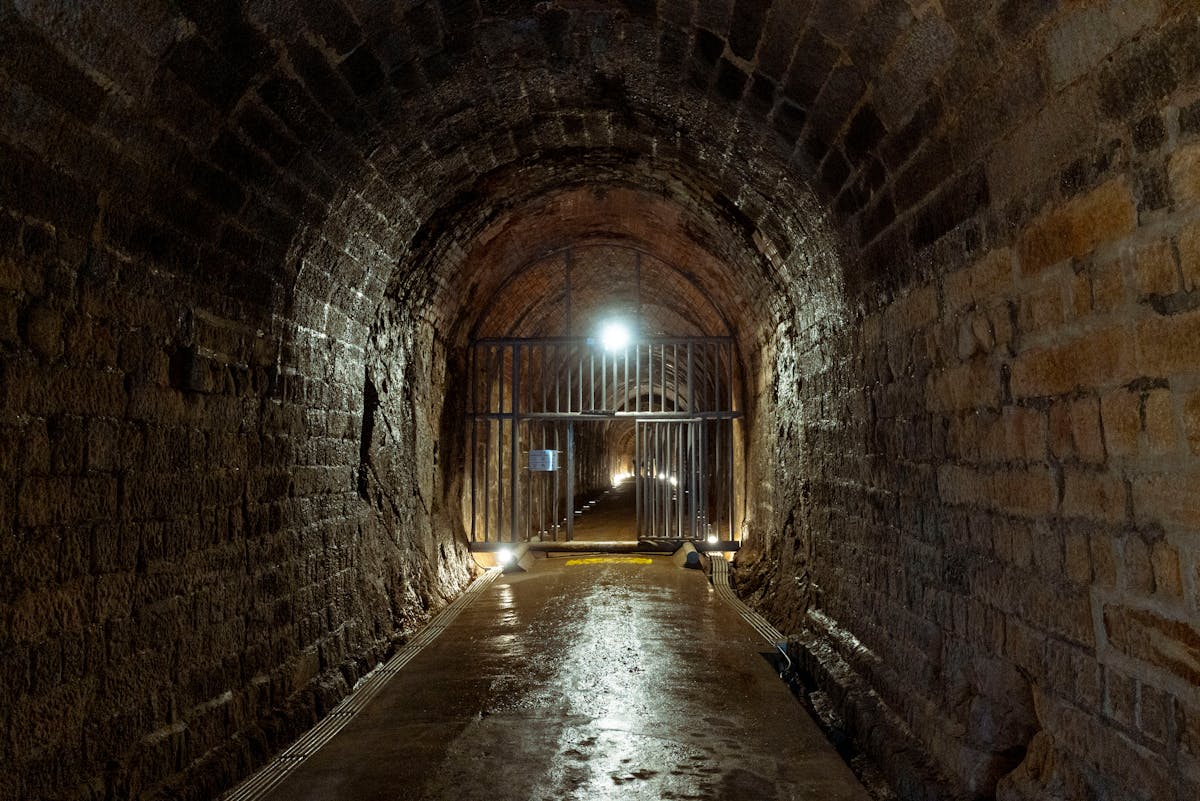
The restricted areas have lower ceilings, narrower passages, and less polished lighting. It feels closer to actual urban exploration than a museum visit. The guides on these tours tend to be the most knowledgeable, partly because the restricted-access certification requires deeper training.
At $187 per person, this is not cheap. But if you have any interest in underground history, urban spelunking, or just want to see something most Paris visitors never will, it delivers on the price. This is consistently one of the most talked-about experiences people have in Paris.
Read the full review and book this tour
When to Visit the Paris Catacombs
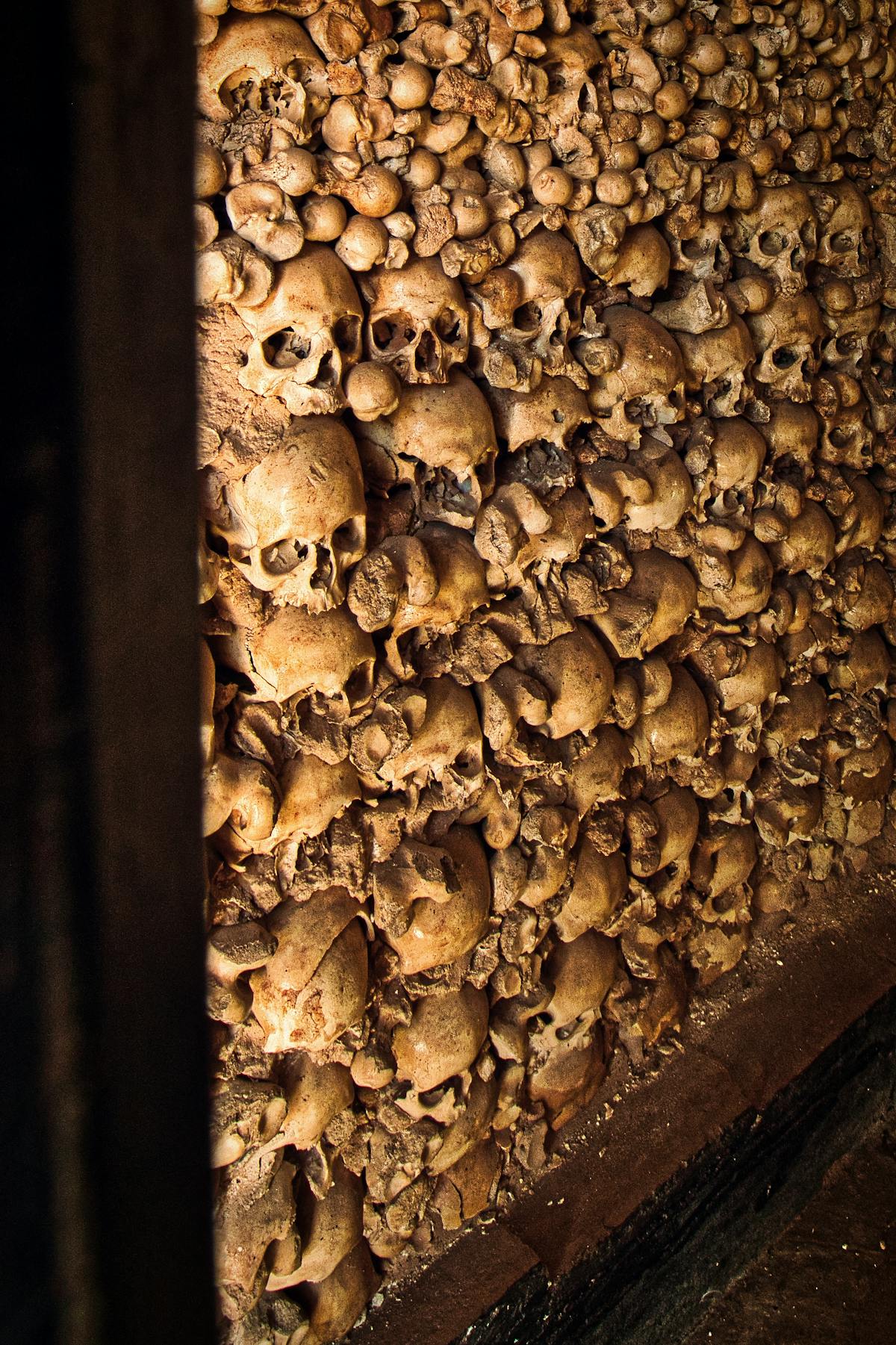
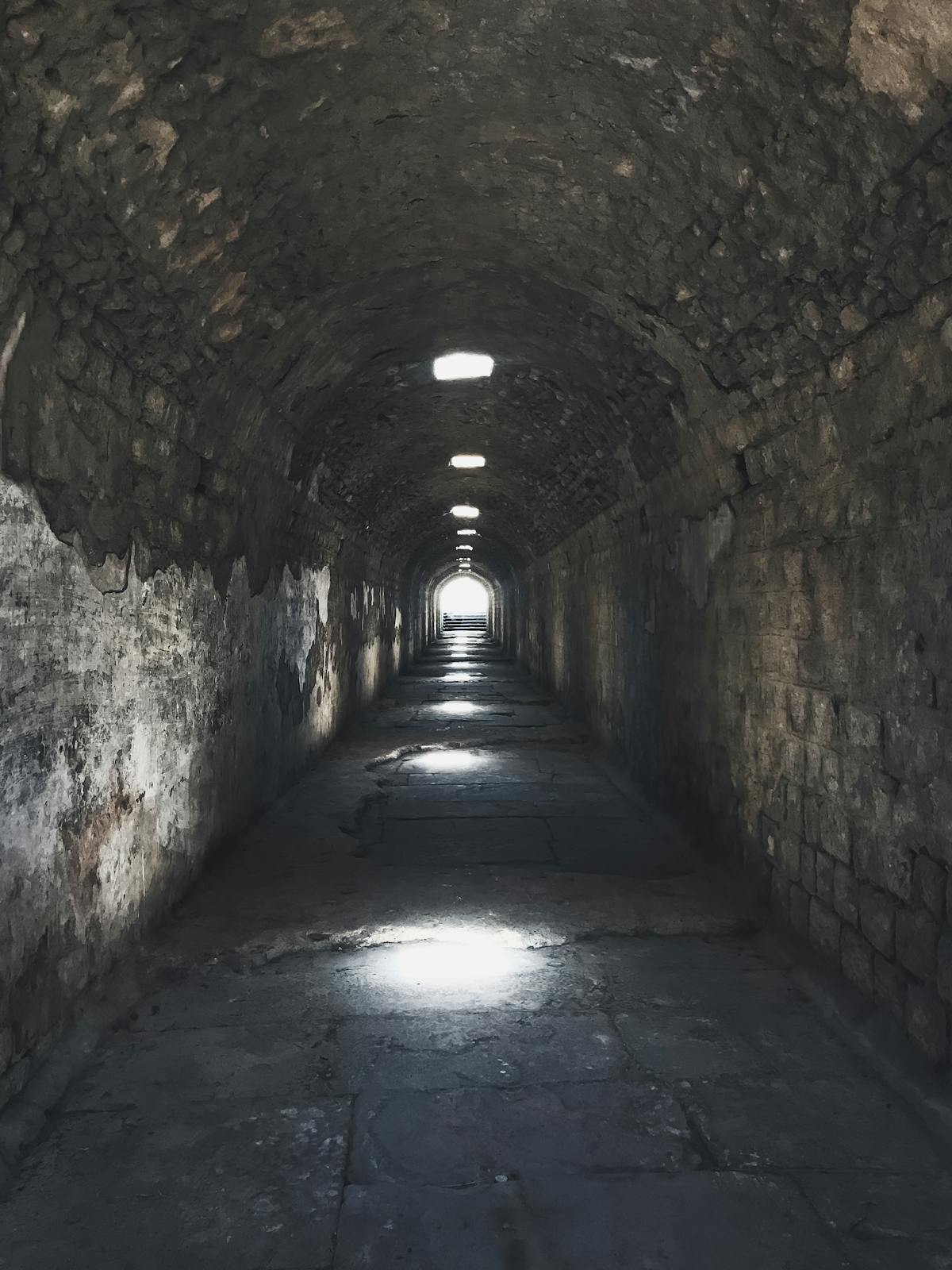
Best time of day: Late afternoon, from about 5pm onward. Most people try to go first thing when it opens at 9:45am, which creates a morning crush. By late afternoon the crowds thin dramatically. If you time it for a 7pm entry, you might find yourself nearly alone in the tunnels — an entirely different atmosphere than the midday experience.
Best time of year: November through February, excluding the Christmas-New Year holiday window. The summer months from June through September see the longest queues and the most sold-out dates. October and March sit in a sweet spot — weather above ground is still decent, but the underground crowds are manageable.
Rainy days are your friend. Counterintuitively, bad weather above ground does not change anything below it. The temperature in the tunnels is a constant 14 degrees Celsius regardless of what is happening on the surface. But rain thins the walk-up queue significantly, because casual visitors decide not to stand outside for two hours in the wet.
Skip these dates: The first two weeks of August (all of France on holiday), Easter week, and any French school holiday period. The Catacombs have a strict 200-person underground limit, so high-demand days mean longer waits for everyone.
Tips That Will Actually Save You Trouble
Bring a jacket. It is 14 degrees Celsius underground year-round. That is comfortable for about ten minutes, then you start to feel it. A light layer makes the difference.
The exit is not where the entrance is. You enter at 1 Avenue du Colonel Henri Rol-Tanguy (Denfert-Rochereau Metro) and exit at 21bis Avenue Rene Coty, about 500 metres away. Plan your route accordingly — do not leave bags or a bike locked up at the entrance expecting to walk back to them.
No large bags. Bags over 40x30cm are not allowed inside. There is no cloakroom. If you are visiting with luggage, drop it at your hotel first or use one of the luggage storage services near Denfert-Rochereau.
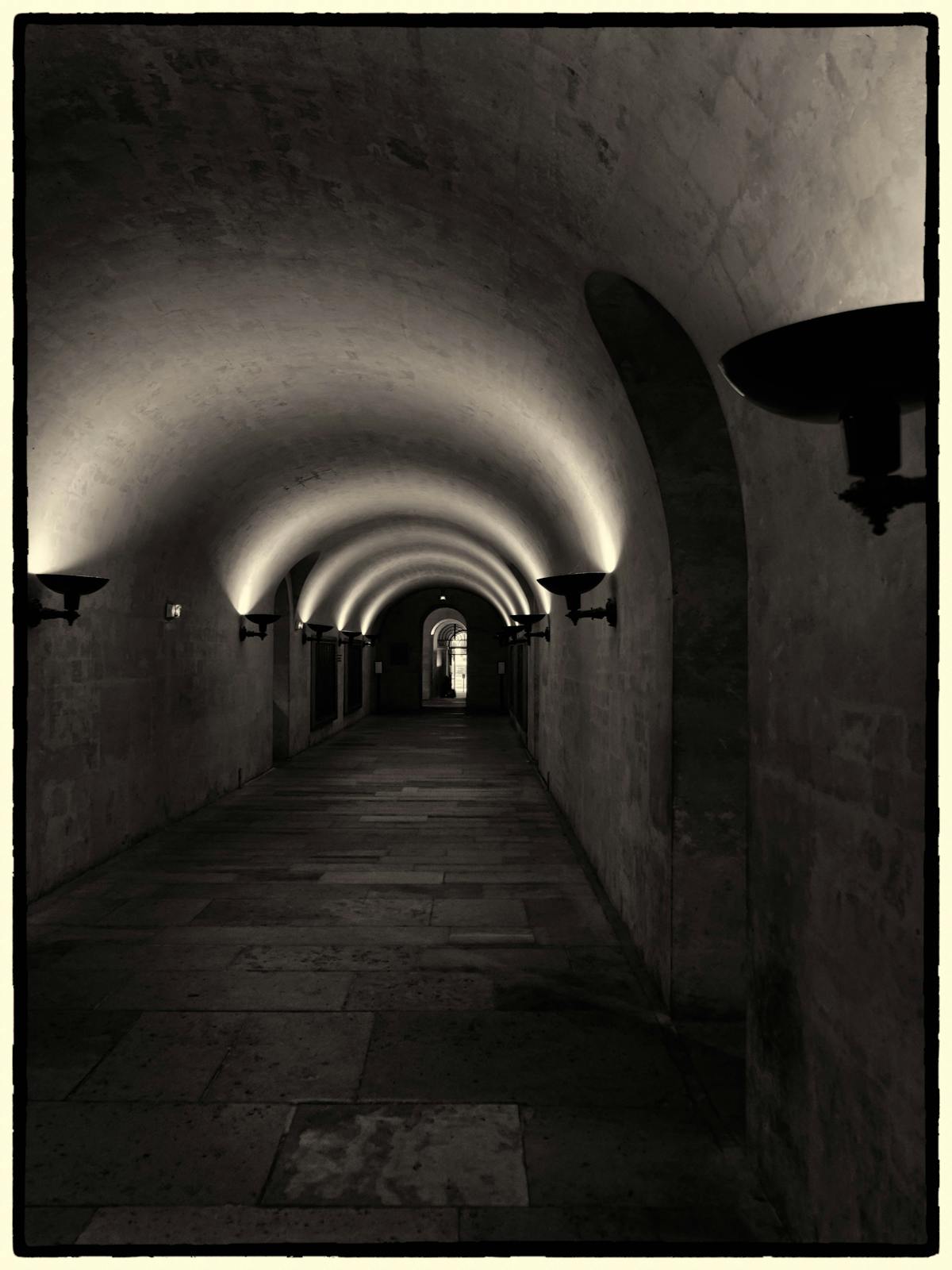
Photography is allowed but no tripods or flash. The low light makes phone photos tricky. If you care about getting good shots, bring a phone or camera that handles low light well and steady your hands against the tunnel walls.
It is not suitable for everyone. 131 steps down, 112 steps up, no elevator. The tunnels are narrow in places and the ceiling height drops below 1.8 metres in some sections. If you have mobility issues, claustrophobia, or are uncomfortable with graphic displays of human remains, this is worth considering carefully before booking.
Budget about 2 hours total. The underground walk itself takes around 45 minutes at a normal pace, but add time for the queue (even with skip-the-line you may wait 10-15 minutes), the descent and ascent, and a stop at the small gift shop at the exit.
More France Guides
The Catacombs are one of the few Paris experiences that feel nothing like the rest of the city, and that contrast is part of what makes a Paris trip interesting. After emerging from underground, the Montparnasse Tower observation deck is a twenty-minute walk north and gives you the exact opposite perspective — all sky and skyline. For another pairing that plays on contrasts, Sainte-Chapelle fills an entire chapel with coloured light, which hits differently after spending an hour in near darkness. The Louvre is a short Metro ride away and covers a different kind of history entirely. And if you want something livelier, the Moulin Rouge is a Metro ride north for the most flamboyant show in Paris.
This article contains links to tours and tickets from third-party providers including GetYourGuide and Viator. If you book through these links, we may earn a small commission at no extra cost to you. This helps support the site and keeps our content free.