
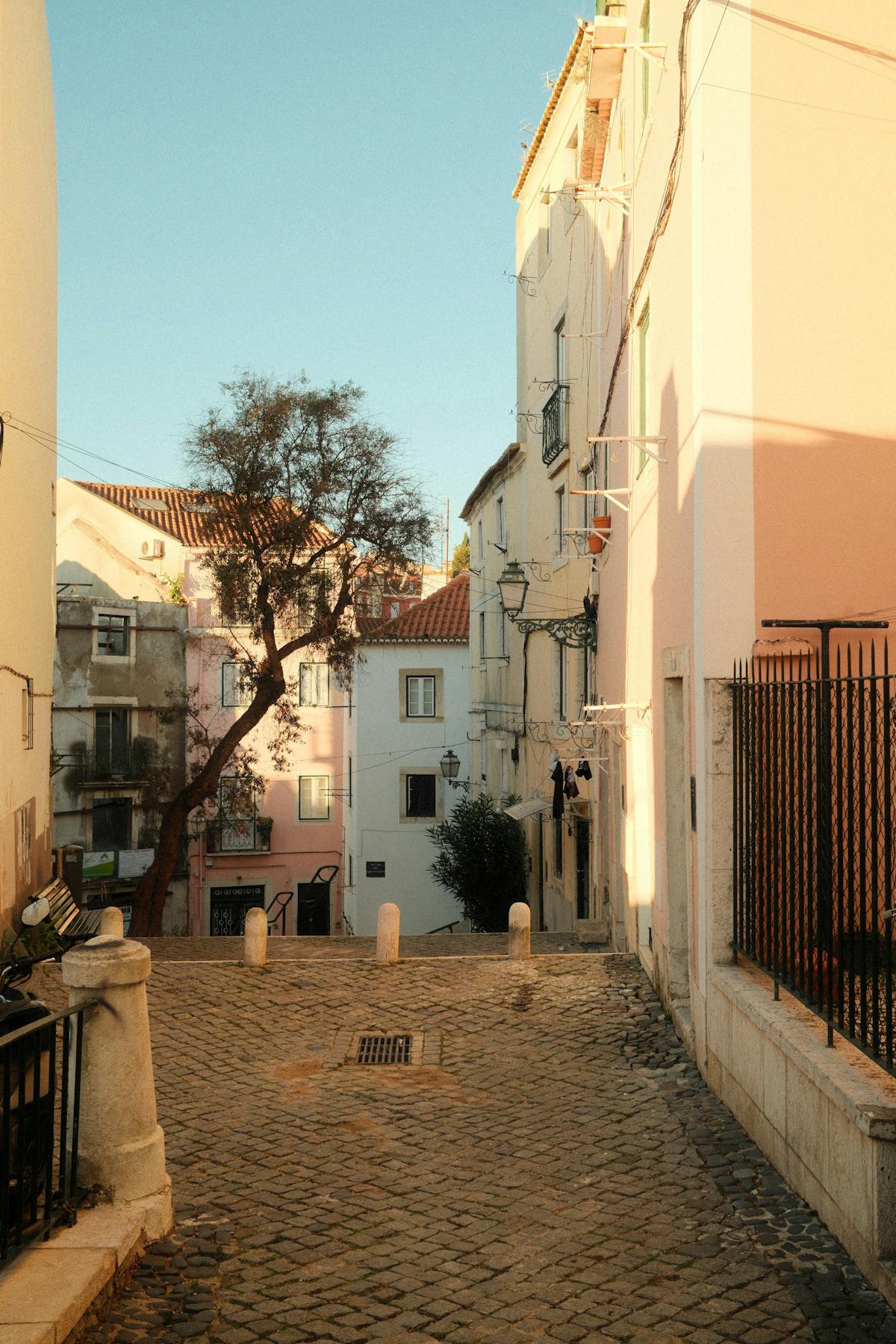
Lisbon’s seven hills are gorgeous to look at and absolutely brutal to walk. That steep cobblestone climb from Baixa up into Alfama that looks manageable on Google Maps? It will have your calves screaming within ten minutes, especially if you are visiting in July or August when the sun is bouncing off every limestone surface in the city.
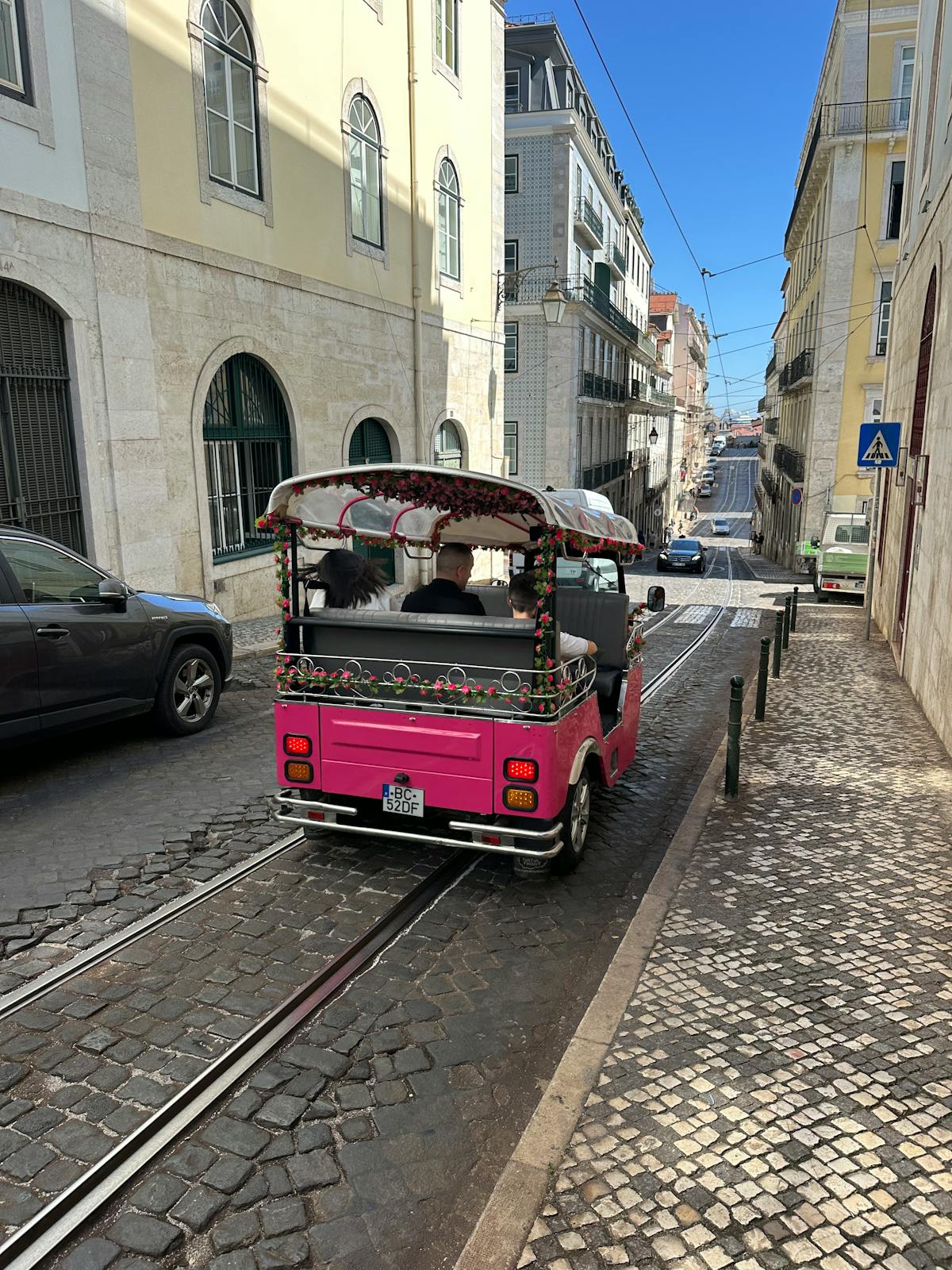
This is why electric tuk-tuks have become one of the most popular ways to see Lisbon. They are small enough to fit through the narrow backstreets of Alfama and Mouraria where buses and even trams cannot go, open-sided so you actually feel the city around you instead of watching it slide past a window, and driven by locals who know which viewpoints have the best light at what time of day. A two-hour tuk-tuk tour will cover more ground than you could manage on foot in an entire afternoon — and your knees will thank you for it.
But here is the thing — there are dozens of tuk-tuk operators in Lisbon, and they are not all the same. Prices vary wildly depending on whether you book in advance or flag one down on the street. The ones parked at tourist hotspots in Praca do Comercio will charge you double what you would pay booking online, and you have no guarantee the driver actually knows the city well enough to give you a proper tour rather than just driving in circles around the Alfama viewpoints.
I went through the major booking platforms, compared what is available, and picked four tours that each offer something genuinely different.

Best overall: True 4-Hour Private Tuk-Tuk Tour — $109 per person. Four hours with a local guide who tailors the route to whatever you want to see. The most reviewed tuk-tuk tour in Lisbon for a reason.
Best budget pick: Half Day Electric Tuk-Tuk Tour — $52 per person. Flexible duration from one to four hours. Good if you want a quick overview without spending your entire afternoon.
Best for foodies: Food and Tuk-Tuk Tour with Eating Europe — $161 per person. Combines a proper food tour with tuk-tuk transport between tasting stops.
- How Tuk-Tuk Tours Actually Work in Lisbon
- The Best Tuk-Tuk Tours to Book
- 1. True 4-Hour Private Tuk-Tuk Tour — 9 per person
- 2. Half Day Electric Tuk-Tuk Sightseeing Tour — per person
- 3. Food and Tuk-Tuk Tour with Eating Europe — 1 per person
- 4. Guided Tuk-Tuk Tour Along the Historic Tram 28 Route — 7 per person
- When to Book Your Tuk-Tuk Tour
- Tips for Getting the Most Out of Your Tour
- More Lisbon Guides
How Tuk-Tuk Tours Actually Work in Lisbon
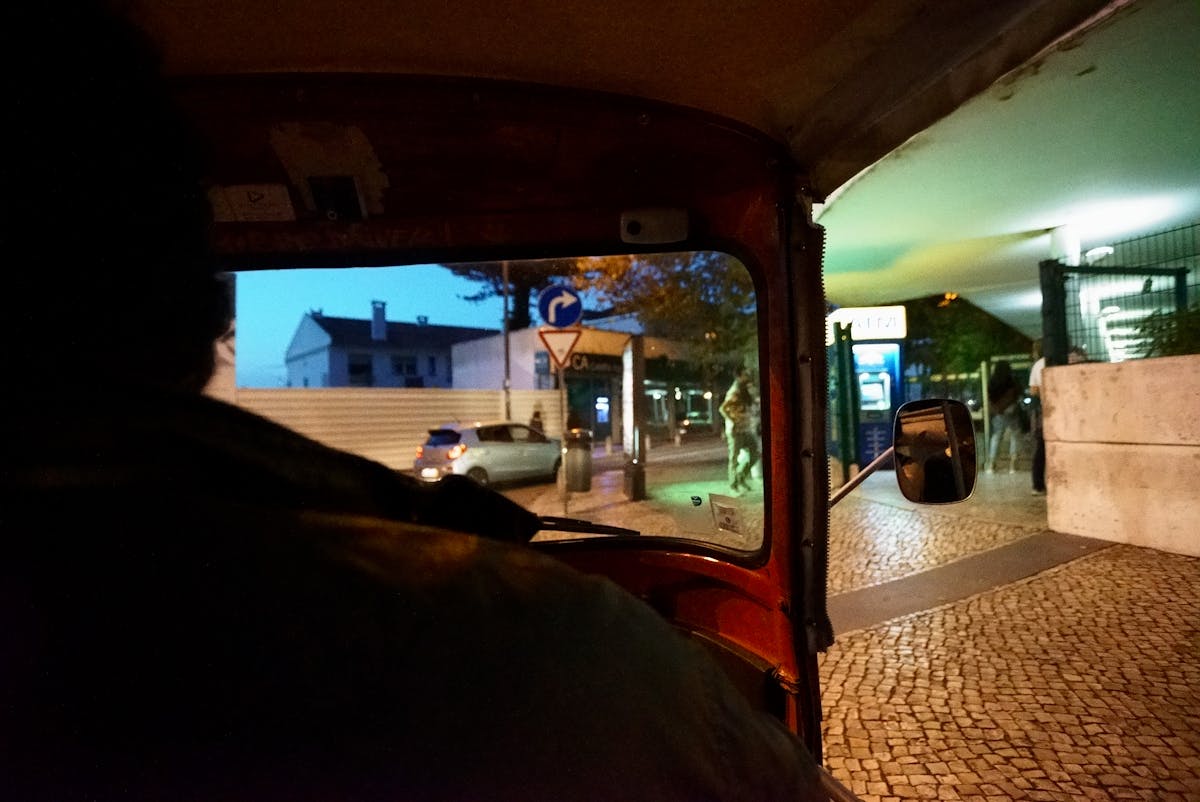
If you have never taken a tuk-tuk tour before, here is what to expect. The vehicles are electric three-wheelers — basically a motorized rickshaw with a roof, open sides, and bench seating in the back. Most fit two to four passengers plus the driver up front. They run on batteries, so there is no engine noise or exhaust. The ride is quieter than you would expect.
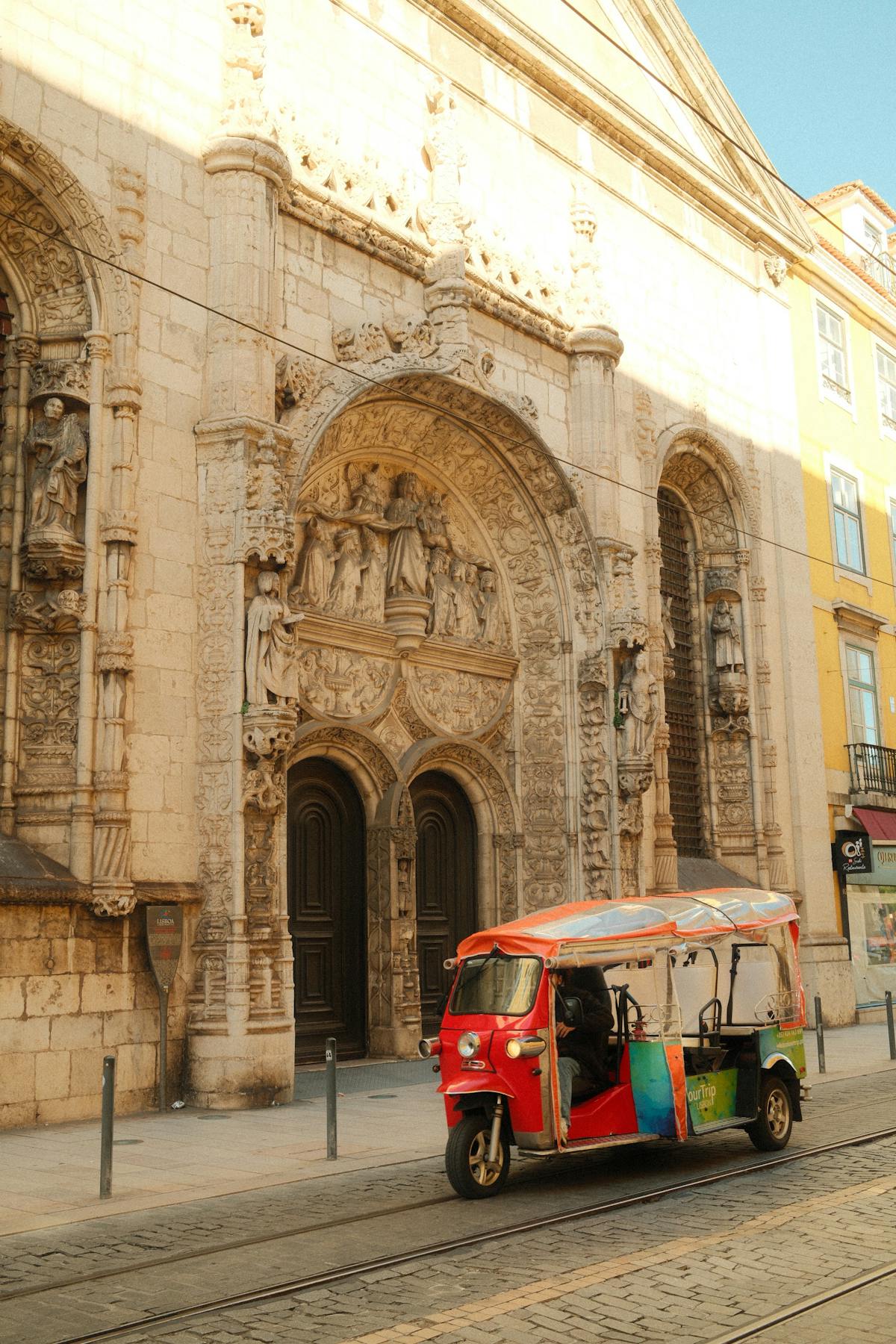
Your driver is also your guide. The good ones grew up in Lisbon and will tell you stories about the neighborhoods, point out things you would walk right past on your own, and pull over at viewpoints where the light is best for photos. The not-so-good ones just drive the standard circuit and give you the same rehearsed commentary every tourist gets. This is why booking through a platform with reviews matters — you can check what previous passengers say about specific drivers.
Most tours follow a similar general route through the old city: Alfama (the medieval Moorish quarter), Graca (for the miradouro viewpoints), Mouraria (Lisbon’s multicultural heart), and usually at least one stop in Belem to see the tower and the Jeronimos Monastery. Some tours add a sunset stop or a food tasting, which is where the pricing starts to diverge.
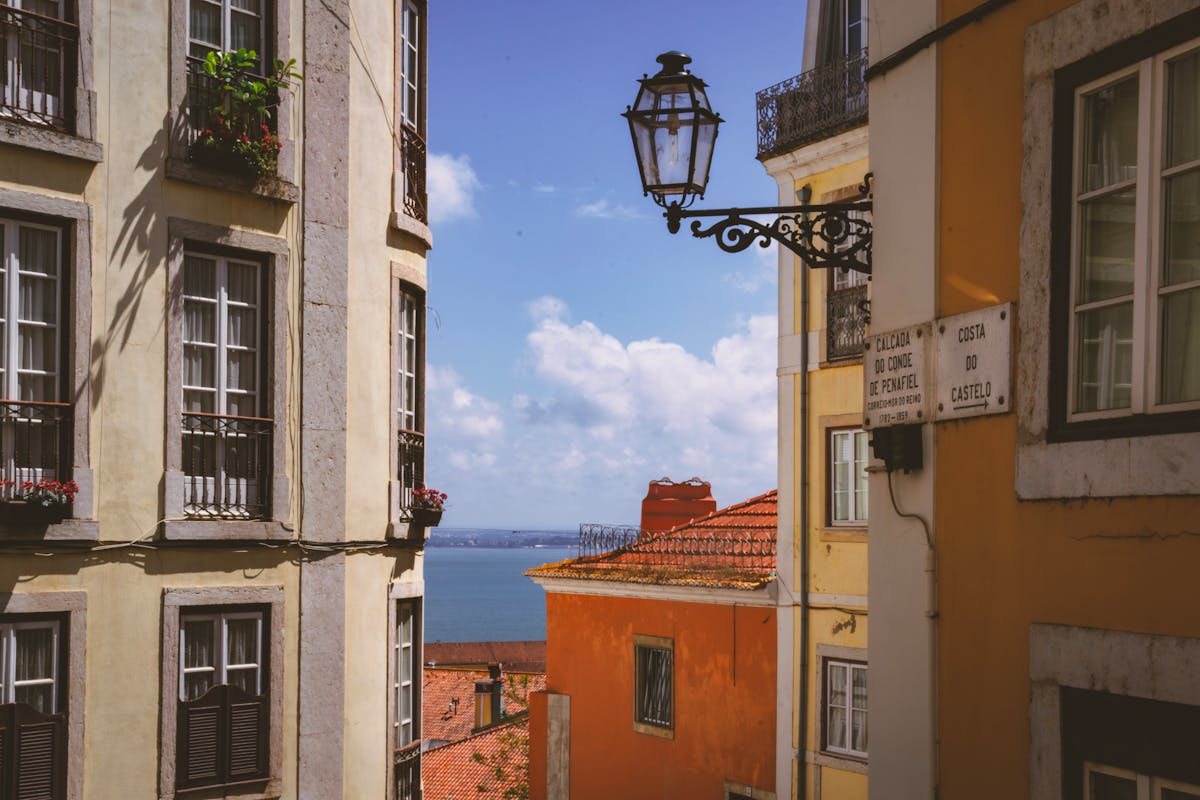
Seatbelts are mandatory. Every licensed tuk-tuk has them, and your driver will not start until everyone is buckled in. The rides can get bumpy on the cobblestone streets — especially in Alfama where some of the roads look like they have not been repaved since the 1755 earthquake — so the seatbelt is not just for show.
Tipping is appreciated but not expected. If your driver did a good job, five to ten euros is standard. Some drivers will hint at it, others will not.
The Best Tuk-Tuk Tours to Book
I looked at every tuk-tuk tour available in Lisbon across the major booking platforms and narrowed it down to four that cover different budgets, durations, and interests. Each one does something the others do not.
1. True 4-Hour Private Tuk-Tuk Tour — $109 per person

This is the one to book if you want the full experience. Four hours is enough time to cover Alfama, Graca, Mouraria, the Se Cathedral area, and make it out to Belem to see the Tower and Jeronimos Monastery without feeling like you are being herded from one spot to the next. Your driver tailors the route based on what you are most interested in — if you want to spend extra time in Alfama and skip the Belem detour, that is fine. If you want to hit every viewpoint the city has, they know all of them.
What sets this tour apart is the duration. Two-hour tours cover the highlights but there is no time to actually stop and explore. With four hours, you can get out of the tuk-tuk at each viewpoint, take photos without rushing, and even grab a pastel de nata at a cafe along the way without the driver impatiently checking his watch. The guides are locals who know the backstreets and shortcuts — you will end up on roads that are not on any tourist map.
The downside is the price. At $109 per person, it is not cheap, but split between two people in the same tuk-tuk it works out to a solid half-day activity. And honestly, four hours of private guided touring in most European cities would cost you significantly more.
2. Half Day Electric Tuk-Tuk Sightseeing Tour — $52 per person
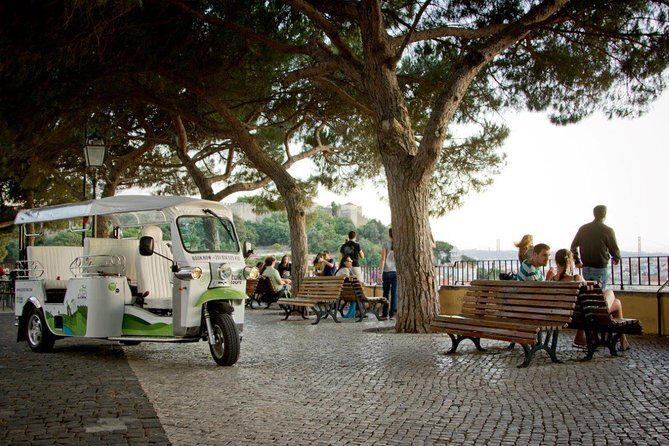
If you want the tuk-tuk experience but do not need four full hours, this is the budget-friendly alternative. The listing says one to four hours, meaning you pick how long you want the tour to run. Most people do two hours, which covers the Alfama circuit plus a few viewpoints in Graca. That is enough to tick off the main sights and get the feel of the city from the back of a tuk-tuk.
At $52 per person, this is roughly half the price of the four-hour option, which makes it the most accessible tuk-tuk tour in Lisbon. The trade-off is that you will not make it to Belem unless you pay for the full four hours, and the shorter duration means less flexibility for spontaneous stops. But for first-time visitors who want an overview without committing to an entire afternoon, it works well.
The tuk-tuks are fully electric, and the company has been running these tours long enough that the drivers know the routes inside out. Just be specific when you book about what you want to see — if you do not give direction, you will get the standard circuit, which is fine but not tailored to your interests.
3. Food and Tuk-Tuk Tour with Eating Europe — $161 per person

This one is different from every other tuk-tuk tour in Lisbon because the sightseeing is almost secondary. The focus here is food. Eating Europe is a well-known food tour operator across Portugal, Spain, and Italy, and they have paired their Lisbon food crawl with tuk-tuk transport between stops. So instead of walking from restaurant to restaurant (which, again, involves those hills), you ride in a tuk-tuk between each tasting location.
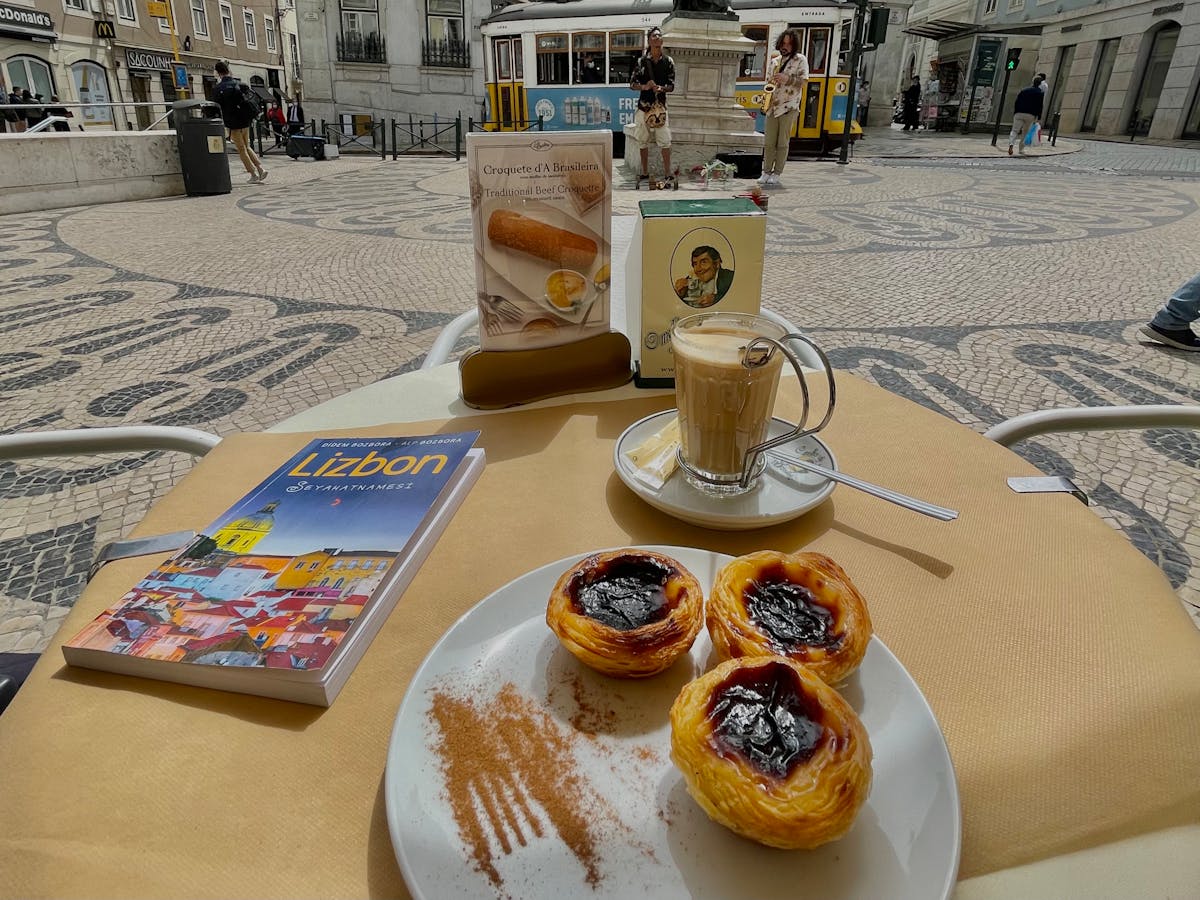
The four-hour tour includes multiple tasting stops covering traditional Portuguese dishes — expect pasteis de nata (the custard tarts), ginjinha (cherry liqueur), bacalhau (salt cod), and whatever the guide’s favorite local spots are serving that day. You eat at actual restaurants and cafes, not tourist traps set up specifically for tour groups. The tuk-tuk sections between stops double as sightseeing, so you are getting two experiences in one.
At $161 per person, this is the most expensive option on the list. But consider that a food tour alone in Lisbon typically runs $80-100, and a tuk-tuk tour is another $50-100 on top of that. Bundling them together actually saves you money and half a day of schedule juggling. It is not for everyone — if you just want to see the city, pick one of the cheaper options. But if food is part of why you travel, this is the one.
4. Guided Tuk-Tuk Tour Along the Historic Tram 28 Route — $147 per person
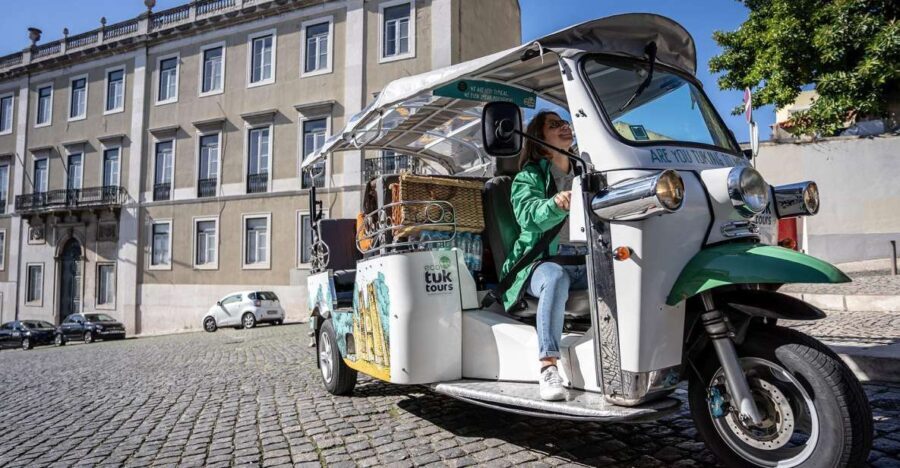
Tram 28 is probably the most famous tram route in Europe — it winds through Alfama, Graca, and the Baixa district on vintage yellow trams that look straight out of the 1930s. The problem is that everyone knows about it. The trams are packed to the point where pickpockets operate on them openly, and you will spend half the ride pressed against a stranger’s shoulder trying to see anything through a foggy window.

This tour follows the Tram 28 route by tuk-tuk instead. You cover the same iconic neighborhoods and streets, but in a private vehicle with a guide who can actually explain what you are looking at. No crowds, no pickpocket anxiety, no standing for forty-five minutes hoping a seat opens up. The guide adds context that the tram’s recorded audio guide does not even attempt — local stories, historical details, restaurant recommendations.
The price at $147 per person is steep for what is essentially a neighborhood tour, but the Tram 28 experience is a bucket-list item for a lot of visitors, and this is genuinely a better version of it. If riding the actual tram matters to you for the nostalgia factor, do that instead. But if you want the sights without the hassle, this delivers.
When to Book Your Tuk-Tuk Tour

Best time of day: Late afternoon, starting around 3 or 4 PM. The light is at its best for photos, the temperature drops to something manageable (especially May through September), and if your tour runs long enough, you catch sunset from one of the miradouros. Morning tours are fine too — less traffic and cooler — but the light is flatter and the viewpoints mostly face west, so they are better at golden hour.
Best time of year: April through June and September through October. Lisbon in July and August is scorching — regularly above 35 degrees Celsius — and a tuk-tuk with no air conditioning and open sides will feel like a moving oven in the middle of the day. Spring and early autumn give you sunshine without the extreme heat, plus fewer travelers competing for the same tours.
How far in advance: Book at least a week ahead during peak season (June through September). Outside of that, two or three days is usually enough. If you are visiting during Easter week or Christmas, book two weeks out — those are Lisbon’s busiest tourist periods.
Skip the street vendors. I mentioned this above but it bears repeating. The tuk-tuks parked at tourist plazas will charge you 30-50% more than the same tour booked online through Viator or GetYourGuide. They know you are a walk-up with no point of comparison, and they price accordingly. Pre-book online, confirm the pickup point, and you will pay less for a better tour.
Tips for Getting the Most Out of Your Tour
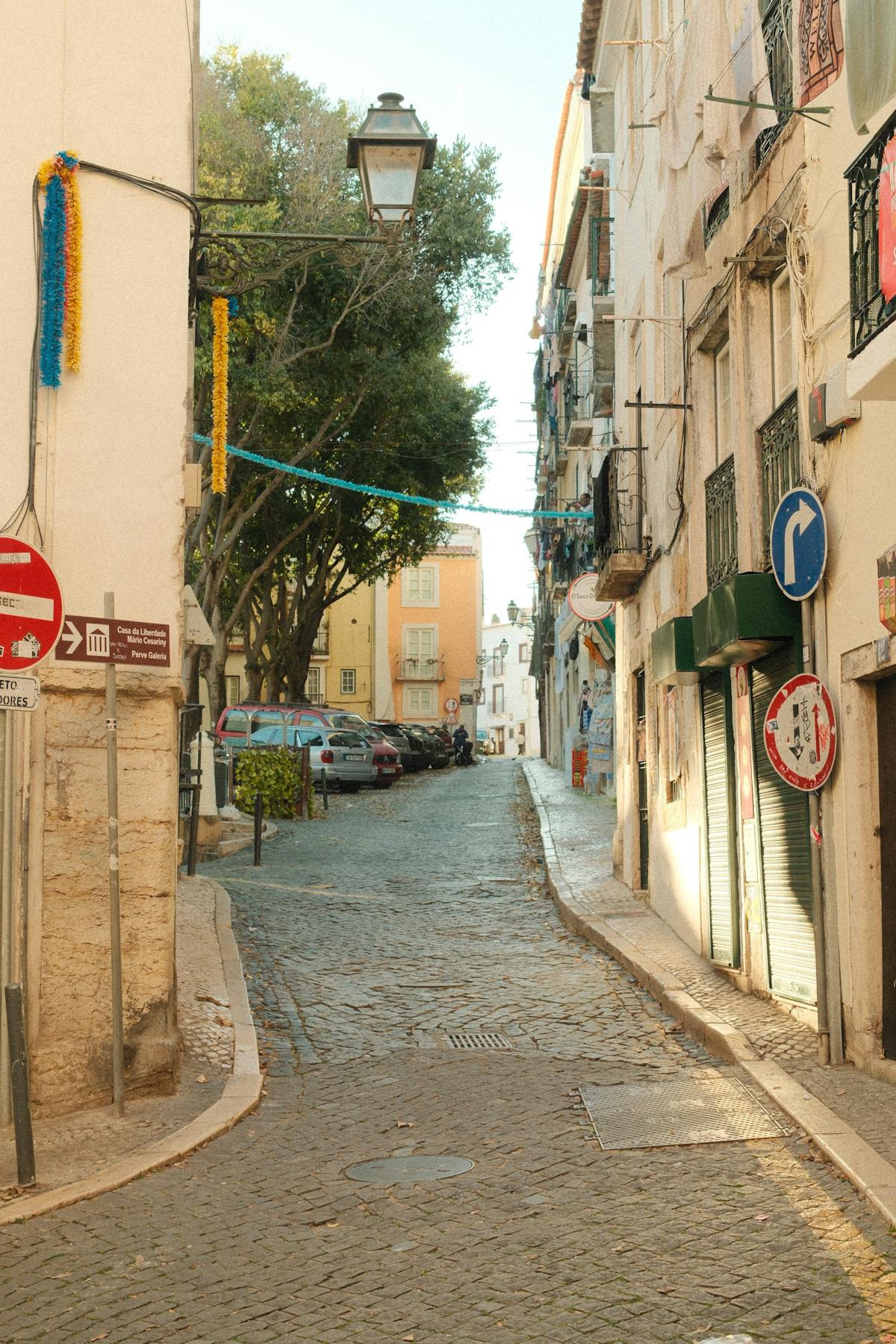
Tell your driver what you want. Most tours have a standard route but the drivers are flexible. If you specifically want to see the Fado Museum, or you have already visited Belem on your own and would rather spend extra time in Alfama, say so at the start. The good drivers will adjust the route on the fly.
Bring a light jacket or scarf. Even in summer, the wind picks up when you are moving through the streets in an open vehicle. It is not cold, exactly, but a few degrees cooler than walking. In spring and autumn, a layer is essential — the shade in Alfama’s narrow streets can be genuinely chilly.
Charge your phone. You will take more photos than you expect. The open sides of the tuk-tuk make it incredibly easy to snap pictures without stopping, and the viewpoint stops are perfect for panoramic shots. Start with a full battery.
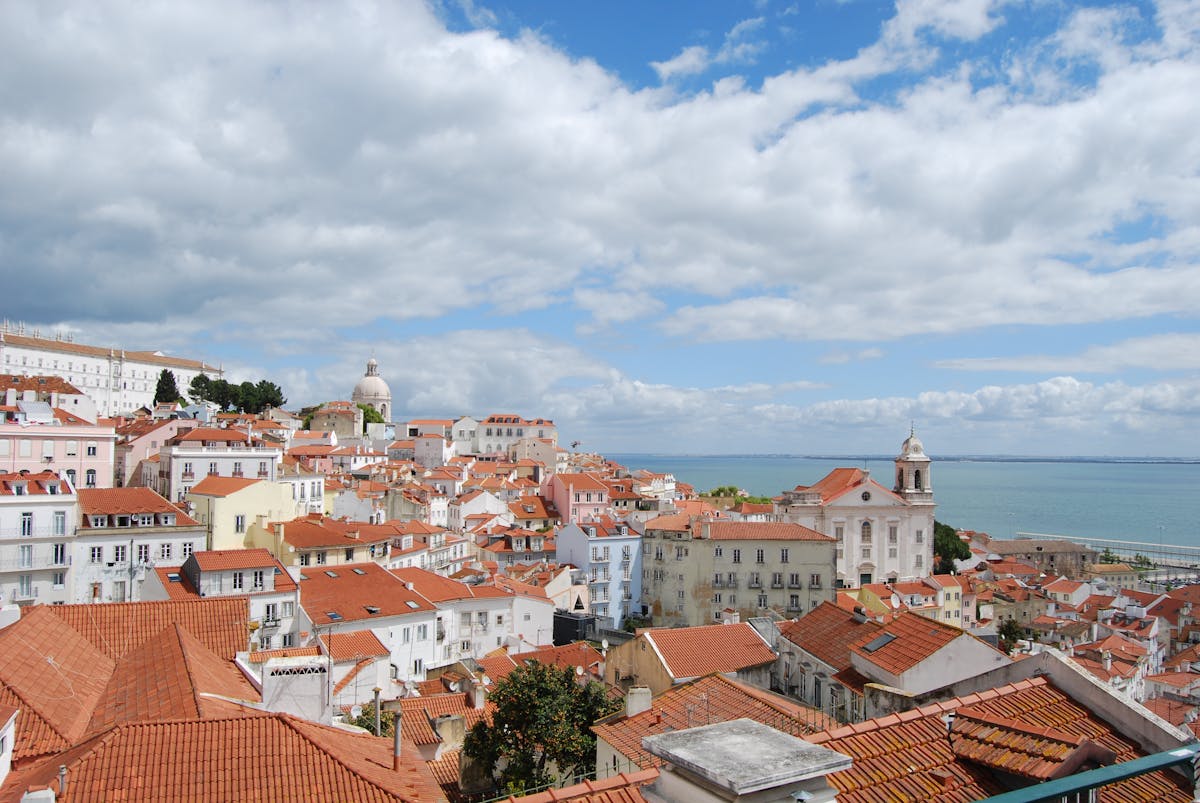
Do not eat a big lunch beforehand. Especially if you are doing the food tour, but even for the regular tours — most drivers will stop at a cafe or pastelaria along the route, and you will want room for at least a pastel de nata and a coffee. Some drivers have their own favorite hole-in-the-wall spots that are not on the official itinerary.
Ask about the neighborhoods. The best part of a tuk-tuk tour is not the monuments — you can see those on your own. It is the local knowledge. Ask your driver where they eat lunch, which streets to come back to in the evening, where the best fado bars are. That is information you cannot get from a guidebook.


A tuk-tuk tour is one of those things that sounds slightly touristy in theory but turns out to be one of the best decisions you make in Lisbon. The city was not built for walking — the hills, the cobblestones, the summer heat — and a tuk-tuk navigates all of it while giving you a local’s perspective on the neighborhoods you are passing through. If you are short on time and want to see as much of old Lisbon as possible in a single afternoon, it is hard to beat. And if you are looking at other activities in Portugal, we have guides to visiting Sintra from Lisbon and Benagil Cave in the Algarve that might help with the rest of your trip.
We research tours using our database of verified traveler feedback to bring you honest recommendations. This article contains links to tours on Viator and GetYourGuide. If you book through these links, we may earn a small commission at no extra cost to you.
More Lisbon Guides
A tuk-tuk gets you through the steep parts, but Lisbon has plenty of ways to keep exploring once you step out. If the Alfama section caught your eye, an Alfama walking tour takes you through the same narrow streets on foot with a local guide who knows the stories behind the tiles. a food tour in Lisbon is another good follow-up if the tuk-tuk driver pointed out restaurants along the way. For a bigger perspective, a boat tour in Lisbon puts the whole seven-hill skyline in front of you from the water. History buffs should not miss Jeronimos Monastery tickets, especially since most tuk-tuk routes pass right by it on the way to Belem. And when you are ready to leave the city for a day, visiting Sintra from Lisbon is barely an hour away by train.
This article contains affiliate links. If you book a tour through one of our links, we earn a small commission at no extra cost to you. This helps us keep producing free travel guides.