
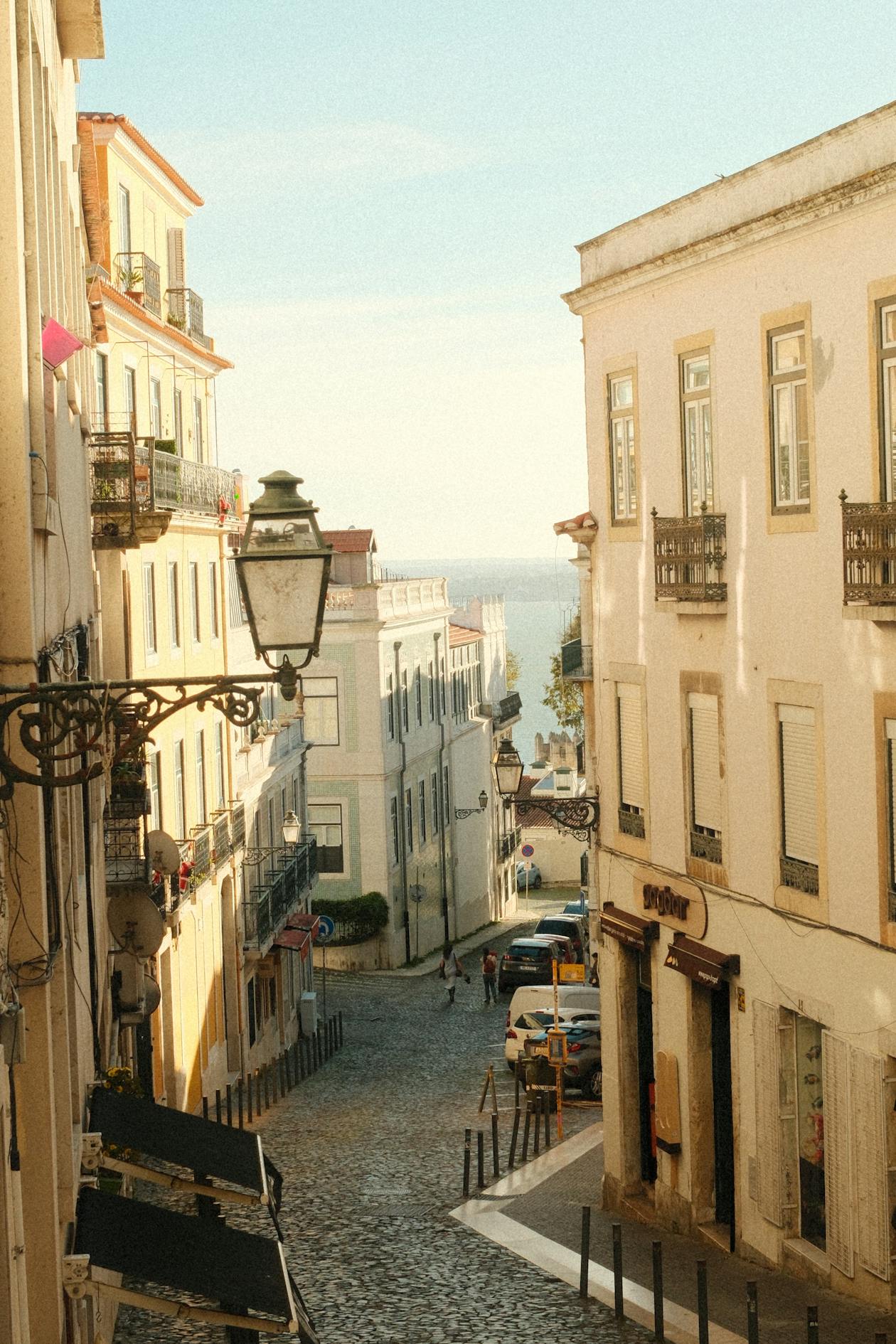
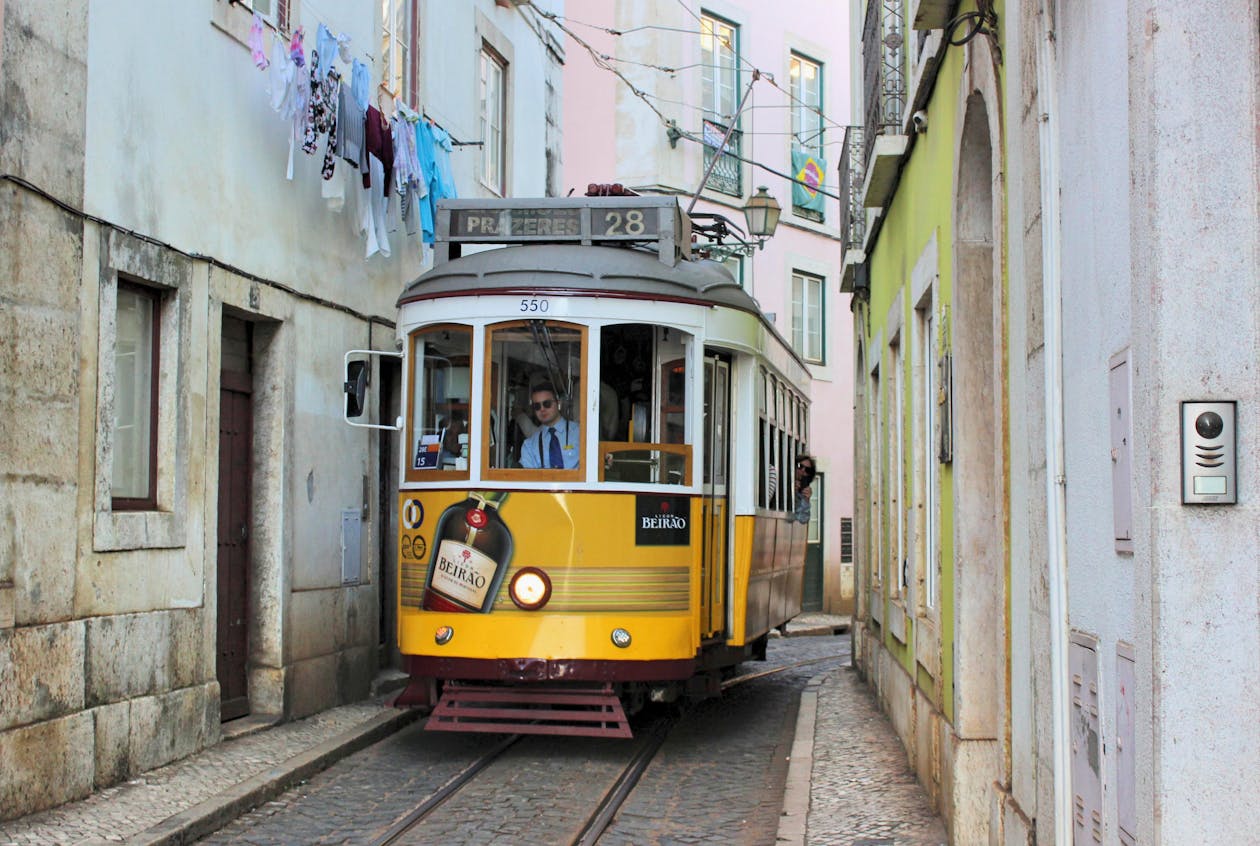
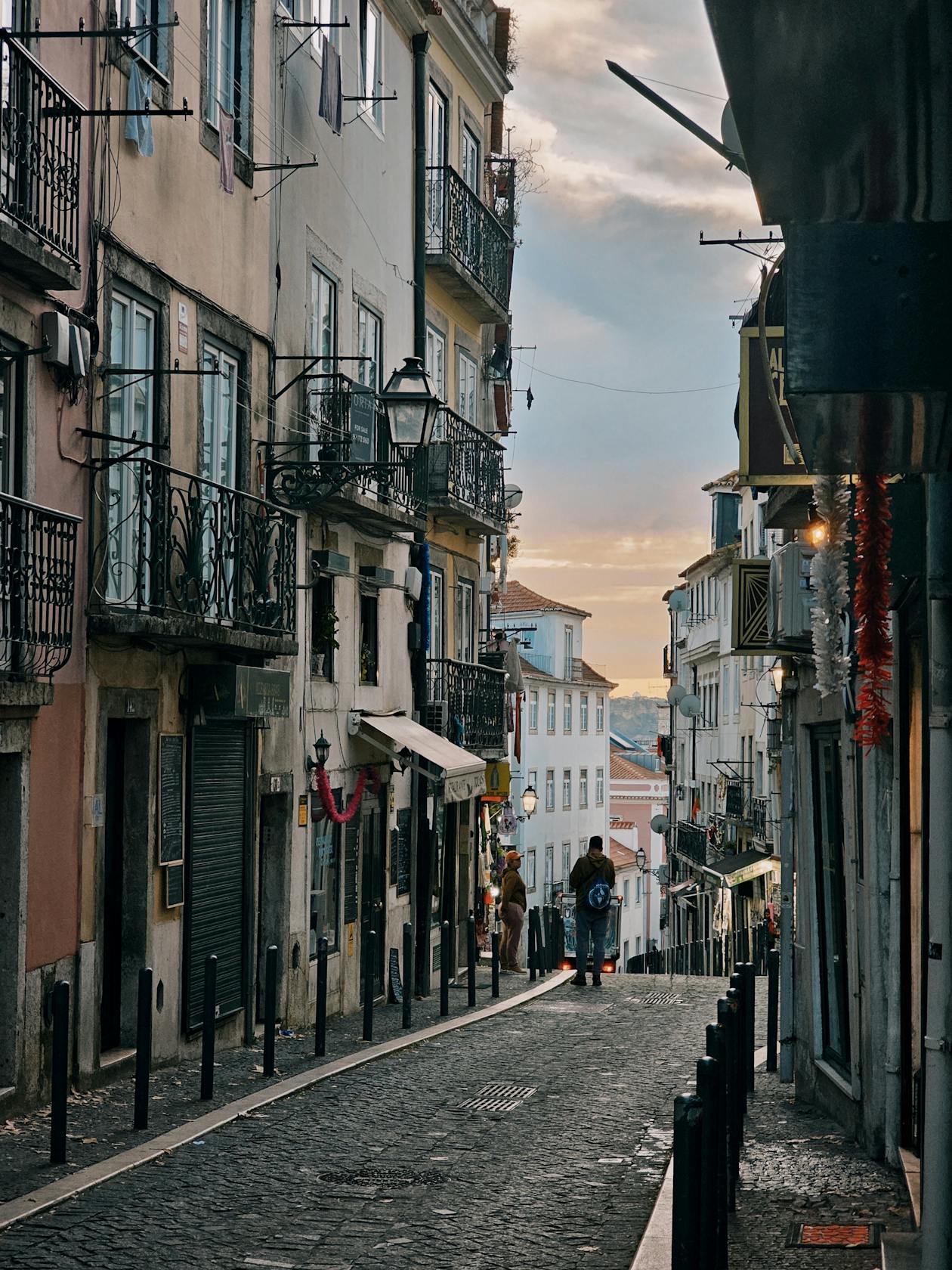
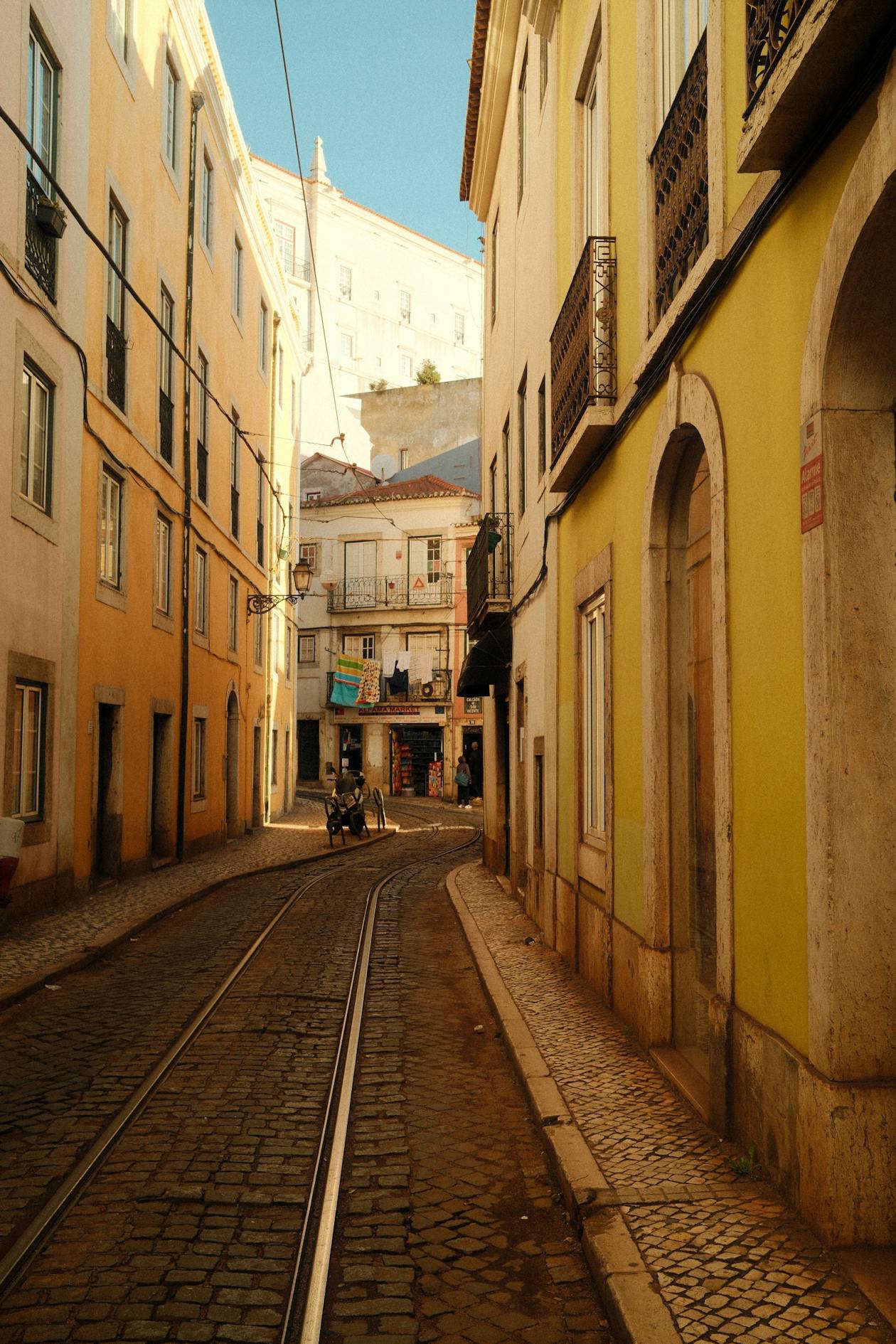
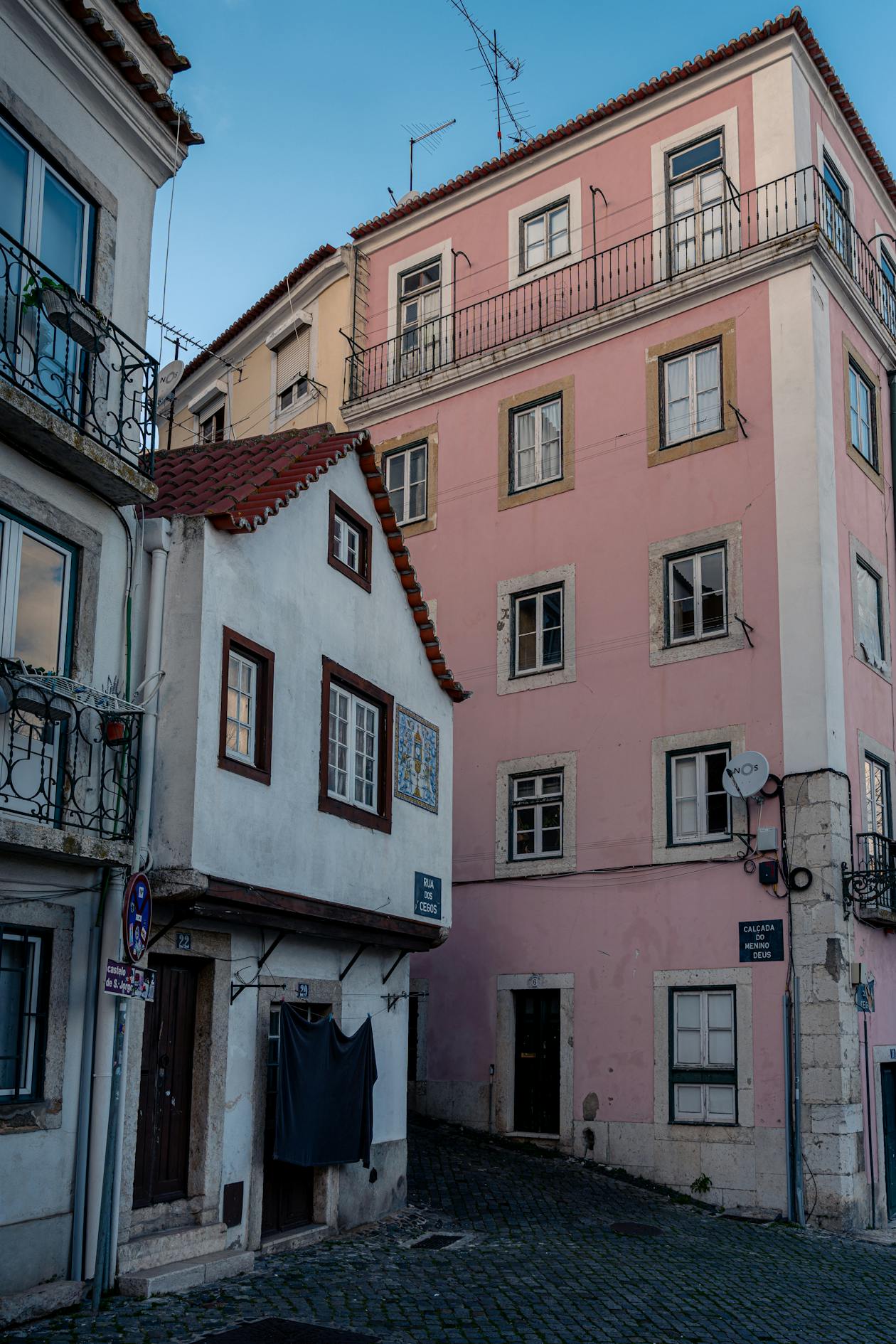
Alfama is the neighbourhood that refused to fall down. When the 1755 earthquake levelled most of Lisbon — obliterating palaces, churches, entire streets — Alfama held. Something about the bedrock, the geology, the stubborn density of its medieval street plan. The result is that this is the only part of the city where you can still walk through genuinely old Lisbon: Moorish-era walls, alleys so narrow two people have to turn sideways to pass each other, washing lines strung between buildings that have been standing since before Columbus sailed anywhere.
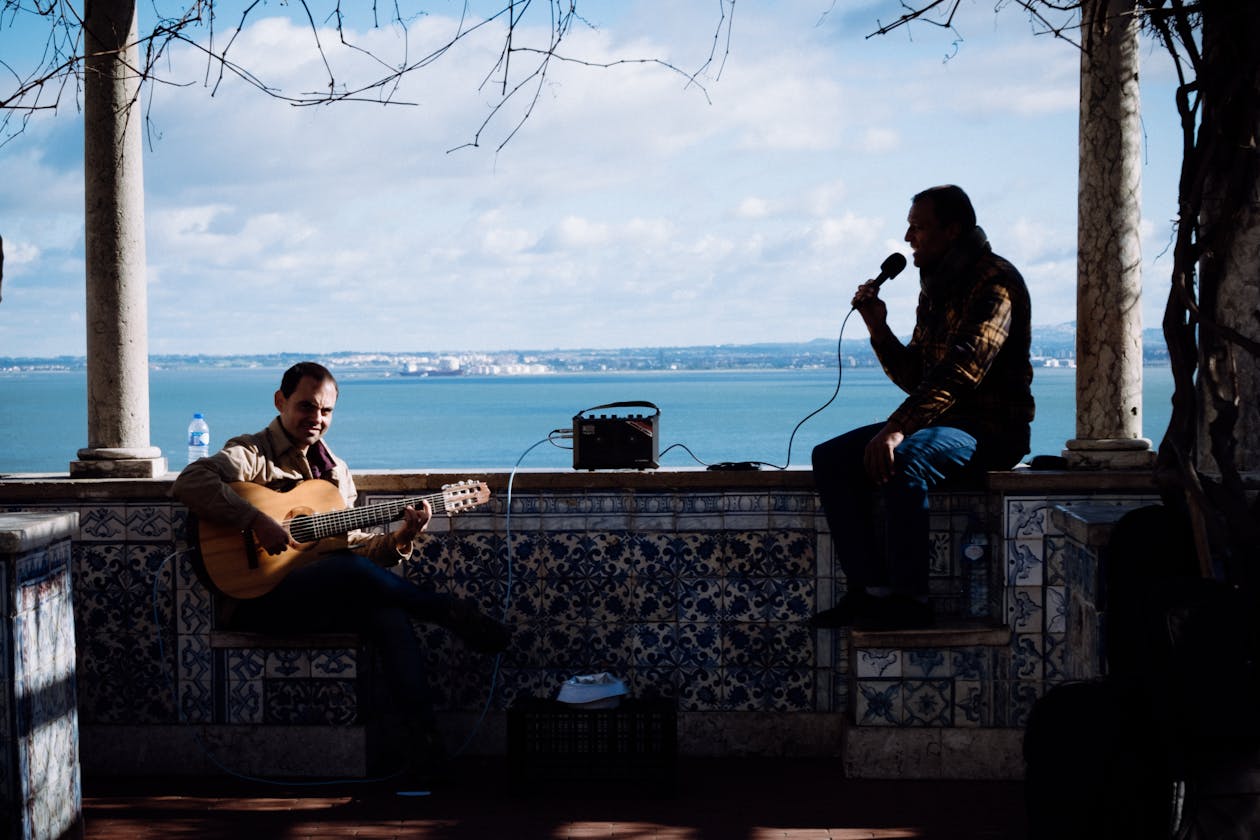
And then there is the fado. It drifts out of doorways at odd hours, usually from a tiny restaurant with maybe eight tables and a woman singing about saudade — that untranslatable Portuguese word for a longing so deep it becomes a kind of pleasure. You hear it best in Alfama because this is where fado was born, in the taverns near the docks where sailors and fishwives turned their grief into music.
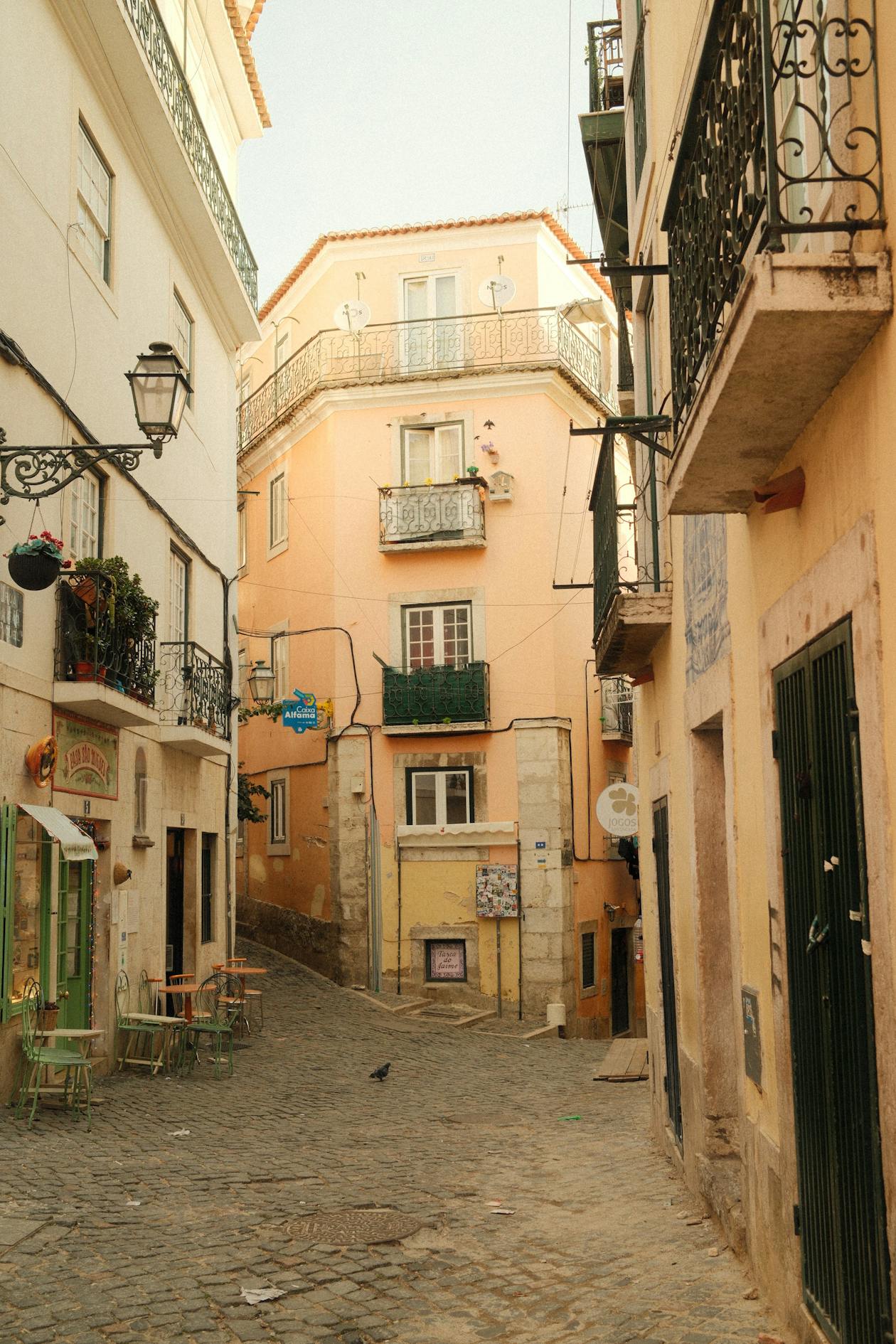
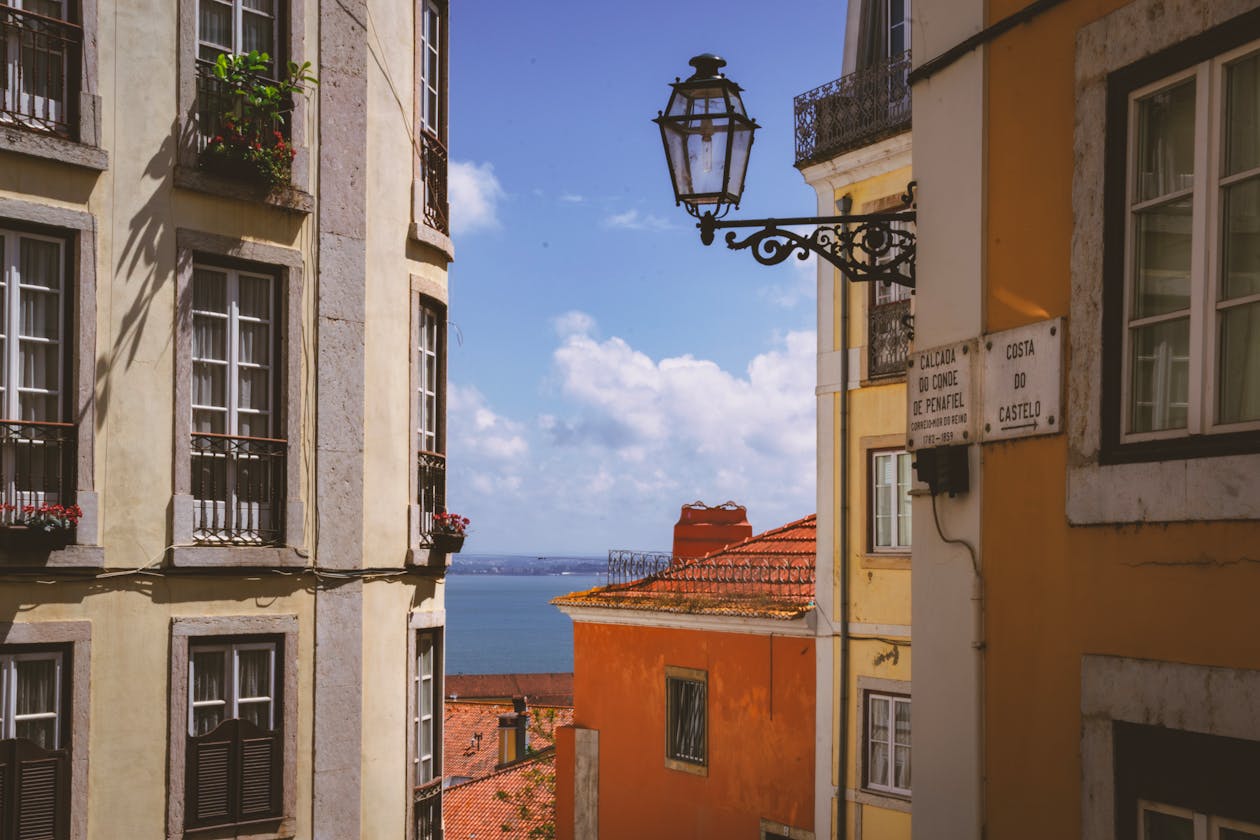
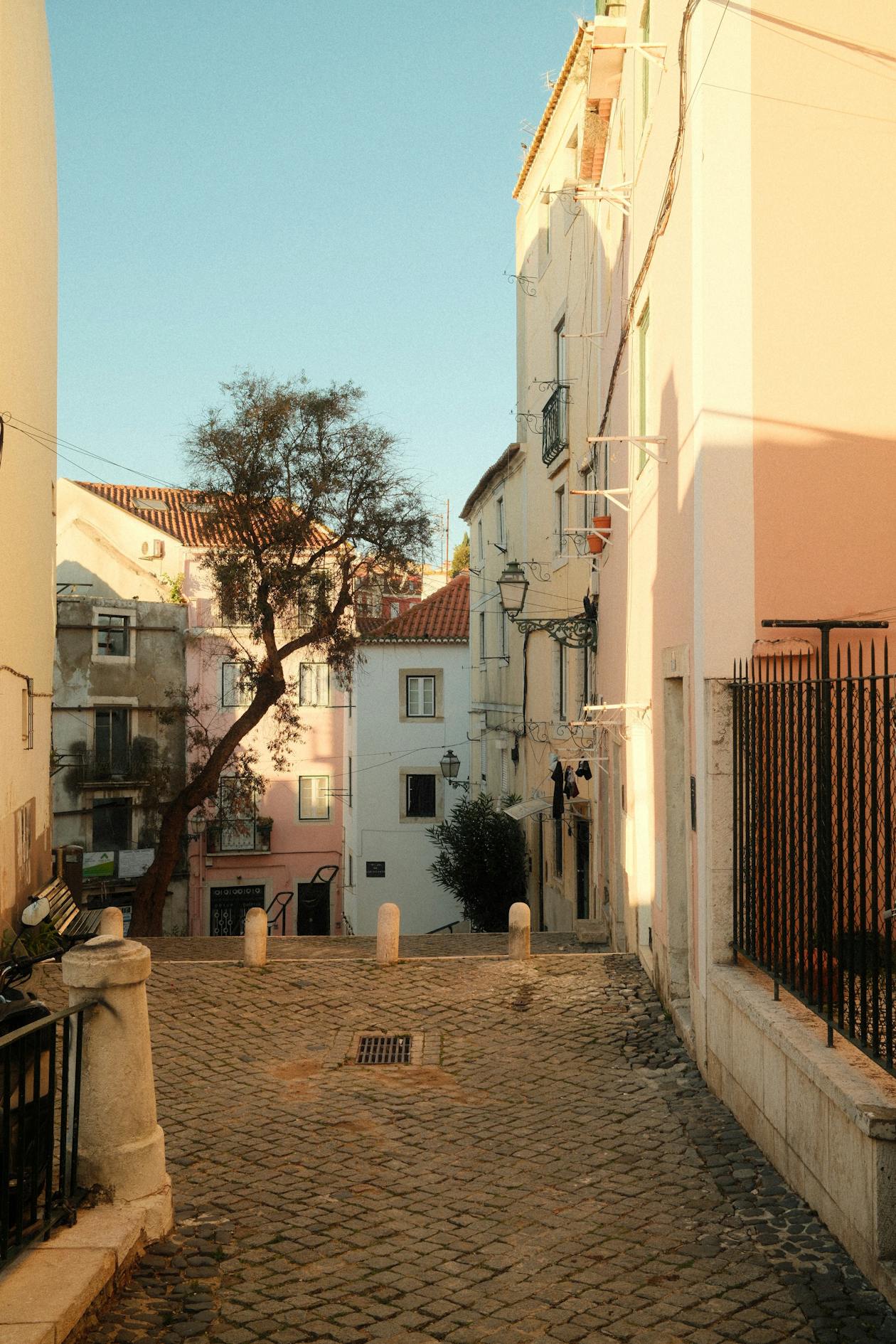
The trouble is that Alfama actively resists being navigated. Google Maps gives up in some of the tighter sections. Street signs are inconsistent. Staircases appear out of nowhere and deposit you on a completely different level of the hillside. A walking tour with a local guide is the difference between spending three hours wandering in circles and spending three hours actually understanding what you are looking at — the history layered into every wall, the reason certain buildings survived when everything around them crumbled, the stories that connect the music to the streets.
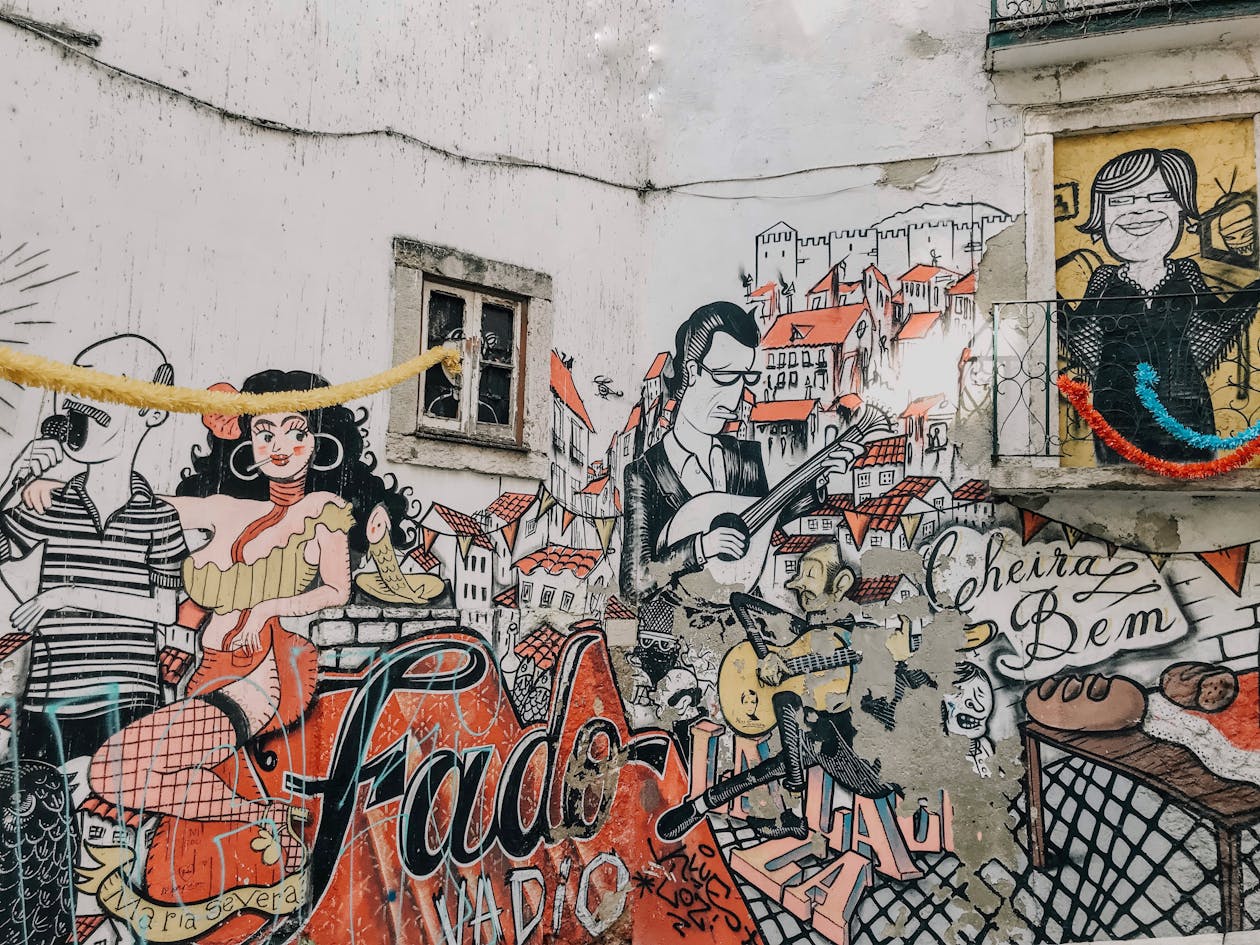
Best overall: Alfama Tour in Lisbon Old Town — $3.62 (tip-based). Two and a half hours focused entirely on Alfama with a local guide. The most reviewed Alfama-specific walking tour in our database.
Best food combo: Small-Group Food Tour with 18 Tastings — $127. If you want to eat your way through Alfama while learning its history, this is the one. Eighteen tastings is borderline excessive but nobody complains.
Best evening experience: Alfama Tour and Live Fado with Dinner — $58. Walking tour plus a sit-down fado dinner. Four hours, and you leave understanding why this neighbourhood sounds the way it does.
- Why Alfama Needs a Guide
- The Best Alfama Walking Tours
- 1. Alfama Tour in Lisbon Old Town — .62 (Tip-Based)
- 2. Best of Lisbon Walking Tour: Rossio, Chiado and Alfama —
- 3. Small-Group Food Tour with 18 Tastings in Alfama — 7
- 4. Alfama Tour and Live Fado with Traditional Dinner —
- When to Walk Alfama
- Tips for Walking Alfama
- More Lisbon Guides
Why Alfama Needs a Guide
I will be blunt about this: Alfama is not a neighbourhood you can wing. Not well, anyway.
The streets were laid out by the Moors over a thousand years ago, following the contours of the hillside rather than any plan. Later additions — medieval, Manueline, Pombaline — were squeezed in wherever there was space. The result is a labyrinth where even locals sometimes take wrong turns. A self-guided walk using your phone means spending half the time staring at a screen instead of looking at the actual neighbourhood.
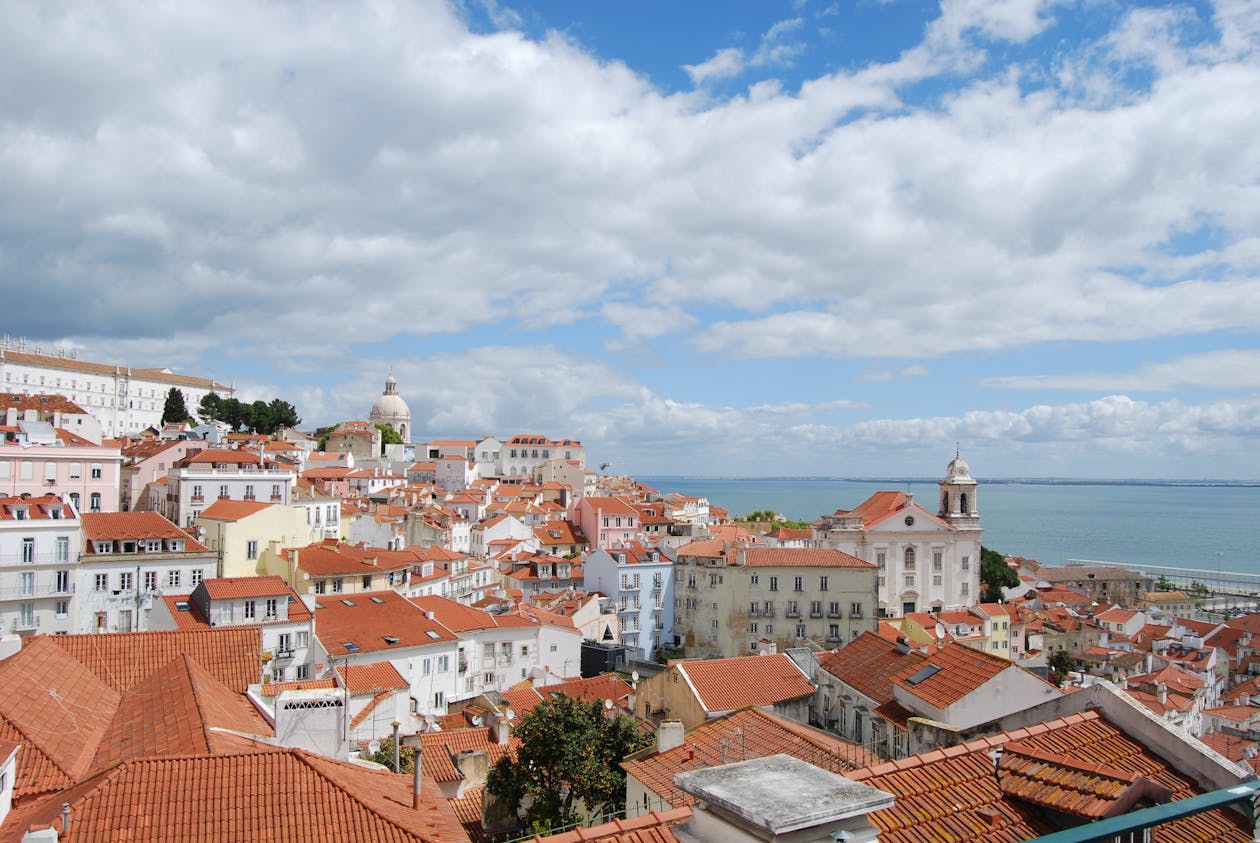
A good guide does three things that no guidebook or app can replicate. First, they know the miradouros — the viewpoints — and the sequence to hit them in so that each one reveals a slightly different angle of the city. Portas do Sol, Santa Luzia, the one behind the church that does not have an official name but has the best view of the river. Second, they know which doors to knock on, which back alleys lead to hidden courtyards, and which graffiti was done by Vhils versus a random teenager. Third, they have opinions. A good Alfama guide will tell you which restaurants are tourist traps, where to get the best ginjinha (it is not where you think), and why the Se cathedral is worth fifteen minutes but not forty-five.
The guides on these tours are almost always Lisboetas who grew up in or near Alfama. That matters because Alfama is a neighbourhood with deep oral history — stories about the earthquake, about the fado singers, about the fishmongers and sardine sellers who made this place what it was. You cannot Google that.
The Best Alfama Walking Tours
I pulled these from our database of tour reviews. Four tours, four different angles on the same neighbourhood — a classic walking tour, a broader Lisbon walk that includes Alfama, a food-focused exploration, and an evening fado experience. Pick based on what matters more to you: history, food, music, or coverage.
1. Alfama Tour in Lisbon Old Town — $3.62 (Tip-Based)

This is the tip-based model, which means the listed price is nominal and you pay what you think the tour was worth at the end. In practice, most people tip between ten and twenty euros. The tour runs two and a half hours and stays entirely within Alfama and its immediate surroundings — Mouraria, the Se cathedral, Portas do Sol, and the backstreets that connect them.
What sets this apart from the broader Lisbon walking tours is the depth. Instead of spending twenty minutes in Alfama as part of a citywide overview, you get the full neighbourhood. The Moorish walls. The Casa dos Bicos with its diamond-point facade. The tiny fado museum that most travelers walk past. The alleys where laundry still hangs between buildings and elderly residents sit in doorways watching the world go by.
At $3.62 listed (plus tip), the financial risk is zero. And with the largest review count of any Alfama-specific walking tour in our database, the operator has clearly been doing this long enough to have it down.
2. Best of Lisbon Walking Tour: Rossio, Chiado and Alfama — $23
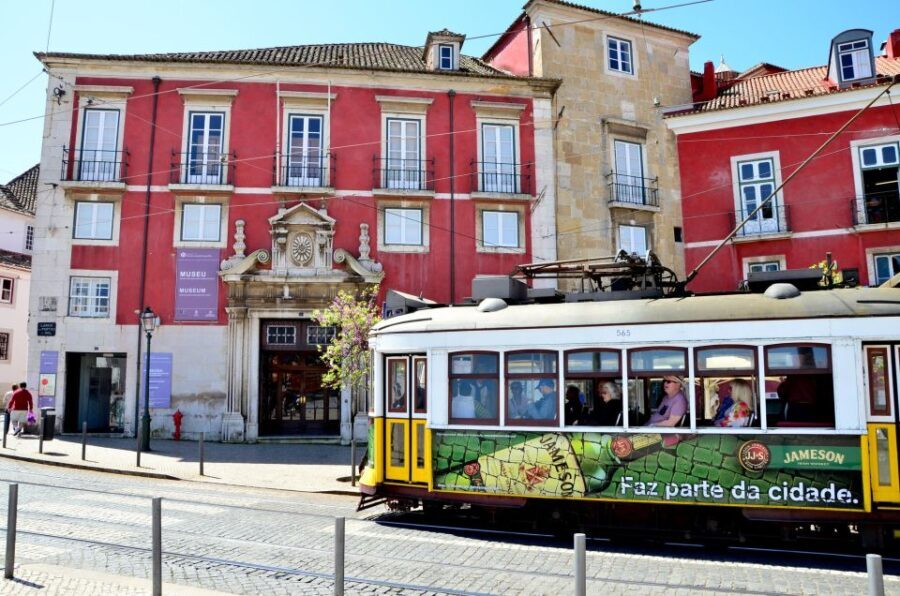
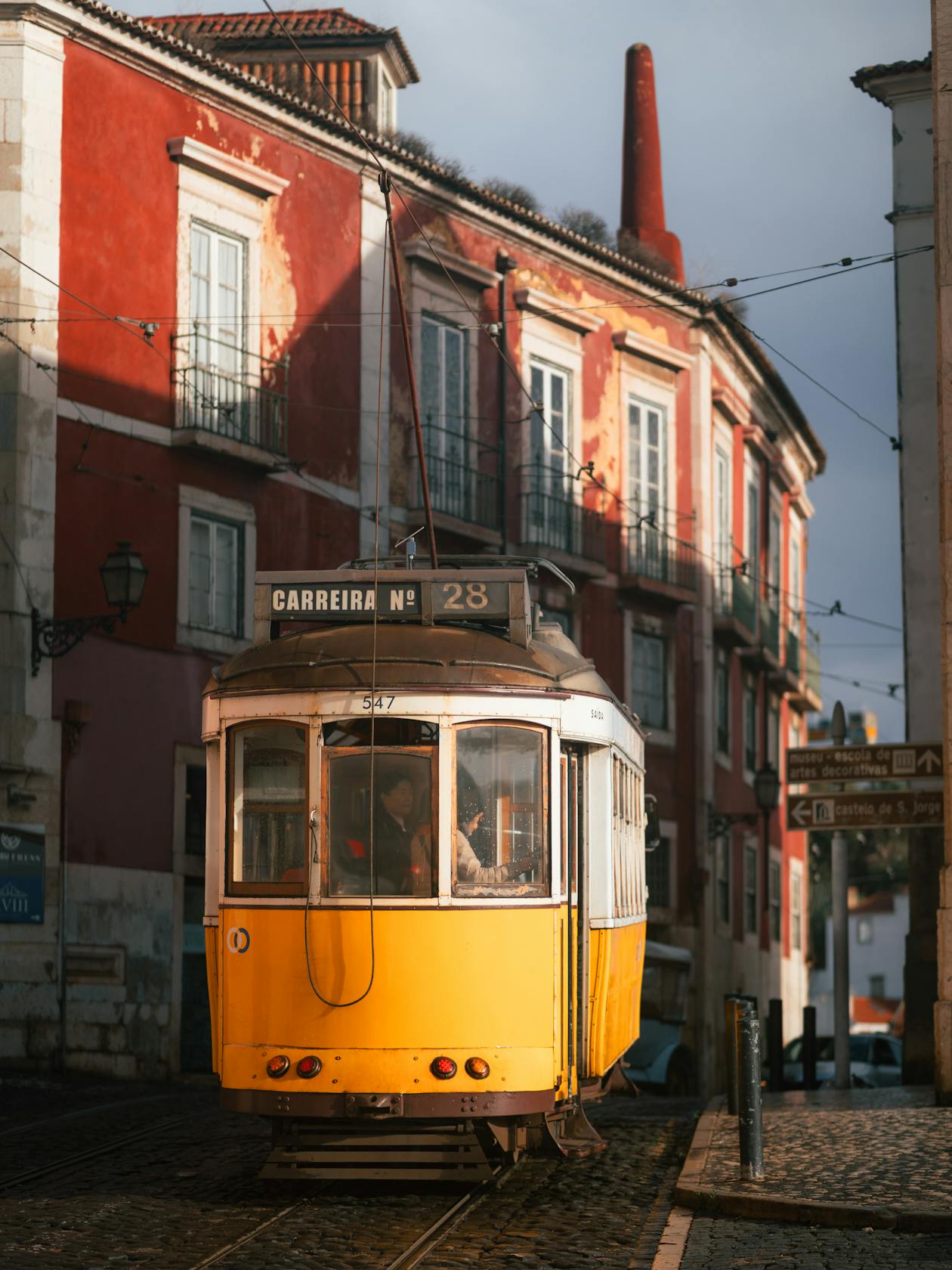
If it is your first time in Lisbon and you want the full picture rather than a single-neighbourhood deep dive, this is the smarter choice. Three hours covering Rossio (the grand squares and Pombaline grid), Chiado (cafe culture, Fernando Pessoa, the Carmo ruins), and Alfama (medieval streets, fado, viewpoints). The Alfama section is naturally shorter than on a dedicated Alfama tour, but you get enough to orient yourself and decide whether you want to come back for a longer explore.
At $23 for three hours, this is the best value on this list in terms of ground covered per euro spent. The trade-off is group size — broader tours like this tend to draw more people than the niche ones. Book the early morning slot if crowds bother you.
This is also a solid option if you are only in Lisbon for a day or two and need to be efficient with your time. You leave with a mental map of how the different neighbourhoods connect, which is genuinely useful in a city where the geography can be confusing.
3. Small-Group Food Tour with 18 Tastings in Alfama — $127
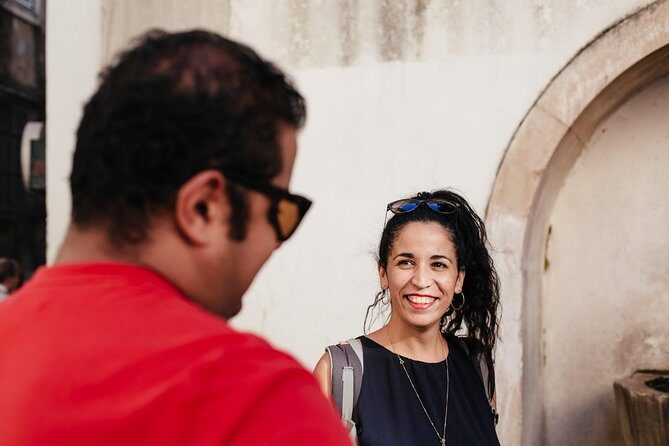
This is the one for people who think the best way to understand a neighbourhood is through its food — and in Alfama’s case, they are right. The district’s culinary identity is built on sardines, bacalhau, ginjinha, and pasteis de nata, with influences from the Moorish, African, and maritime communities that have lived here over the centuries.
Three and a half hours, eighteen tastings, small group. The route winds through Alfama’s backstreets stopping at places you would never find on your own — the kind of hole-in-the-wall spots where the owner serves you directly and explains what you are eating in a mix of Portuguese and enthusiastic hand gestures. You are walking between stops, so you do get the neighbourhood tour as well, just with food as the connecting thread.
At $127 this is the most expensive option on this list, but factor in that you are essentially getting lunch (eighteen tastings will fill you up) plus a guided walk. Skip the restaurant meal afterwards and the math works out. The small group size also means you can actually talk to the guide and ask questions about what you are tasting.

4. Alfama Tour and Live Fado with Traditional Dinner — $58
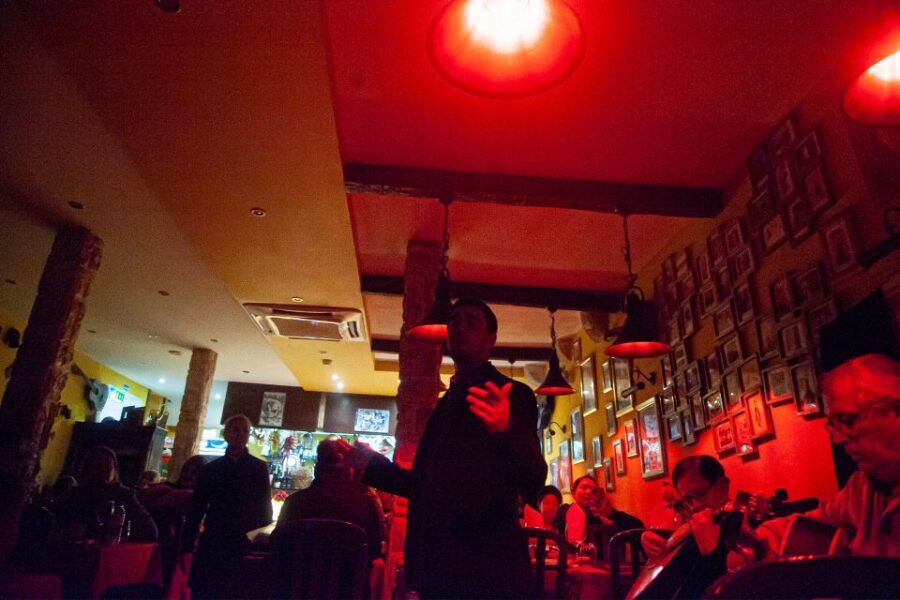
Alfama and fado are inseparable. The genre was born here, in the taverns along the waterfront, and while you can now hear it performed all over Lisbon — Bairro Alto, Chiado, Mouraria — hearing it in Alfama still carries a weight that other locations do not quite match.
This tour combines a walking tour of the neighbourhood with a sit-down fado dinner in a traditional casa de fado. Four hours total: the first portion is the walk through Alfama’s streets, covering the usual landmarks and backstreets, and the second is dinner with live fado performance. The meal is traditional Portuguese — expect bacalhau, grilled meats, and dessert, with wine included.
At $58 for a guided walk plus dinner plus live music, this is actually underpriced for what it delivers. A decent fado dinner on its own runs forty to sixty euros at most reputable casas de fado. Adding a walking tour on top for the same total price makes this the evening option on this list.
When to Walk Alfama
Morning is best. Specifically, between 9:30 and 11:00am.
The light is softer on the east-facing streets, the temperature has not yet become punishing (Lisbon summers routinely hit 35C and Alfama’s stone streets absorb and radiate heat like an oven), and the alleys are still relatively quiet. By noon the tour groups thicken, the tuk-tuks multiply, and the narrow passages start to feel congested.
If you are booking the fado dinner tour, that obviously runs in the evening — usually starting around 5 or 6pm. This works well because you get to see Alfama in the golden hour and then transition into the nighttime atmosphere, which is genuinely different. The streets empty out, the fado gets louder, and the neighbourhood feels more like it belongs to the people who live here rather than the people visiting.
Spring (March-May) and autumn (September-November) are the ideal seasons. Temperatures are comfortable for walking, crowds are manageable, and the light is exceptional. Summer works but bring water and a hat — there is very little shade in the upper parts of Alfama. Winter is mild by northern European standards (10-15C) and has the advantage of being almost tourist-free, but some outdoor viewpoints feel bleak in the rain.
Avoid booking a walking tour on a day when cruise ships are in port if you can help it. The Alfacinhas — Lisbon locals — grumble about cruise days for a reason. Five thousand extra travelers hit the same handful of neighbourhoods and the narrow Alfama streets feel it more than anywhere else.
Tips for Walking Alfama
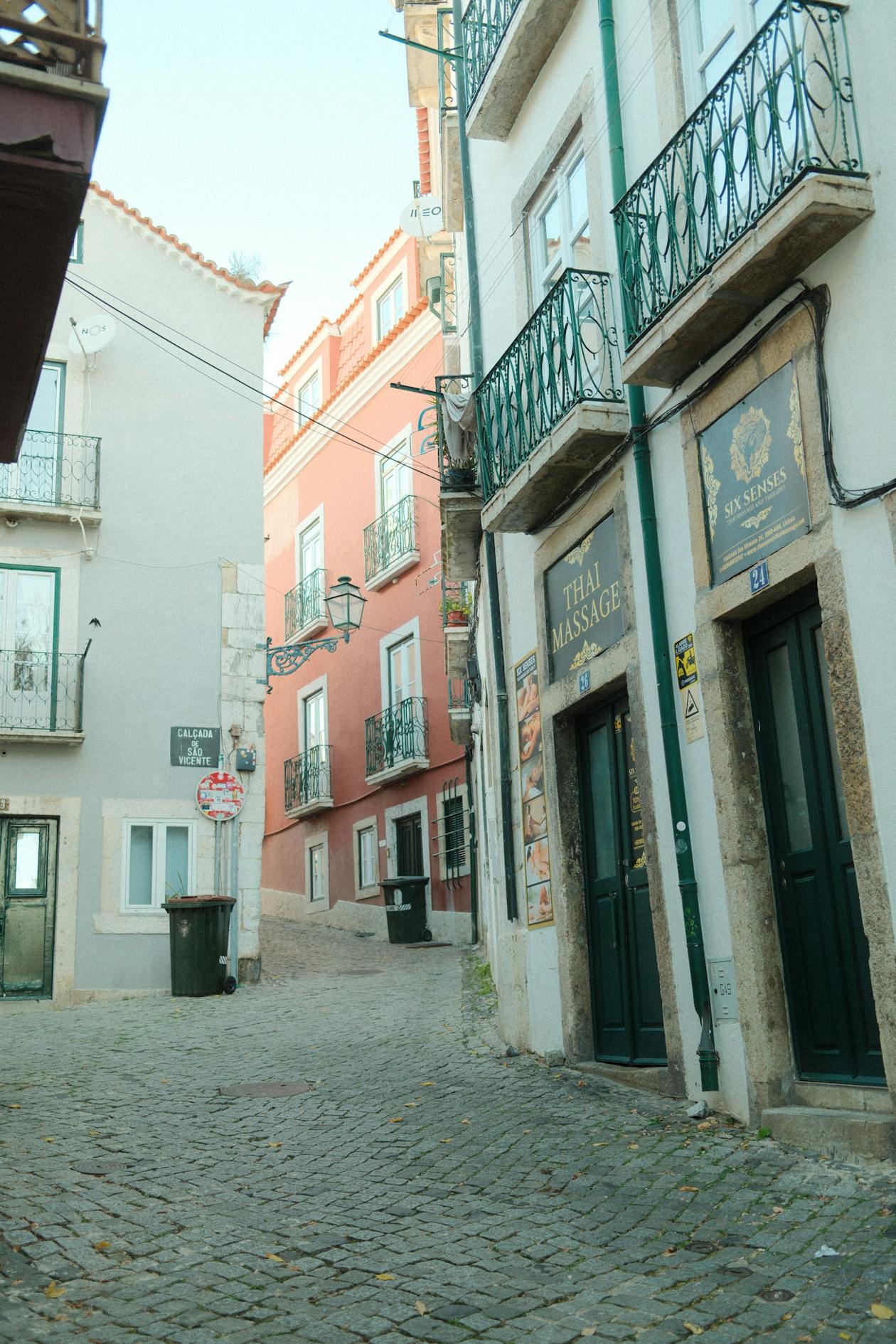
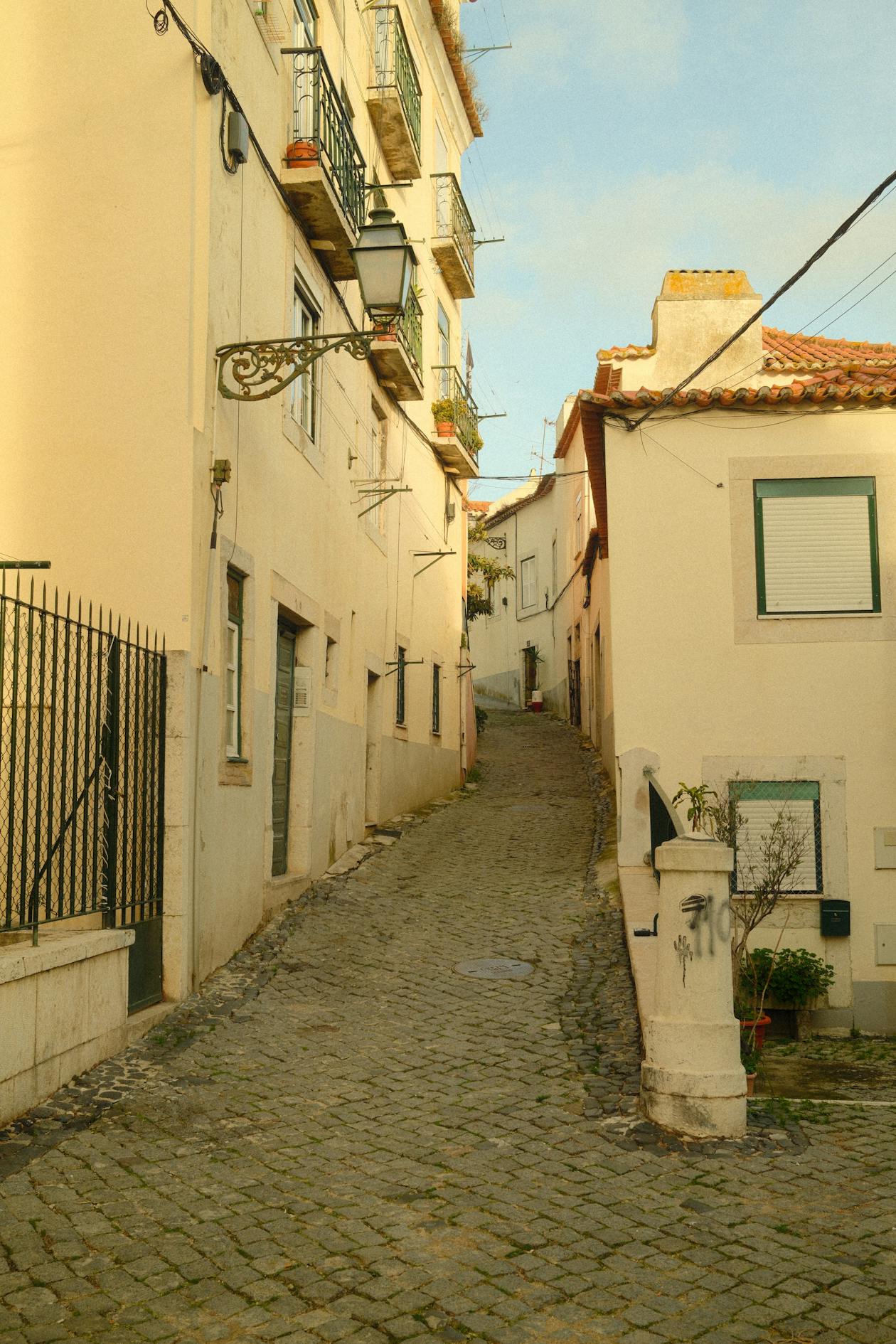
Wear proper shoes. This is not negotiable. Alfama is cobblestone, much of it calcada portuguesa — those small square stones set in patterns. They are beautiful and they are also slippery when wet and uneven enough to twist an ankle if you are in sandals or heels. Closed-toe shoes with some grip. Trainers are fine.
Bring water but not a massive backpack. Some of the alleys are tight enough that a large pack will scrape the walls. A small daypack or crossbody bag is better. Fill a water bottle before you start — there are fountains around the Se cathedral area.
Pickpockets exist but are not as bad as Barcelona. Keep your phone in a front pocket and do not leave a bag unattended at a miradouro. Standard city awareness. The neighbourhood is generally safe, even at night, but the tourist areas attract opportunists like anywhere else.
Tip your guide if the tour is tip-based. The free and tip-based walking tours in Lisbon run on tips. If the guide was good, ten to twenty euros per person is the norm. Less than five euros is noticed, and not in a good way. These guides are freelance and their income depends entirely on what people hand them at the end.
The Se cathedral is worth a quick stop but not a long one. It is Lisbon’s oldest church and architecturally interesting from the outside, but the interior is dark, somewhat bare, and the cloisters charge a separate entry fee. Five to ten minutes on the outside is enough unless you are really into Romanesque architecture.
Do not eat on Rua Augusta. This is the main pedestrian street in Baixa and every restaurant on it is overpriced and underwhelming. Walk two blocks in any direction and the quality doubles while the price halves.
More Lisbon Guides
Alfama is the heart of old Lisbon, but the rest of the city has plenty of its own character. a walking tour in Lisbon covers the broader city on foot if you want to see how the different neighbourhoods connect. For a change of pace after all those cobblestones, a tuk-tuk tour in Lisbon handles the hills without the effort, and a bike tour in Lisbon takes you along the flat riverside towards Belem. a fado show in Lisbon is the obvious evening follow-up since the best fado houses are right in the neighbourhood you just explored. If you are looking at day trips, visiting Sintra from Lisbon is an hour on the train and completely different from anything in the city, while visiting Fatima from Lisbon heads in the other direction to somewhere quieter and more reflective.
This article contains affiliate links. If you book a tour through one of our links, we earn a small commission at no extra cost to you. This helps us keep producing free travel guides.