
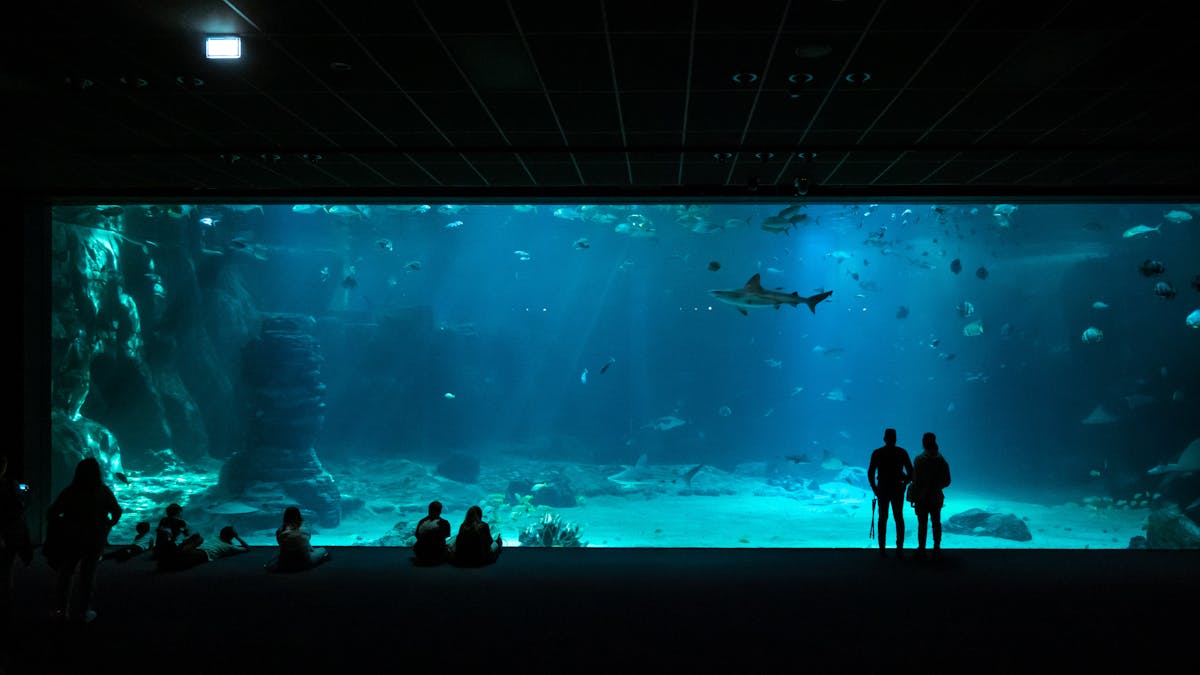
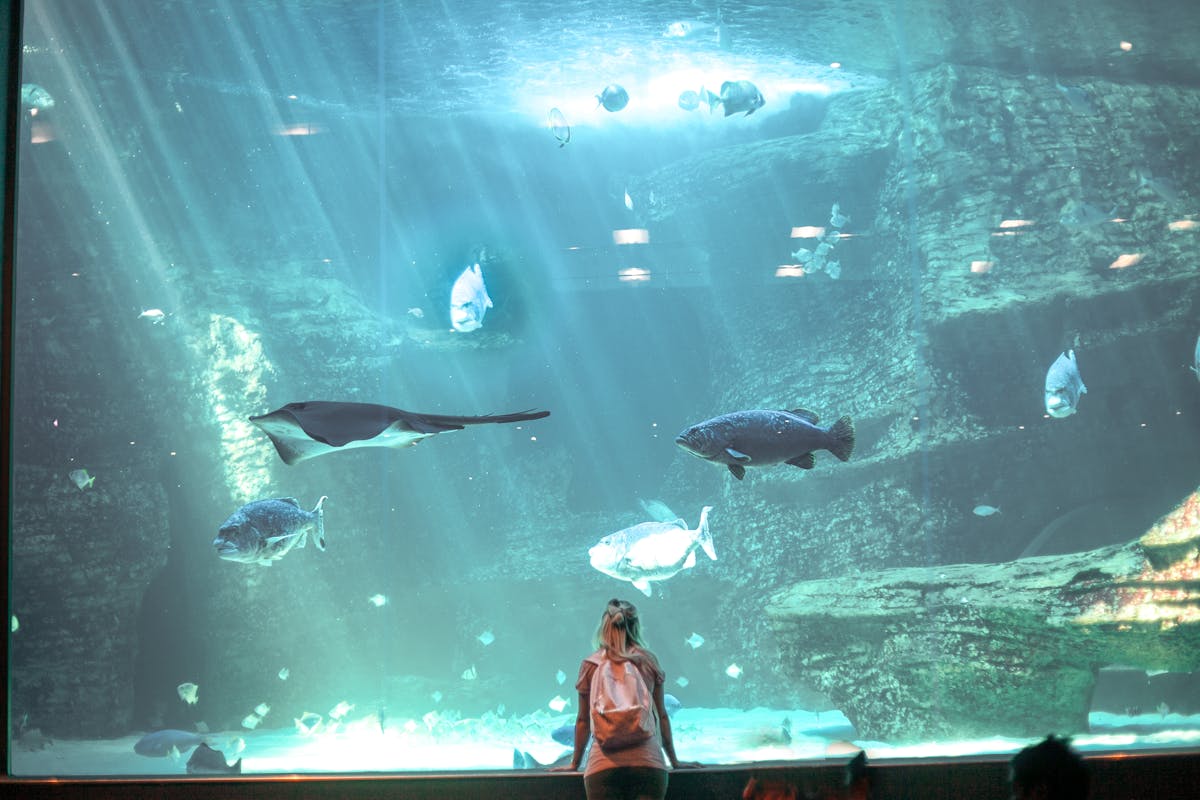
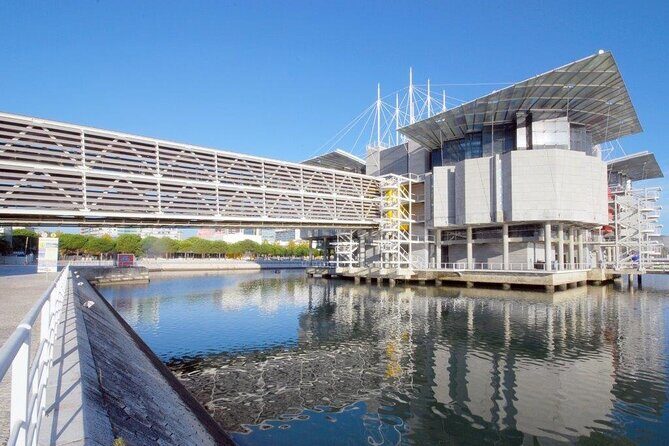
The Lisbon Oceanarium sits at the edge of Parque das Nacoes, jutting out into an artificial lagoon like a floating fortress made of glass and concrete. It opened in 1998 for the World Expo and never left. Twenty-six years later, it is still the largest indoor aquarium in Europe, and the central tank — a 5-million-liter basin that you circle on four different levels — is still one of the most disorienting things you can walk into in Portugal. Sharks drift past sunfish the size of coffee tables. Rays glide along the bottom. Schools of barracuda move in formation above your head. And somewhere in the back, barely visible through the blue haze, a manta makes another pass.


But here is the thing: the Oceanarium is popular. Very popular. On summer mornings and weekends the ticket queue can stretch across the plaza, and you will lose 30 to 45 minutes standing in line before you even reach the door. Buying tickets online ahead of time skips that queue entirely — and it does not cost any more than paying at the counter. The only real decision is whether you want a standard entry ticket or something with extras built in.
Best for most visitors: Oceanario de Lisboa Entrance Ticket — $29. Standard entry, skip the box office queue, valid all day. This is what the vast majority of visitors book and it is all you need.
Best for serious marine fans: Guided Tour and Behind the Scenes — $42. Ninety-minute guided experience that takes you into the back areas where the filtration systems run and the staff feed the animals. Worth it if you want more than just looking through glass.
Best for Viator users: Aquarium Entrance Ticket via Viator — $30. Same aquarium, different booking platform. Useful if you already have Viator credits or prefer their cancellation policy.
- How Tickets Work at the Lisbon Oceanarium
- The 3 Best Ticket Options for the Lisbon Oceanarium
- 1. Oceanario de Lisboa Entrance Ticket —
- 2. Guided Tour and Behind the Scenes —
- 3. Aquarium Entrance Ticket via Viator —
- When to Visit the Lisbon Oceanarium
- Tips for Your Visit
- What You Will Actually See Inside
- Beyond the Oceanarium
- More Lisbon Guides
How Tickets Work at the Lisbon Oceanarium

The Oceanarium sells timed entry tickets. You pick a date and a time slot when you book, and you show up during that window. Once inside, you can stay as long as you want — there is no time limit on the visit itself, just on when you enter.
Adult tickets cost around 25 to 30 euros depending on where you book. Children aged 4 to 12 pay roughly half. Under-4s get in free. Family packages (two adults, two children) offer a small discount over buying individual tickets.
Online tickets purchased through platforms like GetYourGuide, Viator, or the Oceanarium’s own website all give you the same access. The difference is mainly in cancellation policies and whether you prefer one platform’s app over another. GetYourGuide and Viator both offer free cancellation up to 24 hours before your slot, which is useful if your Lisbon itinerary is still flexible.
One thing to know: the Oceanarium sometimes runs temporary exhibitions alongside the permanent collection. These are priced separately, or you can buy a combo ticket that covers both. The temporary shows change every year or two and are usually worth seeing — past exhibitions have focused on ocean conservation themes with art installations woven between the tanks.
The 3 Best Ticket Options for the Lisbon Oceanarium
I pulled these from our tour review database. Between them, they cover the main ways people visit the Oceanarium — standard entry, a behind-the-scenes upgrade, and an alternative booking platform.
1. Oceanario de Lisboa Entrance Ticket — $29

This is the straightforward option. You book a date and time slot, show the QR code on your phone at the entrance, and walk straight in past the box office queue. The ticket covers the entire permanent exhibition — all four habitat zones, the central tank, the sea otters, the jellyfish gallery, everything.
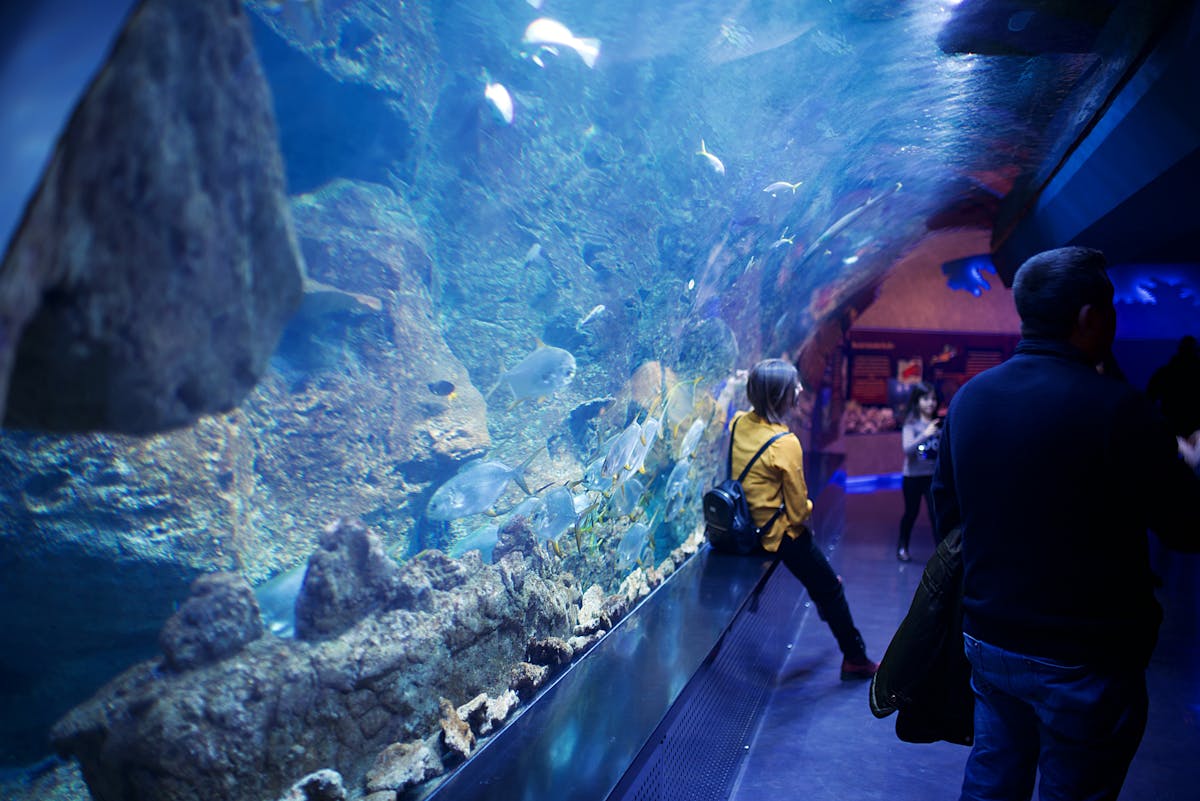
Plan for at least 90 minutes inside, though two hours is more realistic if you actually stop to read the displays and watch the feeding times. The Oceanarium is laid out as a one-way loop that spirals around the central tank, so you see it from different depths as you go. The top floor is where you get the overhead view of the otters and penguins. The lower levels are where the sharks and rays start appearing at eye level through floor-to-ceiling glass panels.
At $29 through GetYourGuide, this is the same price you would pay at the door but without the line. Free cancellation up to 24 hours before your visit.
2. Guided Tour and Behind the Scenes — $42

If the standard visit leaves you wanting more, this is the upgrade. A marine biologist or trained guide takes you through the back areas of the Oceanarium — the water treatment systems that keep 5 million liters of saltwater at the right temperature and salinity, the quarantine tanks where new arrivals are held before joining the main collection, and the feeding platforms directly above the central tank.
The tour runs 90 minutes to two hours and includes regular admission, so you can explore the public areas before or after. It is a small-group format, which means you can actually ask the guide questions about specific animals, the breeding programs, or what happens when a shark gets sick. This kind of access is rare at most aquariums and it genuinely changes the visit from passive observation to something educational.
At $42, it is $13 more than the standard ticket. For what you get — backstage access, a private guide, and a proper understanding of how a world-class aquarium actually operates — that is a reasonable premium.
3. Aquarium Entrance Ticket via Viator — $30
This is essentially the same ticket as option one, booked through Viator instead of GetYourGuide. Same aquarium, same access, same skip-the-line entry. The price is a dollar more at $30, but if you already use Viator for other bookings or prefer their interface and cancellation terms, it makes sense to keep everything in one place.
Viator offers a similarly flexible cancellation policy — full refund up to 24 hours before your visit. The ticket duration is listed as 2 to 3 hours, which is a more realistic estimate of how long most visitors actually spend inside compared to the day-long validity listed elsewhere. You will receive a mobile voucher after booking.
One small advantage of the Viator listing: the description is more detailed about what each habitat zone contains, which can help you plan your route through the Oceanarium before you arrive.
When to Visit the Lisbon Oceanarium

Weekday mornings are the best time to go. The Oceanarium opens at 10am and the first hour is noticeably quieter than the rest of the day. By noon, school groups and tour buses start arriving and the narrow walkways around the central tank get congested. If you are visiting in July or August, an early weekday slot is the difference between a peaceful experience and shuffling through crowds.
Weekends are the busiest. Saturday and Sunday afternoons are peak hours, particularly during school holidays. If weekends are your only option, book the earliest time slot available and arrive right when the doors open.
Shoulder season is ideal. March through May and September through November give you warm enough weather to enjoy Parque das Nacoes before or after the aquarium, with significantly fewer visitors inside. The Oceanarium is fully indoors and climate-controlled, so rainy days are actually a good choice — everyone heads to museums and aquariums when it rains, but at least you are doing something worthwhile with a gray afternoon.
Late afternoon has a different feel. If you do not mind crowds, visiting around 3 to 4pm means the morning wave has left and the galleries take on a quieter, bluer quality as the natural light outside fades. Some of the marine life is more active during feeding times in the late afternoon, too.
Tips for Your Visit

Get there by metro. The Oriente station is a five-minute walk from the Oceanarium and serves the red line. It is far easier than driving — parking around Parque das Nacoes fills up fast on weekends and the garage under the shopping center charges by the hour. If you are coming from central Lisbon, the metro takes about 20 minutes from Alameda station.
Eat before or after, not during. There is a small cafe inside the Oceanarium but the food is average and overpriced. Parque das Nacoes has plenty of restaurants along the waterfront, and the Vasco da Gama shopping center next door has a food court if you want something quick and cheap. A proper sit-down lunch by the water is a better way to extend the visit than eating cafeteria food inside the aquarium.
Bring a camera without flash. Flash photography is not allowed — the light disturbs the animals. But the ambient lighting in the Oceanarium is actually excellent for photos if your camera handles low light well. Smartphones with night mode do surprisingly well against the glass. Press the lens flat against the panel to avoid reflections.

Budget two hours, not one. The Oceanarium website suggests 60 to 90 minutes. That is technically enough to walk the full loop without stopping. But you will stop. The central tank alone can hold your attention for 20 minutes if you catch a feeding time. Add the otter habitat, the jellyfish gallery, the temporary exhibition (if there is one running), and you are easily past two hours.
Check for combo deals. The Oceanarium occasionally offers packages that bundle entry with the Lisbon cable car ride, the nearby Pavilhao do Conhecimento science museum, or a Tagus river cruise. These save a few euros over buying everything separately, and the cable car ride along the waterfront with the Vasco da Gama Bridge in the background is a solid 10-minute addition to the day.
What You Will Actually See Inside
The Oceanarium is organized around one massive central tank that represents the global ocean, surrounded by four smaller habitat zones representing the North Atlantic, Antarctic, Temperate Pacific, and Tropical Indian Ocean. You walk a continuous loop around and above all of them.
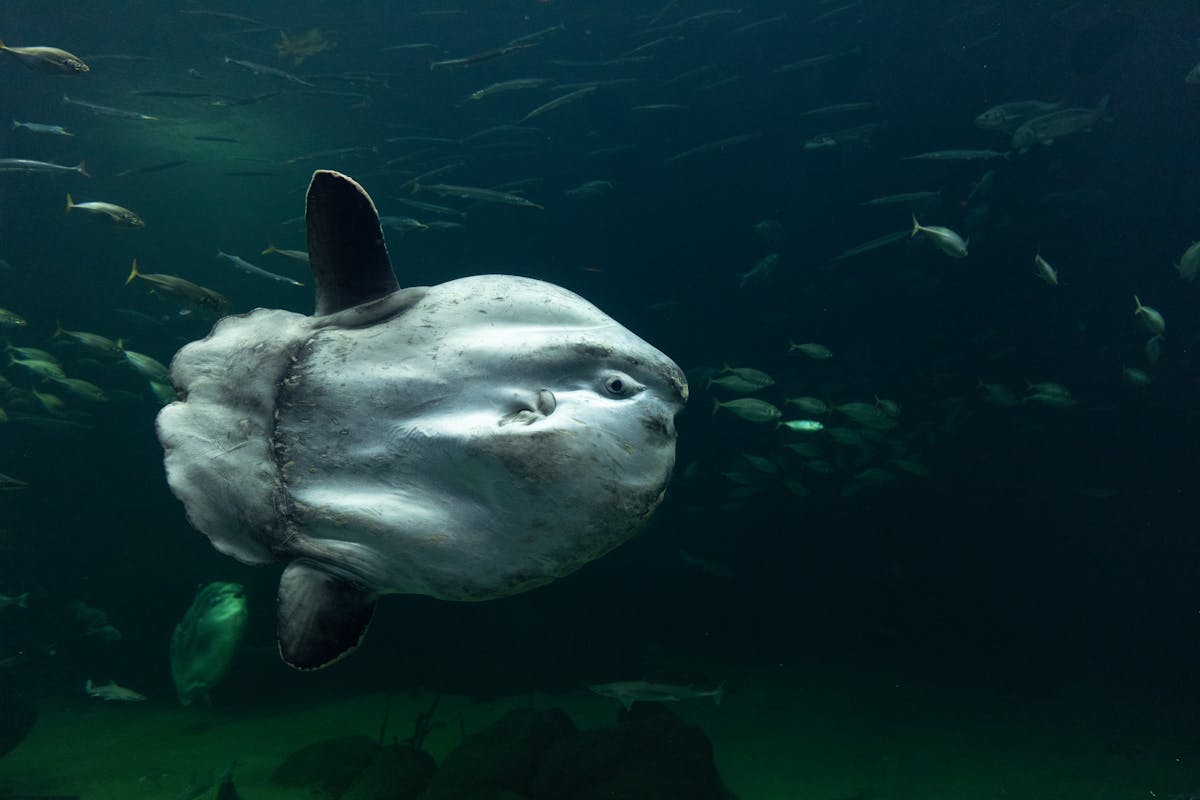
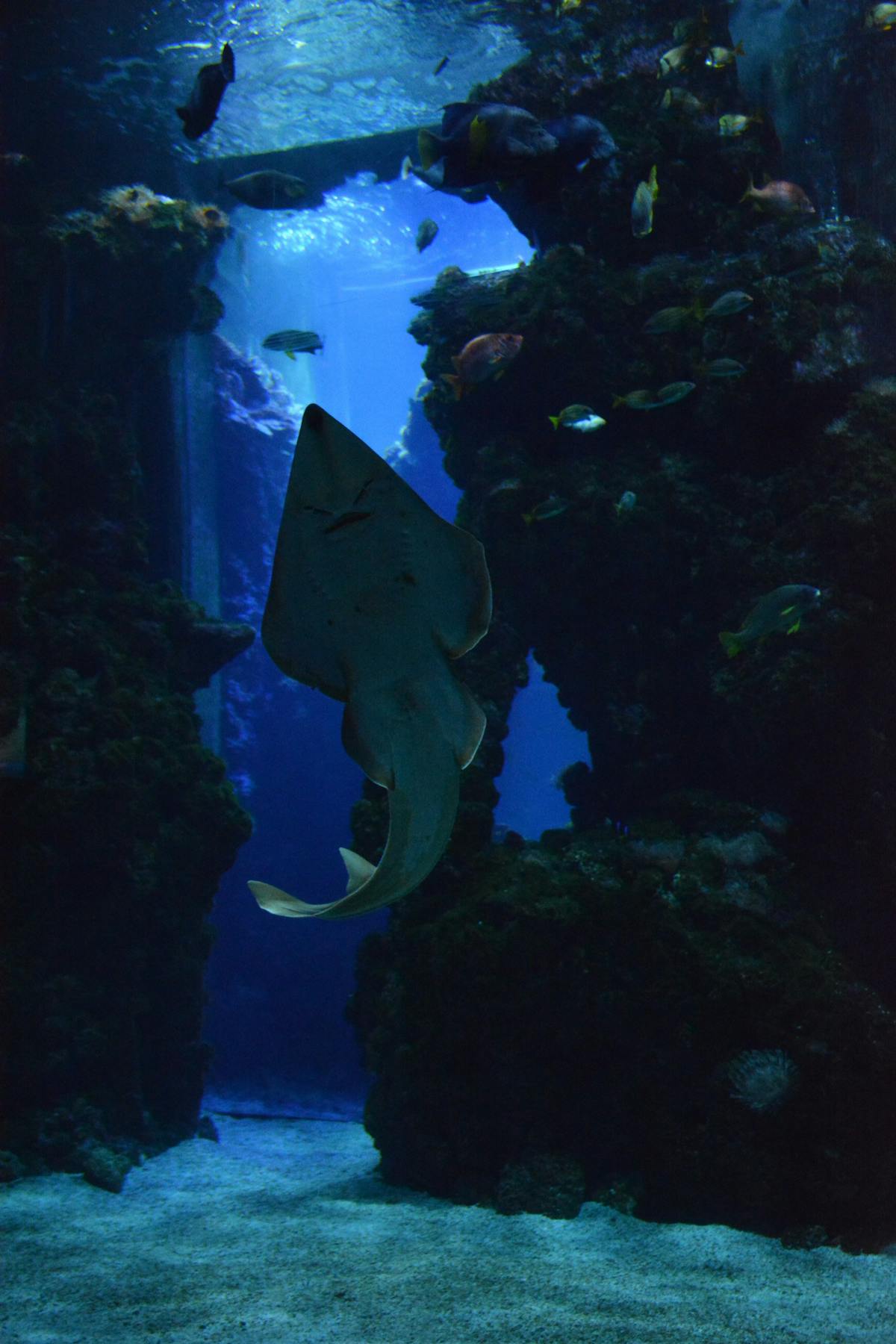
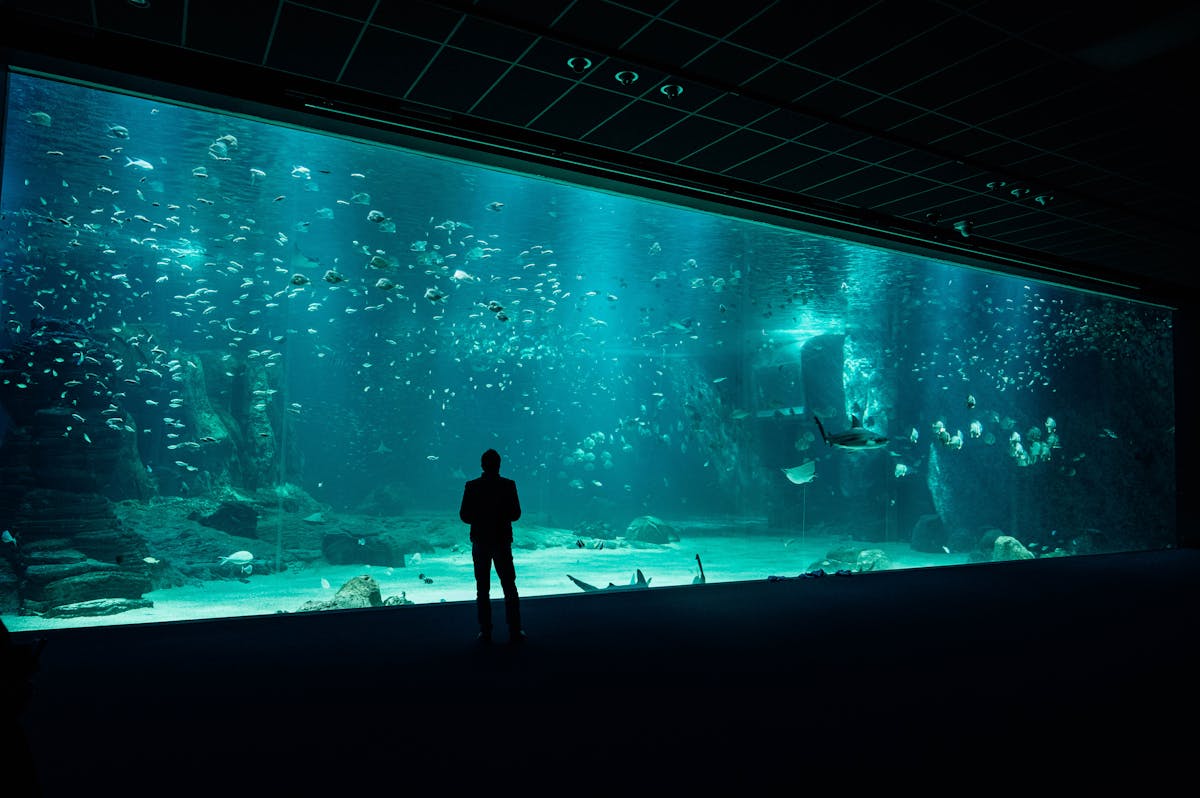
The central tank is the main event. Sharks, rays, ocean sunfish, barracuda, groupers, and hundreds of smaller species all share the same enormous space. The glass panels run floor to ceiling, and because you see the tank from multiple levels, you get different perspectives — looking down from above, then eye level with the rays, then looking up at the sharks from below. The sunfish are the weirdest thing in there. They are massive, flat, and drift through the water like they are not entirely sure where they are going.
The otter habitat is on the top floor and it draws a crowd. The otters are playful, loud, and constantly moving. They crack open shellfish, wrestle each other, and float on their backs looking smug. If you have children, this is where you will spend the most time.

The penguin area represents the Antarctic habitat. It is cold enough in the viewing area that you will notice the temperature drop. The Magellanic penguins are smaller than you expect and faster in the water than they have any right to be on land.
The jellyfish gallery is the most photogenic section. Moon jellyfish pulse in tanks lit with shifting colors — blue, purple, pink — and the effect is hypnotic. This room is always quieter than the rest of the Oceanarium because people stand still here, just watching.
The tropical zone has the most color. Clownfish, tangs, angelfish, moray eels, and coral formations packed into a display that looks like someone spilled a box of paints into the water. The seahorse tank nearby is easy to miss but worth finding — they are tiny, fragile-looking, and surprisingly hard to spot even when you know where to look.
Beyond the Oceanarium


Parque das Nacoes has enough going on to fill a half day around your Oceanarium visit. The cable car runs along the waterfront with views of the Vasco da Gama Bridge, and on a clear day the ride is worth the eight or nine euros just for the photos. The Pavilhao do Conhecimento is a hands-on science museum next door that is excellent for families. And the waterfront promenade itself is one of the more pleasant walks in Lisbon — flat, wide, and lined with restaurants that overlook the Tagus.
But the Oceanarium sits in the modern part of Lisbon, and the city’s soul is elsewhere. Belem, across the river, is where the explorers left from and where the pasteis de nata were invented at the Pasteis de Belem bakery in 1837. The Jeronimos Monastery there is staggering. Alfama, the oldest neighborhood, is a labyrinth of fado bars and tiled alleyways that predates the 1755 earthquake. A walking tour through the historic center gives you the context that makes Lisbon click as a city, not just a collection of attractions. And if Sintra is on your list, the fairy-tale palaces up in the hills are an easy day trip by train. The Oceanarium is a window into the ocean. The rest of Lisbon is a window into something older and stranger, and you should see both.
This article contains links to tours and tickets from GetYourGuide and Viator. If you book through these links, we may earn a small commission at no extra cost to you. This helps us keep researching and writing these guides.
More Lisbon Guides
The Oceanarium sits in the Parque das Nacoes district, which feels like a different city from the old centre. Once you have had your fill of marine life, head across town for an Alfama walking tour through the medieval streets of Alfama. a walking tour in Lisbon covers the broader city if you want a guide to connect the modern waterfront to the historic hills. a food tour in Lisbon is a good afternoon option since most food tours run from lunch onwards. For getting between neighbourhoods without exhausting yourself on the hills, the hop-on hop-off bus in Lisbon is the lazy option and a tuk-tuk tour in Lisbon is the fun one. Plan at least one day trip to visiting Sintra from Lisbon while you are in Lisbon.
This article contains affiliate links. If you book a tour through one of our links, we earn a small commission at no extra cost to you. This helps us keep producing free travel guides.