
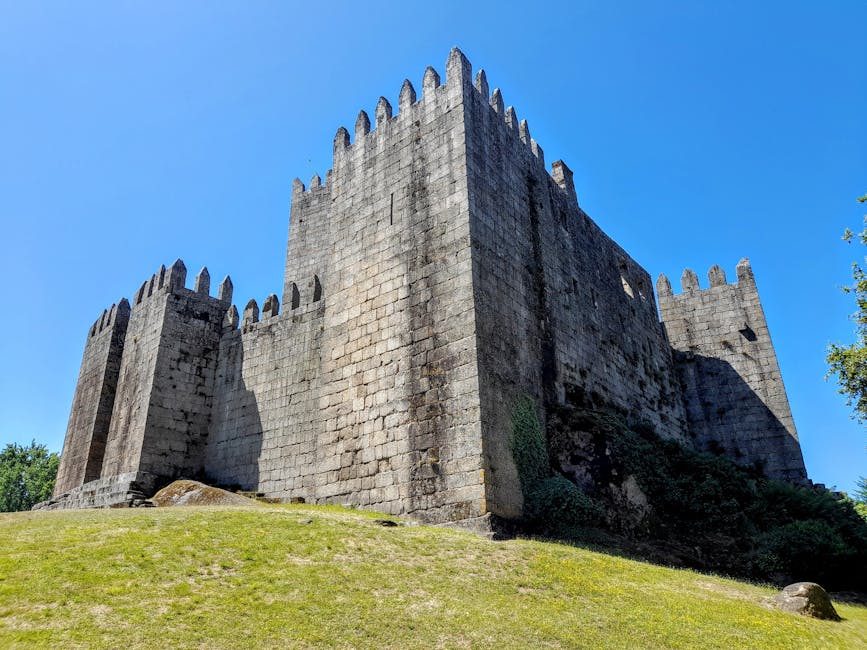
Most people visiting Porto don’t realize that two of Portugal’s most important cities are sitting right there, barely an hour north. Braga — the country’s religious capital, dripping with baroque churches and one of the most photographed staircases in Europe — and Guimaraes, where Portugal was literally born. The castle in Guimaraes is where the first king of Portugal declared independence in the 12th century. That’s not marketing. It says “Aqui Nasceu Portugal” on a wall in the old town, and they mean it.
You can see both in a single day from Porto. And honestly, doing them together makes more sense than splitting them into separate trips, since they’re only about 25 minutes apart by car. The usual route starts early in Porto, hits Guimaraes first (castle, palace, medieval center), then moves to Braga (cathedral, Bom Jesus do Monte, lunch), and brings you back to Porto by evening. It’s a full day, but not an exhausting one.
Best value: From Porto: Braga and Guimaraes Full-Day Trip — $59. Covers both cities in 9 hours with a knowledgeable guide. The most booked option for a reason.
Best with lunch: Guimaraes & Braga Tour with Entry Tickets and Lunch — $123. Everything included: admission fees, traditional Minho lunch, and a smaller group. No hidden costs.
Best on Viator: Best of Braga and Guimaraes Day Trip from Porto — $71. A well-paced 9-hour day with strong guides who know the history inside out.
- How to Get to Braga and Guimaraes from Porto
- The Best Braga and Guimaraes Tours from Porto
- 1. From Porto: Braga and Guimaraes Full-Day Trip —
- 2. Best of Braga and Guimaraes Day Trip from Porto —
- 3. Porto: Guimaraes & Braga Tour with Entry Tickets and Lunch — 3
- When to Visit Braga and Guimaraes
- What You’ll Actually See
- Tips for Making the Most of Your Day
- More Porto Guides
How to Get to Braga and Guimaraes from Porto
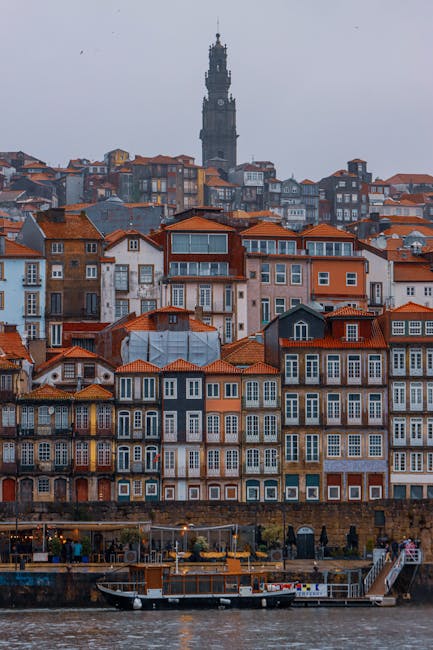
You’ve got a few options here, and the right one depends entirely on how much you want to think today.
Organized day tour from Porto — This is what the vast majority of people do, and for this particular trip it makes the most sense. A guide picks you up in central Porto around 8:30am, drives you to Guimaraes (about 50 minutes), then on to Braga (25 minutes between the two), and back to Porto by 5:30 or 6pm. The guide handles the logistics, explains the history, and knows which spots to hit. Prices range from $59 to $145 depending on whether lunch and entry tickets are included.
Train (CP Comboios de Portugal) — Porto’s Sao Bento station has direct trains to both Braga and Guimaraes. Braga is about 1 hour 10 minutes, Guimaraes about 1 hour 15 minutes. Tickets are cheap — around 3-4 euros each way. The problem? Doing both cities by train in one day is tight. There’s no direct train between Braga and Guimaraes, so you’d need to backtrack through Porto or take a bus between them. It’s doable but stressful if you want to actually enjoy the sightseeing.
Rental car — Works well if you’re comfortable driving in Portugal. The A3 motorway gets you to Braga in about 50 minutes, and the A11 connects Braga to Guimaraes in 25 minutes. Parking is available near the historic centers of both cities, though Guimaraes old town has limited spots on weekends. Budget about 15 euros in tolls for the day.
Private tour — For couples or small groups who want a custom pace. Usually 150-250 euros for the full day, depending on the operator. Worth it if you want to linger somewhere specific or add stops like Bom Jesus at sunset.
The Best Braga and Guimaraes Tours from Porto
I’ve gone through the top-rated options and picked three that represent different price points and styles. All of them cover both cities in a single day and depart from central Porto.
1. From Porto: Braga and Guimaraes Full-Day Trip — $59
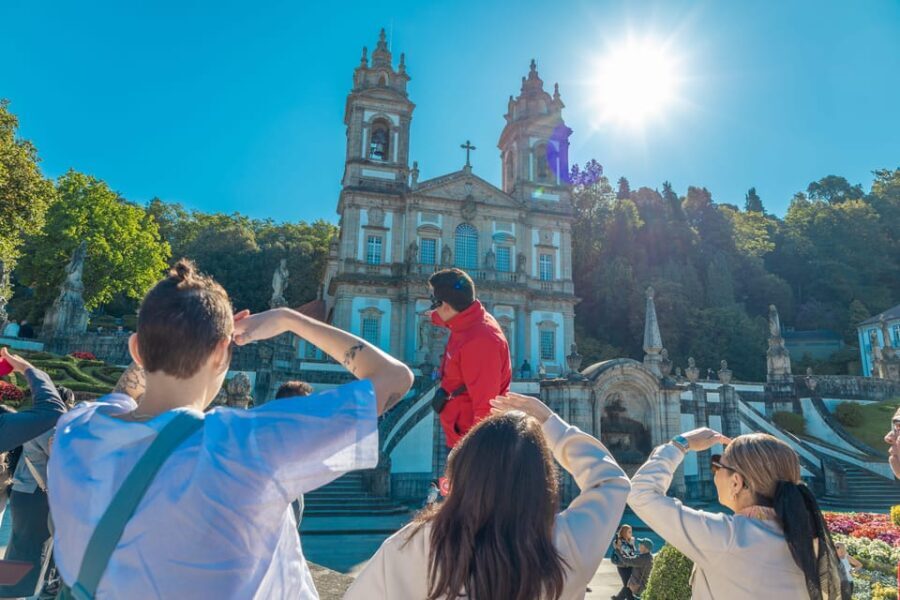
At $59 per person, this is far and away the best value option for visiting both cities. The tour runs 9 hours and covers all the major stops: Guimaraes Castle, the Palace of the Dukes of Braganza, Guimaraes old town, then Braga Cathedral and the Bom Jesus do Monte sanctuary. The guides are consistently good at making 12th-century Portuguese history feel relevant rather than like a lecture.
What I like about this one is the pacing. You get enough time at each site to actually look around and take photos without feeling herded. The Guimaraes portion hits the highlights without rushing through the medieval streets, and the Braga stop gives you time to either climb the Bom Jesus stairway or take the funicular up (entry fees are separate). Lunch isn’t included, which keeps the price low — the guide points out good local spots where you can eat on your own for 10-15 euros.
2. Best of Braga and Guimaraes Day Trip from Porto — $71
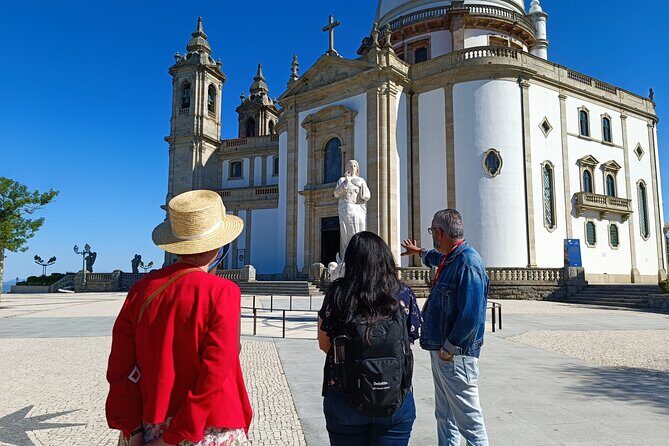
This Viator tour is a solid middle option at $71 per person for a 9-hour day. The itinerary is similar to the first option — Guimaraes castle and historic center, then Braga cathedral and Bom Jesus — but the guides tend to go deeper on the cultural context. Expect more stories about the Moorish battles, the founding of the nation, and why Braga considers itself the spiritual heart of Portugal.
The slightly higher price gets you a few extras that the budget option doesn’t include. Group sizes tend to be smaller, and the guides have more flexibility to adjust the schedule if the group wants to spend extra time somewhere. Lunch is included on some departure dates (check when booking). If you’re the type who wants the history explained rather than just pointed at, this is a better fit than the cheapest option.
3. Porto: Guimaraes & Braga Tour with Entry Tickets and Lunch — $123
If you don’t want to think about anything except looking at castles and eating, this is your tour. At $123 per person, it’s the premium pick, but the price includes everything: entry tickets to the Palace of the Dukes of Braganza, Guimaraes Castle, the Bom Jesus funicular, and a traditional Minho lunch with regional wine. Over 8 hours, you visit both cities with zero extra costs.
The all-inclusive approach changes the vibe of the day completely. Instead of scrambling for tickets at each site or figuring out where to eat, you just follow the guide and enjoy it. The included lunch is at a proper restaurant, not a tourist trap — expect dishes like bacalhau a braga (Braga-style salt cod) or rojoes (a pork stew that the Minho region is known for). Groups are smaller than the budget options, usually around 12-15 people. If you’re traveling with someone who gets stressed by logistics, this removes all of that.
When to Visit Braga and Guimaraes
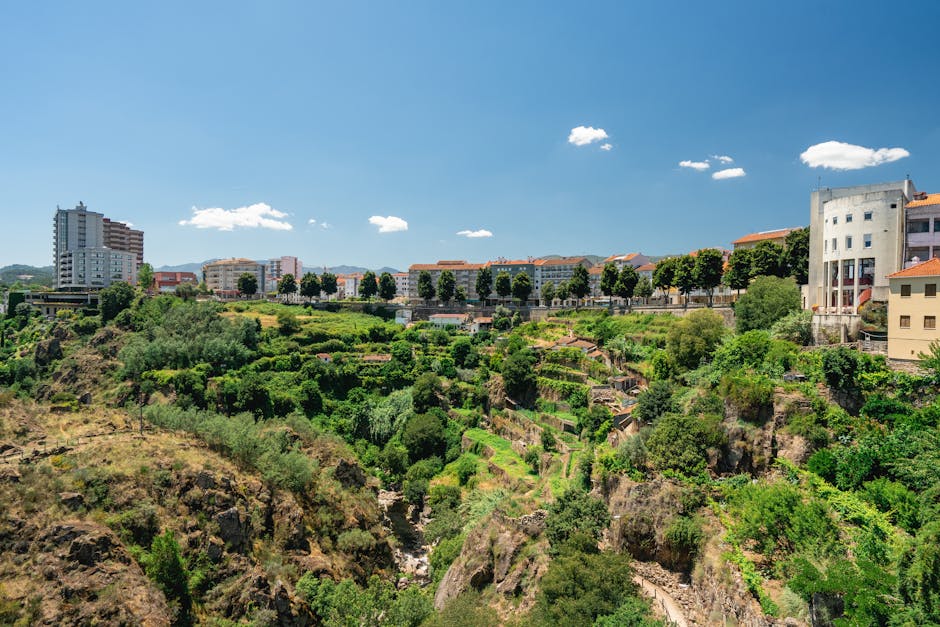
May, June, and September are the best months. The weather is warm (20-26C), the days are long, and the summer tourist crush hasn’t fully arrived or has started to thin out. Both cities are inland, so they’re a few degrees warmer than Porto — pleasant in spring, potentially hot in summer.
July and August work fine but expect heat, especially in Braga. Temperatures regularly hit 30-34C, and there’s not much shade when you’re climbing the Bom Jesus stairway or walking the castle grounds in Guimaraes. Go early in the morning if you’re booking a tour in summer. The 8am departures exist for a reason.
October through April is quieter and cheaper. Northern Portugal gets rain in winter — sometimes heavy — but both cities are beautiful in the rain. The churches are all indoors, the Palace of the Dukes is covered, and you’ll have the Guimaraes castle practically to yourself on a Tuesday in January. Bring a waterproof jacket and you’ll be fine.
Holy Week (Semana Santa) in Braga deserves special mention. It’s one of the oldest and most elaborate Easter celebrations in Europe, with processions dating back centuries. The city fills up completely, so book everything well in advance if you want to experience it. But the atmosphere during Holy Week is unlike anything else in Portugal.
What You’ll Actually See
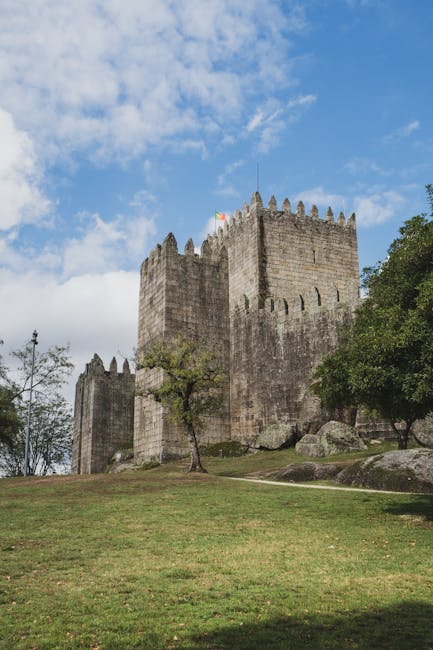
In Guimaraes:
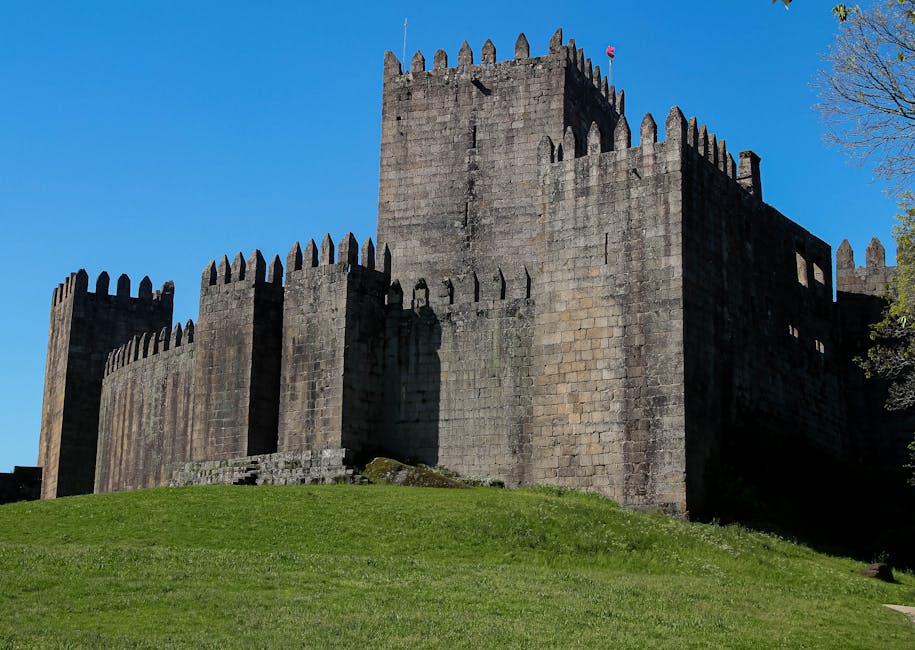
The Castle of Guimaraes is the big draw. Built in the 10th century and expanded over the following centuries, this is where Afonso Henriques — the first King of Portugal — was born and later fought to establish Portuguese independence from the Kingdom of Leon. The keep is intact, and you can climb the towers for views over the city and the surrounding hills. Entry is around 2 euros.
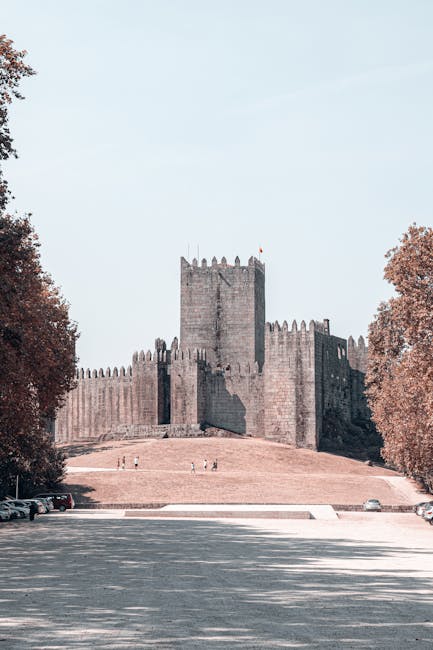
The Palace of the Dukes of Braganza sits just below the castle. It was built in the 15th century as a grand residence for the first Duke of Braganza and later restored in the 20th century (somewhat controversially — historians argue about how accurate the restoration is). Inside, you’ll find enormous banquet halls, Flemish tapestries, and a collection of medieval weapons. It’s now the official residence of the President of Portugal when visiting the north.
The historic center is a UNESCO World Heritage Site, and walking through it is half the experience. Largo da Oliveira is the main square, surrounded by medieval buildings and the 14th-century Padrao do Salado monument. The streets are narrow and made for getting lost in. There are good cafes scattered throughout.
In Braga:
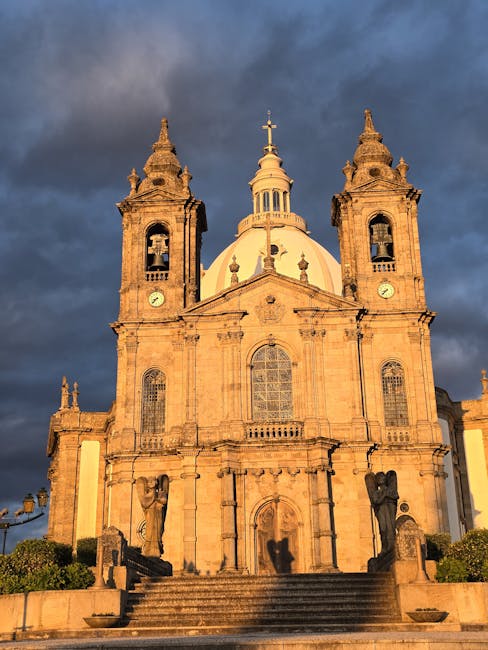
The Braga Cathedral (Se de Braga) is the oldest in Portugal, founded in 1070. It’s been modified and expanded over nearly a thousand years, so the architecture is a mix of everything from Romanesque to Baroque. The interior is ornate without being overwhelming, and the Treasury Museum has some genuinely impressive medieval artifacts. Don’t skip the cloisters.
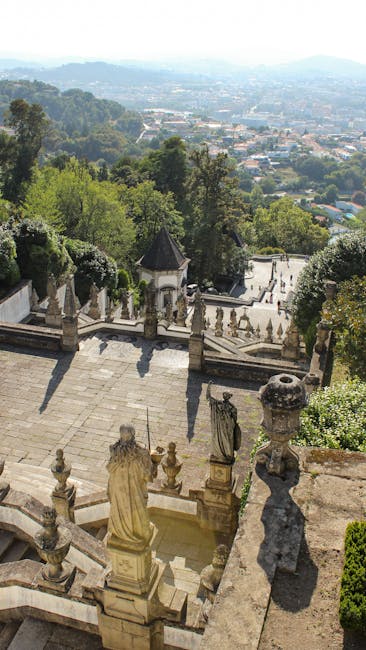
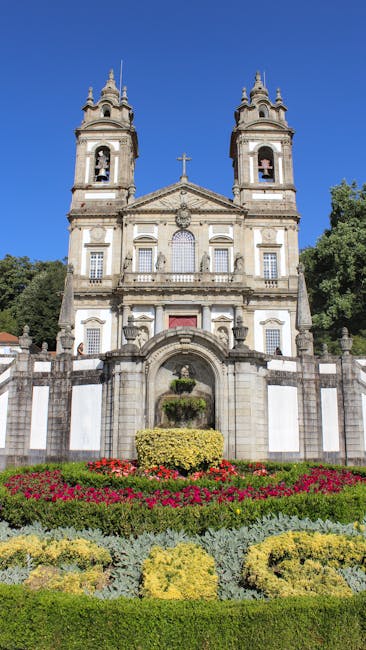
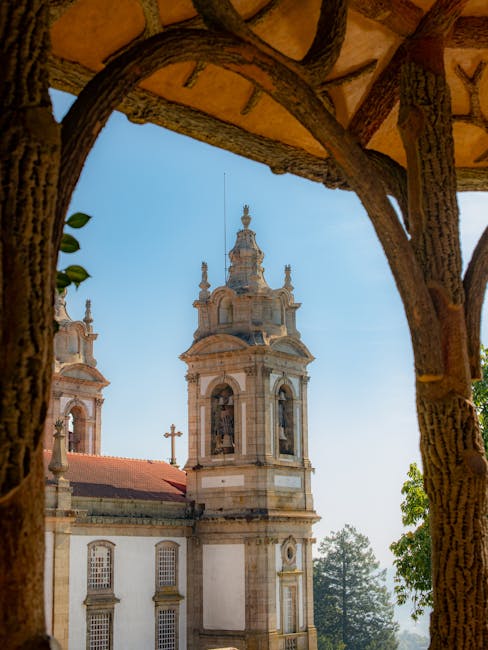
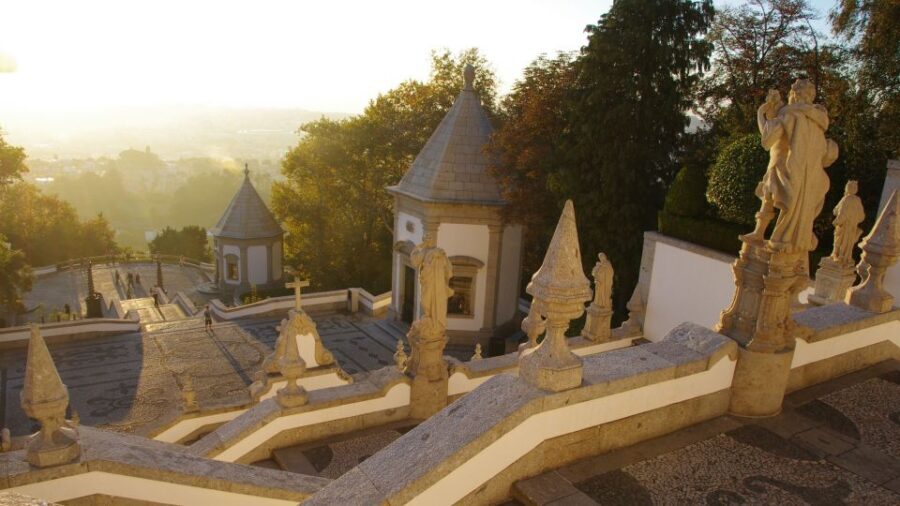
Bom Jesus do Monte is the highlight for most visitors. This baroque sanctuary sits on a hill east of Braga, reached by a monumental stairway of 581 steps decorated with fountains, statues, and allegorical scenes. The stairway represents the ascent to Heaven, and each level has a different theme. You can take the historic funicular up (it’s water-powered and dates to 1882) and walk down, which is the smart approach. The views from the top are spectacular, and the surrounding gardens are perfect for a rest before heading back.

The Garden of Santa Barbara is a small but beautiful formal garden right in the center of Braga, next to the medieval Archbishop’s Palace. It’s a good spot to sit and recover after the Bom Jesus stairway. Free, pretty, and usually uncrowded.
Tips for Making the Most of Your Day
Wear comfortable shoes. Seriously. Both cities involve a lot of walking on cobblestones, and Bom Jesus adds 581 steps if you decide to climb. Sandals or fashion shoes will make you miserable by noon.
Start with Guimaraes if you’re on a tour. Most tours do this anyway, and it makes sense — the castle and palace are more physically demanding, and you’ll have more energy in the morning. Braga’s highlights are slightly more relaxed (especially if you take the funicular up Bom Jesus).
Bring cash for small expenses. Most places accept cards, but a few small cafes, the Bom Jesus funicular, and some museum gift shops in Guimaraes prefer cash. Twenty or thirty euros should cover whatever the tour doesn’t include.
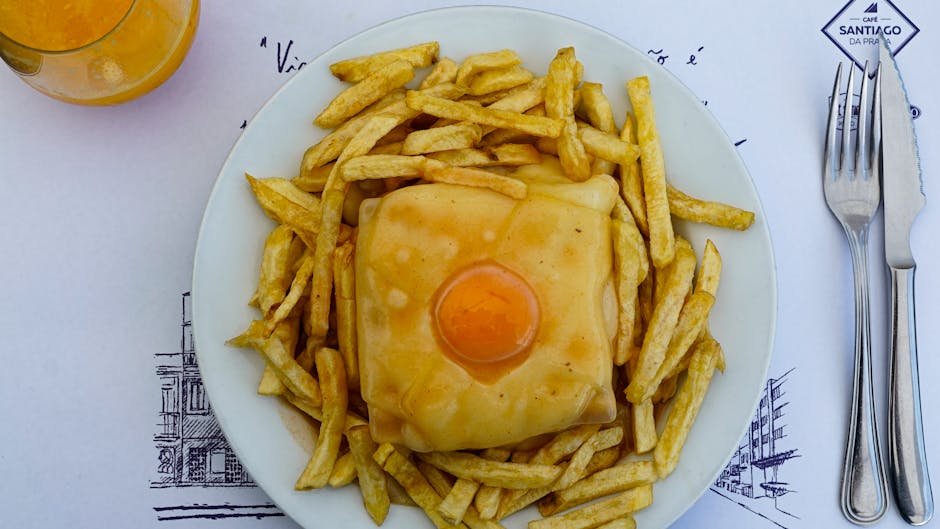
The Minho lunch is worth prioritizing. Northern Portugal’s food is different from what you’ll find in Porto or Lisbon. Heavier, meatier, and often paired with vinho verde (a young, slightly fizzy white wine that only comes from this region). If your tour includes lunch, great. If not, ask the guide for a recommendation — the local places serving francesinha or rojoes will be better and cheaper than anything with a menu in English.
Guimaraes and Braga have very different personalities. Guimaraes feels medieval and martial — all stone walls and castle towers. Braga feels religious and ornate — churches everywhere, baroque decoration dripping from every surface. Together, they give you a fuller picture of northern Portugal than either one alone.
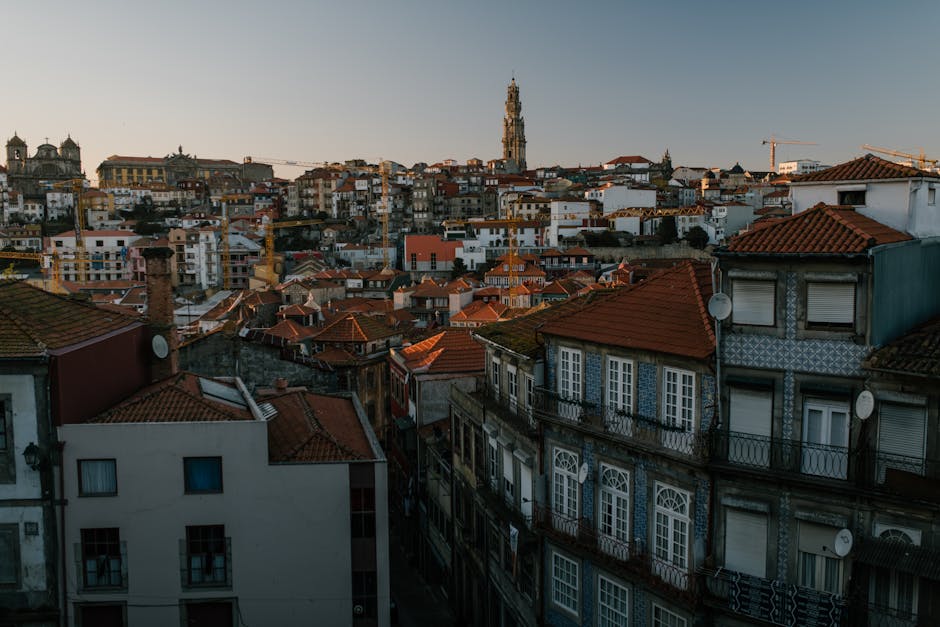
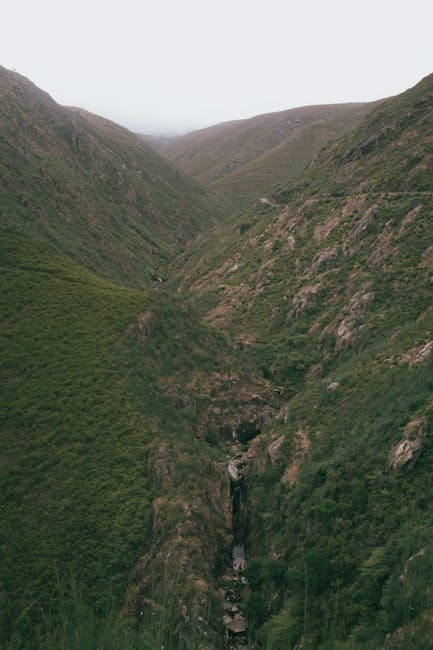
If you’ve already visited Porto’s wine cellars or taken a Douro Valley cruise, Braga and Guimaraes makes the perfect second day trip. The three experiences together — tasting port wine in Vila Nova de Gaia, cruising through the Douro vineyards, and exploring the medieval heartland of the Minho — give you a northern Portugal trip that most visitors never put together. And unlike Lisbon, where every attraction is packed and every restaurant needs a reservation, the north still feels like it belongs to the people who live there. Braga’s churches are full on Sunday morning because locals actually go to mass, not because there’s a tour group inside. Guimaraes kids play football in the squares below the castle walls. That’s the part of Portugal that stays with you long after you’ve forgotten which port wine you liked best at which cellar.
Disclosure: This article contains affiliate links. If you book a tour through one of these links, we earn a small commission at no extra cost to you. This helps us keep creating free travel guides.
More Porto Guides
Braga and Guimaraes make for a full day, but Porto still has plenty waiting for you when you get back. a walking tour in Porto is worth doing if you have not already explored the Ribeira district properly, and visiting port wine cellars in Porto takes you across the river to taste port in the same cellars where it has been ageing for decades. a river cruise in Porto covers the Douro at water level, which is a nice contrast after a day inland. For a bigger adventure, visiting the Douro Valley from Porto heads up the Douro Valley where the terraced vineyards are genuinely stunning. a food tour in Porto is a good way to end any day in Porto since the local food scene is seriously underrated. Next stop Lisbon? Start with visiting Sintra from Lisbon for the best day trip from the capital.