
I walked into Amsterdam Central Station on a Thursday morning with a plan to see the Jordaan, the Nine Streets, and the Anne Frank House — all before lunch. Three hours later, I was standing on a bridge over the Prinsengracht, completely lost, watching a heron pick its way along the canal edge like it owned the place. That was the moment I realized Amsterdam is not a city you can rush through.
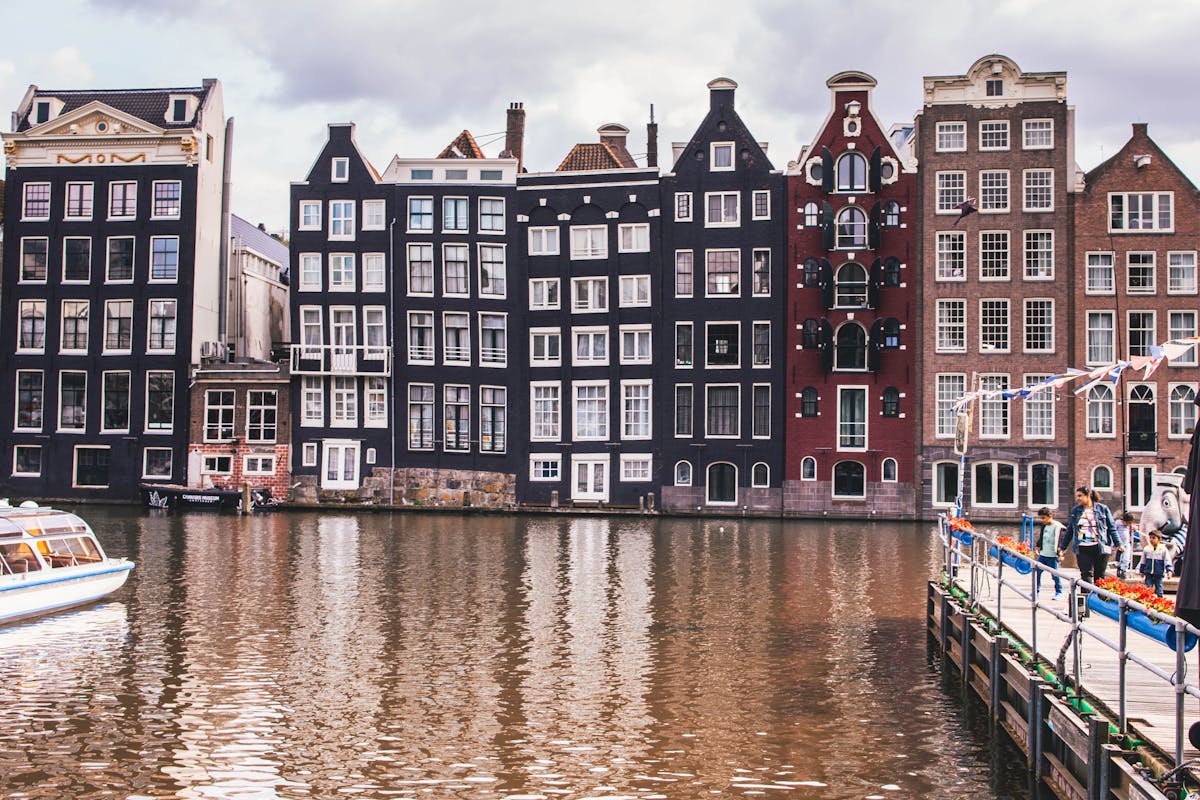
The thing about Amsterdam is that it was built to be walked. The whole city center sits on a flat grid of canals — no hills, no sprawl, no subway stations to figure out. But flat and walkable does not mean obvious. The real stories are hidden behind the facades, below the bridges, in the courtyard gardens you would never find on your own. That is where a good walking tour earns its money.
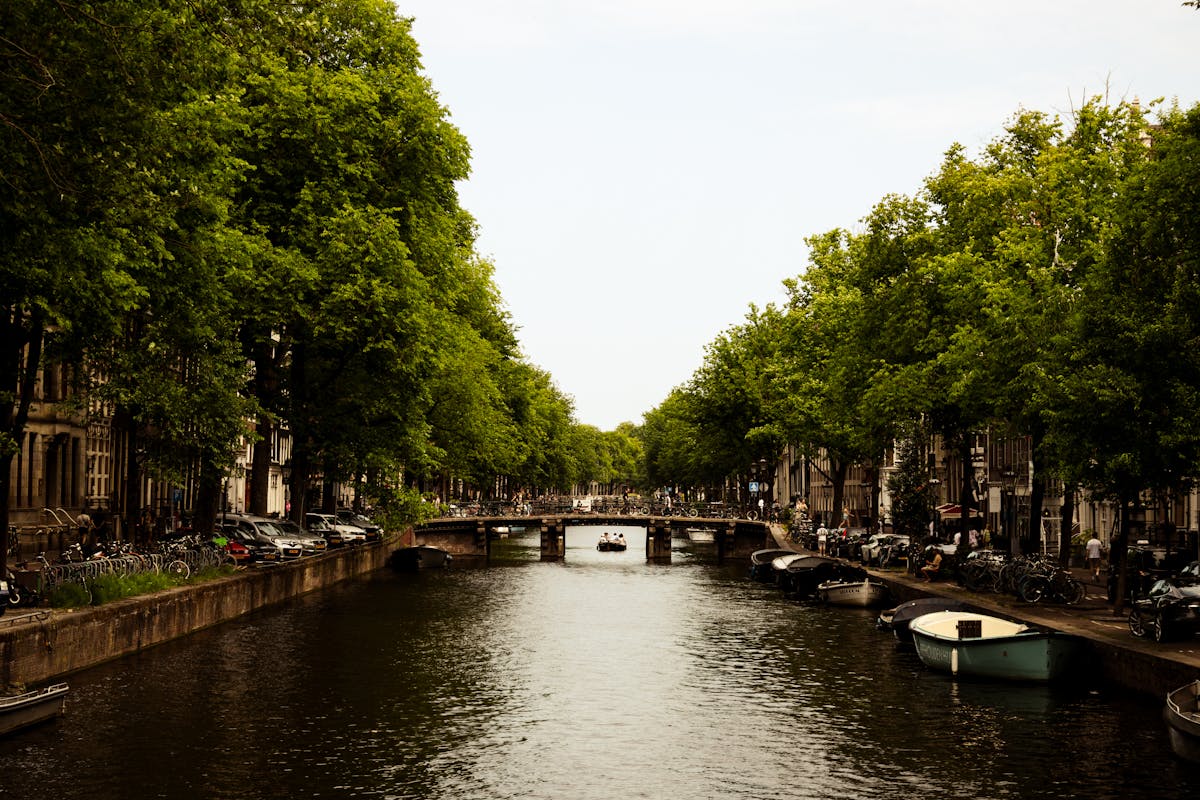
I have taken five different walking tours in Amsterdam over the past few years — themed ones, free ones, small-group ones, even a ghost tour after dark. Some were worth every cent. One was genuinely terrible. Here is what I have learned about booking the right one.
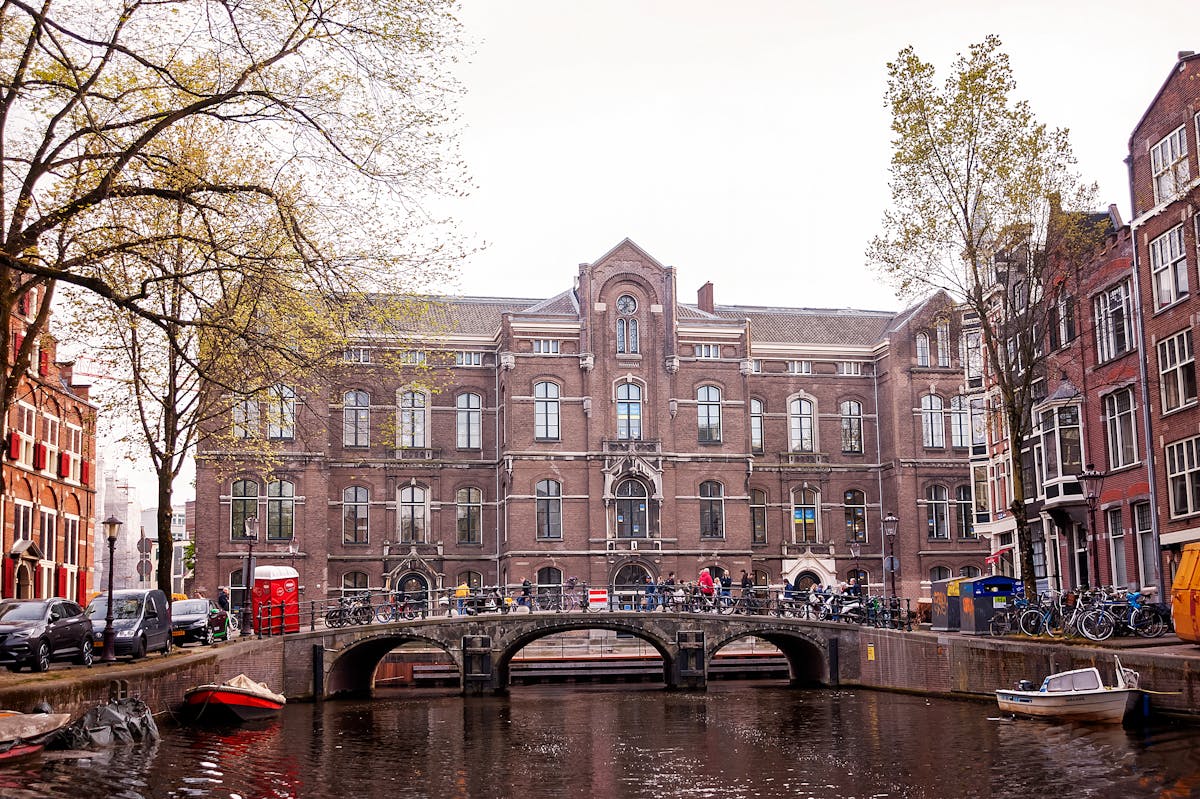
Best overall: Anne Frank Walking Tour — $27. The most popular walking tour in Amsterdam for a reason. Covers the Jewish Quarter, WWII history, and the Anne Frank House surroundings with genuinely knowledgeable guides.
Best budget: Absolutely Amsterdam Intro Tour — $5.93. Under six dollars for a 2.5-hour city overview. You won’t find a better deal anywhere in the Netherlands.
Best for first-timers: Cultural Highlights Walking Tour — $30. Dam Square to the Jordaan with all the main landmarks covered by expert local guides.
- Why Amsterdam Is Better on Foot
- Types of Walking Tours in Amsterdam
- The Best Walking Tours to Book
- 1. Amsterdam Walking Tour: The Fascinating Story of Anne Frank —
- 2. Amsterdam Cultural Highlights Walking Tour —
- 3. Absolutely Amsterdam — The Essential Introductory Walking Tour — .93
- 4. Amsterdam Small-Group Walking Tour —
- 5. Amsterdam: Haunted History and Ghost Walking Tour —
- When to Walk Amsterdam
- Tips That Will Save You Time
- What You Will Actually See
- More Amsterdam Guides
Why Amsterdam Is Better on Foot
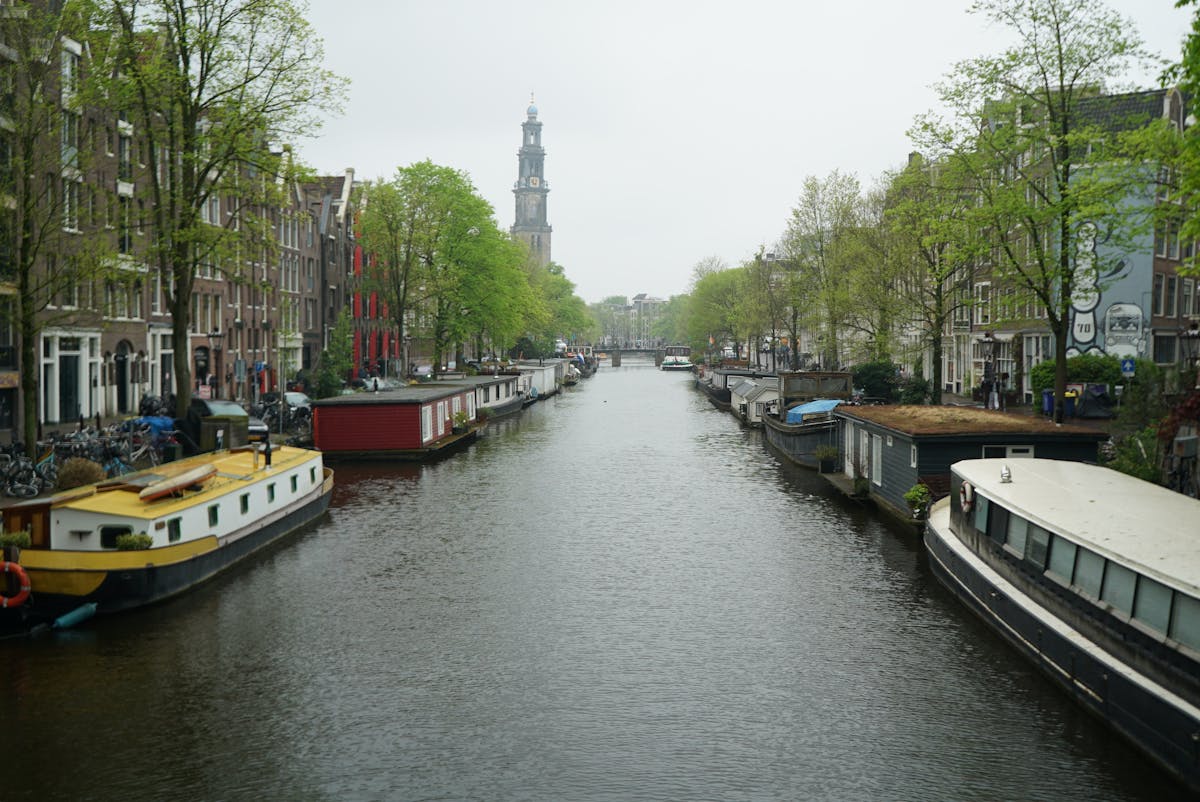
Amsterdam is one of those rare cities where walking is genuinely faster than any other transport. The tram system is fine, but it follows the main roads — you miss everything. Bikes are everywhere, but unless you are used to Dutch cycling rules (spoiler: there are no rules), renting one as a tourist is how people end up in the canal.
On foot, you can duck into the hofjes — those secret courtyard gardens tucked behind wooden doors. You can stop at a brown cafe when it starts raining. You can actually look up at the gable stones above the doorways, which were the original house addresses before street numbers existed. A good guide will point these out. On a bike, you will miss all of it because you are too busy trying not to die.
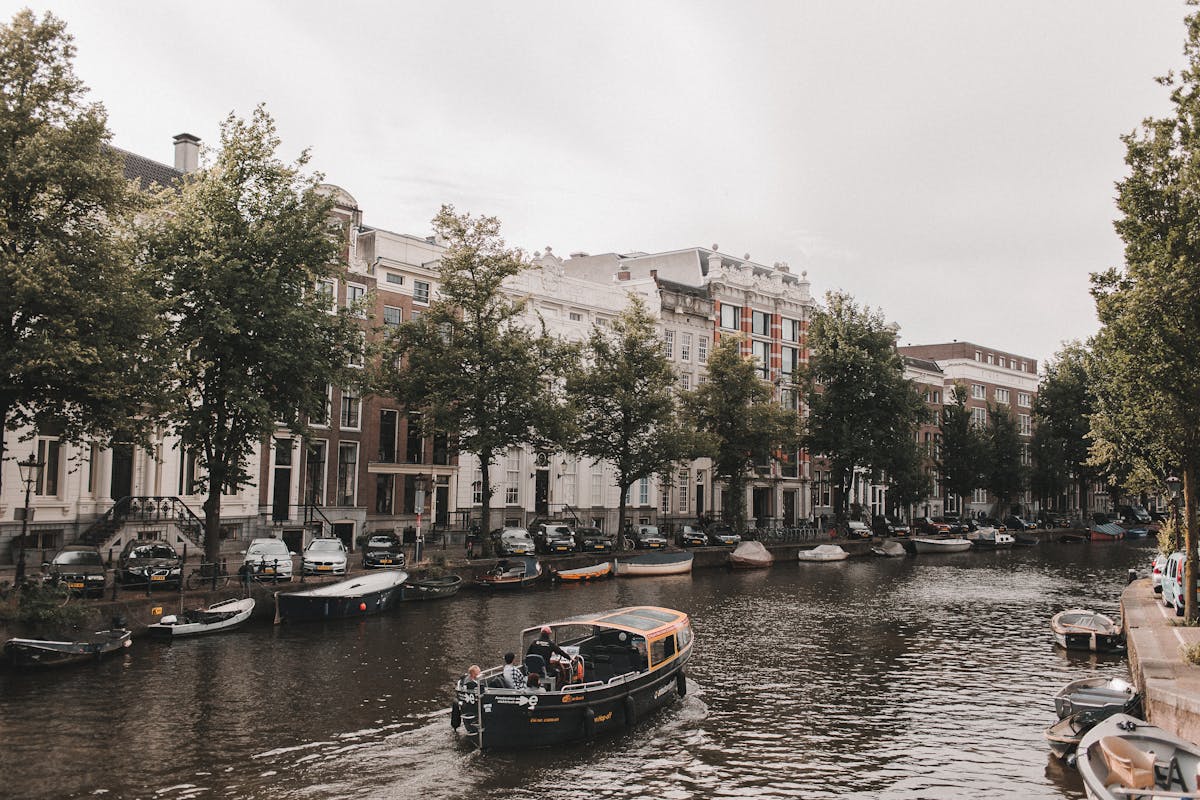
The canal ring district — Herengracht, Keizersgracht, Prinsengracht — is a UNESCO World Heritage site, and it was designed for walking. The merchants who built these canals in the 1600s wanted to show off their houses from the street. The facades are the point. You need to be on foot, at ground level, to appreciate them properly.
Types of Walking Tours in Amsterdam
Not all walking tours are created equal, and Amsterdam has a wider range than most cities. Here is a rough breakdown of what is out there:
General city overview tours cover the main landmarks — Dam Square, the Royal Palace, the canal ring, the Jordaan, and sometimes the Red Light District. These run 2-2.5 hours and cost anywhere from free (tip-based) to about $35. They are the right pick if this is your first time in Amsterdam and you want a lay of the land before exploring on your own.
Themed history tours dig into a specific era or story. The Anne Frank and Jewish Quarter tours are by far the most popular, covering WWII history, the deportations, and the neighborhood that was devastated during the occupation. These run $25-40 and typically last about 2 hours. They are heavy, but they are also some of the best-guided experiences in the city.
Neighborhood-specific tours focus on one district — usually the Jordaan or De Pijp. These are good for repeat visitors or anyone who wants depth over breadth. You will go inside shops, taste local food, and learn about the people who actually live there.
Night and ghost tours take advantage of the fact that Amsterdam looks completely different after dark. The canal reflections, the narrow alley shadows, and the 400-year-old buildings all take on a different character. Expect spooky stories, some local legends, and a very different energy from the daytime crowds.
Free walking tours are tip-based and widely available. The quality varies enormously — some guides are passionate locals who do this because they love their city, and others are backpackers working for tips who memorized a script last week. You get what you get. If your budget allows it, a paid tour with a dedicated guide is almost always a better experience.
The Best Walking Tours to Book
I went through the major walking tours available in Amsterdam and picked five that stand out for different reasons. These cover a range of prices, themes, and group sizes — so there should be something here regardless of what you are looking for.
1. Amsterdam Walking Tour: The Fascinating Story of Anne Frank — $27
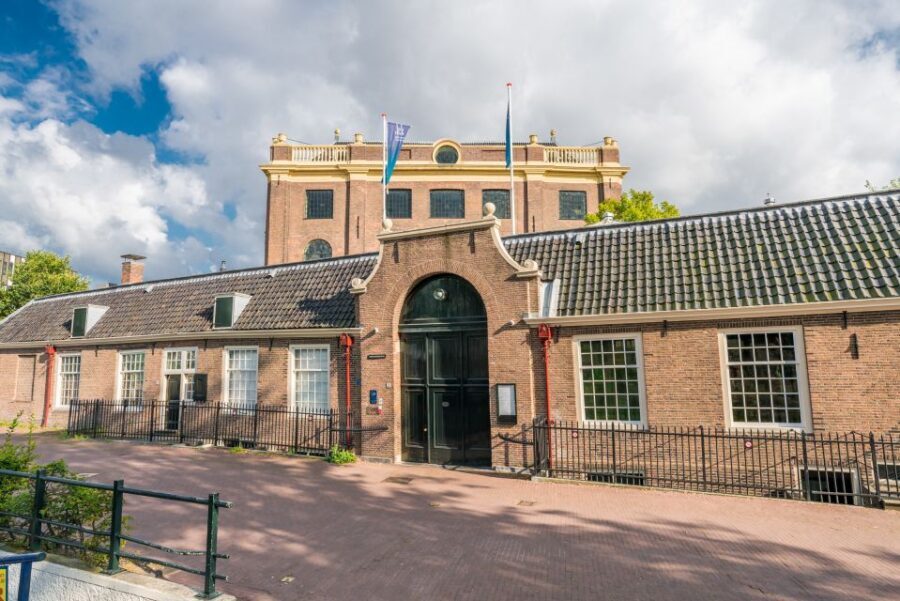
This is the walking tour I recommend first to anyone visiting Amsterdam, and it is the most popular one in the city by a wide margin. The Anne Frank walking tour covers the Jewish Quarter, the Portuguese Synagogue, the former Jewish market area, and the streets surrounding the Anne Frank House itself.
What makes this tour worth booking over just visiting the Anne Frank House on your own is the context. The guides are specialists in WWII Amsterdam history, and they fill in the gaps that the museum does not cover — the stories of the neighbors, the resistance networks, the deportation routes. At $27 per person, this is not expensive for a 2-hour guided experience in a European capital, and the group sizes stay manageable.
One thing to know: this tour does not include entry to the Anne Frank House itself. You need to book those tickets separately, and they sell out weeks in advance. But honestly, the walking tour adds layers that the house museum cannot provide on its own.
2. Amsterdam Cultural Highlights Walking Tour — $30
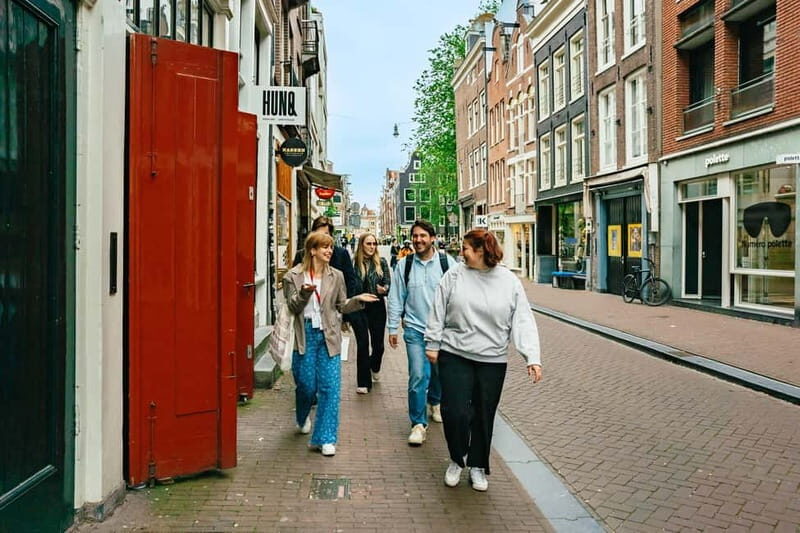
If you want one tour that covers all the big-ticket landmarks, this is the one. The Cultural Highlights Walking Tour takes you through Dam Square, past the Royal Palace, into the canal ring, by the Anne Frank House exterior, and through sections of the Jordaan — all in about two hours.
The guides run this in English, German, and Italian, and they are genuinely knowledgeable about Amsterdam’s Golden Age history, the architecture, and the way the city was designed. At $30 per person, it is three dollars more than the Anne Frank tour but covers more ground geographically. This is the better pick if you only have time for one tour and want a broad overview rather than a deep dive into one subject.
I would pair this with a canal cruise later the same day — you will see the same buildings from a completely different angle and the two experiences complement each other well.
3. Absolutely Amsterdam — The Essential Introductory Walking Tour — $5.93
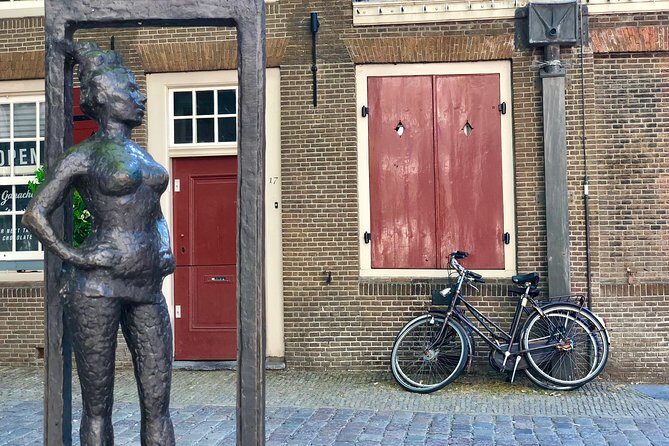
I almost did not include this one because the price seems like a mistake. $5.93 per person for a 2.5-hour walking tour of Amsterdam — that is less than a single beer in most canal-side bars. But the Absolutely Amsterdam tour is genuinely one of the most well-reviewed walking tours in the Netherlands, and it has been running for years.
The format is simple: a small group, a local guide, and a loop through the city center hitting the essential stops. You will cover Dam Square, the canal ring, the Red Light District border, and some of the quieter residential streets that most travelers miss entirely. The guides are funny, opinionated, and clearly love what they do.
The catch? There is not really one. The low price is a marketing strategy — the company makes money through volume and tips. But the quality is consistent, and for budget travelers or anyone who wants a quick orientation before exploring on their own, this is hard to beat.
4. Amsterdam Small-Group Walking Tour — $20
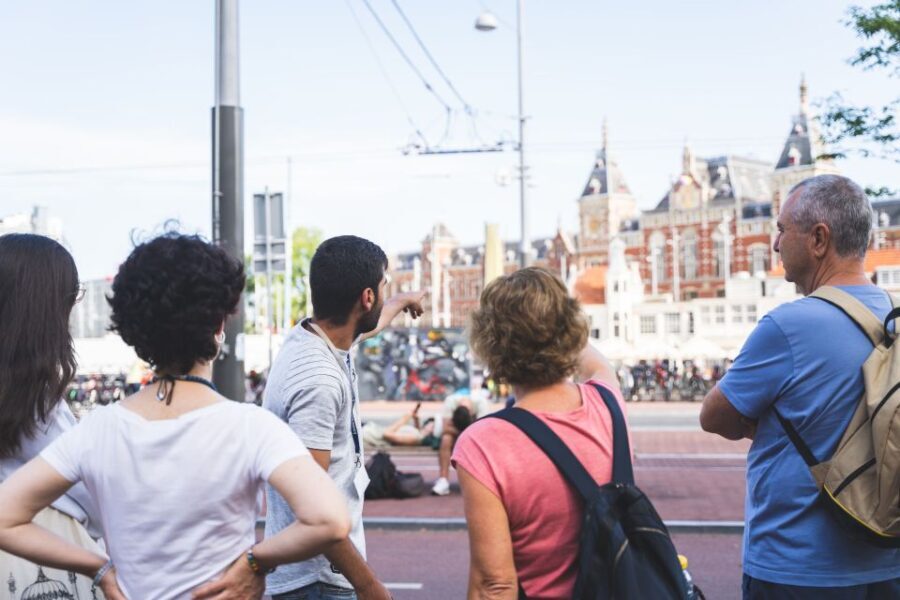
This is the Goldilocks option — not as cheap as the Absolutely Amsterdam tour, not as specialized as the Anne Frank tour, but a solid middle ground that covers the major highlights with a small group of around 15 people. The Amsterdam Small-Group Walking Tour runs for 2.5 hours and takes you from Dam Square through the canal ring, past the Flower Market, and into the Jewish District.
At $20 per person, this is good value for a small-group experience. The smaller size means the guide can actually interact with the group, answer questions properly, and adjust the pace. On one of the larger tours I took (about 35 people), the guide spent half the time just trying to keep everyone together at crossings. That does not happen here.
If you are traveling with someone who walks slowly or has mobility concerns, the smaller group makes a real difference — the guide can actually adapt rather than leaving people behind.
5. Amsterdam: Haunted History and Ghost Walking Tour — $30
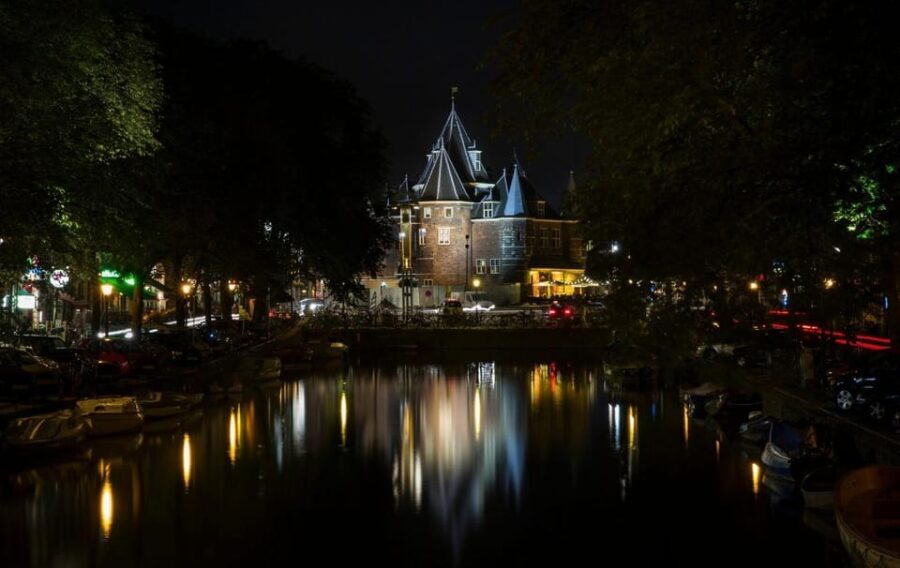
I will be honest — I booked the Haunted History tour mostly as a joke. A ghost tour in Amsterdam? But it turned out to be one of the more entertaining walking experiences I have had in the city. The $30 price tag is the same as the Cultural Highlights tour, except you do it after dark, and the stories are considerably more gruesome.
The two-hour route takes you through the medieval city center, past the old city walls, and into some narrow alleys that most daytime travelers never see. The guide mixes real Amsterdam history — plague years, executions at Dam Square, the fires that leveled entire neighborhoods — with local legends and ghost stories. Some of it is spooky, some of it is darkly funny, and all of it is genuinely interesting from a historical perspective.
This one is best as a second walking tour. Do a daytime overview first, then come back for the ghost tour on another evening. You will see the same streets in a completely different light — literally.
When to Walk Amsterdam
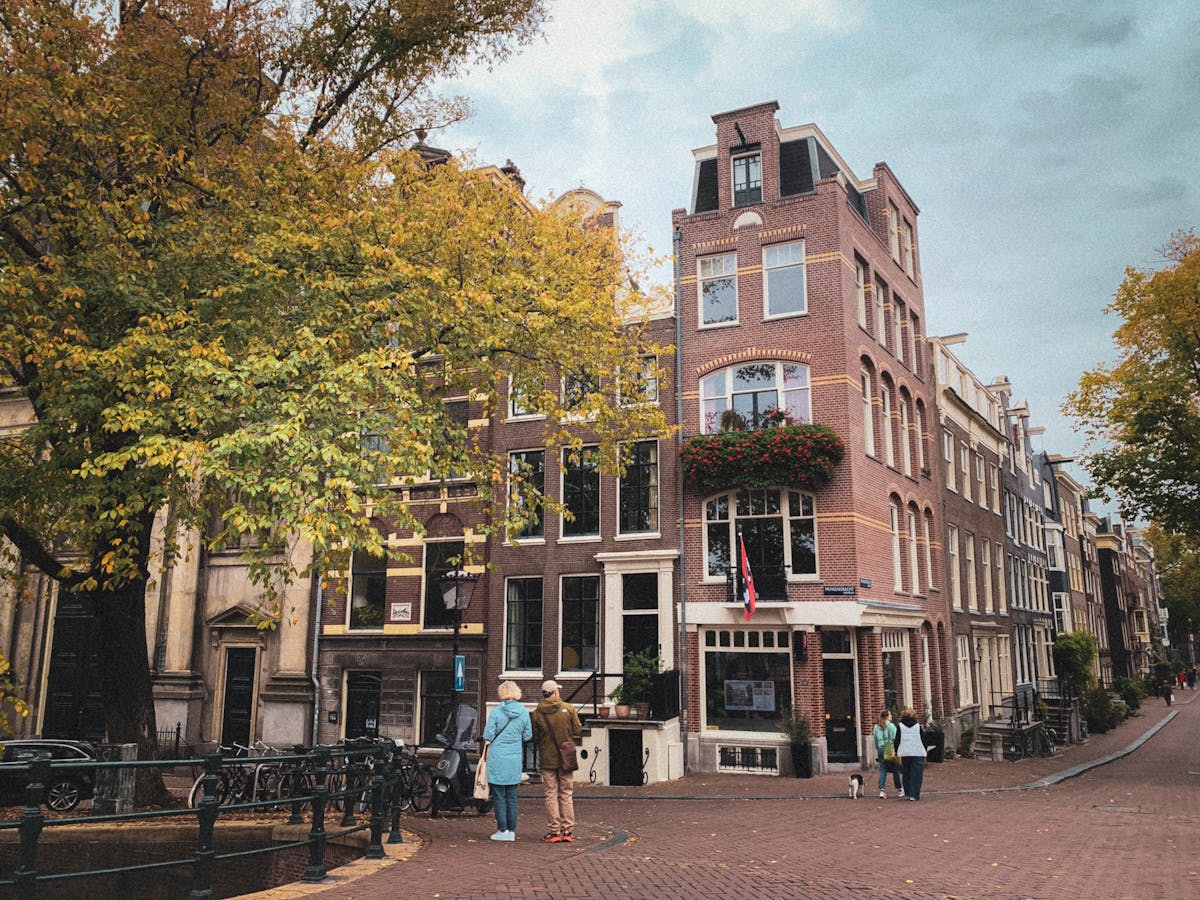
Amsterdam is walkable year-round, but some months are better than others.
April through October is the main walking season. Days are long — up to 16 hours of daylight in June — the canal-side trees are green, and most tours run multiple departures per day. The downside is that July and August bring the biggest crowds, especially around Dam Square and the Red Light District. Morning tours (before 11am) are the way to avoid the worst of it.
November through March is colder and wetter, but the city is quieter and the prices drop. Walking tours still run, just with fewer daily departures. Layer up and bring waterproof shoes — Dutch rain is not heavy, but it is persistent. The upside is that you will have the canal bridges practically to yourself, and the brown cafes are at their coziest with the windows steamed up.
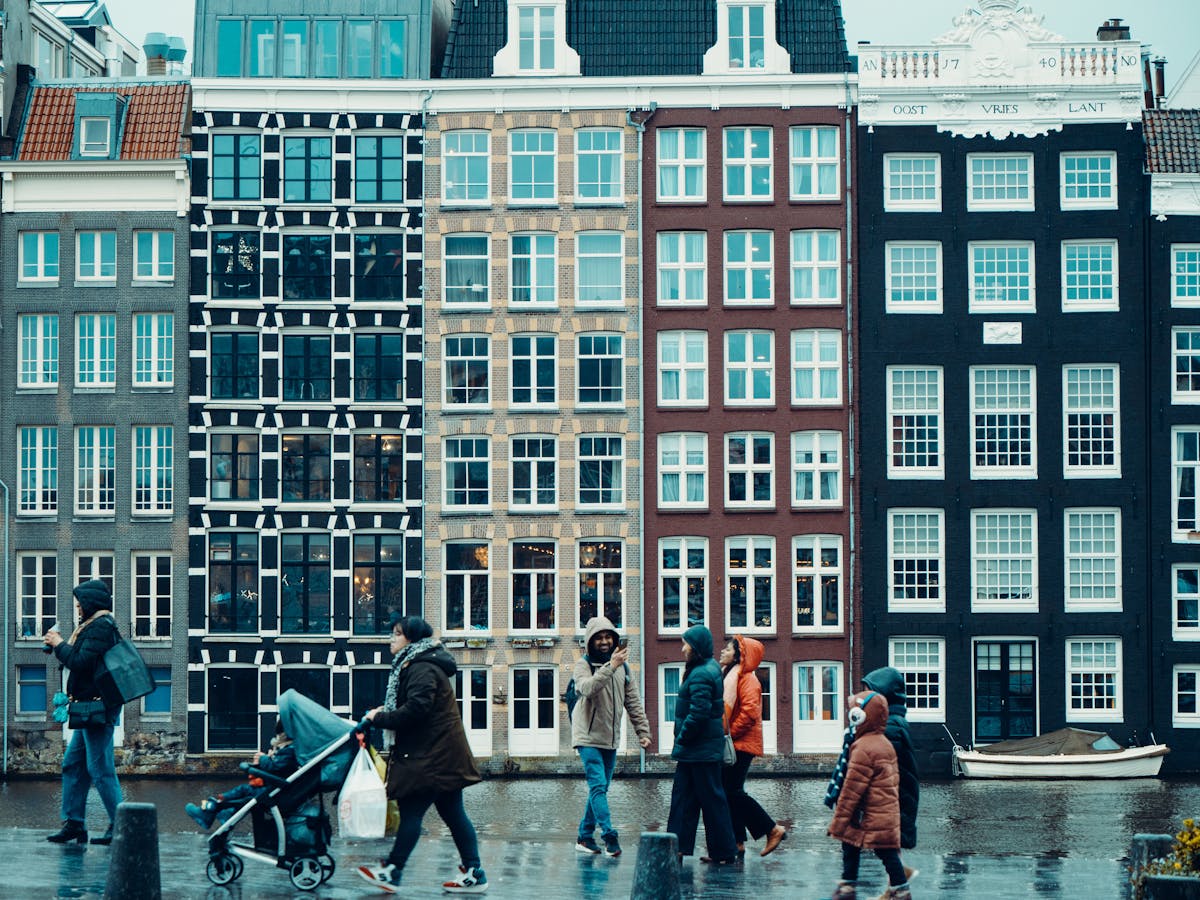
The single best time for a walking tour is a weekday morning in September or early October. The summer crowds have thinned, the weather is still mild, the autumn light is gorgeous, and you can actually hear your guide without a crowd of stag parties drowning them out.
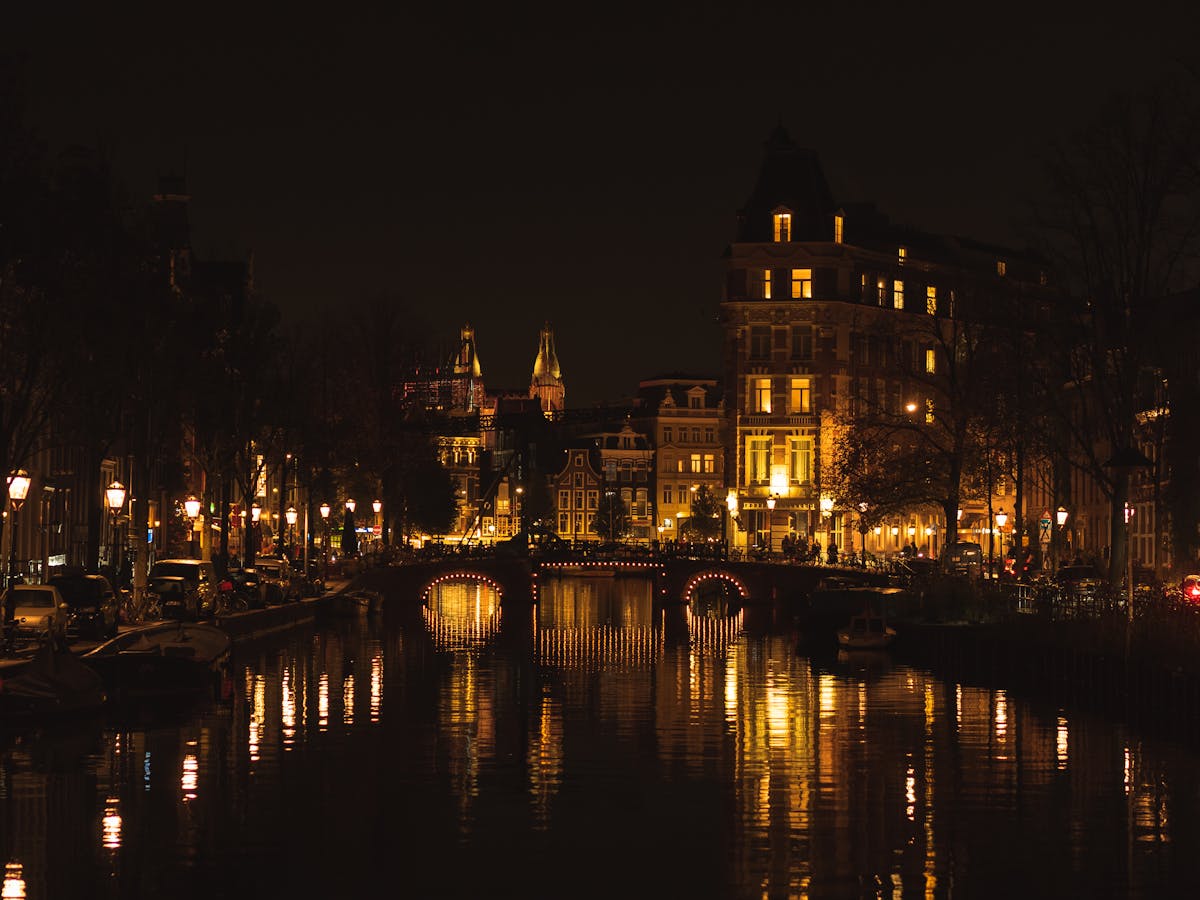
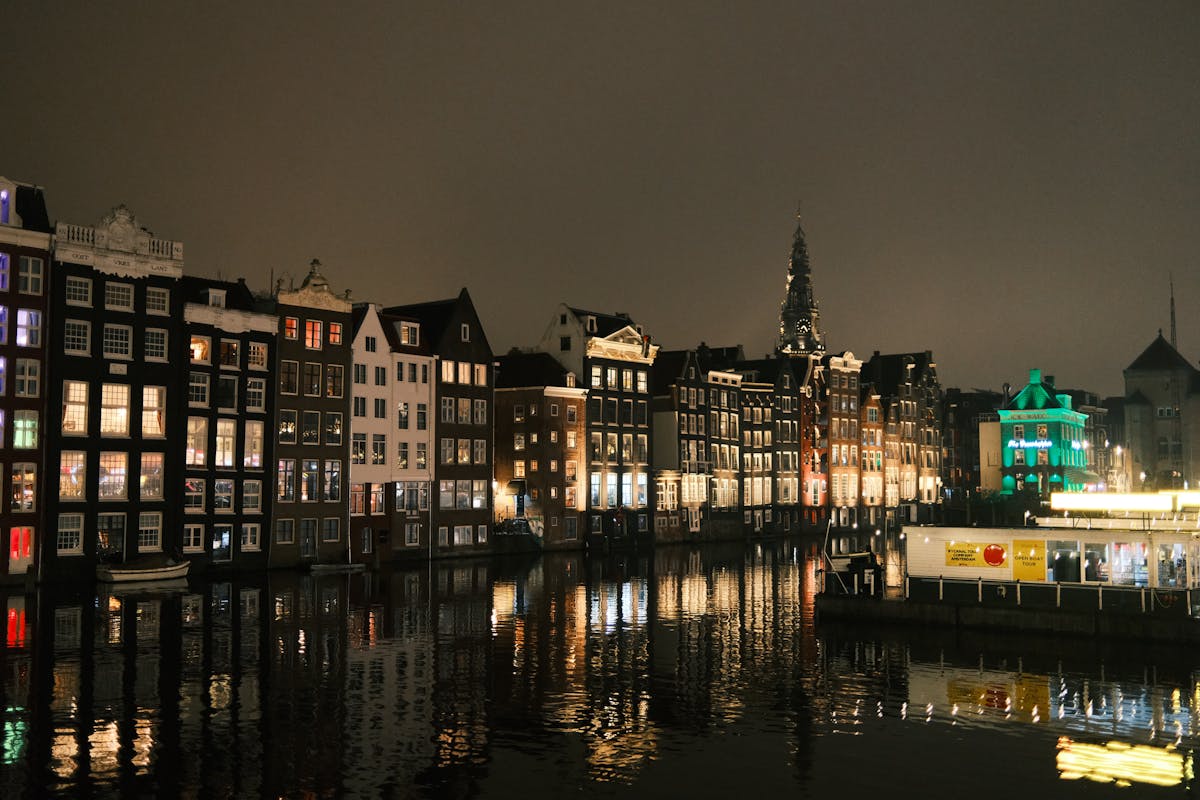
For the ghost tour, the darker months actually work in your favor. A ghost walk in June when it does not get dark until 10pm loses some of the atmosphere. In November, you are walking in full darkness by 5pm, and the canal reflections are spectacular.
Tips That Will Save You Time
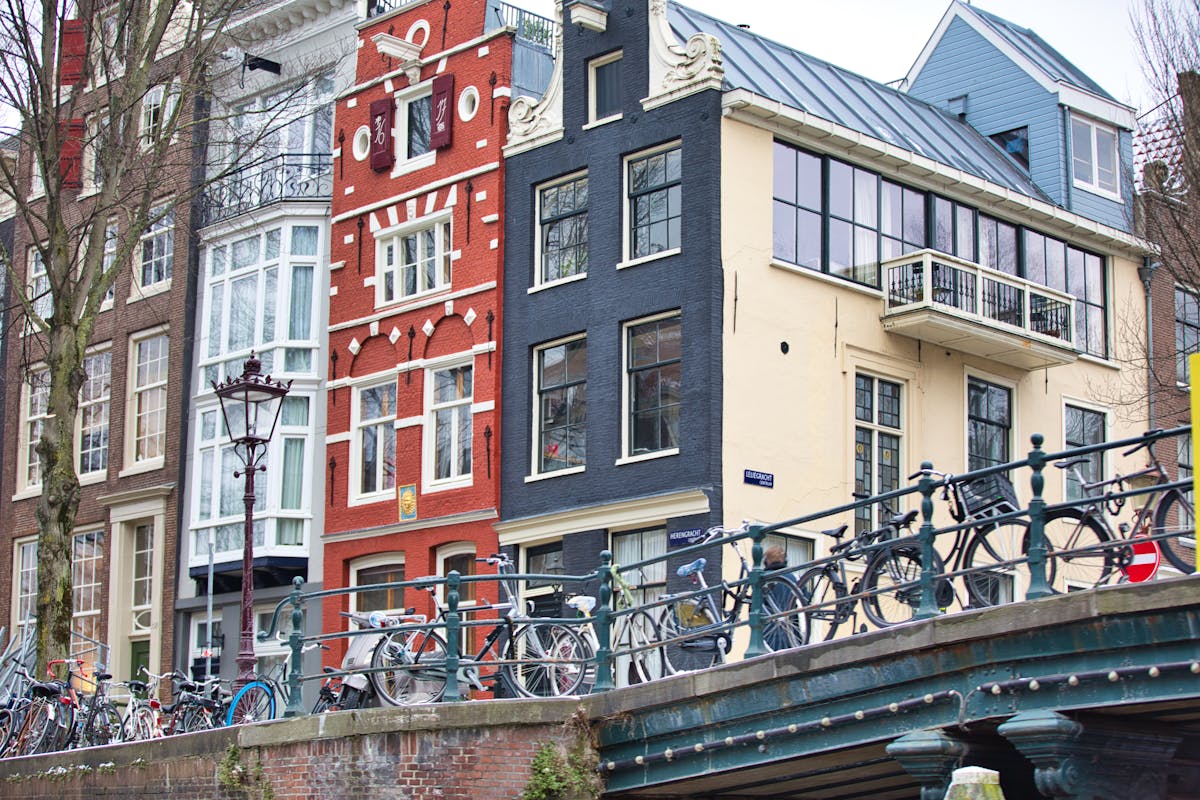
Wear proper shoes. Amsterdam streets are cobblestone, brick, and uneven stone. Sandals and white sneakers are both bad ideas. Something with grip and ankle support will make a two-hour walk genuinely more comfortable. I learned this the hard way on my second visit.
Book morning tours when possible. The 9-10am departures get smaller groups, cooler temperatures in summer, and emptier streets. By midday, the main squares are packed and your guide has to compete with street performers and tram bells for your attention.
Layer your clothes. Amsterdam weather changes fast. You can start a two-hour walk in sunshine and finish it in sideways rain. A light waterproof jacket that packs into a pocket is the single most useful item of clothing you can bring.
Watch the bike lanes. They look like sidewalks. They are not. The red-painted paths are bike lanes, and Dutch cyclists will not slow down for you. Your guide will probably warn you about this in the first five minutes, but it bears repeating.
Eat before or after, not during. Most walking tours do not include food stops (except the food-specific ones). Have a good breakfast before a morning tour, or plan lunch right after an 11am departure. The Jordaan has excellent lunch spots that your guide will probably point out along the way.
Free cancellation matters. Amsterdam weather is unpredictable. Book tours with free cancellation so you can reschedule if the forecast turns genuinely awful. All five tours I have recommended above offer free cancellation up to 24 hours before.
What You Will Actually See
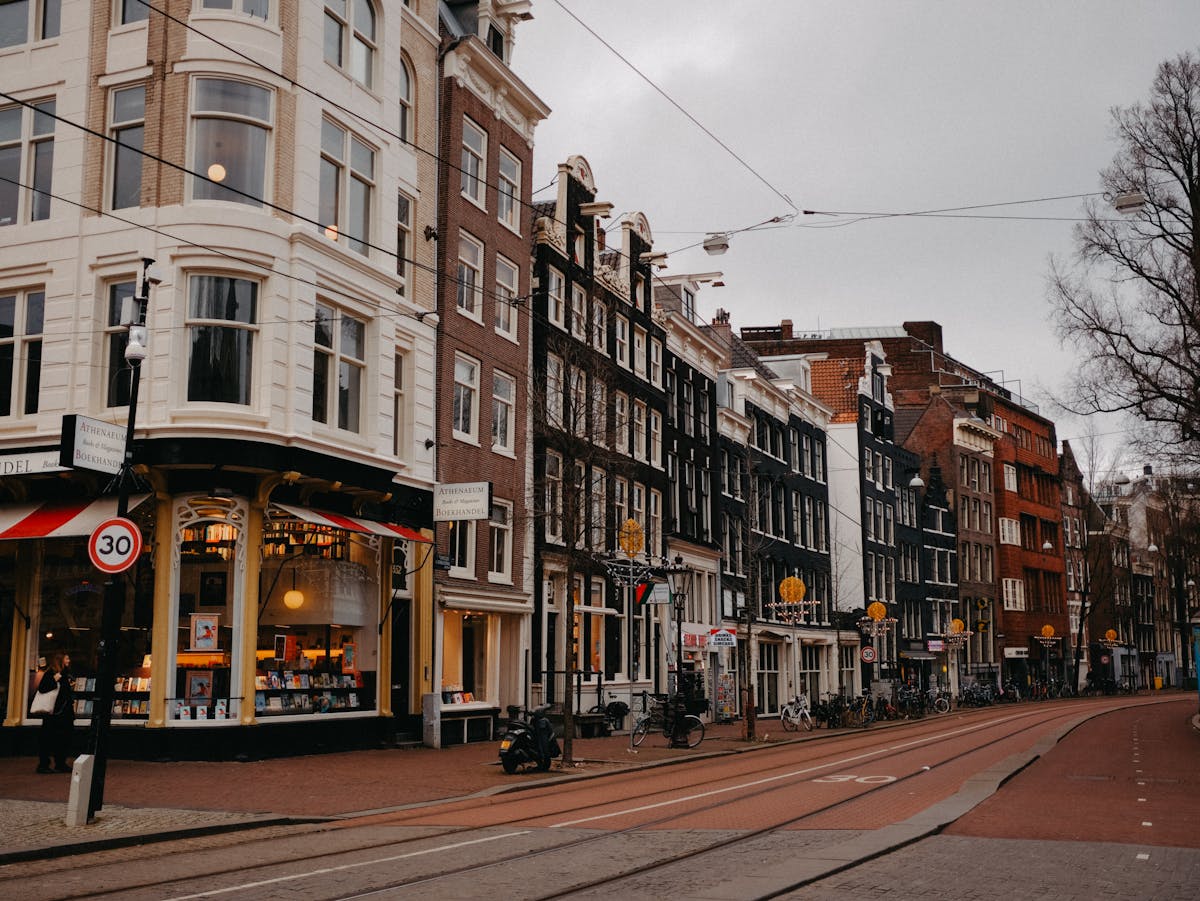
Most Amsterdam walking tours — regardless of theme — will take you through some combination of these areas:
Dam Square and the Royal Palace. The geographic and historic center of Amsterdam. The palace was originally the city hall, built during the Golden Age when Amsterdam was the richest city in the world. Good guides will explain why it faces the wrong way (the original waterfront entrance is now the back).
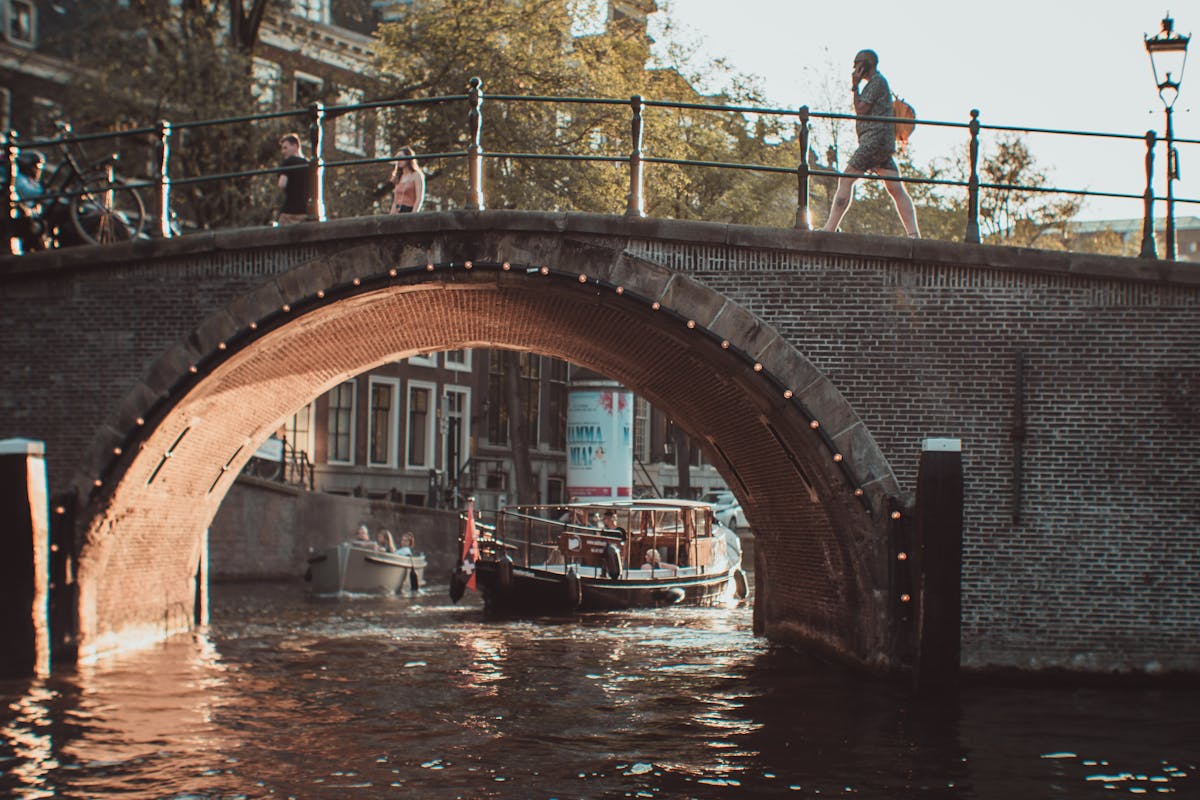
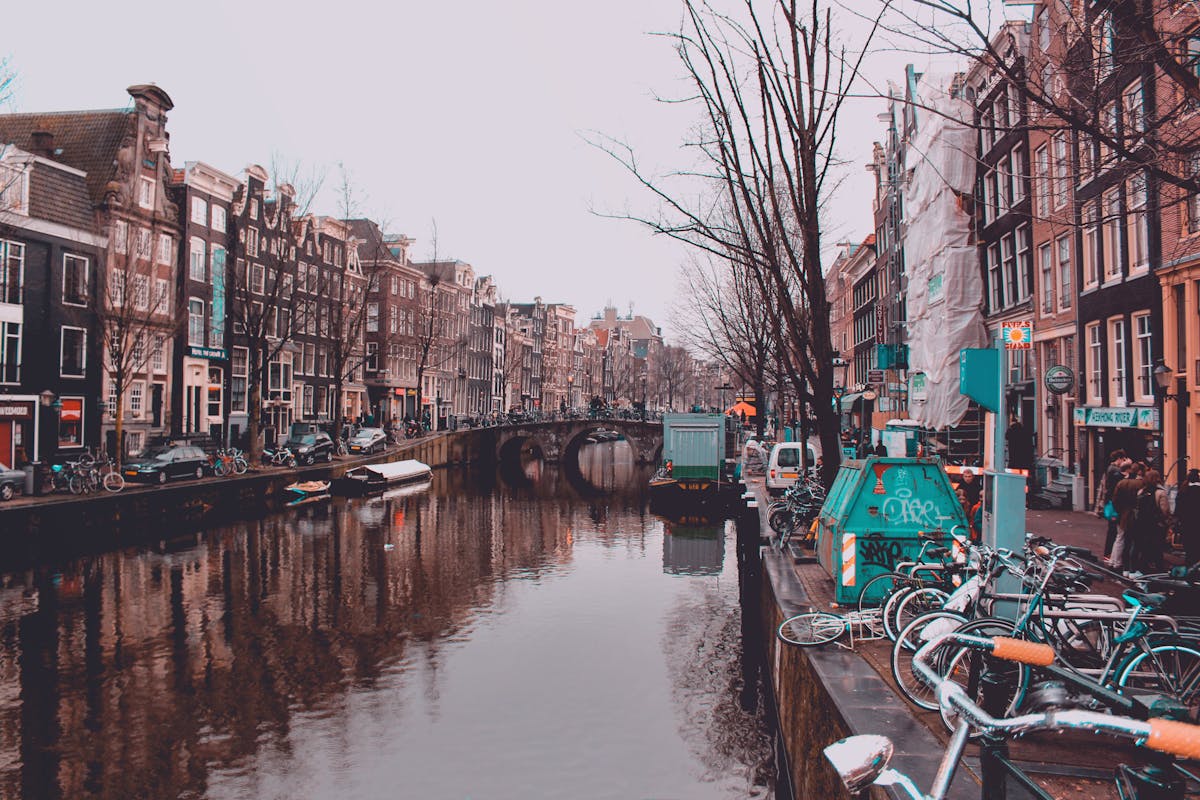
The Canal Ring. The three main canals — Herengracht (Gentlemen’s Canal), Keizersgracht (Emperor’s Canal), and Prinsengracht (Prince’s Canal) — form concentric semicircles around the old city. Walking along them, your guide will point out the narrowest house in Amsterdam, the house where Descartes lived, and the reason all the houses lean forward.
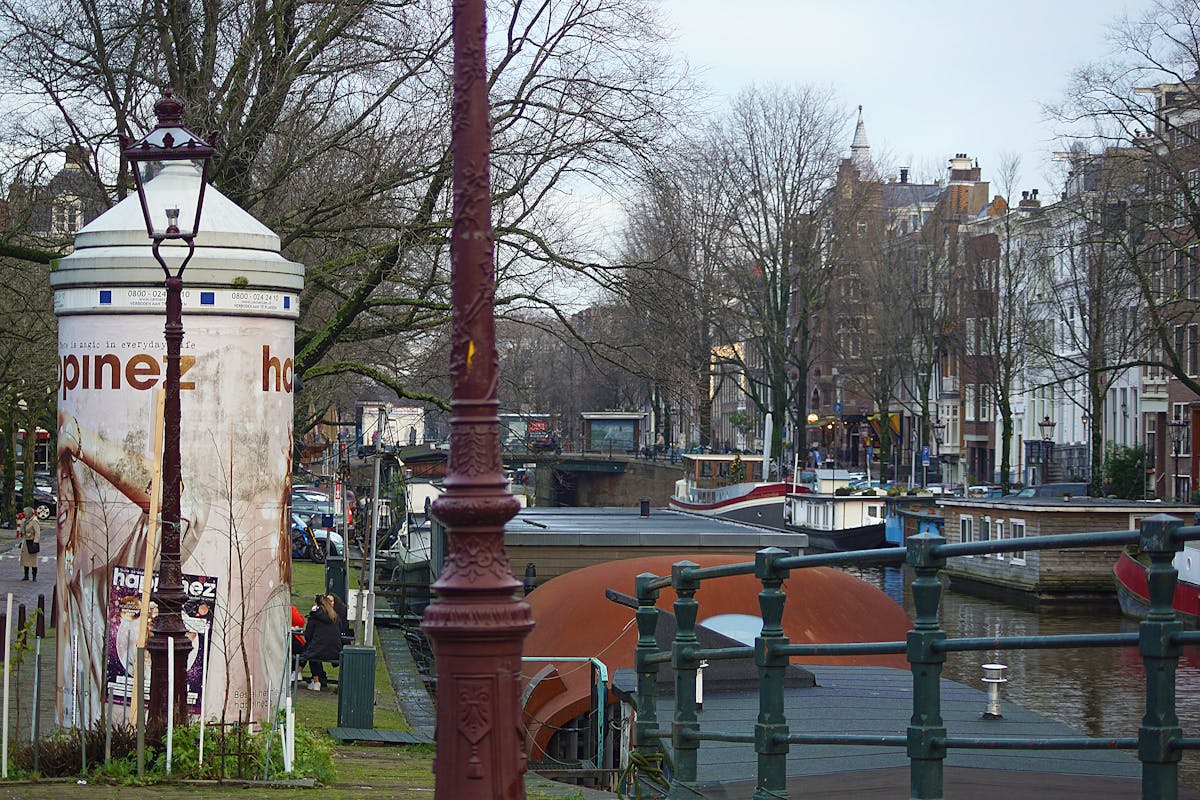
The Jordaan. This former working-class neighborhood is now the most photogenic district in Amsterdam. Narrow streets, independent shops, tiny cafes, and some of the best food in the city. The Cultural Highlights tour spends a good chunk of time here, and it is worth every minute.
The Jewish Quarter. The Anne Frank walking tour covers this area in the most depth, but many general tours also pass through. The Portuguese Synagogue, the Jewish Historical Museum, and the Auschwitz Never Again monument are all within a few blocks of each other.
Begijnhof. One of Amsterdam’s oldest courtyards, dating from the 1300s. It is a quiet, enclosed garden surrounded by medieval houses — and you would never know it was there if someone did not show you the unmarked door from the street. This is the kind of spot that makes guided tours worthwhile.
More Amsterdam Guides
A walking tour is the best way to orient yourself in Amsterdam, but it is just the start. The Van Gogh Museum is a 15-minute walk south from the canal ring and needs its own half-day — booking those tickets early is essential because they sell out fast. If you want to see Amsterdam from the water instead of the street, our canal cruise guide covers the best boat tours and how to avoid the overpriced tourist traps near Centraal Station. The Heineken Experience is a fun afternoon activity, especially if you need a break from museums and history. And if you have a spare day, Zaanse Schans is the windmill village about 20 minutes outside the city — touristy, yes, but the working windmills and cheese farms are the real deal.
This article contains affiliate links to tour providers. If you book through these links, we may earn a small commission at no extra cost to you. This helps us keep writing detailed travel guides. All opinions and recommendations are our own, based on personal experience and thorough research.
A walking tour is one of the best ways to orient yourself in Amsterdam on your first day, and it naturally feeds into everything else you will want to do. The Red Light District tours cover the oldest part of the city in more depth, with guides who know the history behind every alley and coffee shop. For a different pace, a bike tour covers neighborhoods that are too far to walk — Vondelpark, the Eastern Docklands, Amsterdam-Noord — and gives you a local’s perspective on a city built for two wheels.
Once you have your bearings, the museums are easier to plan. The Van Gogh Museum and Rijksmuseum sit together on Museumplein, and the Anne Frank House is in the Jordaan district that most walking tours already pass through. A food tour through De Pijp or the Jordaan combines walking with eating, which frankly is the ideal way to spend an Amsterdam afternoon.