
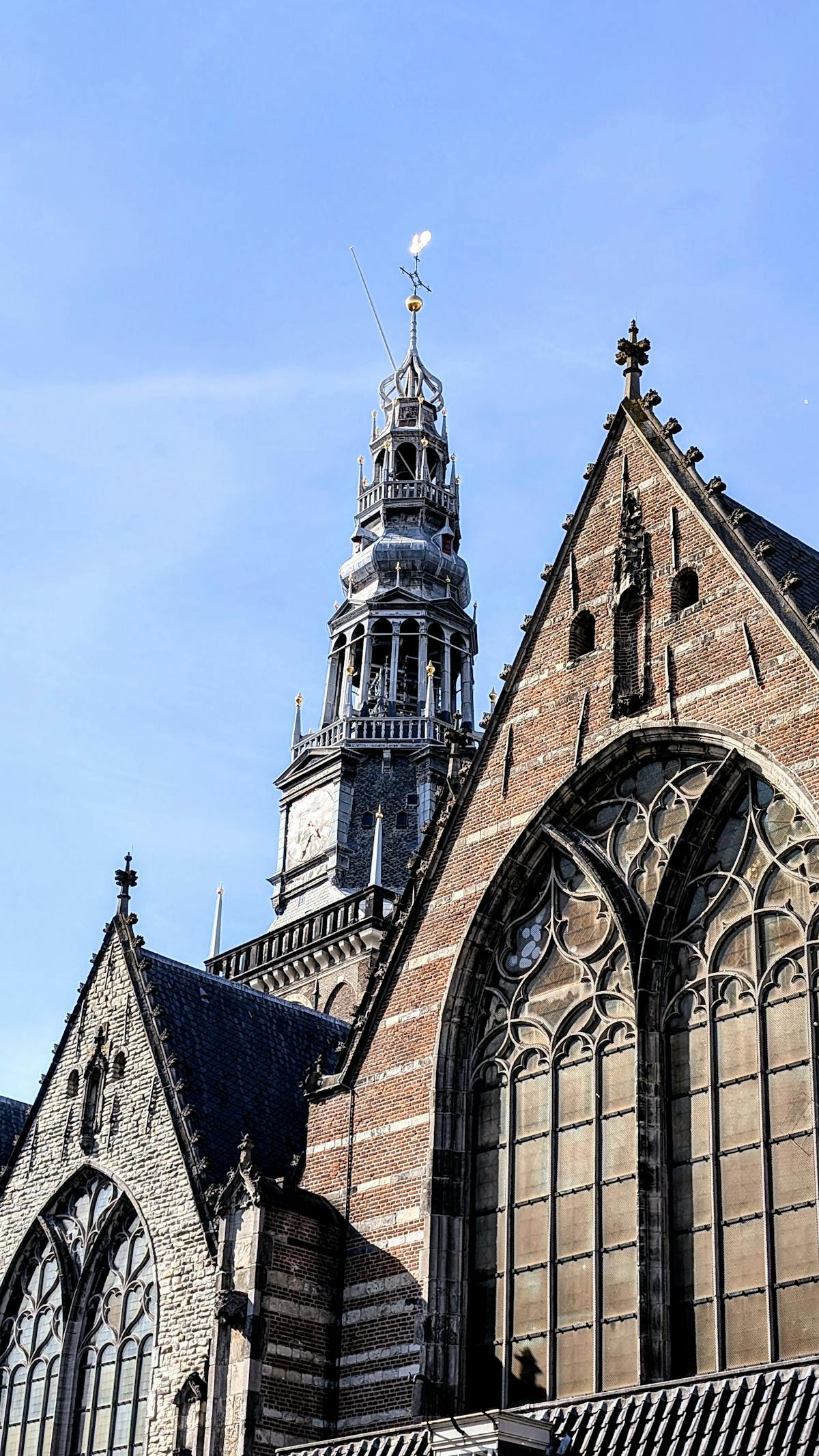
The Oude Kerk was built in 1306. It is the oldest building in Amsterdam, a Gothic church with stained glass windows and a pipe organ from the fifteenth century. And on three sides, it is surrounded by red-lit window displays where sex workers sit behind glass doors, waving at passing travelers.
That contradiction is the whole point of De Wallen, Amsterdam’s Red Light District. It is the oldest neighborhood in the city, a place where medieval history and legalized sex work have existed side by side for centuries. And if you just walk through it on your own, you will see the windows and the crowds and the coffee shops, but you will miss almost everything that makes it interesting.
A good tour changes that completely.
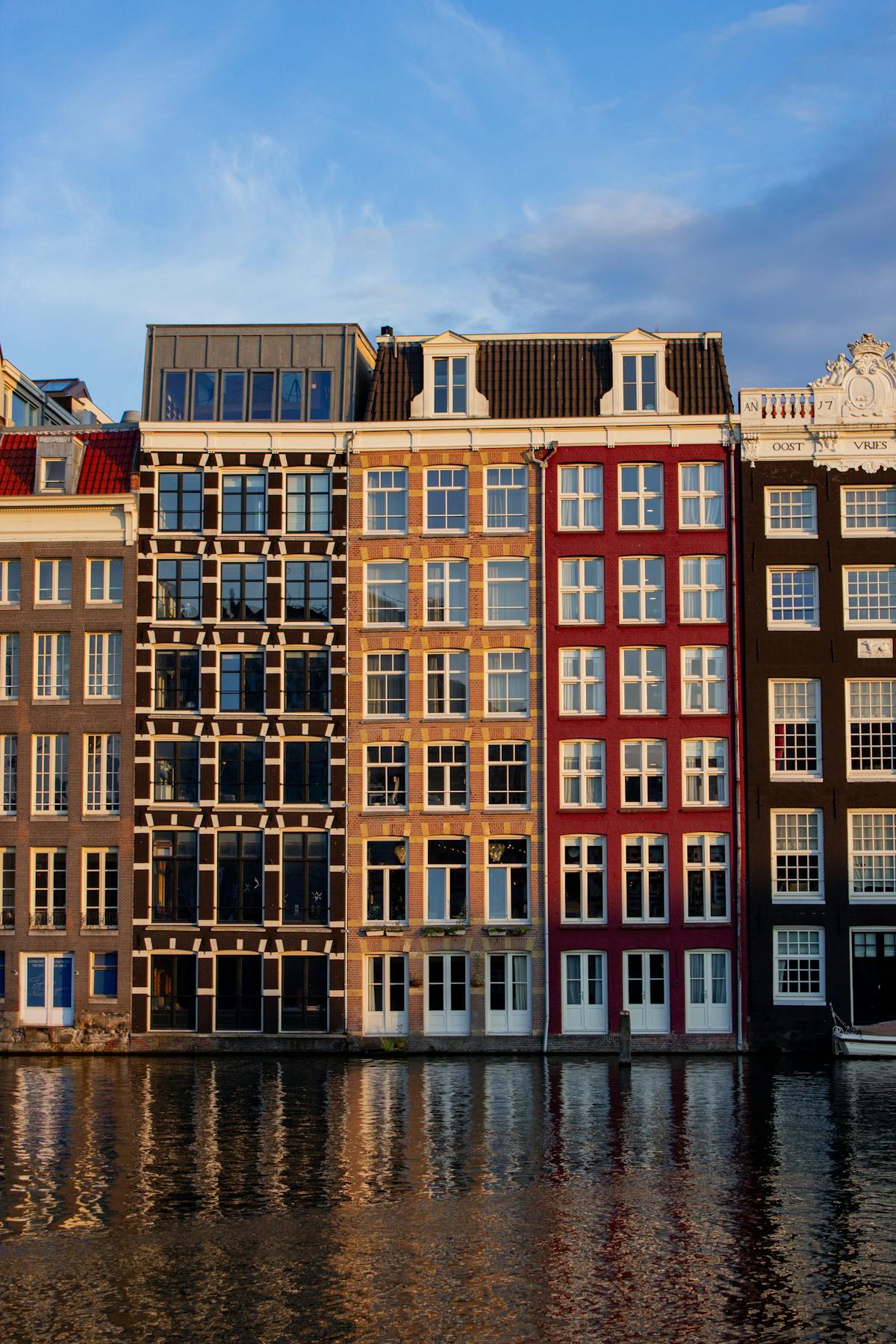
I have walked through De Wallen more times than I can count, both with and without guides. The difference is striking. On your own, it is a 20-minute walk through a crowded tourist area. With a guide, it is two hours of stories about medieval trade routes, the economic reasons behind legalized prostitution, the Oude Kerk’s hidden attic chapel, and why the city has been debating window closures for the past decade.
Best overall: Red Light District Tour — $28. The one most people book, and for good reason. Ninety minutes covering the history, the laws, and the coffee shop culture without rushing.
Best combo experience: Red Light District & Coffee Shop Tour — $29. Two hours that fold in Amsterdam’s cannabis culture alongside the red lights. Good if you want both in one go.
Best after dark: Exclusive Night Tour — $28. Runs in the evening when the district is at its most atmospheric. Smaller groups and a different energy than the daytime walks.
- What a Red Light District Tour Actually Includes
- The Best Red Light District Tours to Book
- 1. Amsterdam: Red Light District Tour —
- 2. Red Light District & Coffee Shop Tour —
- 3. Red Light District Exclusive Night Tour —
- 4. Amsterdam: 1.5-Hour Red Light District Tour —
- When to Visit the Red Light District
- Tips for Visiting the Red Light District
- The History Behind the District
- While You Are in Amsterdam
What a Red Light District Tour Actually Includes
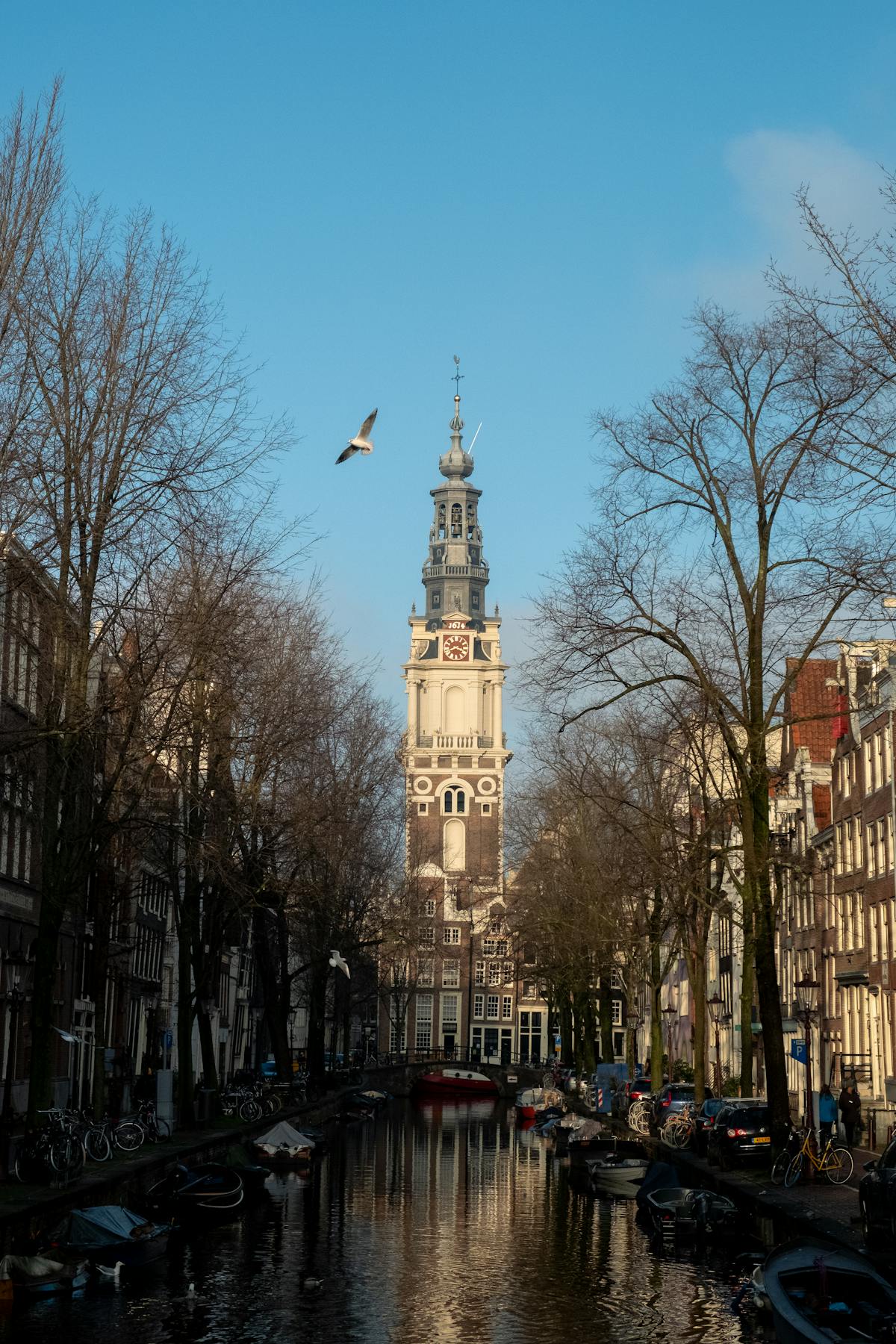
Most Red Light District tours follow a similar route through De Wallen, the compact area between Centraal Station and Nieuwmarkt. Here is what you will typically cover:
The Oude Kerk and its surroundings. Every decent tour starts at or near the oldest church in Amsterdam. Guides explain the bizarre juxtaposition — this medieval church has been here since 1306, centuries before the area became associated with sex work. The churchyard itself has a bronze sculpture called “Belle” dedicated to sex workers worldwide.
The history behind the windows. De Wallen’s window prostitution dates back to the 1400s, when the port attracted sailors who created demand for commercial sex. The Dutch government regulated rather than banned it, a pattern that continues today. Guides dig into the economic and social reasons behind that approach, which is far more interesting than most people expect.
Coffee shop culture. The line between the Red Light District and Amsterdam’s famous coffee shops is blurry — many are located right in De Wallen. Guides typically explain the tolerance policy (gedoogbeleid), the rules around purchasing, and how the legal framework actually works.
The Chinatown overlap. Walk a few steps in one direction and you are in Amsterdam’s small but authentic Chinatown. Most tours weave through here, pointing out the Buddhist temple and the contrast between the two neighborhoods occupying the same streets.
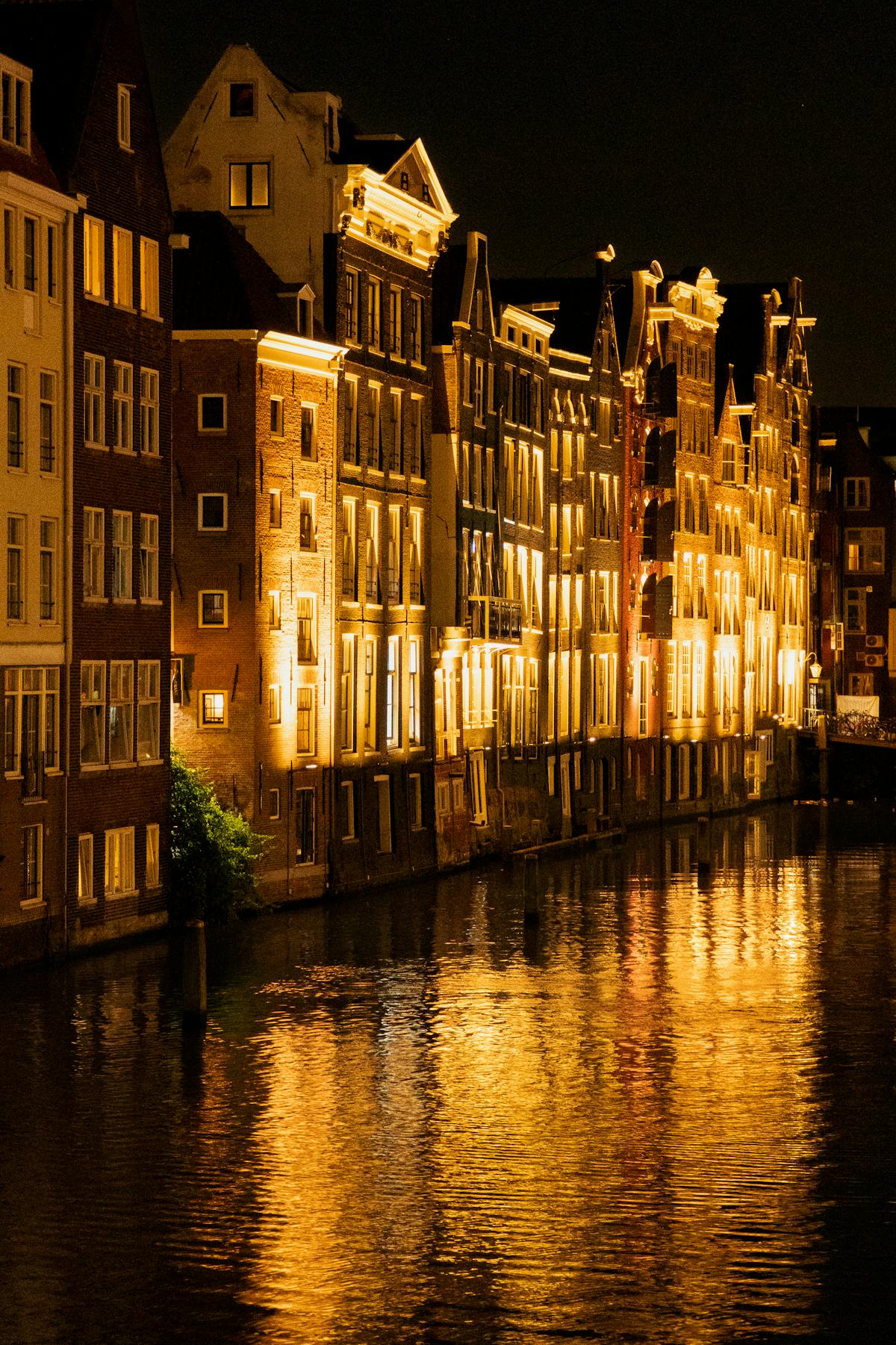
The changing district. This is where the best guides really earn their fee. The city has been closing window blocks and replacing them with art studios and fashion ateliers as part of “Project 1012.” Some tours take you past former window blocks that are now galleries. The politics around this are complicated and fascinating — residents, sex workers, travelers, and city planners all have different ideas about what De Wallen should become.
The Best Red Light District Tours to Book
I have narrowed it down to four tours that cover different angles and budgets. All of them are walking tours — there is no other way to see De Wallen, since the streets are too narrow for any vehicle.
1. Amsterdam: Red Light District Tour — $28
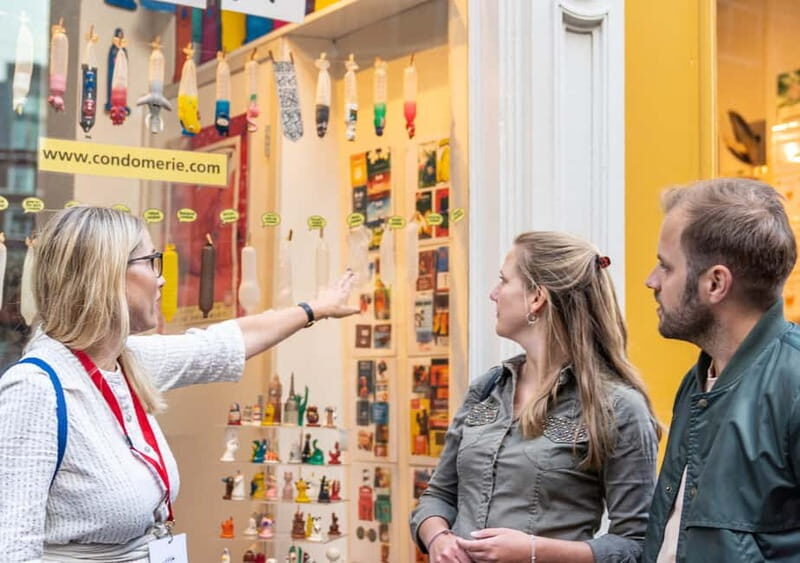
This is the one I would recommend to anyone visiting for the first time. At ninety minutes and $28, it hits the essential stops without dragging or rushing. The guides cover the Oude Kerk, the window district, the history of sex work legislation in the Netherlands, and the ongoing changes in the neighborhood.
It is the most booked Red Light District tour on the market, and there is a reason for that. The format is simple — walking, talking, and stopping at key landmarks. No gimmicks, no pub stops, just a solid overview that leaves you understanding the area instead of just gawking at it.
The 90-minute length is about right. Long enough to cover the important parts, short enough that you are not exhausted by the end. It runs during the day, which I actually prefer for a first visit because you can see the architecture clearly.
2. Red Light District & Coffee Shop Tour — $29
If you are curious about both the Red Light District and Amsterdam’s cannabis culture, this combined tour covers both in two hours for $29. The extra thirty minutes (compared to the standard tour) go toward explaining the coffee shop system, the difference between a “coffee shop” and a “cafe” in Amsterdam, and the legal framework around it.
It is a natural combination because the two topics overlap geographically and culturally. De Wallen is packed with coffee shops, and the tolerance policies governing both sex work and cannabis sales come from the same Dutch pragmatic tradition. A guide who can connect those dots makes the whole neighborhood click into place.
The price difference from the standard tour is basically nothing — one extra dollar for thirty more minutes and an entirely additional topic. Solid deal.
3. Red Light District Exclusive Night Tour — $28
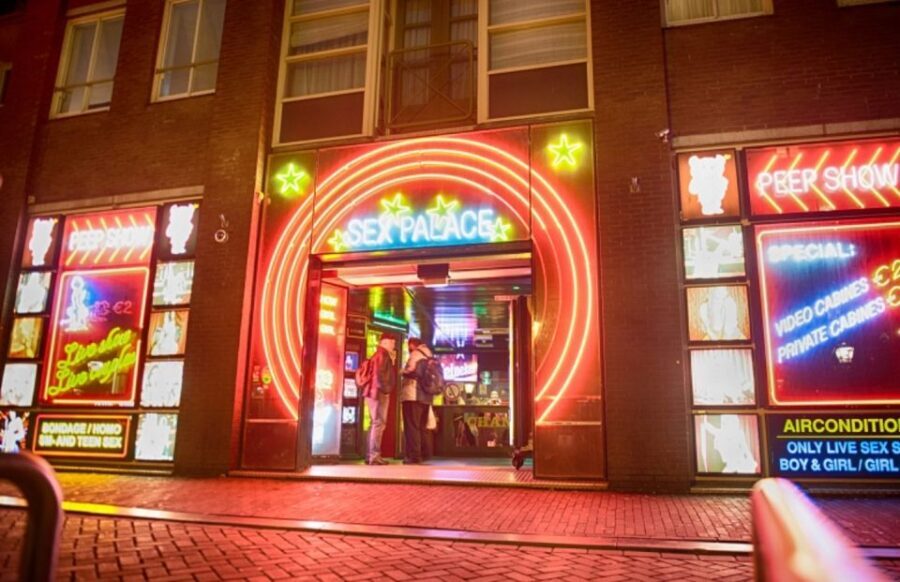
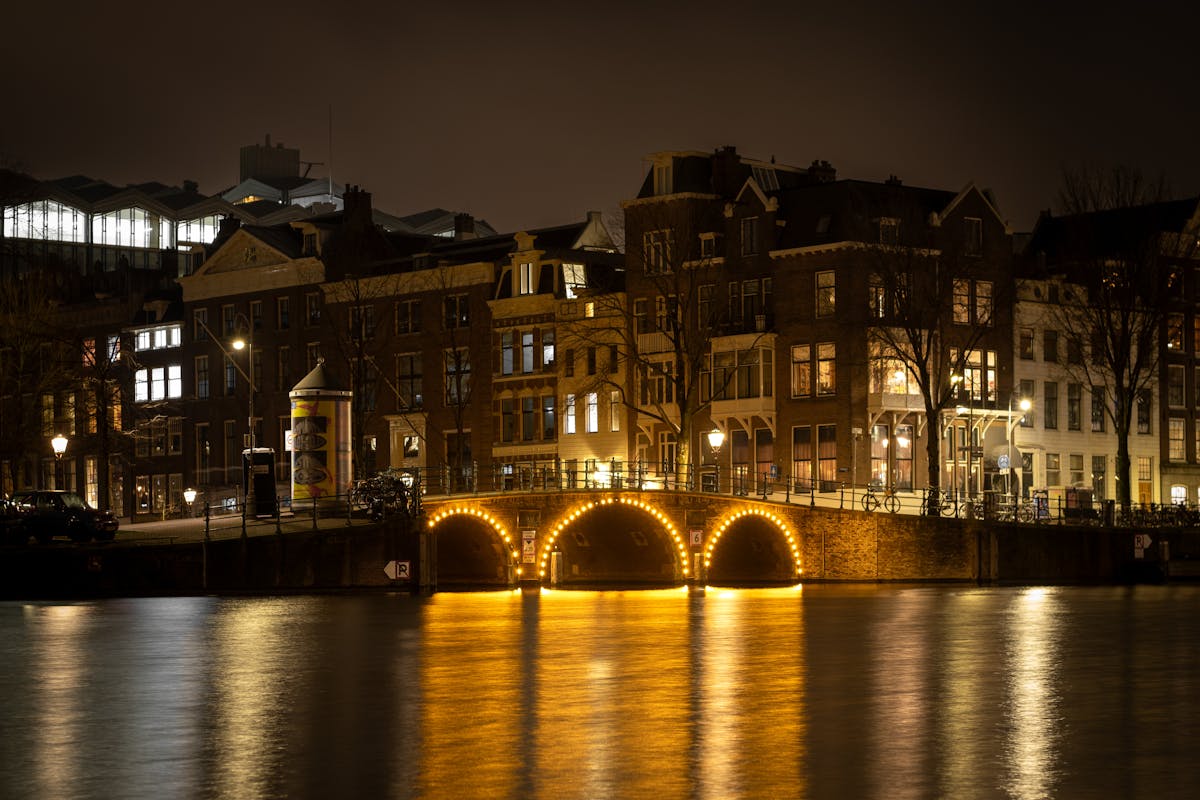
De Wallen during the day and De Wallen after dark are almost two different places. If you want to see the district in its most atmospheric state — the red neon reflected in the canals, the narrow alleys crowded with people, the full sensory experience — the night tour is the way to go.
At $28 and two hours, this one runs longer than the standard daytime tour and covers a similar route but with a different energy. The guides adapt their material to the evening context, and you see things that simply are not visible during the day. The window displays are lit, the streets are full, and the neighborhood takes on the character it is famous for.
I would suggest this for people who have already visited Amsterdam at least once, or for anyone who specifically wants the evening experience. For first-timers, the daytime tour gives you a better baseline understanding.
4. Amsterdam: 1.5-Hour Red Light District Tour — $31
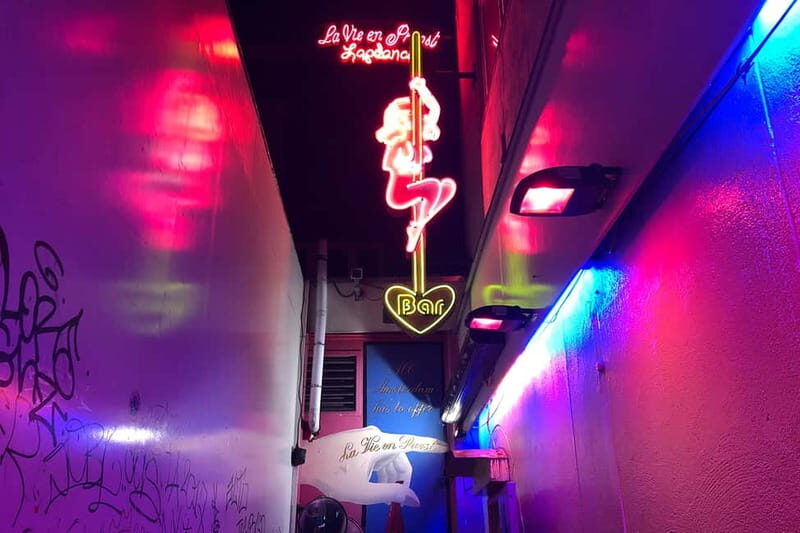
This is the small-group option. At $31, it costs a few dollars more than the others, but the trade-off is a more personal experience. Smaller groups mean you can actually have a conversation with the guide rather than just listening to a one-way monologue.
The 1.5-hour small group tour covers the same core territory — the Oude Kerk, the window district, the history and current state of sex work in the Netherlands — but with more room for questions and detours. If the guide notices the group is interested in something specific, they have the flexibility to spend more time on it.
Worth the extra few dollars if you are the type who likes asking questions and going deeper rather than just following the group.
When to Visit the Red Light District
The Red Light District does not have opening hours in the traditional sense — it is a public neighborhood, not an attraction. But timing matters a lot.
Daytime (11am – 5pm) is best for first-timers and anyone who wants to focus on the architecture and history. The Oude Kerk is open for visits, the streets are less crowded, and you can actually appreciate the medieval buildings without being jostled by stag parties. Some windows are active during the day, but the atmosphere is calmer. Most guided walking tours have afternoon departure times.
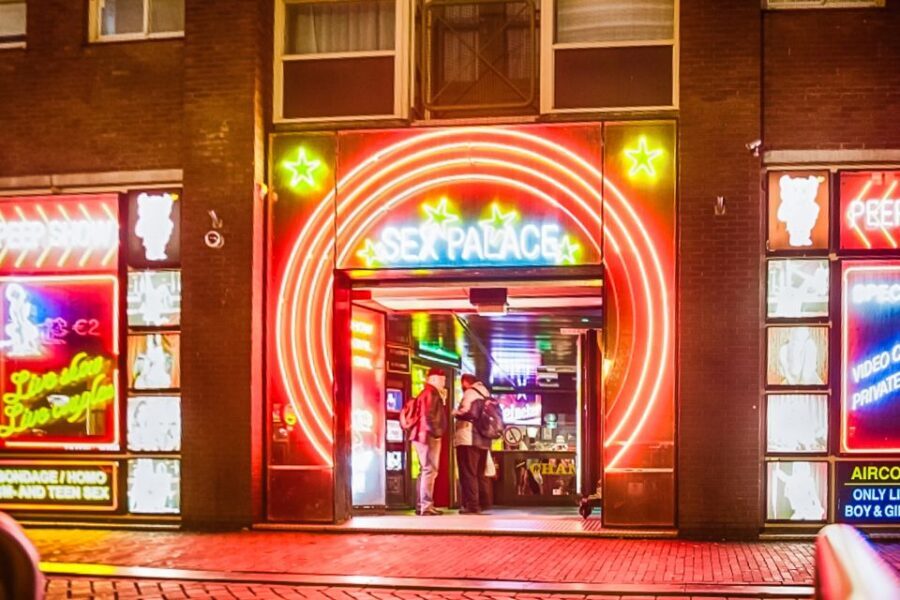
Evening (7pm – 11pm) is when De Wallen comes alive in the way most people imagine. The neon lights are on, the windows are lit, the streets are packed. This is the time for the evening tour experiences, and when the district has its most distinctive character. Friday and Saturday nights are the busiest — expect shoulder-to-shoulder crowds in the main alleys.
Late night (after midnight) is not ideal for travelers, especially those unfamiliar with the area. The crowds thin out but pickpocketing risk goes up, and the vibe shifts. I would not recommend wandering De Wallen alone after midnight if it is your first time.
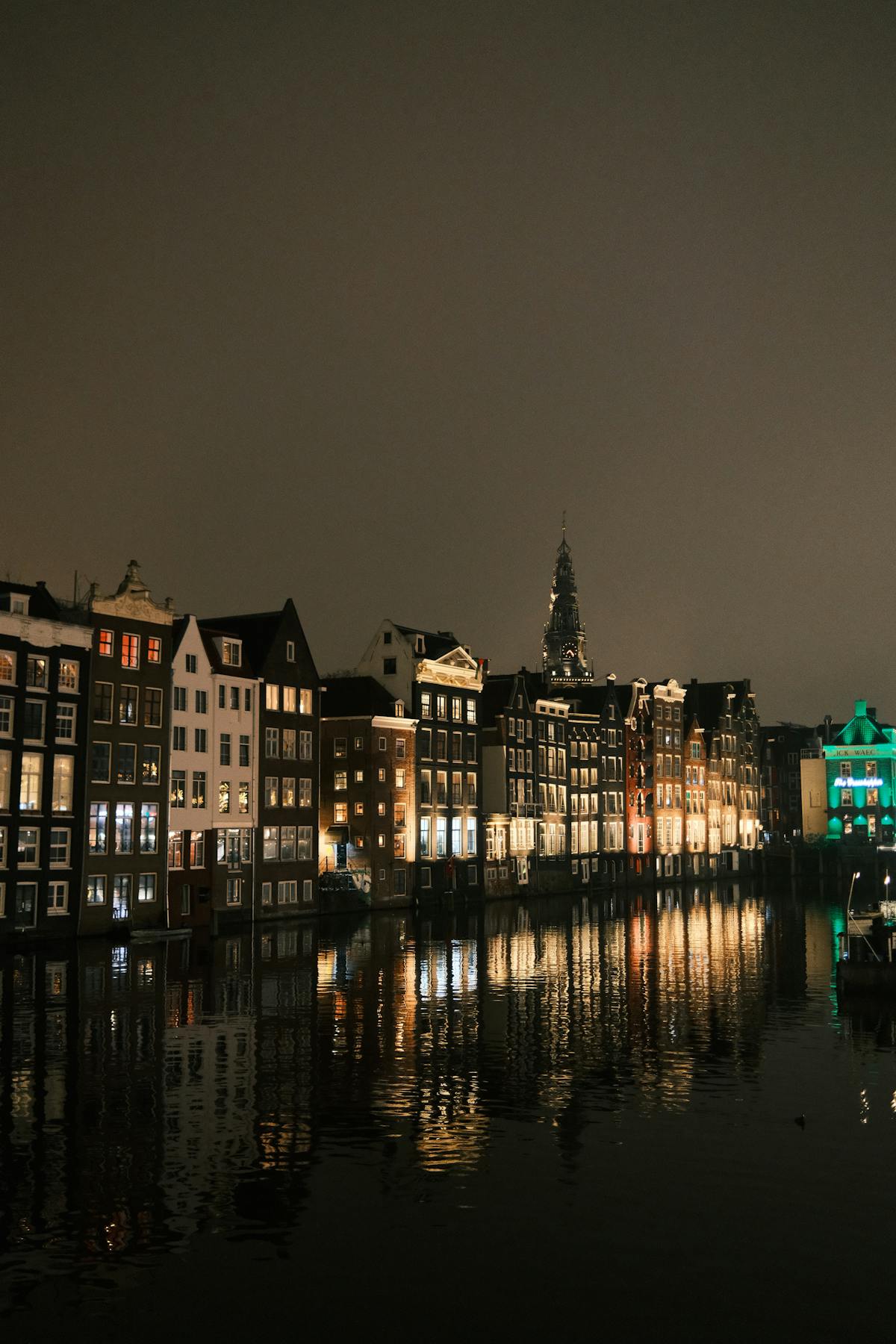
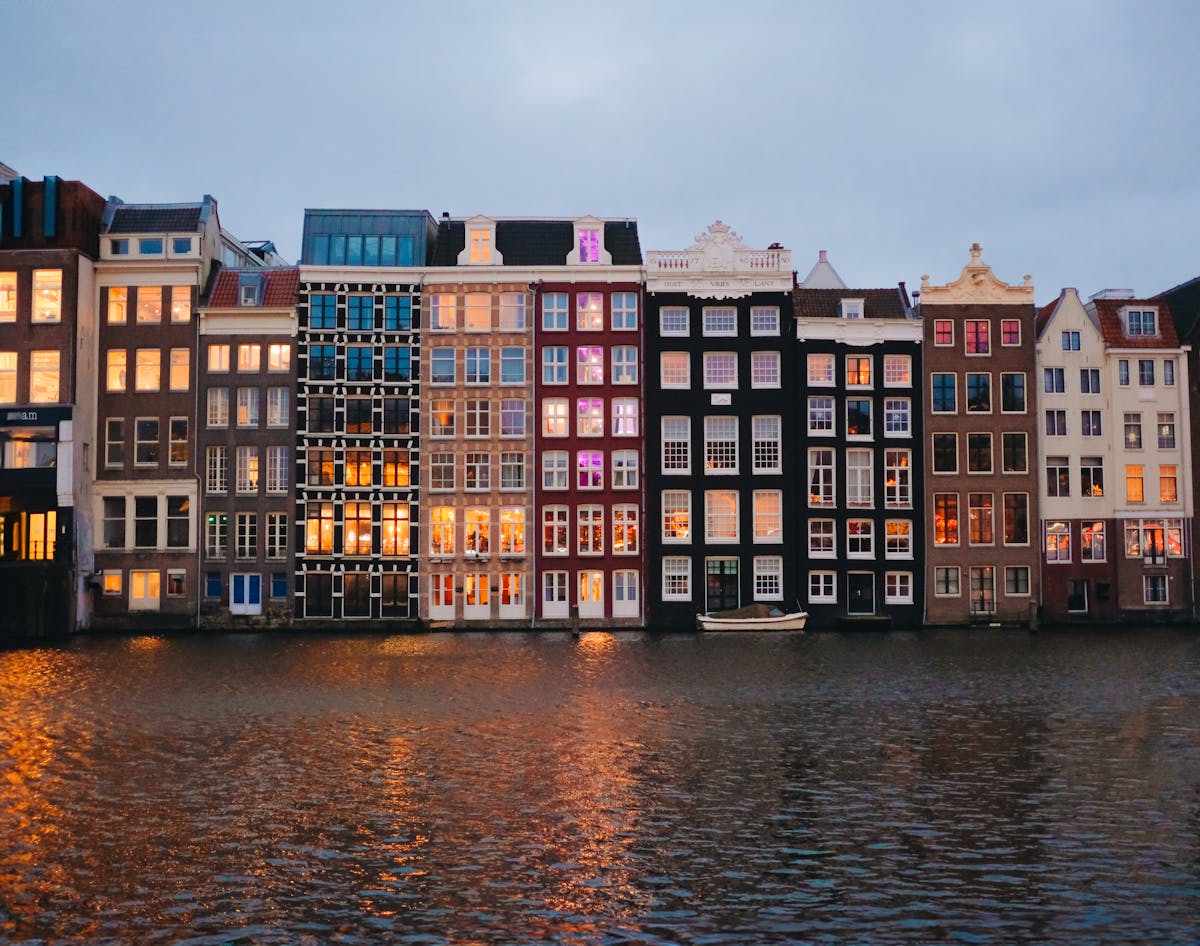
Seasonally, summer (June through August) brings the biggest crowds and the longest daylight. King’s Day (April 27) turns the entire area into a massive street party. Winter months are quieter, which can be nice for walking tours — fewer people, shorter queues at coffee shops, and the canals look atmospheric in the cold.
Tips for Visiting the Red Light District
Do not photograph the windows. This is the single most important rule. Taking photos or videos of the sex workers in their windows is strictly forbidden, and it is enforced aggressively. Workers will bang on the glass, bouncers will confront you, and in some cases, your phone or camera can be confiscated. It does not matter if you are “just taking a photo of the architecture” — if a window is in the shot, put the phone away. You can photograph the Oude Kerk, the canals, and the general streetscape, but never point a camera at the windows.
Be respectful. The people working behind the windows are doing their job. Do not tap on the glass, do not make faces, do not stand in groups pointing and staring. Treat the area like any working neighborhood, because that is what it is. Residents live in apartments above the windows. Families walk through. It is not a zoo.
Watch for pickpockets. De Wallen is one of the most pickpocketed areas in Amsterdam, especially in the narrow alleys during evening hours when the crowds are thick. Keep your phone in your front pocket, do not carry a backpack on your back, and be aware of anyone bumping into you.
The coffee shops are not cafes. A “coffee shop” in Amsterdam sells cannabis. A “cafe” sells coffee. If you walk into a coffee shop expecting an espresso, you will be confused. There is no obligation to buy anything, and you can enter just to look, but know what you are walking into.
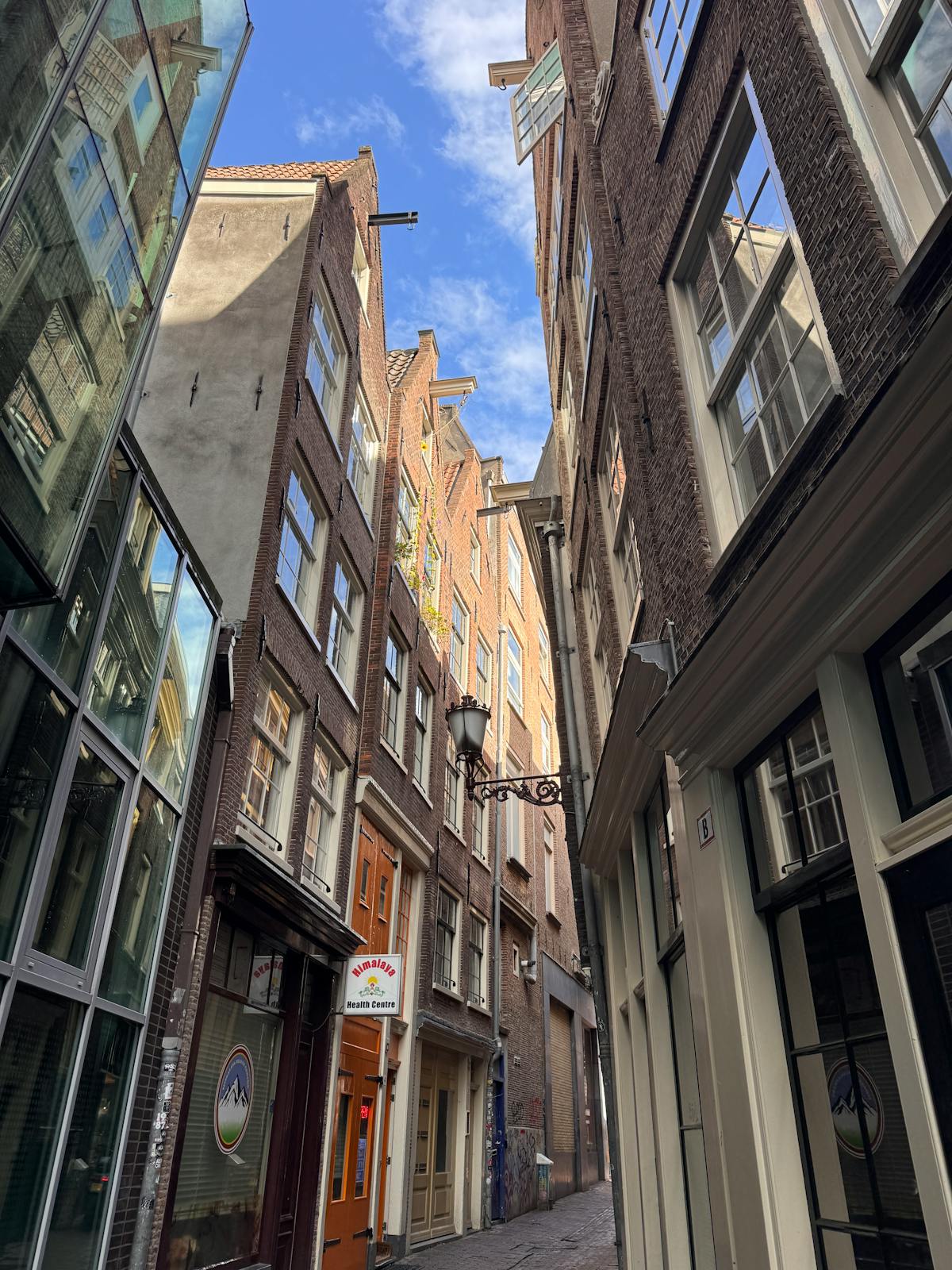
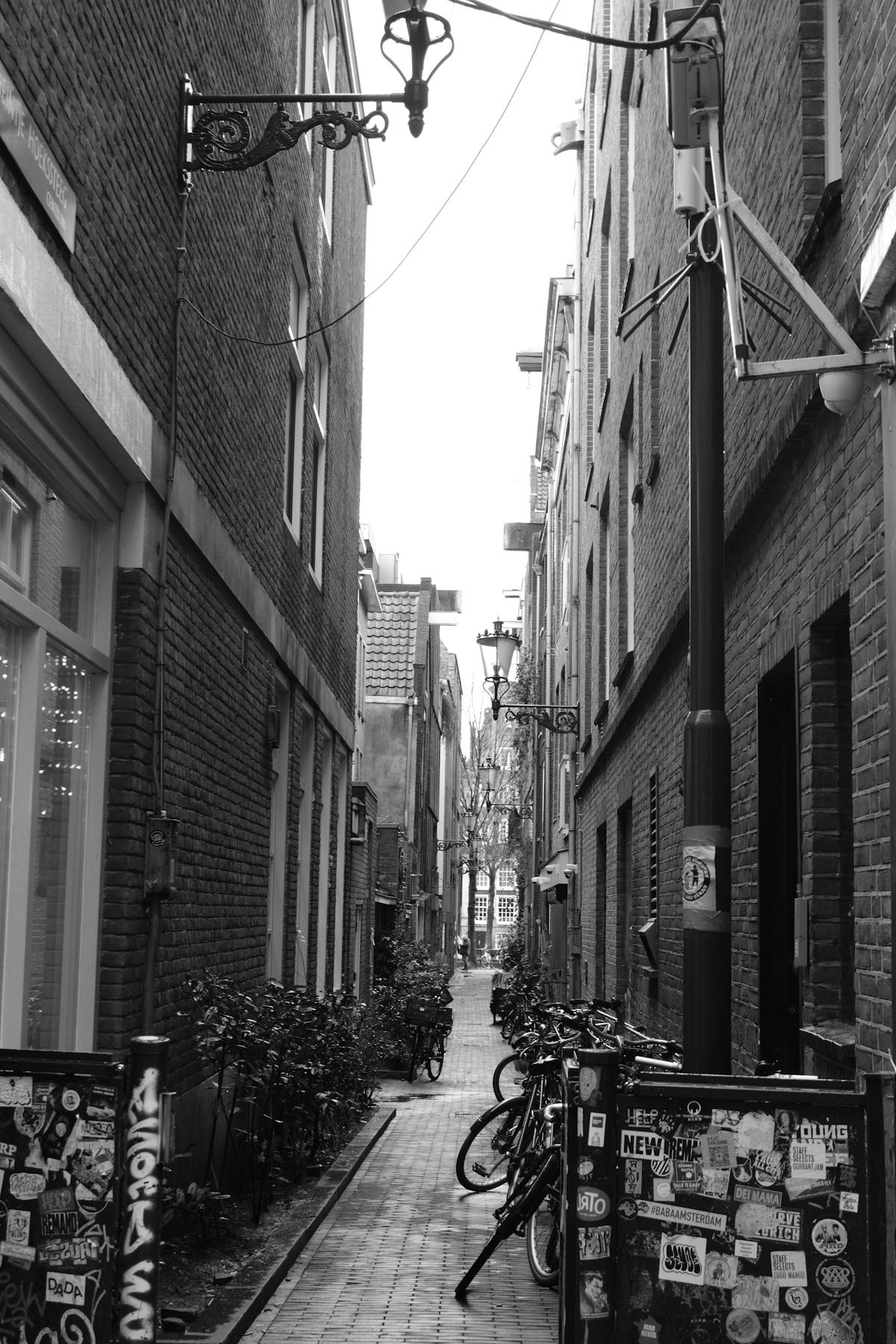
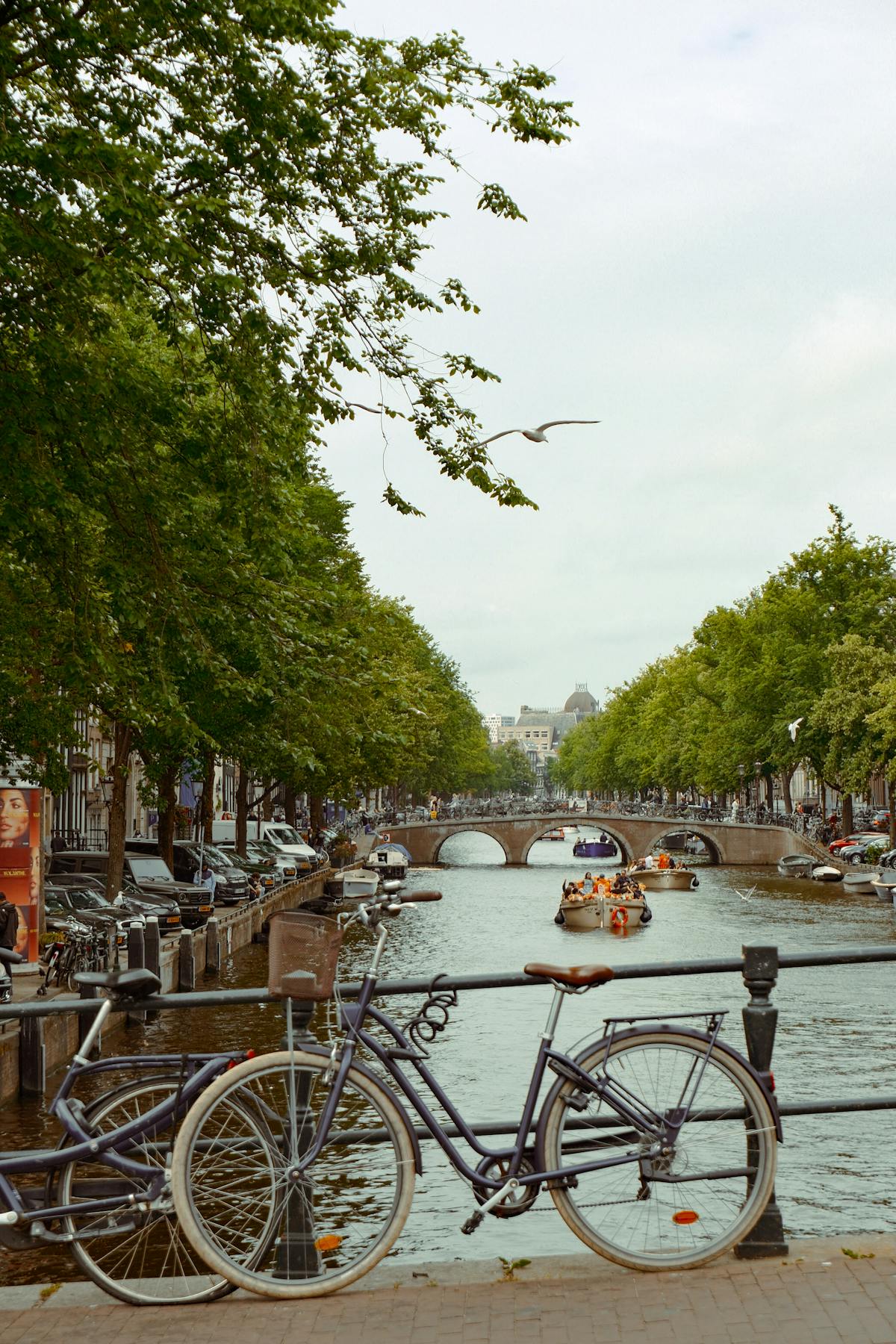
Navigation tip: De Wallen is compact but disorienting. The main window streets run roughly parallel between Oudezijds Voorburgwal and Oudezijds Achterburgwal (yes, those names are impossible). Centraal Station is a 10-minute walk north, and Dam Square is about 5 minutes south. If you get lost, head for the Oude Kerk tower — you can see it from almost anywhere in the district.
Group tour rules. The city of Amsterdam has cracked down on large tour groups in De Wallen. Groups are limited in size and banned from certain streets during peak hours. This is another reason guided tours work well — the operators know which routes are allowed when, and they keep you from accidentally walking into a restricted area with 20 people behind you.
Skip the museum unless you are genuinely curious. The Red Light Secrets museum (Museum of Prostitution) sits right in the middle of De Wallen. It is fine if you want a deeper dive into the history and daily reality of sex work, but it is small and can feel a bit touristy. The walking tours cover most of the same ground with better context.
The History Behind the District
De Wallen is not some modern tourist invention. The area has been associated with sex work since the late Middle Ages, when Amsterdam was one of Europe’s busiest port cities. Sailors arriving from long voyages created demand, and the city pragmatically decided to regulate the trade rather than drive it underground.
The window system itself evolved from the medieval practice of sex workers standing in doorways. Glass windows were introduced later as a way to display availability while maintaining some separation from the street. The red lights came even later — originally used because red light was thought to be more flattering and could hide skin imperfections.
The Oude Kerk, built in 1306, predates the sex trade in the area by about a century. But by the 1400s, the church and the surrounding window district had already established the jarring coexistence that defines the area today. The church’s graveyard includes Rembrandt’s wife Saskia van Uylenburgh, which gives you an idea of the neighborhood’s broader cultural history.
In 2000, the Netherlands fully legalized sex work and began regulating it as a profession — with labor rights, health checks, and tax obligations. The window workers are licensed and protected by law, which is a very different model from what exists in most other countries. Understanding this legal framework is what separates a good tour from a bad one.
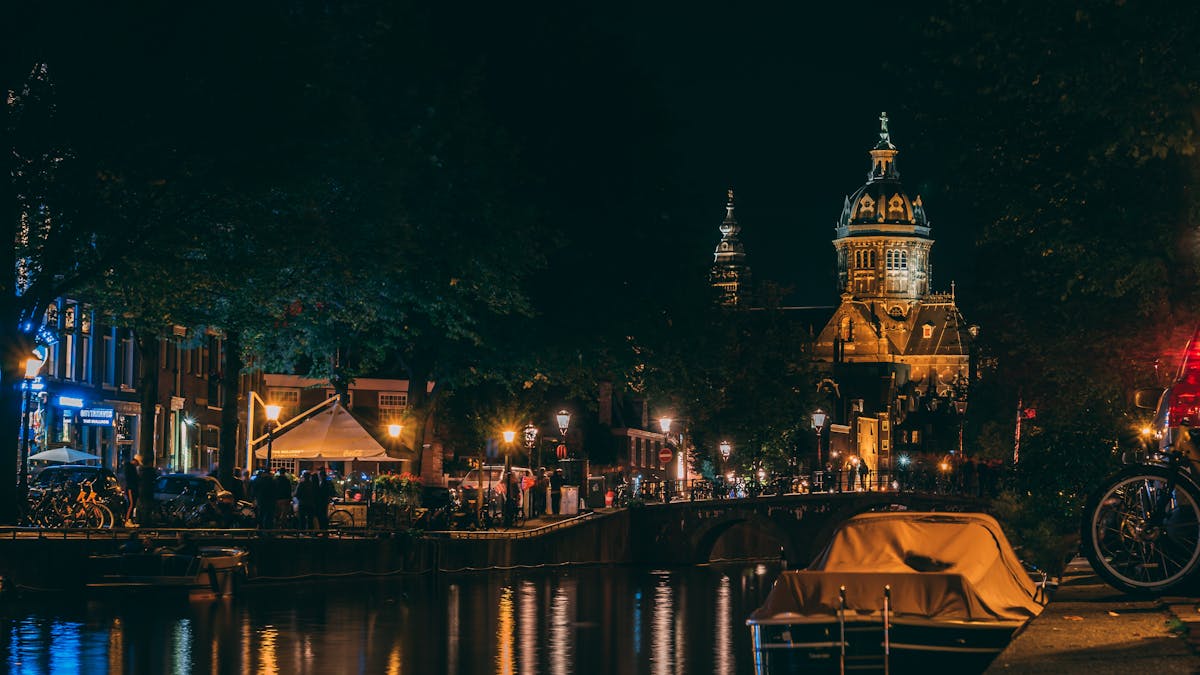
The district has been shrinking for years. “Project 1012” (named after Amsterdam’s central postal code) has been buying up window blocks and converting them into boutiques, restaurants, and art spaces since the late 2000s. About a third of the original windows have closed. The debate continues between those who see the closures as gentrification and those who see them as cleaning up trafficking and crime. A good tour guide will give you both sides.
While You Are in Amsterdam
The Red Light District sits within walking distance of several other experiences worth booking. The Amsterdam canal cruise leaves from docks about ten minutes from De Wallen, and an evening cruise after a daytime walking tour is one of the best double-headers in the city. The Van Gogh Museum is across town in Museumplein, but you can reach it by tram in about 15 minutes — worth booking tickets in advance because walk-up lines are brutal. If you are interested in Dutch history beyond De Wallen, the Heineken Experience is a fun counterpoint: same city, same Golden Age roots, very different atmosphere. And for a day outside the city, Zaanse Schans gives you the windmills and wooden shoes that are nowhere to be found in the Red Light District but round out an Amsterdam trip nicely.
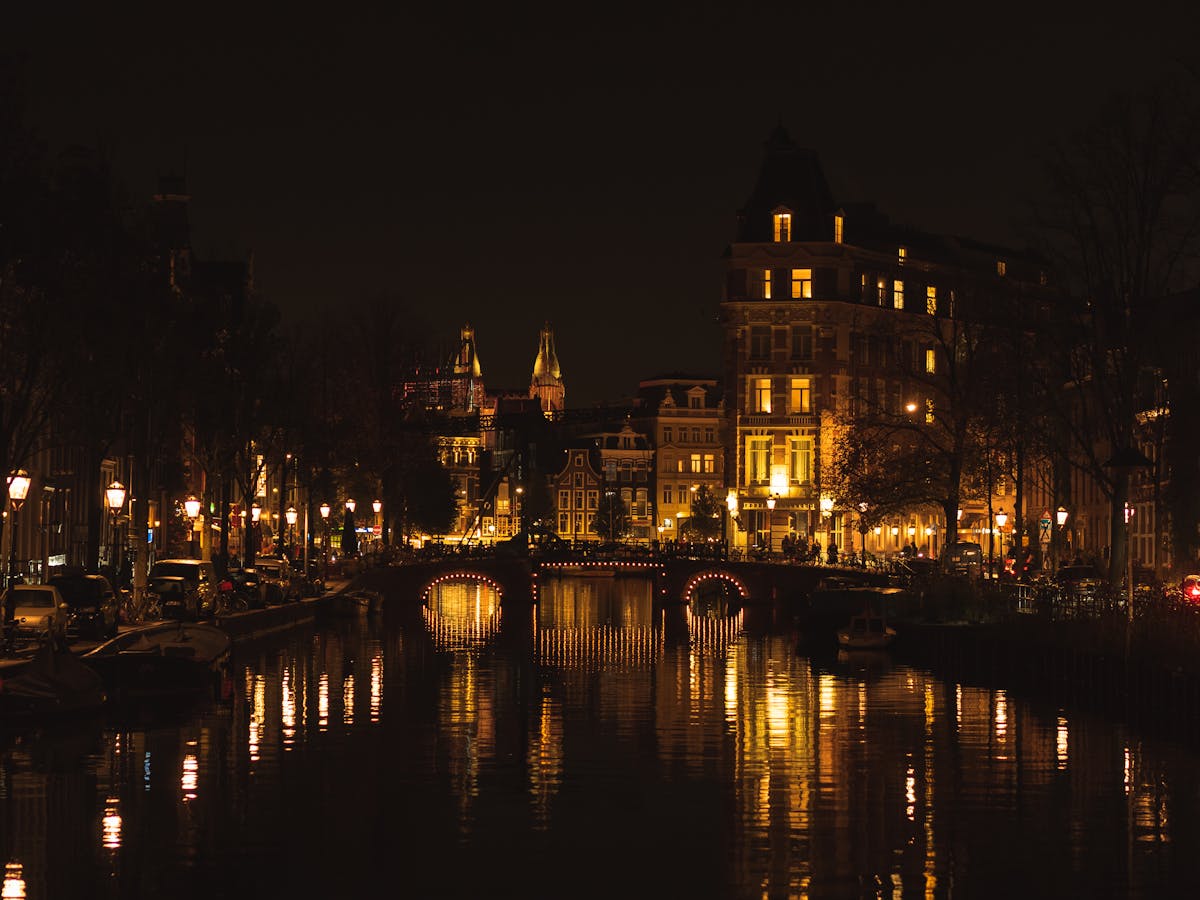
The Anne Frank House is about a 15-minute walk from De Wallen along the Prinsengracht canal. The emotional weight of that visit makes for an interesting contrast with the Red Light District — both tell stories about Amsterdam’s relationship with human rights, freedom, and tolerance, just from completely different angles. Book Anne Frank tickets months in advance; they sell out fast.
This article contains affiliate links to tour booking platforms. If you book through these links, we earn a small commission at no extra cost to you. This helps us keep writing detailed guides like this one.
The Red Light District occupies Amsterdam’s oldest neighborhood, and the streets around the Oude Kerk lead directly into several other experiences worth your time. A walking tour of the wider city center covers Dam Square, the canal ring, and the Jordaan — the Red Light District tour is really just the concentrated version of the same history. The food tours often pass through neighboring Chinatown and Nieuwmarkt, where the best street food stalls sit alongside 17th-century weigh houses.
After dark, the area transforms, and a canal cruise through the illuminated canals is one of the better follow-ups to an evening Red Light District walk. The Heineken Experience is a twenty-minute walk south and makes for a lighter, beer-focused contrast to the historical density of De Wallen.