
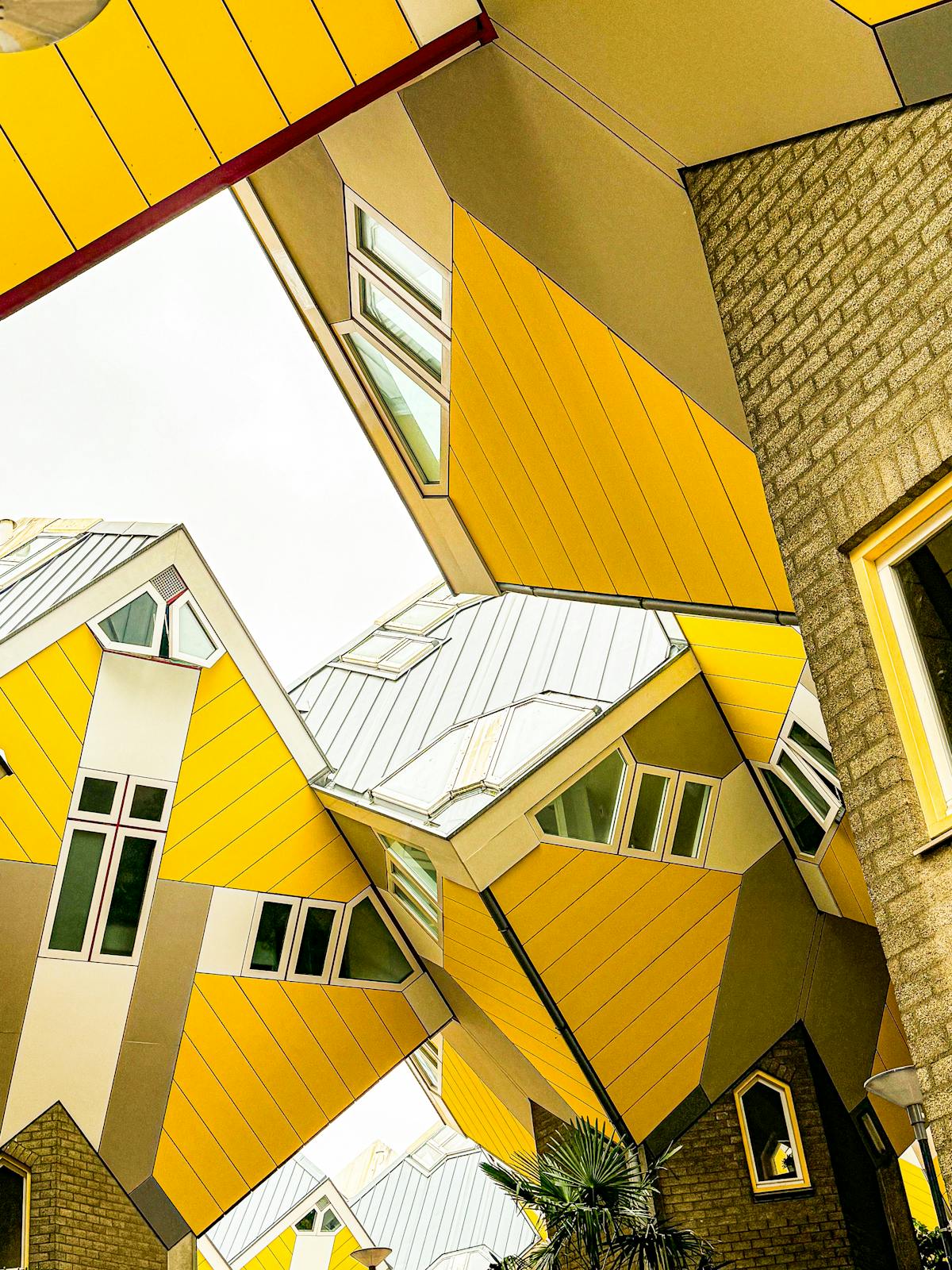
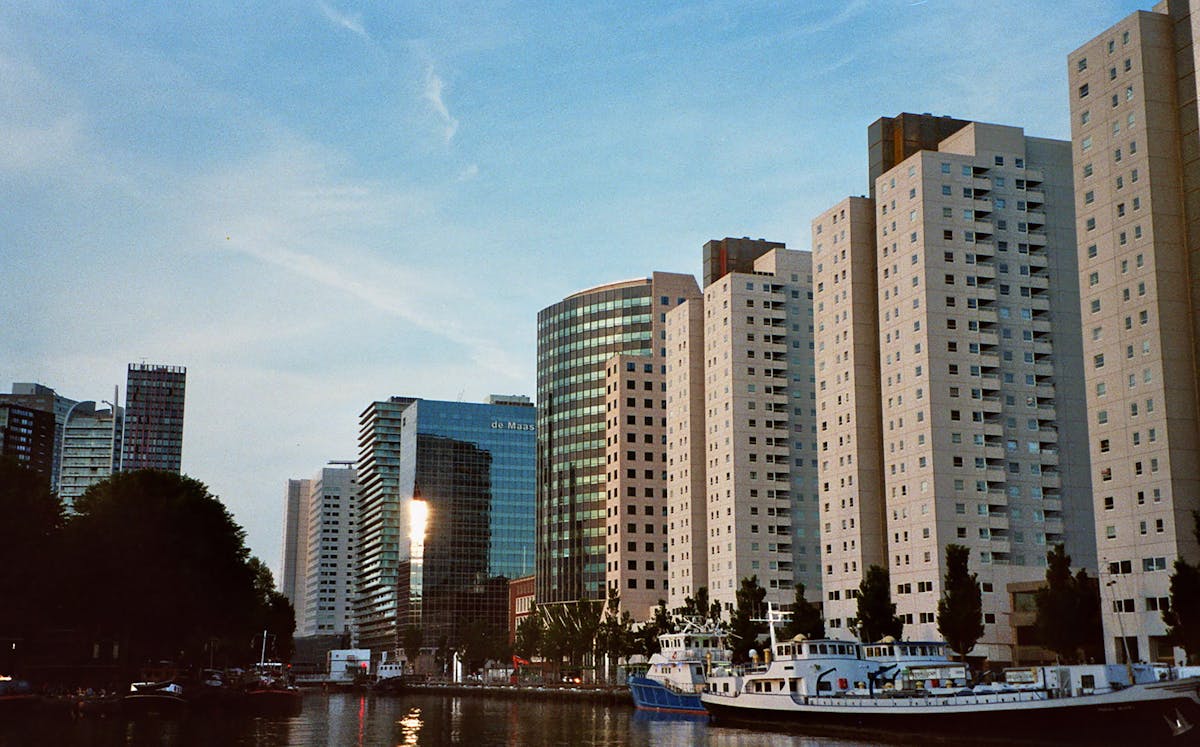
Rotterdam doesn’t look like the rest of the Netherlands. There are no gabled canal houses here, no narrow cobblestone lanes with bikes stacked three deep against every railing. The Luftwaffe flattened the old city center in 1940, and instead of rebuilding what was lost, Rotterdam built something entirely different — a skyline of glass towers, experimental architecture, and the kind of civic ambition that only makes sense when you realize this is Europe’s largest port. Forty-two kilometers of harbor, stretching from the city center all the way to the North Sea.
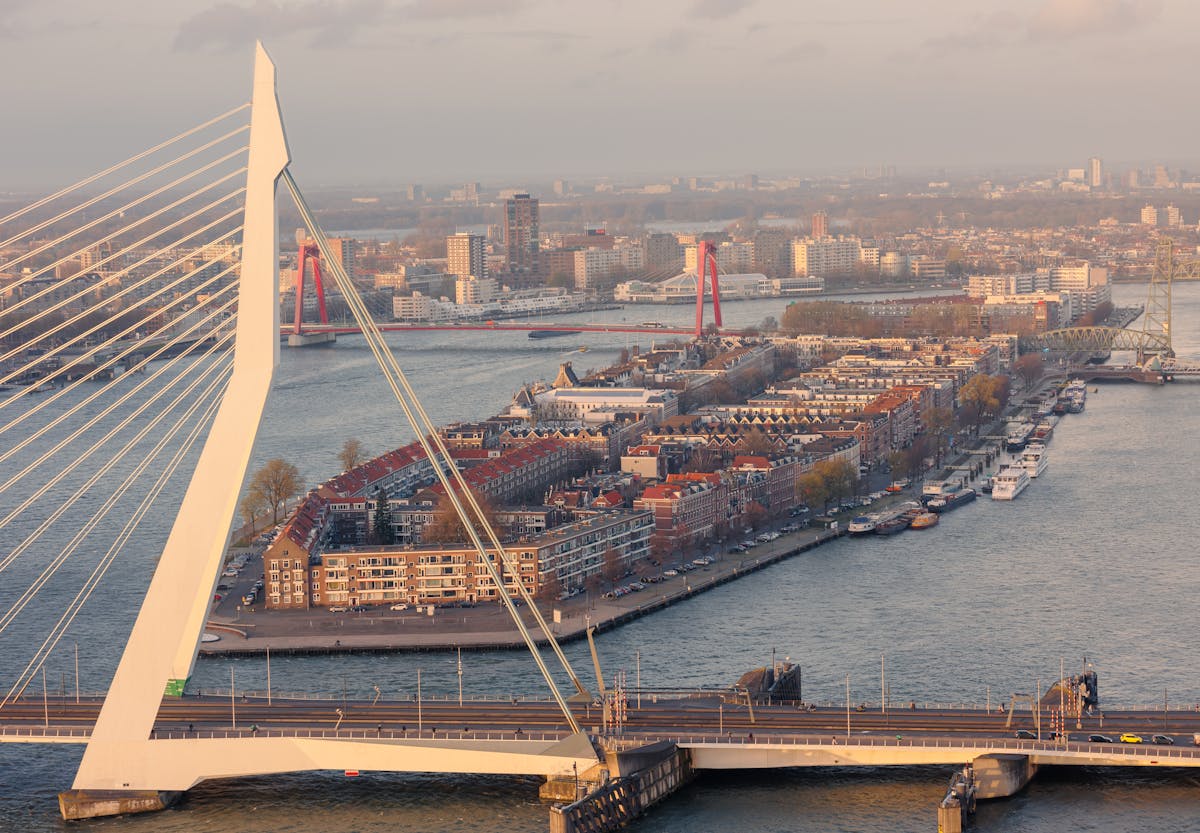
You can walk along the waterfront and admire the Erasmus Bridge, the Cube Houses, the towering cranes of Europoort in the distance. But you’re only seeing a fraction of it. The real scale of Rotterdam’s harbor — the container terminals, the grain elevators, the drydocks where ships the size of apartment blocks get repaired — only reveals itself from the water. That’s what a harbor cruise is for.
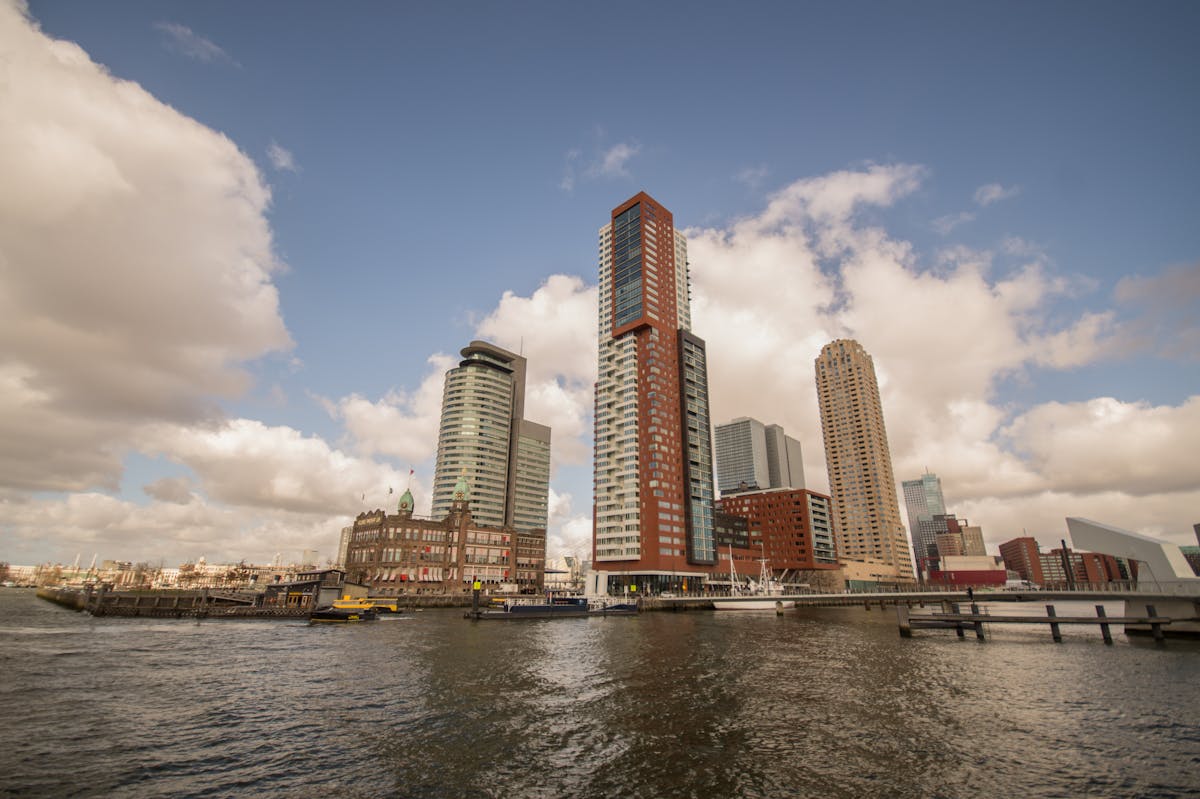
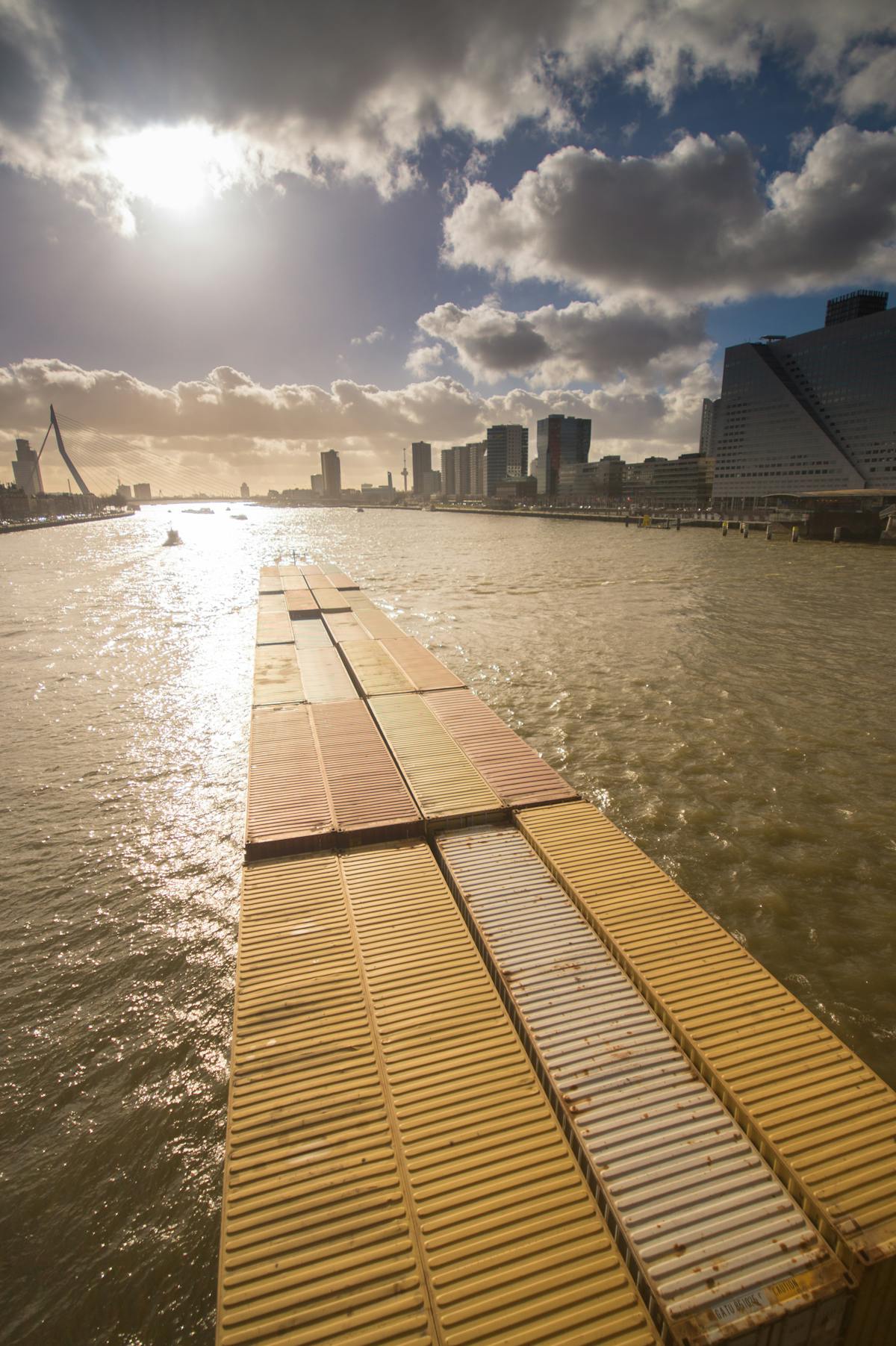
Most cruises run 75 minutes, cost between $14 and $31, and depart from the Erasmusbrug area or the Leuvehaven (the old harbor near the Maritime Museum). You’ll sail under the Erasmus Bridge, past the Hotel New York (once the headquarters of the Holland America Line, where thousands of emigrants boarded ships to New York), through working port areas where tugboats and barges are actively moving cargo. The commentary — whether live or audio — tends to be heavy on port logistics, shipping history, and engineering feats, because that’s what Rotterdam is about.
In a Hurry?
- Best overall: Harbor Sightseeing Cruise — 75 minutes, $22, the classic Spido-style loop through the port. The one most people should book.
- Best on a budget: Harbor Cruise with Live Guide — same 75-minute route, live narration instead of audio, and only $14.
- Best for something different: Pancake Cruise — eat Dutch pancakes while sailing the harbor. Kids love it. Adults pretend they’re only doing it for the kids.
What You’ll Actually See on a Rotterdam Harbor Cruise
The route varies slightly between operators, but most cruises cover the same core stretch of the Maas River and adjacent harbor basins. Here’s what to expect:
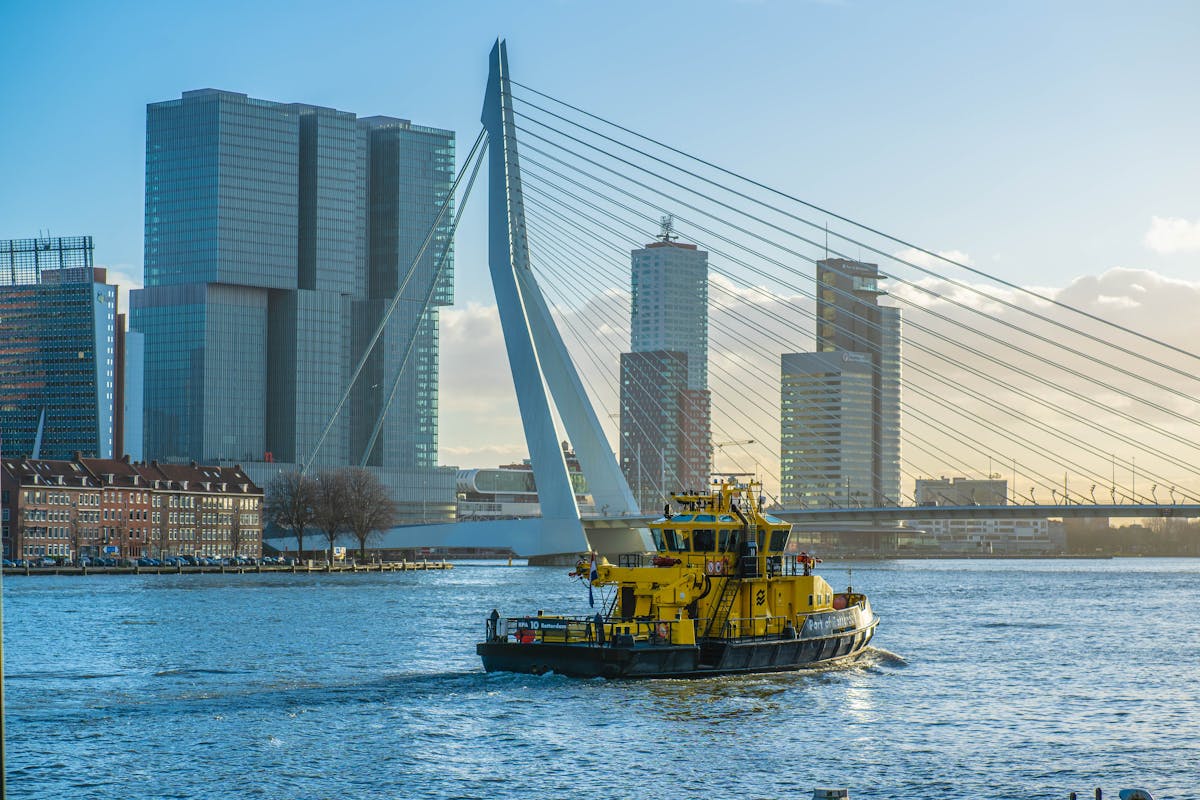
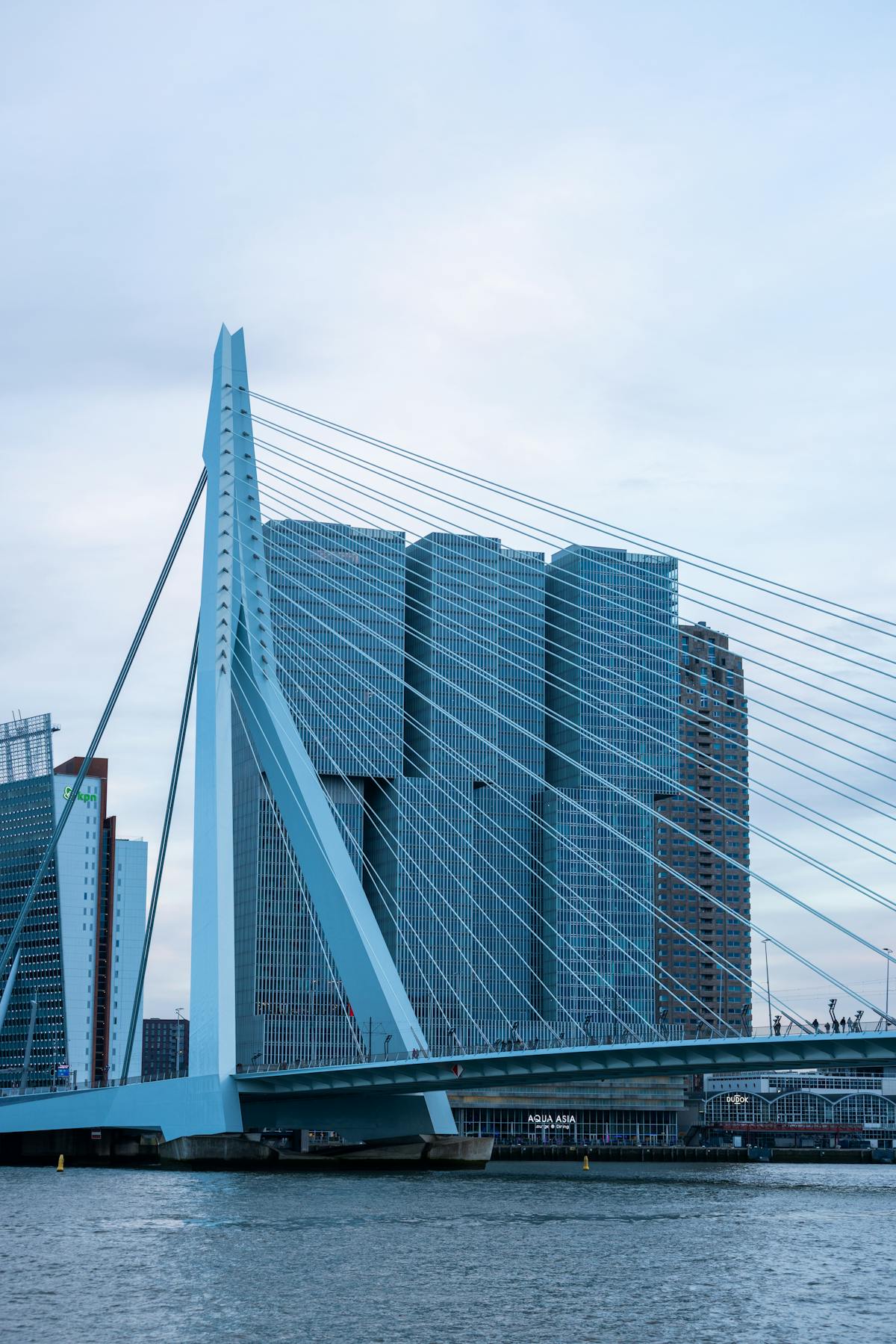
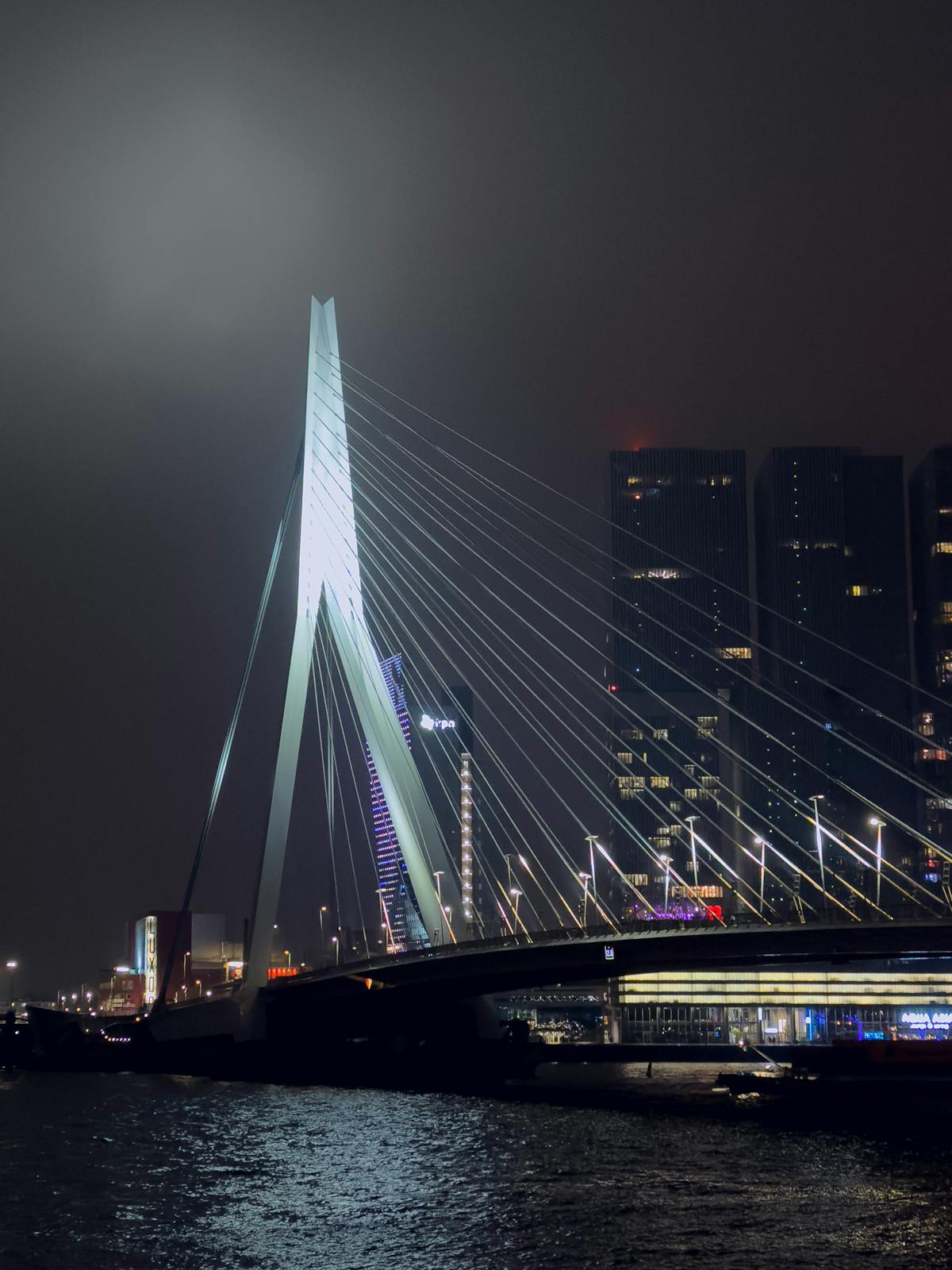
The Erasmus Bridge: Every cruise sails under it (or right past it). The 800-meter cable-stayed bridge was completed in 1996 and immediately became the symbol of modern Rotterdam. The locals call it “The Swan” because of its asymmetric pylon. From below, looking straight up through the cable web, you understand why.
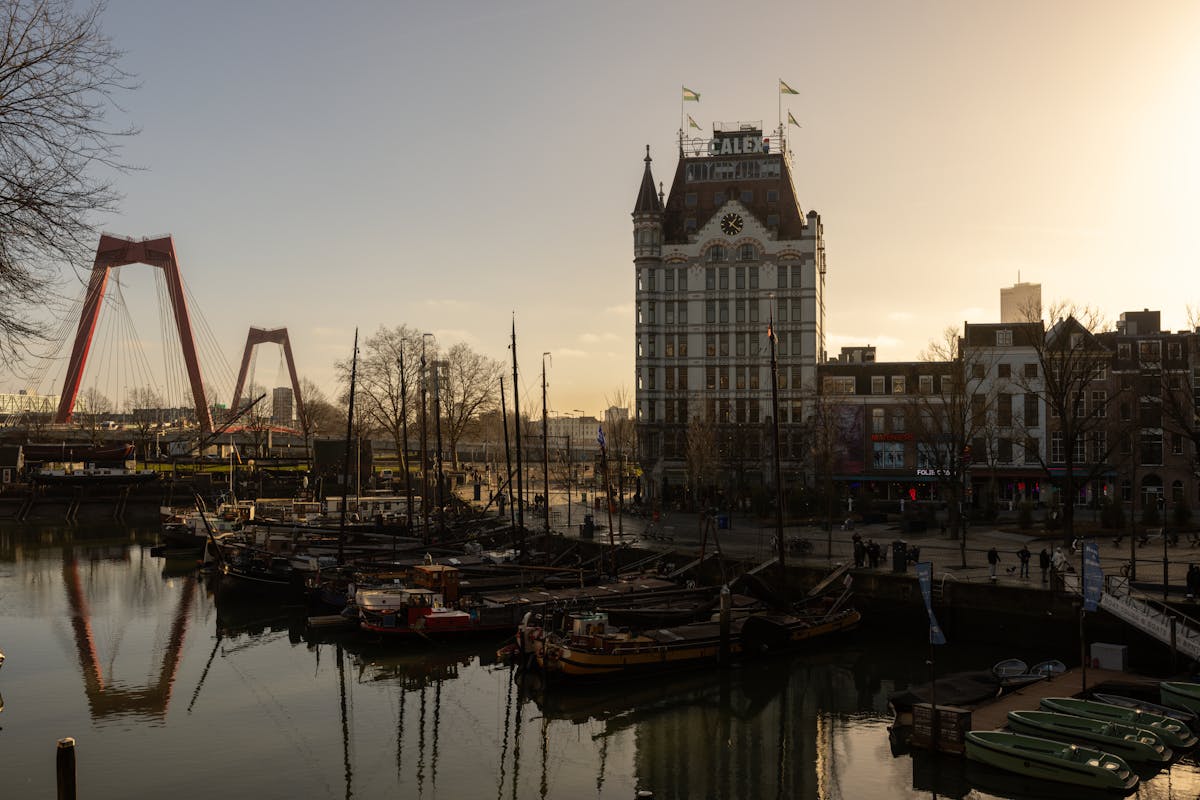
Hotel New York and the Wilhelmina Pier: The former Holland America Line building is now a hotel and restaurant, but the departure hall where over a million people left for America is still intact. The guide will mention this, and it genuinely is one of those moments where history becomes tangible.
The Euromast: Visible from the river, the 185-meter observation tower gives you context for how flat everything else is. Some cruises get close enough for a decent photo.
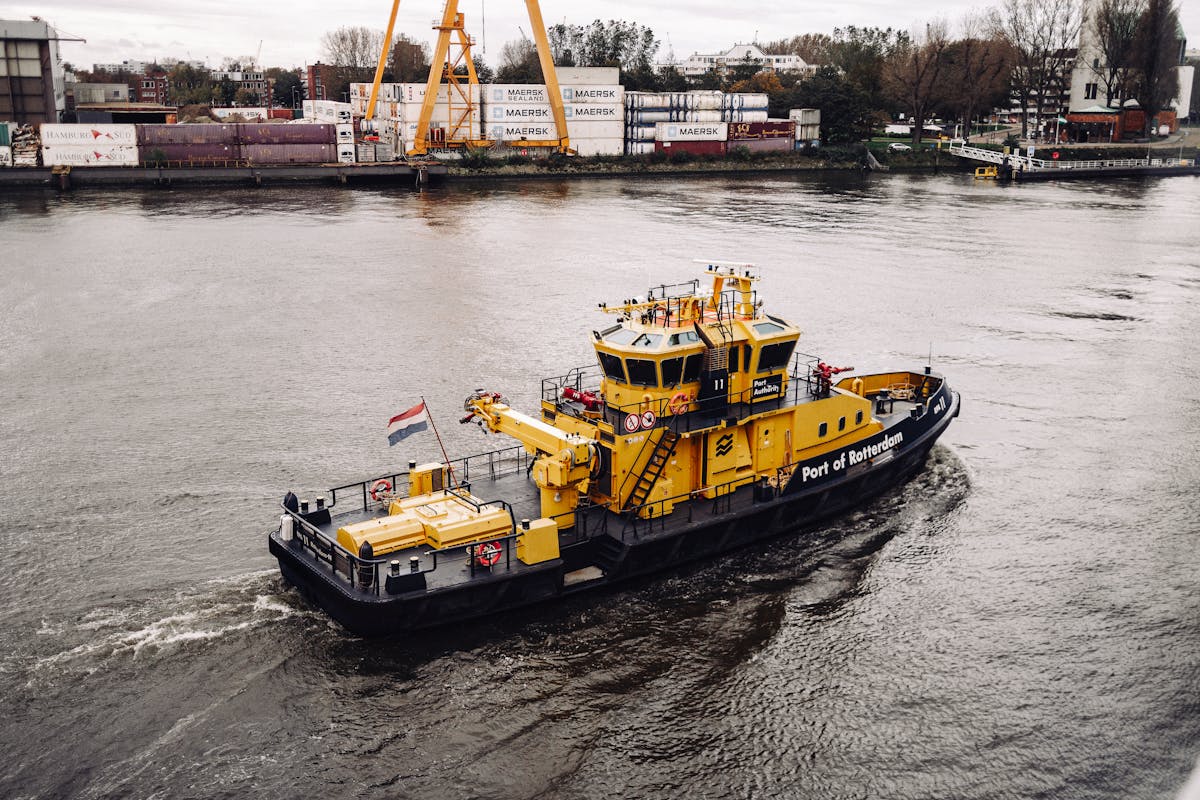
The Working Port: This is where it gets interesting. Depending on the route, you’ll pass container terminals, grain silos, shipyards, and drydocks. The sheer scale of the machinery — cranes that can lift 1,000 tons, ships longer than three football fields — is hard to comprehend until you’re sitting in a small boat next to them.
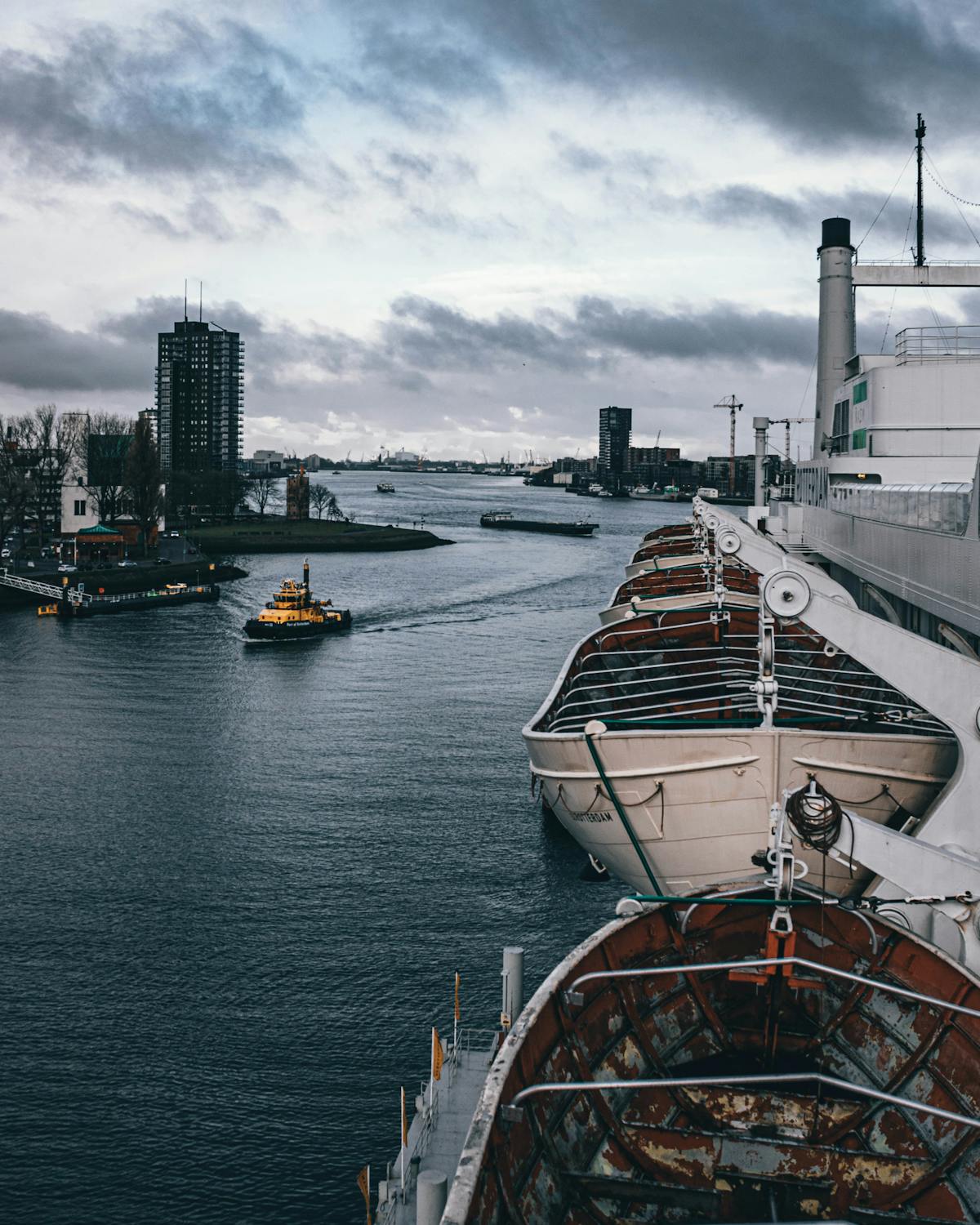
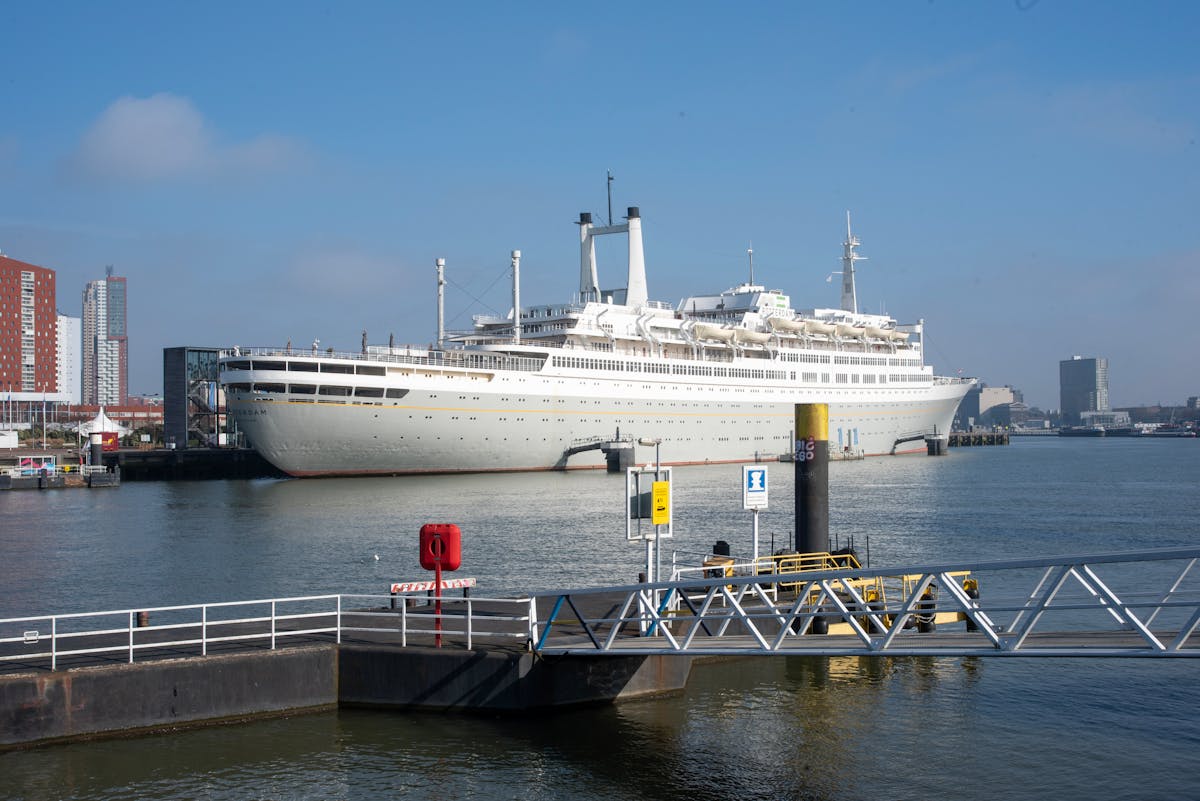
The SS Rotterdam: The former flagship of the Holland America Line, now permanently moored as a hotel and museum. It’s an Art Deco beauty, and cruises that pass it tend to slow down so you can appreciate the full 228-meter length of her.
Best Rotterdam Harbor Cruises to Book
I’ve picked four options that cover the main approaches — standard sightseeing, budget-friendly, food-inclusive, and historic vessel. Each links to a full review with booking details and visitor feedback.
1. Harbor Sightseeing Cruise
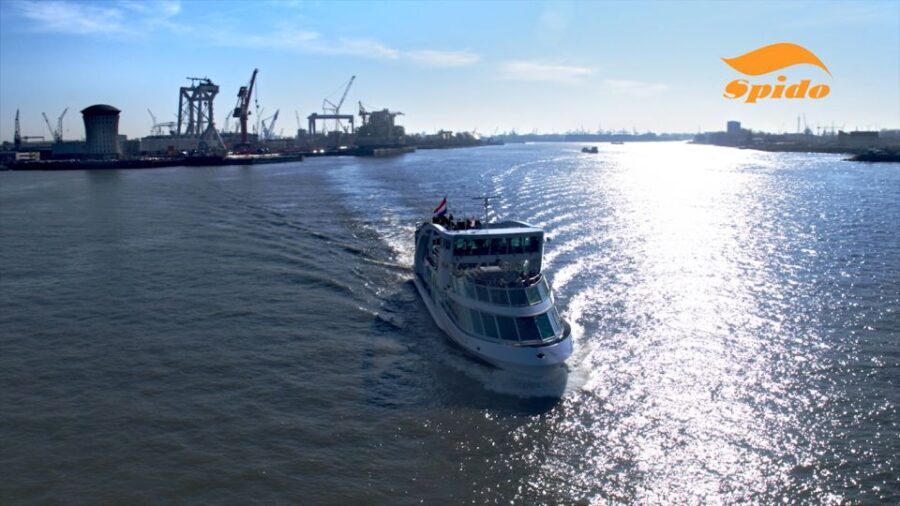
Duration: 75 minutes | Price: From $22 per person
This is the standard Rotterdam harbor cruise — the one Spido has been running in various forms since 1919. You board a modern enclosed vessel near the Erasmus Bridge and sail through the Maas River harbor, past Hotel New York, under the bridges, and into the working port areas. Audio commentary comes in multiple languages and covers the port’s history, the architecture, and the engineering behind what you’re seeing. The boats have large panoramic windows and an open upper deck for when the weather cooperates. It’s efficient, comprehensive, and extremely well-reviewed. If you’re visiting Rotterdam for the first time and want to understand why this city matters to global trade, this is the cruise to take.
Read full review and book this cruise
2. Harbor Cruise with Live Guide
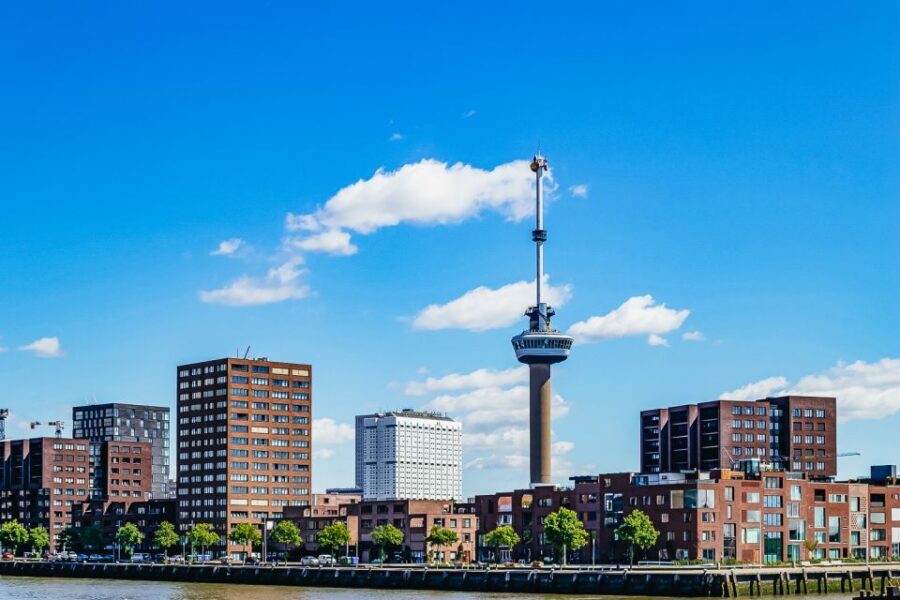
Duration: 75 minutes | Price: From $14 per person
Same harbor, same 75-minute route, but with a live guide instead of recorded audio — and at $14, it’s the cheapest way to get on the water in Rotterdam. The live narration makes a real difference. The guide can answer questions, adjust the commentary based on what’s actually happening in the port that day (a particularly impressive ship in drydock, unusual cargo operations), and throw in the kind of local anecdotes that pre-recorded audio never includes. The trade-off is that the narration is typically in Dutch and English only, sometimes German. If you need another language, stick with the audio cruise above. But if English or Dutch works for you and you want the best value? This one.
Read full review and book this cruise
3. Pancake Cruise
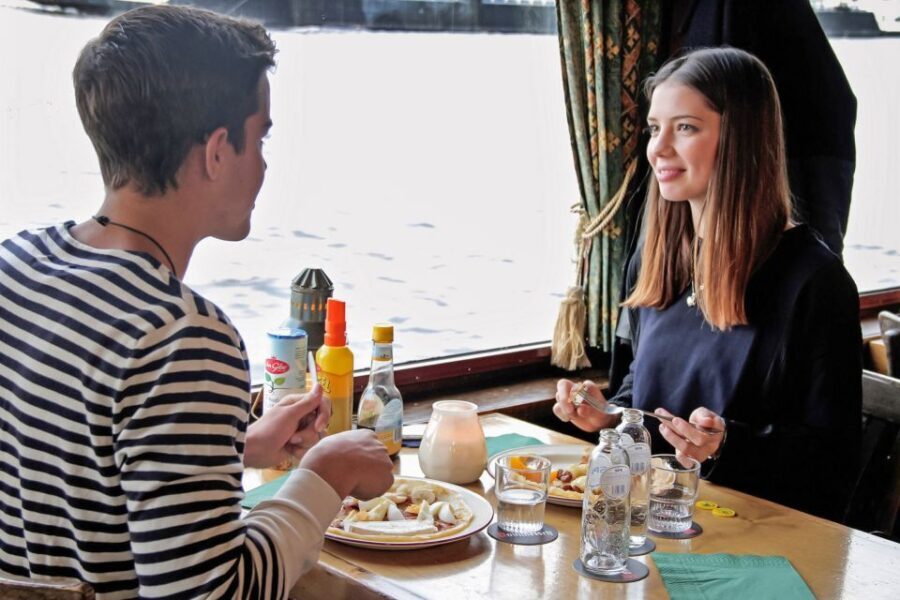
Duration: 75 minutes | Price: From $31 per person
The concept sounds gimmicky until you’re actually on the boat, eating freshly made Dutch pancakes while sailing past container ships. Rotterdam’s Pannenkoekenboot (pancake boat) has been running for years and the formula works: unlimited pancakes with various toppings, drinks, and a harbor cruise combined into one experience. The pancakes are made on board and they keep coming until you wave the white flag. Kids go absolutely wild for it, but plenty of adults book it without any children as an excuse. The boat covers a similar route to the sightseeing cruises, though the commentary takes a back seat to the eating. The $31 price tag includes the food, which makes it reasonable when you factor in that it’s essentially lunch and a harbor tour in one.
Read full review and book this cruise
4. Harbor Cruise on a Historic Ship
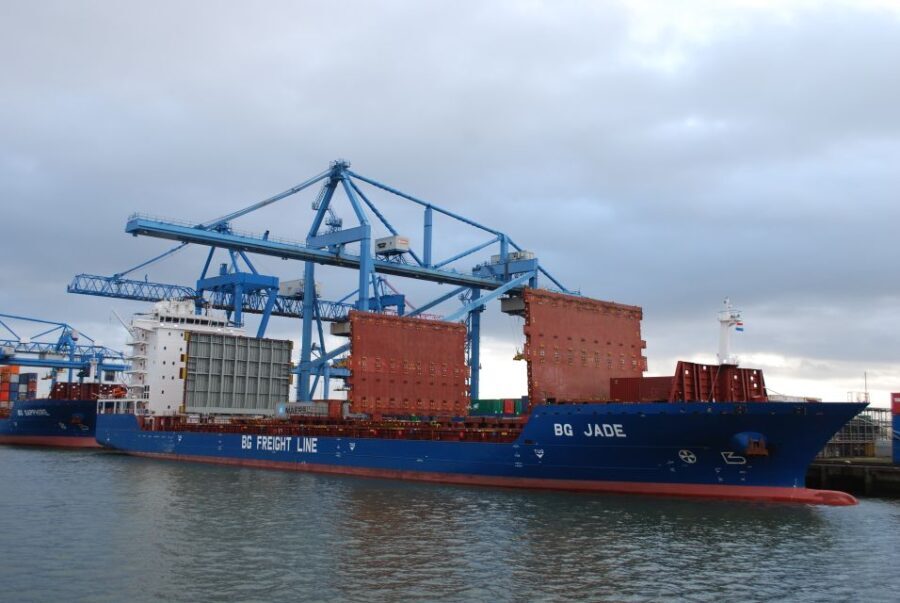
Duration: Approx. 2 hours | Price: From $20 per person
For the same price as the standard sightseeing cruise, this one puts you on a restored historic vessel instead of a modern boat. The experience is fundamentally different — you’re on a wooden deck, closer to the waterline, feeling the engine vibrations through the planks. The cruise runs longer (roughly two hours versus 75 minutes), which means you cover more of the harbor and have time to properly take in the port’s industrial landscape. The commentary tends to lean harder into Rotterdam’s maritime heritage, connecting the ship you’re standing on to the port’s past. This is the cruise for people who find modern tour boats a bit sterile and want something with character. The downside: departures are less frequent than the big operators, so check the schedule and book ahead.
Read full review and book this cruise
When to Take a Rotterdam Harbor Cruise
Spring and Summer (April-September): The best months for it. Longer daylight, calmer waters, and you can actually enjoy the open upper decks. Summer evenings are particularly good — the light over the Maas River turns golden around 8pm and the port activity is still in full swing. Weekday mornings tend to be quieter than weekends if you want to avoid families and tour groups.
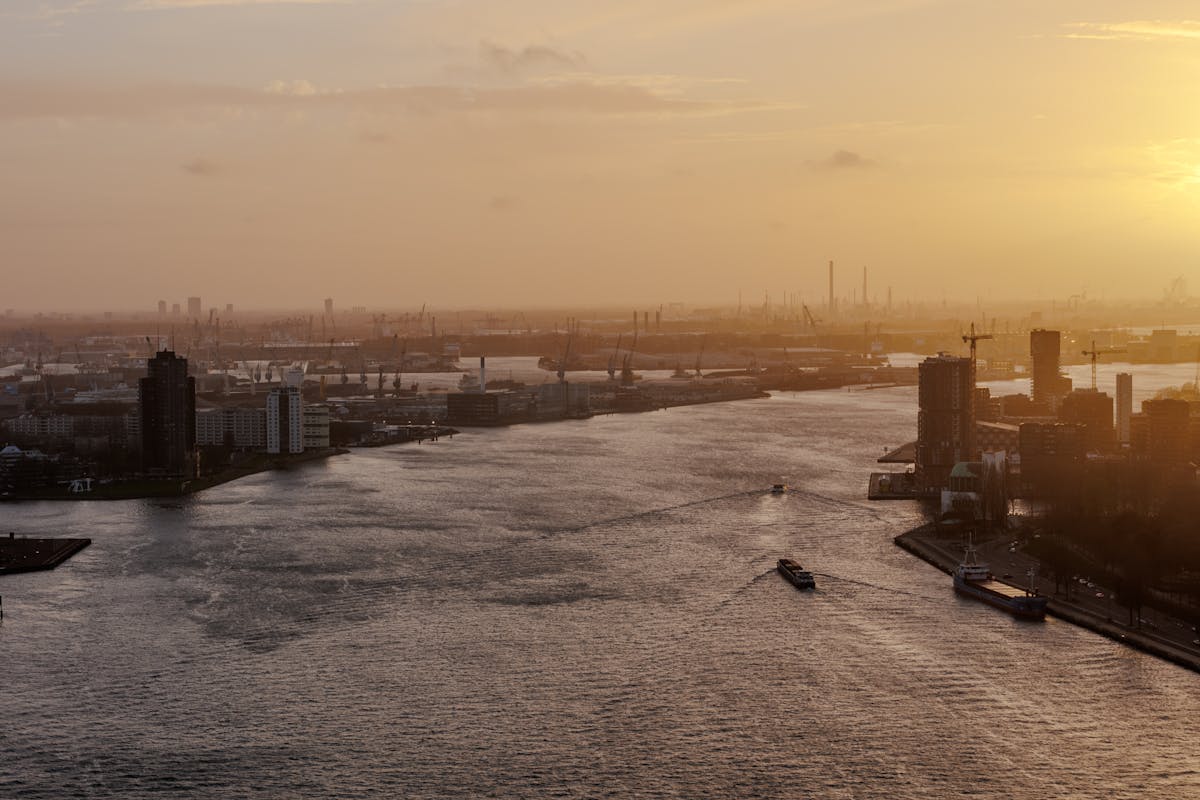
Autumn (October-November): Fewer travelers, moody skies that actually make the port look more dramatic, and lower prices on some operators. The downside is rain, which Rotterdam gets plenty of. Enclosed boats handle it fine; the historic ship experience is less enjoyable when you’re getting wet.
Winter (December-March): Cold, short days, and some operators reduce their schedules. But the port never stops — if anything, seeing container ships moving through fog and mist makes the whole operation feel more impressive. Dress warm and book the enclosed sightseeing cruise.
Practical Tips for Your Cruise
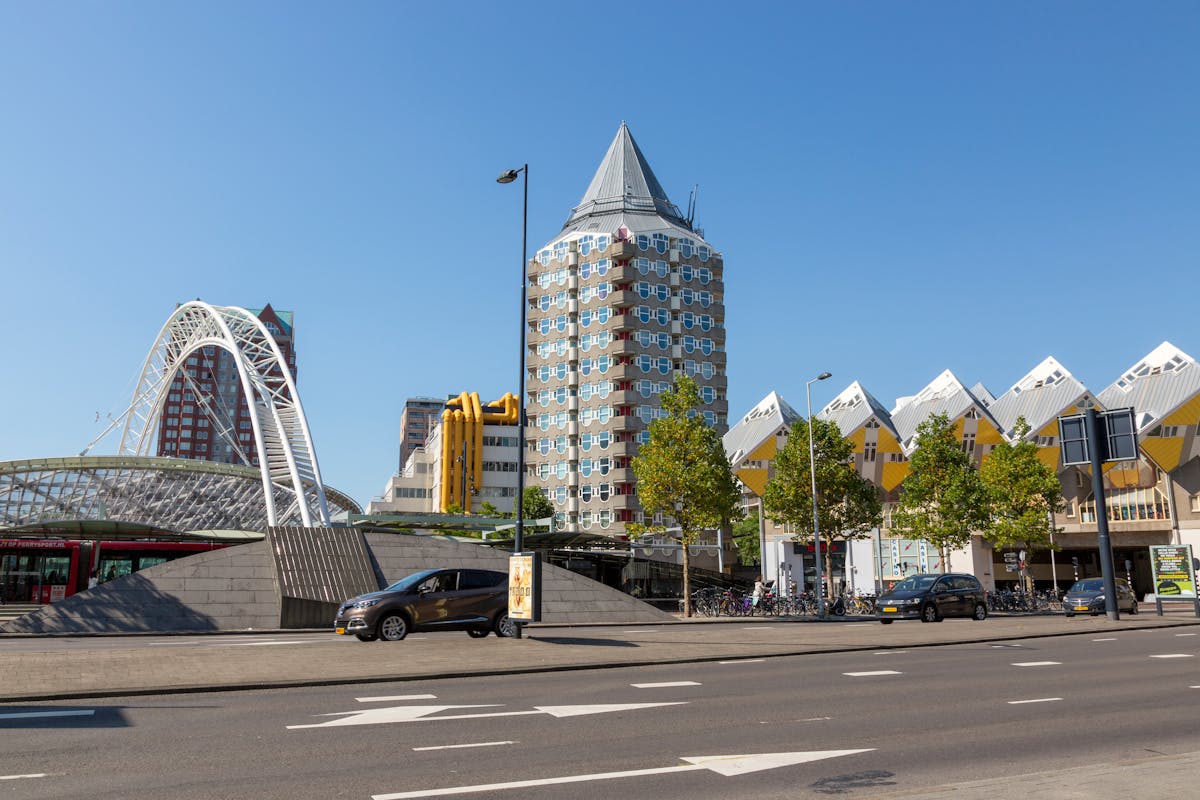
Where cruises depart: Most leave from the Erasmusbrug area or the Leuvehaven (near the Maritime Museum and Cube Houses). Both spots are well-connected by tram and metro. If you’re walking from Rotterdam Centraal Station, it’s about 15 minutes south.
Booking in advance vs. walk-ups: The standard sightseeing cruises run frequently enough that you can usually walk up and get on the next departure. But the pancake cruise and historic ship have limited capacity and fewer departures — book those at least a day ahead, especially on weekends and during school holidays.
What to bring: A camera with a decent zoom (the port details are far away), layers (it’s always cooler on the water than on shore), and sunscreen in summer. The Maas River reflects UV light aggressively and people underestimate how quickly they burn on an open deck.
Combine it with: The Maritime Museum is steps from the Leuvehaven departure point and pairs perfectly with a harbor cruise — see the models and history first, then go out and see the real thing. The Cube Houses, Markthal (the covered food market), and the Oude Haven (old harbor) are all within a five-minute walk. You could easily fill a full morning or afternoon in this part of the city.
Rotterdam’s harbor is the kind of place that rewards patience and perspective. From the street, it’s impressive. From the water, it’s something else entirely — a working city within the city, where ships from every continent dock, unload, and disappear back into the North Sea shipping lanes. The architecture above the waterline gets all the attention (the Cube Houses, De Rotterdam, the Markthal), but the real engineering achievement is the harbor itself, and you need a boat to properly see it. Seventy-five minutes and twenty-two dollars is a small price for understanding why Rotterdam calls itself the Gateway to Europe — and actually means it.
Rotterdam’s harbor cruises show a completely different side of the Netherlands than anything you will find in Amsterdam. The port is the largest in Europe, and the industrial scale of container ships and crane forests makes Amsterdam’s canal boats look like toys. If you are based in Amsterdam and doing Rotterdam as a day trip, the Amsterdam canal cruises offer a useful contrast — Golden Age merchant houses versus modernist skyscrapers, both seen from the water. The Amsterdam hop-on hop-off bus can help you cover the city efficiently before or after the Rotterdam train, and the This Is Holland 5D flight includes aerial views of Rotterdam’s skyline alongside Dutch windmills and tulip fields.