
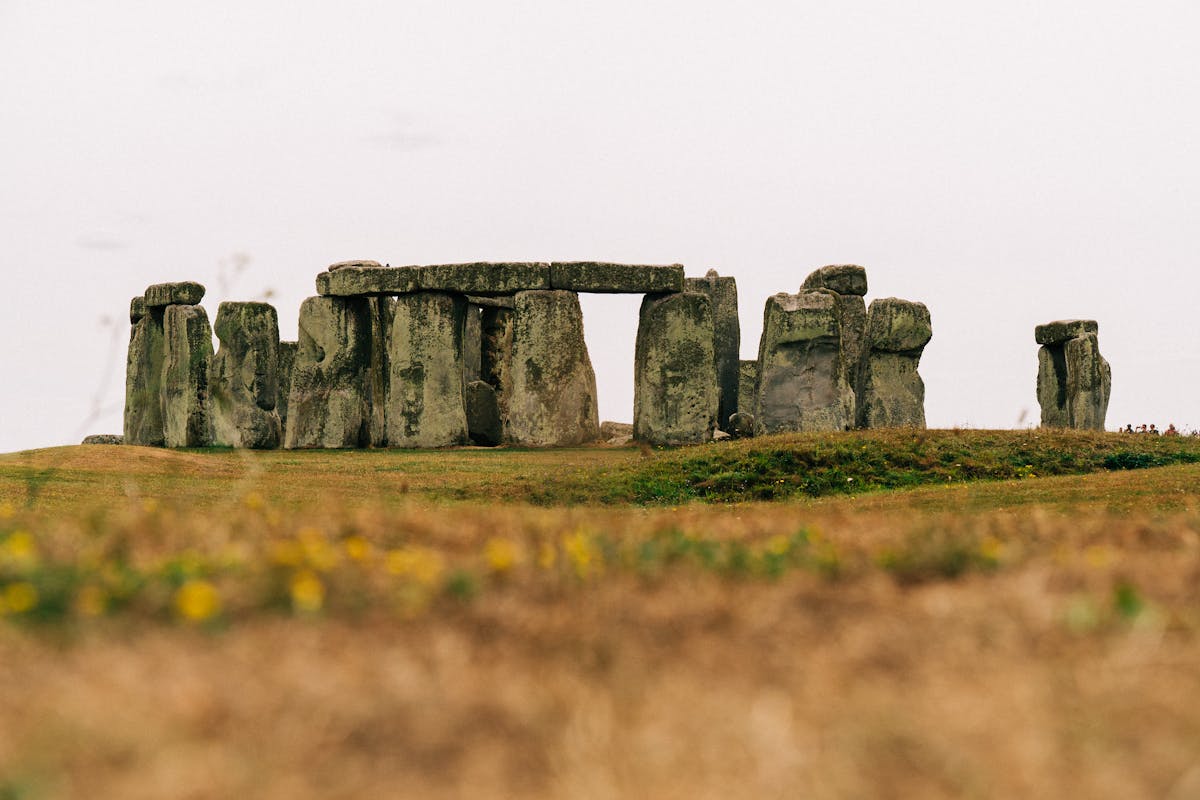
The Heel Stone weighs about 35 tonnes. It has been sitting in the same spot on Salisbury Plain for roughly 5,000 years, and we still don’t know — not really, not with certainty — why someone dragged it there. Or the 80-odd bluestones that came from the Preseli Hills in Wales, 150 miles away. Before wheels. Before metal tools. Before writing.
That mystery is what makes Stonehenge worth the two-hour drive from London. It’s not the biggest monument you’ll ever see. It’s not the prettiest. But standing there on that windswept plain, looking at stones that Neolithic people positioned to align with the solstice sunrise, something clicks. You stop thinking about Instagram angles and start thinking about what kind of civilization builds something like this.
I’ve done this trip three different ways now — self-guided with just an admission ticket, as part of a half-day tour, and on one of those full-day combo trips that bundles in Bath and Windsor Castle. Each has its place, and I’ll break down exactly which one makes sense for you.
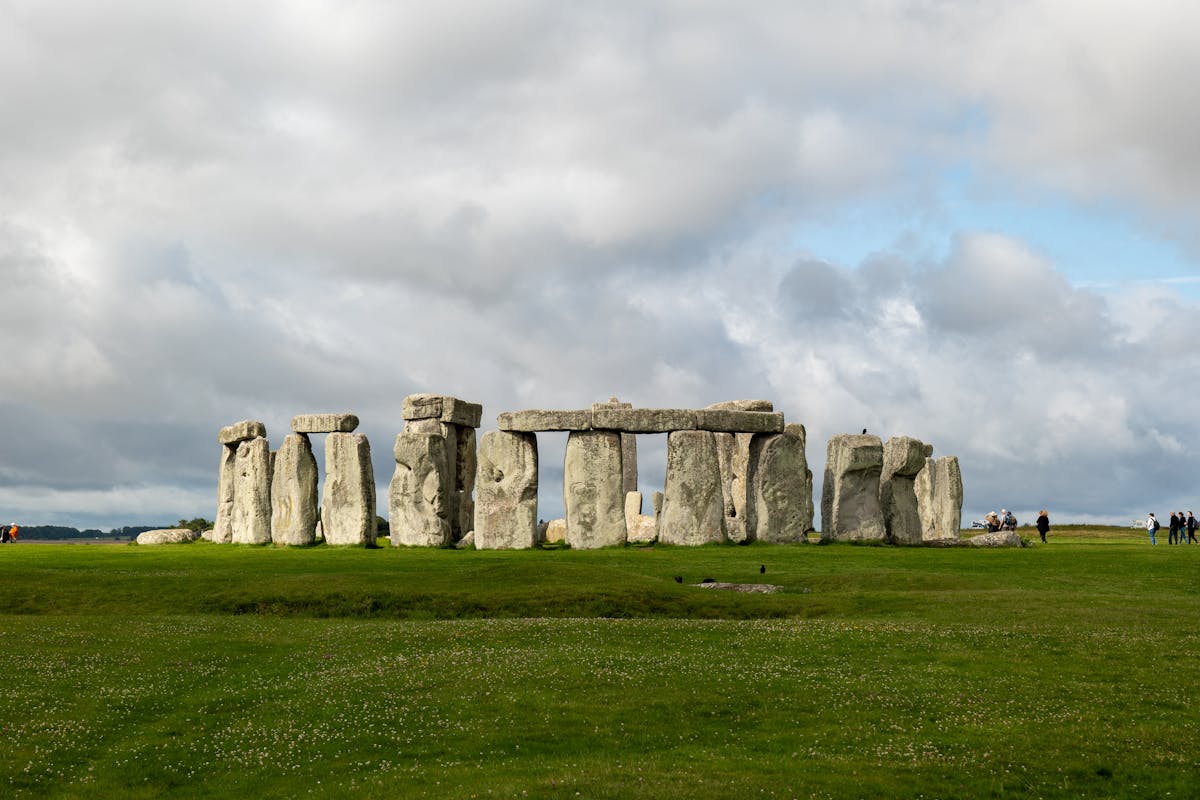
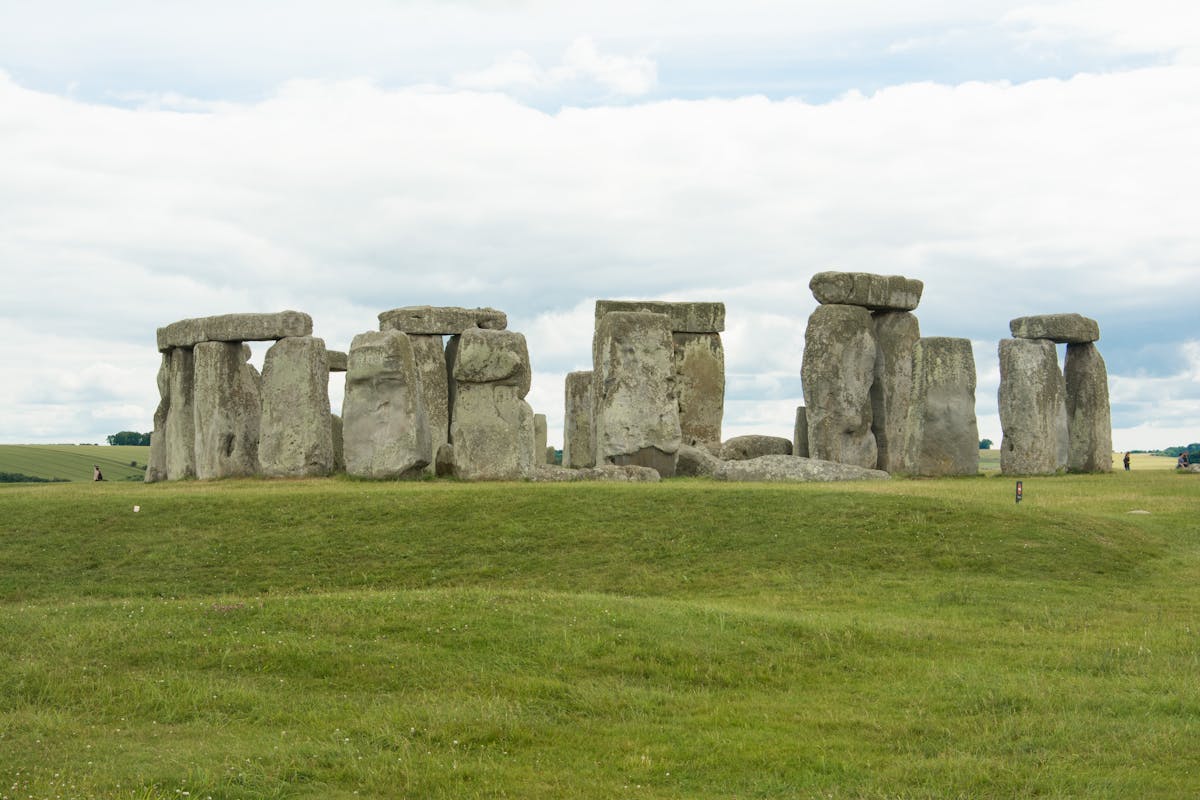
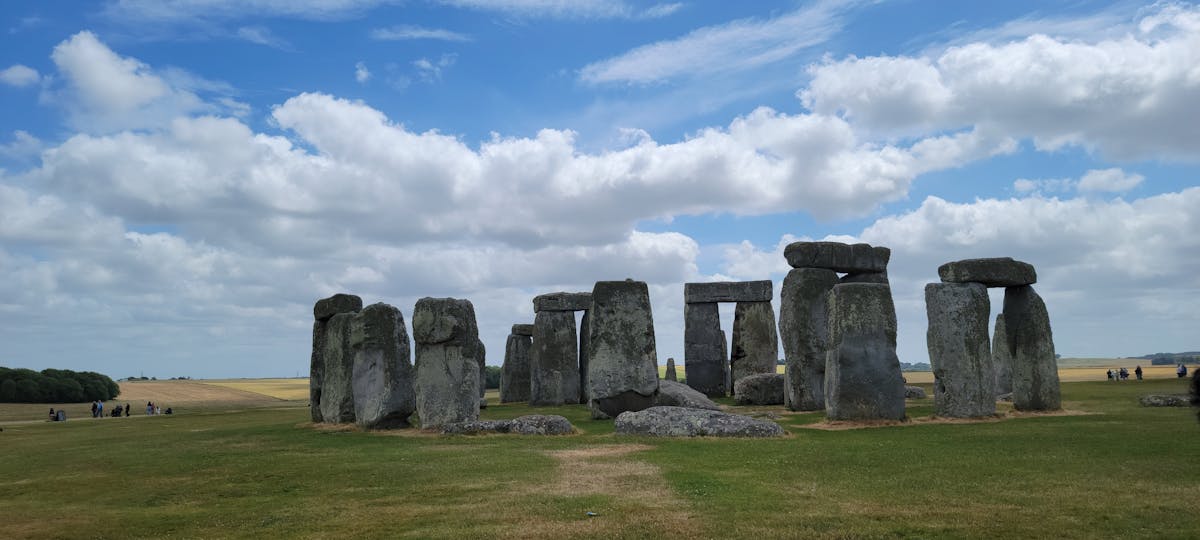
Best overall: Stonehenge Morning Day Trip with Admission — $89. Half-day, expert guide, skip-the-line entry. You’re back in London by early afternoon.
Best budget: Stonehenge Admission Ticket — $33. Just the ticket. Get yourself there by train or car and explore at your own pace.
Best full day: Windsor, Stonehenge, Bath Day Trip — $120. Three icons in one day. Long but worth it if your London time is limited.
- How Stonehenge Tickets Work
- Going DIY vs Booking a Tour
- The Best Stonehenge Tours From London
- 1. From London: Stonehenge Morning Day Trip with Admission —
- 2. Stonehenge Admission Ticket —
- 3. London: Stonehenge Morning or Afternoon Tour —
- 4. London: Windsor, Stonehenge, Bath Day Trip — 0
- 5. From London: Stonehenge and Bath Day Trip with Ticket — 4
- When to Visit Stonehenge
- Getting to Stonehenge From London
- Tips That Will Save You Time
- What You’ll Actually See at Stonehenge
- While You’re in Southern England
How Stonehenge Tickets Work
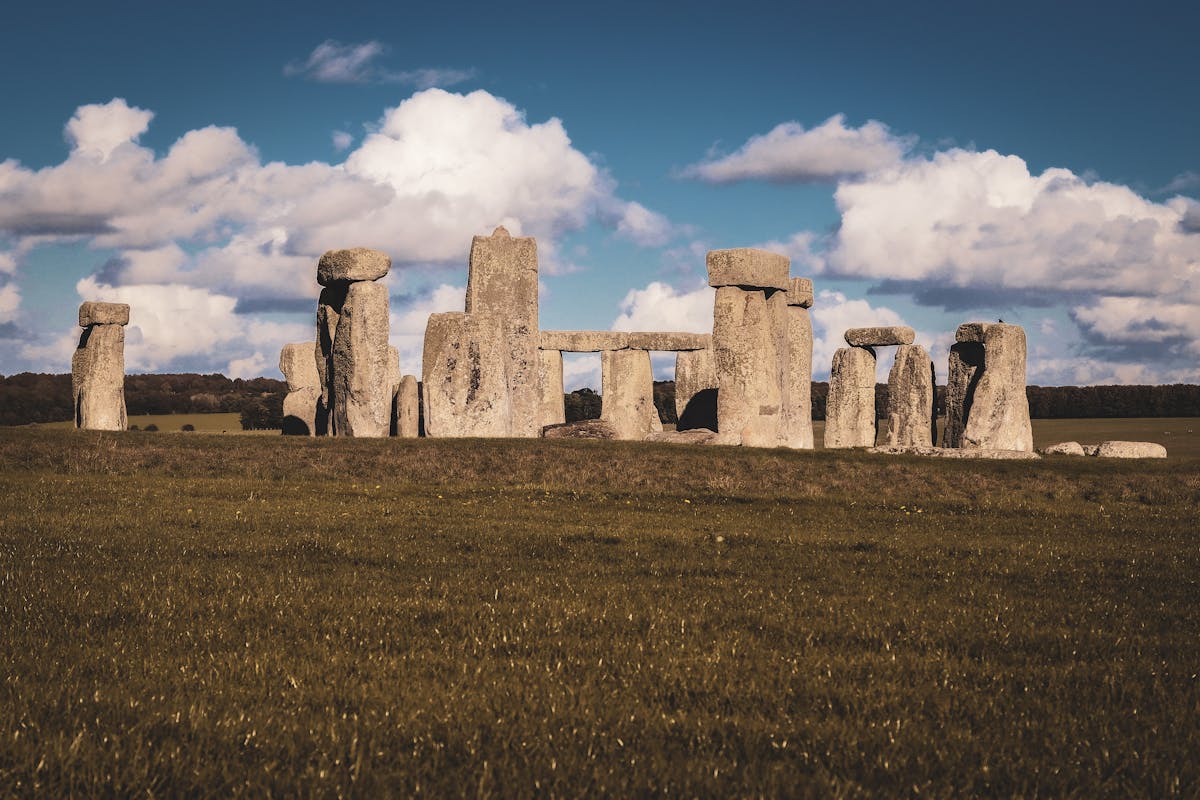
Stonehenge is managed by English Heritage, and they control all admission. You can’t just show up — well, you can, but you might not get in. Timed entry slots sell out during peak season (June through August, and any school holiday week), sometimes days in advance.
Standard adult tickets cost around £22 ($28) when booked directly through English Heritage. That gets you access to the stone circle path (you walk around it, not through it — more on that later), the visitor centre with its exhibition hall, and the reconstructed Neolithic houses near the entrance.
Here’s what most people don’t realize: the visitor centre is about 1.5 miles from the actual stones. Free shuttle buses run constantly, but you can also walk the path, which takes about 25 minutes and gives you a much better sense of the landscape. The gradual approach, watching the stones grow from tiny specks on the horizon to their actual imposing size, is honestly the better experience.
English Heritage also offers inner circle access — and this is the one worth knowing about. These special tours run before and after normal visiting hours, and they let you walk right up to the stones and even touch them. Standard entry keeps you about 15 metres away behind rope barriers. Inner circle visits cost around £47 and sell out months ahead. If this matters to you, book the moment dates open.
Under-18s get in free (they still need a ticket booked in advance). English Heritage members also get free entry, which pays for itself fast if you’re visiting more than a couple of their 400+ properties across England.
Going DIY vs Booking a Tour
This is the real decision you need to make, and the answer depends entirely on how you want to spend your day.
Going independently makes sense if you have a car, or if you’re happy taking the train to Salisbury and then a bus or taxi. The train from London Waterloo to Salisbury takes about 90 minutes and costs £20-40 return. From Salisbury, the Stonehenge Tour Bus (run by Wilts & Dorset) takes 30 minutes and drops you at the visitor centre. Total cost for transport plus admission: roughly £50-60 per person.
The upside? Total freedom. Stay as long as you want. Spend the morning at Stonehenge, grab lunch in Salisbury (the cathedral there is spectacular and free to enter), and take an afternoon train back.
The downside? It eats most of a day in logistics. You’re looking at six or seven hours round trip including waiting for trains and connections, for maybe two hours at the site.
Booking a guided tour from London costs more per person but removes every logistical headache. A coach picks you up in central London, drives you directly there, and brings you back. The half-day versions run about 6 hours, the full-day combos 10-12 hours. Most include skip-the-line admission, which during peak months is genuinely valuable. And the good guides add real context — the kind of detail that turns a circle of rocks into a story about Neolithic engineering, astronomy, and death rituals.
My honest take: if you’re in London for a short trip and don’t have a car, a guided tour is the smarter choice. The logistics savings are real, and the cost difference narrows when you factor in train tickets, bus fare, and the time cost of coordinating it all.
The Best Stonehenge Tours From London
I’ve gone through the major options and narrowed it down to five that cover different budgets, timeframes, and interests. These are ordered by how strongly I’d recommend each one, not by price.
1. From London: Stonehenge Morning Day Trip with Admission — $89
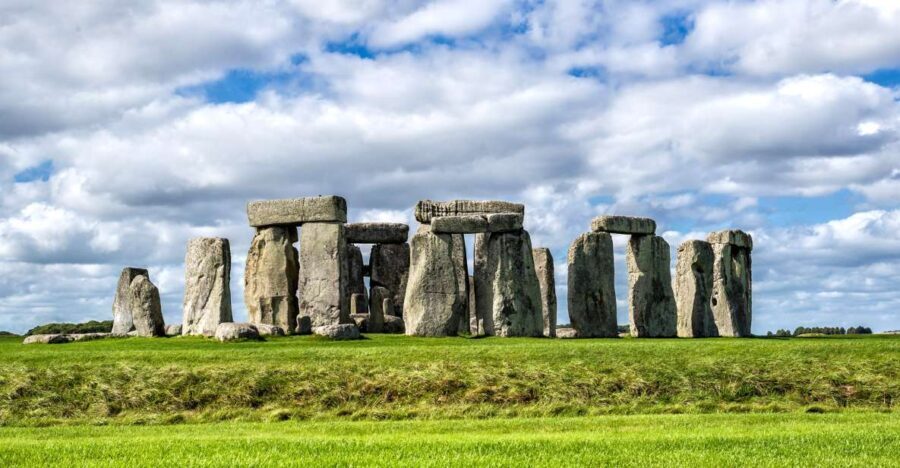
This is the one I keep coming back to. At $89 for a 6.5-hour round trip with skip-the-line admission included, it’s the best balance of value and experience on the market. You leave London early, arrive at Stonehenge when it’s still relatively quiet, and you’re back in the city by early afternoon with the whole evening free.
The guides on this particular tour are consistently excellent — knowledgeable without being dry, and they time the visit so you get proper space to absorb the site rather than being herded through. The coach is comfortable, the commentary during the drive covers Salisbury Plain history, and the skip-the-line entry means you’re not standing in a queue watching your allocated time tick away.
If you only have time for one Stonehenge tour, this is it. Half a day, no filler, just Stonehenge done right.
2. Stonehenge Admission Ticket — $33
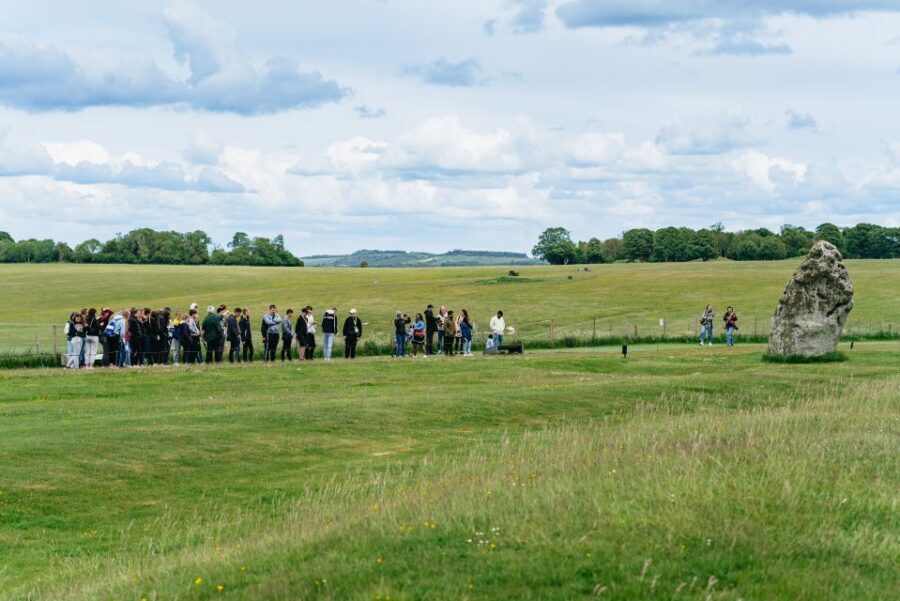
Not a tour — just the ticket. At $33, this is the cheapest way to see Stonehenge, and it’s perfect if you have a rental car or you’re already in the Wiltshire area. The ticket includes timed entry, the visitor centre exhibition (which covers the archaeological discoveries and has original artefacts), access to the reconstructed Neolithic houses, and the audio guide in 13 languages.
The catch is you need to sort out your own transport. From London, that means a train to Salisbury (90 minutes, £20-40 return) plus the Stonehenge Tour Bus (about £16 return). So the “cheap” option is really closer to £60 once you add travel. Still cheaper than a guided tour, but the savings aren’t as dramatic as the ticket price suggests.
Best for people who want to linger, who are road-tripping through southern England, or who just prefer doing things at their own pace without a guide’s schedule dictating their movements.
3. London: Stonehenge Morning or Afternoon Tour — $79
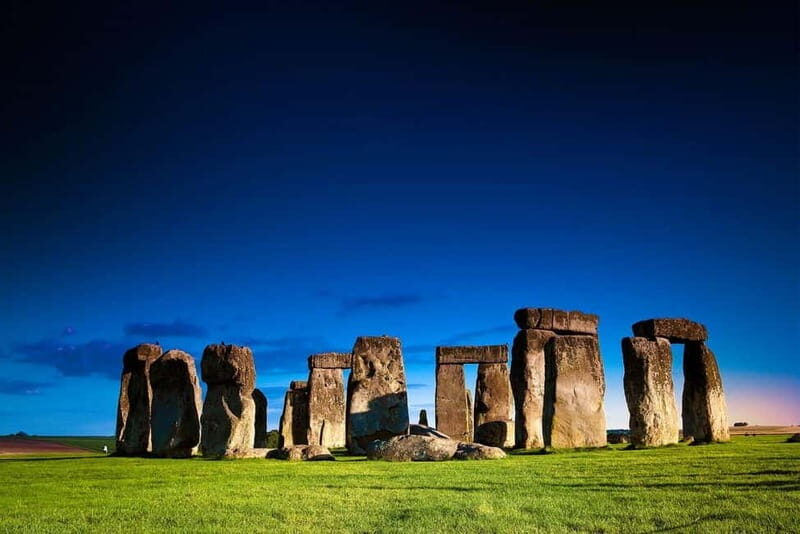
Similar to the morning trip above but with a key advantage: you can choose morning OR afternoon departure. That flexibility matters when you’re juggling a packed London itinerary. The afternoon option runs from about 12:30 to 7pm, which means you can do something in central London in the morning and still get Stonehenge in the same day.
The tour includes an optional fish and chips lunch stop, which is a nice touch — nothing fancy, but it breaks up the journey and the food is decent. At $79 it’s ten dollars cheaper than the morning-only option, and the experience is essentially the same. The trade-off is that afternoon visits tend to be slightly busier in summer, and you lose the “fresh morning” light for photos.
Good pick if schedule flexibility matters more than catching the stones at their quietest.
4. London: Windsor, Stonehenge, Bath Day Trip — $120
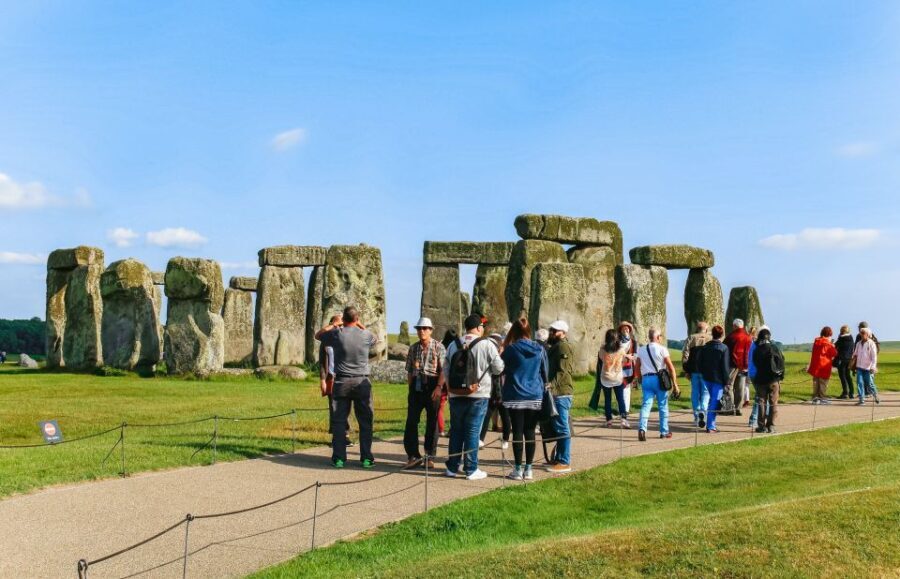
The classic combo tour, and for good reason. Windsor Castle, Stonehenge, and Bath with the Roman Baths — all in one 11-12 hour day for $120. Per attraction, that’s outstanding value. You’d easily spend $120 just visiting Windsor Castle and Stonehenge independently once you factor in transport and individual admissions.
The trade-off is time pressure. You get about 90 minutes at each stop, which is enough to see the highlights but not to wander. Windsor Castle alone could fill half a day if you let it. And by the time you reach Bath (the last stop), you’ll be tired. But the guides know this and pace things well, and the coach ride between stops is comfortable enough to recharge.
I’d pick this one if you’re in London for less than a week and want to tick off multiple bucket-list items efficiently. If Stonehenge is your main event and everything else is secondary, go with the dedicated half-day tour instead.
5. From London: Stonehenge and Bath Day Trip with Ticket — $114
A leaner version of the triple combo above. Two stops instead of three — Stonehenge and Bath — over 11 hours for $114. The big advantage here is more time at each location. You get roughly two hours at Stonehenge (instead of 90 minutes on the triple tours) and a solid chunk of time in Bath to explore the Roman Baths, wander the Royal Crescent, and grab a Sally Lunn bun.
Bath and Stonehenge pair well together. They’re only 40 minutes apart by road, so there’s less dead time on the coach. And the contrast is great: you go from Neolithic mystery on a windswept plain to one of Europe’s most elegant Georgian cities, with 2,000-year-old Roman thermal baths underneath it.
Choose this over the triple combo if you’d rather see two places properly than three places in a rush.
When to Visit Stonehenge
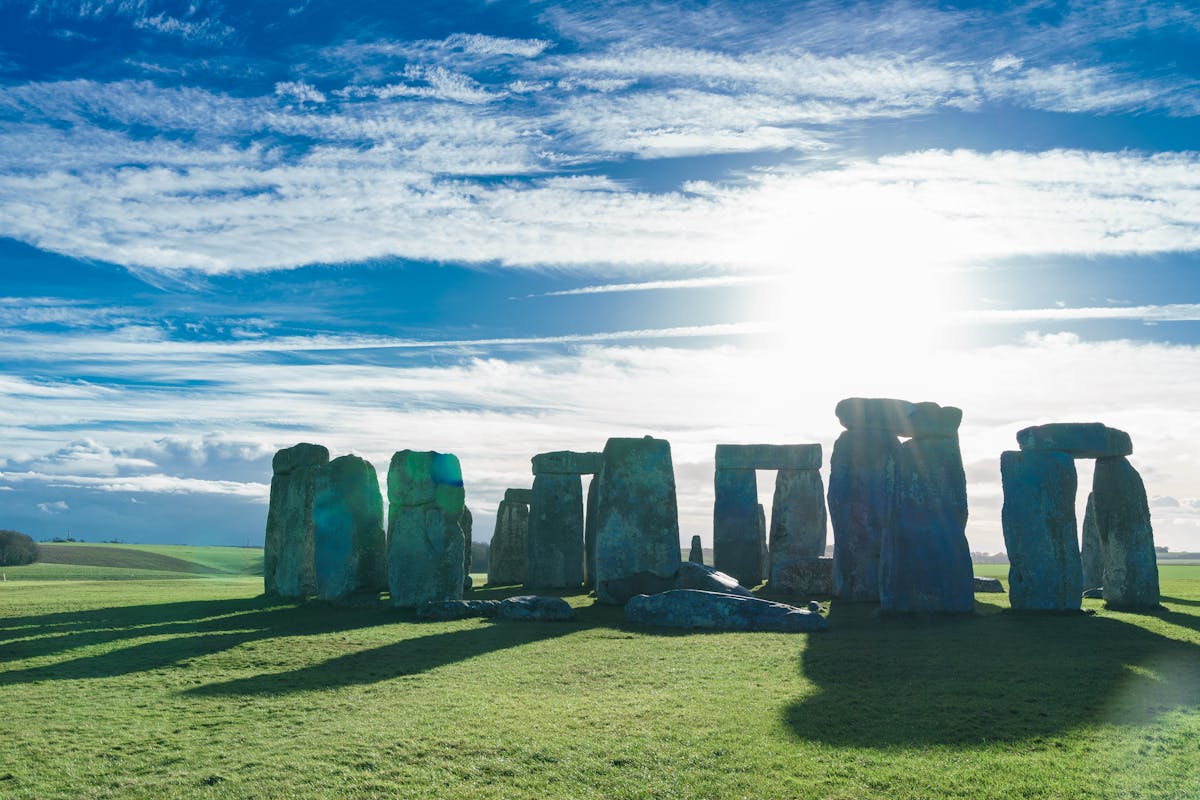
Stonehenge is open year-round, but the experience varies dramatically by season.
Summer (June-August) brings the longest hours (9am-8pm) and the biggest crowds. The summer solstice (around June 21) is the headline event — English Heritage opens the monument for free overnight access and thousands gather to watch the sunrise align with the Heel Stone. It’s unforgettable if you can handle sleeping rough on Salisbury Plain and sharing the experience with 20,000 other people. Tickets for solstice access are free but must be booked in advance.
Spring and autumn are the sweet spot. Mild weather, thinner crowds, and those dramatic skies that make the stones look like they belong in a movie. October and March can be brilliant.
Winter hours are shorter (9:30am-5pm) but the solitude is real. I visited on a grey Tuesday in January once and there were maybe 30 other people on the entire site. The stones in winter mist have a completely different energy — heavier, more mysterious.
Time of day matters too. First thing in the morning or the last hour before closing gives you the best experience. The midday rush, especially on summer weekends, can feel like you’re queuing at a theme park. Aim for the earliest tour departure you can manage.
Getting to Stonehenge From London
Stonehenge sits about 90 miles southwest of London, just off the A303 near Amesbury in Wiltshire. It’s not served by its own train station, which is why getting there independently involves some planning.
By guided tour coach: The easiest option. Pickup points are usually near Victoria Coach Station, Embankment, or other central London locations depending on the operator. The drive takes about two hours each way, sometimes longer during the M3/A303 rush. Every tour listed above handles all the transport.
By train + bus: Take the South Western Railway service from London Waterloo to Salisbury (about 90 minutes, trains run every 30 minutes). From Salisbury railway station, the Stonehenge Tour Bus departs regularly and takes 30 minutes. The bus costs around £16 return and drops you at the visitor centre. Total journey time: about 2.5 hours each way.
By car: Follow the M3 then A303. The drive takes about two hours without traffic, but the A303 is notorious for bottlenecks near Stonehenge itself. There’s a large car park at the visitor centre (free with your ticket). Parking fills up on summer weekends, so arrive early.
By private hire: You can book a private car or taxi, but expect to pay £200-300+ for a return trip. Only makes sense if you’re splitting the cost among several people and want total flexibility.
Tips That Will Save You Time
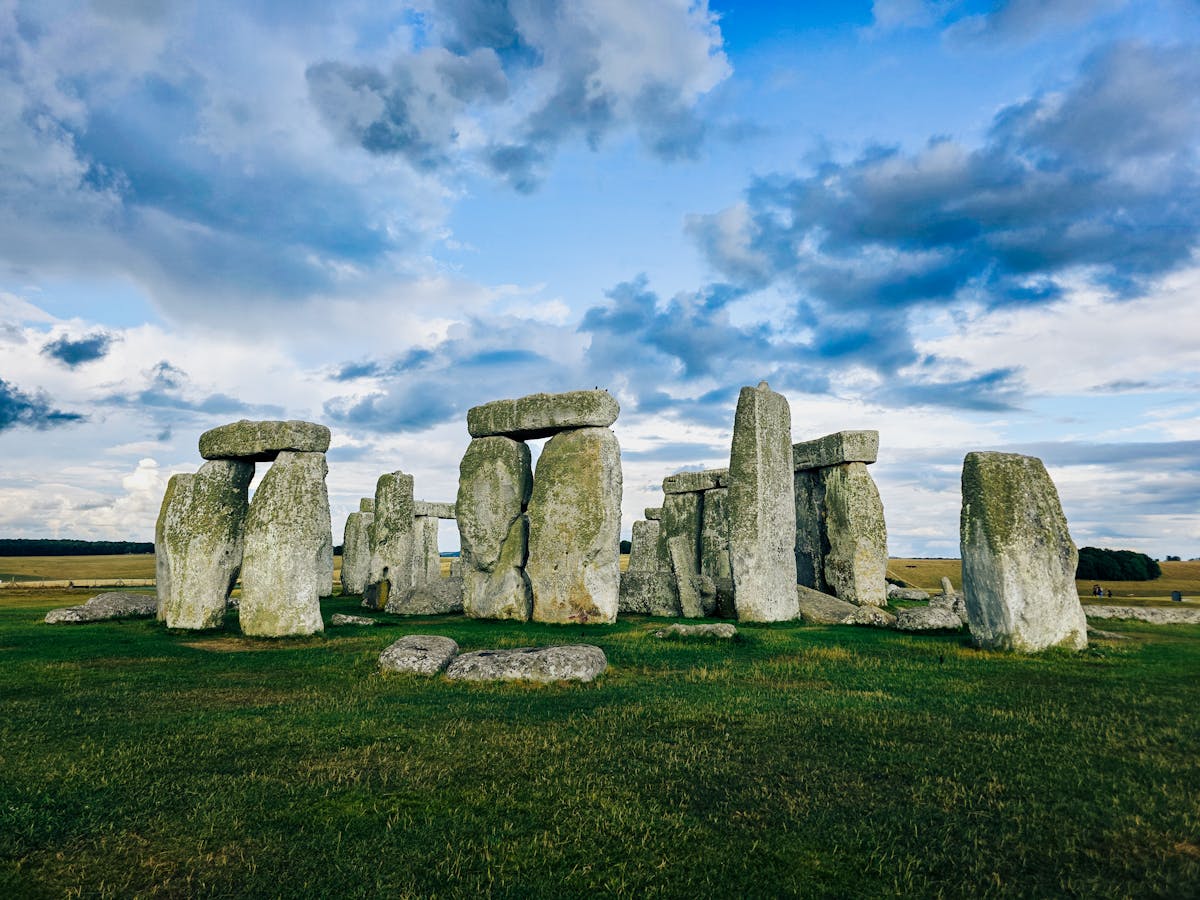
Book tickets in advance, always. Even in the off-season. Walk-up tickets are available if the time slot hasn’t sold out, but during peak months they often have. Online booking through English Heritage or through a tour operator guarantees your spot.
The audio guide is included with every admission ticket and available in 13 languages. It’s solid — not overly long, and it adds context that you genuinely wouldn’t get just looking at the stones. Grab it from the visitor centre before catching the shuttle.
Budget 2-3 hours minimum if you’re visiting independently. The visitor centre exhibition alone takes 30-45 minutes to do properly, the shuttle ride is 10 minutes each way, and you’ll want at least an hour at the stones. If you’re walking from the visitor centre instead of taking the shuttle, add 25 minutes each way.
Wear layers. Salisbury Plain is exposed and the wind is constant. Even on warm summer days it can feel chilly up there. Flat shoes are fine — the paths are paved.
Bring your own food if you want lunch. The visitor centre cafe is acceptable but overpriced and limited. A sandwich from a Tesco in Salisbury or London will serve you better.
The gift shop is surprisingly good. I know that sounds like a throwaway comment, but the books on Neolithic Britain and the small replica stones make genuinely decent souvenirs. Better than most heritage site shops.
What You’ll Actually See at Stonehenge
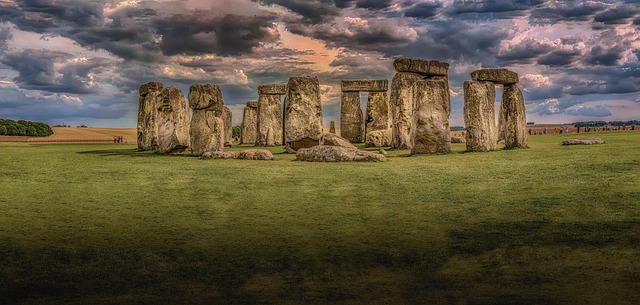
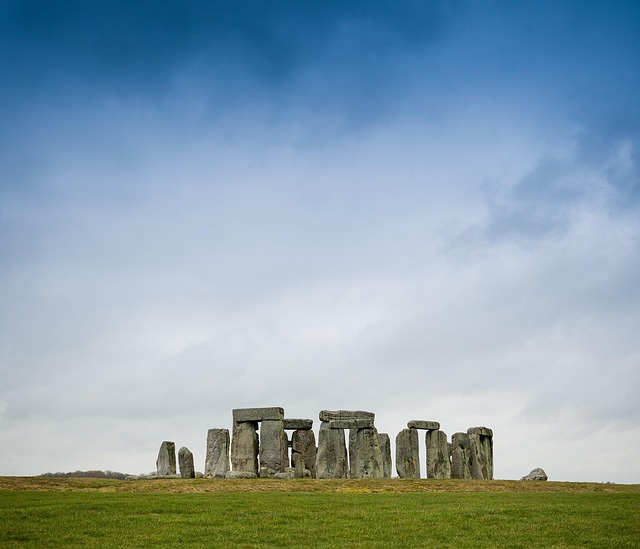
Stonehenge isn’t just one thing. The site has been built, rebuilt, and modified over roughly 1,500 years — from about 3000 BC to 1500 BC. What you see today is the final version, but the landscape around it contains evidence of much older and larger ceremonial activity.
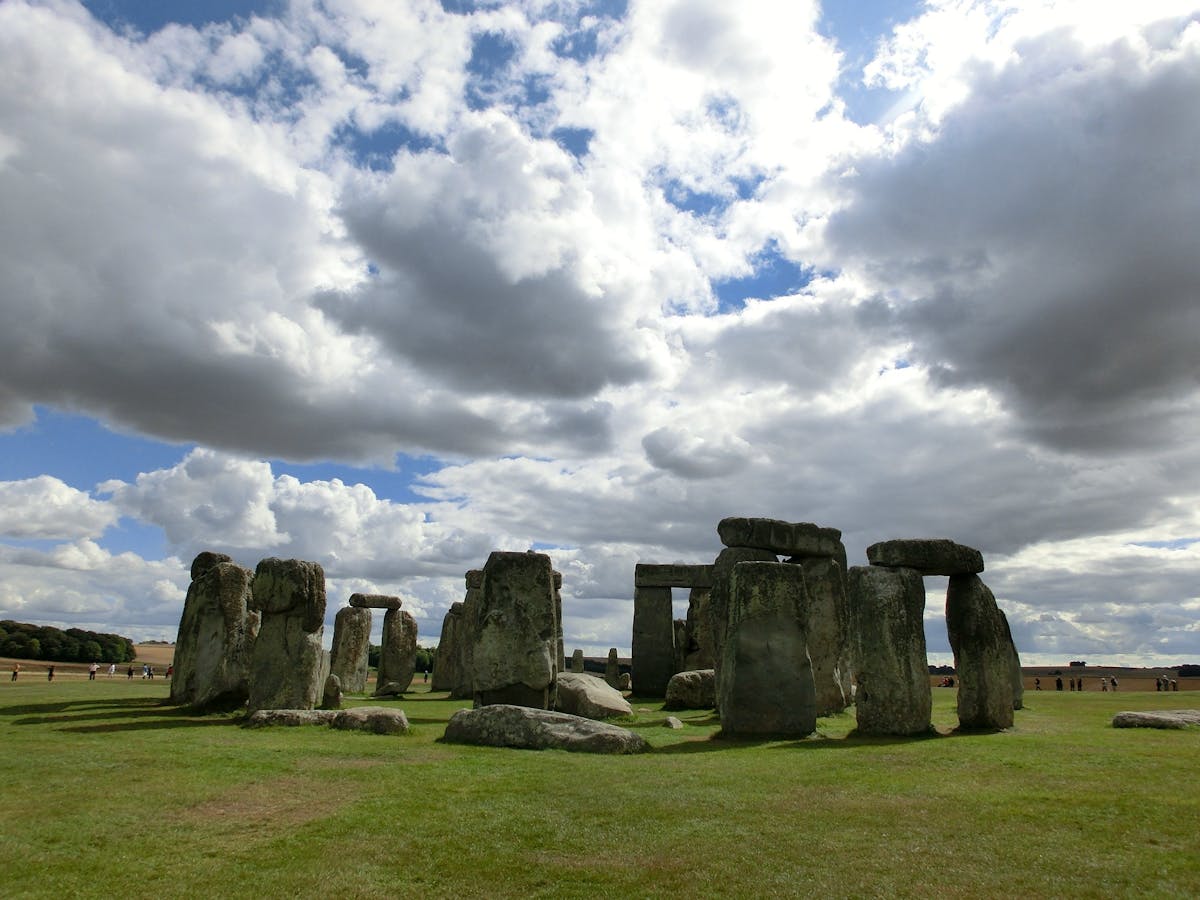
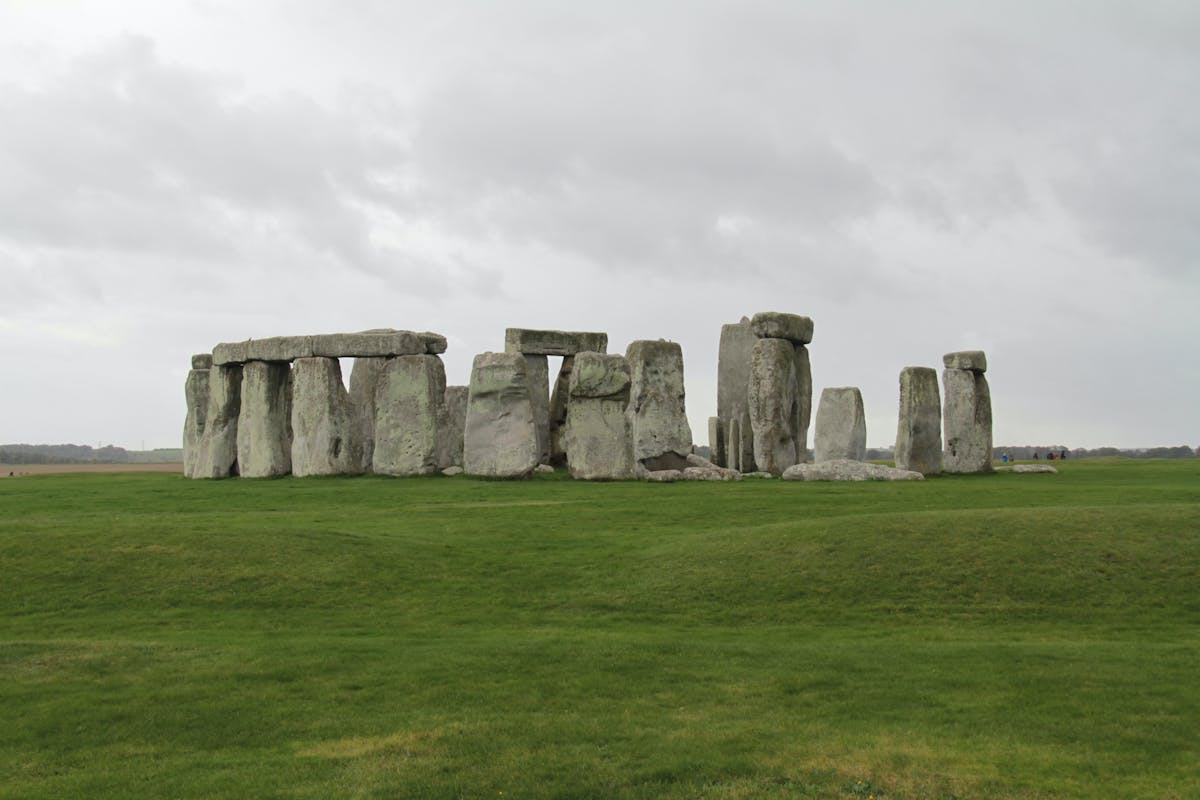
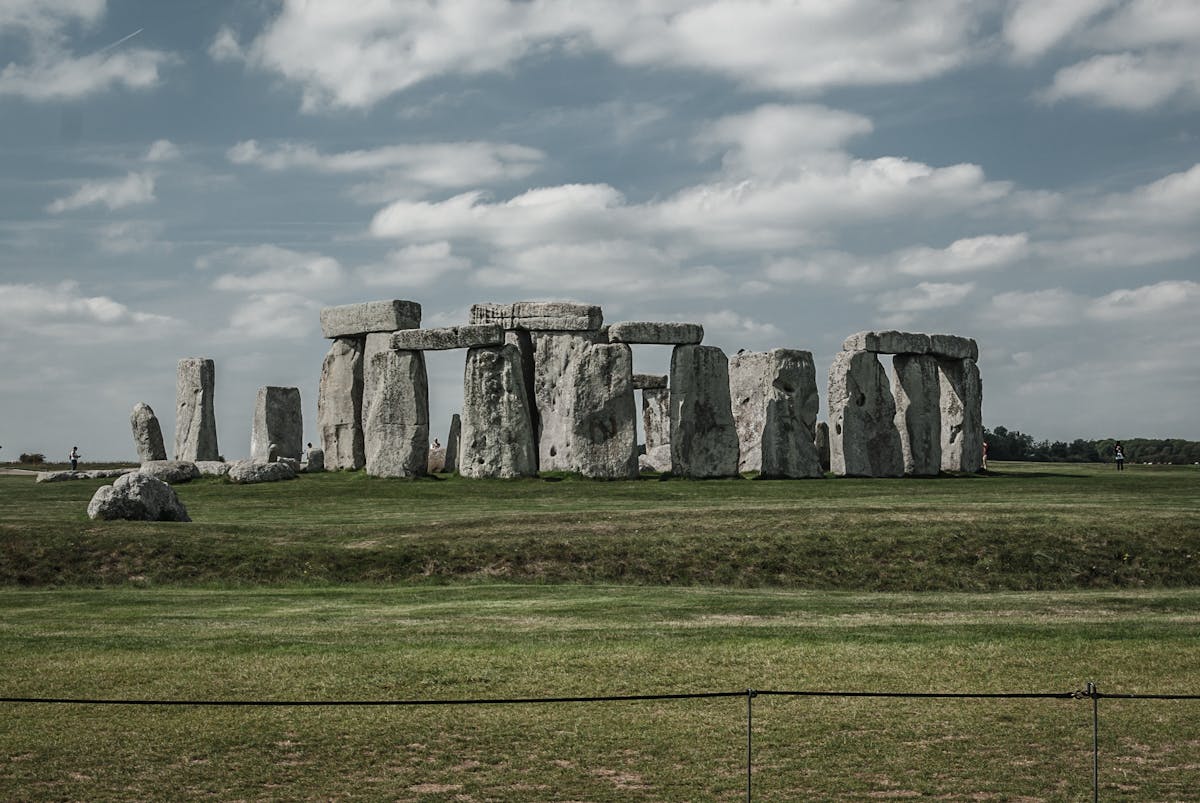
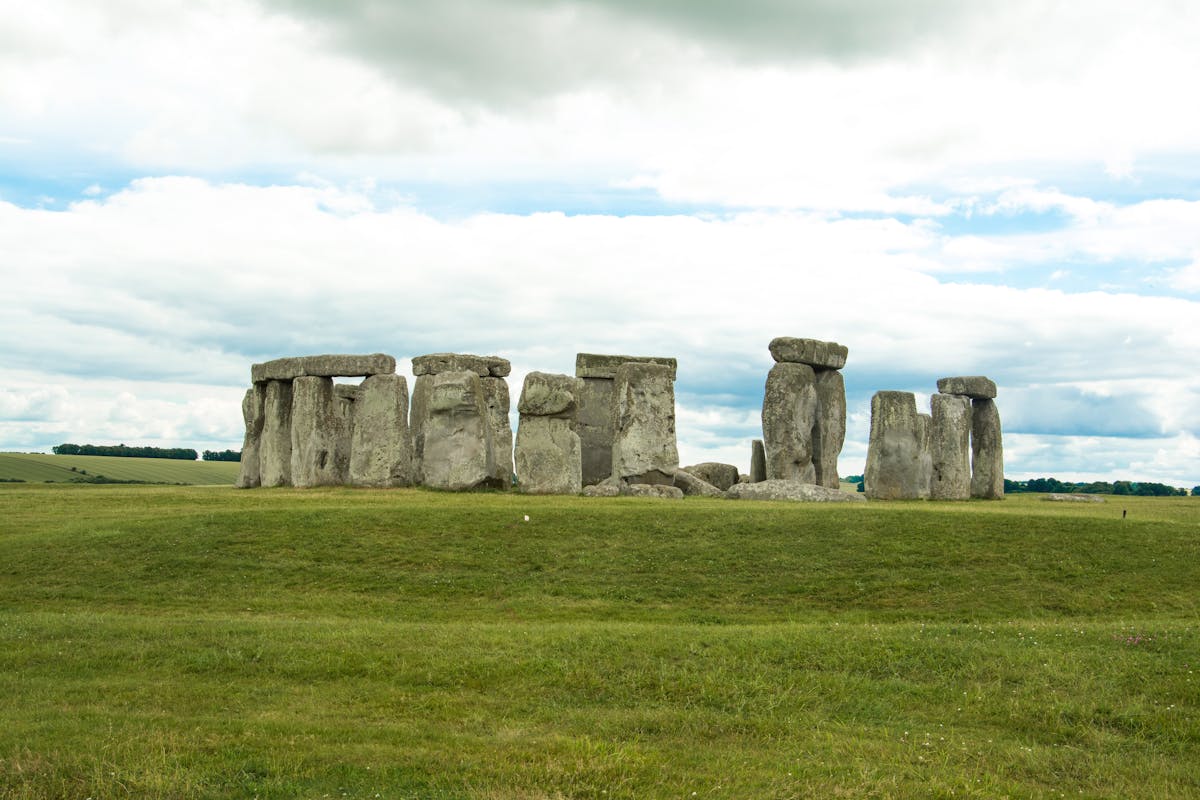
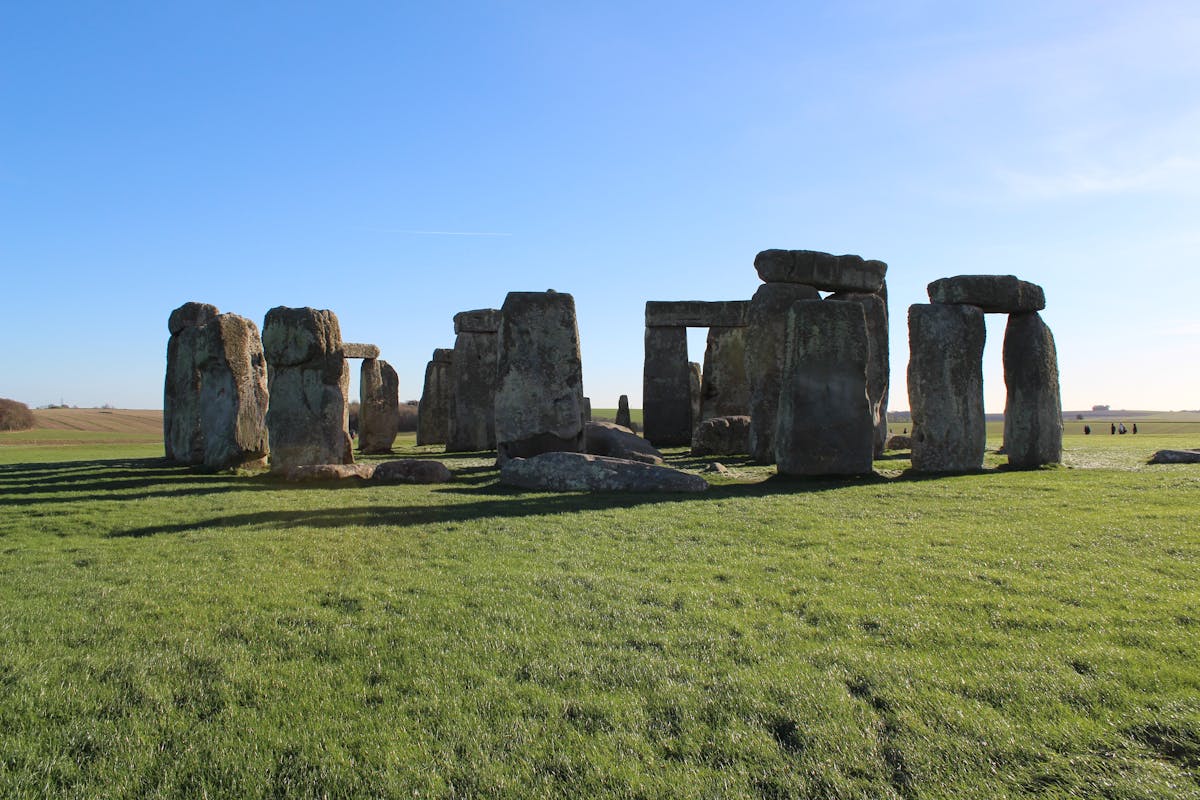
The main stone circle consists of two types of stone. The larger sarsen stones (the big grey ones, weighing up to 25 tonnes each) came from Marlborough Downs, about 25 miles north. The smaller bluestones (about 4 tonnes each) were transported from Wales — 150 miles as the crow flies, further by any practical route. How they got there is one of the great unsolved questions in archaeology. Glacial transport? Rafts? Sheer human effort on rollers? Nobody knows for certain.
The alignment with the summer solstice sunrise and winter solstice sunset is precise and clearly intentional. Stand at the centre of the circle on the longest day and look northeast through the entrance — the sun rises directly above the Heel Stone. This was not accidental. Whether it served as a calendar, a religious temple, a healing site, or a burial ground (human remains have been found here), or some combination of all of these, remains debated.
The visitor centre exhibition puts all this into context with a 360-degree immersive film, original archaeological finds (including tools, pottery, and jewellery from the period), and a display showing how the monument changed over its construction phases. Don’t skip it. Even if you think you know the story, the exhibition adds layers you won’t get from the audio guide alone.
Outside the visitor centre, reconstructed Neolithic houses show how the builders of Stonehenge lived. Volunteers in period clothing demonstrate flint tool making and other daily activities. It’s aimed at families but genuinely interesting for anyone curious about how Neolithic life actually worked.
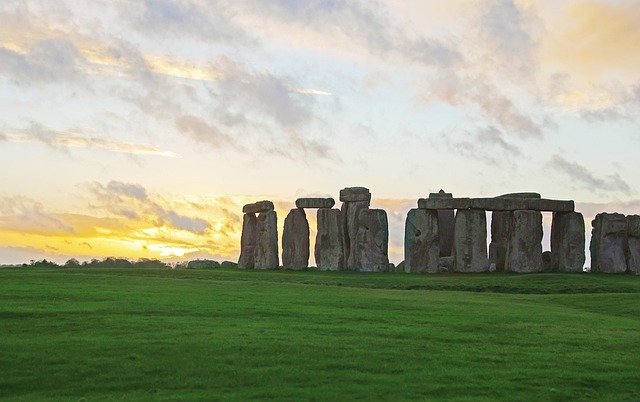
The surrounding landscape is also part of the UNESCO World Heritage Site. If you walk the longer paths around the perimeter, you’ll pass ancient barrows (burial mounds) and earthworks that predate the stone circle itself. Most tour groups skip these entirely, which is a shame — they give the wider context that Stonehenge wasn’t an isolated monument but part of a massive ceremonial landscape.
While You’re in Southern England
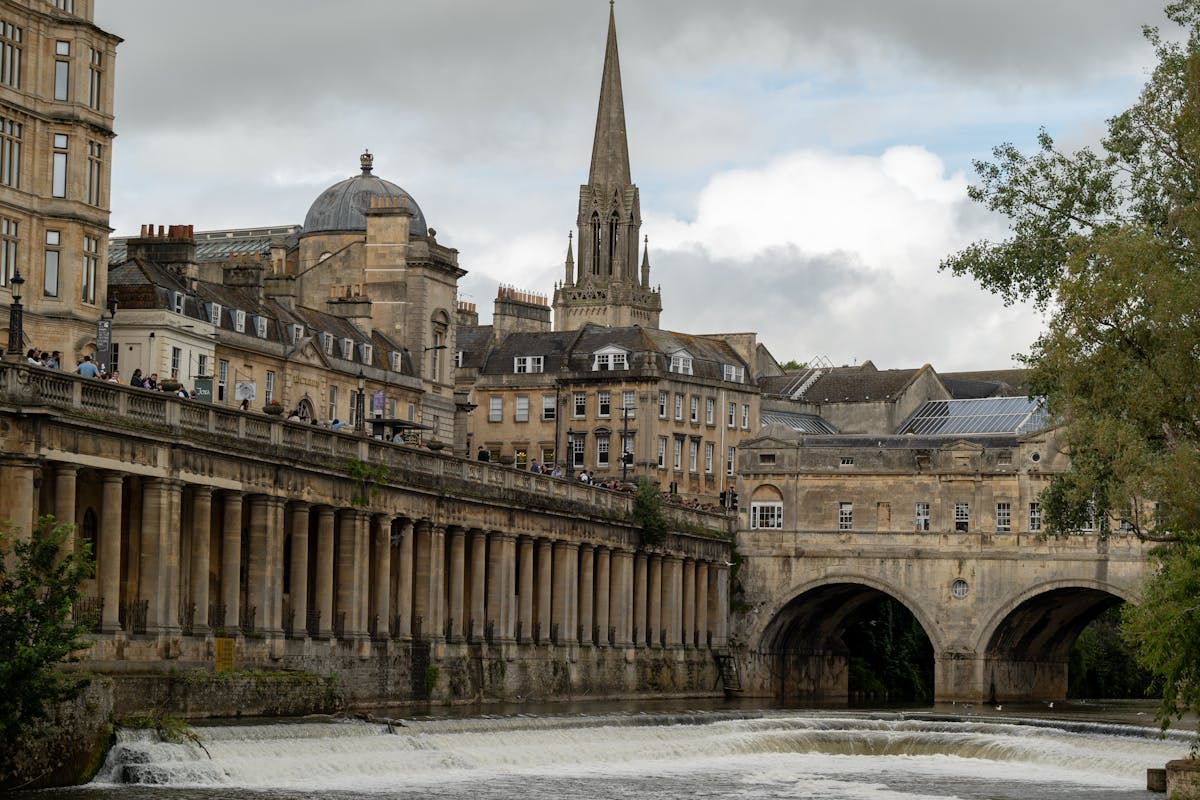
Stonehenge pairs naturally with a few other day trips from London, and if you’ve got more than a couple of days in the city, the southern England circuit is well worth building out. The Windsor, Stonehenge, and Bath combo covers the big three in one shot, but if you’d rather spread things out, Bath deserves a full day on its own — the Roman Baths, the Royal Crescent, and the Georgian architecture are worth lingering over rather than rushing through on a multi-stop tour. If you’re staying in London, the London Eye is a completely different experience but an equally iconic one, especially at sunset. And if you’re drawn to the idea of the English countryside, the Cotswolds are only an hour from Stonehenge and feel like stepping into a different century entirely.
Windsor Castle is the standout companion day trip — the oldest occupied castle in the world, under an hour from London by train, and some tours bundle it with Stonehenge on the same day. The Cotswolds are further north but share the same timeless English countryside feel, with honey-coloured villages and rolling hills that look like they belong in a period drama. For something completely different back in London, Westminster Abbey and the Tower of London scratch a similar historical itch without the coach journey, and a night bus tour shows you the illuminated city landmarks from the top deck of an open-air bus.
This article contains affiliate links. If you book through our links, we may earn a small commission at no extra cost to you. This helps us keep producing these guides.