
Every English and British monarch since William the Conqueror in 1066 has been crowned inside Westminster Abbey. Let that sit for a second. Nearly a thousand years of coronations, all in the same building.
I walked in expecting a pretty church. What I got was a crash course in a millennium of English history crammed into one Gothic masterpiece. Isaac Newton is buried here. So is Charles Darwin, Stephen Hawking, and Geoffrey Chaucer. The Coronation Chair has held every new king and queen since 1308. And the Henry VII Lady Chapel stopped me dead in my tracks — the fan-vaulted ceiling looks physically impossible, like frozen lace made of stone.
But here’s the thing most people get wrong about visiting Westminster Abbey: they don’t buy tickets in advance, show up to a massive queue, and then rush through in 45 minutes because they’re tired from standing. Don’t be that person.
This guide covers everything you need: ticket types, prices, how to skip the queue, the best guided tours worth your money, and what to actually look for once you’re inside.
Best overall: Westminster Abbey Entrance Ticket with Audio Guide — $41. The straightforward option. Entry plus a solid audio guide that covers every major tomb and chapel at your own pace.
Best guided experience: Westminster Abbey, Big Ben & Buckingham Guided Tour — $55. Covers Westminster Abbey plus Big Ben and Buckingham Palace in about 4 hours with a guide who makes the history stick.
Best full day: Guided Tour of London: Westminster Abbey, Big Ben, Buckingham — $96. Skip-the-line entry, expert guide, and a proper walking tour of Westminster.
- How the Official Ticket System Works
- Official Tickets vs Guided Tours
- The Best Westminster Abbey Tours to Book
- 1. Westminster Abbey Entrance Ticket with Audio Guide —
- 2. Westminster Abbey, Big Ben & Buckingham Palace Guided Tour —
- 3. Guided Tour of London: Westminster Abbey, Big Ben & Buckingham —
- When to Visit
- How to Get There
- Tips That Will Save You Time
- What You’ll Actually See Inside
- While You’re in Westminster
- What Else to See in Westminster
How the Official Ticket System Works
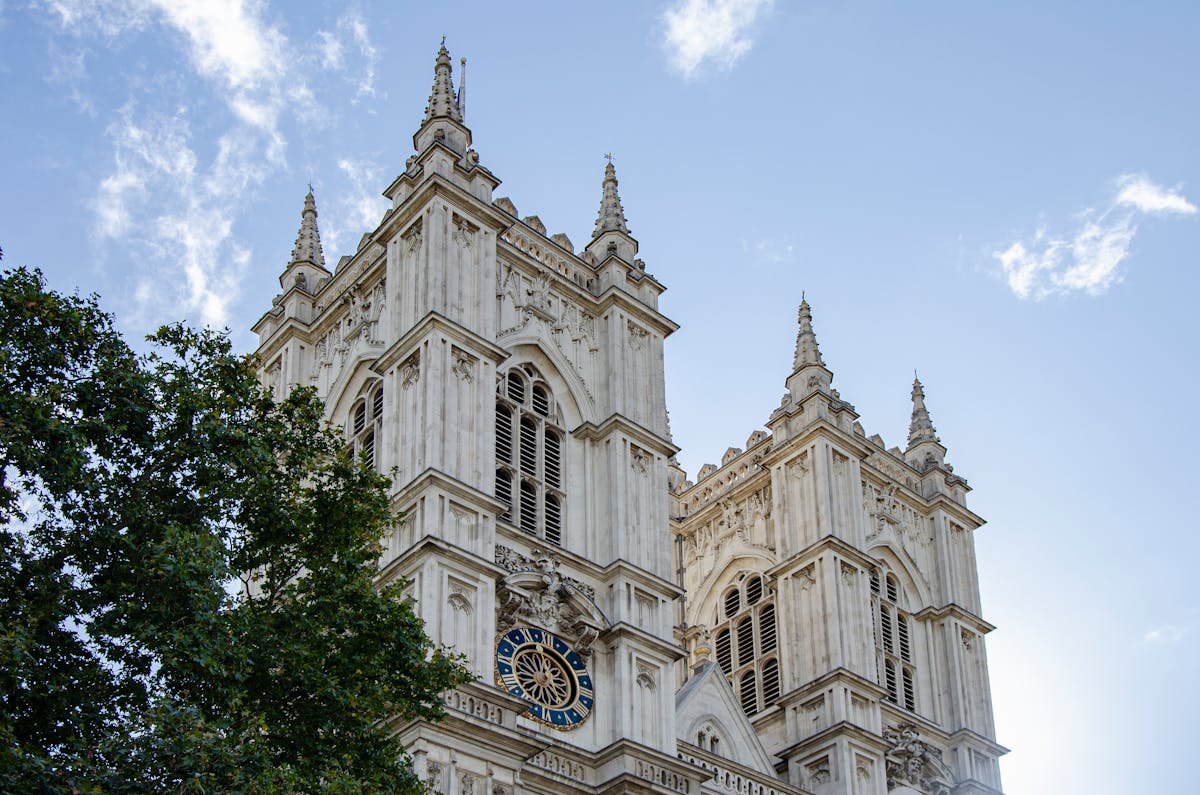
Westminster Abbey sells tickets through its own website at westminster-abbey.org. You pick a date and a time slot — either morning entry (weekdays 9:30am-12pm, Saturdays 9am-12pm) or afternoon entry (weekdays 12pm-3pm, Saturdays 12pm-1pm). Last entry is one hour before closing.
Current prices (2026):
- Adults: 31 GBP
- Concessions (65+ and students): 28 GBP
- Children 6-17: 14 GBP
- Children under 6: Free
An audio guide is included with every ticket — and it’s genuinely good. Not a monotone voice droning facts, but proper storytelling that makes you want to linger at each stop.
The Queen’s Diamond Jubilee Galleries cost an extra 5 GBP per person (children 17 and under free). This is the best 5 GBP you’ll spend in London. More on that below.
Highlights Tours run at selected times and cost 20 GBP for adults. These are shorter guided walks through the main areas, about 90 minutes, but they don’t include the same VIP access you get with the verger-led tours.
The verger-led tours are the real deal — they take you to places regular visitors can’t go, including the Tomb of St. Edward the Confessor. These cost 10 GBP on top of your entry ticket and last about 90 minutes.
One thing to know: Westminster Abbey closes for services, and it’s closed to visitors every Sunday (services only). Check the official calendar before booking for any specific date, because there are occasional closures for events, rehearsals, and state occasions that aren’t always obvious.
Official Tickets vs Guided Tours
This is the question everyone asks, and the honest answer is it depends on how much you care about history.
Go with an official ticket + audio guide if:
- You want to go at your own pace (some sections deserve 10 minutes of staring)
- You’re on a budget — the 31 GBP entry is the cheapest way in
- You’ve done your homework and know what you want to see
- You hate being herded around in groups
Go with a guided tour if:
- You want the stories behind the stones — a good guide transforms this visit from “nice church” to “wait, they buried WHO under the floor?”
- You want skip-the-line access (most tour operators have priority entry arrangements)
- You want to combine Westminster Abbey with other Westminster sights (Big Ben, Parliament, Buckingham Palace)
- You’ve got limited time in London and want efficient coverage
The audio guide is solid but impersonal. A real guide will tell you that the medieval monks used to sneak food into their dormitories, or that the Coronation Chair was once graffitied by schoolboys in the 1800s. That kind of detail sticks with you.
The Best Westminster Abbey Tours to Book
I’ve narrowed this down to the three tours that offer the best value and coverage. Each one takes a different approach, so pick based on how you like to explore.
1. Westminster Abbey Entrance Ticket with Audio Guide — $41
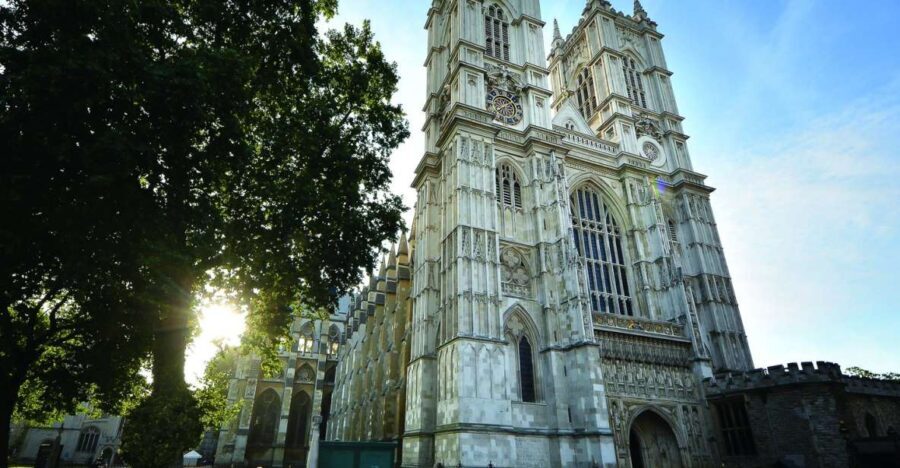
This is the most booked Westminster Abbey experience on the market, and for good reason. It’s clean and simple: you get entry to the Abbey and an audio guide that walks you through the entire route. No guide to keep up with, no schedule to follow. Just you and a thousand years of history.
At $41 it’s the cheapest way to get inside (besides attending a service, which is free but you can’t walk around). The audio guide covers everything from Darwin’s grave near the entrance to the Henry VII Lady Chapel at the far end. Budget about 2 hours, though I’ve seen people spend three.
One honest downside: you can’t access the Tomb of St. Edward the Confessor on a standard ticket. If that matters to you, spring for the verger tour add-on or pick one of the guided options below.
2. Westminster Abbey, Big Ben & Buckingham Palace Guided Tour — $55
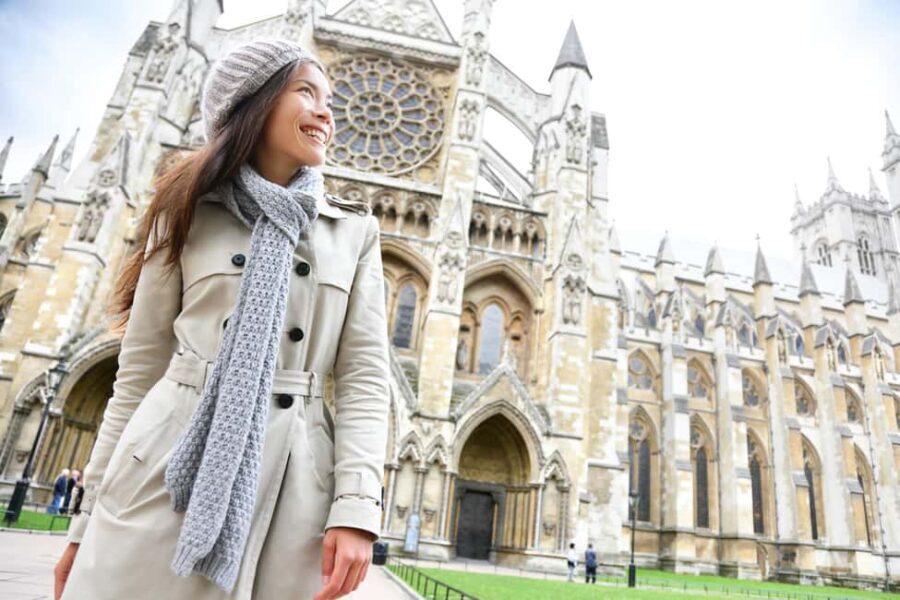
If you only have one morning in Westminster, this is the tour I’d pick. At $55, you get inside Westminster Abbey with a guide who actually brings the history to life, then walk past Big Ben and the Houses of Parliament, and finish at Buckingham Palace. The whole thing runs about 3-4 hours.
The guides on this one are consistently excellent — the kind who tell you things the audio guide won’t, like which exact flagstone Isaac Newton is buried under or why there’s a door in the cloisters that’s over 900 years old. It’s the storytelling that makes the extra cost worth it over the basic entry ticket.
The only catch is the group size. During peak season you might have 15-20 people in your group, which can feel crowded inside the Abbey. If that bothers you, go with the self-guided ticket or the premium option below.
3. Guided Tour of London: Westminster Abbey, Big Ben & Buckingham — $96
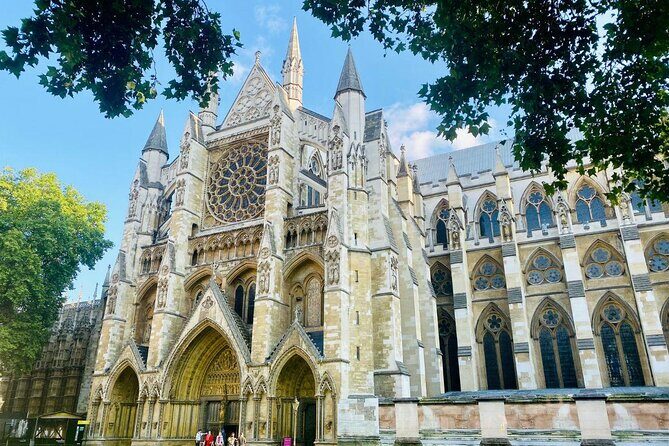
This is the premium option, and you feel the difference. At $96, you get skip-the-line entry into Westminster Abbey, a deeply knowledgeable guide, and a 3-4 hour walking tour of the entire Westminster area. The route covers Big Ben, the Houses of Parliament, St. James’s Park, and Buckingham Palace.
What sets this apart from the cheaper option is the depth. The guides here tend to be proper London history specialists — the kind who can tell you about the medieval sanctuary tradition at Westminster or why certain tombs face east. They also take you through quieter sections of the route that the bigger tour groups skip.
At nearly double the price of option 2, it’s a splurge. But if you’re the type who reads every plaque in a museum and wants someone who can answer every question, this is the one. The skip-the-line benefit alone saves you 20-40 minutes during summer months.
When to Visit
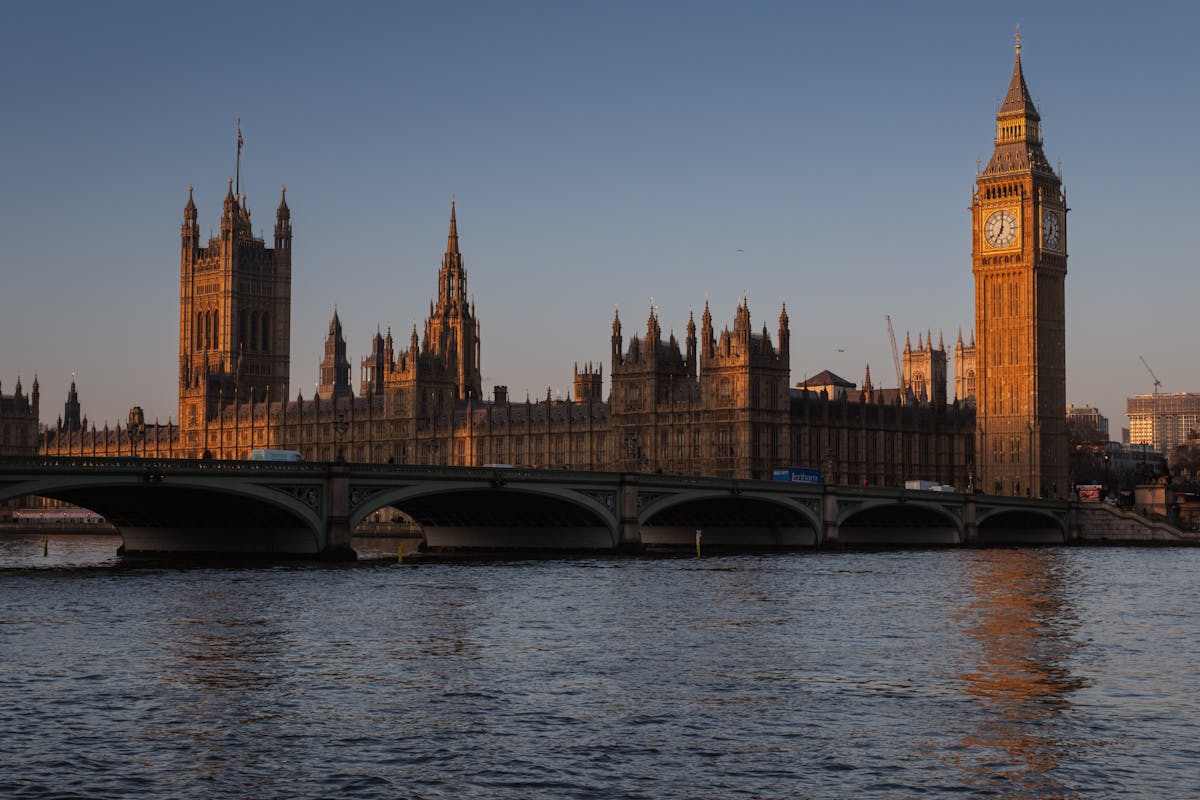
Westminster Abbey is open Monday to Friday from 9:30am to 4:30pm and Saturday from 9am to 4pm. Last entry is always one hour before closing. Sunday is services only — no tourist visits.
Best time to go: First thing in the morning. The 9:30am Monday-Friday slot (or 9am Saturday) is noticeably quieter than anything after 11am. By midday the nave fills up and it’s hard to appreciate the architecture when you’re shuffling behind tour groups.
Worst time: Between 11am and 2pm on any day, but especially during school holidays and summer. The queue for walk-up tickets can stretch around the building.
Pro tip: If you’re flexible on dates, Wednesday and Thursday mornings tend to be the quietest weekdays. Mondays and Fridays get spillover from weekend travellers.
The Queen’s Diamond Jubilee Galleries (the upper gallery with views down into the nave) have slightly different hours and require a separate timed entry. Book it for the same morning as your Abbey visit — you access the galleries from inside the Abbey, near Poet’s Corner.
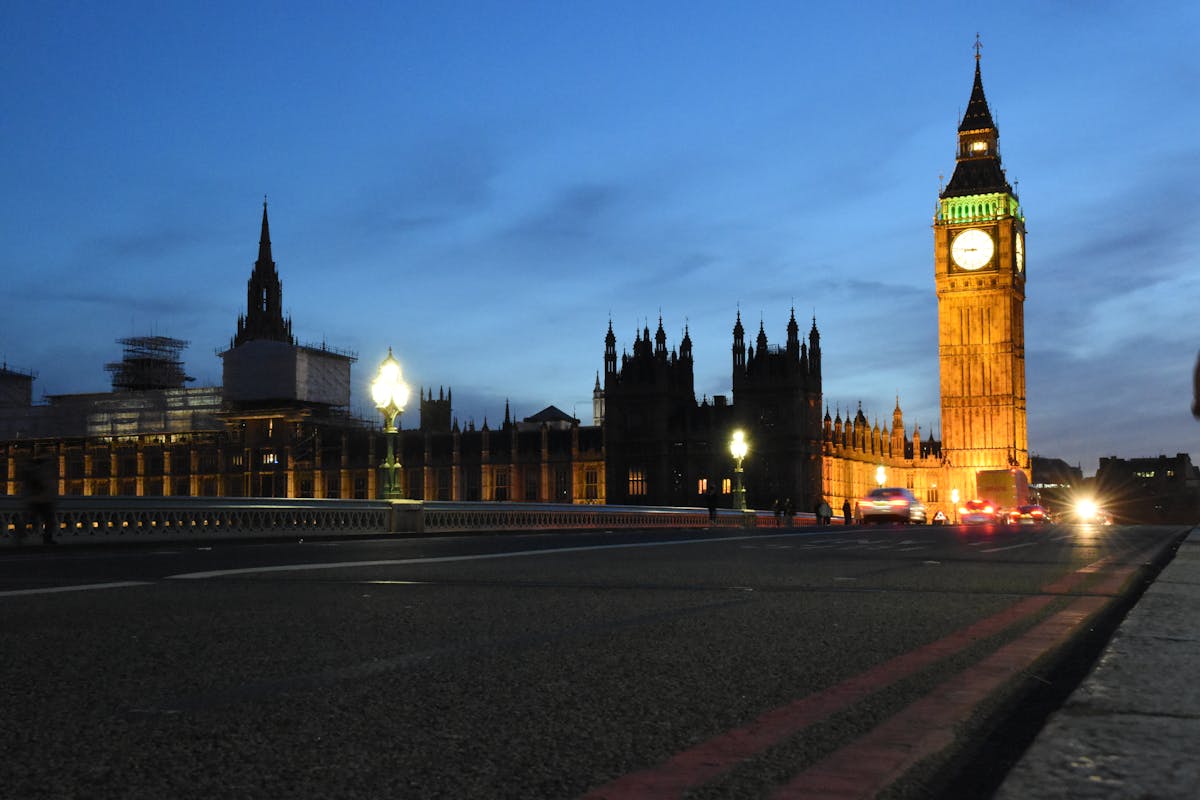
How to Get There
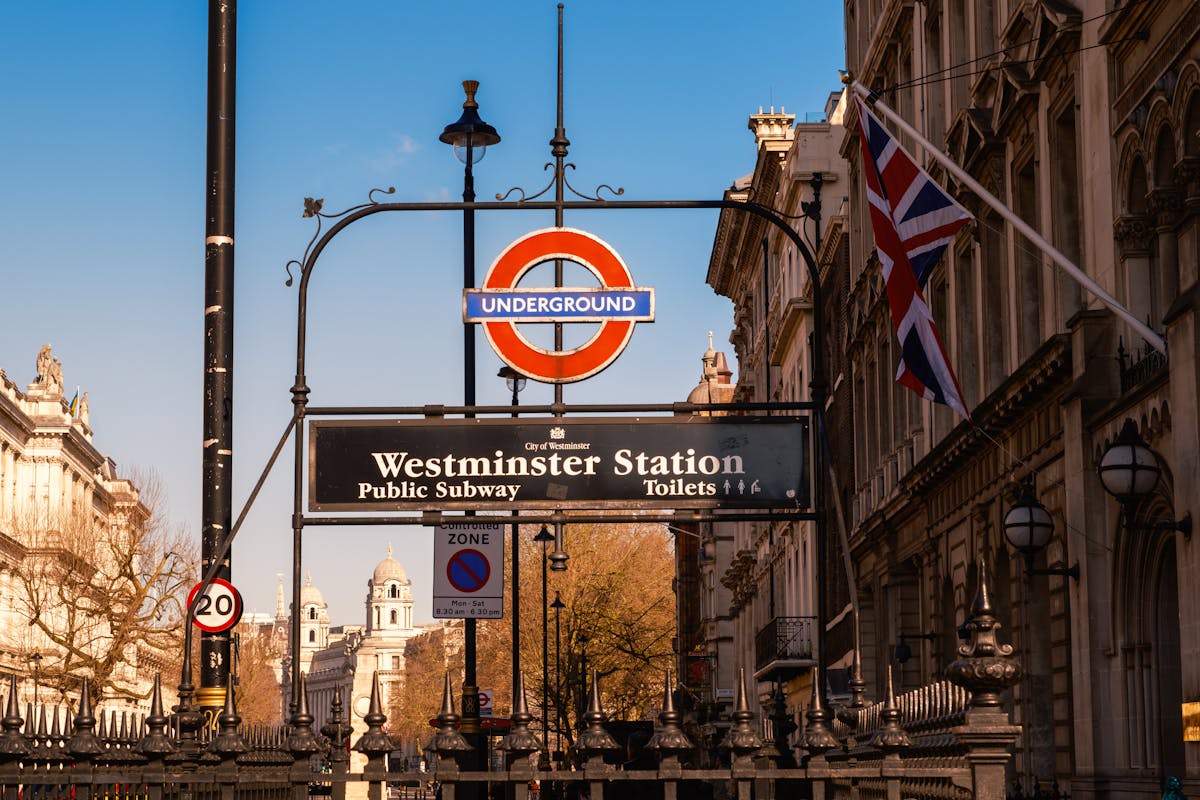
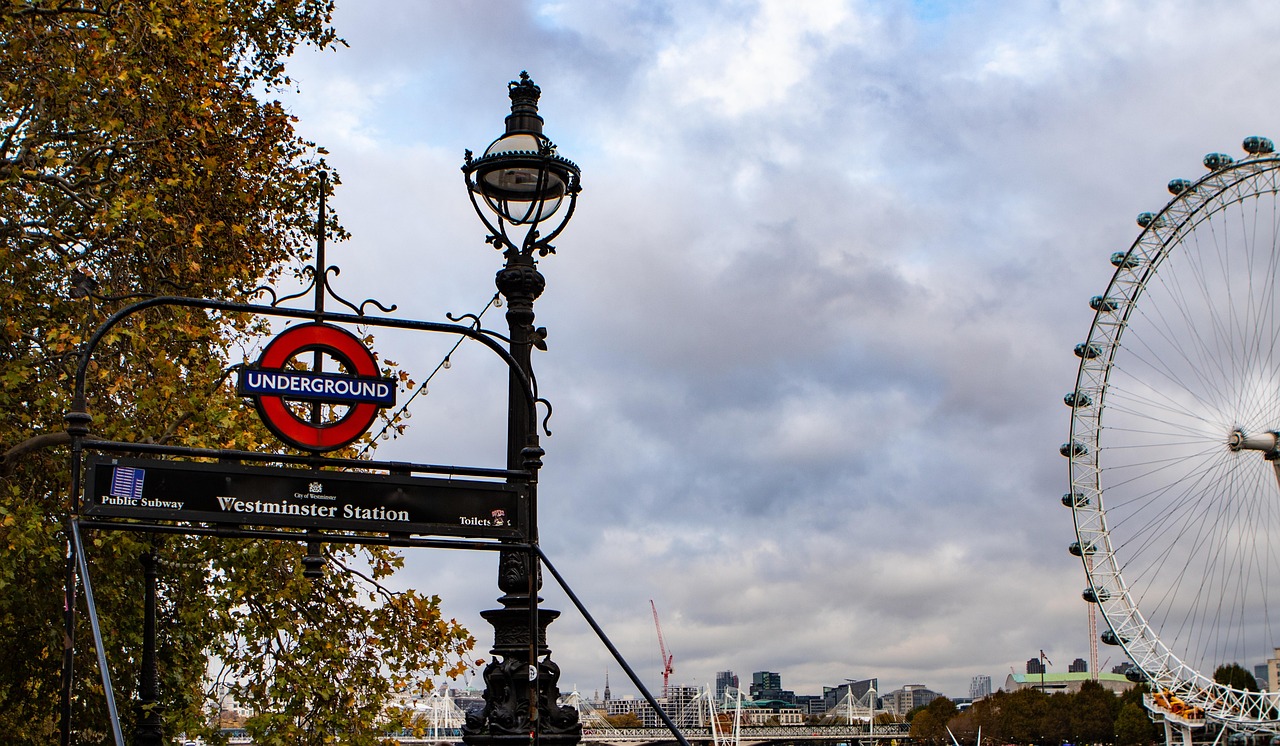
By Tube: Westminster station (Jubilee, District, and Circle lines) is the closest, about a 3-minute walk. Exit toward Bridge Street and you’ll see the Abbey immediately. St. James’s Park station (District and Circle lines) is about a 5-minute walk from the south side.
By Bus: Routes 11, 24, 88, 148, and 211 all stop near Parliament Square. The bus stop on Victoria Street (for routes from Victoria station) is about 4 minutes on foot.
On foot: Westminster Abbey sits right on Parliament Square. If you’re walking from Buckingham Palace, it’s about 10 minutes through St. James’s Park. From the London Eye, cross Westminster Bridge and you’re there in 5 minutes.
Parking: Don’t drive. Westminster has a congestion charge, parking is absurdly expensive, and the Tube gets you there faster. Seriously.
Tips That Will Save You Time
- Book online in advance. Walk-up tickets are available but the queue can be brutal, especially in summer. Online tickets guarantee your time slot and let you skip the ticket queue entirely.
- Wear comfortable shoes. The walking route through the Abbey covers more ground than you’d expect, and the floors are stone. Add the Jubilee Galleries (108 steps up) and you’ll feel it.
- Photography is allowed in most areas but NOT in the Jubilee Galleries. No flash anywhere. I’d leave the selfie stick at the hotel — the space is too narrow and too sacred for that.
- The cloisters are free. Even if you don’t buy a ticket, you can walk through the medieval cloisters and visit the Chapter House. Worth knowing if you’re on a tight budget.
- Add the Jubilee Galleries. I keep saying it because it’s true: the 5 GBP extra for the Galleries is the single best upgrade available. The view down the nave from the eastern triforium is extraordinary — 700 years as the Abbey’s “attic” before opening to the public in 2018.
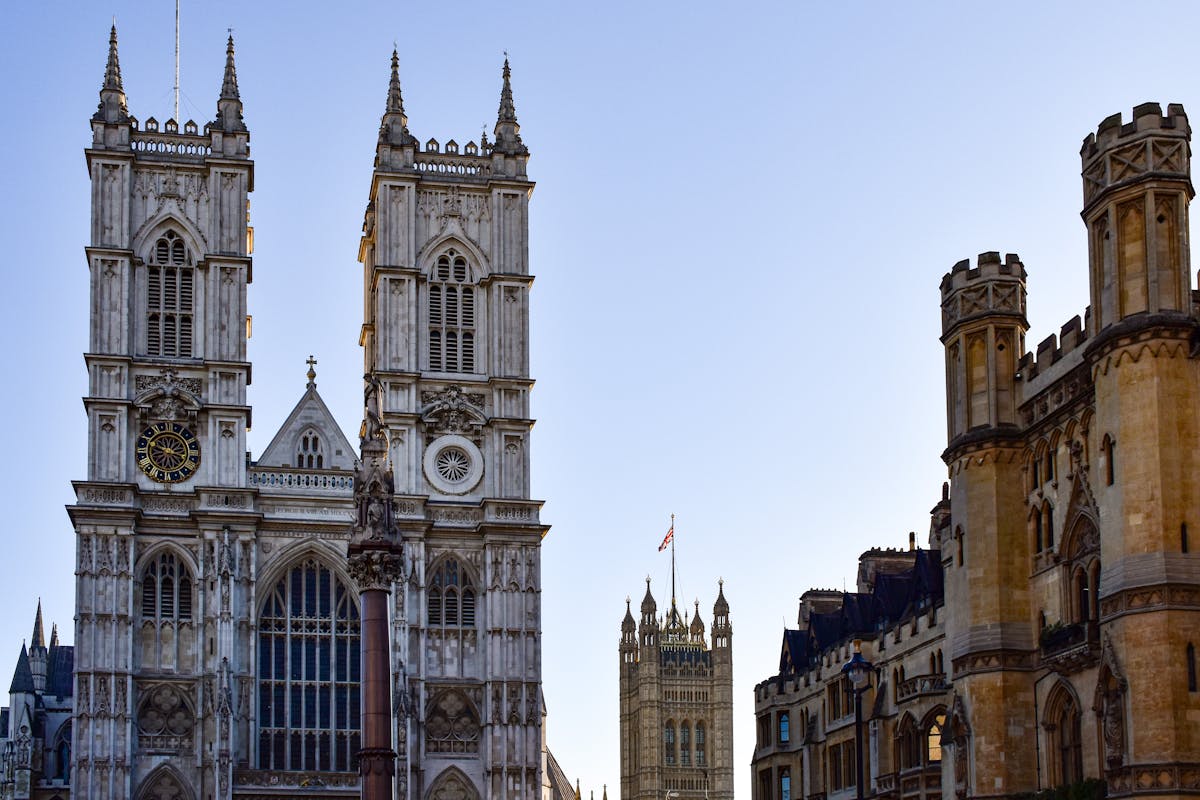
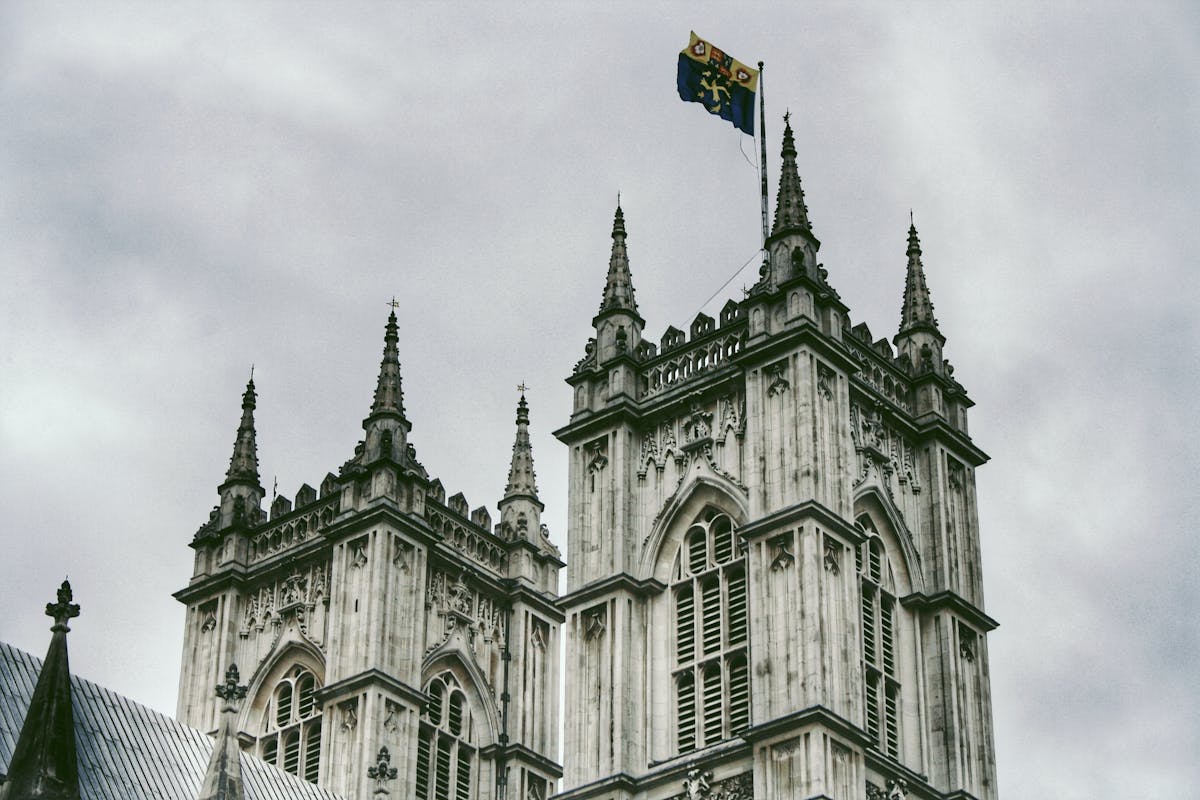
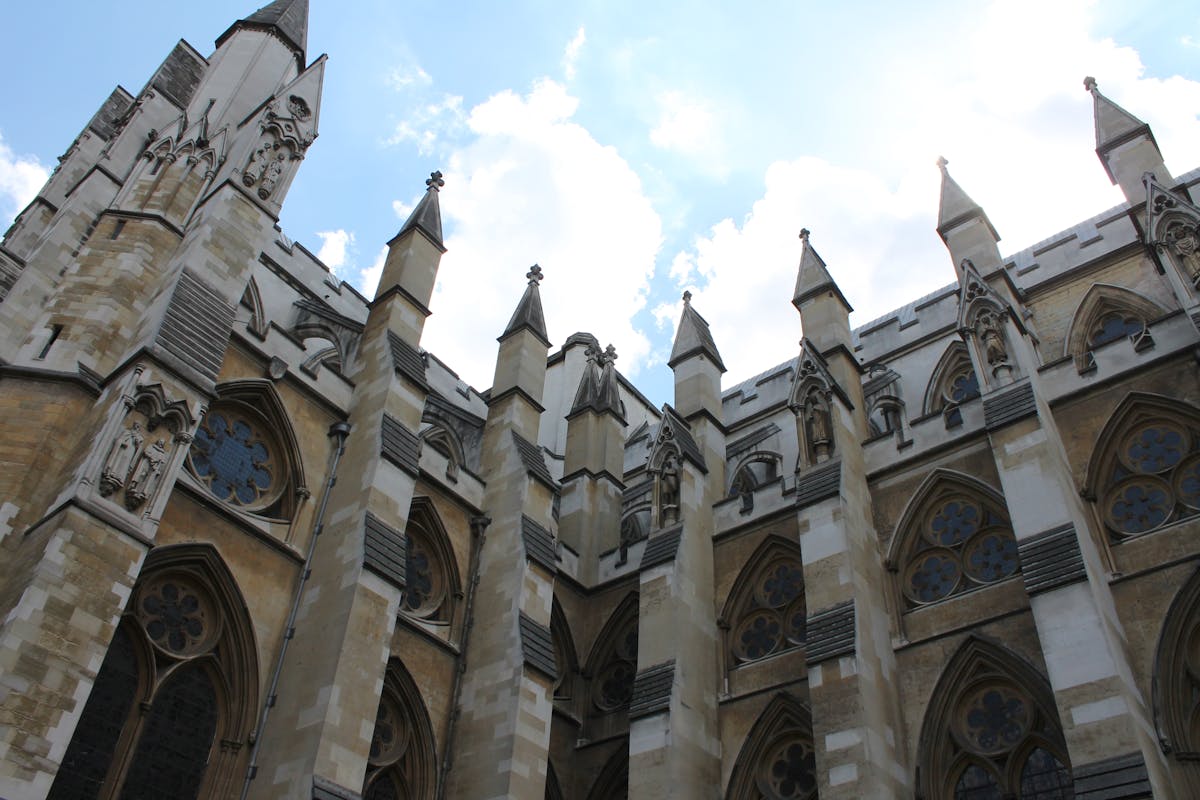
- Don’t skip the exterior. Most visitors walk in through the north door and never look at the outside. The statues above the Great West Door include Martin Luther King Jr., and the flying buttresses on the south side are spectacular.
- Budget 2 hours minimum. You can rush through in an hour, but you’ll miss half of what makes this place special. The audio guide alone runs about 90 minutes if you listen to everything.
What You’ll Actually See Inside
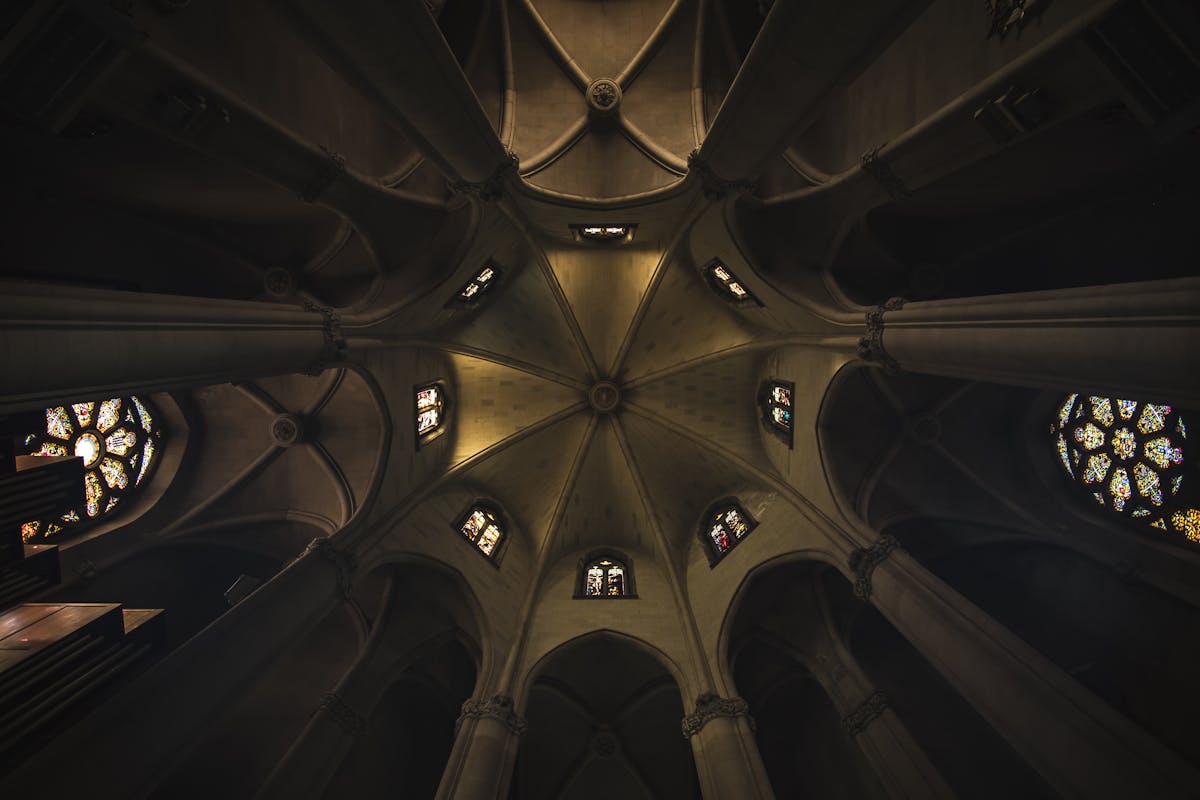
Westminster Abbey was founded in 960 AD as a Benedictine monastery. Edward the Confessor rebuilt it beginning in 1042, and Henry III expanded it again in 1245 into more or less what stands today. It survived the Reformation, the Great Fire (it was far enough west), and WWII bombing damage.
The visitor route takes you through the Abbey in a set path, starting at the Great North Door.
The Nave: You’ll walk down the longest Gothic nave in England. Look down — Charles Darwin is buried in the floor, and the Tomb of the Unknown Warrior is near the Great West Door. The Unknown Warrior was brought from France in 1920 and buried with soil from the battlefields. It’s one of the most moving things in the building.
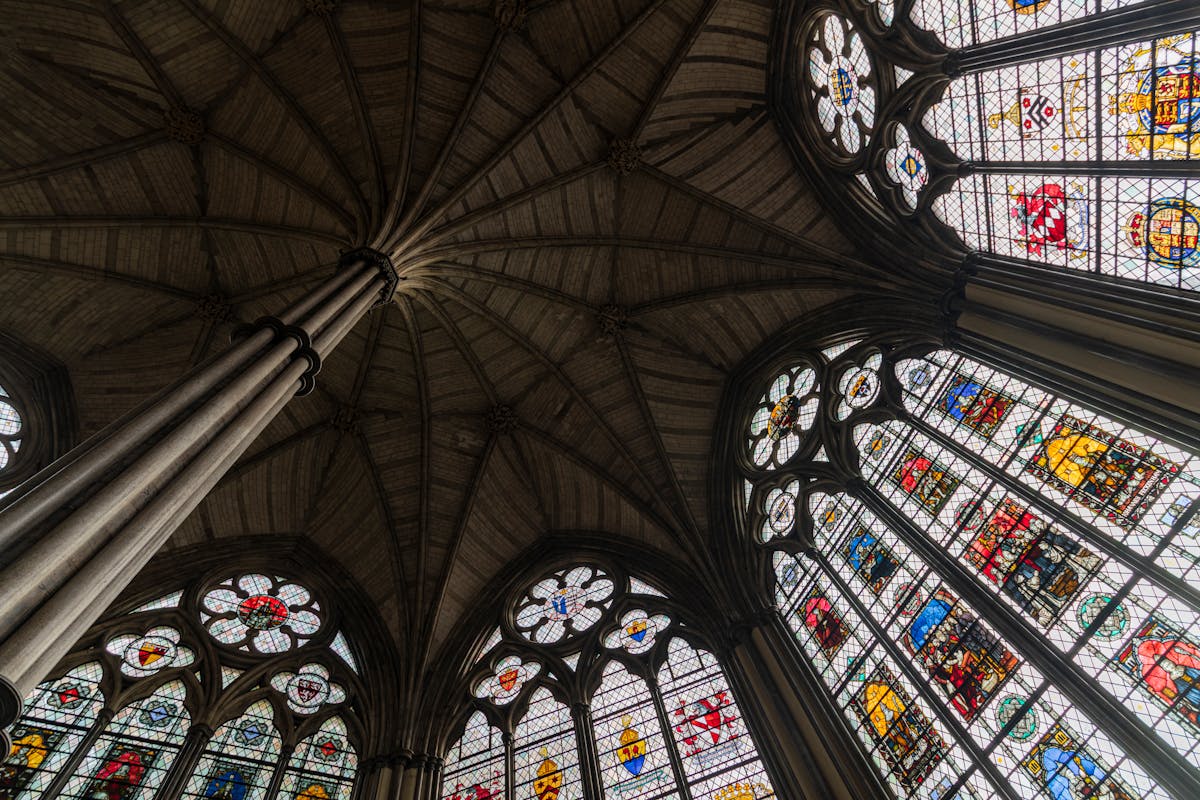
The Quire and High Altar: Past the ornate Quire Screen (which has Newton’s memorial on the left side), you’ll enter the Quire where the Abbey choir still sings during services. The Cosmati Pavement in front of the High Altar was laid by Italian craftsmen in 1268 — it’s made of coloured stone and glass embedded in Purbeck marble, and it’s where every coronation takes place.
Tombs of Kings and Queens: Thirty monarchs are buried in the eastern end of the Abbey, including Edward the Confessor. The route takes you clockwise past medieval tombs, some remarkably intact.
The Henry VII Lady Chapel: This is the showstopper. Built between 1503 and 1516, the fan-vaulted ceiling is one of the finest pieces of late Gothic architecture in Europe. Elizabeth I and Mary I share a tomb in the north aisle. Mary Queen of Scots has the most elaborate tomb in the south aisle. The detail up here is on another level entirely.
Poet’s Corner: Over 100 writers and poets are buried or memorialized here. Chaucer was first, buried in 1400. Dickens, Kipling, Tennyson, and Hardy all followed. There’s a memorial to Shakespeare (who’s actually buried in Stratford-upon-Avon, not here). This section alone could hold your attention for 30 minutes.
The Coronation Chair: Made in 1300 by order of Edward I, it’s been used at almost every coronation since 1308. It’s smaller and more battered than you’d expect — schoolboys carved their initials into it in the 1800s, which somehow makes it more real. You’ll find it near the end of the walking route in St. George’s Chapel.
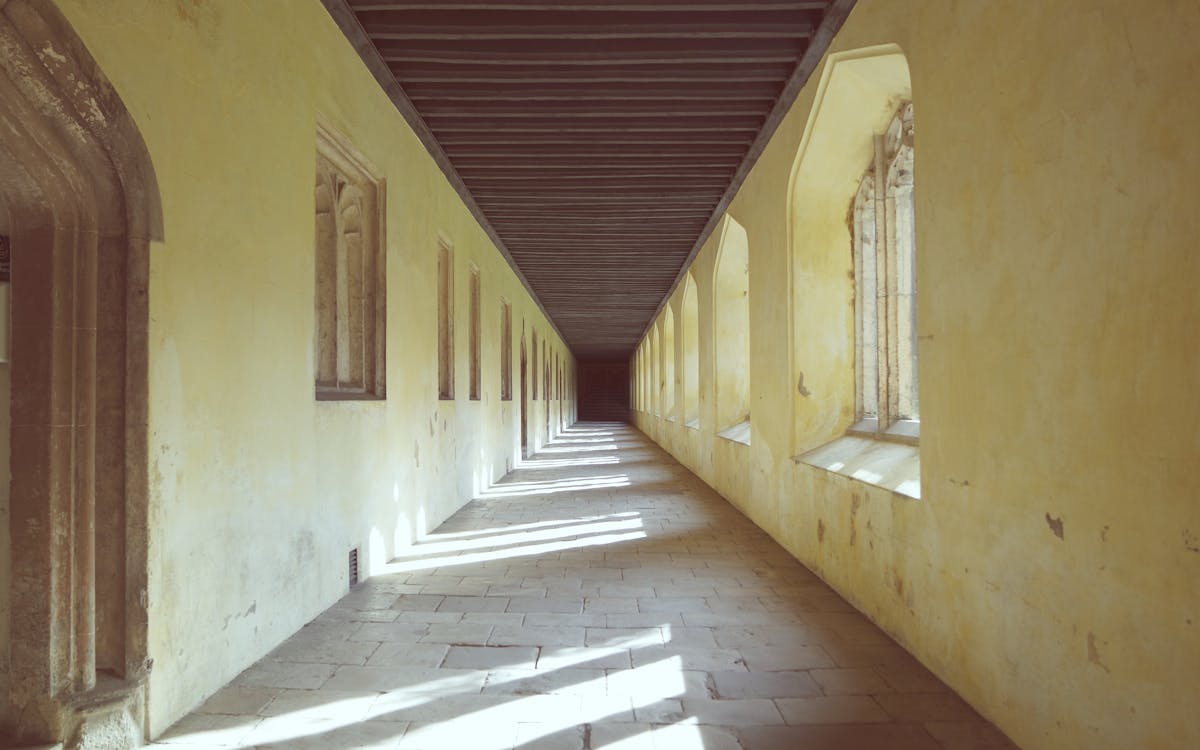
The Cloisters: Monks walked here for hundreds of years. The Chapter House (dating to 1246) is accessible from the East Cloister, and the Pyx Chamber has doors from the 14th century. The College Garden, tucked behind the cloisters, has been continuously cultivated for over 900 years.
While You’re in Westminster
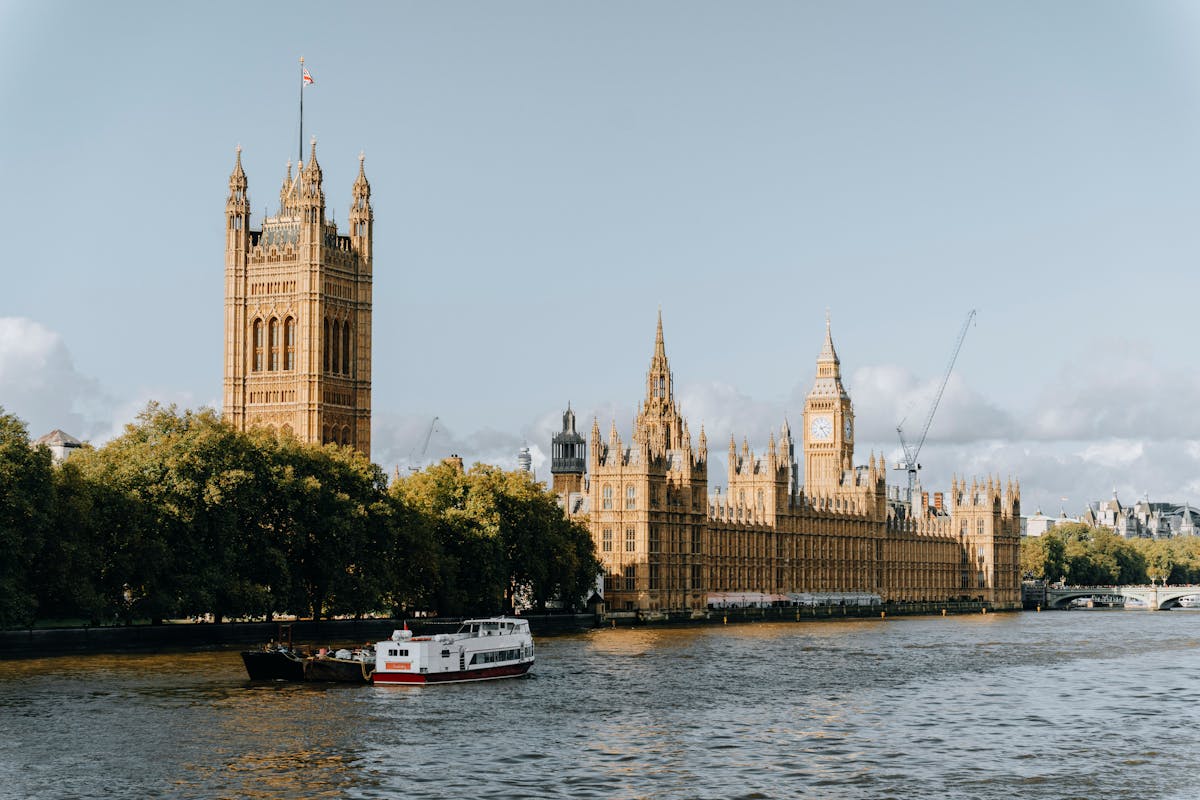
Westminster Abbey sits right in the middle of London’s densest cluster of big-ticket sights, so you’d be mad not to stack your day. The Houses of Parliament and Big Ben are literally across the road — you’ll hear the chimes while you’re inside the Abbey. Walk through St. James’s Park (10 minutes, and genuinely one of London’s prettiest walks) and you’re at Buckingham Palace. Cross Westminster Bridge and you’re at the London Eye, which is especially good at sunset. And if you haven’t done a Thames river cruise yet, the Westminster Pier departures are steps from the Abbey. The Tower of London is a quick Tube ride east and pairs perfectly with a Westminster morning. Between the Abbey, the riverfront, and the parks, you could fill an entire day without taking the Tube once.
This article contains affiliate links. When you book through these links, we may earn a small commission at no extra cost to you. This helps us keep producing free travel guides.
What Else to See in Westminster
Buckingham Palace is an 8-minute walk through St James’s Park from the Abbey. If you time it right, you can catch the Changing of the Guard after your Abbey visit and then tour the State Rooms — a morning that covers two of London’s most important royal sites without touching public transport.
The Houses of Parliament sit right next to the Abbey, and a hop-on hop-off bus picks up along Whitehall, making it easy to continue to other parts of the city. The bus route connects Westminster to the Tower of London, the South Bank, and most other tourist zones without navigating the Tube.
For a day trip from this part of London, a Stonehenge excursion departs from Victoria Coach Station, which is about a 10-minute walk from the Abbey. Windsor Castle is also easily reachable from nearby Paddington or Waterloo stations. Both share the Abbey’s theme of deep English history, just outside the city.