
The guide stopped mid-sentence, pointed at a drainage grate in the pavement, and said: “That’s original. From 1888. The blood would have drained right through there.” Twenty of us stared at a piece of Victorian ironwork in a Whitechapel side street and nobody said a word for about five seconds. That’s the kind of moment you book a Jack the Ripper tour for.
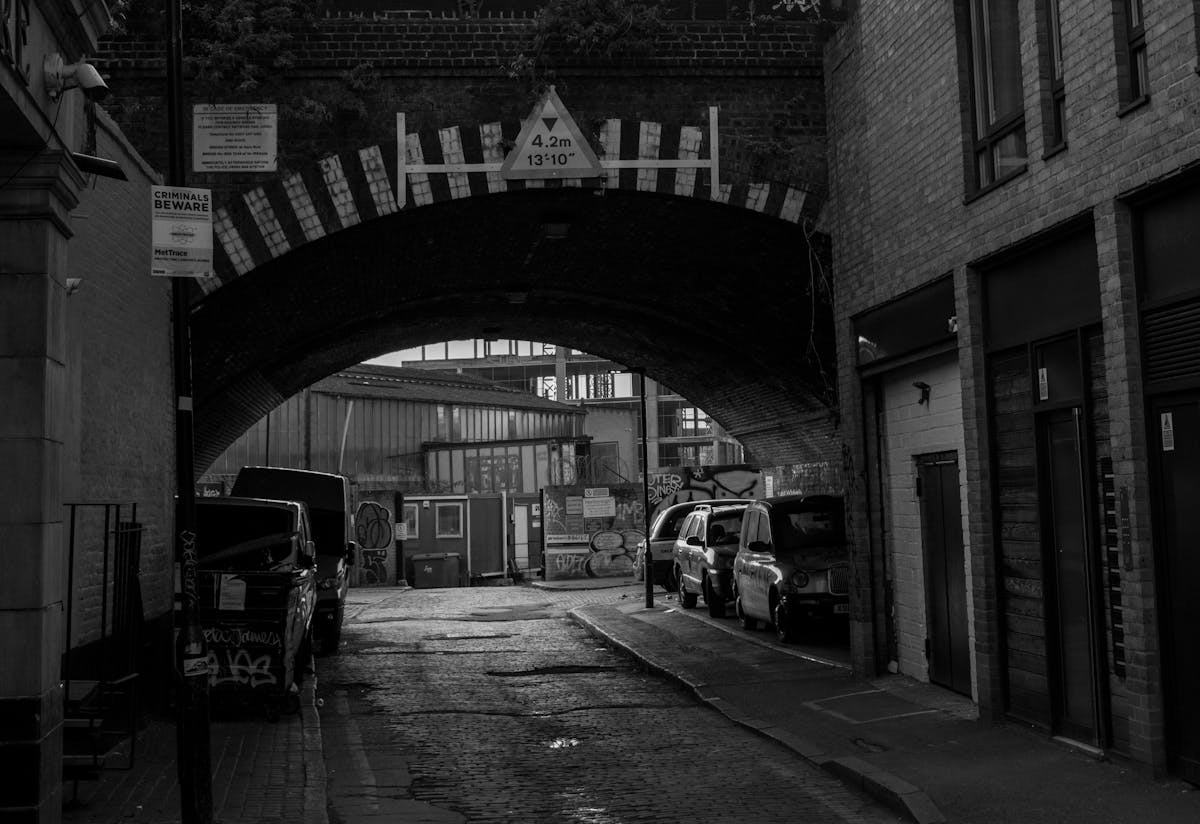
Whitechapel in the autumn of 1888 was the most dangerous square mile in London. Five women were murdered in the space of ten weeks, the killer was never caught, and the case has been argued over by amateur detectives, professional historians, and conspiracy theorists ever since. The walking tours that run through this part of the East End today retrace those exact streets — some of which have barely changed. You walk where the victims walked, stand where the bodies were found, and hear the details that the newspaper reports of the time got wrong.
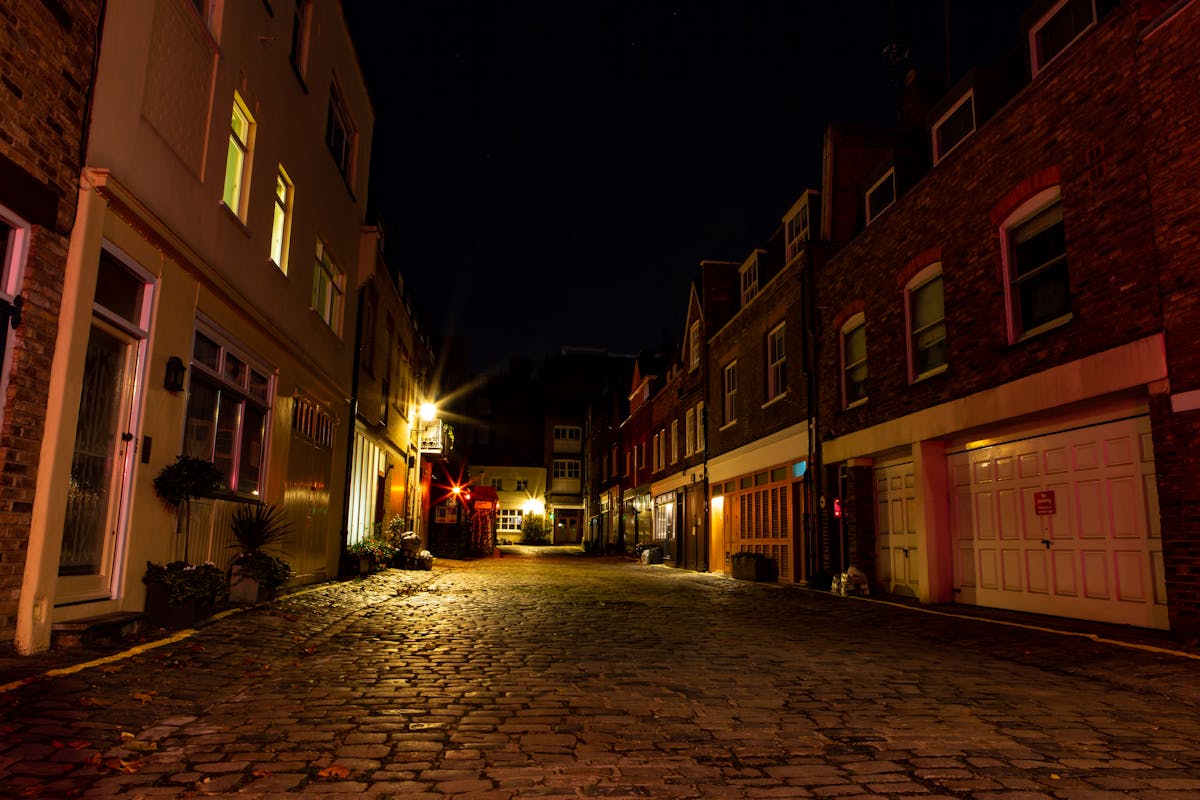
But here’s the thing — there are dozens of Jack the Ripper tours running in London on any given evening, and the quality varies wildly. Some are theatrical and entertaining, some are deeply researched and forensic, and some are frankly just a bloke with a lantern reading from Wikipedia. I’ve put together this guide so you can pick the right one.
Best overall: Jack the Ripper Guided Walking Tour — $25. Two hours, expert guides, hits all the major crime scenes. The one I’d recommend to most people.
Best evening atmosphere: Jack the Ripper Evening Walking Tour — $33. Starts later, darker streets, more theatrical storytelling. Worth the premium if you want the full atmosphere.
Best with pub stops: Jack the Ripper Tour with Historic Pub Stops — $40. Two and a half hours with stops at Victorian-era pubs along the route. The most social option.
- How Jack the Ripper Walking Tours Work
- Walk-Up vs Guided Tour — Which Should You Book?
- The Best Jack the Ripper Tours to Book
- 1. Jack the Ripper Guided Walking Tour —
- 2. Jack the Ripper Small Group Tour —
- 3. Jack the Ripper Evening Walking Tour —
- 4. Jack the Ripper Tour with Historic Pub Stops —
- When to Go
- How to Get There
- Tips That Will Save You Time
- What You’ll Actually See
- Who the Tours Are Actually For
- While You’re in London
- More London Experiences After Dark and Beyond
How Jack the Ripper Walking Tours Work
Almost all Jack the Ripper tours follow the same basic format. You meet at a designated point — usually near Tower Hill Underground station or Aldgate East — and walk for about two hours through Whitechapel and Spitalfields, stopping at the sites connected to the five canonical murders.
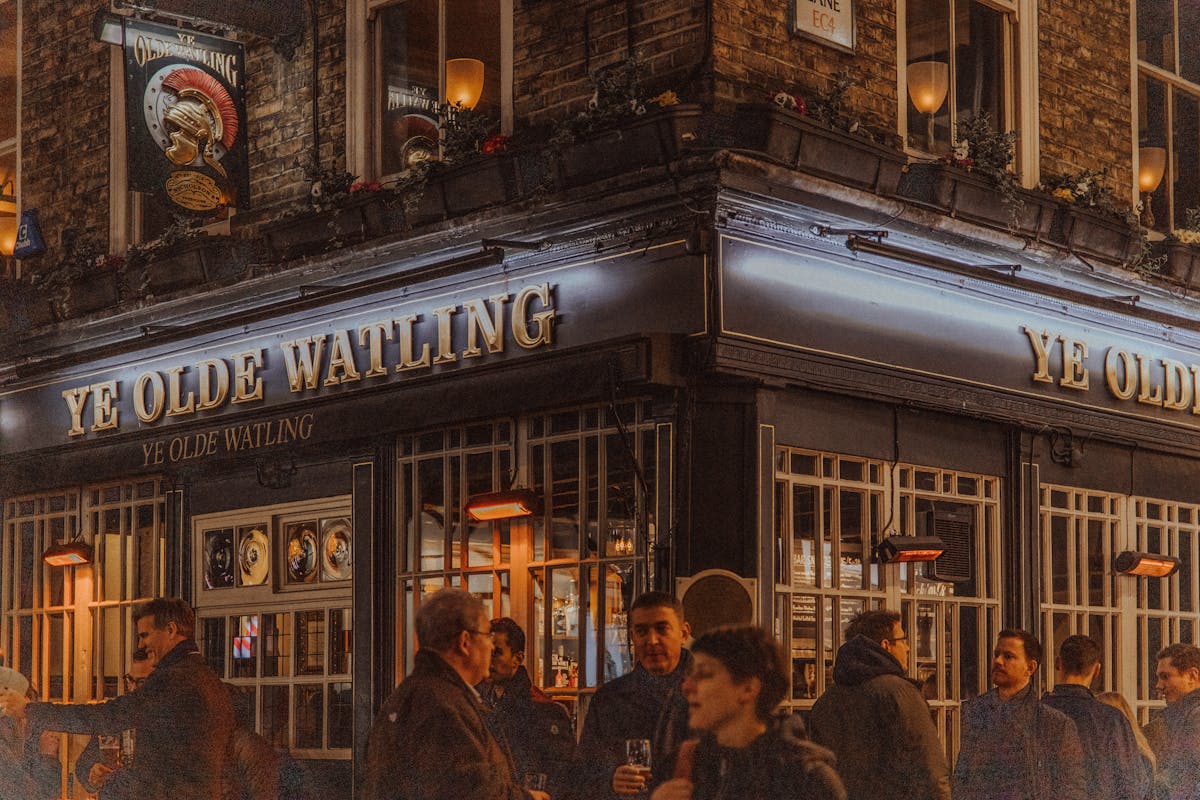
The route typically covers Mitre Square (where Catherine Eddowes was killed), Goulston Street (where a piece of the victim’s apron was found alongside a cryptic chalk message), Hanbury Street, and the area around Miller’s Court where the final and most gruesome murder took place. Some tours also pass Christ Church Spitalfields, the Ten Bells pub (where at least two victims were seen drinking the night they died), and Spitalfields Market.
No advance booking is strictly necessary for some of the older walk-up tours, but the better-quality guided tours through GetYourGuide and Viator do require booking. And honestly, you should book — the walk-up ones tend to have massive groups of 30-40 people, which makes it hard to hear the guide and impossible to see whatever they’re pointing at. The booked tours keep numbers to 15-20 or sometimes smaller.
Prices range from about $20 to $40 per person depending on group size, guide experience, and whether pub stops are included. Most tours are two hours. All of them run rain or shine.
Walk-Up vs Guided Tour — Which Should You Book?
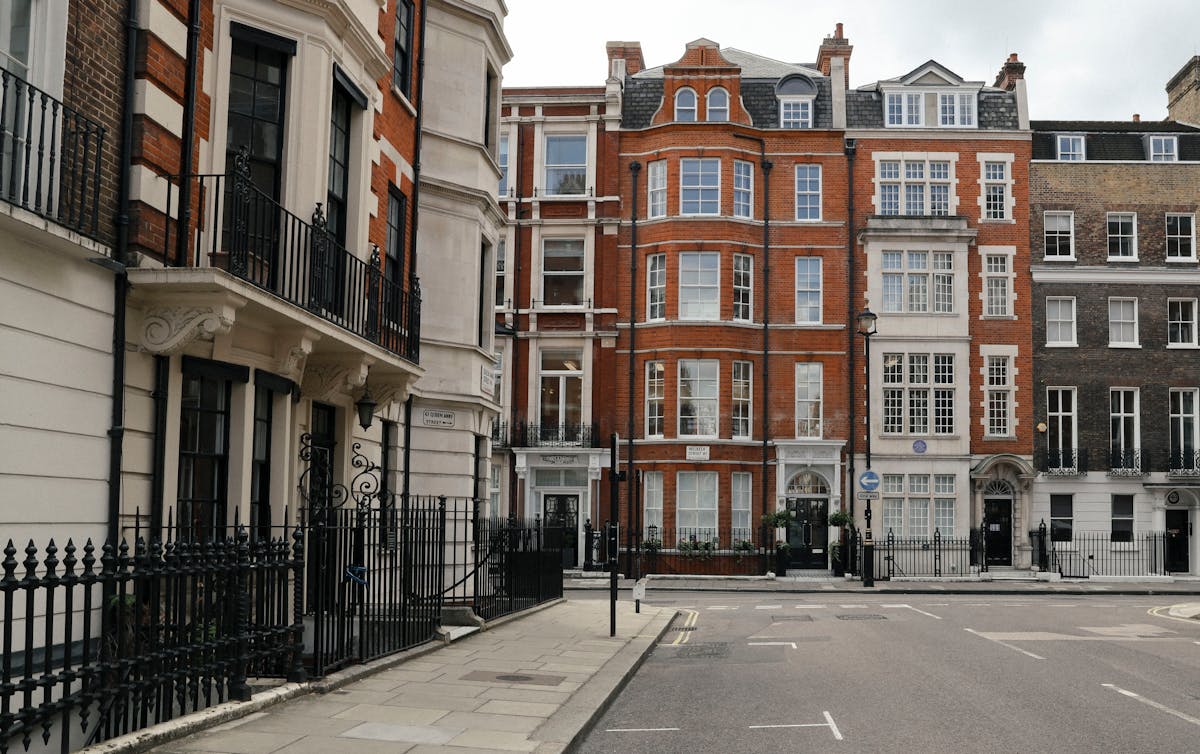
There are broadly two ways to do a Ripper tour: the walk-up model and the pre-booked guided model. They are surprisingly different experiences.
Walk-up tours (like the ones from jack-the-ripper-tour.com and thejacktherippertour.com) meet daily at Tower Hill station, usually at 7:30pm. You just show up, pay at the start, and join the group. Adults are typically around 15-20 GBP. The advantage is flexibility — no advance commitment, no cancellation worries. The downside is group size. These tours are popular and can swell to 30+ people on busy evenings, especially in summer and around Halloween.
Pre-booked guided tours through platforms like GetYourGuide typically cap groups at 15-20 people and sometimes smaller. Guides tend to be history specialists or Ripperologists (yes, that’s a real term) rather than general London tour guides. You get more depth, more interaction, and you can actually hear what’s being said. The trade-off is you need to commit to a date and time.
My honest take: book in advance. The small-group tours are worth the few extra pounds. You’ll hear more, see more, and the guide can actually answer your questions instead of shouting over 40 people.
The Best Jack the Ripper Tours to Book
I’ve gone through the available options on GetYourGuide and narrowed it down to four that stand out. Each one takes a slightly different approach, so there’s something here whether you want a deep historical dive or a more casual evening with pub stops.
1. Jack the Ripper Guided Walking Tour — $25
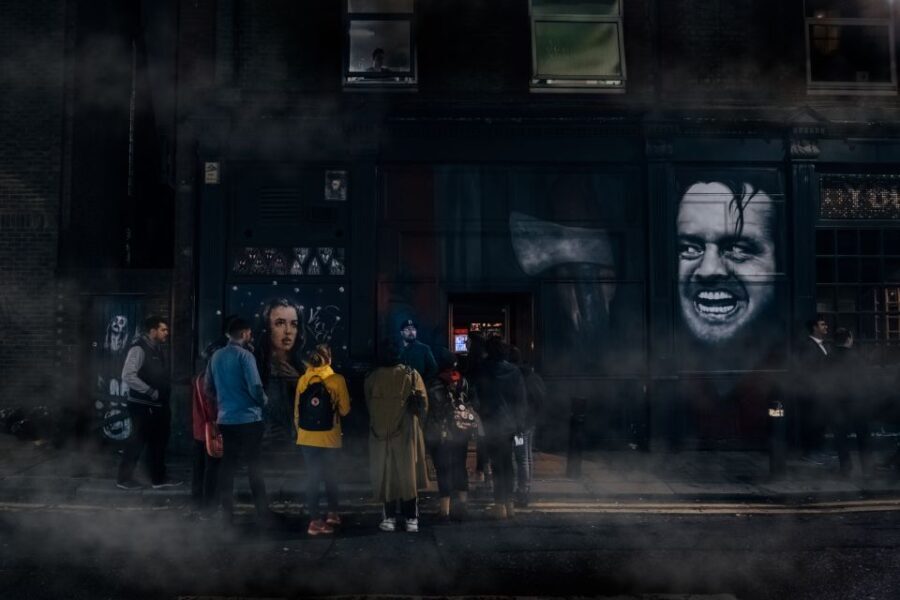
This is the one I’d point most people toward. Two hours, all the key sites, and guides who genuinely know their material. At $25 per person it’s also the best value option — you’re getting a proper walking history lesson through Whitechapel for less than the price of two pints in central London.
The route hits the major crime scenes plus a few spots that only the more knowledgeable guides include, like the site of the original police mortuary. What sets this one apart from the budget walk-up tours is the depth — guides here don’t just tell you where the murders happened, they explain the forensic evidence, the police failures, and why the case remains unsolved. Groups stay manageable in size, which means you can actually ask questions without competing with 30 other people.
2. Jack the Ripper Small Group Tour — $26
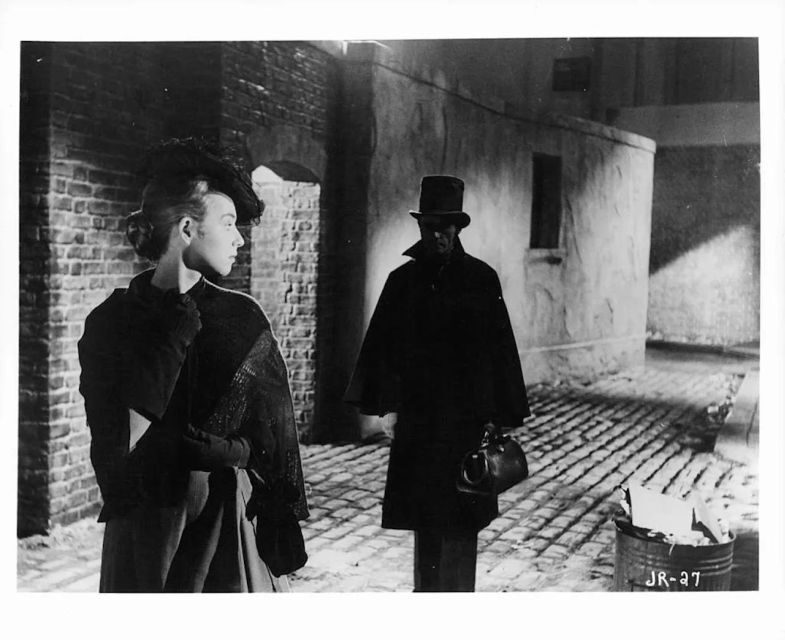
If you want a more intimate experience, this small group format is worth the extra dollar over the standard tour. The $26 price point gets you into a deliberately smaller group, which changes the whole dynamic. The guide can read the room, spend longer at sites where people are genuinely curious, and skip the surface-level stuff that bigger tours have to stick to.
Two hours through Victorian Whitechapel with expert storytelling and genuine back-and-forth between the guide and the group. The guides on this particular tour lean more toward historical context — you’ll learn about the poverty, the workhouses, and the social conditions that made the East End such a breeding ground for crime, not just the murders themselves. It’s a more complete picture. The only downside is that because groups are smaller, slots fill up faster — book a few days ahead if you’re visiting in peak season.
3. Jack the Ripper Evening Walking Tour — $33
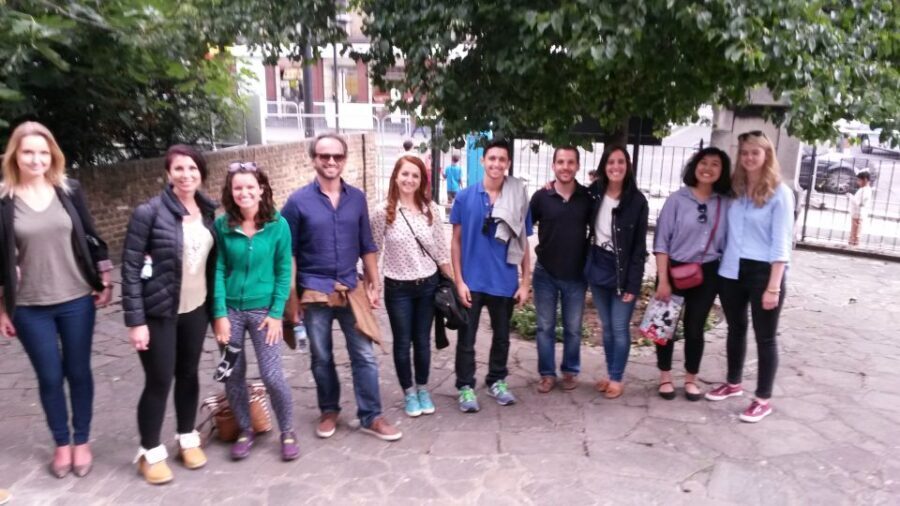
This is the atmospheric choice. Starting later in the evening — typically around 8pm — means you’re walking Whitechapel when the streets are darker and the travelers have thinned out. The $33 per person price tag is higher than the standard walks, but you’re paying for the production value as much as the historical content.
The guides on this tour lean into the storytelling. They set scenes, build tension, and use the actual surroundings — dark corners, narrow passageways, the shadows from street lamps — to make the murders feel less like a history lesson and more like something that happened disturbingly recently. It’s genuinely effective. If you’re someone who watches true crime documentaries and wants that same feeling in three dimensions, this is the one.
Fair warning: this tour leans more theatrical than forensic. If you want cold hard facts and detective-work detail, the standard guided walk is probably a better fit. But if you want to feel something walking through Whitechapel after dark, this one delivers.
4. Jack the Ripper Tour with Historic Pub Stops — $40
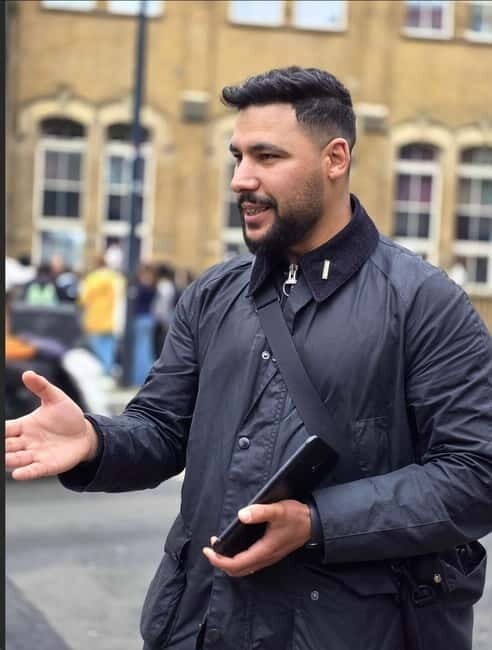
At $40 per person this is the most expensive option, but it’s also the longest at two and a half hours — and the pub stops are the reason. You’re not just walking past historic pubs, you’re going inside them. The Ten Bells near Spitalfields Market is usually on the route, and it’s one of the few buildings directly connected to the Ripper case that you can actually walk into and order a drink.
The format works surprisingly well. You walk to a murder site, hear the story, then duck into a nearby pub where the guide fills in the wider historical context over a pint. It breaks the intensity of the subject matter and turns the whole thing into something more social. If you’re doing this with a group of friends or as a couple’s evening out, this is the format I’d pick. Drinks are not included in the price, so budget for a couple of pints on top of the tour fee.
When to Go
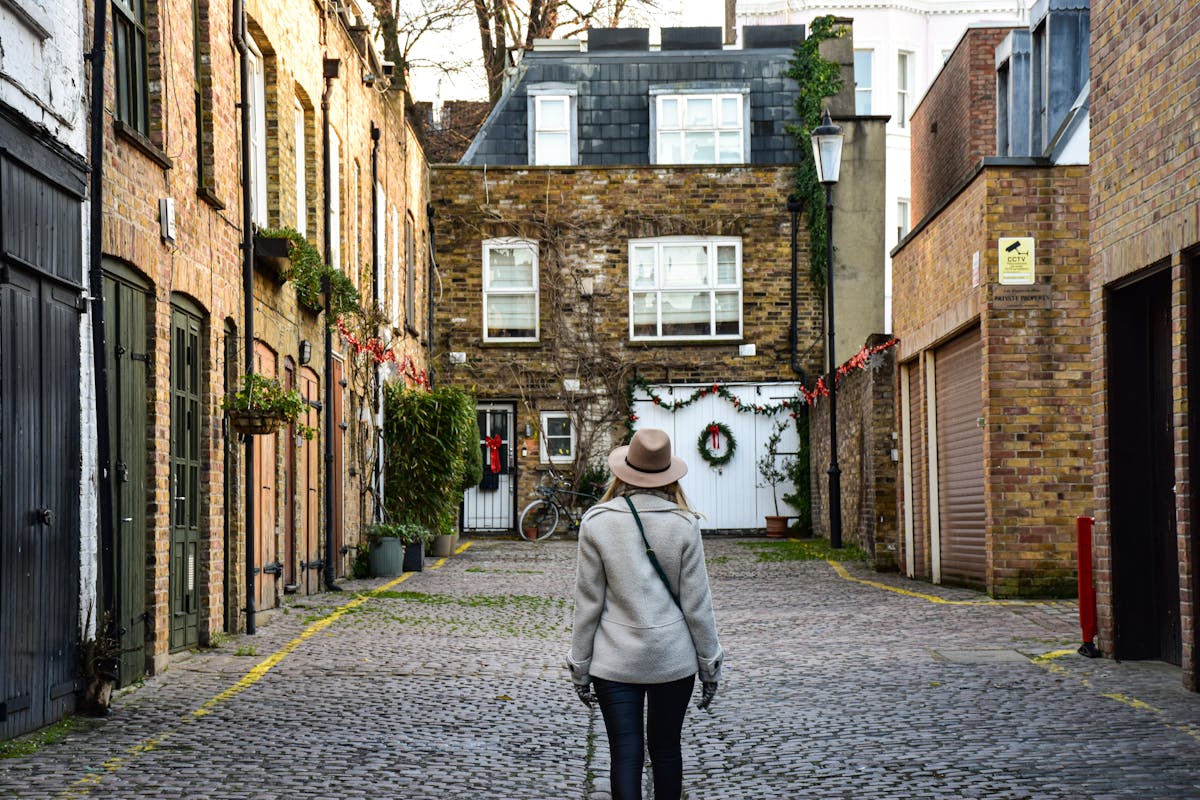
Jack the Ripper tours run year-round, every evening, rain or shine. But the experience is dramatically different depending on when you go.
Best time: October through February. The murders happened in autumn 1888 (August to November), so visiting in the same season feels right. It gets dark earlier, the air is colder, and the fog — when you get it — turns Whitechapel into something genuinely eerie. There are also fewer travelers, which means smaller groups.
Worst time: Late June and July. It doesn’t get properly dark in London until after 9pm in midsummer, so a 7pm “evening” tour takes place in broad daylight. It’s still interesting, but you lose the atmosphere entirely. If you’re visiting in summer, pick the latest possible start time.
Halloween week is the most popular time and tours sell out days in advance. Book early if you’re going in late October, but also know that groups will be larger and the experience will feel more touristy than at other times of year.
Most tours start at 7pm or 7:30pm. A few run Saturday matinees at 3pm if you prefer daylight, though honestly that defeats the purpose a bit.
How to Get There
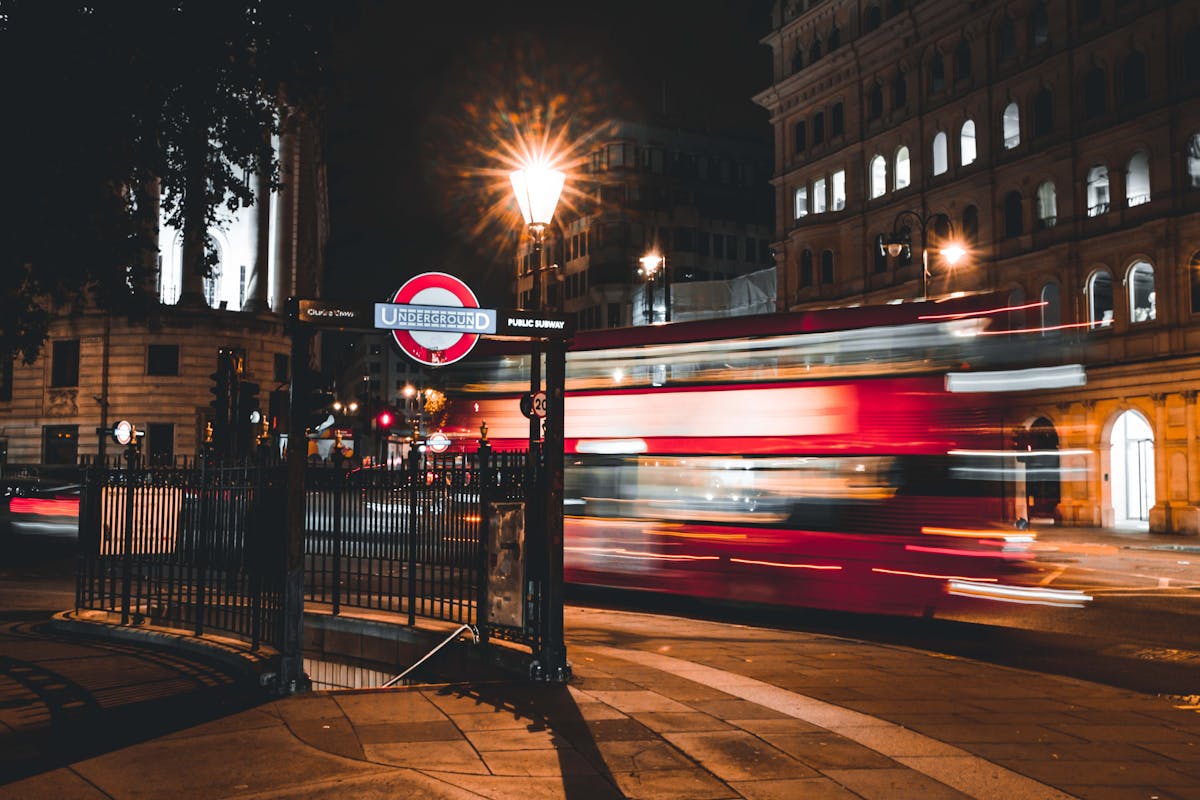
Almost all tours meet at or near Tower Hill Underground station (Circle and District lines). A few use Aldgate East (Hammersmith & City and District lines) or Aldgate (Metropolitan and Circle lines) as alternatives, but Tower Hill is the standard.
From central London, Tower Hill is about 10 minutes from Westminster on the District line, or 15 minutes from King’s Cross on the Northern line to Bank, then one stop on the Circle line. If you’re coming from south London, take the Jubilee line to London Bridge and walk across — it’s about 15 minutes on foot and you get Tower Bridge views along the way.
By bus, routes 15, 42, and 100 all stop near Tower Hill. The 15 runs from Trafalgar Square, which is convenient if you’re spending the day in the West End.
The tour route itself stays entirely within Whitechapel and Spitalfields, ending somewhere around Spitalfields Market or Brick Lane. From there, Liverpool Street station is a five-minute walk for connections to the Central, Elizabeth, Metropolitan, Hammersmith & City, and Circle lines.
Tips That Will Save You Time
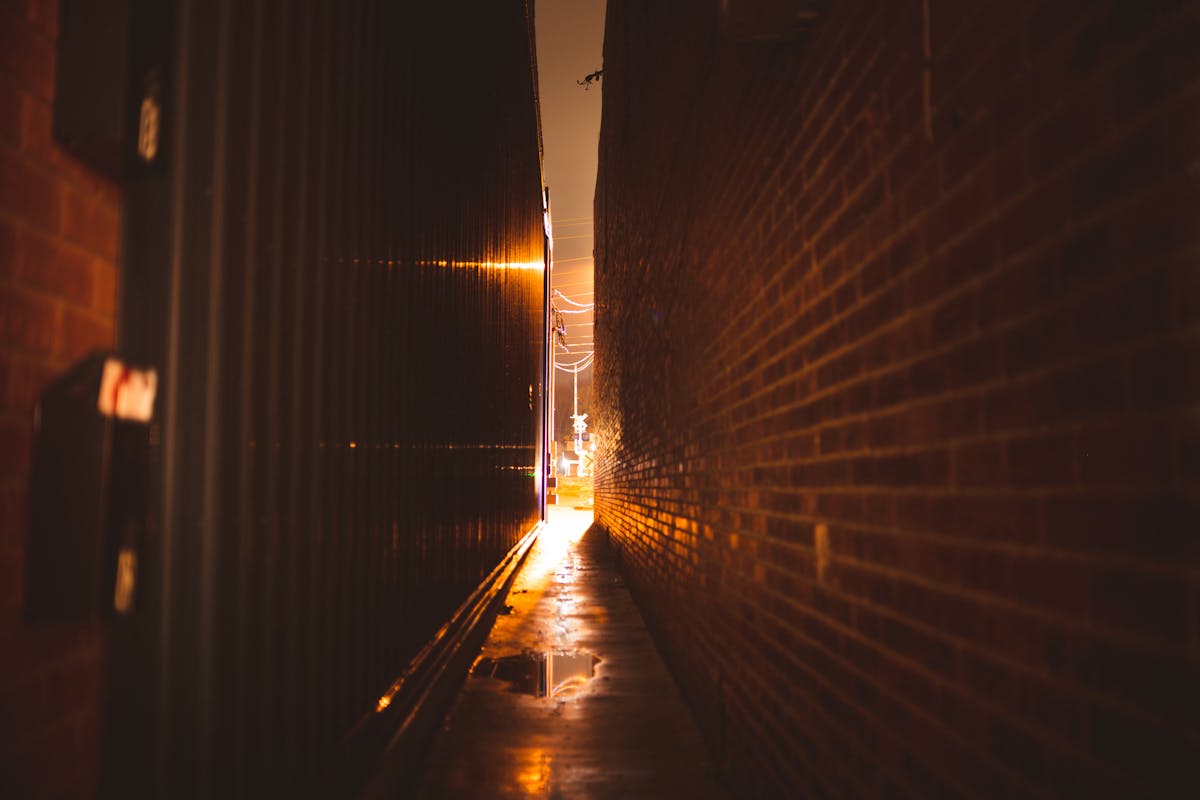
Wear comfortable shoes. You’ll walk about 1.5 miles over two hours, mostly on pavement and cobblestones. Heels or new shoes are a mistake.
Dress warm. You’re standing still for 5-10 minutes at each stop while the guide talks. Even in September that gets cold. Layers, a jacket, and a scarf if you run cold.
Bring a portable phone charger. Your phone is your map, your camera, and your torch. If it dies mid-tour, you’re navigating Whitechapel in the dark with no GPS.
Don’t eat a big dinner beforehand. Some of the crime scene descriptions are graphic, and the guides don’t hold back on the forensic details. A light meal is fine. A three-course curry on Brick Lane right before? Maybe not.
Arrive 10 minutes early. Tour groups form fast and guides often do a quick headcount before setting off. If you’re late, you might miss the start and struggle to find the group once they’ve moved into the side streets.
Combine it with dinner on Brick Lane. Most tours end within a five-minute walk of Brick Lane, which has some of the best curry houses in London. A Ripper walk followed by a vindaloo is a proper East End evening.
What You’ll Actually See
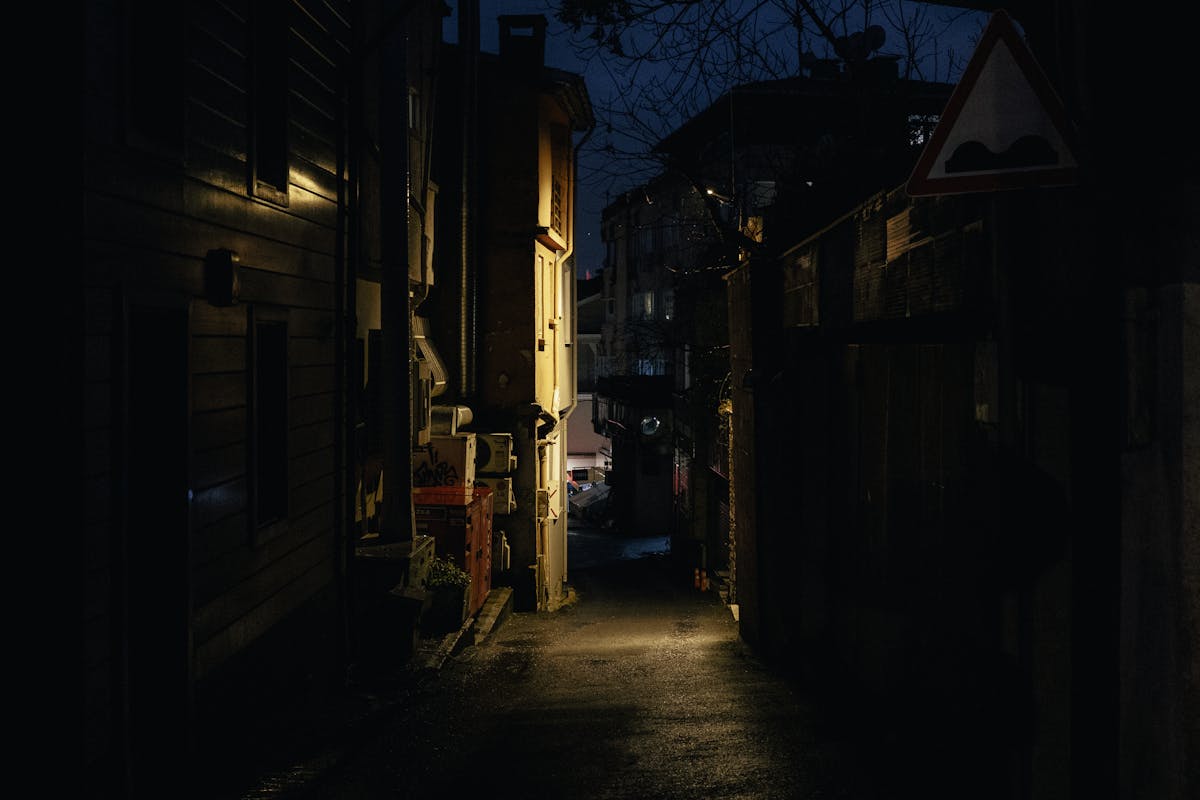
The Jack the Ripper case involved five murders that the police officially attributed to one killer — known as the “canonical five.” The walking tours visit the sites connected to most or all of these:
Mary Ann Nichols was the first victim, found on Buck’s Row (now Durward Street) on 31 August 1888. The street exists today but there’s no marker — just a quiet residential road that looks nothing like the slum it was.
Annie Chapman was found in the backyard of 29 Hanbury Street on 8 September. The building was demolished in 1970, but guides will show you where it stood and explain why the layout of the backyard mattered to the investigation.
Elizabeth Stride and Catherine Eddowes were both killed on the night of 30 September — the “Double Event.” Stride was found in Dutfield’s Yard off Berner Street (now Henriques Street). Eddowes was murdered in Mitre Square, which still exists and is one of the most atmospheric stops on the tour. The square is small, enclosed, and even with modern lighting feels claustrophobic.
Mary Jane Kelly was the final victim, killed in her room at Miller’s Court on 9 November. The court was demolished long ago, but guides will explain why this murder was different from the others — and why many Ripperologists believe the killer knew Kelly personally.
Beyond the murder sites, most tours also visit Christ Church Spitalfields (the imposing Nicholas Hawksmoor church that dominates the area), the Ten Bells pub, and Goulston Street — where a piece of bloodstained apron and a chalk message were found after the Double Event. The Metropolitan Police Commissioner ordered the message erased before it could be photographed, which remains one of the most controversial decisions in the case.
Who the Tours Are Actually For
I’ll be direct: if you faint at the mention of blood, skip this. The guides describe crime scenes in detail, and some of the original police and coroner reports are genuinely disturbing. Nobody is going to show you graphic images, but the verbal descriptions are enough.
That said, the tours are not horror shows. They’re history walks that happen to involve violent crime. Most of the content is about Victorian London — the poverty, the police force, the politics, the press coverage. The murders are the thread that ties it all together, but you’ll learn as much about 1880s London as you will about the Ripper.
Kids under 12 are generally not recommended. Teenagers who are into true crime will probably love it. Couples seem to make up about half of most tour groups, along with solo travellers and small groups of friends.
If you’re interested in the case itself — the suspects, the evidence, the theories — go for the standard guided walking tour or the small group tour. The guides there are genuine Ripper enthusiasts.
If you want an atmospheric evening out — go for the evening tour or the pub stops tour. Less forensic, more theatrical, and a better social experience.
While You’re in London
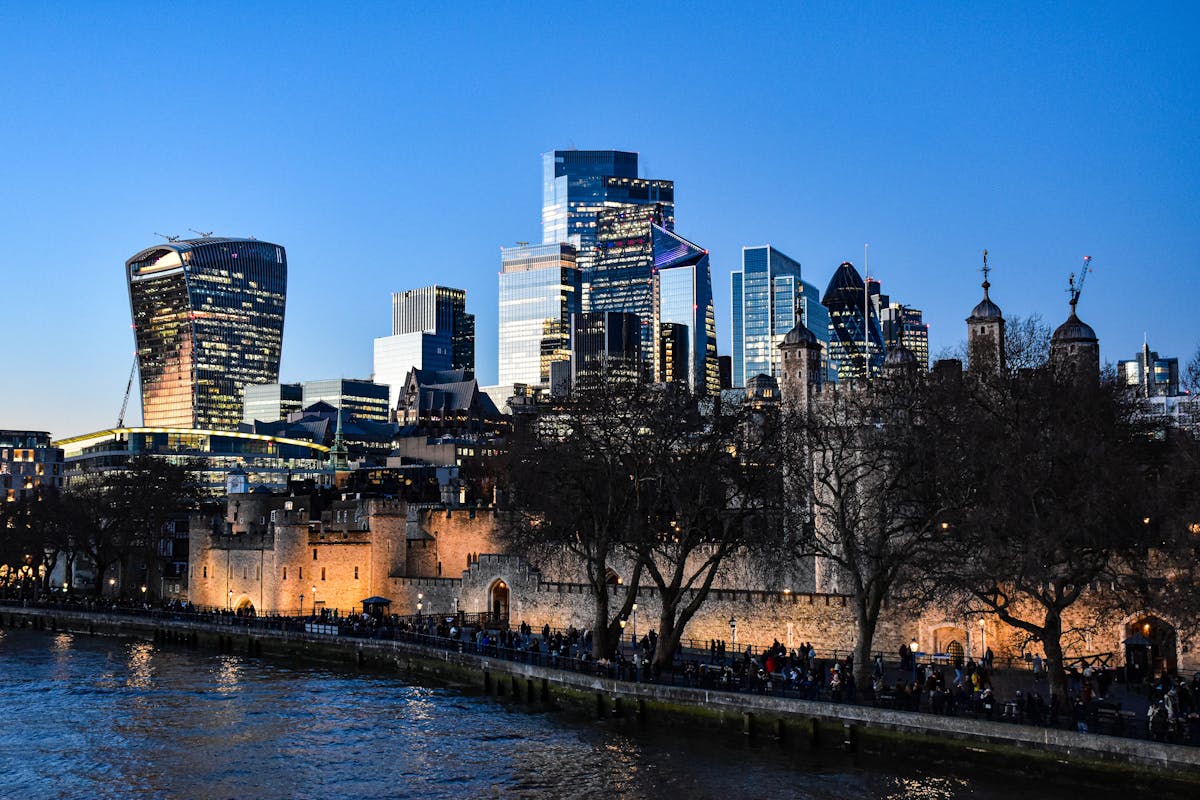
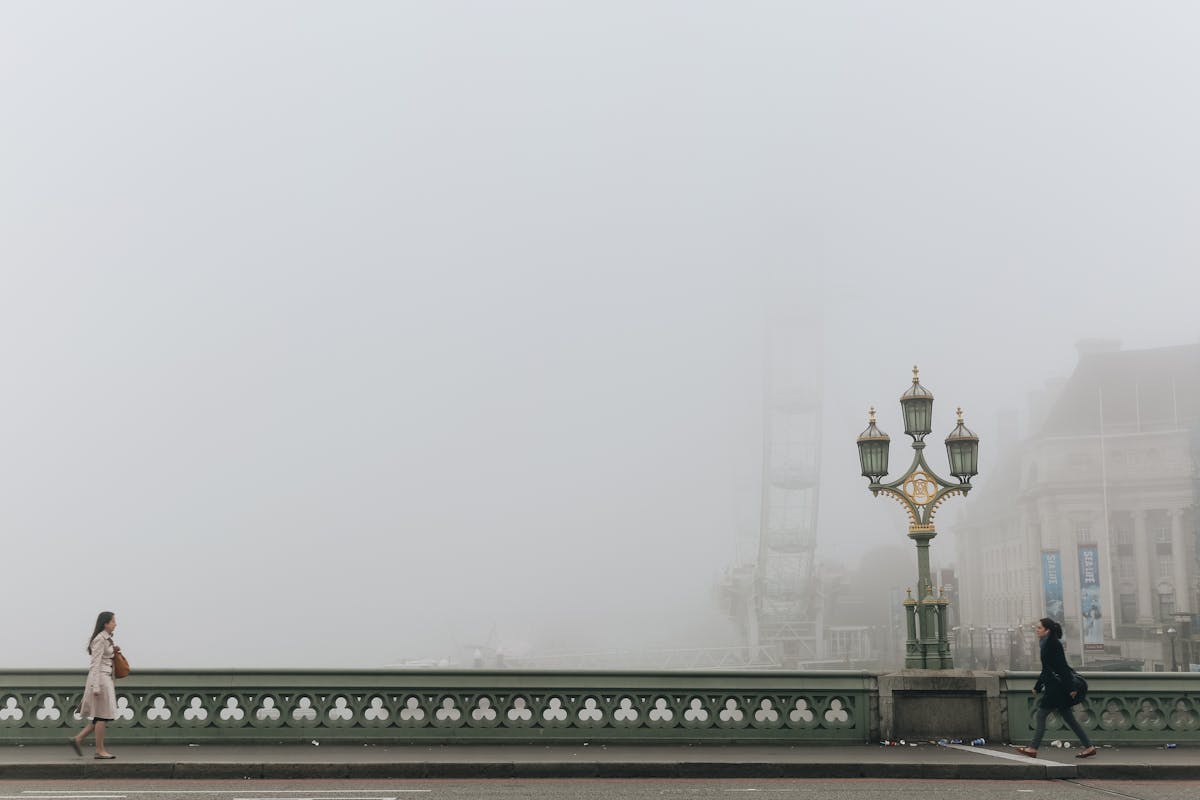
Since most Ripper tours start at Tower Hill, it makes sense to pair the walk with other things in the area. The Tower of London is literally across the road from the meeting point — you could do the Tower during the day and the Ripper walk that evening without even moving your base. A Thames river cruise is another good pairing, especially the sunset departures from Tower Pier. If you’re spending a few days in the city, the London Eye is worth a visit for the views, and Madame Tussauds has its own Jack the Ripper room if you want more of that particular flavour. For a full day trip, Stonehenge from London is doable and gets you out of the city entirely.
This article contains affiliate links. If you book a tour through one of these links, we may earn a small commission at no extra cost to you. This helps us keep producing free travel guides.
More London Experiences After Dark and Beyond
The Ripper tour finishes late in Whitechapel, which puts you in a good position for a late dinner in Brick Lane or Shoreditch. For the following day, the Tower of London is a short walk west from the same area and picks up the darker threads of London’s history from a completely different era.
If you enjoyed the walking format, a daytime walking tour covers different ground — the City of London, Westminster, or the South Bank — and gives you more architectural and political context for the streets you saw after dark. The Harry Potter walking tour is another evening option if you are travelling with younger companions who found the Ripper tour a bit intense.
A night bus tour is another way to see London lit up, but from the top deck of an open-air bus rather than on foot. It covers more ground and takes you past the illuminated facades of Parliament, Tower Bridge, and St Paul’s Cathedral. An evening Thames cruise offers a similar nighttime experience from the water.