
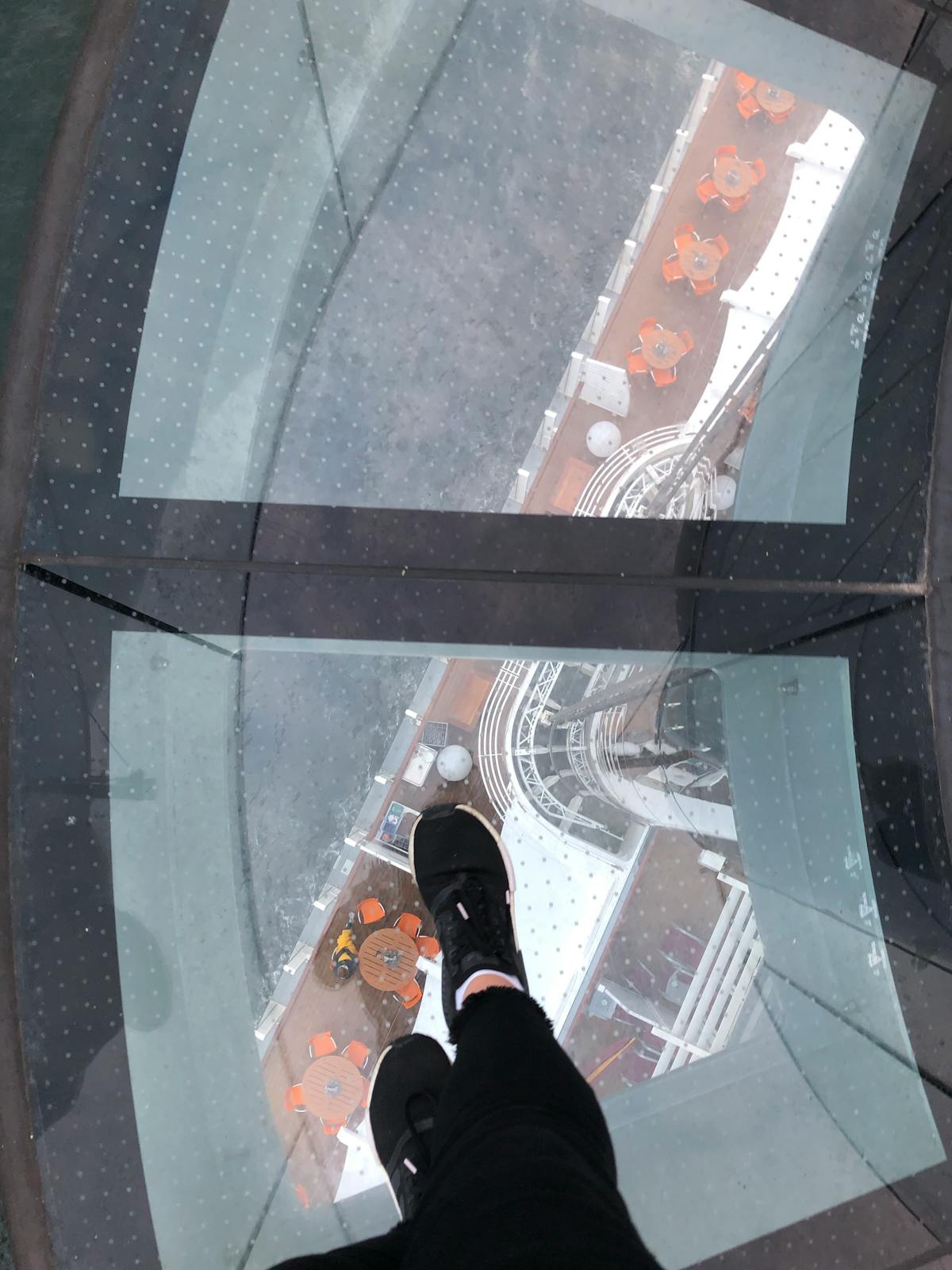
I looked down through the glass floor and immediately regretted it. Forty-two metres below my feet, a double-decker bus was crossing Tower Bridge, looking about the size of a matchbox. My hands gripped the railing harder than I’d like to admit.
That glass walkway is the reason most people buy tickets to Tower Bridge. And honestly, it’s worth every penny of the £18 admission — not just for the vertigo, but for what might be the best panoramic view of London that most travelers walk straight past.
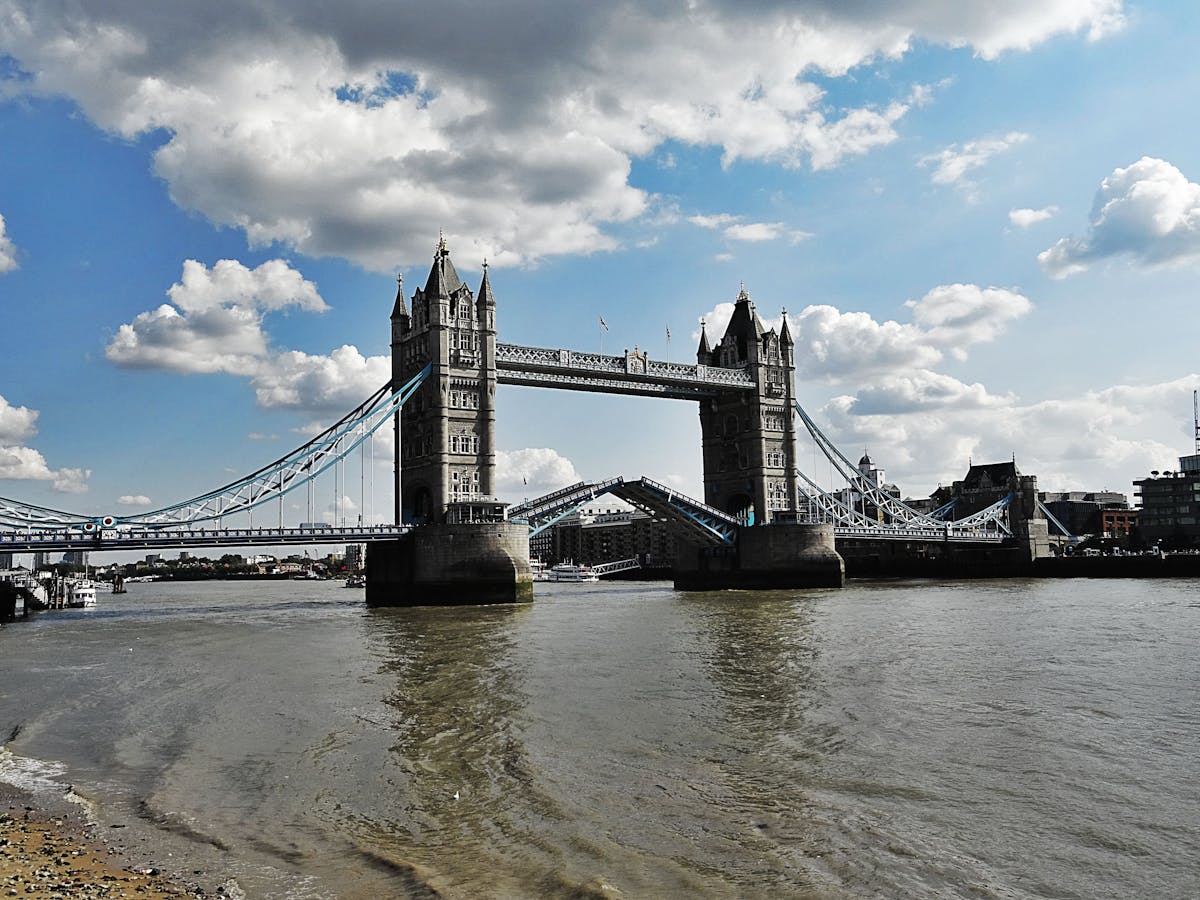
Here’s what surprised me most: Tower Bridge isn’t just a bridge you walk across. There’s a full exhibition inside it — Victorian engine rooms with the original steam-powered hydraulic machinery, a pair of high-level walkways with glass floors, and interactive displays explaining how the bascules (the opening road sections) actually work. The whole experience takes about an hour, and the ticket office is on the northwest side of the bridge. You can’t miss it.
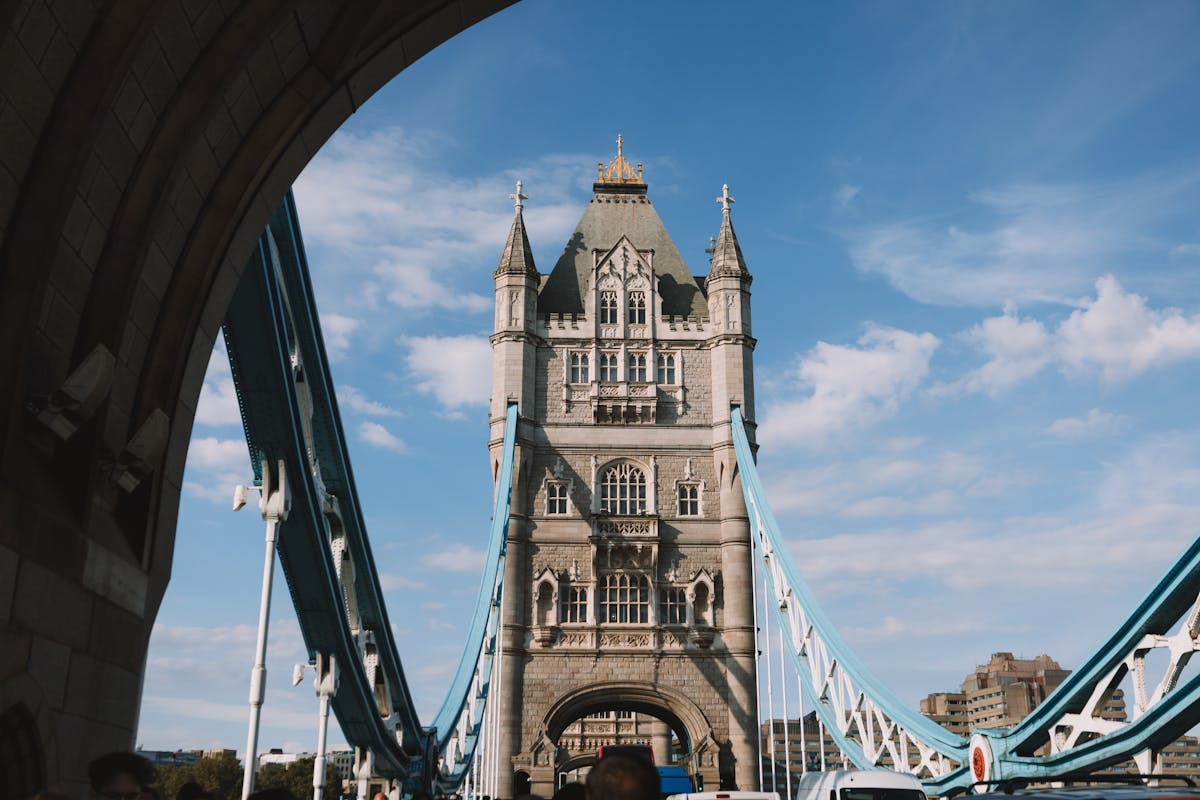
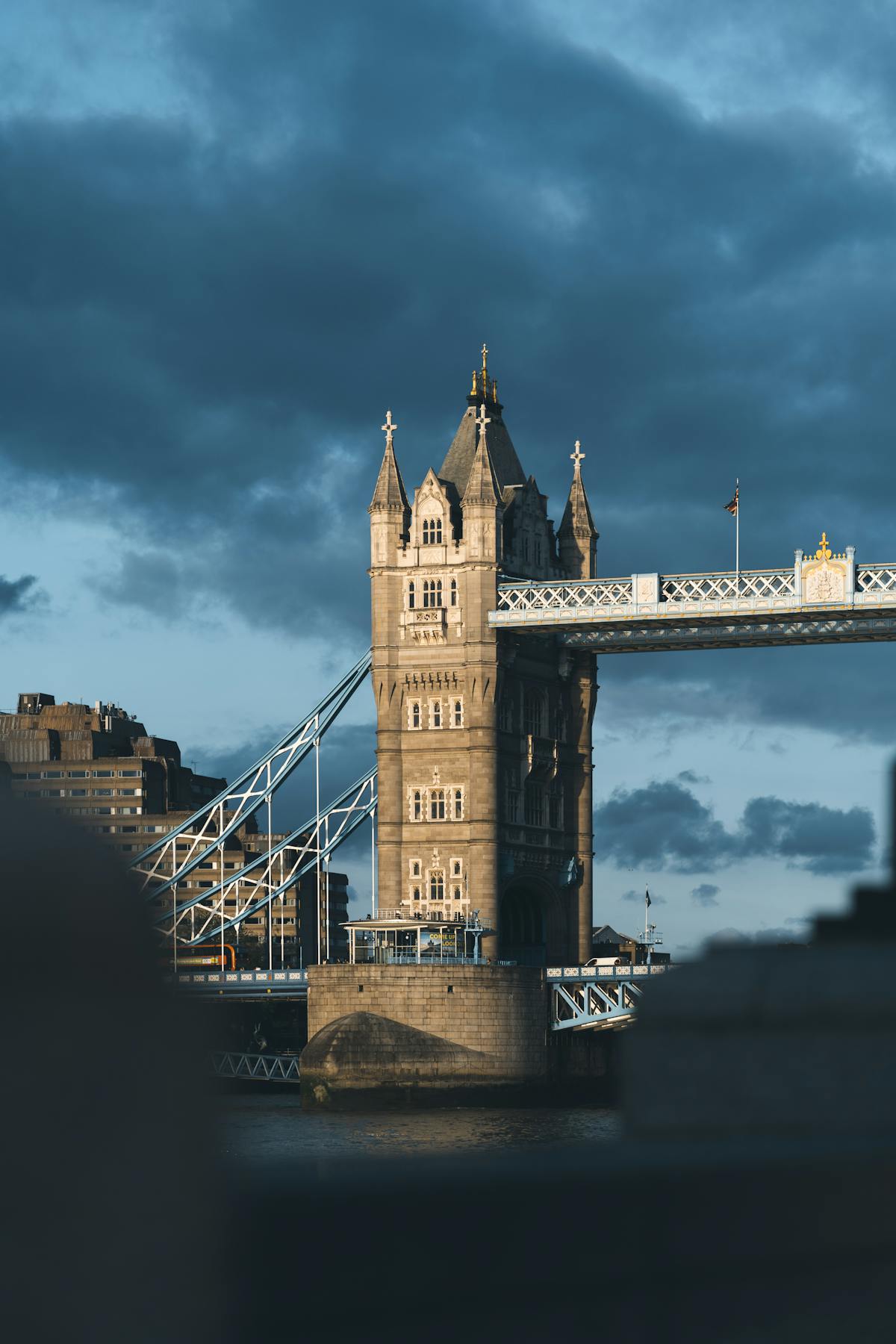
Best overall: Tower Bridge Entry Ticket — $21. Skip the queue, walk the glass floors, explore the engine rooms. Everything you need, nothing you don’t.
Best combo deal: Westminster to Tower Bridge Cruise — $18. See half of London’s landmarks from the water, then visit the bridge itself.
Best premium experience: Tower of London & Tower Bridge Early-Access Tour — $201. Beat the crowds at both landmarks with a seriously knowledgeable guide.
- How Official Tower Bridge Tickets Work
- Official Tickets vs Guided Tours
- The Best Tower Bridge Tours to Book
- 1. Tower Bridge Entry Ticket —
- 2. Westminster to Tower Bridge River Thames Cruise —
- 3. Tower of London & Tower Bridge Early-Access Tour — 1
- When to Visit Tower Bridge
- Getting to Tower Bridge
- Tips That Will Actually Save You Time
- What You’ll Actually See Inside
- More London Guides
- What to Do Next Near Tower Bridge
How Official Tower Bridge Tickets Work
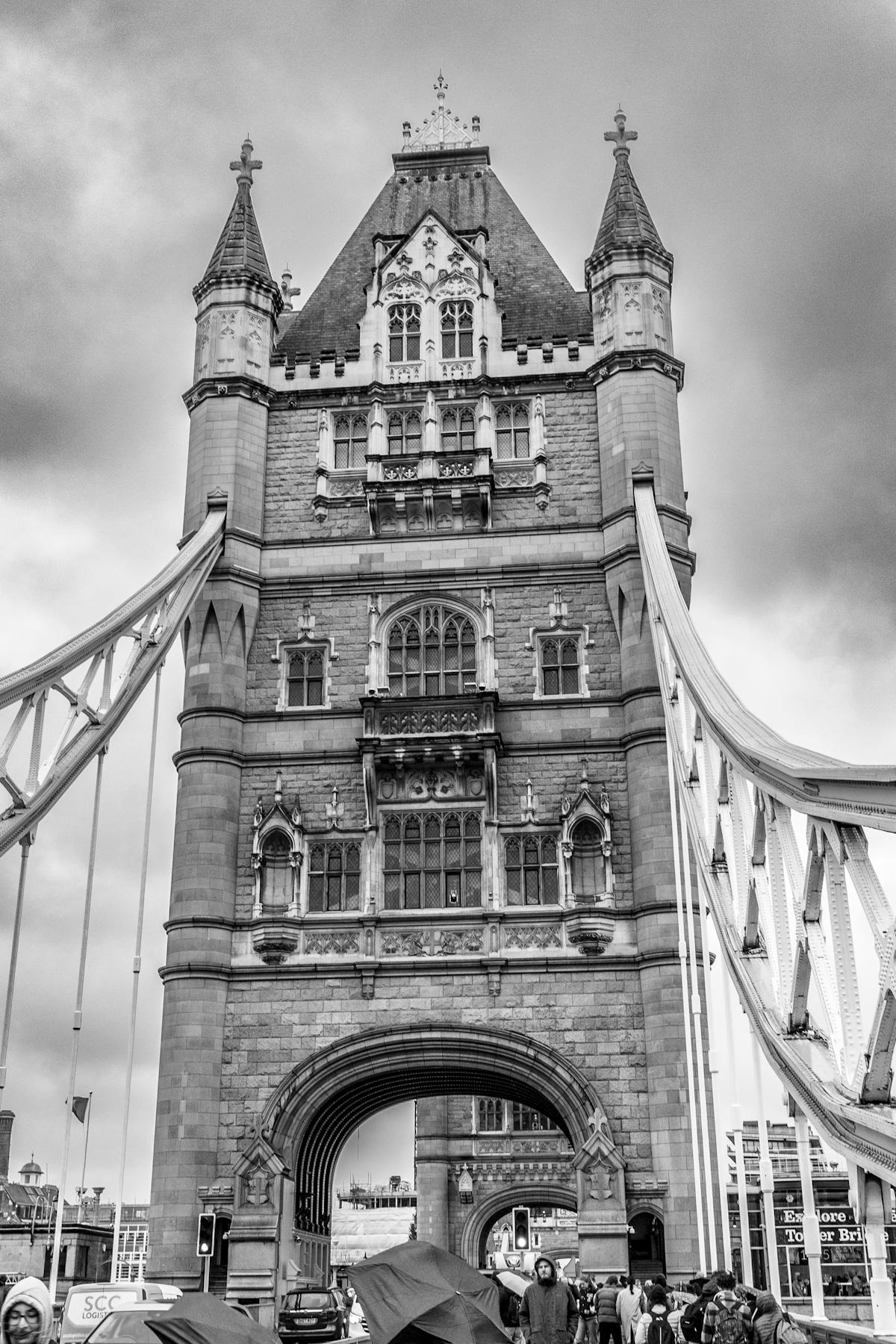
Buying tickets directly from the Tower Bridge website is straightforward. You pick a time slot, pay online, and show up. Pre-booking is recommended — the official site says it clearly, and having been there on a Saturday in summer, I’d say it’s non-negotiable if you don’t want to queue for 30+ minutes at the ticket office.
Here’s the current pricing:
- Adults (18+): £18
- Concessions (seniors 60+, students 18+ with valid ID, youth 16-17, disabled adults): £13
- Children (5-15): £9 online, £6 with certain offers
- Under 5s: Free
- Local residents (Southwark, Tower Hamlets, City of London): £1 — yes, really
Your ticket gets you into everything: the high-level walkways with glass floors, both the North and South Towers, and the Victorian Engine Rooms. There’s no “premium” tier or “skip the engine rooms” budget option. One ticket, the whole experience.
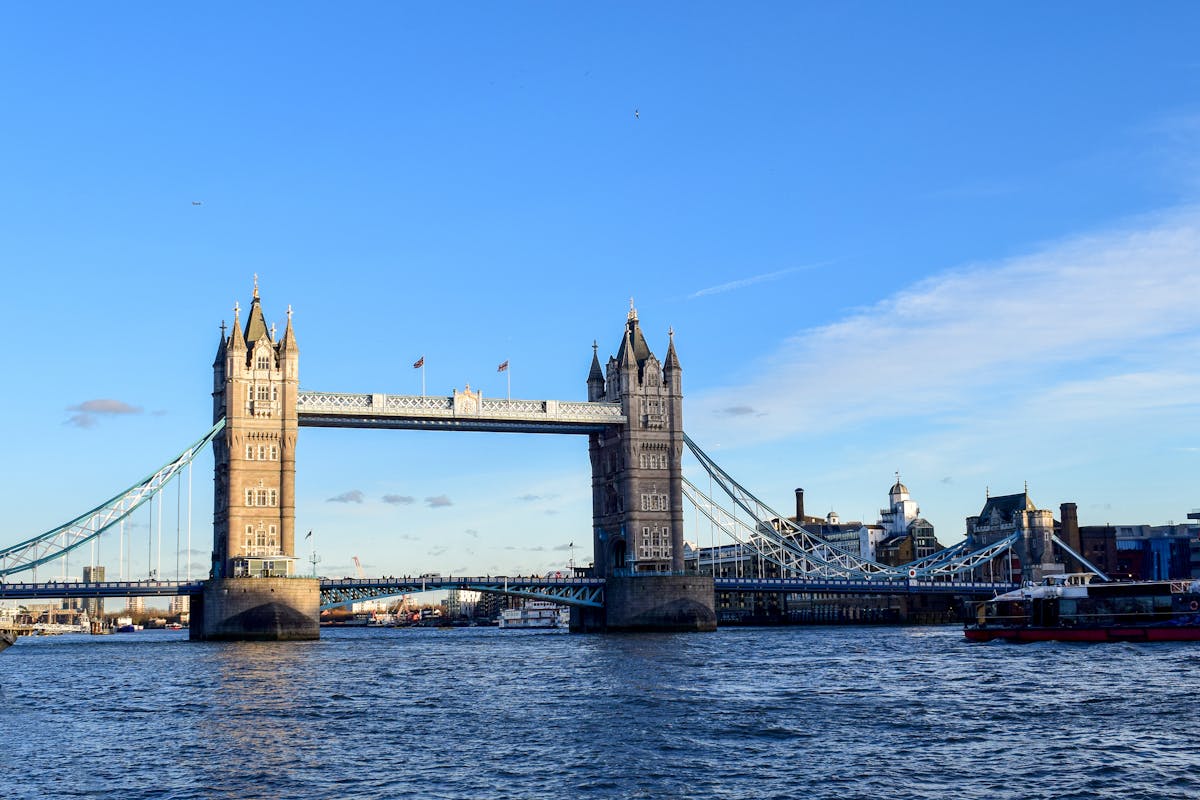
One thing that catches people off guard: the Engine Rooms are outside. They’re in a separate building on the south side of the bridge, and you need to walk across to reach them. Check the weather before you go, especially in winter. Getting rained on between the towers and the engine rooms isn’t ideal.
Official Tickets vs Guided Tours
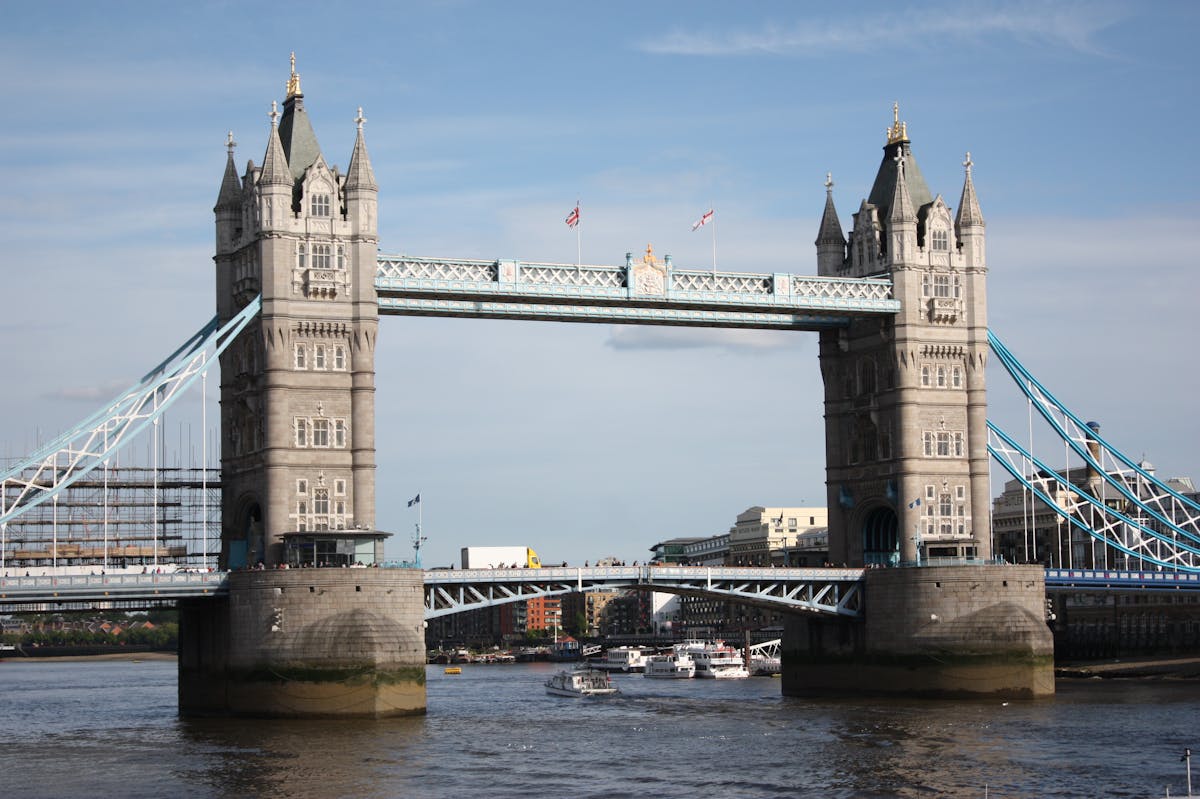
The official ticket is perfectly fine for most people. You get audio guides included, the signage inside is excellent, and the interactive displays are genuinely well done. If you’re the type who reads every plaque in a museum, you’ll be happy with the self-guided experience.
But there are genuine reasons to consider a guided tour instead.
Go with the official ticket if: you prefer to wander at your own pace, you’re on a budget, or you’re combining Tower Bridge with other attractions on the same day and need flexibility with timing. At £18 it’s hard to argue with the value.
Go with a guided tour if: you want someone to explain why Tower Bridge opens at a 86-degree angle (and not a full 90), or how they managed to build the foundations underwater in the 1880s, or what happens to the traffic when the bridge lifts. A good guide brings the engineering story to life in ways the displays can’t quite match. The early-access tour is particularly good because you get inside both the Tower of London and Tower Bridge before the general public arrives.
The worst option? Showing up without a ticket on a summer weekend and trying to buy one at the door. The queue wraps around the building and moves slowly. Don’t be that person.
The Best Tower Bridge Tours to Book
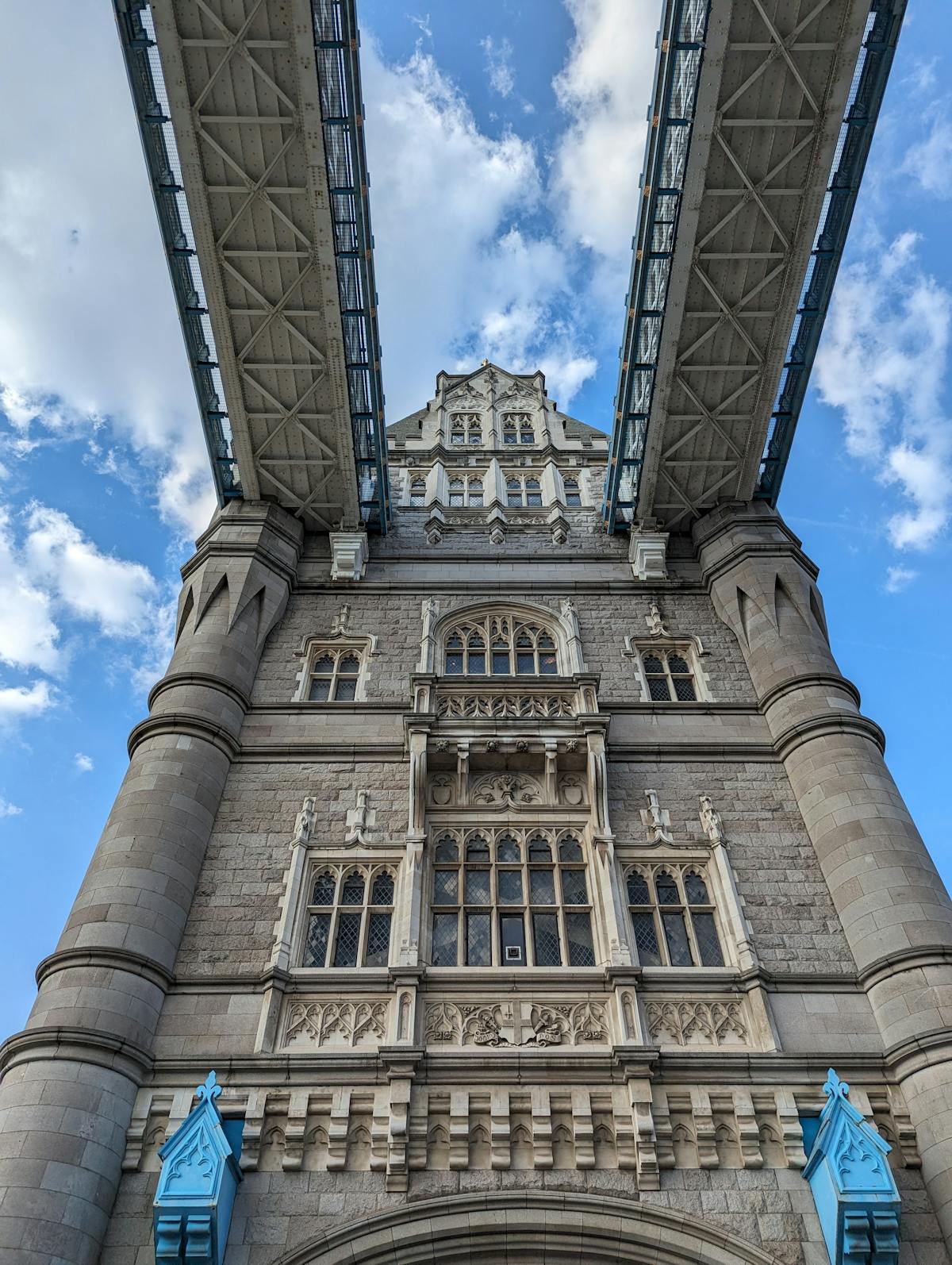
I’ve narrowed it down to three. There are plenty of Tower Bridge tours out there, but most are just walking tours that pass by the bridge without going inside. These three actually get you through the doors.
1. Tower Bridge Entry Ticket — $21
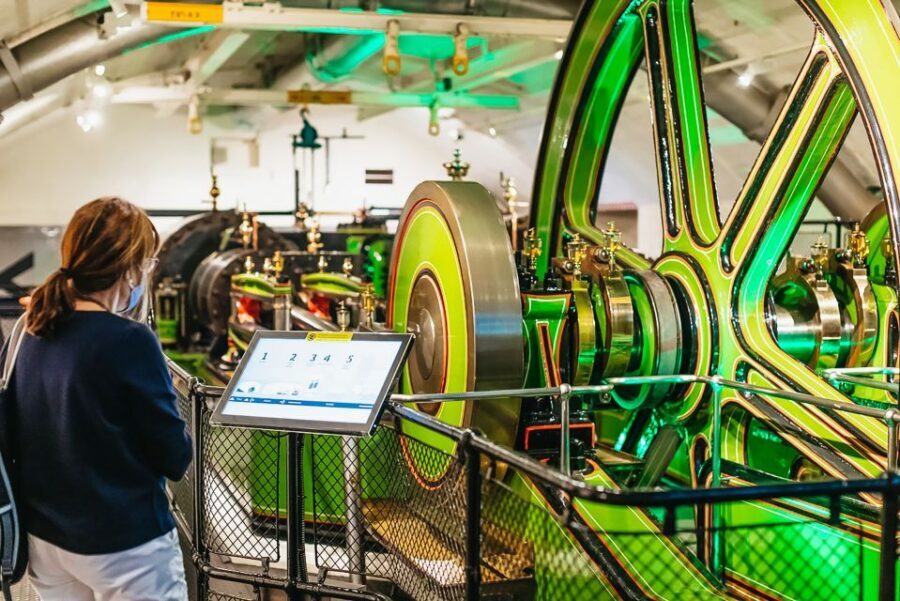
This is the one to book if you just want to get inside Tower Bridge without the fuss. At $21 (about £18), it’s the same price as buying directly from the official site, but booking through GetYourGuide gives you free cancellation up to 24 hours before — which the official site doesn’t always offer.
You get the full experience: both walkways with the glass floors, the North and South Towers, and the Engine Rooms. Budget about an hour. It’s the most popular Tower Bridge ticket on the market for a reason — straightforward, well-priced, and you don’t need a guide to appreciate the views from 42 metres up.
2. Westminster to Tower Bridge River Thames Cruise — $18
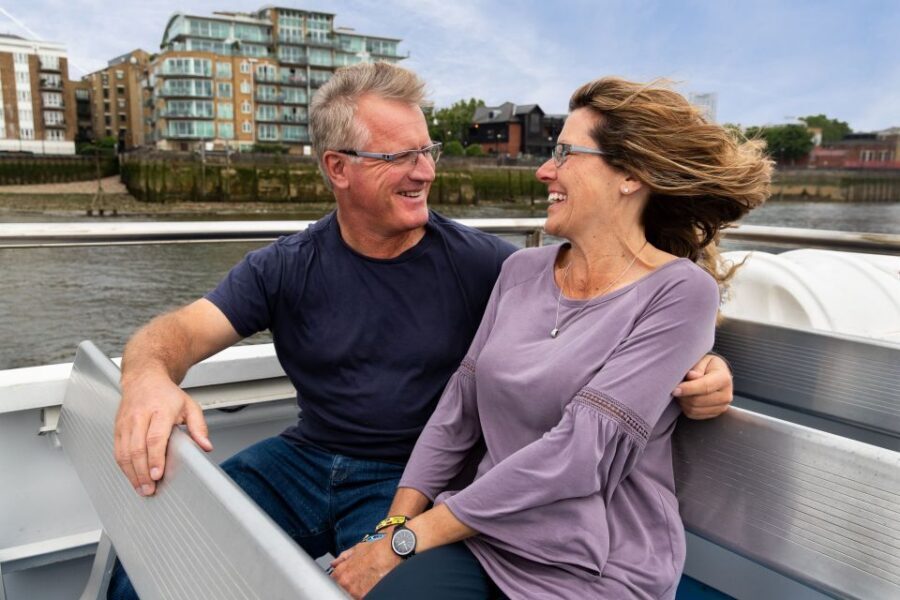
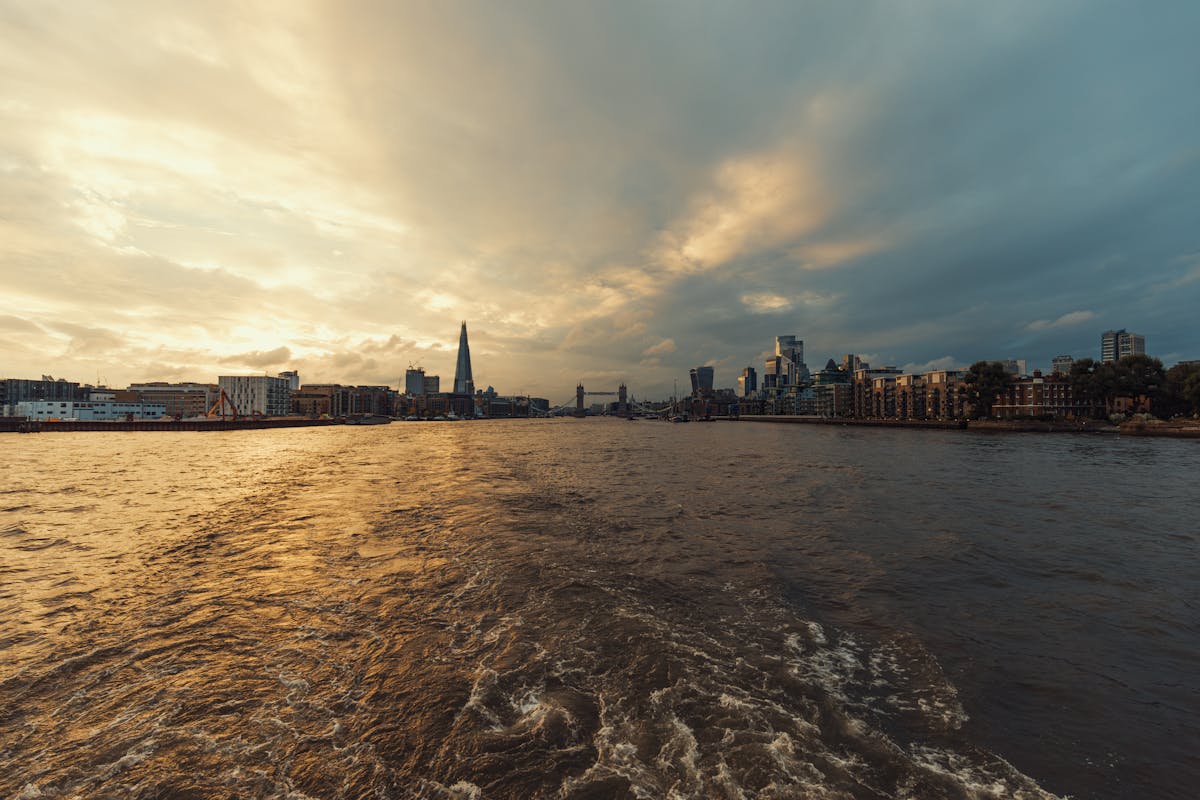
This is a clever way to combine two experiences. The cruise runs from Westminster Pier to St Katharine’s Pier (right next to Tower Bridge), passing the Houses of Parliament, the London Eye, the Tate Modern, Shakespeare’s Globe, and HMS Belfast along the way. At $18, it’s actually cheaper than the bridge entry itself.
The commentary is lively and the open deck on the top level is the best way to photograph London’s riverfront landmarks. Fair warning: it doesn’t include entry to Tower Bridge itself — you’ll need to buy that separately. But as a way to see half of London from the water before visiting the bridge, it’s hard to beat. The cruise takes 30 minutes to an hour depending on the tide. If you want more on Thames river cruises, we’ve got a full guide.
3. Tower of London & Tower Bridge Early-Access Tour — $201
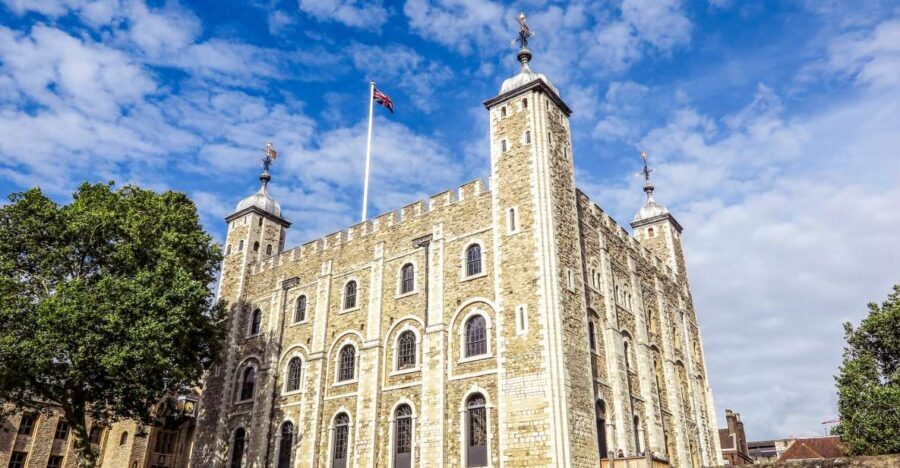
This is the premium option, and honestly, it’s the one I’d recommend if budget isn’t the main concern. $201 covers early access to the Tower of London (before it opens to the public), a guided tour with a specialist guide, and entry to Tower Bridge. The whole thing runs about 3.5 hours.
The early-access element is the real selling point. The Tower of London gets absolutely rammed by mid-morning, and trying to see the Crown Jewels with 200 other people shoulder-to-shoulder is not a great time. Going in early means you get to see them in relative peace. The guide on this tour covers both landmarks and connects the history between them — Tower Bridge was built right next to the Tower of London on purpose, and the story of how Victorian engineers navigated medieval foundations is genuinely fascinating. For a deeper look at the Tower of London itself, we’ve reviewed that tour too.
When to Visit Tower Bridge
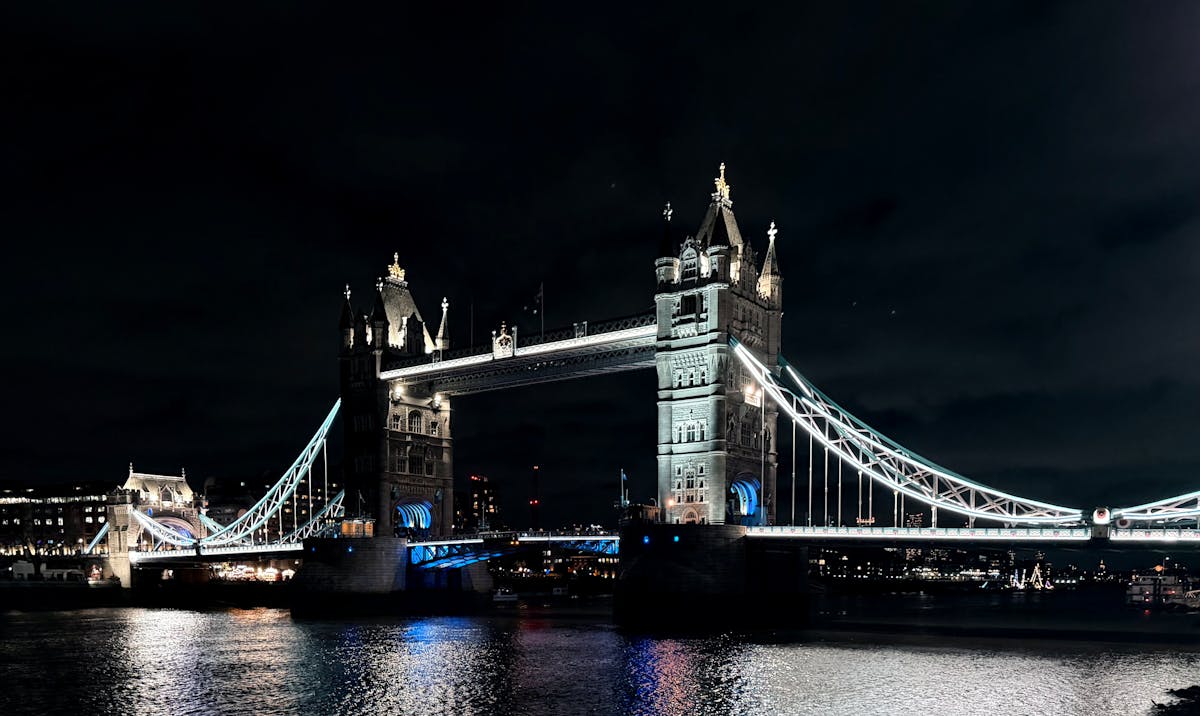
Tower Bridge is open daily from 09:30 to 18:00, with last entry at 17:00. That last entry time is firm — don’t show up at 17:15 expecting to sweet-talk your way in.
Best times to go: Weekday mornings, especially Tuesday through Thursday. The first hour after opening (09:30-10:30) is the quietest. You’ll have the glass floors practically to yourself, which makes a huge difference when you’re trying to look down without a crowd jostling around you.
Worst times: Saturday and Sunday afternoons in summer. School holidays are rough too. If you absolutely must go on a weekend, arrive right at 09:30.
Bridge lifts: Tower Bridge still opens for tall ships and large vessels — about 800 times a year. You can check the lift schedule on the official Tower Bridge website. If you’re lucky enough to be on the walkways during a lift, you’ll feel a slight vibration and see the road below split apart. It takes about five minutes to fully open, and the view is incredible. But you can’t plan for it with certainty — lifts depend on ship movements and can be cancelled.
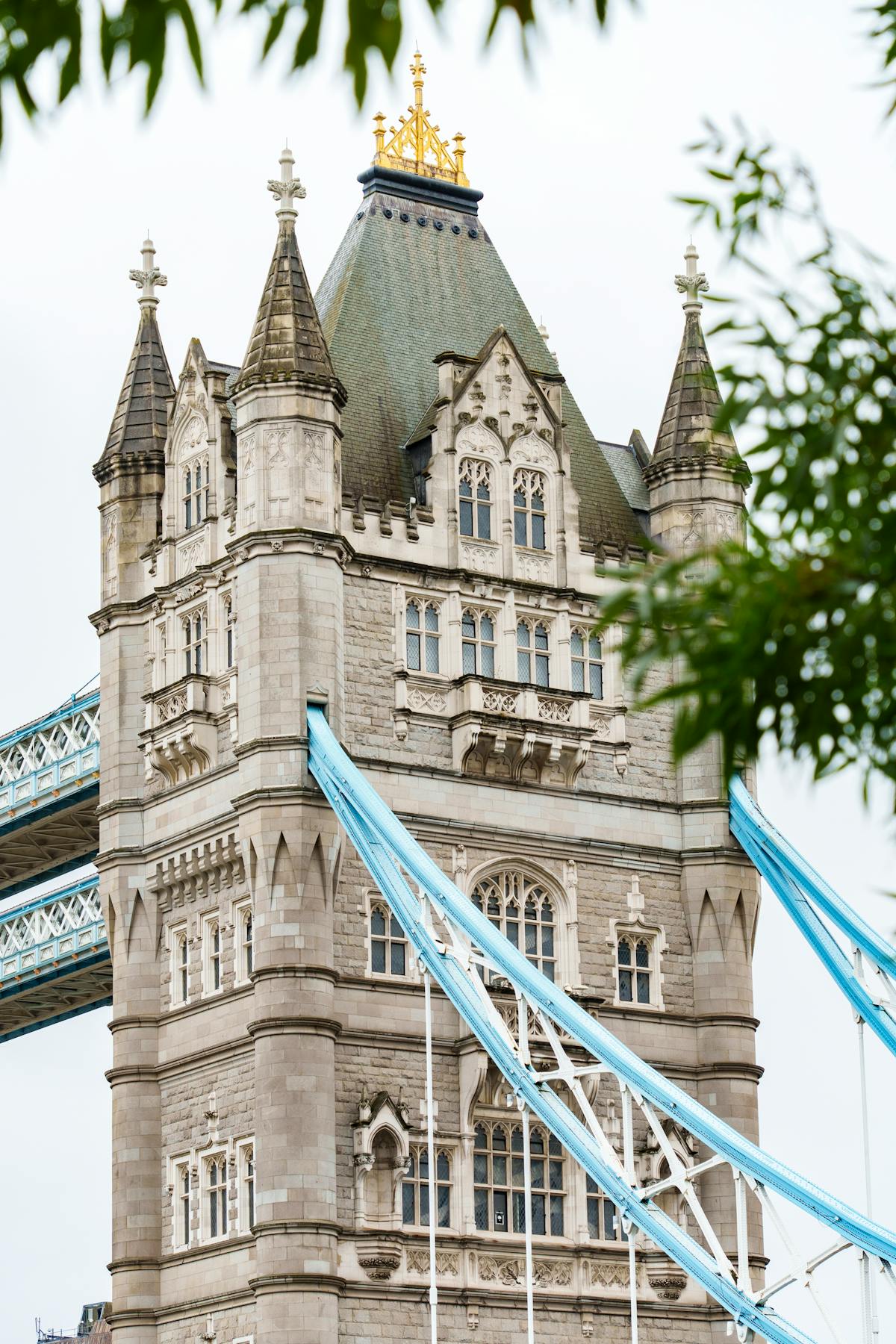
Getting to Tower Bridge
The ticket office and entrance are on the northwest side of the bridge, closest to the Tower of London. The address is Tower Bridge Road, London SE1 2UP.
By Tube: Tower Hill station (District and Circle lines) is a 5-minute walk. London Bridge station (Northern and Jubilee lines) is about 10 minutes on foot. Tower Hill is closer and more straightforward — turn right out of the station and you’ll see the bridge ahead.
By Bus: Routes 15, 42, 78, and 100 all stop nearby. The 15 is the scenic option — it runs from Trafalgar Square along Fleet Street past St Paul’s Cathedral.
On foot: If you’re coming from the South Bank, walk east along the river from Borough Market or the Tate Modern. It’s a pleasant 15-20 minute walk with good views. From the north side, the Tower of London is literally next door.
Tips That Will Actually Save You Time
- Book online, always. The walk-up queue is significantly longer than the pre-booked line. You’ll also save yourself the awkward moment of finding out your preferred time slot is sold out.
- Go to the Engine Rooms first if they’re not busy. Most people start with the walkways and then trail down to the engines. Going in reverse means you’ll have the Engine Rooms almost to yourself.
- Wear sensible shoes. You’ll be climbing stairs in the towers. There is a lift available for accessibility, but the standard route involves quite a few steps.
- The glass floors can get slippery in wet weather because people track water in. Walk carefully and maybe skip the dramatic “lying on the glass” Instagram shot if it’s been raining.
- Combine with the Tower of London. They’re right next to each other and the early-access combo tour covers both. Even without a tour, you can easily do both in a morning.
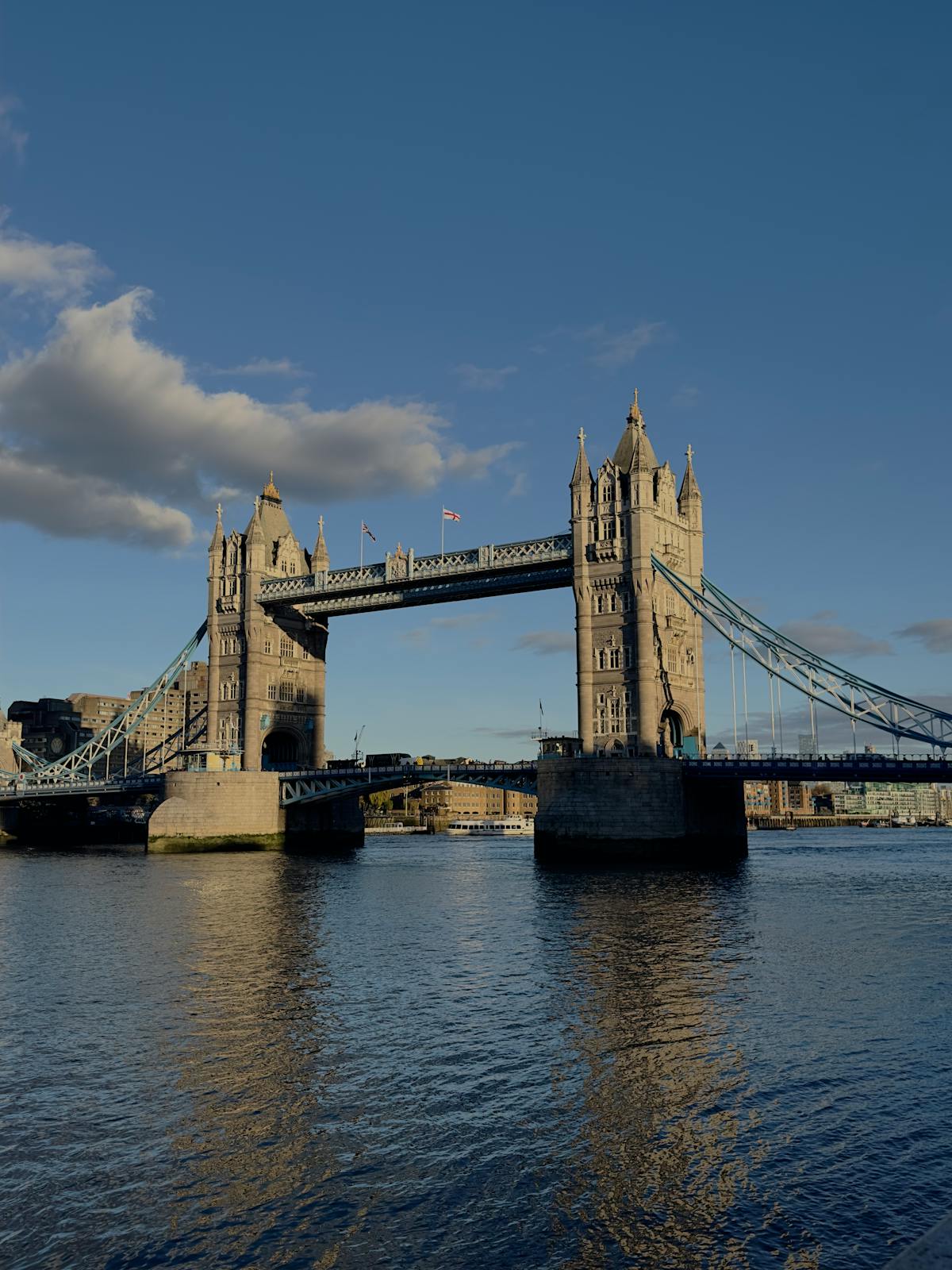
- Photography tip: The glass floors photograph best when the sun is out. Overcast days mean the glass looks dull and the photos lack contrast. For the best exterior shots of the bridge itself, walk to the south bank near City Hall and shoot from there.
What You’ll Actually See Inside
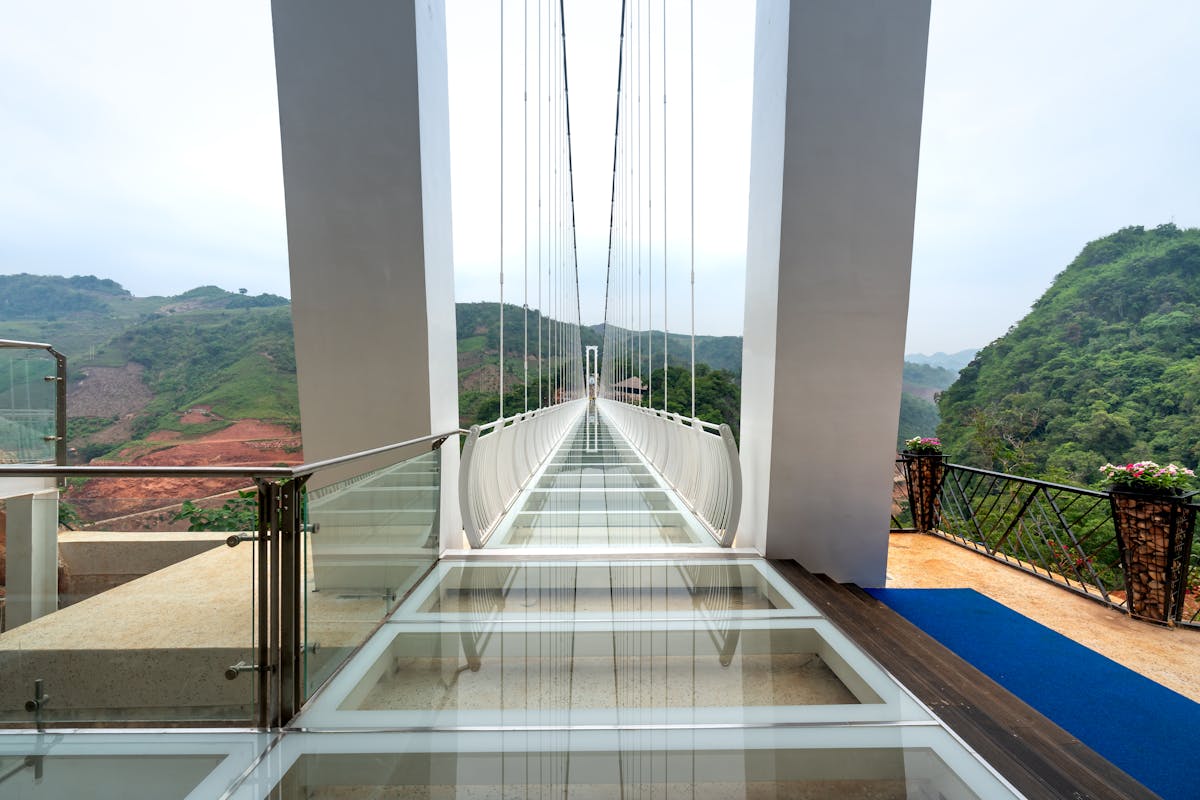
The exhibition splits into three main parts, and each one is genuinely different enough to keep your attention.
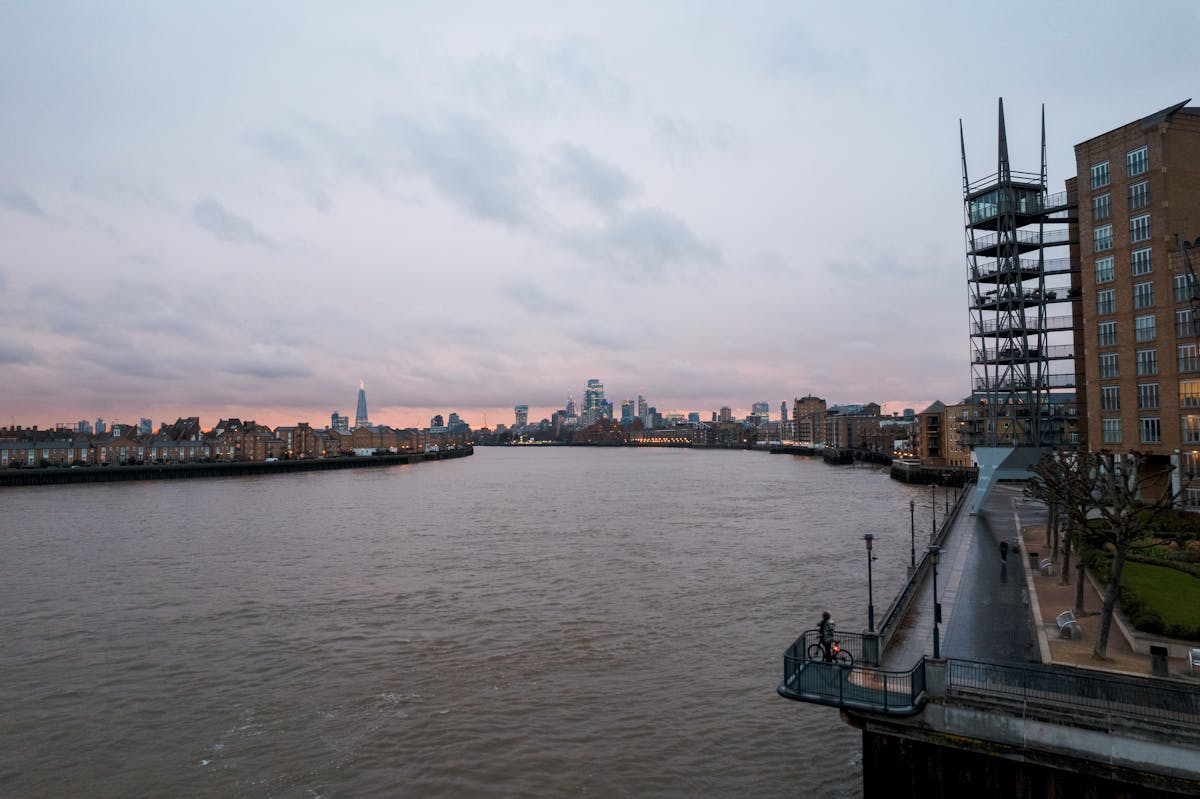
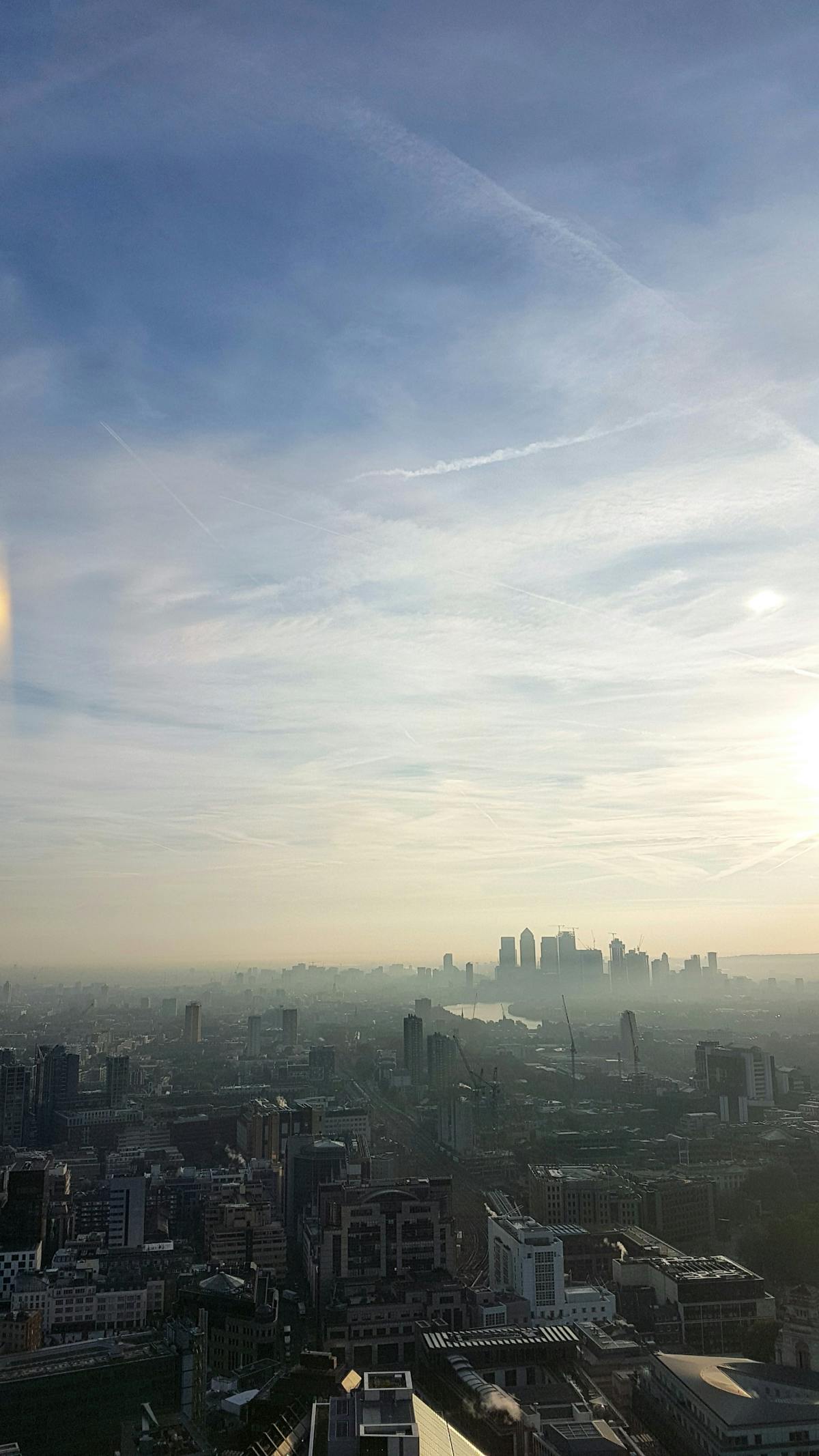
The High-Level Walkways and Glass Floors are the headliner. You walk between the two towers at a height of 42 metres above the Thames. The glass floor panels were added in 2014, and they’re surprisingly thick — about 5cm of layered glass. Standing on them and watching traffic, boats, and pedestrians below you is surreal. On a clear day the views stretch for miles in every direction: the Shard to the south, St Paul’s Cathedral to the west, Canary Wharf to the east. There are also interactive screens that let you see what the view looked like at different points in history.
The Towers house the main exhibition, which tells the story of how and why Tower Bridge was built. London in the 1880s was growing fast, and the East End desperately needed a river crossing that wouldn’t block ship traffic. The solution — a bridge that opens in the middle — took eight years to build, employed 432 construction workers, and used over 11,000 tons of steel. The displays are well done and not too text-heavy, which makes a nice change from the usual museum approach of overwhelming you with plaques.
The Victorian Engine Rooms are the sleeper hit of the visit. Most people rush through them, but this is where the real engineering story lives. The original coal-fired steam engines that powered the bridge’s hydraulic system are still here — massive, beautifully restored machines that generated enough pressure to raise the 1,000-ton bascules in under a minute. They were replaced by an electro-hydraulic system in 1976, but the originals are preserved in working condition. There are also smaller displays about the maintenance workers who kept the bridge running, which adds a human element that the walkways don’t have.
More London Guides
Tower Bridge sits in one of the densest clusters of landmarks in London, so you’ve got options for filling out the rest of your day. The Tower of London is literally next door and deserves a solid half-day — the Crown Jewels alone are worth the admission, and if you take the early-access tour you can do both landmarks in a single morning without the crowds. For something more relaxing, a Thames river cruise from Westminster to Tower Bridge gives you a completely different angle on the city — and at $18 it might be the best-value activity in London. Borough Market is a 10-minute walk south if you need lunch, and it’s the kind of place where you can eat your way through a dozen stalls without spending more than £15.
This article contains affiliate links. When you book through our links, we may earn a small commission at no extra cost to you. This helps us keep producing detailed travel guides.
What to Do Next Near Tower Bridge
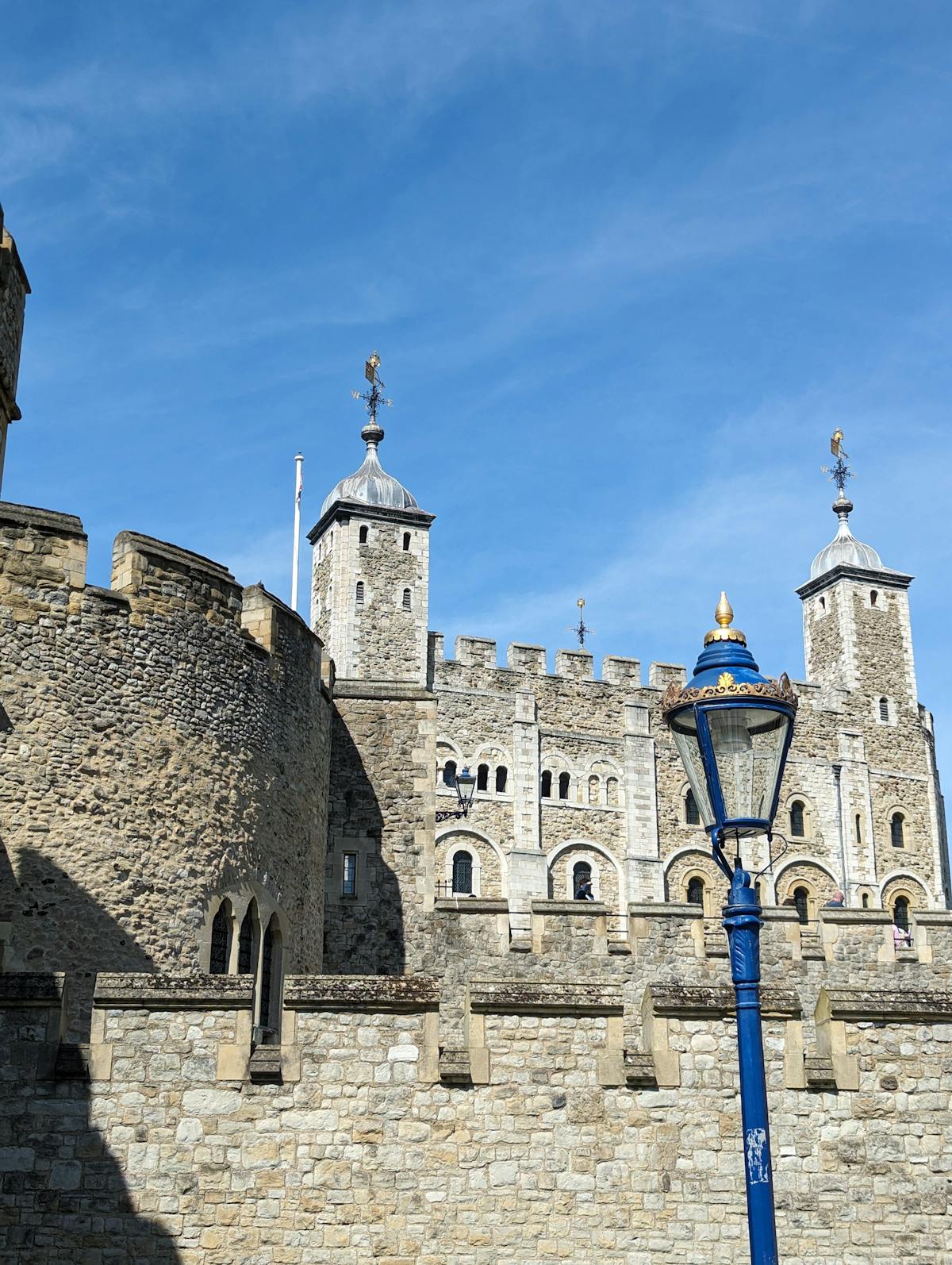
The Tower of London sits right at the north end of the bridge, and the two attractions share more than just proximity. The Tower’s outer walls frame some of the best photographs of the bridge, and a combined visit fills a solid half-day without feeling rushed.
Tower Pier is directly below the bridge, and a Thames river cruise from here heads west past the Globe Theatre, Tate Modern, the London Eye, and Parliament. If you have already walked across the bridge walkway, seeing it from river level completes the picture.
On the south side of the bridge, the riverbank path leads west towards the Tate Modern, Borough Market, and eventually the South Bank where the London Eye offers a completely different elevated view of the city. The whole walk takes about 40 minutes and passes some of the best street food stalls in London.
After dark, the area around Tower Bridge and the Tower is atmospheric in its own right, but if you want a proper nighttime experience, the Jack the Ripper walking tour starts about 15 minutes east in Whitechapel. The Victorian gaslight atmosphere of the streets adds something that no daytime visit can match.