
I spent two years living in London before someone finally told me to go to the Cotswolds. Two years. I’d done Stonehenge, Bath, Brighton, even a rainy weekend in the Lake District. But nobody mentioned the place that’s barely ninety minutes from Paddington and looks like it was assembled by a set designer with a serious obsession for honey-coloured limestone.
That first trip fixed something I didn’t know was broken about my image of England. London is incredible, but it isn’t England, not really. The Cotswolds is.
So if you’re sitting in a London hotel right now thinking about day trips, this is the one. I’ll walk you through how to book a Cotswolds tour, what you’ll actually see, and which tours are worth the money.
Best overall: Full-Day Cotswolds Small-Group Tour — $113. Small group, great guides, hits all the right villages without rushing.
Best combo: Cotswolds and Oxford Day-Trip — $106. Oxford in the morning, Cotswolds villages in the afternoon. Two birds, one very long day.
Best budget: Full-Day Cotswolds Group Tour — $78. Larger group but solid value. You get free time at each stop to explore on your own.
- Why the Cotswolds Is Worth a Full Day from London
- Getting There on Your Own vs Booking a Tour
- The Villages You’ll Visit
- The Best Cotswolds Tours from London
- 1. Full-Day Cotswolds Small-Group Tour — 3
- 2. Cotswolds and Oxford Guided Day-Trip — 6
- 3. Full-Day Cotswolds Group Tour —
- When to Go
- Tips That Will Actually Help
- What to Expect on the Day
- More UK Day Trips Worth Booking
- Other Excursions from London
Why the Cotswolds Is Worth a Full Day from London
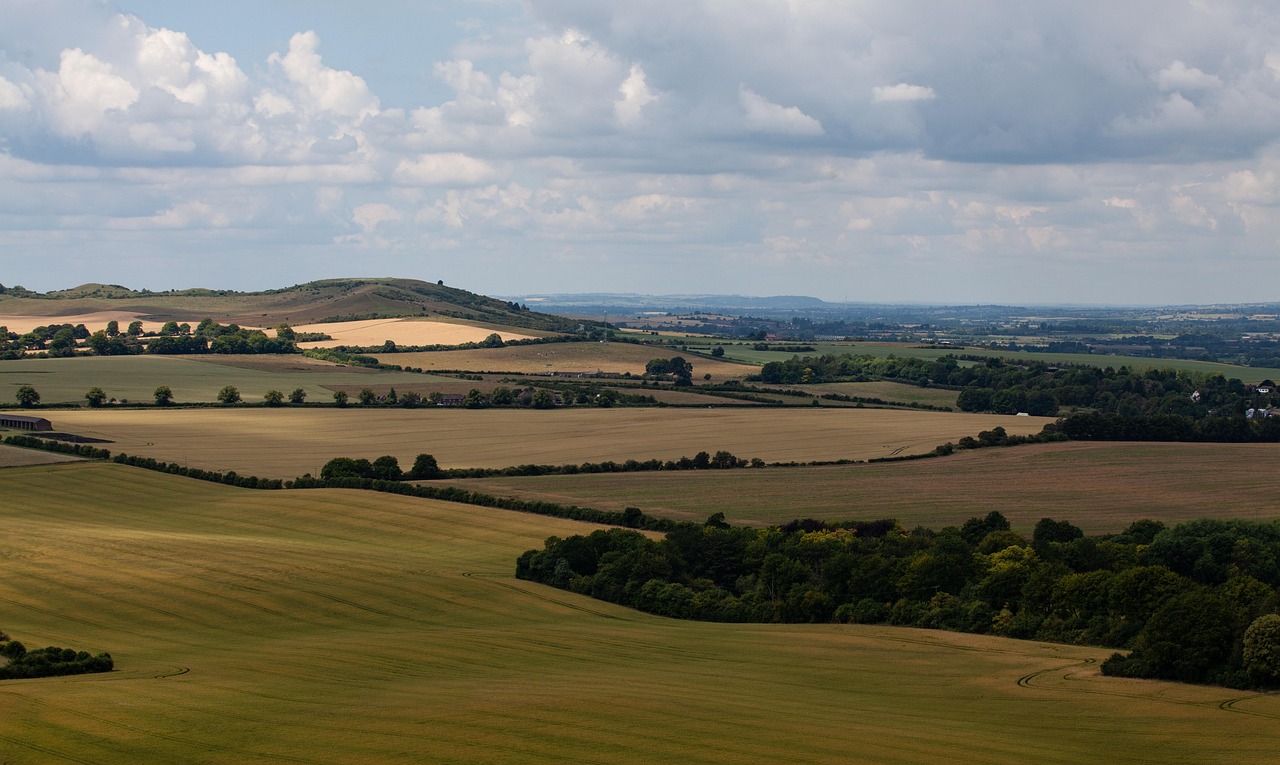
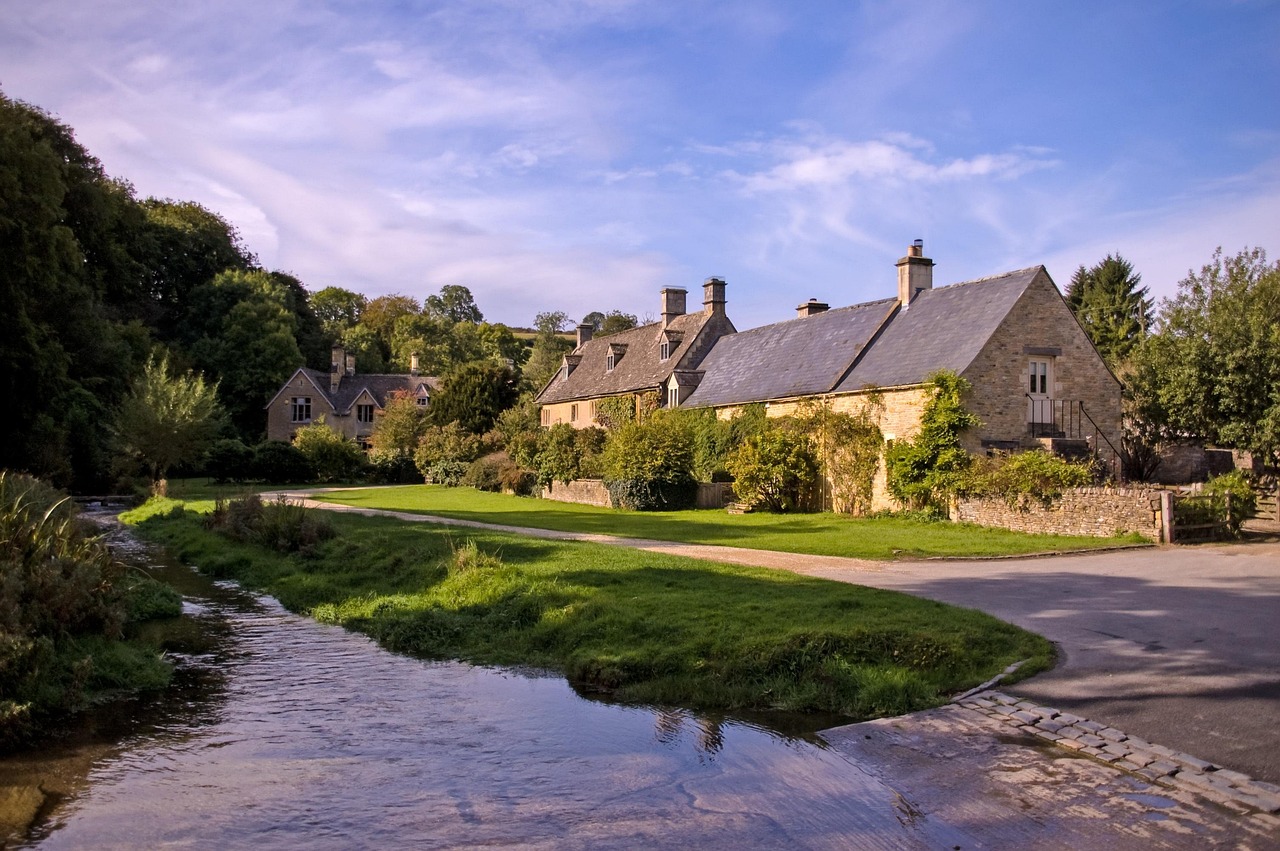
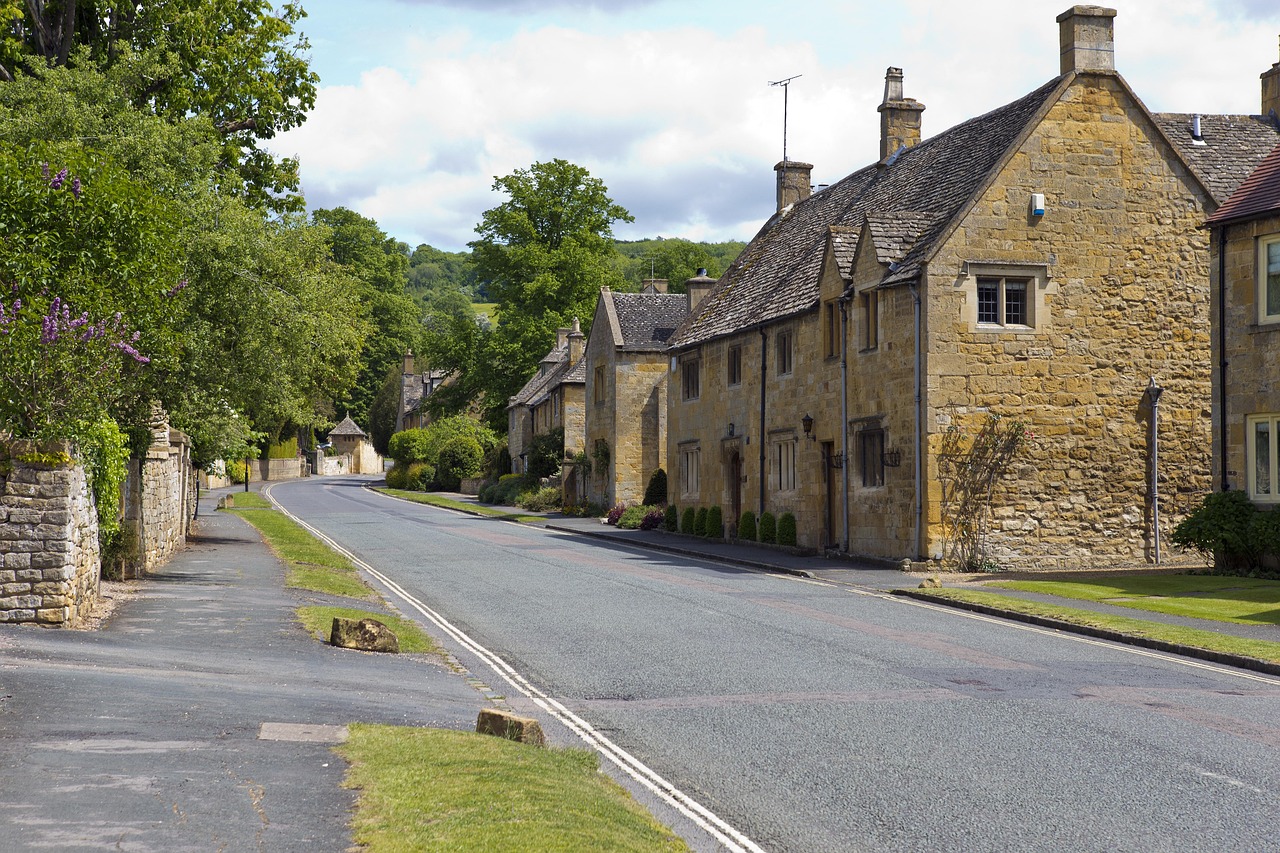
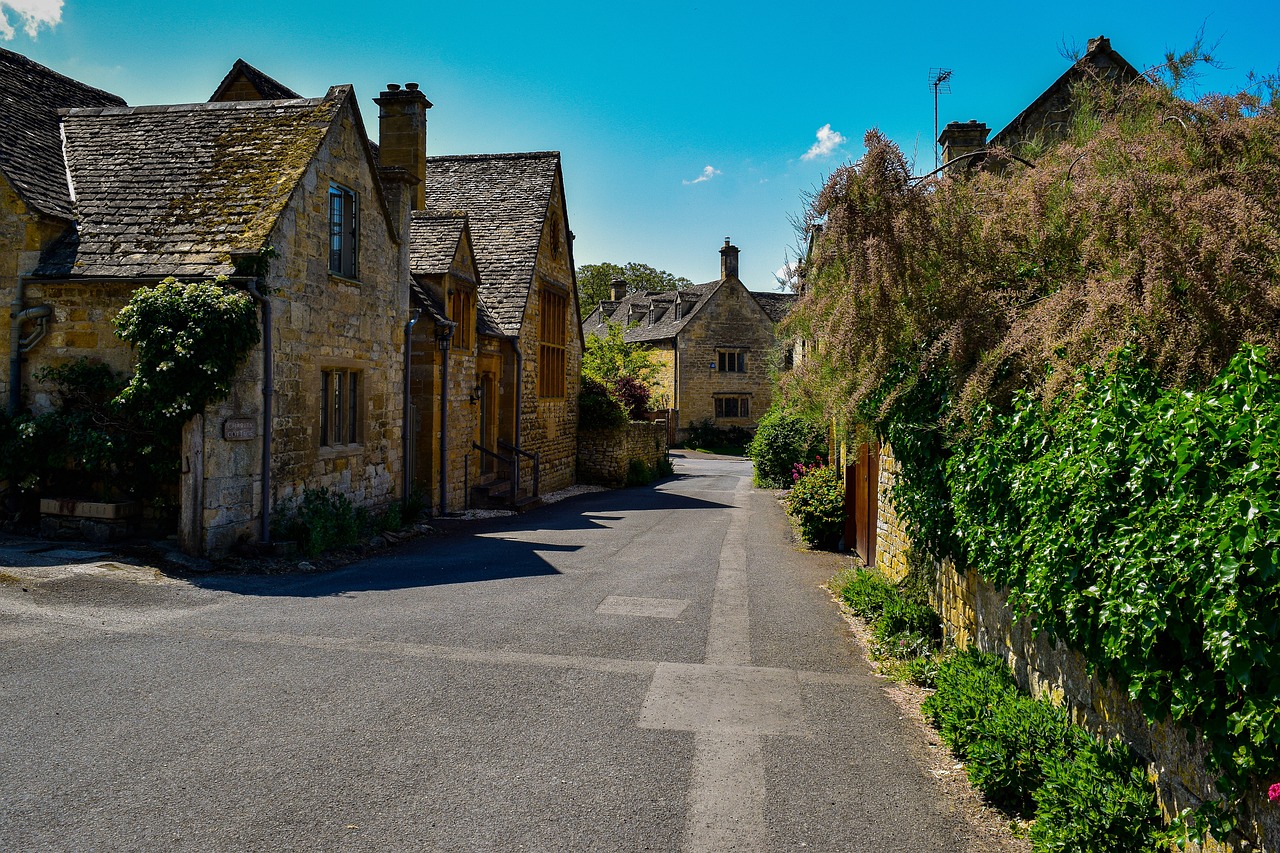
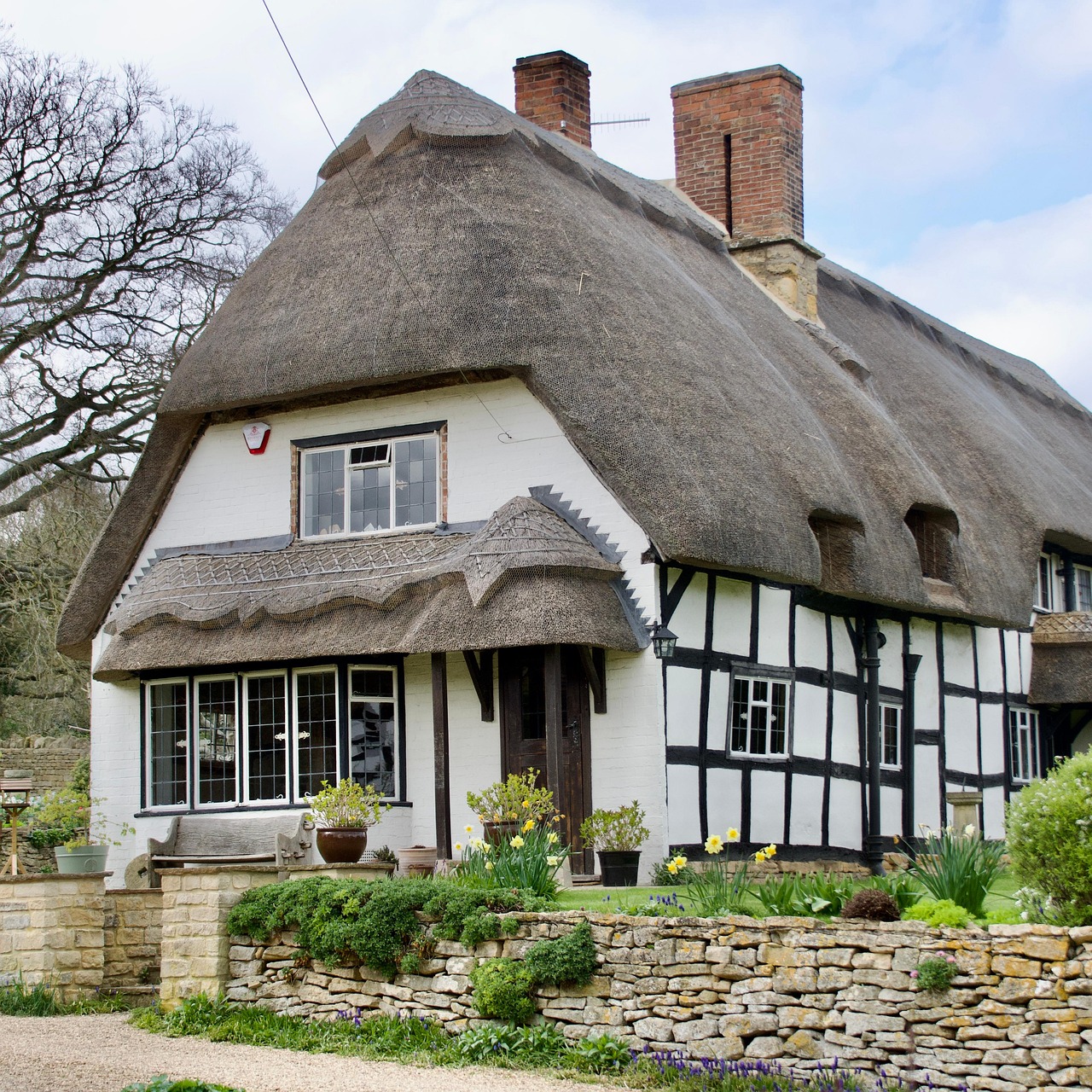
The Cotswolds is an Area of Outstanding Natural Beauty covering about 800 square miles across six counties in central England. That sounds like a geography lesson, so let me put it differently: it’s a stretch of countryside where the stone is golden, the villages have names like Bourton-on-the-Water and Stow-on-the-Wold, and the pubs have been serving locals since the 1400s.
It’s also one of the most popular day trips from London, and for good reason. You can leave Paddington Station in the morning, spend a full day wandering through medieval villages, eating cream teas, and photographing thatched roofs, and be back in London for dinner.
The catch? Getting around the Cotswolds without a car is genuinely difficult. Public transport between villages is limited, sporadic, and sometimes just doesn’t exist. That’s exactly why most visitors book a guided tour from London. The driver handles the narrow country lanes, the guide tells you which pub does the best pie, and you get to see four or five villages in a day instead of just the one you can reach by train.
Getting There on Your Own vs Booking a Tour
You have two real options: go independently by train, or book a tour.
By train, you can reach Moreton-in-Marsh from London Paddington in about an hour and a half on a Great Western Railway service. Single tickets start around 20-30 GBP if you book in advance. From Moreton, you can walk the town and catch occasional buses to nearby villages. The problem is the buses. Services between villages run once an hour at best, and some routes don’t operate on Sundays at all. You’ll spend a lot of time waiting at bus stops if you try to hit more than one or two places.
By tour, you get picked up in central London (usually near Victoria or Paddington), driven through the countryside in a minibus or coach, and taken to four to six villages over about ten hours. Tours typically cost 78-173 GBP depending on group size and inclusions. You see dramatically more in a day, and you don’t have to figure out the bus schedule.
My honest advice: if it’s your first time, book a tour. You can always go back independently once you know which village you want to spend a whole day in. But for a first visit, the guided tour format is the right call. The guides know the area well, they’ll point out things you’d walk right past, and the logistics of getting between villages without a car are genuinely annoying.
The Villages You’ll Visit
Most tours from London hit some combination of these:
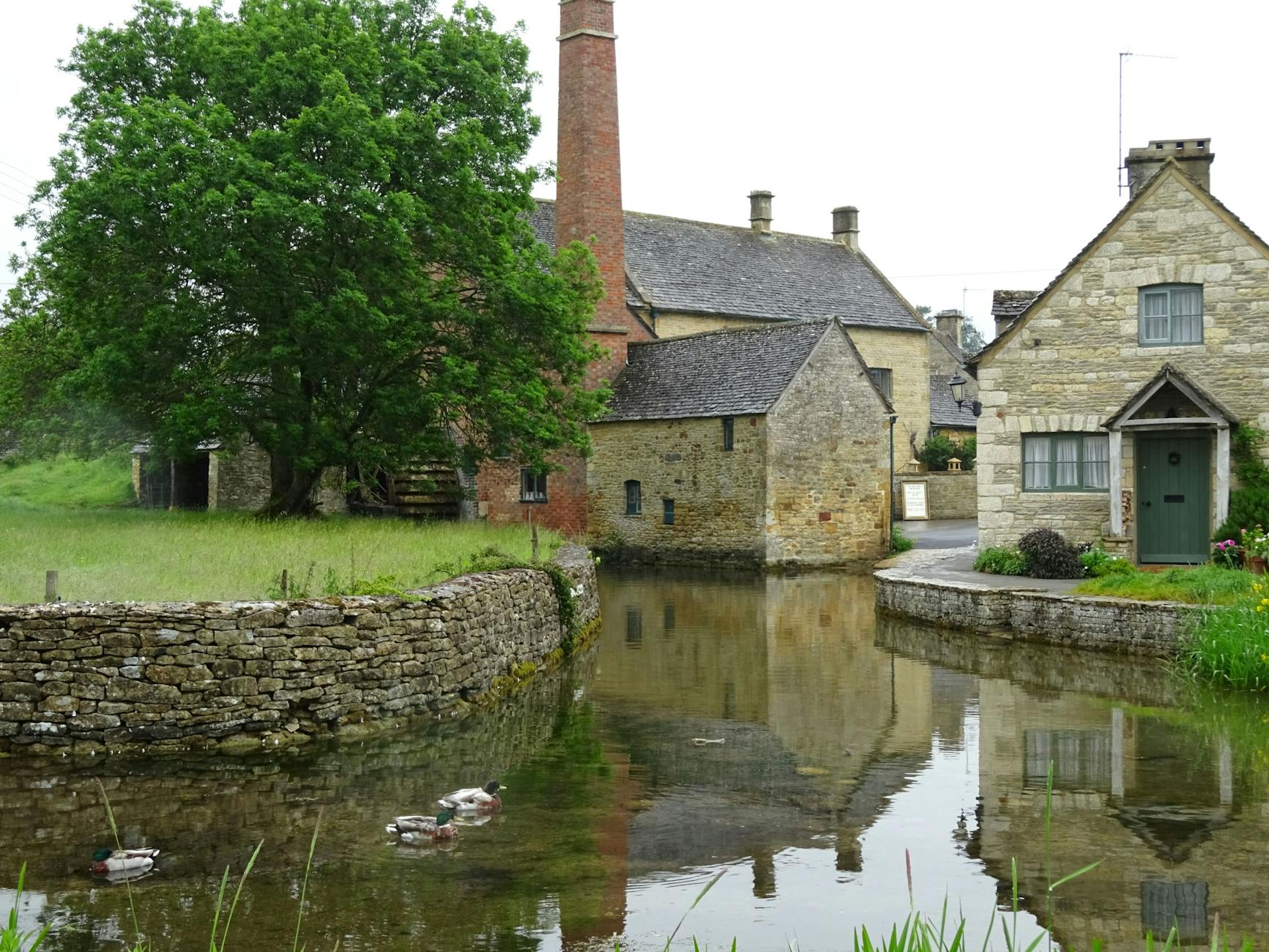
Bourton-on-the-Water is the crowd favourite. The River Windrush flows through the village centre under a series of low stone bridges, and the whole scene looks like it was painted by someone who really wanted you to move to the countryside. It gets packed by midday in summer, but early morning arrivals have it almost to themselves. There’s a model village here — a one-ninth-scale replica of the town itself — that’s more charming than it has any right to be.
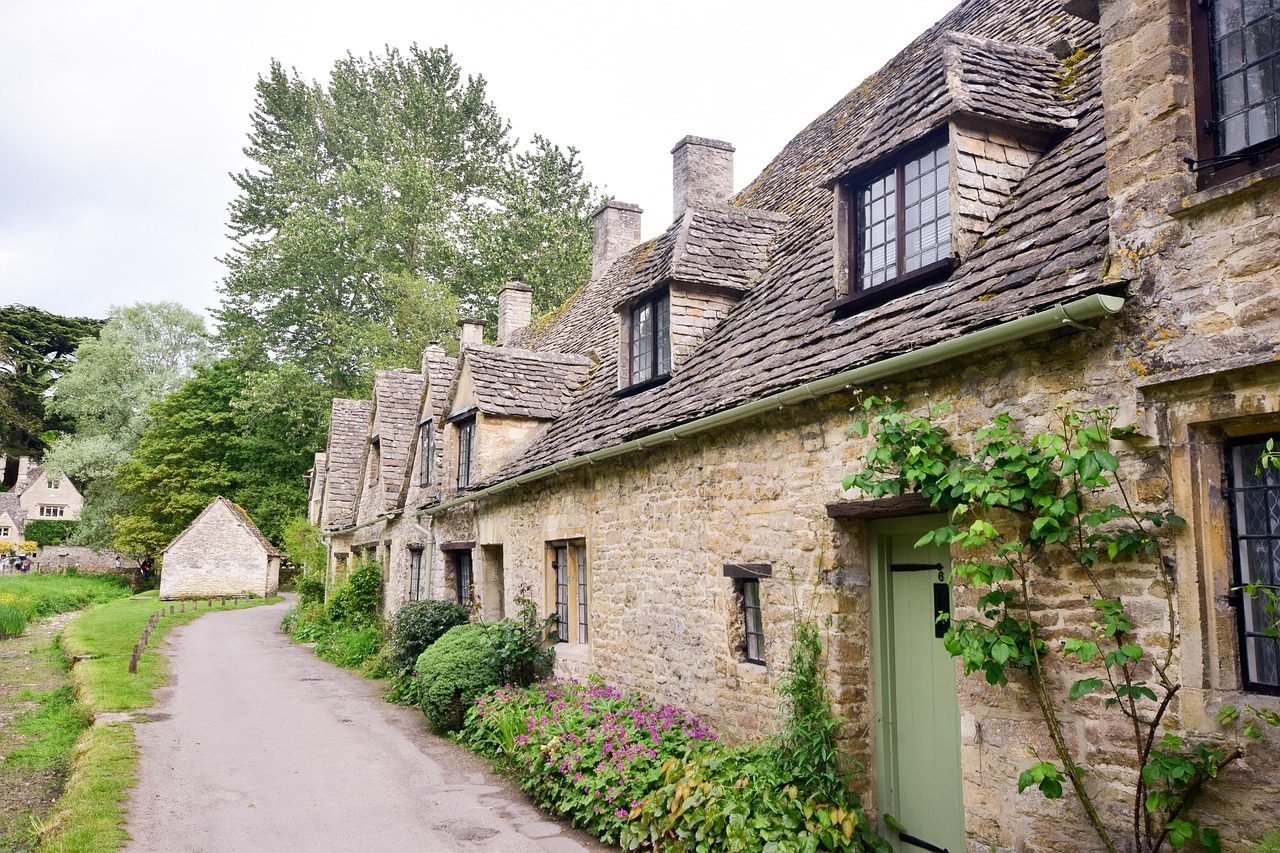
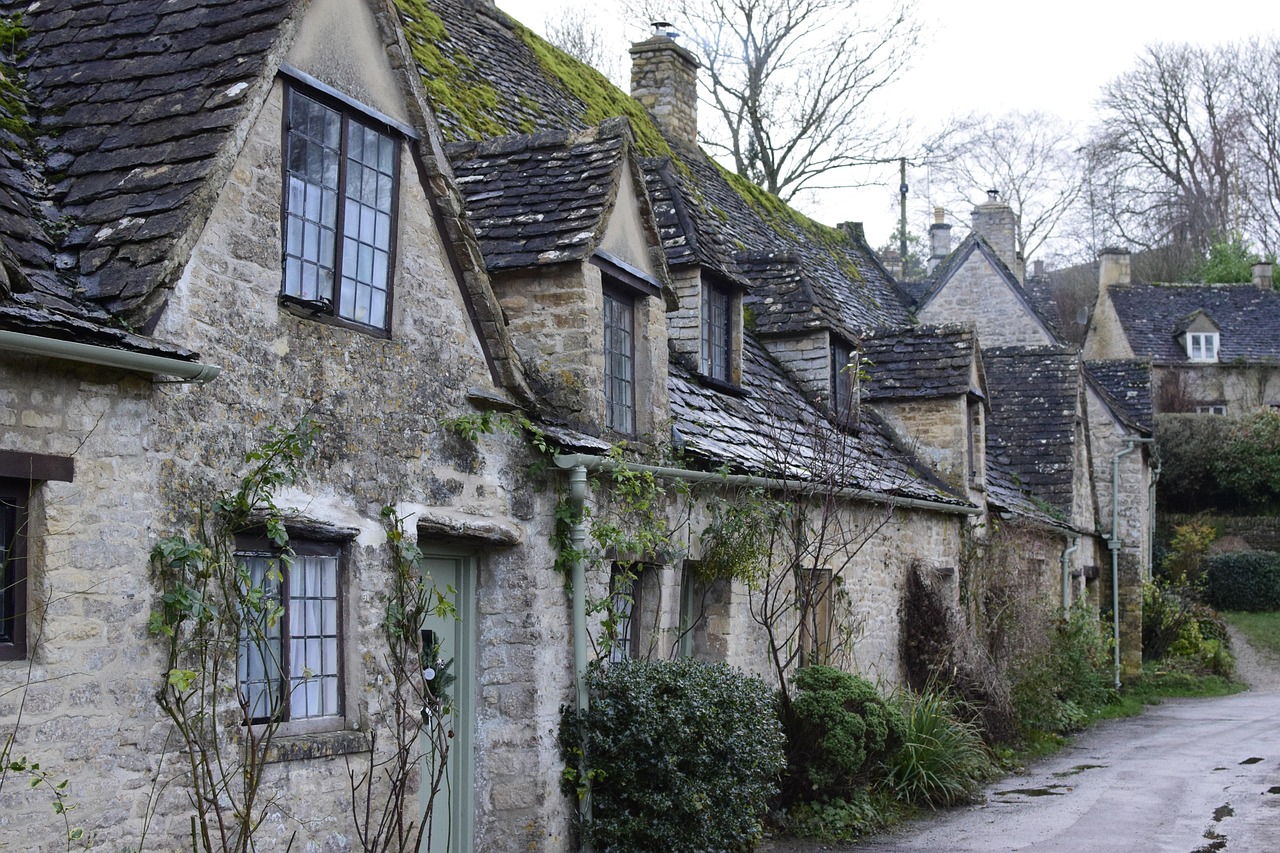
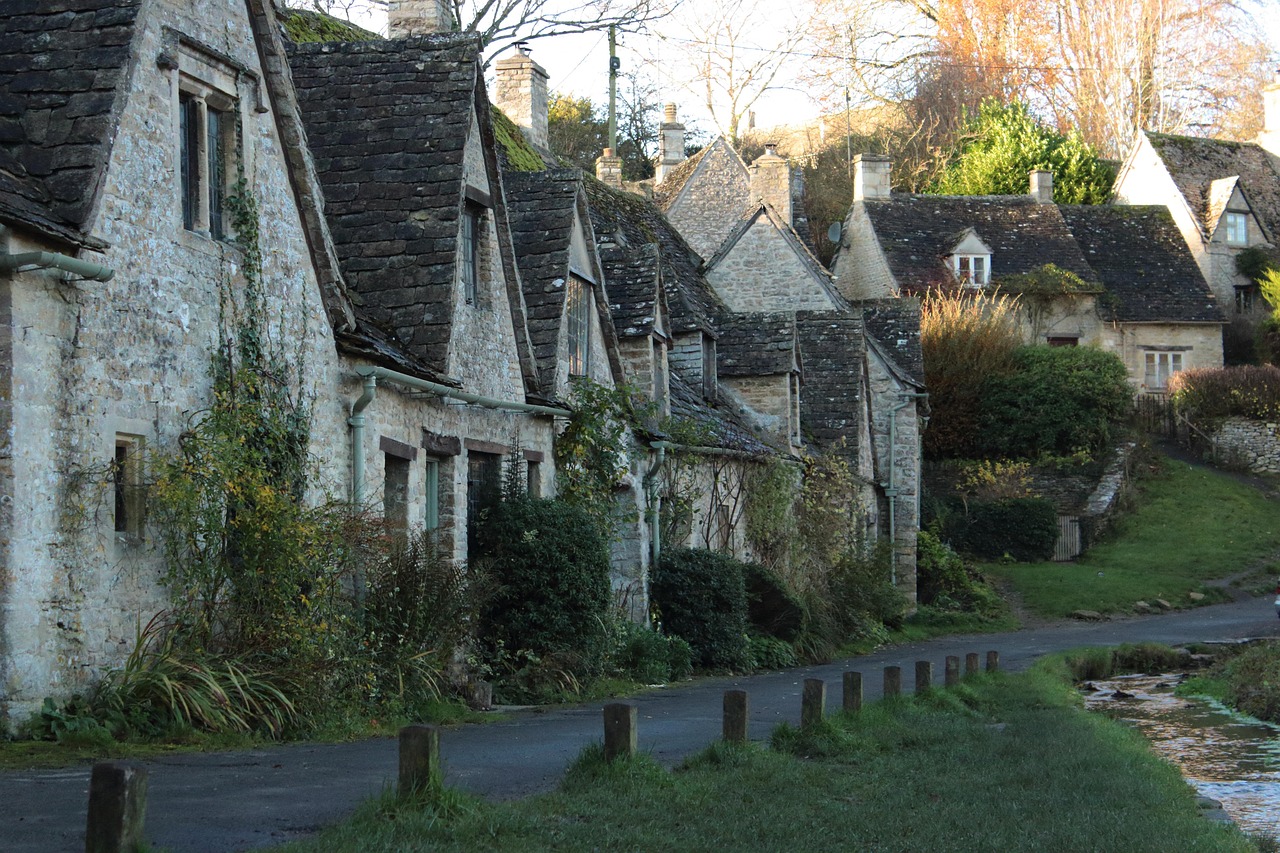
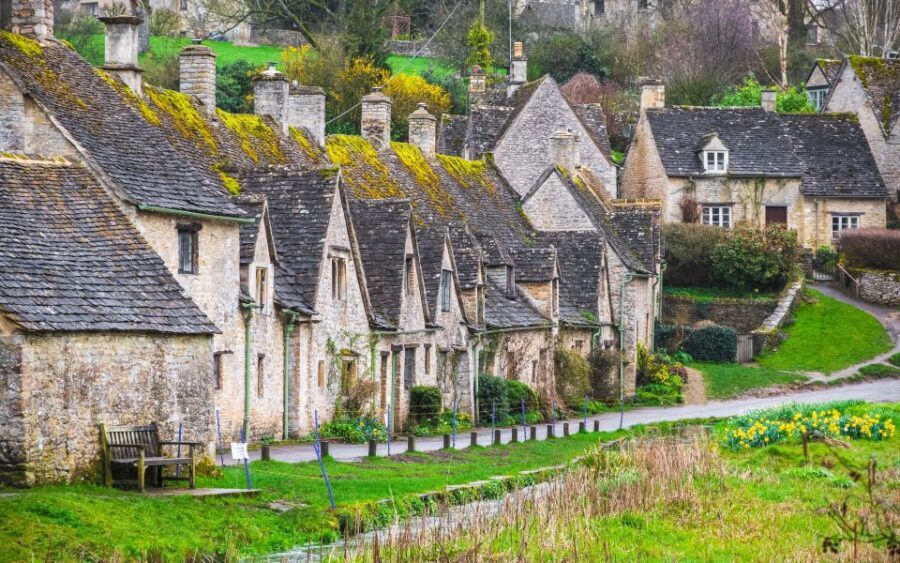
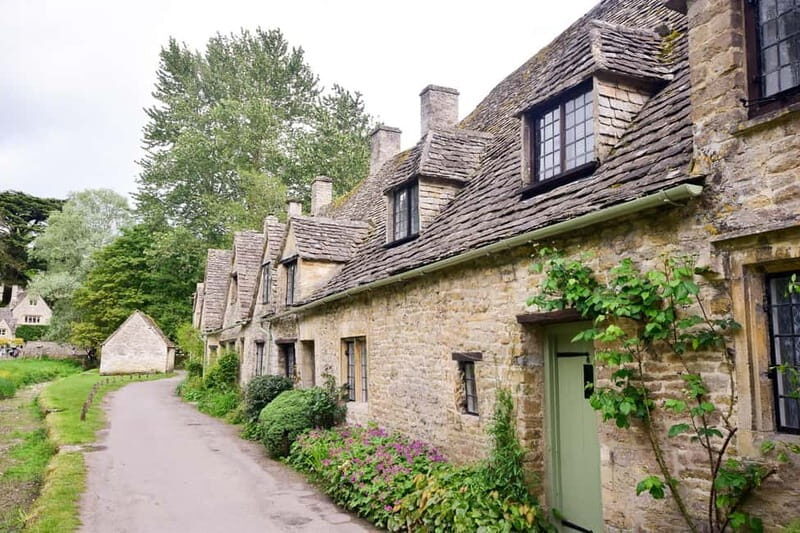
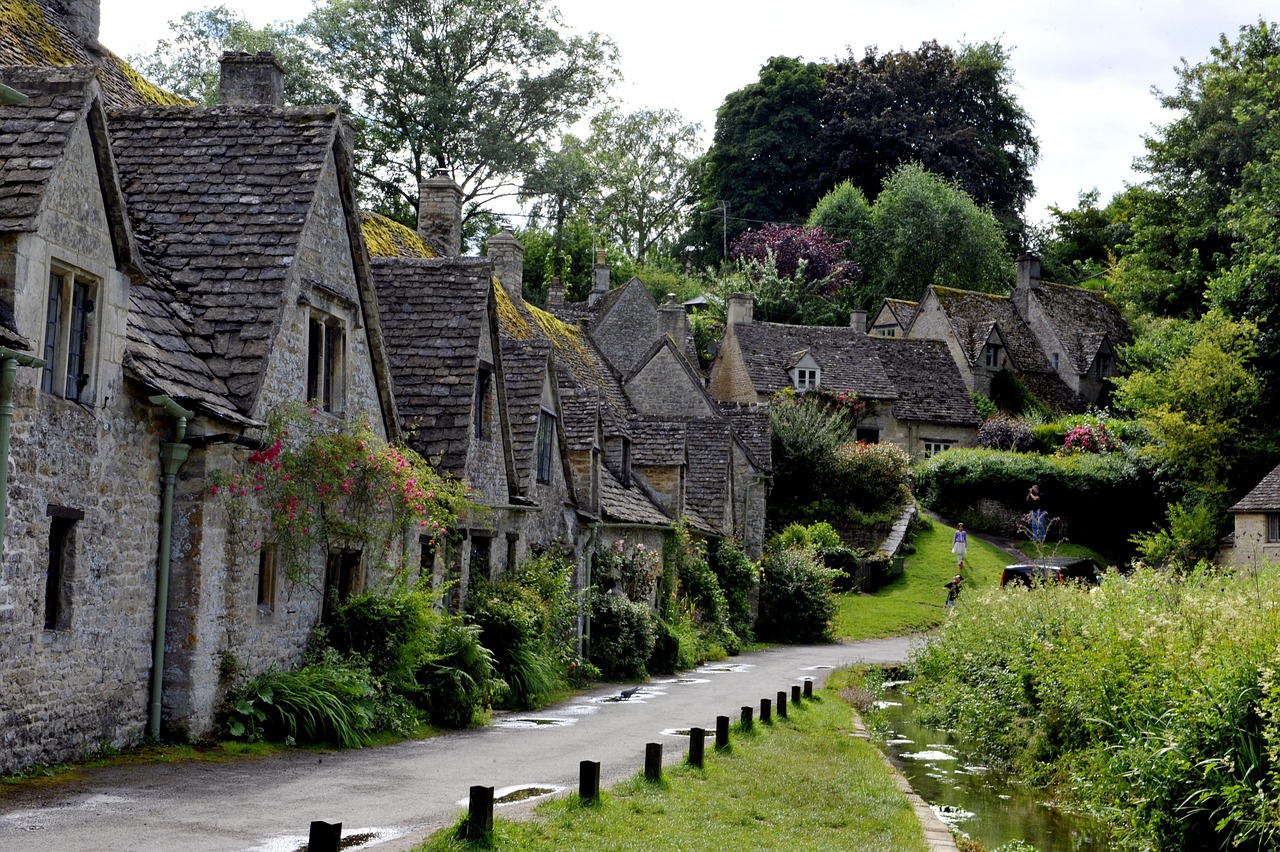
Bibury is the one with Arlington Row, a terrace of medieval weavers’ cottages that William Morris once called the most beautiful village in England. It’s small — you can walk the whole thing in twenty minutes — but it delivers exactly the kind of photos you came for.
Stow-on-the-Wold has the largest market square in the Cotswolds and some of the best antique shops. The famous wooden door at St Edward’s Church — the one flanked by yew trees that looks like something from a fantasy novel — is on most people’s must-see list. It’s also a good lunch stop.
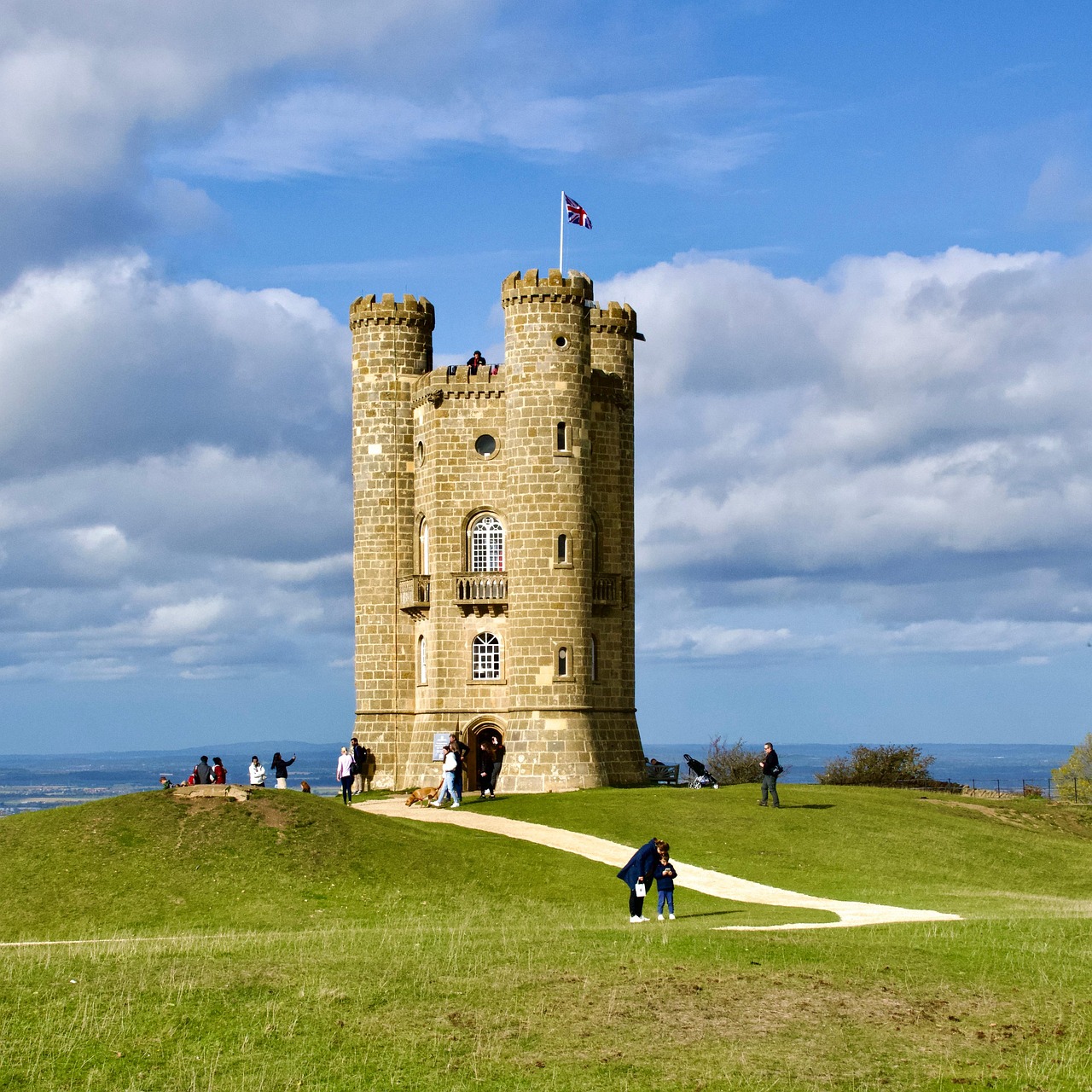
Broadway is a wide-street village (the name gives it away) with a good mix of shops, galleries, and tea rooms. Broadway Tower, about a mile outside the village, sits at one of the highest points in the Cotswolds and the view from the top is the kind that makes you forget you’re still in England.
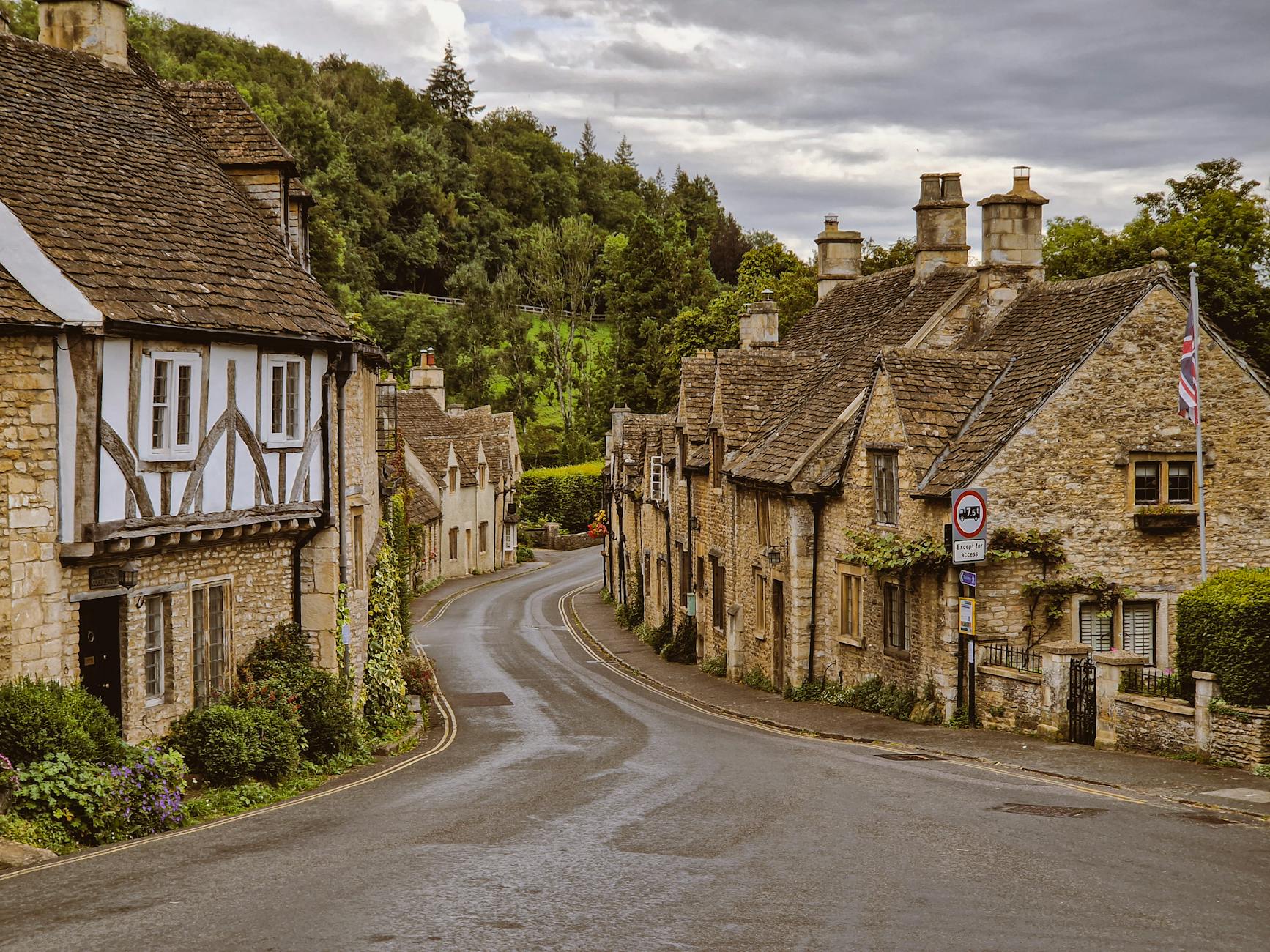
Castle Combe is smaller and quieter than the others. It’s been used as a filming location multiple times — you might recognise it even if you’ve never heard the name. Not all tours include it, but the ones that do tend to be the better ones.
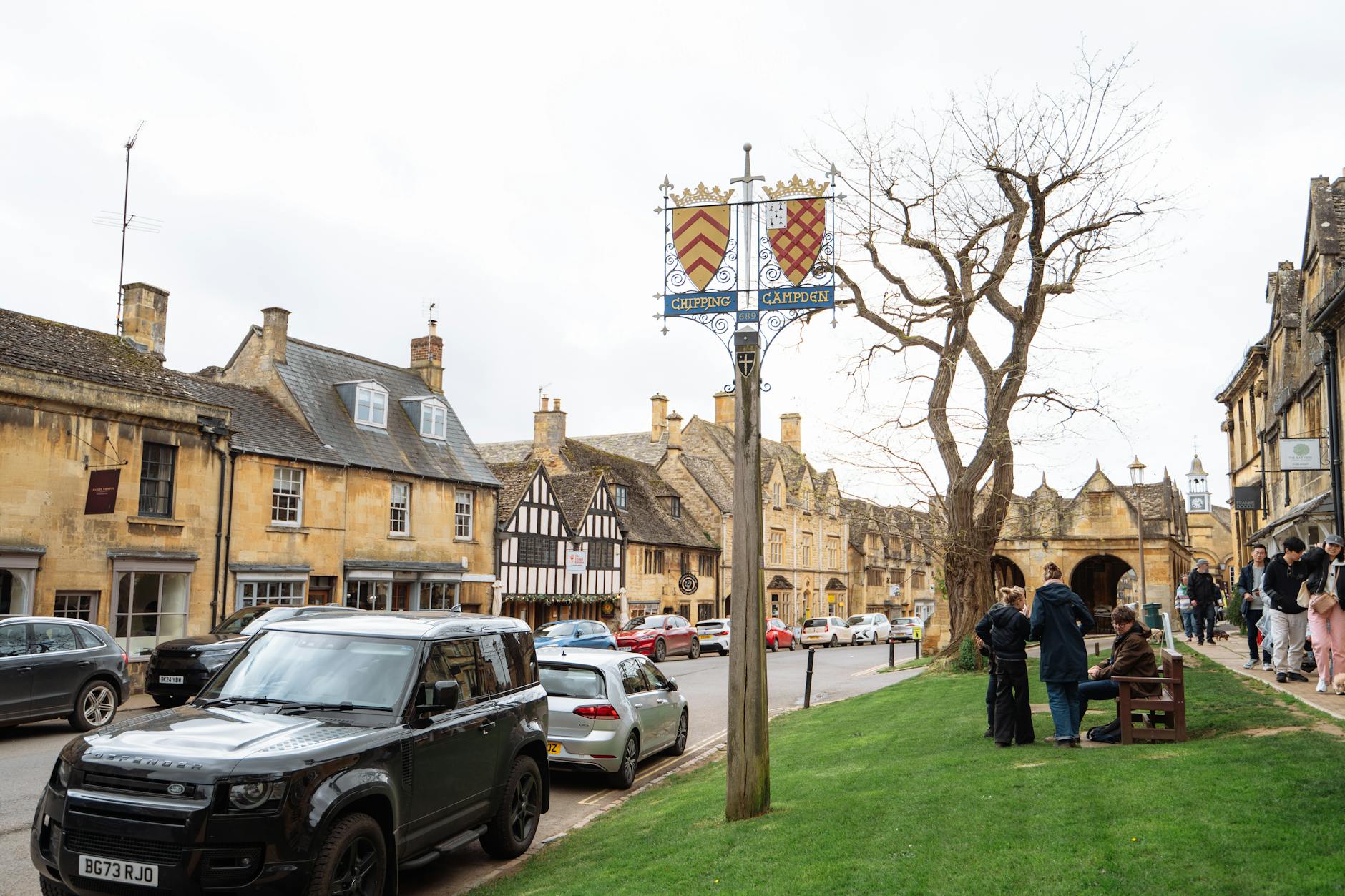
Chipping Campden was the wool trade capital of the Cotswolds. The High Street is lined with buildings paid for by medieval wool merchants trying to outdo each other, which means the architecture is genuinely impressive rather than just quaint.
The Best Cotswolds Tours from London
I’ve gone through the main options and picked three that cover different budgets and styles. All leave from central London and run about ten hours total.
1. Full-Day Cotswolds Small-Group Tour — $113
This is the one I’d book if I had to pick just one. Small group (usually sixteen people or fewer), a guide who clearly loves the area, and a route that hits all the right spots without feeling rushed. You get genuine free time at each village — not the “you have fifteen minutes” kind, but enough to actually sit in a pub garden or wander down a side street.
At $113 for a full 9.5-hour day with local expert guides, it’s solid value for a small-group experience. The guides know the backroads, which means you sometimes get taken to viewpoints and lanes that the big coaches can’t reach.
2. Cotswolds and Oxford Guided Day-Trip — $106
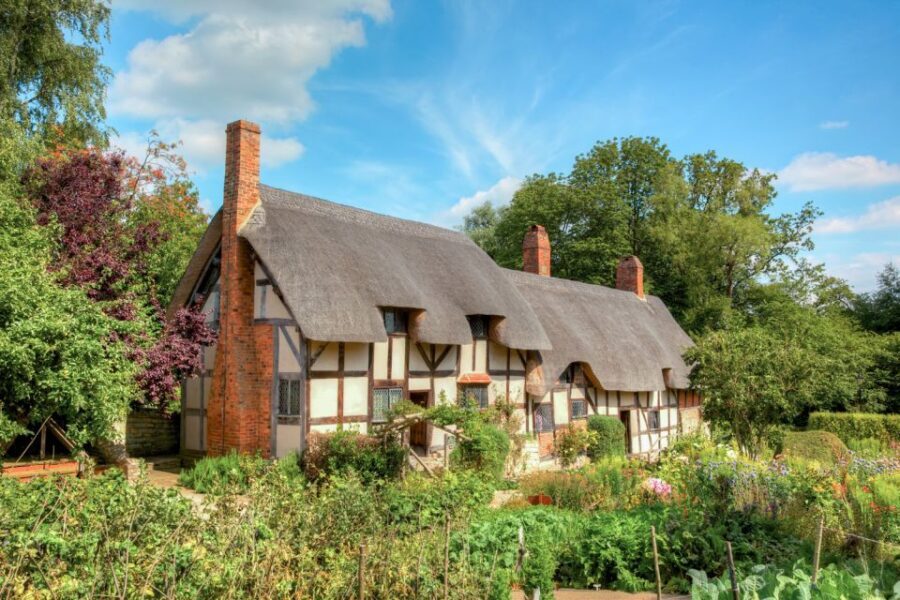
If you only have one free day and you also want to see Oxford, this combo tour is hard to beat. You get a walking tour of Oxford’s colleges in the morning — the Bodleian Library, the Radcliffe Camera, the Bridge of Sighs — then head into the Cotswolds villages for the afternoon. It’s a long day at 10.5 hours, but you’re covering two of the most popular day trips from London in one go.
The trade-off is less time in the Cotswolds compared to a dedicated tour. You’ll hit two or three villages instead of four or five. But at $106, you’re getting a strong two-in-one that makes sense if your schedule is tight.
3. Full-Day Cotswolds Group Tour — $78
This is the budget option and it’s perfectly decent. Larger group (coach rather than minibus), but you still get a full day in the Cotswolds with stops at major villages. The key difference is you have more free time at each stop rather than guided commentary, which is actually a plus if you prefer exploring on your own. The driver drops you off, tells you what to see, and gives you a meeting time.
At $78 it’s the cheapest way to do the Cotswolds as a day trip from London without dealing with trains and buses yourself. The ten-hour day covers the same ground. You lose the small-group intimacy but keep the convenience.
When to Go
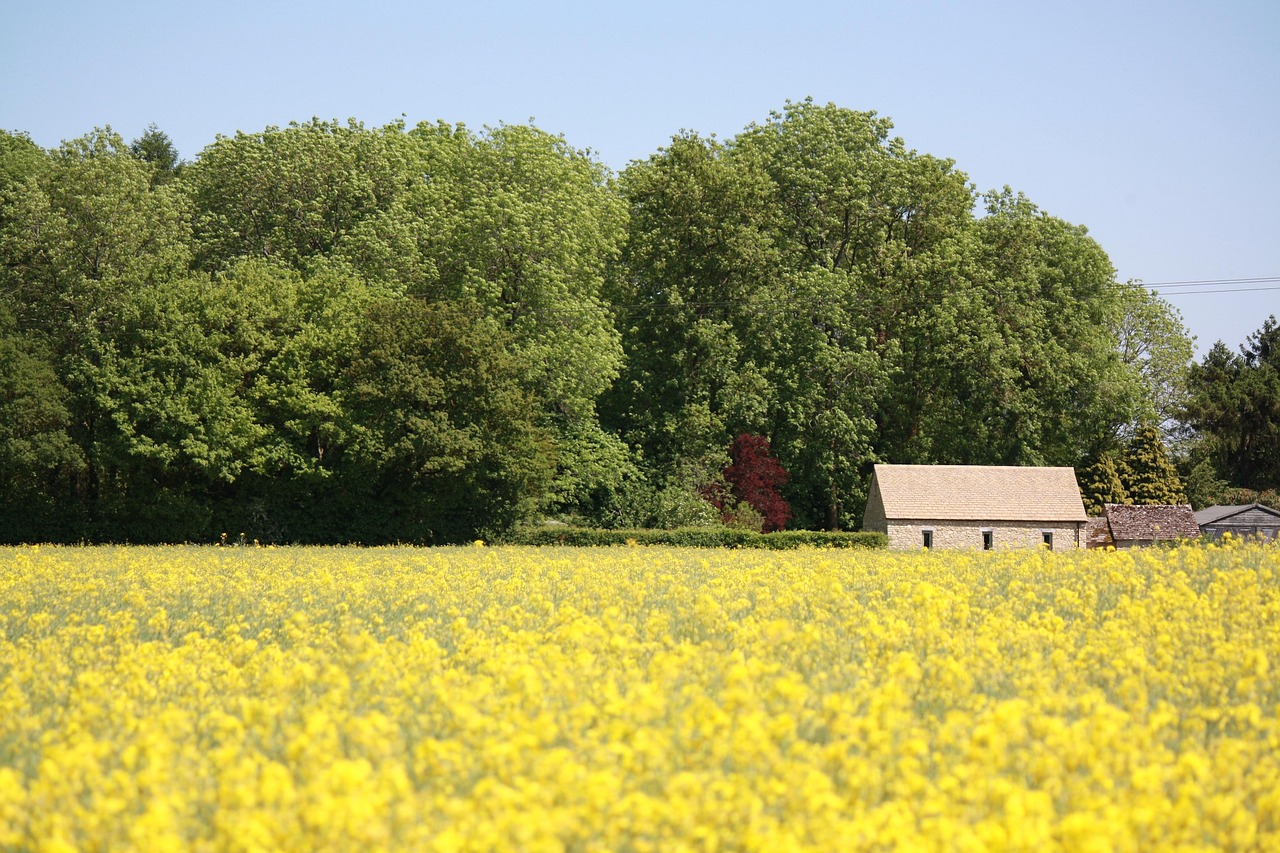
The Cotswolds works year-round, but the experience changes dramatically with the seasons.
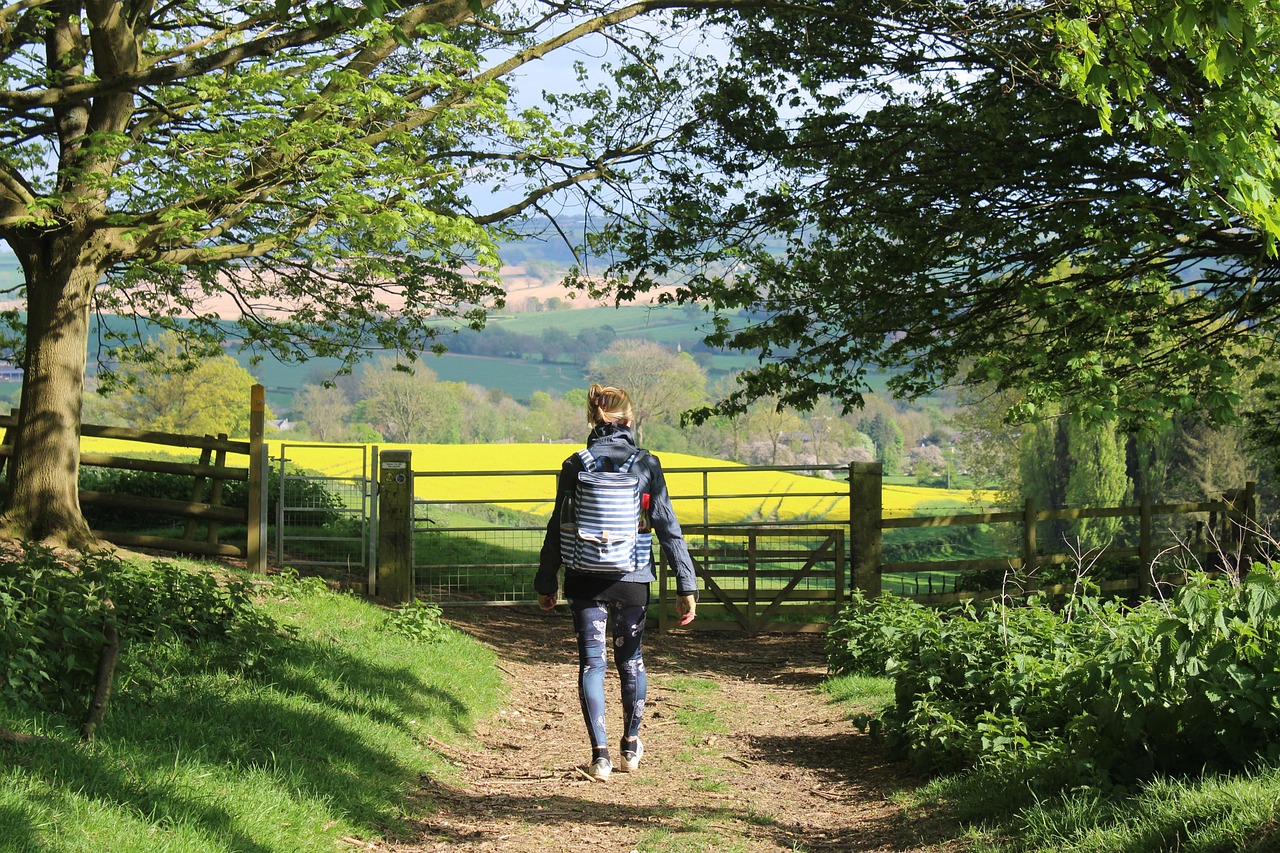
Spring (April-May) is arguably the best time. The gardens are blooming, the fields are bright green (or yellow with rapeseed), the weather is mild, and the summer crowds haven’t arrived yet. This is when the Cotswolds looks like the postcards.
Summer (June-August) brings the biggest crowds. Bourton-on-the-Water in particular gets genuinely heaving on weekend afternoons. But summer also means long daylight hours, warm pub gardens, and the best chance of dry weather. If you’re booking a summer tour, go on a weekday.
Autumn (September-October) is underrated. The stone villages look incredible when the trees turn, and the walking is pleasant. Crowds thin out after September. Some of the smaller tea rooms close for the season though.
Winter (November-February) is quiet and atmospheric. Fewer travelers, frosty fields, cosy pubs with fires going. Some tours reduce their schedules, and a few villages feel genuinely empty. But if you get a crisp winter day with blue sky, the Cotswolds in winter is something special.
Tips That Will Actually Help

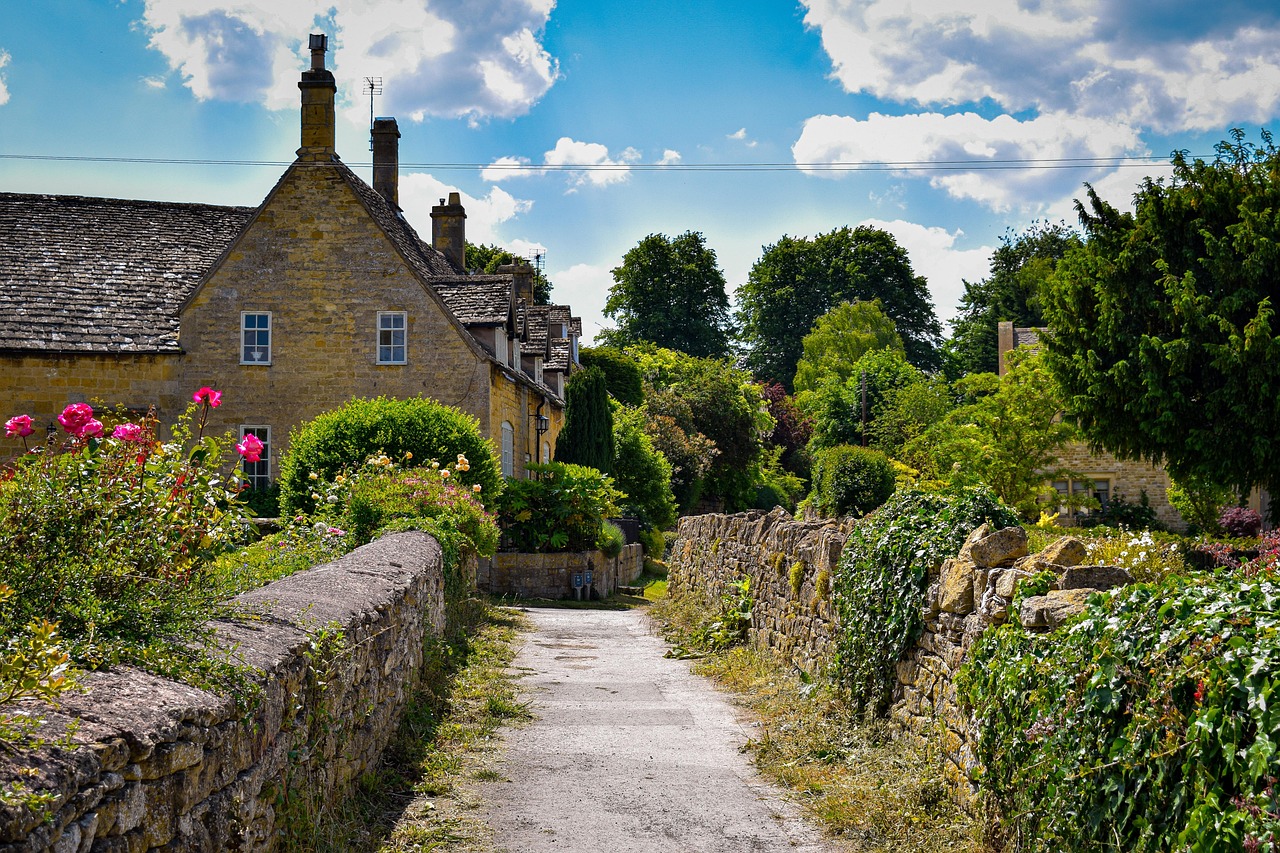
Wear proper shoes. The villages have cobblestones, uneven paths, and muddy lanes if it’s rained recently (which it probably has — this is England). Leave the white trainers at the hotel.
Bring cash. Some of the smaller shops, village pubs, and farm stalls still don’t take cards. Not many, but enough that having twenty quid in your pocket saves you awkward moments.
Eat lunch early. The good pubs and tea rooms in popular villages fill up fast between 12 and 1pm. If your tour schedule allows it, eat at 11:30 and thank me later.
Check the weather but go anyway. The Cotswolds in light rain is still better than most places in sunshine. Pack a waterproof layer and you’ll be fine. Some of the best photos I’ve taken there were on overcast days when the stone glows differently.
Don’t try to see everything. Your tour will hit four or five villages. That’s plenty. The people who enjoy the Cotswolds most are the ones who sit in a churchyard for twenty minutes instead of speed-walking to the next photo spot.
What to Expect on the Day
Most tours follow a similar rhythm. You’ll meet in central London between 7:30 and 8:30am — usually near Victoria Station or sometimes Baker Street. The drive west takes about ninety minutes, sometimes more depending on traffic getting out of London.
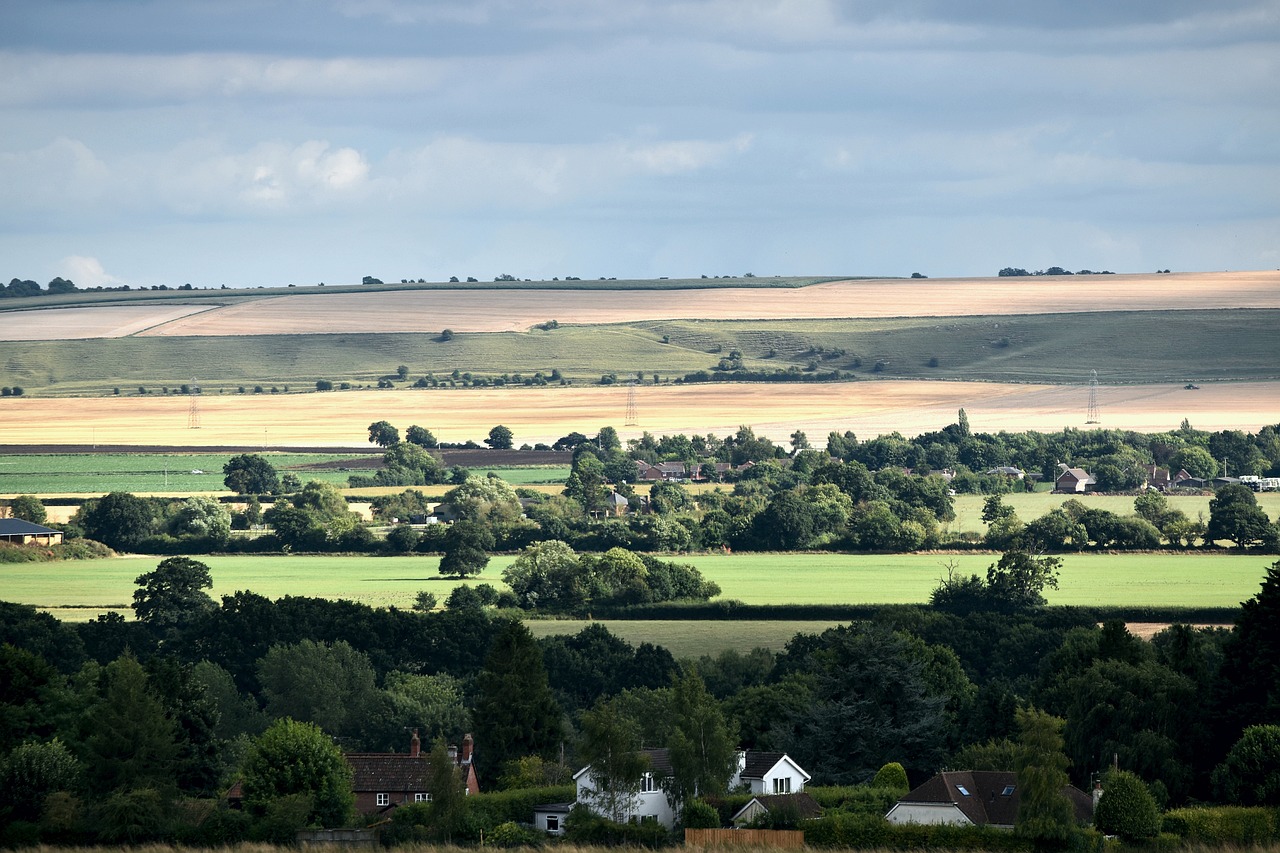
Once you clear the M4/M40, the scenery shifts quickly. Suburbs give way to open fields, the roads narrow, and the stone walls start appearing. Your first village stop usually comes around 10am.
You’ll typically get 30-60 minutes at each village, depending on the tour. That’s enough time to walk the main street, take photos, pop into a shop or two, and grab a coffee. For lunch, most tours give you a full hour at one of the larger villages. Bourton-on-the-Water and Broadway are common lunch stops.
The afternoon continues with two or three more village stops, and you’re usually heading back to London by 4-5pm. Expect to arrive back around 6-7pm.
One thing nobody tells you: the drive back is when the group tends to go quiet. Not because it was bad — because everyone’s processing how different it felt from London. That’s the sign of a good day trip.
More UK Day Trips Worth Booking
If the Cotswolds is on your list, you’re probably also weighing up Stonehenge and Windsor Castle. Both are completely different experiences — Stonehenge is ancient and atmospheric, Windsor is royal and polished — but all three work well as separate day trips from London. If you only have time for one, the Cotswolds gives you the broadest sense of what England looks like outside the cities. But honestly, they’re all worth doing if you can fit them in.
This article contains affiliate links. If you book a tour through one of the links above, we may earn a small commission at no extra cost to you. This helps us keep producing detailed travel guides like this one.
Other Excursions from London
The Cotswolds share the day-trip circuit with a few other popular destinations. Stonehenge sits to the south and pairs naturally with a Cotswolds visit on full-day tours. The prehistoric mystery of the stone circle and the medieval charm of the villages make an excellent contrast.
Windsor Castle is closer to London and quicker to reach, making it a good option if you have a shorter day available. Some tours combine Windsor with the Cotswolds, though that can feel packed. A walking tour in Oxford is another option in the same general direction — the university city sits on the eastern edge of the Cotswolds and makes a natural add-on.
Back in London, the contrast between the Cotswolds’ quiet villages and the capital’s energy is striking. Ease back in with a Thames river cruise or a walking tour through one of the central neighbourhoods to recalibrate to city pace.