
Eight million objects. That’s how many things the British Museum holds. You could visit every day for a year and still only scratch the surface. I spent an entire morning there once thinking I’d “do the whole thing” and barely made it through the Egyptian galleries before my feet gave out.
The good news? Entry is completely free. No tickets needed for the permanent collection. You just walk in. That alone makes it one of the best deals in London — a city where a sandwich and a coffee can easily set you back fifteen quid.
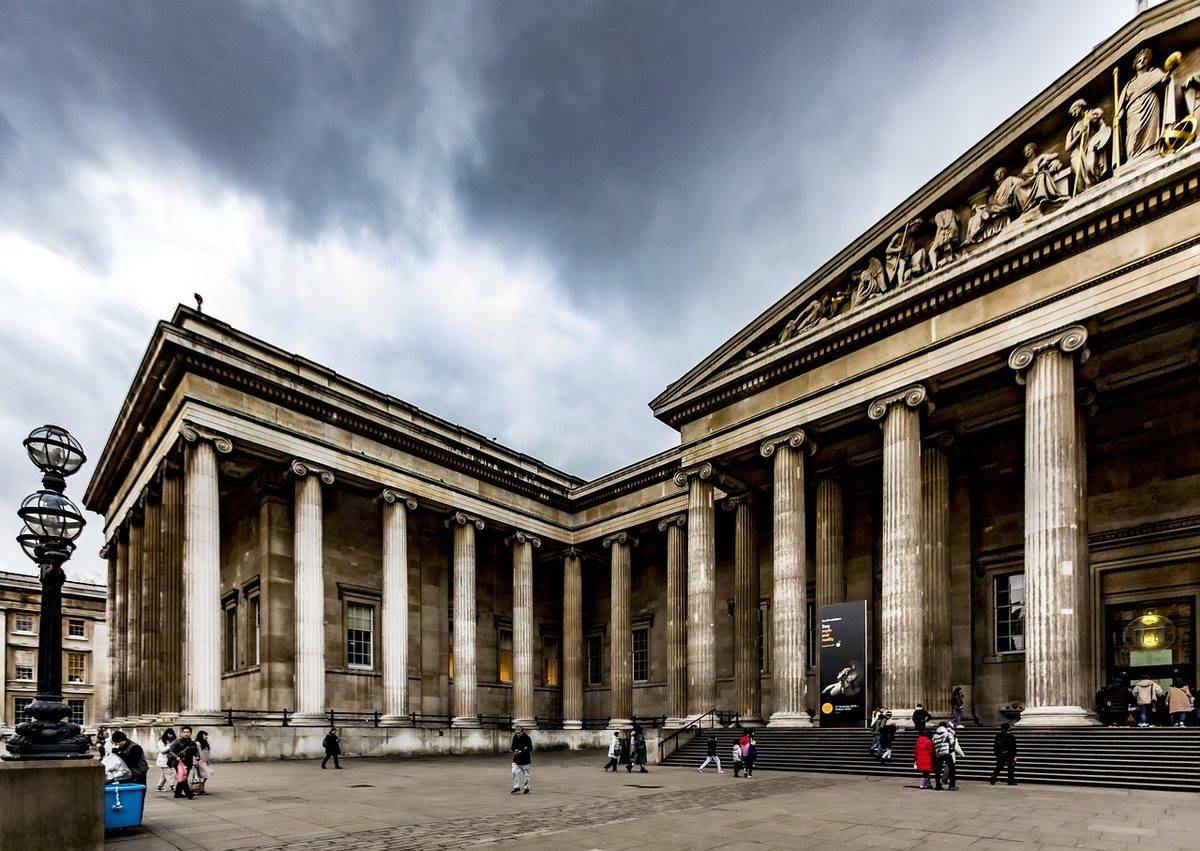
But there’s a catch. “Free entry” doesn’t mean you can just rock up anytime and stroll in without planning. Some exhibitions require timed tickets. The museum gets crushingly busy on weekends and school holidays. And without a plan, you’ll wander aimlessly through rooms of pottery (no offence to the pottery) while missing the Rosetta Stone entirely.
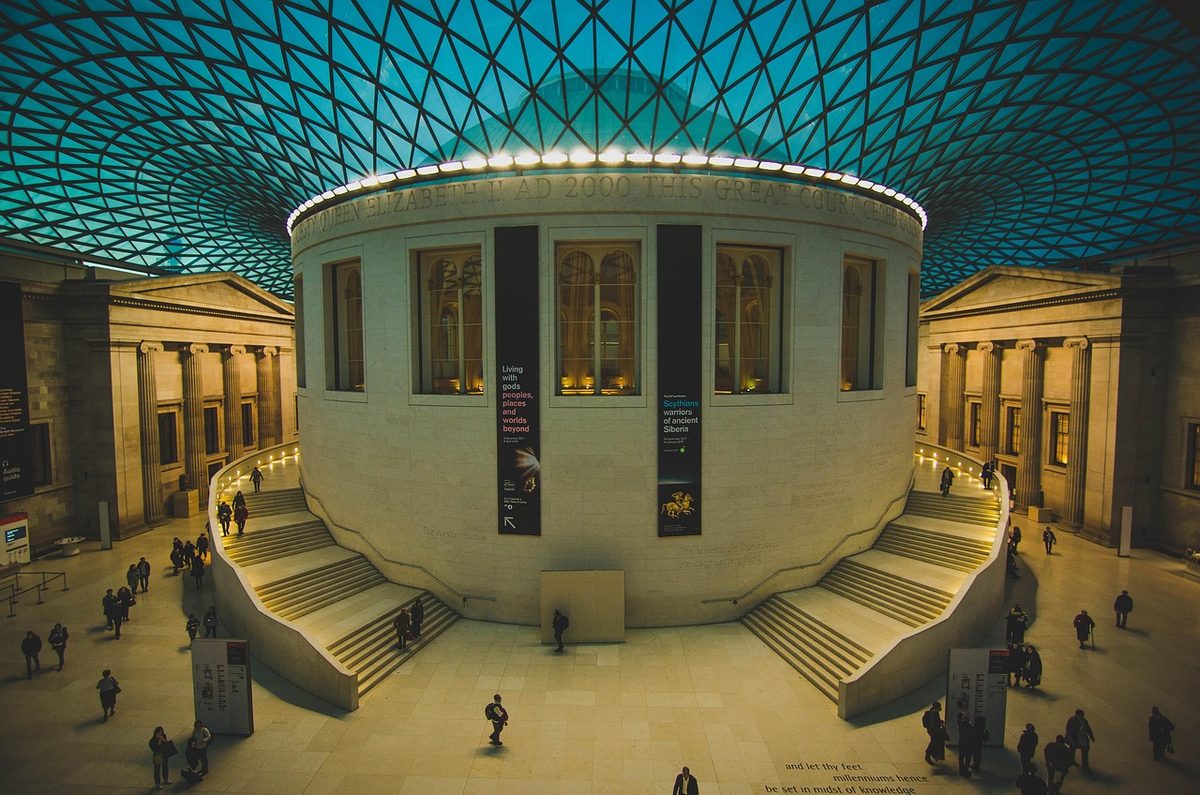
This guide covers everything: how the free entry system actually works, which exhibitions need paid tickets, whether a guided tour is worth the money, and what to prioritise if you only have a couple of hours. I’ve also pulled our top-rated British Museum tours from the database so you can compare prices and reviews side by side.
Best overall: British Museum Guided Tour — $23. Two hours hitting every major highlight with a guide who knows the shortcuts between galleries.
Best premium: Small-Group British Museum Tour (8 max) — $108. Capped at eight people with a specialist guide. Worth it if you want to actually ask questions.
Best budget: Tour of the British Museum — $14. The cheapest guided option that still covers the essentials.
- How Free Entry Actually Works
- Timed Tickets vs Walk-In
- Guided Tours vs Going Alone
- The Best British Museum Tours to Book
- 1. London: British Museum Guided Tour —
- 2. Small-Group British Museum Tour (8 Max) — 8
- 3. London: Tour of the British Museum —
- When to Visit
- How to Get There
- Tips That Will Save You Time
- What You’ll Actually See Inside
- More London Guides
- Making the Most of a Day in Bloomsbury and Beyond
How Free Entry Actually Works
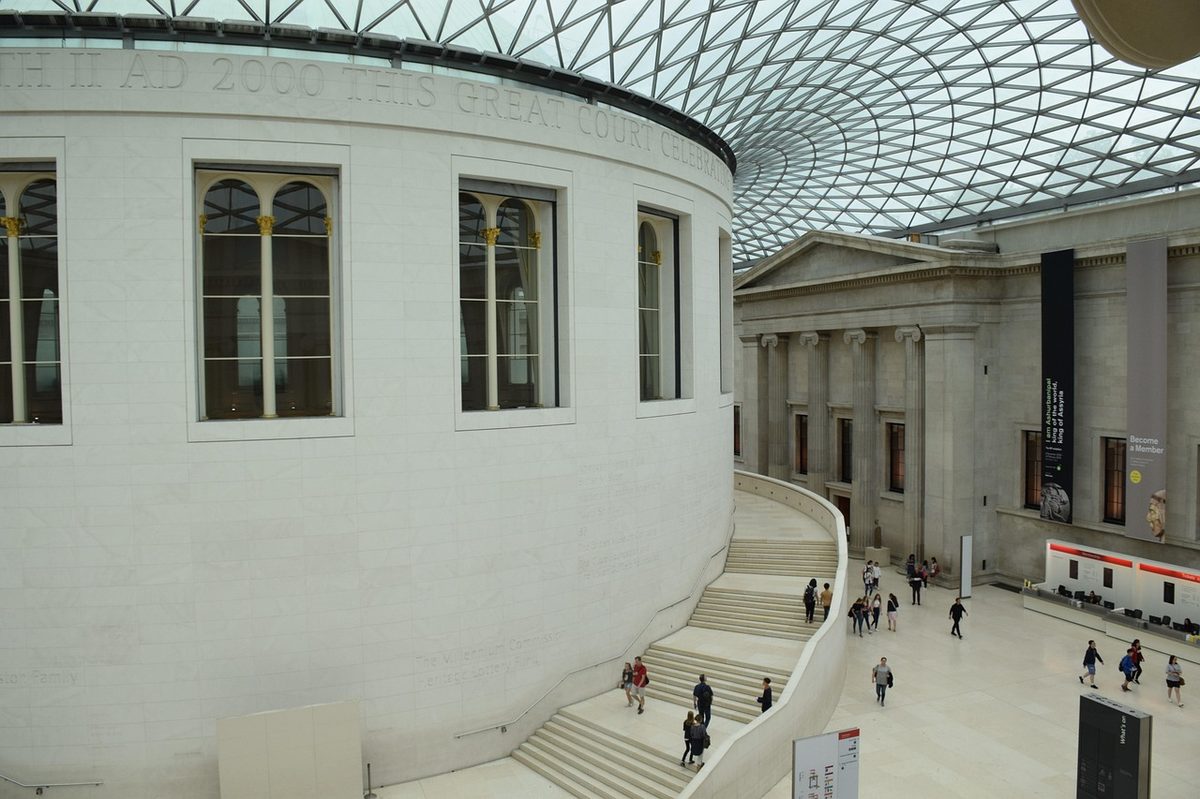
The permanent collection at the British Museum is free. Always has been, since 1753. No booking required, no timed entry, no tickets to print. You walk up to the main entrance on Great Russell Street, go through the bag check, and you’re in. That covers everything from the Rosetta Stone to the Elgin Marbles to the Egyptian mummies — the stuff most people come to see.
But here’s what trips people up: special exhibitions are not free. The museum runs a rolling programme of ticketed exhibitions that typically cost between 14 and 25 pounds. These sell out, especially on weekends. You book them through the official website at britishmuseum.org, and I’d recommend doing it at least a week in advance for anything popular.
There’s also a suggested donation of 5 pounds when you enter. It’s exactly that — suggested. Nobody will stop you if you don’t pay. But if you’ve just saved yourself the cost of a museum ticket in pretty much any other European capital, maybe toss a few quid in the box. They need it.
Timed Tickets vs Walk-In
For the main collection, no timed tickets exist. You can arrive at opening and leave at closing. The museum opens at 10:00 and closes at 17:00 daily, with late opening until 20:30 on Fridays (this is the insider move — Friday evenings are dramatically quieter).
Special exhibitions use a timed entry system. You pick a half-hour slot when you buy your ticket online. Miss your slot and you’re likely out of luck, though staff sometimes let latecomers in if space allows. Don’t count on it.
Tip: If you’re visiting on a Saturday between 11:00 and 15:00, prepare for serious crowds. The Great Court becomes a sea of school groups and tour parties. Either come at opening (the doors open right at 10:00 and the first 30 minutes are bliss) or wait for after 15:30 when things calm down.
Guided Tours vs Going Alone
Here’s the honest truth: the British Museum is overwhelming if you go alone without a plan. Eight million objects across 92 galleries. The layout is confusing — rooms connect in ways that make no intuitive sense, and you’ll double back on yourself constantly.
A guided tour solves this. A good guide will hit the 15-20 most important objects in about two hours, explain why each one matters, and navigate the building efficiently so you’re not wasting time walking in circles. You’ll learn things you’d never pick up from the information plaques (which are often too academic for casual visitors anyway).
That said, if you’re the type who likes to wander, read every label, and spend twenty minutes staring at a single object, a tour will feel rushed. The guides have a schedule. They can’t wait while you contemplate the Lewis Chessmen.
My take: If this is your first visit and you have 2-3 hours, do a guided tour. If you’re a repeat visitor or a museum veteran who knows how to pace themselves, go solo with a plan.
The Best British Museum Tours to Book
I’ve pulled our three top-rated British Museum tours from the review database. These are ranked by verified visitor reviews — not sponsorship deals, not who paid us to feature them.
1. London: British Museum Guided Tour — $23

This is the one I’d recommend to most people. $23 for two hours of guided access through the museum’s greatest hits — Rosetta Stone, Elgin Marbles, Egyptian mummies, Assyrian lion hunts, and the Lewis Chessmen. The guides are knowledgeable without being dry, which matters when you’re standing in a room with a 5,000-year-old artifact and need someone to explain why it changed everything.
It’s a group tour, so you’ll be with other visitors, but the guides keep things moving efficiently. Two hours is about right — long enough to cover the highlights without museum fatigue setting in. One visitor put it perfectly: they wouldn’t have gotten nearly as much out of it without the guide’s enthusiasm, because the museum is simply too big to tackle alone in a few hours.
2. Small-Group British Museum Tour (8 Max) — $108
If you want the best possible experience and don’t mind paying for it, this is the tour. Capped at just eight people, which transforms the experience entirely. You can ask questions, linger at objects that interest you, and actually hear what the guide is saying without competing with three other tour groups in the same gallery.
At $108, it’s nearly five times the cost of the standard guided tour. But you’re getting a specialist guide — not a generalist — and 2.5 hours instead of two. The extra 30 minutes and smaller group means you’ll cover the same highlights plus deeper context on a few objects that catch your interest. Families particularly seem to love this format because kids can ask questions without feeling self-conscious. One family described it as the kind of experience that genuinely sparked their curiosity — the guide shared details they would have otherwise missed.
3. London: Tour of the British Museum — $14
The budget pick. At $14 per person, this is the cheapest way to get a guided British Museum experience, and it’s a perfectly solid option if you want structure without the cost. You’ll cover the key highlights in two hours — the Rosetta Stone, the Parthenon sculptures, the Egyptian galleries — with a friendly guide keeping things on track.
The trade-off versus the more expensive options is group size. Expect a larger group, which means less personal interaction and more of a follow-the-flag experience. But for the price, it’s hard to argue. One visitor nailed it: a guide at this museum keeps you from being overwhelmed, and that alone justifies the cost of entry to a free museum.
When to Visit
The museum opens every day from 10:00 to 17:00, with extended hours on Fridays until 20:30. Last entry is 30 minutes before closing.
Best times to visit:
– Friday evenings (17:00-20:30) — By far the quietest time. Most travelers don’t know about late opening. Some galleries are closed, but the major ones stay open and you can actually see the Rosetta Stone without someone’s elbow in your ribs.
– Weekday mornings (10:00-11:00) — Arrive right when the doors open. You’ll have about an hour before the school groups arrive.
– Late afternoons (15:30-17:00) — The lunch crowd has left and the after-school rush hasn’t started.
Worst times:
– Saturday and Sunday between 11:00 and 15:00. You’ve been warned.
– School holiday weeks (half-terms in February and October, summer from mid-July through August). The museum runs family events during these periods which draws even bigger crowds.
– Rainy weekdays — every tourist in London heads for the free indoor attractions.
How to Get There
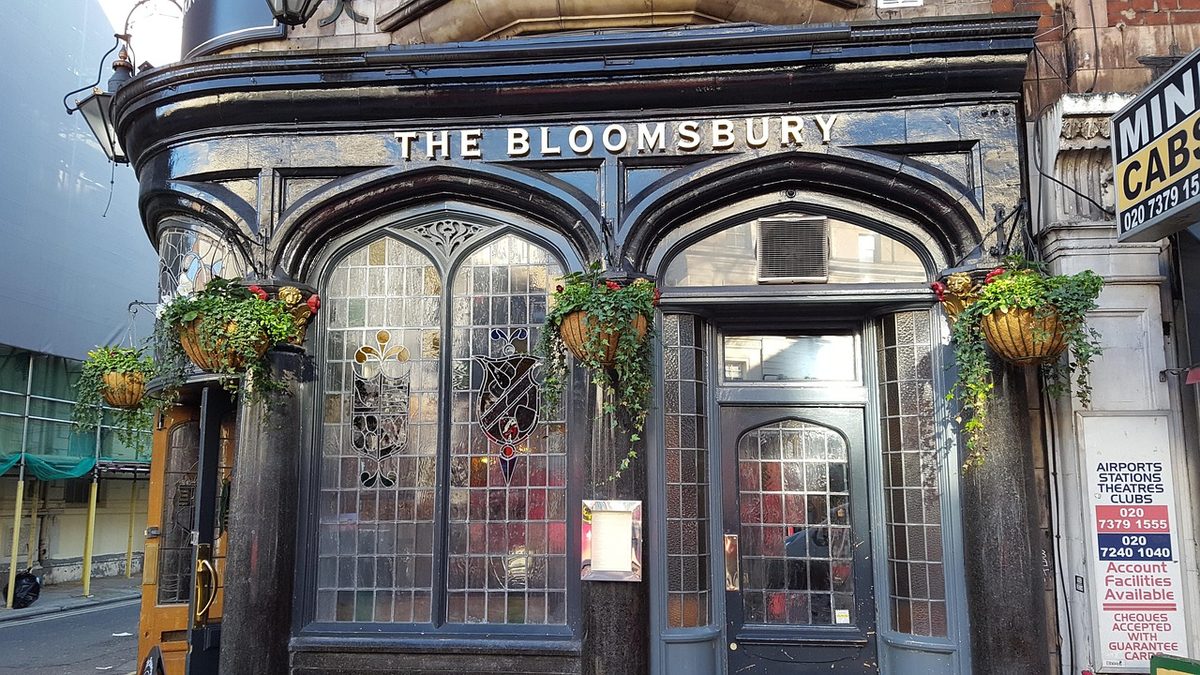
The British Museum sits in Bloomsbury, central London. Getting there is straightforward:
By Tube: The closest stations are Tottenham Court Road (Northern and Central lines, 5-minute walk), Holborn (Central and Piccadilly lines, 7-minute walk), and Russell Square (Piccadilly line, 8-minute walk). Tottenham Court Road is the easiest — exit towards Great Russell Street and you’re practically at the front door.
By Bus: Routes 1, 8, 19, 25, 38, 55, 98, and 242 all stop nearby. The bus stop on New Oxford Street is the most convenient.
By Walking: It’s about 20 minutes from Covent Garden, 25 from King’s Cross, or 30 from the British Library (which makes a great combo visit if you’re into that sort of thing).
By Bike: Santander Cycles docking stations are on Montague Street and Museum Street, both within a minute’s walk.
There is no car park at the museum. If you’re driving into central London, you’ll also be paying the Congestion Charge. Take the Tube.
Tips That Will Save You Time
Pick 3-4 sections, not the whole museum. The single biggest mistake visitors make is trying to see everything. You won’t. The British Museum has 92 galleries. Choose a few that genuinely interest you and spend quality time there. Egyptian antiquities, Ancient Greece, and the Enlightenment Gallery are the three I’d start with.
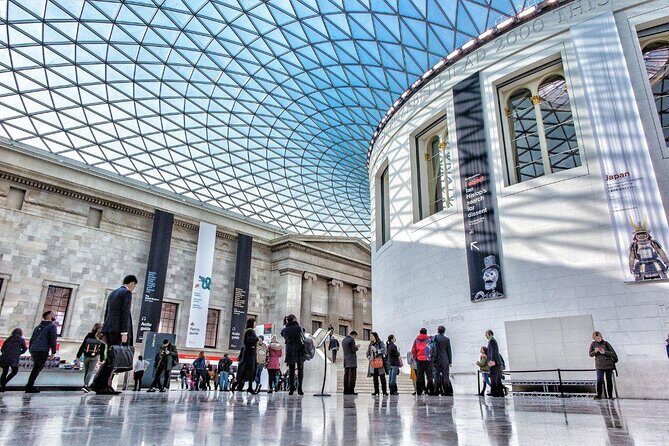
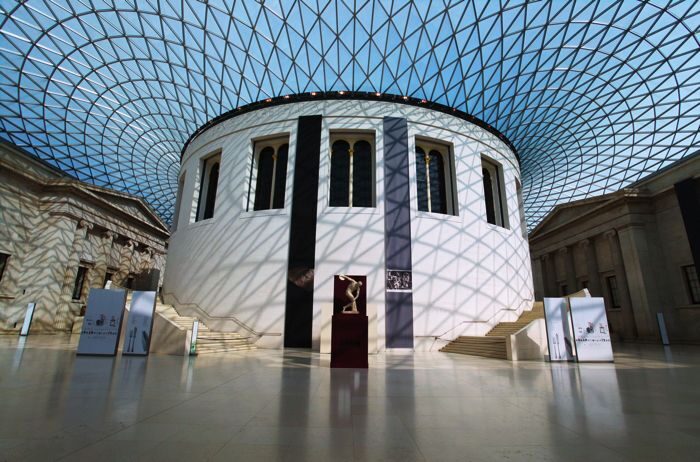
Use the Great Court as your base. It sits in the centre of the building and connects to most major galleries. If you get lost (you will), head back here and reorient.
Grab a map at the entrance. The free floor plans are actually useful, unlike most museum maps. The building has two main floors with wings that branch off in confusing directions. The map saves genuine time.
Bag check is quick but not instant. You’ll go through a security screening at the entrance. Small bags are fine. Suitcases and large backpacks need to go in the cloakroom (free, first-come first-served, closes 30 minutes before the museum).
The cafe is overpriced. The Court Cafe in the Great Court is convenient but expensive. The restaurants on Museum Street and Great Russell Street are better value. Grab lunch before you visit or plan to eat after.
Download the free app. The British Museum has a decent audio guide app that’s free. It won’t replace a live guide, but it adds useful context if you’re going solo.
What You’ll Actually See Inside
The British Museum covers human history from about two million years ago to the present. It’s not organised chronologically — it’s arranged by civilisation and region. Here’s what draws the biggest crowds:
The Rosetta Stone (Room 4). The most visited single object in the museum. This granite slab from 196 BC contains the same text in three scripts and is the key that cracked Egyptian hieroglyphics. It’s always surrounded by a crowd three-deep. Go early or go late.
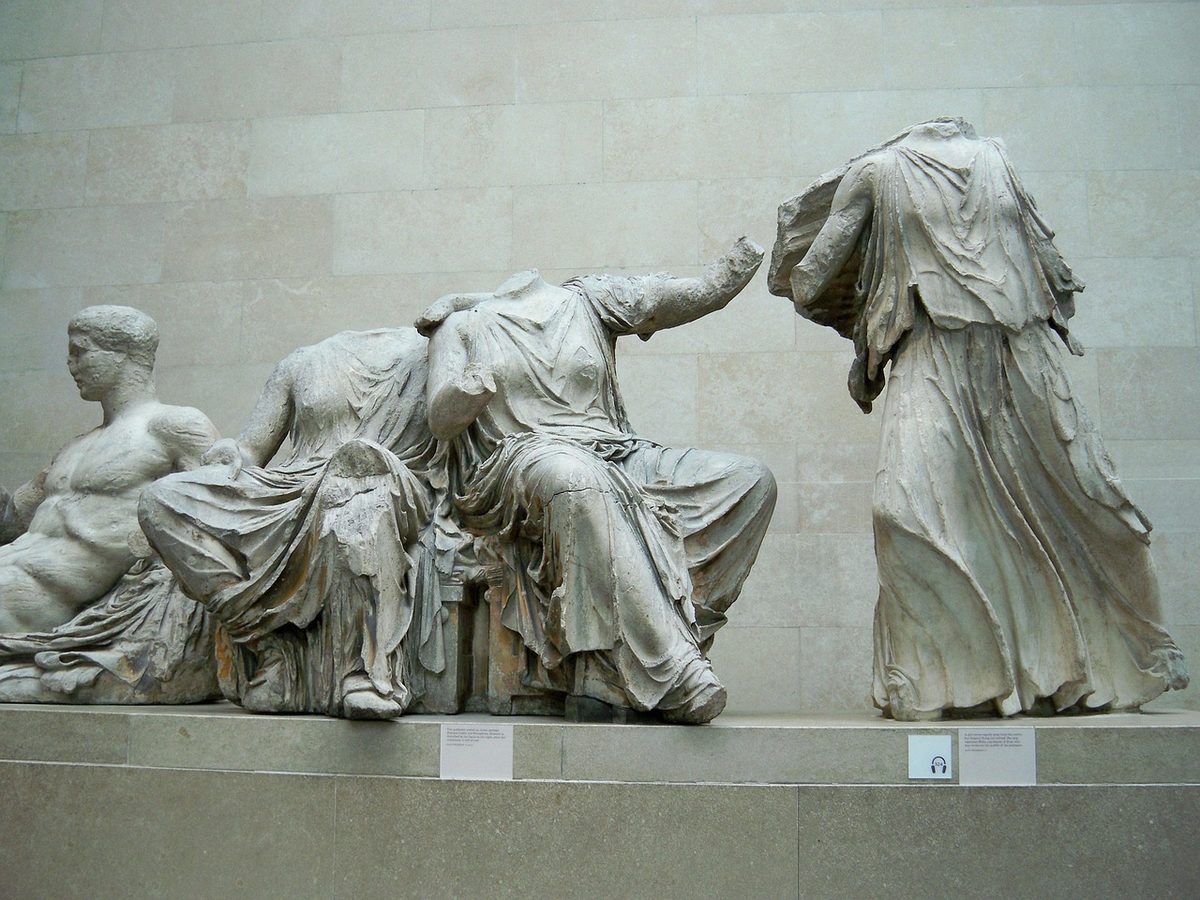
The Elgin Marbles / Parthenon Sculptures (Room 18). These marble friezes were removed from the Parthenon in Athens in the early 1800s and have been at the centre of a diplomatic row ever since. Whatever your view on the debate, the sculptures themselves are extraordinary — carved around 447 BC and still astonishingly detailed.
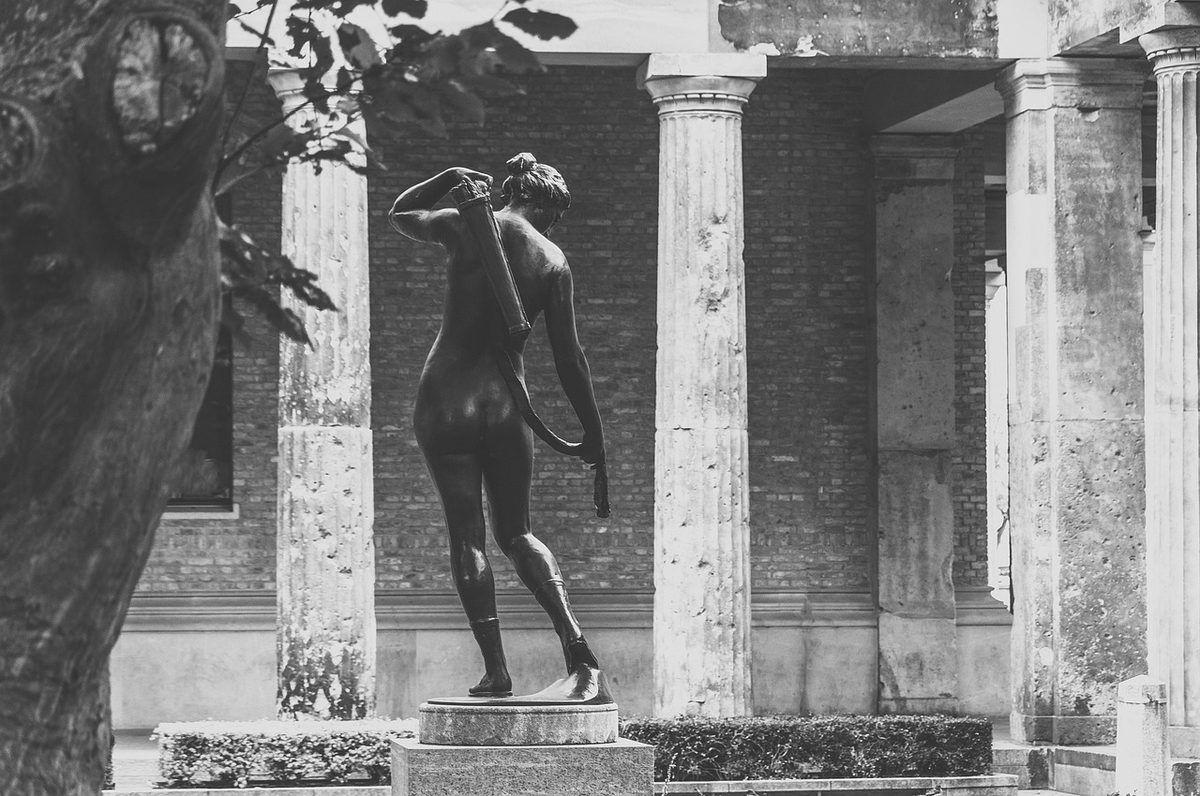
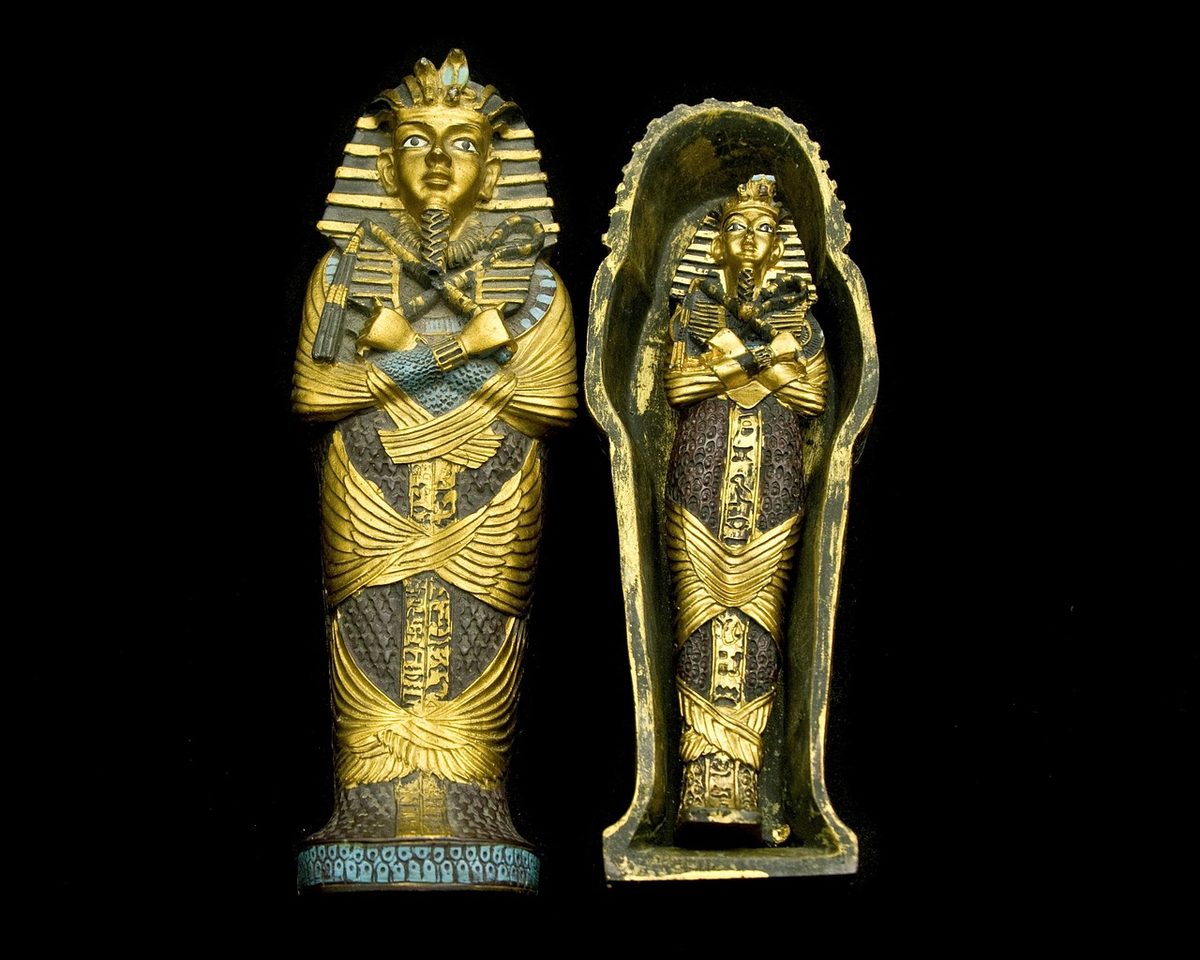
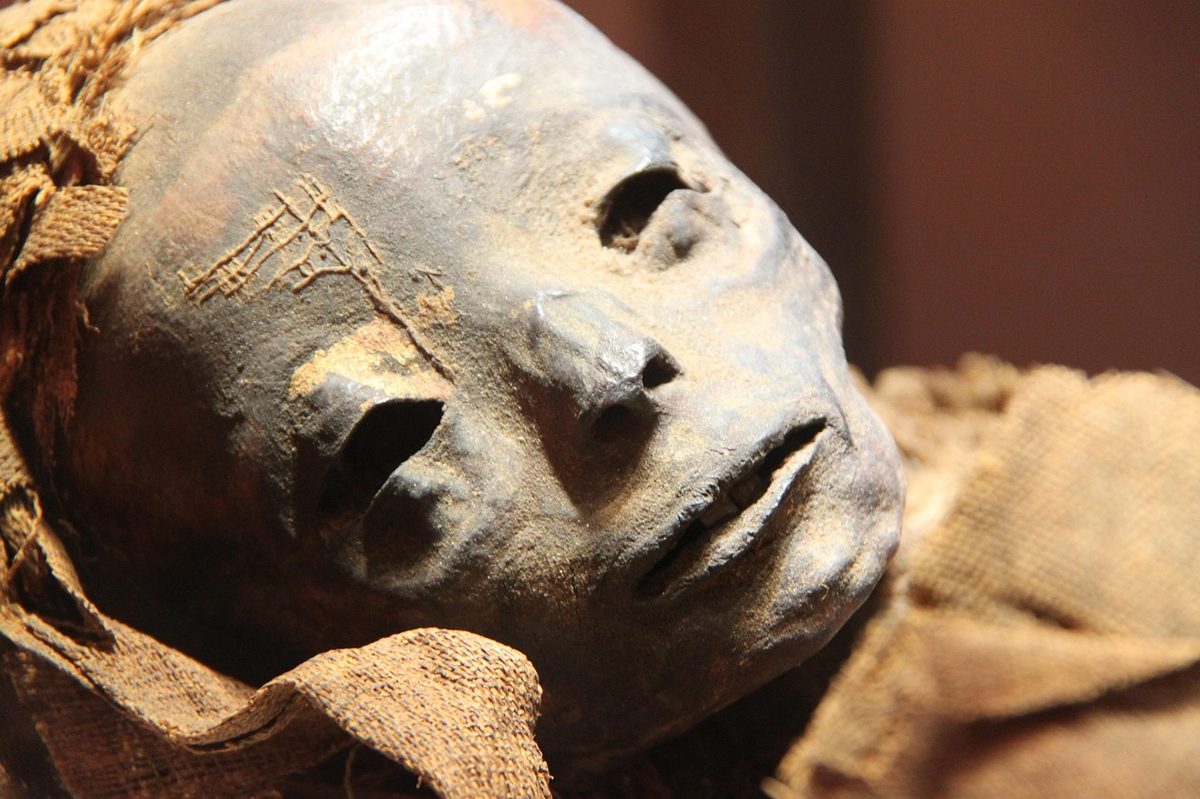
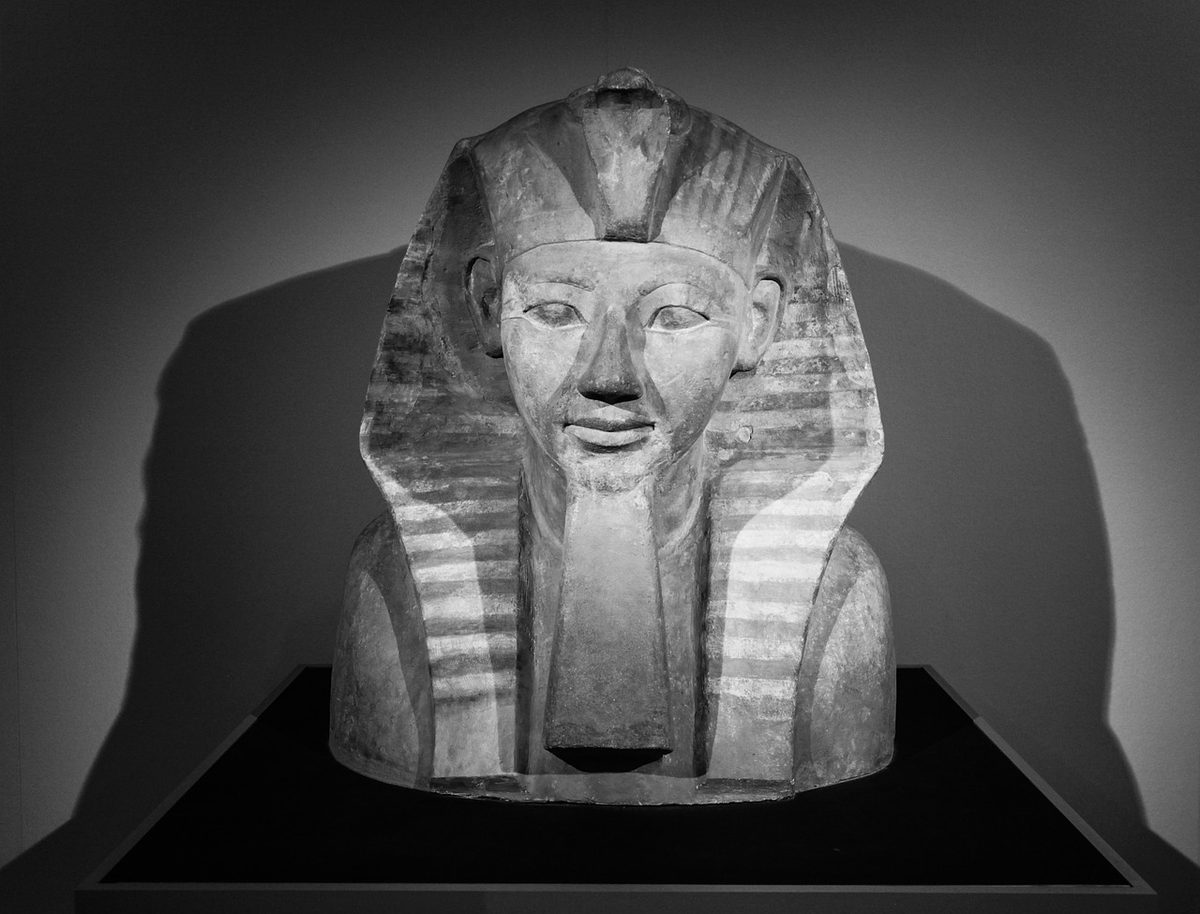
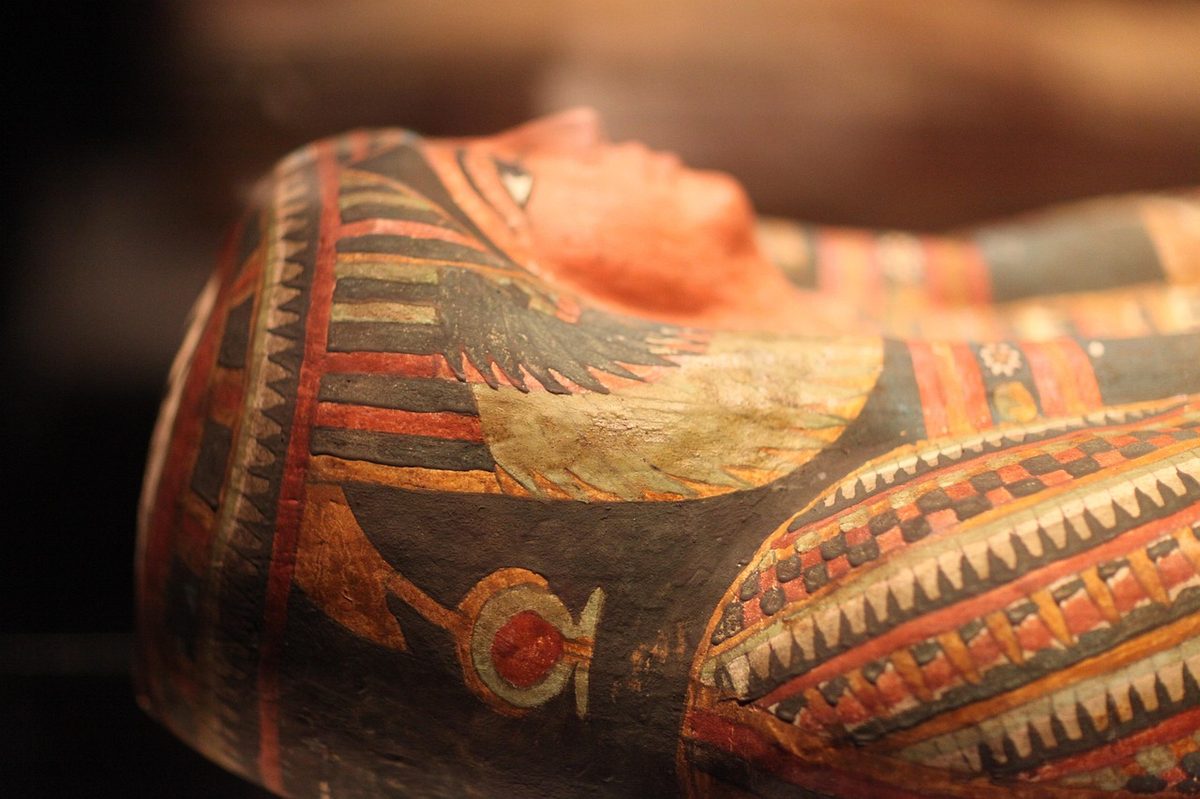
The Egyptian Collection (Rooms 61-66). Mummies, sarcophagi, the Book of the Dead, statues of pharaohs — this is the most popular section by a mile. Room 63 has the actual mummies. Room 62 has the massive granite bust of Ramesses II that inspired Shelley’s Ozymandias. It’s one of those objects that genuinely stops you in your tracks.
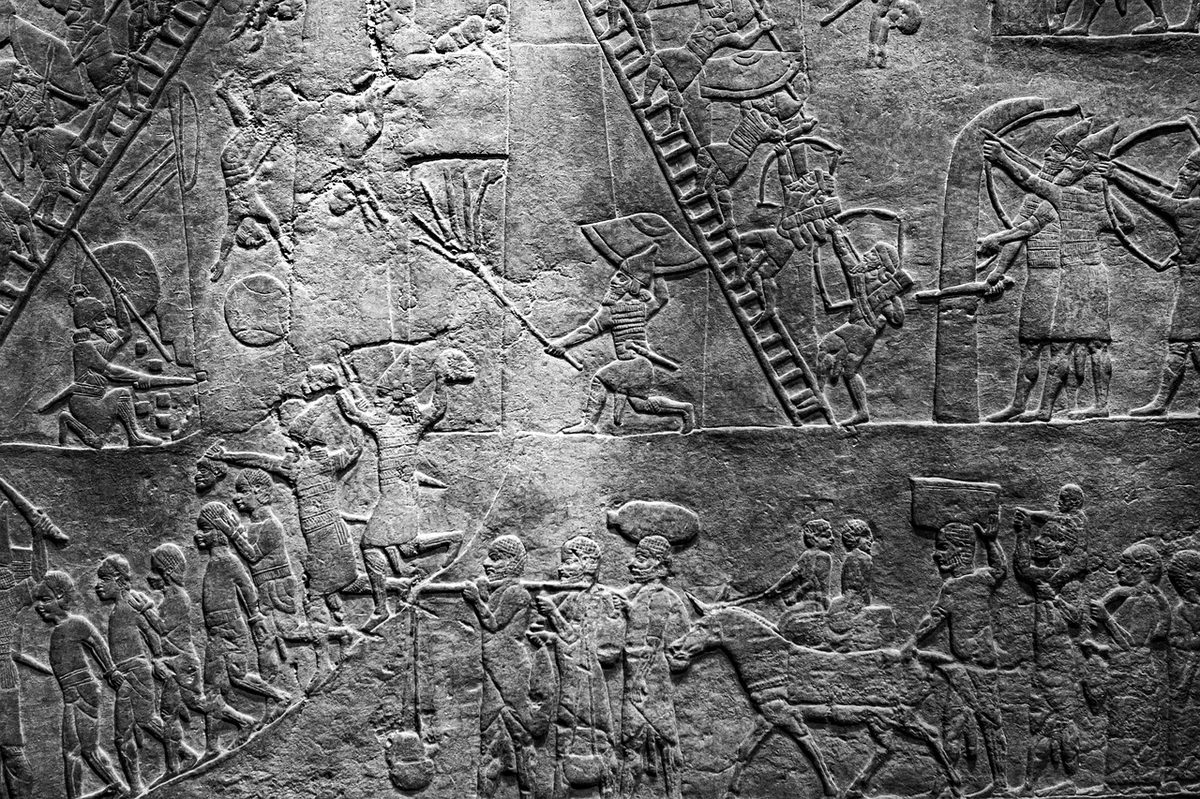
The Assyrian Lion Hunt Reliefs (Room 10). Carved around 645 BC in what is now Iraq. These wall panels depicting a royal lion hunt are considered some of the finest examples of Assyrian art anywhere in the world. They’re surprisingly dynamic and violent — not what you’d expect from 2,600-year-old stone.
The Lewis Chessmen (Room 40). 82 chess pieces carved from walrus ivory, found in Scotland, probably made in Norway around 1150-1200 AD. They’re small, wonderfully expressive, and one of the museum’s most photographed objects.
The Enlightenment Gallery (Room 1). This one gets overlooked because it’s right at the entrance and people rush past it to get to Egypt. Don’t. It’s one of the most beautiful rooms in the building — the original King’s Library with its towering bookcases, stuffed with the objects that 18th-century collectors used to make sense of the world.
More London Guides
If you’re spending a few days in London, the British Museum pairs well with other attractions nearby. Our Tower of London guide covers how to book tickets and skip the worst queues — it’s about 30 minutes away by Tube and makes a solid half-day trip. Westminster Abbey is another one where booking ahead saves real time, especially if you want to see the coronation chair and the poets’ corner without being herded through at speed. Both are the kind of places where a guided tour makes a genuine difference, same as here.
This article contains affiliate links. If you book a tour through our links, we earn a small commission at no extra cost to you. This helps us keep producing free travel guides.
Making the Most of a Day in Bloomsbury and Beyond
The British Museum is free and central, which makes it easy to combine with other London visits. Madame Tussauds is about a 20-minute walk west to Baker Street, and the two make a good contrast — ancient civilisations in the morning, celebrity waxworks in the afternoon.
If the Egyptian and Greek collections spark your interest in London’s own history, the Tower of London connects directly. The Tower has been a royal palace, prison, and treasury for nearly a thousand years, and the Crown Jewels collection rivals anything in the British Museum for sheer spectacle. A walking tour through the City of London fills in the gaps between these major sites.
For a change of pace after the museum’s indoor galleries, the London Eye is about 30 minutes south by Tube to Waterloo, and the aerial view gives context to all the neighbourhoods you have been exploring on foot. A Thames cruise from nearby Westminster Pier achieves something similar from water level.