
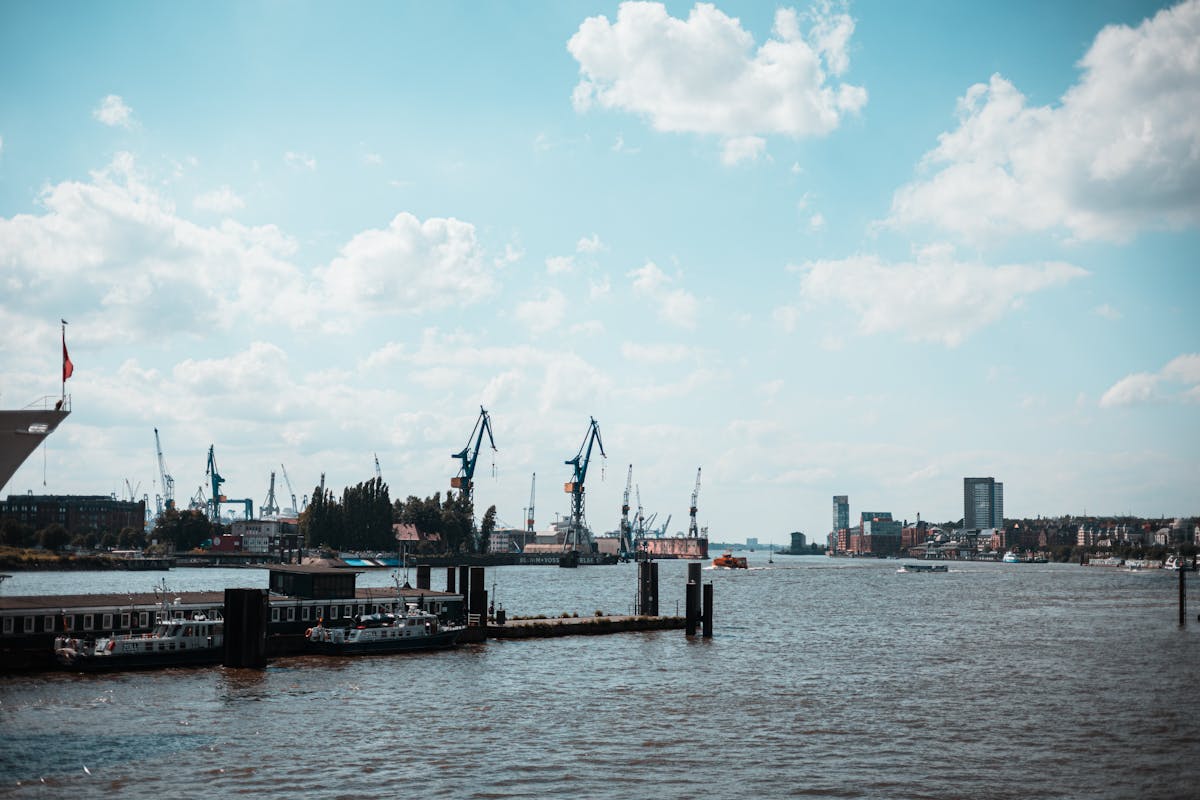
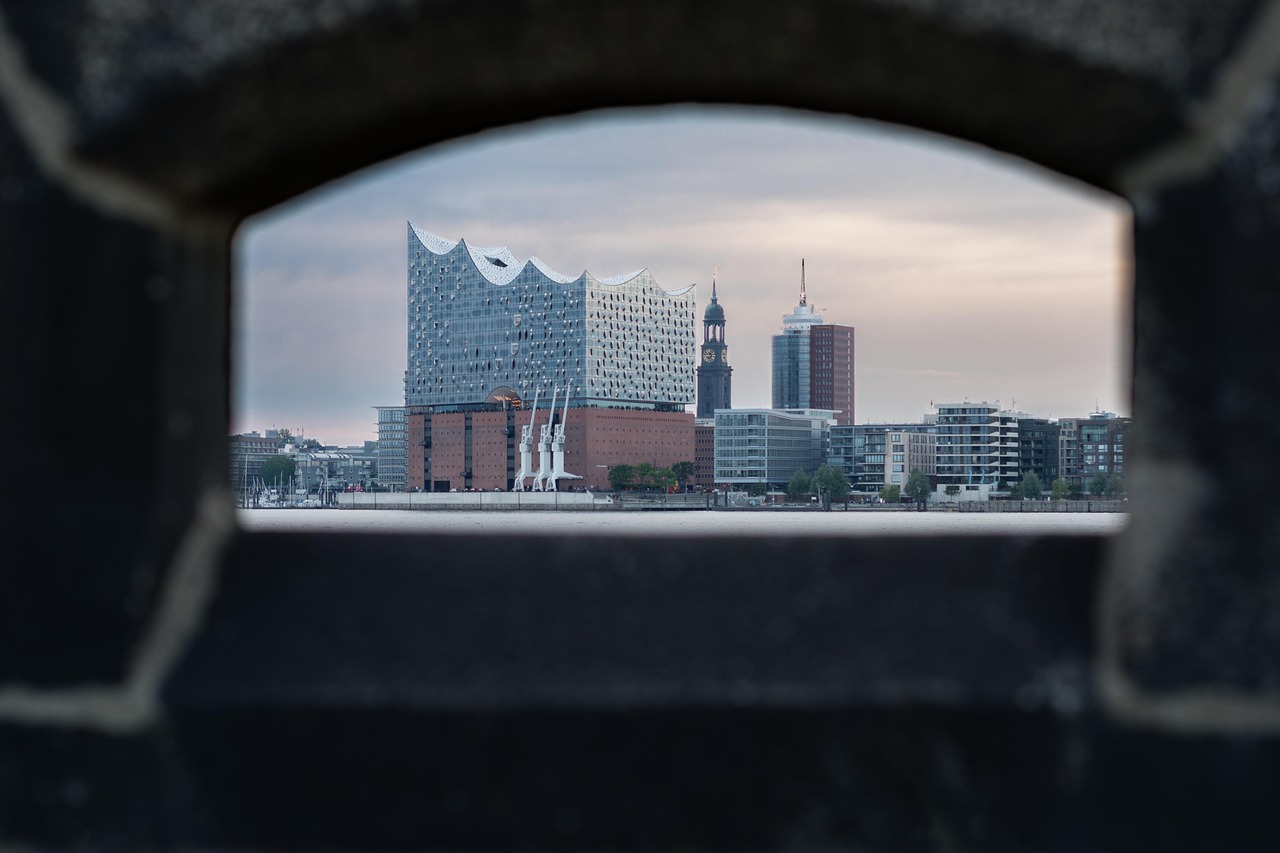
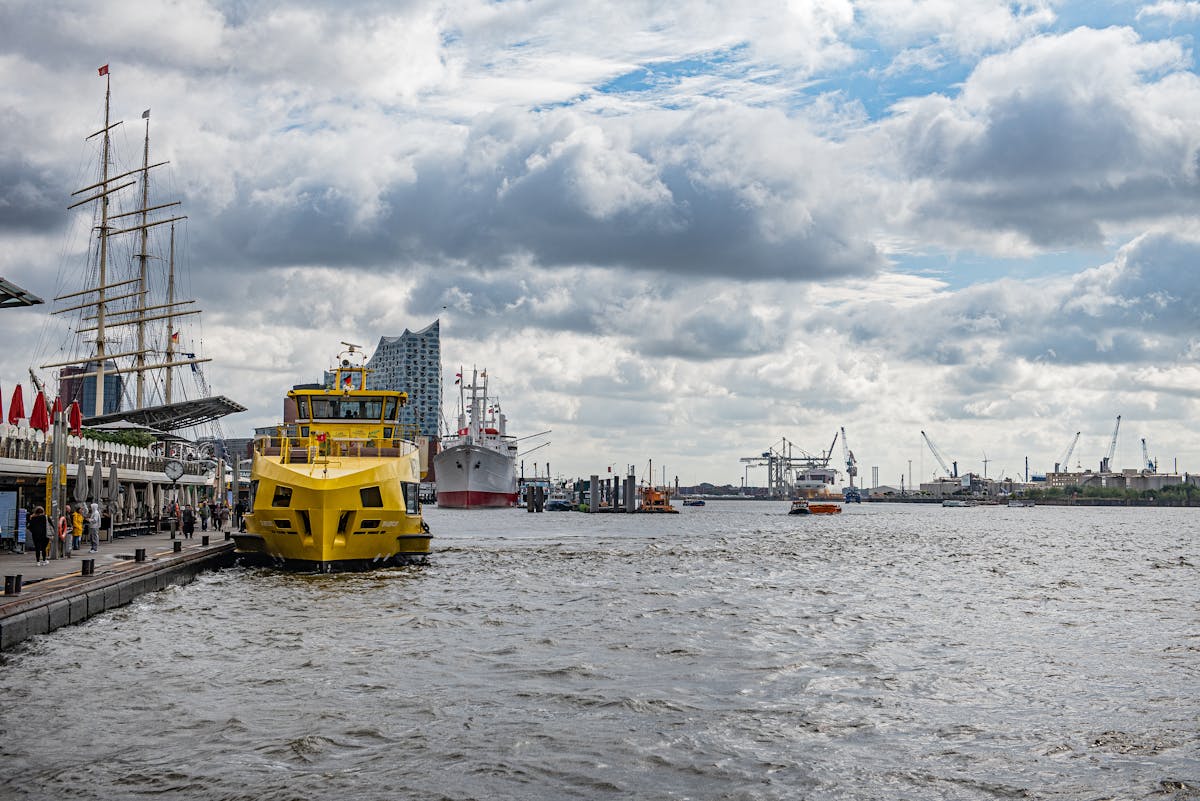
The Elbphilharmonie catches you off guard from the water. That glass wave perched on top of an old cocoa warehouse — it looks impossible from the Landungsbrucken, but from a boat on the Elbe it makes perfect sense. You see the whole thing, reflected and rippling, and for a second you forget you are floating past one of Europe’s biggest working ports.
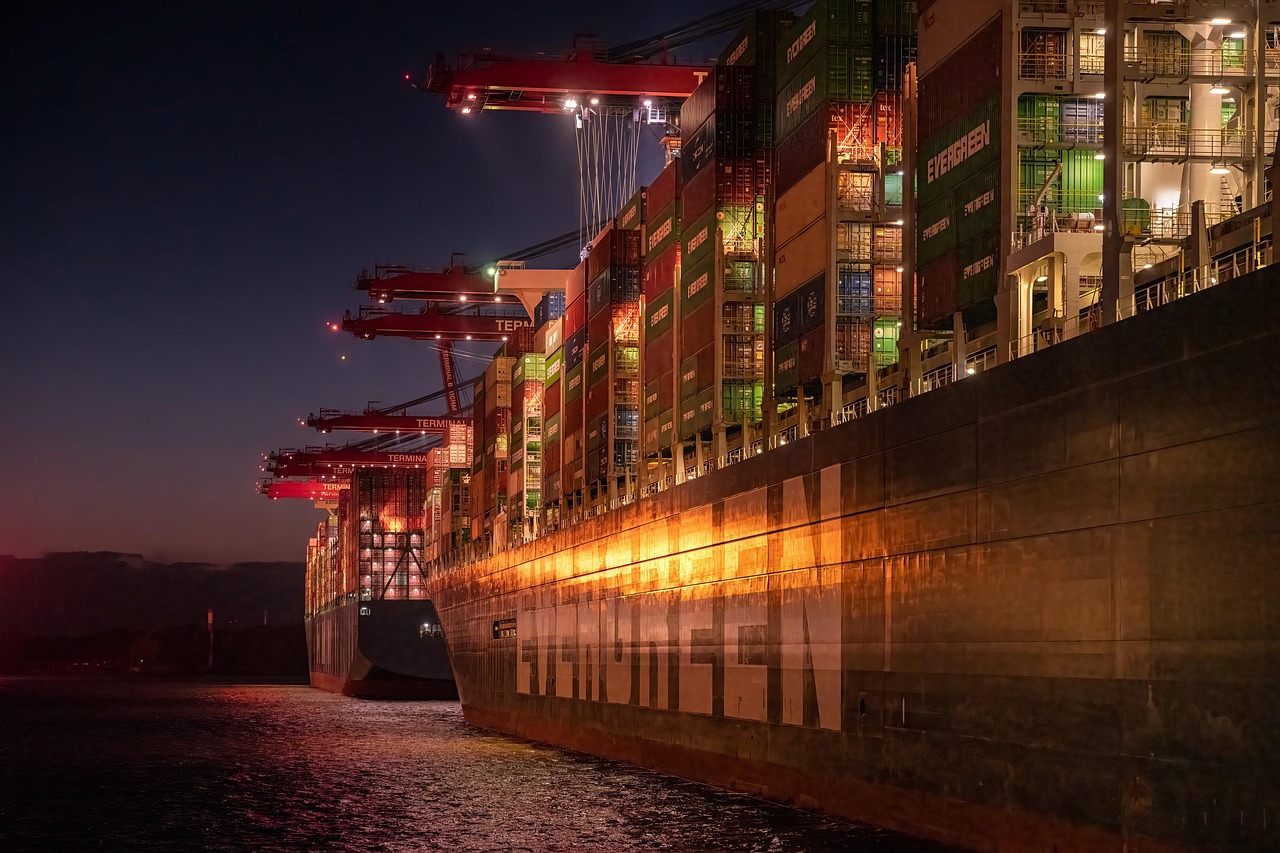
That is the trick with Hamburg’s harbor cruises. You come for the postcard views and end up watching a 400-meter container ship slide past your bow, close enough that you could almost read the crew’s name tags. The Port of Hamburg handles around nine million containers a year, making it the third-busiest port in Europe behind Rotterdam and Antwerp. But unlike those industrial sprawls, Hamburg puts its port right in the middle of the city, ten minutes’ walk from the town hall.
A harbor cruise is the single best way to understand Hamburg’s split personality — half elegant Hanseatic trading city, half gritty industrial powerhouse. And the good news is that booking one takes about three minutes.
- Best overall: 1.5-Hour Harbor and Speicherstadt Day Cruise — the full experience with the warehouse district included, $40
- Best for atmosphere: 90-Minute Evening Lights Harbor Cruise — the port lit up after dark on a traditional barge, $27
- Best deep dive: 2-Hour XXL Port Cruise — gets you into the massive container terminal section, $47
- What You Actually See on a Hamburg Harbor Cruise
- Types of Harbor Cruises in Hamburg
- The Best Hamburg Harbor Cruises to Book
- 1. Harbor and Speicherstadt Day Cruise (1.5 Hours)
- 2. Evening Lights Harbor Cruise (90 Minutes)
- 3. XXL Port of Hamburg Cruise (2 Hours)
- 4. Harbor Cruise with Wine and Cheese (90 Minutes)
- When to Take a Hamburg Harbor Cruise
- Practical Tips for Booking
What You Actually See on a Hamburg Harbor Cruise
Every cruise covers roughly the same core loop, though longer ones go deeper into the container port. Here is what to expect:
The Landungsbrucken waterfront — your departure point and Hamburg’s maritime front porch. The floating pontoon piers have been here since 1839, and the whole stretch smells like fish rolls and diesel in the best possible way.
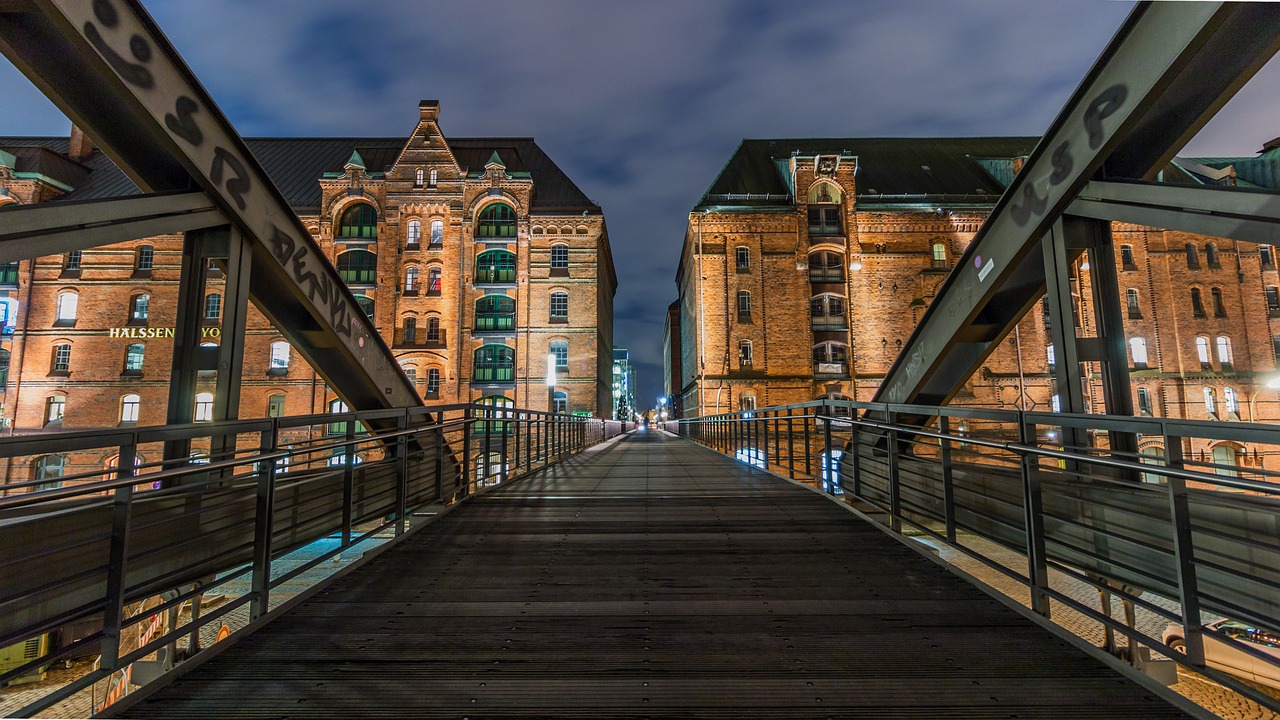
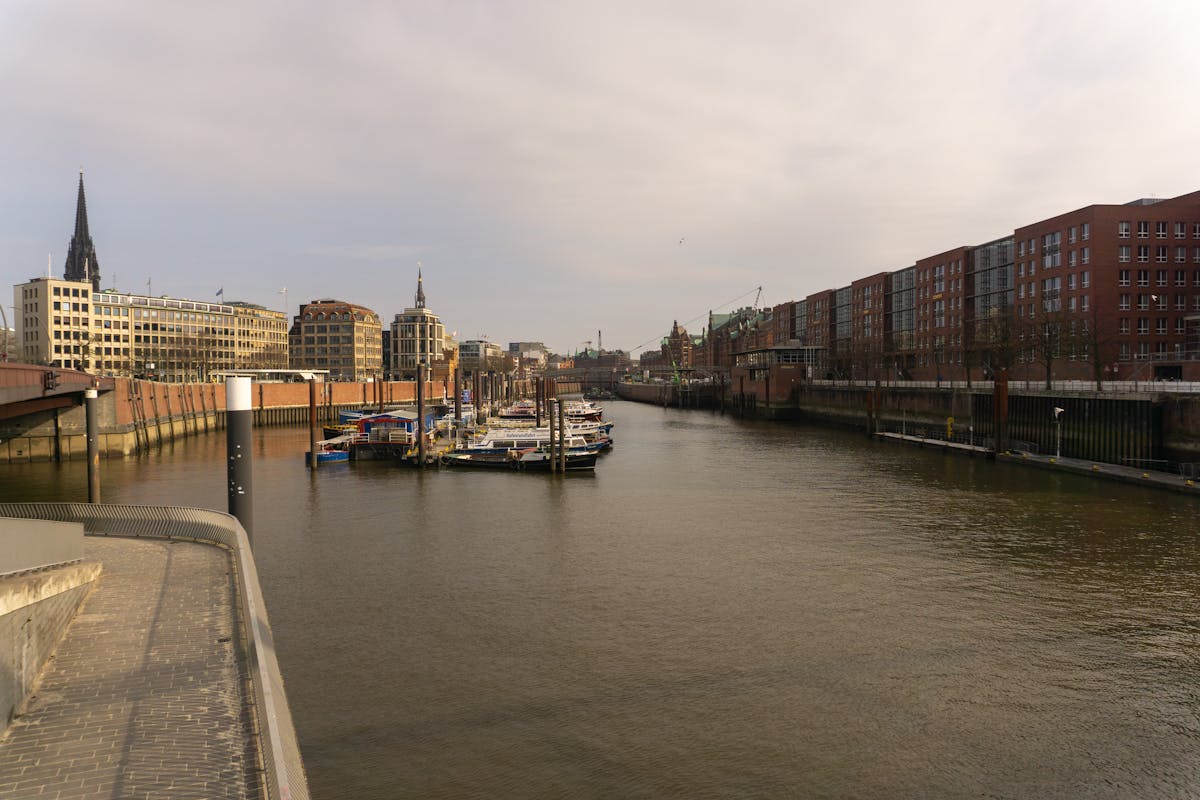
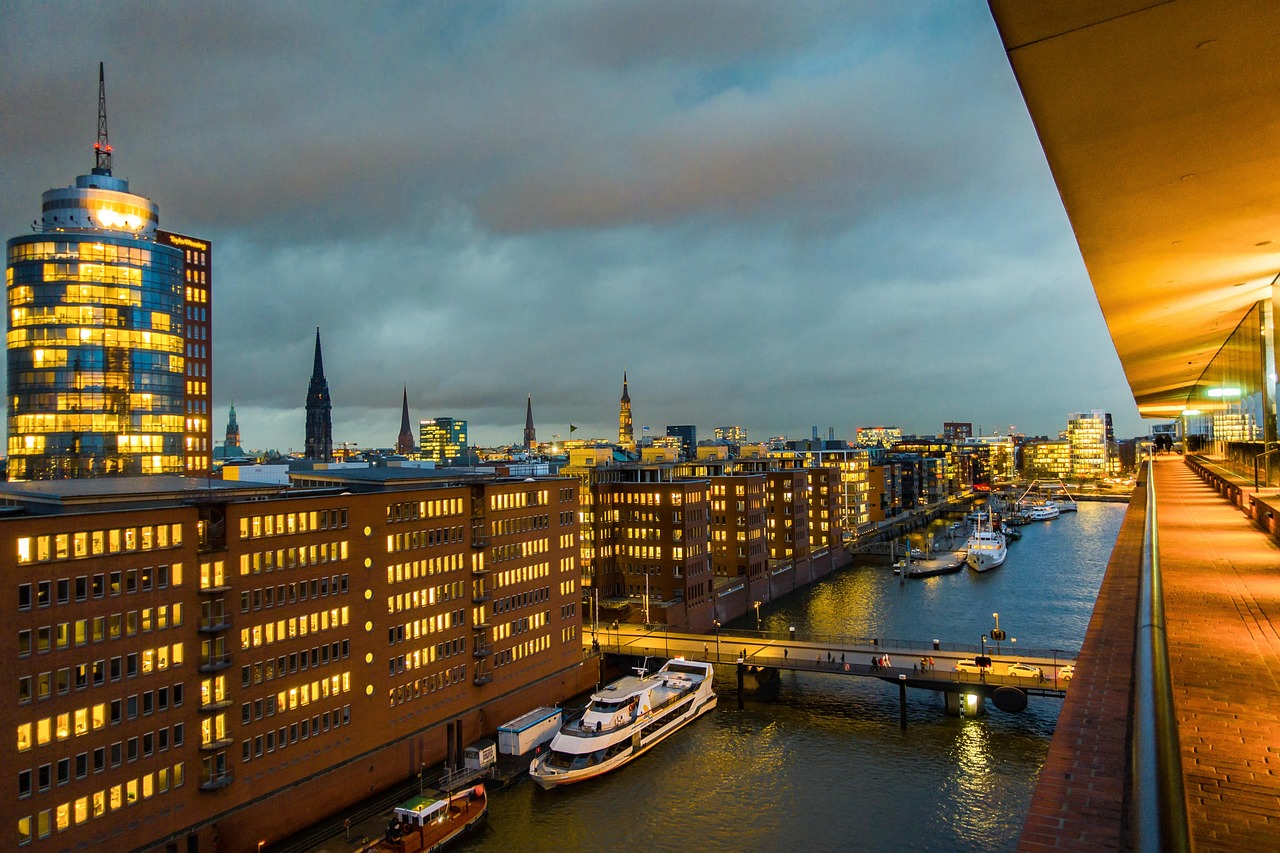
The Speicherstadt — a UNESCO World Heritage Site and the world’s largest warehouse complex built on timber-pile foundations. The red-brick canyons look like a Victorian fever dream, especially when the water is high and the buildings seem to float. Most cruises thread through the narrow canals here.
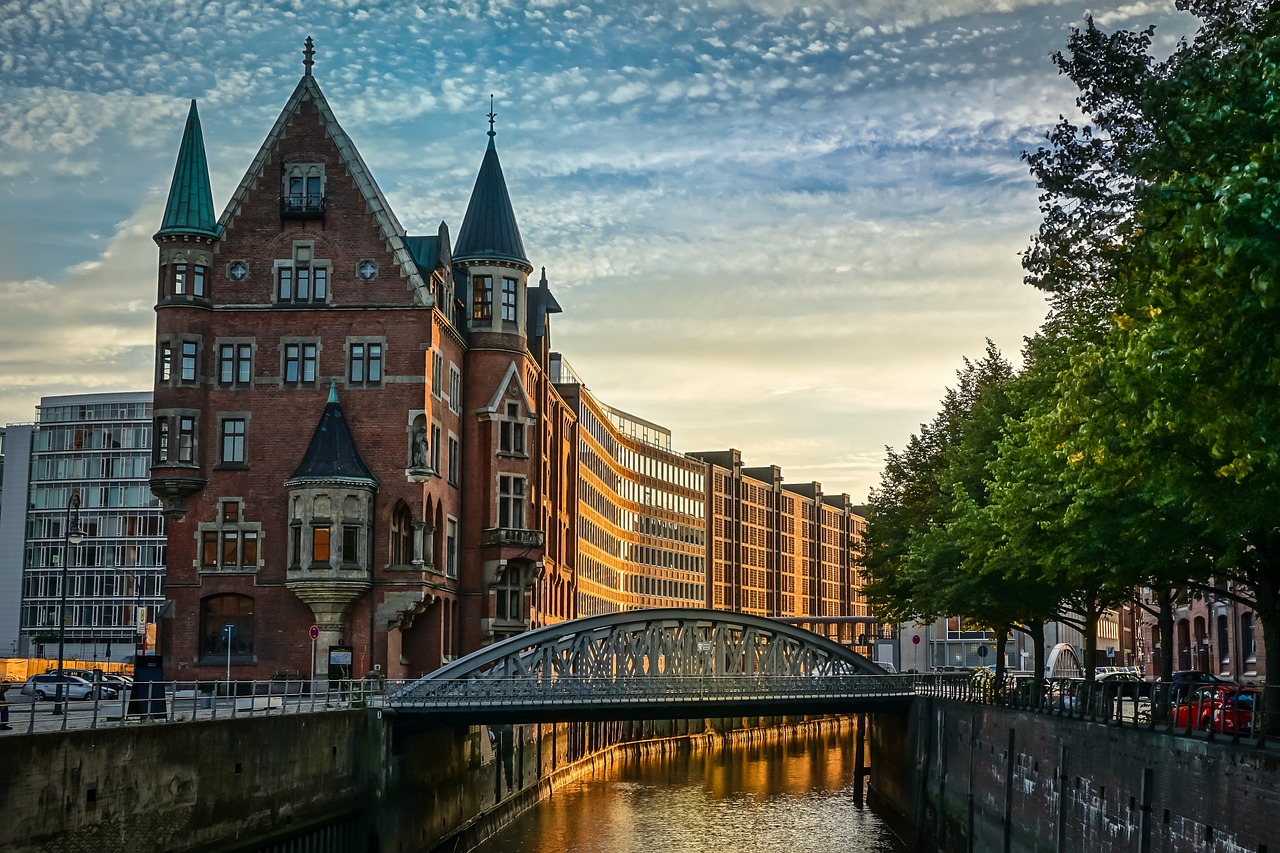
HafenCity — Europe’s biggest inner-city development project, still being built. The contrast between 19th-century warehouses and glass-and-steel apartment blocks is striking. The Elbphilharmonie sits at the western edge, and seeing it from below deck level is genuinely worth the price of the cruise alone.
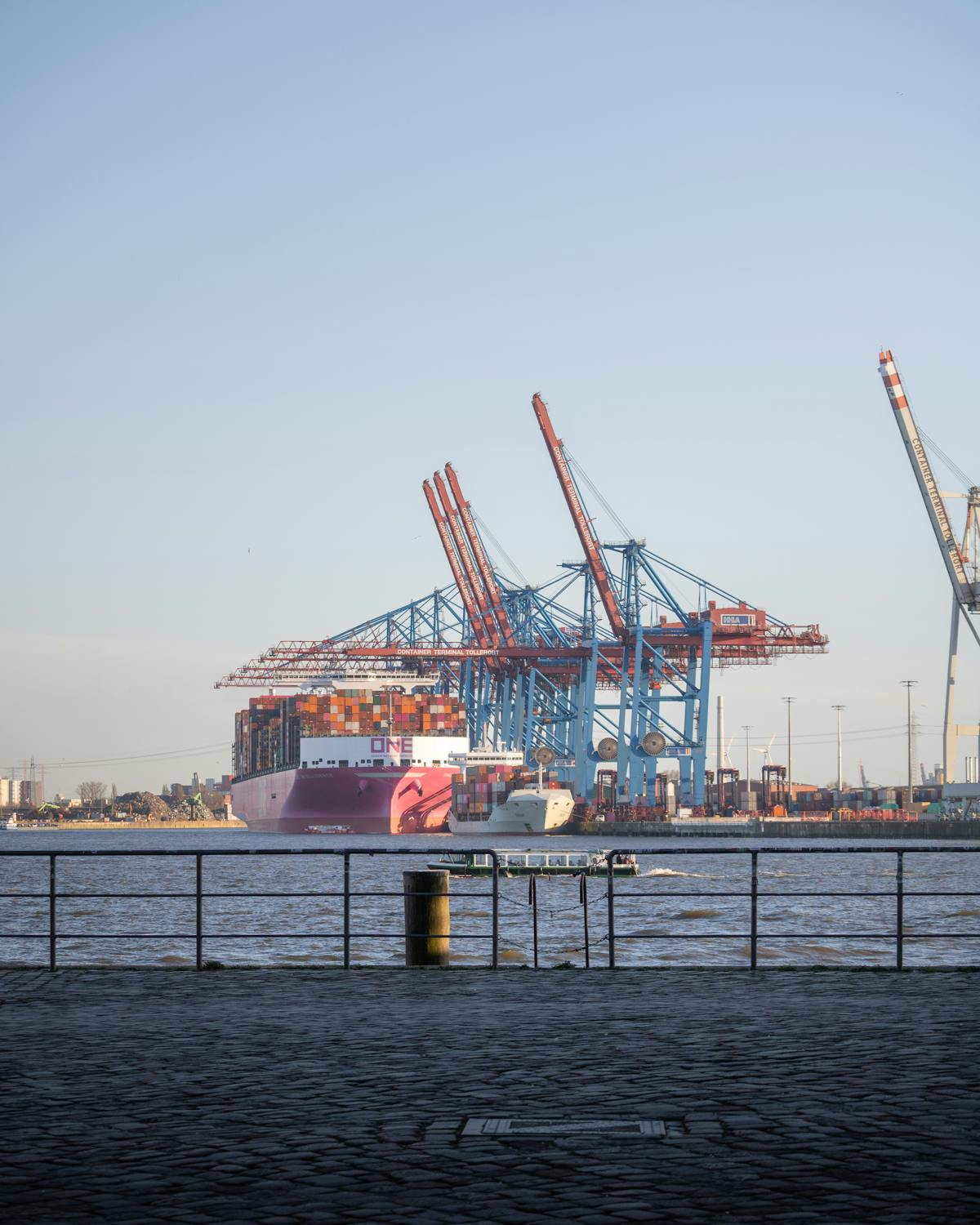
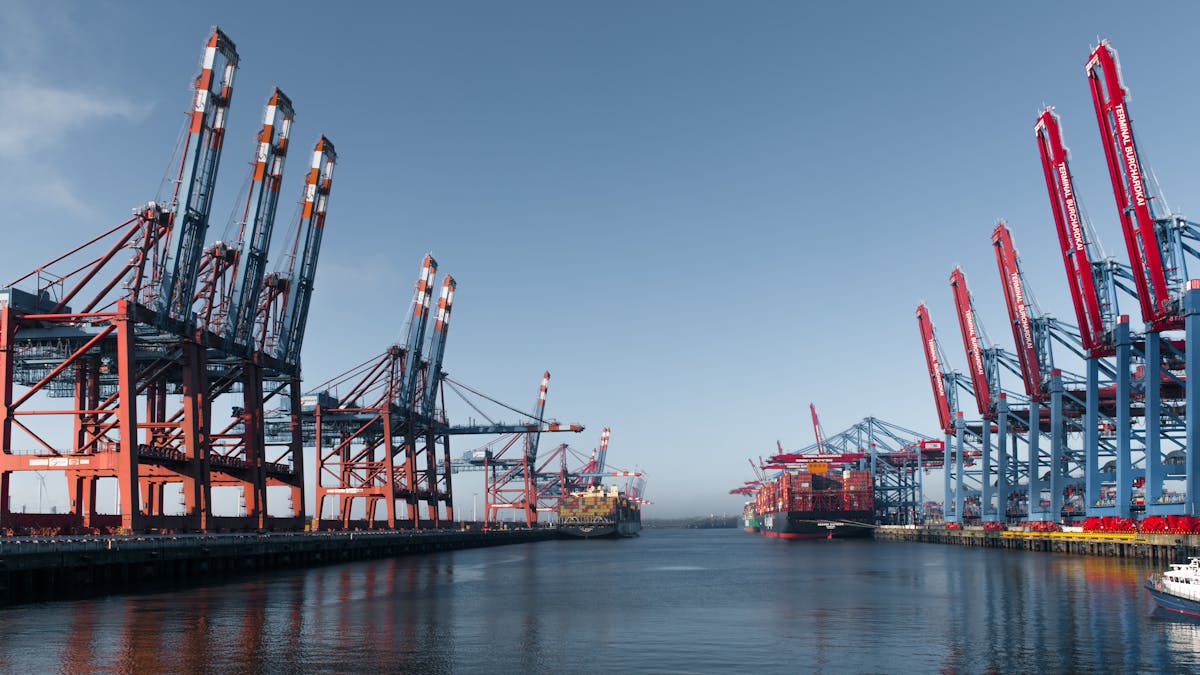
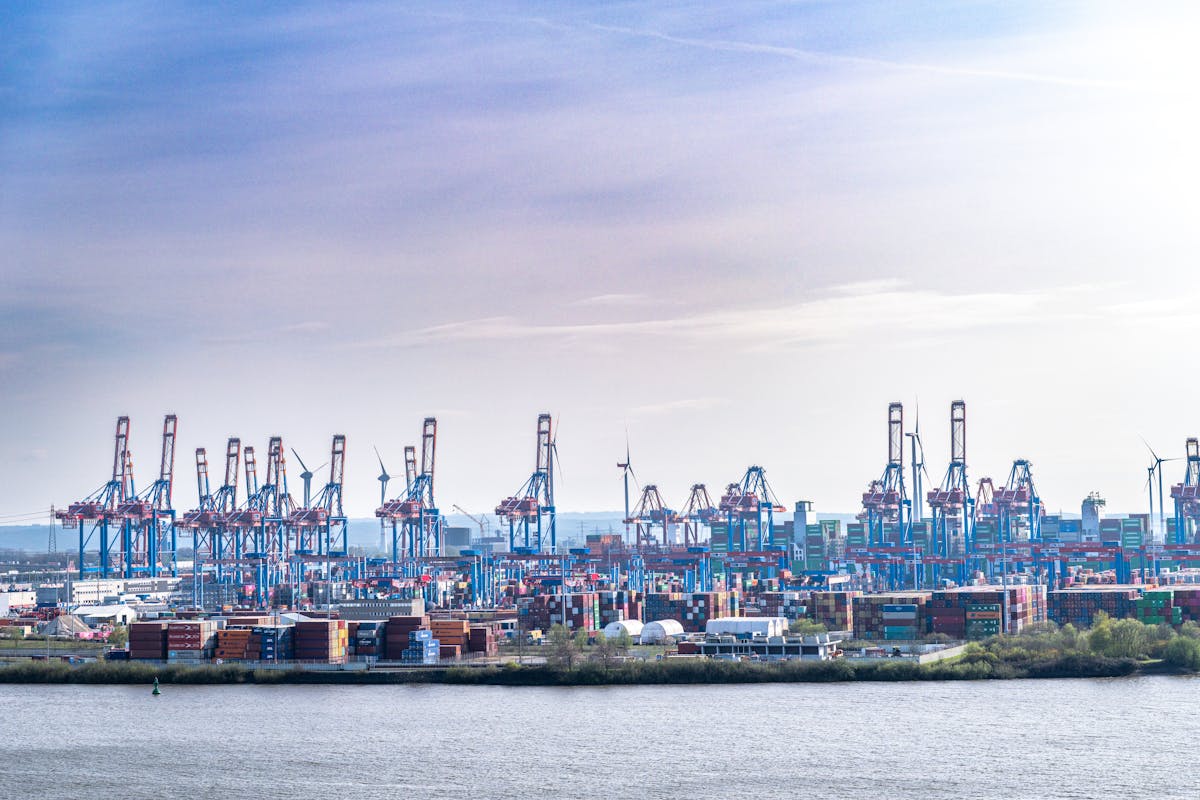
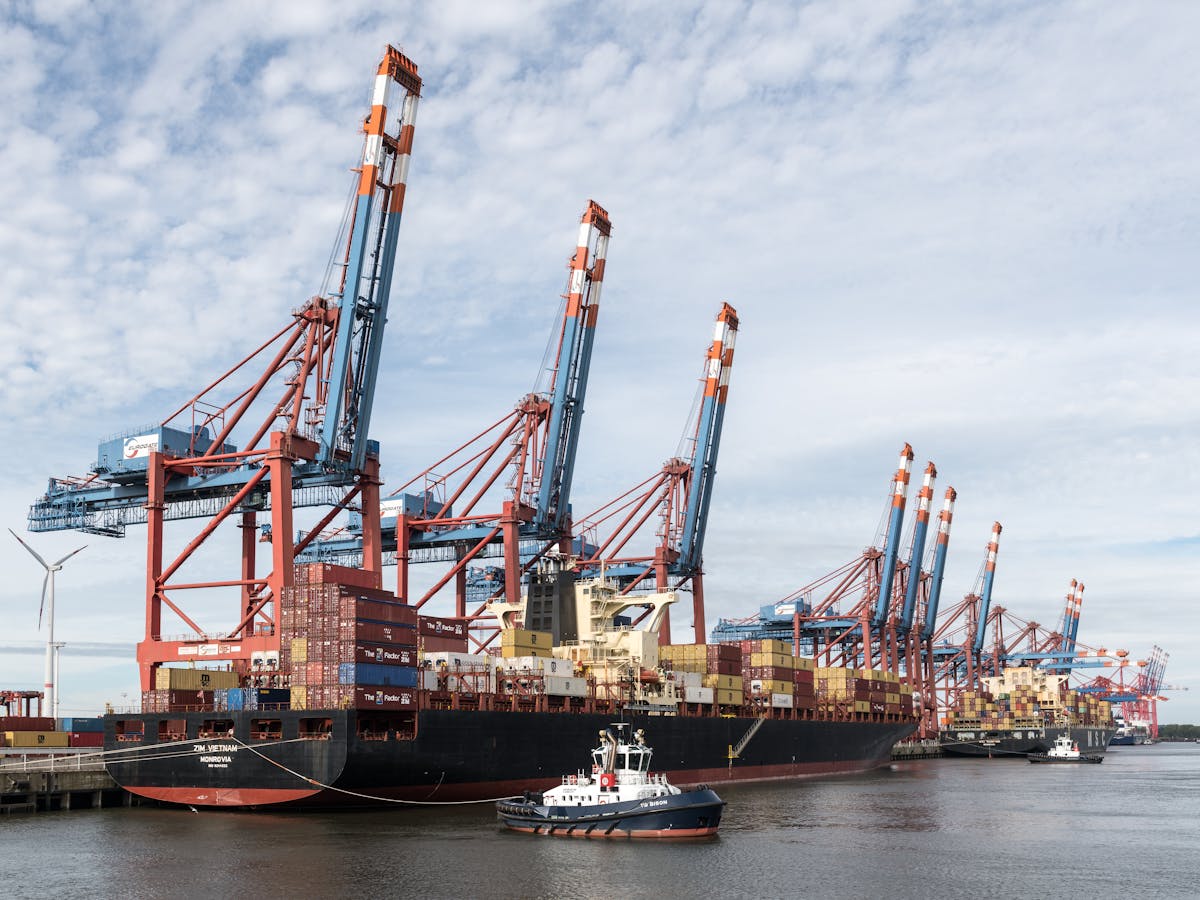
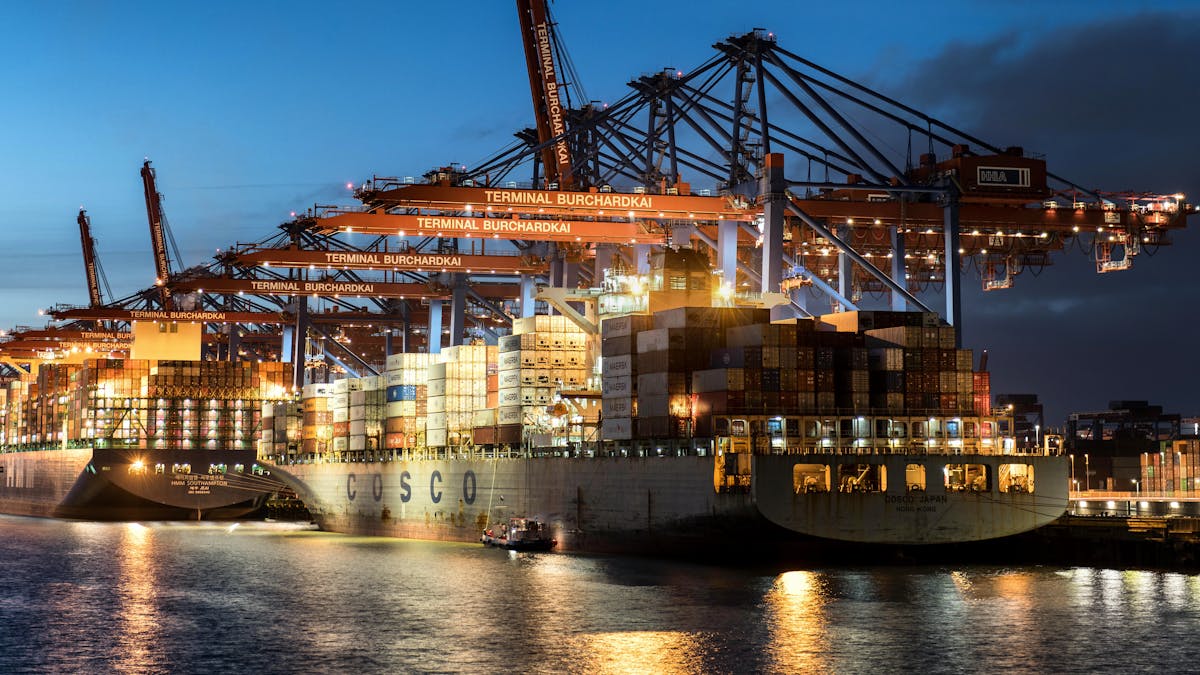
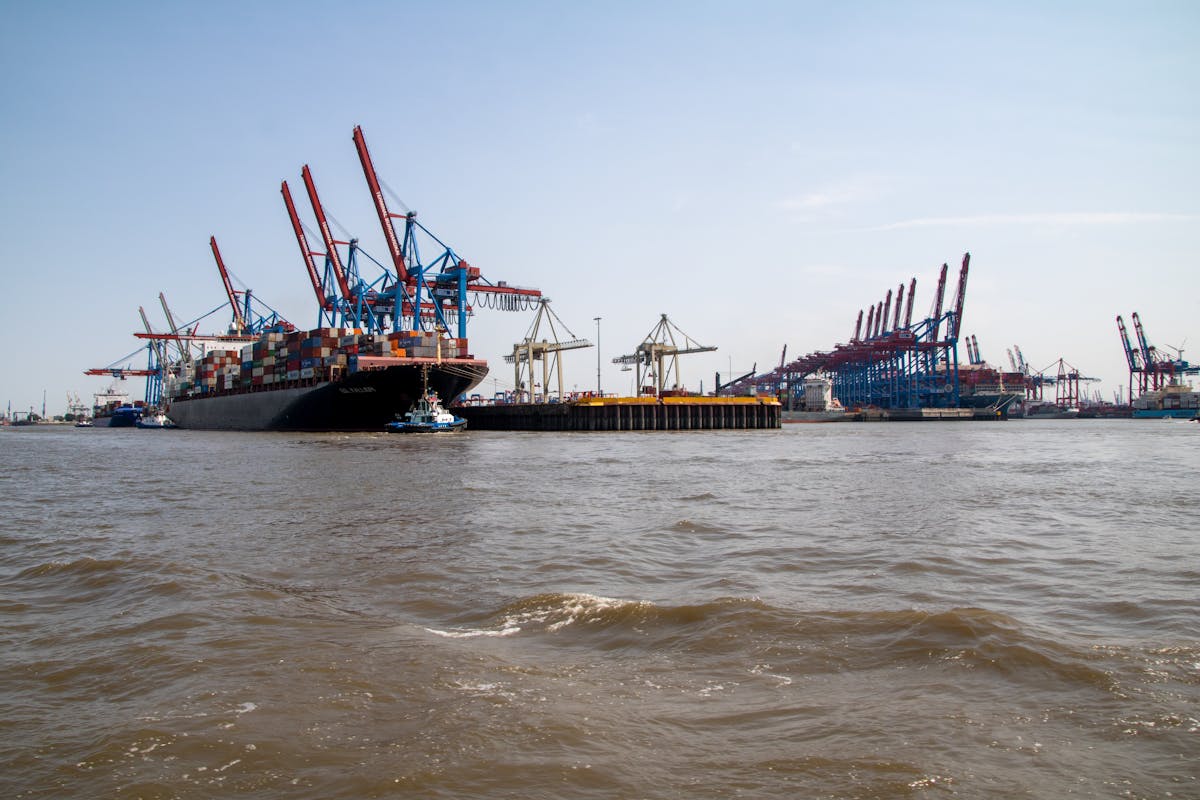
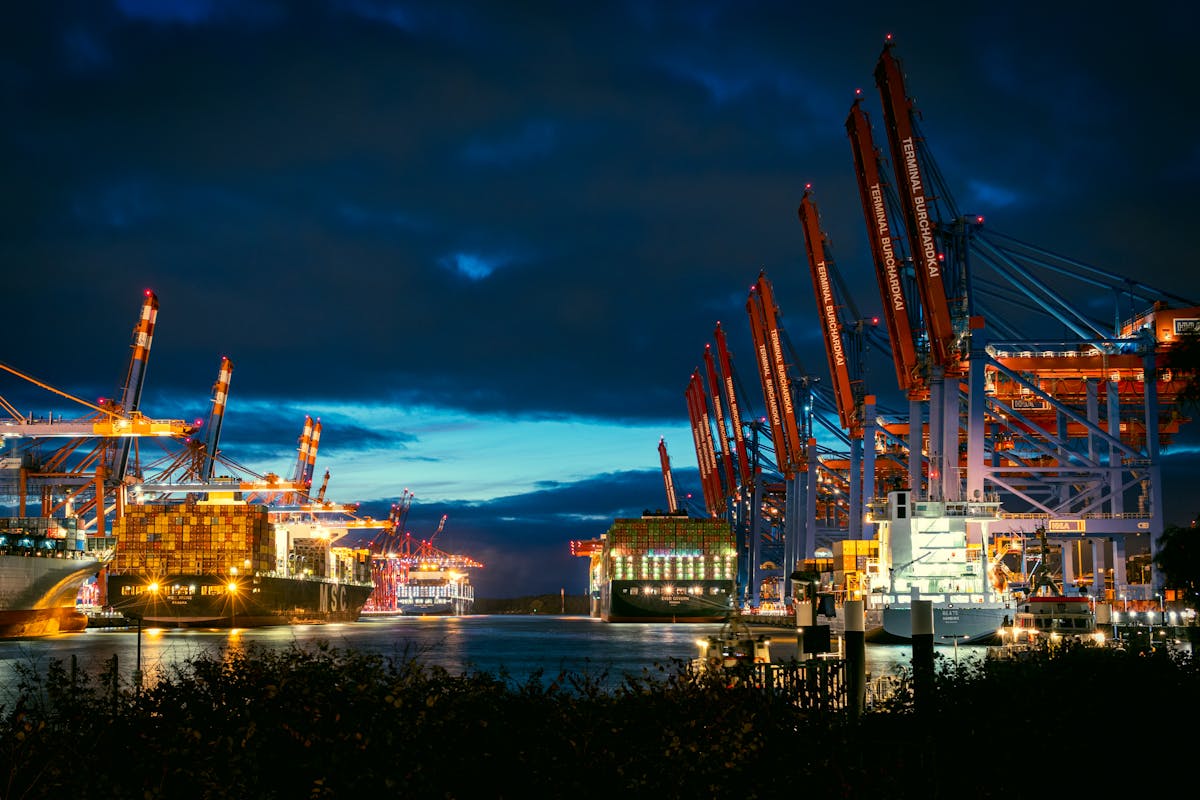
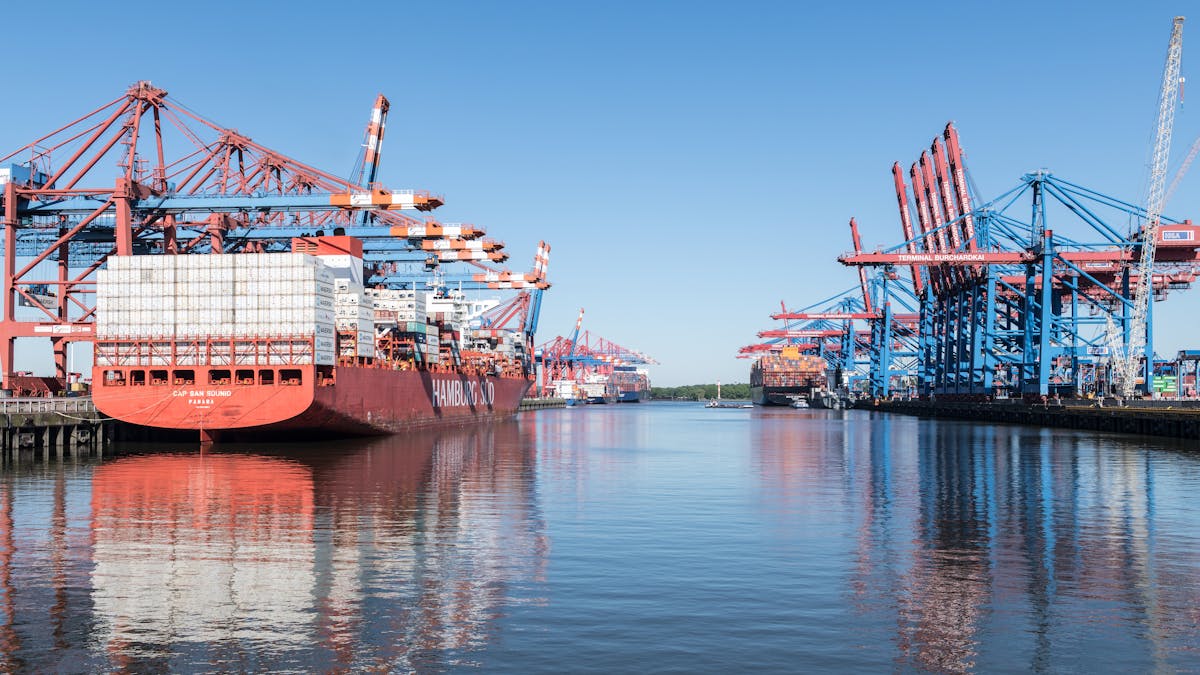
The container terminals — this is where things get industrial. The cranes at Burchardkai and Tollerort work around the clock, and seeing them operate from 50 meters away is oddly hypnotic. Longer cruises (2+ hours) typically spend more time here.
The Elbe Tunnel — you will not go through it on a boat, obviously, but most guides point out the entrance to the 1911 Old Elbe Tunnel as you pass. It is still operational and free to walk through on foot, if you want to add that to your day.
Dry docks and shipyards — Blohm+Voss has been building ships here since 1877. You will often see vessels in various stages of construction or repair, propped up on blocks with their underbellies exposed. It is the maritime equivalent of seeing a car up on a lift.
Types of Harbor Cruises in Hamburg
Not all harbor cruises are the same boat. Literally. Here is how they break down:
Standard harbor cruise (1-1.5 hours): The bread and butter. Covers Speicherstadt, HafenCity, the Elbphilharmonie, and the near container terminals. Most run on mid-sized boats carrying 100-200 passengers. Commentary in German and English. Expect to pay $22-$40.
XXL/extended cruise (2 hours): Same route plus deeper into the container port, sometimes reaching Finkenwerder or Blankenese. Worth it if you are even slightly interested in shipping logistics or want the full port scale to sink in. Around $40-$48.
Evening lights cruise (1-1.5 hours): Same route, different mood. The Speicherstadt lit up at night is a completely different experience from daytime — the brick turns amber and the water goes black. The Elbphilharmonie after dark looks like a spaceship. Traditional barges (open-air, lower to the water) are the vessel of choice here. $27-$30.
Specialty cruises: Wine and cheese pairings, brunch cruises, party boats on Saturday nights. These are less about the port and more about the experience on board. The wine-and-cheese option is genuinely good if you want something more relaxed.
Barge vs. covered boat: Traditional barges (called Barkassen in German) sit lower to the water and are usually open or semi-covered. They fit into the narrow Speicherstadt canals where bigger boats cannot go. Covered boats are warmer and drier but you lose that close-to-the-water feeling. If weather allows, pick the barge.
The Best Hamburg Harbor Cruises to Book
I have gone through the options and picked four that cover different styles and budgets. All depart from or near the Landungsbrucken.
1. Harbor and Speicherstadt Day Cruise (1.5 Hours)
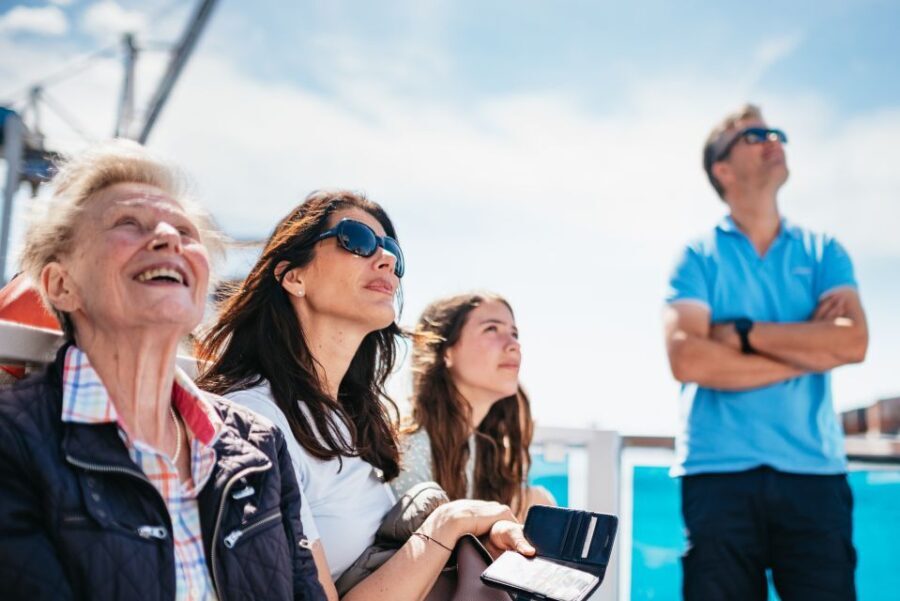
This is the one to book if you only do one cruise. Ninety minutes gives you enough time to cover the Speicherstadt canals, HafenCity, the Elbphilharmonie from the water, and a solid stretch of the container port — without the last 30 minutes of a 2-hour cruise where you are mostly just doubling back.
The route threads through the narrow warehouse canals that bigger boats skip entirely, which means you are floating between those red-brick walls close enough to count the windows. Live commentary runs in German and English. The boat is a covered vessel, so rain is not a dealbreaker.
At $40 per person for an hour and a half, it is fair value. Cheaper than the 2-hour option and covers 90% of the same ground.
Check Availability or read our full review
2. Evening Lights Harbor Cruise (90 Minutes)
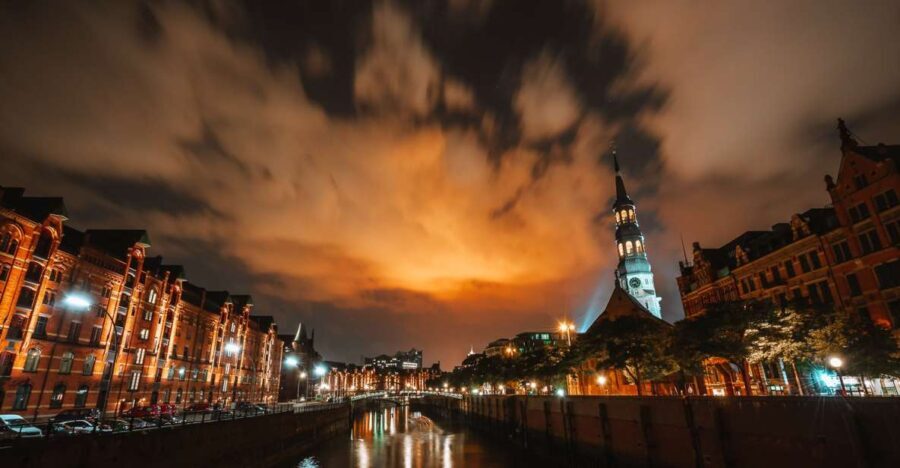
This one runs on a traditional barge, which means you are sitting lower and closer to the water than on a standard tour boat. The Speicherstadt looks completely different after dark — those red bricks glow orange under the floodlights, and the reflections in the canals are genuinely striking.
The vibe is more relaxed than the daytime tours. People lean back, drinks in hand, and the commentary shifts to a slower pace. You still see the Elbphilharmonie and container port, just with better lighting.
At $27 per person, this is the cheapest option on this list and arguably the most atmospheric. The catch: it only runs from spring through fall since it needs to actually be dark, and barge seating is weather-dependent. Bring a jacket even in summer — the Elbe gets windy after sunset.
Check Availability or read our full review
3. XXL Port of Hamburg Cruise (2 Hours)
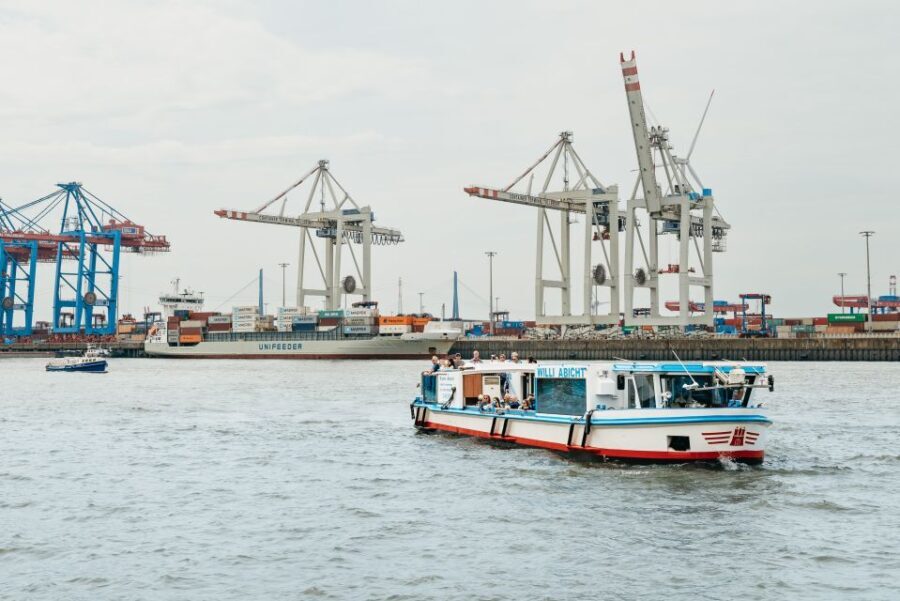
If you actually want to understand the scale of Hamburg’s port — and it is staggering — this is the cruise that goes deep. Two hours takes you past the standard sights and into the heavy container terminal zone, where the cranes stand 80 meters tall and the ships carry enough steel boxes to fill a small town.
The extra time also means you cruise along the Kohlbrand Bridge, which gives the whole port a sense of scale that shorter tours miss. Live commentary covers the technical side: how the container logistics work, what is being shipped where, how the port adapted after containerization killed the old warehouse model.
At $47, it is the priciest option, and honestly the last 20 minutes can drag slightly if industrial machinery is not your thing. But for port nerds and anyone who wants the complete picture, this is the right choice. This tour consistently scores the highest satisfaction of any Hamburg cruise option.
Check Availability or read our full review
4. Harbor Cruise with Wine and Cheese (90 Minutes)
This one swaps the standard commentary-focused format for something more social. You get a selection of wines and cheese boards while cruising the harbor route, and the whole thing feels less like a tour and more like drinks with a view.
The commentary still happens, but it is lighter and less frequent — which is either a pro or a con depending on how much you want to learn. The boat is covered and the seating is more lounge-style than the bench rows on standard cruises.
At $49 per person with wine and cheese included, the value is actually decent. Compare it to a harbor cruise ($30-ish) plus a glass of wine at a Landungsbrucken bar ($8-12) and you are roughly breaking even while getting a better view. Good for a date or a group that wants something different from the standard tourist circuit.
Check Availability or read our full review
When to Take a Hamburg Harbor Cruise
Best months: May through September. The weather cooperates more often than not, the barges run their full schedules, and daylight lasts long enough for an evening cruise that is not pitch black.
Shoulder season (April, October): Still perfectly fine for daytime cruises. The port does not close for winter. But barge options thin out, and you will want serious layers. Hamburg’s wind off the Elbe in October cuts right through you.
Winter (November-March): Covered boat cruises still run year-round. The port looks different under grey skies — moodier, less touristy, and you will not be fighting for deck space. If you do not mind the cold, there is something appealing about watching container ships move through fog.
Time of day: Morning cruises are quieter and the light is softer. Afternoon slots (especially 2-3 PM) tend to be the busiest. Evening cruises need darkness to work, so summer departures run later (8:30-9 PM) while spring and fall slots start around 7 PM.
Weekday vs. weekend: Saturday is the busiest day by a wide margin. Sunday mornings are surprisingly quiet. Weekday mornings are the emptiest — the port is in full work mode, which actually makes the industrial parts more interesting.
Practical Tips for Booking
Book online, not at the dock. The touts at Landungsbrucken are aggressive and the walk-up prices are typically the same or higher than online. Booking through GetYourGuide or Viator also gets you free cancellation, which the dock operators usually do not offer.
Arrive 15 minutes early. Boarding starts about 10 minutes before departure, and the best seats (front of the boat, upper deck if it has one) go first. This matters more on covered boats where window seats are limited.
Sit on the right side heading out. The outbound route from Landungsbrucken goes west along the Elbe, putting the Speicherstadt and HafenCity on your right (starboard). On the return, you will be on the other side. But the right side outbound gets the better early views.
Bring a rain jacket. Hamburg averages rain on about half the days in any given month. The barges have limited cover, and even covered boats get wet on deck. A light waterproof layer saves you from choosing between staying dry and seeing anything.
The Landungsbrucken is easy to reach. U3 and S1/S3 trains stop right there. From the Hauptbahnhof, it is about 10 minutes on the S1. If you are walking from the city center, it is a 20-minute walk down through the old town.
Combine with the fish market. The Sunday morning Fischmarkt (5 AM in summer, 7 AM in winter) is a 5-minute walk from the cruise terminals. Hit the market first, grab a Fischbrotchen, and then board a late-morning cruise. That is a solid Hamburg morning.
Do not skip the Elbphilharmonie plaza. Free to visit, open daily until midnight, and it gives you a different angle on the harbor from 37 meters up. Do this before or after your cruise — seeing the same landmarks from two different heights makes both better.
Hamburg’s harbor is not a museum piece you look at through glass. It is a working port where billion-dollar ships pass within shouting distance of tourist boats, where 19th-century warehouses sit next to one of the world’s most expensive concert halls, and where the whole thing somehow holds together as a city that actually functions. A 90-minute cruise will not make you an expert on German shipping logistics, but it will show you a side of Hamburg that you simply cannot see from the street — and at $27-$47, it is one of the better-value activities in a city that is not exactly cheap.
This article contains affiliate links. If you book through these links, we earn a small commission at no extra cost to you. This helps us keep the site running and the guides free. And if you have time for a day trip, Bremen is just an hour south by train — our guide to booking a walking tour in Bremen covers the best options for exploring its UNESCO-listed old town.
If you are staying the evening, the Reeperbahn and St. Pauli tour picks up where the harbor cruise leaves off — the neon-lit side of Hamburg that only comes alive after dark. The piers at Landungsbrucken are a 12-minute walk from the Reeperbahn, so you can step straight from one to the other.
Visiting more of Germany? In Berlin, a Third Reich walking tour covers the city’s WWII history from the Reichstag to the bunker site, and a Spree River cruise is the Berlin equivalent of what you just did in Hamburg — same concept, completely different city. A Main River cruise in Frankfurt trades industrial grit for glass-tower skylines. And if your trip takes you south, a Munich beer tour is about as far from maritime Hamburg as you can get while staying in the same country.