
There is a car park in central Berlin where Adolf Hitler shot himself. No plaque marked the spot for decades. No monument. Just asphalt and dog walkers. That tells you something about how this city handles its darkest chapter — not with spectacle or shrines, but with a kind of unflinching, uncomfortable honesty that makes a Third Reich walking tour here unlike anything you will experience elsewhere.
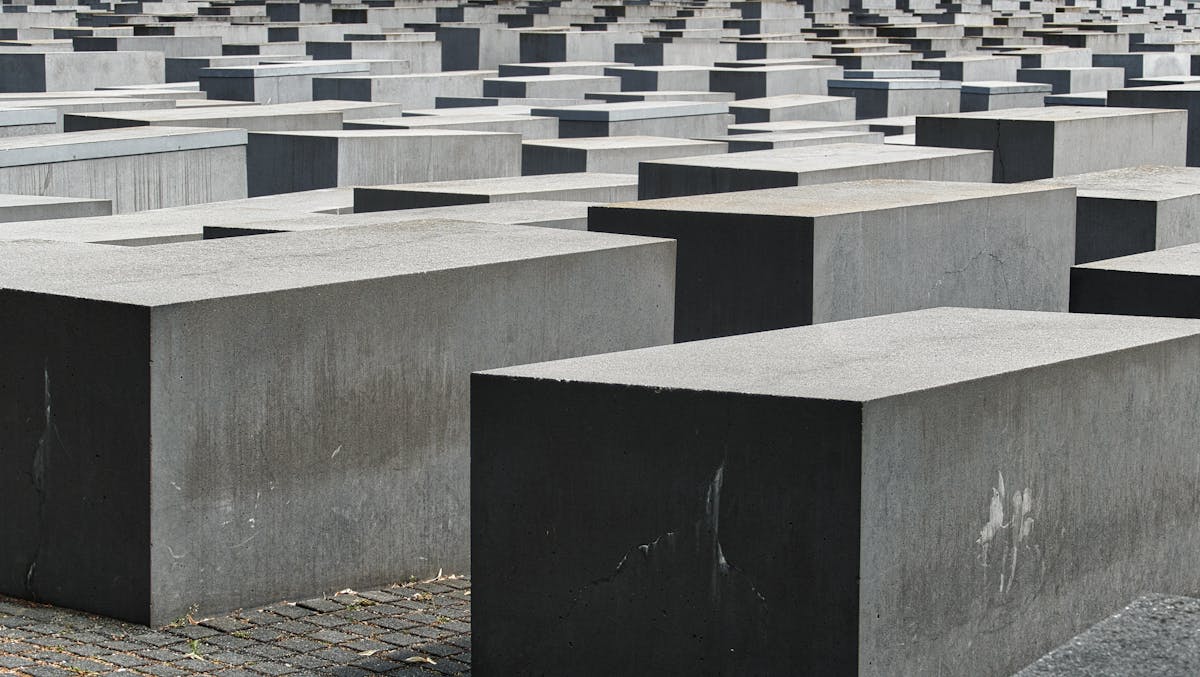
Berlin does not try to bury its Nazi past. It digs it up, documents it, and puts it where you cannot look away. The Topography of Terror sits on the exact ground where the Gestapo tortured prisoners. The Holocaust Memorial takes up an entire city block next to the Brandenburg Gate. Bullet holes from 1945 still pock the facades of buildings along the Spree.
That is why a guided walking tour is worth the investment. You can visit these sites alone — most are free — but without a knowledgeable guide connecting the timeline, explaining what stood where and what happened inside, you will walk past parking lots and office buildings without realizing you are standing on some of the most consequential ground in modern history.
- Best overall: Third Reich and Cold War Walking Tour — 2 hours, covers the essential sites, strong guides, $23/person
- WWII deep dive: Hitler and WWII Walking Tour — focused specifically on the Nazi rise and fall, $24/person
- Half-day immersion: Third Reich Sites Half-Day Tour — 3.5+ hours for those who want the full picture, $22/person
- What These Tours Actually Cover
- The Best Third Reich Tours in Berlin
- 1. Third Reich and Cold War Walking Tour
- 2. Third Reich Berlin: Hitler and WWII Walking Tour
- 3. Third Reich Sites Half-Day Walking Tour
- 4. History of the Third Reich Guided Walking Tour
- Key Sites on the Route
- Practical Advice for Booking
- Beyond the Walking Tour
What These Tours Actually Cover
Most Berlin Third Reich tours follow a roughly similar route through the government district, which makes sense — this is where the Nazi state was administered from. But the quality varies wildly depending on who is leading the group.
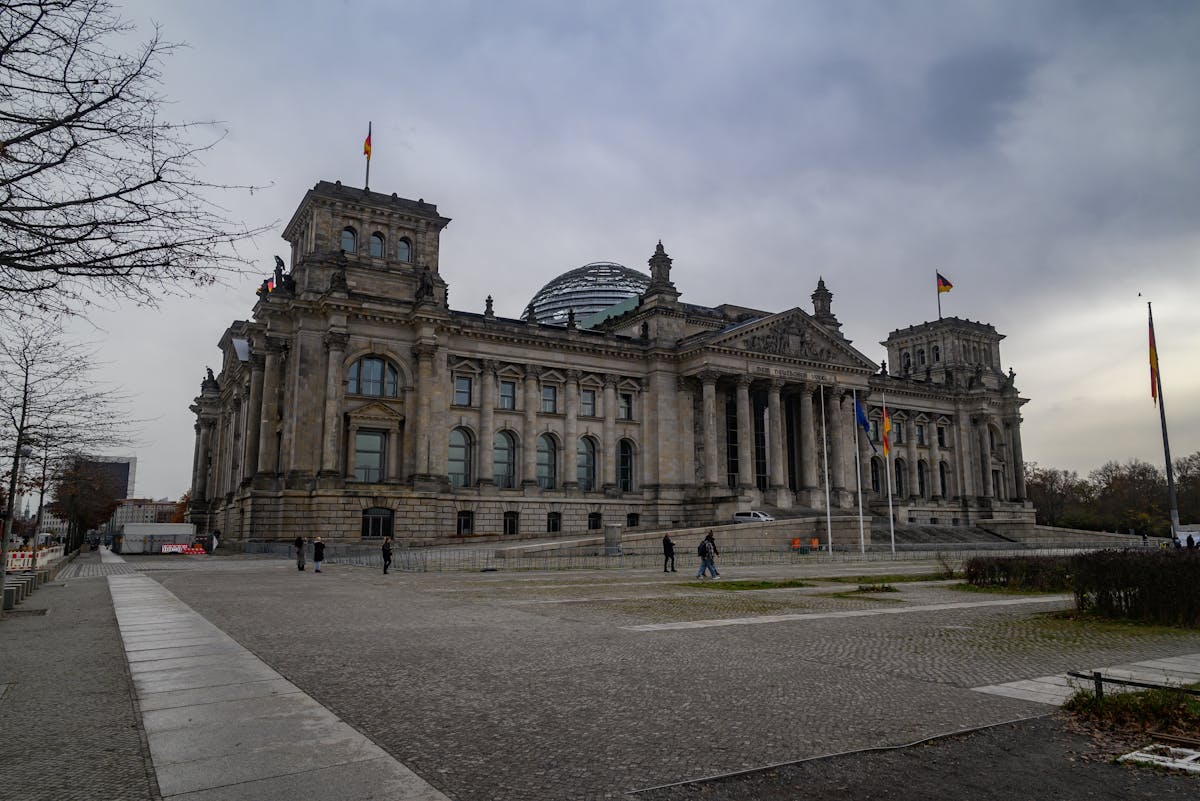
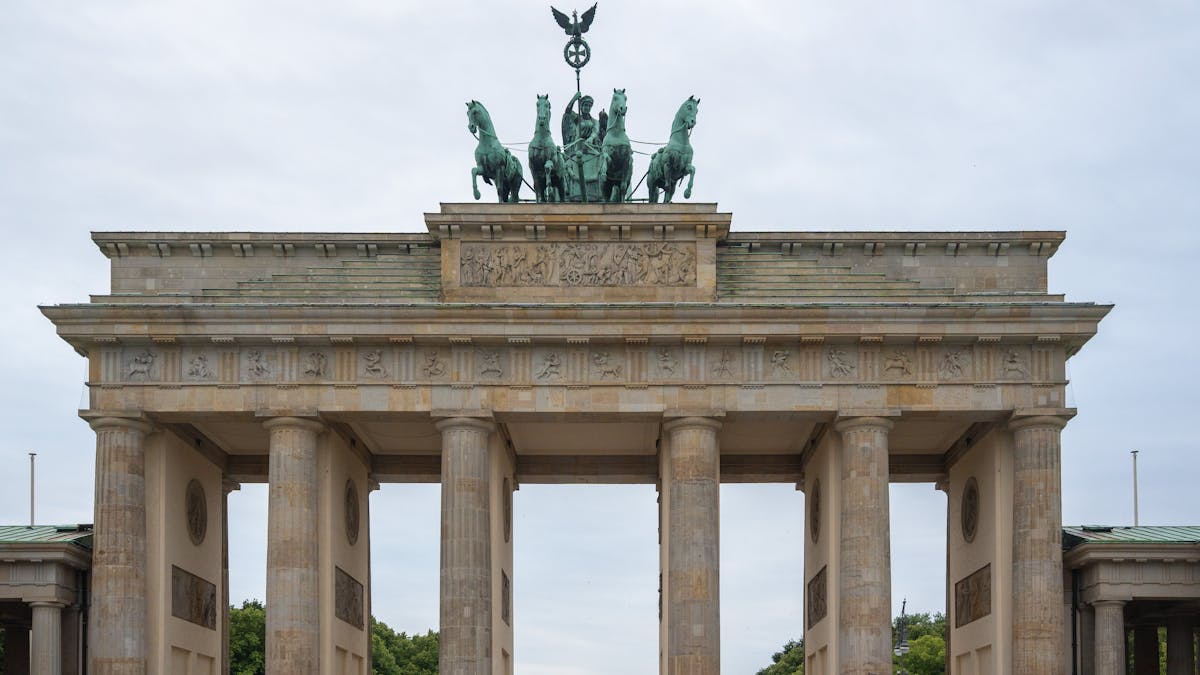
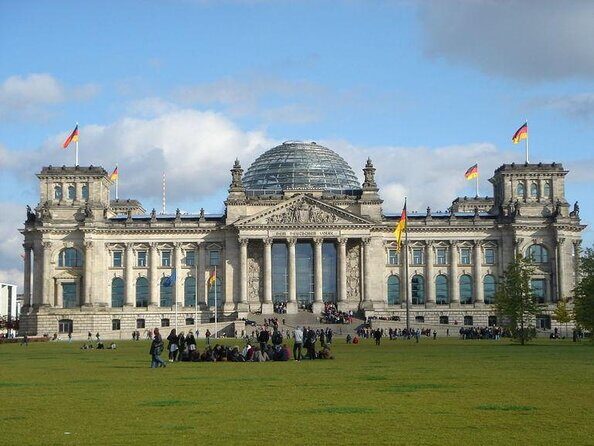
The typical itinerary hits the Reichstag (where the infamous 1933 fire gave Hitler his excuse to seize emergency powers), the Brandenburg Gate, the site of the bunker, the former Air Ministry building (one of the few Nazi-era structures still standing in its original form), and the Topography of Terror. Some tours extend to the Memorial to the Murdered Jews of Europe and the Soviet War Memorial in Tiergarten.
What separates a good tour from a great one is context. Anyone can point at a patch of grass and say the bunker was right here. A skilled guide will walk you through the final days underground — who was there, what they did, how the city above was being reduced to rubble while a delusional command structure debated counterattacks with armies that no longer existed.
The Best Third Reich Tours in Berlin
I have gone through what is available and narrowed it down to four tours worth your time. Each takes a slightly different approach.
1. Third Reich and Cold War Walking Tour
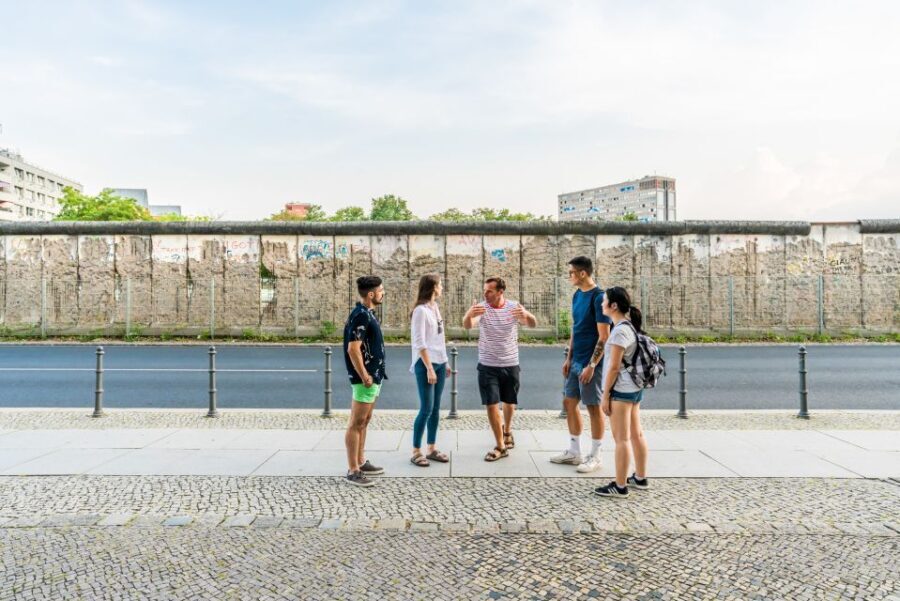
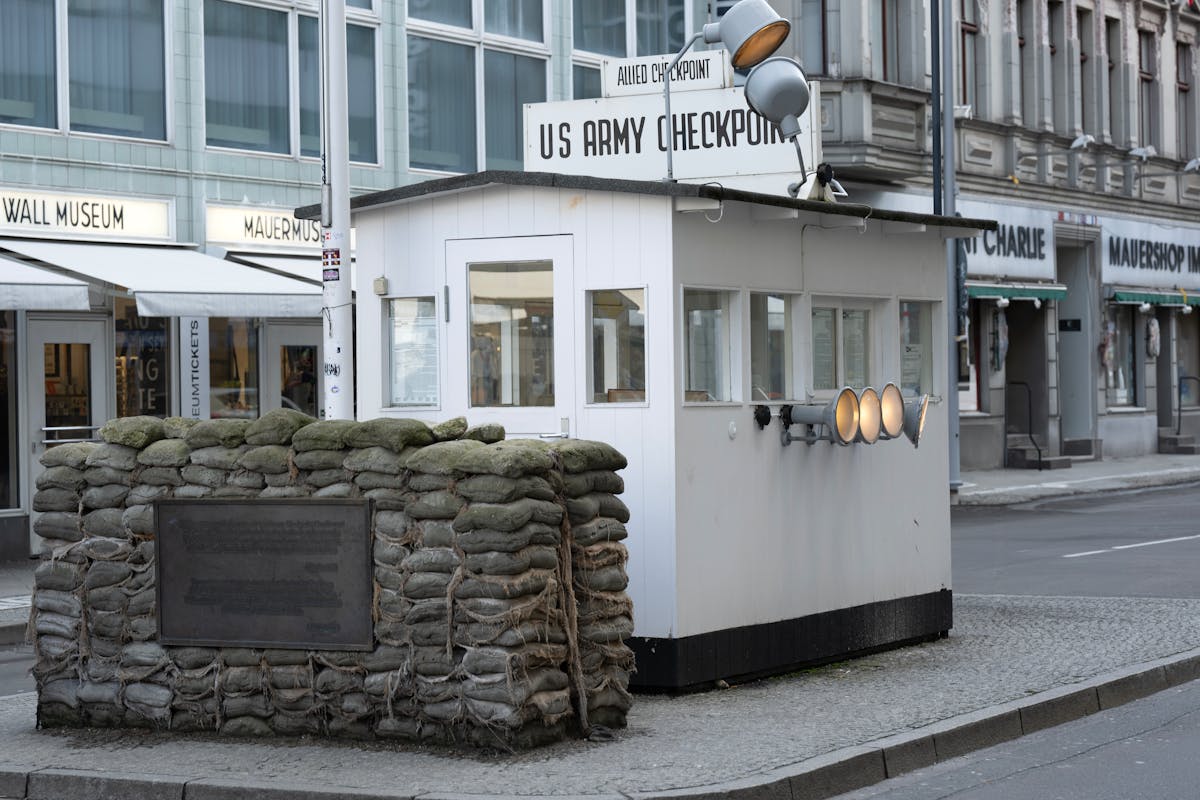
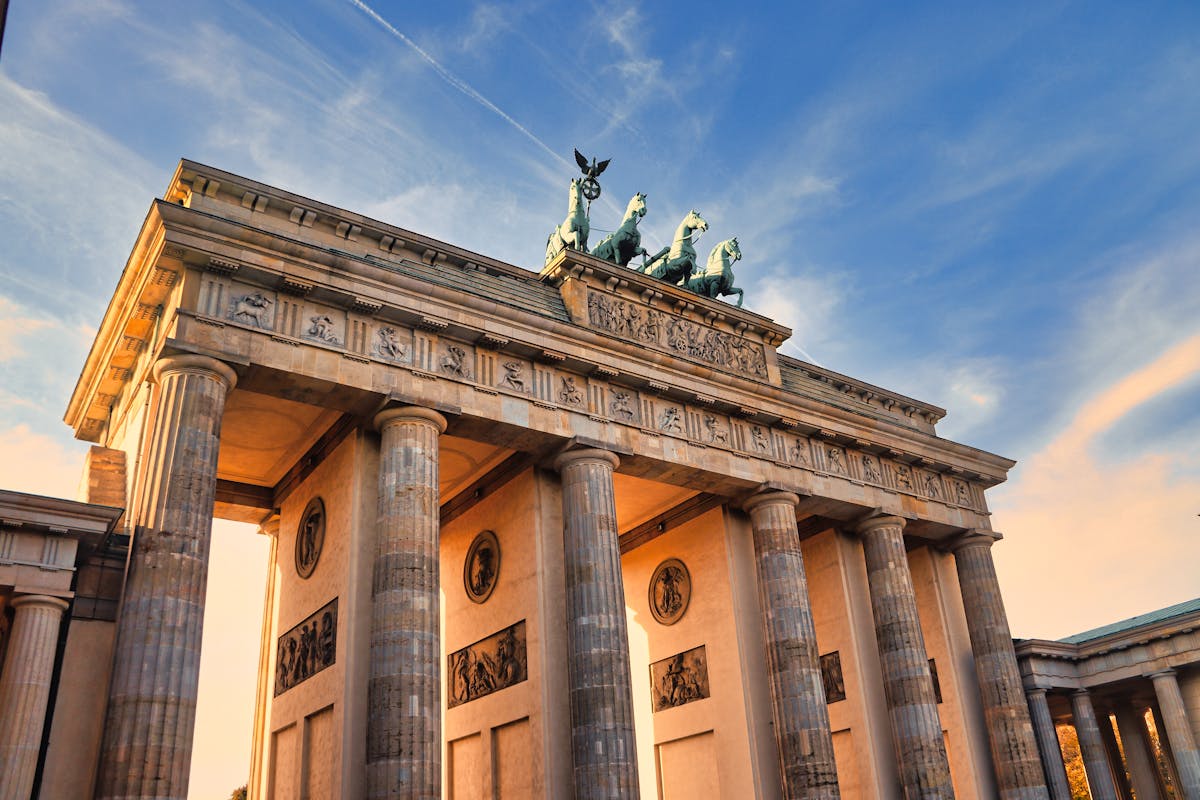
This is the one most visitors end up on, and for good reason. The two-hour format is tight enough to hold your attention but covers the key sites: Reichstag, Brandenburg Gate, the bunker site, the former Gestapo headquarters, and the Memorial to the Murdered Jews of Europe. The Cold War segment adds another dimension — you will see how the same streets that witnessed Nazi rallies later became the front line of a divided city.
At around $23 per person, it is also the best value on this list. Groups can be large (this is a popular tour), but guides consistently receive strong feedback for making the material accessible without dumbing it down. One thing to note: it is a walking tour with no interior visits, so everything happens at exterior locations and memorials.
Check Availability or read our full review
2. Third Reich Berlin: Hitler and WWII Walking Tour
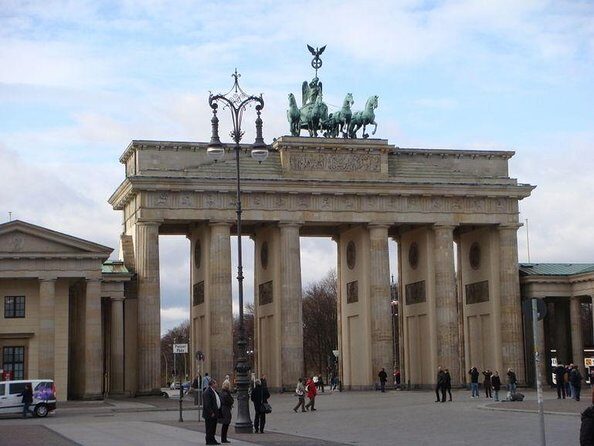
If the Cold War angle does not interest you as much, this one skips it entirely and spends all its time on the 1933-1945 period. You will cover much of the same ground — the bunker site, the government quarter, the Air Ministry — but the narration goes deeper into the mechanics of how the Nazi state actually functioned day to day.
The guides on this tour tend to focus heavily on the political machinery: how Hitler consolidated power, how ordinary bureaucrats enabled the system, and what the German resistance actually looked like. It was more extensive than most people realize, and almost entirely unsuccessful. Runs about 2.5 hours at $24 per person.
Check Availability or read our full review
3. Third Reich Sites Half-Day Walking Tour
This is the tour for people who really want to understand the subject. At 3.5 hours (sometimes longer, depending on the group), you get significantly more time at each location. The pace is slower, the commentary more detailed, and there is room for the kind of questions that a two-hour tour simply cannot accommodate.
The half-day format also means visiting sites that shorter tours skip — the Bebelplatz book-burning memorial, the former SS headquarters in more detail, and occasionally spots off the main tourist track that locals themselves do not always know about. At roughly $22 per person, it is actually cheaper than most shorter alternatives, which feels like mispricing in your favor.
Check Availability or read our full review
4. History of the Third Reich Guided Walking Tour
This newer tour runs smaller groups and takes a more narrative approach — less of a site-by-site rundown and more of a chronological story that uses the locations as waypoints. You start with the conditions that made the rise of National Socialism possible (the Weimar Republic failures, economic desperation, political paralysis) and trace the timeline through to the Battle of Berlin.
At $30 per person it is the most expensive option here, but the smaller group size means more interaction with the guide and less time waiting for stragglers at crosswalks. The tour also spends more time on the aftermath — how Germany dealt with denazification, war crimes trials, and the long process of public reckoning that continues today.
Check Availability or read our full review
Key Sites on the Route
Every Third Reich tour in Berlin will pass through some combination of these locations. Knowing what they are beforehand helps you decide which tour format suits you.
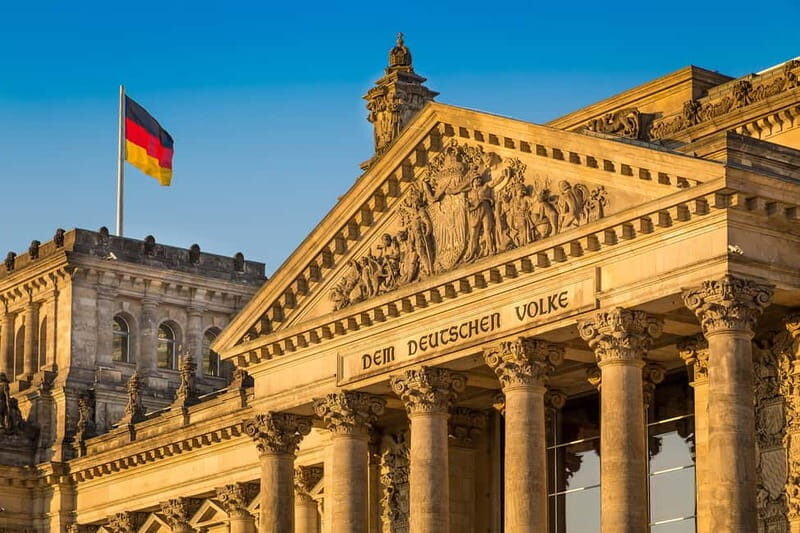
The Reichstag — Parliament building where the suspicious 1933 fire gave Hitler pretext to suspend civil liberties. Heavily damaged in the Battle of Berlin; Soviet soldiers raised a flag on its roof. Today it houses the Bundestag, and the Norman Foster glass dome on top was deliberately designed as a symbol of political transparency. If you want to visit the dome itself, see our guide on how to visit the Reichstag.
The Bunker Site — This is the car park I mentioned. The bunker was partially destroyed after the war and largely filled in. A small information board was finally added in 2006, but there is nothing else. No monument, no museum. Germany did not want it becoming a pilgrimage site. The ordinariness of the location is itself a kind of statement.
Topography of Terror — Built on the grounds of the former Gestapo and SS headquarters, this free outdoor and indoor exhibition documents the institutions of Nazi terror in forensic detail. The preserved cellar walls of the Gestapo building are still visible. Open daily, no tickets needed. One of the most important sites in Berlin and often eerily quiet compared to other tourist spots.
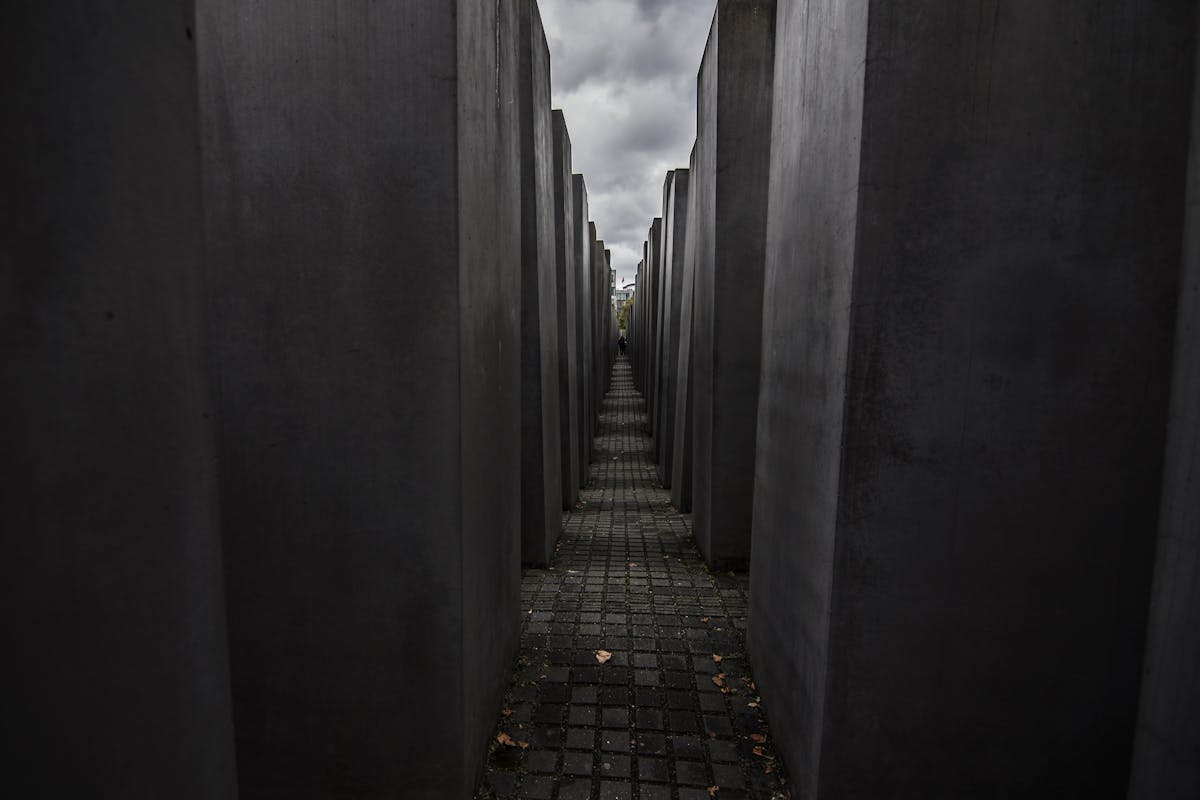
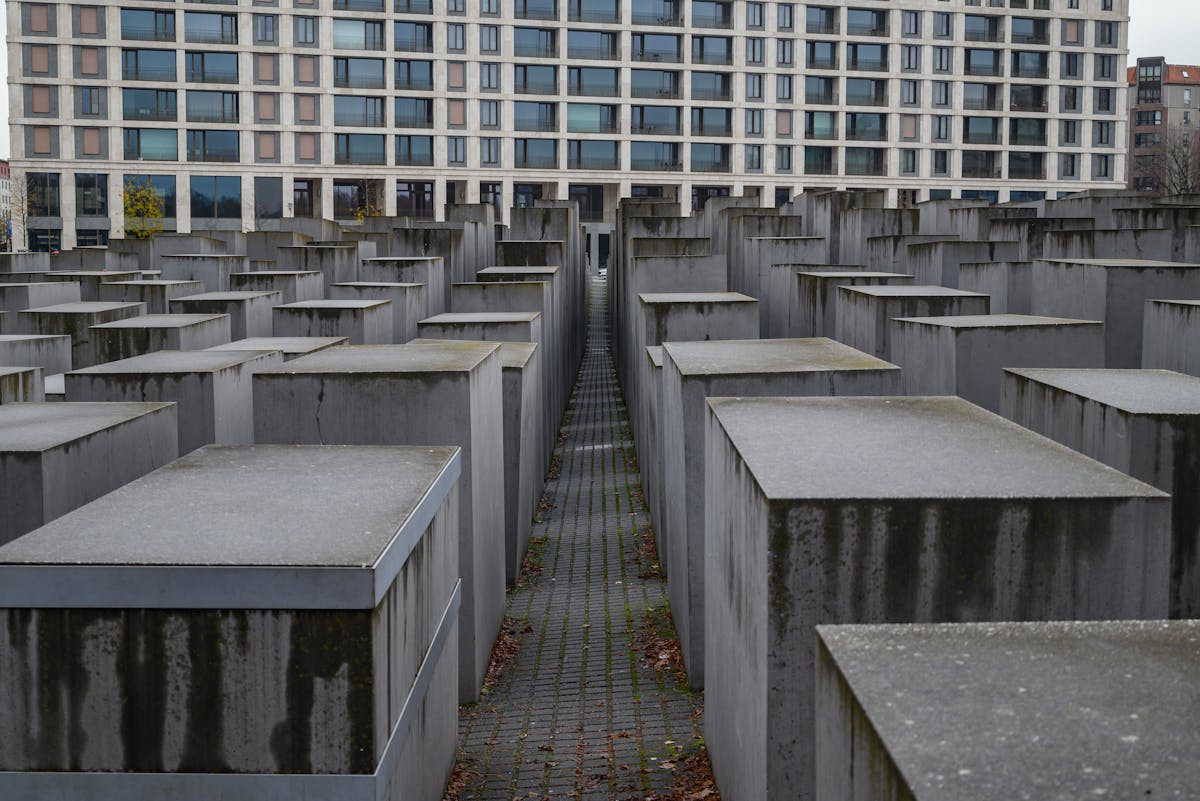
Memorial to the Murdered Jews of Europe — 2,711 concrete stelae of varying heights occupying an entire block near the Brandenburg Gate. Walk in and the ground dips, the blocks rise above your head, and the noise of the city fades. The underground Information Centre documents individual victims with names, photographs, final letters. Free entry.
Former Air Ministry — Massive Luftwaffe headquarters built for Goering, and one of the few Nazi government buildings that survived the war largely intact. Now the Finance Ministry. Over 2,000 rooms. Its sheer size gives you a visceral sense of the bureaucratic machinery behind the regime.
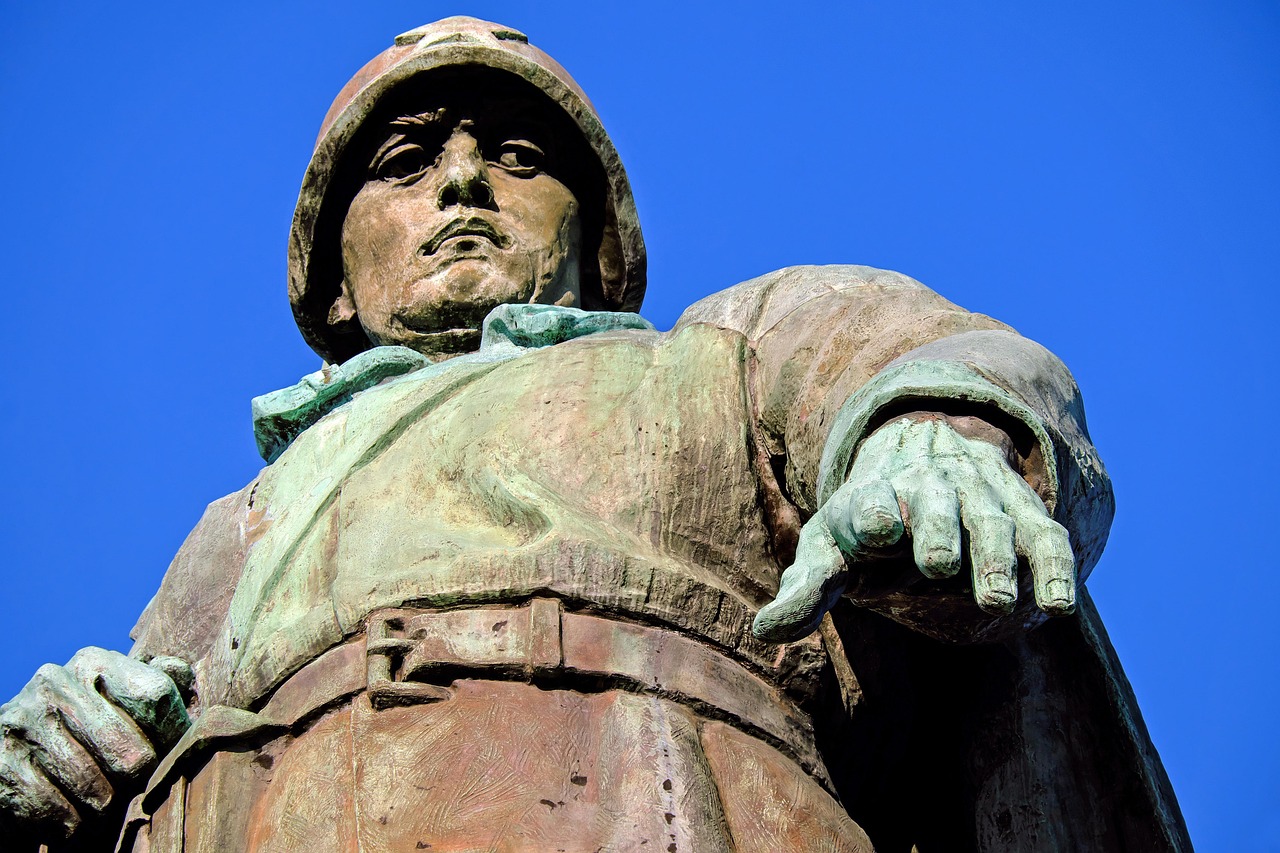
Soviet War Memorial (Tiergarten) — Built in 1945 before the war even officially ended, using marble stripped from the demolished Reich Chancellery. Flanked by two Soviet tanks said to be among the first to reach Berlin. A blunt, imposing monument that sat in the British occupation sector — one of the many awkward arrangements of the Cold War.
Practical Advice for Booking
When to go: Morning tours tend to draw smaller crowds, especially in shoulder season (April-May, September-October). Summer midday tours can be packed. Winter tours are cold — you are outside for 2-3 hours — but the atmosphere of these sites in grey weather feels more fitting than under blue skies, honestly.
What to wear: Comfortable shoes, no exceptions. You will cover 3-5 km on foot. Dress in layers, and bring a rain jacket between October and April.
Booking timing: Book at least a few days ahead in summer. Off-season, same-day booking is usually fine. All four tours listed above offer free cancellation up to 24 hours before, so there is no risk in booking early.
Tipping: Not required but appreciated if your guide is good. Five to ten euros is standard for a group tour.
Accessibility: Most routes are on flat ground and sidewalks, but check individual tour descriptions if you have mobility concerns. Some tours cover more ground than others.
A note on tone: These tours handle deeply sensitive material. Good guides strike a balance between being informative and respectful. They are not entertainment — they are education. If you see a tour marketed with sensational language and shock-value imagery, skip it. The best operators treat the subject with the gravity it deserves.
Beyond the Walking Tour
A two-hour walking tour gives you the overview, but WWII history in Berlin runs deeper than any single tour can cover. If the subject grabs you, a few additional sites are worth your time.
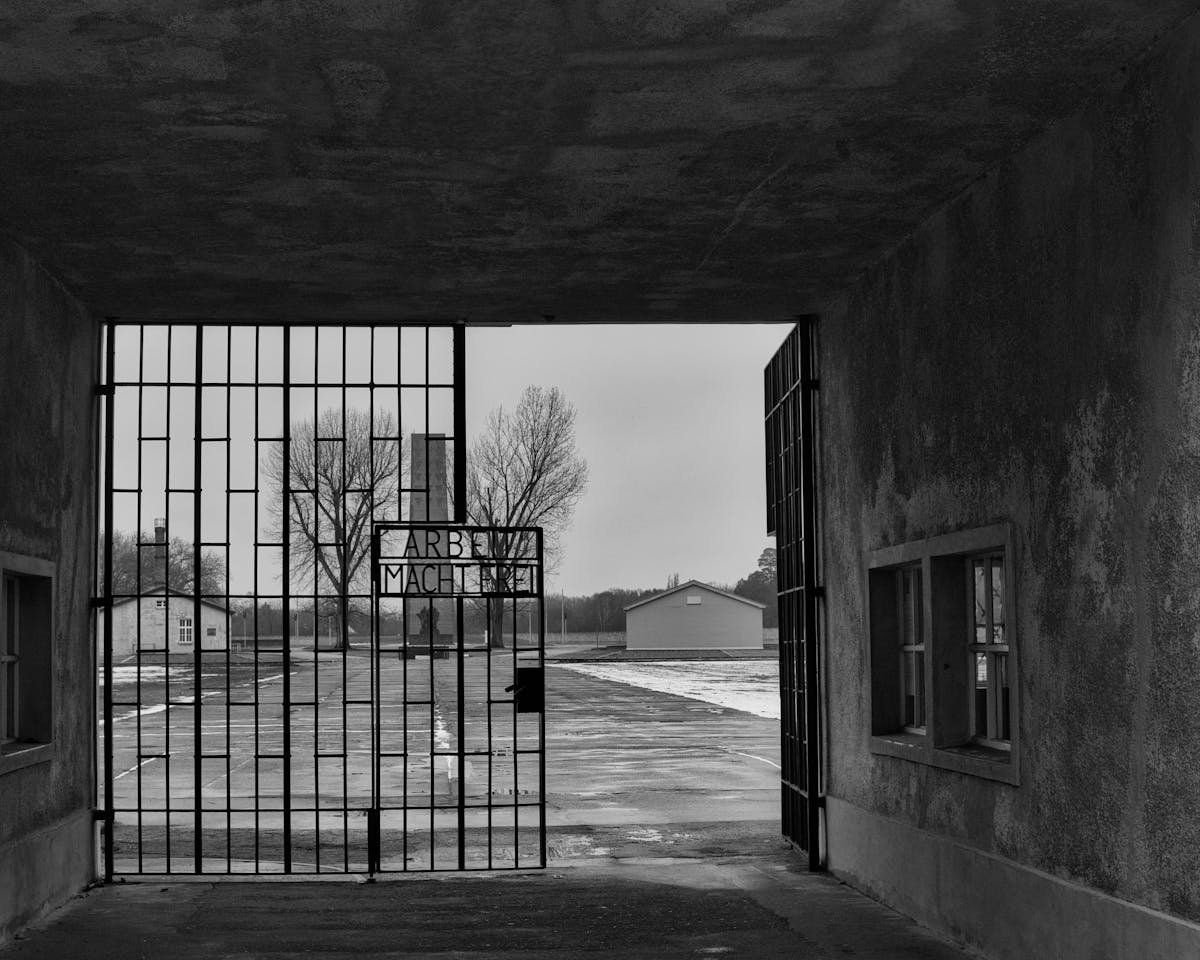
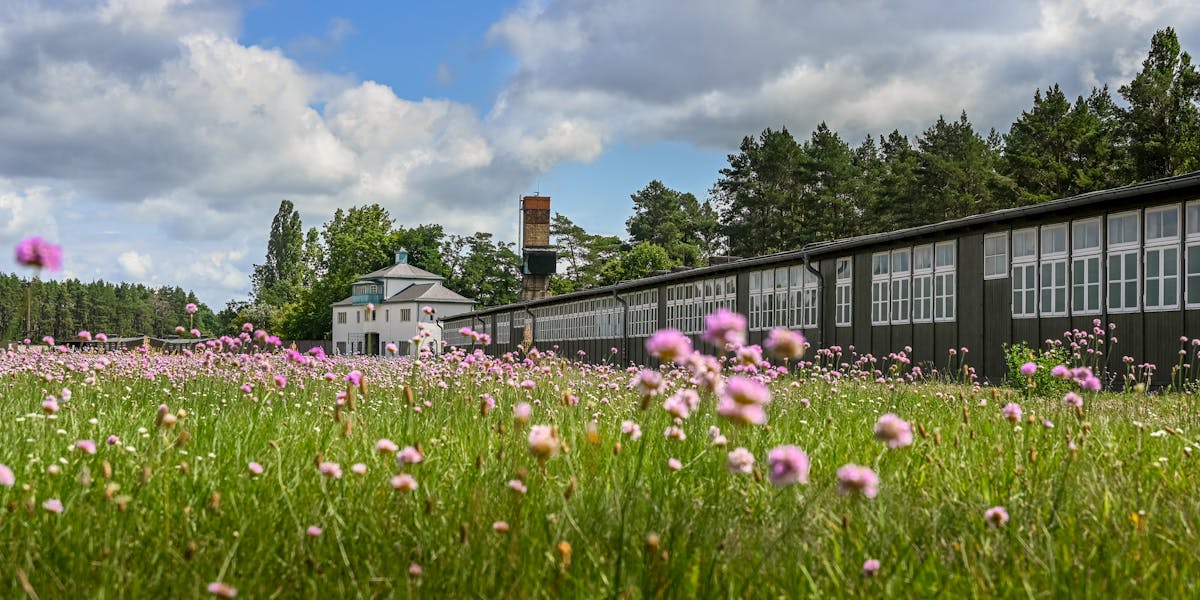
Sachsenhausen Concentration Camp is 35 km north of Berlin and reachable by S-Bahn in about 45 minutes. Several operators run full-day guided tours from the city, or you can visit independently (free entry). It was one of the first concentration camps, used as a model for others, and later repurposed by the Soviets. The reality of standing where roll calls lasted hours and executions happened daily is something no museum exhibit can replicate.
The German Resistance Memorial Center in the Bendlerblock documents the various resistance movements against the Nazi regime, including the July 20, 1944 assassination plot. Claus von Stauffenberg and three co-conspirators were executed in the courtyard here. Free admission.
The Berlin Story Bunker near Anhalter Bahnhof houses a permanent exhibition inside an actual WWII air-raid shelter. It traces the entire arc from the Treaty of Versailles through the collapse of the regime. Admission is around 12 euros, and it is the one indoor experience on this list.
This city’s relationship with its own history is complicated and ongoing. Buildings get renamed, memorials get debated, school curricula get revised. Berlin does not claim to have dealt with the past — that framing implies an endpoint, and Germans are wary of that. What they have built instead is a landscape of remembrance that refuses to let anyone forget, including themselves. A Third Reich walking tour is one of the most direct ways to experience that. And if it leads you to Sachsenhausen, to the Resistance Memorial, to the Information Centre beneath the Holocaust Memorial — if you spend a full day with this history instead of two hours — Berlin will give you something that stays with you long after you leave. For the Cold War chapter of the same story, our Berlin Wall guide covers the sites where the city was physically divided for 28 years. The Reichstag itself is a key site in this history — the 1933 fire, the Soviet graffiti preserved inside, the glass dome that now symbolises transparency. Book the free dome visit in advance for a completely different angle on the building than the street-level tour provides.
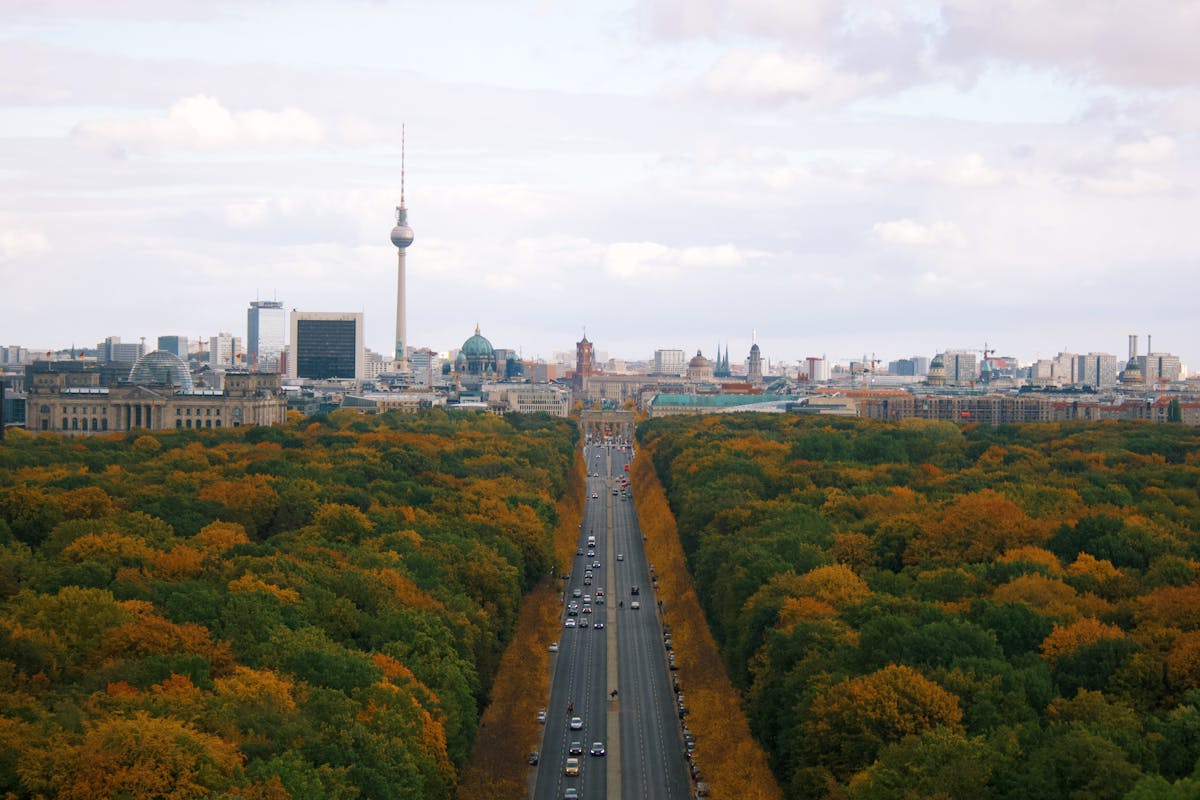
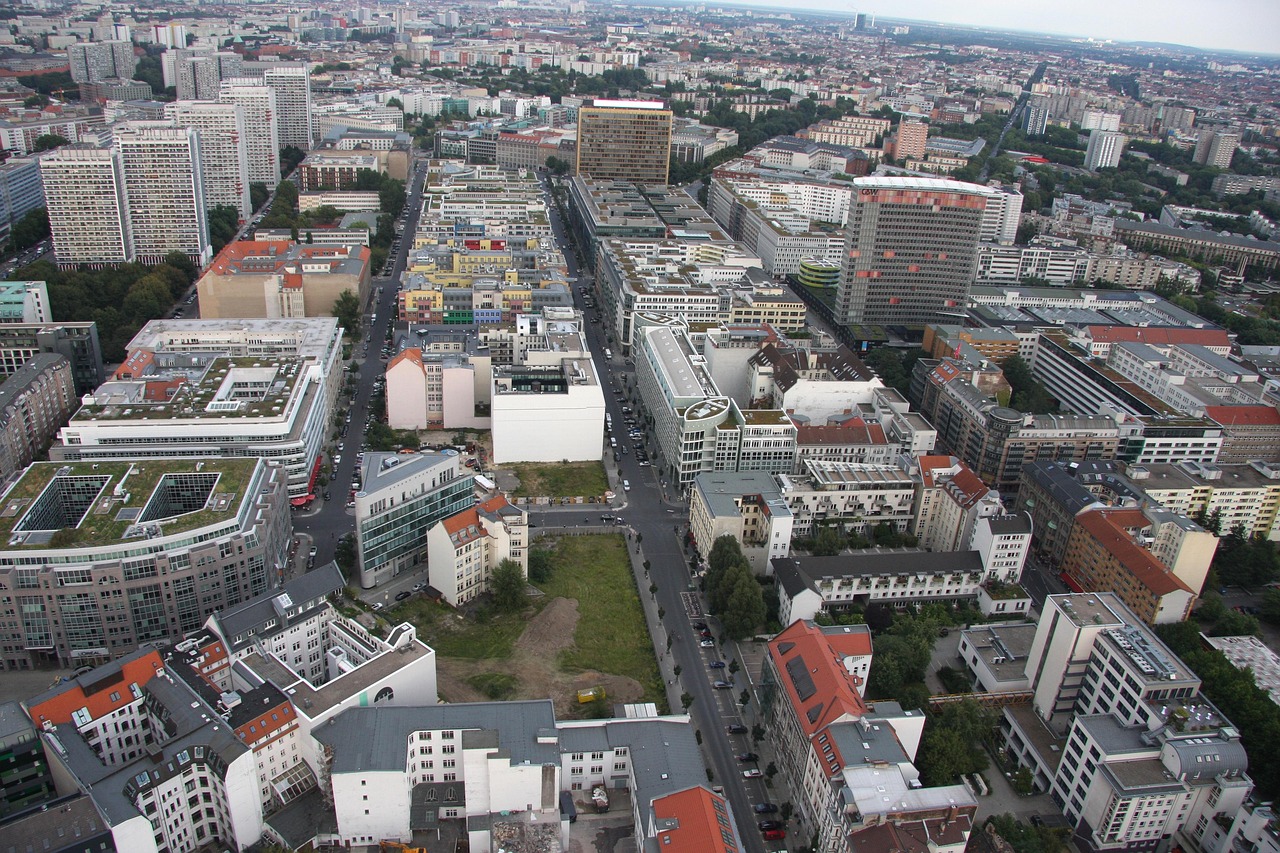
A general Berlin walking tour gives broader context if you want the full sweep of the city beyond the Nazi era, and a bike tour covers more ground along the Wall trail and the Spree. If you need a break from the weight of it all, a Spree River cruise offers a different perspective on the same landmarks, and the TV Tower puts all of it into aerial context from 203 metres up.
If you are visiting Munich as well, the Dachau Memorial covers the earliest chapter of the same history — it was the first camp the Nazis opened, two months after taking power.