
Dachau was the first. Before Auschwitz, before Bergen-Belsen, before the name “concentration camp” became shorthand for the worst of the twentieth century, there was Dachau. It opened in March 1933, barely two months after Hitler took power, and it stayed open for twelve years.
I took the S-Bahn from Munich Hauptbahnhof on a grey Tuesday morning. The whole trip takes about 45 minutes door to door, and you spend most of it staring out the window at ordinary Bavarian suburbs — shopping centres, apartment blocks, kids on bikes. That contrast stays with you.
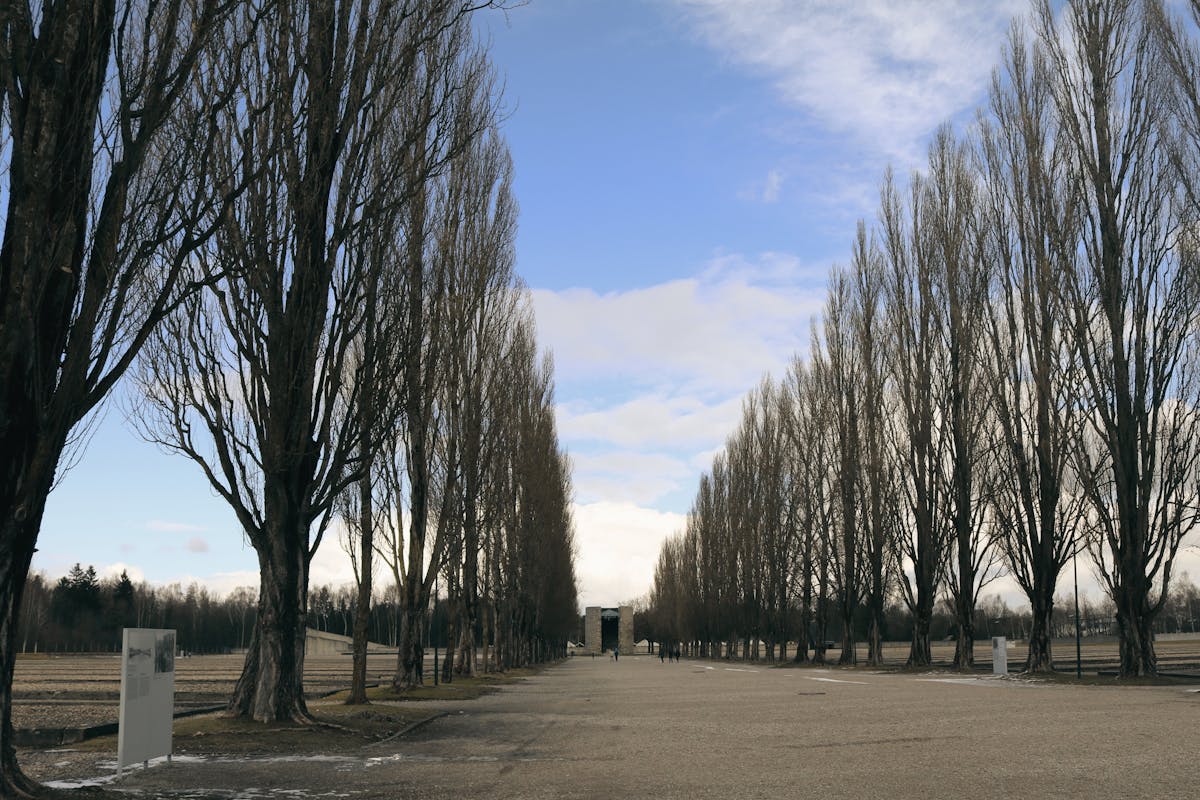
A guided tour makes a real difference here. You can visit independently — and plenty of people do — but having someone walk you through the timeline, explain what each building was used for, and fill in the gaps the museum plaques leave out turns a sombre walk into something you carry with you for years. The guides who run these tours tend to be historians or graduate students, not just people reading scripts. You notice it immediately.
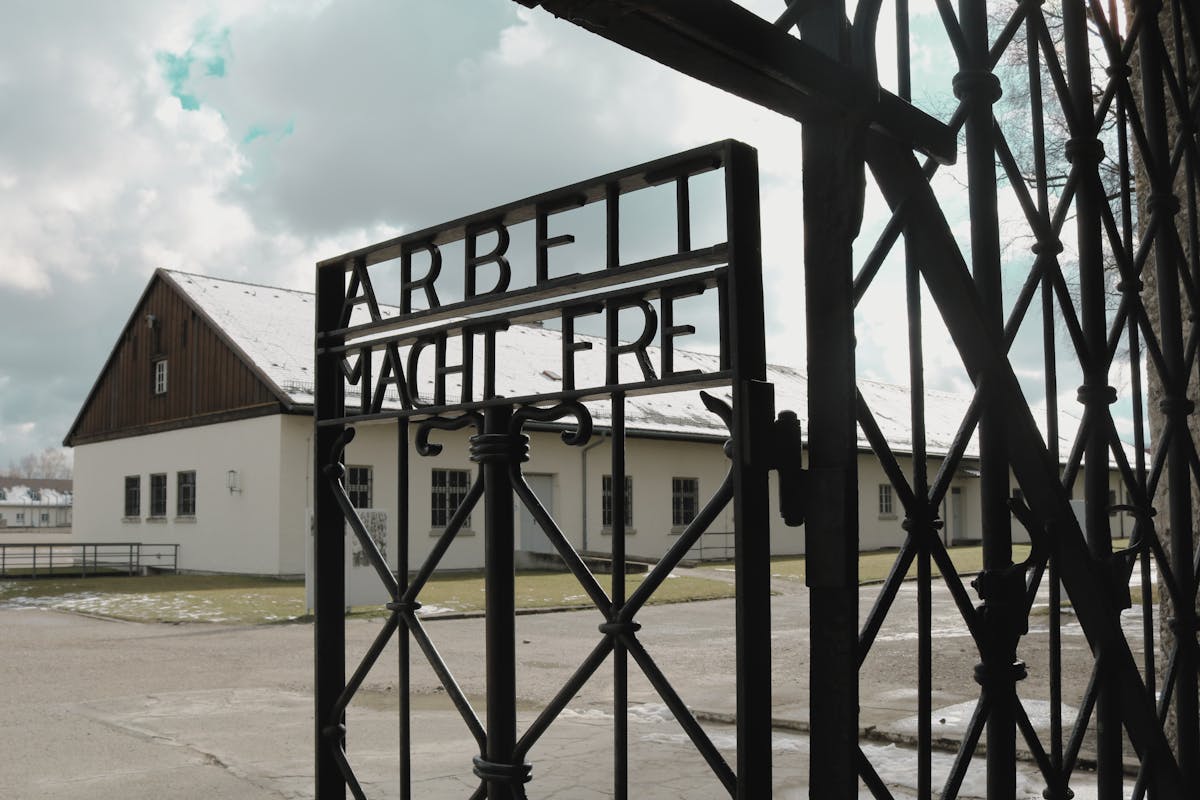
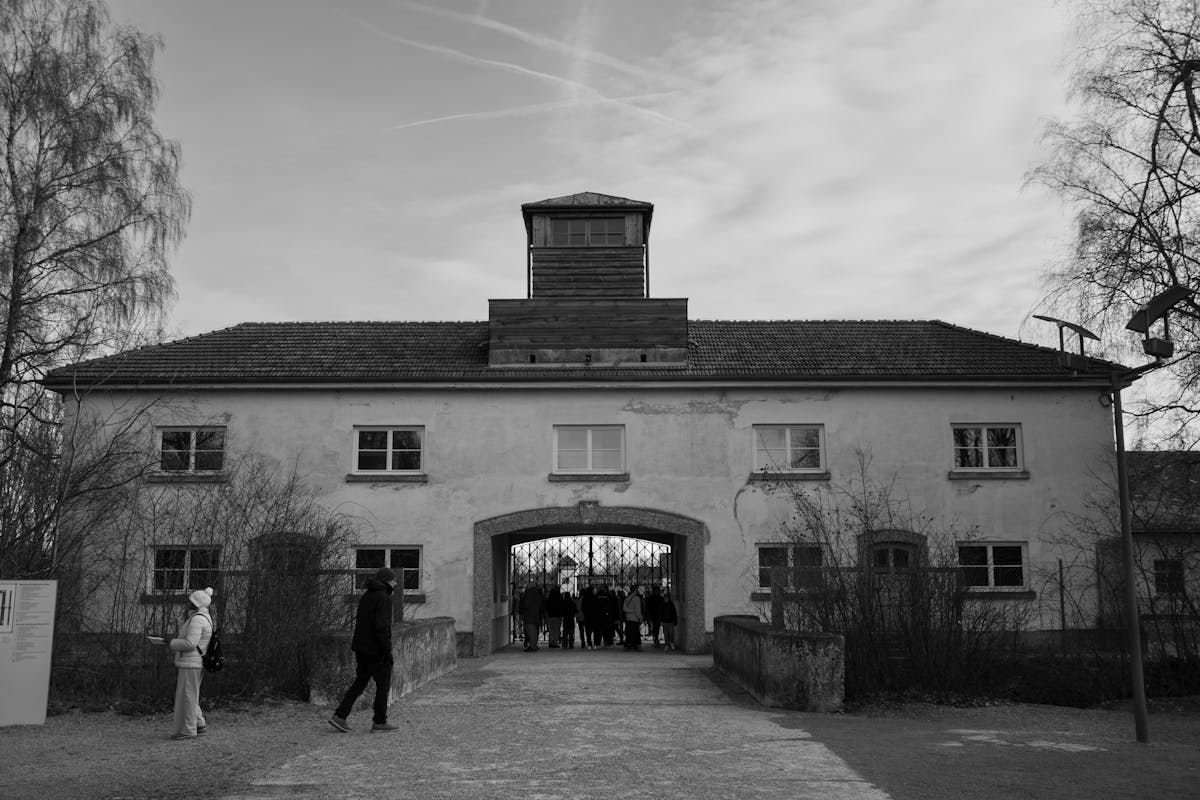
Best overall: Dachau Memorial Site Tour by Train — $64. The most popular option for good reason. Covers the full site with a knowledgeable guide, train tickets included.
Best value: Small-Group Half-Day Tour — $60. Smaller groups mean more time for questions and a more personal pace through the memorial.
Most thorough: Guided Memorial Walking Tour with Train — $57. Good balance of historical depth and practical logistics.
- What Happened at Dachau
- Visiting on Your Own vs With a Guide
- The Best Dachau Memorial Tours from Munich
- 1. Dachau Memorial Site Tour from Munich by Train —
- 2. Dachau Tour from Munich —
- 3. Dachau Memorial Walking Tour with Train —
- 4. Small-Group Half-Day Tour by Train —
- How to Get to Dachau from Munich
- What You Will See at the Memorial
- When to Visit
- Tips That Will Save You Time
- A Note on Visiting Respectfully
- Planning the Rest of Your Munich Trip
What Happened at Dachau
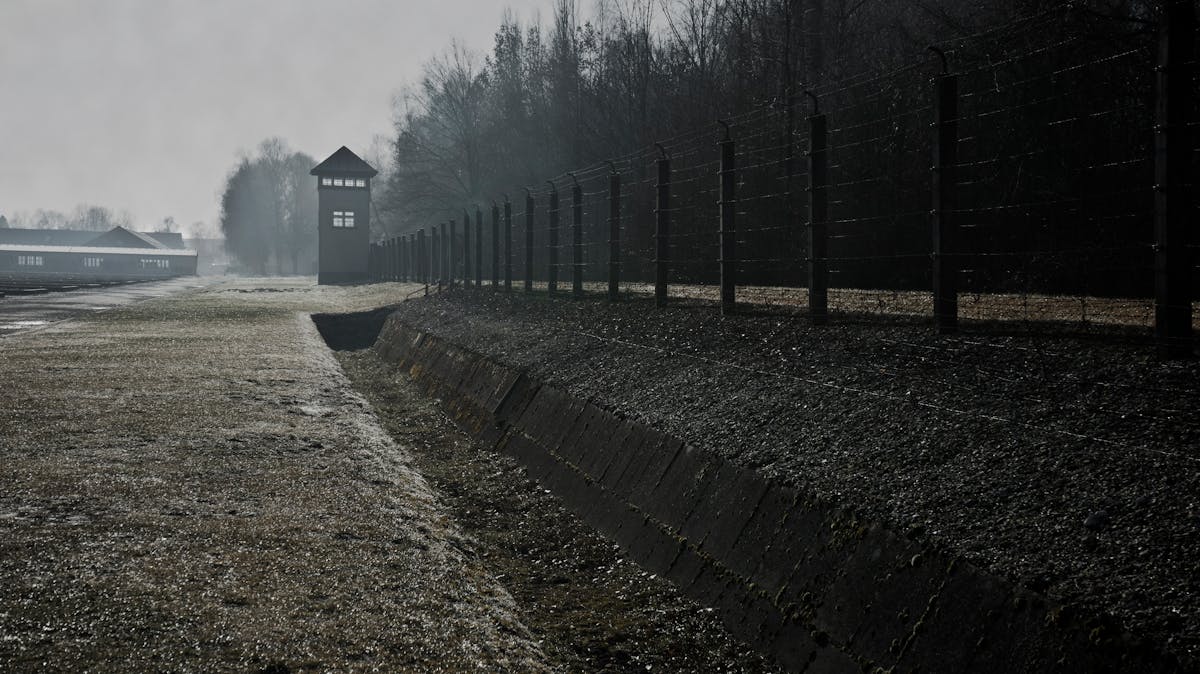
Dachau was not built as an extermination camp in the way Auschwitz-Birkenau was. It started as a political prison — the Nazis sent their earliest opponents here: communists, social democrats, trade unionists, journalists. Over time, the prisoner population expanded to include Jews, Roma, Jehovah’s Witnesses, homosexuals, and anyone else the regime wanted to silence.
More than 200,000 people were imprisoned at Dachau between 1933 and 1945. Over 41,000 died here from overwork, starvation, disease, medical experiments, and execution. The camp also served as a training ground for SS officers, and its administrative structure became the template for the entire Nazi concentration camp system. Dachau was, in a very real sense, the prototype.
American forces liberated the camp on 29 April 1945. The memorial site opened in 1965, largely at the urging of former prisoners who wanted the world to remember what happened here.
Visiting on Your Own vs With a Guide
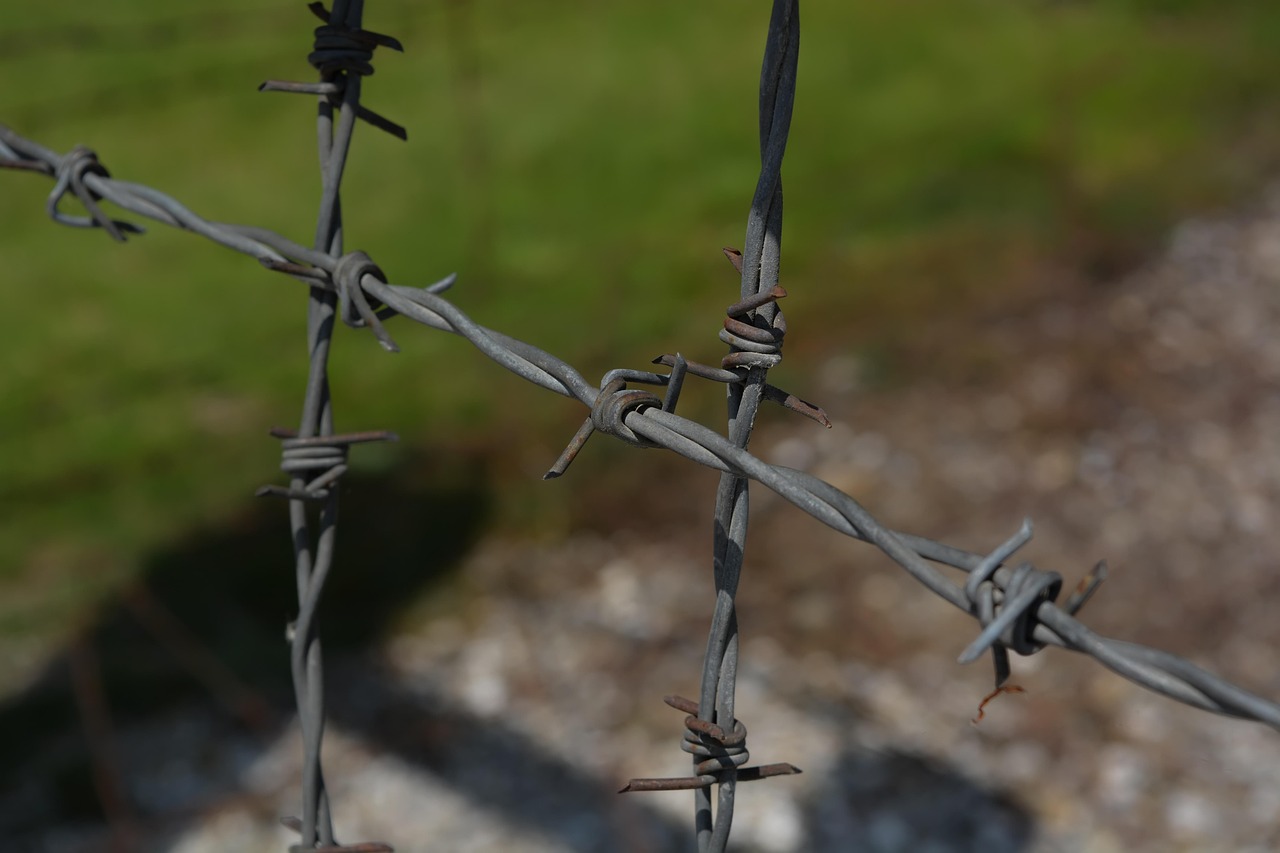
Entry to the Dachau Memorial is free. You can walk in, pick up an audio guide for a few euros, and explore at your own pace. The museum exhibition is thorough and well-organised, with English translations throughout. So why book a guided tour at all?
Because context matters more here than almost anywhere else. The museum covers the facts — dates, numbers, documents. But a good guide fills in the human stories that the plaques cannot. They point out details you would walk past: scratches on cell walls, the layout of the roll-call square, why the crematorium was positioned where it was. They answer the uncomfortable questions too. Several of the guides working these tours have family connections to the history or have spent years studying the camp specifically.
That said, if you prefer to process this kind of place quietly and privately, going on your own is perfectly valid. Some people need silence. The audio guide costs about EUR 4 and covers the main sections well.
The Best Dachau Memorial Tours from Munich
I have gone through the main guided tour options available from Munich. All of them include train transport from the city centre, so you do not need to figure out the S-Bahn connections yourself. Here is how they compare.
1. Dachau Memorial Site Tour from Munich by Train — $64
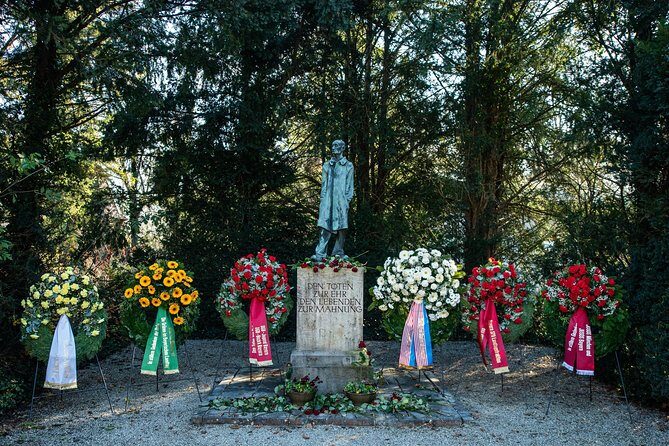
This is the one most people end up booking, and the feedback backs that up. It is a five-hour half-day trip that covers the full memorial site with a professional guide. You meet near Munich’s central station, take the S-Bahn together (tickets included), and then the bus to the memorial.
What sets this apart is the guide quality. The guides know this history deeply and can adapt their delivery to the group. At $64 per person, it is not the cheapest option, but the transport logistics and depth of knowledge make it worth the extra over some alternatives. This tour runs rain or shine, and yes, you will want a jacket even in summer — parts of the site are exposed.
2. Dachau Tour from Munich — $63
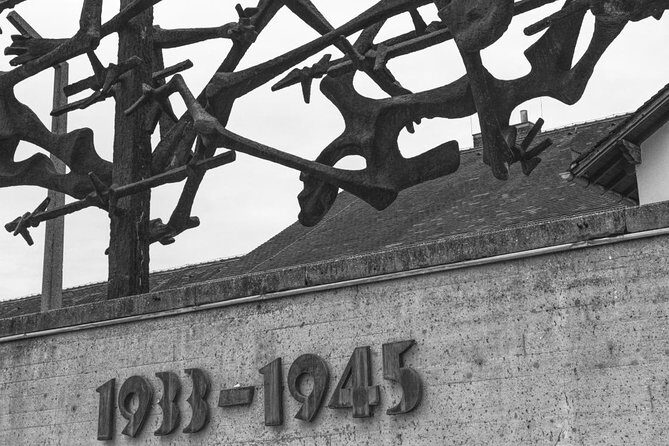
Very similar to the first option in structure — five hours, train included, full site walkthrough. The price difference is marginal. Where this one edges slightly ahead for some groups is the guide style, which leans a bit more toward the personal stories of individual prisoners rather than the broader political context.
If you connect more with individual human stories than timelines and statistics, this is the one to pick. At $63, there is essentially no price penalty for choosing it. Both this and the top pick are excellent, and honestly your experience will depend more on which guide you get on the day than which tour company you booked with.
3. Dachau Memorial Walking Tour with Train — $57
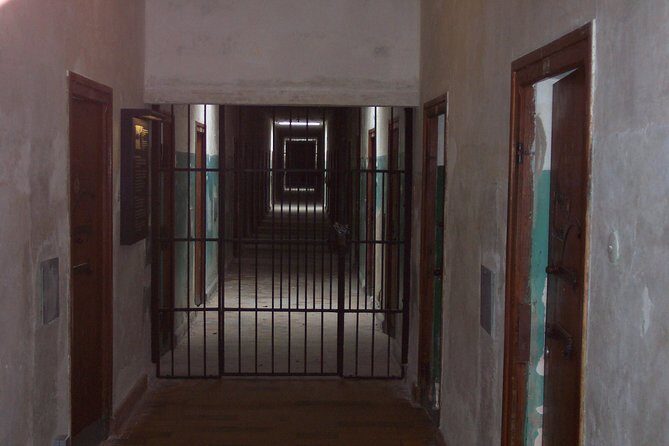
This is the budget-friendly pick without being a budget experience. At $57 it is the cheapest guided option on this list, and you still get a knowledgeable guide, train tickets, and the full memorial walkthrough. The five-hour duration is the same as the pricier tours.
The style here is slightly more structured — the guide follows a set route through the site rather than adapting to the group’s pace as freely as some of the other options. That is not necessarily a drawback. If you want a clear, well-organised walkthrough without too many tangents, this works well. It is particularly good for first-time visitors to a Holocaust memorial site who want the essential context delivered clearly.
4. Small-Group Half-Day Tour by Train — $60
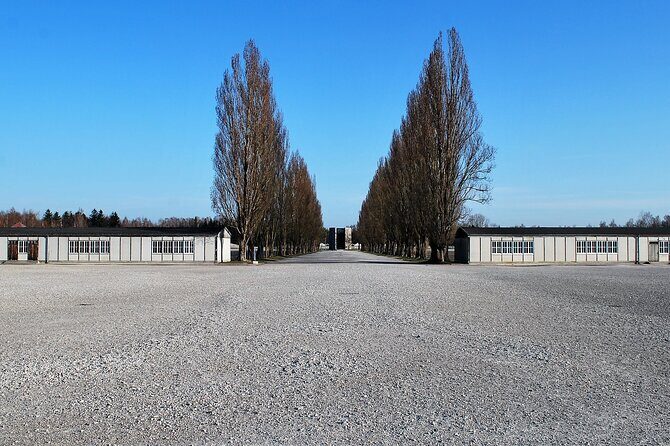
If large tour groups make you uncomfortable — and at a site like Dachau, that is a reasonable concern — this small-group option caps attendance to keep things more intimate. The pace is noticeably different from the larger tours. Guides can pause longer at specific points, go deeper on topics that interest the group, and there is more room for the kind of quiet reflection this place requires.
At $60 it sits right in the middle of the price range. The five-hour duration and train transport are the same across all options. What you are really paying for is the smaller group dynamic, which at a memorial site genuinely changes the experience. Less shuffling, less waiting, more actual engagement with what you are seeing.
How to Get to Dachau from Munich
If you are going independently, the route is straightforward but involves two connections.
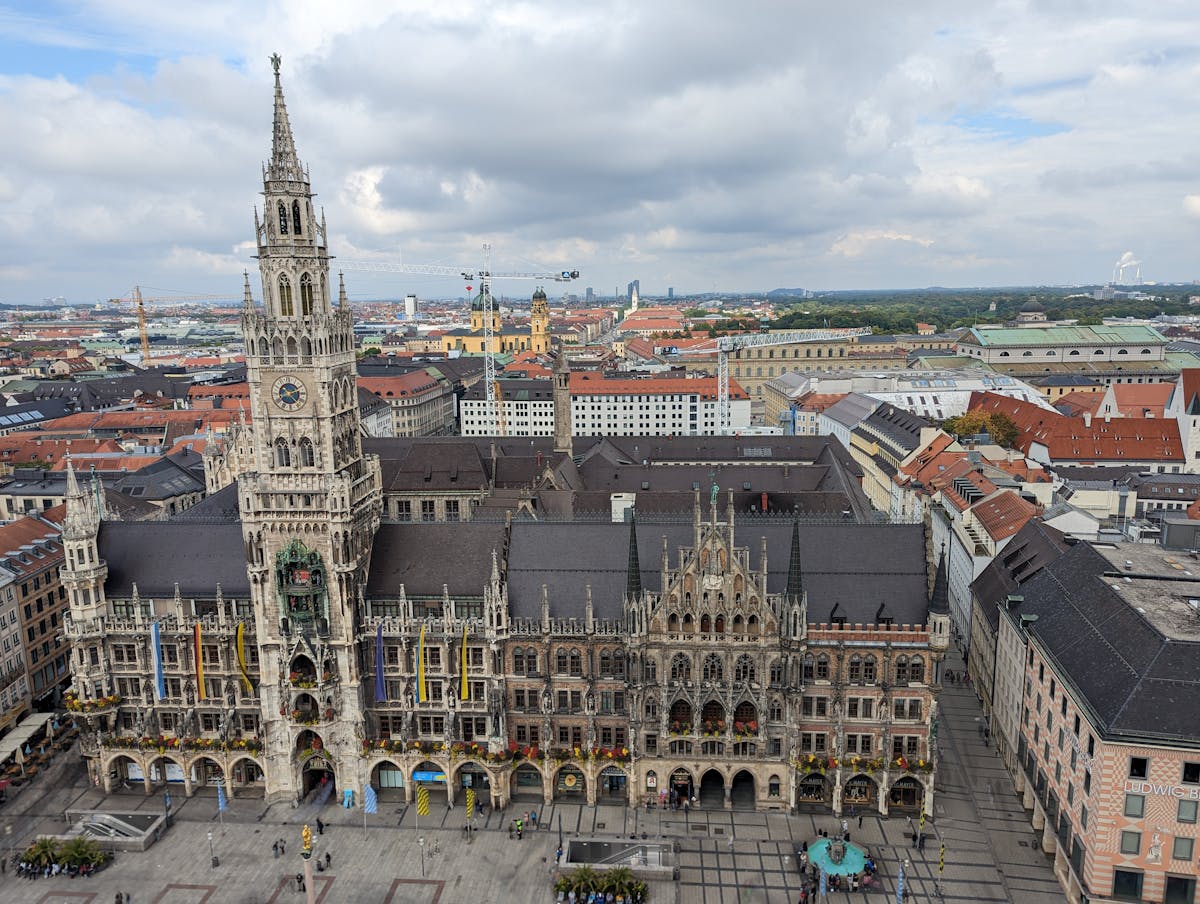
Take the S2 line from Munich Hauptbahnhof (or Marienplatz) heading towards Petershausen. Get off at Dachau station — the ride takes about 20 minutes. From there, catch the 726 bus from the station forecourt directly to the memorial site. The bus takes roughly 10 minutes and runs regularly.
The whole journey costs around EUR 6.20 for a single zone ticket covering both the S-Bahn and bus (zones M-1, make sure you get the right one). If you already have a Munich day pass for zones M-1 or wider, it is covered.
The return follows the same route in reverse. Last buses from the memorial leave around 17:15, so do not cut it too close if you are visiting in the afternoon.
What You Will See at the Memorial
The main exhibition is housed in the former maintenance building and runs chronologically from 1933 to 1945. It is extensive — easily 90 minutes if you read everything, longer if you watch the documentary film (about 20 minutes, shown in English on a loop). The exhibition includes original documents, photographs, prisoner testimonies, and artefacts recovered from the site. Do not rush this part.
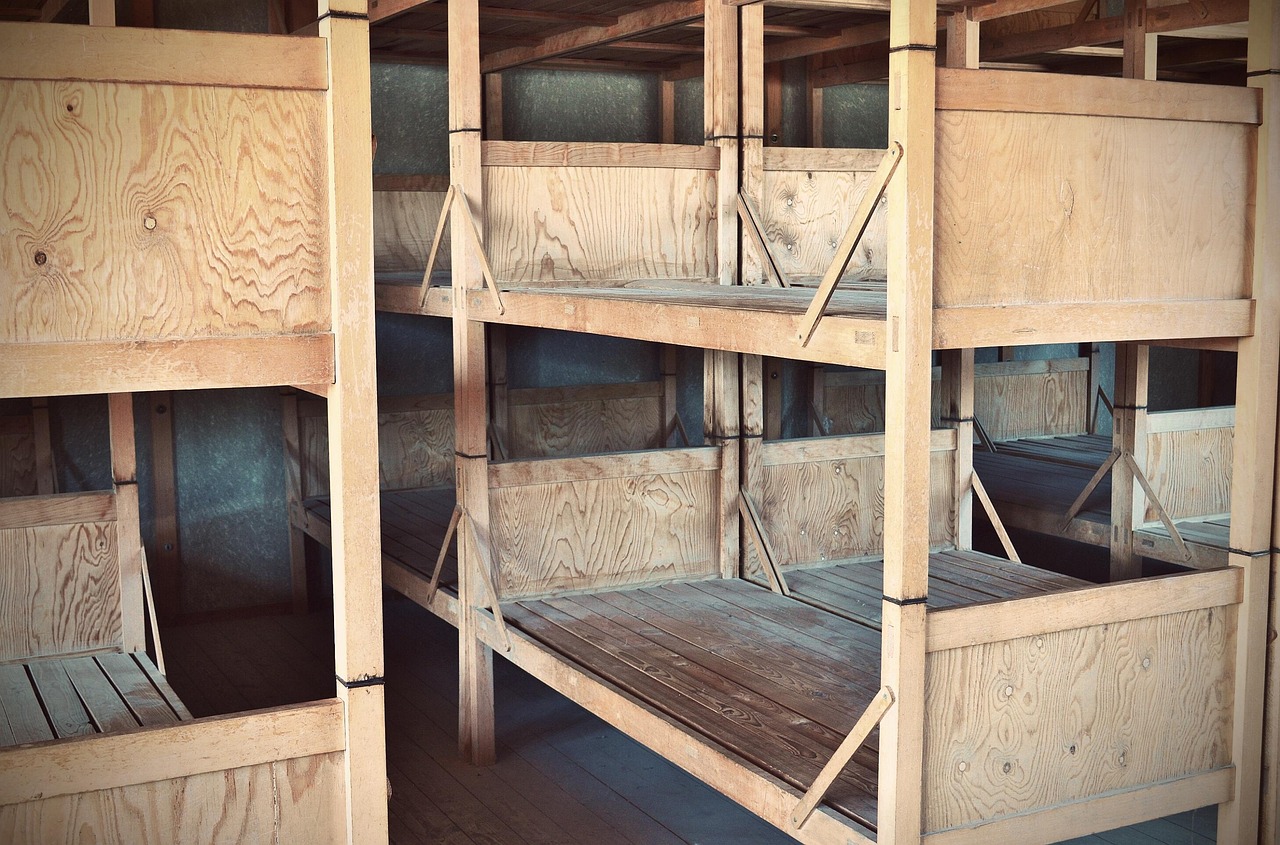
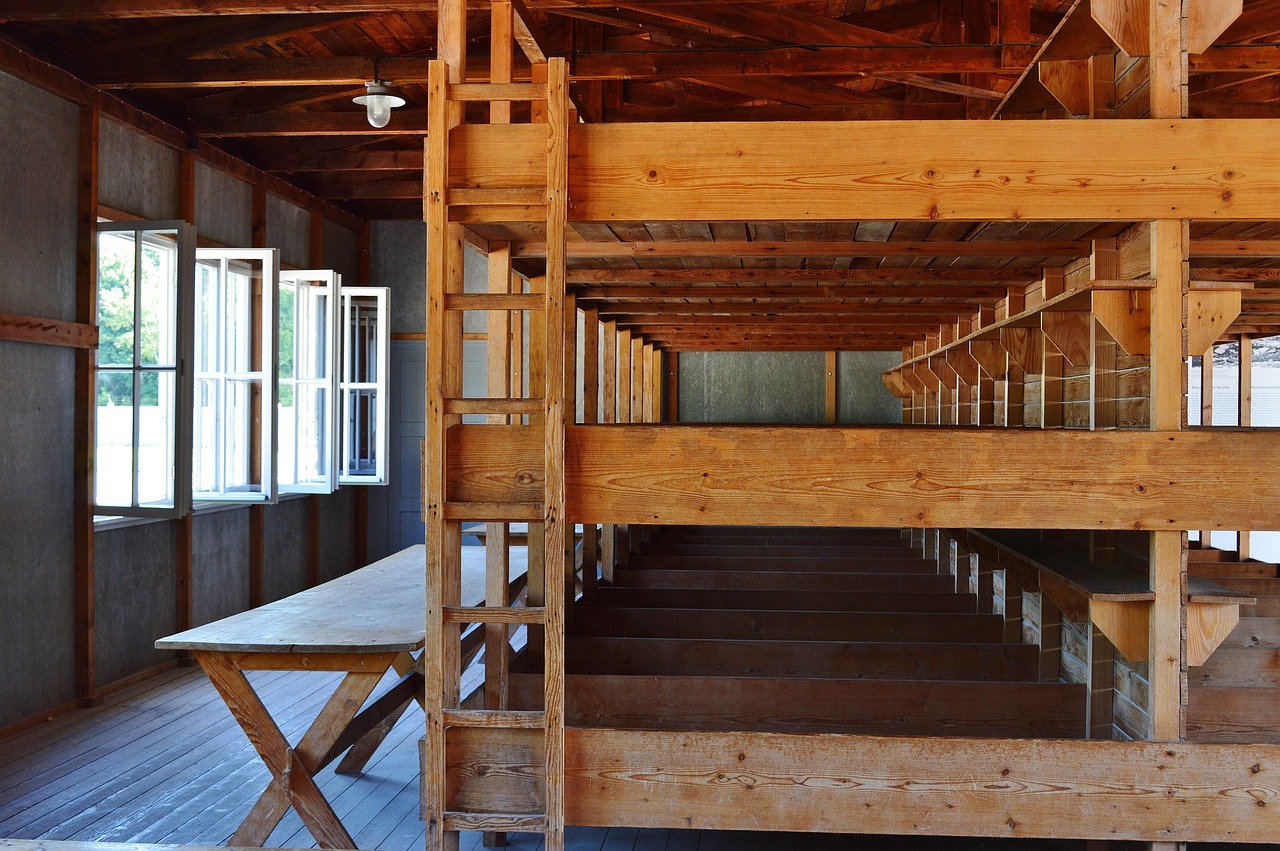
The reconstructed barracks show the living conditions prisoners endured. Two barracks have been rebuilt to show both the early conditions (when the camp held its intended capacity) and the horrifically overcrowded conditions of the final war years, when bunks designed for one person held three.
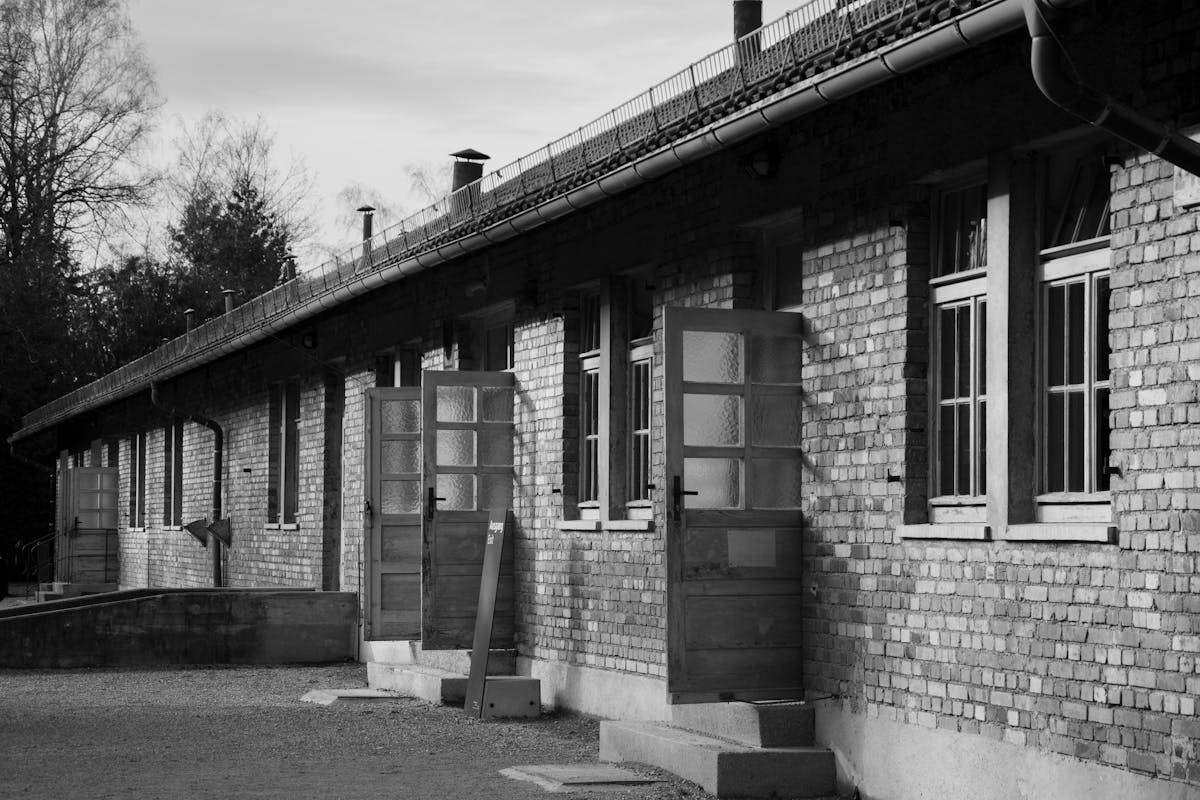
The crematorium area is at the far end of the grounds, set apart from the main compound. This includes the old crematorium, the new crematorium (known as “Barrack X”), and the gas chamber. The gas chamber at Dachau was built but, according to surviving records, was never used for mass killing on the industrial scale of the eastern camps — though prisoners were killed here by other means. This is the hardest part of the visit for most people, and guides handle it with appropriate gravity. It is okay to step outside if you need to.
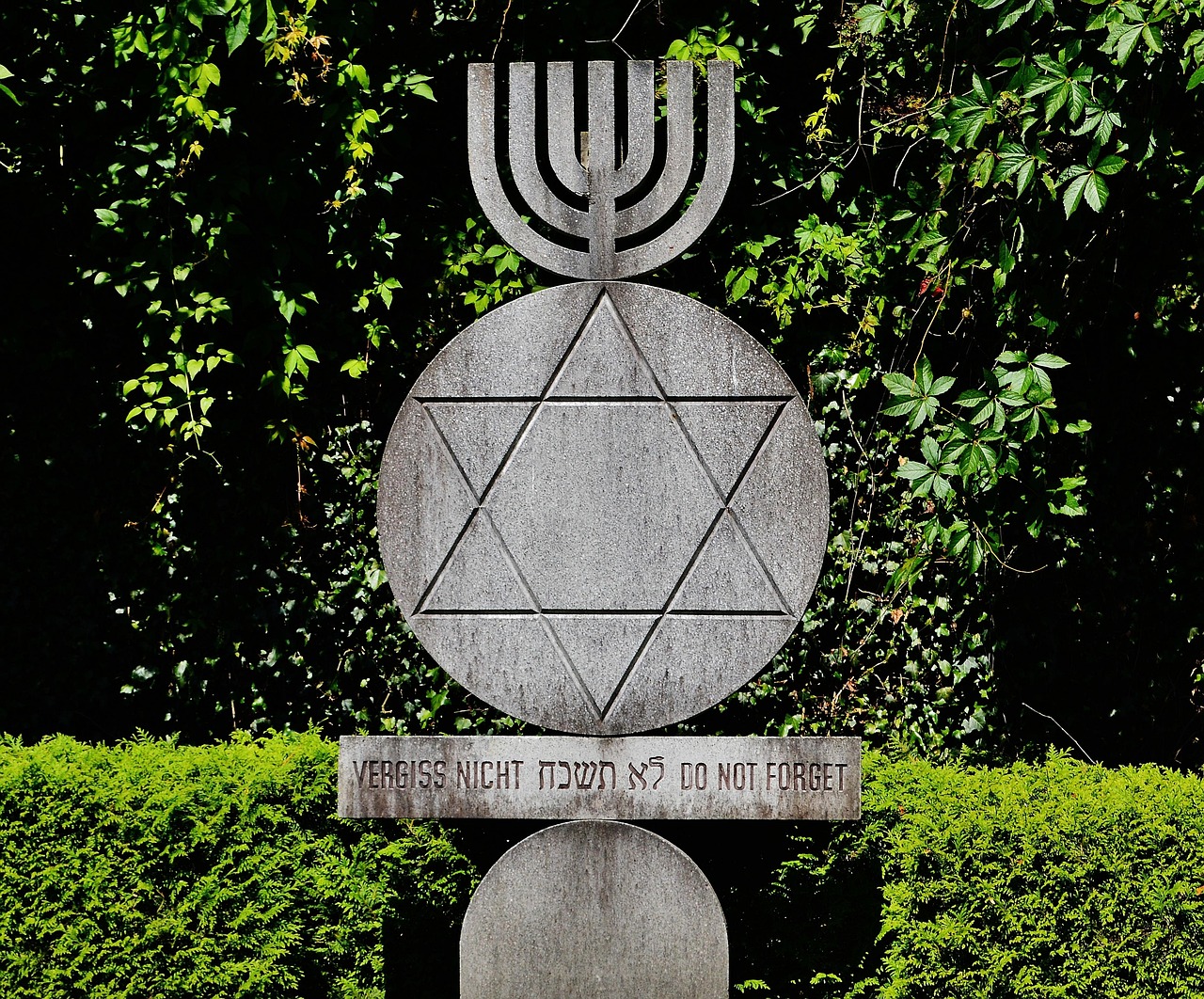
The religious memorials — Catholic, Protestant, Jewish, and Russian Orthodox — sit along the northern perimeter of the camp. Each was built in a different decade and reflects its community’s way of processing this history. The Jewish memorial, sunk partly below ground level, is particularly affecting.
When to Visit
The memorial is open daily from 9:00 to 17:00, year-round. Last admission is around 16:00 to give you time to see the site before closing. It is closed on 24 December.
Best times: Weekday mornings, especially Tuesday through Thursday. Arrive when the gates open at 9:00 and you will have the grounds nearly to yourself for the first hour. By 11:00, the tour groups start arriving and it gets noticeably busier.
Worst times: Weekend afternoons from May through September. School groups are common on weekday mornings in spring and autumn, but they tend to move through quickly.
How long to allow: Three hours minimum. If you plan to read the full exhibition, watch the documentary, and walk the entire grounds including the crematorium area, budget four to five hours. The guided tours run about two and a half hours on site, plus transport time.
Weather note: Much of the site is outdoors and exposed. In winter, bring layers — it gets cold on the open roll-call square. In summer, bring water and sun protection. There is a small cafe near the entrance, but options inside the memorial are limited.
Tips That Will Save You Time
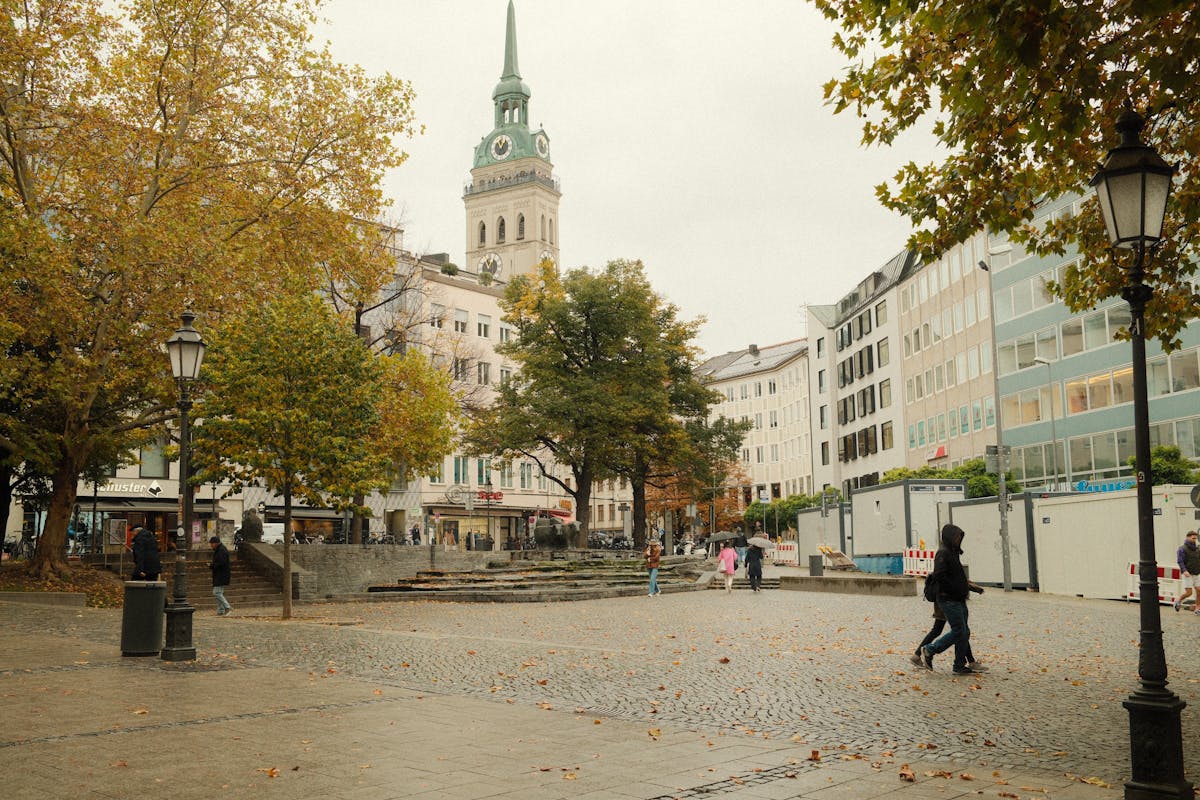
Book your tour at least a few days ahead — the most popular morning departures sell out, especially from April through October. Same-day availability is hit or miss.
Wear comfortable shoes. The site is spread over a large area and the ground is a mix of gravel, concrete, and grass. You will be on your feet for hours.
Bring a bag you can carry comfortably. Backpacks are fine. There are no lockers and no bag restrictions beyond common sense.
The audio guide (EUR 4) is worth it if you are going without a tour. Available in English, German, French, Italian, Hebrew, and several other languages. Pick it up at the visitor centre just past the main entrance.
Photography is permitted throughout the site, but be respectful. No selfies, no posed photos, no loud group shots. This should go without saying, but unfortunately it needs to be said.
There is nothing worth eating at the memorial itself. The cafe has basic coffee and snacks. If you want a proper lunch, eat in Munich before you go or stop in Dachau old town on the way back — it is a 15-minute walk from the station and has a few decent spots.
The S-Bahn back to Munich runs every 20 minutes. Do not stress about catching a specific train. Just head back to Dachau station when you are ready.
A Note on Visiting Respectfully
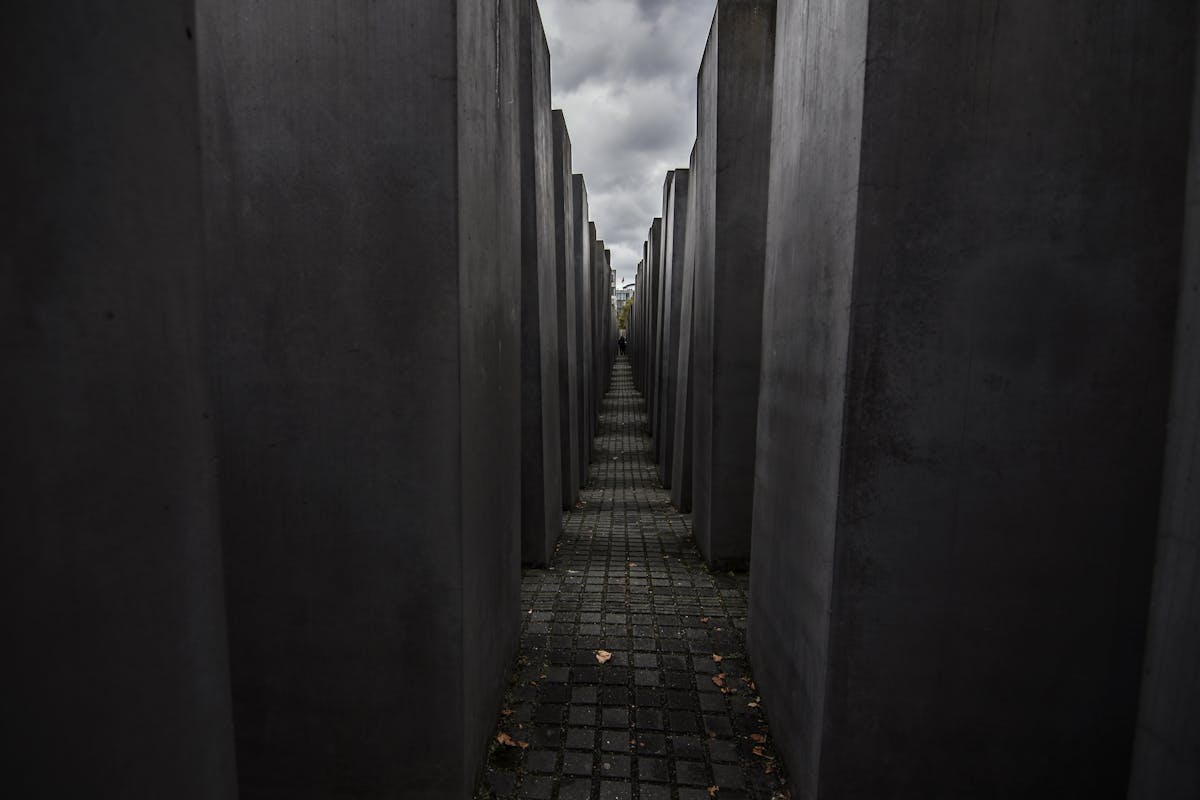
This is not a day trip in the usual sense. There is no gift shop, no fun facts, no cheerful wrap-up. Dachau is a place where tens of thousands of people were tortured and killed, and walking through it will affect you. That is the point.
Dress appropriately — not necessarily formally, but do not show up in beachwear. Keep your voice down. Give other visitors space, especially at the crematorium and the memorial sculptures. If you are visiting with children, the memorial recommends ages 12 and up, and the guides are good at adjusting their language for younger visitors if you ask.
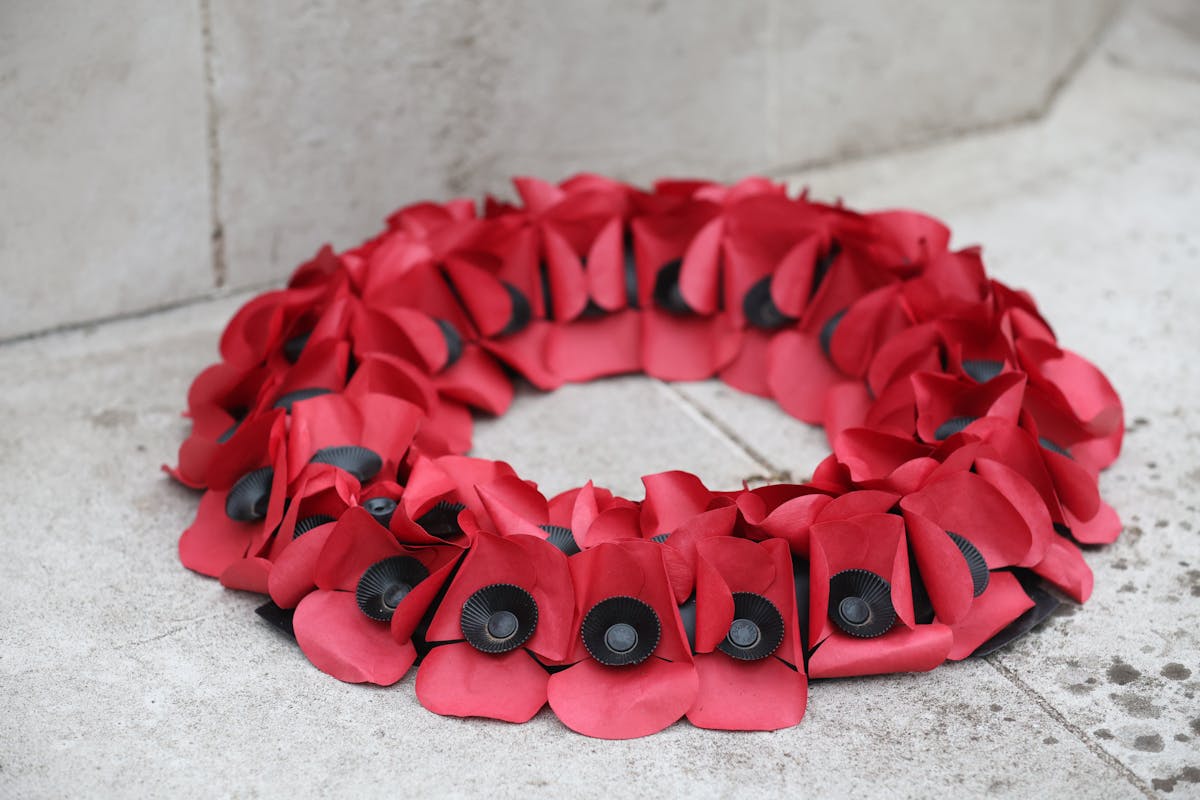
Some people find it helpful to sit quietly in one of the religious memorials or on the benches scattered around the grounds after finishing the tour. The site is designed for reflection, not just information. Take the time if you need it.
Planning the Rest of Your Munich Trip
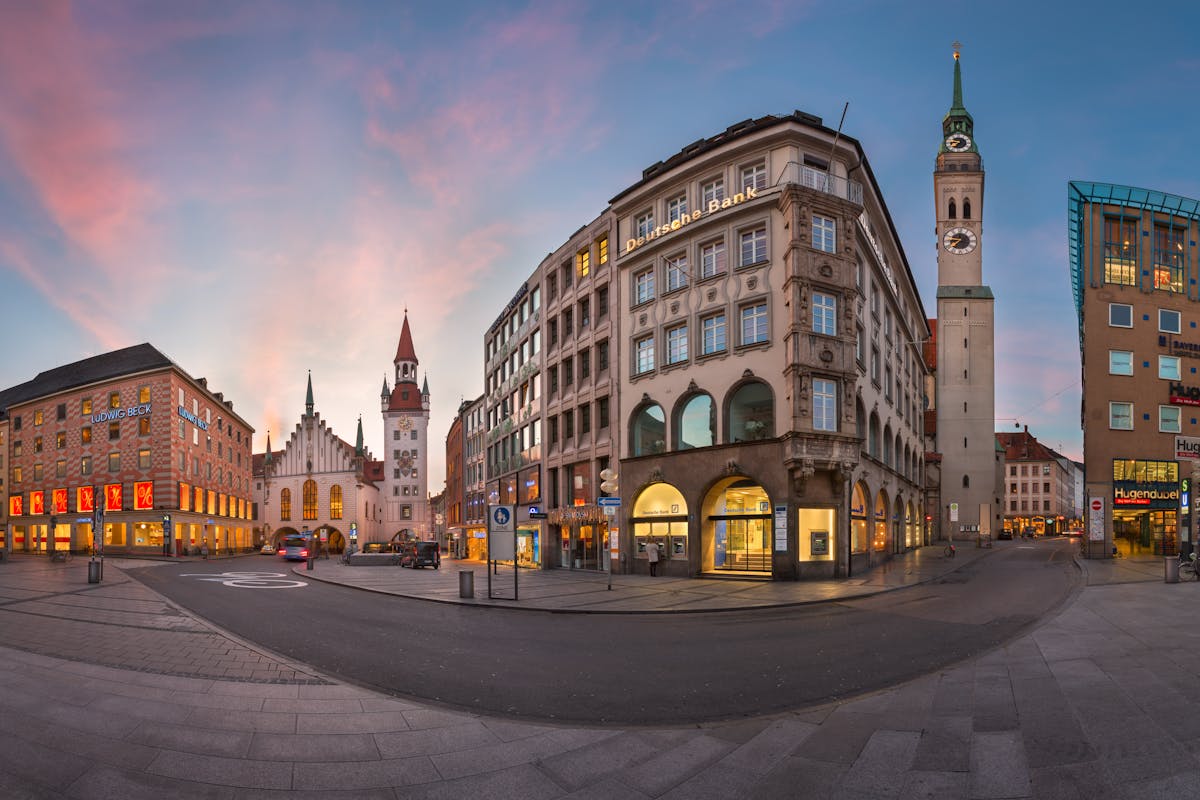
Dachau takes half a day, which leaves your afternoon open. A lot of people head back to Munich old town for something to eat and a slower pace — Marienplatz and the Viktualienmarkt are good for decompressing. A Munich walking tour is a good way to reorient yourself in the old town afterward, and a beer tour through the halls and beer gardens provides the kind of warmth and noise that feels earned after a morning at the memorial.
If fairy-tale castles are more your speed, Neuschwanstein Castle is a day trip south of Munich and about as different from Dachau as it gets. And if your Germany trip extends north, the Third Reich tour in Berlin picks up where Dachau leaves off — covering the regime’s rise in the capital, the bunker, and the sites where it all ended. The Reichstag itself tells that story through its architecture, from the 1933 fire to the Soviet graffiti still preserved inside.
This article contains affiliate links. If you book a tour through one of the links above, we may earn a small commission at no extra cost to you. This helps us keep producing in-depth travel guides. We only recommend tours we have thoroughly researched.